
wowgetoffyourcellphone
-
Posts
11.611 -
Joined
-
Last visited
-
Days Won
621
Everything posted by wowgetoffyourcellphone
-
I was 25! Hadn't even hit my peak yet! (28 is when I really started partying and 35 is when I started to calm down).
-
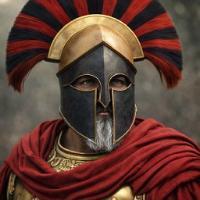
Civ: Germans (Cimbri, Suebians, Goths)
wowgetoffyourcellphone replied to wowgetoffyourcellphone's topic in Delenda Est
Not bad, @DuileogaYou're doing a lot better in integrating your work into the requirements of the game. you are very prolific, which is important for a project like this! The only real issue I've had with your output is the UV mapping. the textures can get stretched sometimes. Just got to work on that aspect. -
New design for wood tree in-game selection
wowgetoffyourcellphone replied to Darkcity's topic in Art Development
Indeed, I don't actually agree that the little aliased picture of a tree is more aesthetically pleasing than that nicely done wood icon. -
New design for wood tree in-game selection
wowgetoffyourcellphone replied to Darkcity's topic in Art Development
I'm not against that, except that animals aren't static objects, they can have speed and defensive effects depending on the species. For trees, it makes almost no difference if an oak tree is selected or a maple tree is selected, or even a bush. -
New design for wood tree in-game selection
wowgetoffyourcellphone replied to Darkcity's topic in Art Development
You're experiencing biodiversity in the game world already. The UI is for ease of recognition, conveying data, etc. -
New design for wood tree in-game selection
wowgetoffyourcellphone replied to Darkcity's topic in Art Development
Well, a tree is generally a tree. And the only use of a tree in the game is for its wood, so it is more important that it is made clear that it is a wood source than what type of tree it is or what actor it uses. -
New design for wood tree in-game selection
wowgetoffyourcellphone replied to Darkcity's topic in Art Development
Well, a tree is generally a tree. And the only use of a tree in the game is for its wood, so it is more important that it is made clear that it is a wood source than what type of tree it is or what actor it uses. -
New design for wood tree in-game selection
wowgetoffyourcellphone replied to Darkcity's topic in Art Development
I hate it. -
The elite = painted and naked was from the beginning, 2005 ish, right @Wijitmaker?
-
Kind of a good idea, actually! Just need to change the footprint shape from oval to circle.
-
In SVN they have tunics.
-
Adding new resources
wowgetoffyourcellphone replied to wowgetoffyourcellphone's topic in Game Modification
I'd like this feature for Delenda Est as well, so that players start with less coin and glory than the raw resources. -
Most games do it like this^, so I was basically asking if players would want it like that for 0 A.D.
-
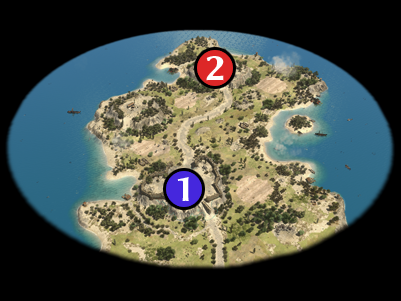
Thank you for the replies. I was just exploring what I could do to make the previews more useful. What about something like this? Exact details open for changes.
-
I agree that a bigger drop down would be nice indeed. Hopefully someone else can make a patch, as I wouldn't know how to make this for you.
-
The colors are only called "Player 9" - "Player 16", but only to keep the original pattern. Not sure if they can be called anything else. The patch is to give more choice of colors, not more choice of number of players. The max players is still 8.
-
I was wondering if you guys think the map previews as they currently are are preferable or would something more like this be useful?
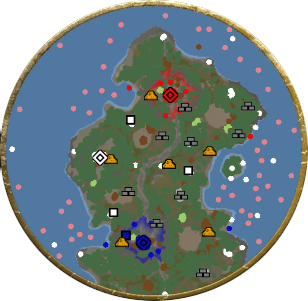
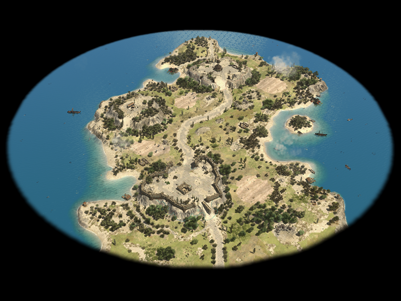
-
Civ: Germans (Cimbri, Suebians, Goths)
wowgetoffyourcellphone replied to wowgetoffyourcellphone's topic in Delenda Est
This one is unique, I think. -
Civ: Germans (Cimbri, Suebians, Goths)
wowgetoffyourcellphone replied to wowgetoffyourcellphone's topic in Delenda Est
DE classes Arminius as a mercenary hero, unique among all of the mod's heroes this way. -
Seeing units fighting on the steps of a temple or over a bridge would be epic, eh?
-
Yep. In my research I came across that site. This one here is really awesome for coming up with differentiated color palettes: https://mokole.com/palette.html. The colors that are in the current patch for the most part came from playing around with the feature on that site.
-
My absence.
wowgetoffyourcellphone replied to Freagarach's topic in Introductions & Off-Topic Discussion
That wedding dress! -
I wish the swatches (the colored squares) were bigger. I'm not sure which file controls that though.
-
One iteration did include Fuchsia at one point, but decided to split it into Tyrian purple and pink.
-
Wrong patch. You wanted this https://code.wildfiregames.com/D4813 Not sure if it will make a difference for you.