
All Activity
- Past hour
-
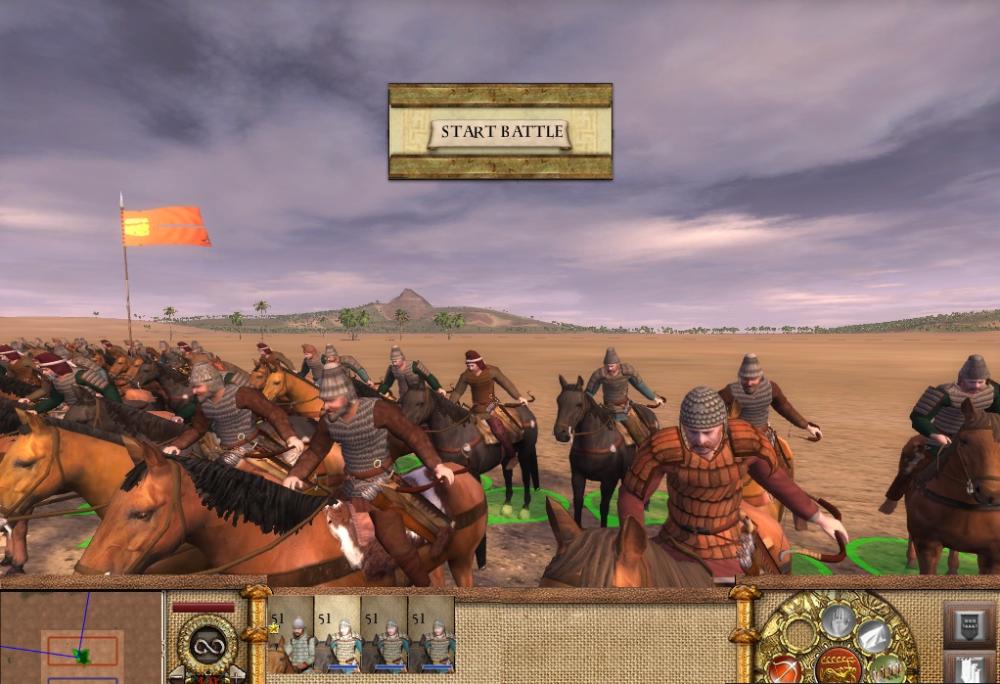
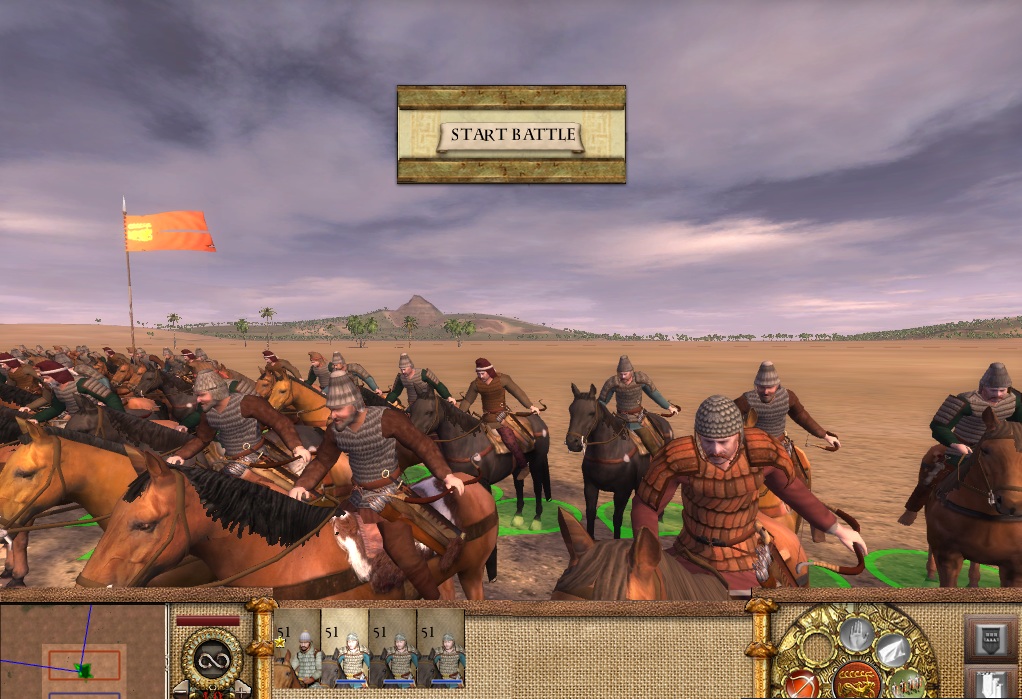
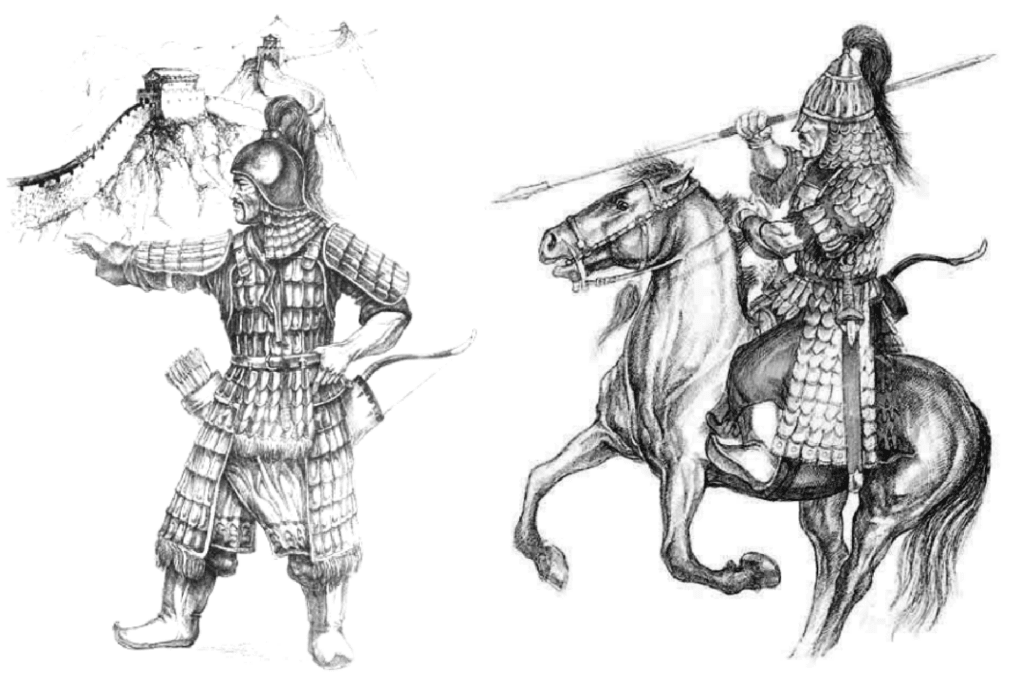
Europa Barbarorum 2 Xiognu cavalry. https://europabarbarorum.fandom.com/wiki/Toghrin_Ordo_(Dzonyu_Guard)
- Yesterday
-
I'm not reading the forum anymore (only answering PMs because I'm still helping a couple of people, for a time at least), but saw your notification and the baffling misrepresentations, although a reply should not even be needed since anyone paying marginal attention would easily realise most of these things: Yet what you did is just to shove those sources when you didn't even properly read them. Calling showing you their actual contents "appeal to authority" or "mindlessly parroting" is not going to fool anyone, so you might want to change this old defensive trope, it got a bit repetitive and boring already. Just start by reading your own sources properly, in light of what the point of the discussion actually is, and maybe that will be a bit more productive. It's me who's astounded at your bad faith (or lack of understanding), because clearly at no point I implied that "all the definitions existed at the same time from the very beginning of the language", that's a hilariously nonsensical thing to say, and you should know it perfectly well, so the only one showing "always" "bad faith" here is you, considering also your constant infantile insults that only serve to talk about your own character. Anyway, furthermore: As always, the only dishonesty (or lack of understanding) comes from your part. The whole sentence is perfectly fine, and still implies that the meaning of village must have arisen at an early date, which I focused on just to show how wrong you were when stating that: Honestly, you need to find some integrity at some point and just be able to say "you know what, I was wrong with that", instead of throwing false accusations and keeping muddying the waters because your baseless arrogance doesn't allow you to recognise when it's resoundingly obvious that you've been completely cornered. Not being "commonest" doesn't mean absent. Still, hardly every point will be 100% convincing, and that one might well be the weakest one, but it's just a small part of the whole point you already seemed to agree to: that tuun also meant village or hamlet, and so did þrop (at least with hamlet, but as I said, that's more than enough for the point in question: that's more than a single homestead or farmstead). It's you who keeps "dodging the arguments that contradict you", even when using references first put forward by you. The real question here is, why would anyone give more weight to entries from decades old general purpose dictionaries instead of very recent specific studies on the actual matter? I have no doubt that if you keep digging you will find instances where þrop is translated as something closer to farmstead, what do you want me to say? Congratulations, do you want cookies? That dictionary doesn't even explain itself further. On the other hand, you keep dodging why the recent important EE reference and the other more explanatory dictionary, both put forward by you in the first place, align with what I say, and keep labelling all this "appeal to authority" or "mindlessly parroting", which just shows how helplessly out of cards you are. I think my previous post explained that quite extensively. You are assuming they (Gothic and OHG) "retained" the meaning, while other Germanic languages, along with the Celtic branch, changed. That's really not convincing, and why the actual reconstructions state what they state. So, it's not thoughtless at all to state that þurpą is associated with settlements, there are strong reasons for it, not only from the previous OE discussion, but also in my two paragraphs regarding this for reconstructed and attested Celtic languages, where in the last one I even managed to get a quantitative estimation of size, quite relevant for the point in question (although late, but please, give a try at something like that for an earlier period). And EVEN if we wanted to assume there was an "isolated farm buildings" meaning since the beginning, you keep circling around this already very extensively explained point: how could you possibly extricate farms from early Germanic settlements? Call them small villages, hamlets, collections of farmsteads, or whatever. The villages you showed before would be Phase III. We are discussing the less built up Phase I. This point is extremely important. I also already clearly explained why Gothic is such a bad reference, and months ago I stated that "it is not true that the "oldest writings in Germanic languages" (as if that goes beyond Gothic) support your point", as shown for OE. Besides, you keep dancing around the actual point and completely ignored the paragraph regarding Celtic cognates of haimaz having no relation with a settlement, but with what's homely, my original argument all along. Both words must be considered at the same time. And I did say "treb, is reconstructed as "settlement" (often just "dwelling")". You are the one dismissing the debate, you are the one accusing me of all sorts of idiotic things for presenting the mainstream view. You keep coming with alternative views intending to disregard the rest, but why would I give more weight to these dissenting voices? They exist, and I've been quite honest about that, months ago I said "the only outlying source I find is Kroonen" (regarding something in particular), so it's hysterical that you say I'm the one keeping dodging what contradicts me, given that, your attitude towards the content I "parrot" from your own sources, your accusations when I explicitly proved you wrong regarding the tuun meaning, your dodging of the Celtic cognates of haimaz, and many other things. All your accusations against me fly back right at you in the most blatant manner. It's clear where the consensus is given the accepted reconstructions (and all I've shown that aligns with that), and you might as well go and write the EE experts you quoted in the first place, but that end contradicting you, how awfully wrong they are (too bad you didn't even bother searching through their whole thing, which I did, and luckily found the relevant entry early on, under C), but in the meantime there's really not much you can do about any of it, which makes your whole insulting remarks and misrepresentations even more disgusting and unacceptable (too sad that, from what I've seen lately in the forum, you do have company though).
-
Another fun name might be Cyrenius
-
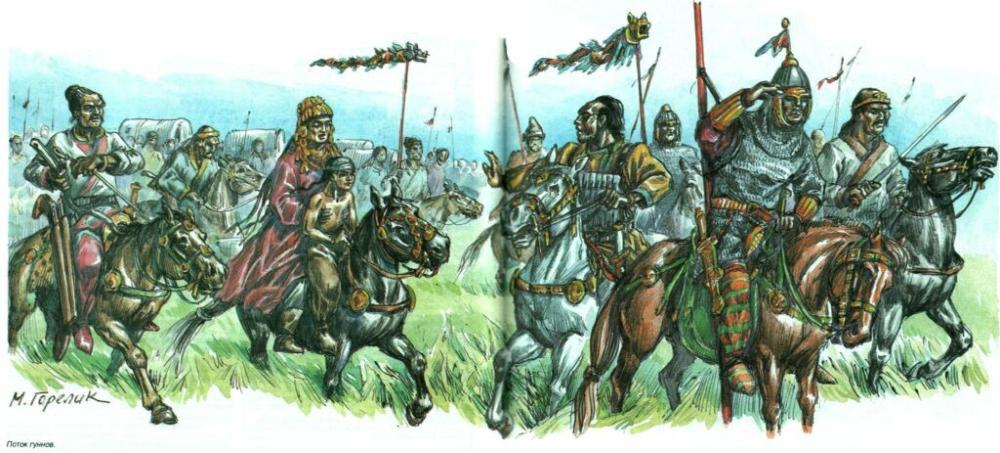
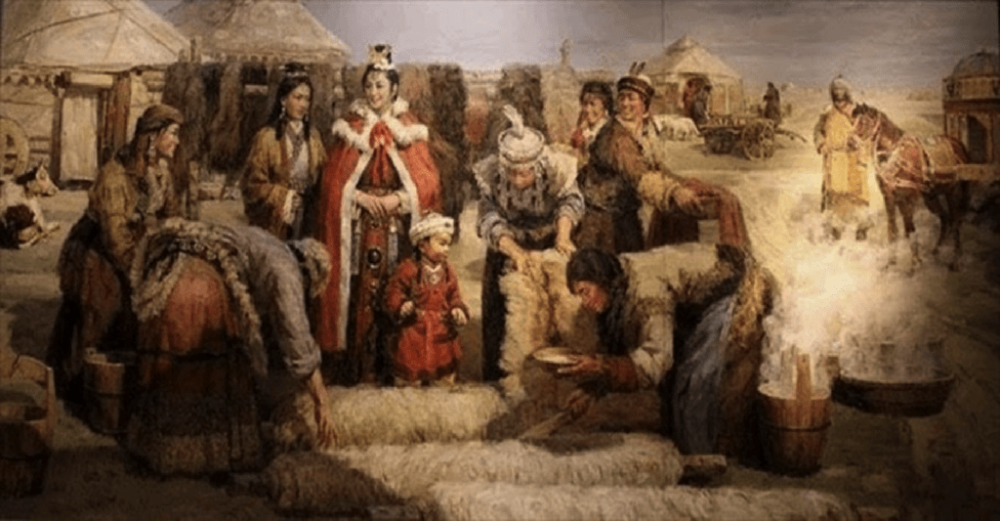
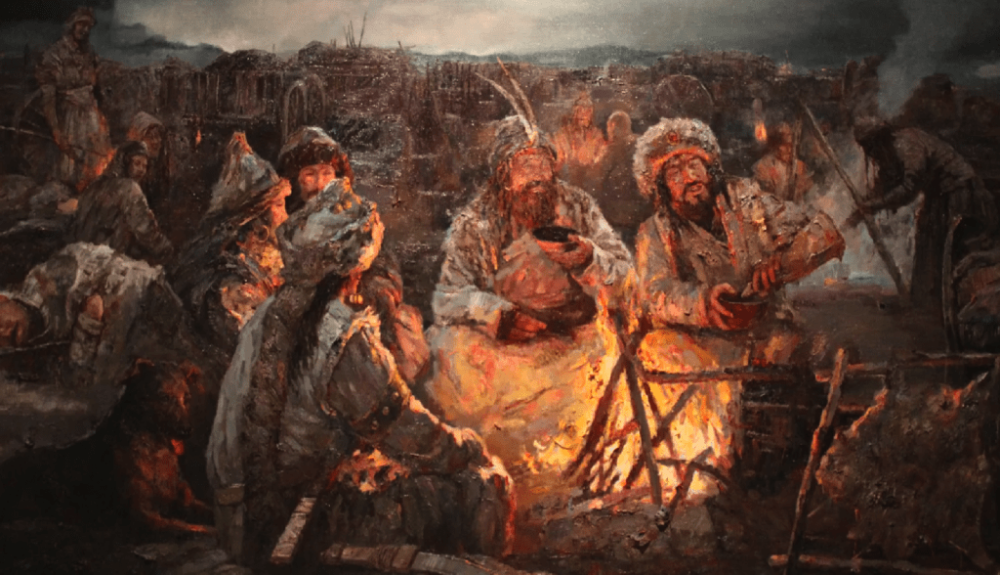
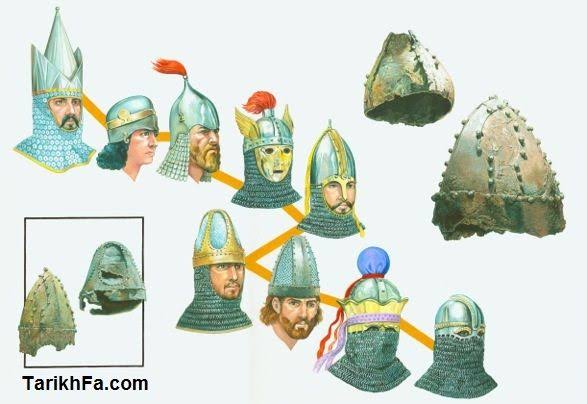
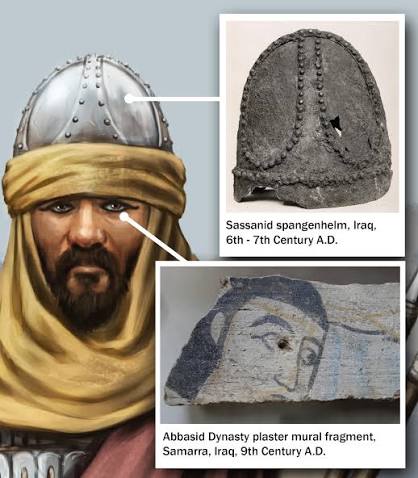
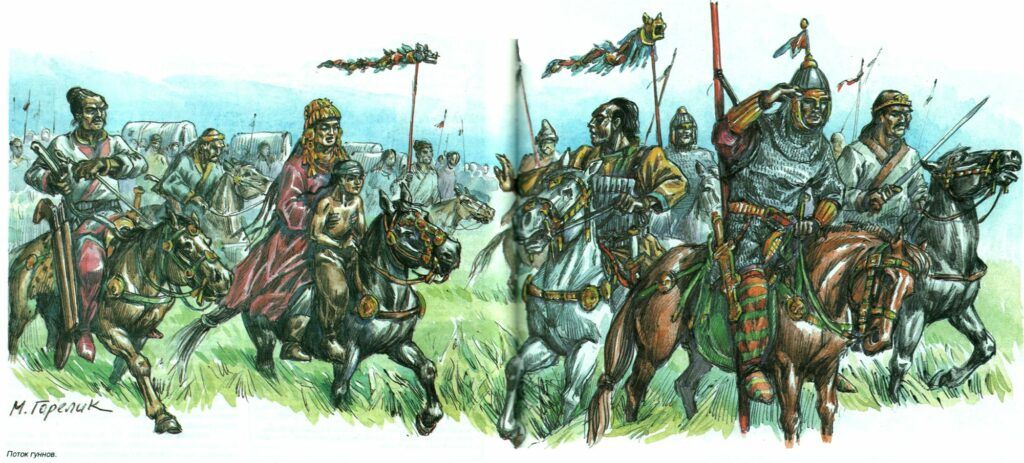
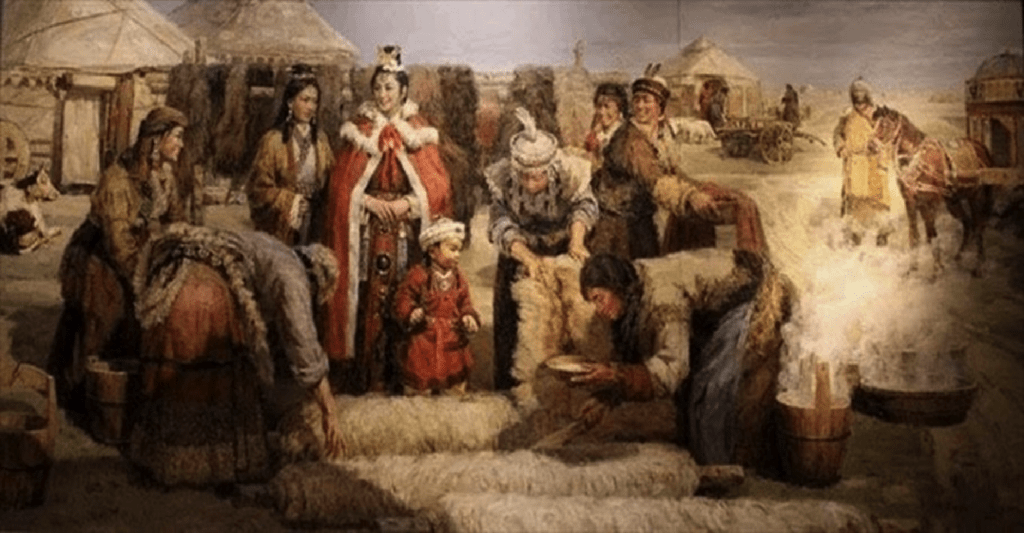
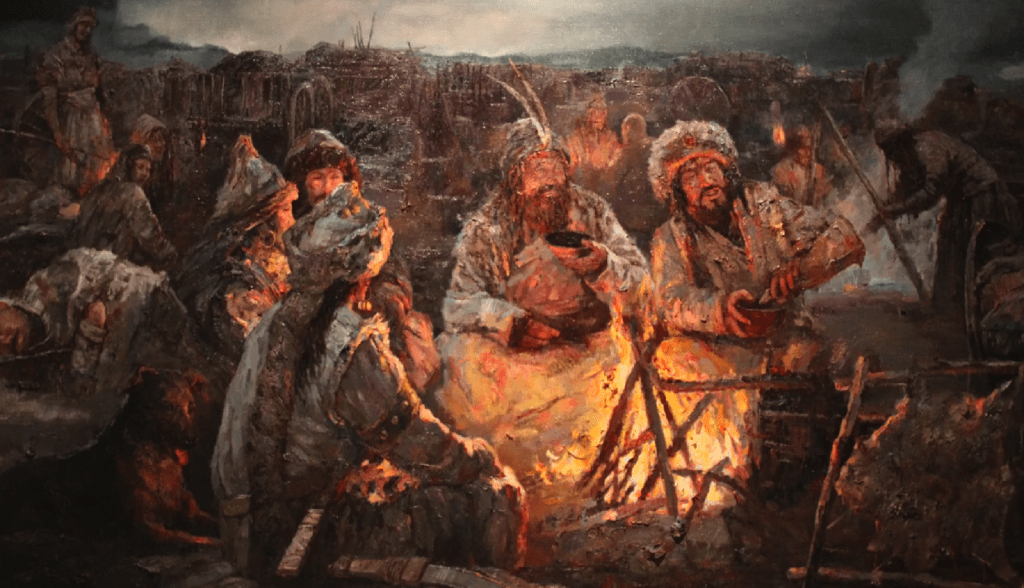
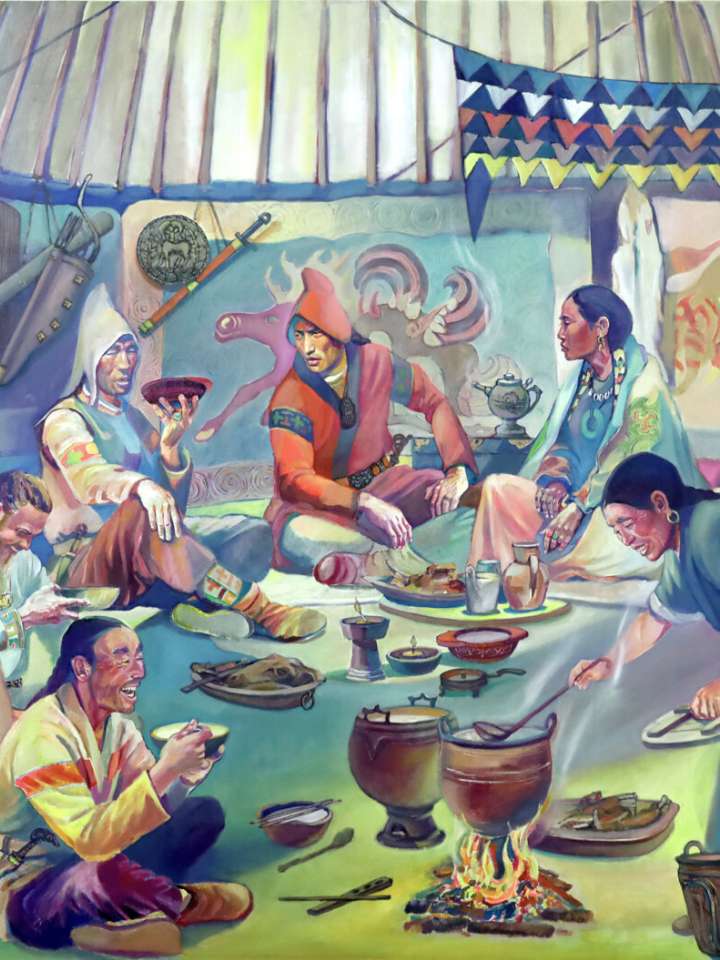
Some images to update their outfits. They appear to have both Chinese and Scythian influence.
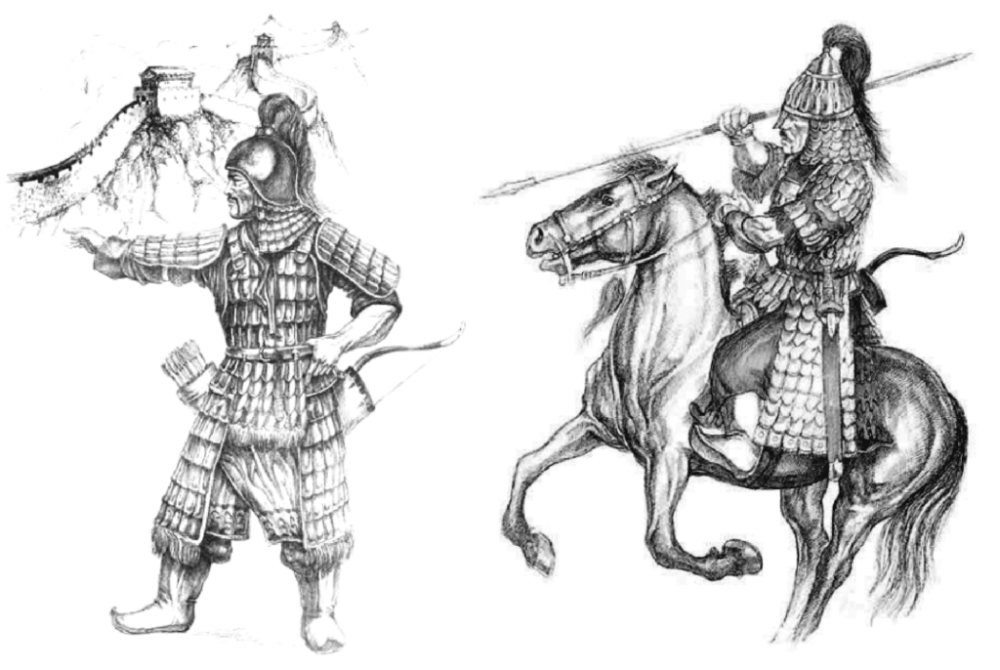

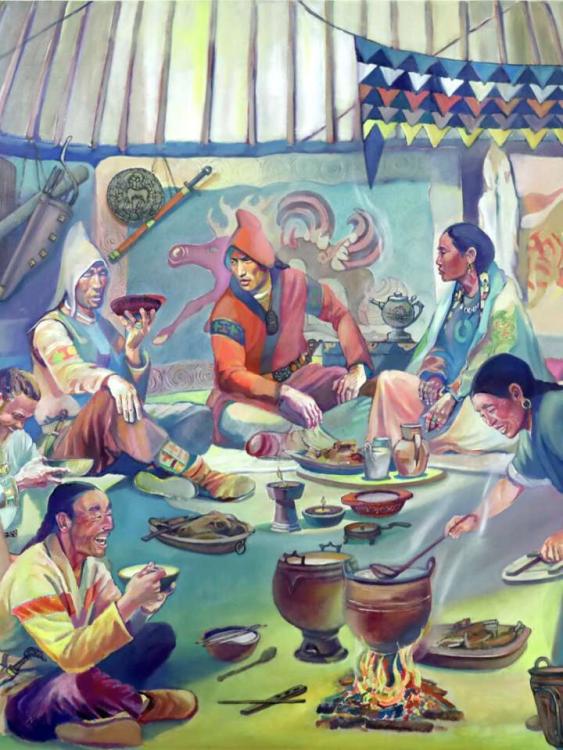



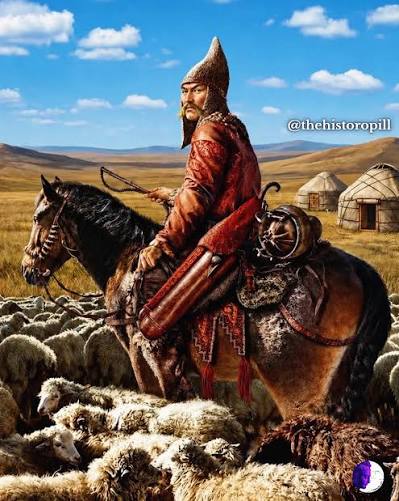

-
Good afternoon. I managed to port it without emulators. I’m playing on a Samsung Flip 6. I’ve posted it on GitHub. https://github.com/Gubinskii/0ad-android
-
 gubinskii joined the community
-

Is there a public repo for play0ad.com?
Stan` replied to bowen951209's topic in Game Development & Technical Discussion
Depends what you want to change -
As always, you don't understand my point. I'm not criticizing the primary source, but rather the fact that you're mindlessly parroting the opinion expressed in a few dictionaries without realizing that there's an obvious circular reasoning behind the argument. An appeal to authority is a form of reasoning that asserts that an argument is true solely because an influential or reputable person says so. As I've shown you, there are plenty of other researchers, articles, and academic works that don't share your opinion. I don't care if this or that researcher said this or that, what interests me is understanding what their arguments are and what reasoning lies behind them. Again this appeal to authority without any critical thinking... Old English (OE) was a spoken language from the 5th to the 12th century. Obviously, a dictionary of Old English will include all the uses and definitions of a word for the entire period covered by that language. That does not mean that all the definitions existed at the same time from the very beginning of the language. I can't believe I have to explain this. Why did you specifically choose to quote this passage from the article? How is it relevant? Why did you deliberately ignore the rest of the excerpt, which explains that this is a lexical shift? As always, I am astounded by the bad faith you’re displaying. It is dishonest to have deliberately truncated the full excerpt attributed to Ekwall. Here is the complete quote from the article: "The meanings 'homestead' and 'village' must have arisen at an early date as shown among other things by the numerous names in -tūn, even -ingatum found in Normandy and the Boulogne district and apparently due to early Saxon colonization in the district. Saxons are mentioned here by Gregory of Tours in the 6th century. Saxons became "permanent settlers" in northern and western Gaul" It is immediately apparent that the meaning is not the same. This reflects both the semantic shift toward the meanings of "homestead" and "village", which, according to Ekwall, emerged early on without distinguishing between the two. This is evident in the rest of the article following the quote, as all the examples of place names given are ambiguous; they could refer to a farm, an estate, or a hamlet. This uncertainty still exists in current dictionaries, such as The Cambridge Dictionary of English Place-Names (2004), where the difficulty of interpreting one definition or another based on place names is clearly explained: "tūn OE ‘enclosure, garden, field, yard; farm, manor; homestead dwelling, house mansion; group of houses, village, town’. Cognate with OFris, OSax, ON tūn, OHG zūn, G Zaun ‘fence’, OIr dūn ‘fort’, Gaulish dūnon in place-names in -dunum, and OE tӯnan ‘hedge in, fence, enclose, shut’ < *tūn-j-an from Gmc *tūna- ‘fence’. From this basic sense in English developed the meaning ‘place fenced in’ and in place-names the senses ‘enclosure, farmstead, estate and village’ are all in question. Because of this uncertainty in this dictionary the translation is frequently the non-committal ‘settlement’ or ‘farm or village’. Although tūn is already found as a place-name forming element before 730 its period of greatest frequency is in the centuries thereafter. Its main use seems, in fact, to coincide with the period of the break-up of large unitary estates due to land-grants made out of them by kings, noblemen and bishops to individuals of the thegnal class. It is these individuals, it is thought, whose personal names are so often compounded with tūn in the names of English villages, implying manorial overlordship rather than founding fathership and tillage of the soil. It is for this reason that names such as KIRTLINGTON or KNAYTON are normally translated ‘the estate called after Cyrtel(a)’ and ‘Cengifu’s estate’ respectively. PNE ii.188–98, Signposts 177–85, Kluge-Seebold 806." Your document contains the following statement: "With the exception of Britain and southern Upper Germany, the roadside settlement was the commonest-occurring type of small town in the northern frontier provinces." So, in the British context, this does not seem to apply. Furthermore, your document makes no mention whatsoever of any connection to the word "competum". You’re simply assuming that because towns sprang up near crossroads, this necessarily means that the word "competum" once meant "village". That’s a stretch, and I don’t find it convincing. Please address my second point regarding the glossary that equates competum with villa (farm), þingstōw (place of assembly), and þrop. Here: It would be nice if you'd stop dodging the arguments that contradict you. Okay, then let's try to assume for a moment that this thoughtless statement is true. How do we explain the indisputable fact that the word þurpą and its derivatives in other Germanic languages also very frequently refer to isolated farm buildings? The usage referring to a farm has persisted in most Germanic languages. You're suggesting that the root of this word already referred to a village even before the emergence of the Germanic languages. So how can we reconcile such an ancient meaning with the fact that the Germanic languages have retained the meaning of "farm" for this word and its derivatives ? Your main argument is that you consider Gothic to be an anomaly in this particular word, that in the case of the Gothic language, the original meaning of "village" has been lost. But if we compare it with other Germanic languages, that is not really the case. It is therefore more plausible that, on the contrary, the meaning "village" was acquired later. In the Proto-Indo-European studies, the root *treb- is generally reconstructed to mean "to build, to dwell". From a strict historical-comparative perspective, linking Proto-Germanic *þurpą directly to the Proto-Indo-European root *treb- ("to build, to dwell") is methodologically problematic and far from universally accepted. Guus Kroonen is contesting this link for example. Phonetically, deriving *þurpą from *treb- requires accounting for an unexpected voiceless stop (*p) where a voiced aspirate or plain voiced stop (*b / *bʰ) would regularily be expected under Grimm's Law, often forcing scholars to lean on secondary morphological extensions, ablaut irregularities, or substrate borrowing hypotheses. Furthermore, several Indo-Europeanists suggest that *þurpą may belong to an entirely different etymological family, such as terms associated with a fenced enclosure, an outlying field, or a secondary clearing (compare with Balto-Slavic terms for courtyards or folds which seem to derive from *twer- / *tur-), rather than the house-and-dwelling semantic core represented by *treb-. Therefore, treating *þurpą as an unproblematic cognate of the *treb- paradigm relies on forced etymological equations that ignore the existence of a debate and the lack of consensus.
-

Is there a public repo for play0ad.com?
Asher replied to bowen951209's topic in Game Development & Technical Discussion
Is there any easy way to edit a hugo website? - Last week
-

Is there a public repo for play0ad.com?
Obelix replied to bowen951209's topic in Game Development & Technical Discussion
@ShadowOfHassen my Janitor Gang mate, I'm on your site! -

mod LocalRatings mod - evaluate players' skills based on previous games
ffm2 replied to Mentula's topic in Game Modification
This update adds a new rating system and a few chat commands to the team balancer. New rating system: “OpenSkill (results + statistics)” The old system (OpenSkill) only counts wins and losses. The new one also uses three statistics from each player’s past games: resources spent, enemy units killed value and buildings lost value. In my 2026 games it picked the winner 66% of the time, against 60% for results only. Choose it under Options > Rating system. I watched the leader board and I agreed with this ranking way more. Chat commands /balance: tries every team split and picks the one closest to 50/50, moving as few players as possible. /suggest: up to two single-player swaps that would make the current teams more even (3v3 and 4v4). /suggestteams: alternative team layouts (4v4). /evaluate: player rankings and an assessment of the current teams. /rate ffm 2000: rate ffm manually 2000 for that game and pairing only. /rebuild: re-rates all games, including newly downloaded ones. /about: information about the mod. Typical use with Replay Pallas Once everyone has joined your game setup, type /pallasandrebuild. It downloads up to 10 missing games for each player with few games (about a minute) and updates the ratings, so /balance already works. The remaining games then download in the background. If they change the balance by 5 points or more, you’re told to run /balance again. Without that command, you can do the same by hand: /pallas, wait for the downloads, /rebuild, then /balance. If you only want a small change instead of a full reshuffle, use /suggest. RangerK's changes got merged. LocalRatings_Teambalancer.zip -
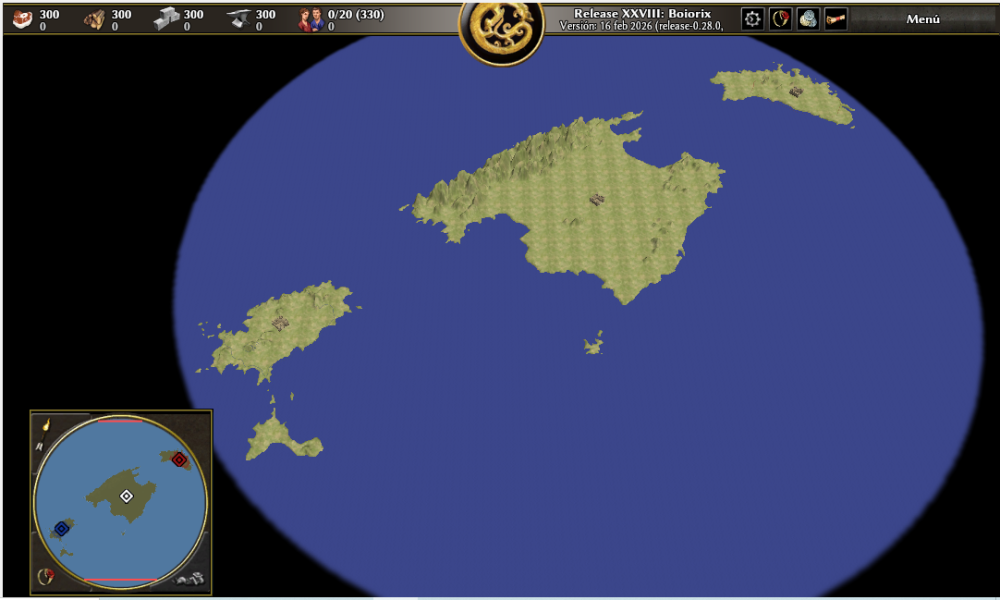
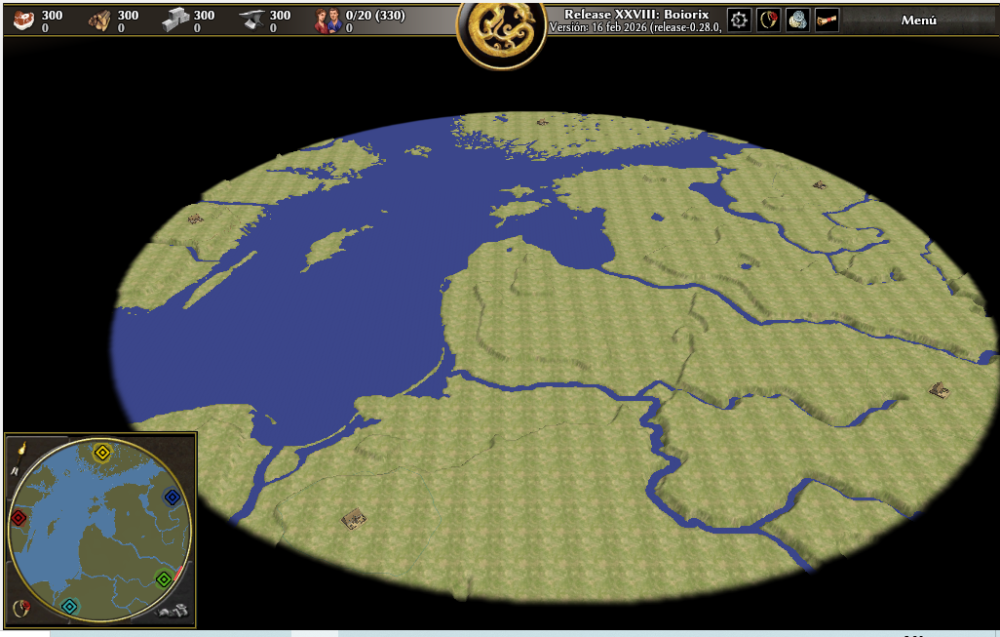
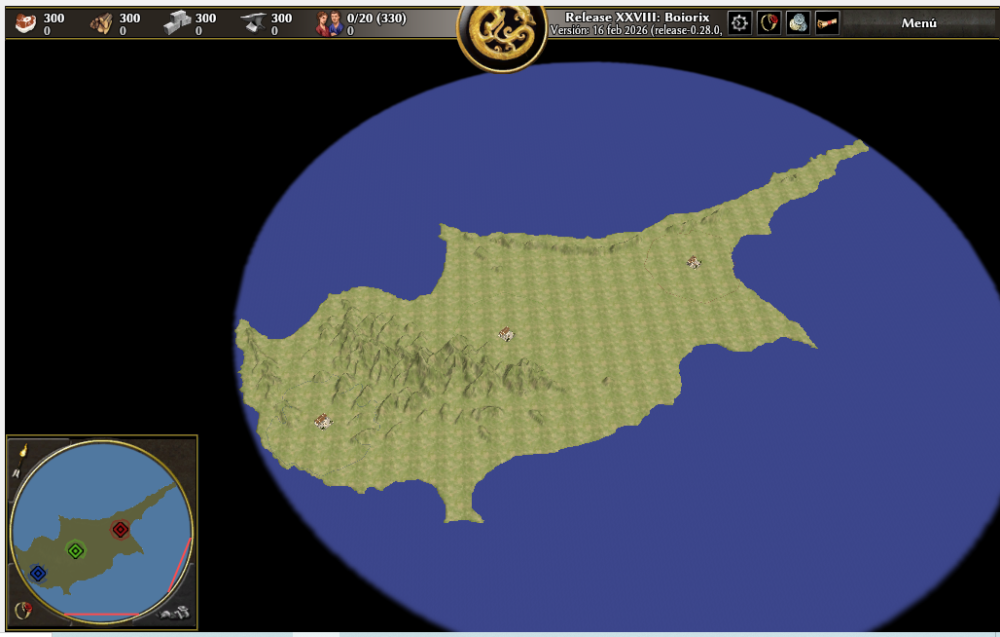
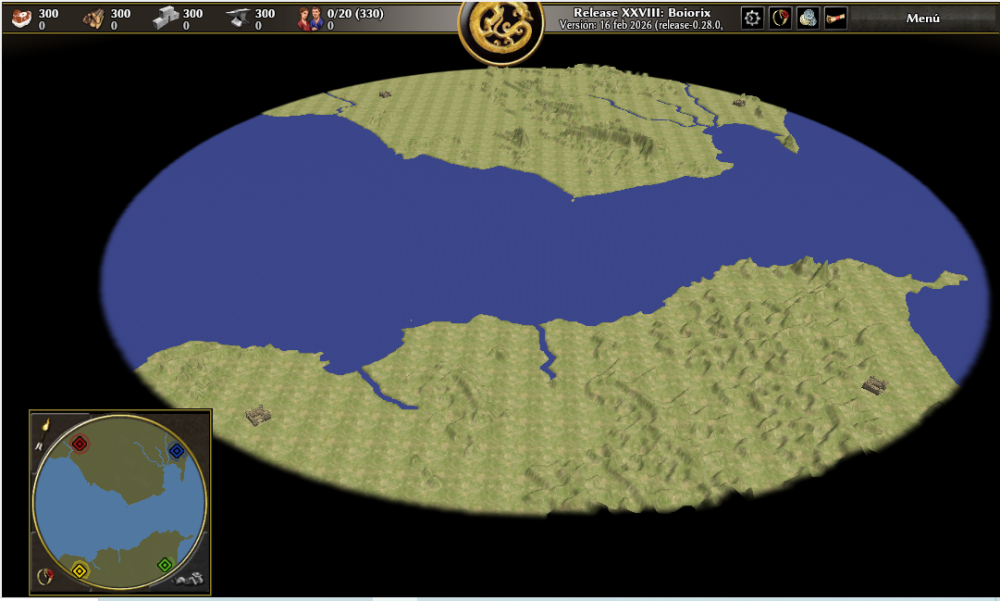
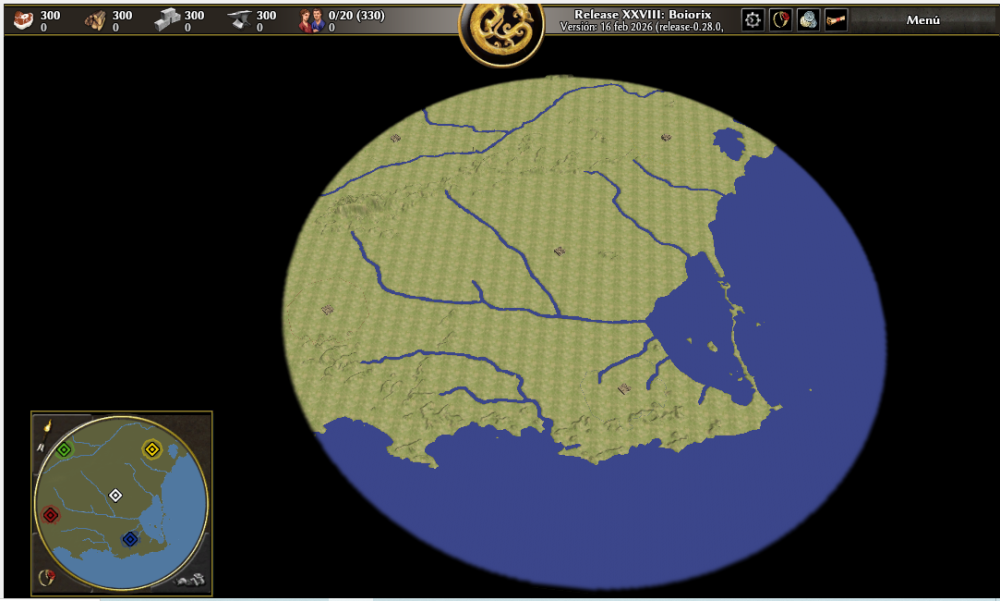
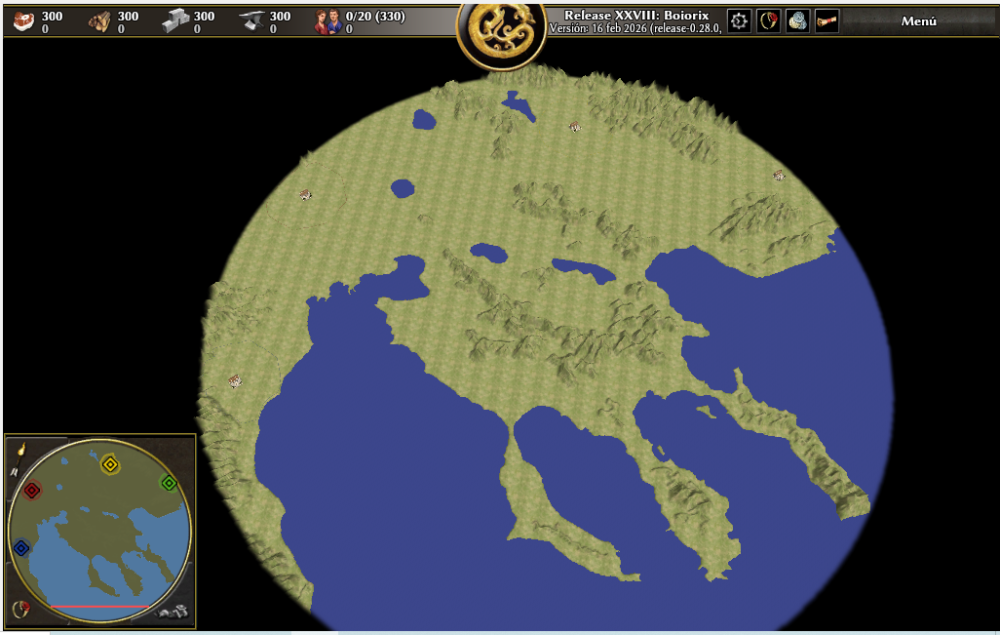
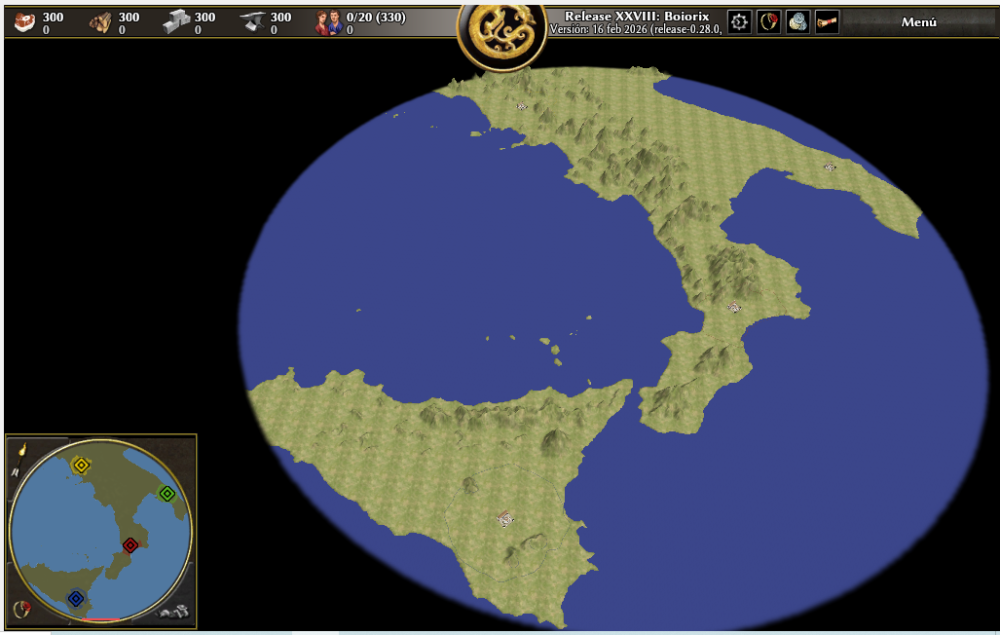
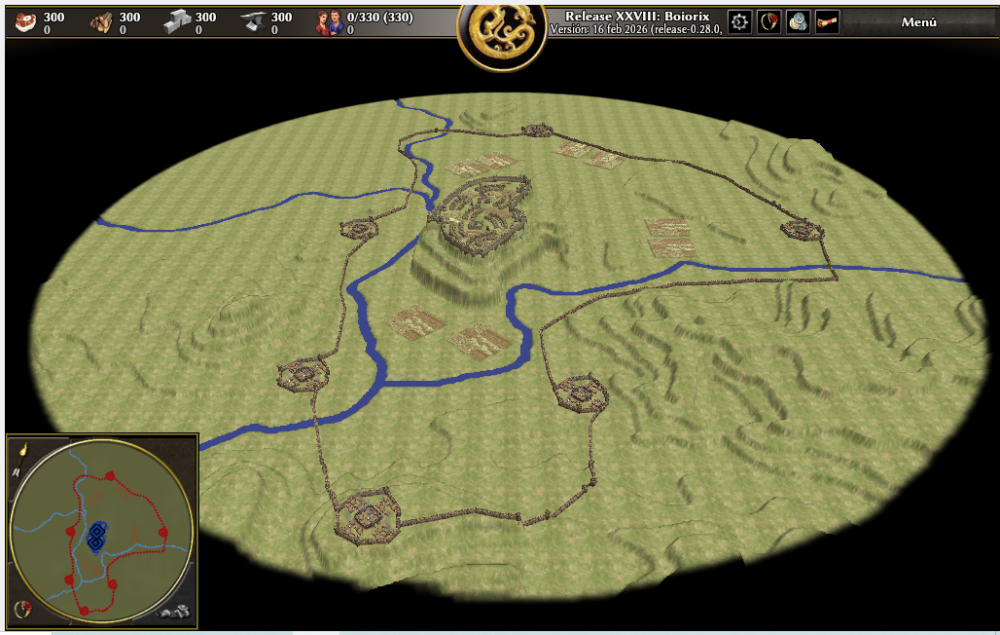
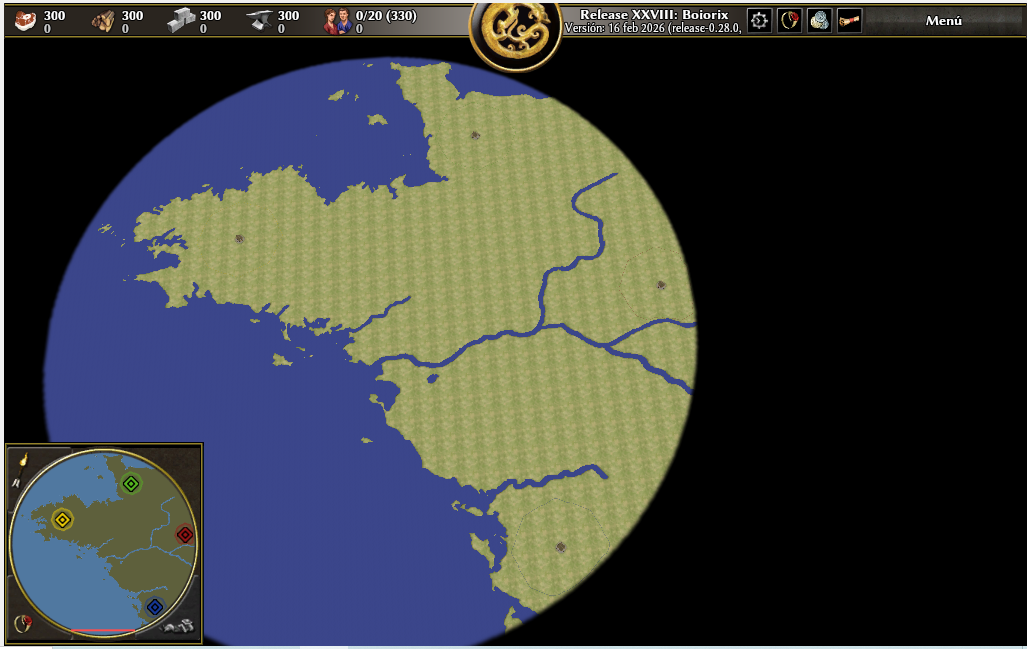
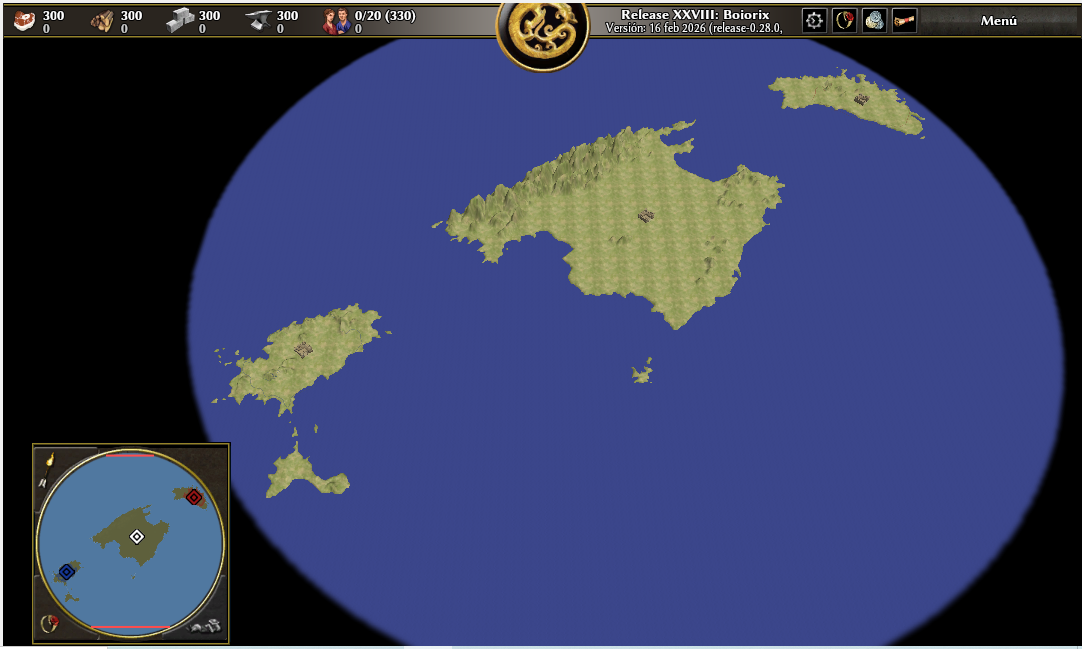
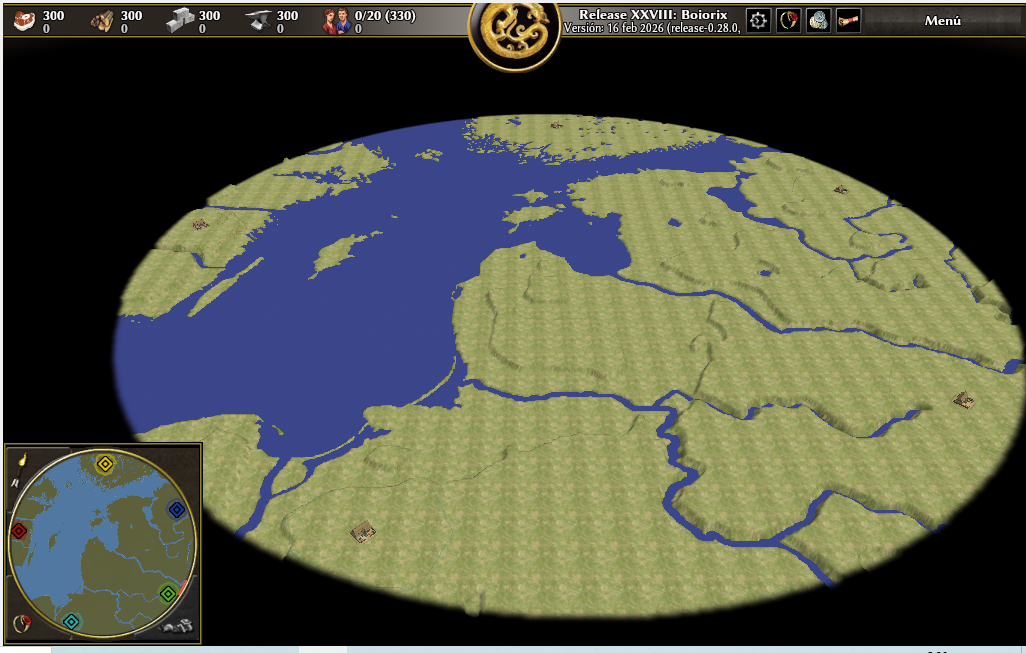
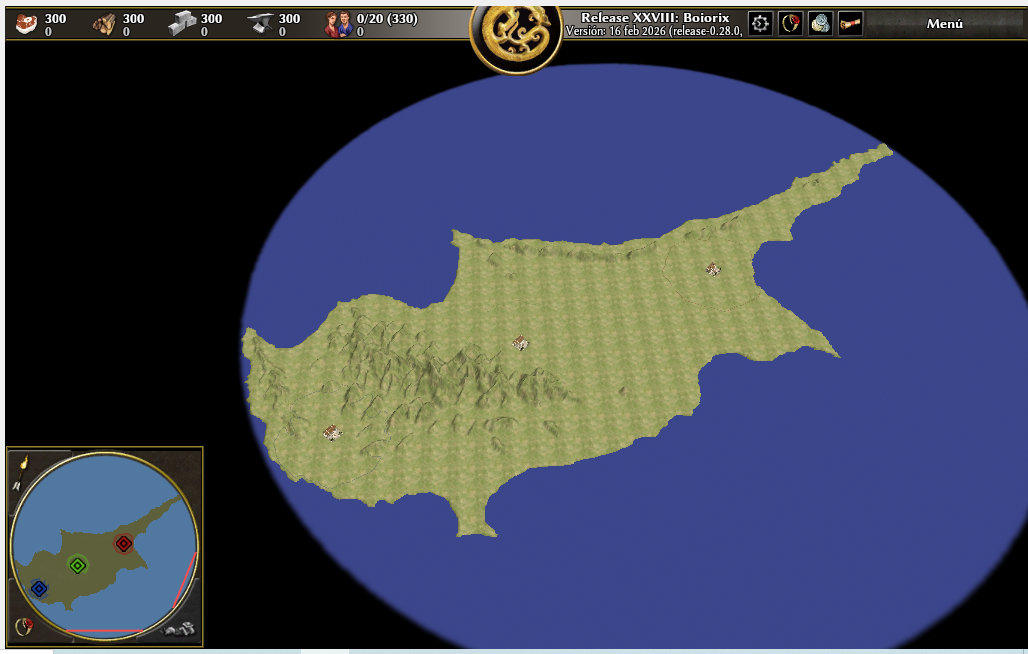
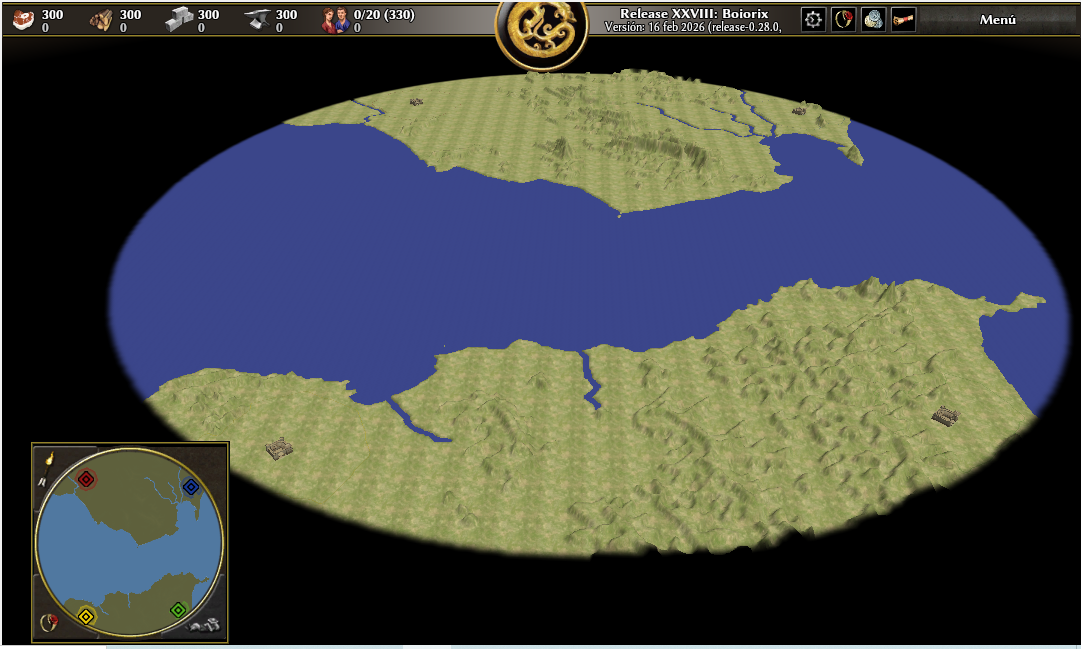
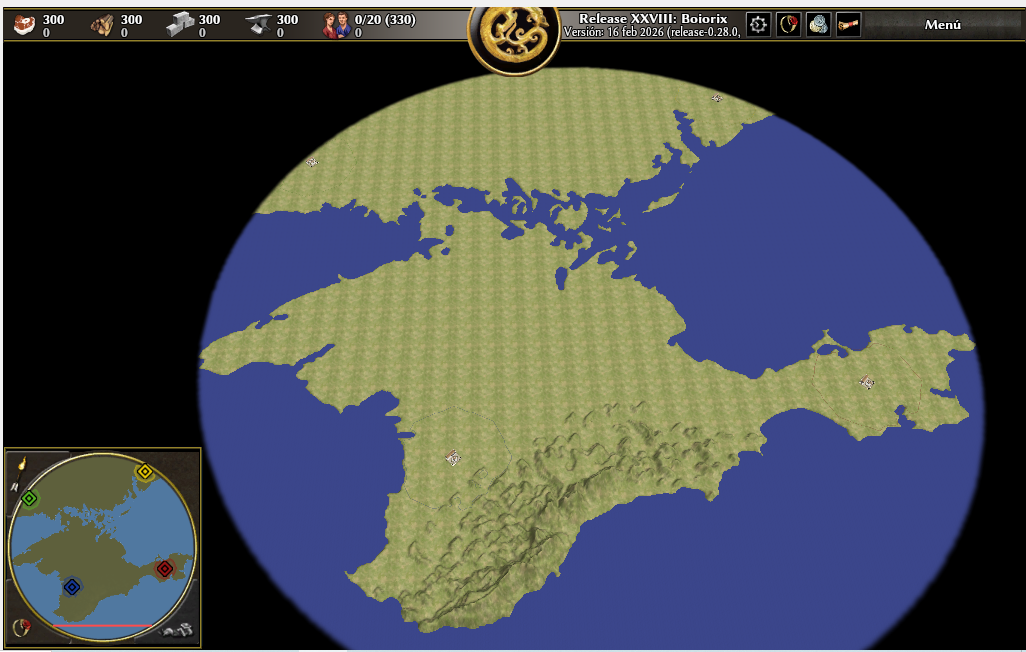
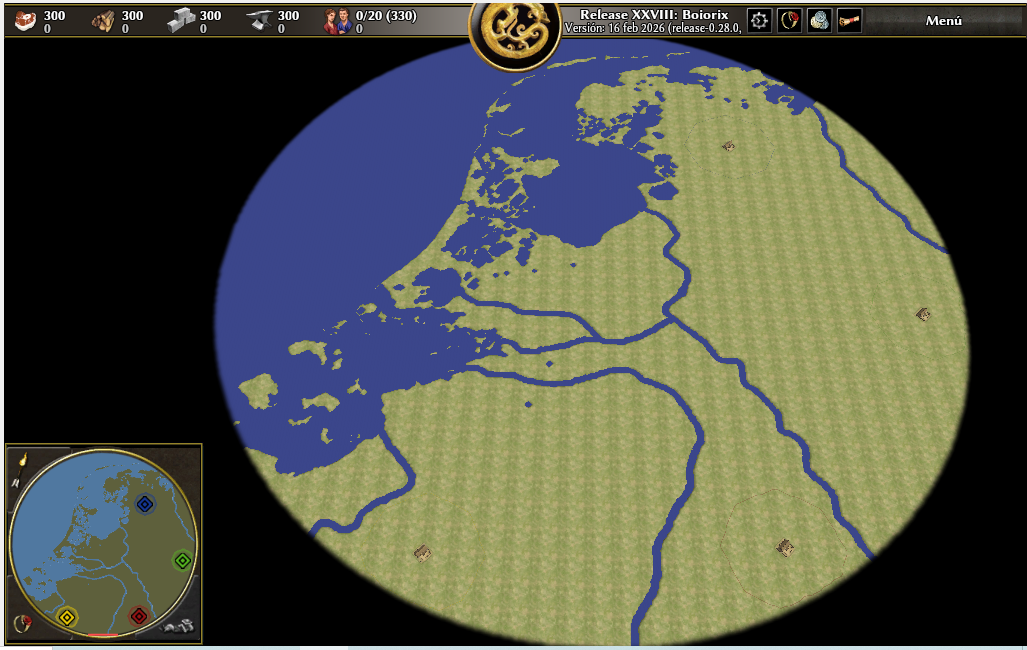
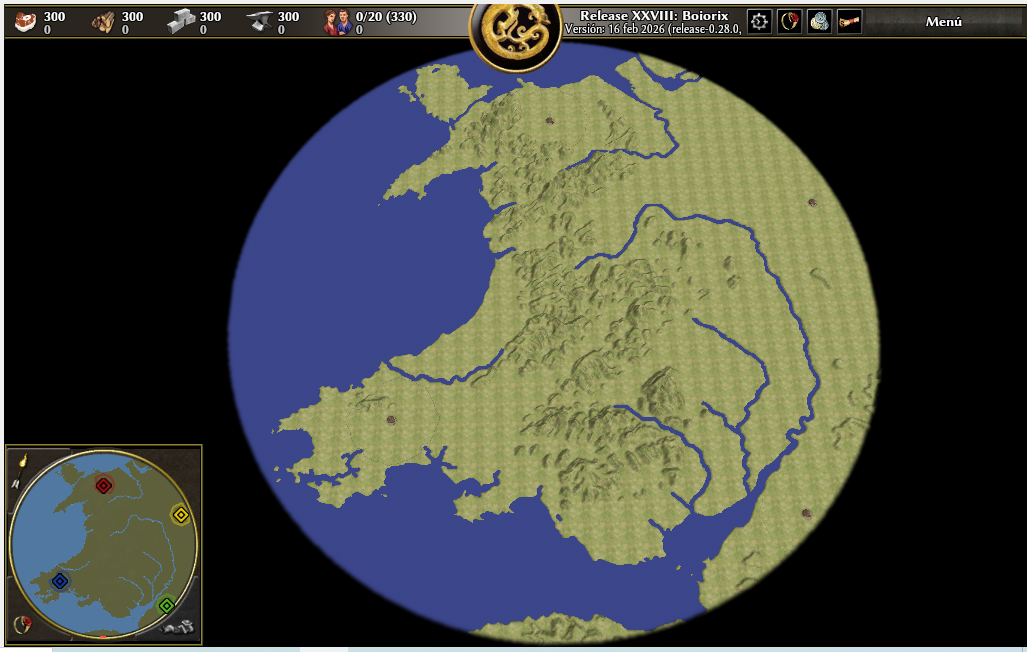
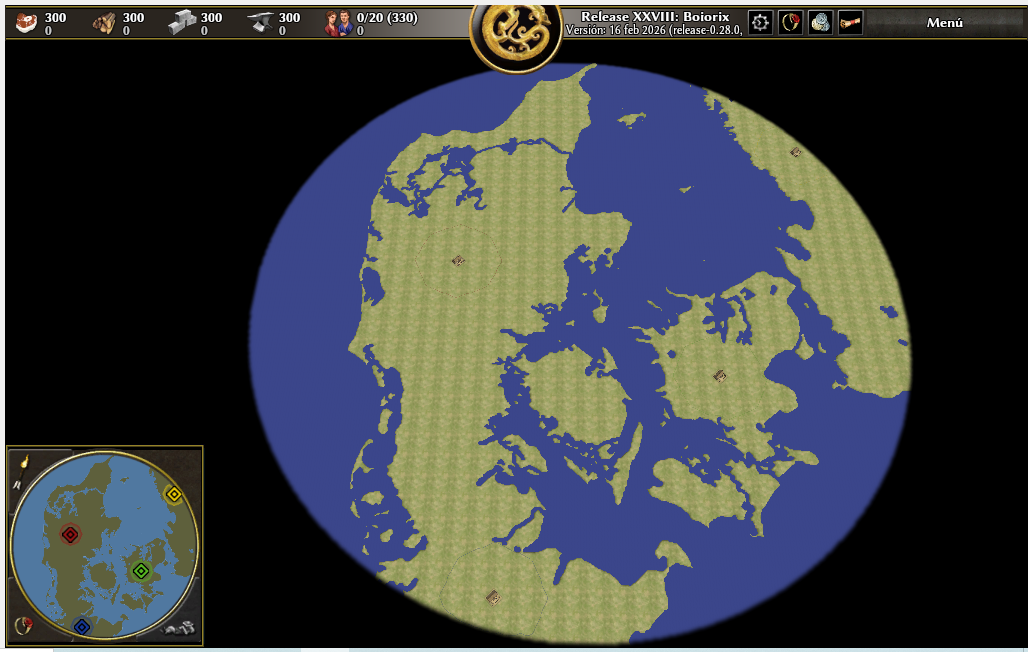
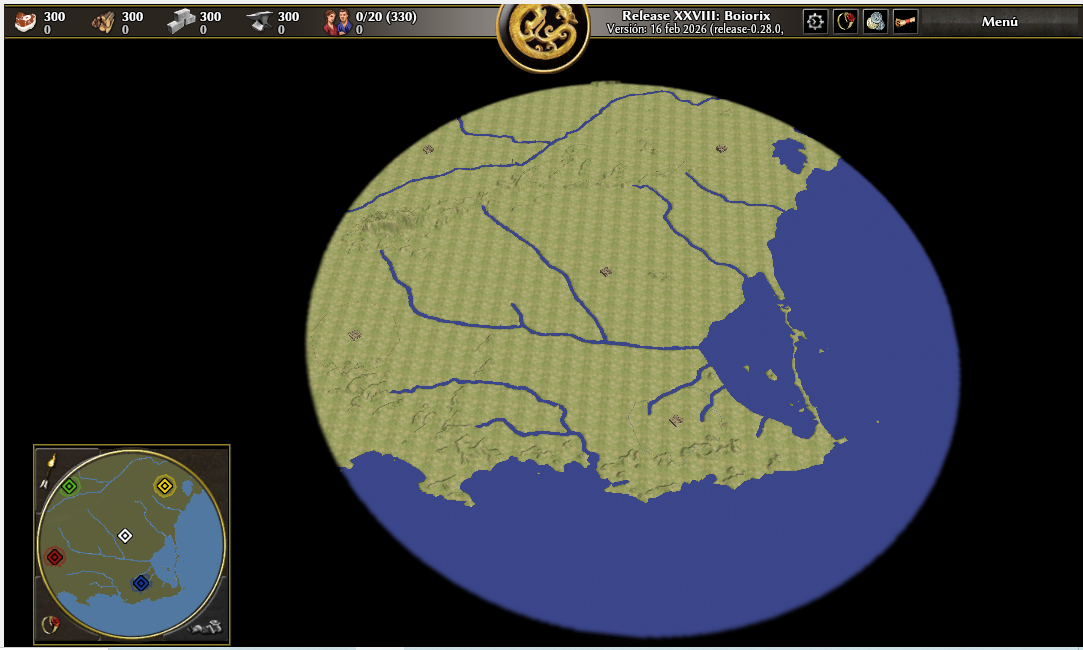
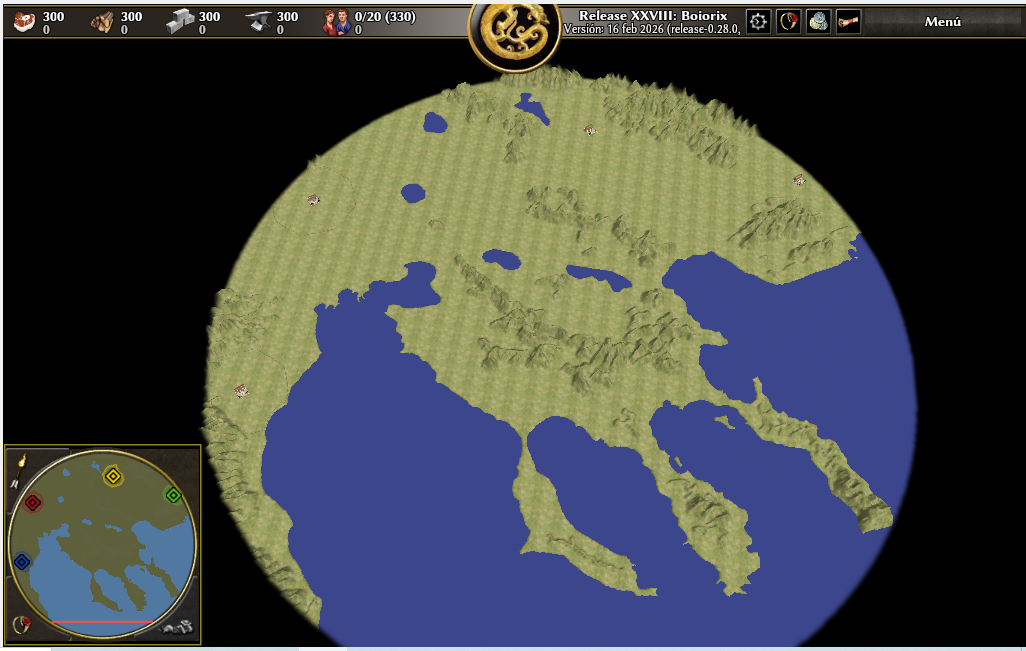
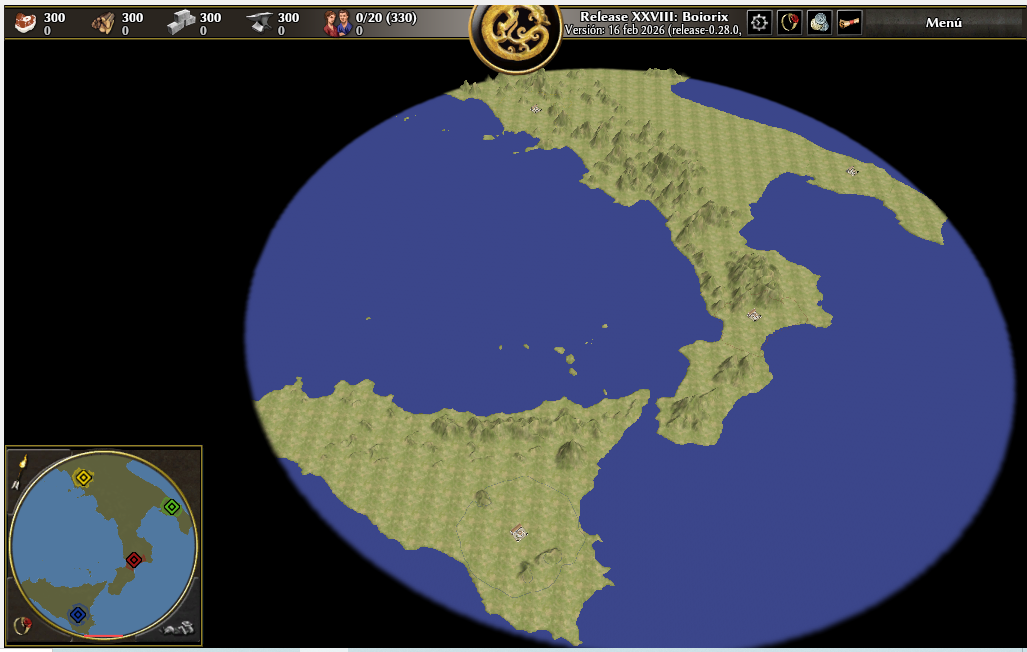
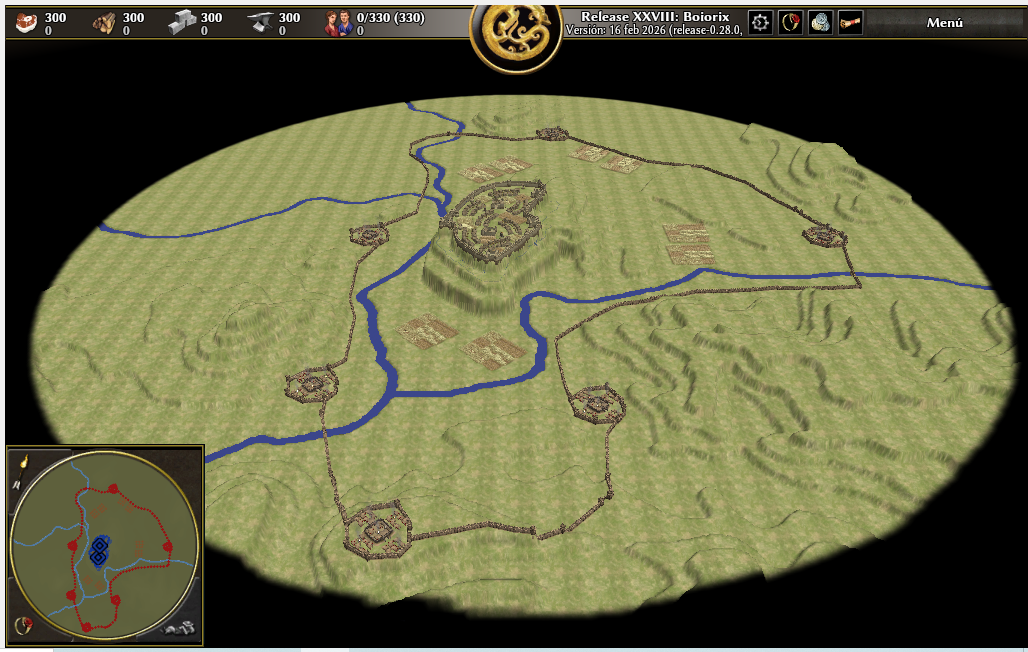
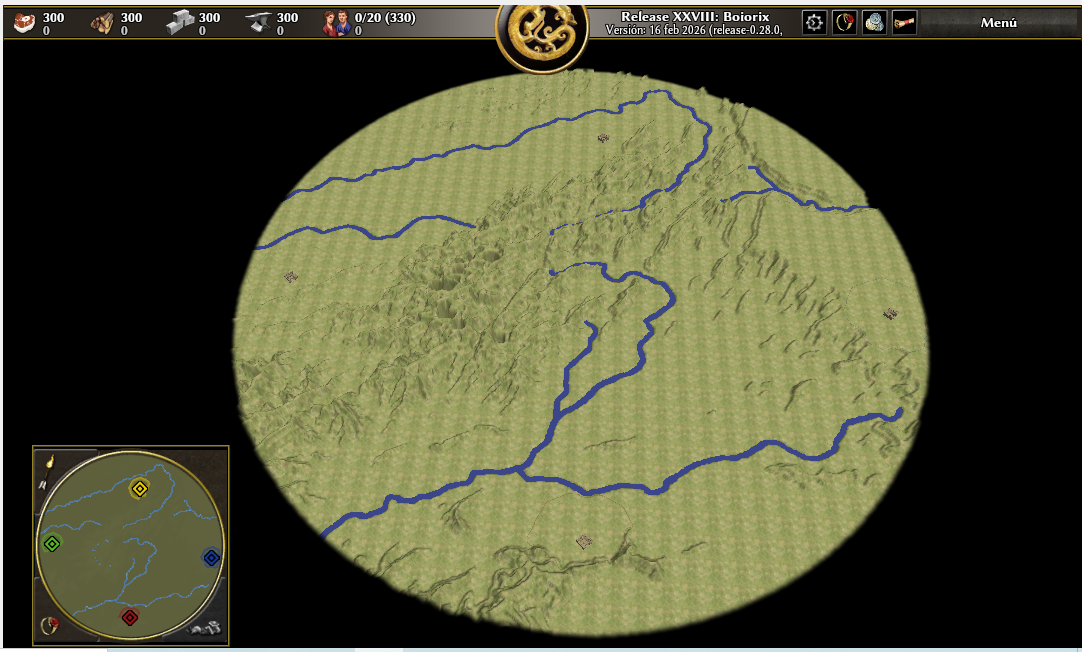
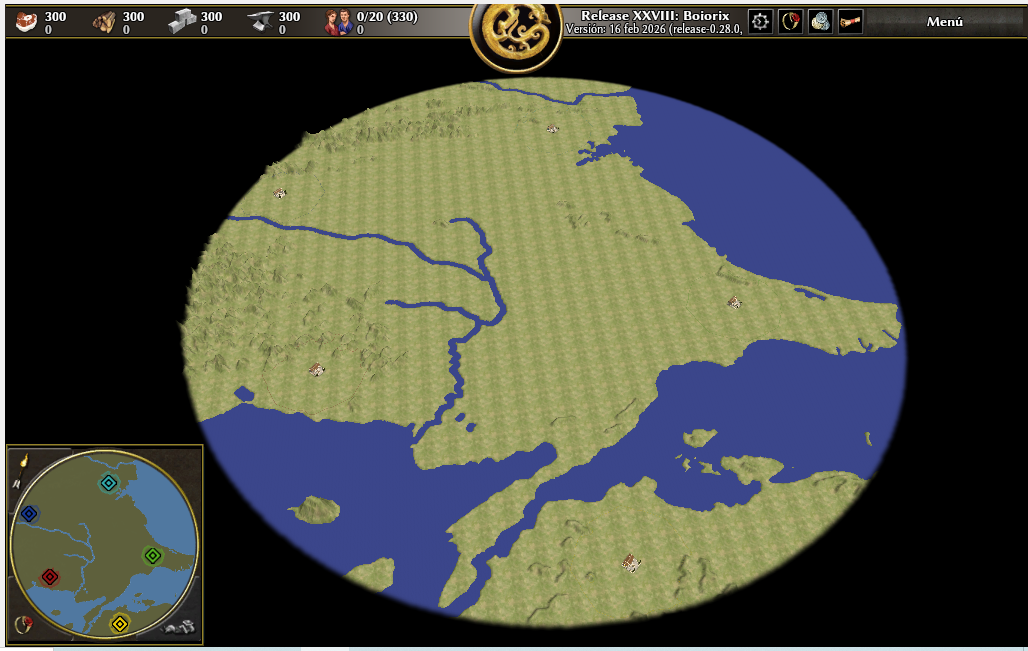
Buenos días o tardes. -Siguiendo con la creación de mapas europeos: (Adivinen a que lugares hacen alusión) Disculpen las molestias*
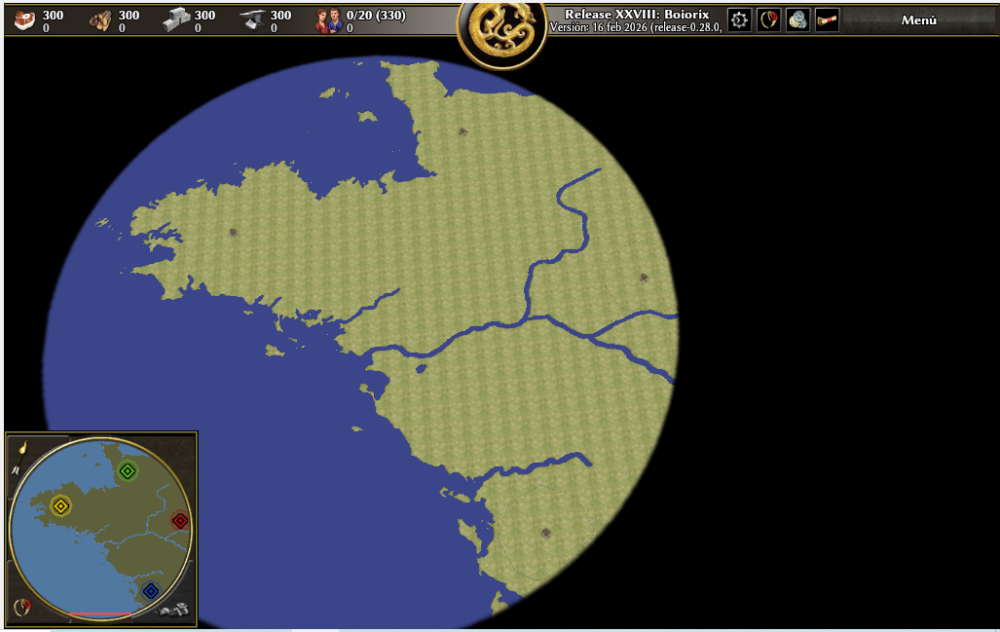
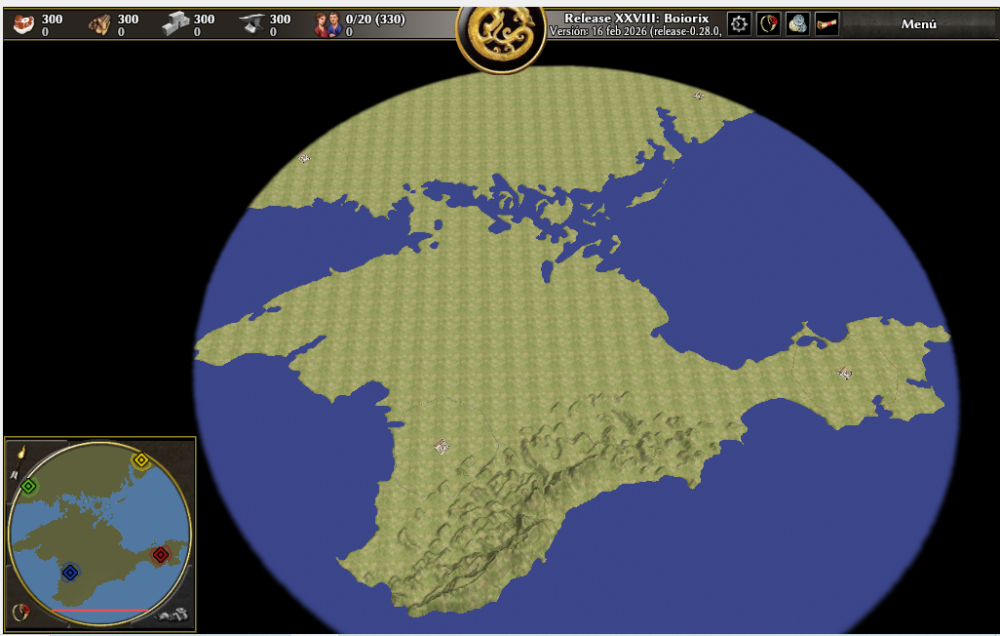
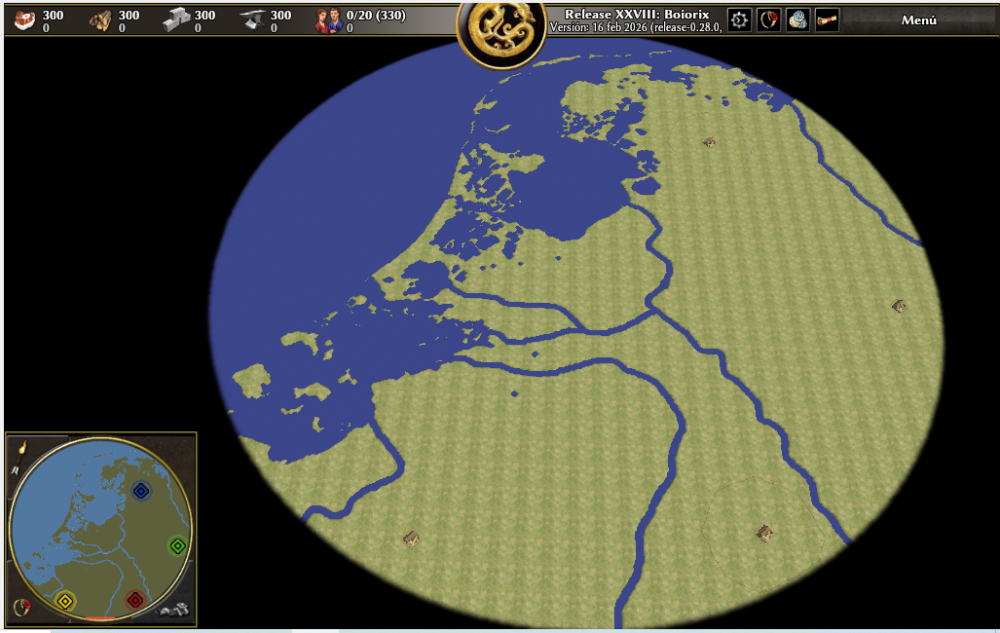
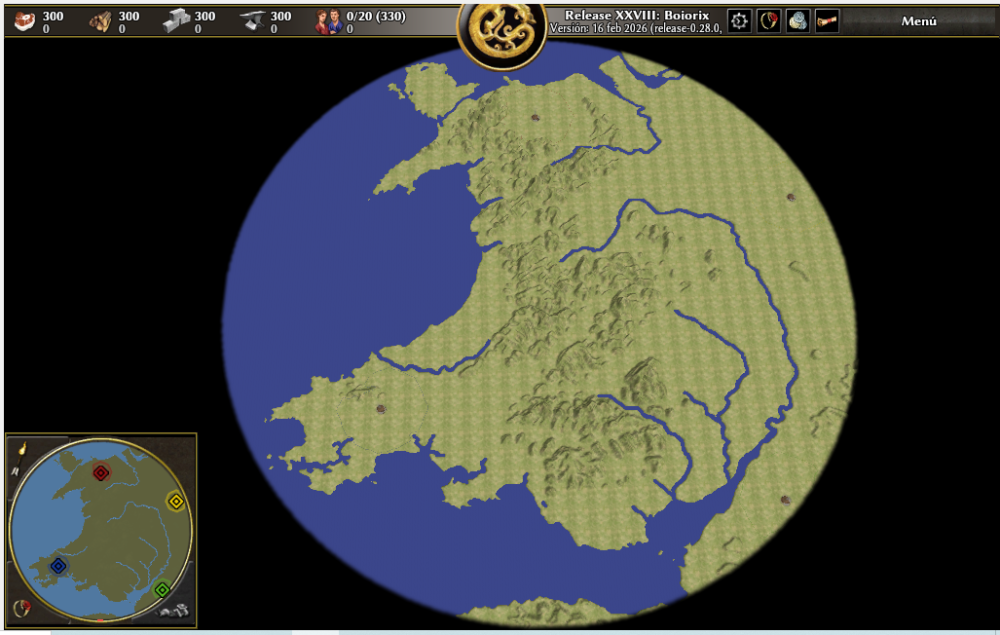
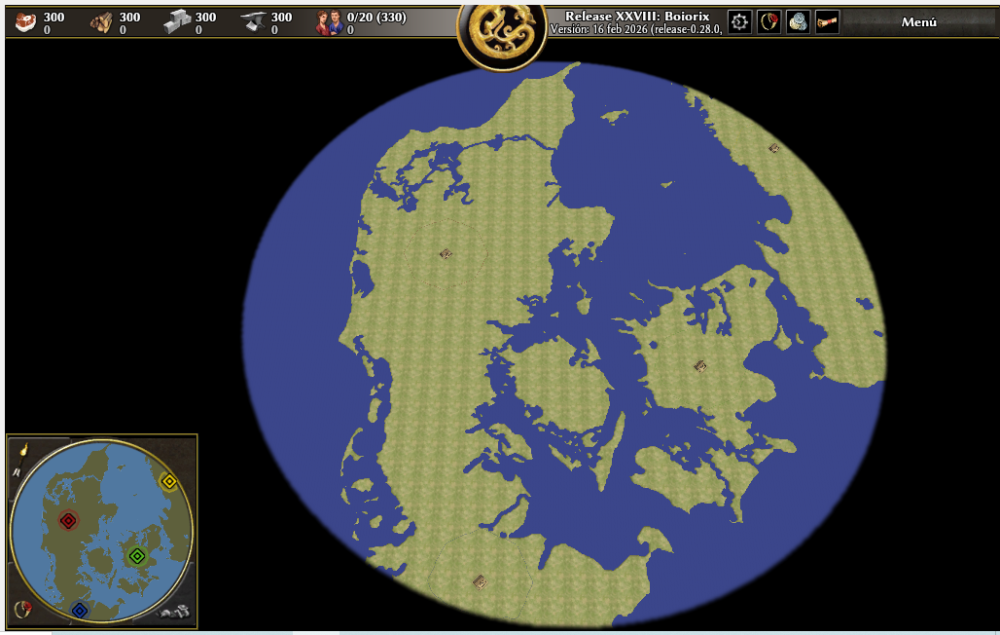
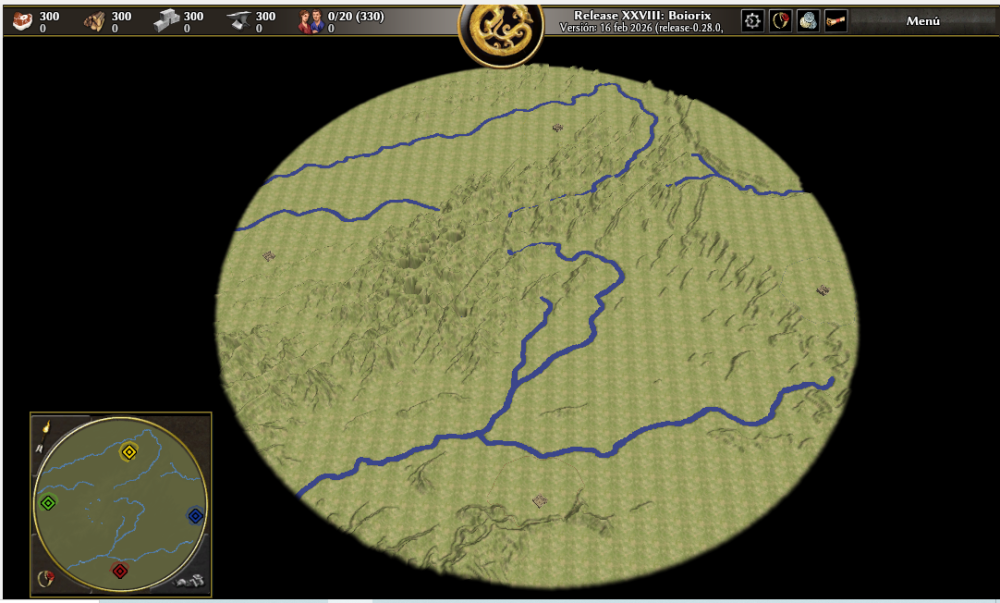
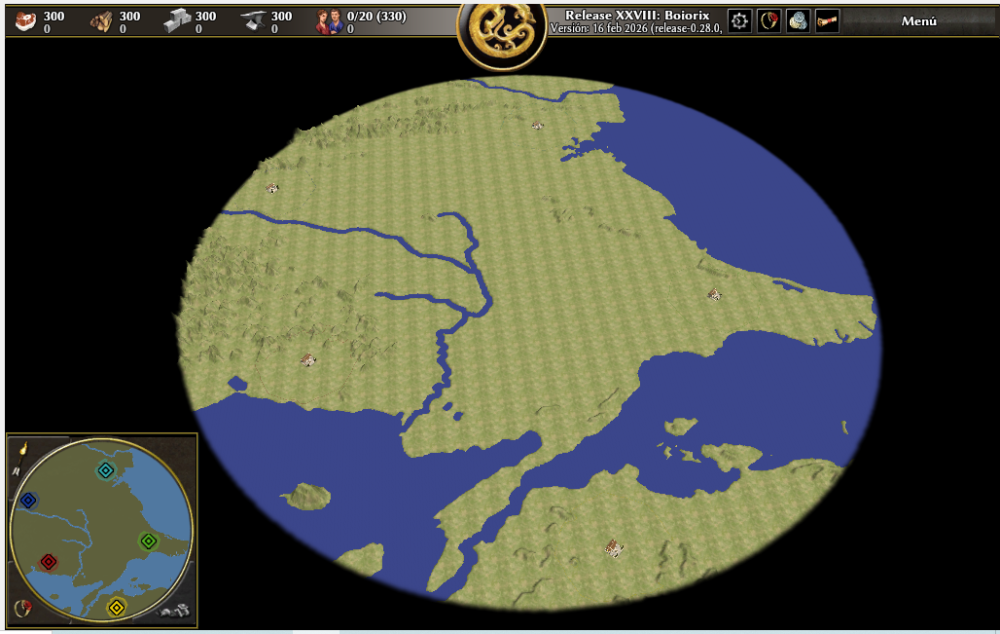
-
 Wow, it looks great! I guess now we can start shifting issues with a website tag to that repo. This will make things a lot simpler. Just guys, lets try to not let the issues pile up like they are in the main repo.
-
===[TASK]=== Wooden Theatron for the Spartans (and Thebans)
nifa replied to wowgetoffyourcellphone's topic in Official tasks
Yes, I've been working on that too. 5th century rendition, made out of wood, for the Spartans. 350 BC Lycurgan phase theater of Dionysos, made out of stone, for the Athenians. I'm hoping for it to replace current model, if it's good enough in the end. My plan is to work simultaneously on several different Skenes and seatings, so that some of the factions can get its own theater. Athenians, Macedonians, Ptolemies and Seleucids basically use the same model right now. And there are a few things I can reuse over all models with slight changes. -
The Chinese characters are not written correctly; the script should be the Small Seal script. Furthermore, the medium is inappropriate: bamboo slips could not be aligned in pairs to accommodate a single line of text, nor were they used as a surface for illustrations—at that time, paintings were executed either on walls or on silk. As for other aspects—such as objects that do not align with the historical image of the Han Dynasty—these are of secondary importance.
-
 It's very good and I'd like to add it to Atlas, but what we're looking for is a 5th century rendition of the theater, which has wooden seating and a very simple skene.
-
every single one of them looks "strange" even though they are simply to be thematic?
-
Is there a public repo for play0ad.com?
Stan` replied to bowen951209's topic in Game Development & Technical Discussion
I think it's a pun. Not sure. Feel free to open issues on https://gitea.wildfiregames.com/0ad/play0ad-website/search?q=Skenes @Grautvornix It's in about https://play0ad.com/about/ could be in a better place. I still need to iron how to have dynamic stuff on static pages but "Merge to main. CI builds the site, and the webserver picks the build up within about 10 minutes. CI also builds once a day, which is what publishes posts dated in the future." -
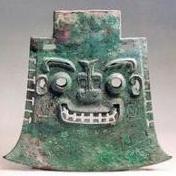
Were these icons generated by AI? They all have some issues—to a Chinese person, they would look rather strange.
-
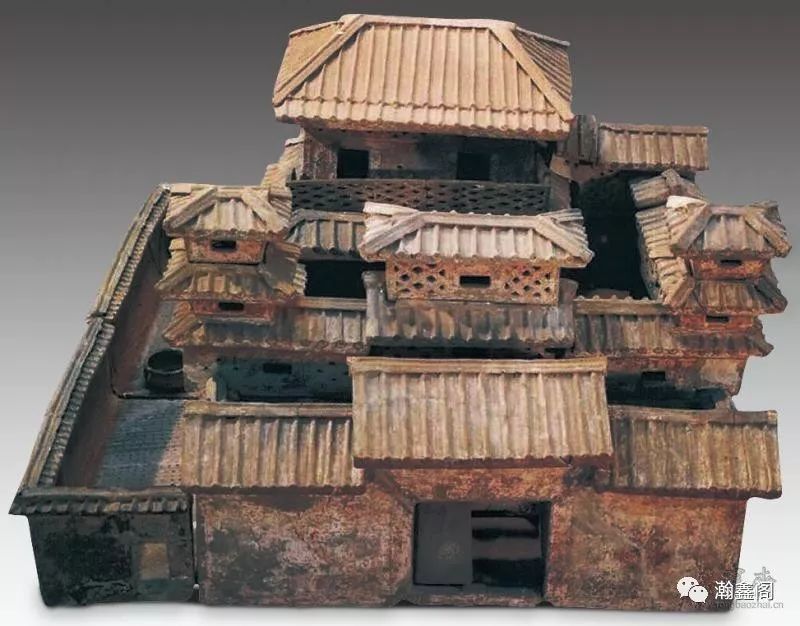
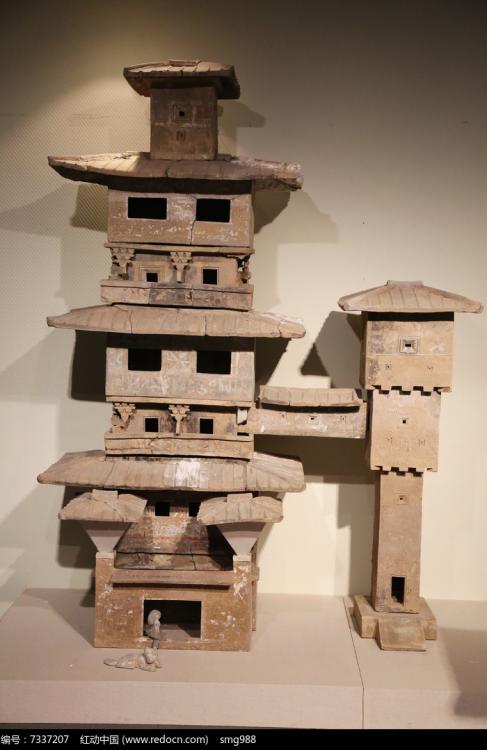
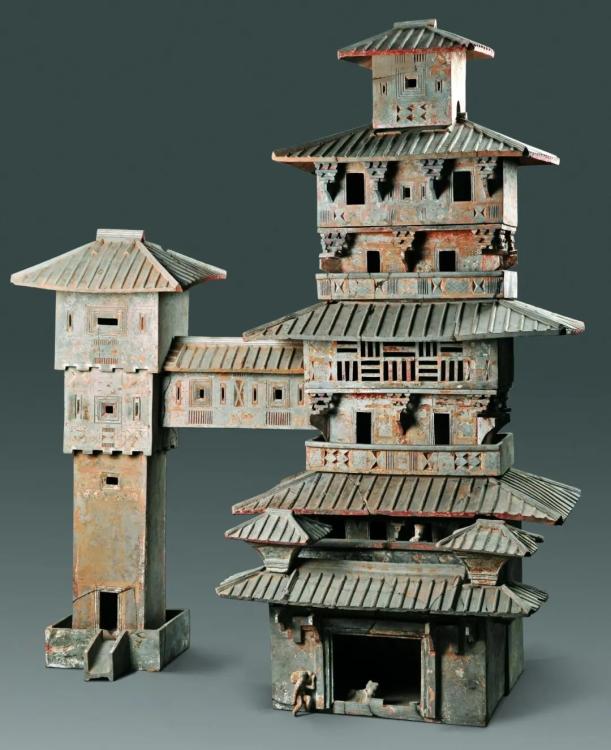
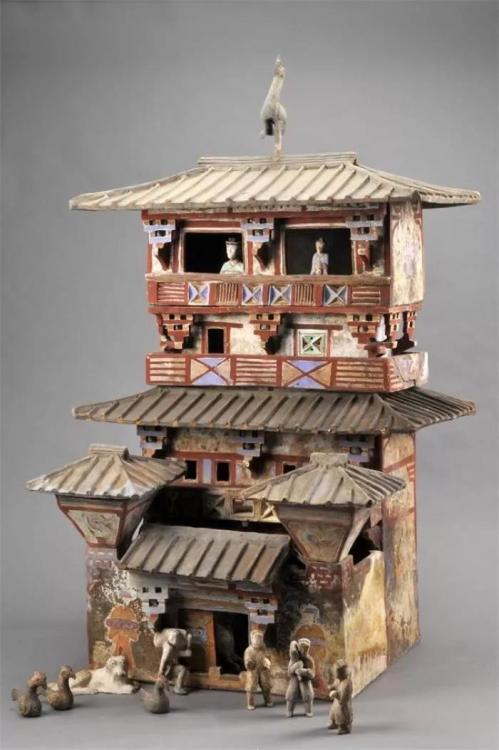
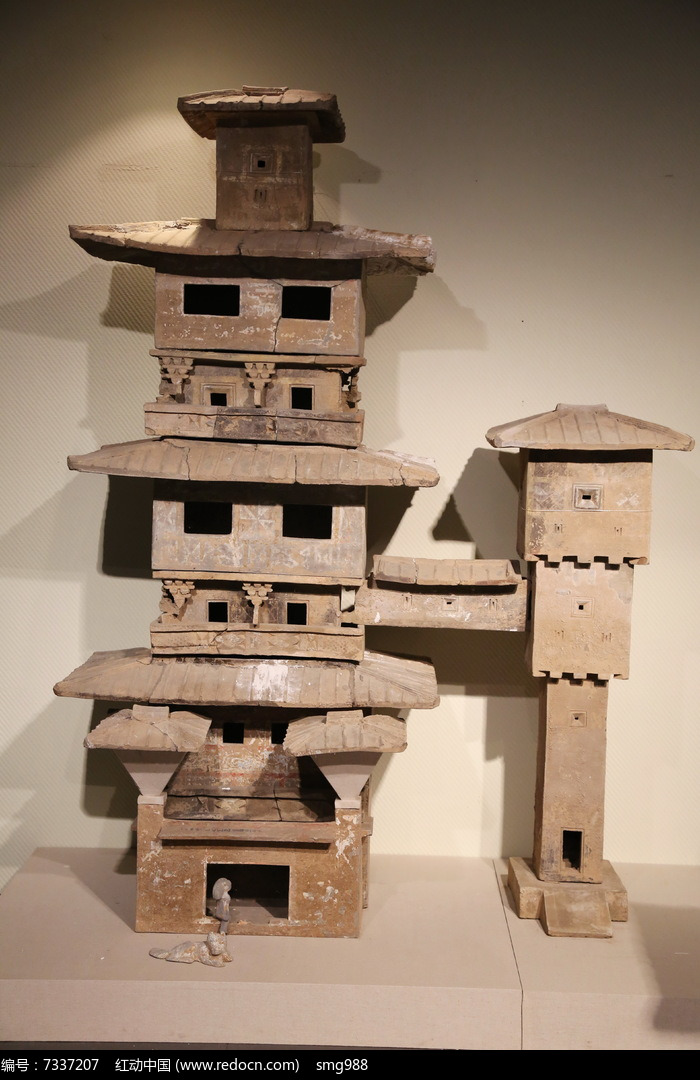
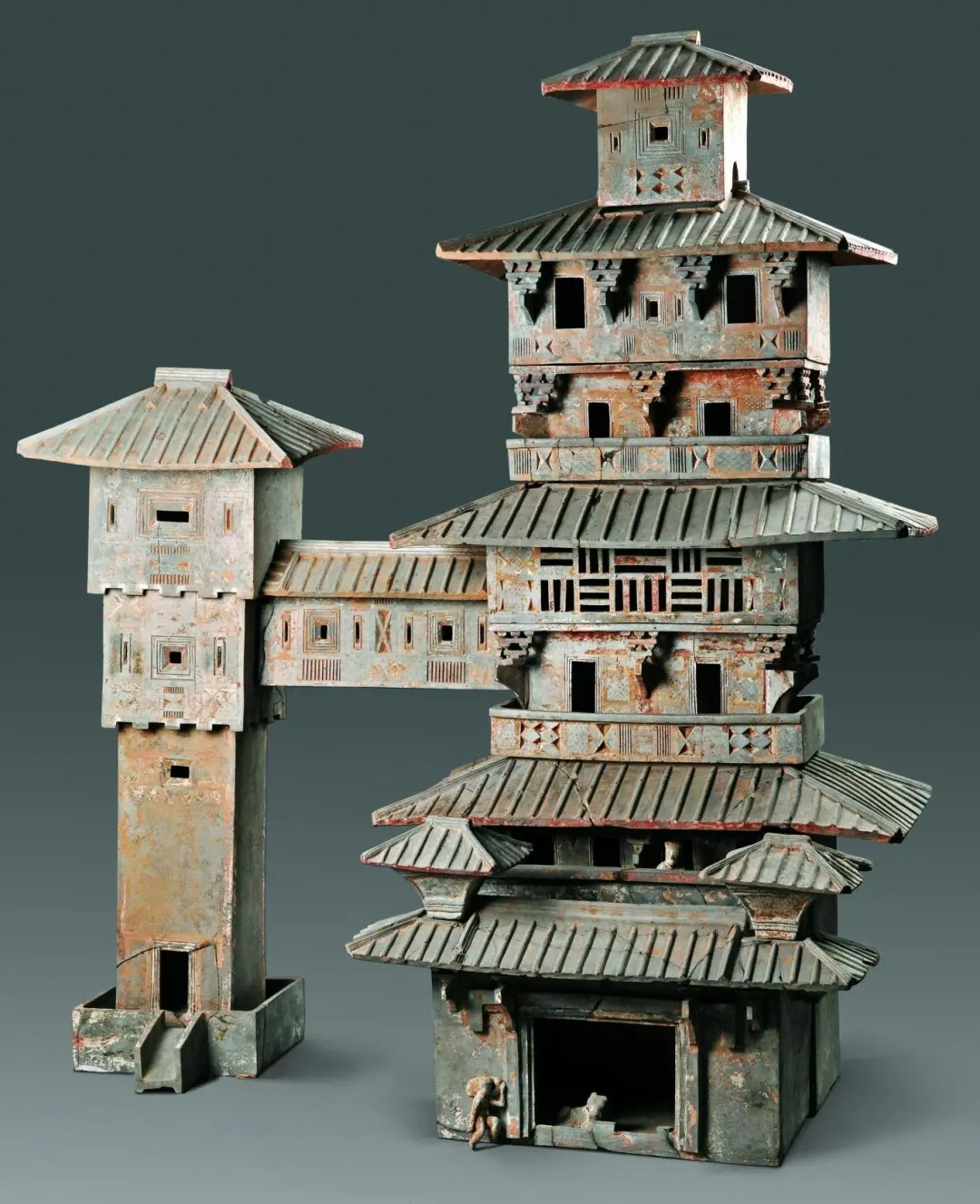
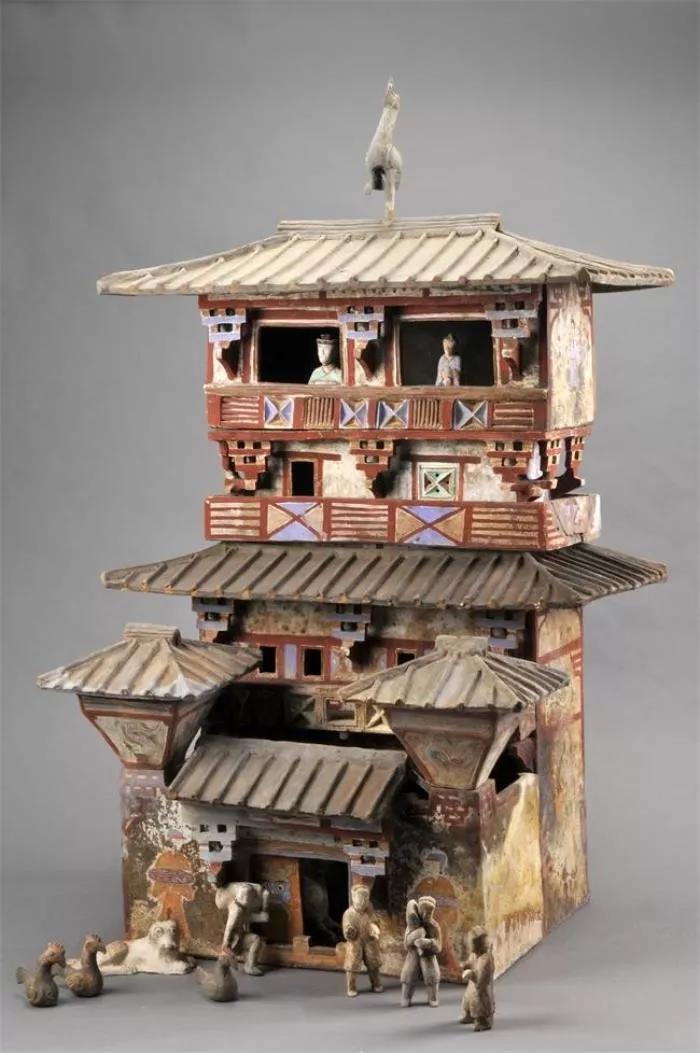
It should be noted that most of these towers were built by powerful local magnates during the Eastern Han Dynasty; they were not typical residential dwellings. These magnates constructed such towers for two primary purposes: hosting banquets and serving as military defenses. These fortified residences—which integrated towers with surrounding walls—are known as "坞堡WuBao." These magnates constituted a social class that possessed vast tracts of land and large numbers of enslaved people. While they were suppressed by the imperial court during the Western Han Dynasty, they expanded unchecked throughout the Eastern Han, ultimately contributing to the chaotic era that spanned the Three Kingdoms period through the Northern and Southern Dynasties. The Han Dynasty setting we are currently developing focuses primarily on the Western Han period, an era when ordinary residential dwellings were typically single-story structures.
-
I should point out that the pronunciation of Confucius in Chinese is "Kongfuzi"—it does not begin with the letter "C." That said, the idea regarding Cai Lun is a good one.
-
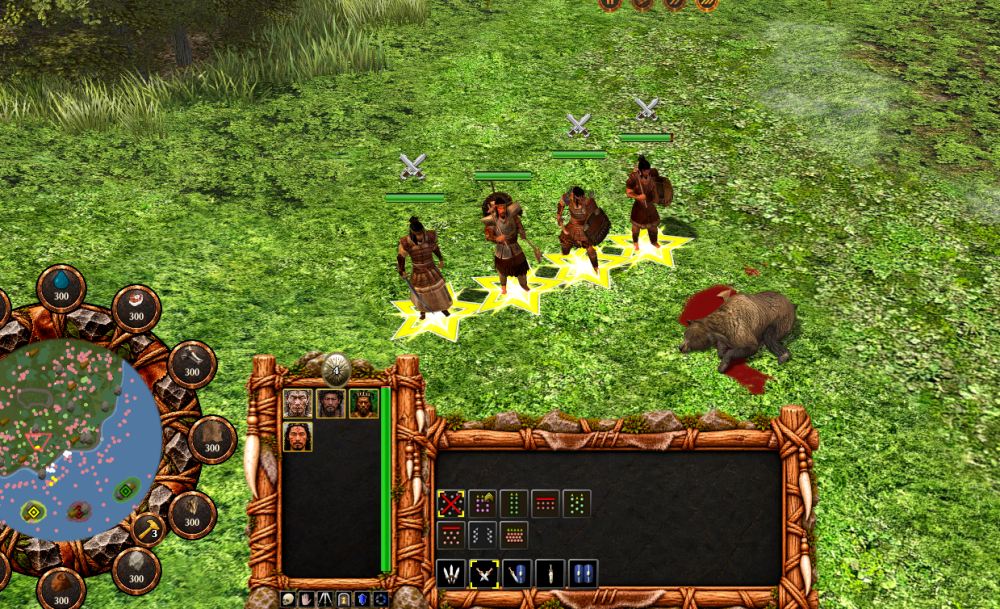
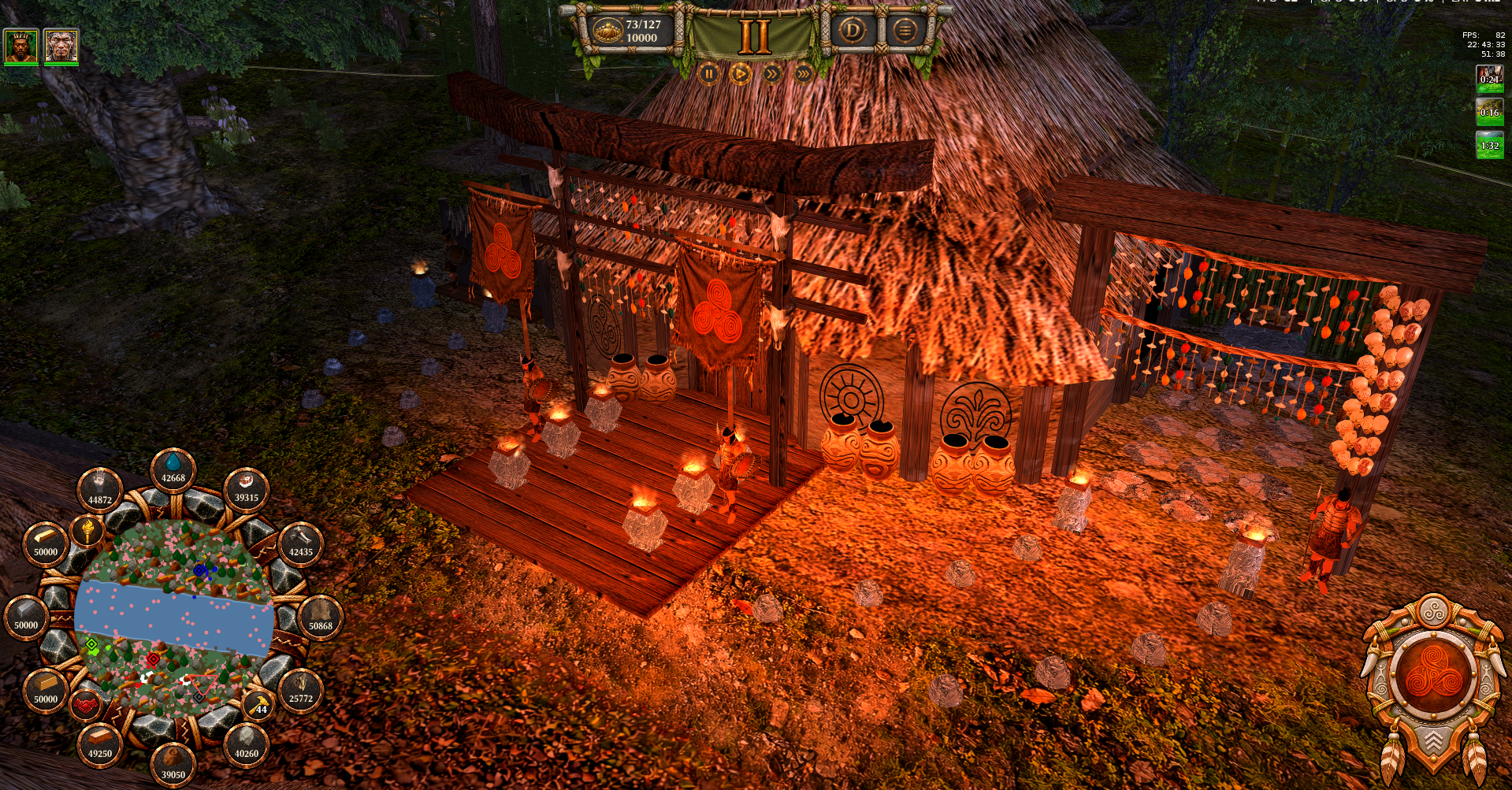
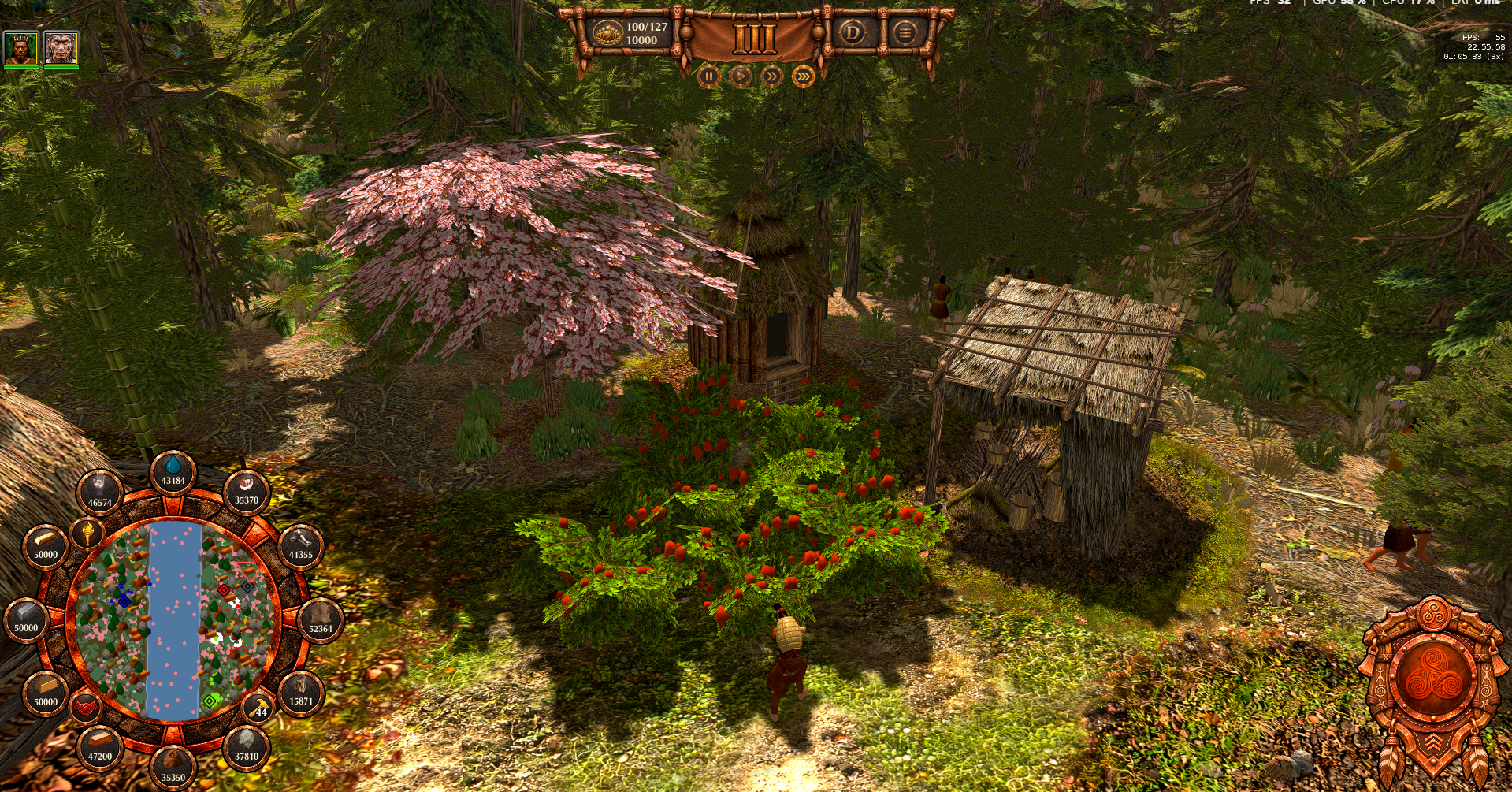
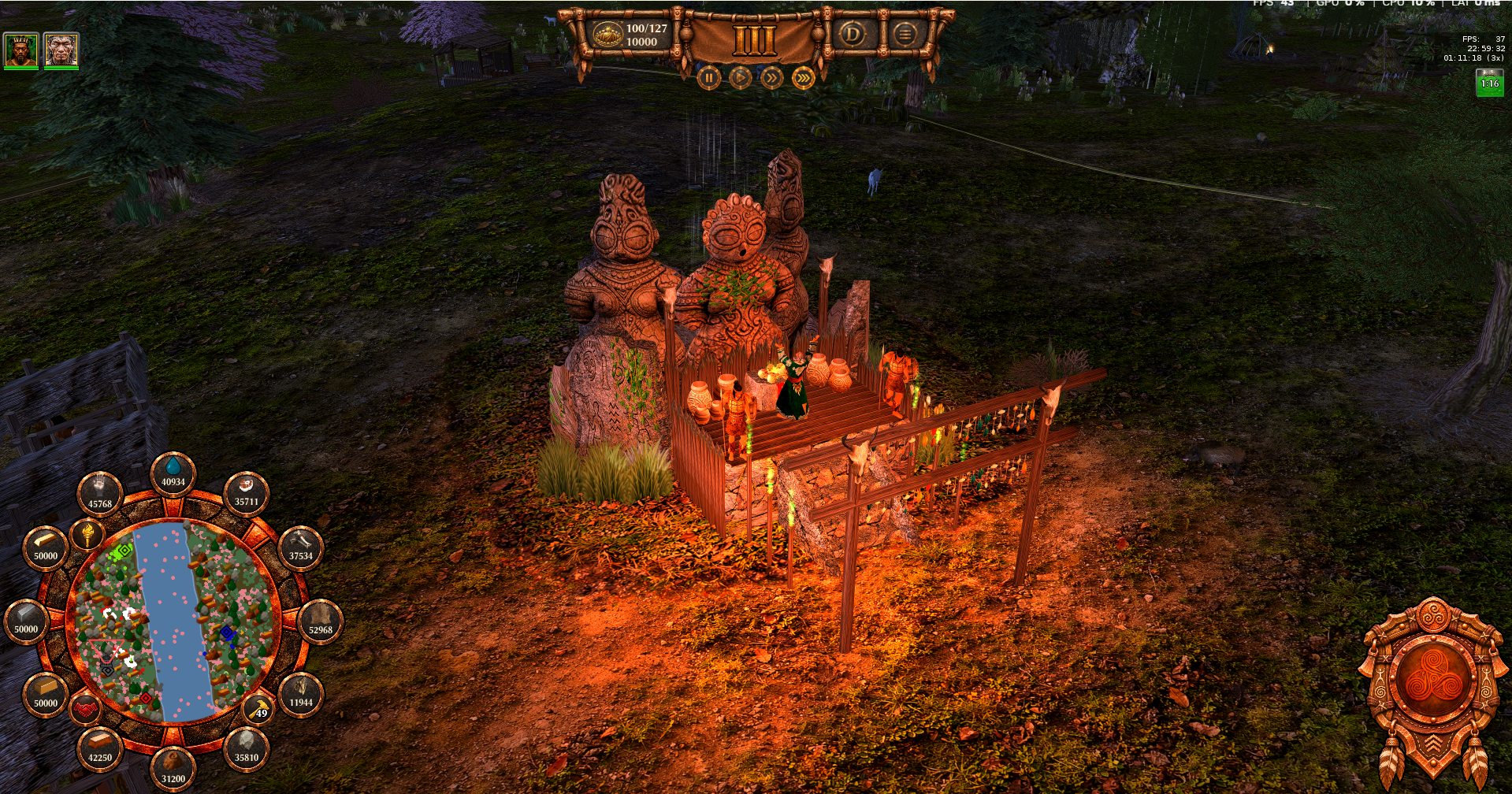
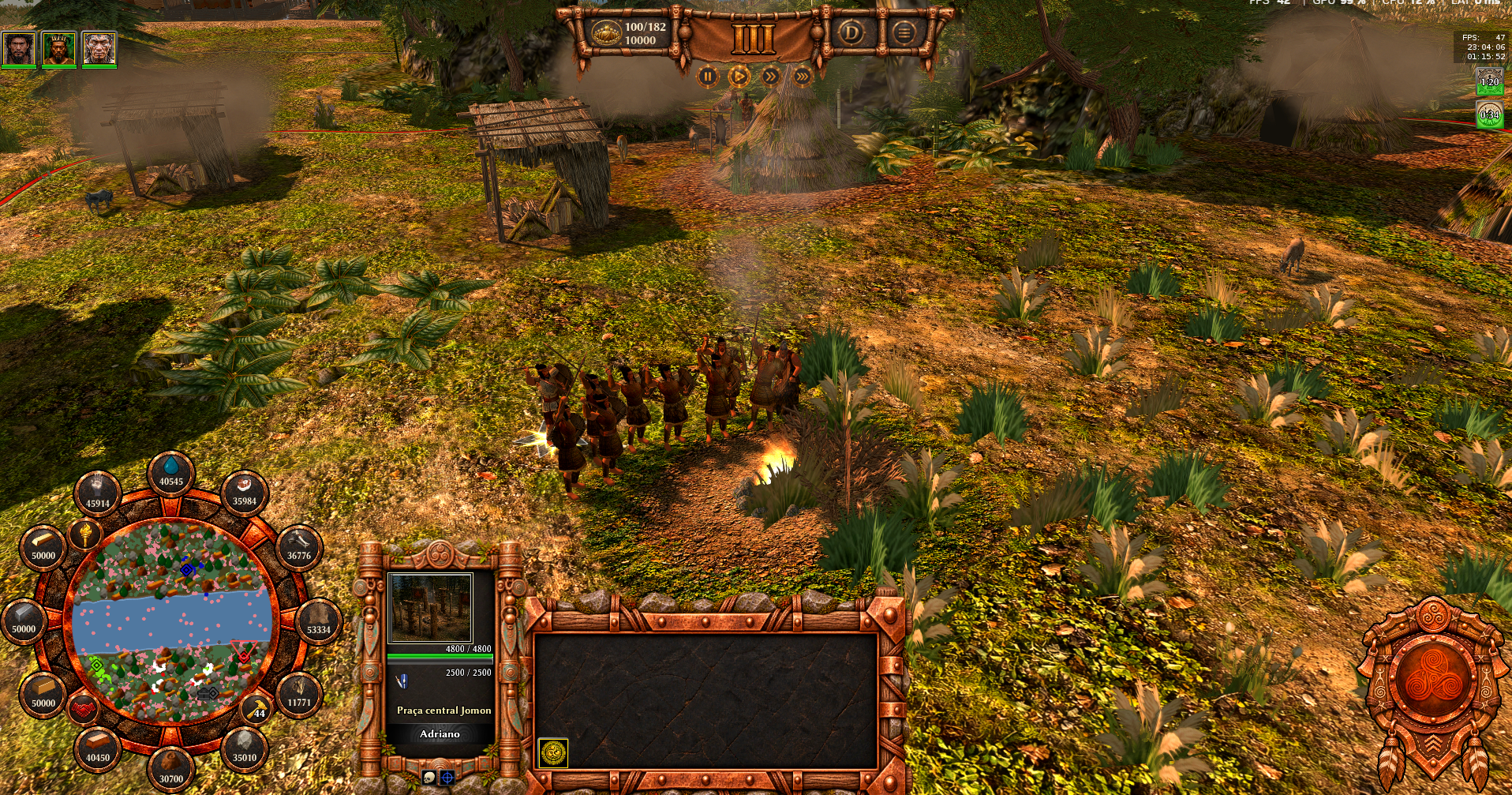
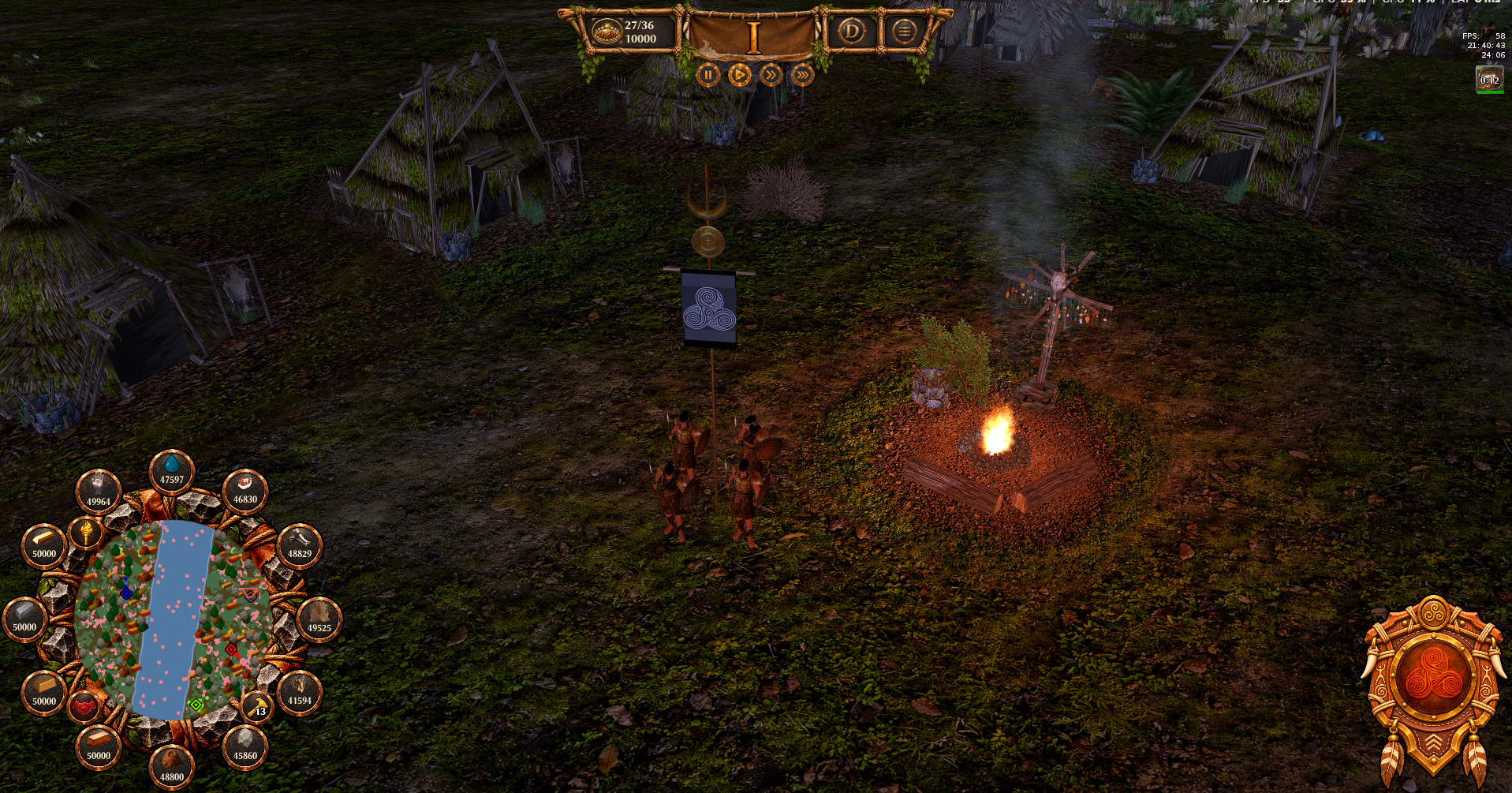
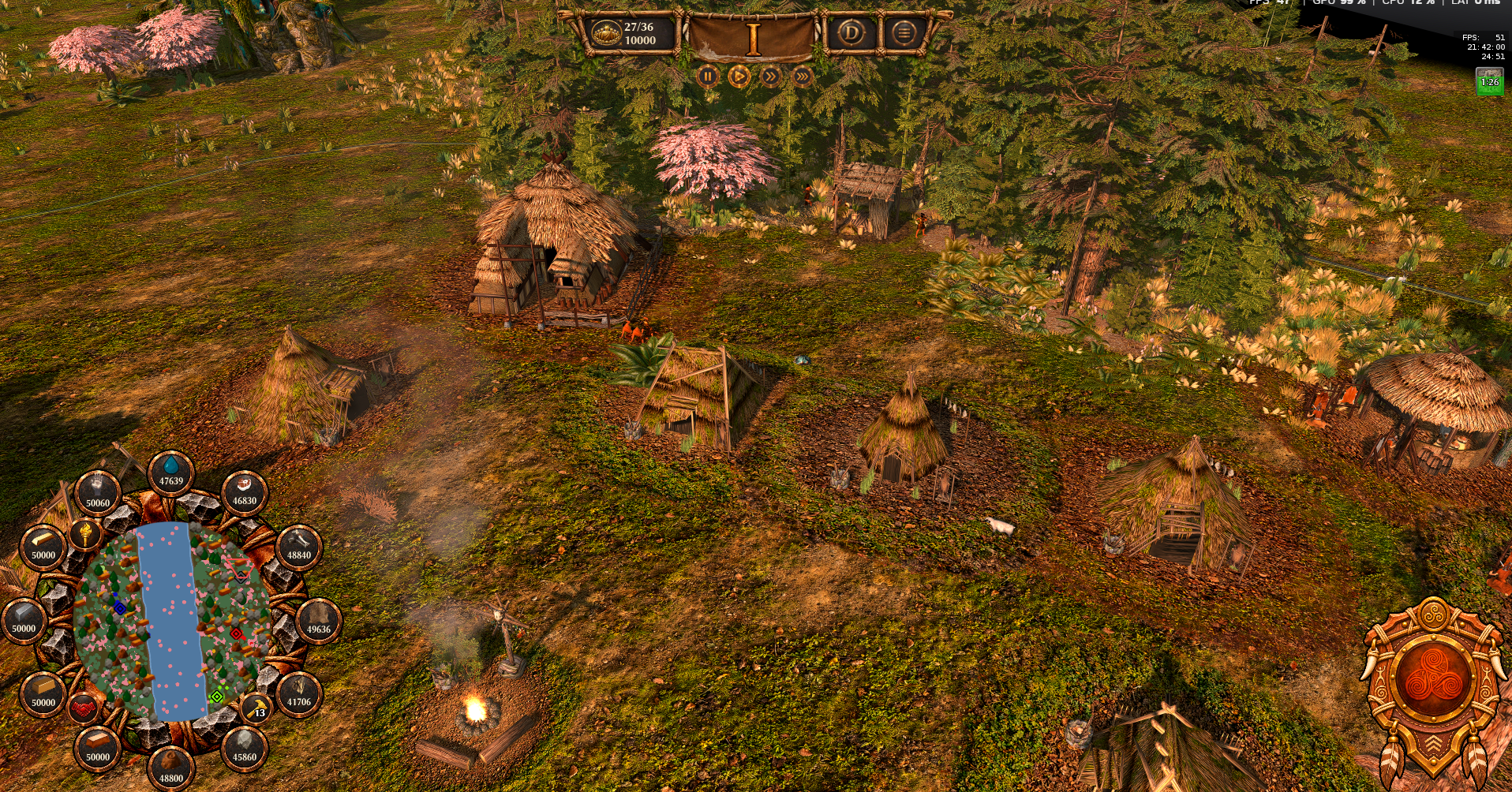
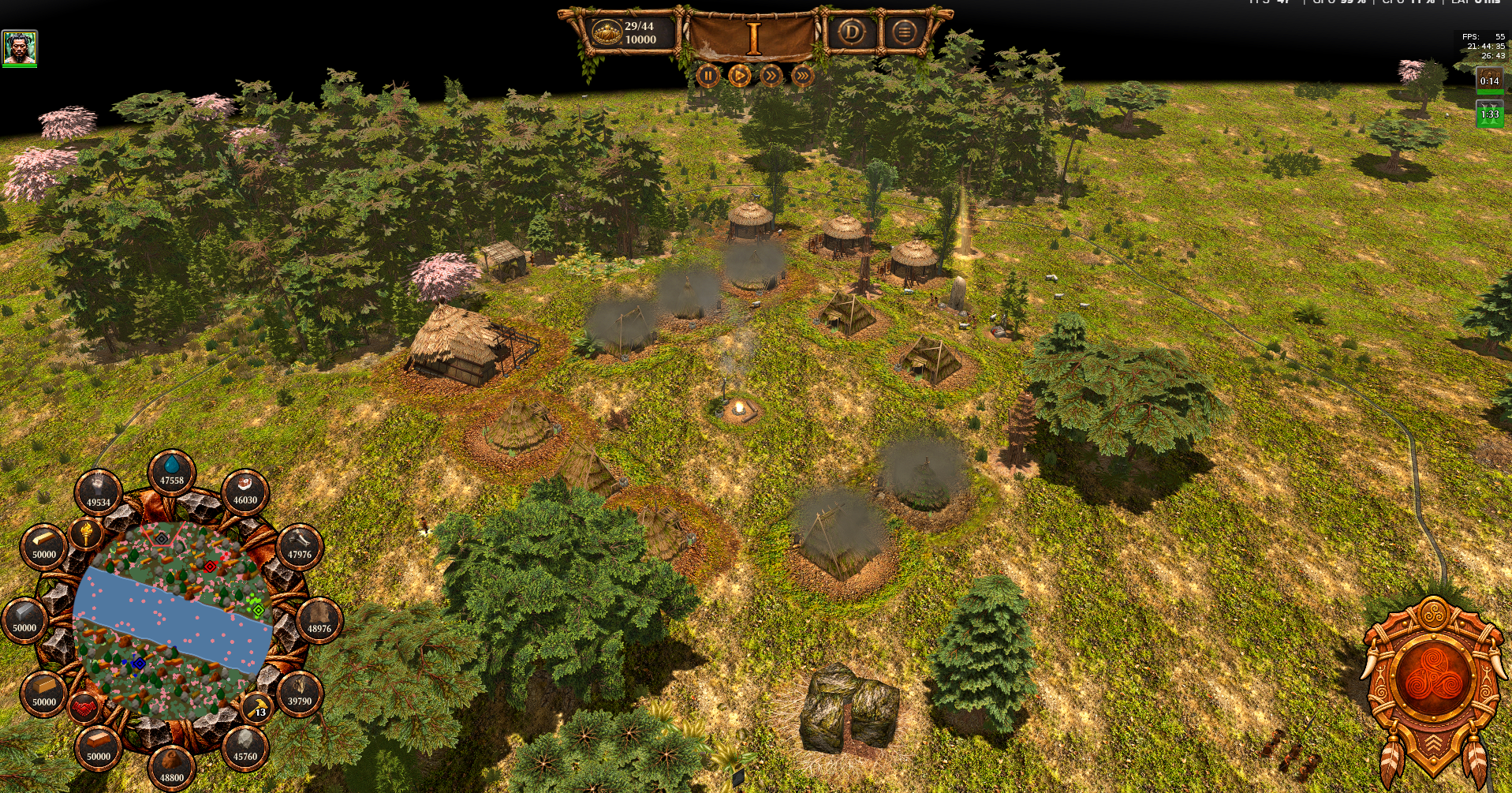
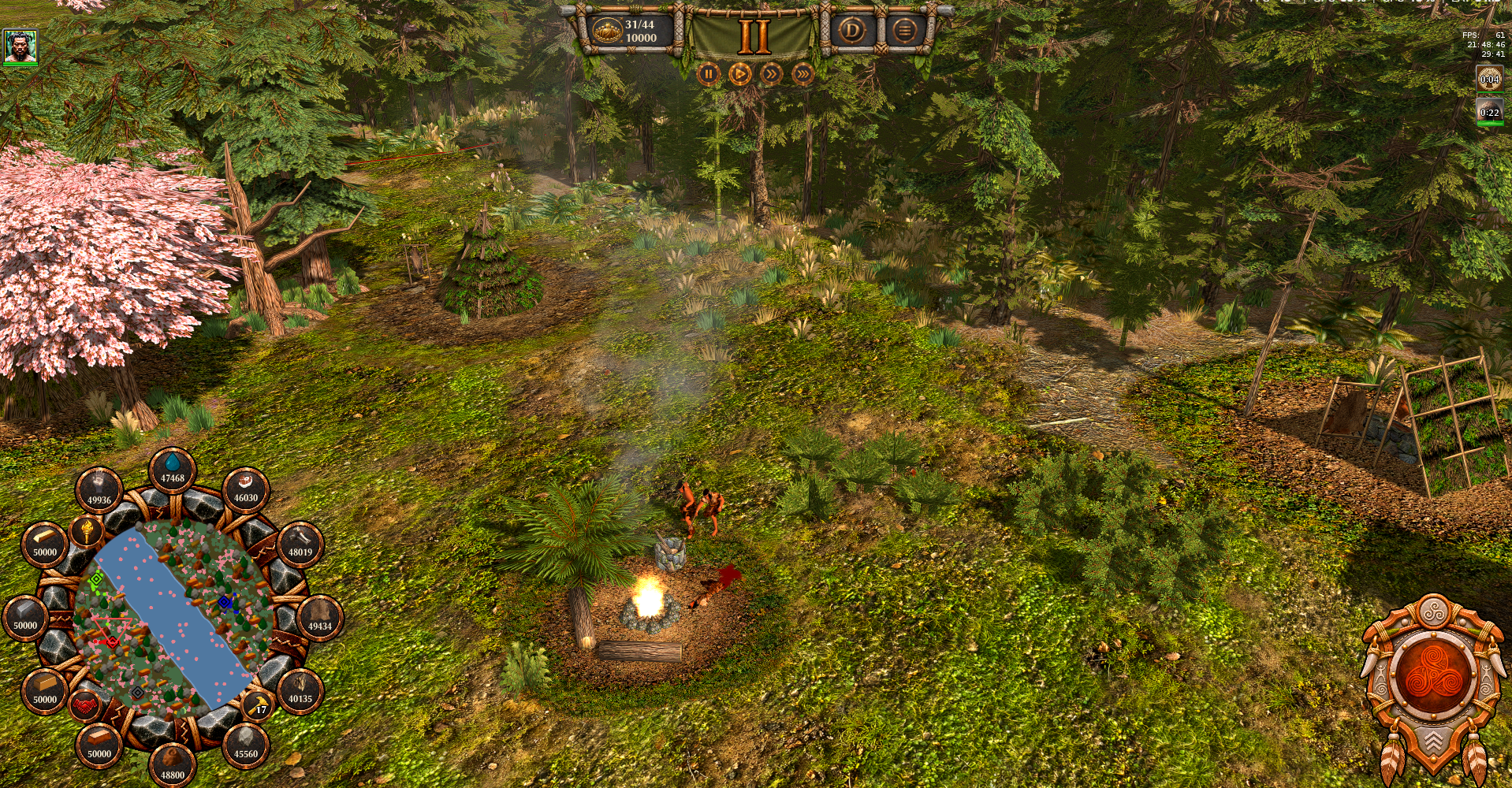
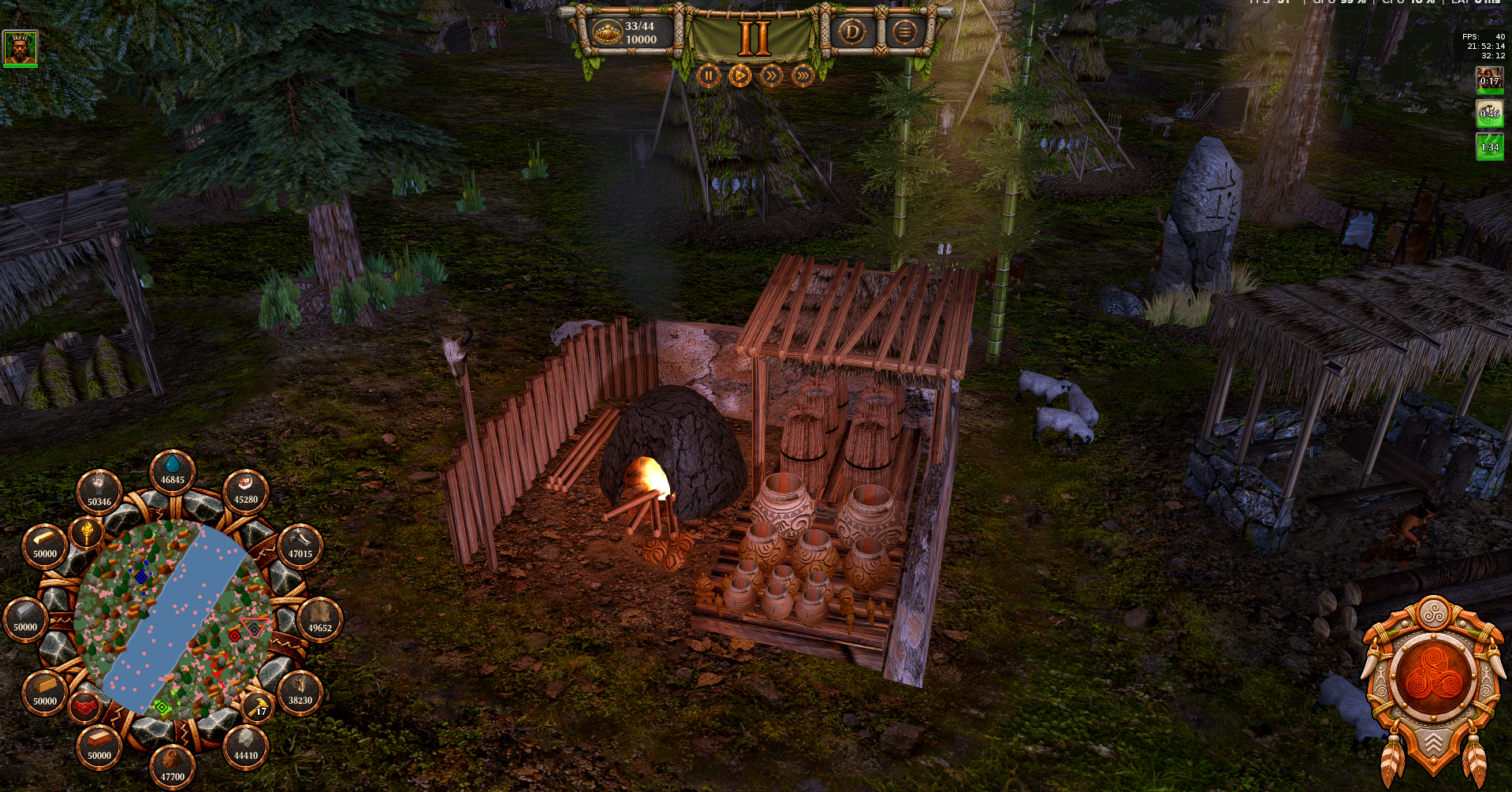
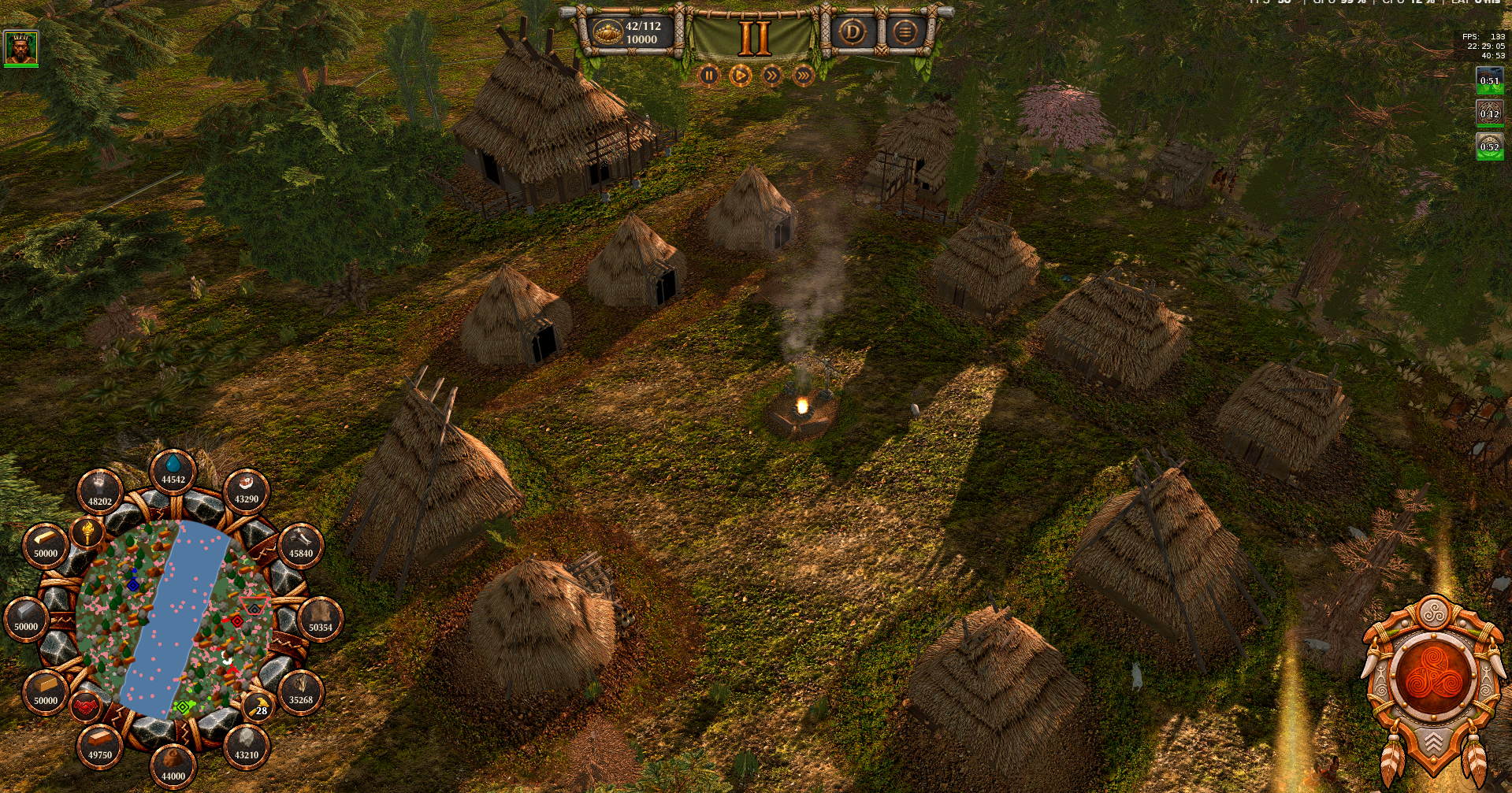
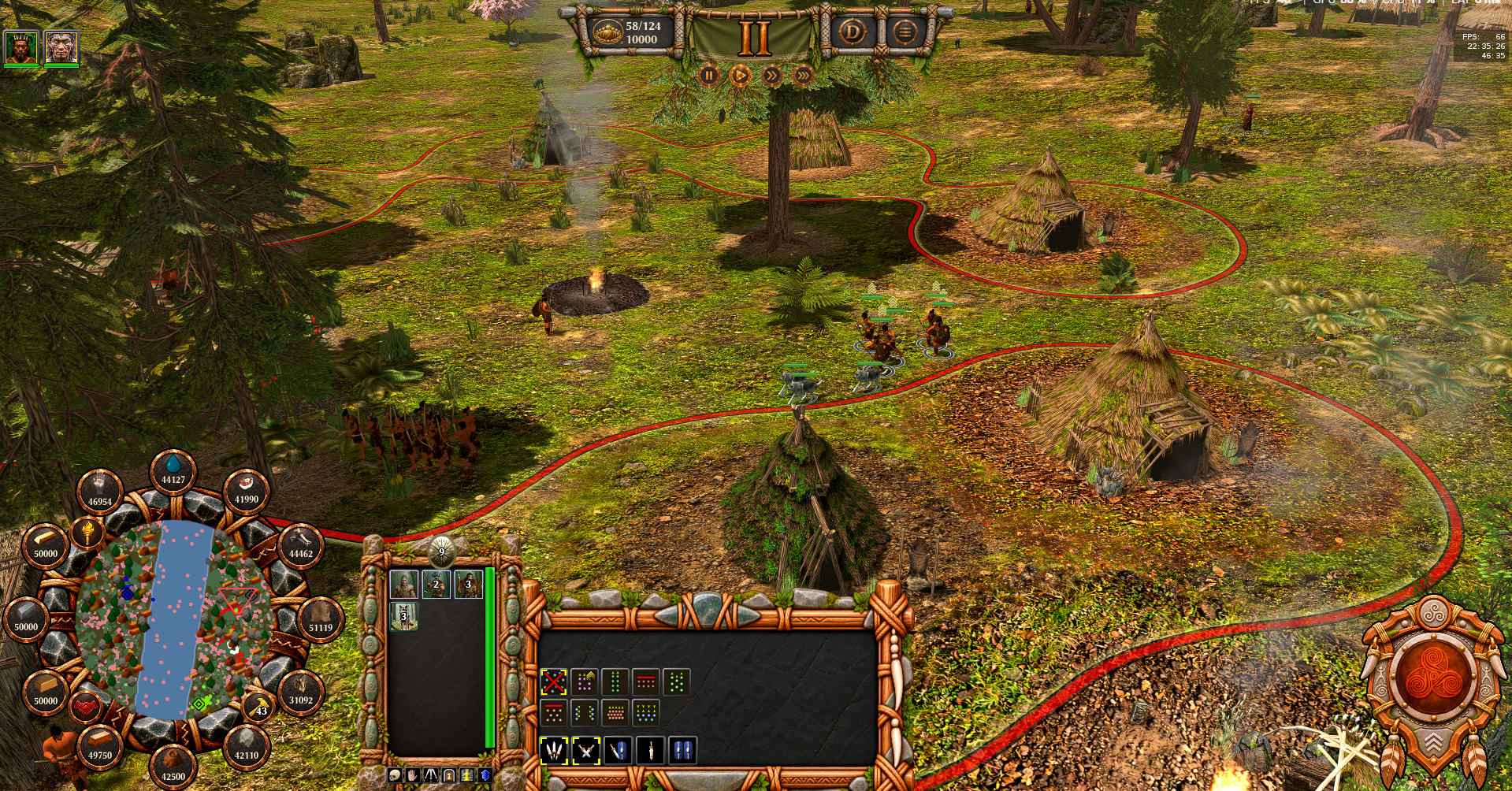
World Rising — New Development Updates and Improvements! Hello everyone! Today, I'm excited to share more updates on the development of World Rising! Over the past few weeks, I've been working extensively on several improvements, both visually and within the game's engine. My goal is to make World Rising more immersive, visually appealing, optimized, and packed with advanced gameplay mechanics. Here are some of the latest improvements! Dynamic Day and Night System I've implemented a dynamic day and night cycle, featuring smooth lighting transitions that change the atmosphere of the maps over time, creating a much more immersive experience. Dynamic Lighting and Particle Audio System I've developed a new system that allows particles to have their own sound effects. For example, fire particles now produce realistic burning sounds. In addition, I've implemented a dynamic lighting system that allows flames to emit light, illuminating units, buildings, vegetation, and other environmental elements during nighttime. I've also improved particle behavior, allowing certain effects to remain fixed in the game world instead of following the camera's movements. Environmental Audio and Naval Improvements Water now features a distance-based audio system. As the camera approaches the ocean, the sound of the waves gradually becomes louder. As the camera moves away, the volume smoothly decreases until it becomes completely silent. I've also made improvements to the canoes, adding realistic rocking movements and wave interaction effects to make naval movement feel more natural. Redesigned User Interface and Era Progression I'm currently redesigning the entire game's interface, creating a new visual layout that evolves alongside the different historical eras. Each era will feature its own visual elements, making civilization progression more engaging and visually distinctive. Performance Optimizations — LOD and Culling One of my main priorities has been improving the engine's overall performance. I've implemented LOD (Level of Detail) and Culling systems, which help manage object rendering based on camera distance and visibility. I've also made numerous optimizations to 3D meshes, vegetation, and other environmental assets to reduce resource consumption and improve performance, especially on maps containing large numbers of objects. Developing a Completely New Artificial Intelligence Another major challenge has been developing a custom AI system from scratch specifically for World Rising. The AI can already manage resource gathering, construct buildings, partially develop its economy, and launch basic attacks against opponents. There's still plenty of work ahead, but the system is already showing promising results and continues to improve with each update. Vegetation Improvements and New Maps I've also made several improvements to vegetation, focusing on both visual quality and rendering performance. Additionally, I'm working on the game's second map, which is already approximately 50% complete! Upcoming Improvements — More Realistic Water One of my next major goals is to improve the game's water rendering system. I plan to enhance the visual effects of oceans, rivers, and waves, making water look much more natural and realistic. And these are just some of the latest developments! Many other improvements and features are currently in progress and will be revealed in future updates. World Rising Continues to Evolve! Developing World Rising has been a challenging but rewarding experience, especially since I'm creating and modifying numerous systems directly within the game engine. Every new feature brings the project one step closer to the experience I want to deliver to players. I'll be sharing some screenshots and videos showcasing these latest improvements! I'd really love to hear your thoughts! What do you think about these changes? Which feature caught your attention the most? And what would you like to see in future updates? Feel free to leave your comments, feedback, and suggestions! Thank you to everyone who continues to follow and support the development of World Rising! teste.mp4 Gravando 2026-11-04 020424.mp4
-
I'm partial to the name Κύριλλος (Cyril), it doesn't have any famous connection to the time of 0 A.D. but the name is cool.
-
I'm going to see what other influences the Palmyrenes might have, such as the Parthians or Sassanians. It says 6th century here, but I like how she uses the headdress. It gives me an idea.











-
Latest Topics
-


