
All Activity
- Past hour
-
I am fully aware of this, and that is precisely the crux of my argument. Neither *þurpa nor *haimaz is directly attested in Proto-Germanic. Their forms and meanings are reconstructed from later evidence. Our earliest extensive Germanic evidence comes from fourth-century Gothic, where þaurp refers to agricultural land or a farm, while haims repeatedly means "village" or "hamlet". Beyond Gothic, we must therefore look for independent evidence that can help us reconstruct the earlier semantic history of both words. In the case of *haimaz, the collective meaning is independently supported by early Frankish evidence and some of the oldest Germanic place-name traditions in -heim, -hem and -hām. These names were used very early on to refer to communities and villages. The chronological evidence is particularly important. Stefan Brink assigns some Scandinavian -he(i)m names to the centuries around the beginning of the Common Era and dates Vattjom to approximately AD 200. German place-name research likewise treats -heim as one of the oldest settlement-name types, with possible sporadic formations around the beginning of the Common Era and increasing productivity during the Migration Period. This makes it highly plausible that the collective and territorial meaning of *haimaz was already present at an early Germanic stage. I'm not sure I see the relevance of that. The Celtic comparison may help reconstruct the wider history of the Indo-European root, but it cannot by itself determine the meaning of *haimaz in Proto-Germanic. Germanic and Celtic had been separate branches for a very long time (at least since 2500 BC), and cognates in separate branches can undergo substantial and independent semantic developments. The relevant question is therefore not whether a Celtic cognate developed a particular meaning, but which interpretation best explains the internal Germanic evidence. For that purpose, Gothic, Frankish, Old English and the early Germanic place-name traditions are more directly relevant than semantic developments within Celtic. I do not see how this contradicts my argument. Etymology suggests that these words derive from an Indo-European root that meant "to be lying down, to settle". In some cases, words derived from this root have come to refer to the concept of a dwelling, while in others, they have come to denote relationships through the notion of sleeping in the same place as other people. Brink’s examples show precisely that distinct derivatives of the same root could coexist with different meanings within the same language. The absence of a surviving Celtic settlement term from this particular formation therefore does not establish that Proto-Germanic *haimaz lacked such a meaning. More importantly, the meaning "village" did not appear solely in Gothic. It is independently represented in Old English and Frankish evidence, while the corresponding place-name tradition is ancient and geographically widespread. The most economical explanation is that the collective meaning was inherited from an earlier Germanic stage, rather than independently invented several times. You are isolating Brink’s final sentence from the argument that leads to it. When he defines the semantic core as "the area and place where you live", he is not restricting it to one individual’s private house. Immediately before that conclusion, he applies the same concept to farms, villages and inhabited territories. His final sentence summarizes that range, it does not erase the collective meanings established throughout the chapter. Once again, the collective application is not unique to Gothic. Old English hām and Old Saxon hēm clearly referred to villages in many cases and they were associated to the earliest period of settling, during the 5th and 6th centuries. The Frankish evidence also supports some collective applications of haima. The toponymic evidence independently points in the same direction. The cumulative evidence shows that its collective and territorial application is ancient, geographically widespread and independently represented in several Germanic traditions. According to whom? In the game, the Roman first-phase term is "Vicus", a similarly flexible word that could refer, depending on context, to a rural settlement, an urban quarter, a principal street, a local community or an estate-like establishment. It was not a fixed demographic category within a three-level hierarchy. The semantic flexibility of *haimaz is therefore not inherently a weakness. Just like the word "Vicus", "Haimaz" likely referred to villages, as is the case in Gothic, Old English, Old Saxon, and Frankish. I have not. The earliest Germanic evidence does not support *þurpa as the clearer collective settlement term. In Gothic, þaurp is not used for any of the numerous villages mentioned in the biblical text. Its sole surviving occurrence refers to agricultural land or a farm. By contrast, haims repeatedly denotes villages and participates in explicit contrasts between rural settlements and cities. Nor does the agricultural meaning of þaurp appear to be a uniquely Gothic innovation. Scholars interpret þorp in the Hávamál as heathland or upland meadow, while Old Scandinavian evidence preserves torp for individual farms and agricultural holdings. Medieval Swedish law similarly uses the term for a single, often small farm, possibly detached from a village. These meanings belong naturally to a semantic field centred on an agricultural establishment and its associated land. Villages could subsequently develop through the division of a large farm, the addition of dependent holdings or the clustering of several farms. The collective settlement meaning is therefore readily explained as a later semantic expansion without treating Gothic as an isolated exception. The chronology of the place-name evidence is consistent with this semantic development. Names in -heim are generally assigned to some of the oldest layers of Germanic settlement nomenclature. Some Scandinavian examples may date from around the beginning of the Common Era, and the continental type became increasingly productive during the Migration Period. By contrast, widespread formations in -þorp, -torp and -dorf are characteristically associated with later phases of settlement expansion, agricultural colonisation and rural reorganisation like the spread of the manorial system (Grundherrschaft / Fronhof). I have already shared Stefan Brink’s explanation: "The medieval element torp, however, must be seen in a context of the huge colonisation in northern Europe during the high Middle Ages, within a new ‘feudal’ agrarian system with a ‘manor’ and dependent tenant farms within an estate. In Germany these tenant farms often had the name dorf (< þorp), and the word for such a dependent farm was spread with the new colonising strategy to Scandinavia. Early on, the element torp must have developed into a meaning of secondary farm, a farm detached from a hamlet etc., hence not always denoting a tenant farm within an estate." I'll add the conclusion by Richard Jones, David N. Parsons, and Paul Cullen from their book (Thorps in a Changing Landscape): "We must also recognise ultimately that we are dealing with a group of places that began to form in the ninth and tenth centuries, and would continue to do so well into the early modern period. We are dealing, then, with a place-name that has currency for over a millennium. There is every likelihood that, over this time, the original sense of the term or its defining features will have been lost, forgotten or become irrelevant. Certainly, by the end of the Middle Ages we already seem to pick up a transformation from something specific to something more general. For Langland and Chaucer, writing in the fourteenth century, a thorp had become a byword for any small rural settlement. No small wonder, then, that when the full corpus is examined, some of the relationships we have uncovered – in particular, the link between soil types and these places – becomes weaker. Over time, the sense that thorps were places specifically engaged in arable farming appears to be lost. [...] That said, we believe that the history of many thorps, perhaps the greater majority of them, may well be closely entwined with the story of the open fields of England. These small, dependent and seemingly unimportant – some might say irrelevant – places, we suggest, played a pivotal role in the cereal revolution of the early medieval period and the consequent reorganisation of the English landscape in the two centuries either side of the Norman Conquest. Thorps were born out of these transformations of farming practices and settlement patterns from the late ninth century onwards." It is entirely consistent with a development in which *þurpa- first referred to a newly established agricultural holding and later became productive for secondary farms, hamlets and villages. The later -torp and -dorf place names therefore document what the word meant during particular phases of colonisation and agricultural reorganisation. They cannot simply be projected backwards as transparent evidence for its Proto-Germanic meaning. The claim that Gothic uniquely innovated is consequently difficult to sustain. Gothic is not the only Germanic tradition preserving agricultural or non-village meanings. Comparable meanings occur in Old Norse poetry, Scandinavian legal terminology and later dialectal usage. Gothic therefore appears less as an isolated exception than as an early witness to a broader semantic range centred on an agricultural establishment and its land. By contrast, the collective use of cognates of *haimaz is directly attested, ancient and geographically widespread, while its toponymic descendants belong to some of the earliest settlement-naming traditions of the Germanic world. For these reasons, I still consider Haimaz the stronger and historically better-supported choice for the game’s initial settlement phase.
- Today
-

[Devlog] Burning Heart (a narrative campaign for 0 A.D.)
Nicolaus_von_Kues replied to lilypoppy's topic in General Discussion
Lusitanians. -
I said a while ago that we needed an element that would automatically patch the game or at least allow the player to test the new balances without depending on a mod. Now I think I should have a fast ring and a slow one. https://windowsreport.com/windows-insider-rings/
-
I'm not part of the balance team. I just contribute wherever I can. And honestly, I'm not sure whether I'm capable of delivering good results. In my opinion, there are a few other changes that could be made, such as slightly nerfing slingers and improving archers. That said, I think finding the right balance is difficult, and implementing too many changes at once could be a disaster. Especially considering that updates throughout the year are almost nonexistent, a major rebalance could leave us with a very negative gameplay experience for an entire year. My understanding is that the idea behind the Community Mod was to bring some dynamism to the game through regular updates, allowing for balance fine-tuning and testing of features that could potentially be incorporated into the main game. Unfortunately, the people involved and the time available seem to be very limited. This year, the Community Mod was barely tested. Very few people contributed to testing it. I've done what I could to promote the mod, but ever since I moved, I haven't been hosting games anymore because my connection has been unstable. And the most popular hosts at the moment haven't committed to supporting this initiative. So much so that they haven't even voted in the poll. I don't think they even visit the forums much. I've left messages on the Discord servers where I've seen them active, but it didn't lead to anything.
-
@real_tabasco_sauce @guerringuerrin @Atrik don't you think the game could use a lot more balance changes than just focusing on naked fanas and champ cav for an update of the whole year? hints at sussy reforms
-
very hard of course, thought it goes without saying :-]
-

mod LocalRatings mod - evaluate players' skills based on previous games
ffm2 replied to Mentula's topic in Game Modification
Small changes: -Displays a notification now on every team setting change. Easier to track changes. Only visible for the mod user (so no spam if more mod users are present) And fixes a small bug in the rating changes displayed in the replay menu. LocalRatings_Teambalancer.zip
-
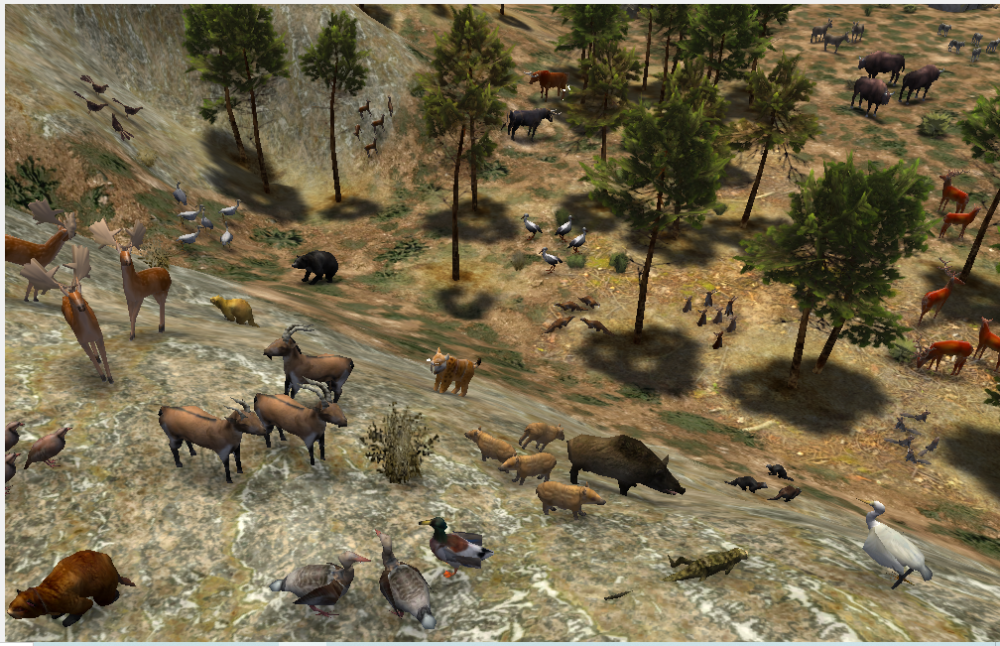
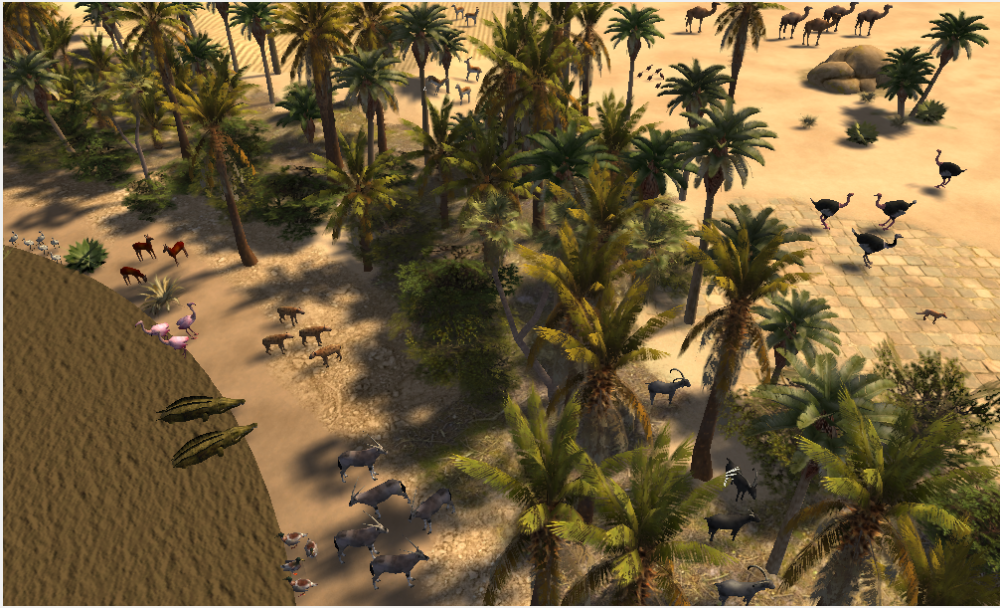
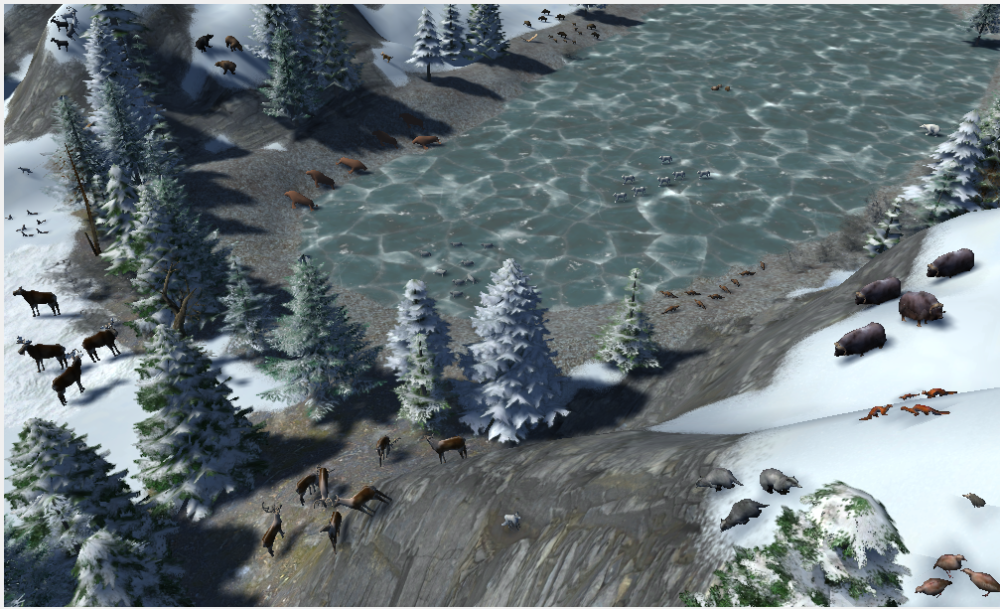
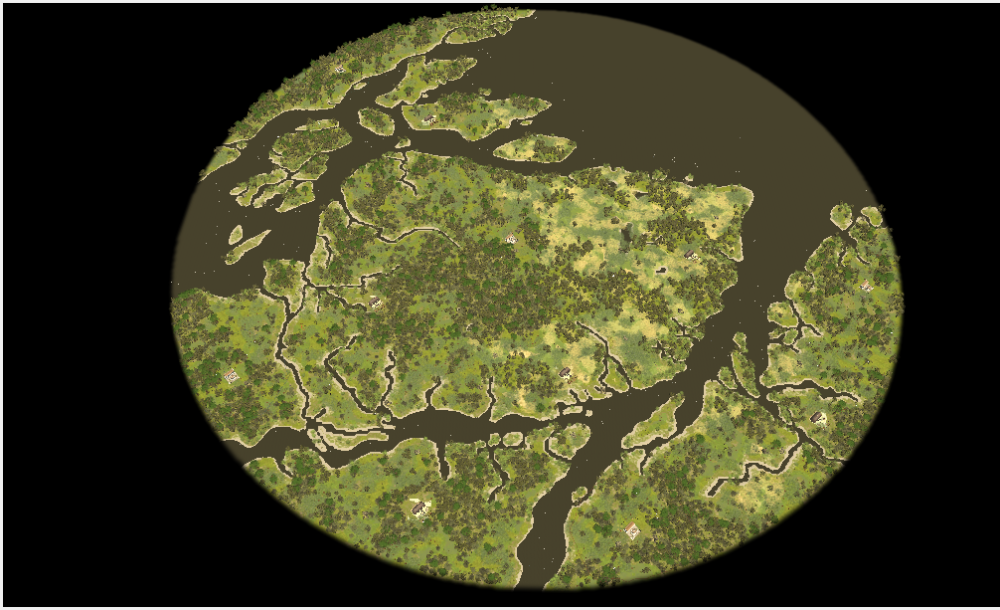
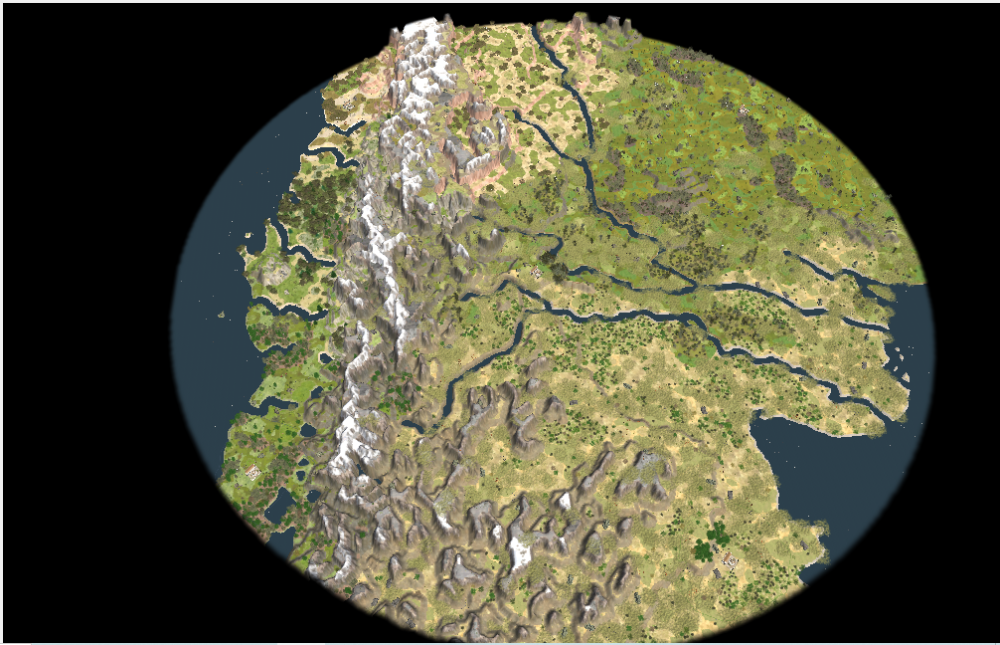
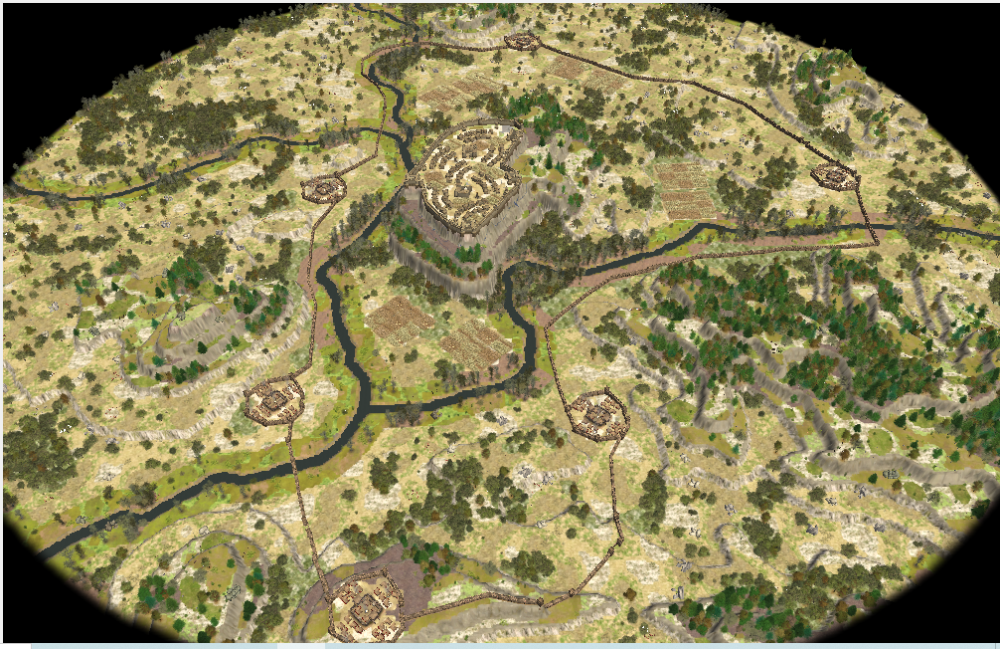
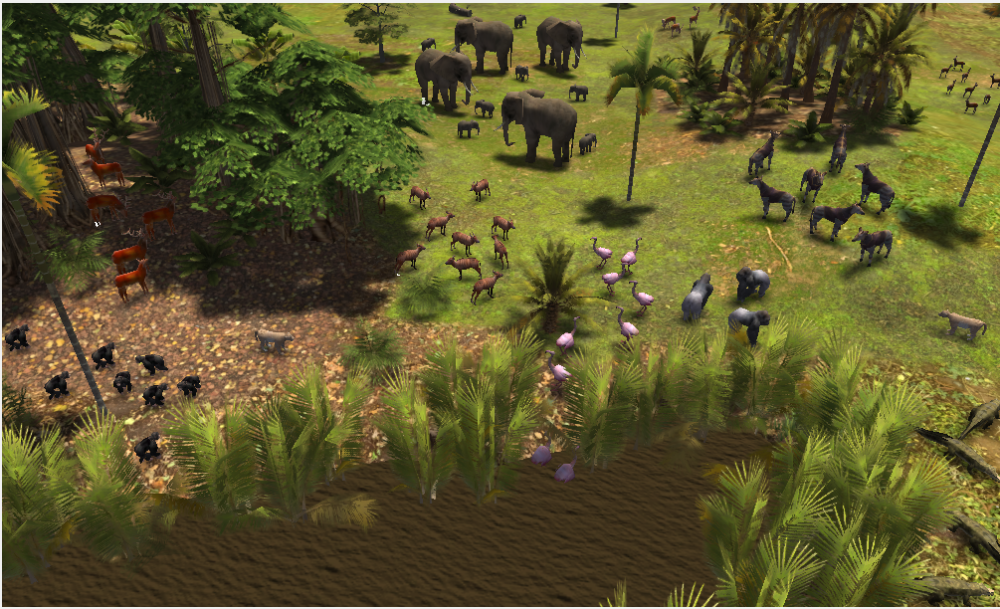
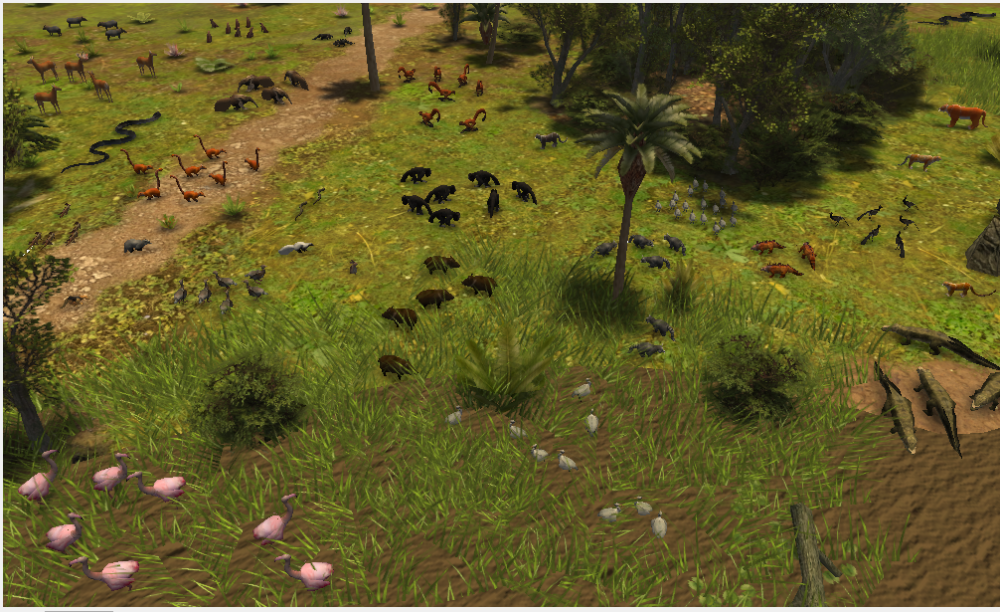
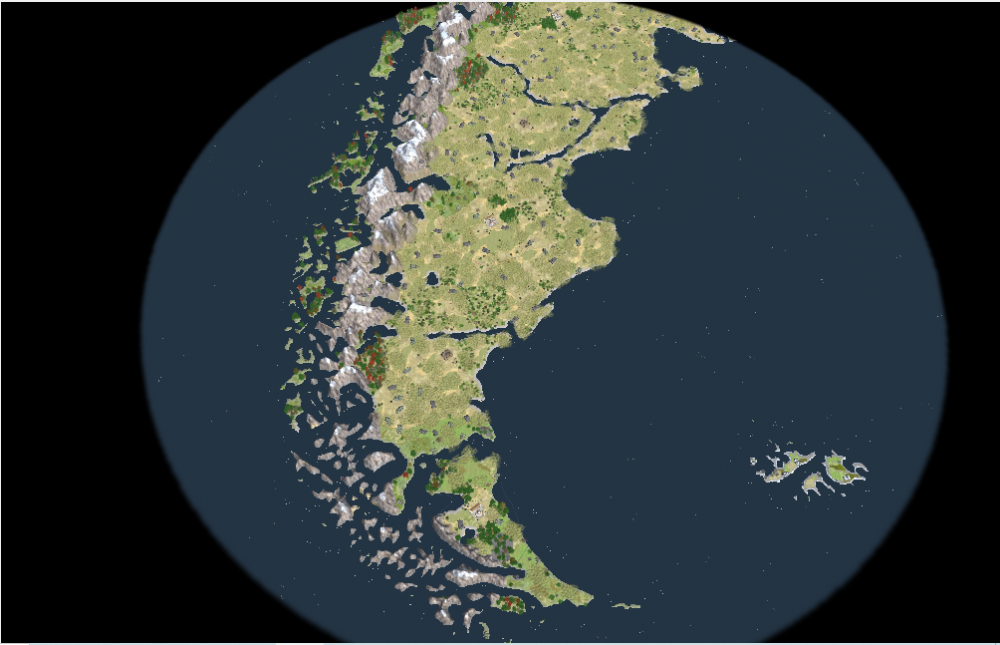
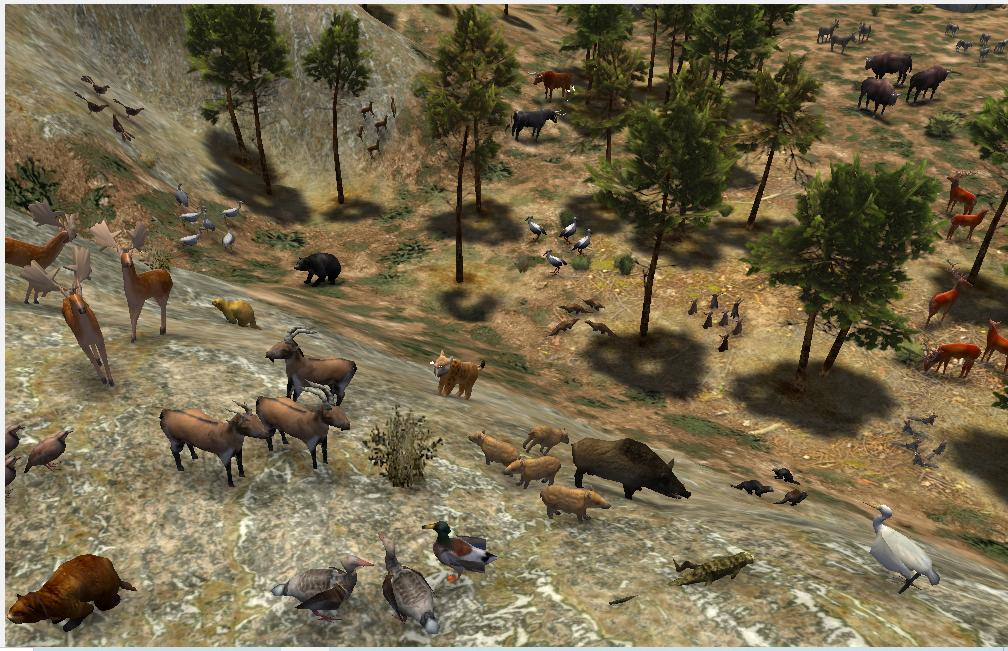
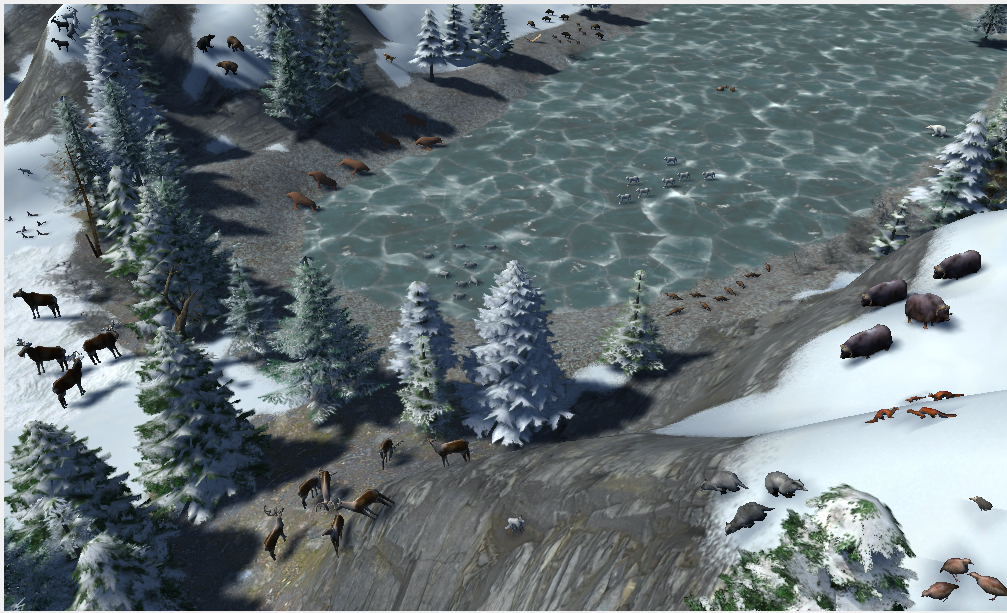
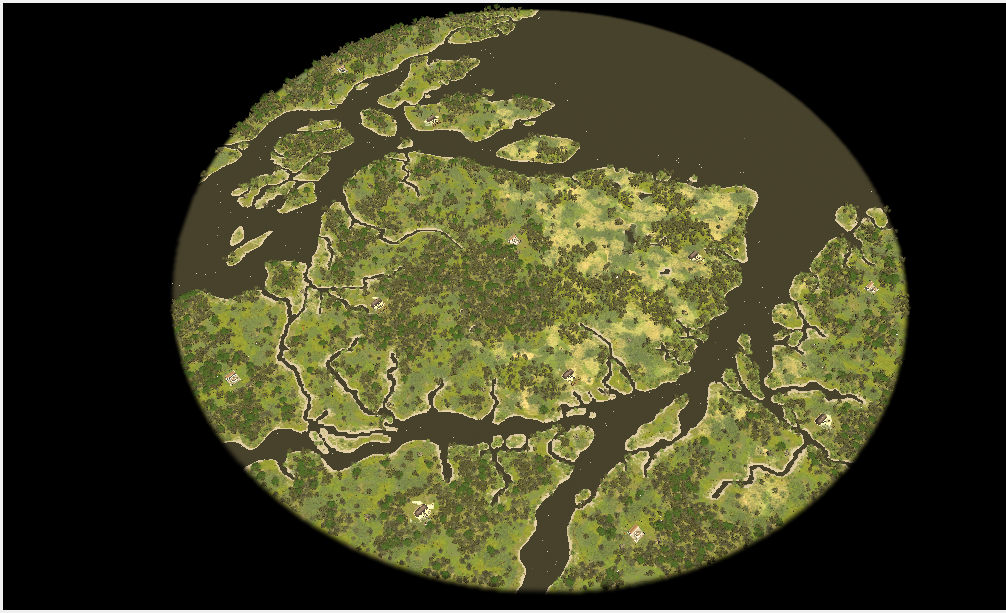
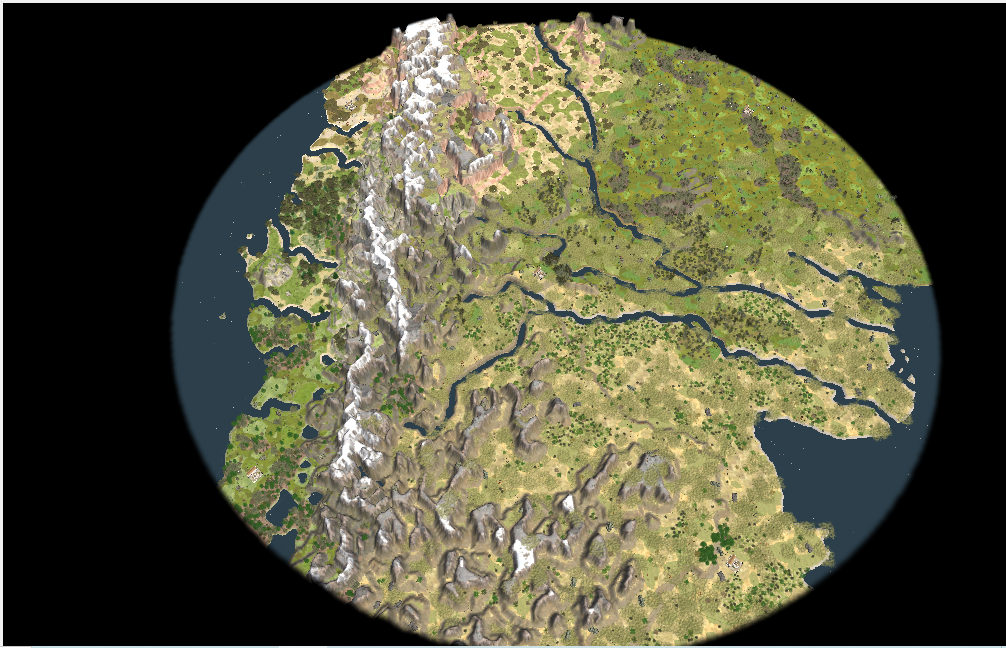
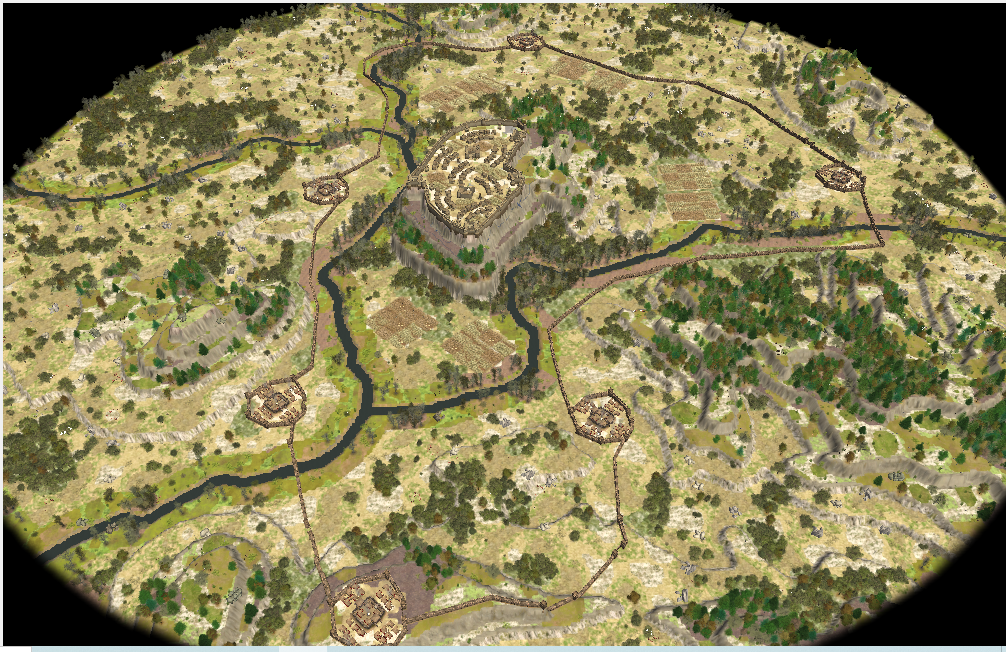
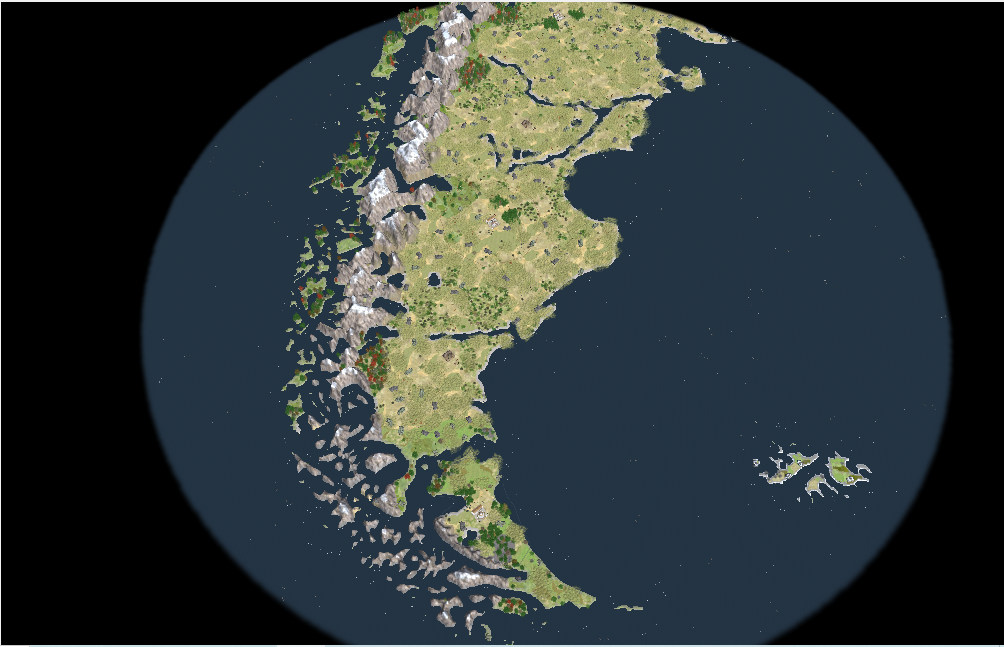
Buenos días o tardes: -Primeros mapas terminados(Gracias a @Lopess); Isla de Marajó Wall Mapu Patagonia ¡NUMANCIA! -También pueden ver alguna de la nueva fauna en otros mapas: ¿Qué opinan? Disculpen las molestias*
- Yesterday
-
What ai level do you go against?
-
Five errors, bugs, or just weird things
NaughtiusClaudius replied to Thalatta's topic in Bug reports
Yeah imagine if idle villagers started banding together and stealing resources, because the flow of resources was too linear and you needed more unpredictability. -

[Devlog] Burning Heart (a narrative campaign for 0 A.D.)
lilypoppy replied to lilypoppy's topic in General Discussion
I imagine this will have an impact on the triggers. @Perzival12 -
Standard boom, pop 100 (50 civilians) and 2 barracks (no stables, no cav in earlier phases as you also need to gather and build a lot) and phase 2 by about minute 8, all auto-queuing non-stop, palisade off base completely and a few (sentry) towers (to upgrade when needed) at the edges, a few tech upgrades from forge by minute 10, when attack waves come at ~ min 10 you can mostly fend them off one by one. Try use ranged units first, let melee ones gather, but activate them once palisades are broken. Attack waves definitely set back and delay phase II booming, I often can't reach phase III before minute 18 or 20, but it's doable.
-
we haven't used cyrus yet? shocking
-
[Devlog] Burning Heart (a narrative campaign for 0 A.D.)
Nicolaus_von_Kues replied to lilypoppy's topic in General Discussion
-
[Devlog] Burning Heart (a narrative campaign for 0 A.D.)
Nicolaus_von_Kues replied to lilypoppy's topic in General Discussion
Well, basically that. I heard many users from Spain asking for that. They're also asking for those Iberians to split up. I always get lost when it comes to the Iberian Peninsula. -
I added a poll to this thread.
-
I used Fable 5.2 to playtest for bugs, and the game crashed a lot with every change I made. So yes that helped speedrun things. I worked for about a week on it every night after work. I wouldn’t say Range and Renown are that important, they were more for the fun of it, that was just manipulation in values mostly. Nothing too impressive there. Regiments was tougher because there were a myriad of issues with the Animation, units dissapearing after disbanding, XP being lost, and units freezing in certain positions if surrounded by enemies. I got the idea after realizing that if we shrink 20 units into one animated unit like in Total War and give it perks based of a stance it reduces the amount of computational targeting demand. The older total war games handled thousand of units with low core count because one stack of units was technically one distinct decision making unit (it’s not like you could take 1200 men and have them engage one soldier at a time - it was literally 12 units depicted as 1200. One single decions making unit was 100 animated soldiers that had varied stats mostly based on the hp of the army stack (visually depicted by the amount of soldiers). I’ll make a video on it later, but I hope I don’t get judged too harshly for implementing AI. I mostly dabble and have no impression that I have any talent whatsoever. Respect to the OGs that made any of this really possible because of the wealth of threads and documentation in their scripts.
-

[Devlog] Burning Heart (a narrative campaign for 0 A.D.)
Ultimate Aurelian replied to lilypoppy's topic in General Discussion
I think iberians could be reworked to be just Iberian (removing Lusitanian and Celtiberian elements) And Lusitanians and Celtiberians could be added as their own civilizations -
@Stan`
-
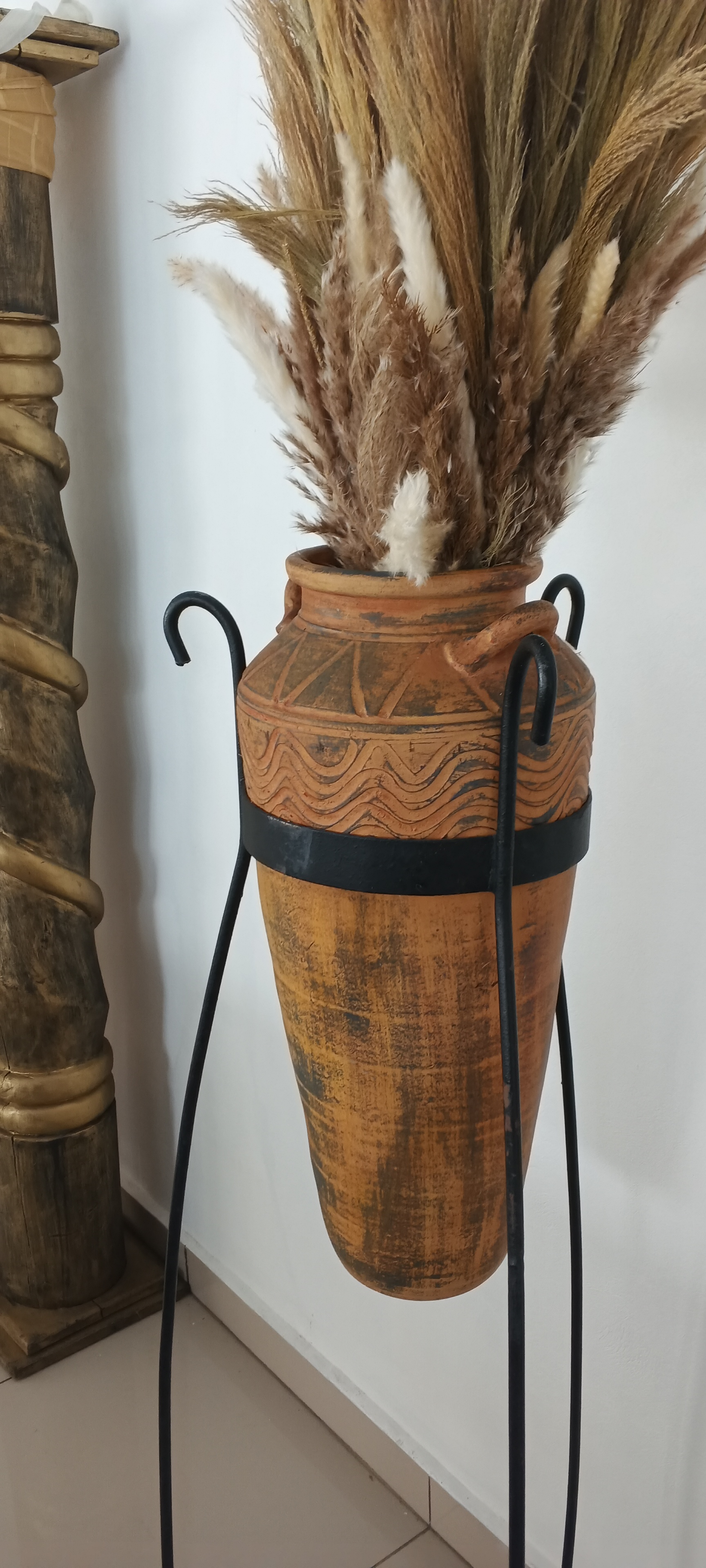
Ancient Greek pottery
Nicolaus_von_Kues replied to nifa's topic in Eyecandy, custom projects and misc.
The other day I saw a vase and wanted to take a picture; it's just for reference. It's just an ornament, but the texture is interesting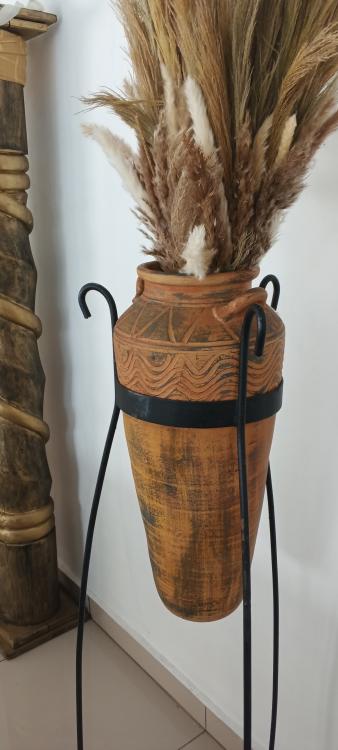
-
what games do you play besides 0ad?
Nicolaus_von_Kues replied to grepmaster's topic in Introductions & Off-Topic Discussion
Castlevania (Super Famicom) Elder Scrolls : Daggerfall Unity. -
[Devlog] Burning Heart (a narrative campaign for 0 A.D.)
Nicolaus_von_Kues replied to lilypoppy's topic in General Discussion
We had already discussed dividing them for many reasons. Northern Europeans are not relevant at this time. American factions need a lot of work. The lack of cavalry needs to be properly addressed. Lack of use of gold and the inclusion of jade and cacao as valuable products. In Asia, there are several factions ready to be adapted. Even looking for another Chinese dynasty. I don't know how the development of the south of Africa is going, why we have developing Numidians but so far south I don't know. - Last week
-
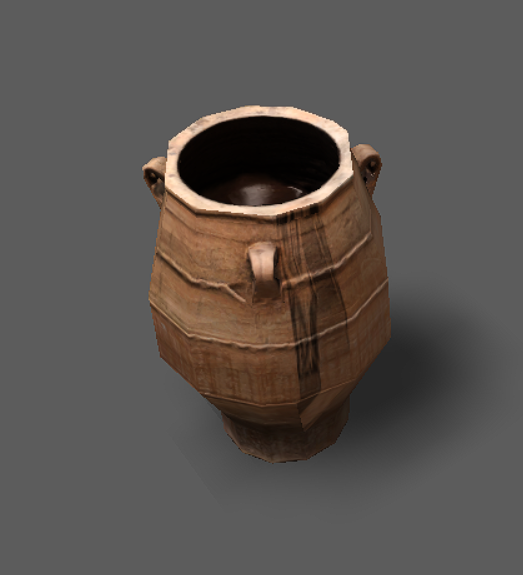
Works! It seems that I can keep the textures, just a new ao map is needed:
-
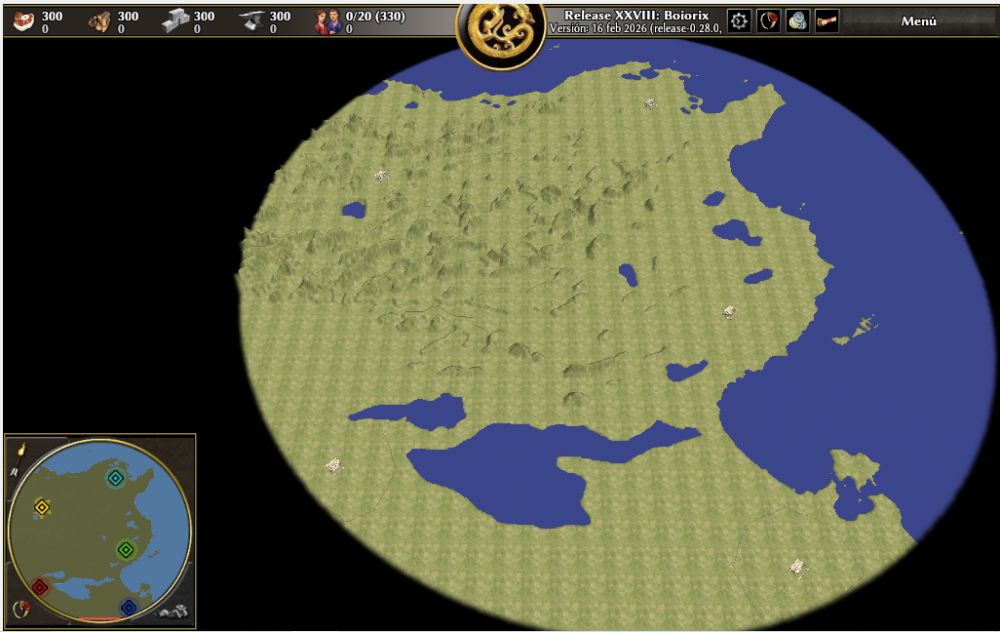
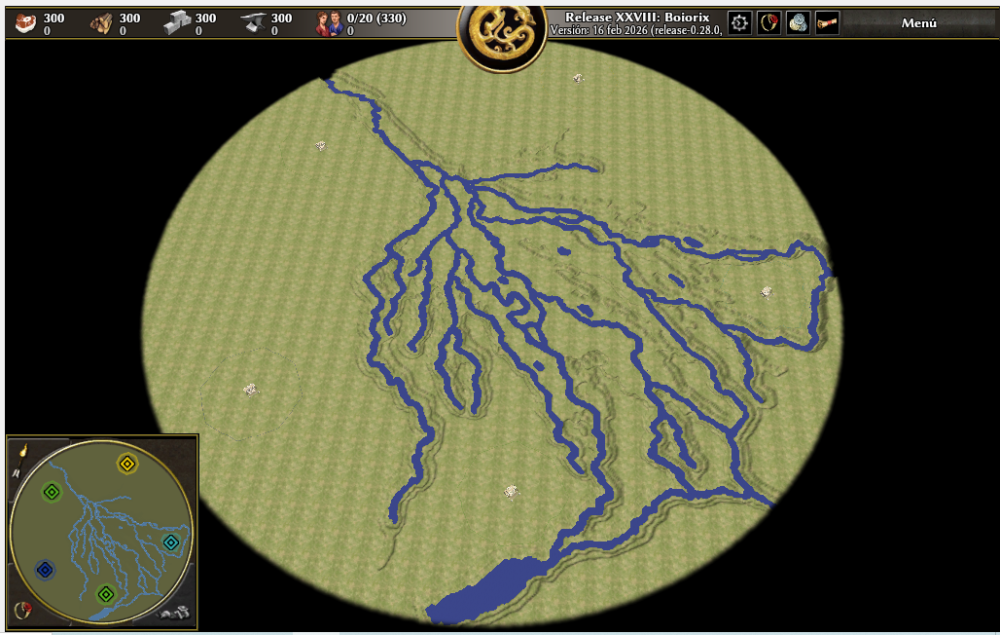
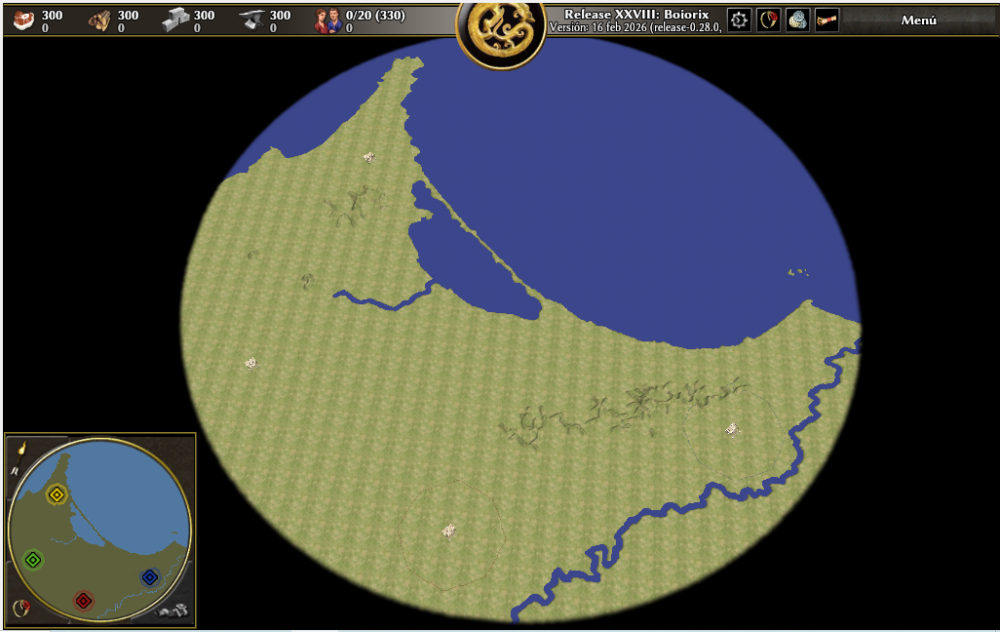
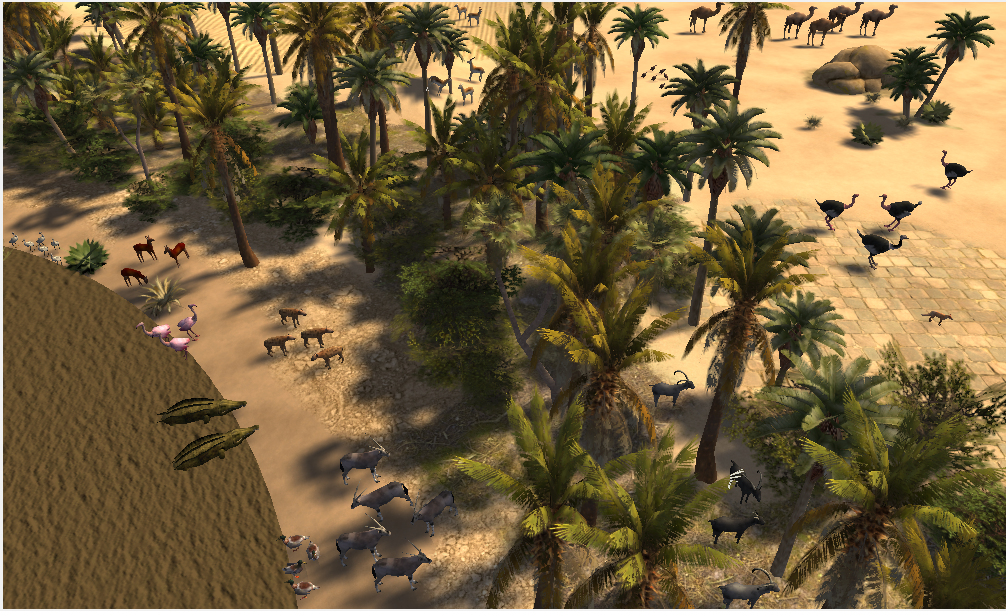
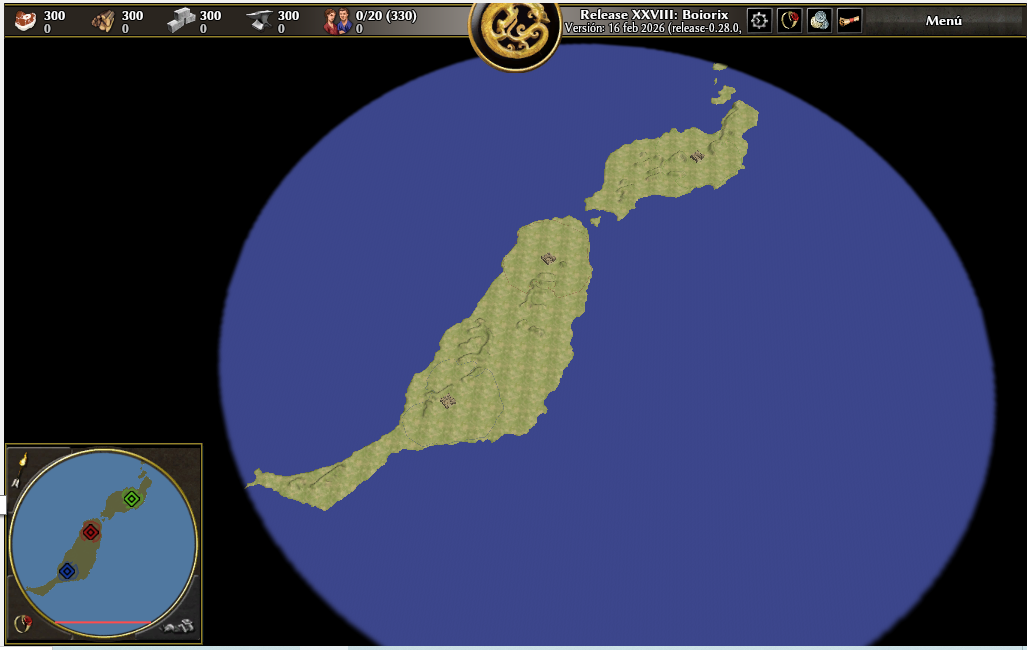
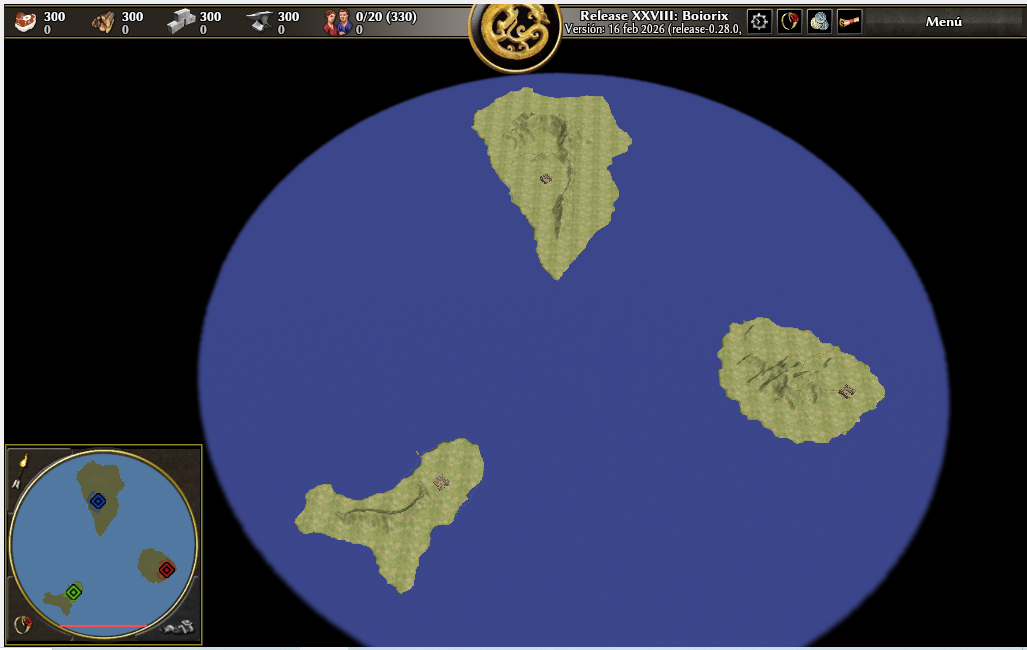
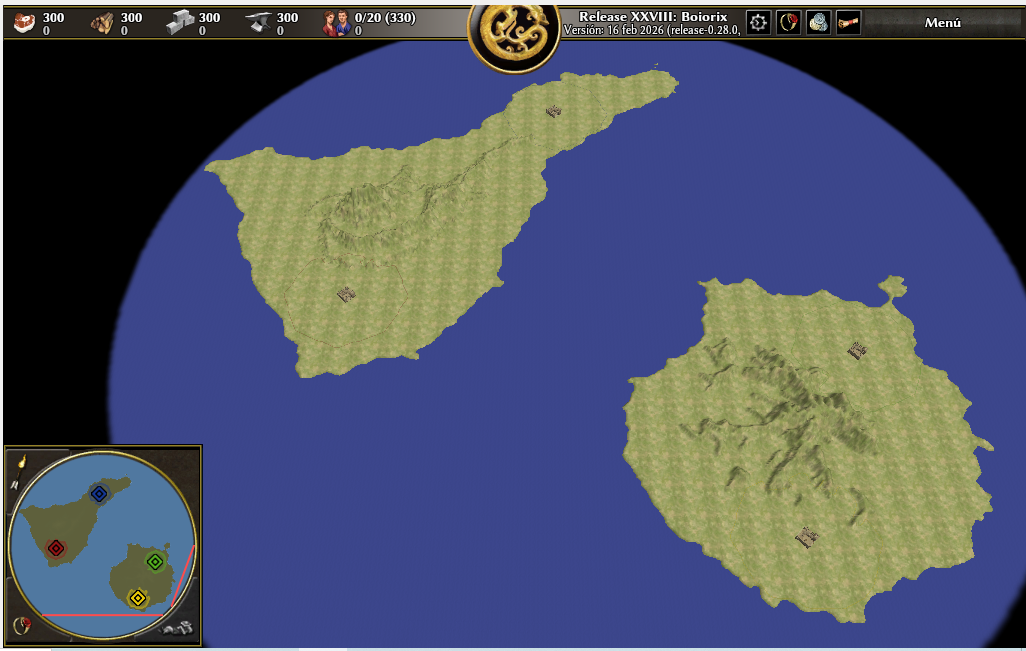
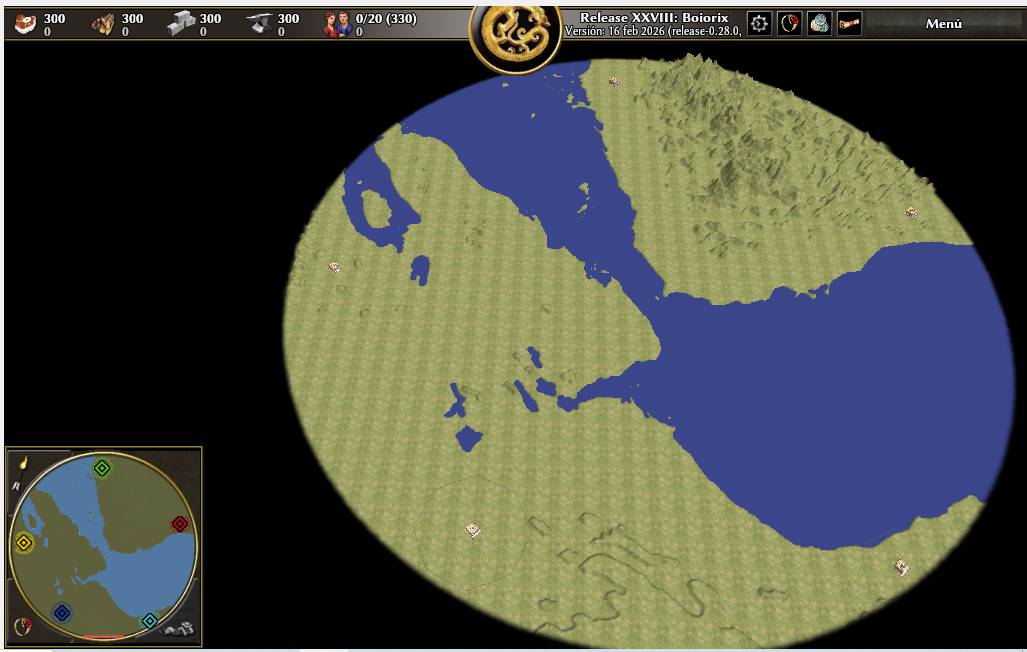
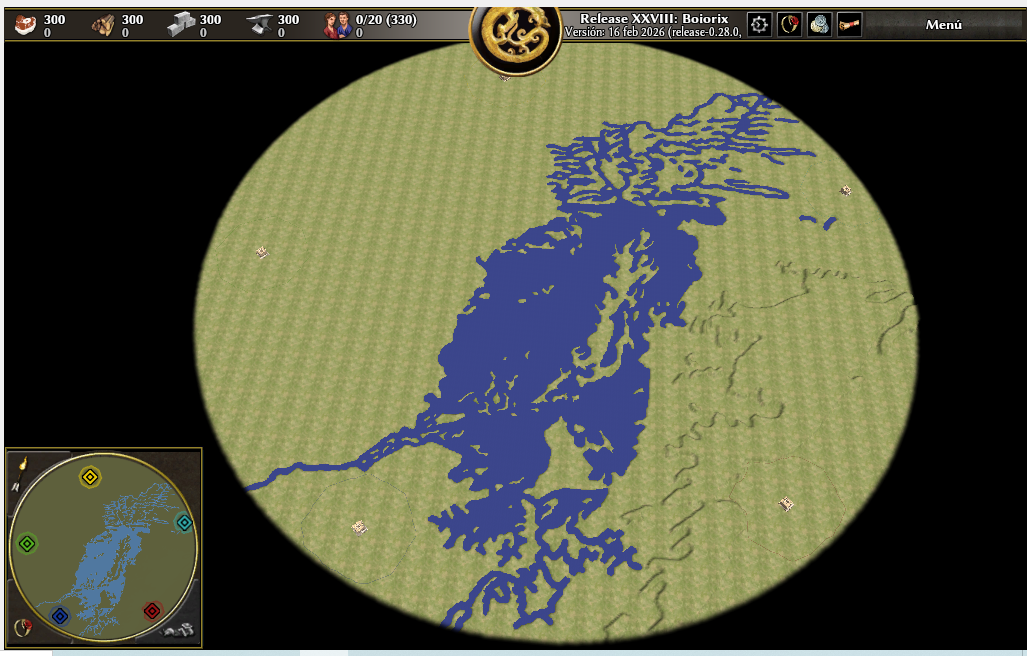
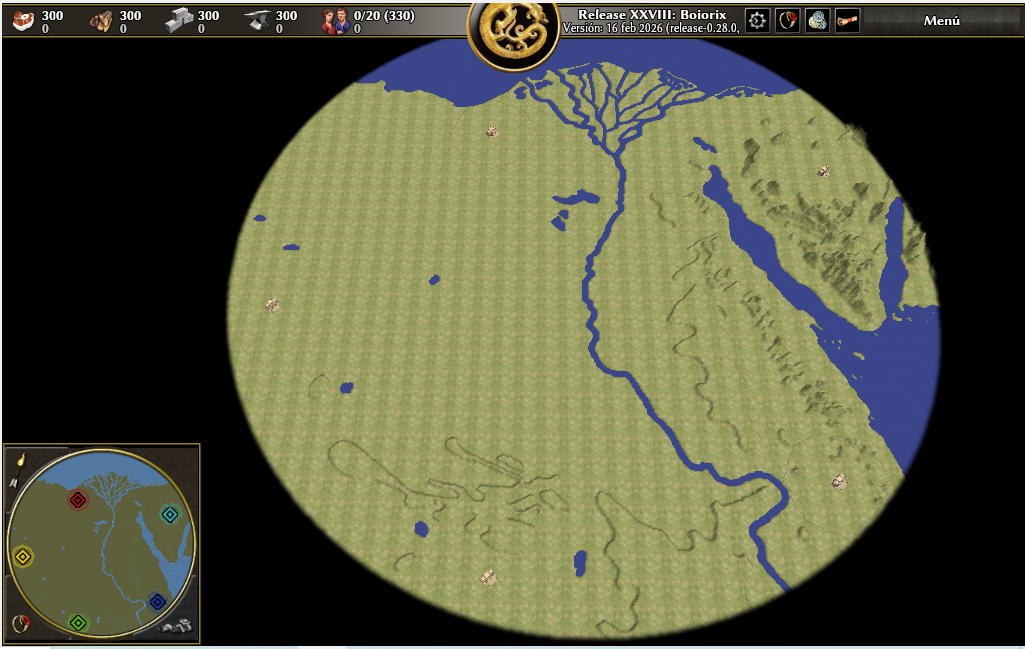
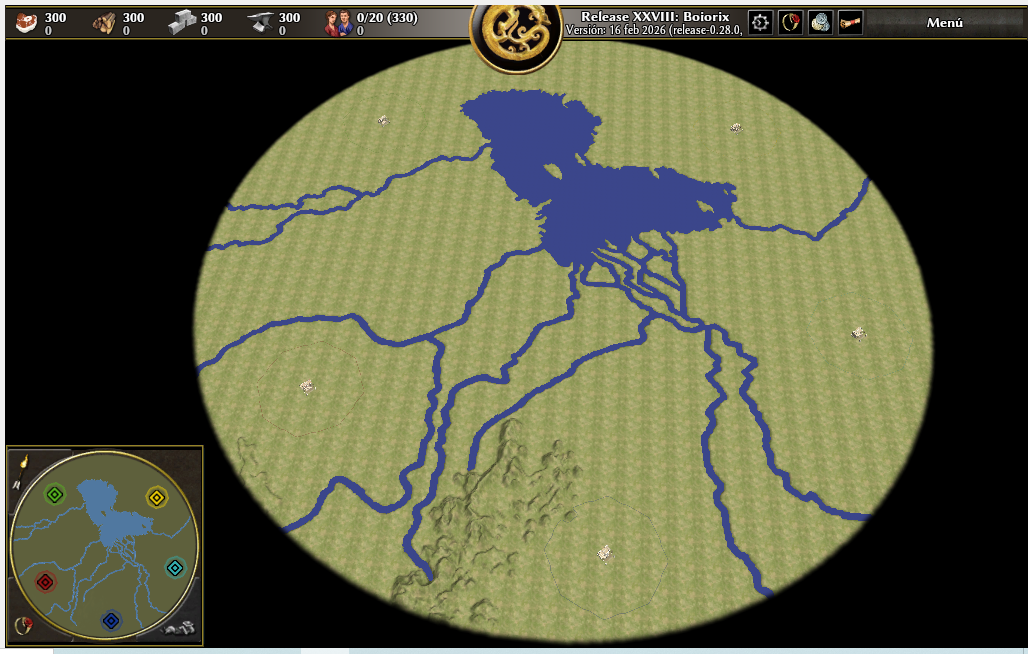
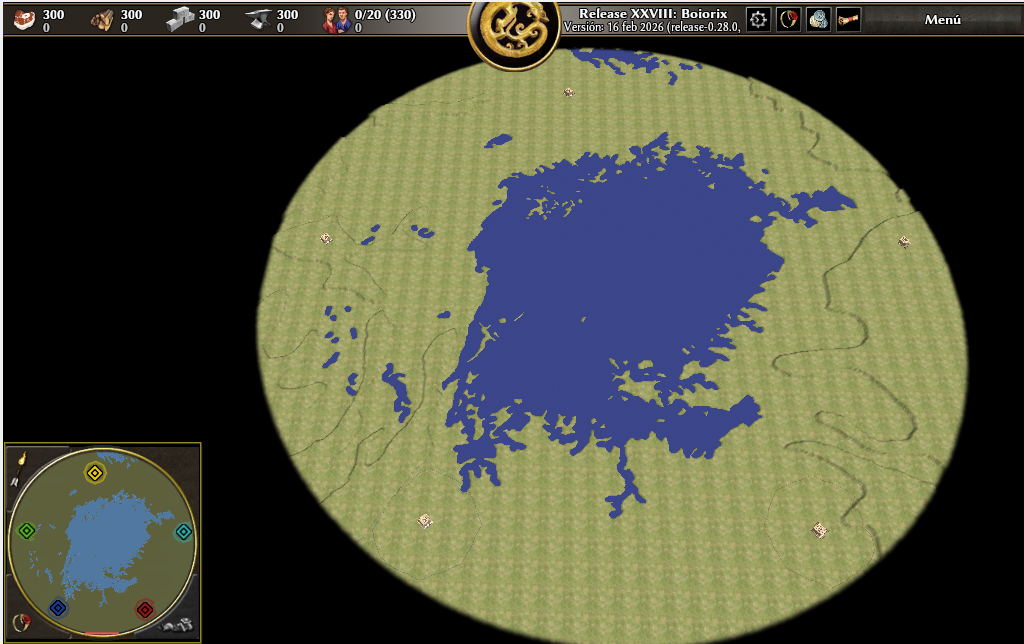
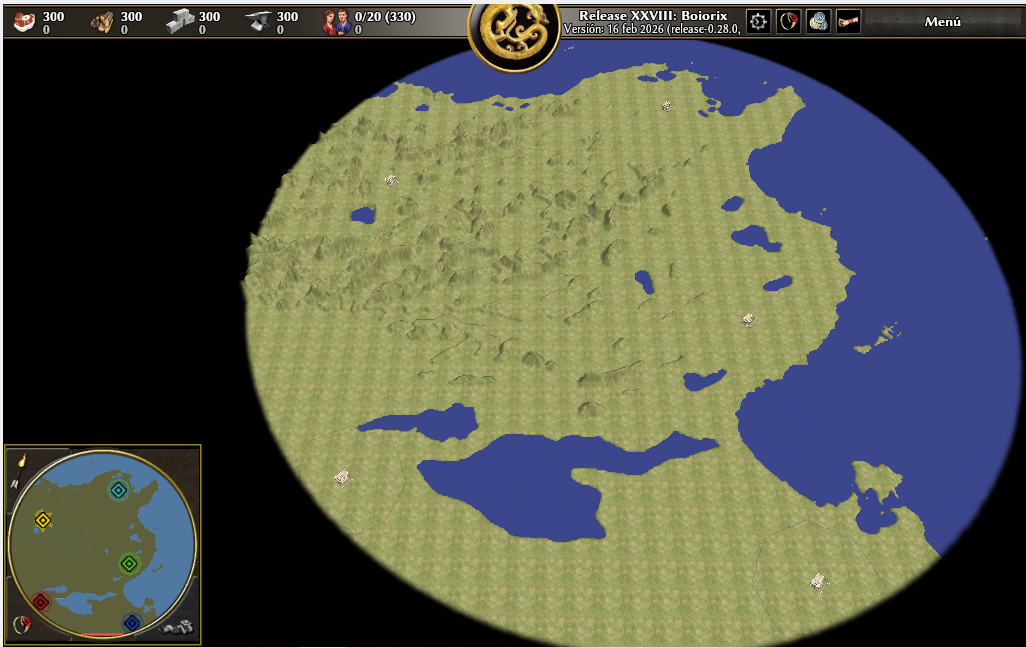
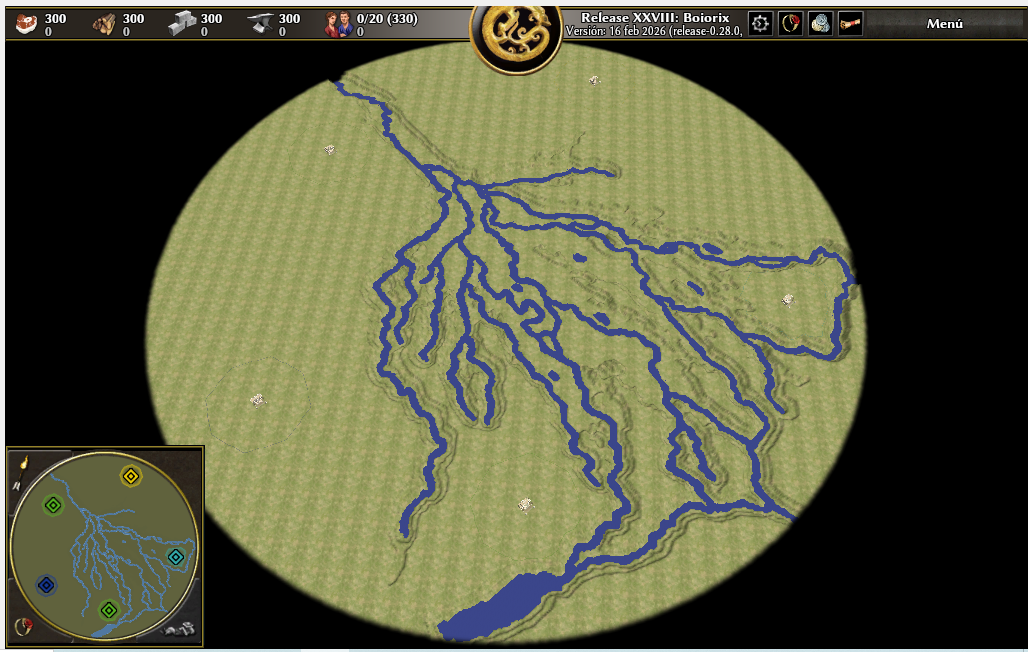
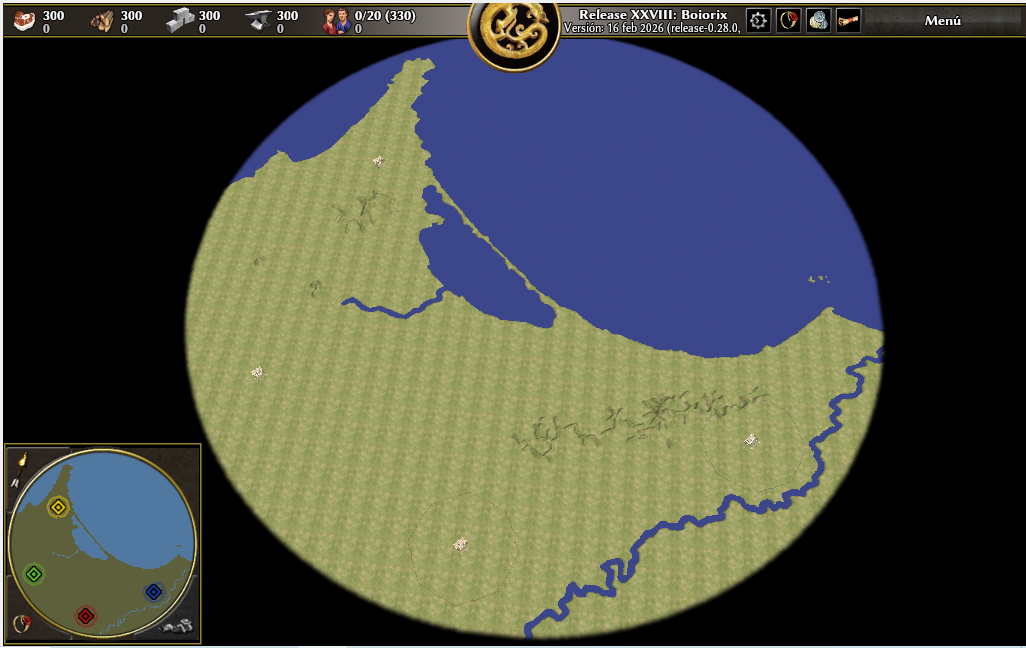
Buenos días o tardes: ¡Esta nueva fauna africana también viene acompañada de mapas africanos! (Dentro de un tiempo añadiremos texturas , fauna y flora...) Islas canarias: Costa etíope Delta interior del Niger: Egipto Lago Chad Lago Victoria Cartago Delta del Okavango Rusaddir(Melilla) ¿Qué opinan? Disculpen las molestias*
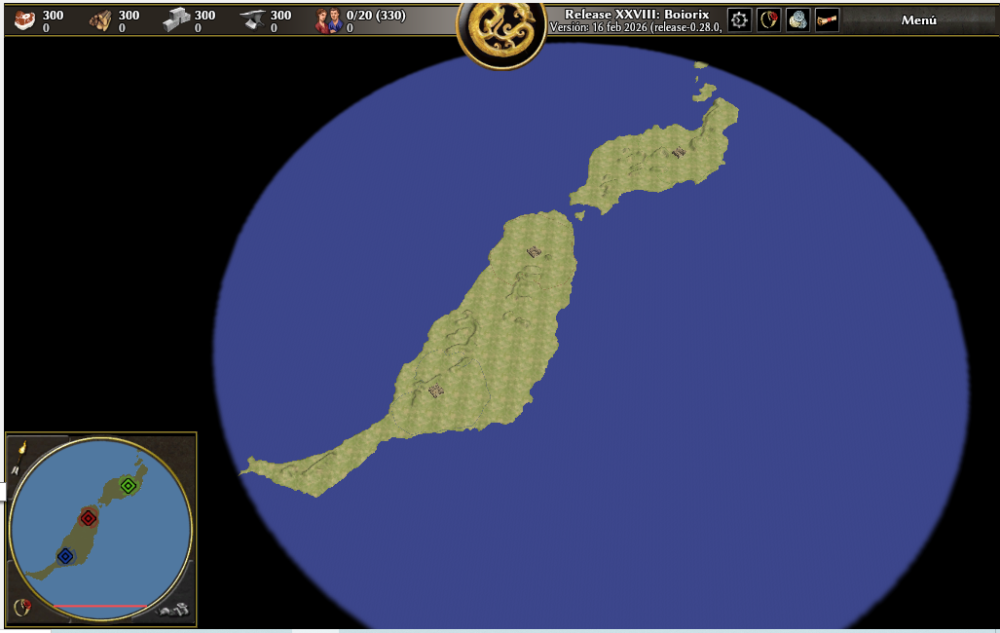
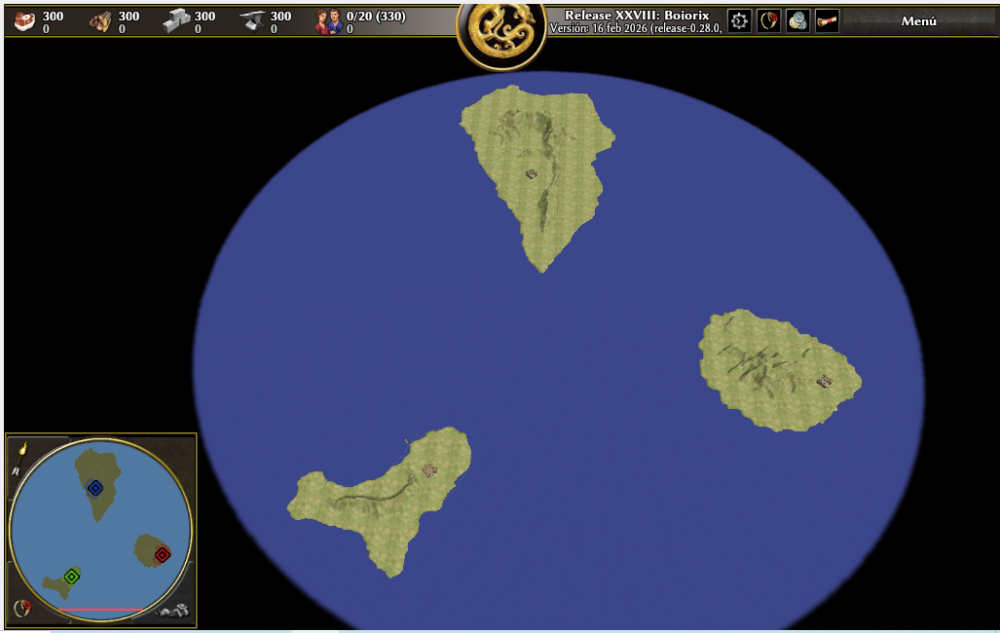
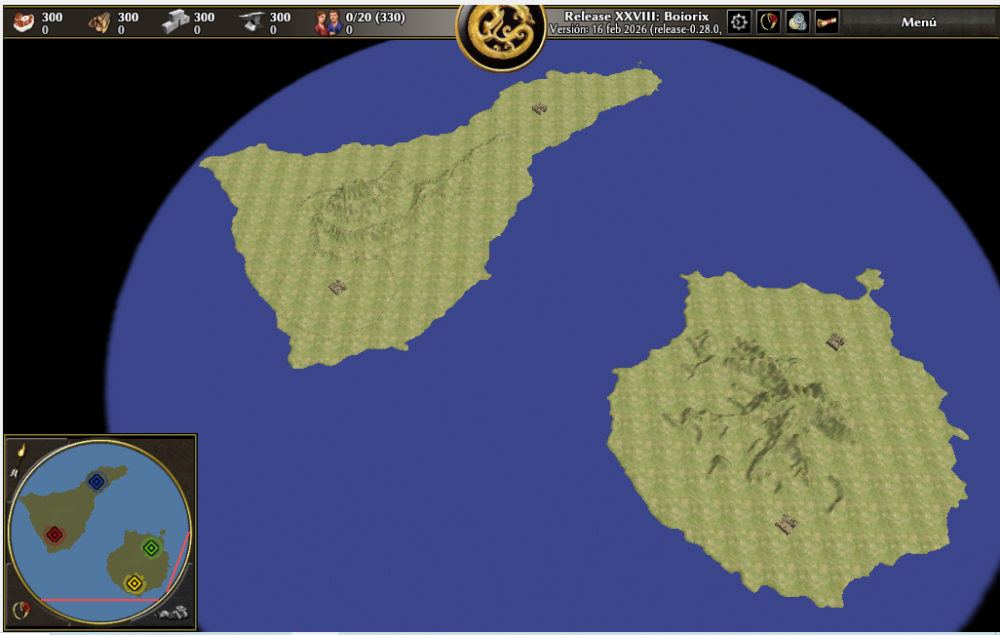
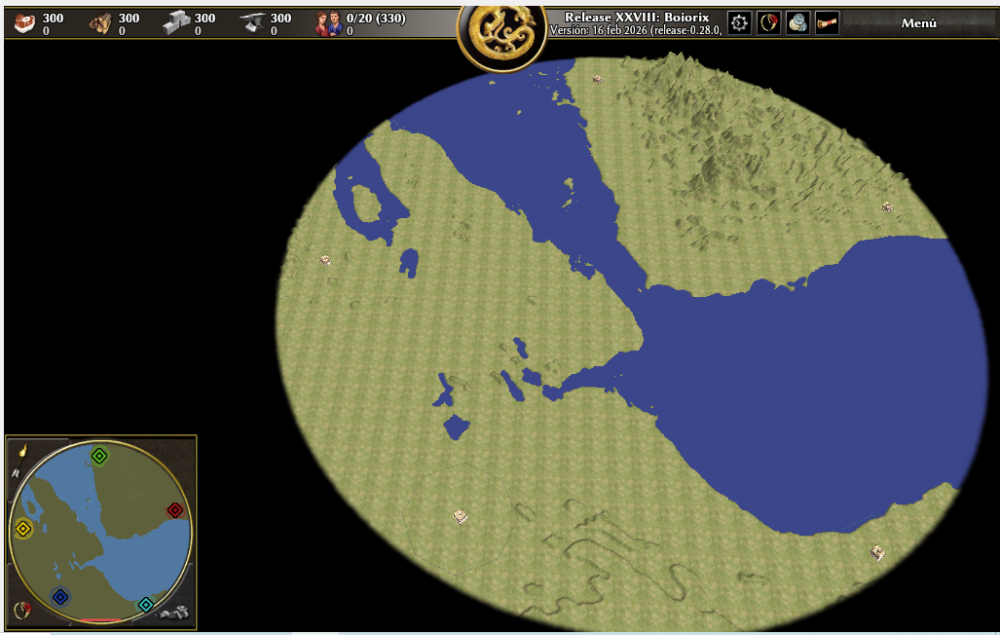
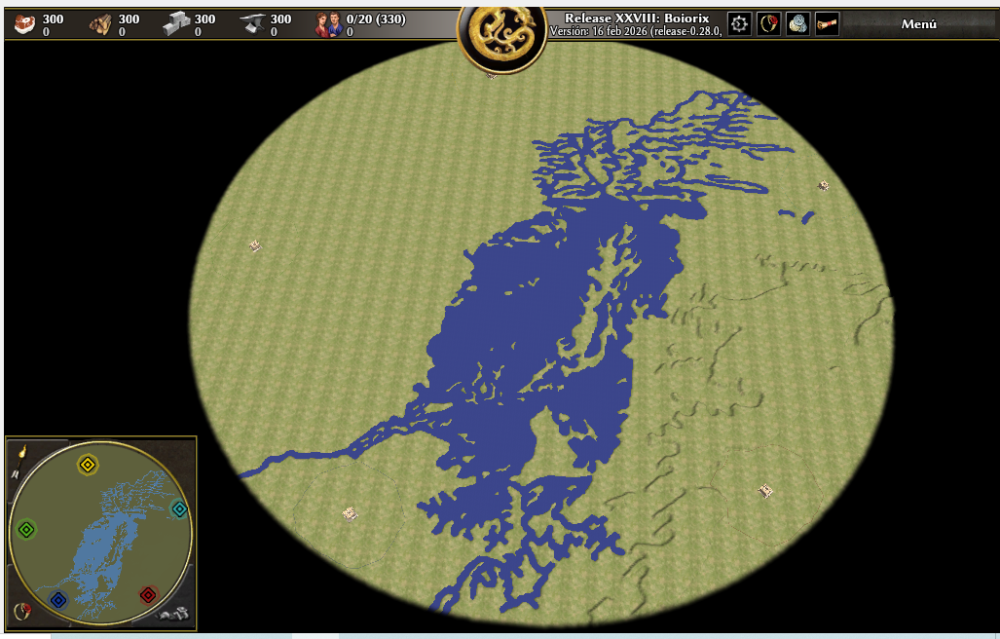
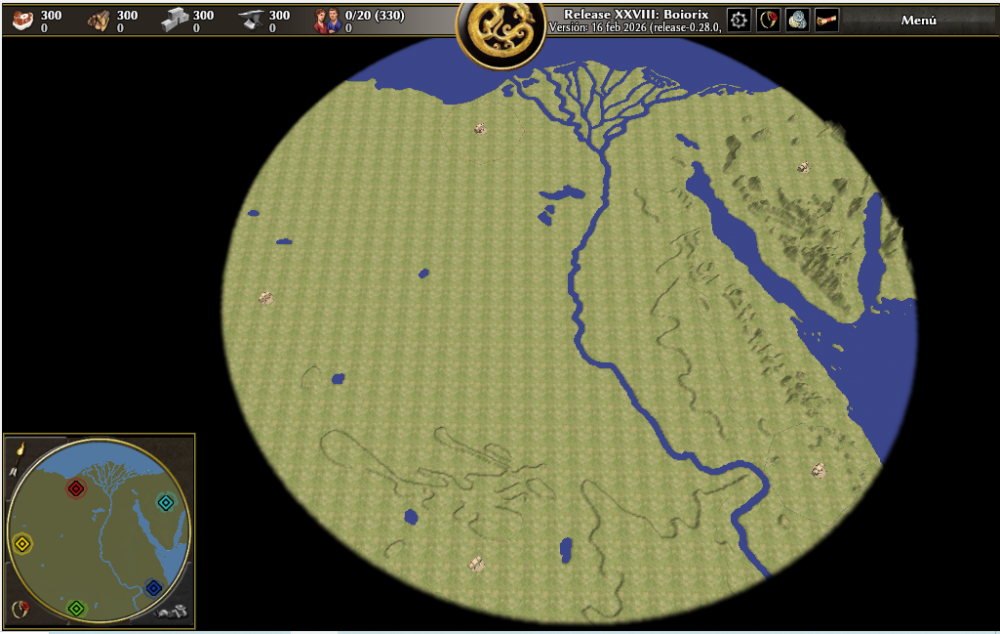
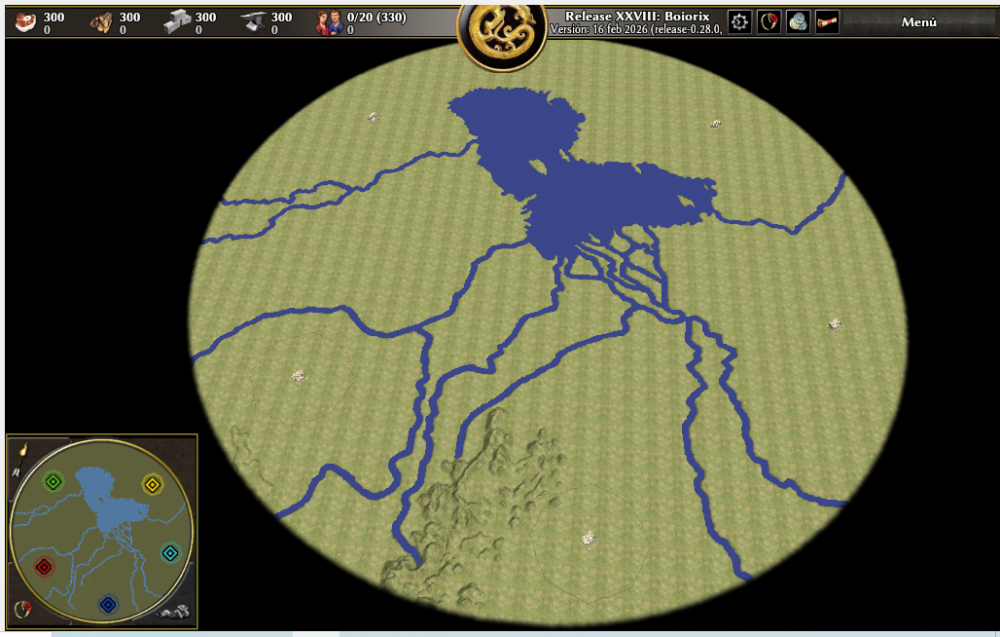
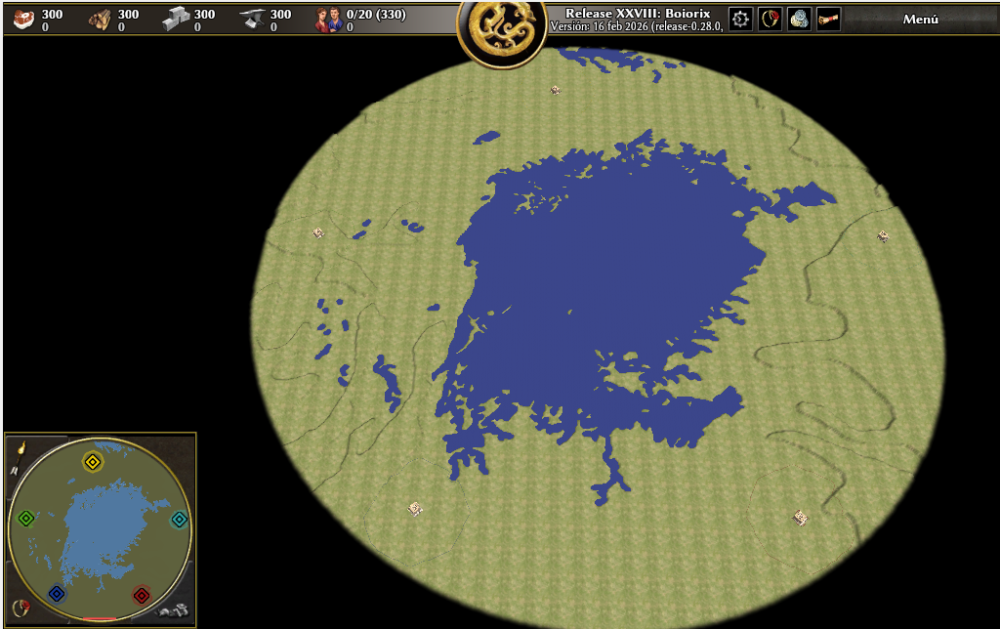
-
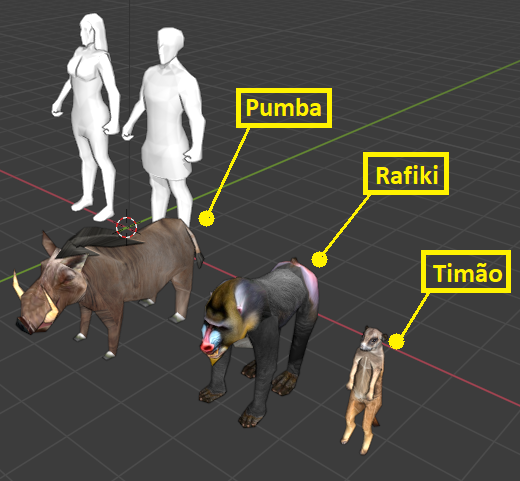
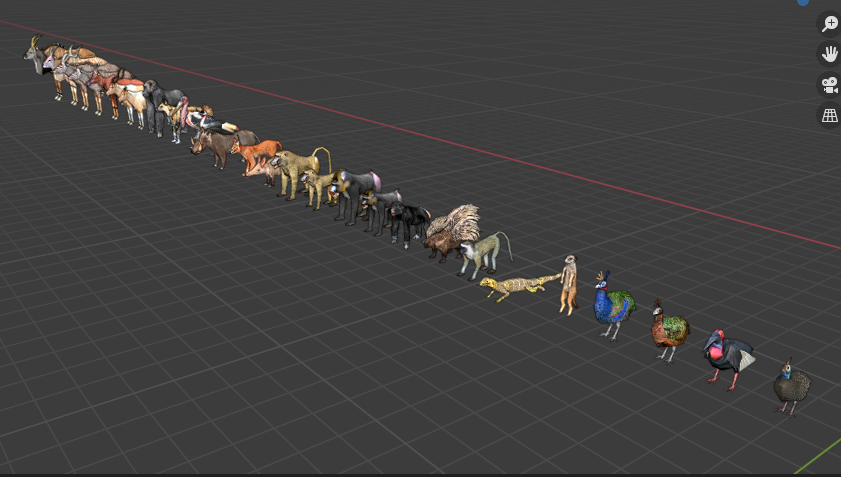
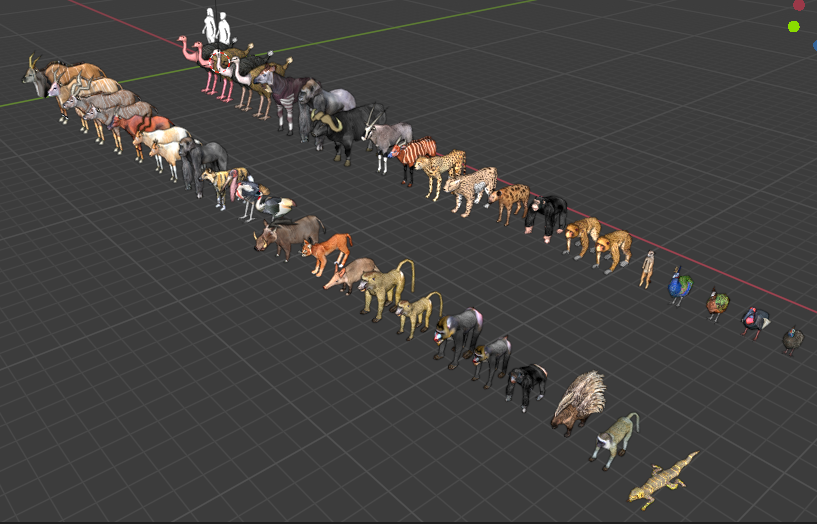
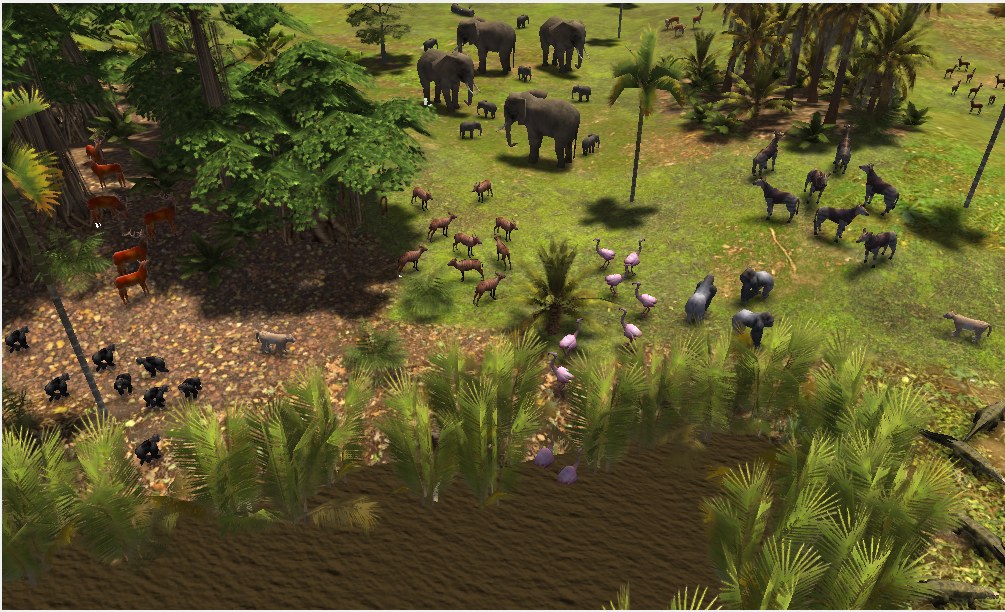
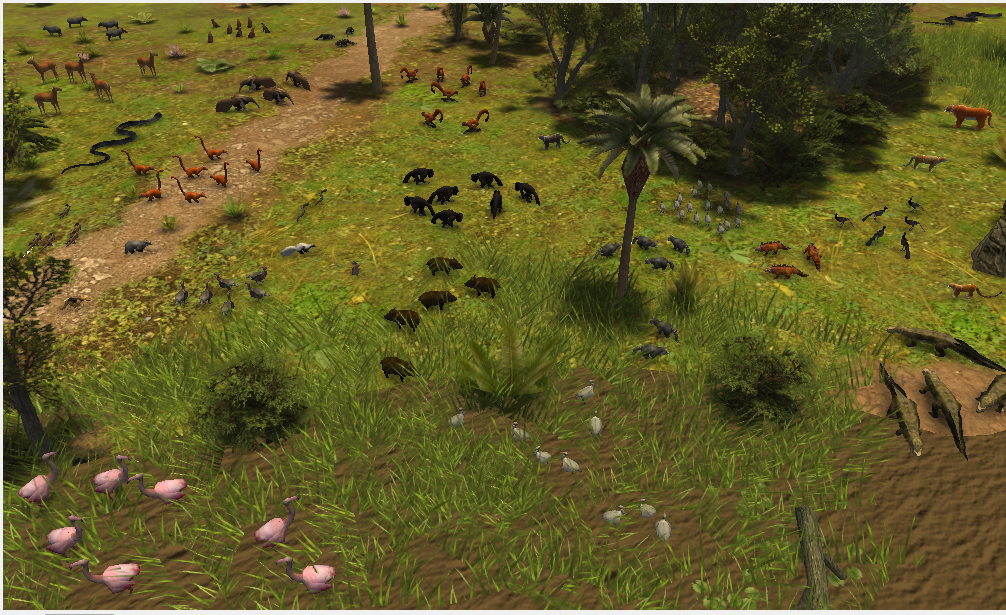
¡Hakuna Matata! Catálogo Nueva fauna africana: (Con "+++ " son los animales que aparecen en este primer catálogo) +++Adax MACHO+++ +++Adax HEMBRA+++ +++Afropavo MACHO+++ +++Afropavo HEMBRA+++ Avestrúz +++Babuino MACHO+++ +++Babuino HEMBRA+++ Bongo +++Bonovo+++ Cafre +++Cálao terrestre+++ +++Caracal+++ +++Cerdo Hormiguero+++ Chimpancé +++Eland MACHO+++ +++Eland HEMBRA+++ +++ Facoquero +++ +++Gallina de guinea+++ Gorila MACHO +++Gorila HEMBRA+++ +++Grulla coronada+++ Guepardo Hiena +++Kudus MACHO+++ +++Kudus HEMBRA+++ Leopardo +++Licaón+++ Macaco de berbería +++Mandril MACHO +++ +++Mandril HEMBRA +++ +++Marabú+++ Okapi Oryx +++Puercoescpín+++ +++Suricata+++ +++Topi+++ +++Varano+++ +++Vervet+++ Catálogo animales africanos final: (Total:38) ¿Qué opinan? Disculpen las molestias*
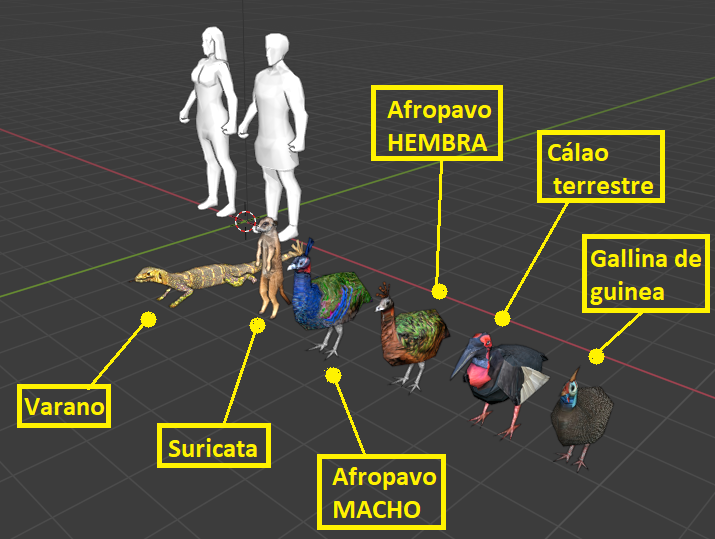
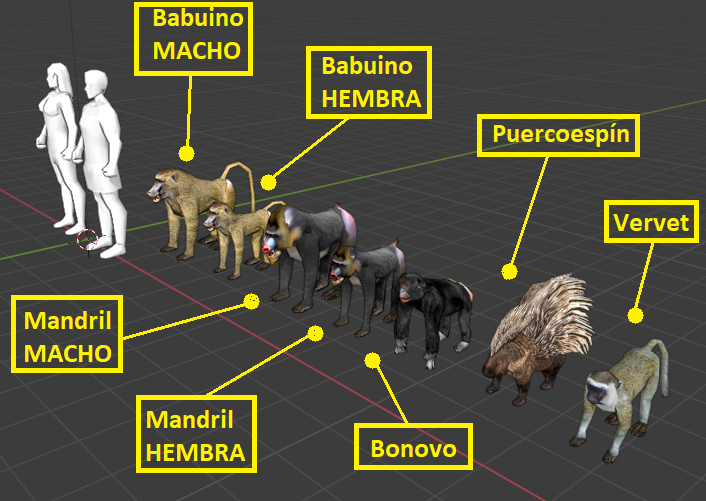
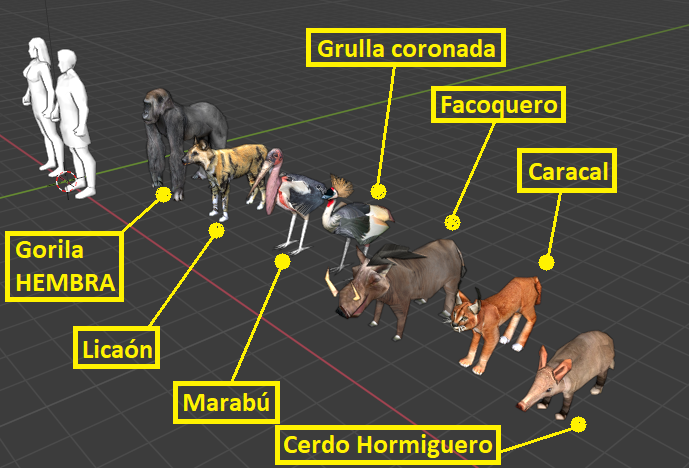
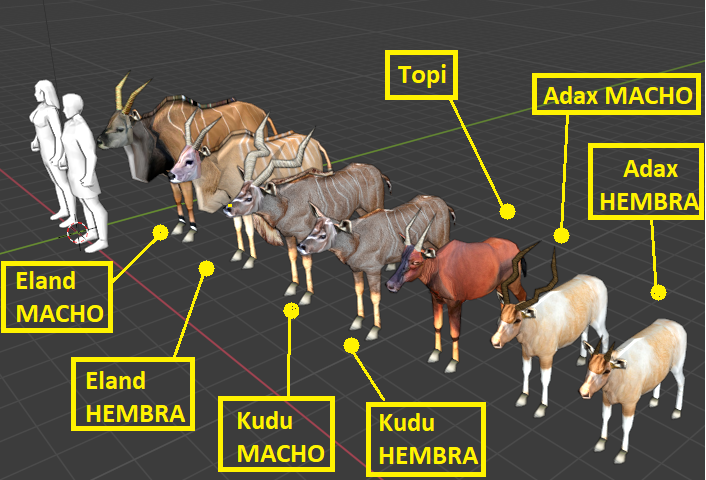








-
Latest Topics
-


