
.png.a9ae33b5e5ddb0eb2b142b612b99c428.png)
Lion.Kanzen
-
Posts
25.684 -
Joined
-
Days Won
302
Everything posted by Lion.Kanzen
-
.thumb.png.ce58cea22940c255f5b0a735d5abee36.png)
Hero and champion for the Zapotecs in Terra Magna
Lion.Kanzen replied to Lopess's topic in Rise of the East
If the deck in the entire American continent is the caveman weapon But effective even against 16th century Europeans. -
mesoamerican [Design] guide to make Mesoamerican mod.
Lion.Kanzen replied to Lion.Kanzen's topic in Projects
In 378, the Teotihuacanos brought projectile warfare into the Mayan region and tipped the balance of power in favor of large Mayan cities like Tikal, with rulers like Smoking- Frog. These lowland Maya developed religious- and astronomy- based warfare among elites that became known as “star wars.” The kin-city competitions for resources, natural and supernatural, dominated classic Mayan warfare from 378 to 900, when warfare may have helped to collapse classical Maya civilization. In most cases, these early and classic period civilizations in Mesoamerica focused on elite warfare and weaponry, with religion and trade as key motivating factors. Most “armies” numbered less than a thousand soldiers, were supported logistically by commoners, and sought out captives as a way of removing rival dynasties and usurping power. It was as important to take religious items of power as it was to take a city. By the early post-Classic period, between 700 and 900, warfare began to change significantly. https://weaponsandwarfare.com/2015/08/14/mesoamerican-warfare-1200-b-c-e-1521-c-e/ -
Hero and champion for the Zapotecs in Terra Magna
Lion.Kanzen replied to Lopess's topic in Rise of the East
Since I came back someone had mentioned considering 14 factions. But it will always be against what it is that they are more difficult to balance, so many civilizations that we have. Not to mention all the ones that are planned in the team forums.The team forum is secret, but sometimes they leak the posts. -
Hero and champion for the Zapotecs in Terra Magna
Lion.Kanzen replied to Lopess's topic in Rise of the East
It will basically depend on two aspects. The work of the mod team. And that basically those responsible for the launches that the official team of 0A.D (Council of Modders) were going to put in agreement with a launch. -
Hero and champion for the Zapotecs in Terra Magna
Lion.Kanzen replied to Lopess's topic in Rise of the East
Teotihuacanos utilized military orders of eagles, jaguars, and so on, special housing, regular production of weapons, and nodal control of trade centers over 1,500 miles distant. Astronomy and religion seem to have played a large role in how and why war was carried out at the end of Teotihuacan hegemony. ---Well, I thought that the Mexica had invented that.----- Now we can see why those Tehotihuacans were not easy to defeat. -
Hero and champion for the Zapotecs in Terra Magna
Lion.Kanzen replied to Lopess's topic in Rise of the East
Weapons of attack at a distance: Among the weapons of attack at a distance that the Mixtecs used were the typical bows and arrows, whose tips must have been of obsidian, flint or flint. Also present was the use of the atlatl, a common weapon in all Mesoamerica. Melee weapons: Among the melee weapons, the Mixtecs fought with a variety of clubs and spears, some similar to the Mexica tepoztopilli, but smaller. A weapon that appears frequently in the codices is striking, it is a wooden stick bent at a 90° angle, with stone blades (whether flint, flint or obsidian) on top; this weapon seems to have been representative of the Mixtec and Zapotec area. Source: Mixtec Culture http://www.mexicomipais.com/cultura-mixteca ------ It should be noted that in this classic period of Mesoamerica where the Zapotecs are, they still get along well with the Mixtecs, so a force of mercenaries could be the Mixtec archers. The only unknown here is: what military contribution to the war would the Teotihucanos have. The other question is to see what contribution the Mayans of this time had towards the Zapotecs, what do we know that in reverse the tribes of the Valley of Mexico for so quite militarily to the Mayan conflicts. So I would include archers, maceman, spear and some other weapon. -
Hero and champion for the Zapotecs in Terra Magna
Lion.Kanzen replied to Lopess's topic in Rise of the East
apparently as the archers came from the North one thing that was most imported, although the Mayans did so in the postclassic period. We're Archers. This means that the Mayans their projectile preference was skings and blowguns. And that the mercenaries who came from the Valley of Mexico what they used the most were weapons from the Valley of Mexico. Maya warriors made weapons from wood, stone, flint blades and obsidian. With these materials they made spears of different lengths and stone and obsidian axes that received the generic name of b'aj. In addition there were the jul or throwing weapons, such as blowguns, javelins and slingshots. Due to the influence of central Mexico, the atlatl, or spear thrower, was incorporated, which in the Mayan language was called jatz'om, in addition to the bow and arrows which, according to some researchers, were also introduced by Mexican mercenaries during the Postclassic period (900-1521 A.D.) or by the Chontal Maya during the Terminal Classic period (800-900 A.D.). ----------By the way I am from the cell phone I do not have to use quotes here---- This means that in the Valley of Mexico there were a number of mercenaries, we have to focus on the type of soldiers in the Valley of Mexico. -
Hero and champion for the Zapotecs in Terra Magna
Lion.Kanzen replied to Lopess's topic in Rise of the East
https://historia.nationalgeographic.com.es/a/temibles-guerreros-ciudades-mayas_7109 generally these data can be provided by the Mayans. _____ By the way... It says something here about battle priests, at least in Mayan society. NOBLES AND MERCENARIES Today we know that each city had its men ready to fight. They were mostly nobles, the best trained and who could have the most complete equipment. The highest-ranking military officer was the Nacom, who was chosen from among the best for a period of three years. In addition to leading the troops, he also acted as a military priest. In the Mayan armies there was no lack of mercenaries, generally of Mexican origin, who rented their services to the highest bidder. When the Nacom died in battle or was captured, the war was over and the victors returned to the city with their prisoners alive and the heads of the dead hanging from their belts. Well, neither you nor I thought that the greatest mercenaries were always from the Valley of Mexico. -
Two-Gendered Citizens Mod (Please Test!)
Lion.Kanzen replied to wowgetoffyourcellphone's topic in Game Modification
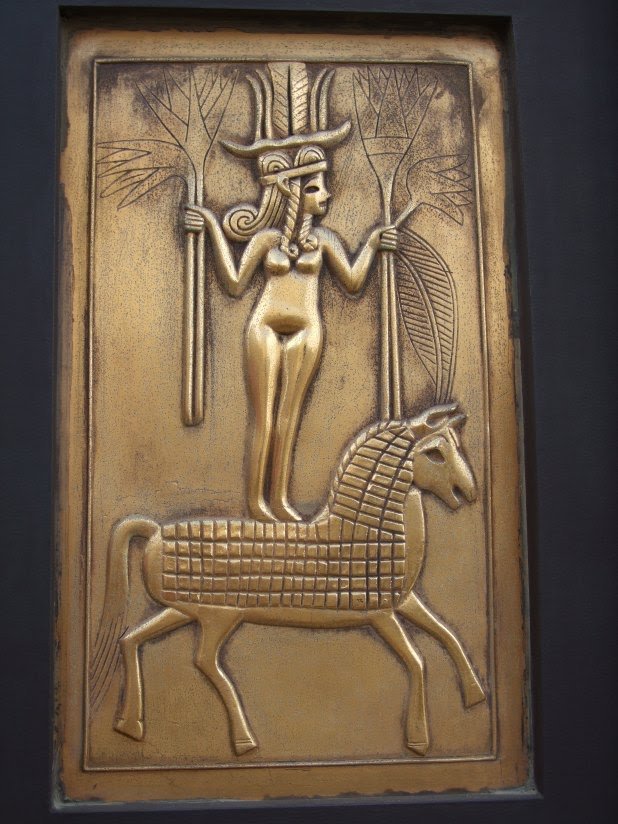
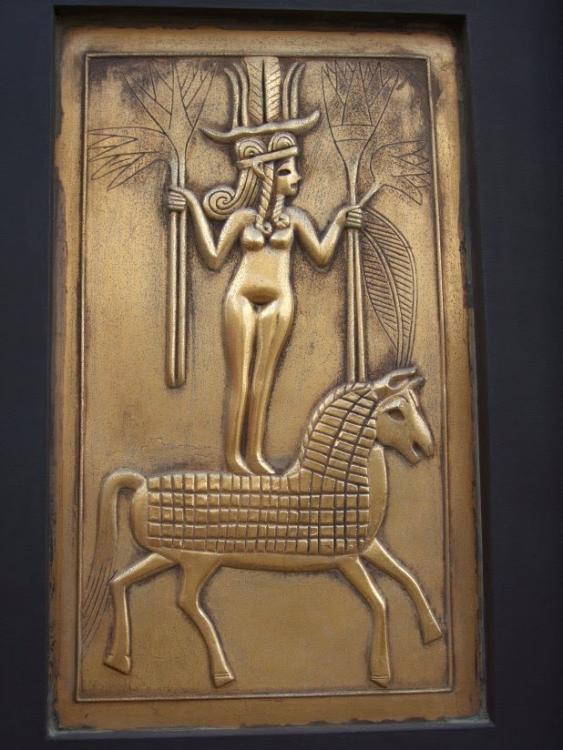
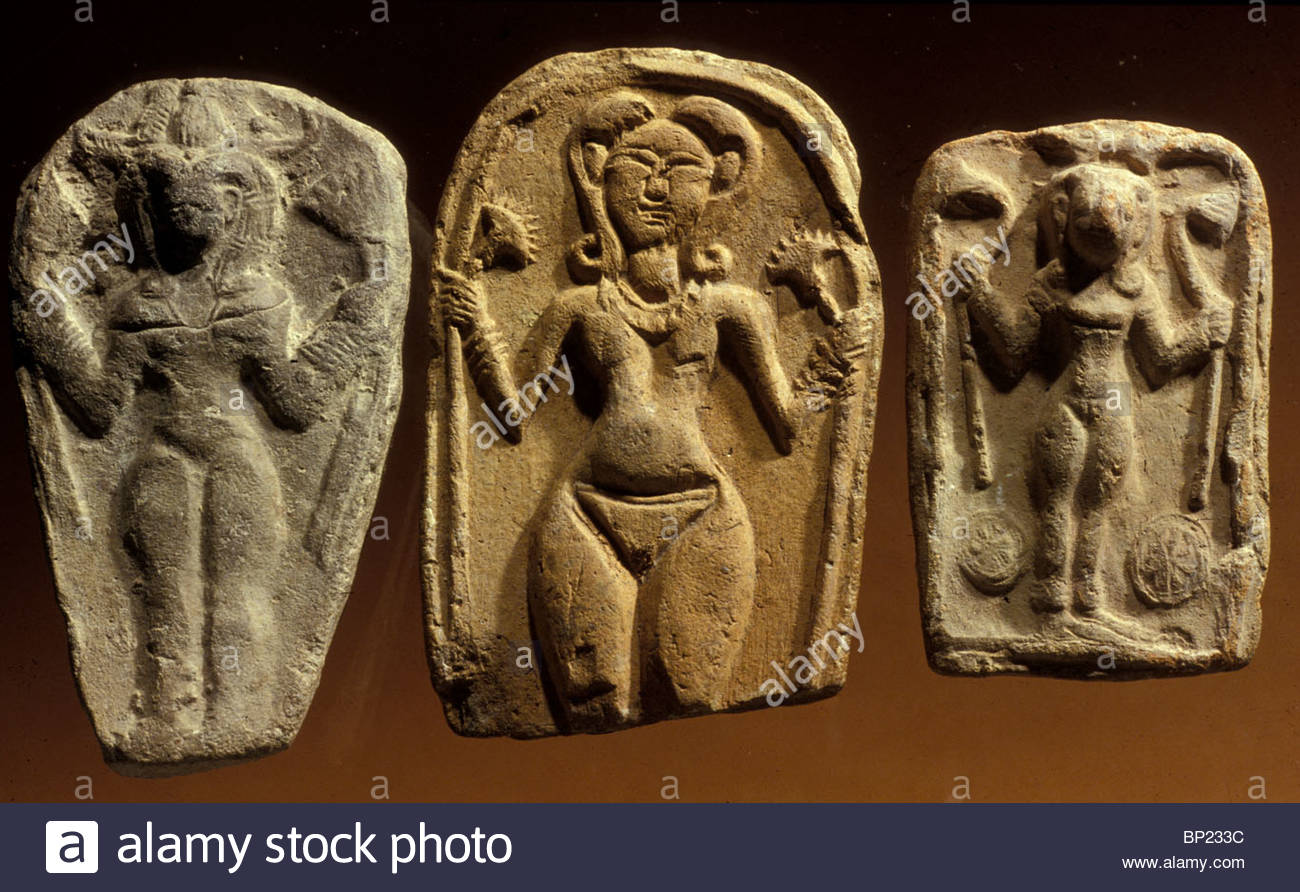
https://en.m.wikipedia.org/wiki/Asherah Ma also worshiped the sexual aspects of women in terms of female fertility. This was done by all the Semitic and Middle Eastern peoples like the Hittites. The concept of mother goddess is in all civilizations. I wonder what relationship exists for example in all the deities of the bronze age with syncretism and the deity of the iron age.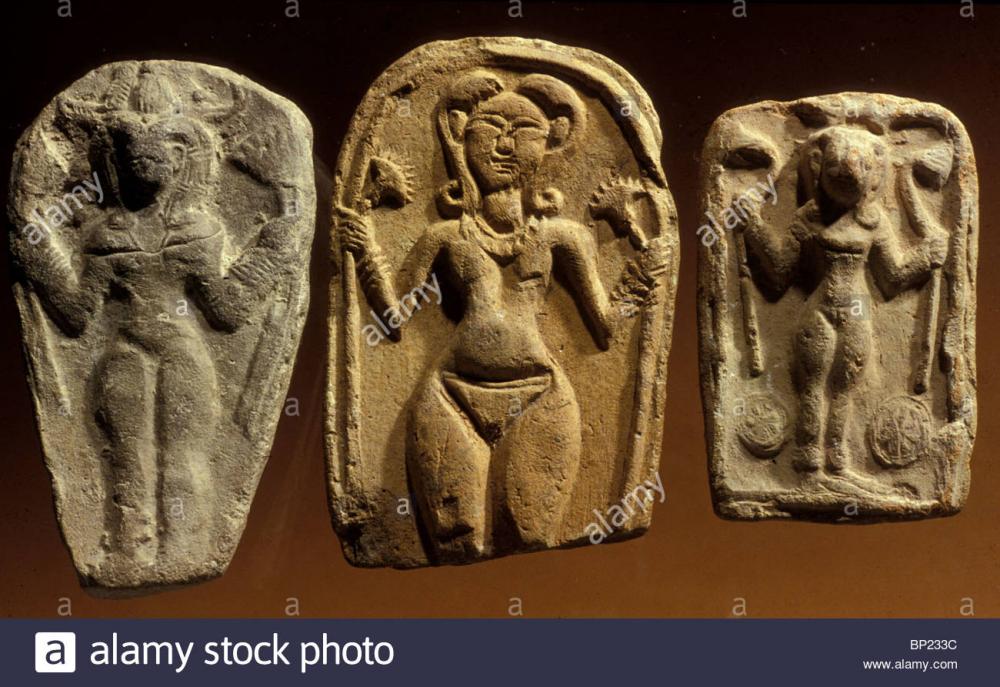
.thumb.jpg.c1e0783782fedb0abf59507f7cd1468b.jpg)
-
Two-Gendered Citizens Mod (Please Test!)
Lion.Kanzen replied to wowgetoffyourcellphone's topic in Game Modification
So the Celts had that conception just like the Romans had of virility? -
The Carthaginians traveled quite long. By the way, the map is quite accurate because it really does have a little Mesoamerican touch. most of the places where the Indians lived were pine forests what a beautiful time they are combined with slightly arid lands.
-
Why are Kushite and Carthage mercenary camps still limited?
Lion.Kanzen replied to Alar1k's topic in General Discussion
What was there before, I mean was there something planned on the team forums? What I had suggested was at least thought or planned before? , My idea comes from Warcraft 3, AoE 3 and RT I -
Mesoamerican movies, series , media[ references]
Lion.Kanzen replied to Lion.Kanzen's topic in General
A number of references both building style with small details and eyecandy stuff. Combat style. Language Naualth. -
They much date from the time of Cortés. But it's not like Mesoamerica's battle style has changed much.
-
Hero and champion for the Zapotecs in Terra Magna
Lion.Kanzen replied to Lopess's topic in Rise of the East
The scout may well be a runner. -
gameplay Wonders seem unfocused and unnecessary
Lion.Kanzen replied to wowgetoffyourcellphone's topic in Gameplay Discussion
The task of doing that is very relevant, so I need a bit of programming, and we have definitely lacked sound engineers in a long time. -
===[COMMITTED]=== Macedonian wonder
Lion.Kanzen replied to Tomcelmare's topic in Completed Art Tasks
I have to look for it because I moved it from my original folder but it was created to have it in another alternative cloud. -
No me fijado porque estuve mucho tiempo fuera, dónde trae las imágenes de dichos elementos artísticos.
-
al menos con los mayas creo que deberíamos de hacer eso teniendo la referencia.
-
Civ: Germans (Cimbri, Suebians, Goths)
Lion.Kanzen replied to wowgetoffyourcellphone's topic in Delenda Est
There are already some designs that I made but I don't know which textures you mean, For buildings and textures would be necessary. Although also if you think you could improve my textures in case they have not l pleased to wowgetoff... -
Cómo van con el desarrollo de murallas para los mayas. The Mayans having a wall that part of the stone and another part was a kind of palisade. Or kind a fence.
-
Yes but but mine could end up in jail in the United States. Lol. _______leaving aside the jokes ---- + I remember that in EE there was a unit that was a diplomat and in RoN there was then another general or hero type unit that could bribe your units...
-
Great feedback. @borg-
-
https://lbry.tv/@0ad#b agora 0 AD now has its channel on LBRY.
-
It would be the same basic list that all civilizations have. https://trac.wildfiregames.com/wiki/Audio_Voice_List

.jpg.561dbbd50fb6cf87903dbb6233635909.jpg)