
.png.a9ae33b5e5ddb0eb2b142b612b99c428.png)
Lion.Kanzen
-
Posts
25.684 -
Joined
-
Days Won
302
Everything posted by Lion.Kanzen
-
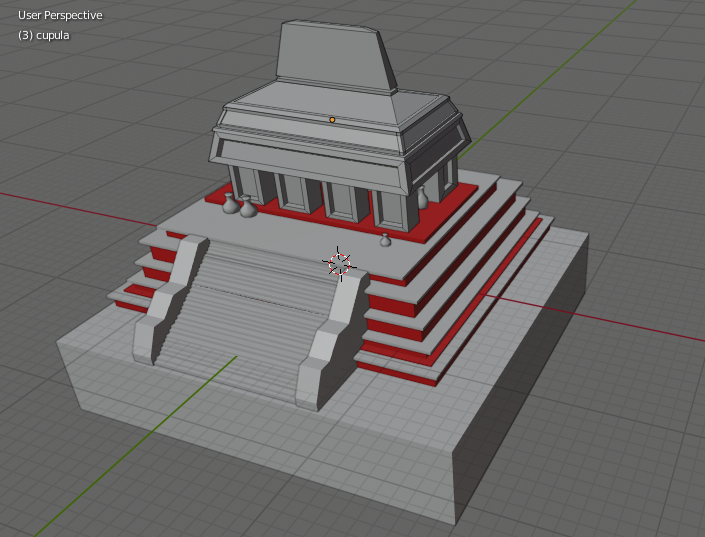
@Lopess you can help me with this?
-
@Lopess
-
.thumb.png.ce58cea22940c255f5b0a735d5abee36.png)
Wow's Forge Rework Idea
Lion.Kanzen replied to wowgetoffyourcellphone's topic in Gameplay Discussion
5lvl = "?" a hastatus? So a how much cost a extraordinarius? -
Ratings Disputes and Offence Reporting (Discussion)
Lion.Kanzen replied to gator303's topic in General Discussion
@user1 -
Mesoamerican Fauna and Flora
Lion.Kanzen replied to wowgetoffyourcellphone's topic in Rise of the East
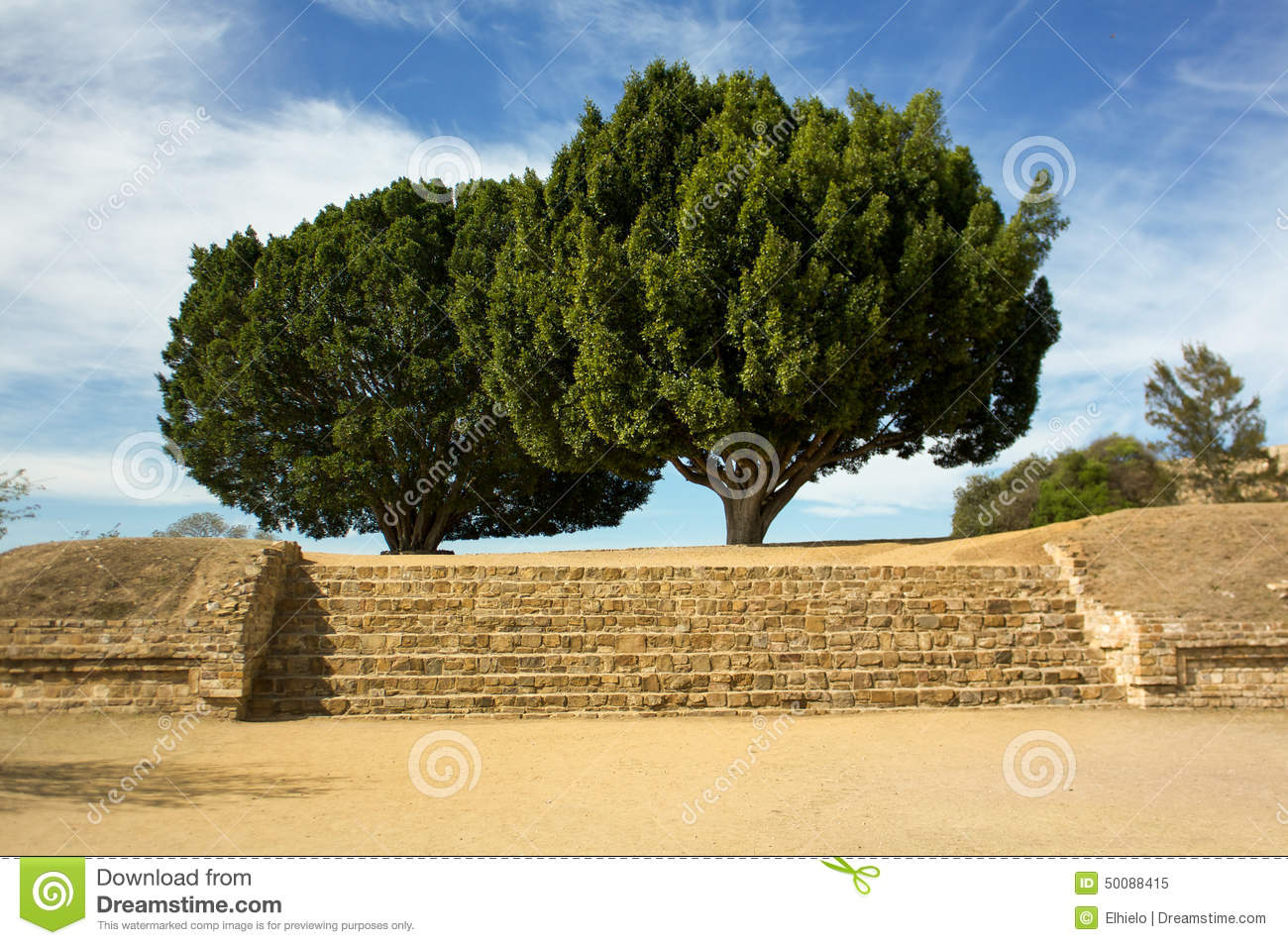
@Trinketos @Lopess more or less those are the most important trees and forests, at least for the biome where the Zapotecs live or lived. -
Mesoamerican Fauna and Flora
Lion.Kanzen replied to wowgetoffyourcellphone's topic in Rise of the East
Lanscapes. Mitla. Main vegetation types (biomes) in the state of Oaxaca, according to Rzedowski's potential vegetation map (Rzedowski, 1990). BES= Seasonally dry forest, BHM= Montane moist (mesophilic) forest, BTEM= Temperate forest, BTHU= Tropical moist forest, MXE= Xerophytic scrub. Oaxaca have mostly Dry and temperate forest. Dry Forest https://en.wikipedia.org/wiki/Tropical_and_subtropical_dry_broadleaf_forests Temperate forest (I'm very familiar with this.) https://en.wikipedia.org/wiki/Temperate_forest -
Mesoamerican Fauna and Flora
Lion.Kanzen replied to wowgetoffyourcellphone's topic in Rise of the East
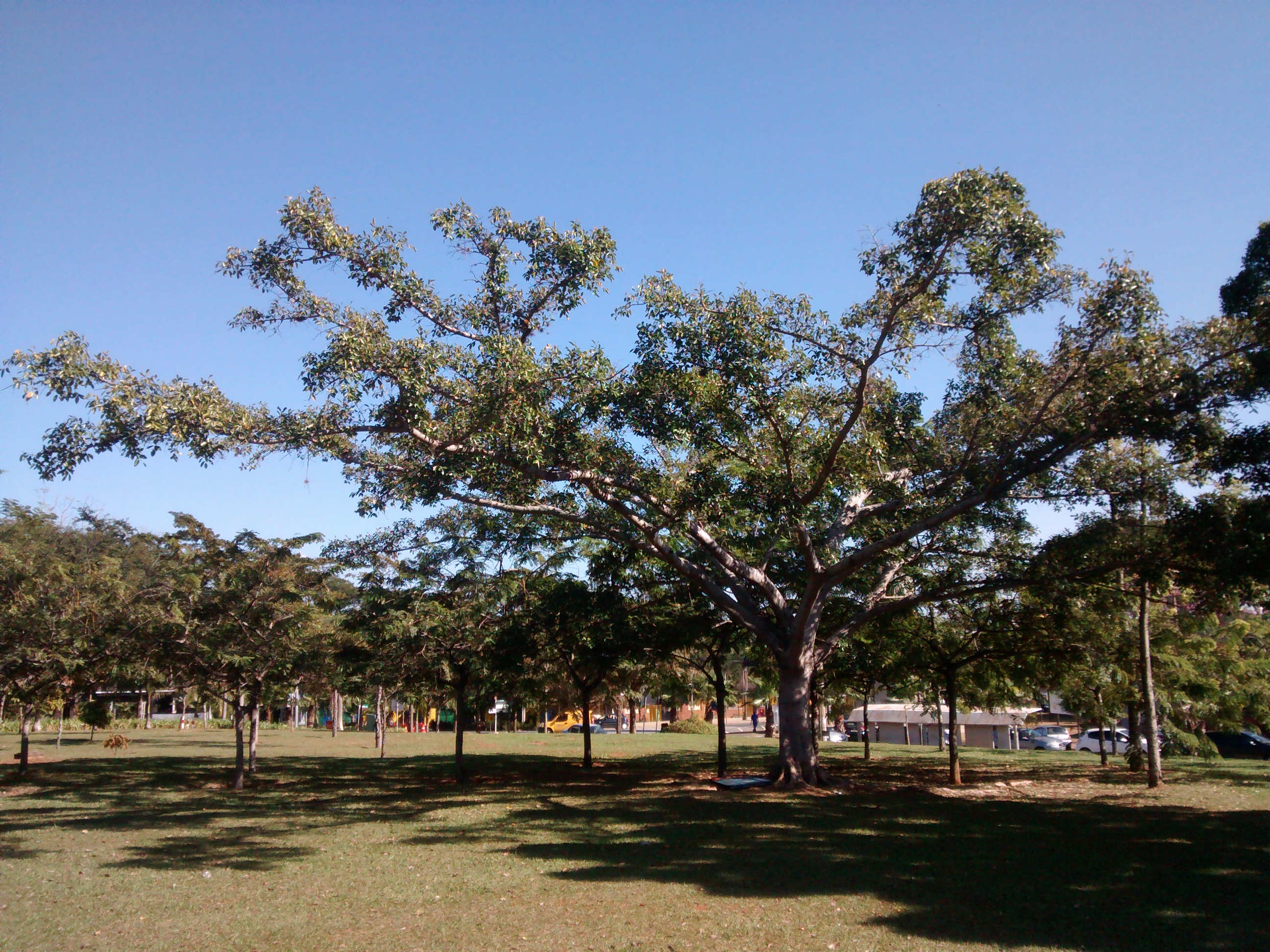
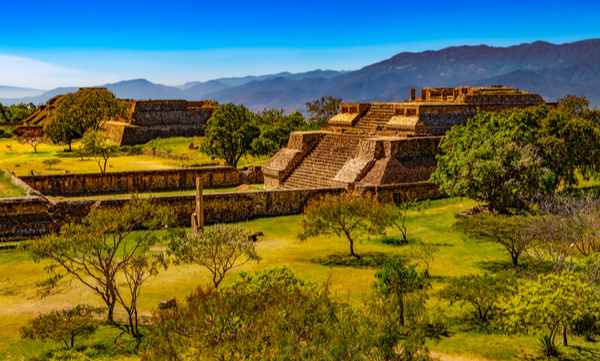
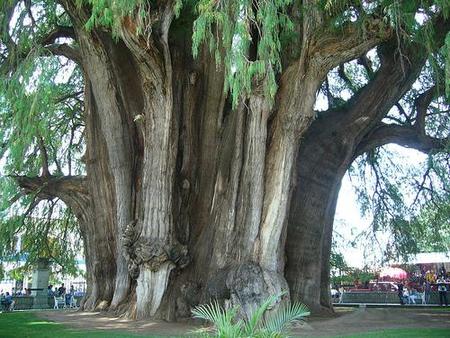
Oaxaca more representative plants. Ahuehuete https://en.wikipedia.org/wiki/Taxodium_mucronatum Ceiba. https://en.wikipedia.org/wiki/Delonix_regia Palo Mulato. https://en.wikipedia.org/wiki/Bursera_simaruba Amatillo. https://en.wikipedia.org/wiki/Ficus_pertusa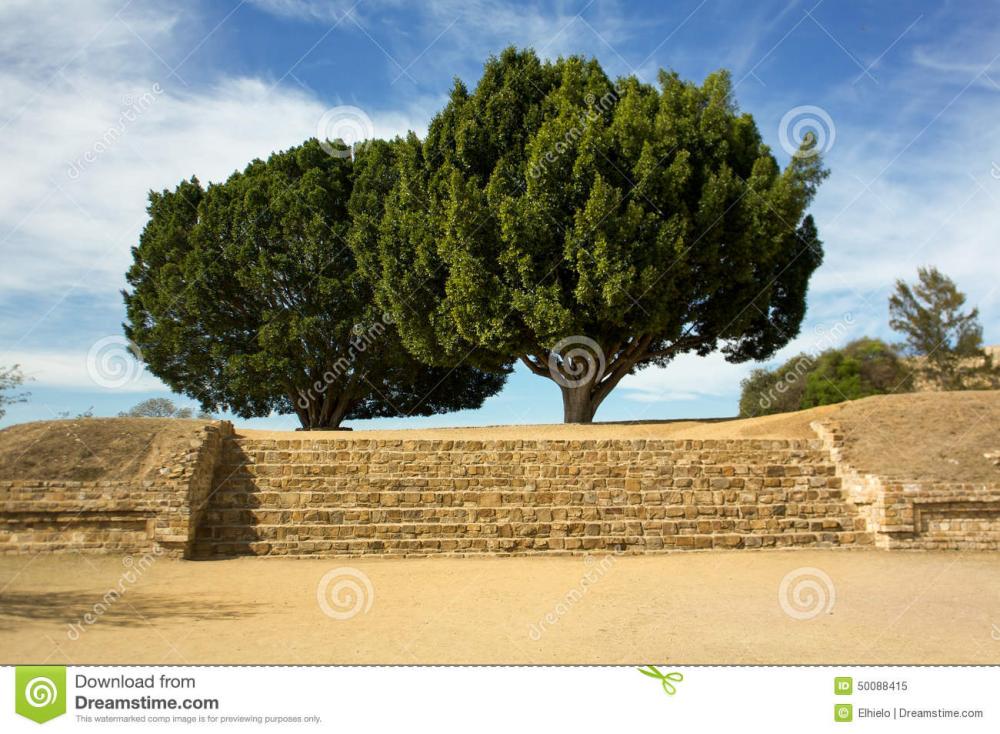
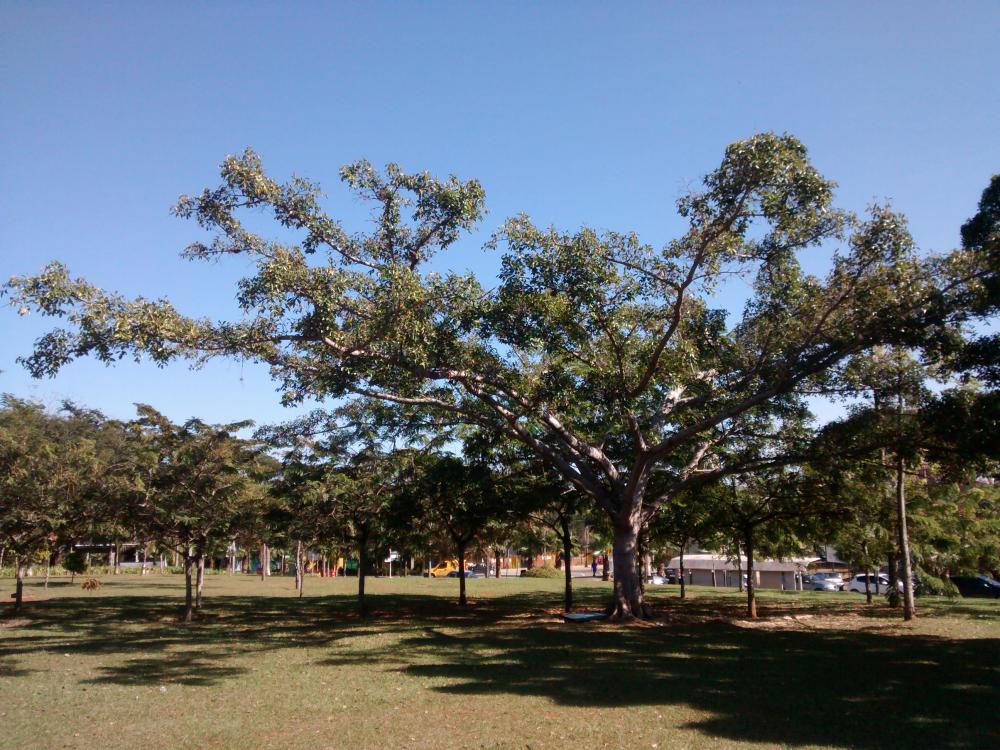
-
Mesoamerican Fauna and Flora
Lion.Kanzen replied to wowgetoffyourcellphone's topic in Rise of the East
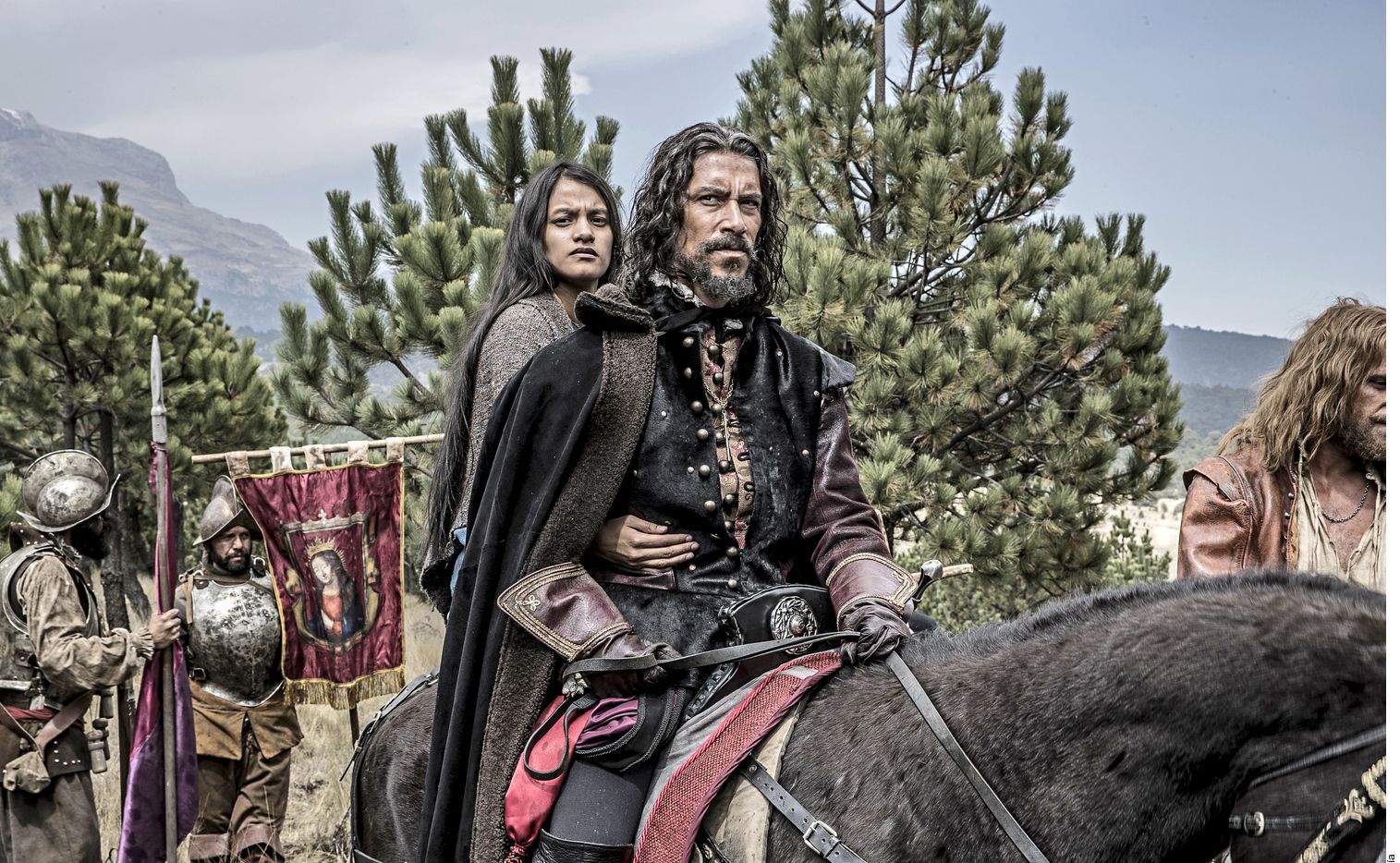
there is a serie called Hernan with good landscapes. look like a kind of pine...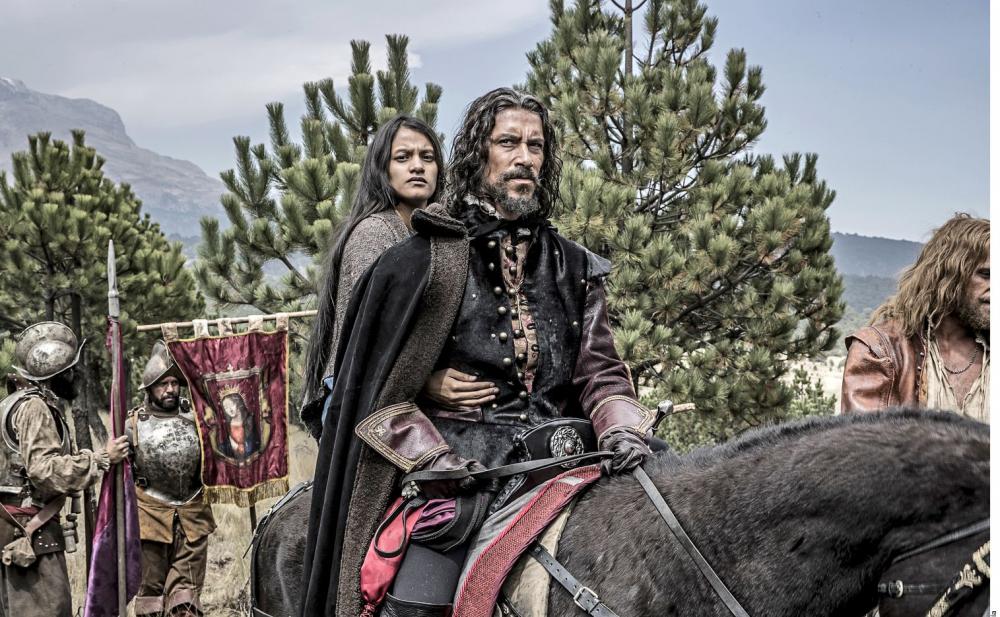
-
Proposal, Mayan City States [preclassic and classic]
Lion.Kanzen replied to Lion.Kanzen's topic in Rise of the East
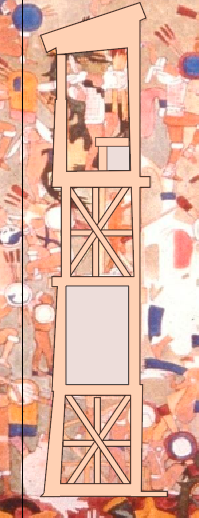
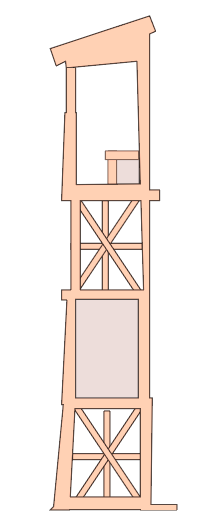
-
Proposal, Mayan City States [preclassic and classic]
Lion.Kanzen replied to Lion.Kanzen's topic in Rise of the East
there is two of them. -
Proposal, Mayan City States [preclassic and classic]
Lion.Kanzen replied to Lion.Kanzen's topic in Rise of the East
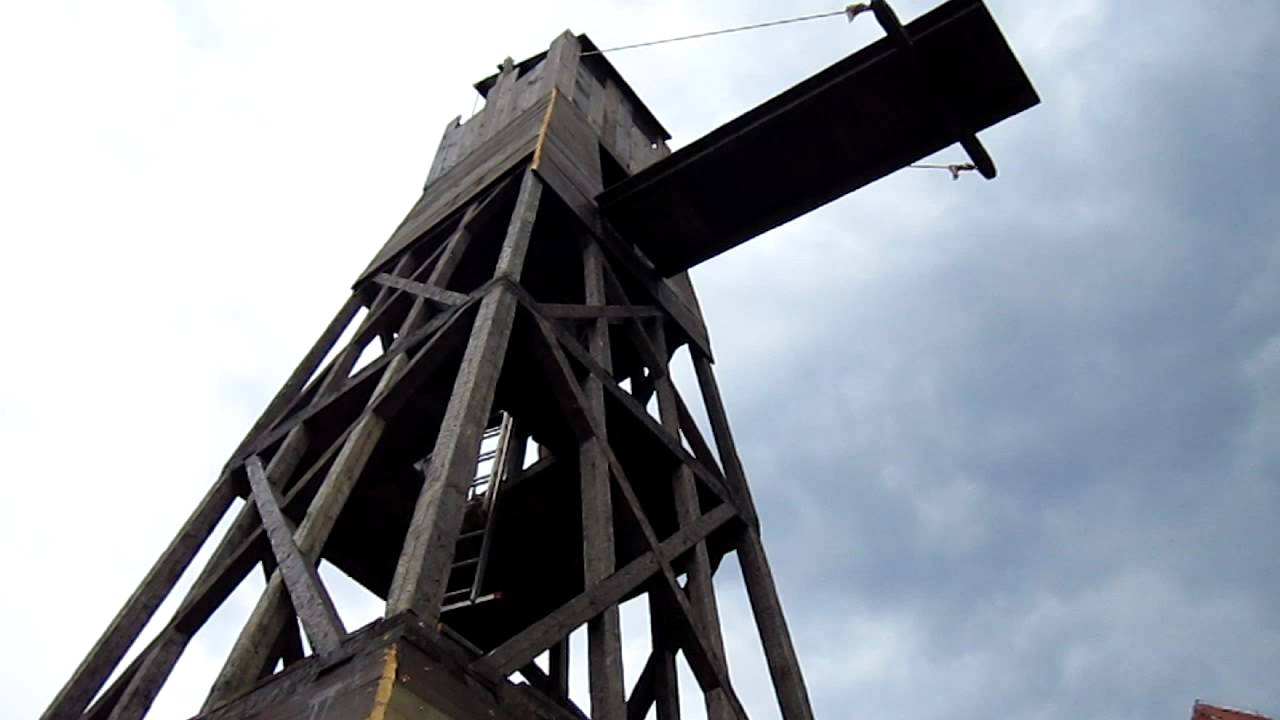
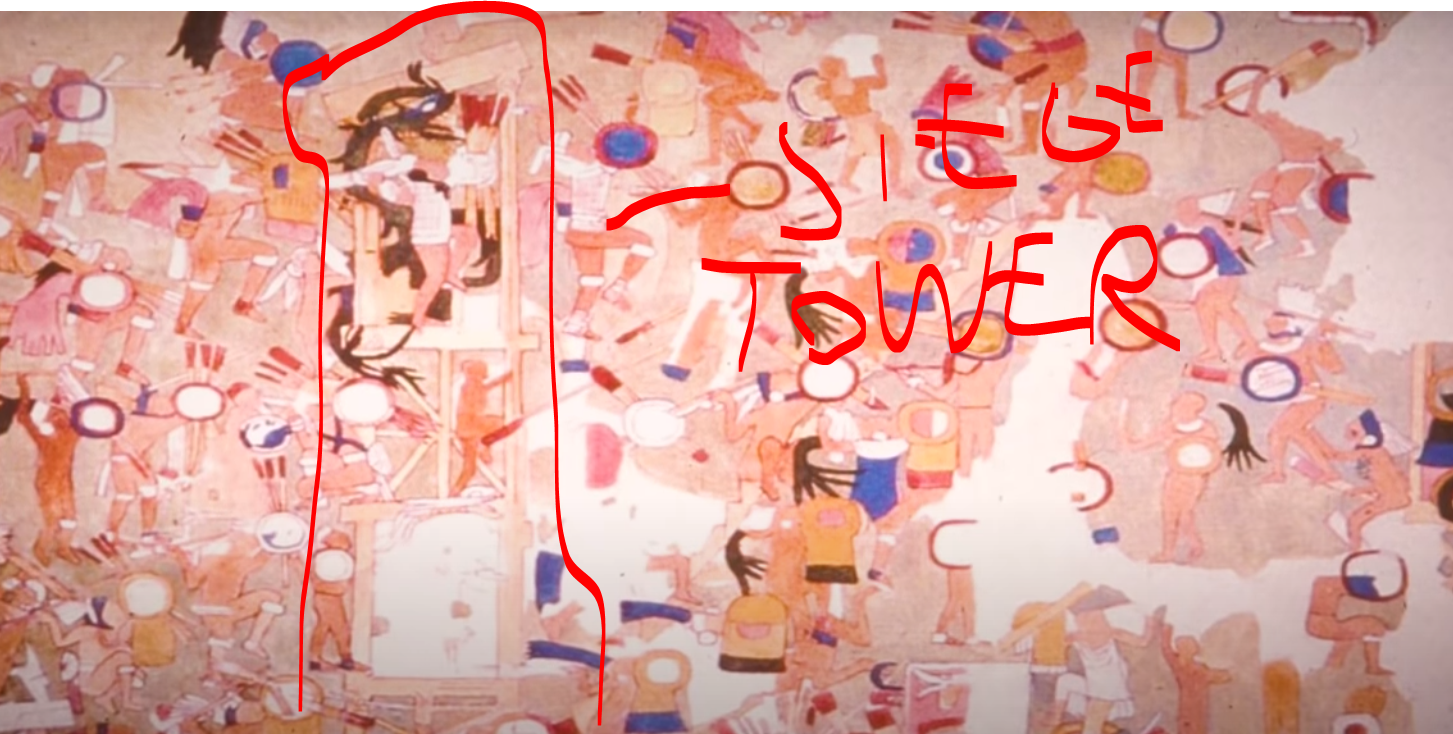
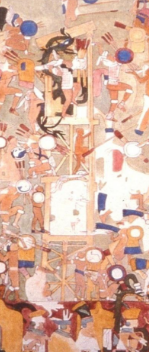
voy a buscar la imagen completa. no se aprecian ruedas de hecho ya casi me imagino la estructura. es como la base de esto y este. 4 levels no wheels.. it look like they climb for an ladder. have some protection (white spaces.)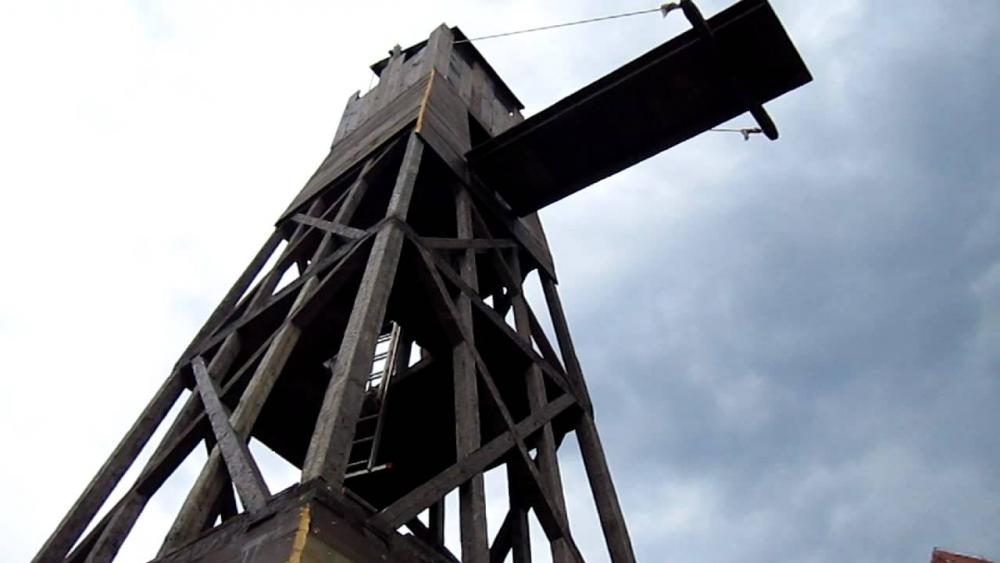
-
Proposal, Mayan City States [preclassic and classic]
Lion.Kanzen replied to Lion.Kanzen's topic in Rise of the East
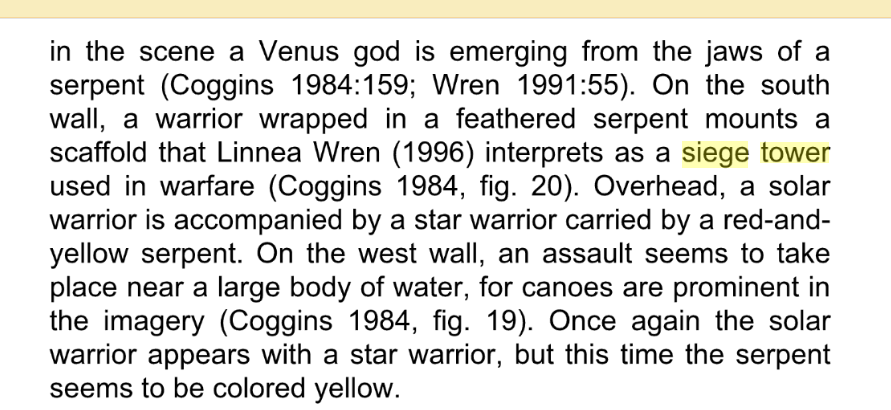
Another scene may portray an actual siege, involving siege towers against a fortified hilly position. Standing on these scaffold-like constructions are soldiers throwing their projectiles at their opponents. Some of the warriors have jumped off the towers into the fortification and are battling the defenders (Coggins 1984:159, Figure 17; Miller 1977:207, Figures 8, 215). Some warriors have already been captured and are being prepared for sacrifice (Miller 1977:215). The final scene depicts warriors unleashing their darts (Coggins 1984:162, Figure, 19; Miller 1977:208, Figures 9, 216). It is unclear, however, if actual combat is shawn here, or rather a portrayal of the military capabilities of the two groups. We might even be looking at a manual of military drill (Miller 1977:216). The village scene in the same panel shows conquest and exile. Women carrying their belongings on their back are leaving the village, looking back in despair at their dwellings (Miller 1977:217). Considering the more tropical scenery it is possible these scenes depict events that occurred in the Maya lowlands, perhaps in the Petén (Miller 1977:218; Wren and Schmidt 1991:209). https://journals.openedition.org/civilisations/3400 -
Proposal, Mayan City States [preclassic and classic]
Lion.Kanzen replied to Lion.Kanzen's topic in Rise of the East
https://weaponsandwarfare.com/2015/08/14/mesoamerican-warfare-1200-b-c-e-1521-c-e/ -
Proposal, Mayan City States [preclassic and classic]
Lion.Kanzen replied to Lion.Kanzen's topic in Rise of the East
@Lopess podria ser una plataforma de asedio, como una torre de asedio pero sin ruedas. se monta y desmonta como hacian los aztecas...(supocision mia)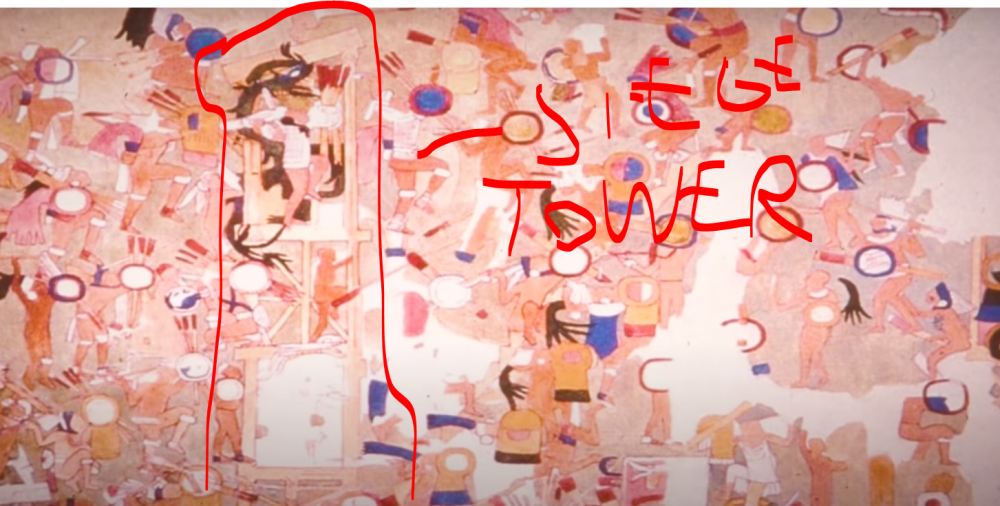
-
Teotihuacan Empire [Classic] design concept.
Lion.Kanzen replied to Lion.Kanzen's topic in Rise of the East
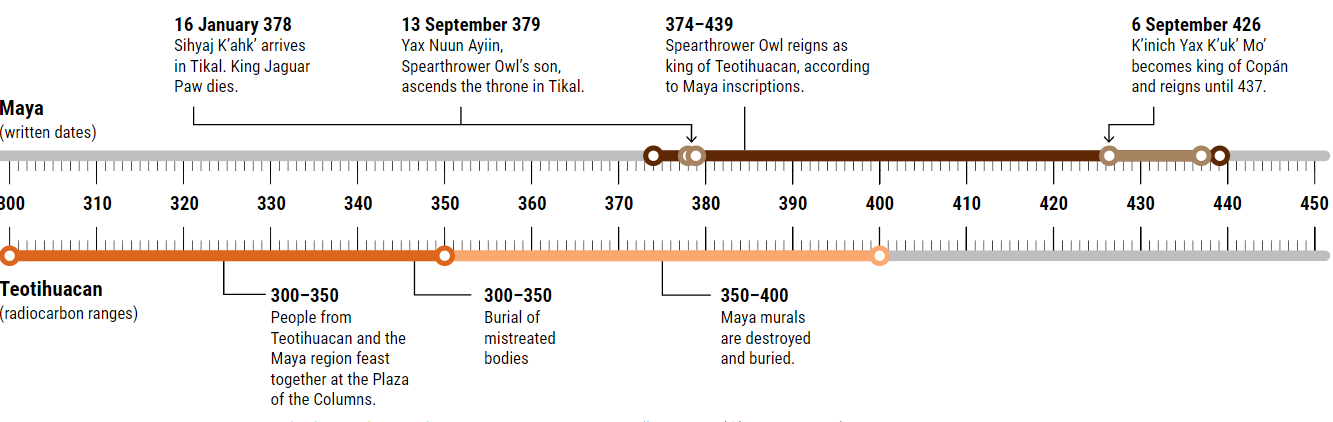
This mean Mayan from Copan were related and apply for boths. Mayan and Teos
-
Proposal, Mayan City States [preclassic and classic]
Lion.Kanzen replied to Lion.Kanzen's topic in Rise of the East
what about this...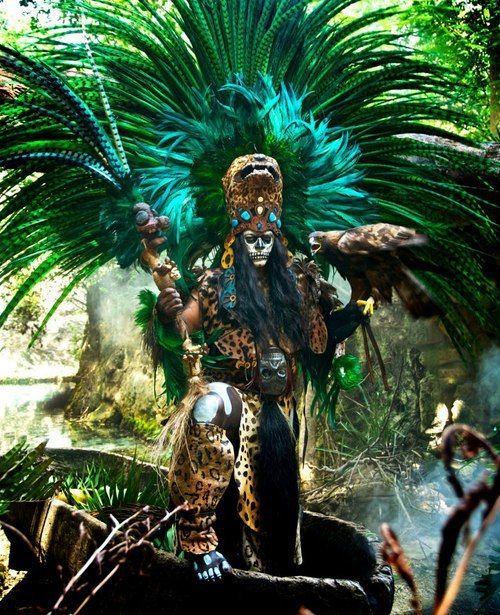
-
Teotihuacan Empire [Classic] design concept.
Lion.Kanzen replied to Lion.Kanzen's topic in Rise of the East
this of Mythyc names also can be useful for Zapotecs. they have same names over centuries. -
Hero and champion for the Zapotecs in Terra Magna
Lion.Kanzen replied to Lopess's topic in Rise of the East
https://forums.civfanatics.com/threads/warriors-of-the-americas-mega-pack.520780/ check what can be useful here. to add to many cultures that are from pre columbian era and colonial Native era.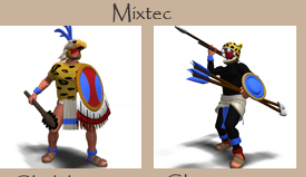
-
Teotihuacan Empire [Classic] design concept.
Lion.Kanzen replied to Lion.Kanzen's topic in Rise of the East
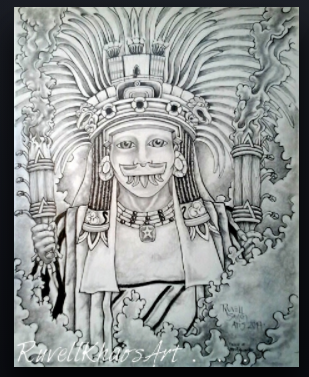
the googles are important. woman costume. priest of fire.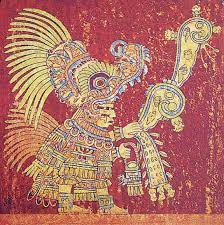
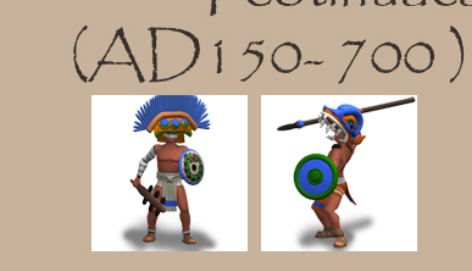
-
Teotihuacan Empire [Classic] design concept.
Lion.Kanzen replied to Lion.Kanzen's topic in Rise of the East
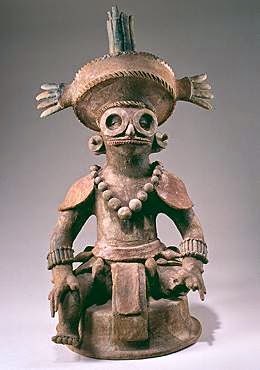
The Warriors. Militaristic individuals populate the visual arts in large numbers, marching on painted walls near the city center and out in the more secluded apartment compounds. Likewise, warriors circle around the painted and stuccoed vases or boldly appear on the carved surfaces of Thin Orange ceramics, and in some statuettes. Thus both art and archaeology indicate the dominant role played by the military in Teotihuacan society. One crucial element of Teotihuacan warrior was the ‘mirror’ worn on his back. Called a tezcacuitlapilli by the later Mexica, the mirror consisted of a small stone disk to which pieces of iron pyrite were attached in a mosaic. Visual depictions indicate that feathers commonly ringed these mirrors. An additional decorative touch might include a knot securing a swath of feathers to the mirror. Many of the other costume elements of the warriors are not restricted to the military. Brilliant sprays of feathers fell from the various headdresses and trailed behind them. They wore sandals, shell or bread necklaces, large earflares and short loincloth skirts; all clothing of a typical – if elite – Teotihuacan male. The main warring emblems tucked amongst this otherwise ordinary clothing were year signs, owl pectorals, and the ultimate warrior costume accessory: circular Tlaloc goggles. These usually rang the human eye, but were sometimes shoved up on the forehead in a style similar to modern goggle wearing A final characteristic of the Teotihuacan military apparel is nevertheless the most interesting, because it opens a window on the conceptual underpinnings of warfare itself and onto the underlying social organization. Teotihuacan warriors did not enter battle solely with protective armaments of the martial sort: they wore spiritual armaments as well. These features, found in the city’s military imagery are the incorporation of animal attributes in the costume of most warriors. That’s why the list includes nahualli warriors (a nahuatl term, that in this case means an animal co-essence; this designates an entity, relating to an ancient and widspread mesoamerican belief, in which one part of the human soul manifests itself as a sort of animal) that can be viewed as a precursor of the military orders latter developed by other Mesoamericans cultures, like the Toltecas or the later Mexicas. Although a shamanic rationale may have underlined the existence of animal warriors at Teotihuacan, the real strength of the costumes was their ability to foster collective identities. The animal costumes of Teotihuacan do not seem to represent an individual as much they designate groups of warriors who wore the same costume and shared an animal companion. A vessel from the site of Las Colinas near Teotihuacan confirms the existence of these groups: on the bowl each warrior in the procession walks behind the symbol of is military order. The depicted heraldry includes such entities as a bird, a canine, a feathered serpent and a tassel headdress, the later indicating that animals were not the only military emblems. In the white patio of Atetelco there can be seen images of eagle and coyote warriors and there are also representations of jaguar warriors in the murals of Teotihuacan. The multiethnic warrior units represent the most warlike soldiers, foreigners willing to join the ranks because of direct allegiances or just as a result of politic and cultural affinities. These would strengthen an army mainly composed of farmers and therefore largely seasonal or dependant on conscripts As for the different implements of war that are represented in Teotihuacan the atlatl propeller is the most recurring, including all other offensive and defensive devices. Anyway from a tactical perspective it will be illogical to think that this was the sole weapon used by the Teotihuacanos. Some investigators agree about the existence of other kinds of weapons like contusing maces, as suggested by the discovery of stone arums with a hole in the center, where a wooden handle would fit; such maces would be straight without external protuberances. On the other hand curved sticks, largely used in the early Post Classic (900-1200 AD) can be seen in the white patio of Atetelco-Portico 3, where several dressed characters carry these contusing implements. In reality there are no direct examples of weapons with razor parts such as macuahitl like swords, if we exclude some representations in the so called Zone II. There a series of vertical lines present along the whole edges to form triangular motifs that can be recognized as macanas, namely because this pattern relates to another mural of the same group identified as a military subject. It is very well attested that the Teotihuacanos where experts in obsidian cutting of and in the manufacture of sharp utilities such as prismatic razors, which were fundamental elements in the assembling of those weapons. One figure in stela 5 of the Maya City of Uaxactún – representing a figure clearly in Teotihuacan dress – also carries a weapon much like a macuahuitl. A similar reasoning would apply to other piercing tools such as spears, for which there are no mural representations. It is likely that this type of weapons were known because several found objects made of obsidian, silex and stone, have a shape and length compatible with spear heads. One ceramic plaque found near the Ciudadela shows a character unmistakably armed with a spear. For defence, square or rectangular shields were used, flexible or rigid, similar to those found among the Maya. In its ensemble the city of Teotihuacan and the culture of its habitants constituted an unmatched phenomenon. It was the most complex and populated urban centre of the Classical period. Its splendour endured for more than 500 years, before undergoing devastating decadency by the VII century. Main references: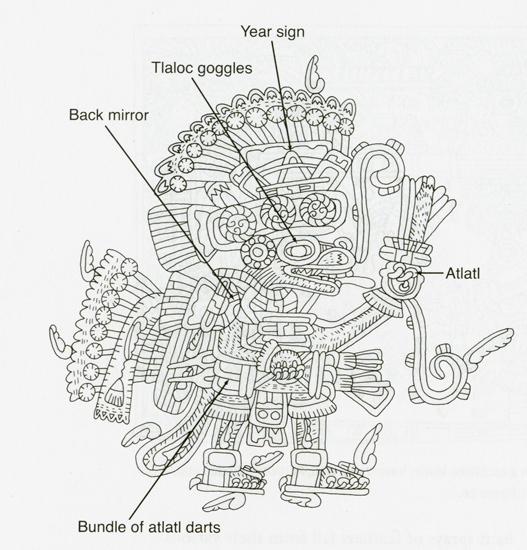
-
Teotihuacan Empire [Classic] design concept.
Lion.Kanzen replied to Lion.Kanzen's topic in Rise of the East
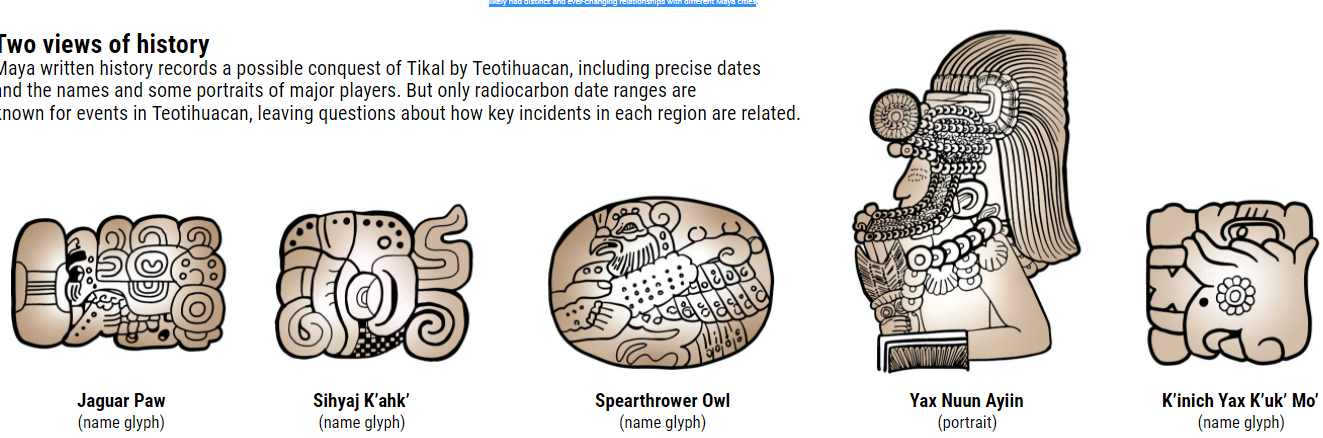
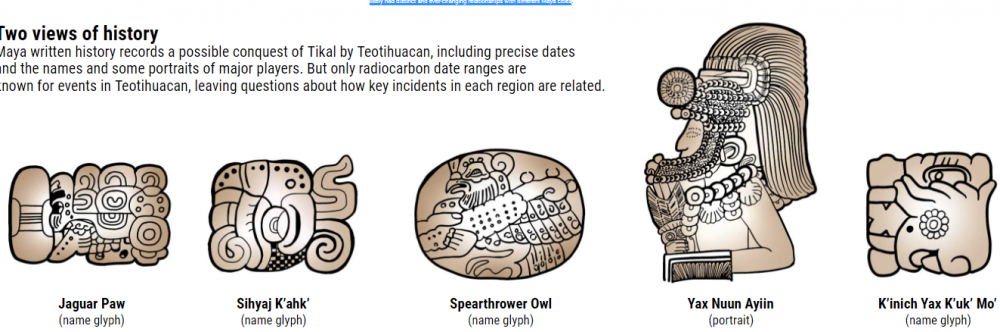
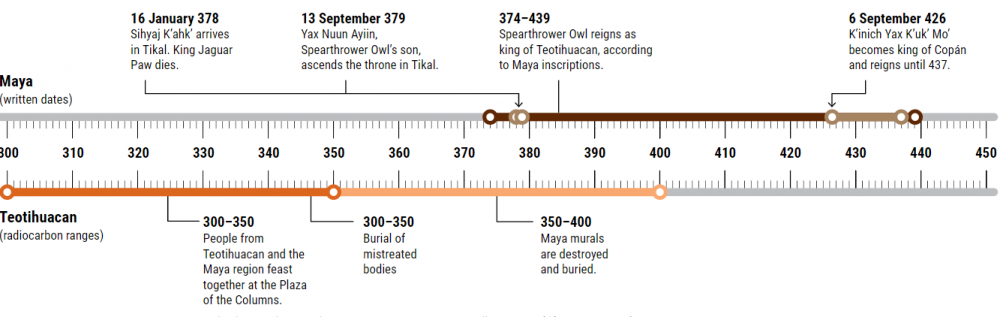
16 January 378 C.E., a stranger arrived in Tikal, a large Maya city in what is now northern Guatemala. His name was Sihyaj K’ahk’ (SEE-yah Kak), or Fire is Born, and he was likely a mighty warrior from a distant land. Many archaeologists think he hailed from Teotihuacan, a metropolis of 100,000 people about 1000 kilometers northwest of Tikal, near today’s Mexico City. And he may have come with an army. . https://www.sciencemag.org/news/2020/02/astounding-new-finds-suggest-ancient-empire-may-be-hiding-plain-sight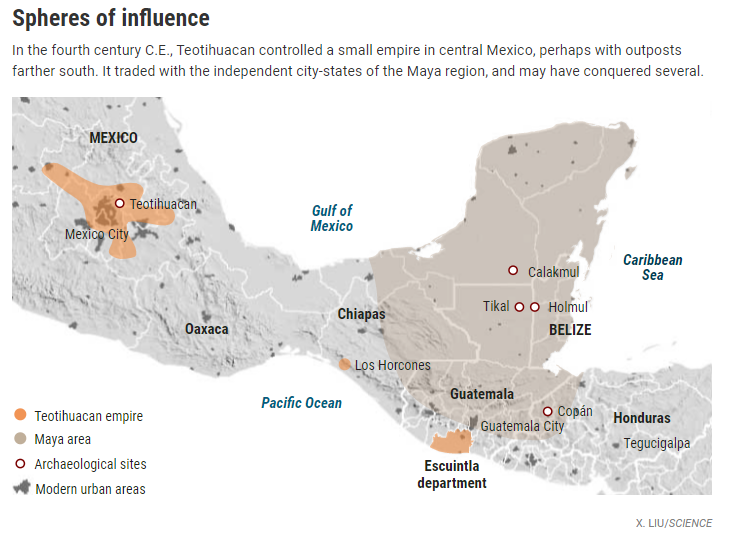
-
Hero and champion for the Zapotecs in Terra Magna
Lion.Kanzen replied to Lopess's topic in Rise of the East
but not like Aztecs of course. -
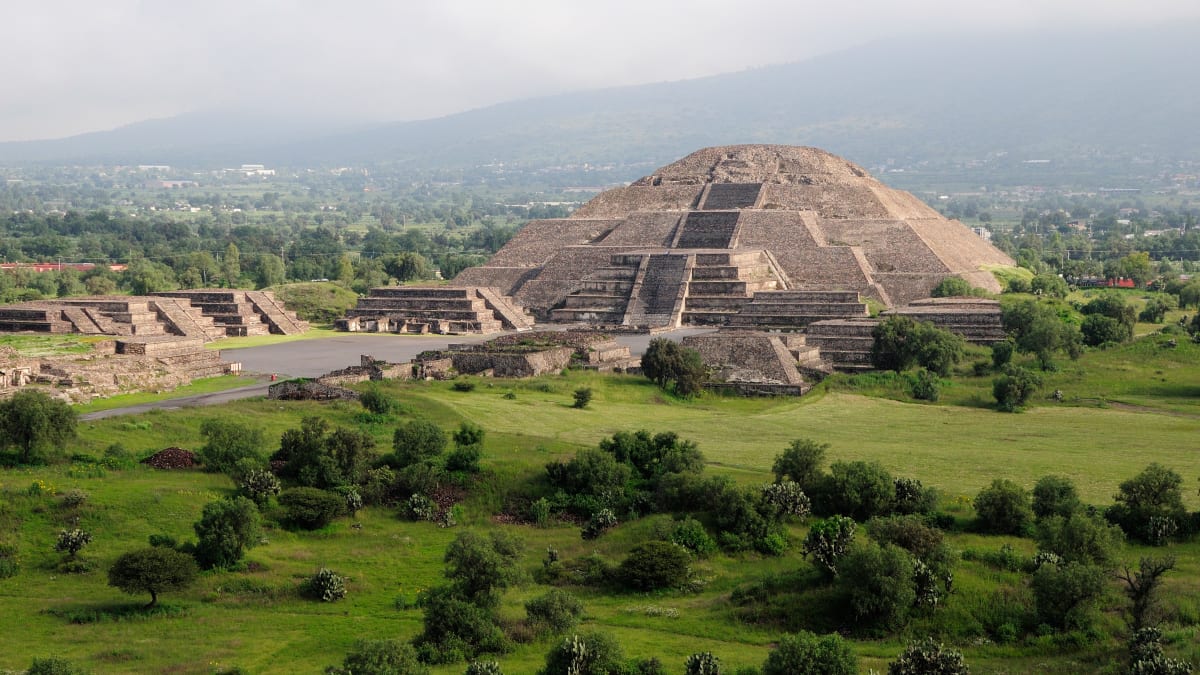
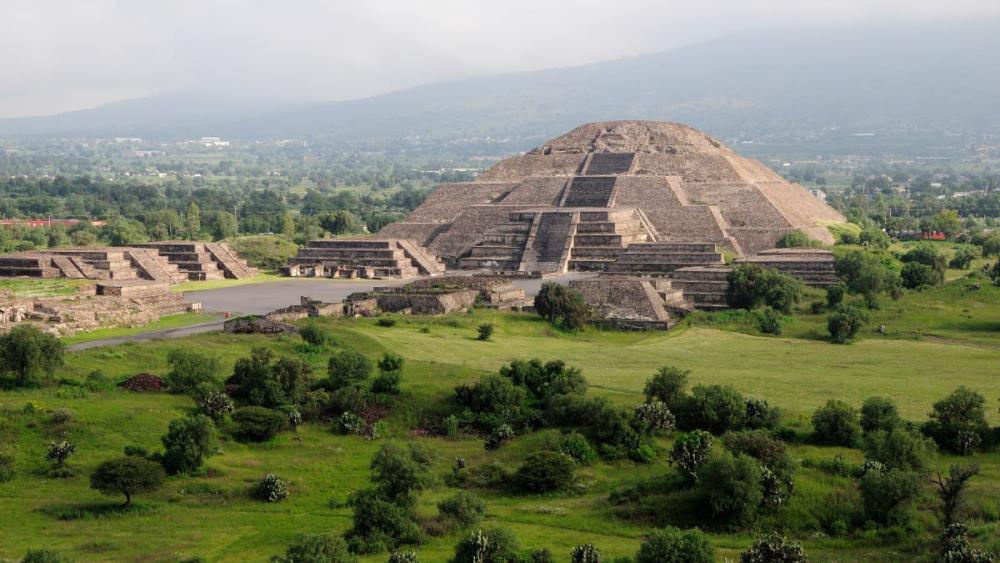
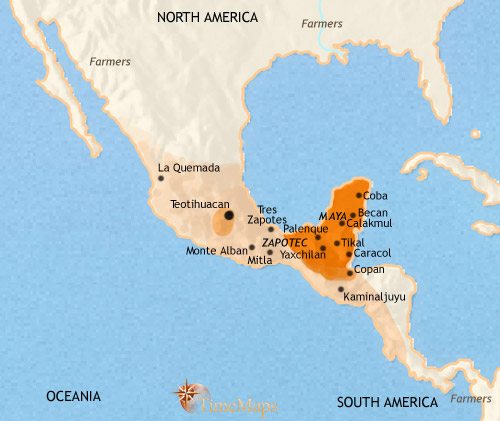
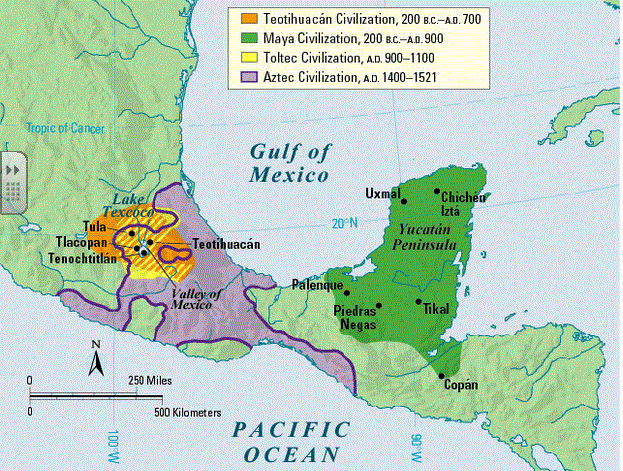
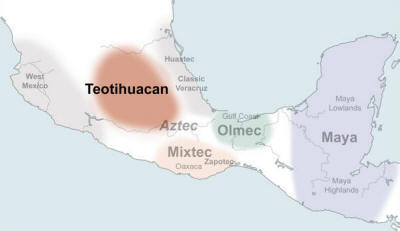
Two things set off the Early from the Late Classic: first, the strong Izapan element still discernible in Early Classic Maya culture, and secondly, the appearance in the middle part of the Early Classic of powerful waves of influence, and almost certainly invaders themselves, from the site of Teotihuacan in central Mexico. This city was founded in the first century BC in a small but fertile valley opening onto the northeast side of the Valley of Mexico. On the eve of its destruction at the hands of unknown peoples, at the end of the sixth or beginning of the seventh century AD, it covered an area of over 5 sq. miles (13 sq. km) and may have had, according to George Cowgill, a preeminent expert on the site, a population of some 85,000 people living in over 2,300 apartment compounds. To fill it, Teotihuacan’s ruthless early rulers virtually depopulated smaller towns and villages in the Valley of Mexico. It was, in short, the greatest city ever seen in the Pre-Columbian New World. Teotihuacan is noted for the regularity of its two crisscrossing great avenues, for its Pyramids of the Sun and Moon, and for the delicacy and sophistication of the paintings which graced the walls of its luxurious palaces. In these murals and elsewhere, the art of the great city is permeated with war symbolism, and there can be little doubt that war and conquest were major concerns to its rulers. Teotihuacan fighting men were armed with atlatl-propelled darts and rectangular shields, and bore round, decorated, pyrite mosaic mirrors on their backs; with their eyes sometimes partly hidden by white shell “goggles,” and their feather headdresses, they must have been terrifying figures to their opponents. At the very heart of the city, facing the main north–south avenue, is the massive Ciudadela (“citadel”), in all likelihood the compound housing the royal palace. Within the Ciudadela itself is the stepped, stone-faced temple-pyramid known as the Temple of the Feathered Serpent (TFS), one of the single most important buildings of ancient Mesoamerica, and apparently well known to the distant Maya right through the end of the Classic. When the TFS was dedicated c. AD 200, at least 200 individuals were sacrificed in its honor. Study of their bone chemistry reveals that not a few are certain to have been foreigners. All were attired as Teotihuacan warriors, with obsidian-tipped darts and back mirrors, and some had collars strung with imitation human jawbones. On the facade and balustrades of the TFS are multiple figures of the Feathered Serpent, an early form of the later Aztec god Quetzalcoatl (patron god of the priesthood) and a figure that may, according to Karl Taube, have originated among the Maya. Alternating with these figures is the head of another supernatural ophidian, with retroussé snout covered with rectangular platelets representing jade, and cut shell goggles placed in front of a stylized headdress in the shape of the Mexican sign for “year.” Taube has conclusively demonstrated this to be a War Serpent, a potent symbol wherever Teotihuacan influence was felt in Mesoamerica – and, in fact, long after the fall of Teotihuacan. Such martial symbolism extended even to the Teotihuacan prototype of the rain deity Tlaloc who, fitted with his characteristic “goggles” and year-sign, also functioned as a war god. That the Teotihuacan empire prefigured that of the Aztecs is vividly attested at the site of Los Horcones, Chiapas, Mexico, studied by Claudia García-Des Lauriers of California State Polytechnic, Pomona. Situated near a spectacular hill, the city lies on the very edge of the great chocolate-producing area known to the Aztecs as the Xoconochco. The southern part of Los Horcones is a dead ringer for the complex composed of the Pyramid of the Moon and the Avenue of the Dead at Teotihuacan, and artifacts and monuments point to a direct Teotihuacan presence in the region. It is hard to believe that the Aztecs were not the imitators here, and that Teotihuacan was the first to interest itself in the cacao plantations and trade routes of the region. The contact did not stop there, but extended to what may be a Teotihuacan colony at Montana, Guatemala. This settlement, surrounded by others like it within a 3 mile (5 km) radius, is endowed with magnificent incense burners, portrait figurines, and an enigmatic square object known to specialists as candeleros or “candle holders,” though their function is not known. And Montana was not alone. In 1969 tractors plowing the fields in the Tiquisate region of the Pacific coastal plain of Guatemala, an area located southwest of Lake Atitlan that is covered with ancient (and untested) mounds, unearthed rich tombs and caches containing a total of over 1,000 ceramic objects. These have been examined by Nicholas Hellmuth of the Foundation for Latin American Archaeological Research; the collection consists of elaborate two-piece censers (according to Karl Taube symbolizing the souls of dead warriors), slab-legged tripod cylinders, hollow mold-made figures, and other objects, all in Teotihuacan style. Numerous finds of fired clay molds suggest that these were mass-produced from Teotihuacan prototypes by military-merchant groups intruding from central Mexico during the last half of the Early Classic. Contacts must have been intense and conducted at the highest levels. Taube has detected Maya-style ceramics at Teotihuacan, some made locally, perhaps in an ethnic enclave at the city. Legible Maya glyphs from murals in the Tetitla apartment compound at Teotihuacan attest to royal names and rituals of god-impersonation. Very likely, these refer not to mere craftsmen brought from the Maya region, but to dynastic elites. Yet the movement of these people must have been complex. Under the immense Pyramid of the Moon, Saburo Sugiyama and colleagues discovered a burial with three bodies, dating to AD 350–400, accompanied by carved jades and a seated, Maya-like figure of greenstone. The positioning of this figure and the bodies nearby, all buried upright with crossed legs, resembles patterns in tombs at Kaminaljuyu in Highland Guatemala; the date, too, is close to a period of marked contact between Tikal and Teotihuacan-related people. Bone chemistry suggests that at least one of the occupants of the tomb came from the Maya region, but spent much of his life at this important Mexican city.
-
Hero and champion for the Zapotecs in Terra Magna
Lion.Kanzen replied to Lopess's topic in Rise of the East
In my view, the jaguar is late post classic in the Mixtecs. While Teotihuacán only existed in the classical period or when the Spanish arrived, they no longer existed.(They were basically replaced by Mexicas) -
Hero and champion for the Zapotecs in Terra Magna
Lion.Kanzen replied to Lopess's topic in Rise of the East
No, I would rather change Archer Mixteca and Jaguar Teotihucano.