
Leaderboard



Popular Content
Showing content with the highest reputation on 08/05/26 in all areas
-
I believe 0 A.D. has enormous potential – not just as a game, but as a platform for storytelling and community-created content. As someone who has created many scenarios in Age of Empires II, I see a key opportunity for 0 A.D.: Make the power of the engine easier to use. Right now, creating interesting scenarios often requires programming knowledge. This excludes a huge part of the potential creator community. My suggestion in 3 points: 1. Unify Triggers and Scripts A visual trigger system for beginners using simple Conditions → Actions. JavaScript remains available for advanced users. The two should become different levels of the same system rather than feeling like separate tools. 2. Upgrade Atlas Make Atlas a true scenario creation environment – with objectives, events, dialogues, reinforcements, ambushes, and dynamic gameplay. The creator should be able to focus on story and gameplay, not constantly think about the code required to make an idea work. 3. A Small Official Campaign – 3 Scenarios It doesn't need to be a huge campaign. Three well-designed scenarios could be enough to demonstrate what 0 A.D. can do. But there is an even bigger opportunity: Make the campaign editable and use it as documentation. Players could open the scenarios in Atlas, study how they work, modify them, experiment, and learn by doing. The official campaign would become more than content. It would become a living tutorial for scenario creation. The Vision Play → Discover → Learn → Create → Share → Contribute A player finishes an official scenario. They think: "I want to make something like this." They open Atlas. They experiment. They create their own scenario. They share it with the community. And eventually, that player may become a contributor. Why This Matters to Me I have experience with Age of Empires II scenario design, and I would genuinely love to contribute to 0 A.D. However, due to health limitations, I can't code or work on complex systems for long periods. That's exactly why I care about this problem. I know how technical complexity can prevent a great idea from becoming a playable experience. My suggestion comes from both sides – as a player, and as someone who wants to create. The Opportunity Much of the foundation is already there. The potential is already there. The community is already there. The opportunity is to make that potential easier for everyone to use. 0 A.D. doesn't necessarily need to become more complicated. It needs to make its existing power more accessible. Give players the tools to become creators.5 points
-
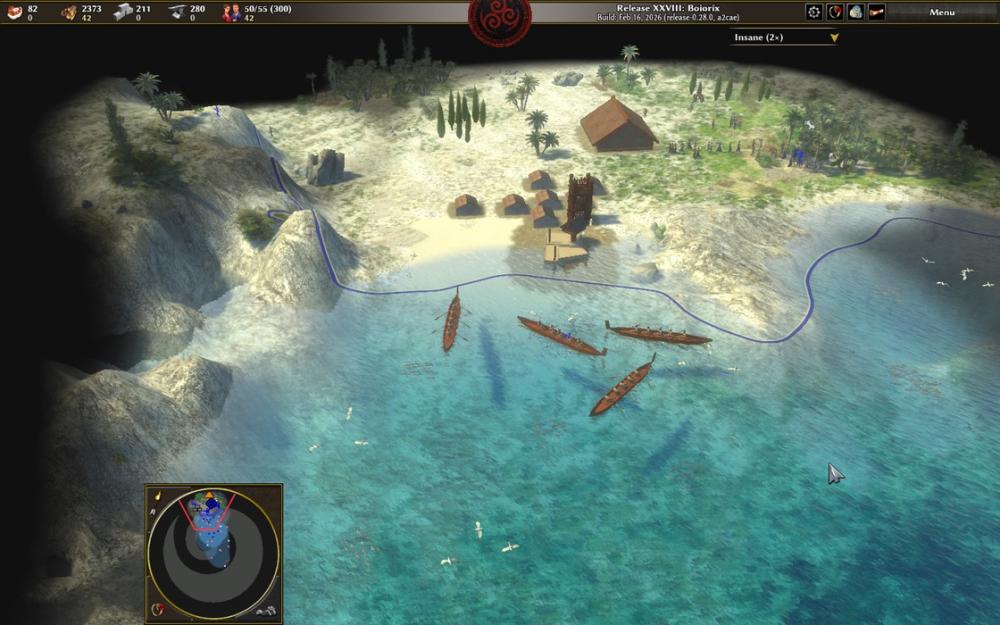
https://www.moddb.com/mods/maori-0-ad/downloads/maori-0-ad-v110 This is my first 0AD mod and was originally part of a uni project. It adds new techs, buildings, and units to the game like the Pa or Waka. I would be keen to do some future updates to it, so any feedback is definitely appreciated!
 3 points
 -
My first thought was "No.", and the discussion didn't convince me otherwise. You know what else would be more realistic? Latrines, STDs, sore feet (inf) & sore butts (cav).2 points
-
There is also https://gitea.wildfiregames.com/0ad/0ad/issues/89641 point
-
Something like this is planned iirc, but the Atlas is built off of some very hardcoded software, and needs a complete redesign in order to add new features. Both things are in the works though! https://gitea.wildfiregames.com/0ad/0ad/pulls/7803 Objectives and events should be in the next release https://gitea.wildfiregames.com/0ad/0ad/pulls/7785/files, dialogues as well https://gitea.wildfiregames.com/0ad/0ad/pulls/8614, and as for the others, those are just trigger scripts (like your first point). This is technically planned, though it probably won't be in the game until R30. However, if more players push for it, then maybe it can be in R29, that's up to the WFG team (of which I am not yet a member). You're 100% right about these, and as you can see, they should be in the game soon-ish. Until then, I hope to see you around the Forums more often, and maybe even creating a few scenarios (triggers really aren't hard once you learn how they work).1 point
-
I think lowering the attack of damaged units is possibly more worthwhile. Still allows retreating, but might smooth the snowbally Lanchester effect. Needs thorough testing, and possibly comparisons with other existing games.1 point
-
Been a while since I did my Judeans concept. Been very busy looking for other civilizations that could be fun for the game, and after 5 months, I finally got something. From their lonely but fertile island that which gave them their name, the Sardinians are believed to have been the descendants of the dreaded Sherden sea peoples roughly a millennia before the Punic Wars. Sardinians were well known for, among other things: their foreboding Nuraghe towers, their love for fighting matches, and their expertise at sea. Although initially hostile to Carthage, the Sardinians became one of their most trusted allies against Rome. This did not last for long, however, as Rome conquered Sardinia during the First Punic War. Their last gasp was an unsuccessful rebellion in 215 BC. Like my Judeans concept, The Sardinians are defensive focused, but depending on the map they can either be good for booming or turtling. Their team bonus, People of the Sea, removes the population requirement of fishing ships and arrow ships. Sardinians lack any good civ bonuses but make up for it with their techs. Obscure Legacy, giving all of their military units a bonus against heroes, but cannot train heroes of their own. Their second and more fun trait is Nuragic Civilization: All arrow tower techs are researched at the start of the game. The Sardinians have a lot of unique technologies, and can lead to some fun combinations. Harpoons (fleet) further improves the gather rate of fishing ships by 1/second, and allow arrow ships to slow down other ships. Harpoons (army) allow javelin men to slow down units by 10 walk and running speed (does not affect siege units). Ritualistic wrestling allows CCs and defensive buildings (except walls) the ability to improve the experience of soldiers in them, similar to a barracks or stables. And finally, Sherden Tactics allow melee infantry to "scare" enemy units, reducing their attack by 20% for 5 seconds. This does not stack. The Sardinians were best known for their Nuraghe Towers, which modern archaeologists have discovered 7,000 in Sardinia alone. Nuraghe towers are the Sardinian's signature building, replacing the fortress and are ofc able to improve the exp of units that are garrisoned in them. Nuraghe towers are also a territory root, and can be built in neutral territory. Their other unique building is the fighting pit. The fighting pit, despite their unique appearance and name, have the same function of a theatre, without being a theatre. They have 5 population houses only. The Sardinians have an unremarkable unit roster, with a slight emphasis on ranged troops. Village phase units are a spearman, skirmisher infantry, and a sword cavalry. Their Town Phase is a sword infantry, archer, and slinger. Their Champions are a sword infantry and an archer infantry that can set units on fire, similar to the Iberian skirmish cavalry champion. Their only siege equipment is a ram. Their only warship is an arrow ship.1 point
-
1 point
-
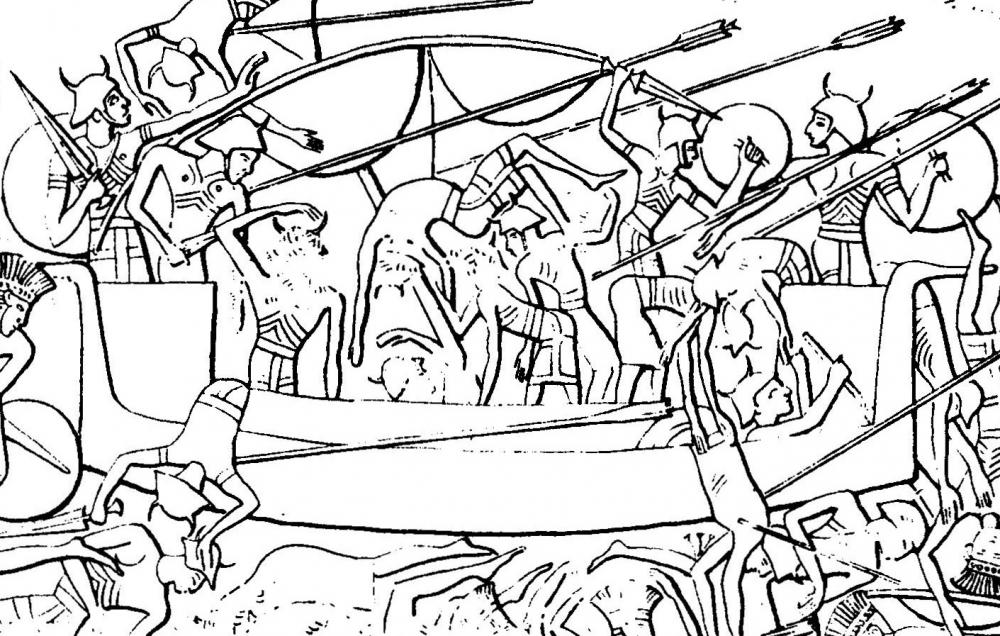
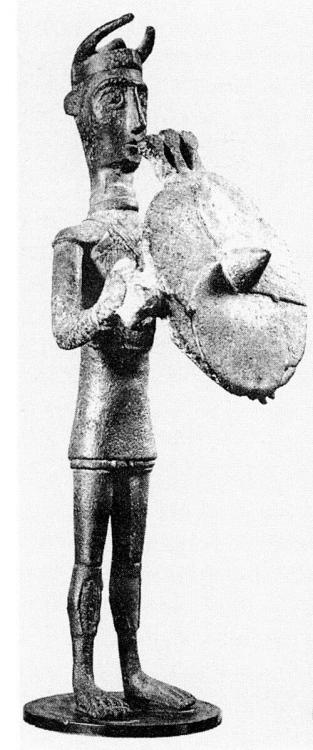
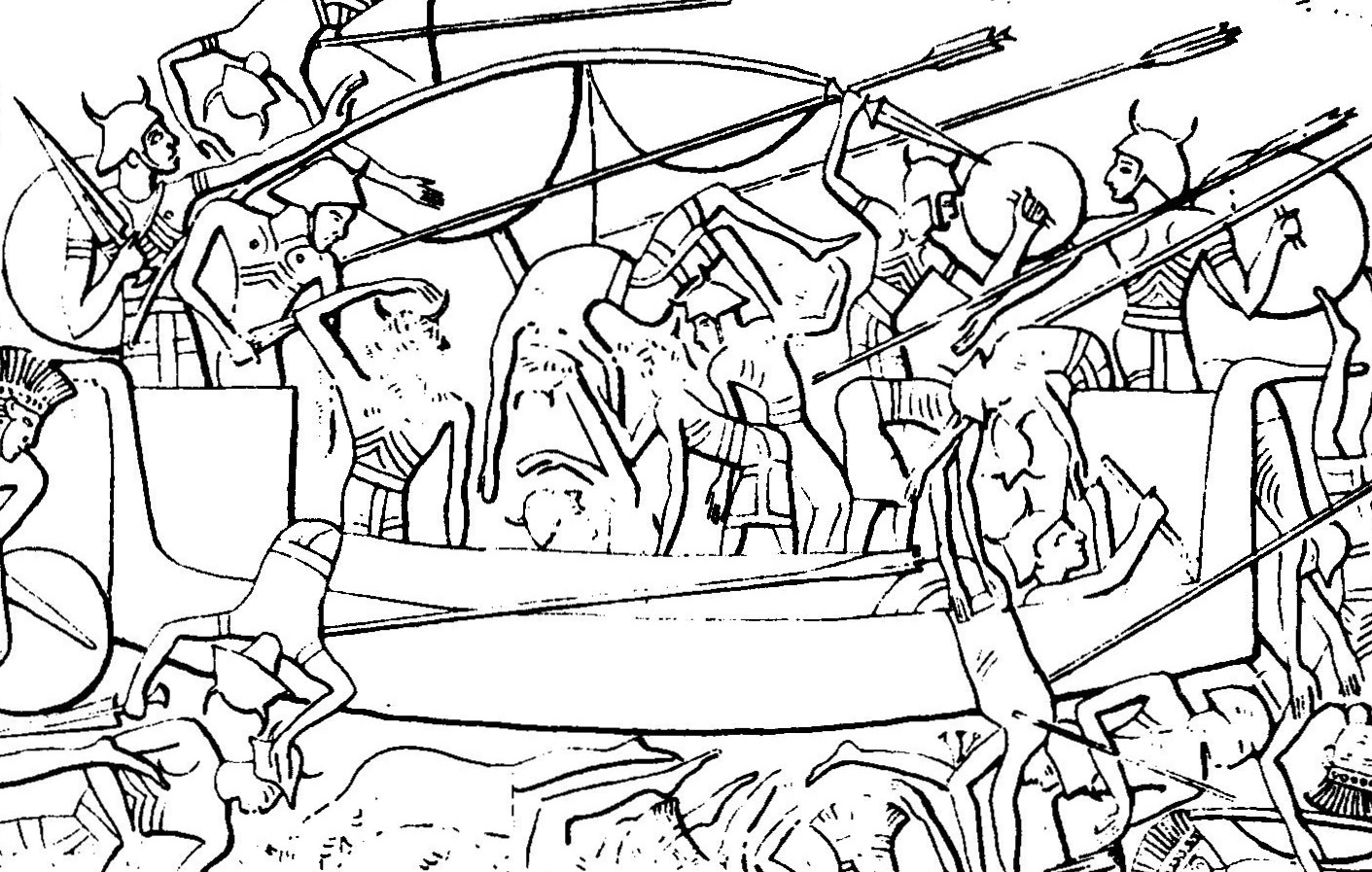
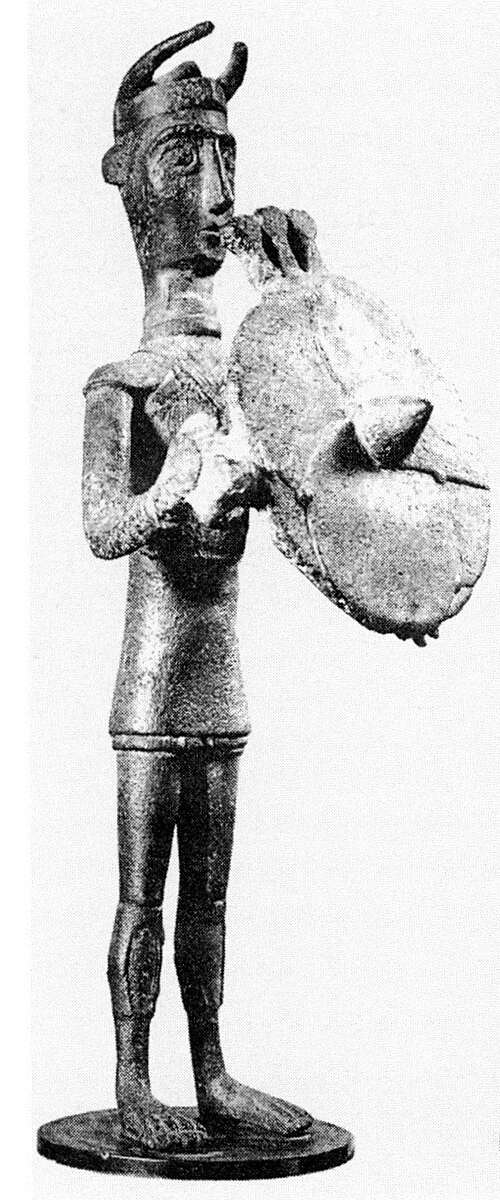
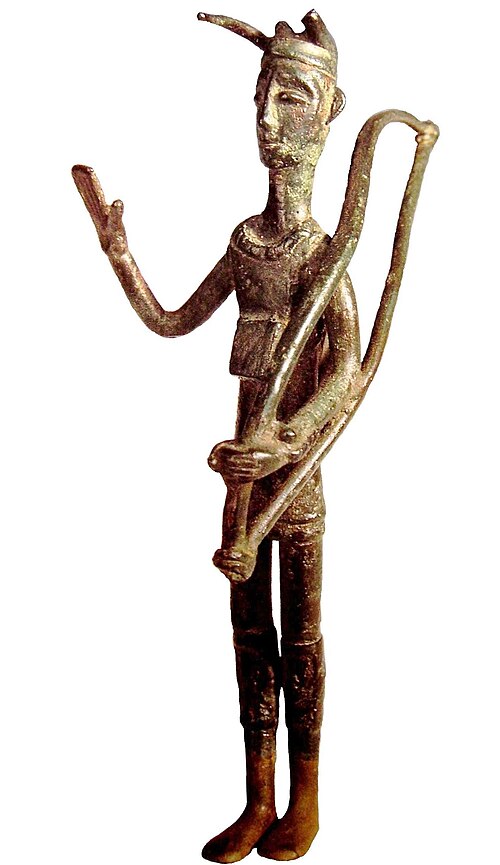
I had realized I completely forgot to describe the weapons and armor of the Sardinians, so this is part 2 electric boogaloo. What we understand of the Sardinian forces comes almost exclusively from what we find in the Nuraghe towers. Ptolemy II only does a brief mention of them in his works, and despite extensive contact between the two superpowers, neither Carthage or Rome wrote anything down about them. However, several unusual sources do describe the Sardinians in more extensive detail. Across most of the northern half of Egypt there are many reliefs detailing Egypt's fight against the Sea Peoples, namely the Denyen, Peleset, and the Sherden. These reliefs provide copious amounts of detail as to what the Sherden wore, and being on an isolated Island until the rise of Rome and Carthage, we can assume that the Sardinians wore similar or nearly identical gear to the Sherden by the time of the Punic Wars. Two of the most important details were horned helmets and a unique bronze chest plate that appeared like wrappings around the warrior. While horns on helmets are often dismissed as works of fiction (especially when it comes from sources notorious for being propaganda), archaeologists have also found Bronze Statuettes on the island of Sardinia depicting soldiers with horns on their heads. This could easily be dismissed as something of a religious symbol, but both the homeland and an invaded people depicting the same warriors with helmets on their heads would give me reason to believe they did have horns on their helmets. Another thing is their shields. Unlike most other shields of the bronze and iron age, Sardinian shields appeared to have bosses or even a spike on their shield. I also believe this could be true and not fiction, but there hasn't been anything else I could find on this. One last thing to note though is that one of the Nuragic bronze statuettes depict the warrior holding swords on his shield. Just a neat detail. Besides Bronze armor, They might've used leather armor as well, in the form of a simple corselet, or even protecting the thighs as well. Again, I can't find much else on the matter. Their swords appeared to be typical of Bronze age swords of the time, as would've been spears, bows, and javelins.
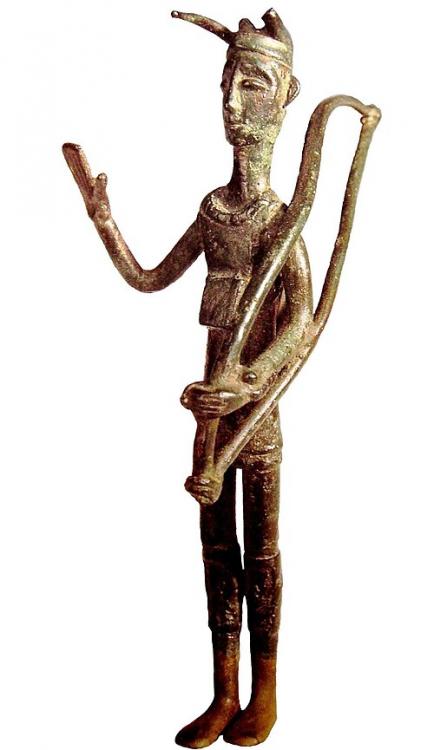
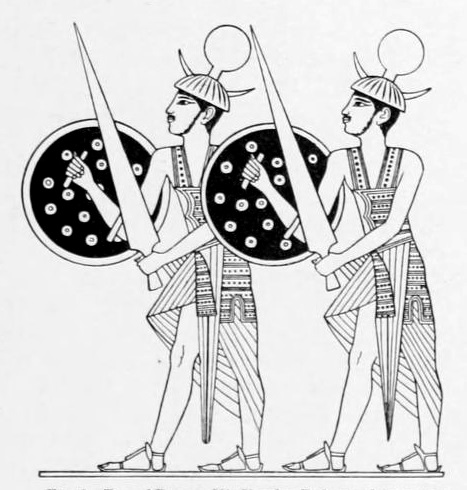 1 point
 -
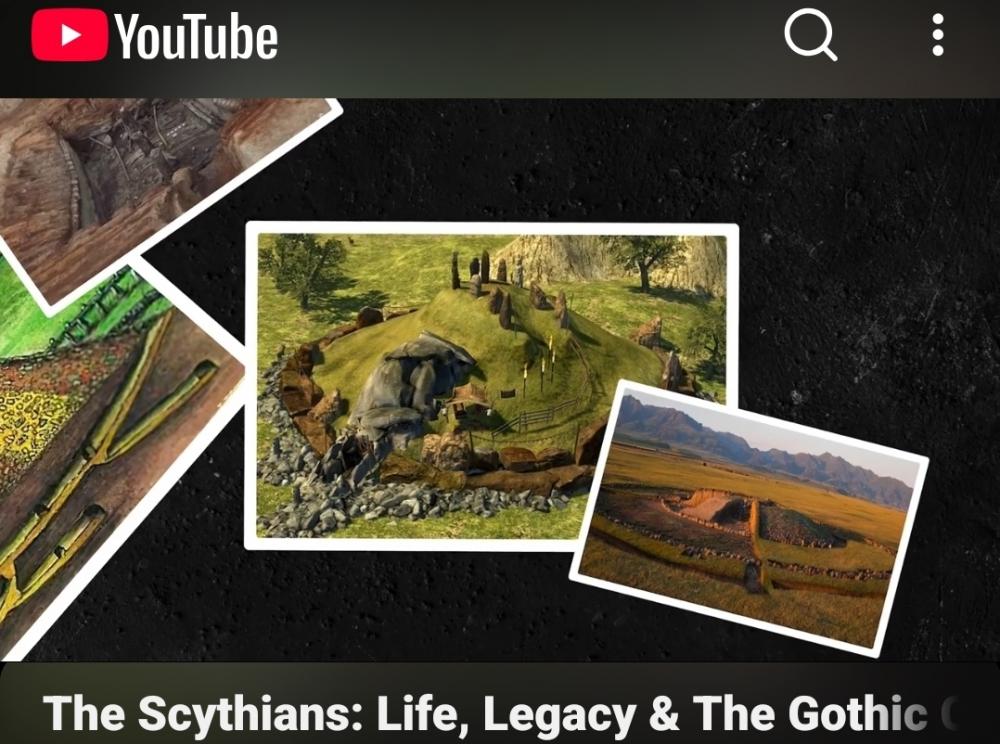
At 33m50s
 1 point
 -
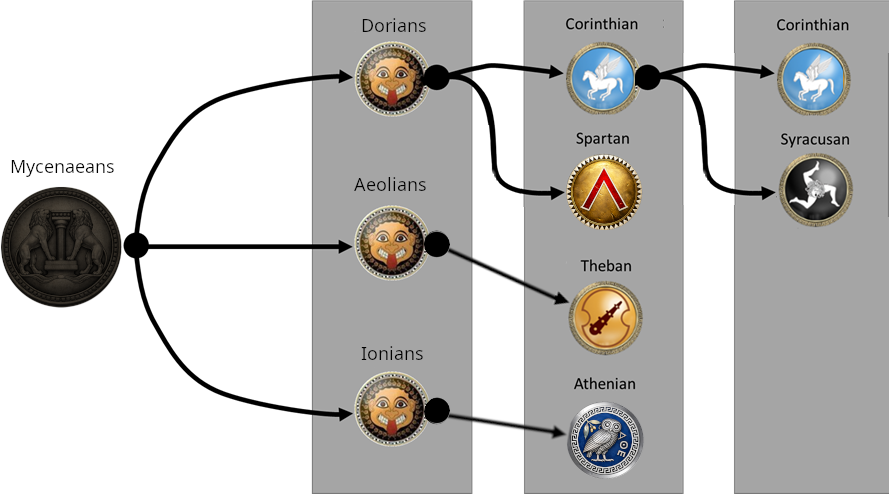
I've been thinking about this for a while (left the relevant text for this answer), since I don't quite like how that's specifically organised (it doesn't make much historical sense, although I know it's a preliminary idea), but something like this could be useful to organise civs and their tech trees better, while facilitating the possible eventual implementation of the mentioned Grand Vision. Now, given that the Dorian invasion hypothesis has fallen out of favour in recent decades, and considering the latest genetic studies (https://www.science.org/content/article/greeks-really-do-have-near-mythical-origins-ancient-dna-reveals), I think something like this would be more accurate (incomplete, simplified, and still debated): The issue is, all these transitions happened before 500 BC, so this is not for present gameplay transitions (that's why I removed P1, P2 and P3), unless the time frame is eventually changed. For now it would serve mostly to organise things better, since basically all Greeks would be covered if the Achaeans are included (nice logos for the four tribes would be needed), thus any city-state could be easily implemented from this if needed (for campaign reasons for example, which is how this thread started), each ("hypothetical") transition opening different options. EDIT: For some reason I missed that the Athenian and Spartan logos were there already, and searched for them again.
 1 point
 -
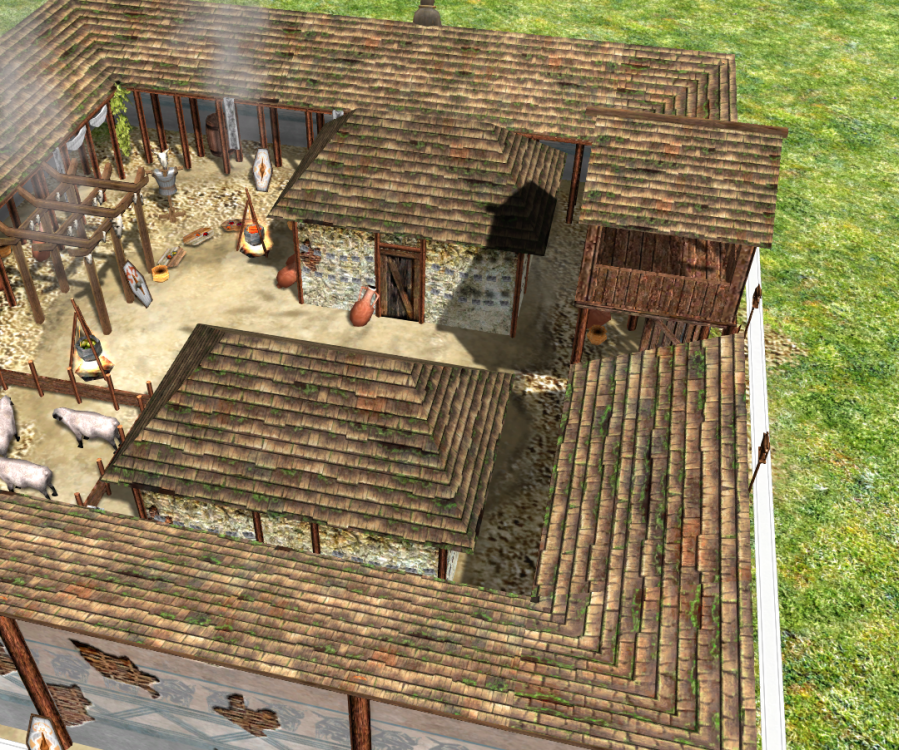
This is indeed a better example and a good question/remark. Just adding food for thought, the Gallic Wonder based on the Sanctuary of Corent is not clean and fresh: So maybe it is a general issue in how 0 A.D. portrays the ancient civilizations.
 1 point
 -
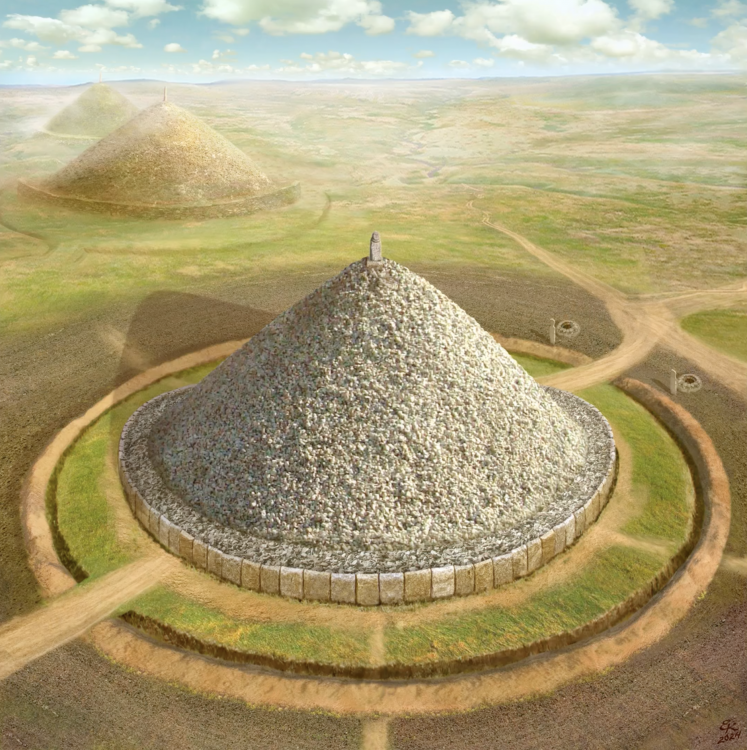
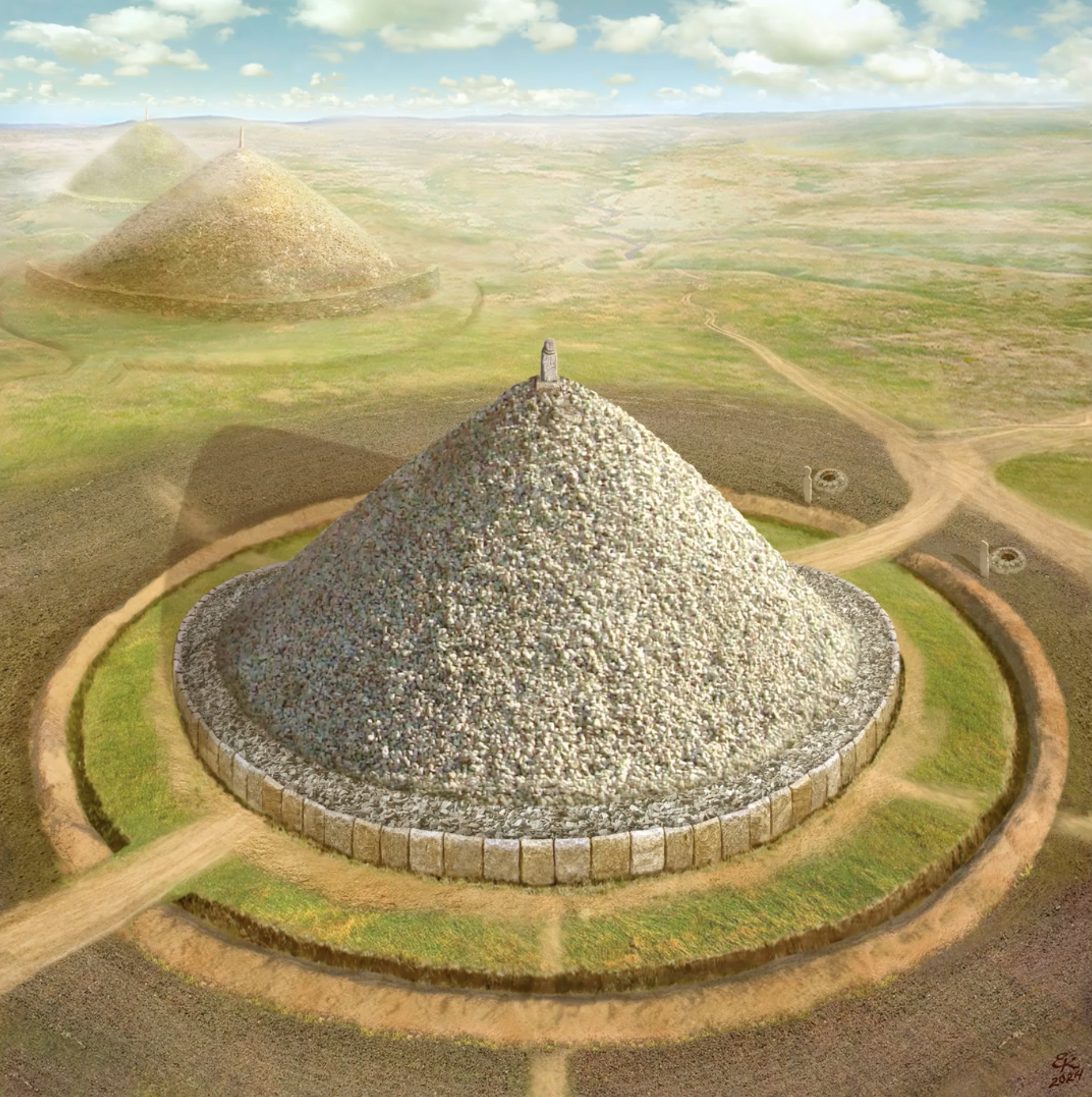
After reading the discussion, I do think we should ultimately go with something closer to this: But pebbly: Then the "map object" version would be the grassy variation.1 point
-
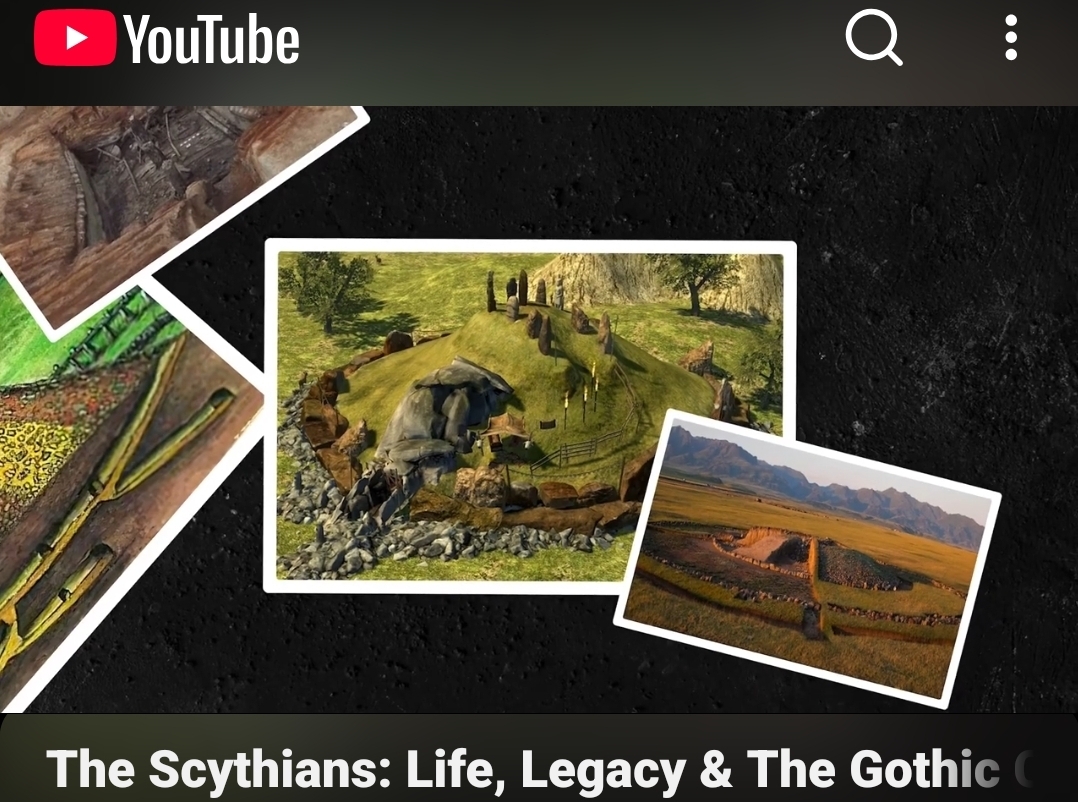
You seem to have missed the finished state of the kurgan in the video you shared. If you look closely, there is no green mound there, the kurgan is completed with a stone-covered structure. In the next shot, it appears as a green hill because time has passed and the scene has shifted to a later period (you can tell from the clothing details, the buildings behind and even the visible wear and deterioration on the structure). At some point, you have to adapt or create things. For example, who really knows what Germans barracks looked like 2000 years ago? Most likely, no such standardized structure even existed. But for the sake of the game you still have to design something. I understand the effort to stay historically grounded, like having a unit fighting with a lightsaber would obviously break the mood. Still, I stand by my point: if one of two historically inspired designs creates a stronger visual atmosphere, I would choose that one. In any case, the green mound version is historically inaccurate. The video you shared clearly demonstrates that. In my opinion, stone stelae should be more prominent in design, they are the most striking remains that have survived from that period to the present, rather than a green hill. - Historical accuracy is not to be a burden to the gameplay but a means to improve, diversify and enrich it.
 1 point
 -
1 point
-
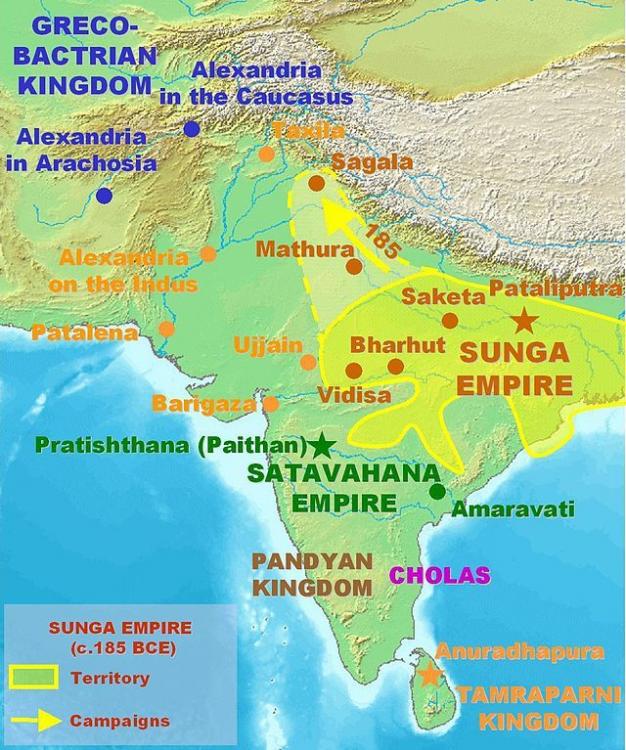
India has quite a few ethnicities and kingdoms apart from the Mauryans.
 1 point
 -
It would be very easy to make campaign-only factions if ever needed, so there's no need to make a brand new system of sub-factions based solely on that fear. However, the idea of sub-factions and branching factions, etc., has been around for a long long time. Certainly since the inception of the game back in the early 2000s. The original game design had the Greeks sub-dividing similarly to how you propose, but only in a very limited and frankly limiting sense. That's why it was decided to split the Hellenes into Athenians, Spartans, and Macedonians. I'm glad that happened. Now, to the proposal itself, it's not bad. I've wanted an Age of Mythology-style choice Ui for quite some time. The only problem is what's next in P3? Choosing a political system might be a good idea. Democracy (or Demarchy as I believe its proponents would have called it), Monarchy, Oligarchy, what else? One thing I like about this proposal as opposed to other sub-faction proposals, is that it leaves the Spartans and Athenians intact. The hang up I have is its additional complexity (I like complexity, but the multiplayer crowd prefers simplicity) and the UI coding.1 point





.thumb.jpg.b21ca1d0c15fb56b42c39b25a0a40815.jpg)

.thumb.png.ce58cea22940c255f5b0a735d5abee36.png)
