
Average Concept Enjoyer
-
Posts
5 -
Joined
-
Last visited
Average Concept Enjoyer's Achievements

Tiro (1/14)
6
Reputation
-
The Etruscans were a loose collection of city-states on the Italian Peninsula. Although together in battle and native to the region, the Etruscan city-states were more like dysfunctional family members than they were brothers, constantly fighting with each other when not under attack by their neighbors. Nevertheless, the Etruscans were a light in the dark that engulfed the peninsula, as they were greatly enlightened and sophisticated compared to their tribal neighbors like the Samnites. By the iron age, the Etruscans were close to being fully Hellenized in both culture and military, though certain aspects remained Etruscan. The Etruscans were one of the first people to become subjugated by Rome, though the Etruscans remained a unique identity well after their defeat, only being fully absorbed into Rome by 27 BC. In 0ad, the Etruscans are an infantry civ that benefit greatly in team games, and this is not more apparent than their team bonus: Integrated forces, which allows the Etruscans and their allies to recruit each other's units. This is a multi-faceted bonus so I'm going to explain this as simply as I can. The Etruscans and their allies can recruit each other's civilian units, allowing civs to have options they normally wouldn't have. For example, The Mauryas do not have a ranged option other than archers, but by being in a team with the Etruscans, they could get Etruscan slingers, and the Etruscans can get Mauryan elephant archers. The unit exchange is a two-way street; if a third team mate is using the Han, the Etruscans can use Han units but the Mauryas cannot. None of them get access to each others champion units, and neither are technologies, which is important for a reason I will explain later. Their civ bonuses include wealthy citizens, which reduces the total resource cost down to only 10 but costs metal instead of food, and Etruscan bronze, which improves the crush protection by +1. The Etruscan roster, although balanced, is quite small compared to other civs. Their village phase units are the Etruscan Hoplite, Etruscan archer, and Etruscan cavalry, a spear cavalry. Their only town phase unit is a slinger. These are their only citizen units. Their champions include an elite hoplite and an elite archer. Their ships are Greek and consist of a ramming ship and an arrow ship. Their only siege equipment is a ram. The Etruscans get no unique buildings but do get houses with 10 population. Their technologies consist of Irrigation network, which is an improved city phase grain technology, and Etruscan Ironworks, which improves the rate of metal gathering. Despite being a Hellenized civ, the Etruscans do not get technologies usually available to Greeks, such as hoplite tradition and Hellenic architecture. Their heroes are Lars Porsena, Lars Tolumnius, and Aulus Vibenna. The appearance of the Etruscan units would appear very much like one would see in Athens and Sparta, to the point that there would not be many differences, if any at all. The biggest difference is the variety of equipment; Greeks would use mainly the muscled bronze armor or linen armor, the linothorax. By comparison, the Etruscans did use these, but would also combine scale and disc armor native to the Italian Peninsula. The Etruscans also used Celtic scutum shields as opposed to the Aspis, and would not have commonly worn greaves. While the Etruscans had a slightly modified corinthian helmet, towards the end of their existence the Etruscans also used Celtic helmets.
-

Civ Concept: Sardinians
Average Concept Enjoyer replied to Average Concept Enjoyer's topic in Gameplay Discussion
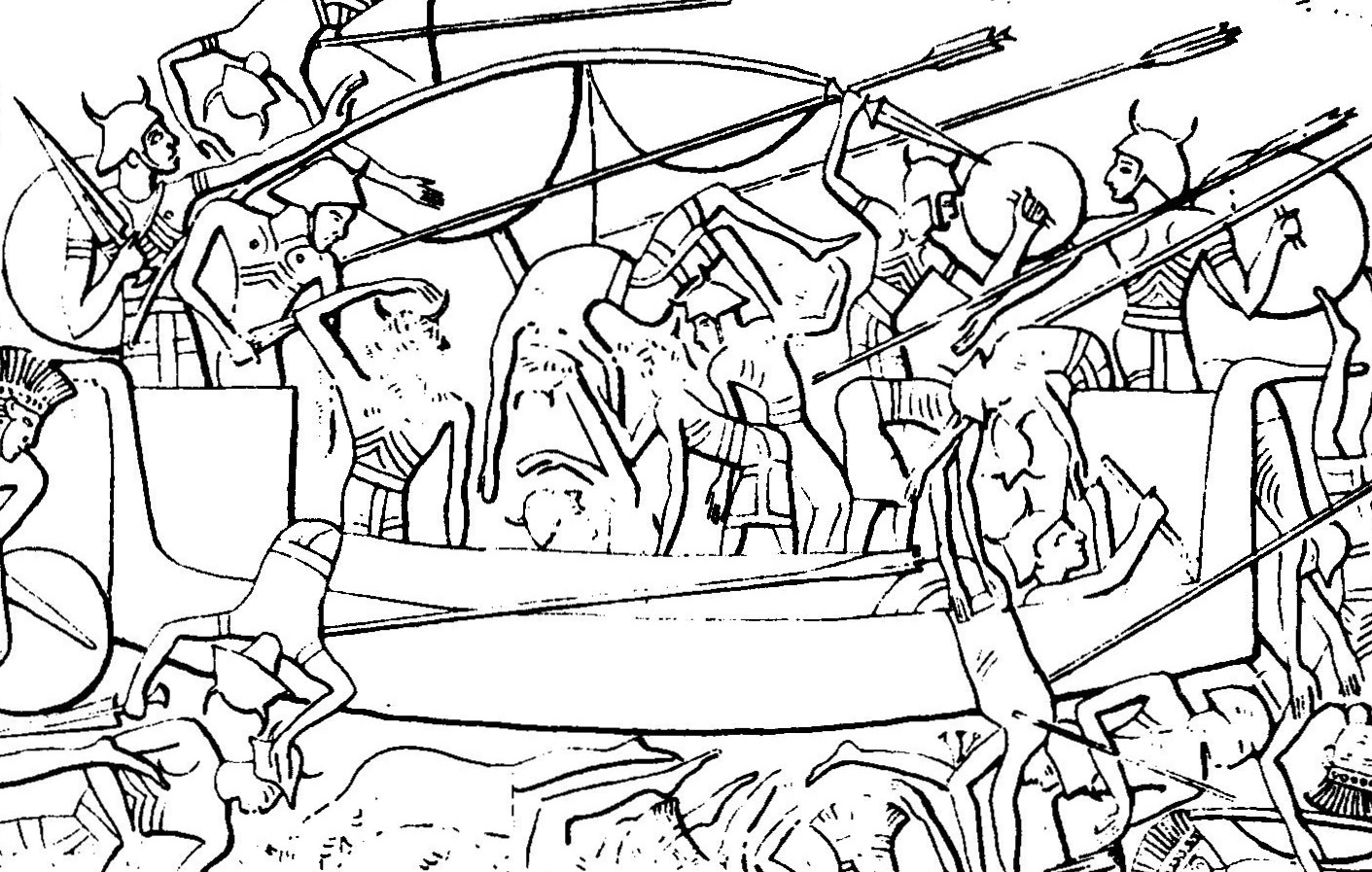
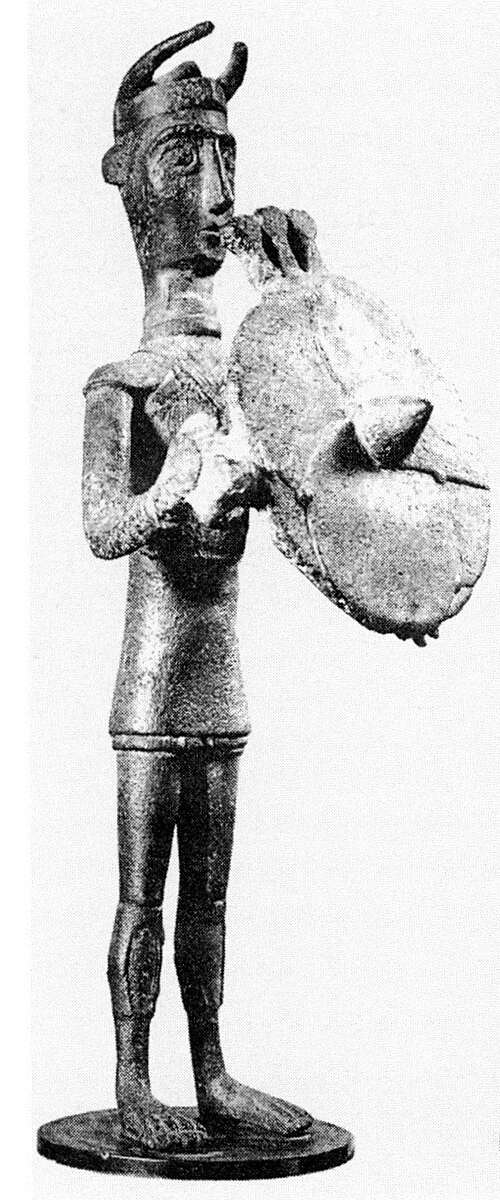
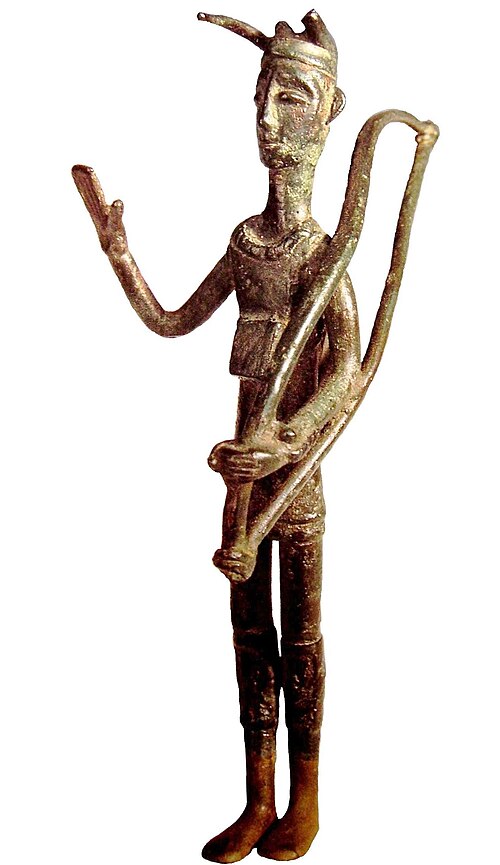
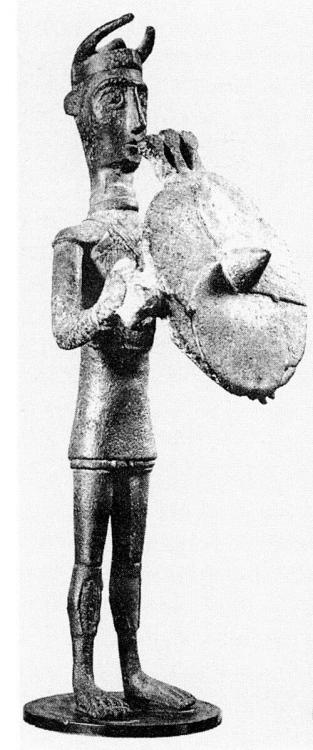
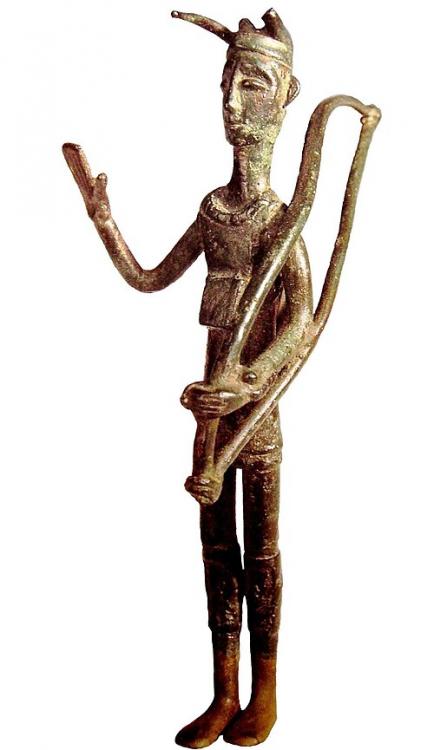
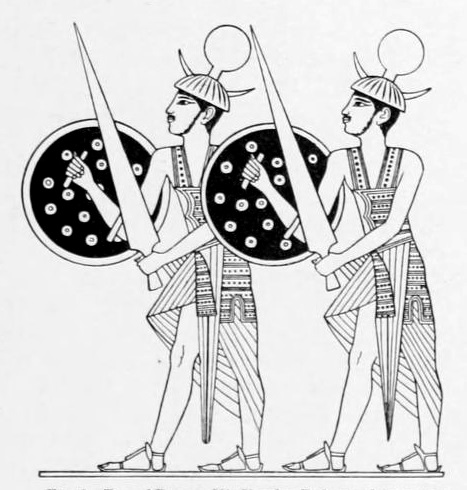
I had realized I completely forgot to describe the weapons and armor of the Sardinians, so this is part 2 electric boogaloo. What we understand of the Sardinian forces comes almost exclusively from what we find in the Nuraghe towers. Ptolemy II only does a brief mention of them in his works, and despite extensive contact between the two superpowers, neither Carthage or Rome wrote anything down about them. However, several unusual sources do describe the Sardinians in more extensive detail. Across most of the northern half of Egypt there are many reliefs detailing Egypt's fight against the Sea Peoples, namely the Denyen, Peleset, and the Sherden. These reliefs provide copious amounts of detail as to what the Sherden wore, and being on an isolated Island until the rise of Rome and Carthage, we can assume that the Sardinians wore similar or nearly identical gear to the Sherden by the time of the Punic Wars. Two of the most important details were horned helmets and a unique bronze chest plate that appeared like wrappings around the warrior. While horns on helmets are often dismissed as works of fiction (especially when it comes from sources notorious for being propaganda), archaeologists have also found Bronze Statuettes on the island of Sardinia depicting soldiers with horns on their heads. This could easily be dismissed as something of a religious symbol, but both the homeland and an invaded people depicting the same warriors with helmets on their heads would give me reason to believe they did have horns on their helmets. Another thing is their shields. Unlike most other shields of the bronze and iron age, Sardinian shields appeared to have bosses or even a spike on their shield. I also believe this could be true and not fiction, but there hasn't been anything else I could find on this. One last thing to note though is that one of the Nuragic bronze statuettes depict the warrior holding swords on his shield. Just a neat detail. Besides Bronze armor, They might've used leather armor as well, in the form of a simple corselet, or even protecting the thighs as well. Again, I can't find much else on the matter. Their swords appeared to be typical of Bronze age swords of the time, as would've been spears, bows, and javelins.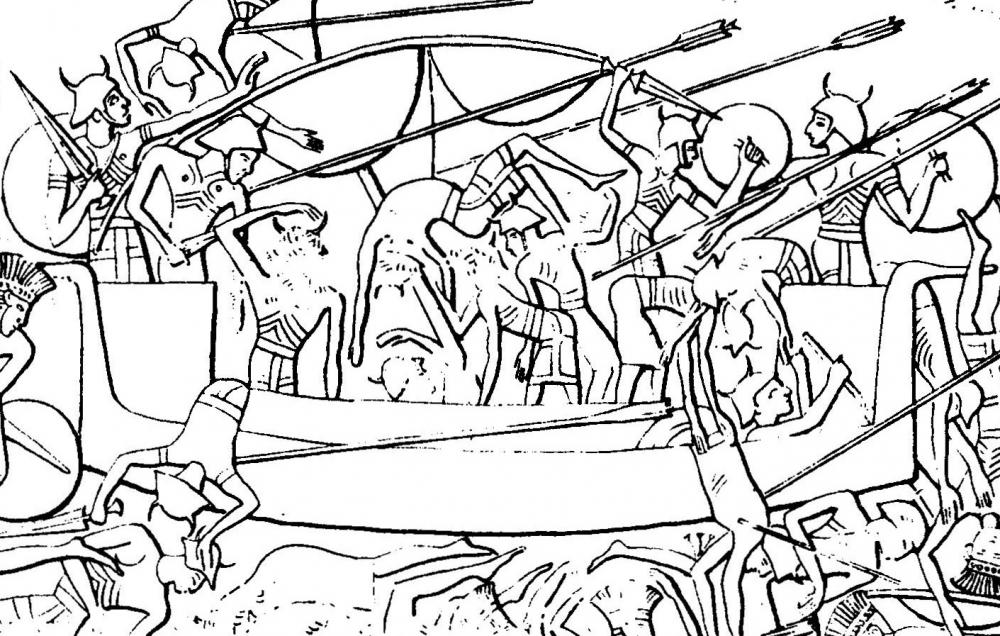
-
Been a while since I did my Judeans concept. Been very busy looking for other civilizations that could be fun for the game, and after 5 months, I finally got something. From their lonely but fertile island that which gave them their name, the Sardinians are believed to have been the descendants of the dreaded Sherden sea peoples roughly a millennia before the Punic Wars. Sardinians were well known for, among other things: their foreboding Nuraghe towers, their love for fighting matches, and their expertise at sea. Although initially hostile to Carthage, the Sardinians became one of their most trusted allies against Rome. This did not last for long, however, as Rome conquered Sardinia during the First Punic War. Their last gasp was an unsuccessful rebellion in 215 BC. Like my Judeans concept, The Sardinians are defensive focused, but depending on the map they can either be good for booming or turtling. Their team bonus, People of the Sea, removes the population requirement of fishing ships and arrow ships. Sardinians lack any good civ bonuses but make up for it with their techs. Obscure Legacy, giving all of their military units a bonus against heroes, but cannot train heroes of their own. Their second and more fun trait is Nuragic Civilization: All arrow tower techs are researched at the start of the game. The Sardinians have a lot of unique technologies, and can lead to some fun combinations. Harpoons (fleet) further improves the gather rate of fishing ships by 1/second, and allow arrow ships to slow down other ships. Harpoons (army) allow javelin men to slow down units by 10 walk and running speed (does not affect siege units). Ritualistic wrestling allows CCs and defensive buildings (except walls) the ability to improve the experience of soldiers in them, similar to a barracks or stables. And finally, Sherden Tactics allow melee infantry to "scare" enemy units, reducing their attack by 20% for 5 seconds. This does not stack. The Sardinians were best known for their Nuraghe Towers, which modern archaeologists have discovered 7,000 in Sardinia alone. Nuraghe towers are the Sardinian's signature building, replacing the fortress and are ofc able to improve the exp of units that are garrisoned in them. Nuraghe towers are also a territory root, and can be built in neutral territory. Their other unique building is the fighting pit. The fighting pit, despite their unique appearance and name, have the same function of a theatre, without being a theatre. They have 5 population houses only. The Sardinians have an unremarkable unit roster, with a slight emphasis on ranged troops. Village phase units are a spearman, skirmisher infantry, and a sword cavalry. Their Town Phase is a sword infantry, archer, and slinger. Their Champions are a sword infantry and an archer infantry that can set units on fire, similar to the Iberian skirmish cavalry champion. Their only siege equipment is a ram. Their only warship is an arrow ship.
-
Civ Concept: Judeans
Average Concept Enjoyer replied to Average Concept Enjoyer's topic in Gameplay Discussion
I have actually looked around on github and wasn't very successful. I had figured someone would've made it, but the only mentions of it I could find were here on the forums. I'll look again, although I have never heard of Endovelico. I would have to learn from scratch first, but it's something I could possibly do. Maybe add some flavor too, idk. -
Average Concept Enjoyer changed their profile photo
-
As my name might suggest, I like making concepts. Most of them are not very good, such as this one. And I yap a lot. I made a whole google docs and I did see someone else make this, but I decided to make it somewhat decent. The Judeans were in the modern day Israel since their return from Babylon in 527 BC, but only as subjects to larger empires like the Persians and Macedonians. In 167 BC, under the Seleucids, the Judeans revolted, creating the Maccabean Revolt under Judas Maccabeus. Although Judas would not see independence, another man by the name of John Hyrcanus would see Judea independent in 128 BC. Despite early successes in expansion and consolidation in power, civil wars and Roman interference eventually saw Judea subjugated once again, this time under the eagle of Rome. The Judeans are primarily a turtling faction. Their bonuses focus on defensive gameplay, but can have an explosive start with the right strats. Their team bonus, Shores of Plenty, allows fishing ships to work 20% faster. although useless in most maps, this can help with food in the early game. The other civ bonuses can be fun if done right. Their highlight trait is Maccabean Revolt, unlocking heroes in the village phase while making them available from Civic Centers. Although probably unable to invest in during village phase, having heroes at the start of the game is a leg up compared to other civs. Recon is also an early game boon, giving your citizen soldiers an extra 5 meters in view range. Their last trait is frontier defenses, allowing towers to be built in neutral territory. Although this can be toxic, The Judeans cannot build their towers if an enemy center's influence is within a tower's firing range The Judeans have a good set of Citizen infantry, including slingers and swordsmen in the village phase, and archers and spearmen in the town phase. The Judeans had a partially Hellenic army, and as such, their Spearmen have phalanx available. Their Cavalry is unremarkable though, having only sword cavalry and Nabatean mercenary cavalry. The typical armor was scale armor, but often soldiers wore leather armor. The Judeans only have two champions. Pious Guard are a champion swordsman that has better fighting stats when in proximity to a temple. They also have a weaker form of a hero's inspired defense. Their Mercenary bodyguard are a standard champion cavalry spearmen. The Judean's have one unique building: the Frontier Stronghold. This is not technically a unique building, but it is what the Judeans upgrade their sentry towers into. This is the halfway point between an archery tower and a fortress. Their wonder is the Temple of Solomon, and have access to both 5 pop and 10 pop houses, essentially a mid version of what Carthage has. Judea's heroes are fairly strong if not all that unique. Judas Maccabeus, a infantry swordsman is definitely the strongest one. His first trait is Hanukkah, which reduces the Temple's costs by 20% and their repair time by 30%. His other trait, Guerilla Commander, Increases citizen infantry movement speed by 10% within 60 meters of him, while also granting them a 50% attack bonus against champions. The next hero is Simon Thassi, a cavalry swordsman, has Beloved Hero as his trait, which gives all citizen soldiers have +1 in all armor, as well as a 30% faster attack speed, within 40 meters of him. The last hero, John Hyrcanus, is a priest hero that improves the stats of all priests, giving them 20% speed and +2 heal rate. Lastly, Technologies. Kosher system, available in the town phase, unlocks cattle one phase earlier but removes pigs. Pharisees allows priests to garrison recruitment buildings to reduce recruitment time, and Tribal Confederation increases the maximum population limit by 10%. This is the same as the population bonus on Mauryas and Han, but Judea has to buy it. Well that was a lot of yapping. If you do read this in full, thank you. Took me a while to design this and put it on here, so I tried to put my heart into this.