Leaderboard

.thumb.jpg.b21ca1d0c15fb56b42c39b25a0a40815.jpg)

Popular Content
Showing content with the highest reputation on 2023-08-31 in all areas
-
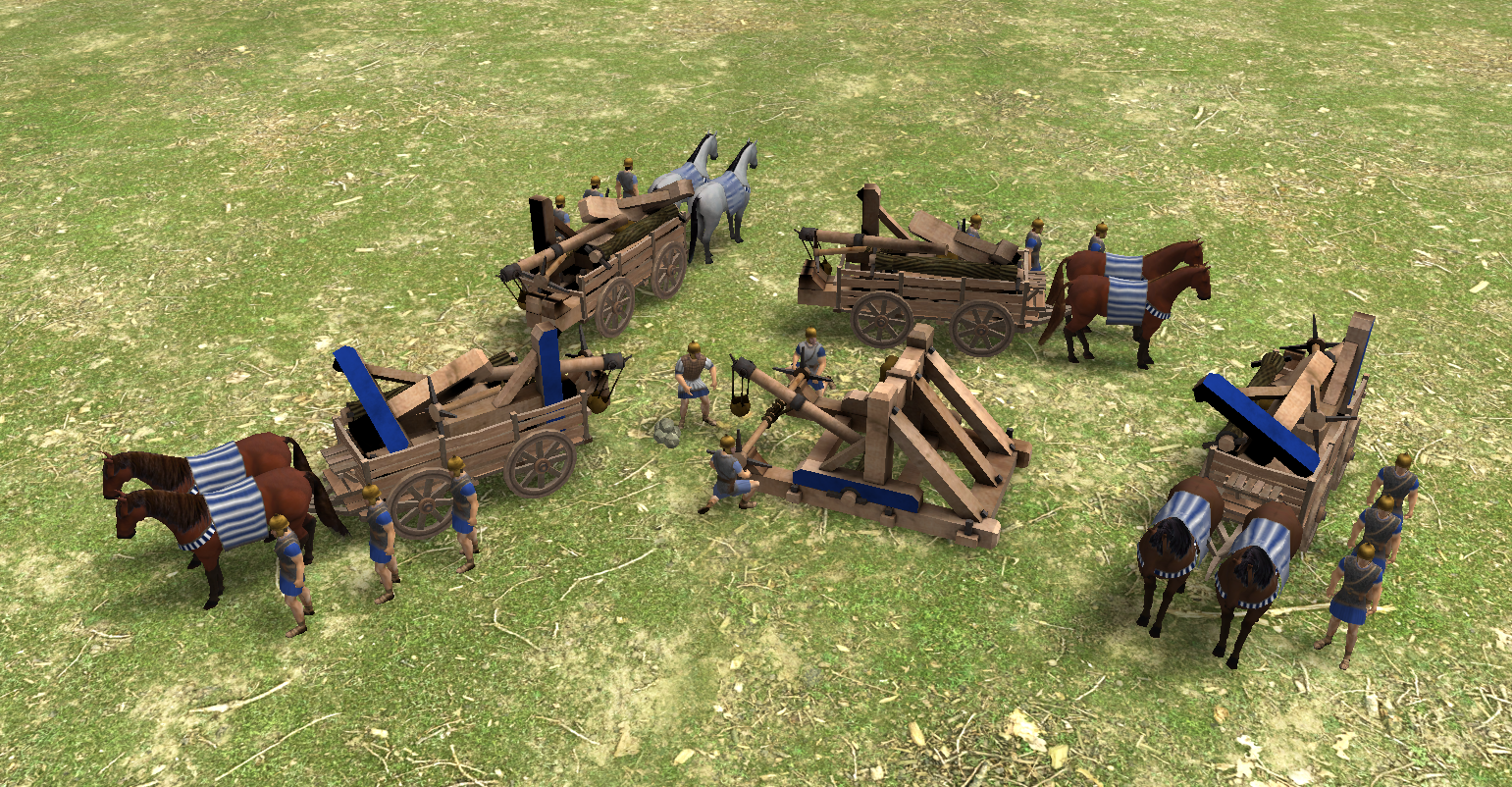
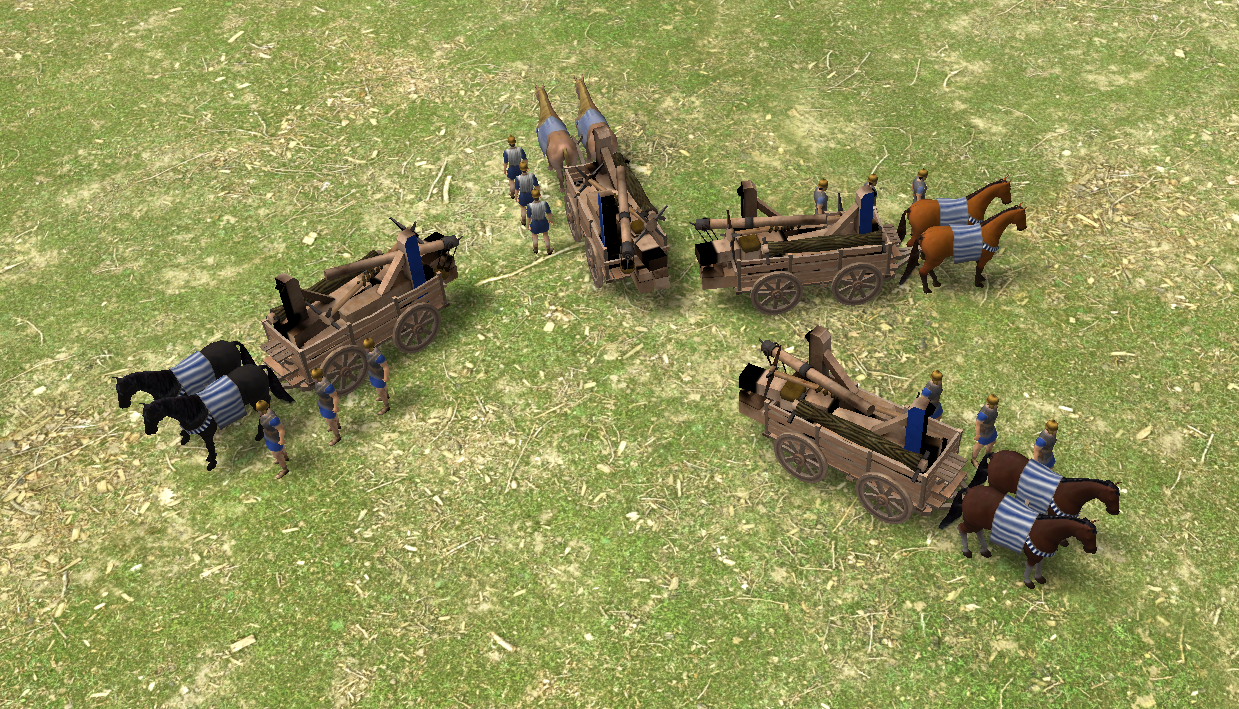
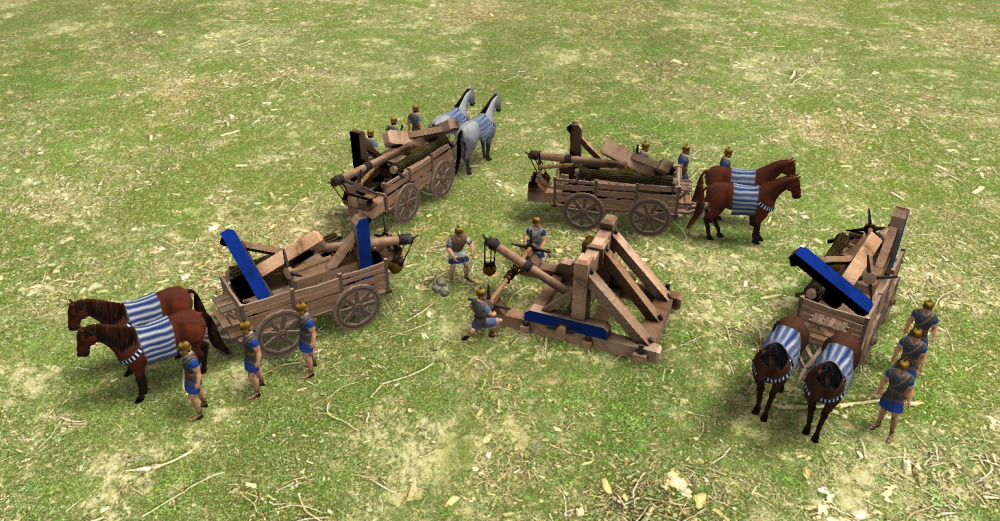
rearranged one overlapping piece, texture fix, deleted faces and used the decimate modifier to cut down tris at the round parts (now 33k; unpacked 39k). Next question, is the player colour too strong or too one sided? onager.zip
 2 points
 -
No, its not hot rn It could be that ventalation is a problem. Make sure your laptop air vents are not obstructed (If possible.) Even still, heat can be a problem. You might want to check any heat sensors if possible. And no, I don't know how to do that on Windows 11. That's a rather extreme option. It's not always the easiest to replace everything on a computer OS. Case in point, I have yet to move Office 2016 from my Windows 8.1 to my Windows 10. Did you install something before the problem occurred, but after you had decent performance with 0 AD?1 point
-
As far as I remember, people were still objecting the idea to go beyond the Punic Wars for the Romans, notably @Thorfinn the Shallow Minded So I doubt they would like to mix the Principate period into the current Roman civ. I suppose you are thinking of the Pax Romana concept. Be careful do not confuse this idea with peacefulness. Pax Romana means a period without civil wars and without invasions within the Roman Empire. During the Pax Romana, Rome had multiple wars and invaded multiple people. Including Britons, Germans, Dacians, Parthians, Jews etc. The lack of records is simply due to the lack of surviving material. Most of the material from the classical period survived because medieval monks trained themselves with ancient authors, to learn Latin and Greek.1 point
-
hi @everyone, the team leaders voted again and the rules for the second round are updated: We will play Mainland with fixed positions. You need the mod Mainland-Twilight. You can download it from the mod-store in 0ad. It is going to be the classic 11112222 starting position. This is going to be the picking order: Team 1: assigns 1 player and civ Team 2: assigns 2 players and civs Team 1: assigns 2 players and civs Team 2: assigns 2 players and civs Team 1: assings 1 player and civ The teams can decide between them who will be team 1 and who will be team 2. Or you can check who the white player on the website is: SwissSystem.org The rest of the settings will be usual stuff: adequate size for number of players, low starting resources, allied view: on, 200 pop1 point
-
The earliest accounts are Ammianus Marcellinus (4th century AD) and Vegetius (end of 4th c. and beginning of the 5th c.). According to E. W. Marsden: "To sum up the situation in the first three imperial centuries, the Roman army reached very high standards in artillery equipment and organization. In particular, after the introduction of the arrow-shooting ballista in its various forms at the beginning of the second century, and while the stone-throwing ballista remained in service, every Roman legion possessed substantial batteries o f the most powerful artillery produced in the ancient world. There is very little direct evidence for the third century. But the introduction of the onager into general service, which may have occurred in the second century, and of the non-torsion arcuballista, both machines being of relatively simple construction, suggests a shortage of good artificers." The hypothesis is that Vegetius is using a lost text of Publius Tarrutienus (2nd century AD). There is also in a fragmentary text by Apollodorus of Damascus a mention of a one-armed machine and a variant of it incorporated to a battering ram. Furthermore, Apollodorus of Damascus was an engineer close to Trajan. Previously, Philo of Byzantium, who lived most of his life in Egypt, under the Ptolemies around 220 BC, mentioned one-armed devices in the list of machines that could be used by the defenders against besieging platforms. No description survived. I would say there is no evidence for its usage during the Roman republic and if we decide that Philo of Byzantium indeed mentioned onagers, then the Greeks were the first to use them.1 point
-
Alright, this looks awesome! I'll go ahead and add it to the onager patch and credit you. https://code.wildfiregames.com/D51141 point
-
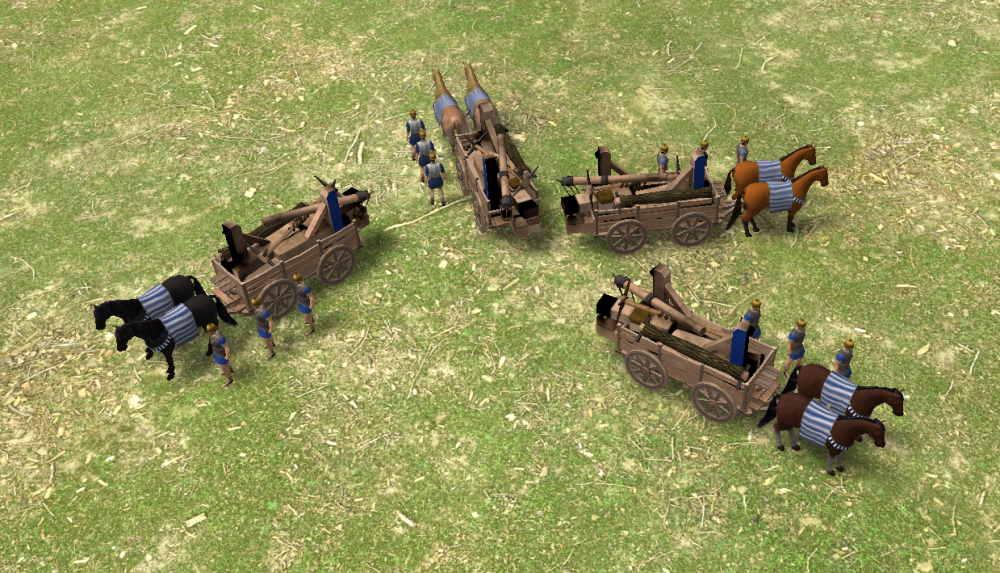
tidier and little player colour to both sides onager.zip
 1 point
 -
About 50% I will do so1 point
-
Islands?!? is jc still with us?1 point
-
you should ensure you are using Nvidia GPU the intel GPU cannot handle 0AD and intel uses System RAM which is slow. Nvidia has its own dedicated memory for graphics. also check if you are getting lag only in Multiplayer if so its not your problem, it's some other player with BAD PC.1 point
-
@70H4NN2S do you have a list of allowed mods? I think it would be good to do for competitive play so the abilities of all the players are fair.1 point
-
@MarcusAureliu#s It wouldn't hurt if you'd upload your logs, per chance there's something in the hardware we can catch.1 point
-
I'd have to agree with @Gurken Khan and a fresh install of the OS would be the best bet.1 point
-
Do you have enough free storage on your storage device? If there isn't enough storage space, it can really slow down the computer in general. If you are above 90% full, it could possibly help to free up space.1 point