Leaderboard



Popular Content
Showing content with the highest reputation on 2025-12-12 in all areas
-
1 point
-
Hello everyone! We just branched for R28. The nightly-build tracks the state of R28 and can be used to test the new version. It is generated weekly, and you can get it using SVN. Detailed information can be found on the wiki Mock Release Bundles are also generated weekly, from the nightly build. They can be downloaded from our Jenkins build system. Future RCs will be taken directly from here. The Release candidates can be found here. A higher overview of the release process can be found at [RELEASE PROCESS] Release 28 The contribution work-flow is not stalled during the process. We are still merging the work of devs and contributors into the repository, for inclusion in the future releases. The preparation of Release 28 is made in parallel, and not blocking. That said, most of our energy is dedicated to the release, and you will experience delays in us reviewing contributions. Please make sure no mods are enabled when testing the game. What should I test? While we encourage you to test everything, we expect most regressions to be related to those changes: In the match-setup a player can be removed and might interact badly with joining player or so. The size of Strongholds have been refined. The Germans have been introduced and might not be balanced well. The font rendering changed. Especially non-Latin fonts should be tested. Some parts of the game now use js-modules. We want to know whether it's still easy to mod those. There is now a 64-bit Windows and an AppImage build. What should I report? Not everything. Apart from that we must fix regressions (stuff that used to work, but doesn't work any-more) and critical issues that would prevent the users from playing. We cannot reasonably fix all the existing bugs in the release. Critical issues include crashes and multi-player OOS. How to report them is detailed in the ReportingErrors wiki page. With the weekly generation of testable game versions, it is absolutely necessary to check you use the same nightly build (version is displayed in the main menu) without any mods when testing for OOS. Happy testing!1 point
-
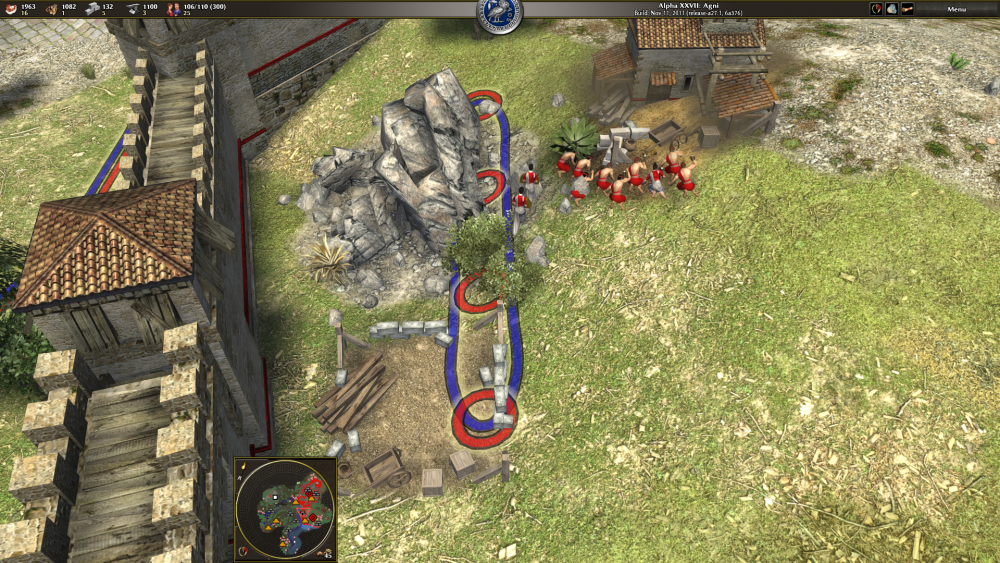
Well the territorial influence, of course. AFAIK the devs are aware that it's not always pretty or intuitive, but that's just how the system works. ¯\_ (ツ)_/¯1 point
-
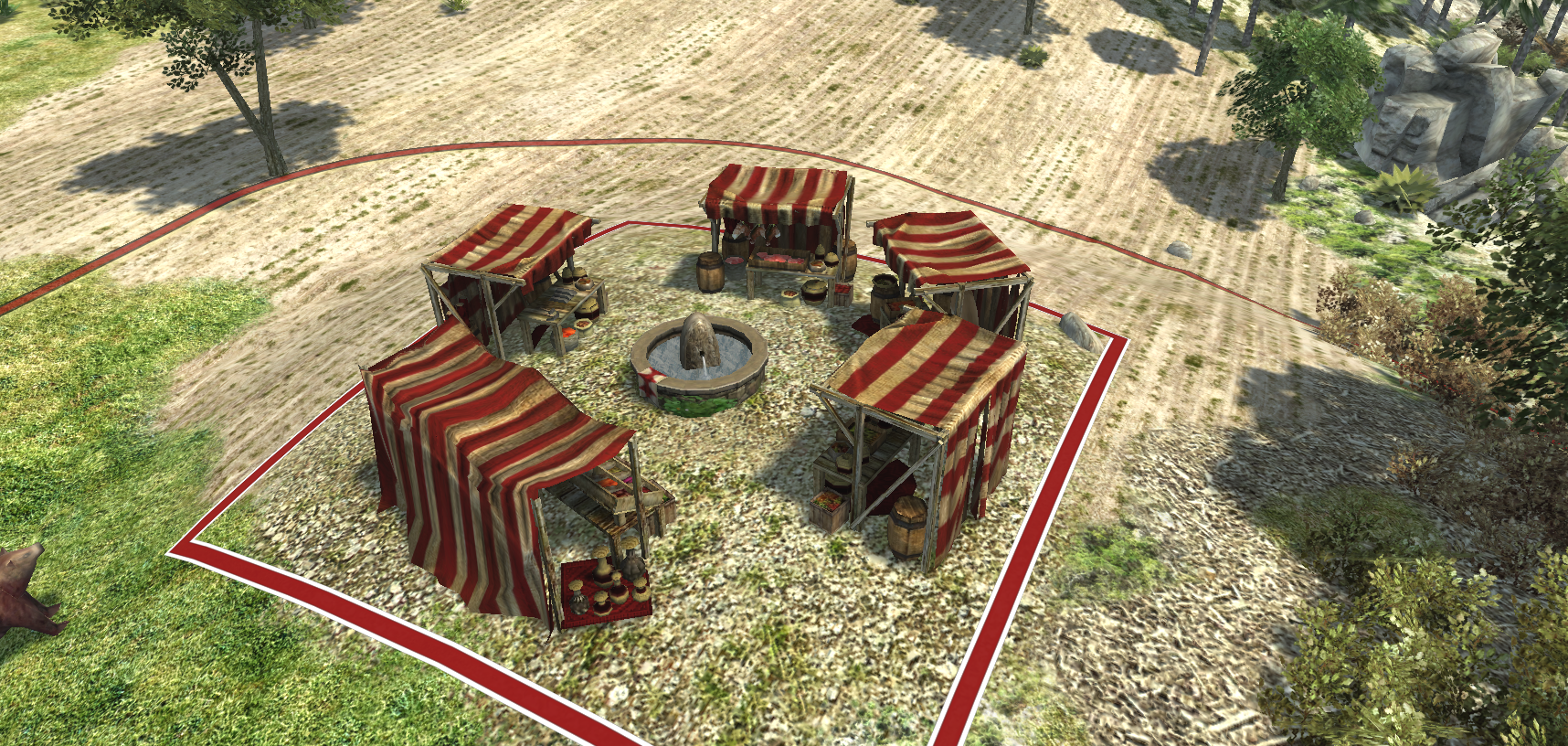
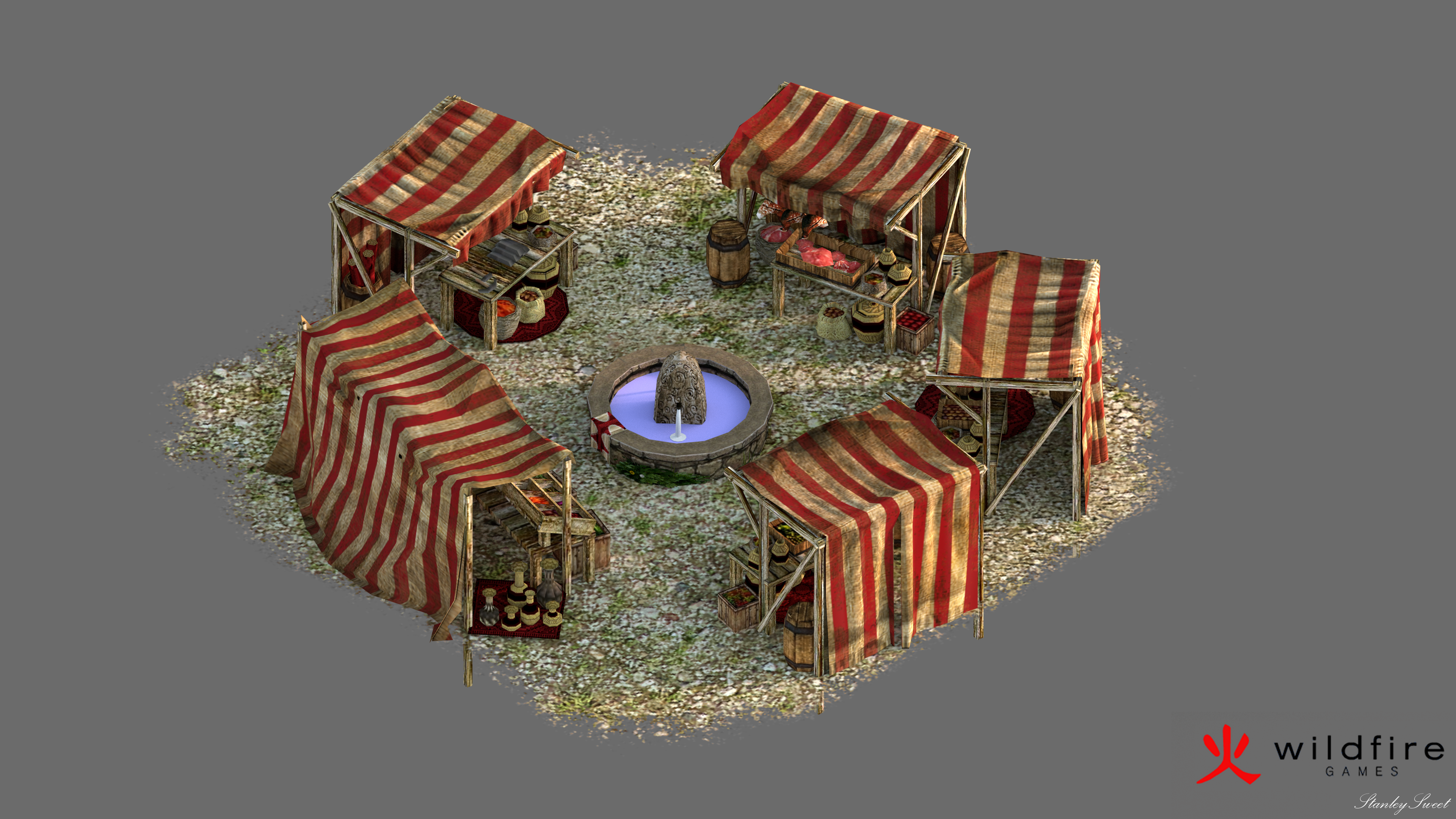
Iber_Market2.blend Here you go @Duileoga1 point
-
I’ve noticed some good momentum on Instagram already, but adding more regular posts with cool visuals and short clips could really help. I’ve used famoid.com before to give a small boost to likes and followers, and it gave my page that extra push to get noticed. It’s not a magic fix, but it helps with reach, especially when accounts are still growing.1 point
-
You're welcome. I just did some searching, if you want to make multiple players have the same color, there are two ways: A: Make or edit a Scenario map, making the team members have the same color. B: Edit PlayerColor.js. Not sure what exactly you would change, but it is doable. C: Do both, which would fix all maps to be how you want them. D: Do what @Gurken Khan said above: toggle diplomacy colors (which can be changed in Settings).1 point
-
In the meantime you can toggle diplomacy colors, e.g. via the button left below the minimap.1 point
-
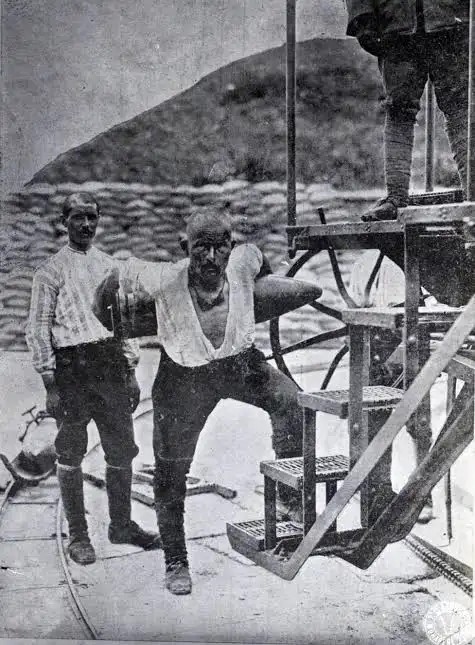
I heard this guy made it to WWI:
 1 point
 -
We don't expect mayor issues any-more. So we built a release candidate. It can be downloaded here.1 point
-
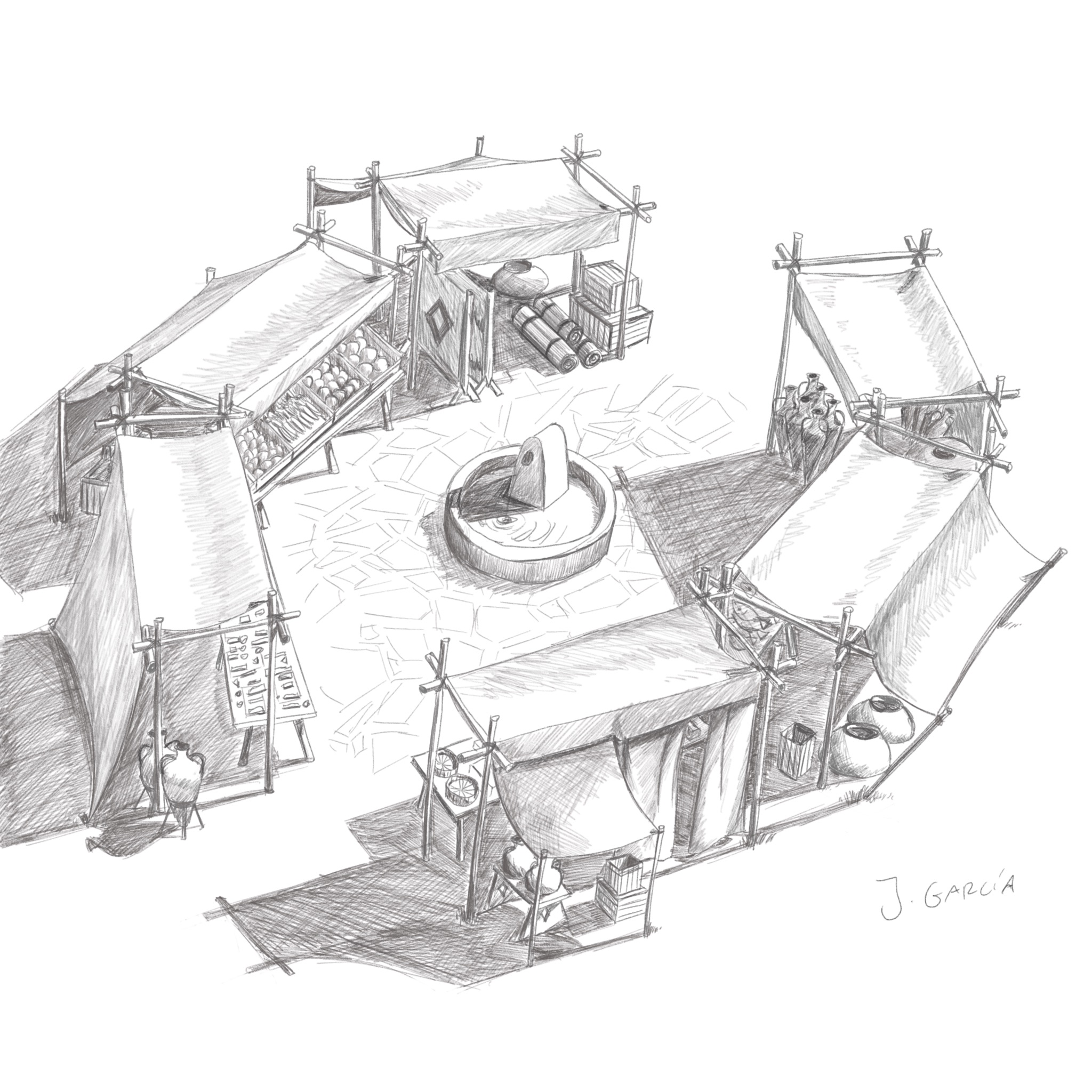
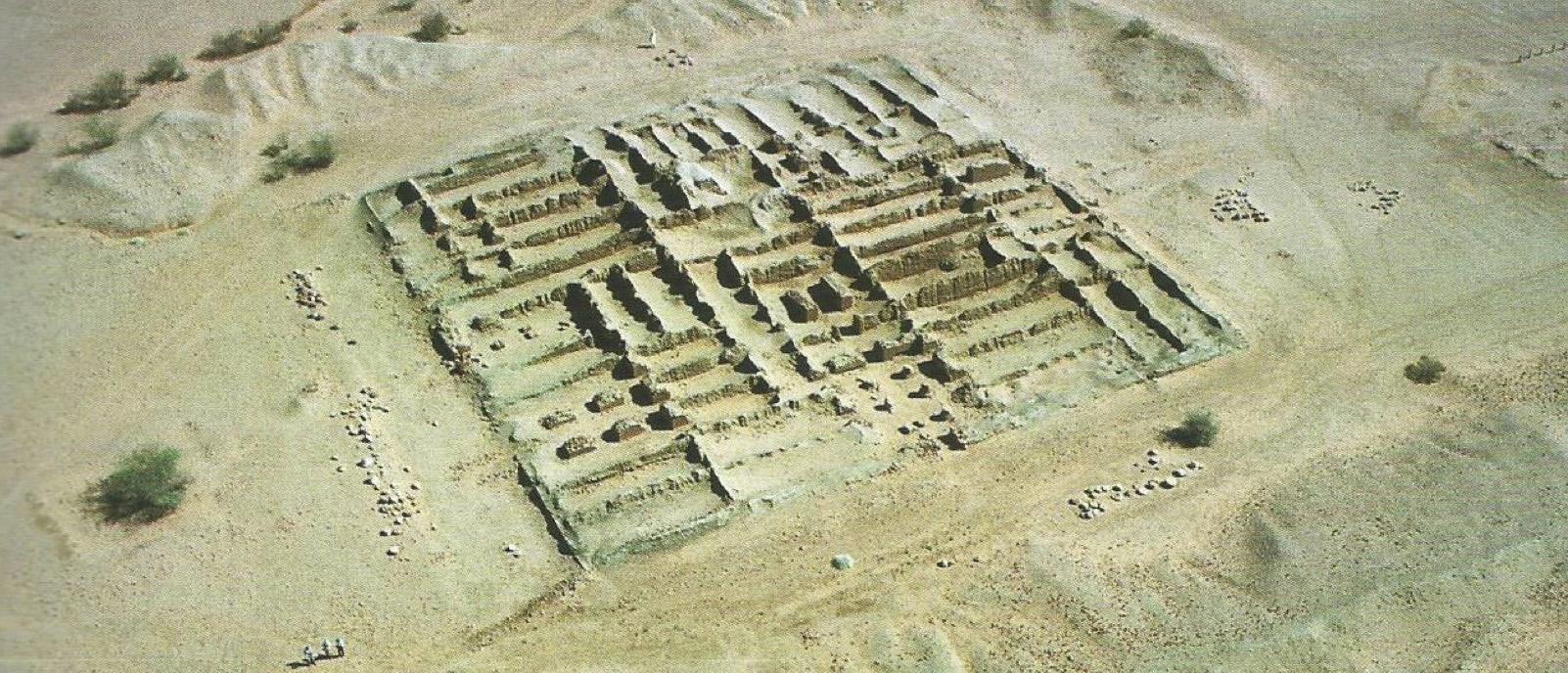
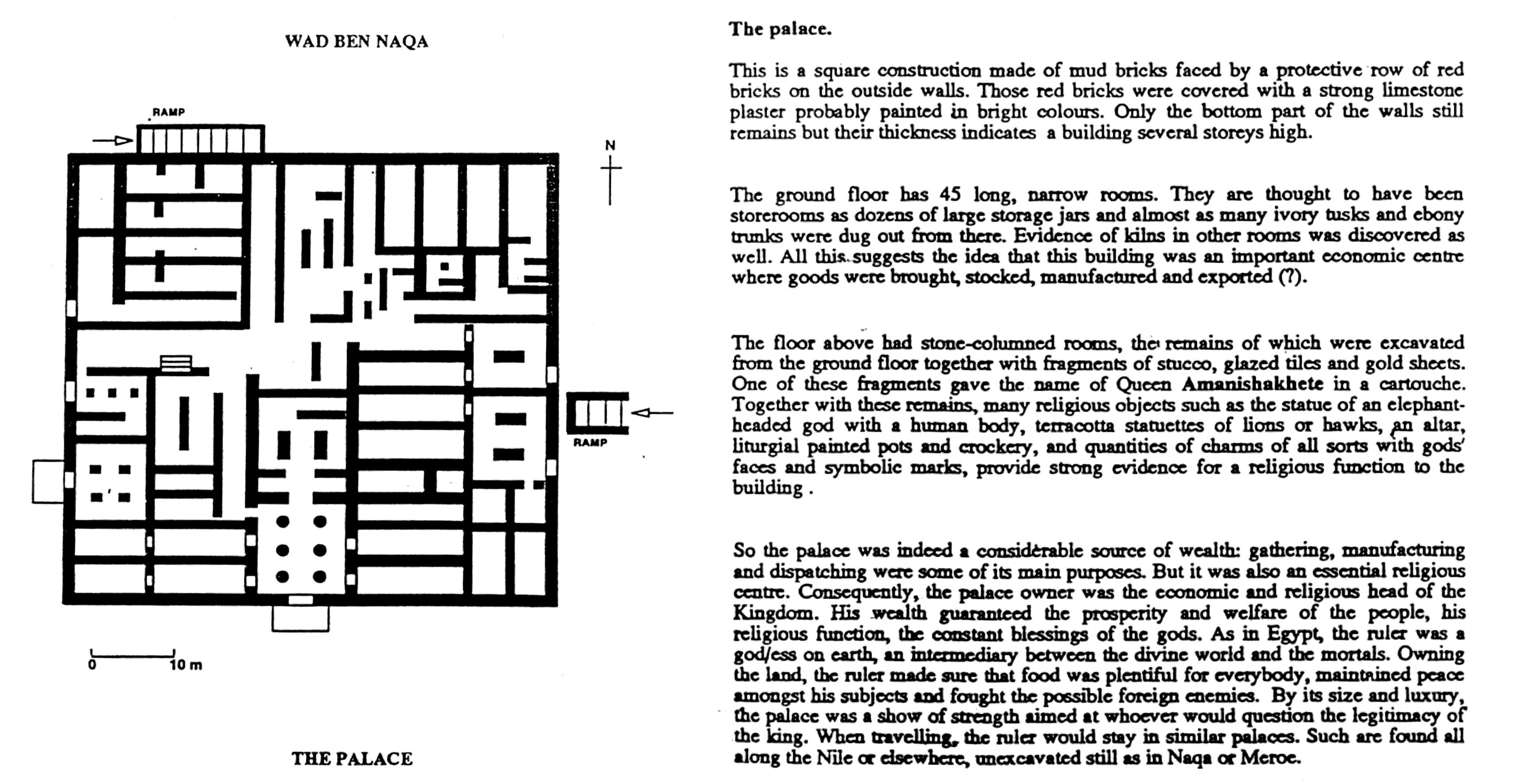
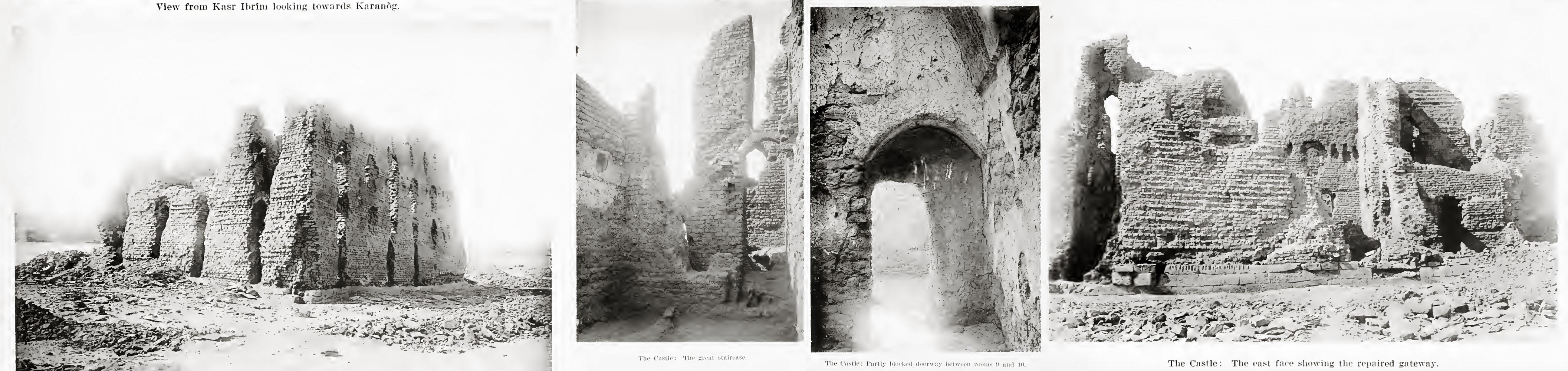
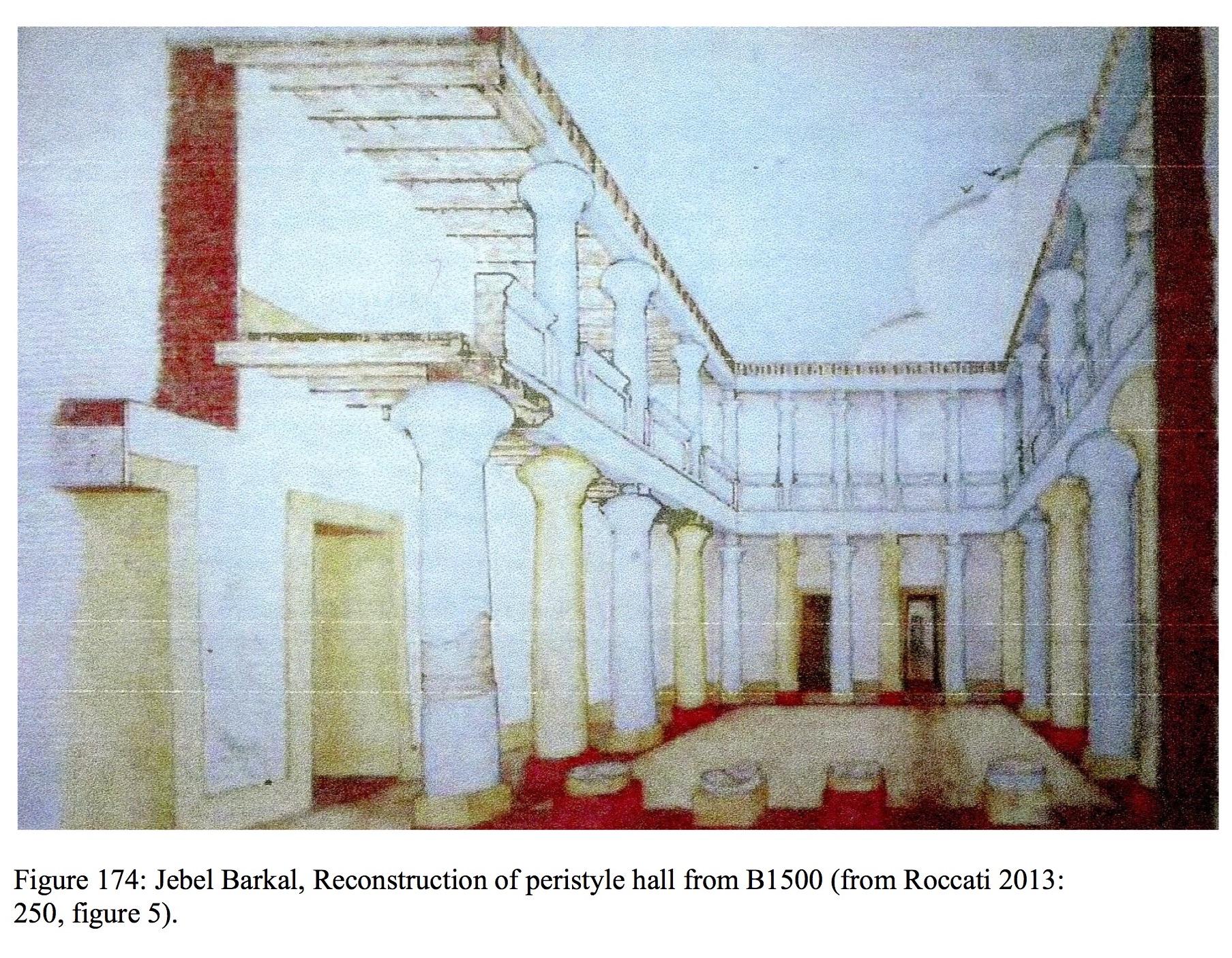
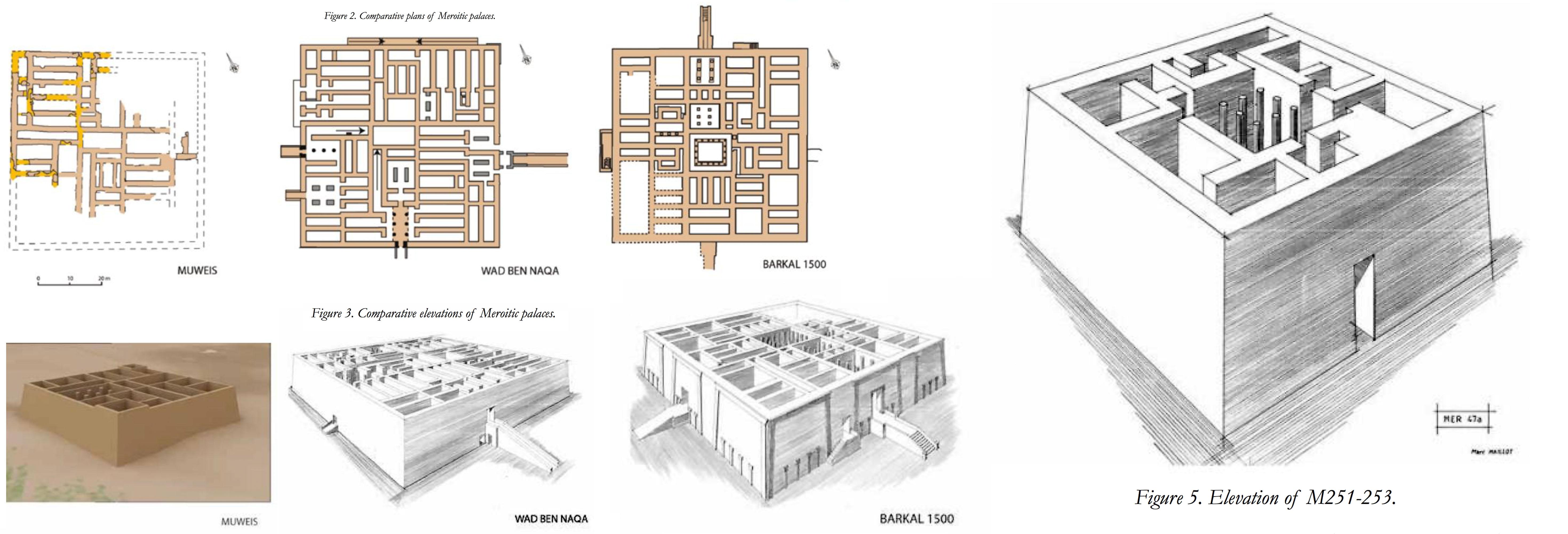
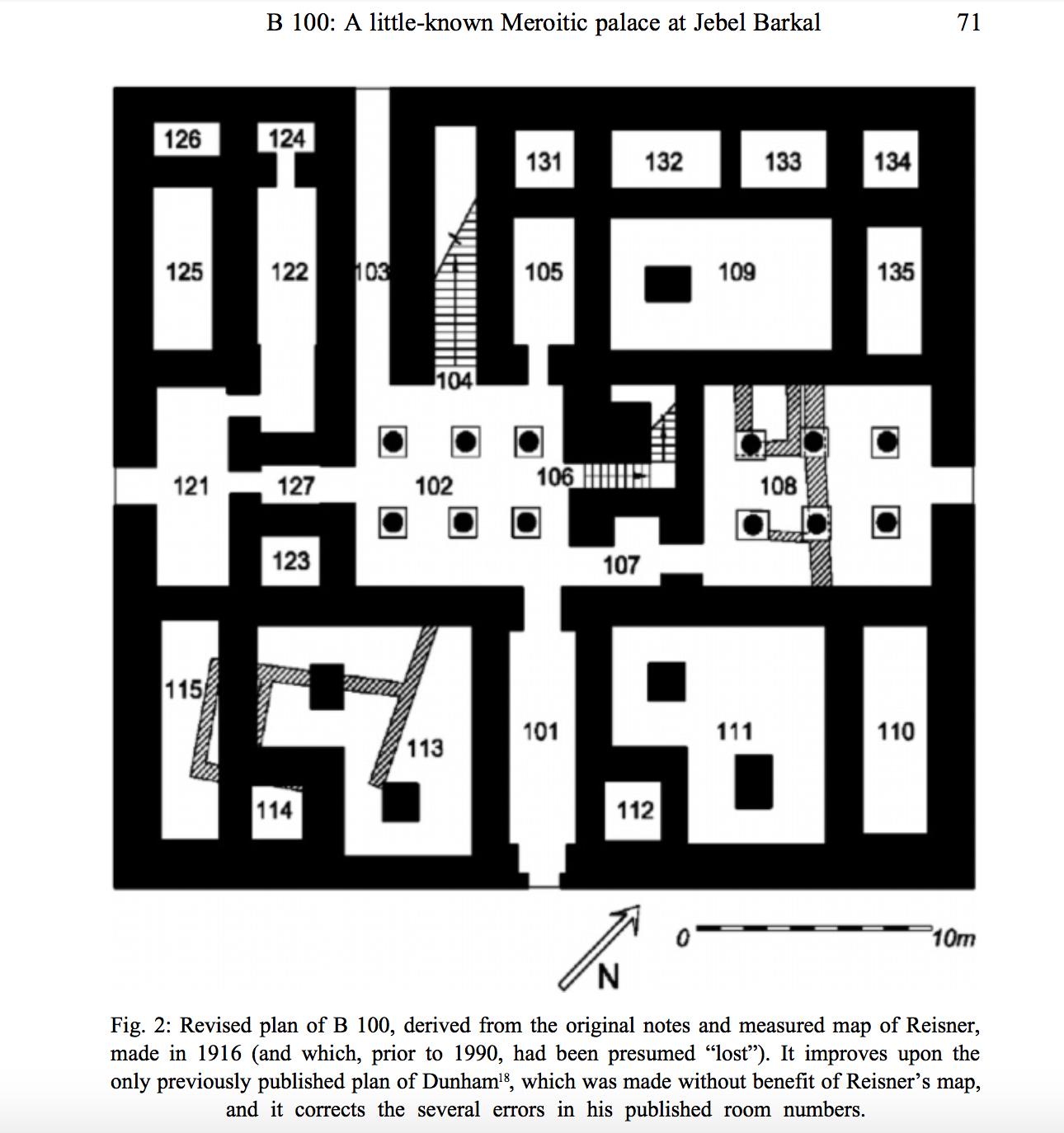
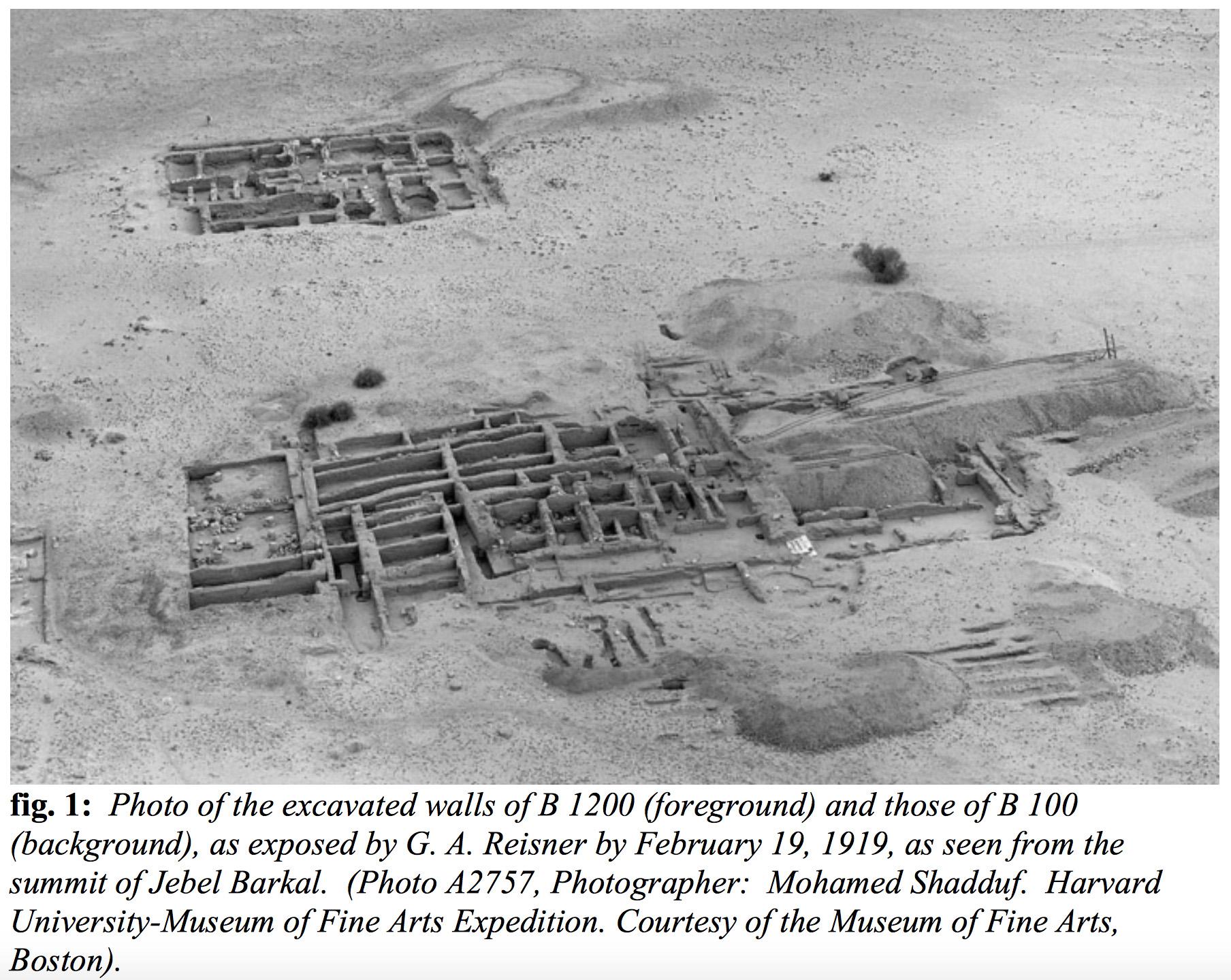
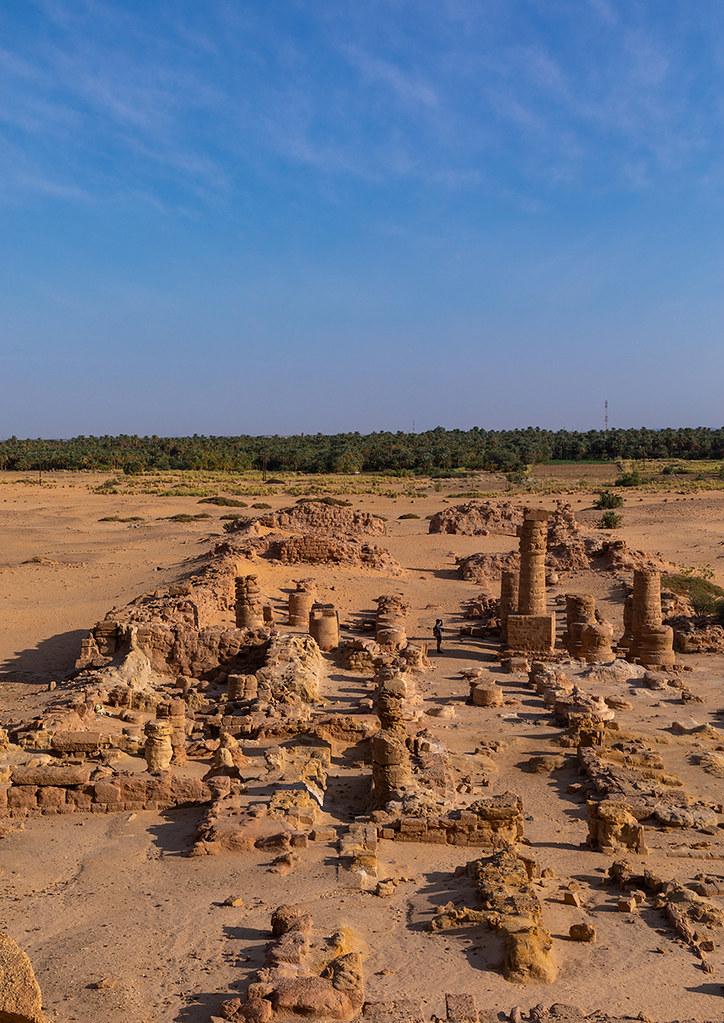
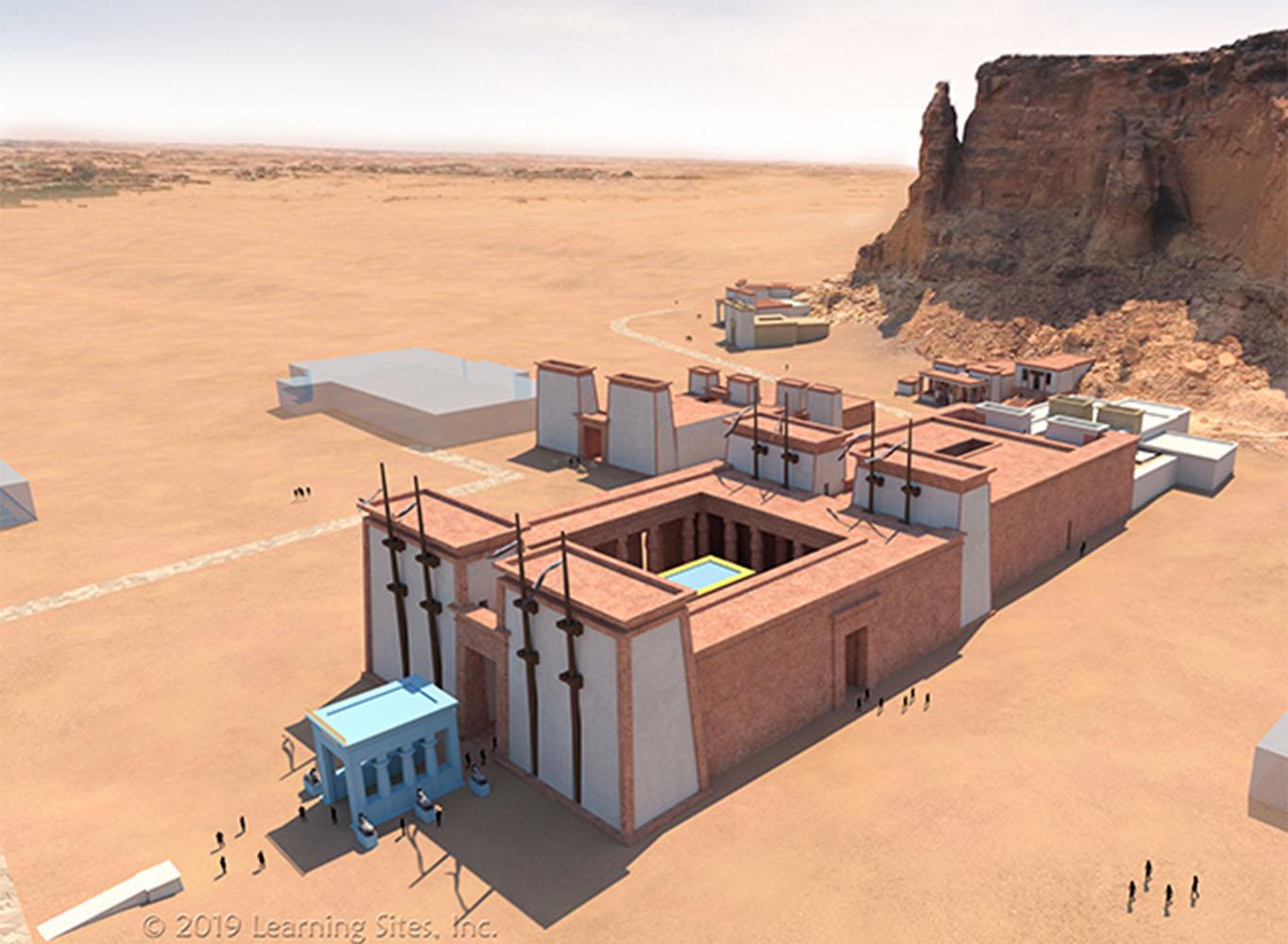
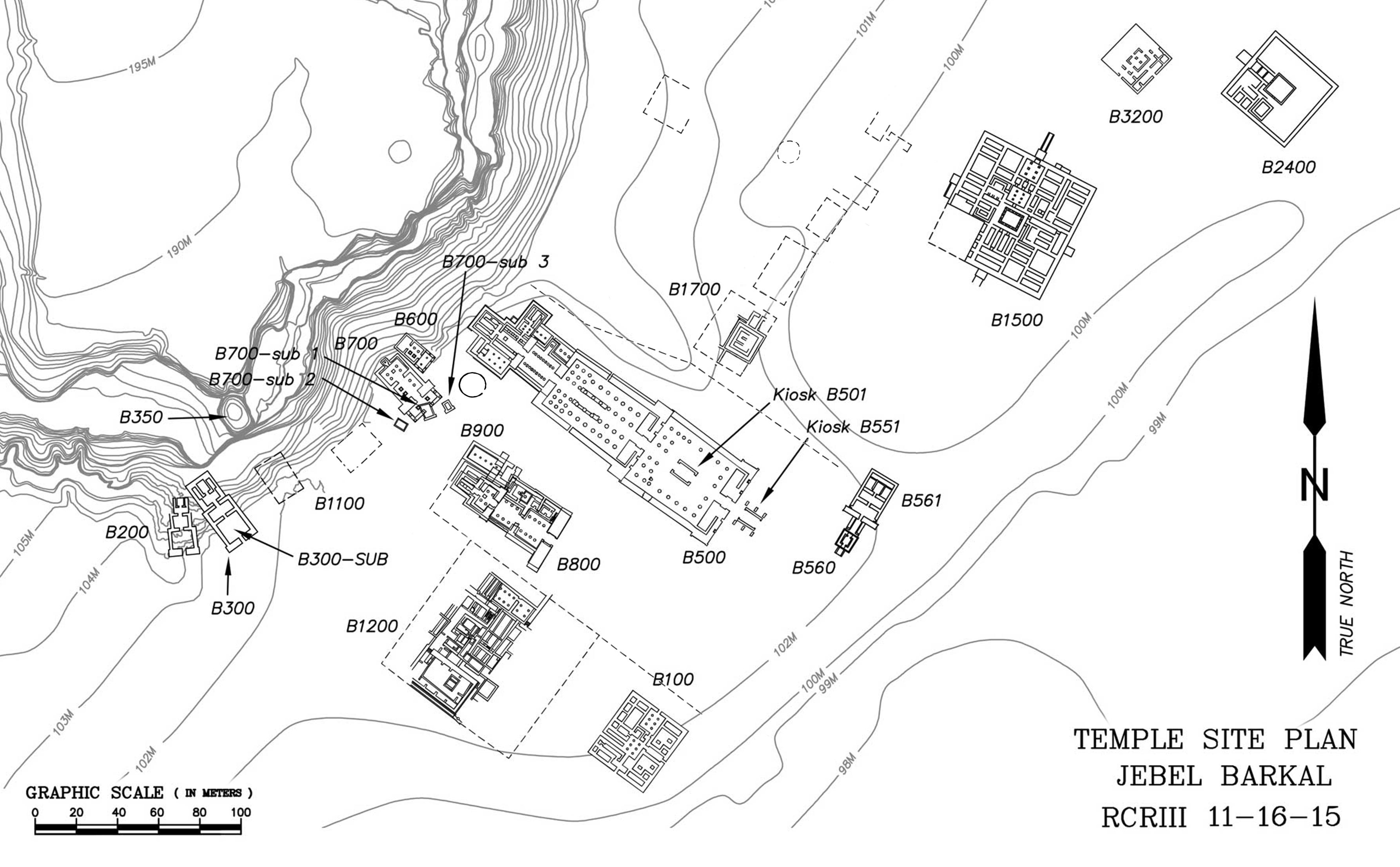
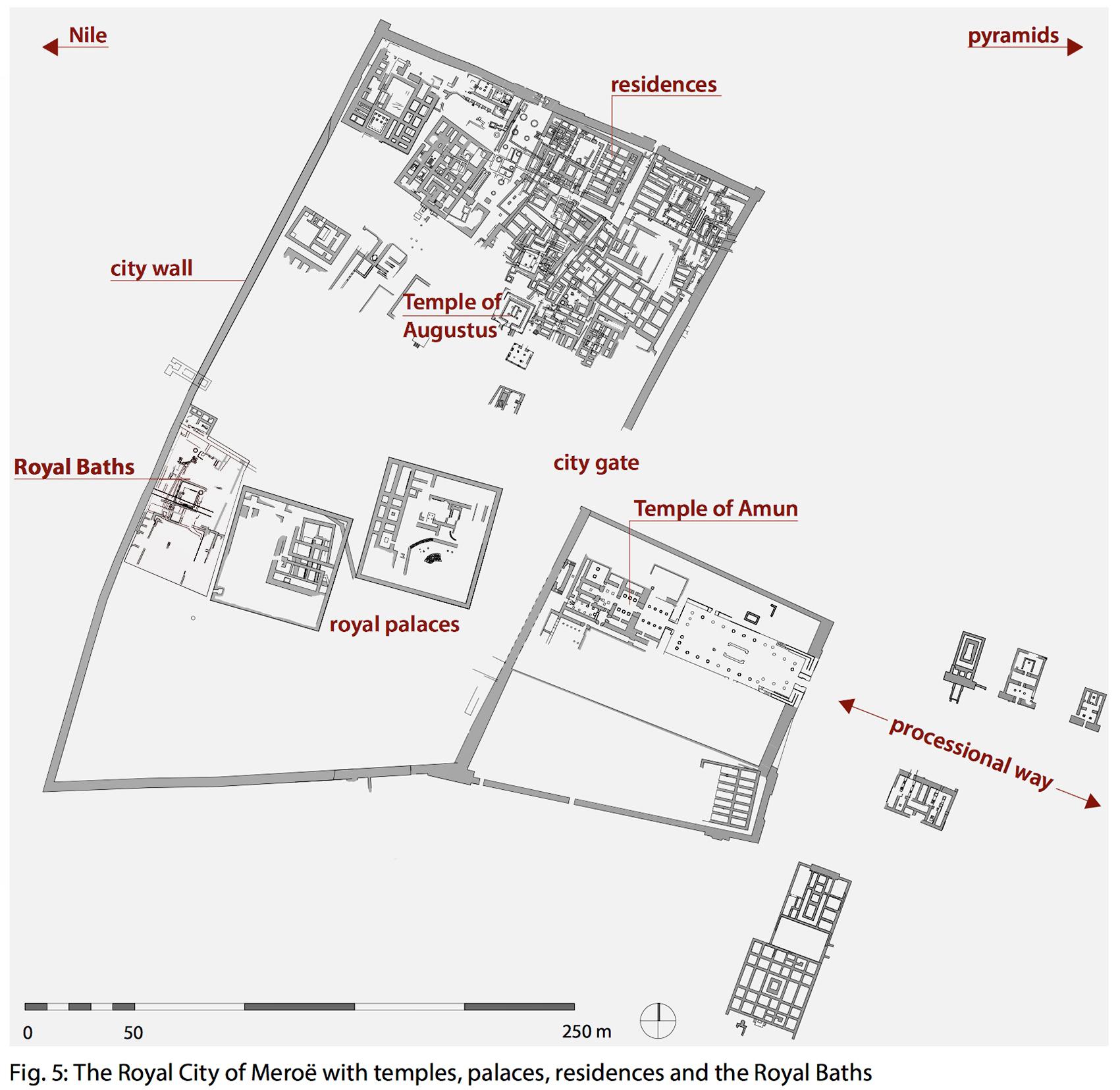
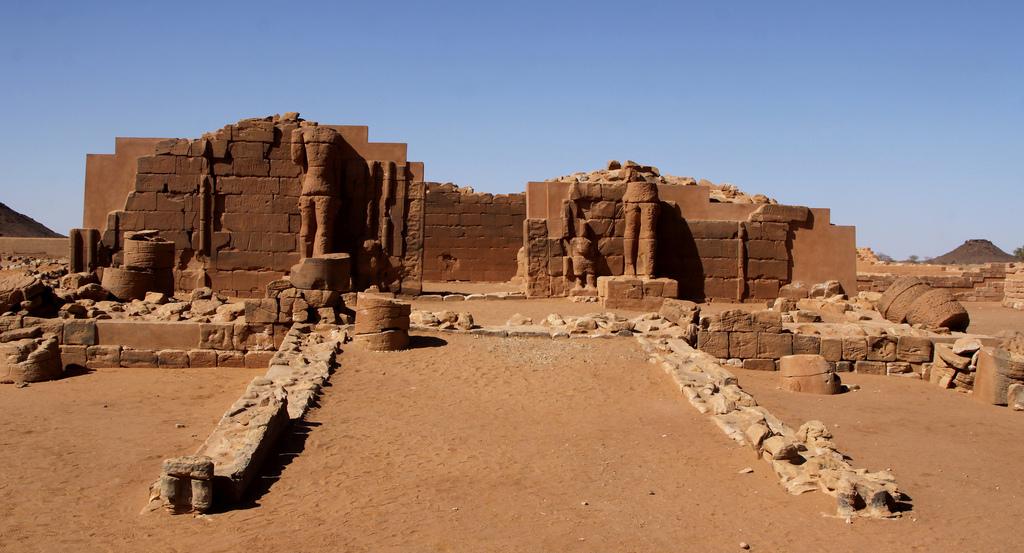
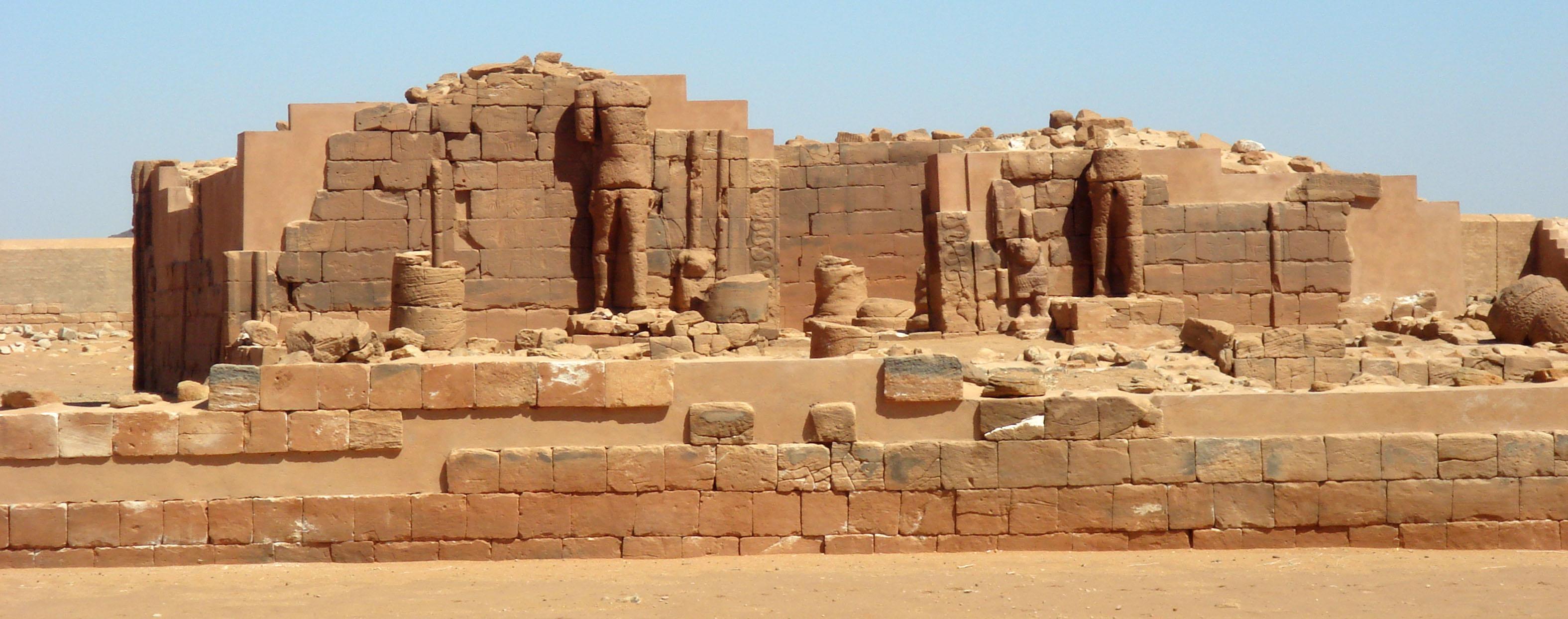
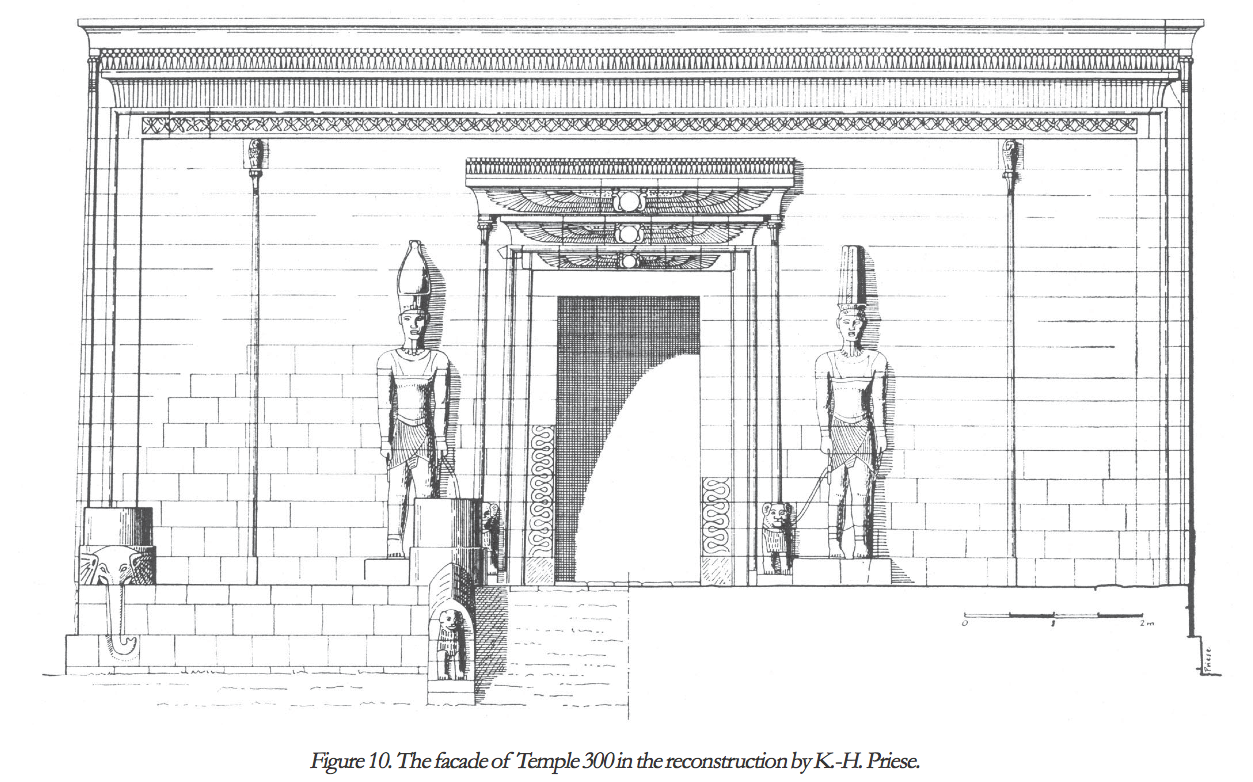
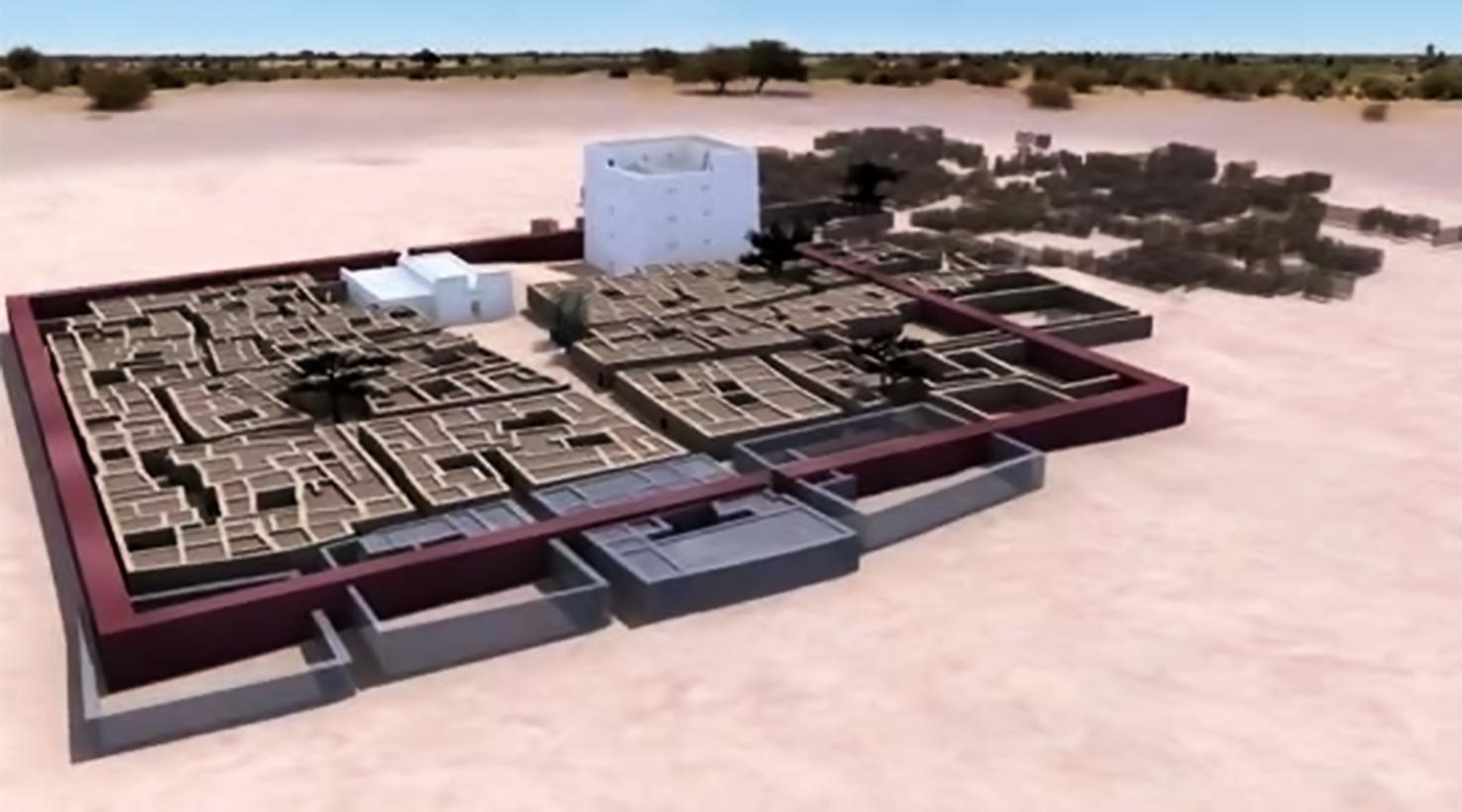
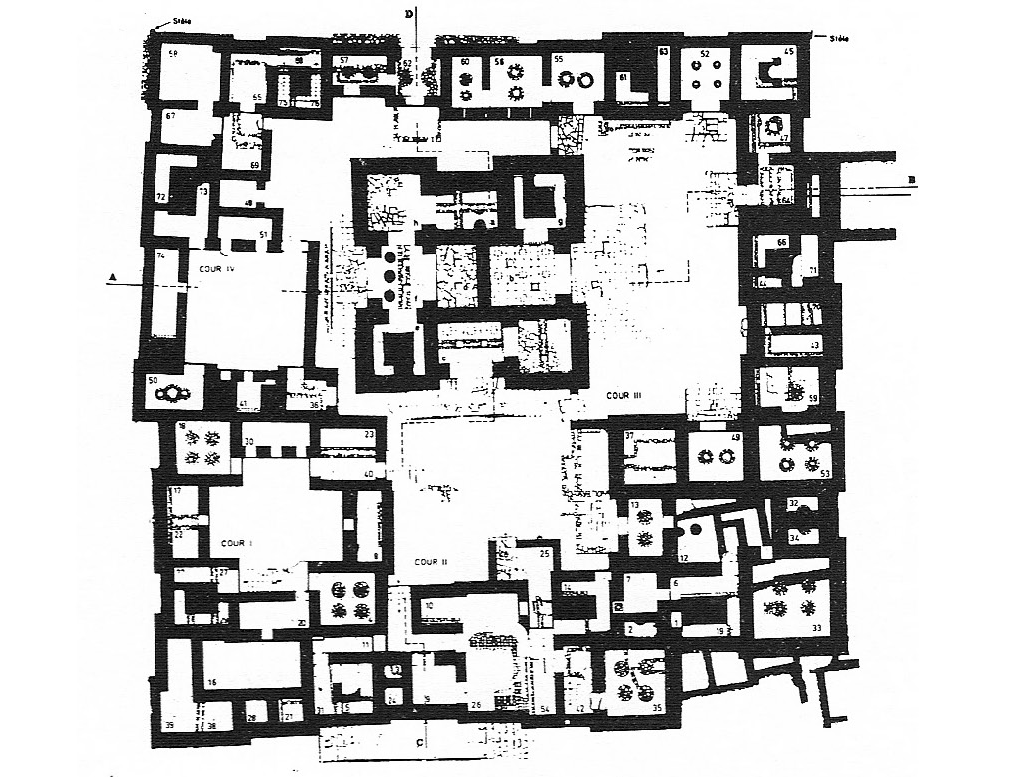
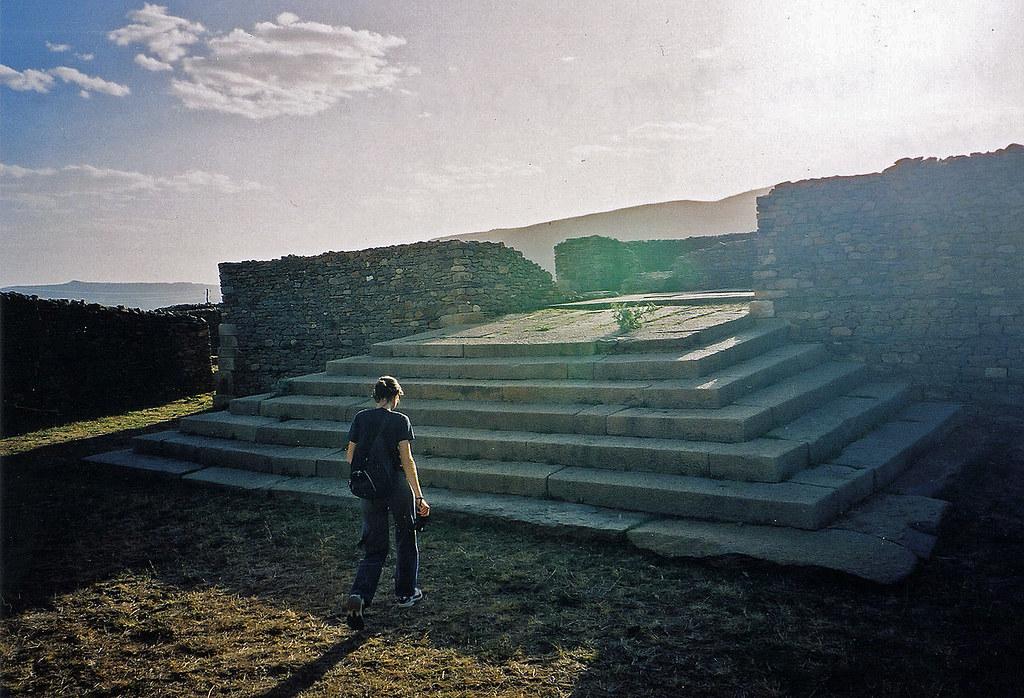
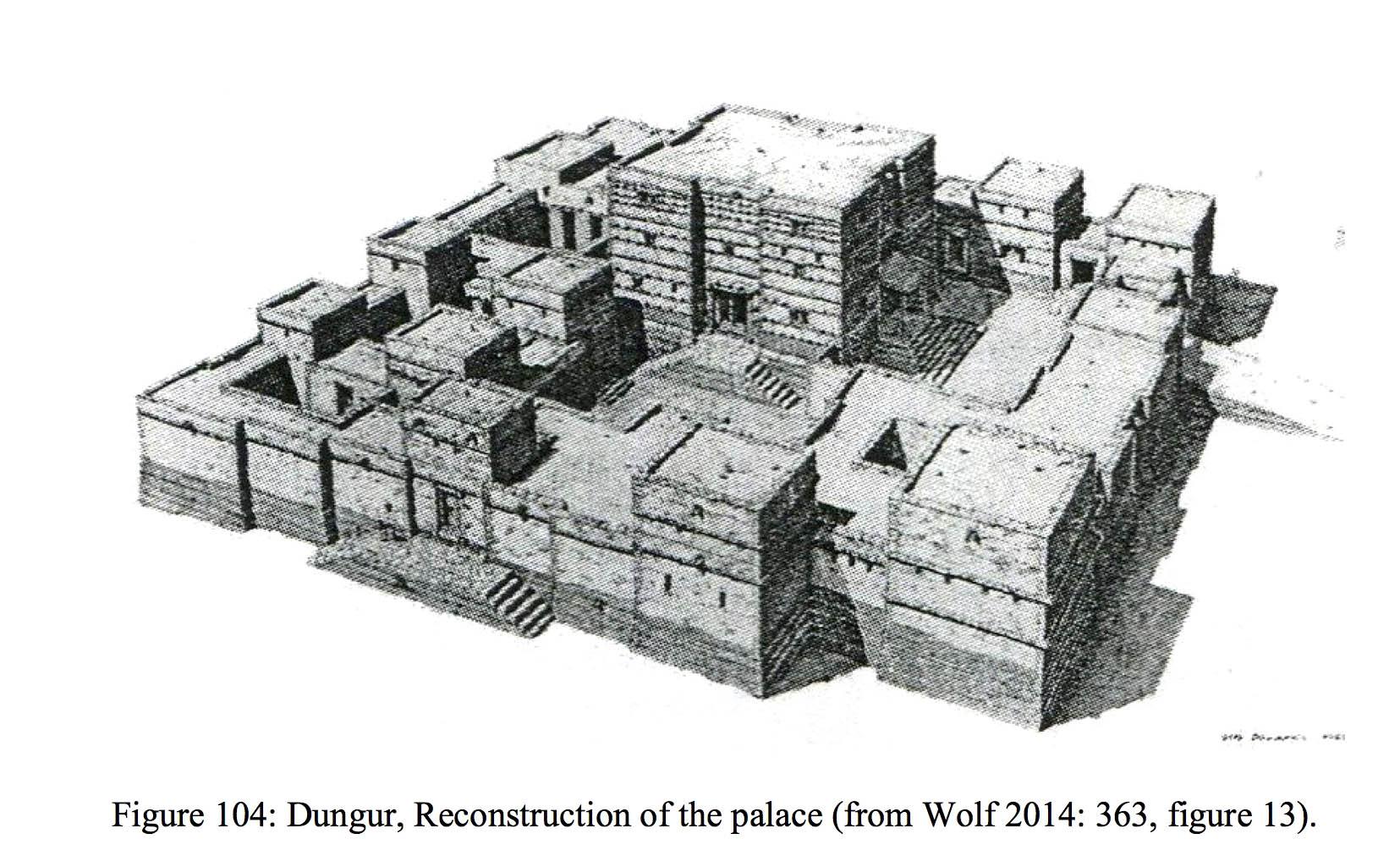
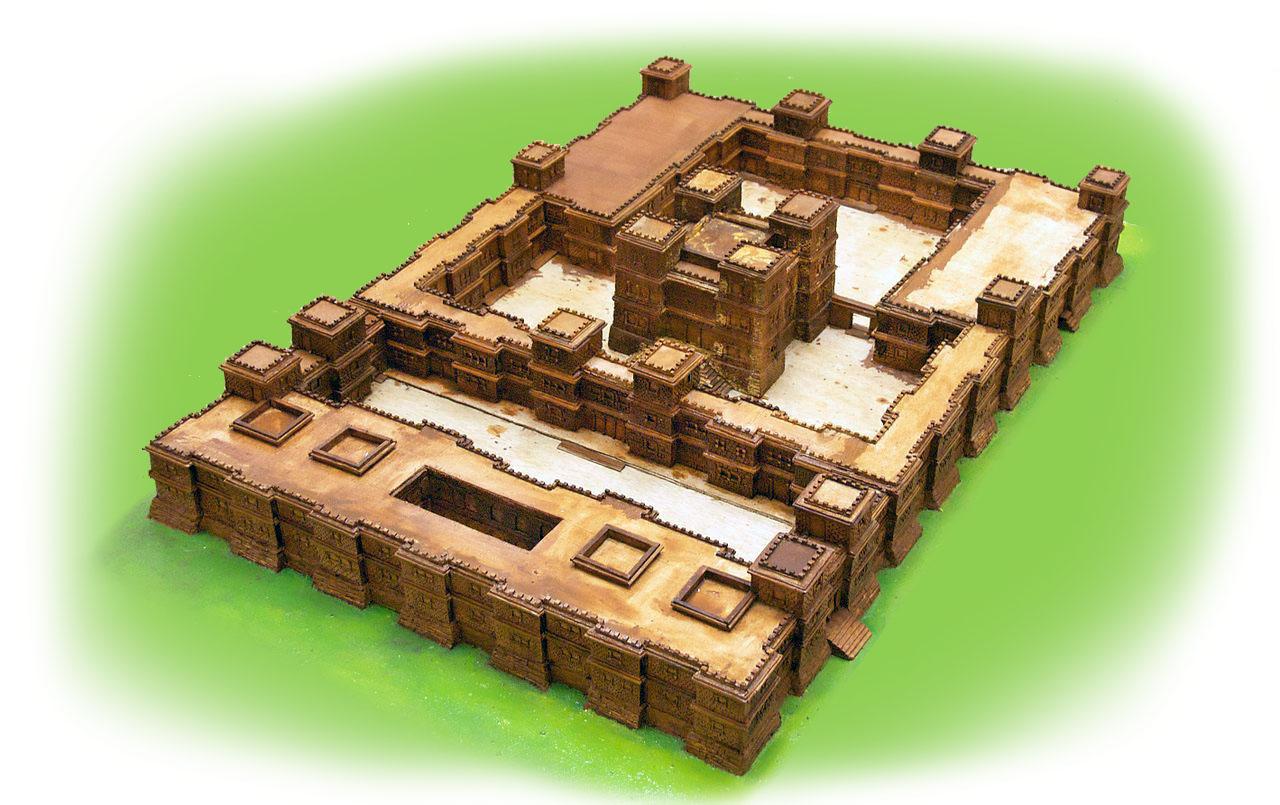
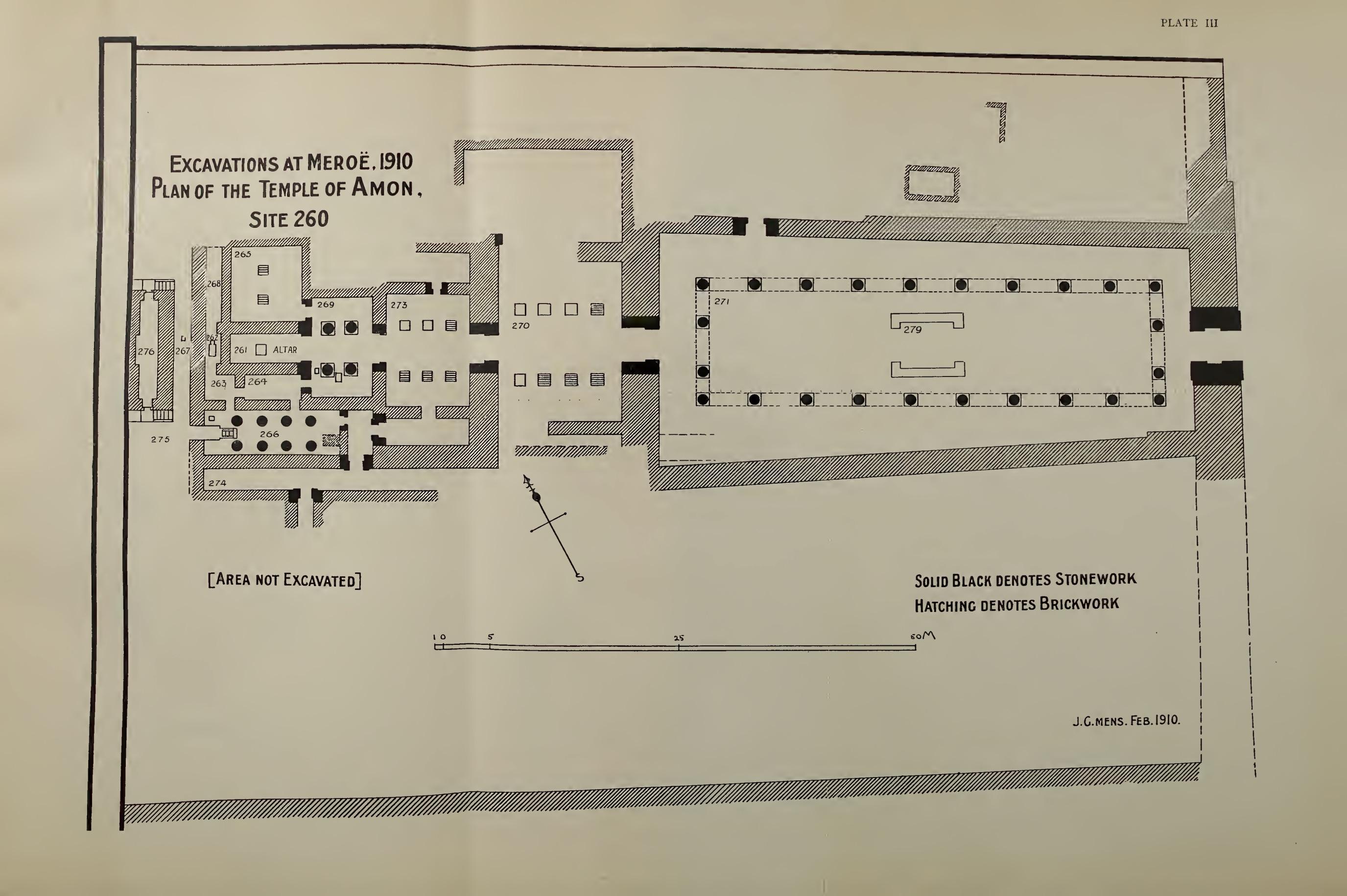
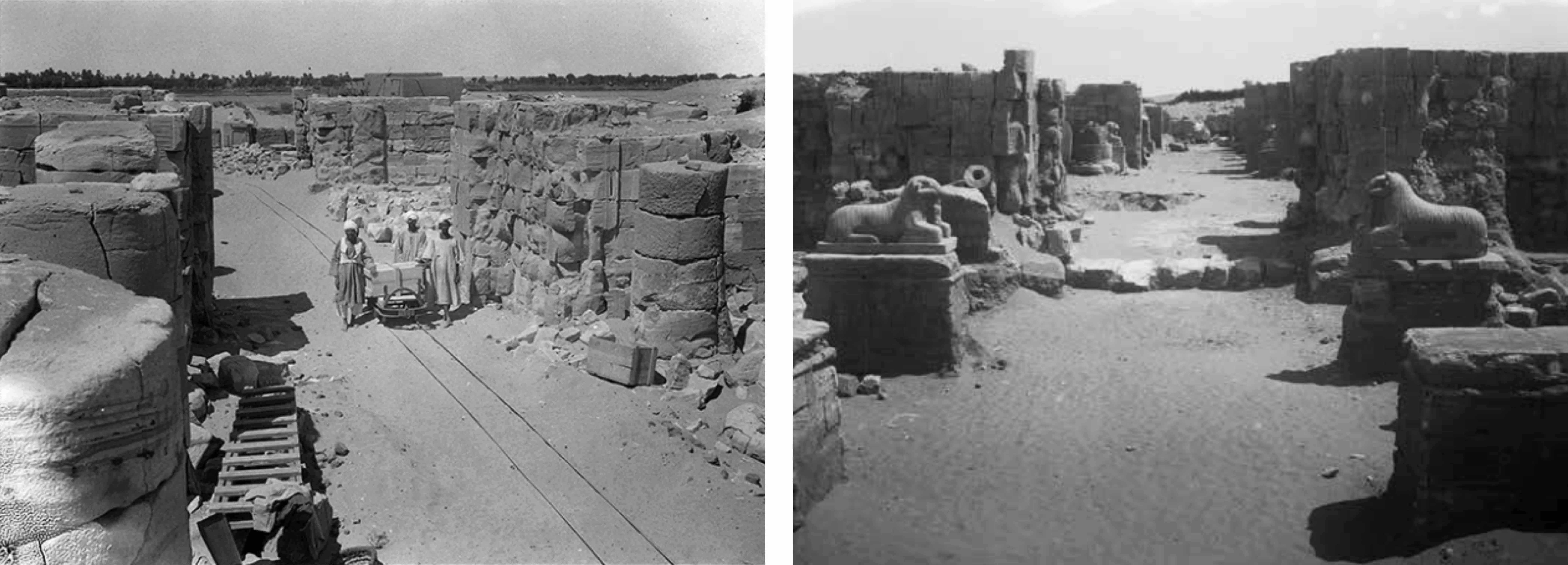
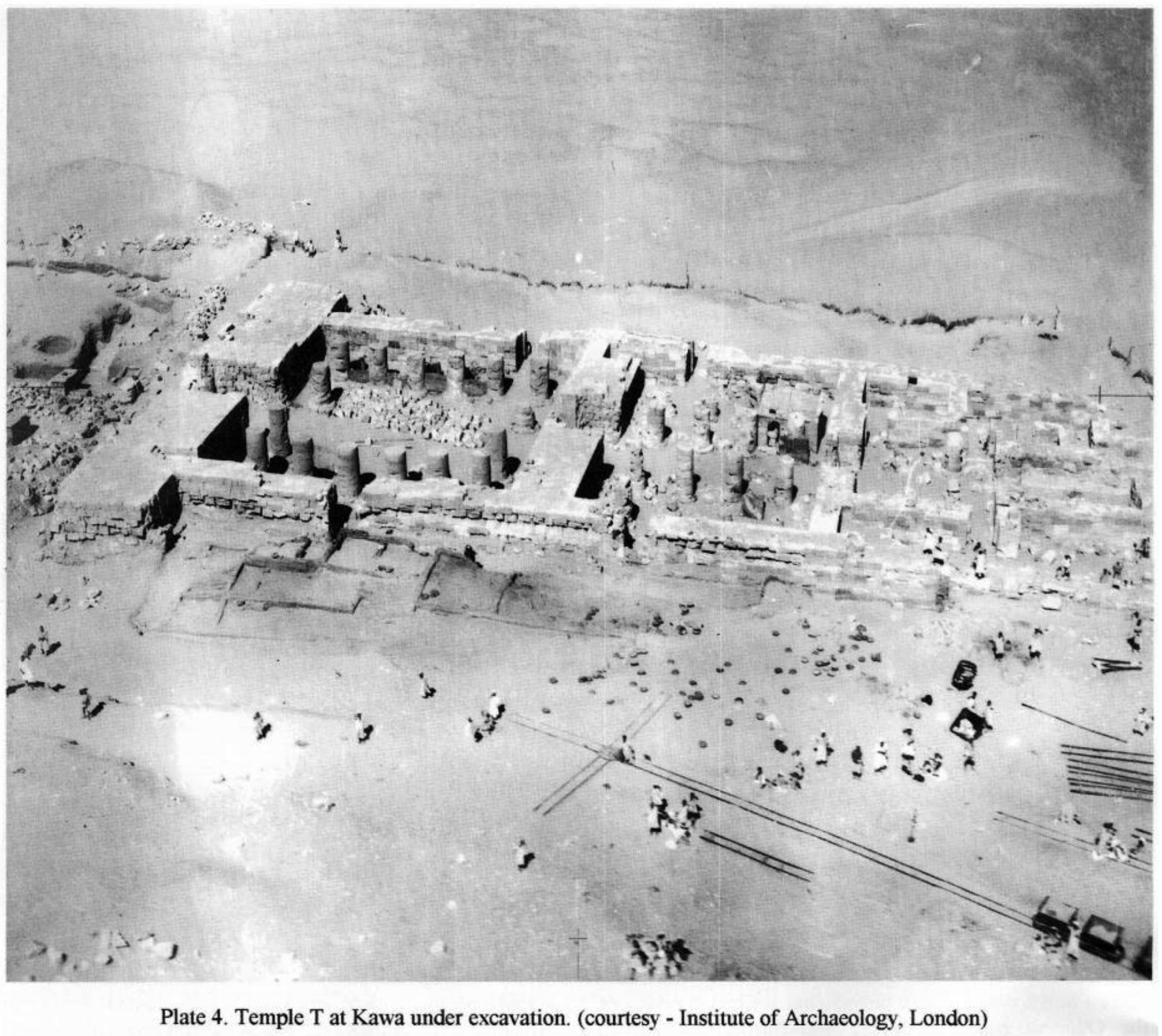
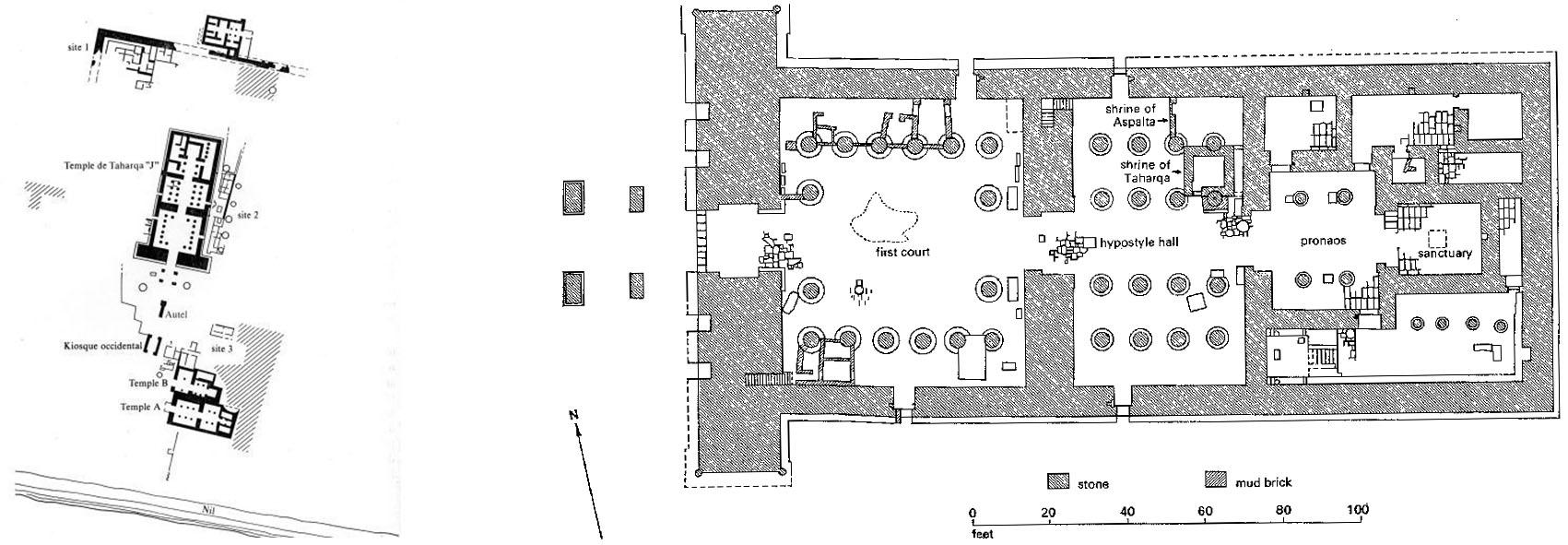
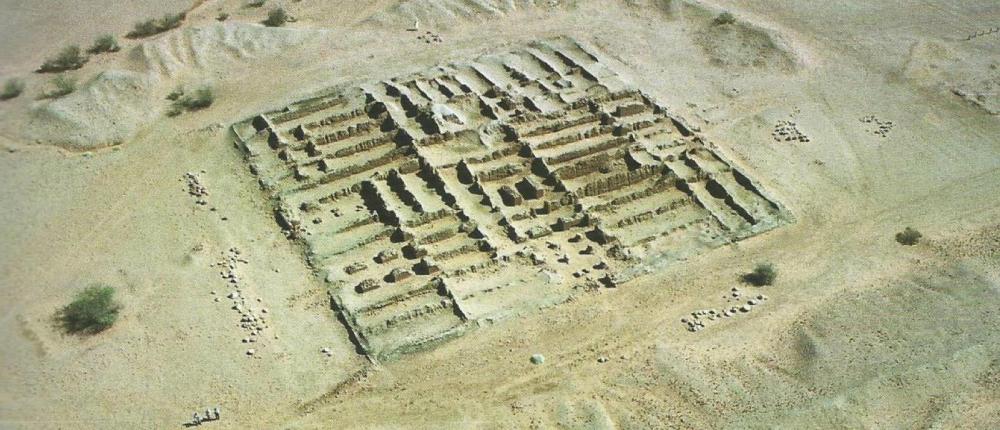
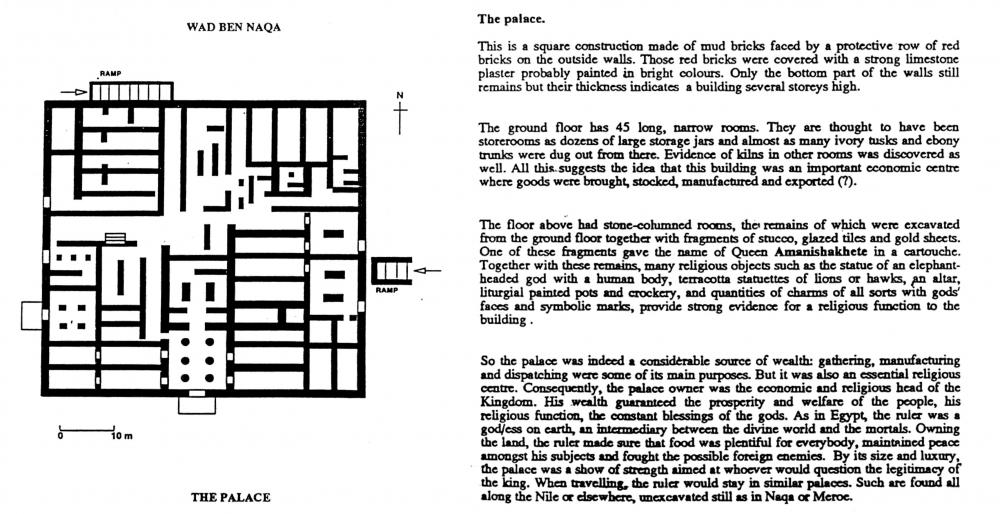
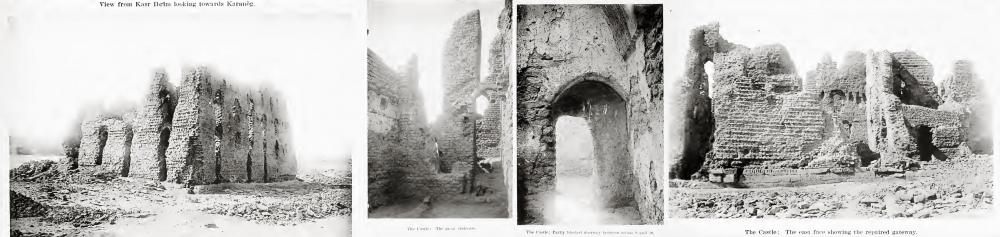
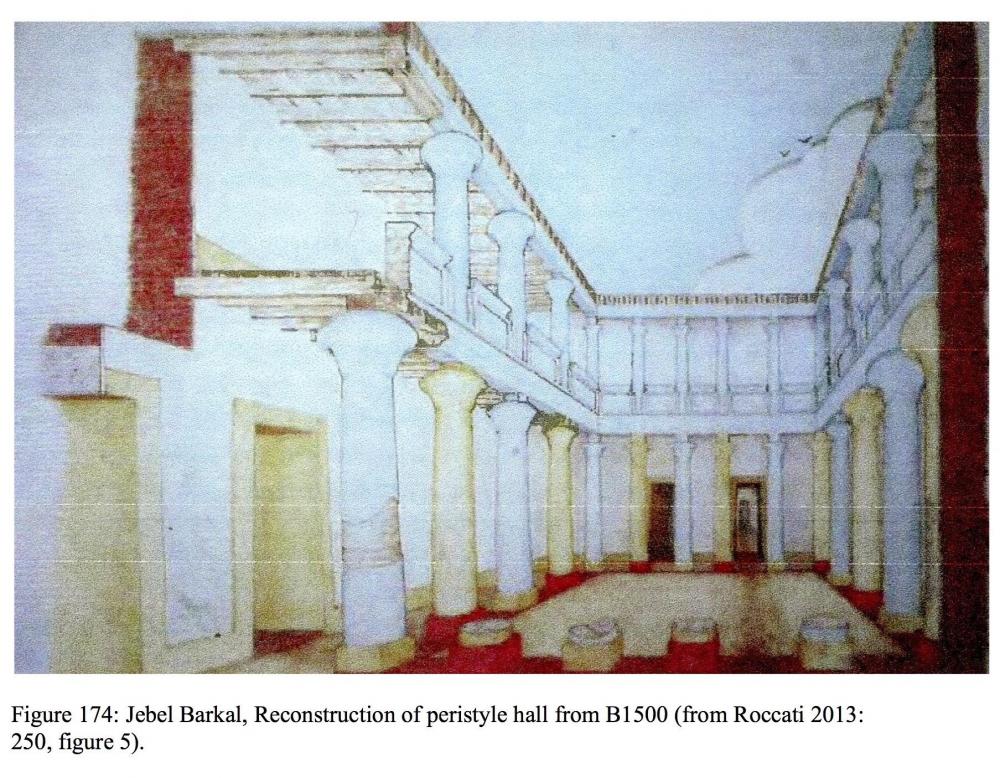
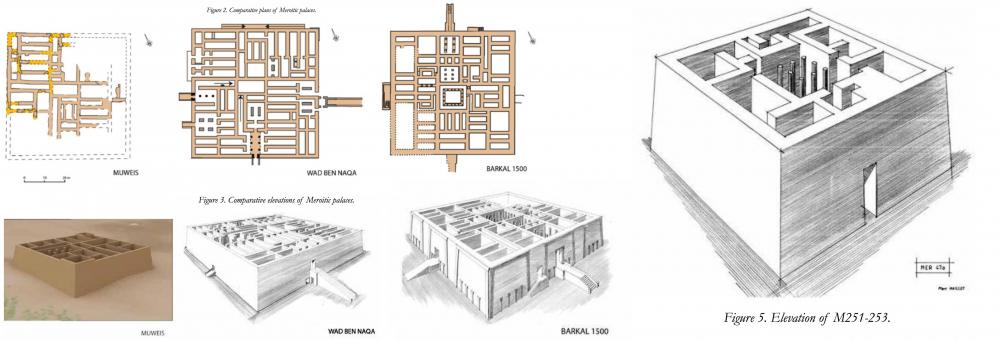
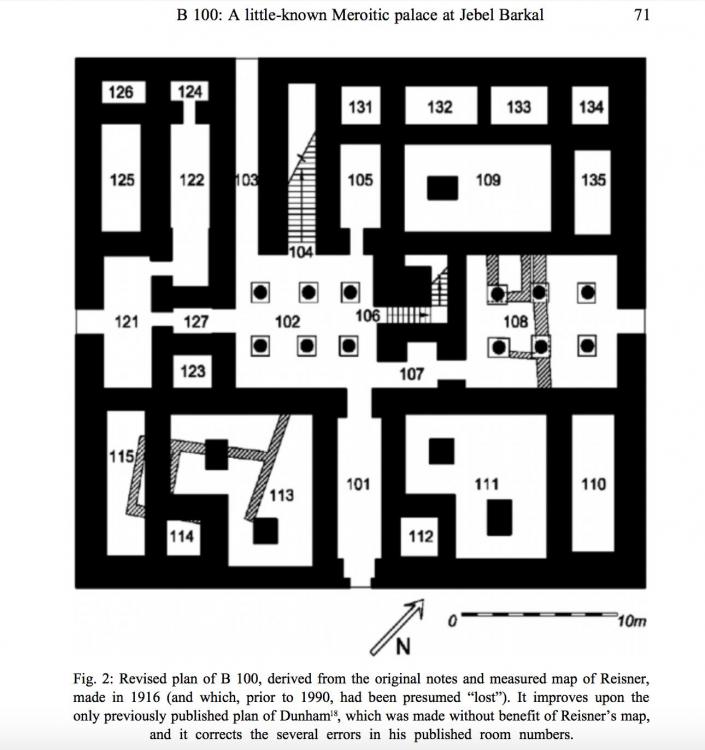
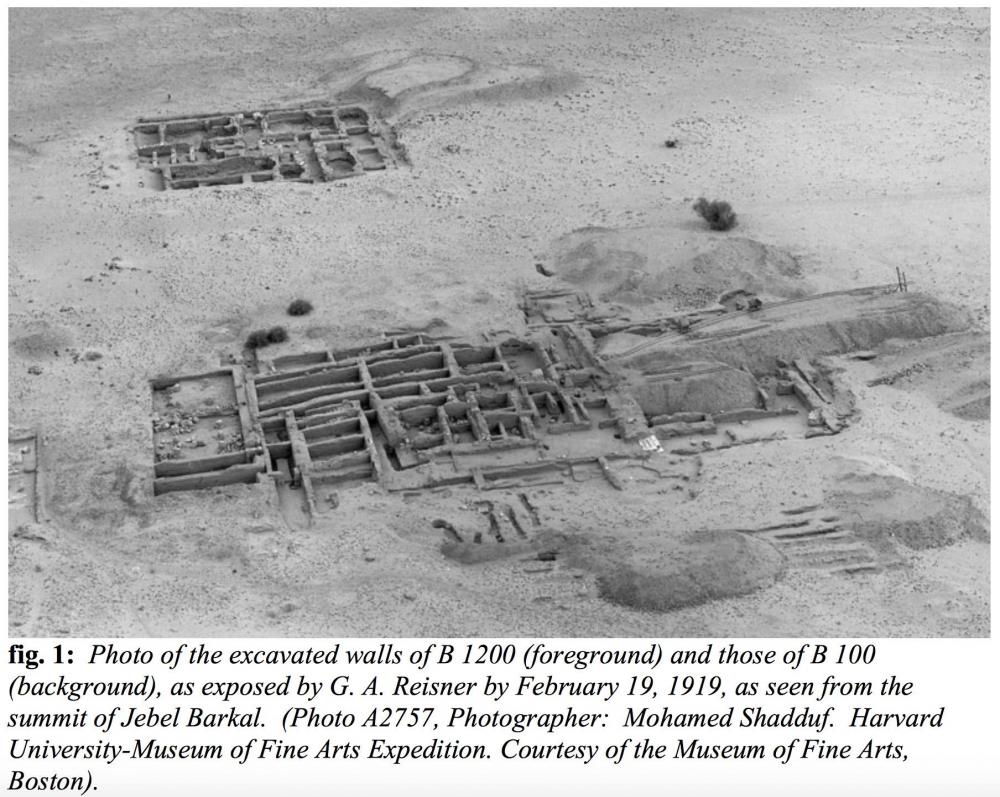
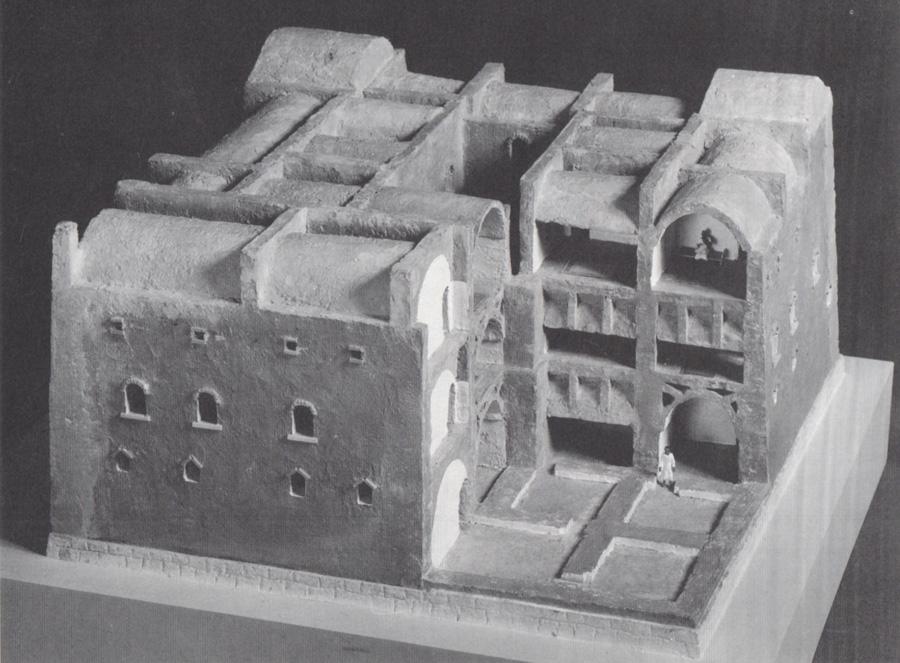
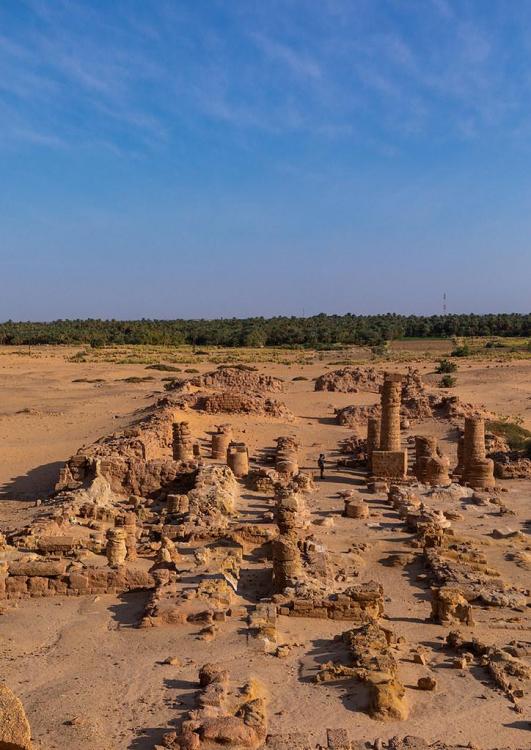
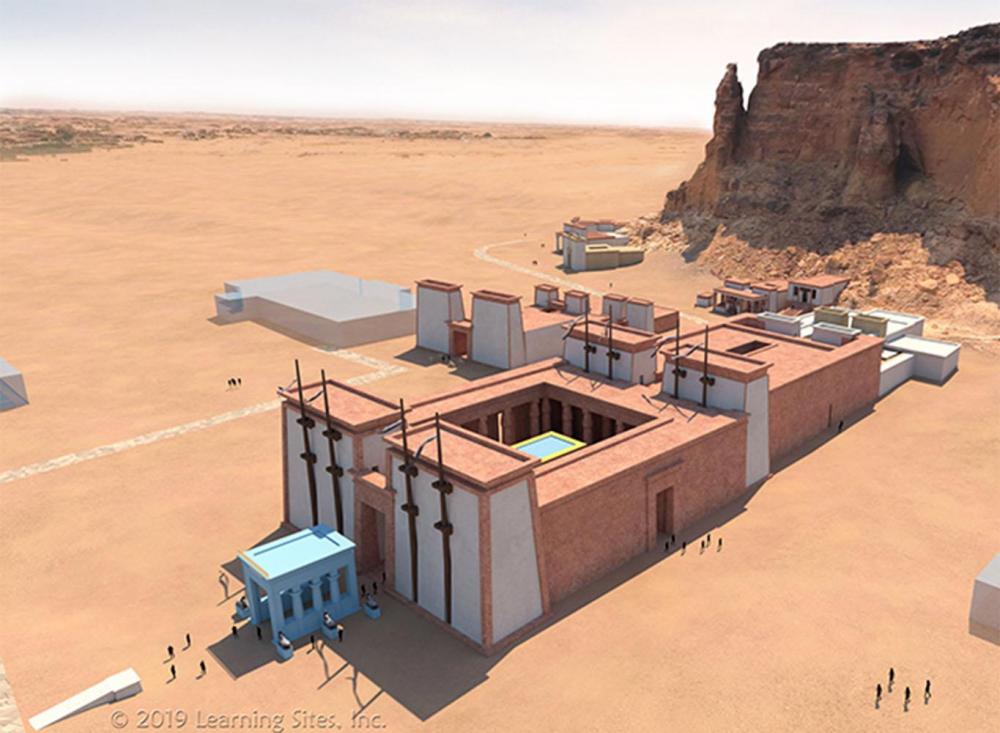
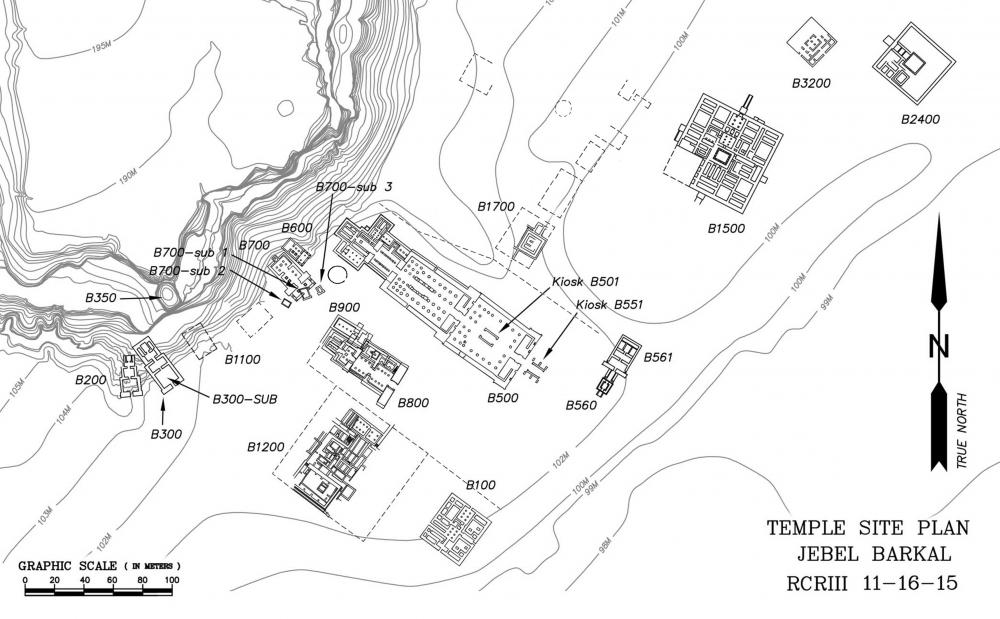
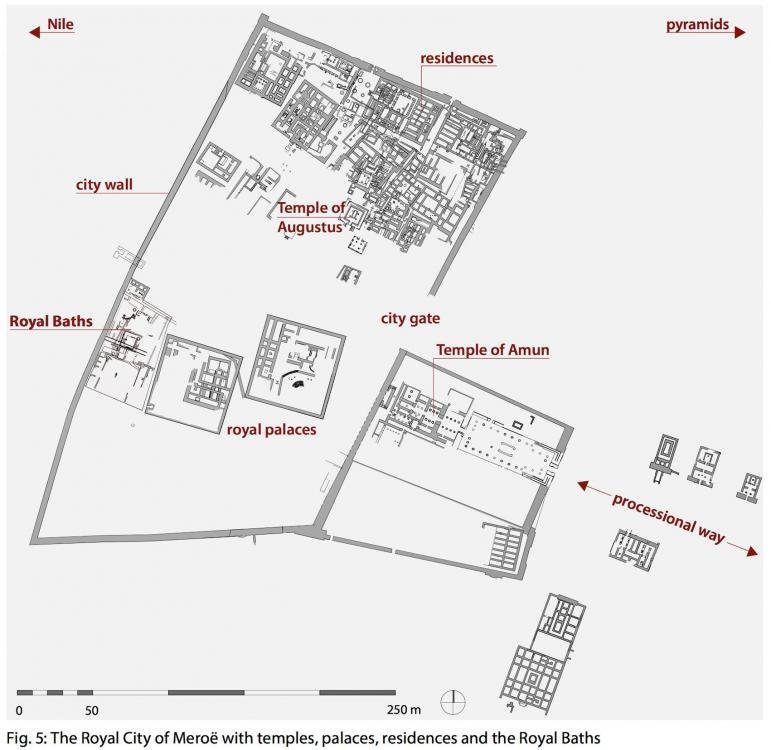
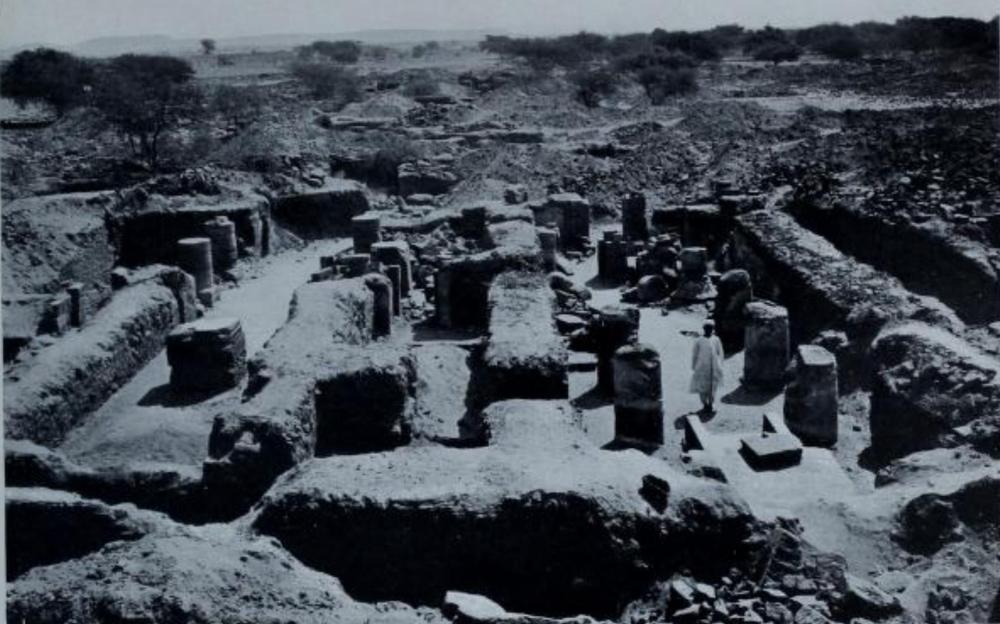
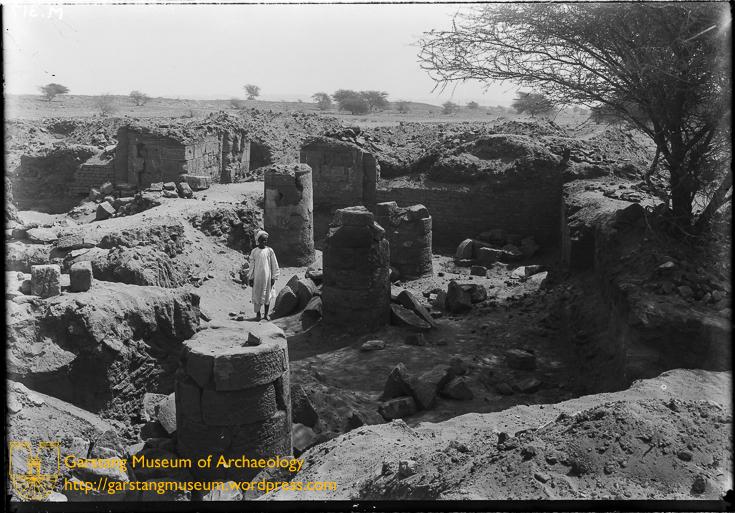
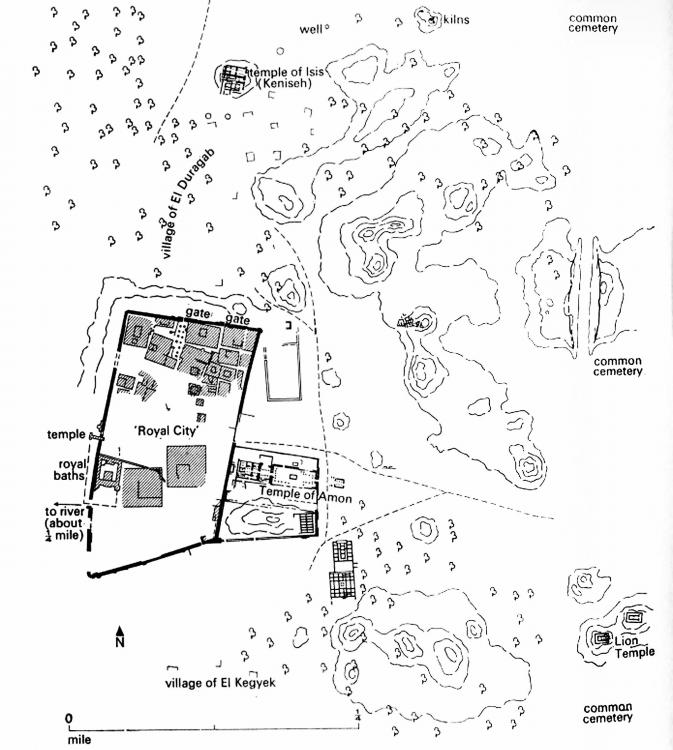
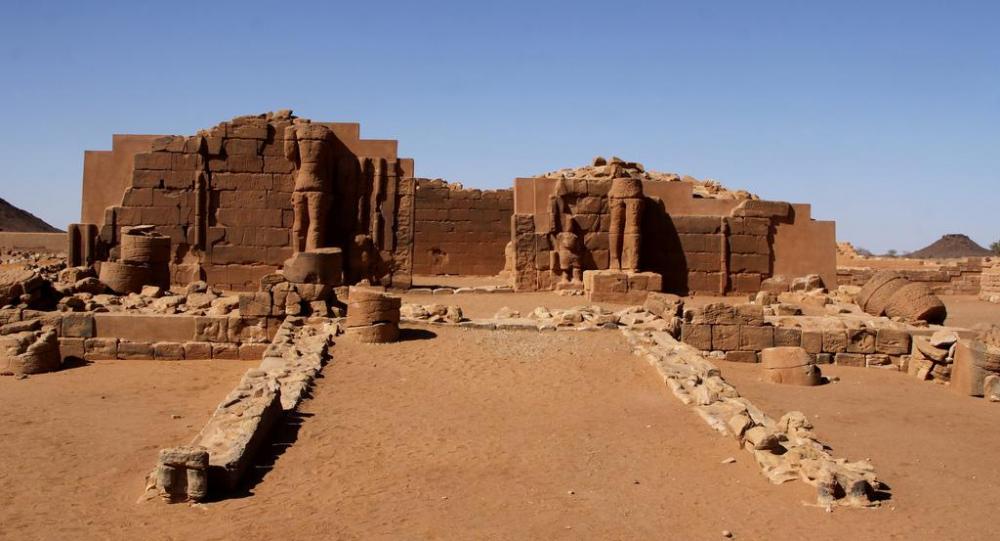
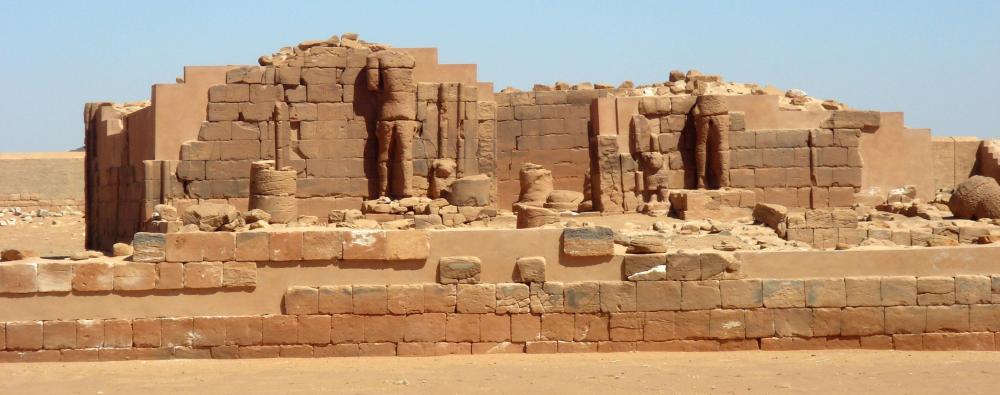
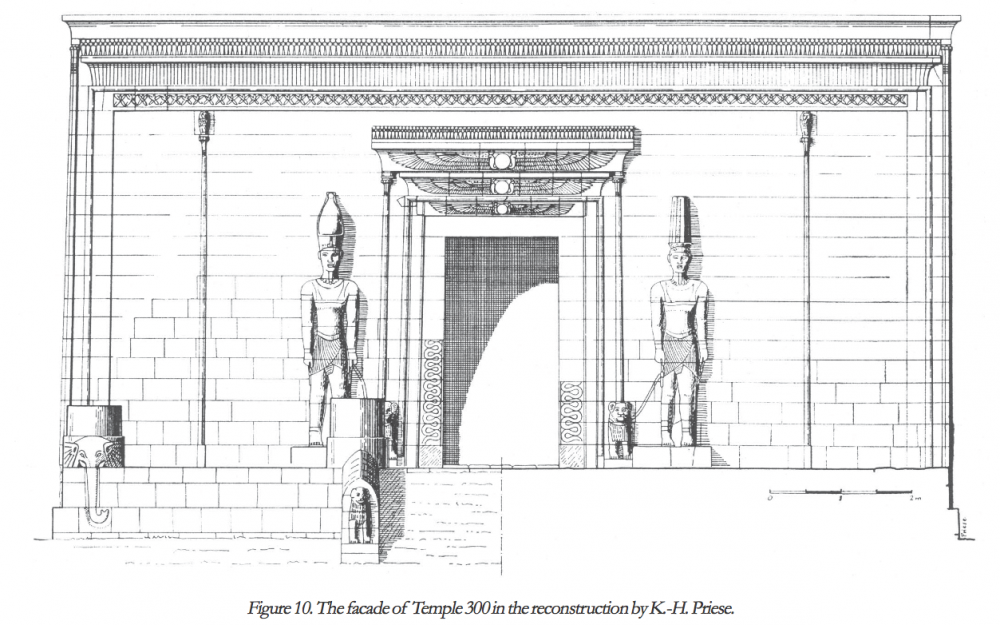
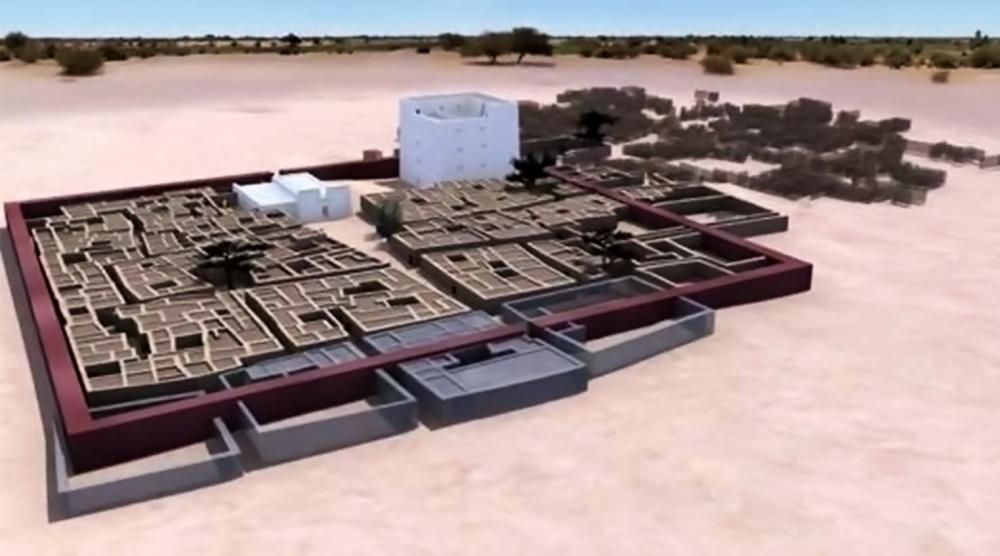
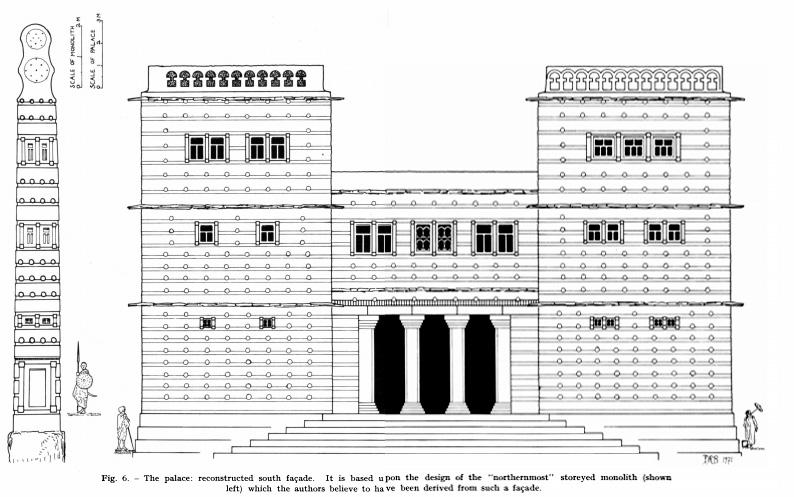
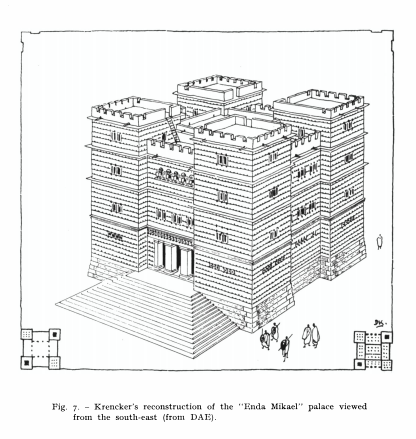
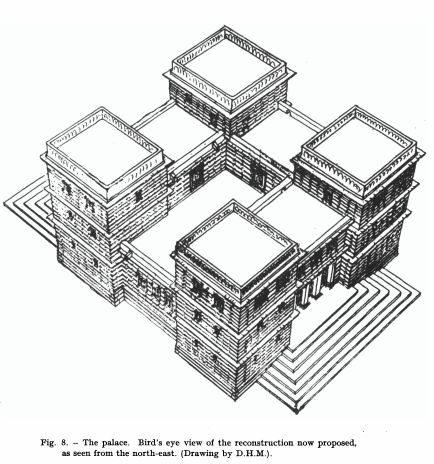
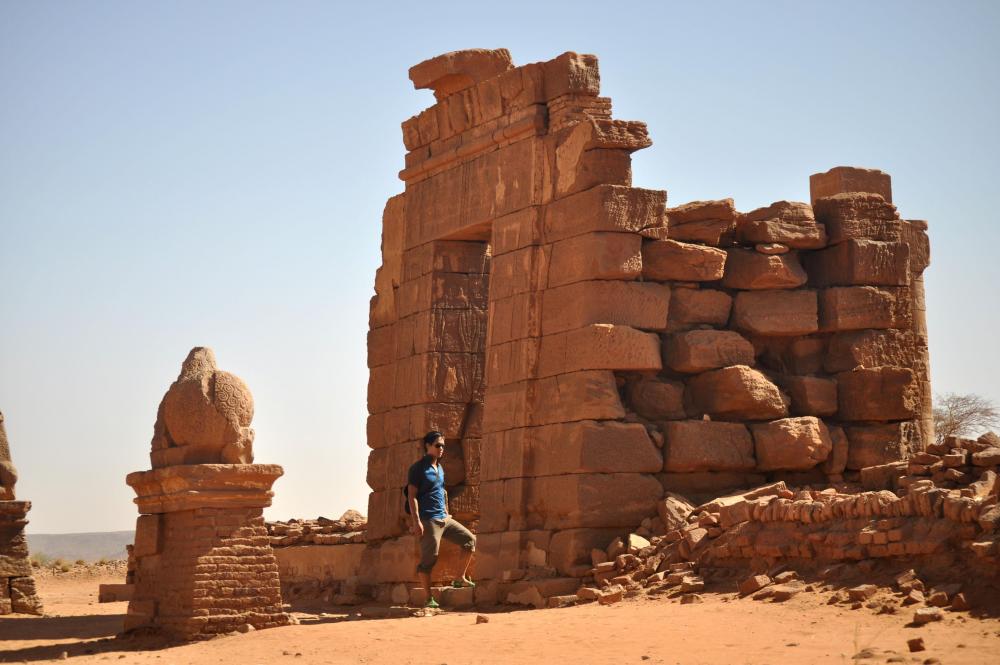
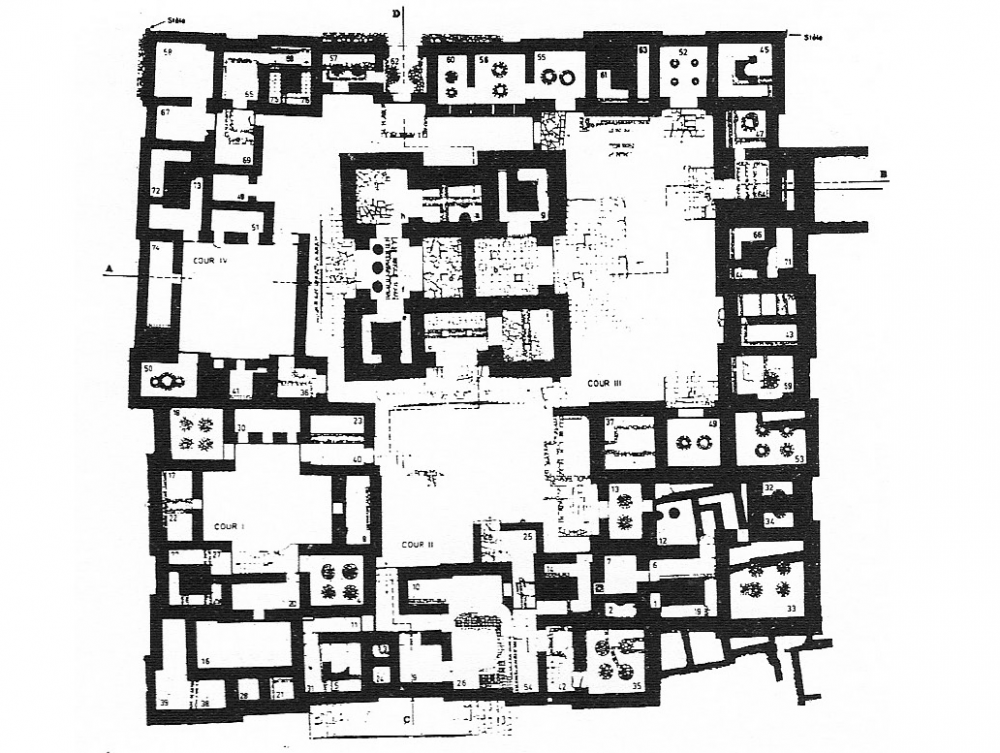
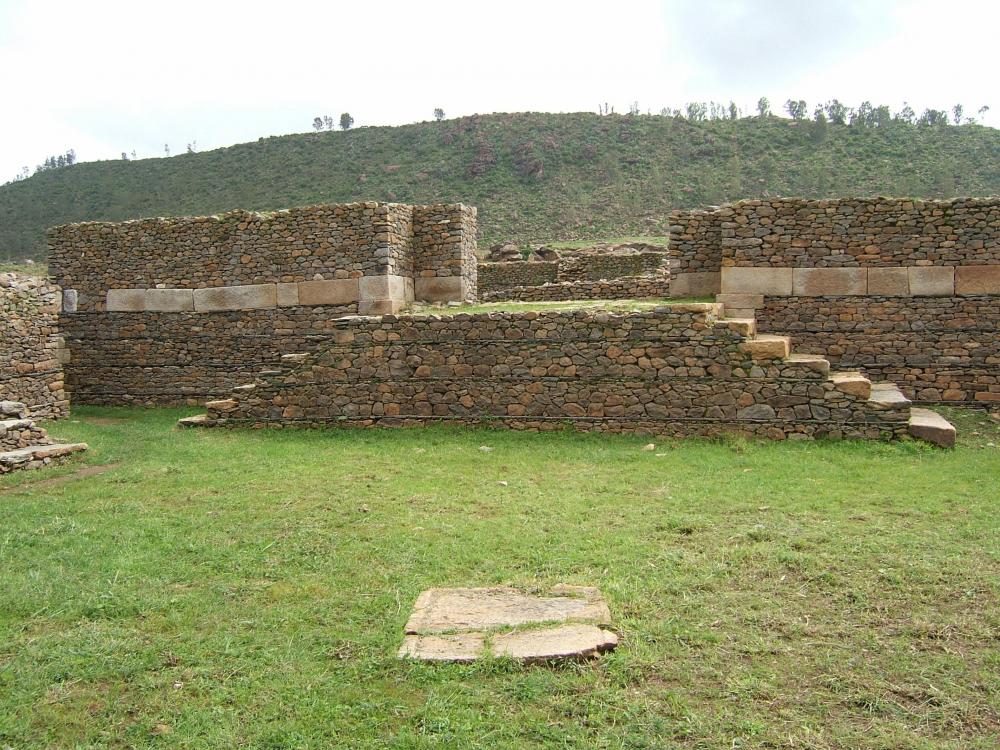
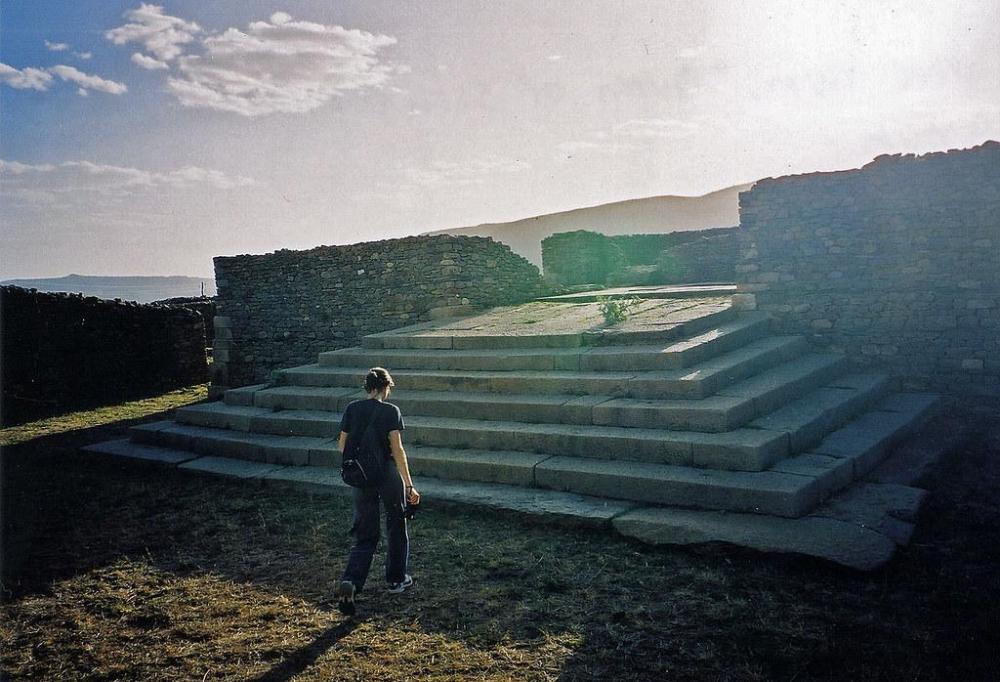
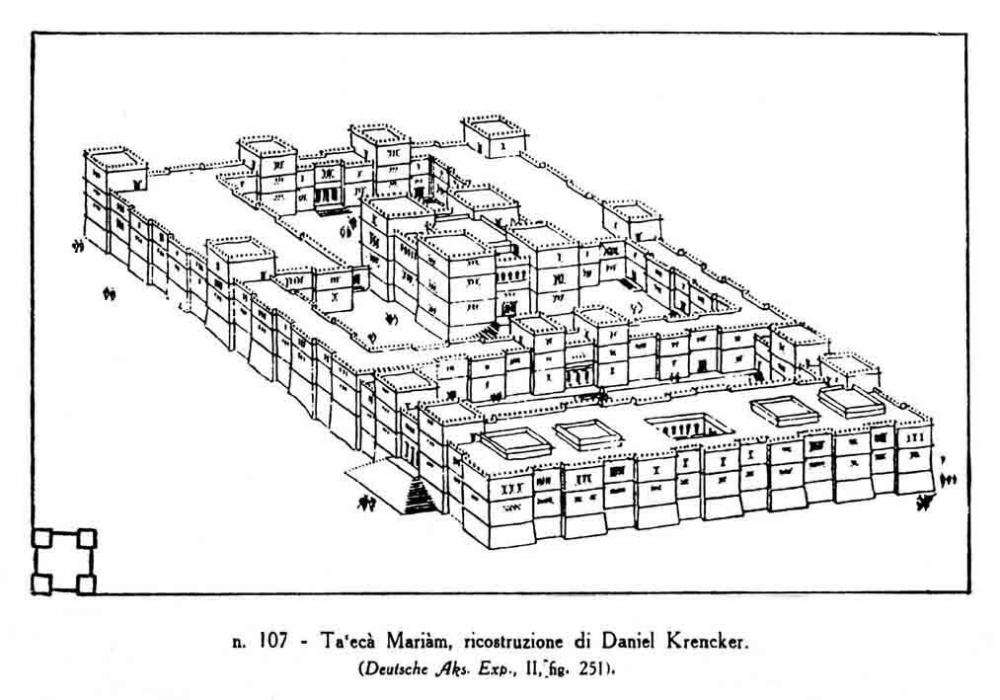
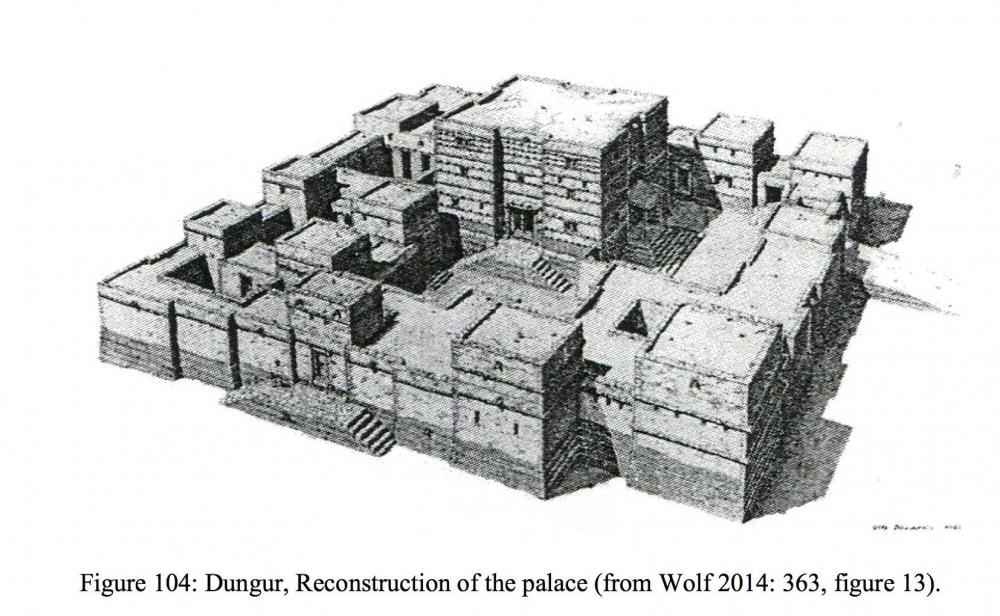
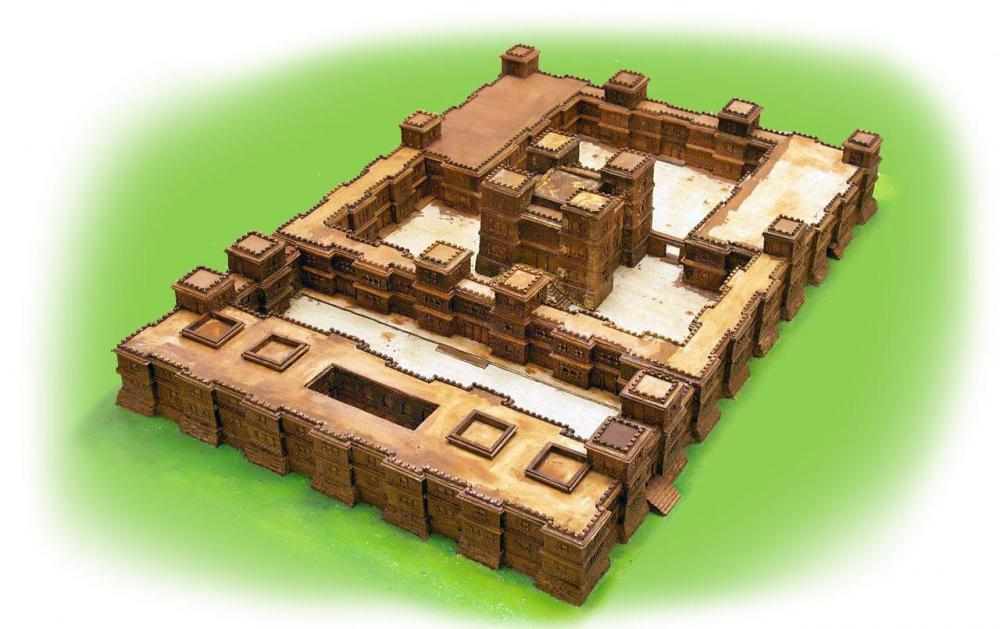
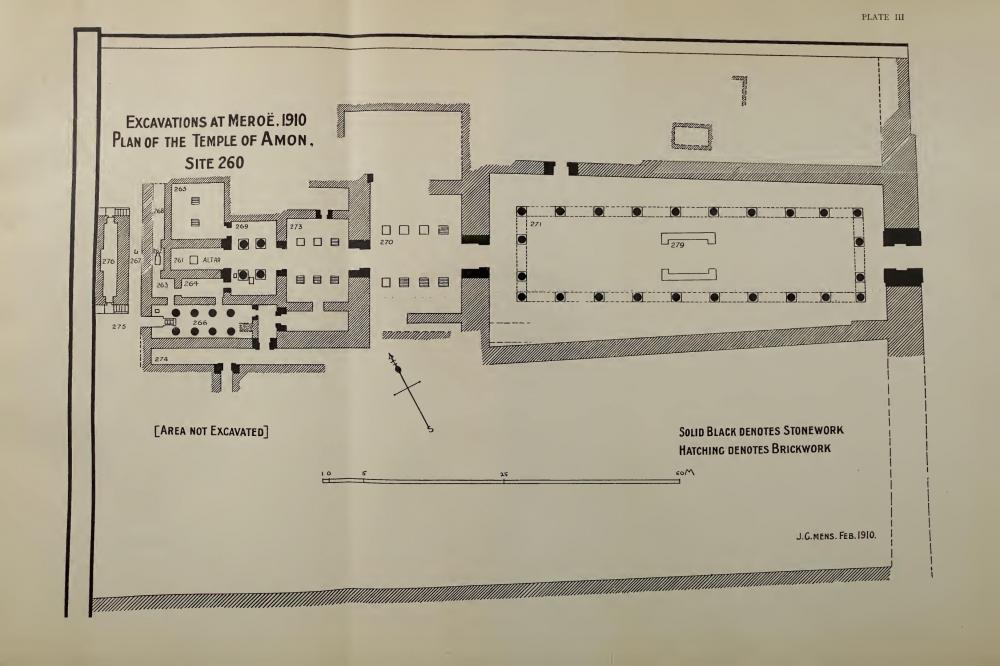
@Anaxandridas ho Skandiates You're doing yourself a real disservice here. Almost everything of relevance can be found in the main thread linked by LordGood: The Kingdom of Kush: A Proper Introduction, read the first post. If you have more questions then, feel free to ask. As for the render itself, yes it's an artistic render that doesn't represent a historical reconstruction of a specific Kushite city. Other than that most of what you said (other than the balustrades) makes little sense. Just to quickly address the doubt expressed by you, let me just quickly go through some of the refs to ease your mind. Kushite palaces (Naptan and Meroitic). These were all multistoried. Wad Ben Naqa (Meroitic): B100 Napata, directly adjacent to the temple complex B1200, next to B100, Napata Reconstruction of the inner courtyard of B1500, Napata Karanog, Meroitic elevation of various Kushite palaces. Napata had a palm tree lined processional avenue leading from the Amun temple to the Nile, lined by at least three temples. Meroë had a processional avenue leading from the Amun temple to the pyramid fields of Begrawiya, lined by at least 4 temples. Muweis had a central avenue with a temple complex on one end, a palce on the other, and lined by smaller temples in between Almost every Kushite city also had a central avenue running parallel to the Nile. The Great Amun Temple at Napata. The first temple was built by Thutmose III and was rebuilt several times during the New Kingdom. The rebuilt section of of the New Kingdom part of the Amun temple is actually the smallest part in the rear. During the Kushite 25th Dynasty, the Nubian pharaoh Piye massively expanded the temple with the addition of 2 enormous forecourts and pylons, in the 8th century BC. Rebuilding and renovations continued until the 1st century AD Meroitic period. This is essentially the holiest place in all of ancient Kush. Fun-fact, at c. 156 meters in length, this monumental temple was more than twice as large as the Parthenon on the Acropolis of Athens, which was built about 400 years later. More than a dozen other temples, several palaces, Napatan and Meroitic period pyramids and other remains are found at this site. At least 2 newly excavated temples on the precessional avenue aren't even depicted here. Note the person standing next to the intact pillar for an idea of scale. During the Meroitic Period the temple took its final form after restorations and the addition of inner and outer kiosks, around the late 1st century BC, early 1st century AD The Meroitic Amun temple of Meroë was over 120 meters in length: The Amun temple at Naqa is the "smallest" one I'm familiar with: The Amun temple of Kawa, also known as the Temple of Taharqa, 25th Dynasty, 7th century BC There were about 8 Amun temples that I'm aware of, at Meroë, Napata, Sanam, Dangeil, Kawa, Tabo, el Hassa and Naqa, and there's probably one that hasn't been excavated yet at Muweis. All of these were significantly substantial edifices built from either purely sandstone (Kawa), a combination of mudbrick and fired brick, or more commonly a combination of sandstone and brick. Sadly, I don't drink... Here's a comprehensive academic guide to the archaeology of Jebel Barkal: VisGuide.pdf You're right, Kushite cities were actually even grander and much, much larger than this artistic render. Most PC's won't be able to handle the polygons of a one to one reconstruction... This is the Royal City, the central walled royal district of Meroë, and only a small part of the larger city. (the white parts within the walls of the Royal City aren't properly excavated yet). (the "temple of Augustus" was a sort of Kushite victory shrine to commemorate the war with Rome, where the decapitated head of Augustus was found buried beneath the steps of the entrance as a perpetual insult to the emperor. Same shrine where the fresco of a Roman captive was found. Just to avoid confusion) The mounds stretching to the north, east and south of the Royal city are barely excavated settlement mounds, where the common folk lived. There are even temples further than what this map shows and the pyramids are even further. It was a large and busy place. A veritable metropolis. Are you talking about those Nubian Vaults? You might want to look up what a Nubian vault is, and why it's called as such. The first vaulted structures in the Kushite archaeological record are from Kerma, c. 2000BC... They've been familiar with the technique for a while. It's still found in Nubian villages in Egypt as well as Sudan today. All of the palaces I mentioned earlier were built on top of vaulted cellars. They used the vaulting technique because it's extremely strong, perfect for building storey-buildings, and doesn't require wood. That's temple 300 from Musawwarat es Sufra (Meroitic), and it looks nothing like the "Roman kiosk" (which is actually a chapel to Hathor). The size isn't even that far off, actually... That's Hamadab. A small walled satellite settlement a few km from Meroë. The main reason that it's significant is because of how well excavated it is. There was also a multistoried palace there, directly to the right of the temple. the foundations are so thick that it's believed to have been quite a few stories, but they're not sure how many... The Qatar Sudan Archaeological Project rendered it with 4 stories... That's not in "Aithiopia". That's in the modern-day country of Ethiopia. 17th century Abyssinian architecture built by Emperor Fasilides. During Antiquity, when the Greeks and Romans were talking about Aethiopia, 9 out of 10 they were talking about Kush or it's periphery. They often identified Meroë and Napata as the capital cities of Aethiopia. Only later does the name start being associated with modern day Ethiopia, when the Mediterranean started coming into contact with other "Aethiops" (generic "black people") from Axum, but even then, they often called Axum by its name. No it doesn't, it was built in the 17th century by Fasilides. Construction started in the 1630's... There are also multistoried Aksumite stone palaces from Antiquity, if you're interested, not incomparable to the square Kushite palaces, in ground plan at least. This is a pre-Christian tradition, but continued during the Christian period [EDIT: there were actually multistoried palaces in the Pre-Aksumite period as well, but I'm not very familiar with them): Dungur is probably the most famous one, but not even the biggest one... Ta'akha Maryam was the biggest Aksumite palace, known to date.

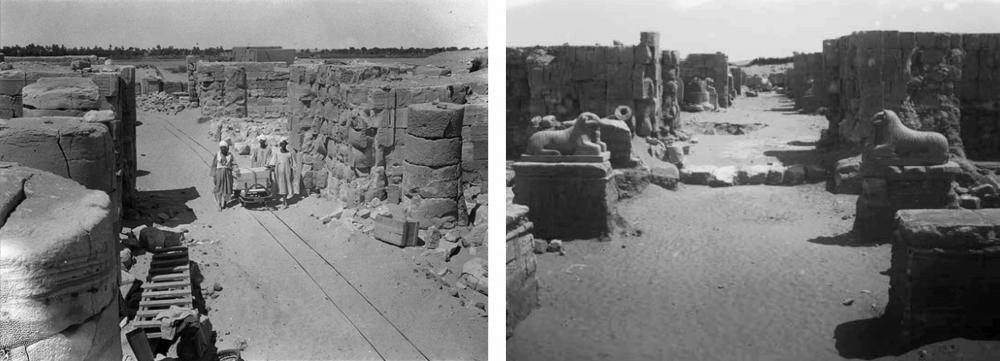
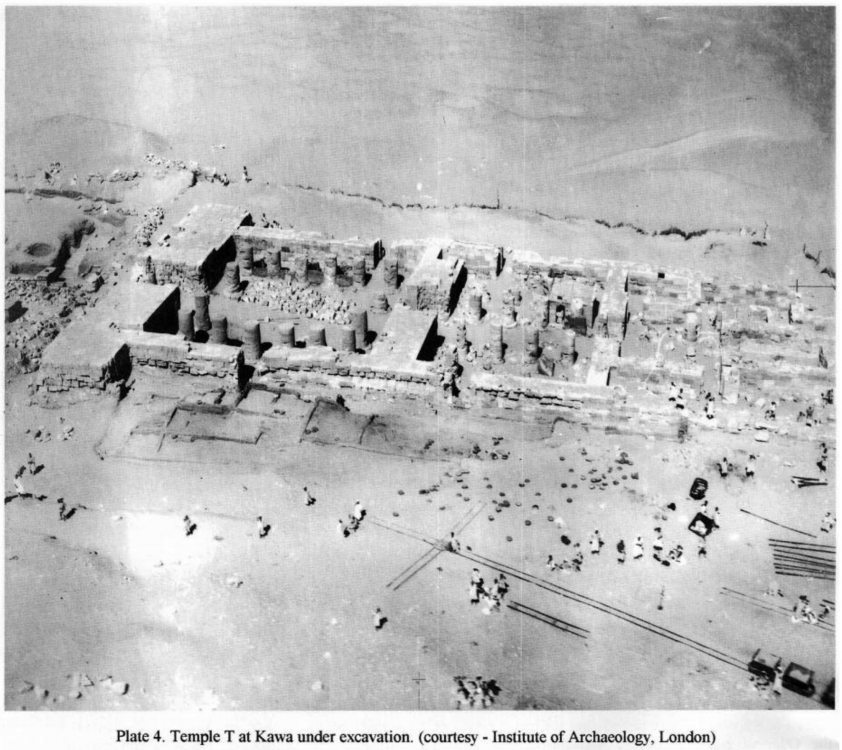
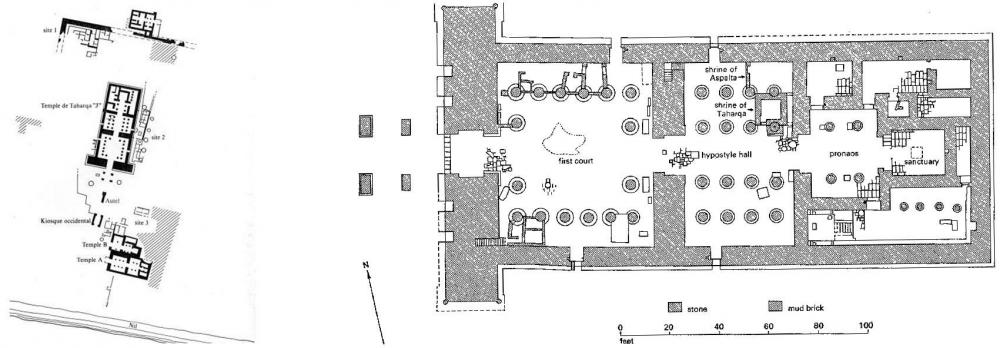 1 point
 -
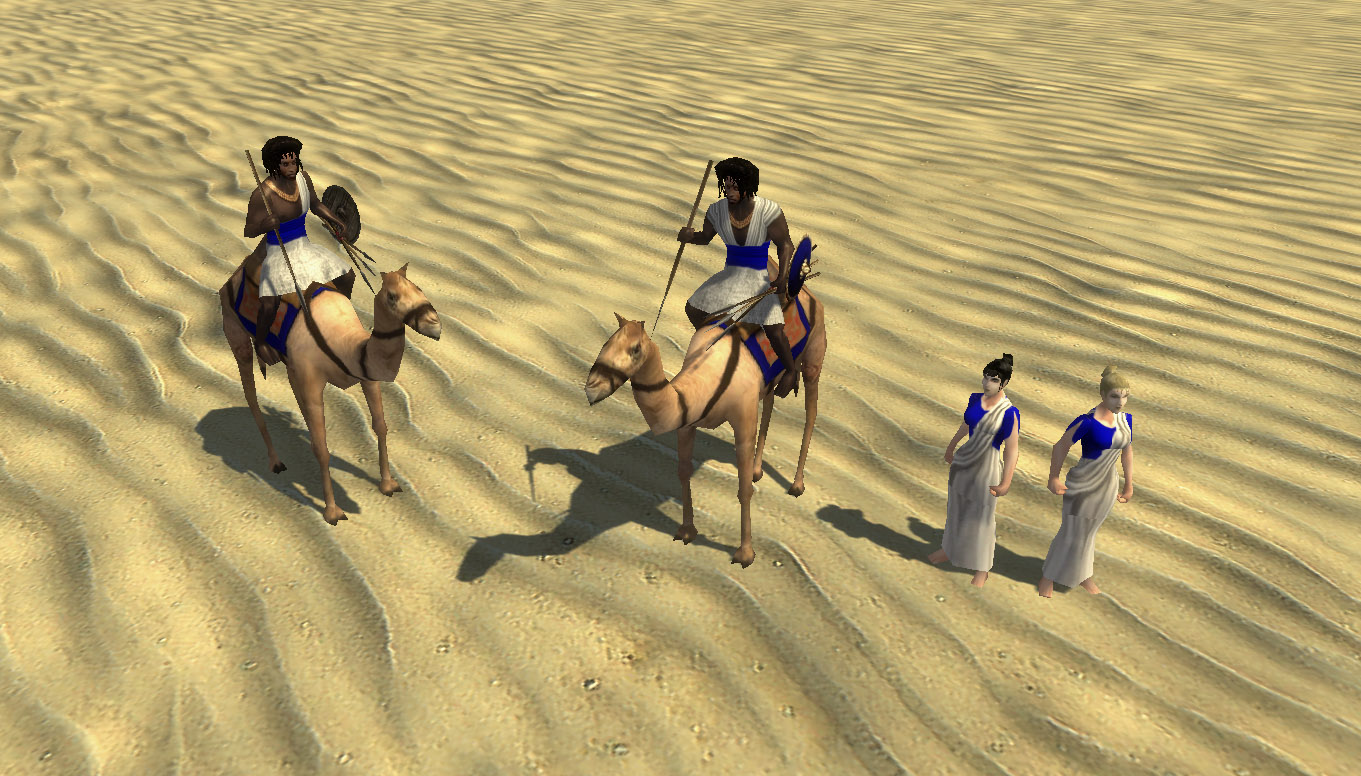
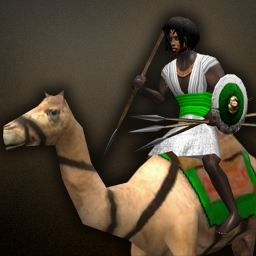
My take on the Blemmye camel rider. Please ignore the new Roman female texture. They also need a new shield mesh for that notched hide shield shown in many Beja photos. Also, new head meshes or "hair helmet" meshes with that distinctive hair style the Beja have: Would also be nice to have an assortment of North African and Middle Eastern turbans for various units. The Nabataean Camel Archer, Arabic Skirmisher, maybe an Elite Blemmeye Camel Raider or just a variation thereof.
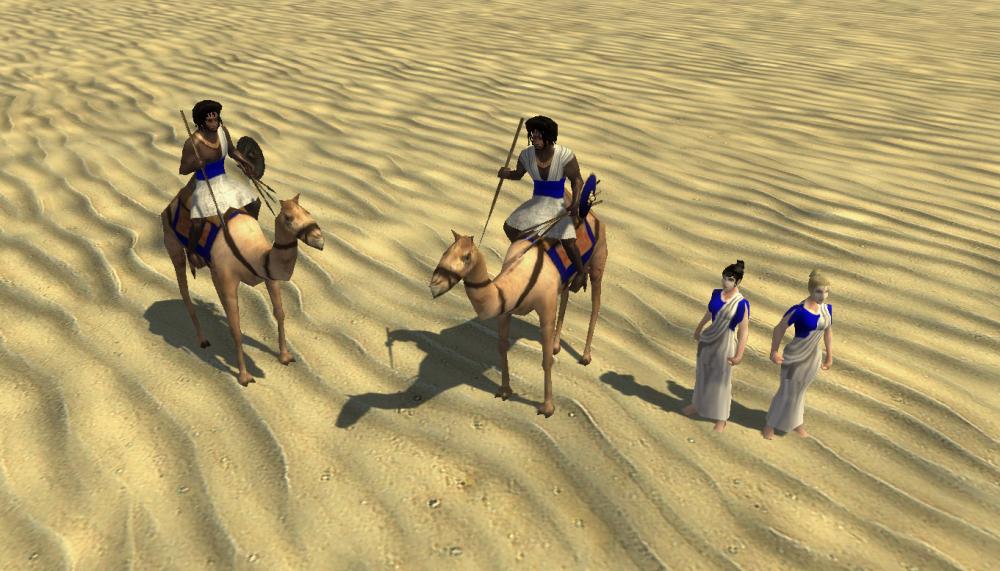
 1 point
 -
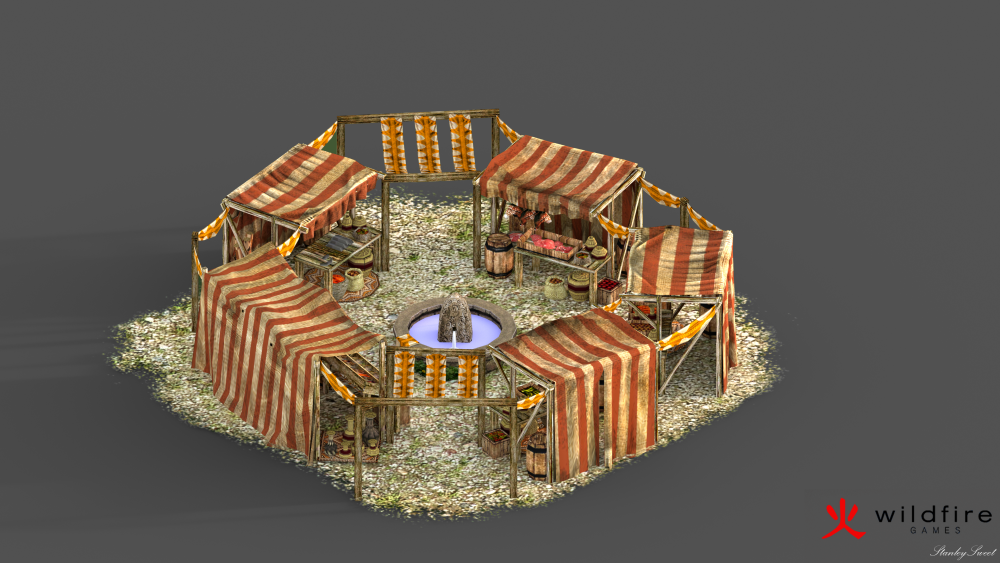
Fancy Variant. It's not that I don't want to add props, but polycount is quite high already.
 1 point
 -
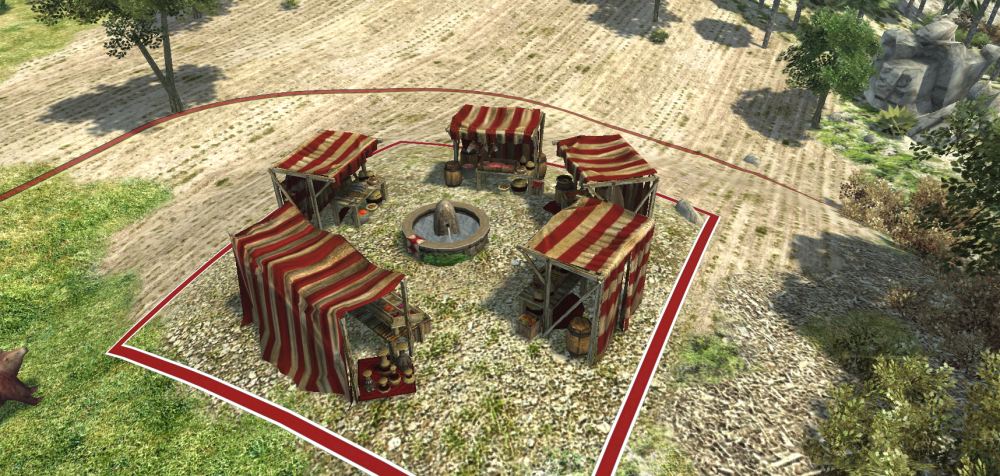
Iberian Market.7z
 1 point
 -
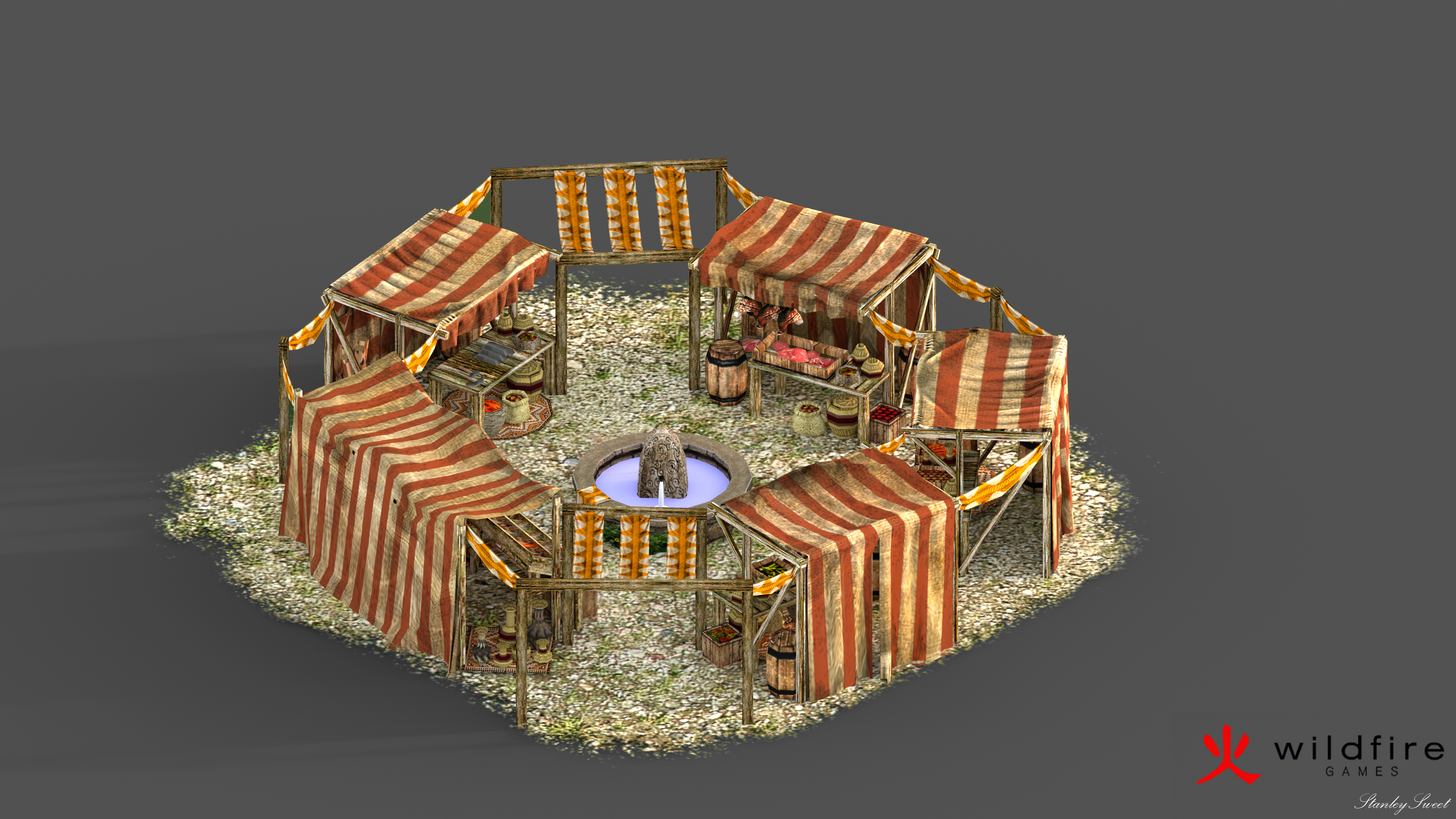
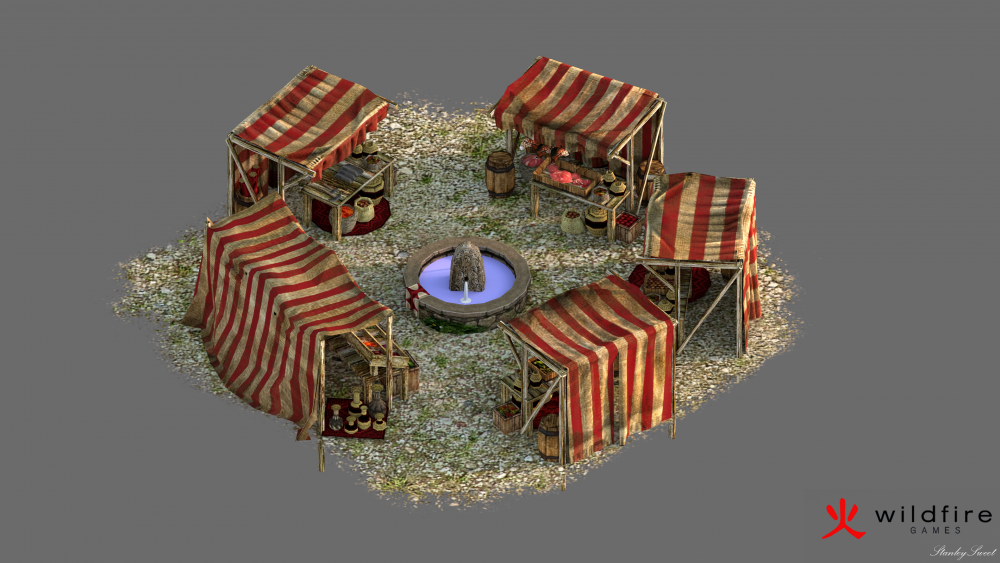
Here is my first attempt at it. @Enrique @wraitii suggested to add units inside the stalls to make them look less empty, what do you think ? Would you be willing to make an idle trader animation ?
 1 point
 -
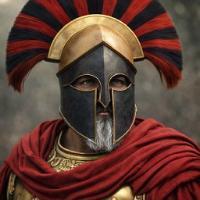
Welcome to my thread on the Scytho-Sarmatians:) Although I know a lot of people dont want more civs I thought it would be both fun and interesting if I could make a thread for the scythians who I believe are a very worthy civ for being in 0.A.D. Furthermore I think that its possible this should be the Scytho-Sarmatians, since scythians got a lot of influence from the Sarmatians and were eventually defeated by them. They were also neighbours. So far this is what ive got. The Scythians: Centered on what is now the Crimea, the Scythians founded a rich, powerful empire that survived for several centuries. The Scythians were remarkable not only for their fighting ability but also for the civilization they produced. They developed a class of wealthy aristocrats who left elaborate graves filled with richly worked articles of gold and other precious materials. The Sarmatians: The Sarmatians emerged in the 7th century BC in a region of the steppe to the east of the Don River and south of the Ural Mountains in Eastern Europe. For centuries they lived in relatively peaceful co-existence with their western neighbors the Scythians. Then, in the 3rd century BC, they fought with the Scythians on the Pontic Steppe to the north of The Black Sea. The Sarmatians were to dominate these territories over the next fivet centuries. Scytho-Sarmatian Army: The Scythians were feared and admired for their prowess in war and, in particular, for their horsemanship. They were among the earliest people to master the art of riding, and their mobility astonished their neighbors. The Scythian army was made up of freemen who received no wage other than food and clothing, but who could share in booty on presentation of the head of a slain enemy. Many warriors wore Greek-style bronze helmets and chain-mail jerkins. Their principal weapon was a double-curved bow and trefoil-shaped arrows; their swords were of the Persian type. As the persians, they wore vivid colored clothes, pants and boots, and helmets-like soft felt caps made of several layers of special layers. These proud warriors strongly influenced their neighbours, to begin with the persians who fought them, and later the biggest diadocus empire, the Seleucid one. Their power was sufficient to repel the armies of Darius The Great I in 513 BC. Units: Infantry Scythian Axeman: Class: Axeman? It should be implemented for this civ The Scythian battleaxe is a famous weapon, usually known as the "Sagaris". This light battleaxe was one-hand manned and primarily intended as the current secondary cavalry weapon. It was cheaper than an axe, and very effective against infantry. When the Scythian are forced to fight on foot, they use this weapon as main weapon. Scythian Archer: Class: Archer Scythian Archers were literally given a bow in the cradle. Skills were a matter of life, no more, no less. Their accuracy, range and speed were unmatched by far. Cavalry: These Guys were known for their incredible Cavalry force, for this I think they deserve a couple good cav units. Scythian Horse Archer: Class: Cavalry Archer In the wide steppes, between infinites of blue and green, normad horse archers are uncontestly the masters. They are the result of centuries of warfare, of horsemanship practice. They created the stirrups, in order to have a good sitting base when chaging with their long spear, the kontos. This weapon was probably borrowed in two parts, suspended one side to the stirrup, and when short of missiles, assembled and used with two hands. A large part of the scythian horse archers were lightly protected, using a greek-style leather armor, flexible, with iron or bronze scales, or more currently bone or horn scales, easyer to collect and shaping, hence the light, raw armors described by some authors. This armor was intended to protect their shoulders and breast. They are evidences of such armors, thanks to the famous solokha comb, where scythian wargear are depicted with high detail and are still now an unmatched testimony and one of the most impressive gold artifact ever created in history. Sarmatian Cataphract: Class: Cavalry Lancer? If thats a thing, if not Spearman I guess. Scythian Mounted Huntress/Maiden: Class: Cavalry Spearman Unique Buildings: Graves/Burial Mounds: (Kurgan) Use: Not sure yet but it would be interesting to see this in the game Bonuses: Mobility: +10% Speed for all military units. Hope you enjoyed and don't worry i'm gonna keep updating this thread By the way this is just for fun so please don't be too harsh if you think its useless or incorrect.1 point
-
Ateas Scythian Hero 2: Ateas (ca. 429 BC – 339 BC) was described in Greek and Roman sources as the most powerful king of Scythia. Ateas ruled over the majority of the North Pontic barbarians. Ateas conquered many lands but was eventually defeated by Philip 2 of Macedon in 339 BC, he lived for 90 years. I couldn't find any exact photo on Ateas like Idanthyrsus, but here is one from Civ 5, I'm pretty sure it's quite accurate.1 point
-
Scythian Armoured Lancer - Axe: Champion - Formed the Bulk of the Scythians Heavy Cavalry They had an axe for close combat. But their main weapon was the lancers.1 point
-
Scythian Hero: Idanthyrsus II I don't know if we should have this as a hero but I can't find much else. Idanthyrsus was the King who drove Darius I of Persia out of Scythian lands using Guerilla warfare. He never really confronted him with a front on battle, but he did not retreat. He would leave nothing behind for the Persians who were constantly harassed by little skirmishers and pillage. They eventually had to move, leaving a lot of dead and wounded behind. I couldn't find any exact pictures on the king but this is how a Scythian King would look:1 point
-
Building: Cavalry Stables: - I was thinking they could have a building like the Persians Cavalry Stables, seeing as they are going to have a lot of cavalry units. Units: Sarmatian Mounted Light Javelineer: Young scytho-Sarmatian horsemen were not all able to practice with efficiency the difficult art of mounted archery. When needed, they could be used as well as javelineers, like their neighbours. It was a common raiding cavalry, but the javelins were probably carryed with a bow aside. As experienced and skilled horsemen, their skirmishing habilities were quite good, inherited by border scythian tribes, which fought many famous skirmisher cavalrymen like the Medians, Massagetae (Alans), and Dahae, and other iranian steppe peoples. Support Unit: Scythian Women - I was thinking just like Spartans, seeing as a lot of the Scythians and Sarmatians women were warrior, and were seen quite equal in the society to others. And it's been suggested that the Sarmatian Women had to have killed a men or two before marrying, proving they are about as ruthless as the men. Civ centre units: Scythian Woman Siracae Heavy Spearman Scythian Archer Sarmatian Light Javelineer Barracks Units: Scythian Axeman Siracae Heavy Spearman Scythian Archer Stables/Cavalry Stables Units: Sarmatian Light Javelineer Sarmatian Mounted Huntress/Maiden Scythian Horse Archer Fortress/Champion Units(But I don't think Scythians will have Fortresses seeing as they were nomads, so we will have to find something else) : Sarmatian Cataphract Scythian Guard Battering Ram (i'm looking for scythian siege if not a replacement/something with crush damage, for now this is a substitute)1 point
-
Map of Scytho-Sarmatia: - 100 BC More Bonuses: Gold Traditions: The Scythians were know for their incredible use of gold. It is common that the Scythians wore golden ornaments and belts. Gold plates were sewn to their garments and gold gleamed from their weapons. The archaeologists are consistently amazed by the amount of gold offerings deposited in the great burial- mounds of the Scythian kings. - 20% more effective in mining metal/gold. If not there could a great upgrade for this that enhances their mining gold more than other civs. Siege: I did find something on the siege of Scythia, but i'm not sure what kind of siege engines they used. For balance purposes the Battering Ram could be added. But for now i haven't found any exact siege weapons for this civ.1 point
-
Thanks for your support guys! Infantry: Siracae Heavy Spearman: Class: Spearman Champion Units: Scythian Guards: (Heavy foot archers) Class: Archer I'm not too sure about this one, they could possibly not be champs, but an upgrade you get in city phase for your archers? Also I'm thinking of turning the Cataphract into a champ? what do you guys think?1 point
-
Here are some ideas for this POSSIBLE faction: -Level one-Early Kingdom of Axum -Blemmye heavy cavalry Link -Levy Spearman Link -Levy Archer link -Light horseman Link -Dembus weilders Link -War elephant Link -Yemeni mercenary Link -Level two-Late Kingdom of Axum -Heavy cavalry Link -Levy Archer Link -Dembus weilders Link -Levy Spearman link -Light cavalry link -Levy javelineer Link -War elephant Link -Level three-Zagwe dynasty Ethiopia -Knight Link -War elephant Link -Light cavalry link -Heavy infantry Link -Levy javelineer Link -Levy archer Link -Guard infantry Link -Level four-Late Solomonic Ethiopia -Knight Link -Levy javelineer-(The one without color) Link -Heavy infantry-(With shield and sword) Link -Levy archer Link -Handgunner Link -Retainer Link -War elephant Link What do you think? Also,What factions do you think I should research?1 point
-
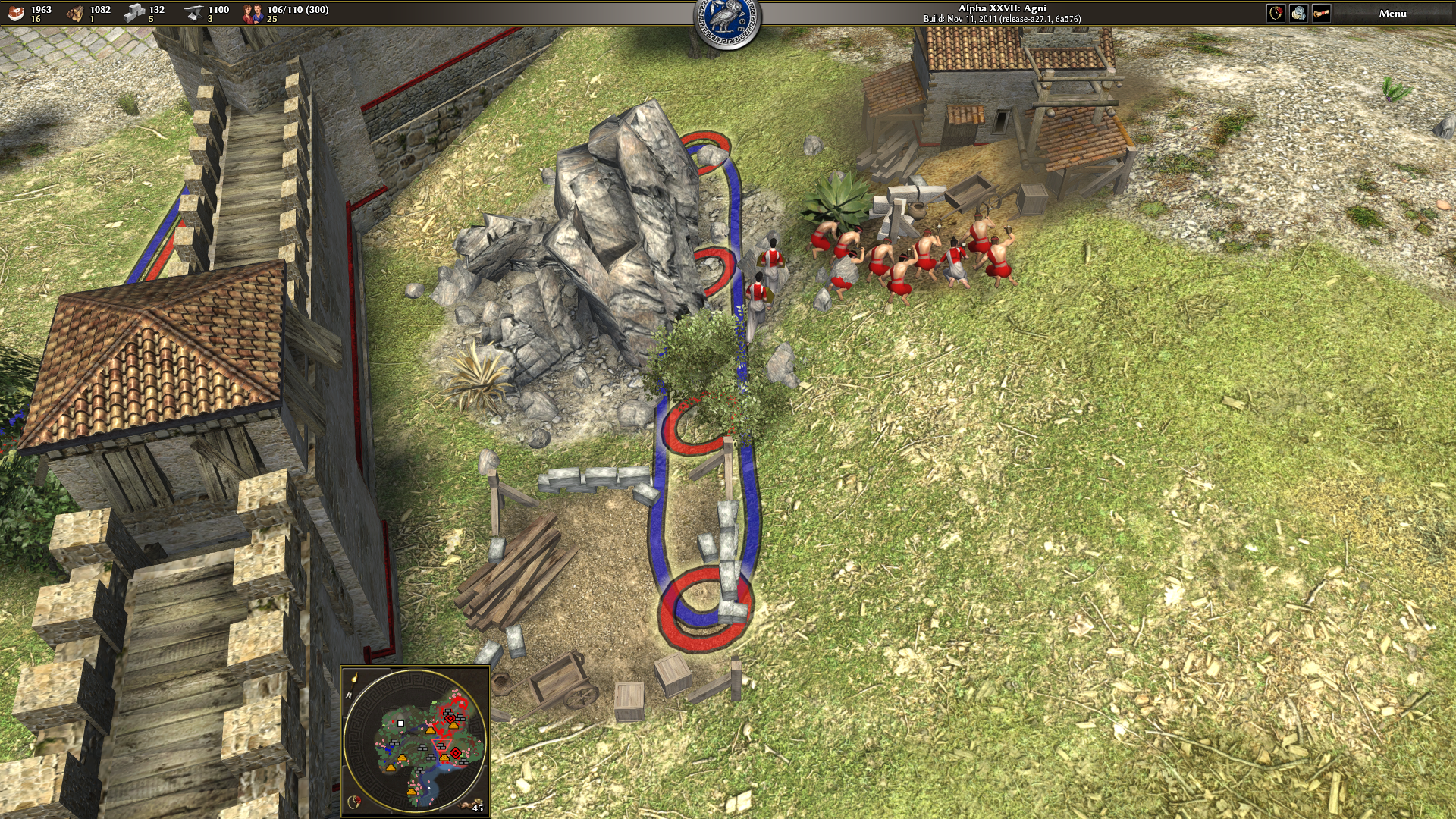
I was just playing an MP match, and my opponent built up close to me, and look at what happened: What caused this???
 0 points
 -
Okay. Thank you again for your suggestions. Btw, I found the solution. I just reseized me map to the exact same map size - and voilá, it does not crash anymore. Strange.0 points
-
Scythian Clothing/Armour: Here are some example of the types of clothes and armour the scythians wore. Here you can see the women wore very pointy hats ( but this was mostly for noble women/princesses so I don't know if it would be important for the normal women in the civ). Scythian Saddle: Sarmatian Armour:0 points