Leaderboard



.thumb.jpg.b21ca1d0c15fb56b42c39b25a0a40815.jpg)
Popular Content
Showing content with the highest reputation on 2025-09-30 in Posts
-
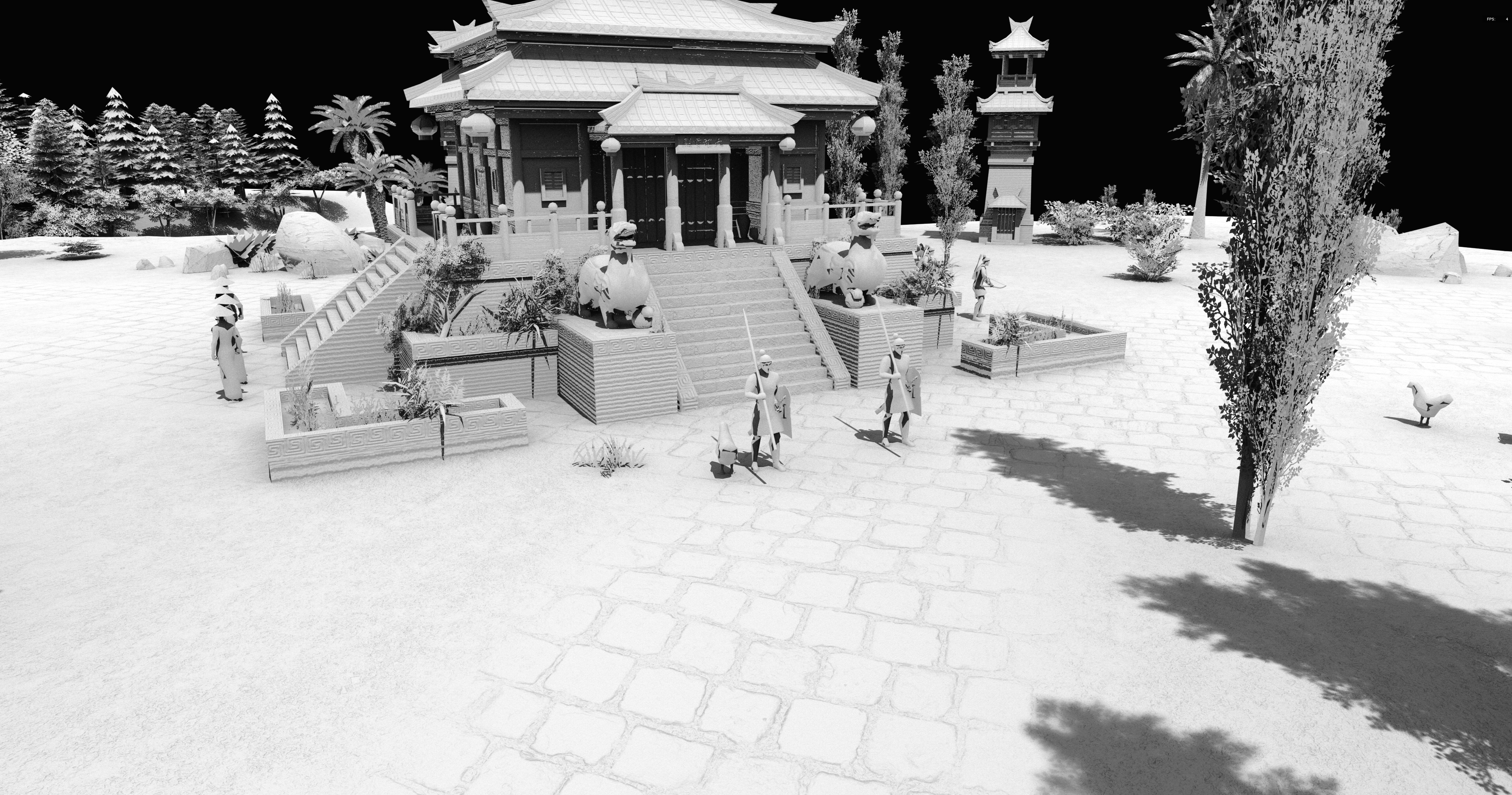
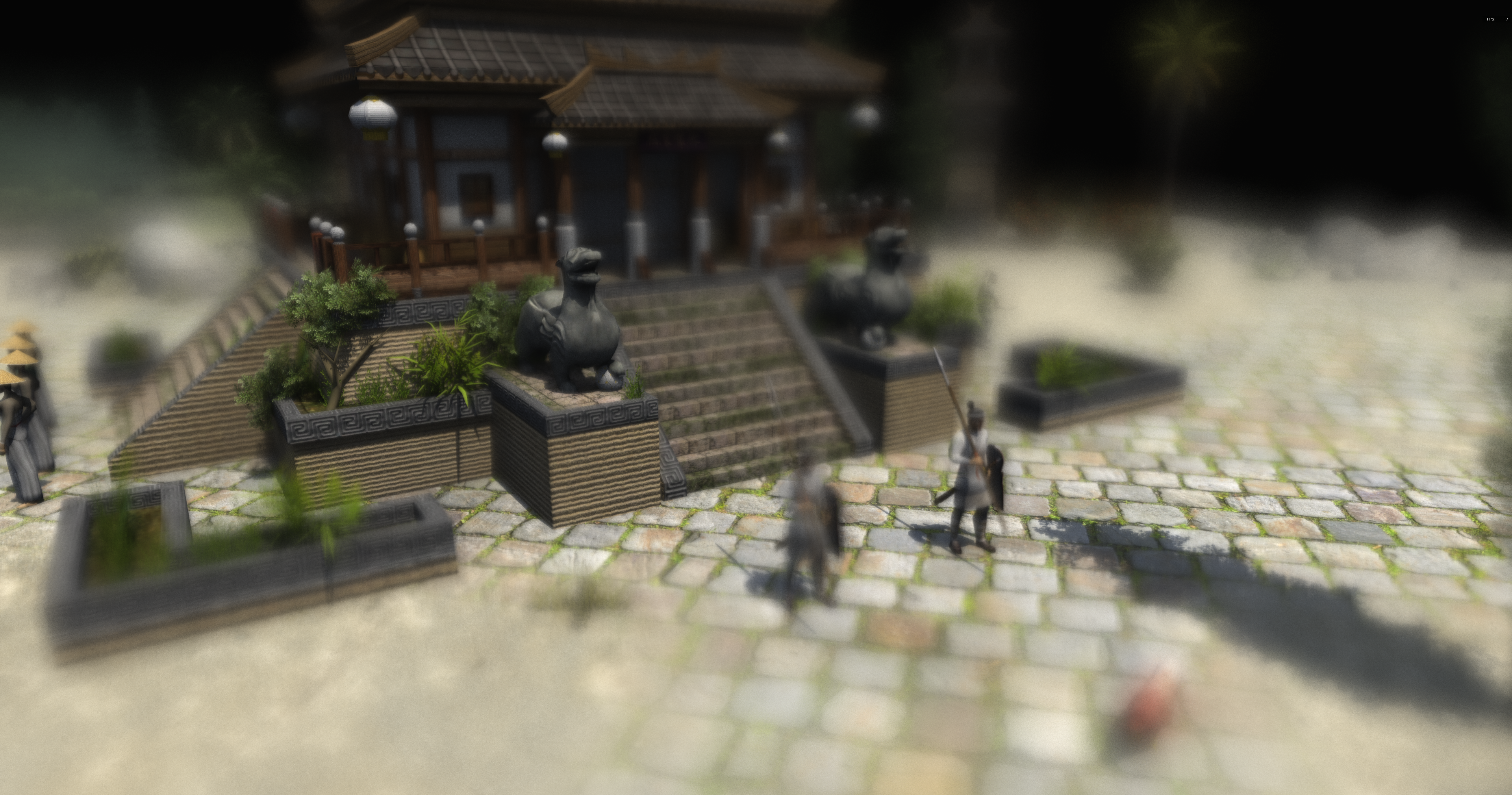
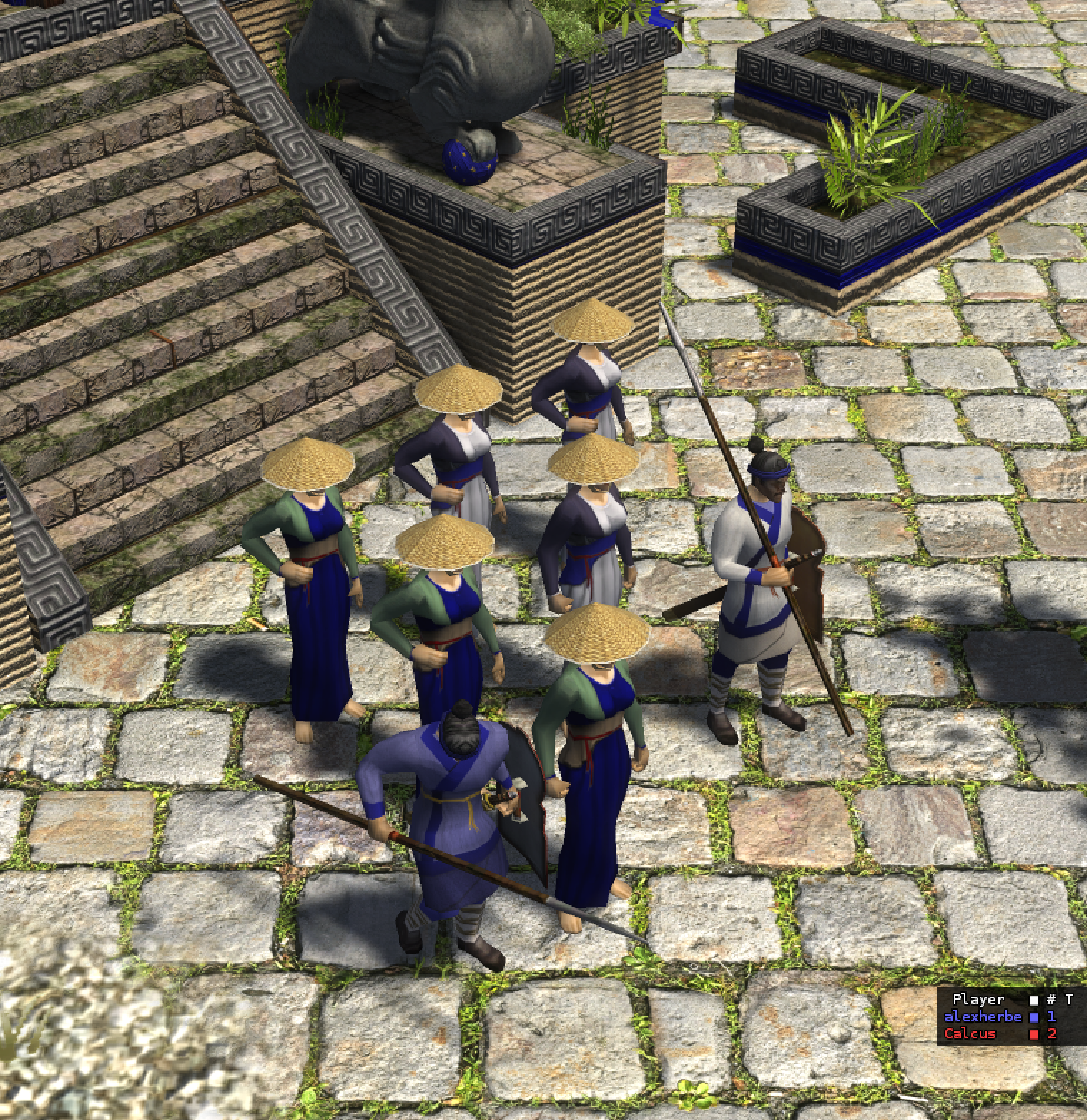
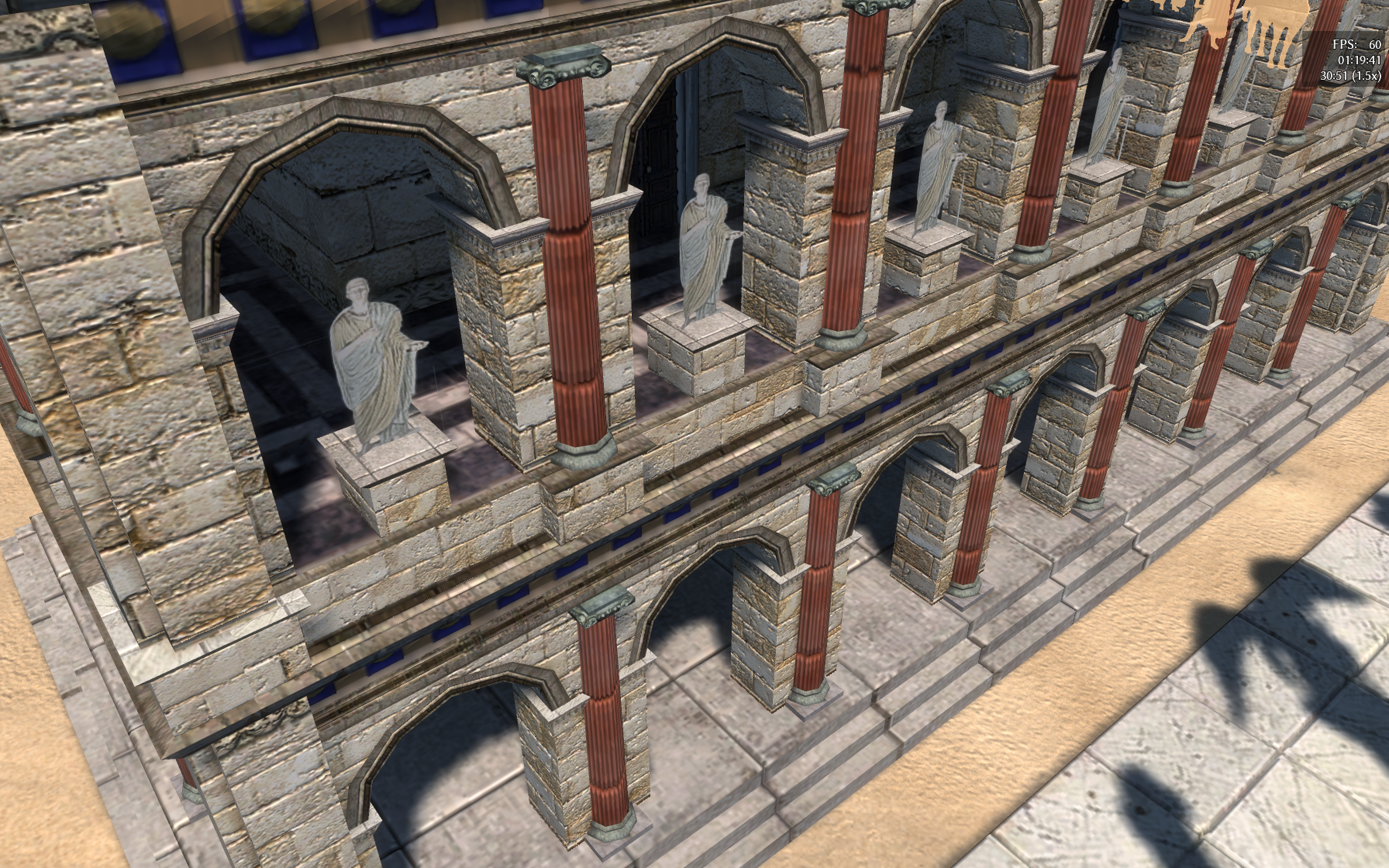
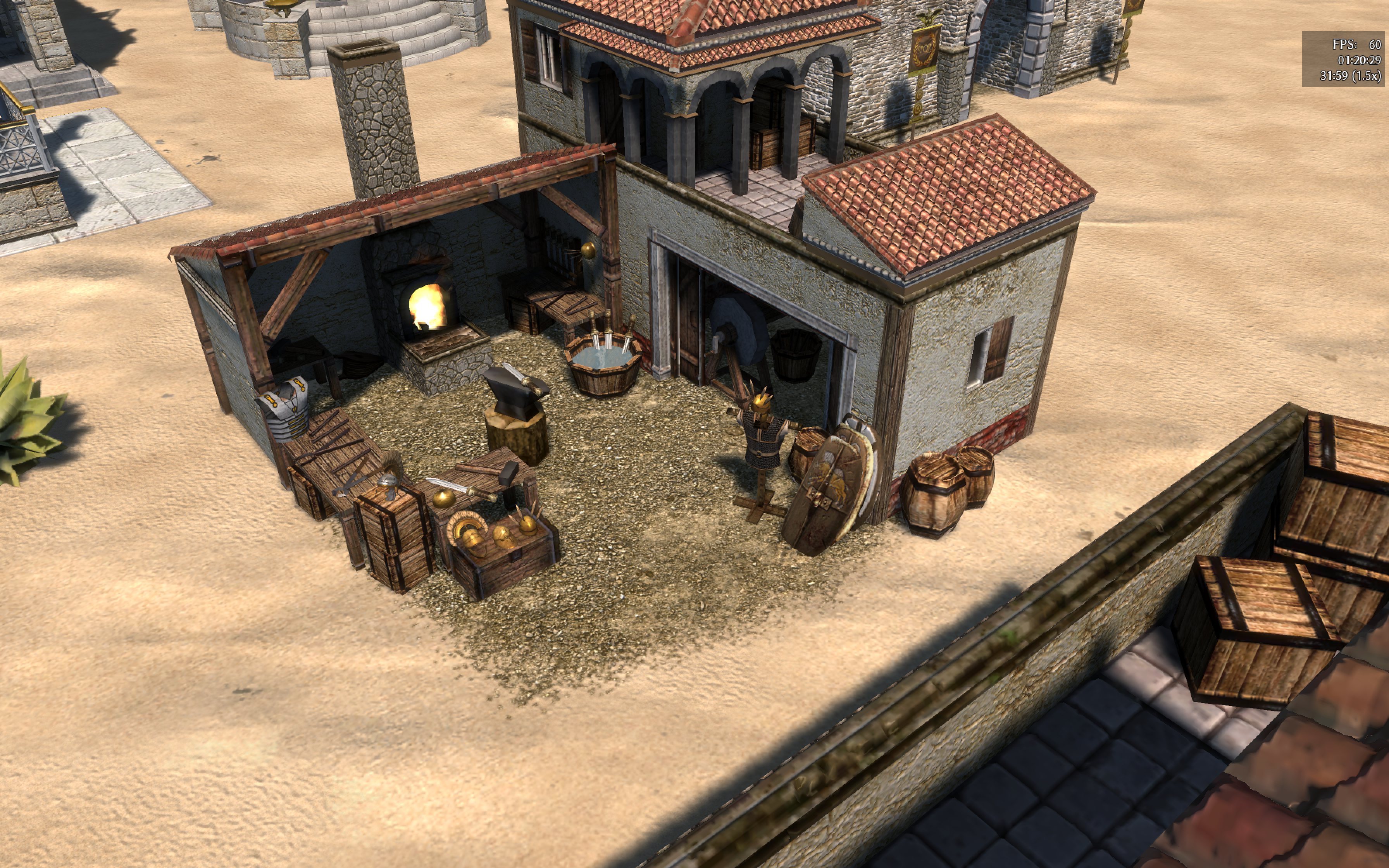
That's why you always clean your camera lens before taking a screenshot!4 points
-
Under Options > Gameplay > Formation control, one can set orders to unit to not override current formation. With the current workings of formations, this can lead to a non-negligible efficiency gain for orders like gather, build, capture... This because units will waste far less time bumping into each others while in the same formation. I'm posting this because I have for a long time, I not understood it was a setting when witnessing players using it, thinking it was marginal usage of a custom command where the game allowed you to define formation. Recently, much more players starting using it, so I started to try it too. I'm used to using formation at my advantage in fights, so I don't hate the current formation buffs. However for economy, it feels a bit... Weird... To be able to make gains using formations, that should be more like a battle thing. I don't have a defined opinion or improvement ideas for this, but hoping opening a thread on it can gather interesting ones.3 points
-
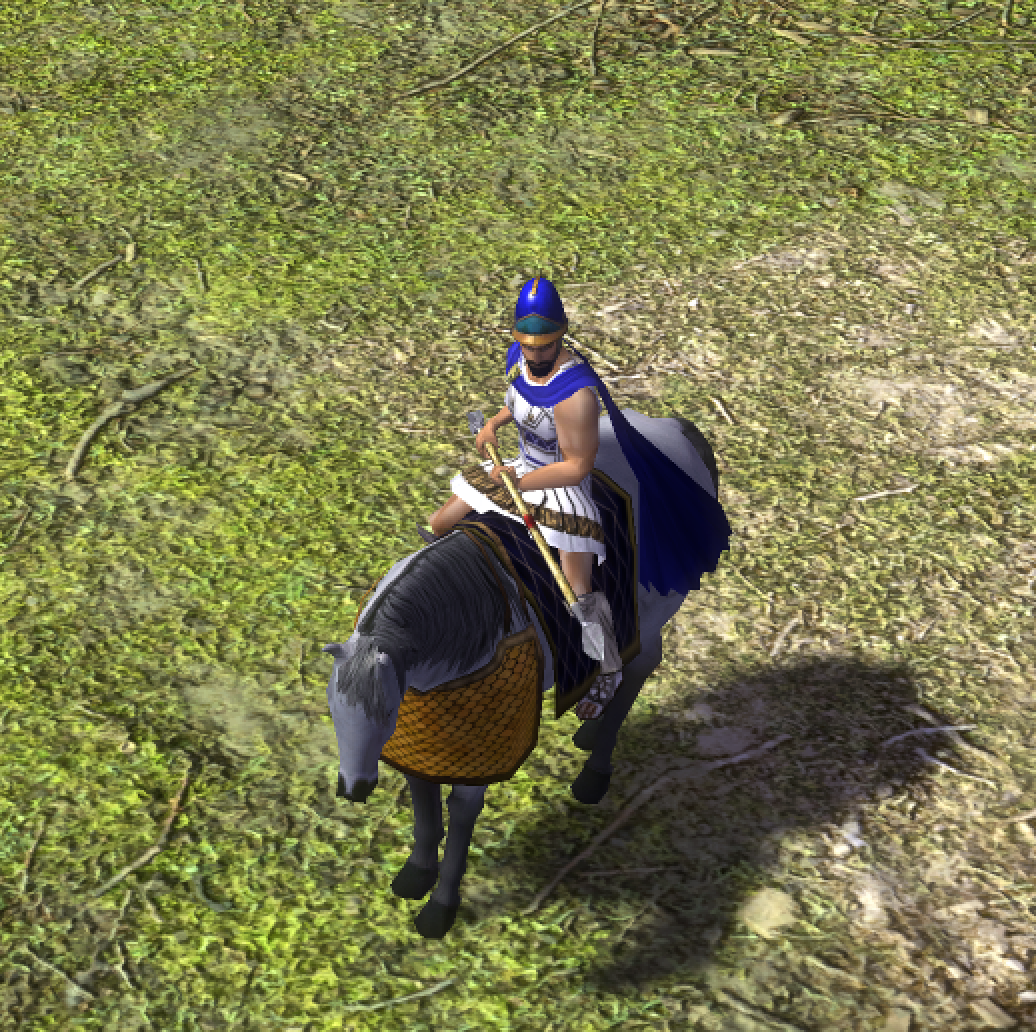
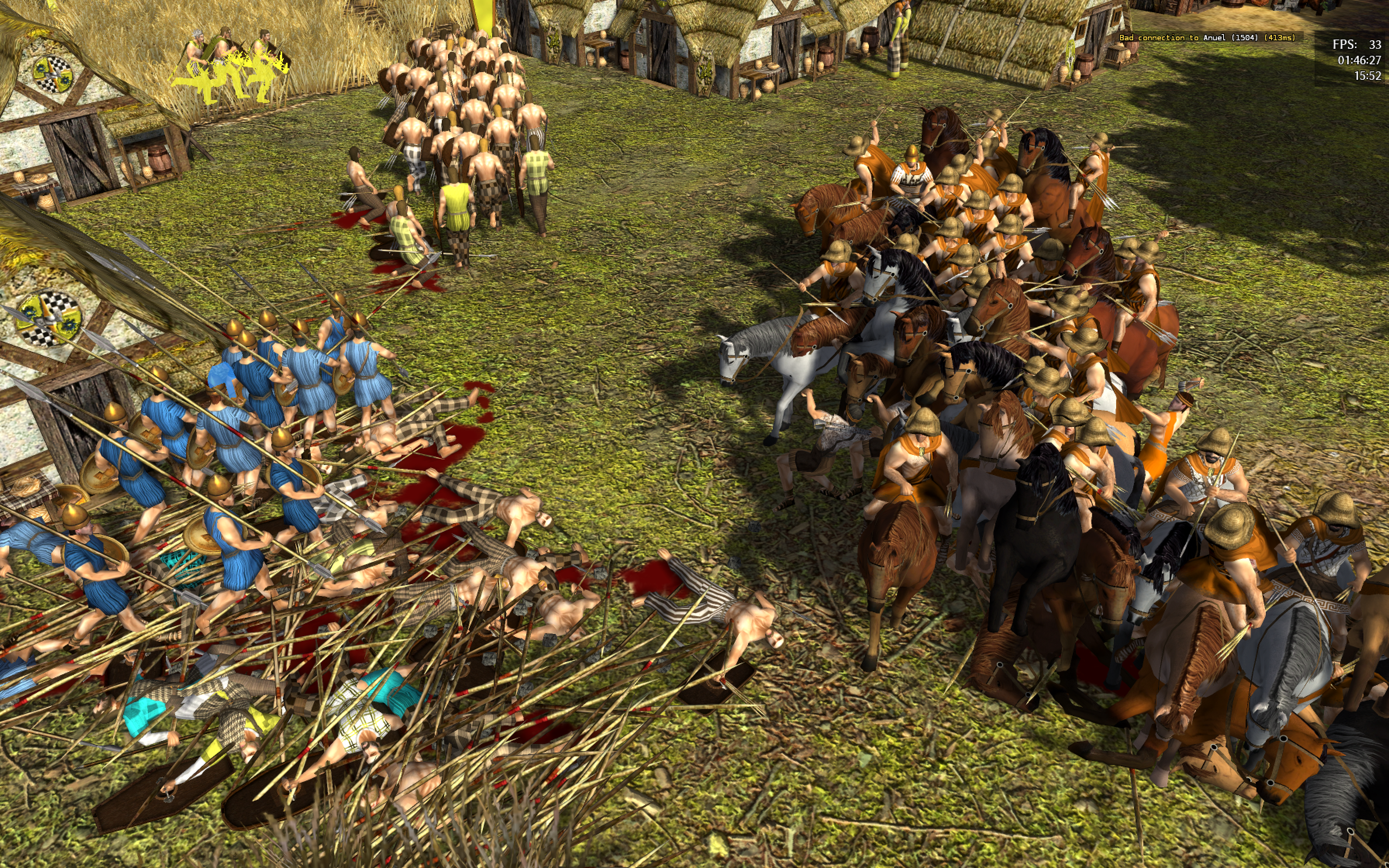
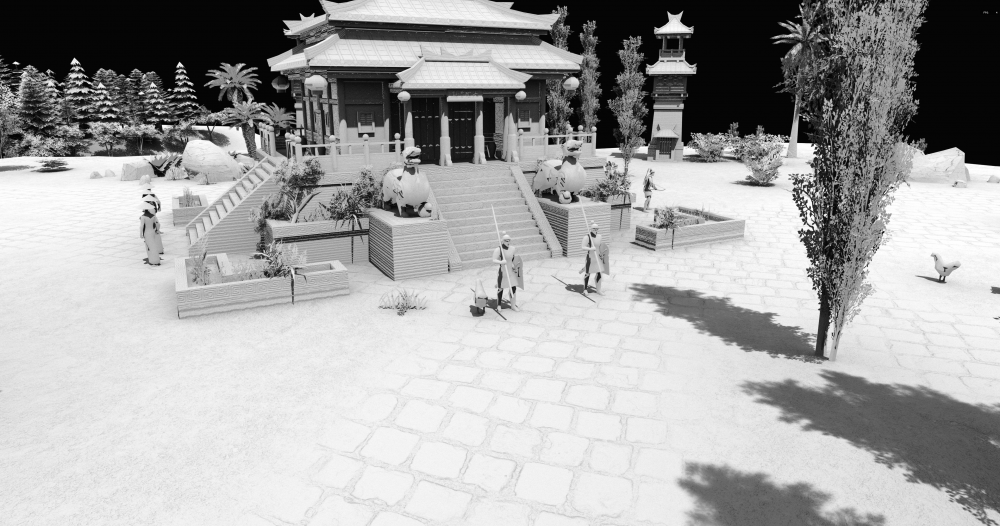
When cleared my camera so hard that no colors left.
 3 points
 -
Someone else listen this even when not playing? https://play0ad.com/media/music/2 points
-
2 points
-
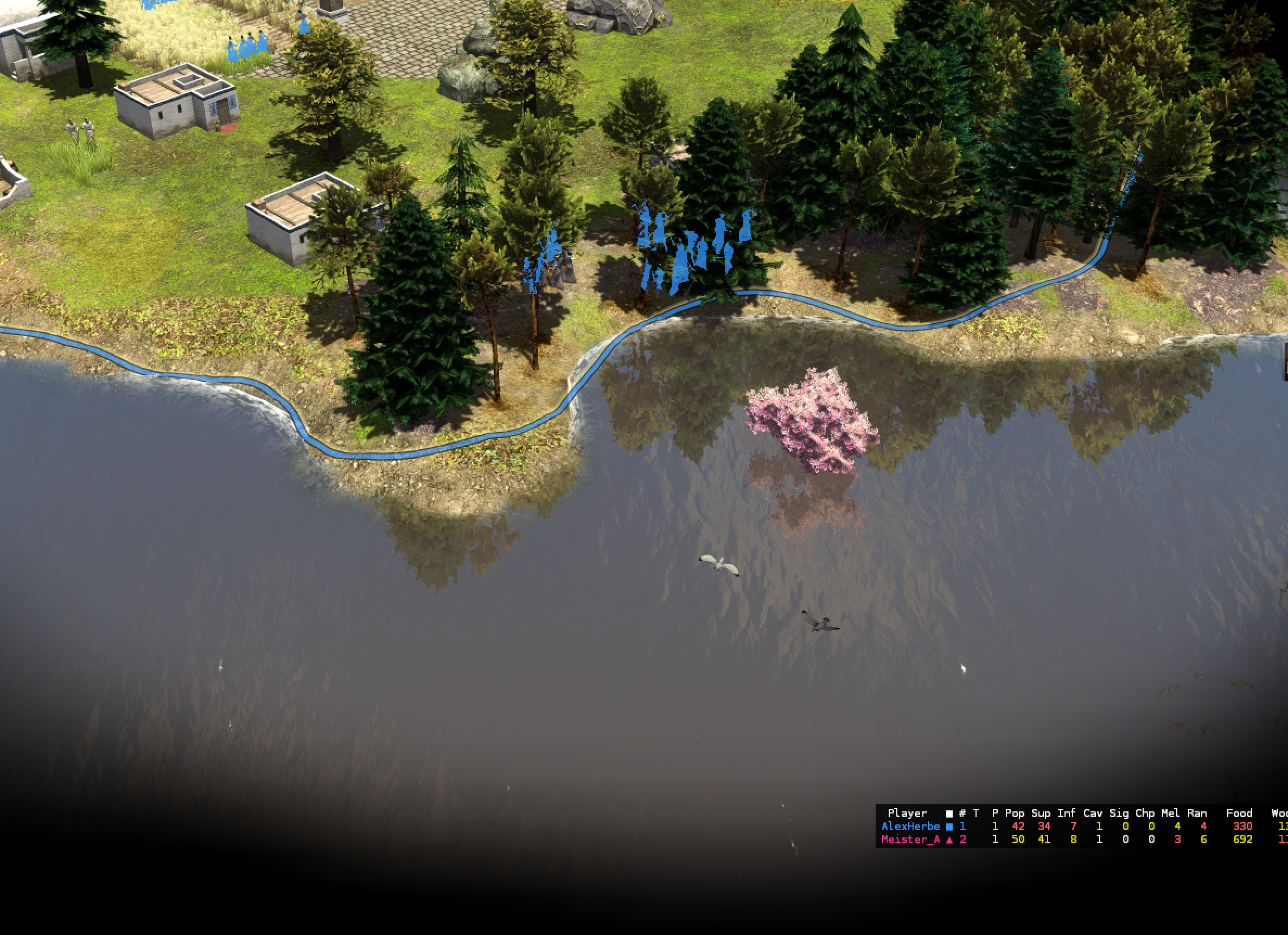
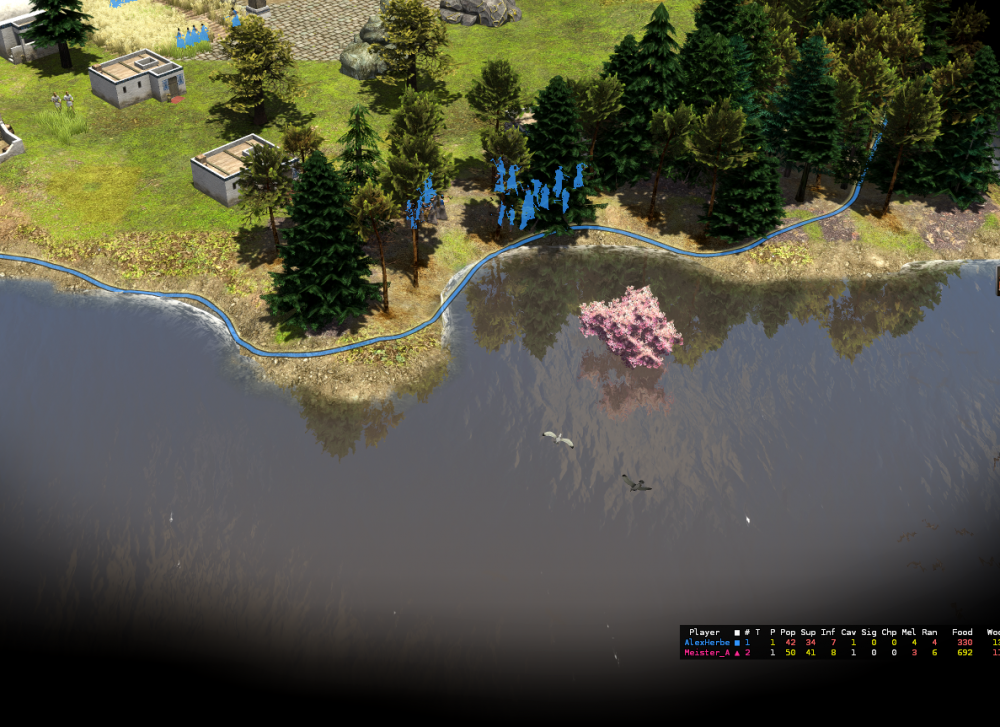
A tree in the water
 2 points
 -
so basically there's less unit pushing when they are technically in a formation, so they spend less time bumping into each other when gathering.1 point
-
It's a bit more APM overall, you have to make sure formation is toggled only when desired. Which is what I don't really like, you want to get the efficiency gain from it, but you also have to go with the frustrations of having units in formations at random times .1 point
-
It occurs to me to combine a farm with a corral, instead of harvesting, you extract milk from the animals and they eat grass. The harvesting mechanics are similar to those of a farm. But you can bring goats inside to generate food. You'd need workers like a farm. The 0AD ones could be bigger, it could be used to give bonuses to the horses (cavalry).Extra population capacity much more than a house if you house horses.1 point
-
Those are looking really good, @lukamas! I especially liked this one, the head looks very realistic: Do you have any updates on when the hyenas will be added to Atlas? I'd love to see them in the game, their presence would really enhance the biodiversity and add a nice touch of realism.1 point
-
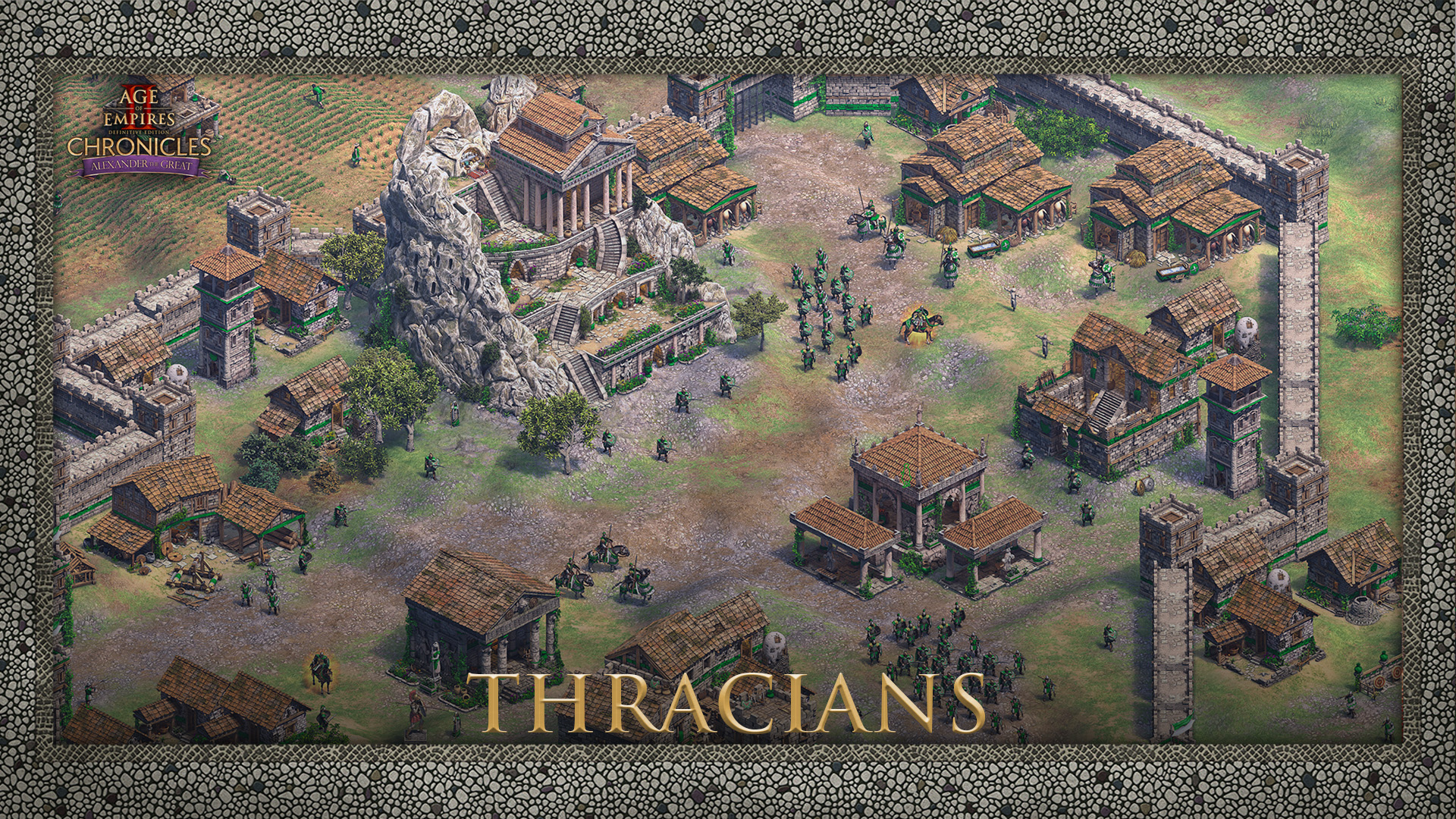
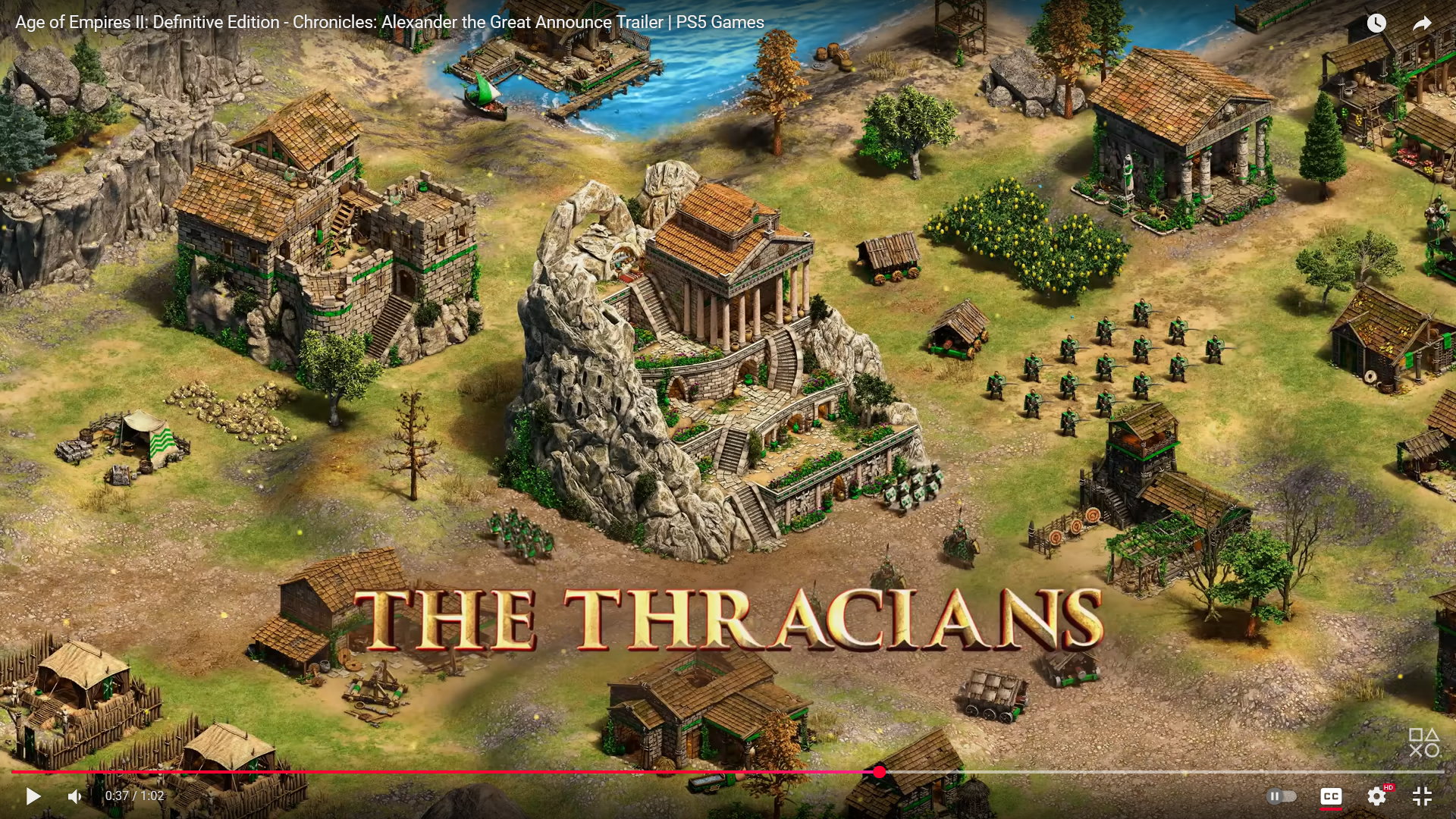
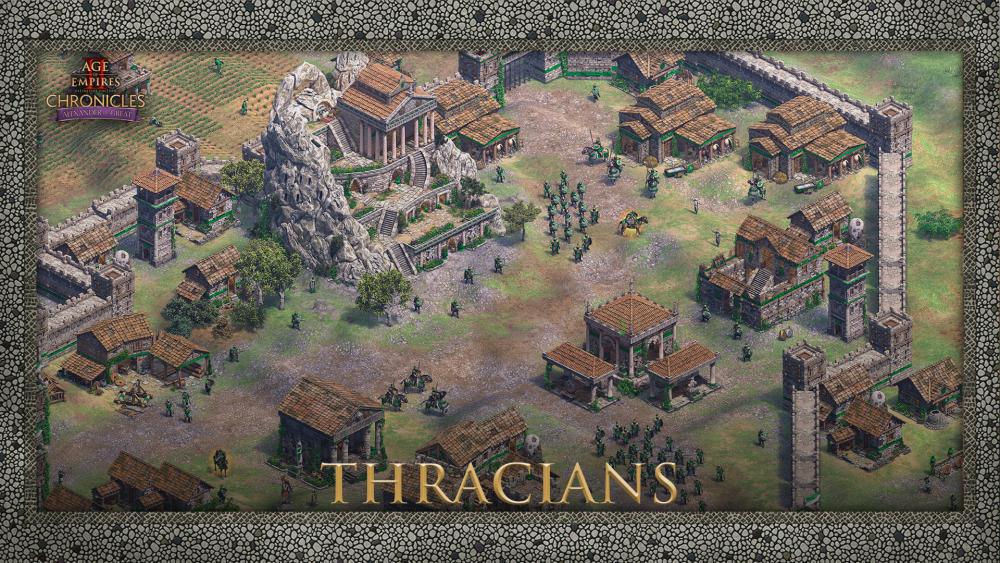
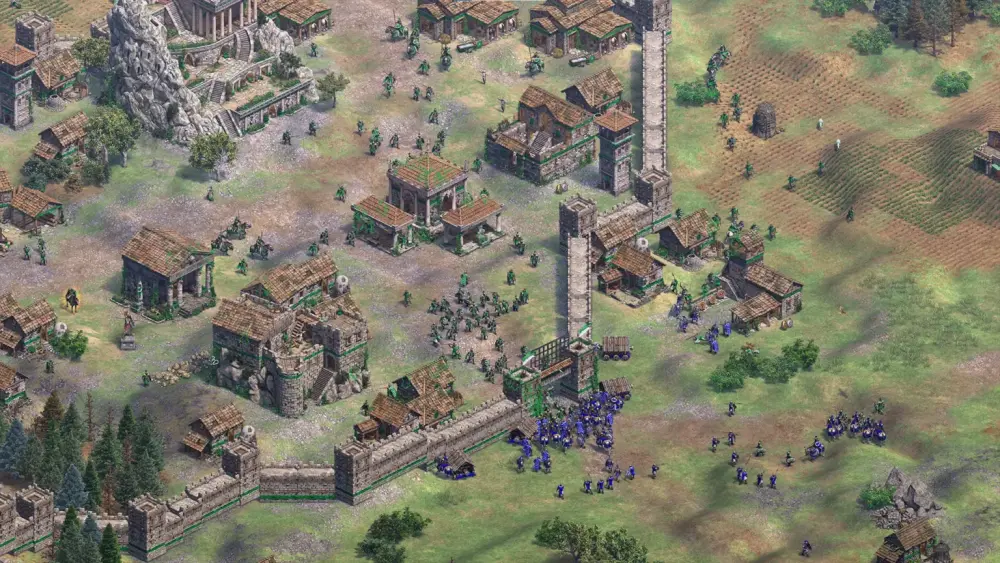
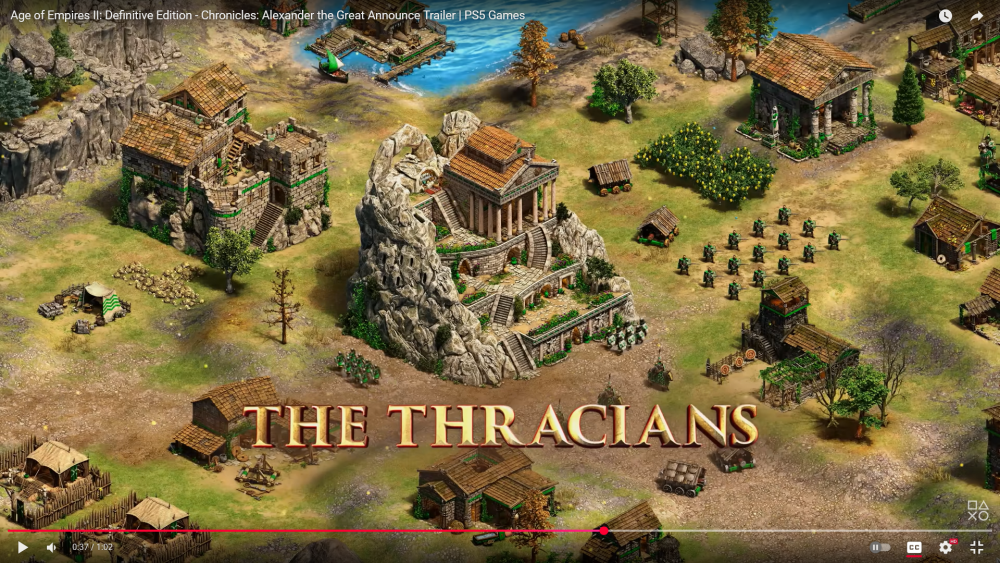
Introducing the Thracians in Age of Empires II: DE - Chronicles: Alexander the Great! Turn carnage into coin as Thracian raids become both brutal and lucrative. • HP regeneration for Skirmishers in early ages • Techs that grant gold from damaging buildings or defeating enemies • Rhomphaia Warriors: new anti-cavalry infantry Launch devastating raids with your swift Rhomphaia Warriors, and profit from them with unique technologies that generate gold from combat. A variety of bonuses and technologies turn Thracian skirmishers from neglected trash units to deadly fighters!
 1 point
 -
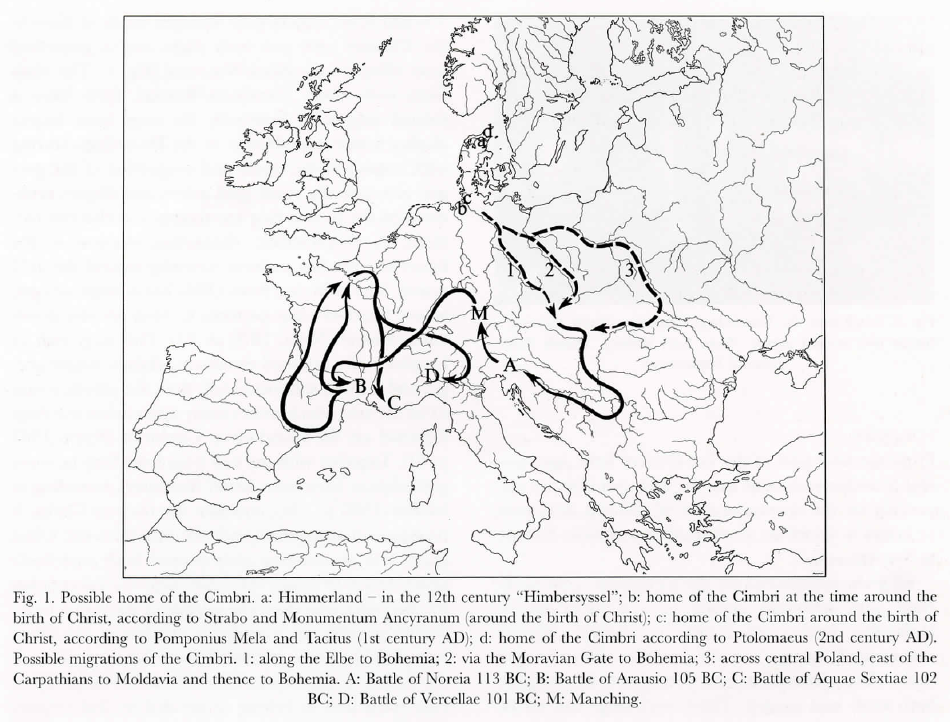
A map showing the different hypotheses about the origin of the Cimbri and the routes taken during their migration or wandering:
 1 point
 -
Me too. And the game actually has even more soundtracks than those 26. A lot of new ones came with A26, they only haven't been added to the website yet. Here's a zip with all of them (61 in total): 0ad-soundtracks.zip1 point
-
For now they are just models that require review and adaptation to the game. Por ahora son sólo modelos que requieren revisión y adaptación al juego.1 point
-
I've probably already used a lot of that art. Endovelico is a big art project:1 point
-
@Perzival12 not sure why they are in that mod, but I can take a look. I was thinking of working with @Duileoga to bring over plenty of the buildings from endovelico.1 point
-
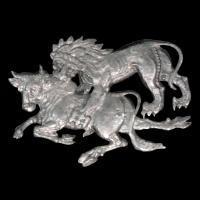
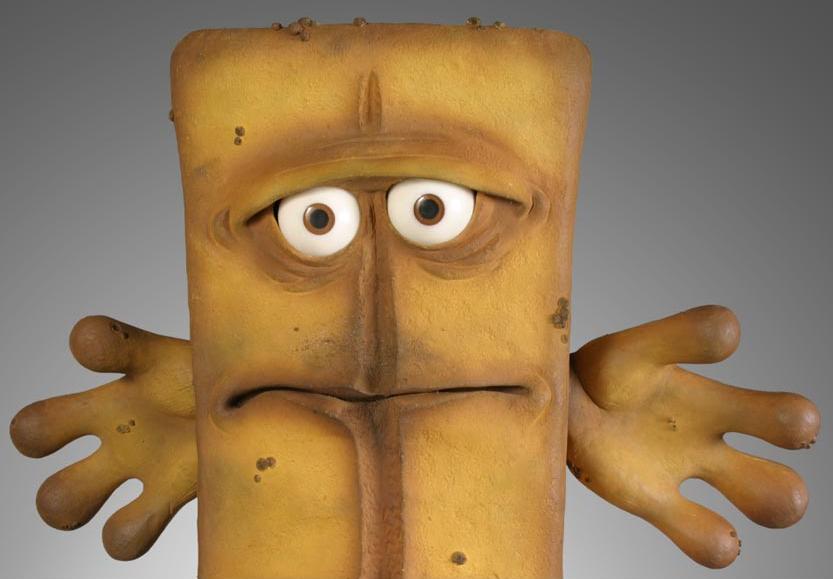
This emblem captures the German spirit perfectly and we NEED to stick to this. If this would trace back to something historic it would be so cool. It evolved in 2000 years to the current German spirit animal. The resemblance is still there:
 1 point
 -
1 point
-
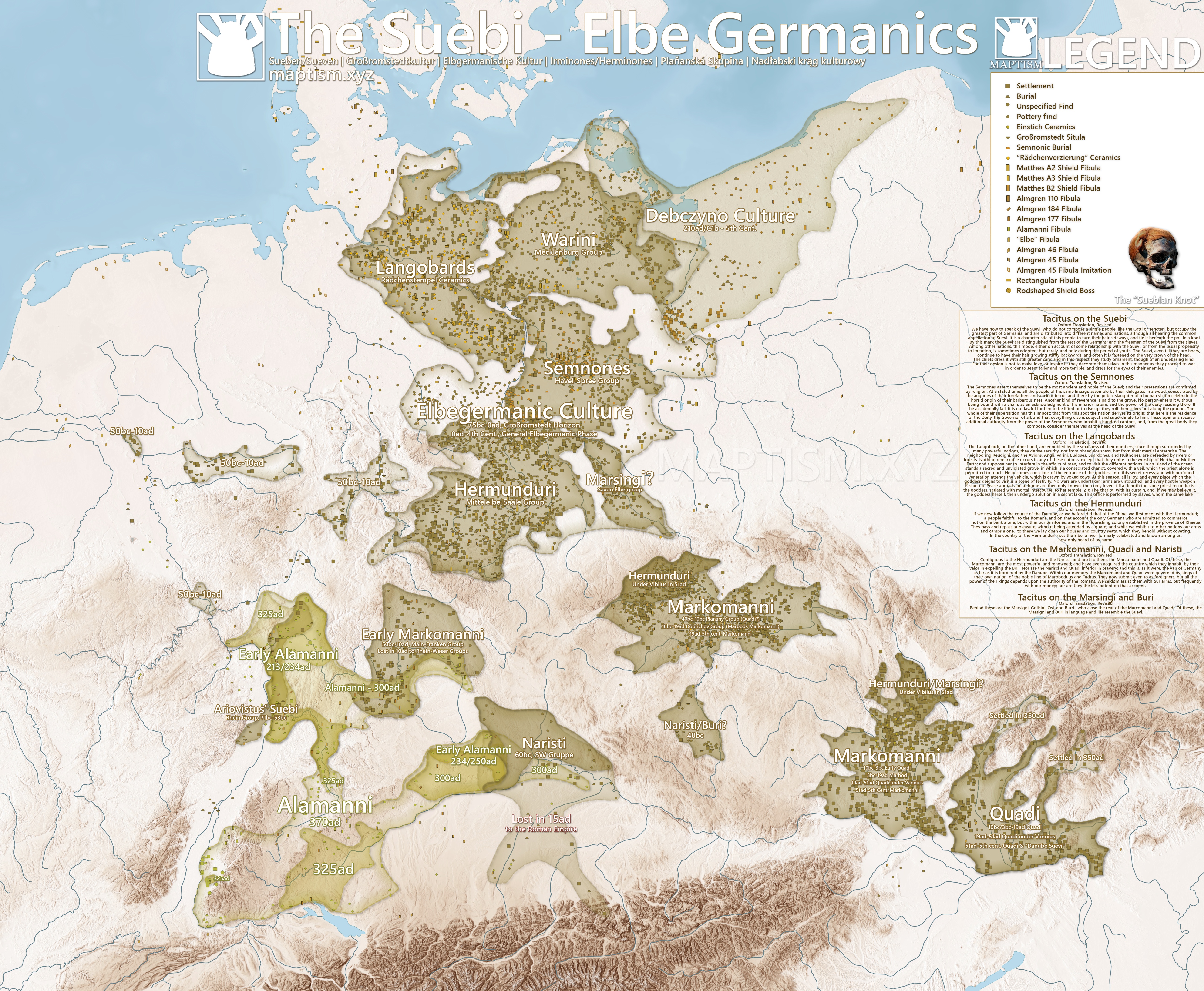
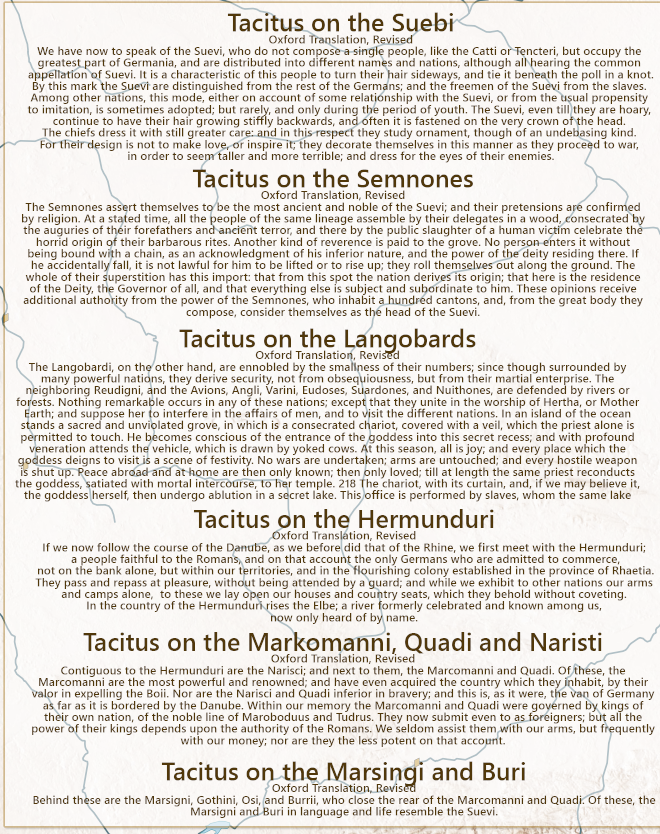
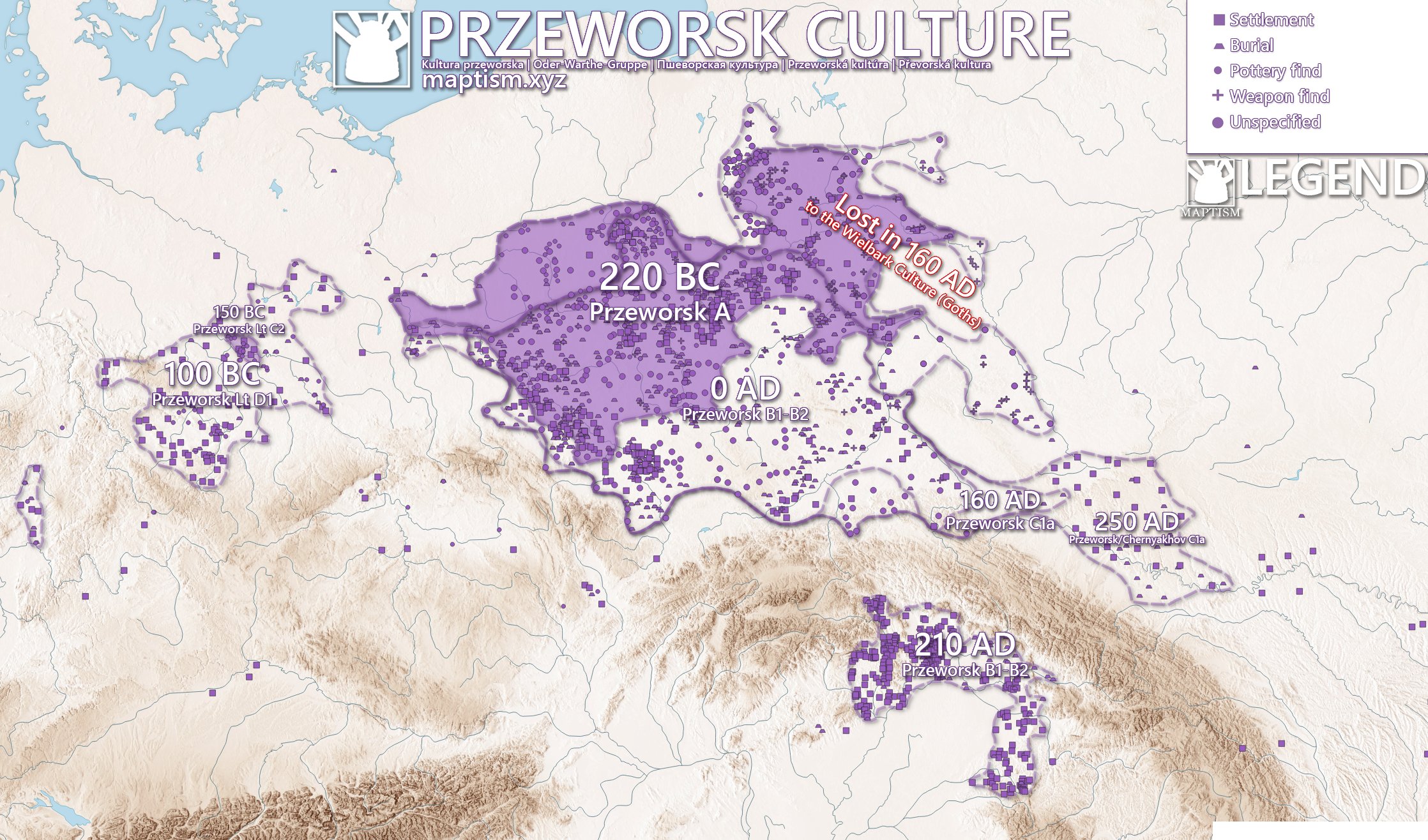
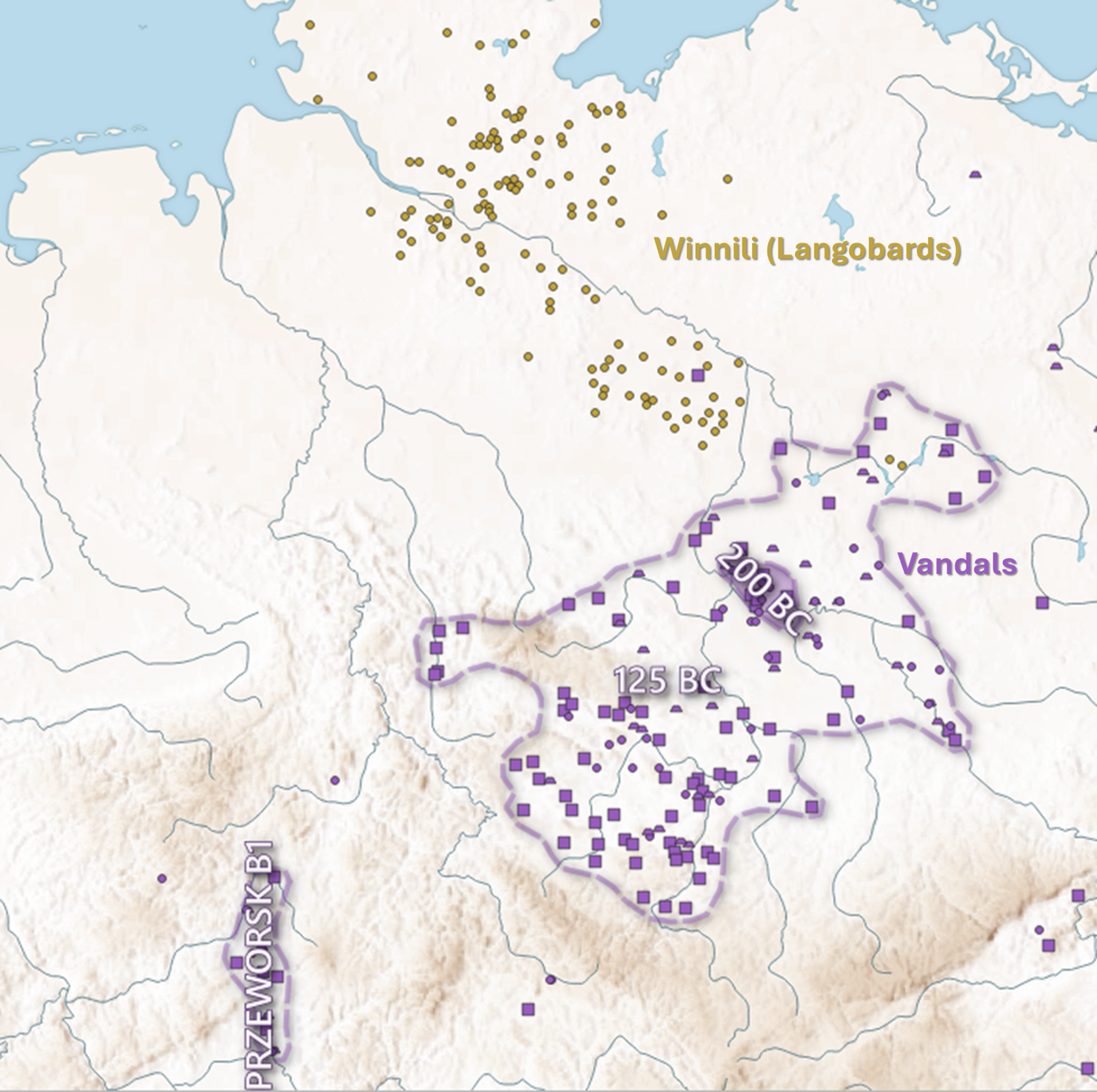
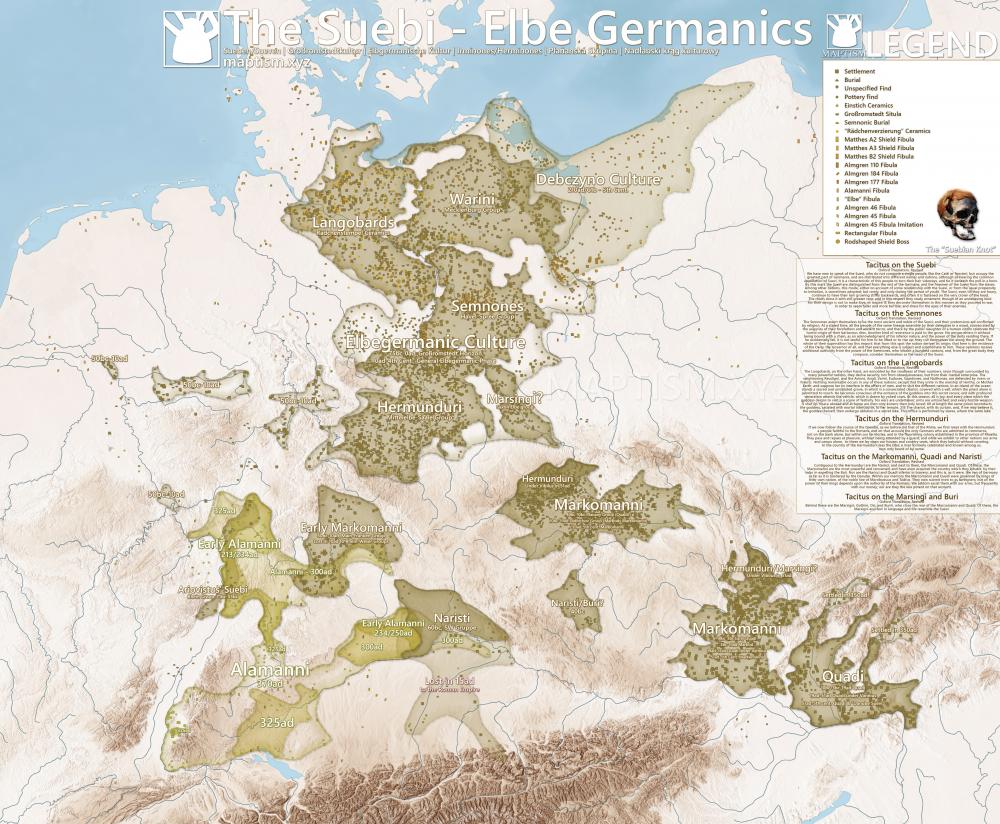
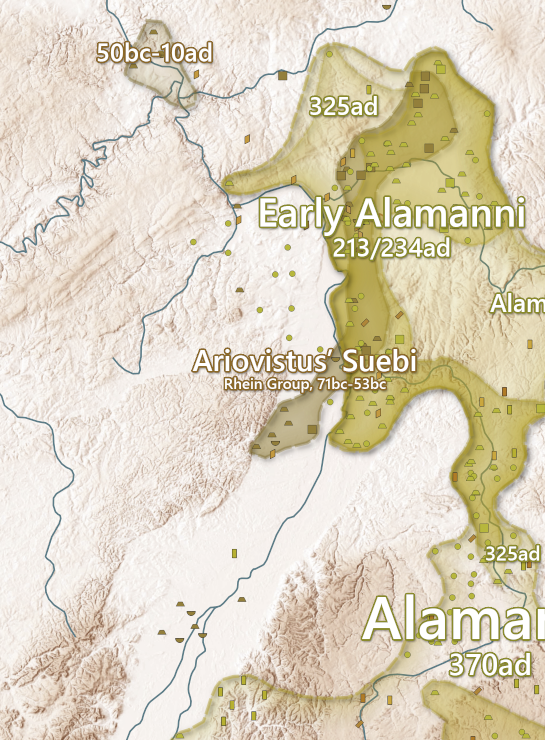
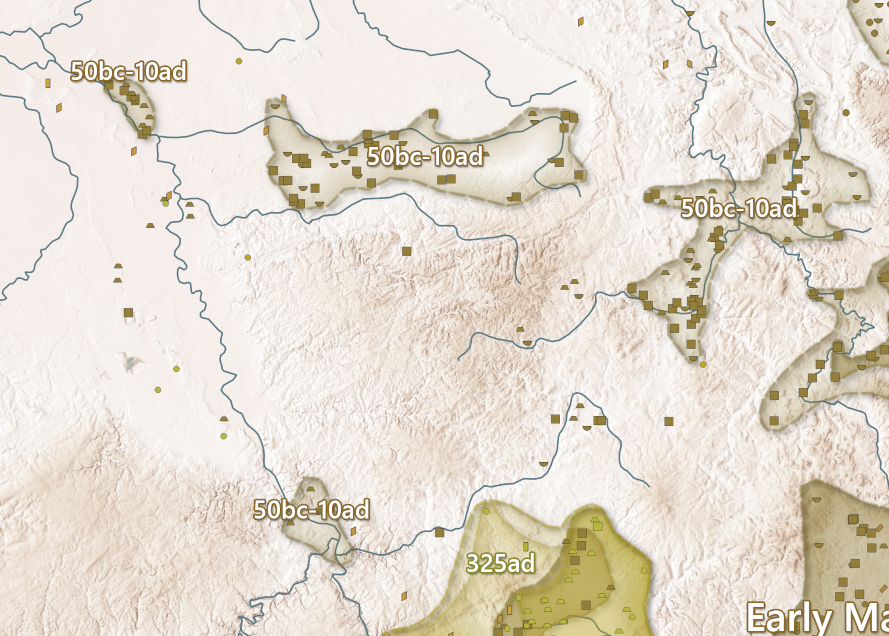
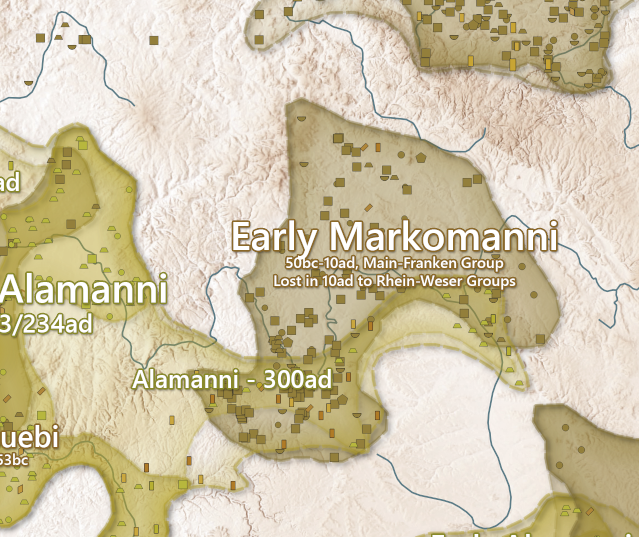
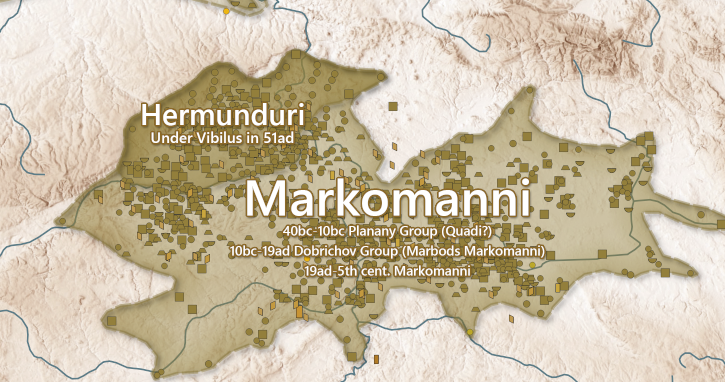
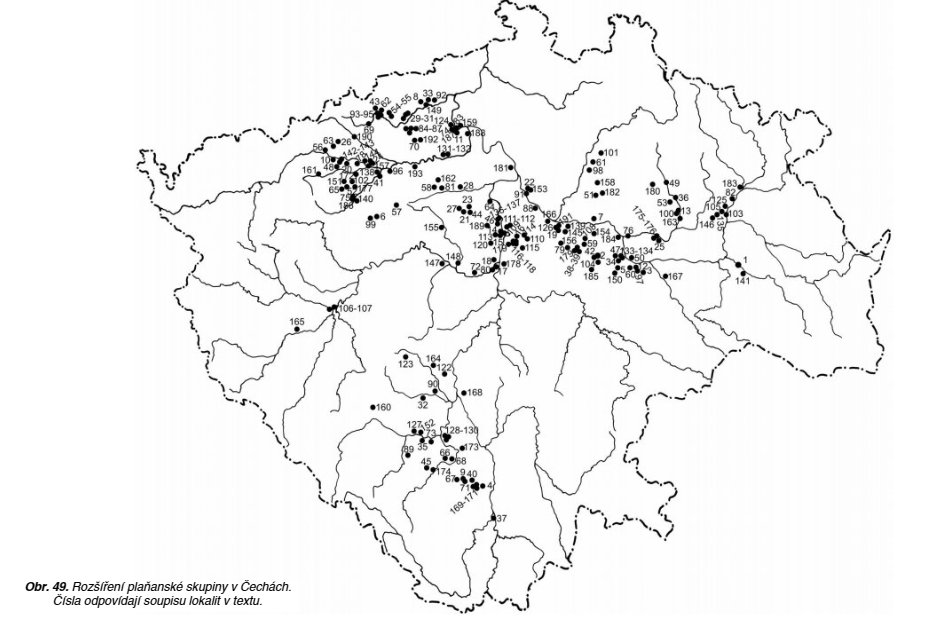
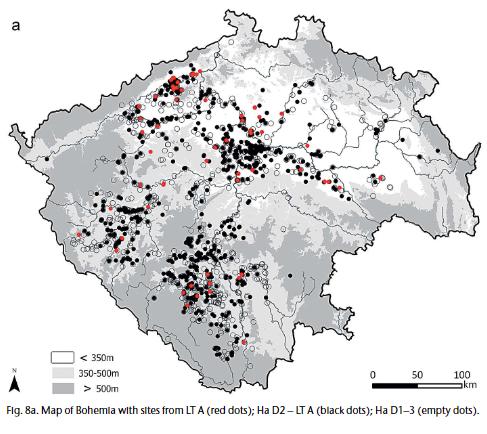
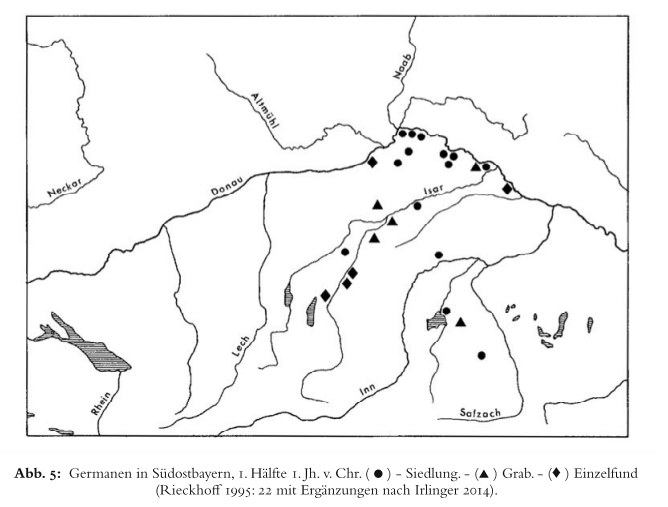
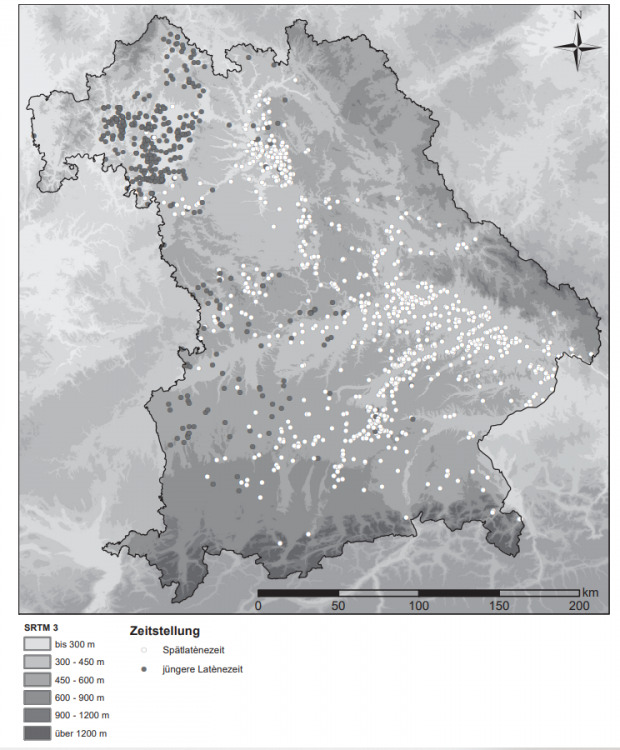
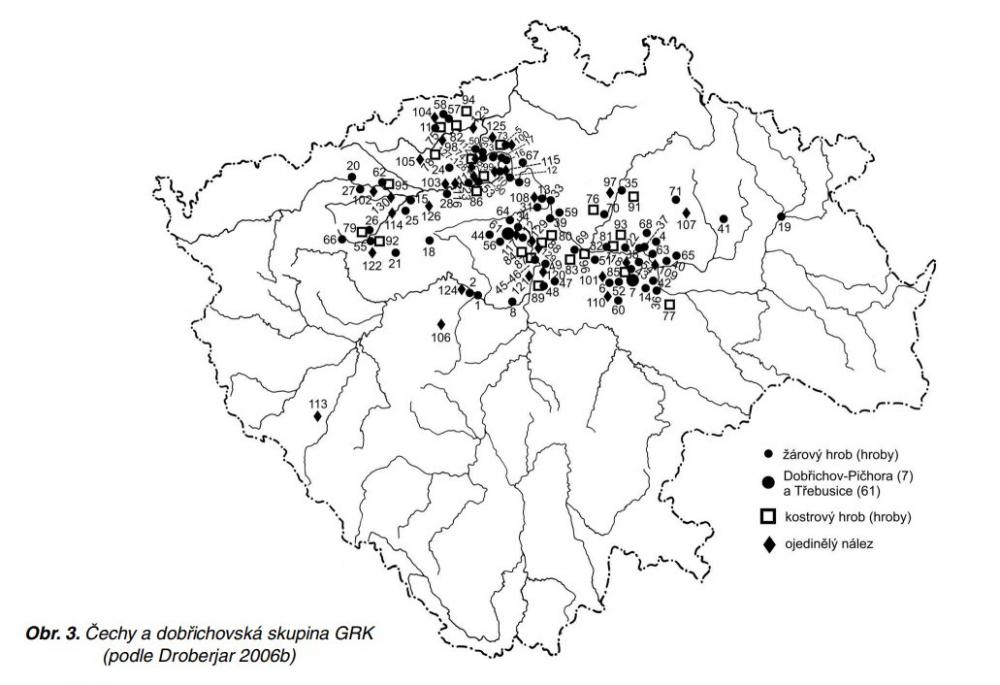
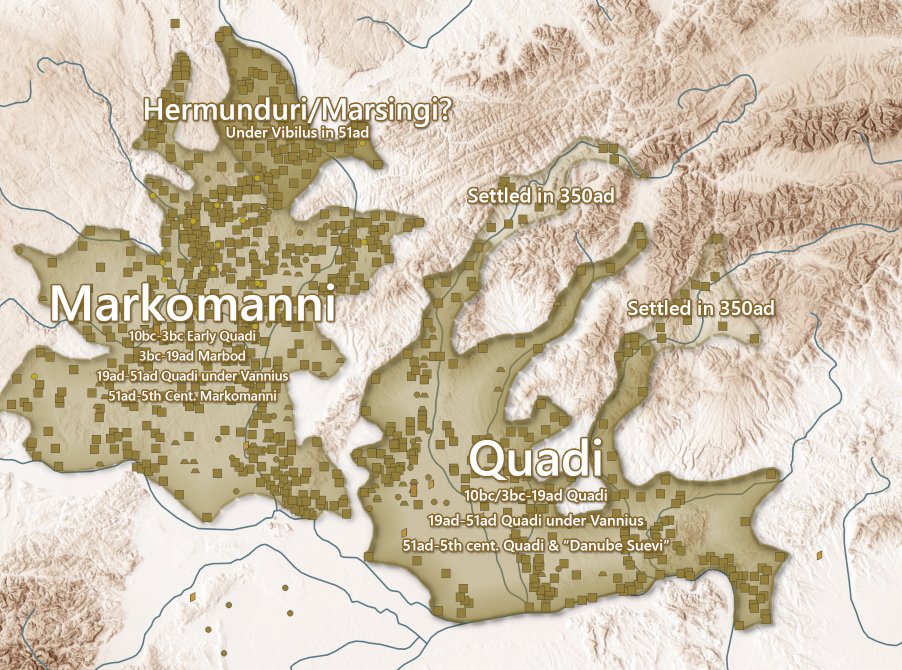
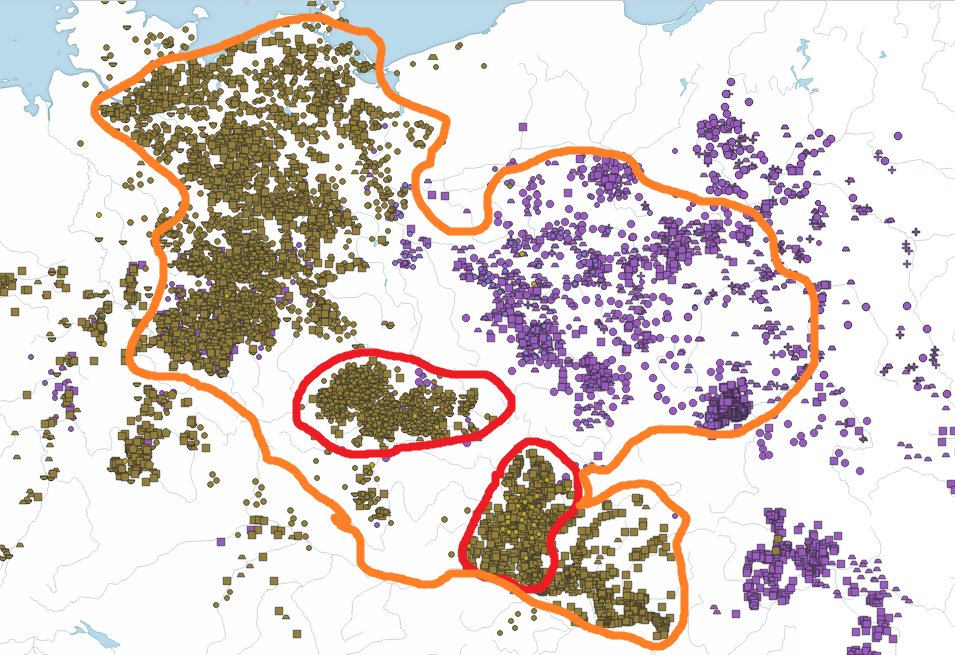
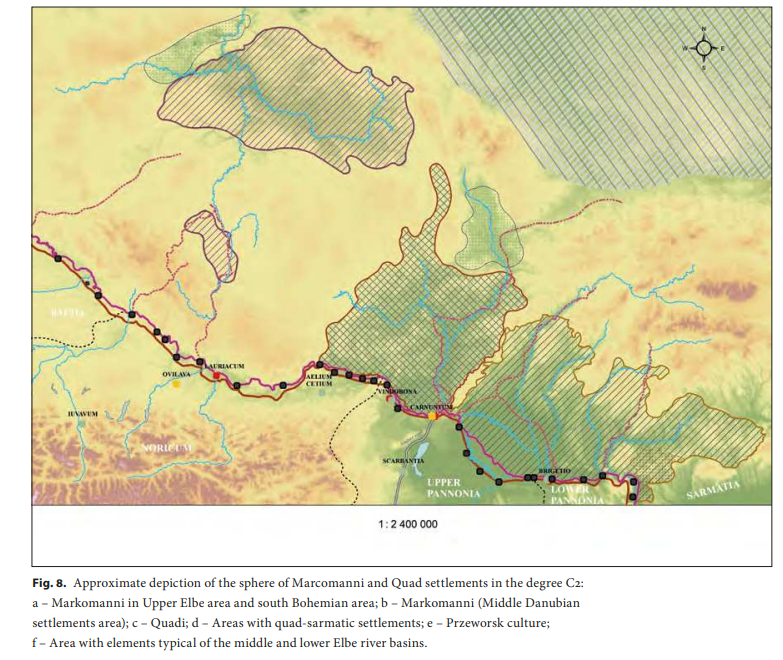
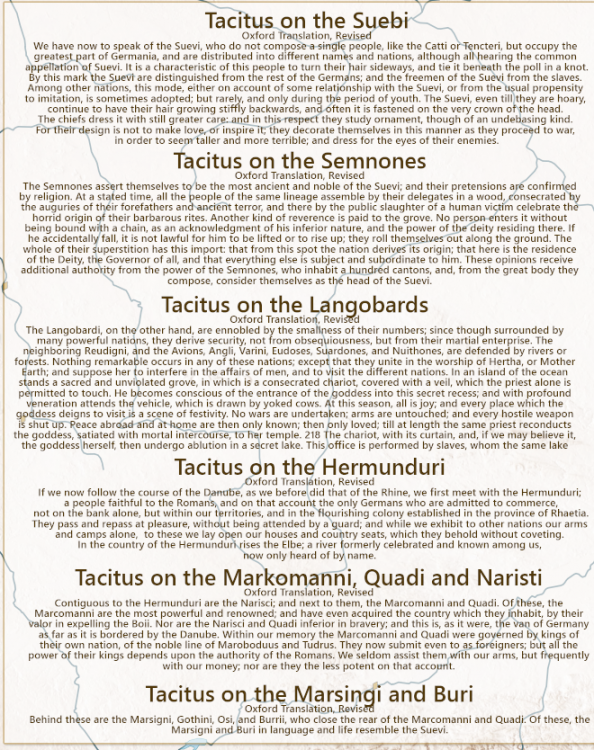
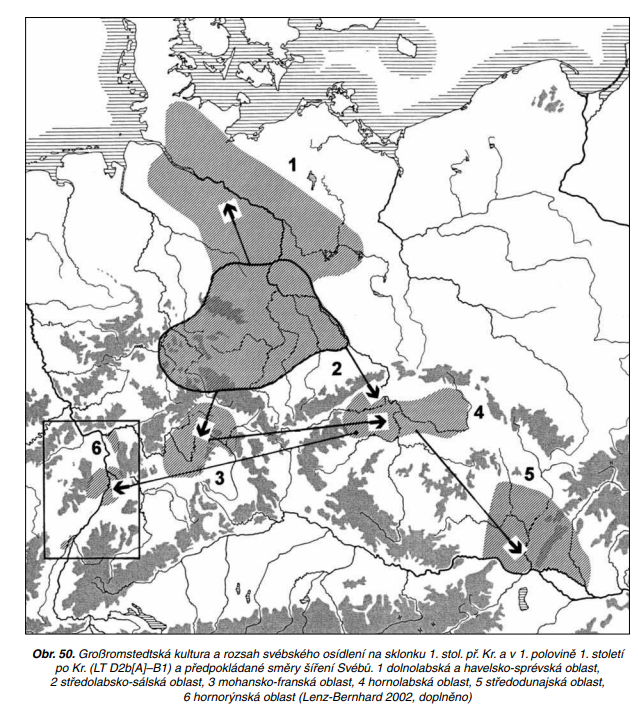
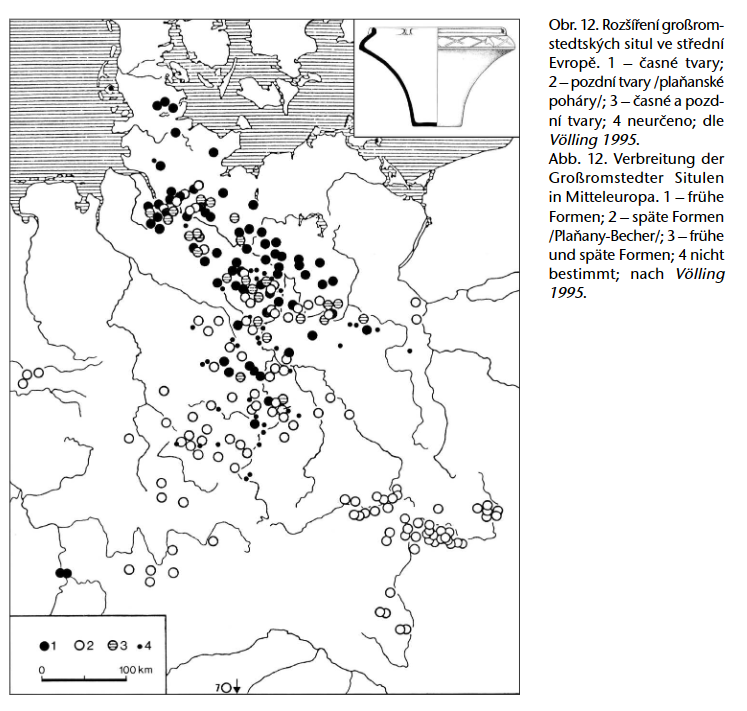
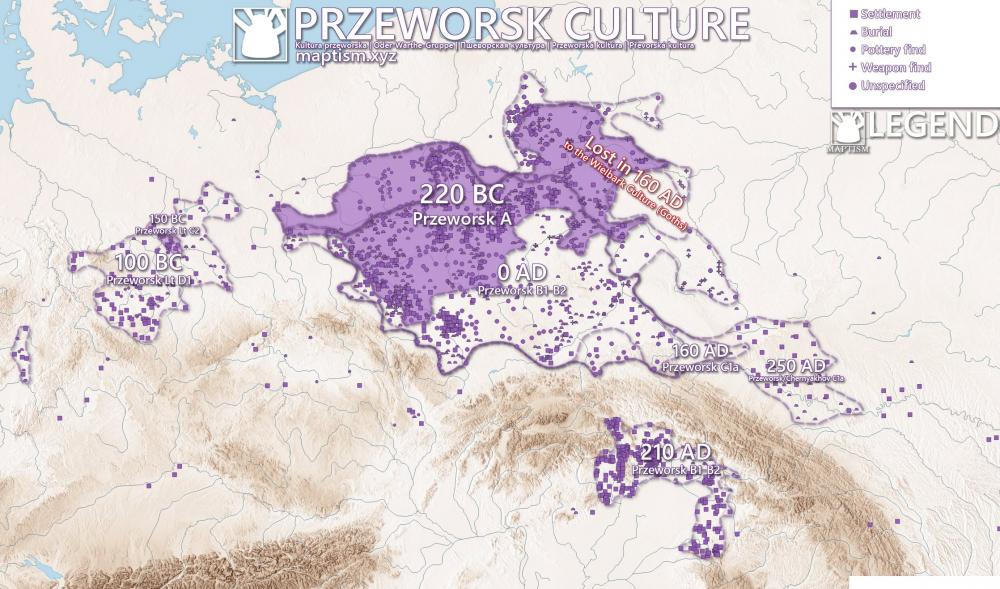
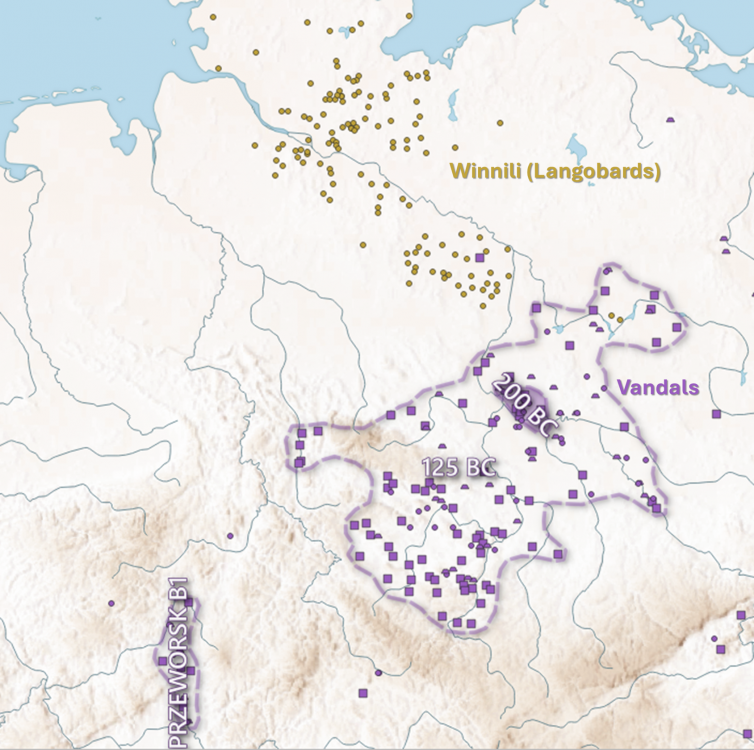
I will share interesting maps and threads from @Maptysk from twitter. https://threadreaderapp.com/thread/1970760638709354543.html https://x.com/Maptysk/status/1970760638709354543 Here a copy paste of his thread on the Suebi / Elbe Germanic people : Map of Archaeological Finds of the Suebi/Elbe germanic Groups and the Alamanni, with Quotes from Tacitus. The Suebi were the largest and most powerful tribal confederation in Germania, constituting of the Hermunduri, Semnones, Langobards, Warini, Markomanni, Quadi, Naristi, Marsingi and Buri. High resolution map below: The Suebi first appear under Ariovistus, invading Gaul in search of new land, possibly leaving the Suebi homeland due to pressure from the Vandals. A group of finds of the Großromstedt Culture (early Elbegermnaic) along the Rhine possibly allows tracing the Suebi of Ariovistus in the material record. The Großromstedt Culture also briefly settled large parts of Western Germany, where they possibly contributed to and were later replaced by the Weser-Rhine Germanic Groups. The Markomanni, prior to their migration to Czechia, most likely lived in the Main area, where they were defeated utterly by the Romans under Drusus that they were forced to migrate. It was after this point that they came to be ruled by Marbod, a man that parallels Arminius in almost all aspects. Marbod grew up in Rome, just like Arminius, where he learnt Roman ways, culture, and most important military strategy and organization. Marbod returned to the Markomanni after their defeat to assume leadership, although probably not with Roman consent and sanctioning. Marbod would lead the Markomanni to settle Bohemia, the land which was previously inhabited by the Celtic Boii... Or was it? Archaeological Evidence actually suggests that Bohemia had been settled by the Großromstedt Culture (Early Suebi) in 40 BC already, 30 years prior to the Markomanni migration. This early Suebi group is called the Planany Group (Plananska Skupina) in archaeological literature. It is plausible that they were the early Quadi. Comparing the early Suebic Settlement and Celtic Settlement, it is clear that the Celts were far more populous and settled than the Suebi, and the sites of the Planany Group are much fewer than those of the Boii of the La Tène Culture. The claim that the Markomanni drove out the Boii is also false. The Boii abandoned their settlements together with the Helvetii to embark to Gaul, and these early Germanic settlers found largely completely abandoned land. This is also visible for Southern Germany, where Germanic Groups moved in around 60-40 BC to find largely empty land, with no reuse of La Tène sites, and far sparse habitations. Around 10 BC, the Markomanni proper arrive into Bohemia, the time of Marbod's Empire is called the Dobrichov Group in archaeological literature, and during this time the southern part of Bohemia was temporarily abandoned. Around 5-3 BC Marbod expands his empire also toward Moravia and the Quadi. It is unclear when exactly the Quadi arrived in Slovakia, but I find it plausible to be between the times of the Markomannic arrival and the expansion of Marbod's Empire. The full extent of Marbod's Empire was massive, including the Hermunduri, Langobardi, Quadi, Semnones, Lugii, and possibly the Gotones. The Markomannic empire contested with the federation Arminius had forged, where the two men who both grew up in Rome, to both return to their ancestral tribes to lead them to greatness came to war. Marbod and Arminius were as much parallels as they were inversions of another, as Arminius was a staunch enemy of Rome while Marbod was friendly to Rome and sought alliance with them, and refused Arminius' initial offer for an alliance against Rome. After Marbod's defeat by Arminius, he was usurped by another Markomanni called Catualda, who was exiled by Marbod in his youth to live amongst the Goths until he returned to his home, probably with Gothic military support, to dethrone Marbod and assume the throne for himself. This did not last long however, as quickly after the Quadi under Vannius along with the Vandals declared war on the Markomanni and Catualda was dethroned by Vannius, who ruled over both the Markomanni and Quadi until 51 AD. Vannius himself would be deposed by the Hermunduri under Vibilus, who conquered and then settled Markomanni territory in Northern Bohemia and Moravia. The other constituent tribes of the Suebi do not have a history as well recorded as that of the Markomanni, but here are what Tacitus had to say on them. I do not wish to paraphrase Germania, as the original text is amazing and worth a read yourself: Back to the origins of the Suebi and the Großromstedt culture: The Großromstedt culture developed on the basis of the Late Jastorf "Seedorf" phase, with influence from the Celts to their south, but seemingly under occupation by the Vandals since either 150 or 100 BC. The presence of Przeworsk Culture sites in Central Germany is characterizing of the period 150 BC - 50 BC, the "Origo Gentis Langobardorum" possibly mentions this Vandalic presence in speaking of the Langobardic origin myth, in which they were previously called "Winnili", until winning a battle with the Vandals, after which they assumed the name Langobards, which was already recorded in the 1st century AD. Indeed, we do see evidence of elements moving from the North, in the Langobardic homeland, to the south, mainly the situlae of the Großromstedt Culture, although its other elements develop in Central Germany. Sometime in the 3rd Century, the Alamanni start appearing, from where they moved southwards and invade the Agri Decumates of the Roman Empire and force the Limes back to the Rhine and Alps. Around this time in the 3rd Century, another Suebic Group moves Northeast, driving out the Goths and the Lubus Culture. This group is called the Debczyno Culture, and its unclear what tribe they could be linked to. The Hermunduri and Semnones would later evolve into the Thuringians, who also settle Bohemia and as such end the Markomanni. The Langobards would migrate south and take Moravia, then Transdanubia and finally Italy, becoming the Lombards. The Quadi hold out, surviving as the "Danube Suevi", while other Suebi cross the Rhine and invade Iberia, forming the Suebi Kingdom. It is also likely that the Bajuvari, later Bavarians, develop out of the Alamanni. That concludes the thread.
 1 point
 -
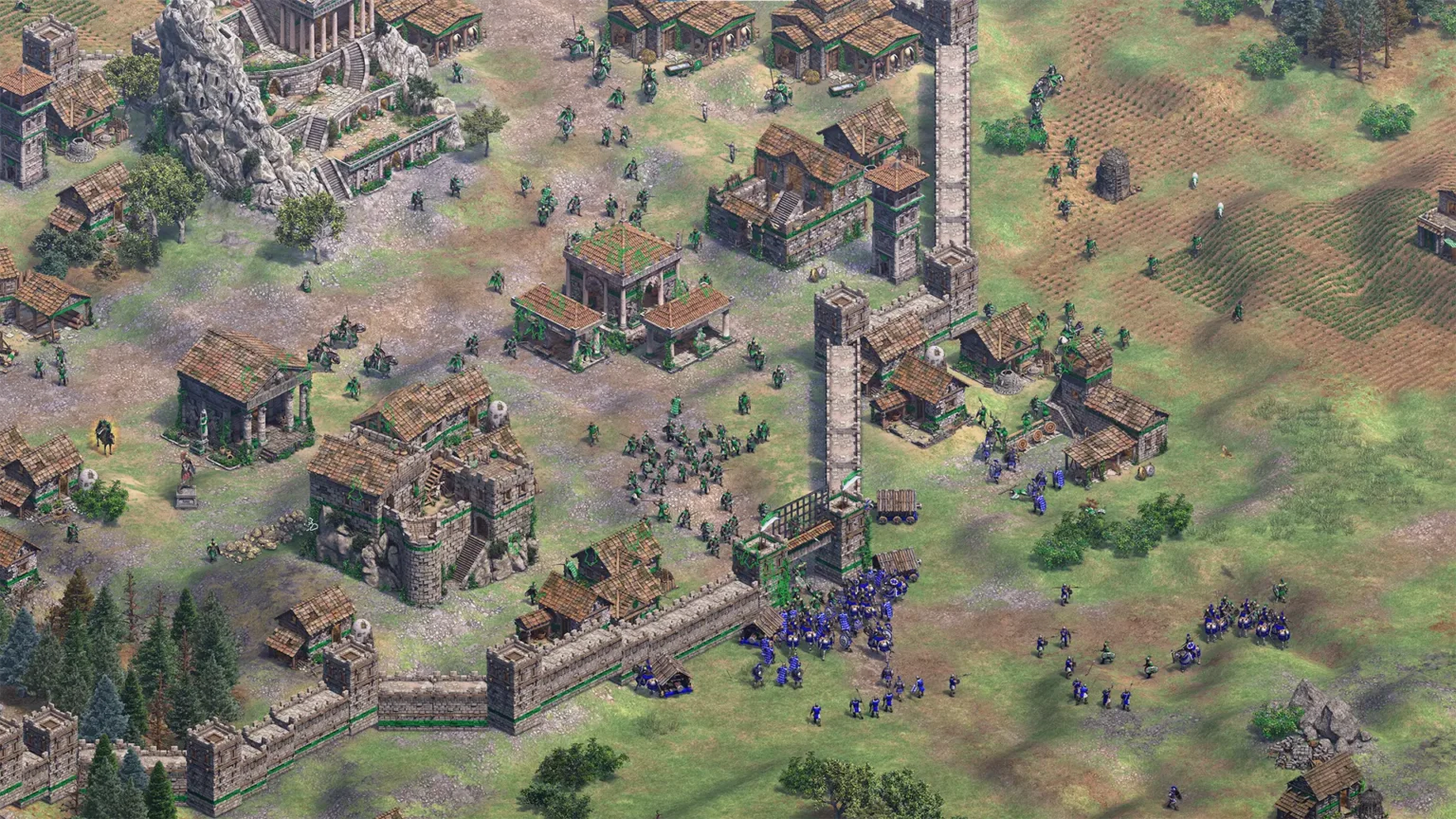
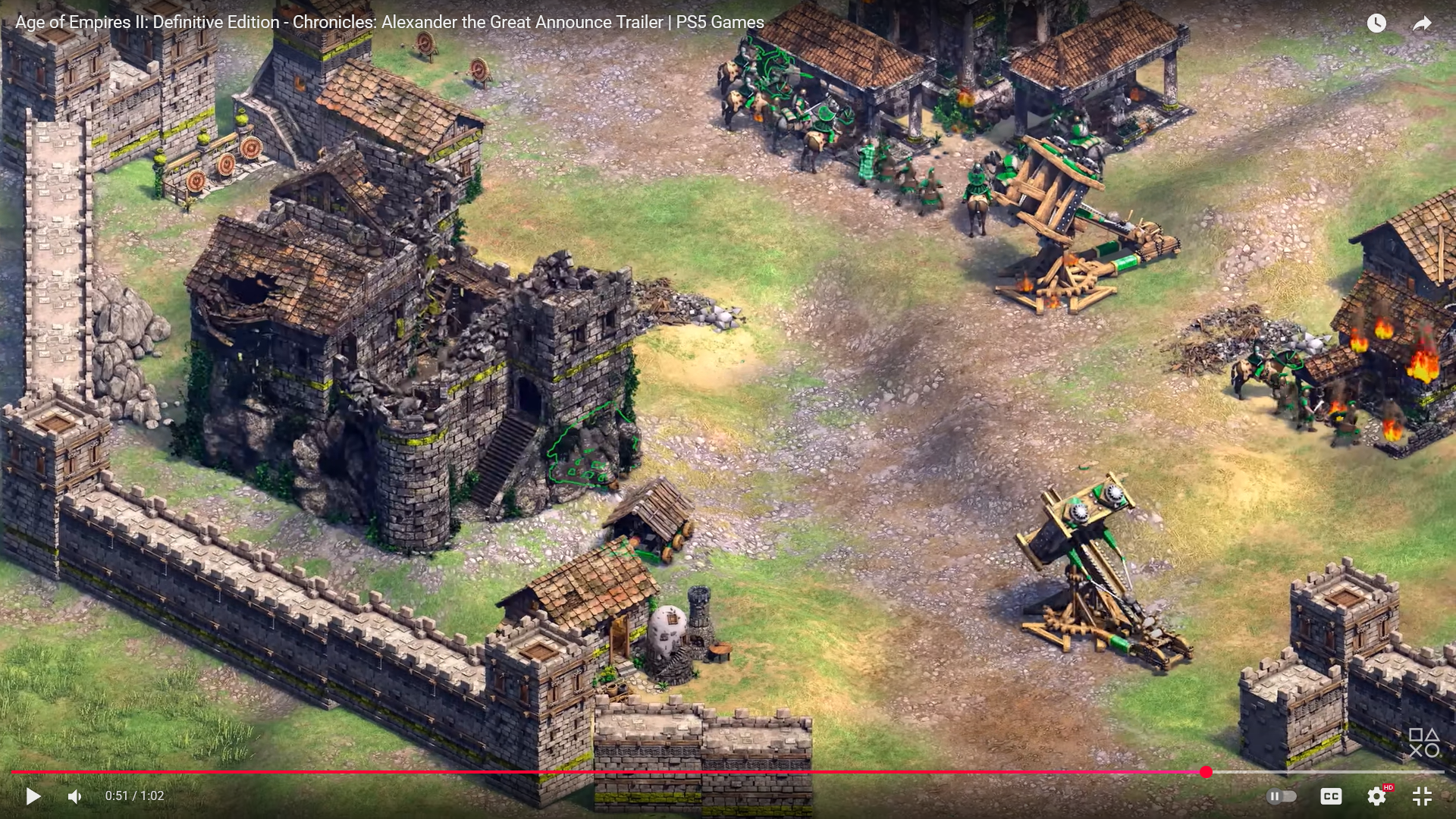
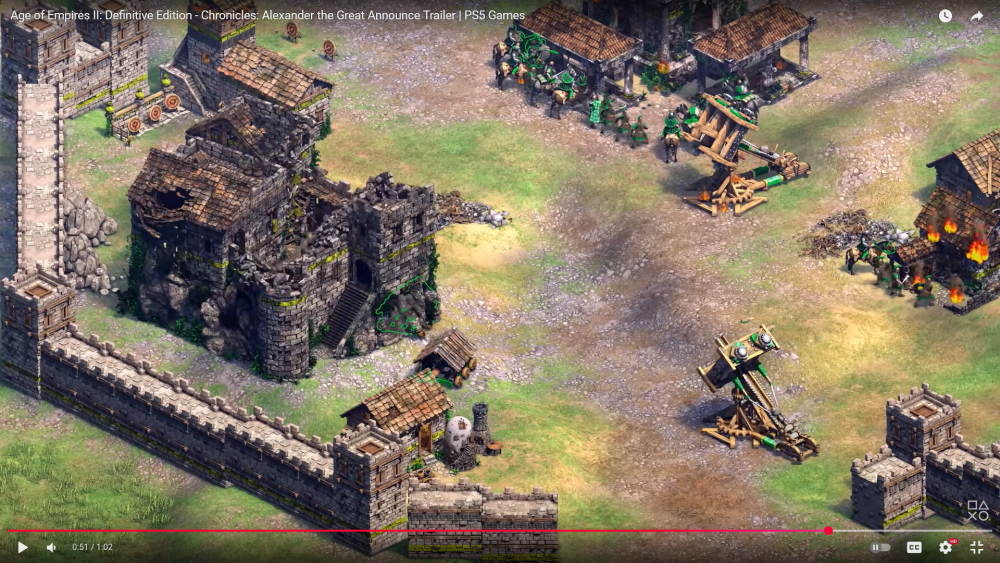
In the new Chronicles DLC for AoE2
 1 point
 -
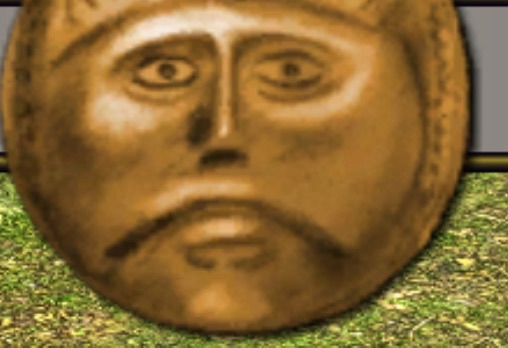
The German civ emblem looks like a meme emoji Are we sire we want to stick with this or use another emblem? My suggestion:
 1 point
 -
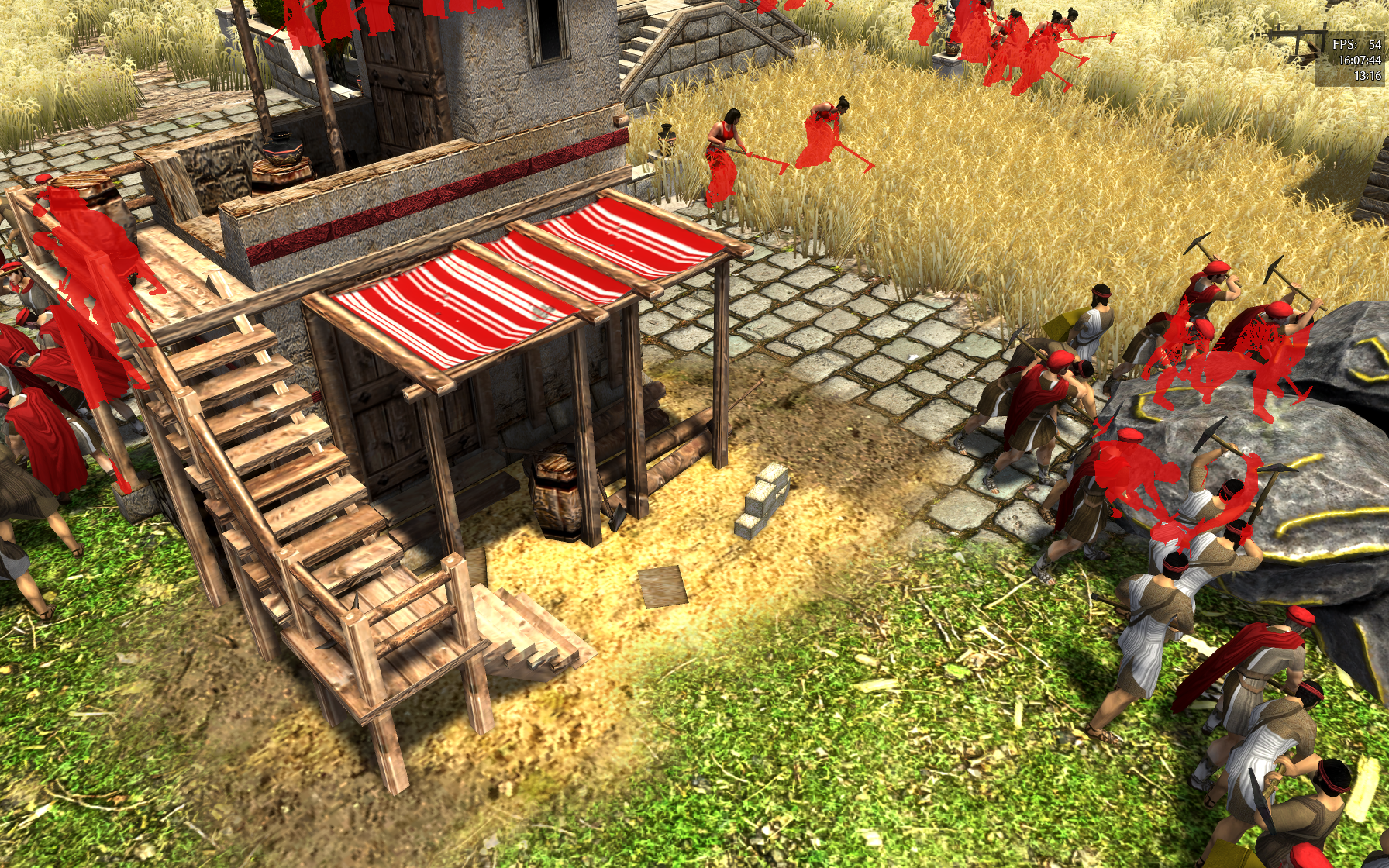
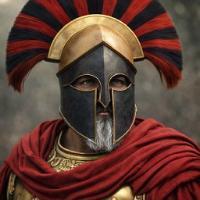
next cosplay idea: siege tower1 point
-
1 point
-
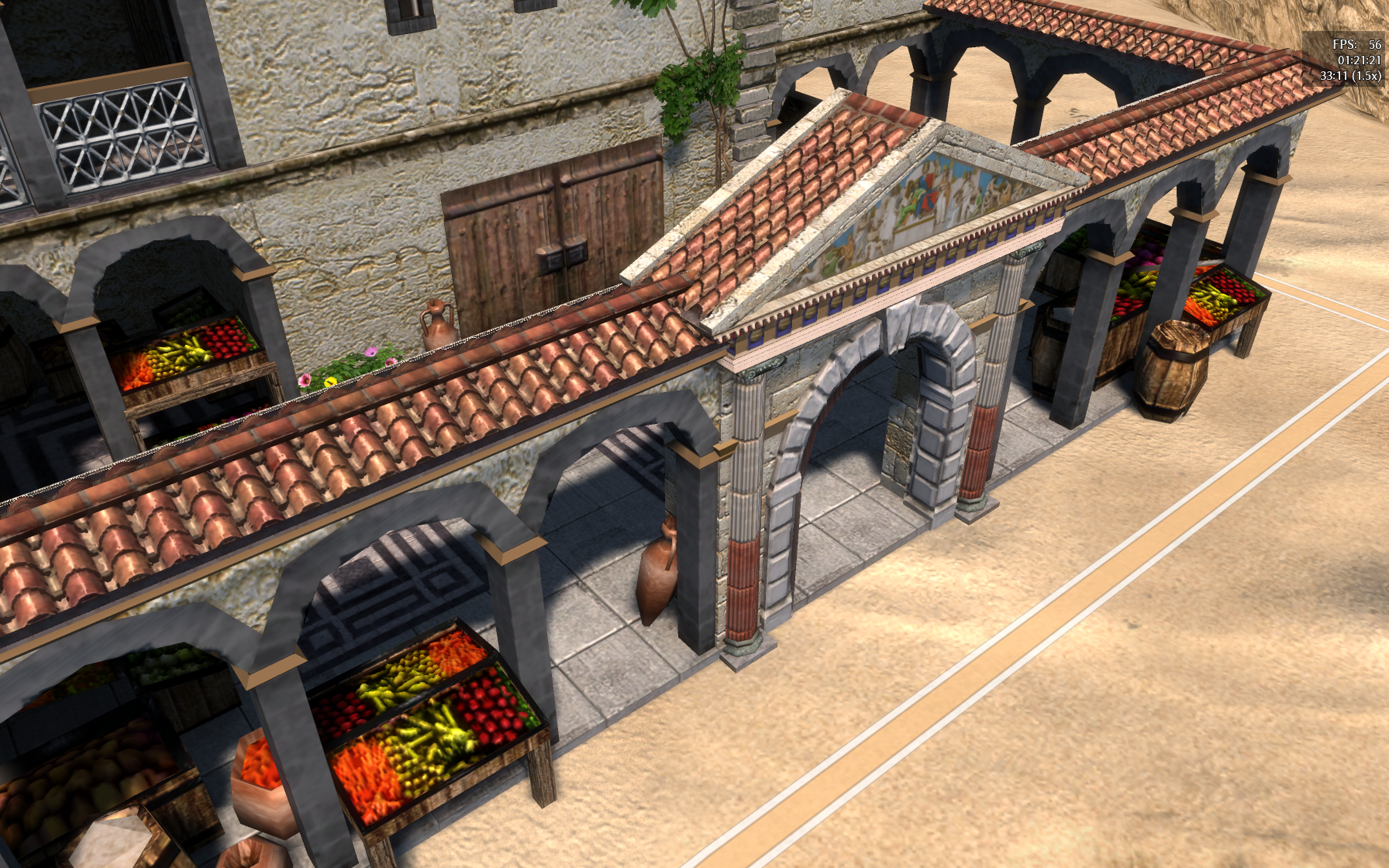
Wonder reference: Potential update to Persian civic center:1 point
-
The formation control feature in general could make sense for a tip, but using it outside of fights I'd say rather not.0 points
-
IMO its a bit obscure for a tooltip @guerringuerrin0 points
-
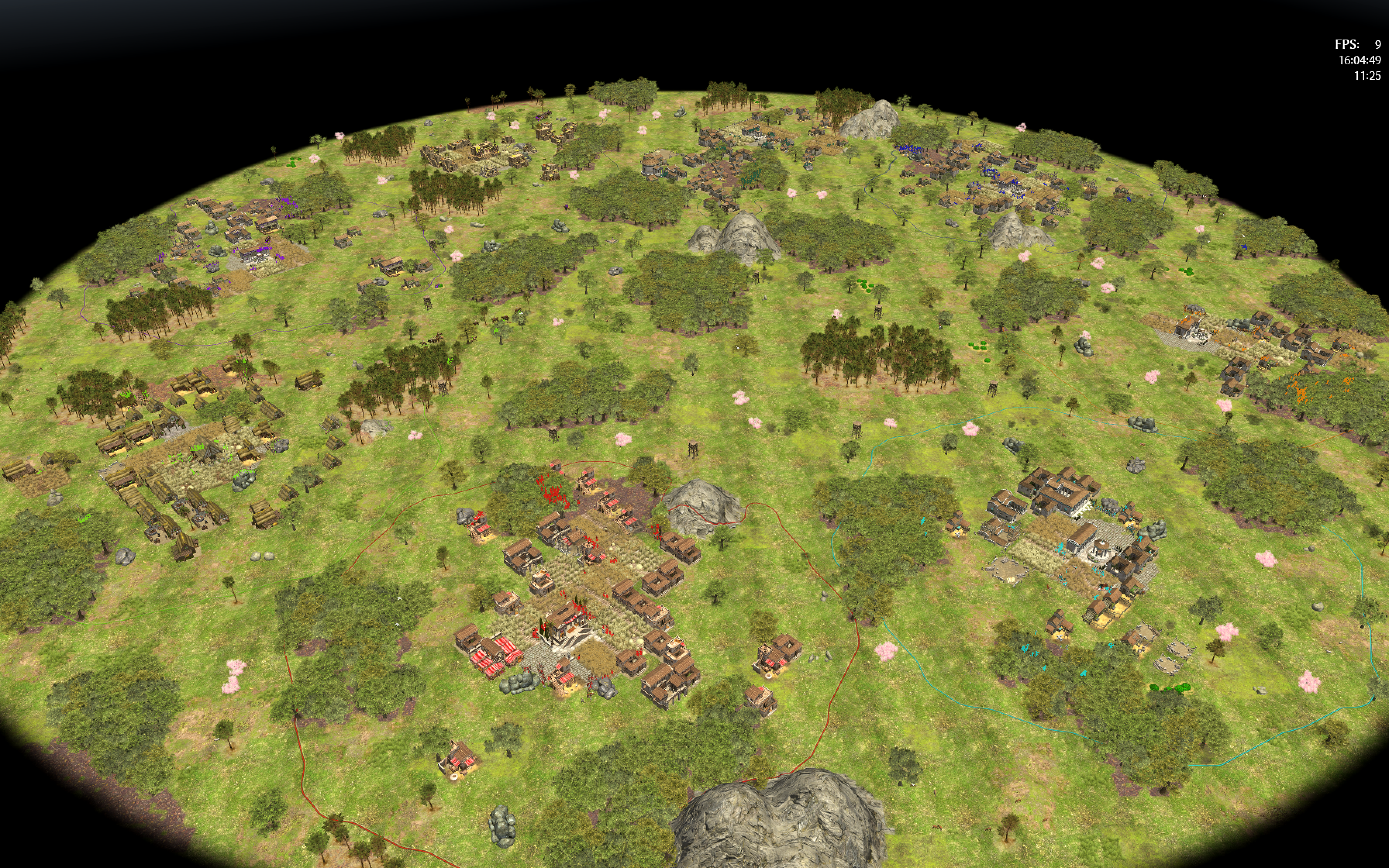
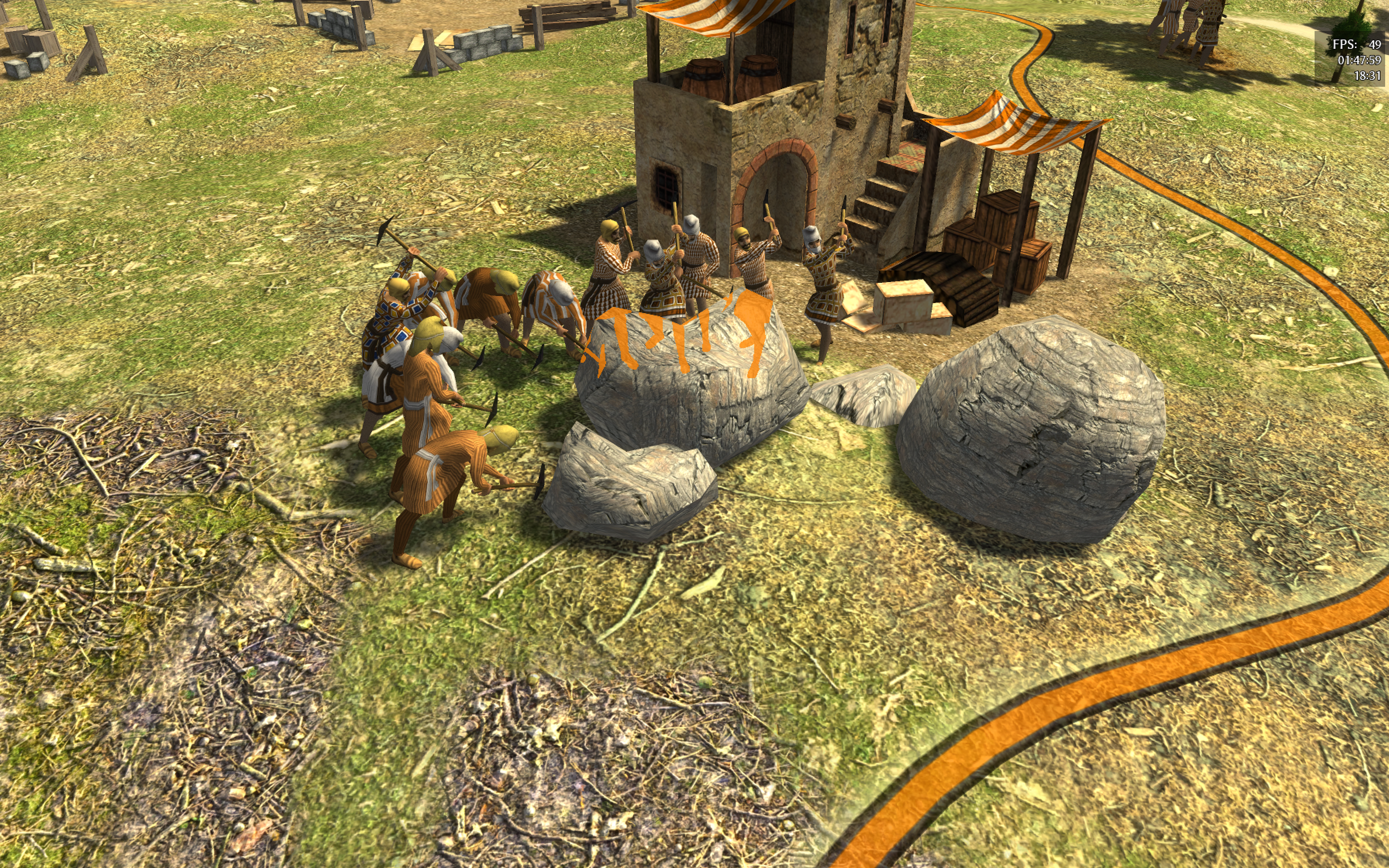
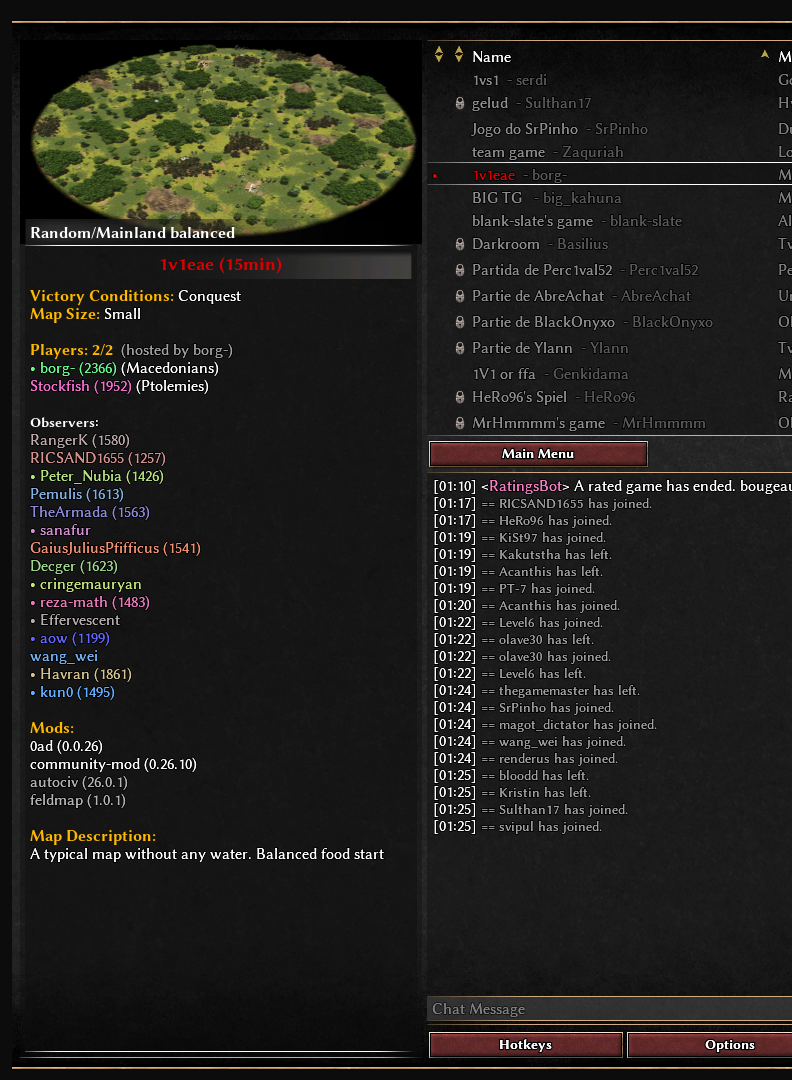
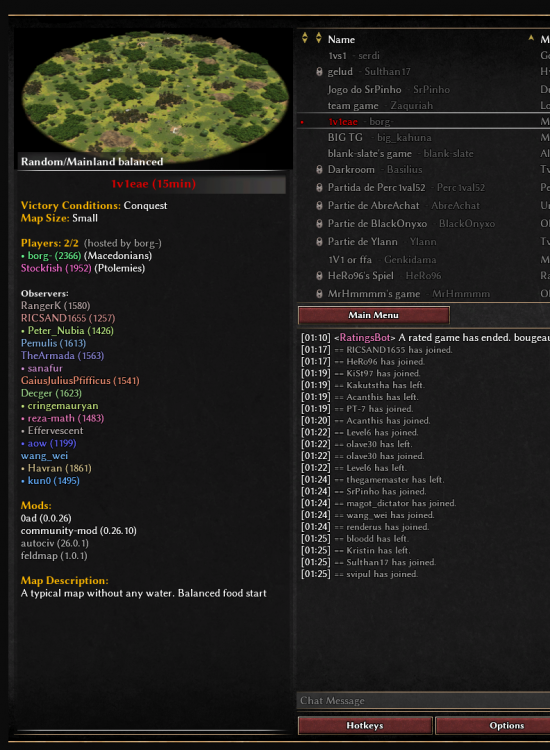
whenever I get time to play 0AD its either Geriatrix kicking me from lobby or this
 0 points