
All Activity
- Past hour
-
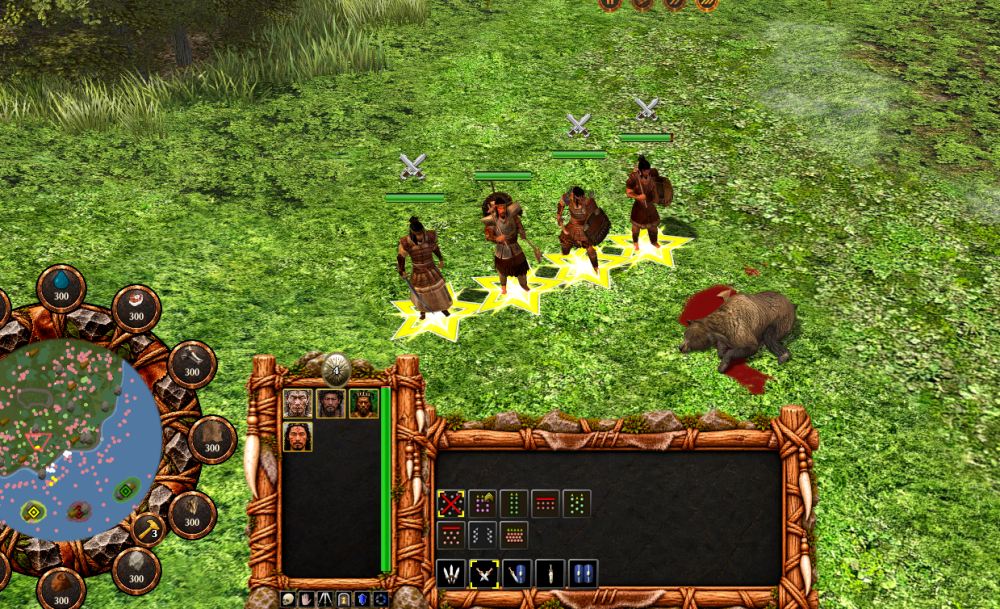
World Rising — New Development Updates and Improvements! Hello everyone! Today, I'm excited to share more updates on the development of World Rising! Over the past few weeks, I've been working extensively on several improvements, both visually and within the game's engine. My goal is to make World Rising more immersive, visually appealing, optimized, and packed with advanced gameplay mechanics. Here are some of the latest improvements! Dynamic Day and Night System I've implemented a dynamic day and night cycle, featuring smooth lighting transitions that change the atmosphere of the maps over time, creating a much more immersive experience. Dynamic Lighting and Particle Audio System I've developed a new system that allows particles to have their own sound effects. For example, fire particles now produce realistic burning sounds. In addition, I've implemented a dynamic lighting system that allows flames to emit light, illuminating units, buildings, vegetation, and other environmental elements during nighttime. I've also improved particle behavior, allowing certain effects to remain fixed in the game world instead of following the camera's movements. Environmental Audio and Naval Improvements Water now features a distance-based audio system. As the camera approaches the ocean, the sound of the waves gradually becomes louder. As the camera moves away, the volume smoothly decreases until it becomes completely silent. I've also made improvements to the canoes, adding realistic rocking movements and wave interaction effects to make naval movement feel more natural. Redesigned User Interface and Era Progression I'm currently redesigning the entire game's interface, creating a new visual layout that evolves alongside the different historical eras. Each era will feature its own visual elements, making civilization progression more engaging and visually distinctive. Performance Optimizations — LOD and Culling One of my main priorities has been improving the engine's overall performance. I've implemented LOD (Level of Detail) and Culling systems, which help manage object rendering based on camera distance and visibility. I've also made numerous optimizations to 3D meshes, vegetation, and other environmental assets to reduce resource consumption and improve performance, especially on maps containing large numbers of objects. Developing a Completely New Artificial Intelligence Another major challenge has been developing a custom AI system from scratch specifically for World Rising. The AI can already manage resource gathering, construct buildings, partially develop its economy, and launch basic attacks against opponents. There's still plenty of work ahead, but the system is already showing promising results and continues to improve with each update. Vegetation Improvements and New Maps I've also made several improvements to vegetation, focusing on both visual quality and rendering performance. Additionally, I'm working on the game's second map, which is already approximately 50% complete! Upcoming Improvements — More Realistic Water One of my next major goals is to improve the game's water rendering system. I plan to enhance the visual effects of oceans, rivers, and waves, making water look much more natural and realistic. And these are just some of the latest developments! Many other improvements and features are currently in progress and will be revealed in future updates. World Rising Continues to Evolve! Developing World Rising has been a challenging but rewarding experience, especially since I'm creating and modifying numerous systems directly within the game engine. Every new feature brings the project one step closer to the experience I want to deliver to players. I'll be sharing some screenshots and videos showcasing these latest improvements! I'd really love to hear your thoughts! What do you think about these changes? Which feature caught your attention the most? And what would you like to see in future updates? Feel free to leave your comments, feedback, and suggestions! Thank you to everyone who continues to follow and support the development of World Rising! teste.mp4 Gravando 2026-11-04 020424.mp4
-
I'm partial to the name Κύριλλος (Cyril), it doesn't have any famous connection to the time of 0 A.D. but the name is cool.
- Today
-
===[TASK]=== Wooden Theatron for the Spartans (and Thebans)
nifa replied to wowgetoffyourcellphone's topic in Official tasks
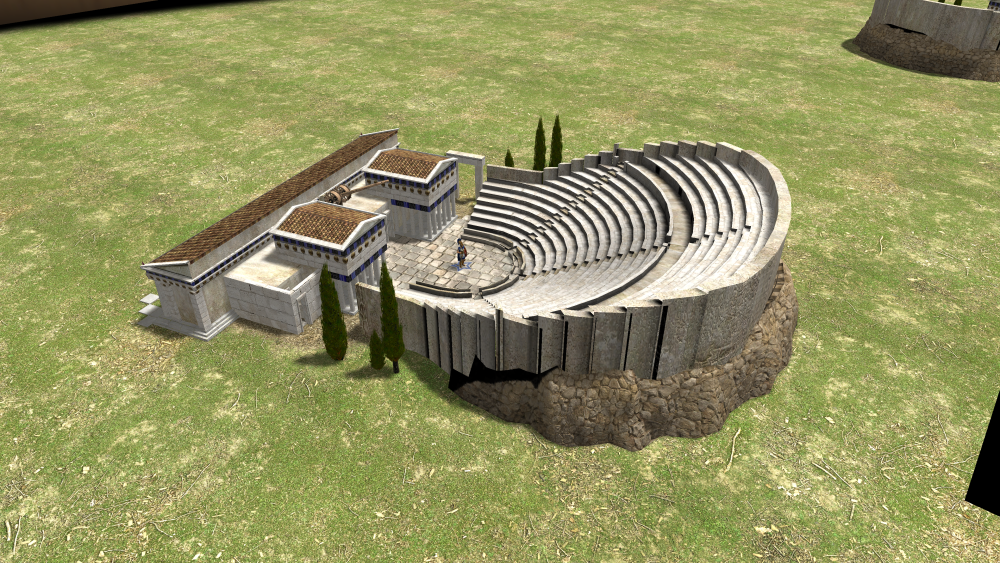
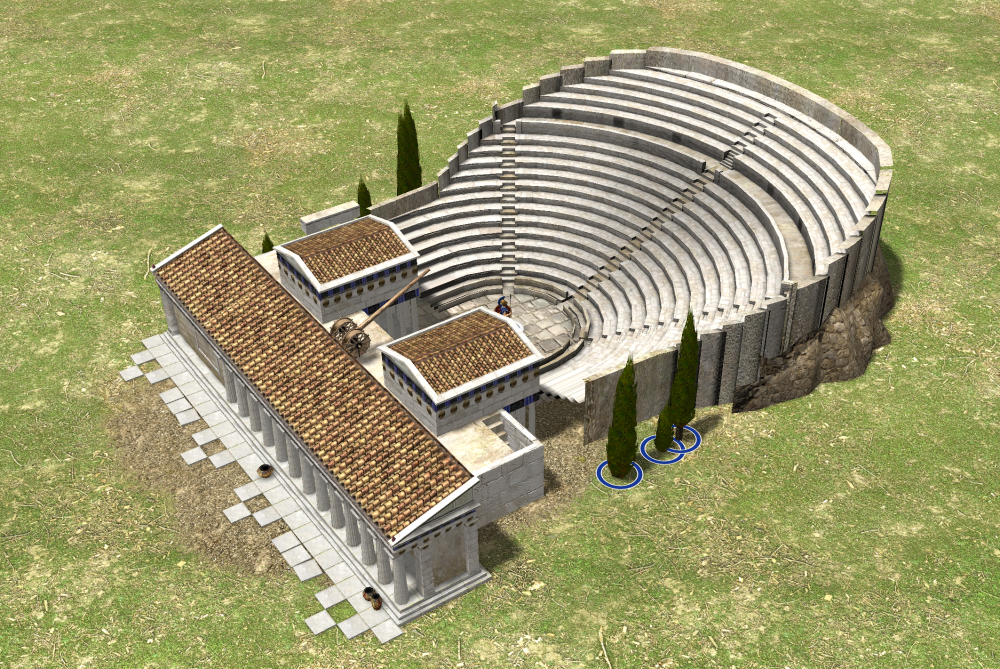
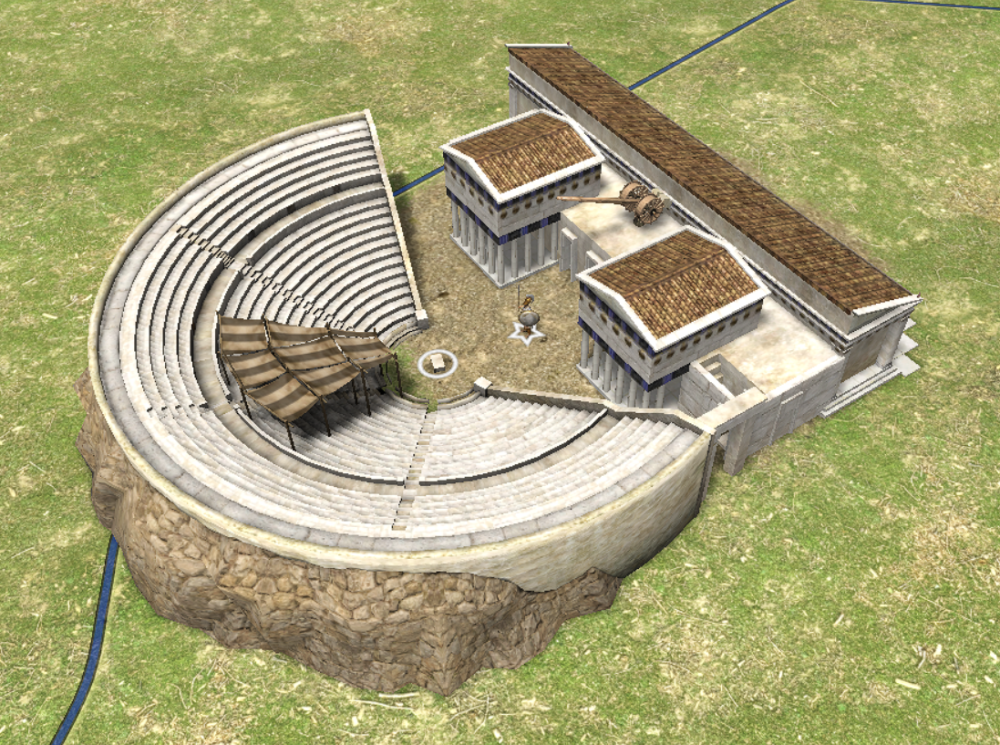
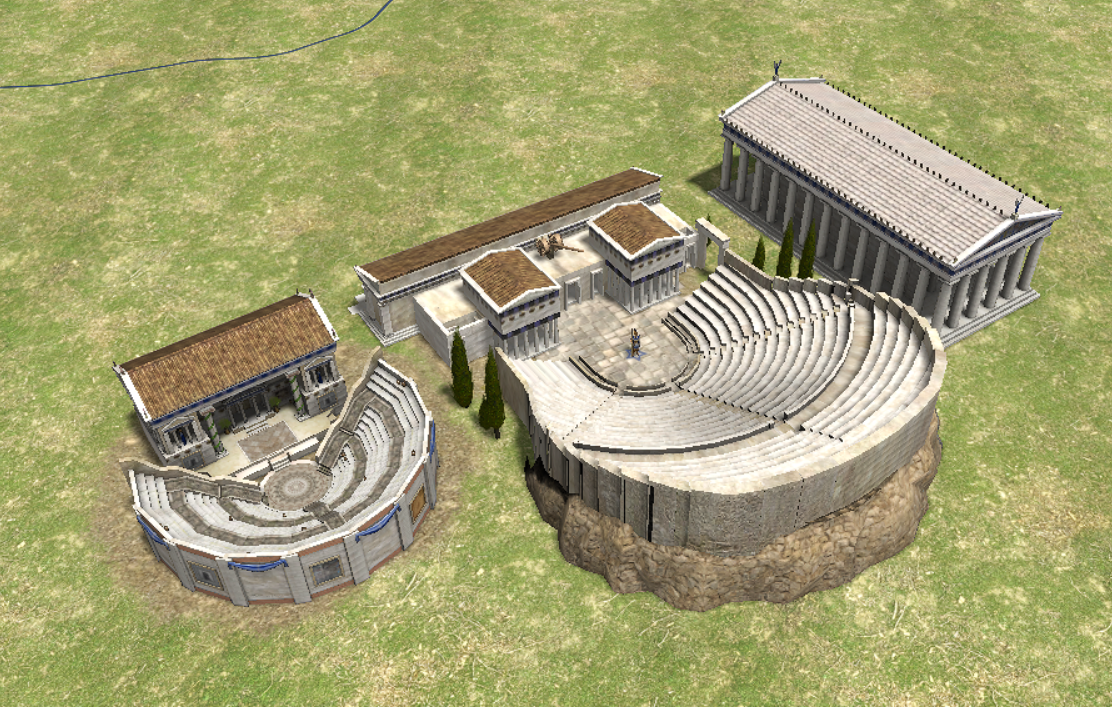
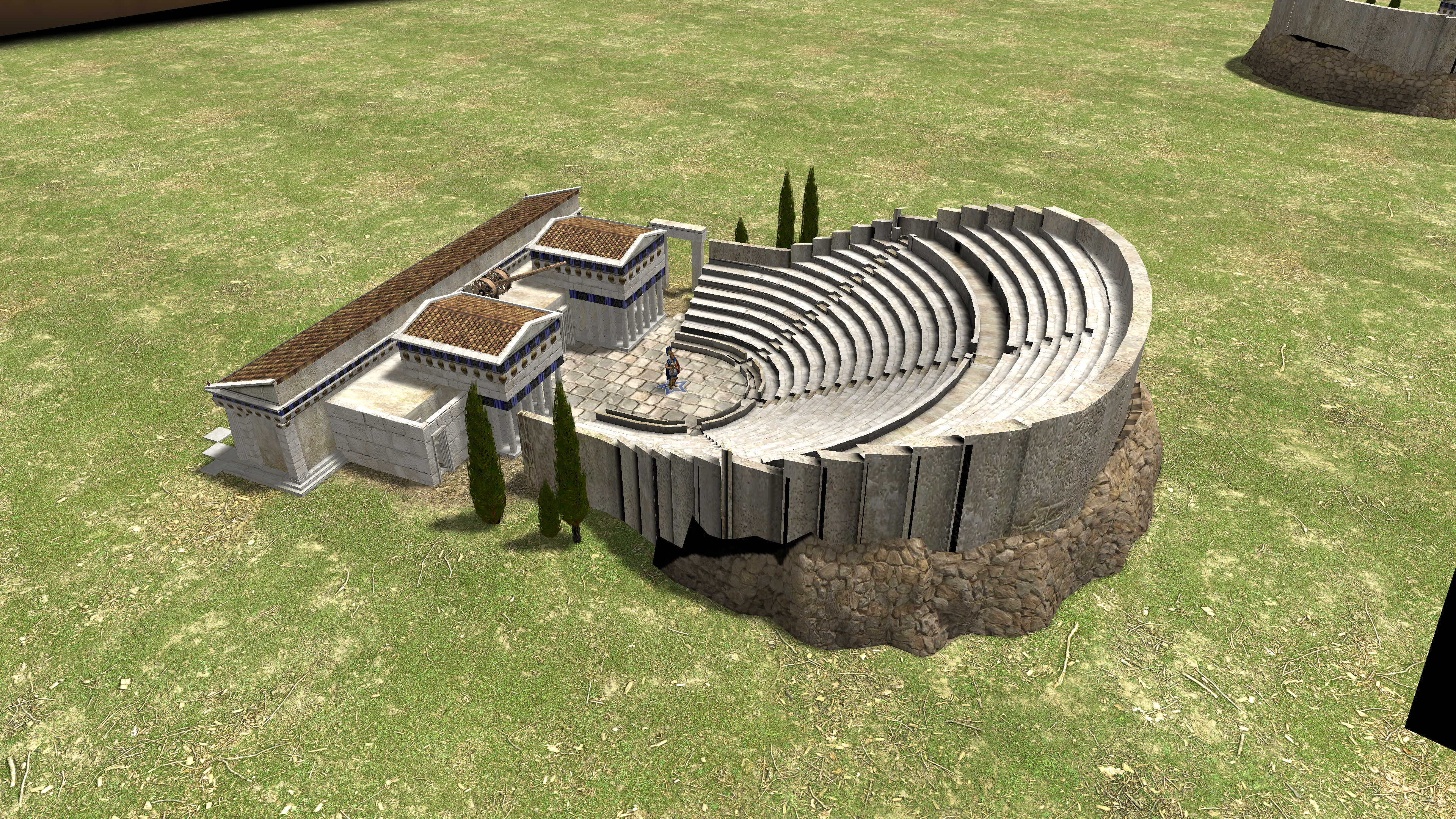
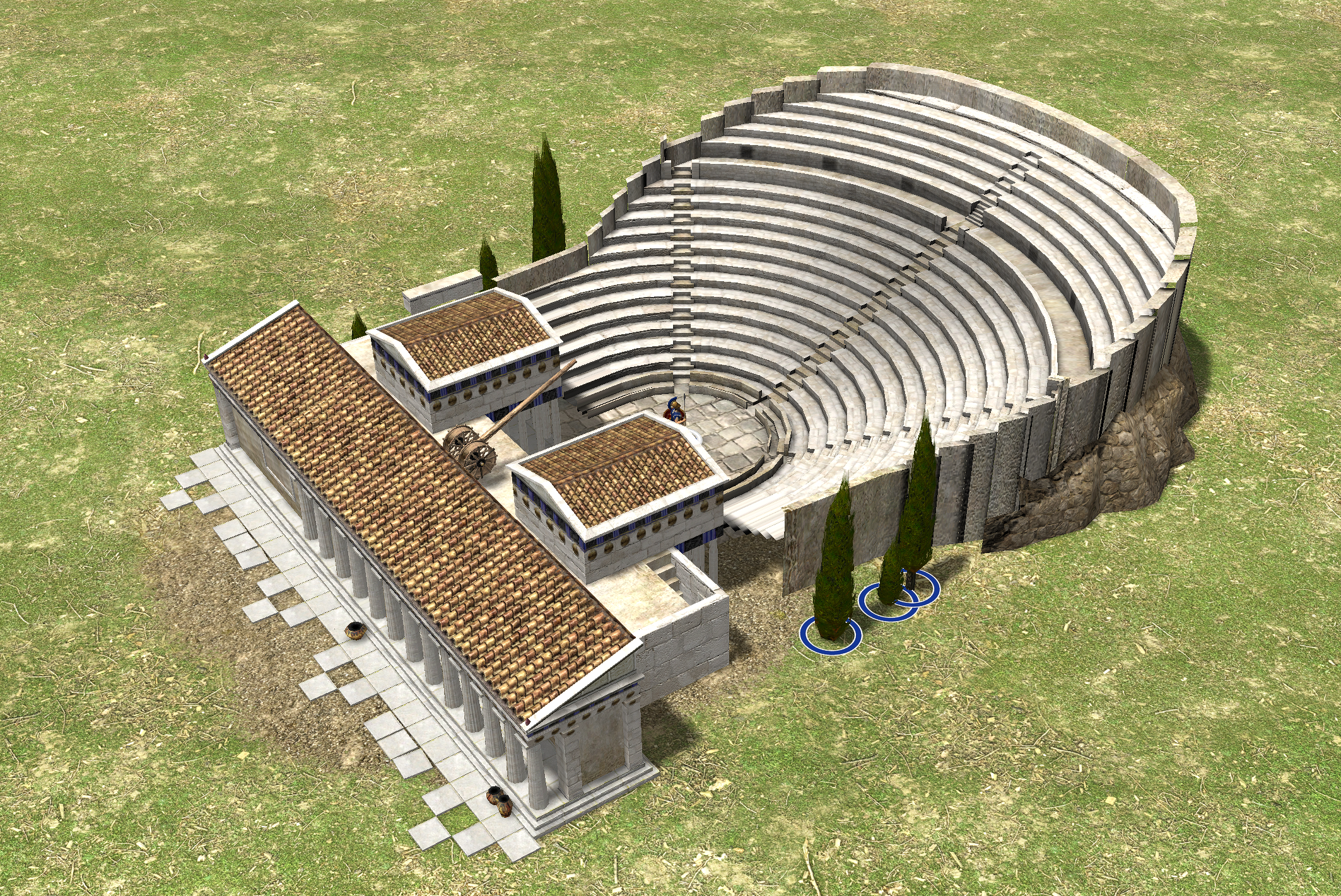
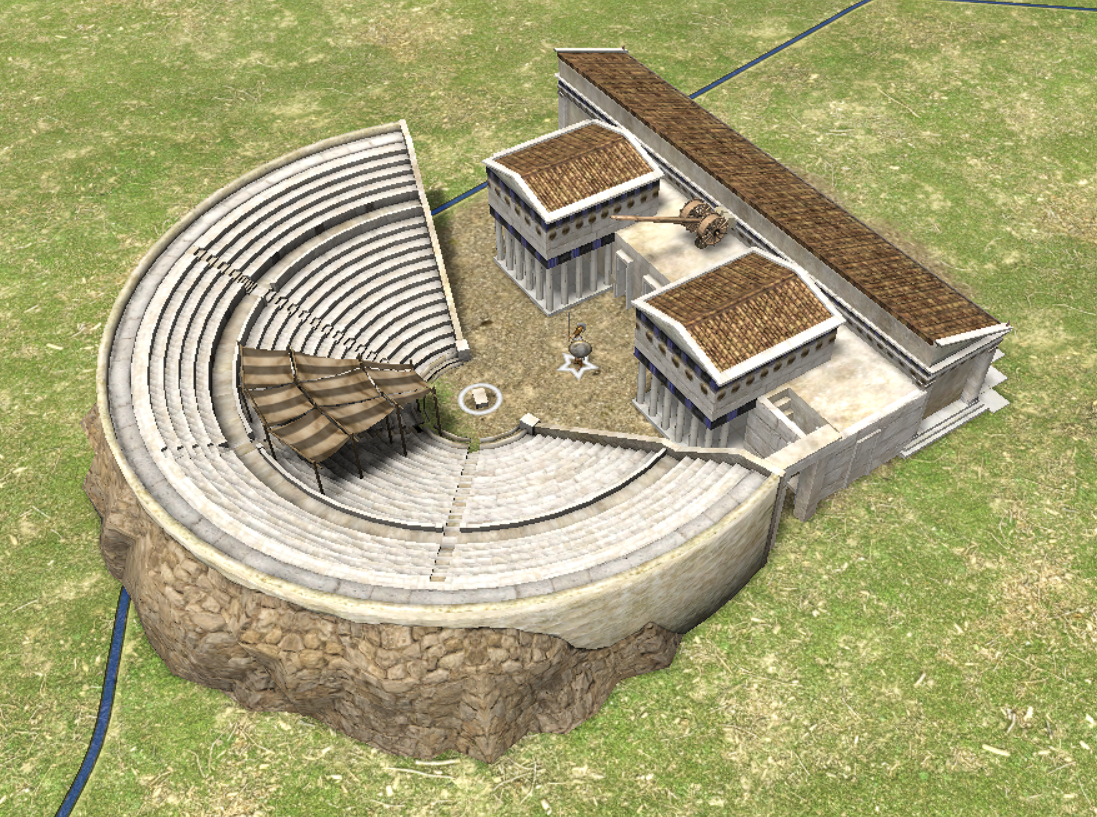
Got distracted, modelled the athenian theater of dionysos during the Lycurgan Phase instead. WIP, ao, props and details are coming at the end. For now I'd be happy about some feedback about layout, scale, historic accuracy. I chose a stoa with doric columns for the backside hall. For the front stage I'm not sure if doric or ionic columns are more accurate. Other side: The difficult part are the proportions. The actual, historic, Skene was actually way longer to the sides. I started with an accurate floor plan but I had to squeeze it in x-direction, while keeping the height. I also went with a much larger footprint. The smaller current Theatron looks odd imo. It's only buildable once in the game anyway. Still, it comes out a bit bigger than the Parthenon: Here's an older version of a round theatron that we could use for other factions: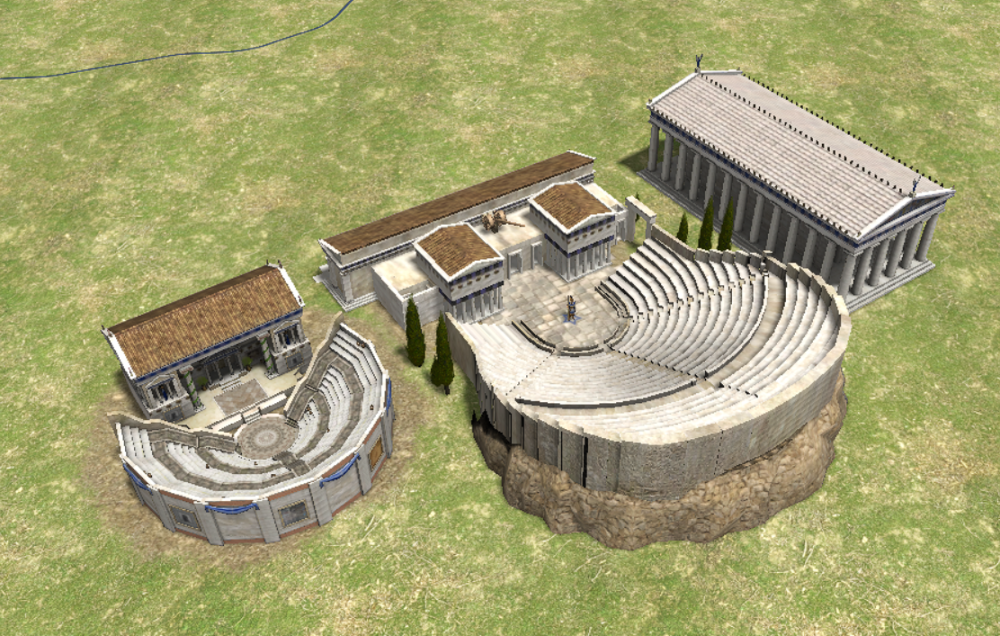
-
Is there a public repo for play0ad.com?
nifa replied to bowen951209's topic in Game Development & Technical Discussion
Is it really a typo? Or is it a reference to the ancient greek building at the back of the stage? Maybe a subtle hint to upcoming features? Nobody knows.. - Yesterday
-
Is there any specific feature/faction planned for R28 that could be highlighted? For example if the Romans were just being added the obvious choice would be Caesar, or if the Han were brand new than Confucius would fit well.
-

Is there a public repo for play0ad.com?
Perzival12 replied to bowen951209's topic in Game Development & Technical Discussion
Typo on the /game page: Behind the Skenes -

Is there a public repo for play0ad.com?
Obelix replied to bowen951209's topic in Game Development & Technical Discussion
Congrats for the new website! Half second shocked, then smiling widely. -

Is there a public repo for play0ad.com?
Grautvornix replied to bowen951209's topic in Game Development & Technical Discussion
@Stan` Wow! Looks absolutely phantastic! (Me always complaining: The only thing it'd be missing is the list of last changes to SVN indicating the project is alive ... at least I could not find it). -
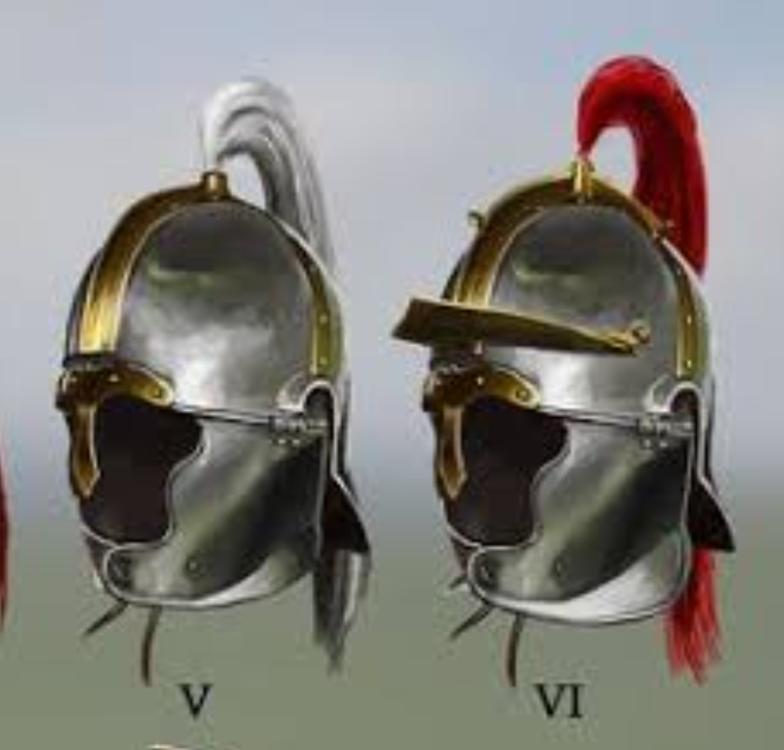
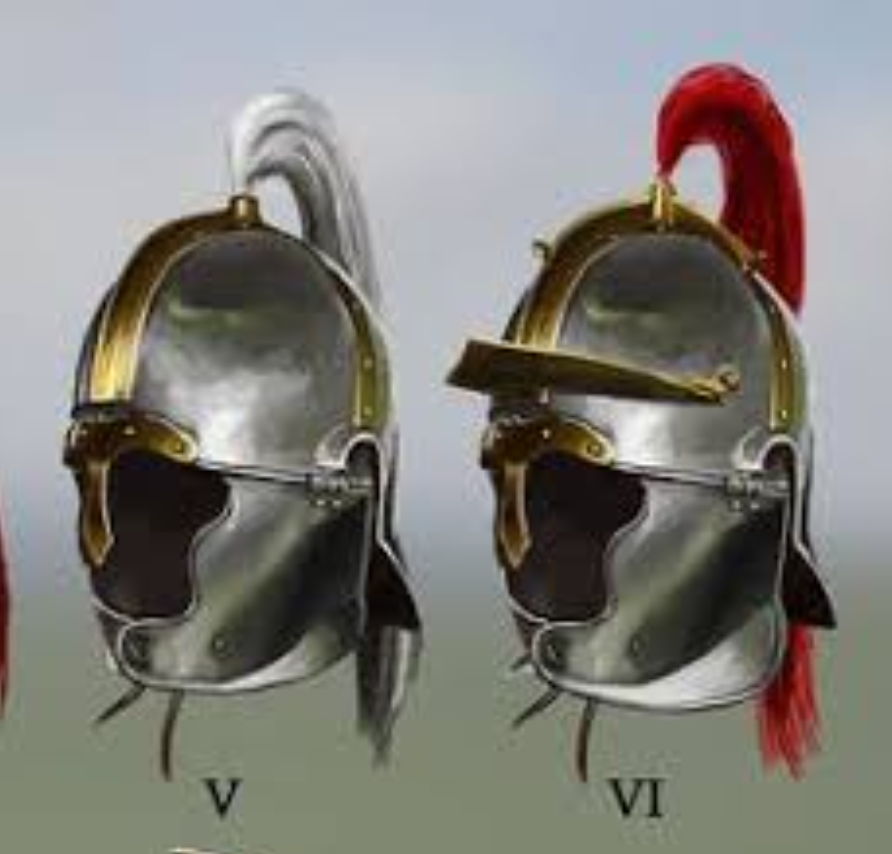
https://www.facebook.com/media/set/?vanity=magistermilitumreenactment&set=a.1325288054488452 There is another helmet that predates the Intercisa but is still from after the war with Palmyra(272 AD), dating from approximately 280 AD.
-
 @AsherThanks for the feedback! I'm keeping those points in mind, but I decided to go live like this to show my progress. I promise to improve and get them fixed over the coming days. Thank you
-
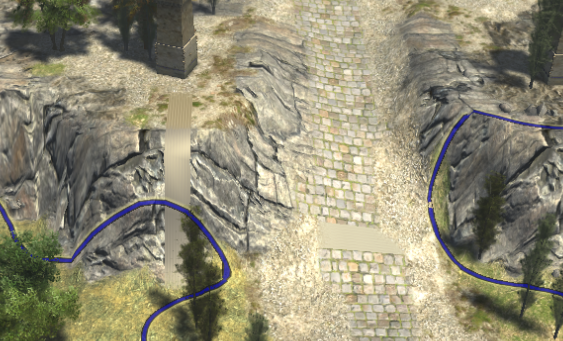
 Cool idea, @MatiusRock! It was a little glitchy on the first load, but I think that was just because it was downloading the assets. I also got some rendering issues:
-
There is a mod with good concepts that fixes the Rome II DLC Empire Divided. https://steamcommunity.com/sharedfiles/filedetails/?id=2805330646 My problem is that I saw several Intercisa helmets in that mod.
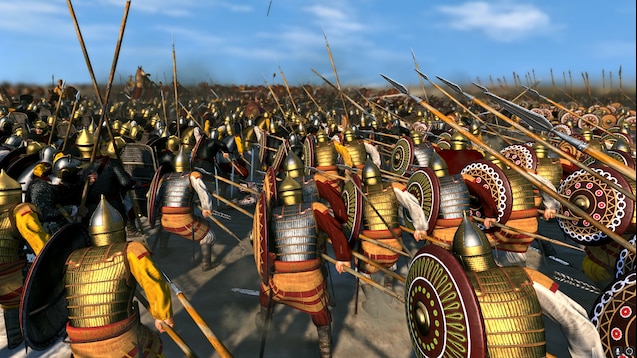
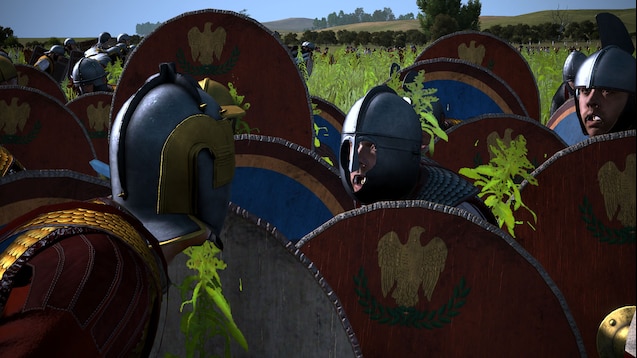
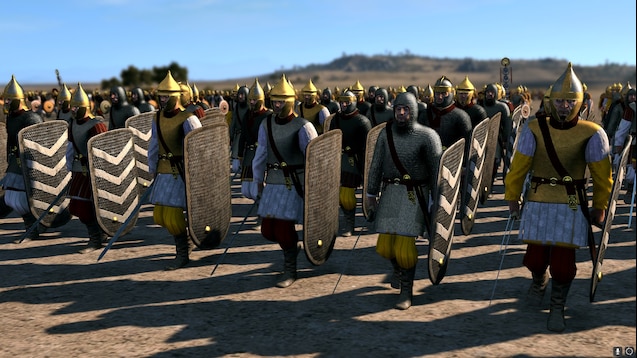
-
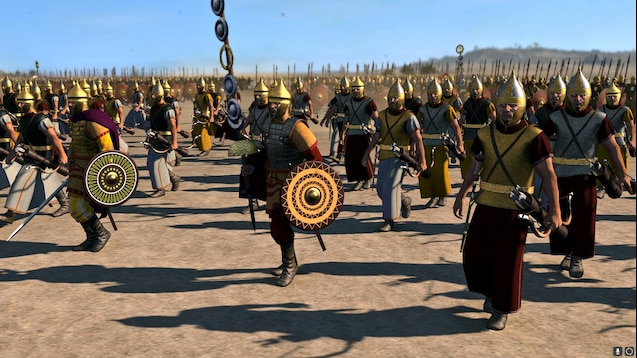
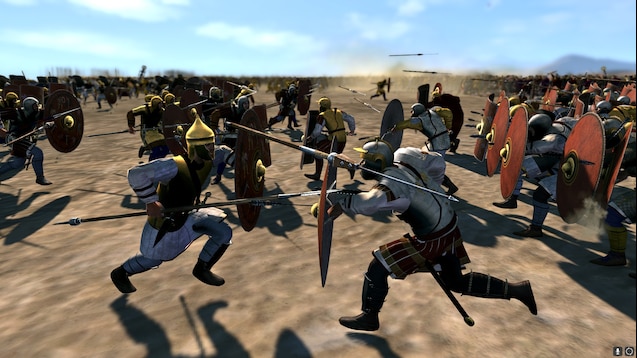
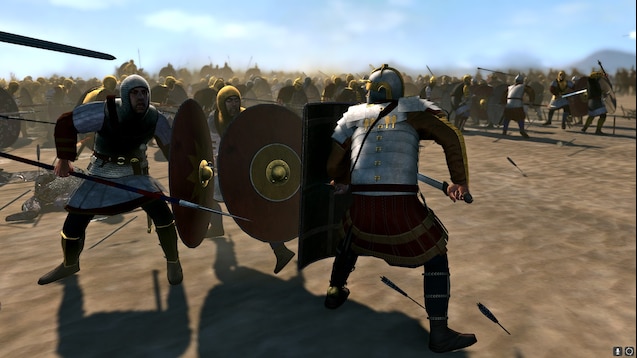
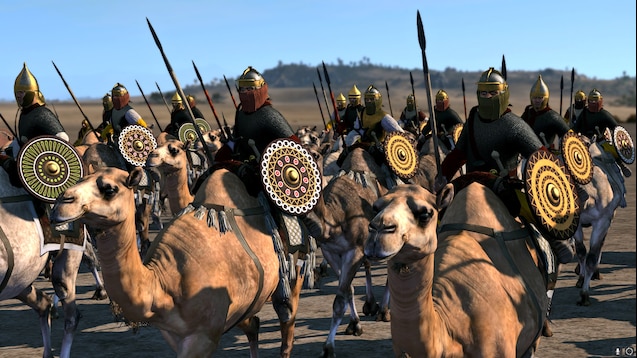
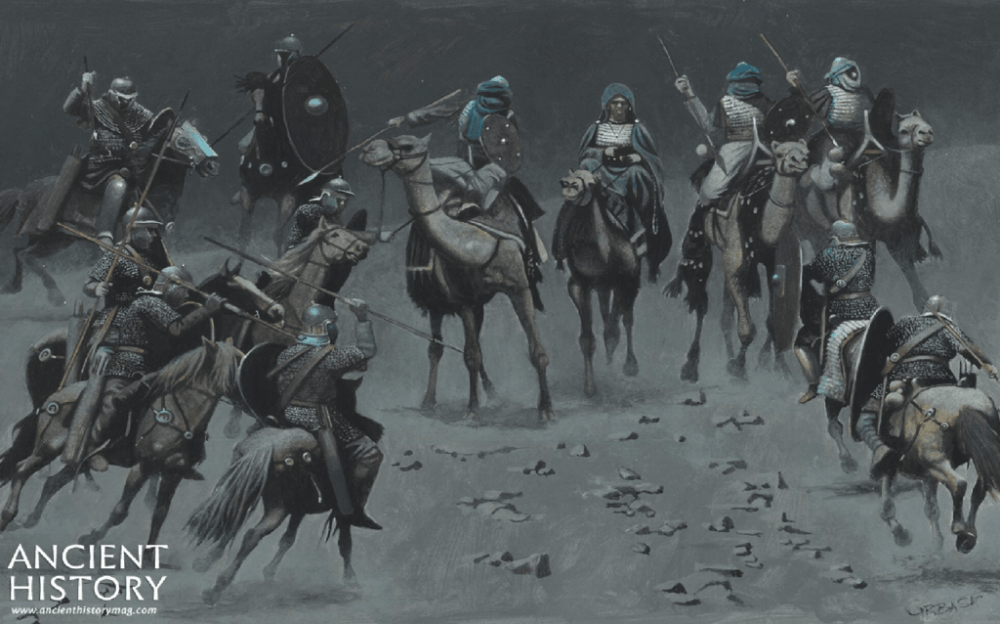
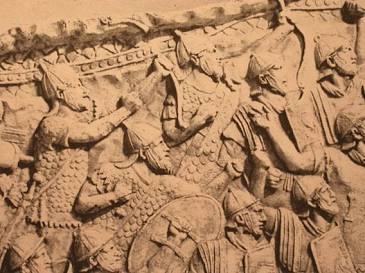
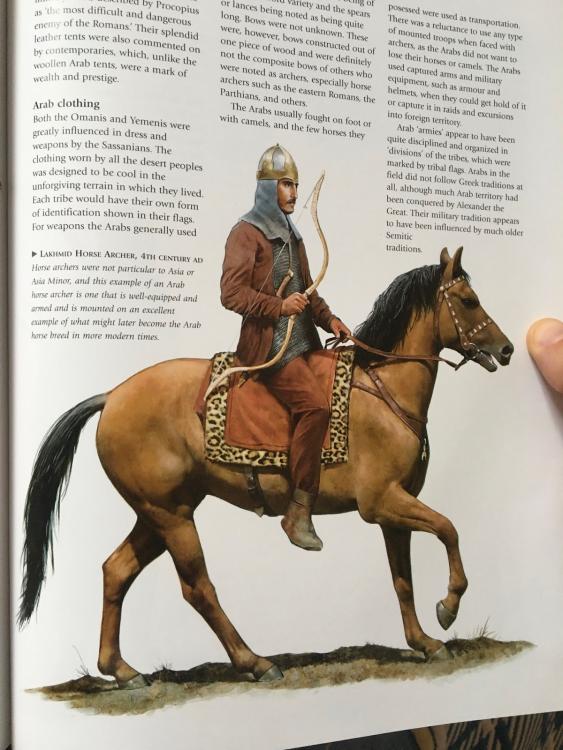
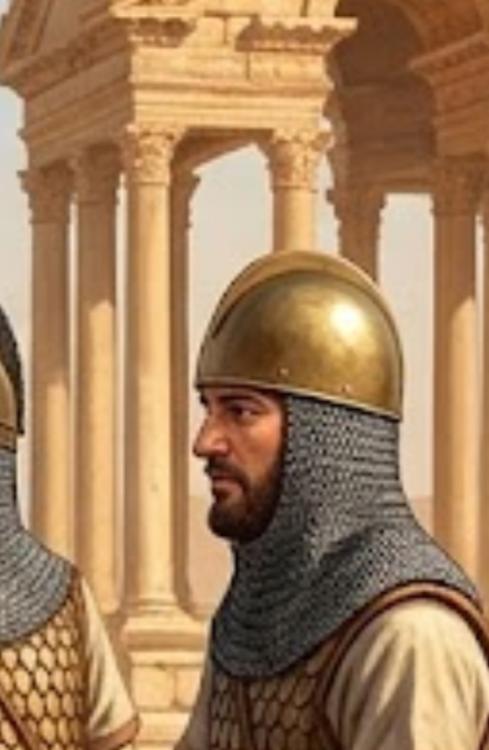
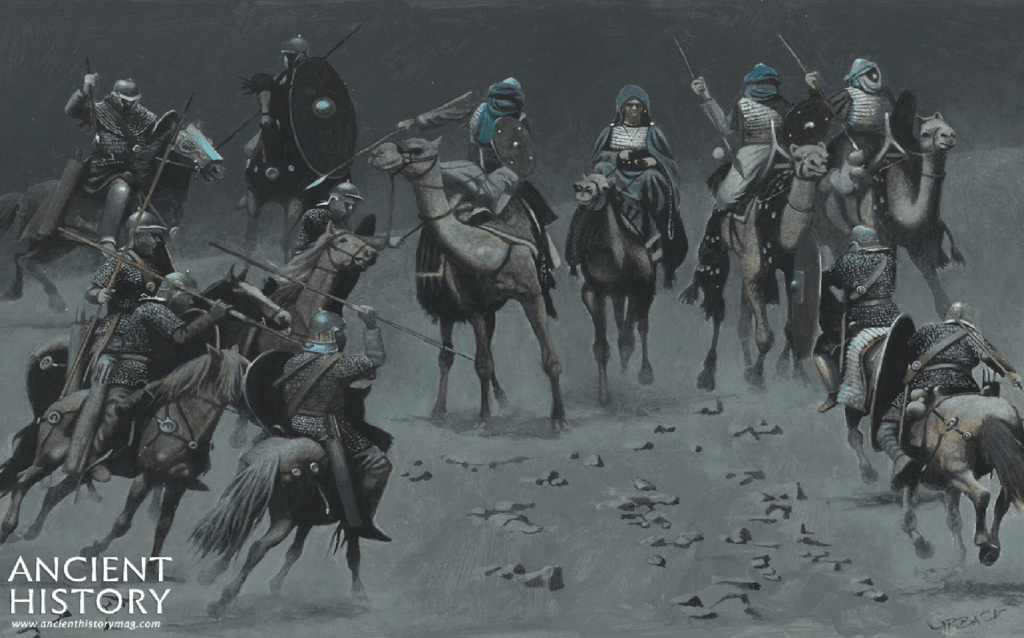
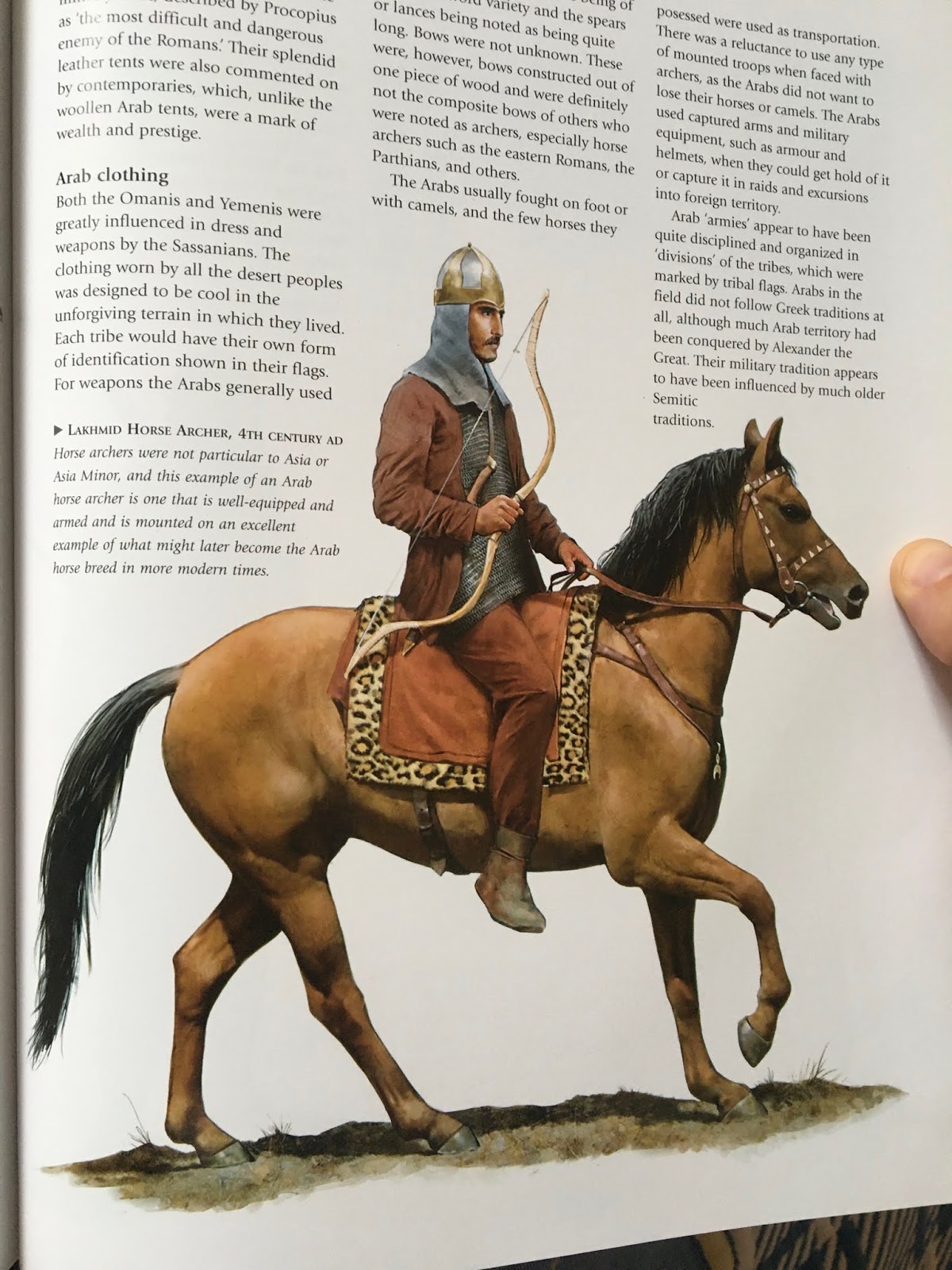
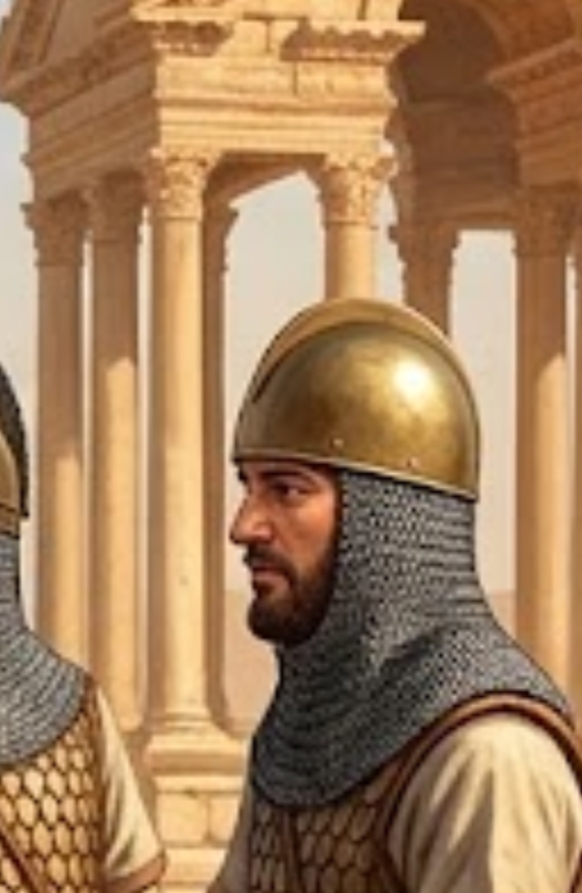
I found a scene of Zenobia with her camel soldiers. It gives me a clue as to what some of the troops looked like. A rather Arabic-semitic style with turbans, some ice like the ones I showed above, less Roman, it gives me the impression that she didn't use many troops with a Roman appearance. In theory, many scenes from Palmyra depict troops wearing their finest civilian clothing. These include turban-style headdresses.
-
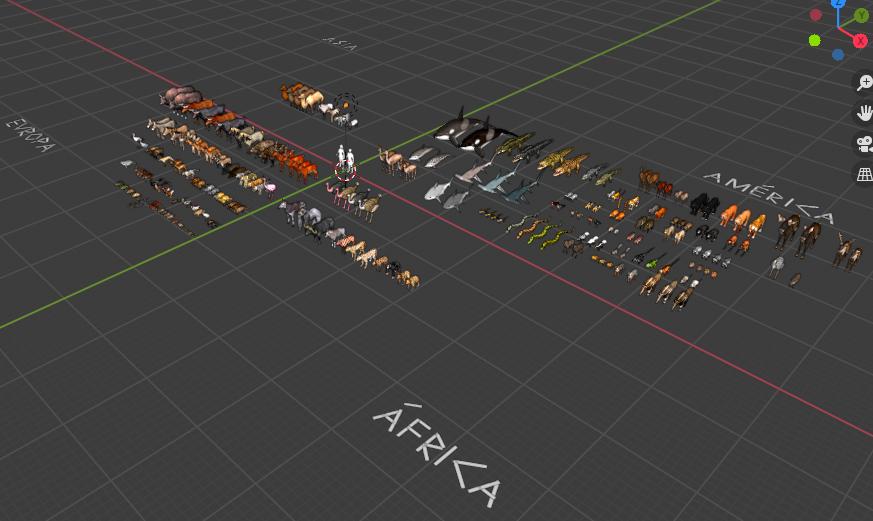
Buenos días o tardes: -El catálogo de fauna quedaría así : Africa:(11) 1. Avestrúz 2. Bongo 3. Cafre 4. Chimpancé 5. Gorila MACHO 6. Guepardo 7. Hiena 8. Leopardo 9. Macaco de berbería 10. Okapi 11. Oryx América:(40) 1. alce 2. anaconda 3. ardilla gris 4. caimán 5. caribú 6. chacalaca 7. ciervo de virginia 8. coatí 9. cocodrilo 10. cocodrilo narigudo 11. cojolite 12. coyote 13. grisón 14. guanaco 15. iguana 16. jaguar 17. mapache 18. margay 19. mazama 20. mazama pandora 21. mofeta 22. mono aullador 23. mono araña 24. ñandú 25. ocelote 26. oso hormiguero 27. pantera negra 28. pajuil 29. pecarí 30. perro americano 31. puma 32. sapo de caña 33. tamandúa 34. tapir americano 35. tepezcuintle 36. tinamú 37. toloque 38. yaguarundí 39. zarigüeya 40. zorro gris Asia:(5) 1. camello bactriano 2. Leopardo de las nieves 3. Oryx árabe 4. Saiga 5. Tapir malayo Europa:(37) 1. ánade 2. ardilla europea 3. bisonte 4. cabra lusitana 5. castor 6. ciervo rojo 7. cigüeña 8. comadreja 9. corzo 10. culebra 11. erizo europeo 12. flamenco 13. foca 14. gallo 15. gamo 16. ganso 17. garza blanca 18. garza real 19. gato montés 20. jabato 21. lagarto ocelado 22. liebre 23. lince 24. marmota 25. nutria 26. osezno 27. perdiz 28. rana ibérica 29. rana verde ibérica 30. ratón 31. sorraia 32. tejón 33. tortuga 34. turón 35. uro 36. urogallo 37. zebro marítimo: (4) 1. Delfín 2. Orca 3. Tiburón martillo 4. Tiburón sardá TOTAL:97 (Más animales vienen de camino) Disculpen las molestias*
-
Hello everyone! My name is Jorge, and I'm a software developer from Colombia. I'm excited to share a personal open-source project I've been working on, inspired by the incredible work of the 0 A.D. community and Wildfire Games. First of all, I want to express my appreciation to everyone who has contributed to 0 A.D. over the years. The dedication behind the game, its engine, artwork, and community is truly impressive. Introducing SourceQuest I've recently launched SourceQuest, a platform I'm building to showcase open-source games, explore their technology, and make some of them playable directly in a web browser. Website: https://sourcequest.games/ One of my main experiments is an unofficial WebAssembly port of 0 A.D., allowing players to experience the game in a compatible desktop browser without installing it. What I've been working on Rather than recreating 0 A.D. or developing a new game from scratch, my goal has been to adapt the original Pyrogenesis engine for browser execution. The current experimental port includes: The original C++ Pyrogenesis engine compiled with Emscripten and WebAssembly. WebGL 2 rendering. The original game simulation, interface, and Petra AI. Single-player gameplay against AI opponents. Browser-based game data loading and caching using IndexedDB. The port is still experimental and has limitations. Multiplayer is not currently supported, and the first launch requires downloading approximately 2 GB of game data. A compatible desktop browser with WebAssembly JSPI and WebGL 2 support is required. You can explore the port here: https://sourcequest.games/games/0ad/ Source code and modifications: https://github.com/MatiusRock1/0adwebassembly Experimental experiences built on 0 A.D. I've also been experimenting with two small mods built on the same engine: Kingdoms RPG: A prototype combining RPG progression, a controllable hero, quests, settlement building, and real-time strategy. Mare Nostrum: A strategy experiment combining turn-based territorial decisions with real-time battles. These are experimental modifications built on 0 A.D., not independent replacements for the original game. Credits, licensing, and respect for the original project I want to be absolutely clear about something important: 0 A.D. is developed by Wildfire Games and its community. SourceQuest does not claim ownership or authorship of the original game, the Pyrogenesis engine, its artwork, audio, or other original assets. My contribution focuses on the browser adaptation, its integration, and the experimental experiences built on top of it. This is an independent, unofficial community project. It is not affiliated with, sponsored by, or endorsed by Wildfire Games. The original licenses and attribution are preserved: GPL-2.0-or-later for the relevant game and engine code, and CC BY-SA 3.0 for the original artwork and audio, subject to their respective licensing notices. I've also included links to the original project, source code, credits, and license information on SourceQuest. Credits: https://sourcequest.games/credits.html Official 0 A.D. website: https://play0ad.com/ Why I'm sharing this here My intention is not to compete with or replace 0 A.D., but to explore another way for people to discover and experience this remarkable open-source game. I believe bringing open-source games to the browser could introduce them to new players and create interesting opportunities for experimentation. I'm sharing this project with the community because I'd genuinely appreciate your feedback, especially regarding: Technical considerations for the WebAssembly port. Attribution, licensing, and proper recognition of the original contributors. Potential improvements to browser compatibility and performance. Ideas for making this experiment more useful to the open-source community. If anything about the project presentation, credits, or licensing should be improved, please let me know. I'm more than happy to make adjustments. Thank you again to Wildfire Games and all the contributors who made 0 A.D. possible. Without your work, this experiment would not exist. Best regards, Jorge SourceQuest – https://sourcequest.games/
-
Review request: PR #9291 – OOS diagnostic dumps
Ceres replied to Ceres's topic in Game Development & Technical Discussion
Does any of the maintainers want to review? Thank you. -
MatiusRock joined the community
-
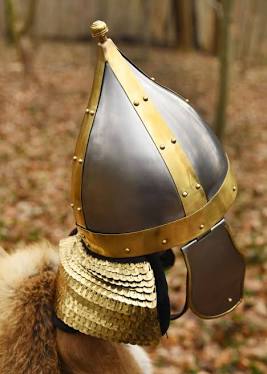
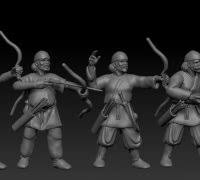
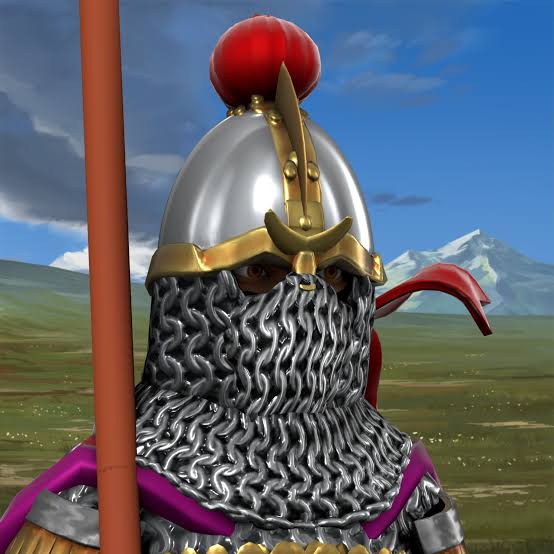
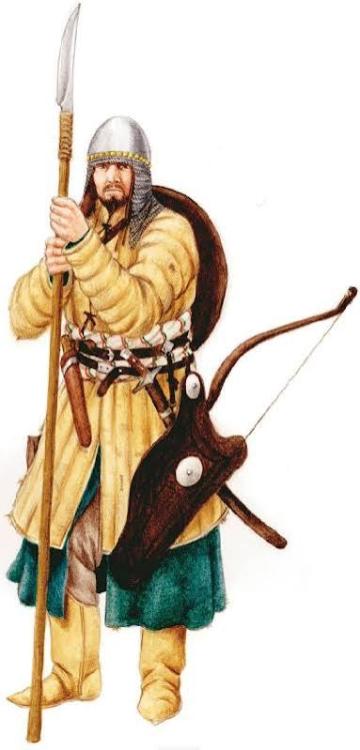
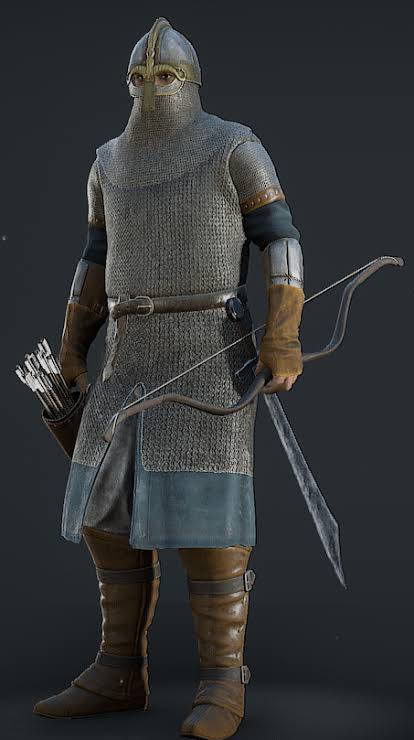
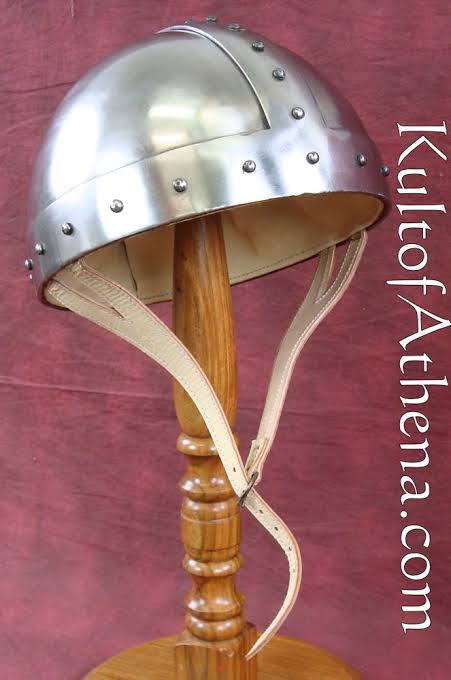
Other options include the conical helmet. Other options are that they are already transposing the helmets before the intercisa and with Sasanian influence. Basically a 2-piece metal helmet but adapted for infantry.
-

Unable to edit the Gitea Wiki
Stan` replied to bowen951209's topic in Game Development & Technical Discussion
It's possible, but it requires more work. so far we don't really need it. (You should have access now) -

Is there a public repo for play0ad.com?
eZamus replied to bowen951209's topic in Game Development & Technical Discussion
@Stan` I cloned the project this morning, and when I returned to the Githuba few moment ago it was gone xD If you need any help, I will glad to help -

Is there a public repo for play0ad.com?
bowen951209 replied to bowen951209's topic in Game Development & Technical Discussion
Guys, the site is live! -
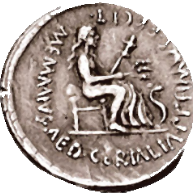
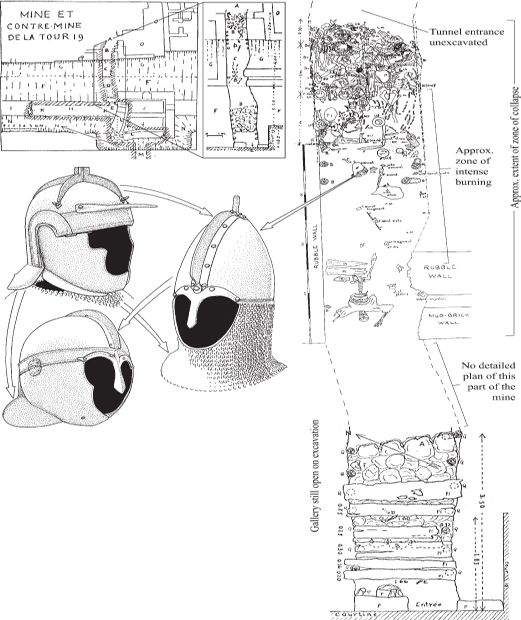
Apparently, the Intercisa is several decades after Palmyra, so it could be ruled out. Nor is it a closure. Intercisa appears as a response to the economic collapse of the Roman state and the adoption of new manufacturing techniques. https://imperiumromanum.pl/en/curiosities/fabricae-roman-armory/ Intercisa is definitely out. It is due more to the financial collapse of Diocletian's time. Forging a spherical bowl in a single piece required highly skilled artisans and many hours of work. • In contrast, the Intercisa design allowed less experienced workers to cut prefabricated iron sheets, join them with a central riveted band, and assemble a functional helmet in a fraction of the time. "With the third century A.D. and the growing threats at the borders, the design of Roman helmets evolved towards simplicity, pragmatism and low cost of production. The steppe and Sassanid Persian influences began to be noticeable, especially with the reorganization of the army and the appearance of government armor factories". Regarding Eastern archers: The lighter archer levies, or those raised in emergencies, used caps of pressed felt or hardened leather.[[Here I will need a source to validate this] The movement of the bow: When drawing an Eastern composite bow, the string is pulled back brushing against the cheek or the ear. If the archer were wearing the enormous metal cheek-pieces of a Roman legionary, the string would constantly strike against the helmet, deflecting the arrow and ruining the shot. This is my dilemma with the evolution of helmets. [Context the Siege of Dura Europos] Inside the Roman tunnel were found a pile of dead Roman soldiers, and nearby a Sasanian. His iron helmet (left) shows signs of Roman influence (mail, reinforcing plates), and in turn was a prototype for Roman helmets of the following century. This illustrates convergence in military technology and practices across this frontier, seen also in the shared methods of siege warfare exhibited at the site. Simon James, after Du Mesnil. https://erenow.org/ww/the-oxford-handbook-of-warfare-in-the-classical-world/9.php https://www.romanarmytalk.com/rat/showthread.php?tid=17085
-

[Part III] Faction: The Archaic Hellenes (776-480 B.C.)
Ultimate Aurelian replied to Zophim's topic in Aristeia
For champion infantry. -
What I have found in my research. At this stage the Romans discarded helmets of Celtic origin or of that style of manufacture. The Neiderbieber style was the last to use the evolution of the imperial gallic coolus as a base. https://www.ospreypublishing.com/uk/osprey-blog/2025/roman-infantry-helmets/ Both Montefortino and Coolus are called "Jockey cap" helmets H. Russell Robinson. Despite this, the Niederbieber is the only helmet that the Romans created themselves. It was neither Celtic, nor Greek, nor Eastern. The source says that: "Throughout their development, Roman infantry helmets had one thing in common: the fact that their origins always lay with the equipment of peoples Rome had encountered on the battlefield and subsequently adopted (and adapted). The Montefortino, Coolus and Weisenau/Imperial-Gallic and -Italic helmets were all derived from helmets of the inhabitants of north-western Europe. By contrast, the Late Roman ridge type helmets were adopted from steppe prototypes to the east, which appealed because their composite construction was less troublesome than the earlier one-piece bowl examples. Arguably, the only true Roman development was the Niederbieber type, with their deep neck guards and close-fitting, large cheek pieces, and these were only a natural progression from Early Principate helmets". Apparently, the type of manufacturing is what differentiates each model or type. I will try to read the entire source, that is, the book: Roman Infantry Helmets by M.C. Bishop.
-
Unable to edit the Gitea Wiki
bowen951209 replied to bowen951209's topic in Game Development & Technical Discussion
Sure. My Gitea account is @bowen951209. By the way, do you mean it's currently not possible to sync with CI like what I said in the first solution?







-
Latest Topics
-

