Leaderboard


Popular Content
Showing content with the highest reputation on 2026-04-28 in all areas
-
So, I've uploaded release 28 to mod.io: https://mod.io/g/0ad/m/theban-greeks#discussion Just waiting for approval! Luckily it's a very small mod (under 2mb). Here's the pyromod if you'd like to test it before it goes live on mod.io theban-greeks.pyromod Any suggestions on how to improve the mod? Keep in mind, it's a simple civ mod which adds to the base game and isn't intended to change the gameplay of the rest of the civs or change the meta (such as in Delenda Est).7 points
-
I am just for adding Thebes as a faction and calling it a day for the Greeks, honestly. If Iberians and Germans are too much of an umbrella factions, we can separate them sometime in the future, as well.2 points
-
Update: Animation pack added.2 points
-
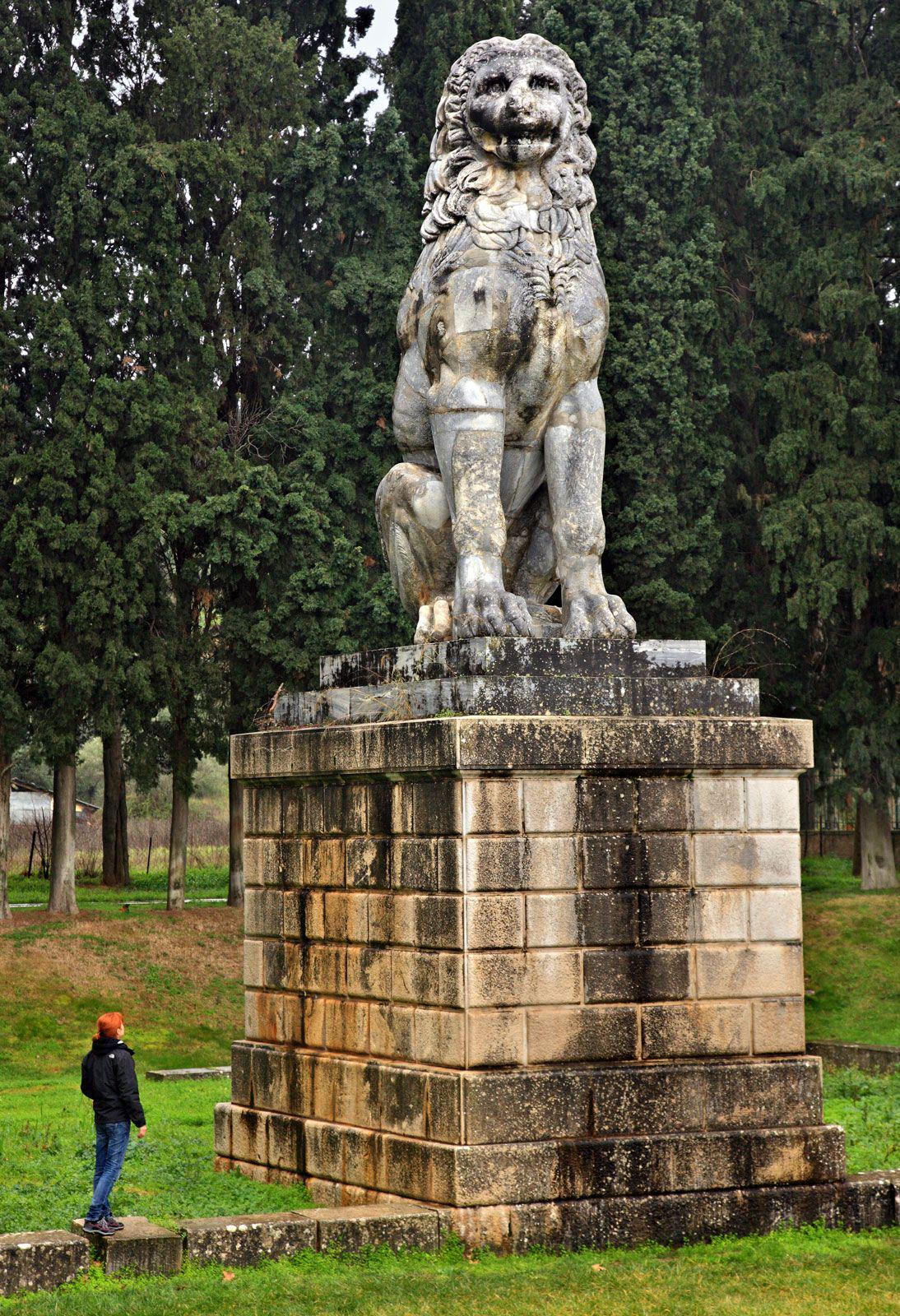
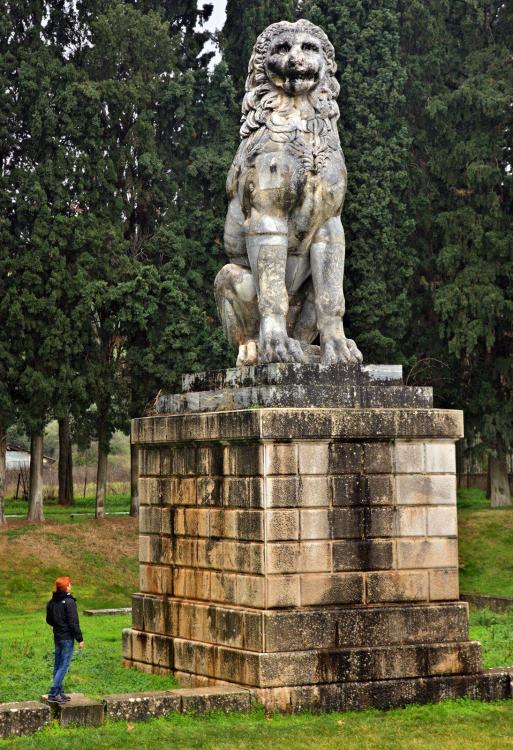
In case more is needed, another great monument they had is the Lion of Chaeronea (this time commemorating a defeat, against the Macedonians). It was rediscovered in 1818 and put back together in 1902. Not my picture (sadly it was hard for me to visit):
 2 points
 -
Just pm'd you regarding this. We can definitely discuss more later. For now I am hoping to get more ideas/input from the community on our current civs. We are still in need of a second team bonus for the Germans! You can always find the most up to date version on github (link at the first page of this post) and I hope to have the lastest version out on mod.io later today/next day or 2 depending on what stuff needs to be cleaned up! Thanks everyone for their help and support1 point
-
Go ahead.1 point
-
@wowgetoffyourcellphonemay we incorporate them into Classical Warfare AEA? I'm also wondering if there is a way to incorporate parts, without adding a full civ (only because it seems sometimes there are too many civ options ) Allies to someone, merc for anyone etc?1 point
-
Indeed! Maybe a challenge for @Alexandermb?1 point
-
@wowgetoffyourcellphone everything working good now! The Pyrobolos sinks straight into the ground when it dies. I assume it’s because there’s no destruction animation for the structure (units die with an animation). Black cloak champs looks awesome1 point
-
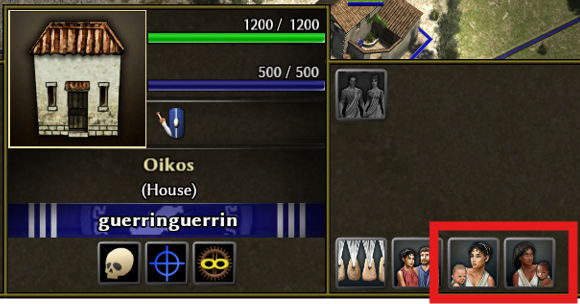
Nice work @wowgetoffyourcellphone! I found some bugs, i'm not sure if this is only on my end. I'm using R28 vanila without any other mod than this. When building barracks and stables: And some more of them when selecting those built barracks and stables, probably related to the same issue: Dying heros: ERROR: CCacheLoader failed to find archived or source file for: "art/materials/player_trans_spec.xml" ERROR: CCacheLoader failed to find archived or source file for: "art/materials/player_trans_spec.xml" Edit: and this last one. Duplicated fertility festival:
 1 point
 -
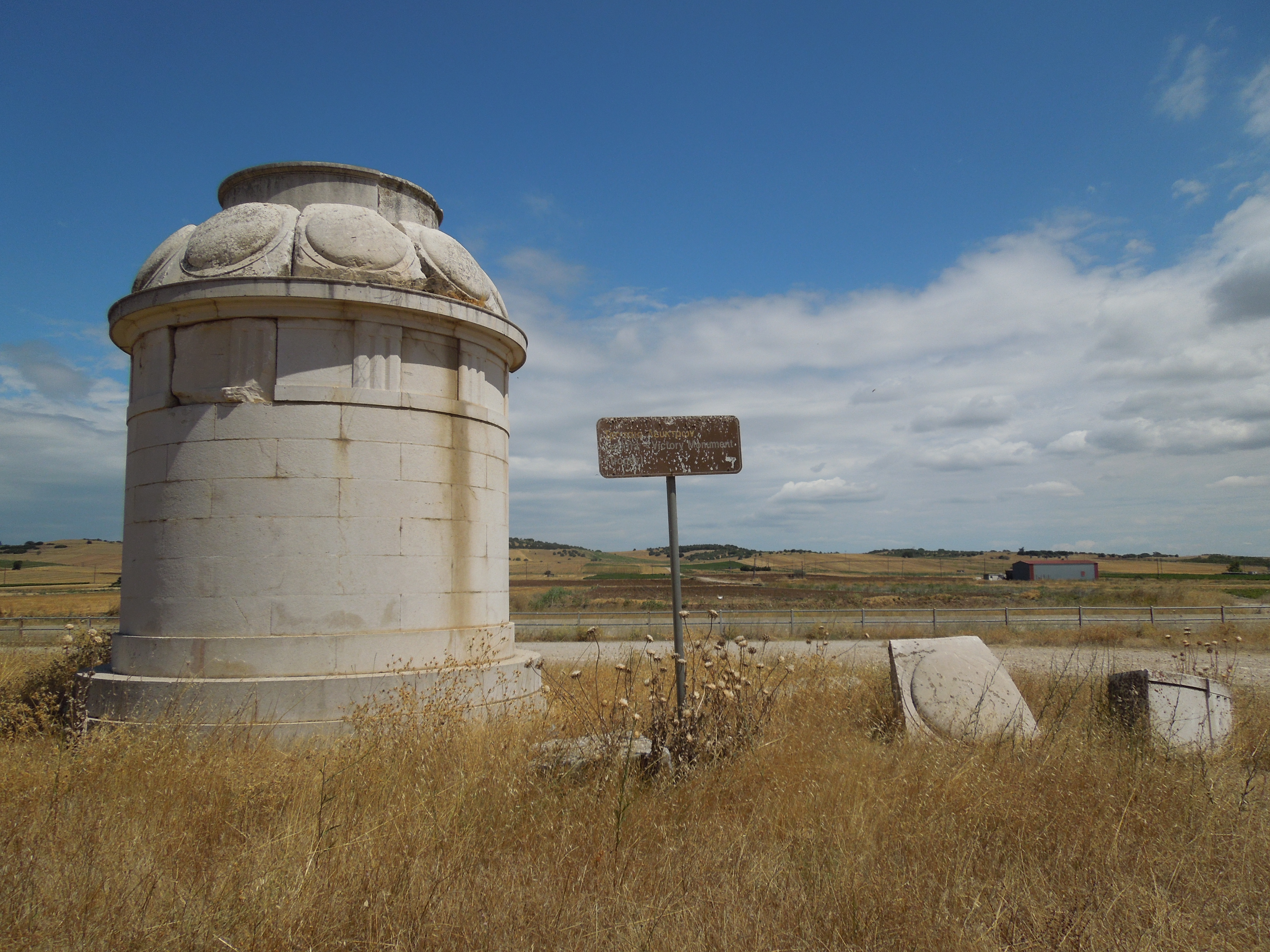
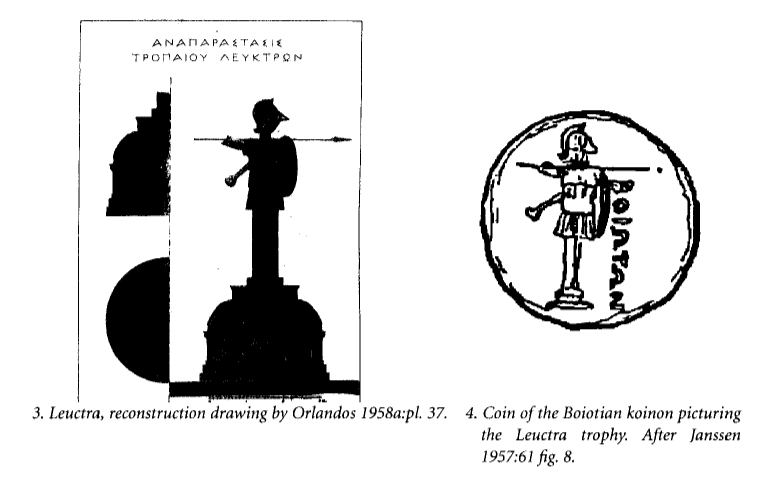
Good that you ask, because it seems it would have looked different. According to Greek Trophy Monuments, by Jutta Stroszeck: "The monument at Leuctra is a circular tower (3,38m in diameter) erected on three steps. The height of the tower could not be established, because there were not enough original stones. It was therefore restored in proportion. It is crowned by a Doric frieze, followed by a frieze of nine large round shields and a circular balustrade. Excavations carried out in the area brought to light some scattered conglomerate blocks, but no foundations in situ. So we have no information on whether or not it stood within a defining space. The interior of the monument is hollow, without any doubt for the reception of the [foundation for the] bronze trophy,' as Orlandos remarked. The bronze tropaion mentioned in the texts and shown on coins of the Boeotian Koinon must therefore have once stood on a pillar-like base in the center of the monument, rising high above the balustrade. The form of this monument is distinctive, the ground plan can be reconstructed as a round tower with a massive central base carrying the tropaion. Few analogies are known in architecture, and yet it does not seem likely that the monument at Leuctra was an invention for that occasion. It rather must have stood in line with an older tradition, the type and layout being developed much earlier. That ancient art was rather conservative with regard to the use of specific architectural types, especially in combination with cult buildings, can be deduced by comparing the main features of the two colossal Roman trophies that are preserved today: both the trophies from La Turbie and Adamklissi have a cylindrical central tower set on top of a quadrangular substructure. Each is crowned by a central pillar carrying the anthropomorphic stone trophy". Here drawings from the book:
 1 point
 -
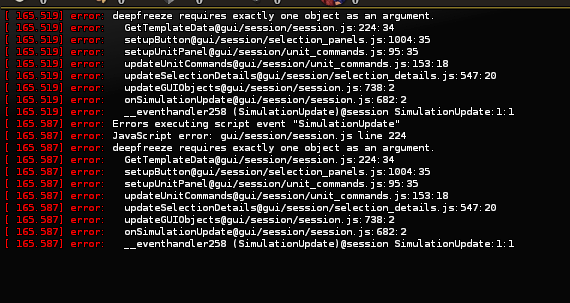
I tried it a little, but I got this when I clicked on barracks:
 1 point
 -
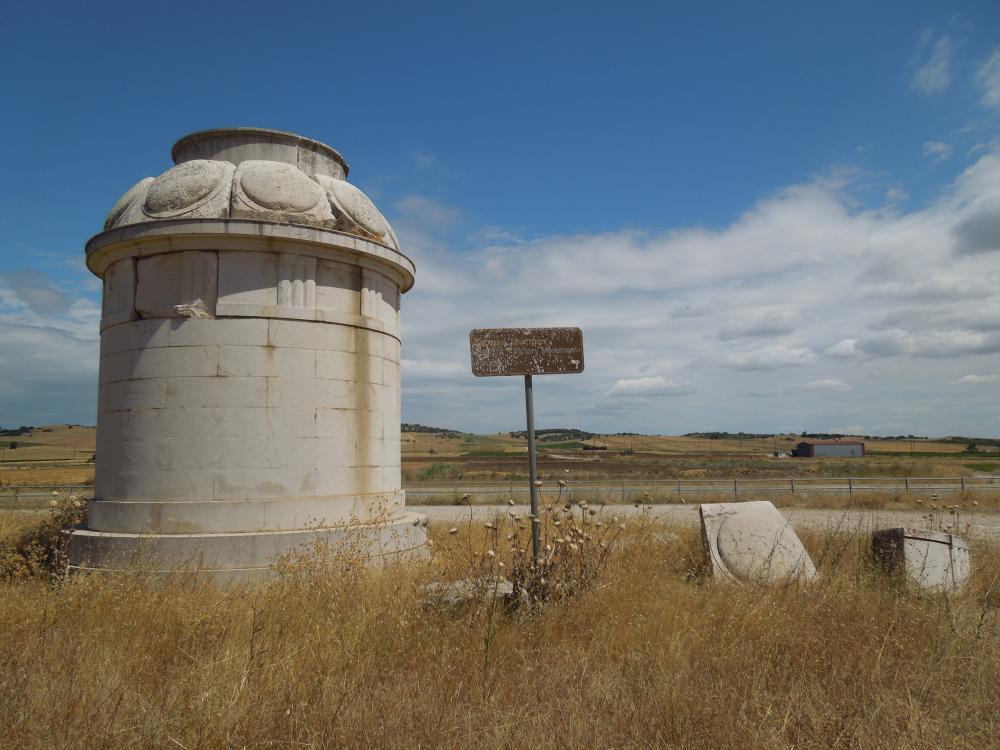
Besides the obvious Epaminondas and Sacred Band, I’m happy you have included their “fire-throwing engine”. From the top of my mind, I can suggest the Hamippoi ("those running with horses"), highly mobile light infantry (possibly javelinmen) that ran alongside cavalry and countered enemy cavalry (maybe could have mutual bonus). Xenophon says “Epaminondas on the other hand had made a strong column of his cavalry, also, and had mingled foot soldiers among them”, and says that “Another duty of a cavalry commander is to demonstrate to the city the weakness of cavalry destitute of infantry as compared with cavalry that has infantry attached to it. Further, having got his infantry, a cavalry commander should make use of it. A mounted man being much higher than a man on foot, infantry may be hidden away not only among the cavalry but in the rear as well“. Found this video about them (where at the end he mentions the Macedonians also using them), and since they are more a role for the fit and not a completely different unit, maybe it could relate to unit upgrade with experience: Regarding special structures, the Tropaion of Leuctra (trophy monument for their victory against the Spartans) still stands today a few km away from Thebes (where there's not a lot still standing), although only the top stone shields are original. Here the photo I took of it:
 1 point
 -
https://gitea.wildfiregames.com/0ad/0ad/pulls/83231 point