Leaderboard



.thumb.png.ce58cea22940c255f5b0a735d5abee36.png)
Popular Content
Showing content with the highest reputation on 2026-04-25 in Posts
-
Like some people might have noticed I worked on some janitor tasks in the last weeks. Now every open Issue has a Type label (some 35 closed ones are still lacking: current state), a Priority label (some 24 closed ones are still lacking: current state) and countless tickets have gotten a Theme label. As of today we have 112 open and 181 closed Issues lacking a Theme label (current state). I probably opened everyone of them, but have no more clue on how to label the last ones. Therefore I call for support! I you have the corresponding user rights on our bug tracker, please consider working on before mentioned list - and when opening a new Issue, please remember to use at least the three important label categories and a milestone. Why is this label important? If bug reports arise on the forums, it's not always possible to check on Gitea for the existance of already opened Issues by using the search function. We have no semantic search function, so it's sometimes just luck to find something if the words are matching. Then the search by Theme labels really helps. But if tickets haven't such label, we might open duplicate Issues which leads to problems in the future like redundant work etc.4 points
-
I was referring to the fortress. I agree that more points would be good. On the last point, I don't recommend adding an additional point of complication to a mechanic that is already complicated, as you mention in your OP. I agree with the other stuff, especially the need to nerf the high volume capturing scenario and not the small volume. To clear up some confusion about the nerfs that I introduced ahead of R28: by increasing the default regen rate, we essentially increase the number of units needed to achieve the "high volume" capturing scenario. At the same time, you are punished less for having an empty CC, giving you time to garrison it. I don't say that its perfect, but its better now, and in my games I see people go for siege more often.1 point
-
Thanks to everybody who voted and participated. I think the trend was already identifiable by the vote so I went ahead and made the PR. Current key changes (might be amended by balancing members). Make some techs add capture points to associated building. Sentries add +50% to towers Professional Garrison add +100% to forts Add +500 base capture points to CC and +1000 capture point to Forts. Colonies almost unchanged. Support diminishing capture rates for CC and Forts See https://gitea.wildfiregames.com/0ad/0ad/pulls/88921 point
-
In any case, I would PR for what this poll gets us. There haven't been any reason given for the poll proposals to be rendered invalid. The result of 1. would make capturing more difficult then my own taste but whatever...1 point
-
1 point
-
Just one review away1 point
-
For the stone walls it would be nice to have some pebble stones or grass/ plants along the corner where the wall meets the ground. Maybe you would like to bake the ambient occlusion for the decal with the walls imported, or bake ao into the diffuse. For the rest, I don't know if you are planning to add this for all buildings, but if you do it would be nice to keep a difference between rural buildings (farm, corral, storehouse etc) and city buildings, maybe even military and civil city buildings. The ones you've done already are looking much better now1 point
-
I agree with this direction. Even when buildings are meant to look recently constructed, a bit of environmental integration goes a long way in making them feel believable within the world. Adding subtle dirt accumulation around the base of walls, slight discoloration from moisture, or small traces of wear can help anchor structures to the terrain instead of making them look like they were just placed there. In real life, even new constructions quickly pick up signs of use and exposure. A hint of mud near entrances, some irregularity in textures, or very light weathering can add depth without making assets look old or neglected. It is less about making things look aged, and more about breaking the “pristine” feel so that the scene reads as lived-in and coherent.1 point
-
Each iteration looks so much better1 point
-
Disculpe, ahora si me funciona el mod, siento las molestias que les haya podido provocar, por cierto, buen trabajo, seguid asi1 point
-
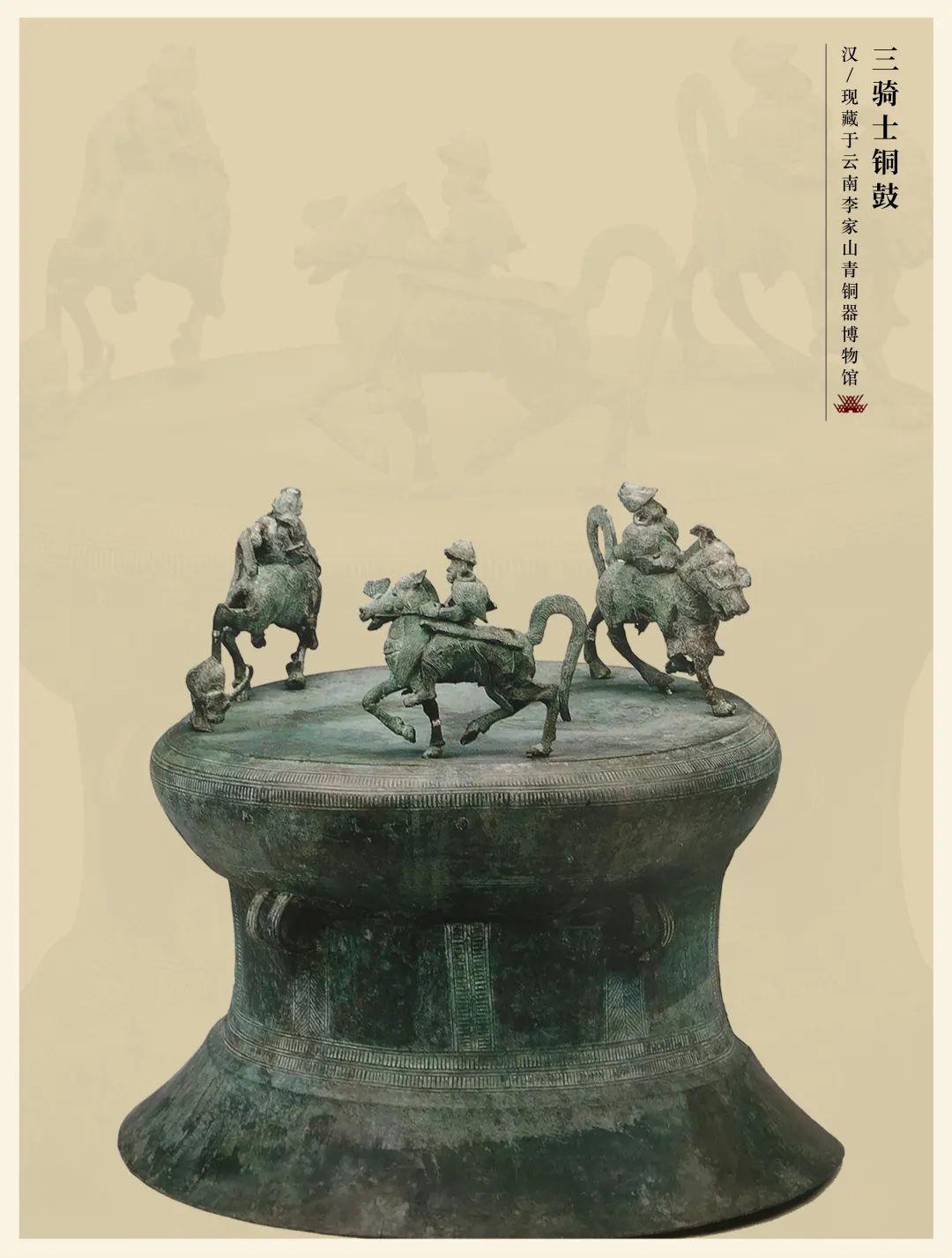
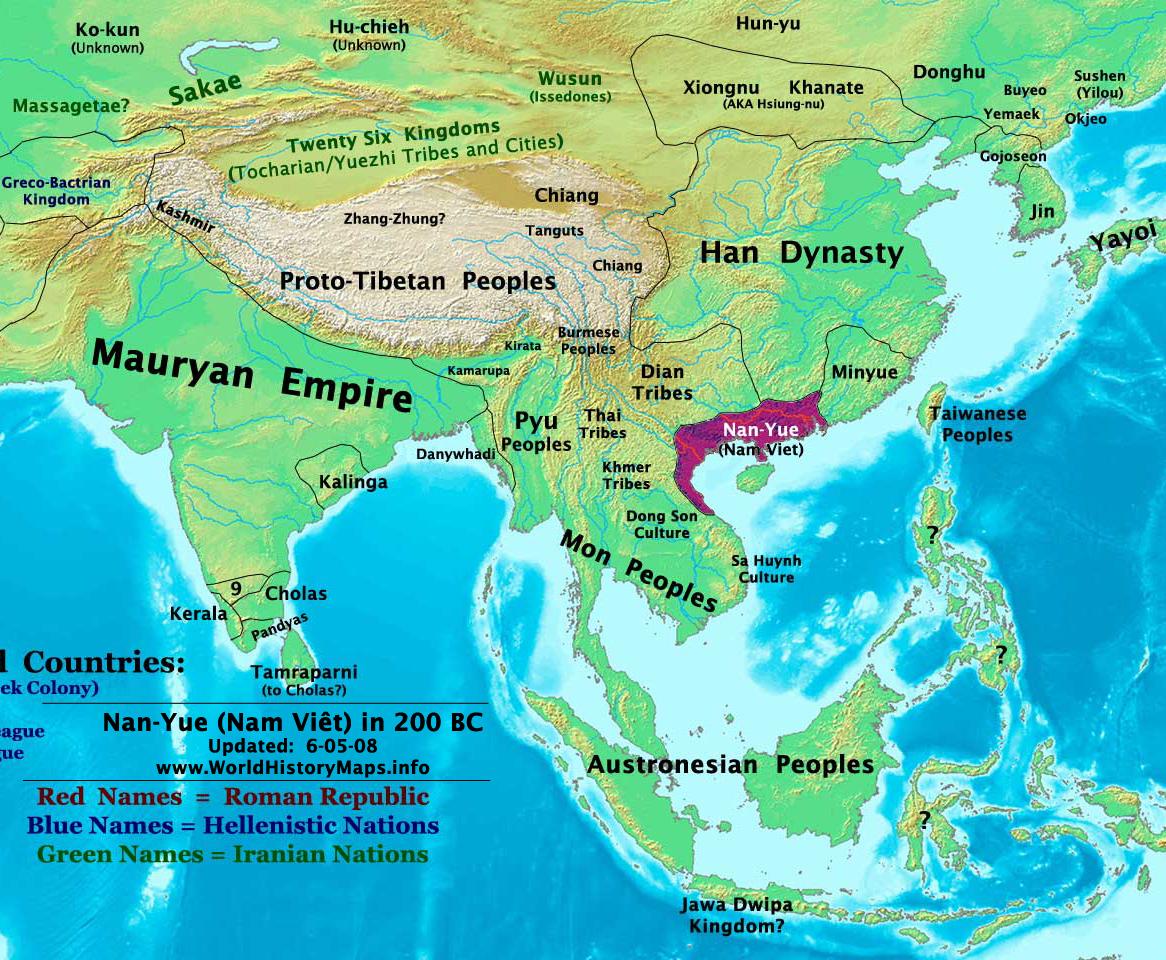
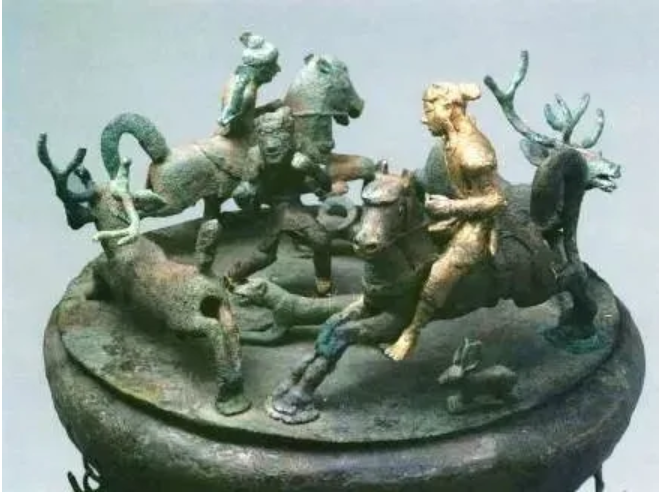
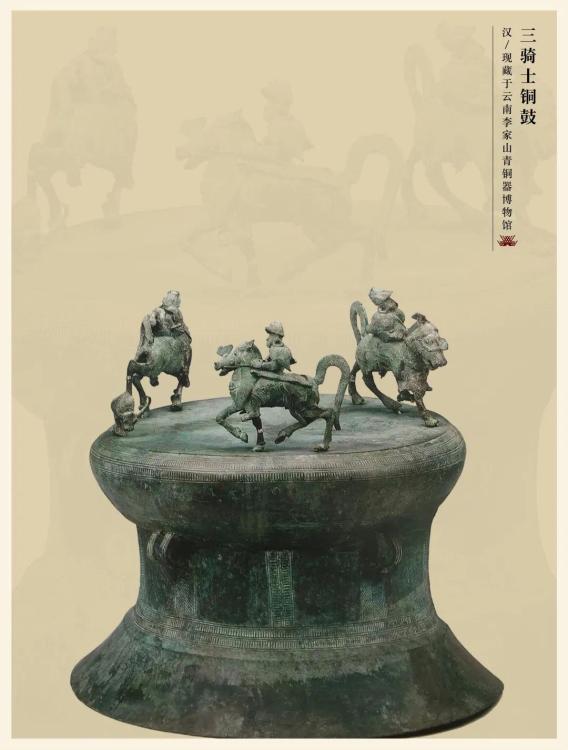
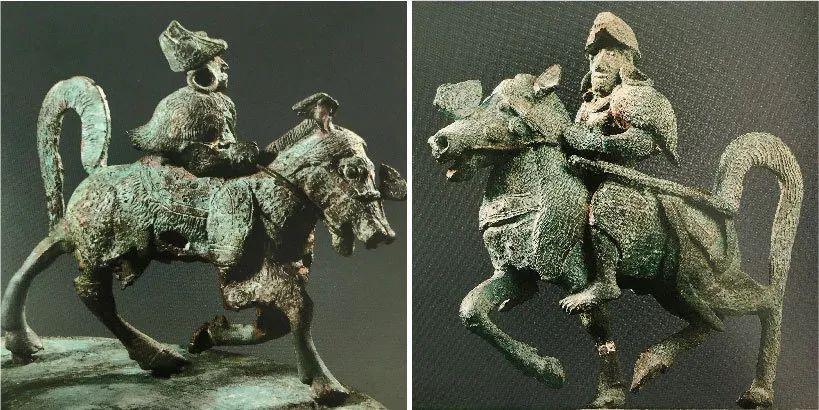
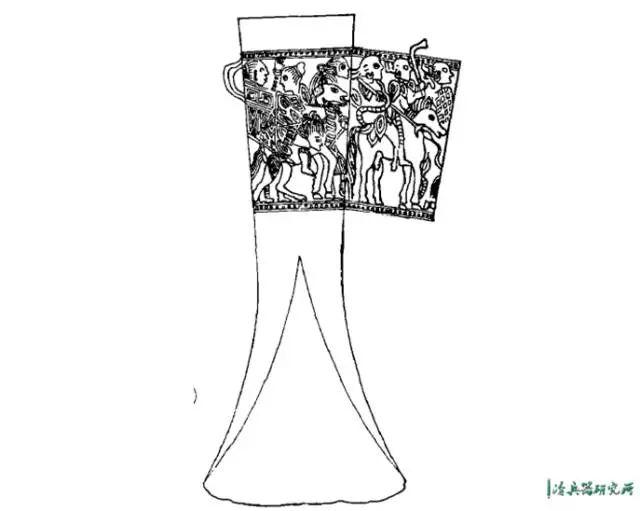
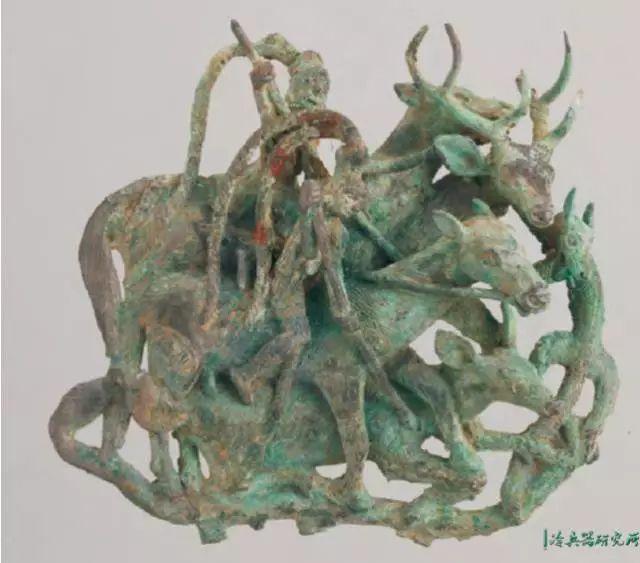
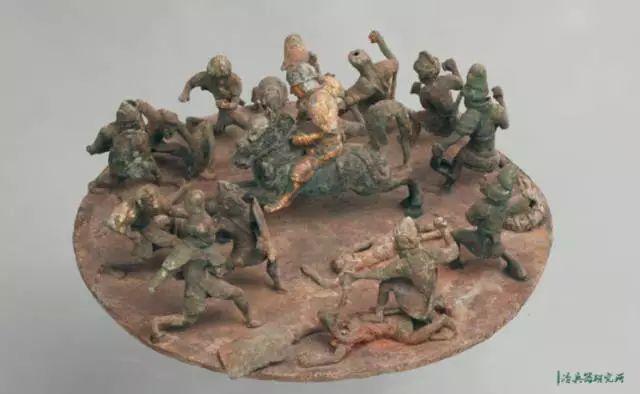
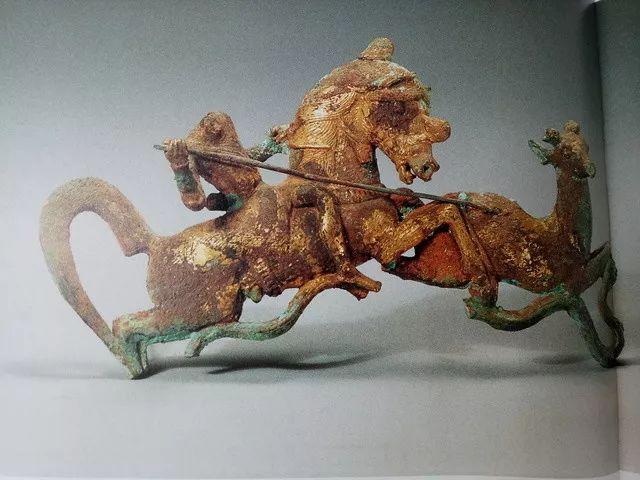
The characteristics of the Yue people are that they mainly use infantry, are good at water warfare, and use swords more than long-pole weapons. Many swordsmen in the Han army are recruited from the Yue people. The Dian people are famous for their cavalry, and many bronze wares depicting the Dian cavalry have been unearthed. None of them use war elephants.
 1 point
 -
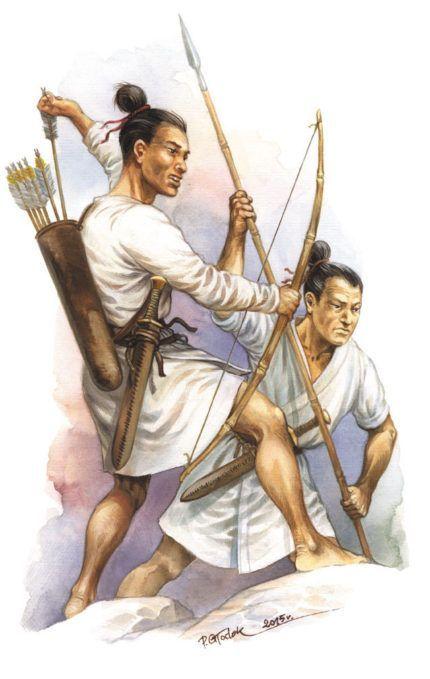
Vietnamese auxiliar.
 1 point
 -
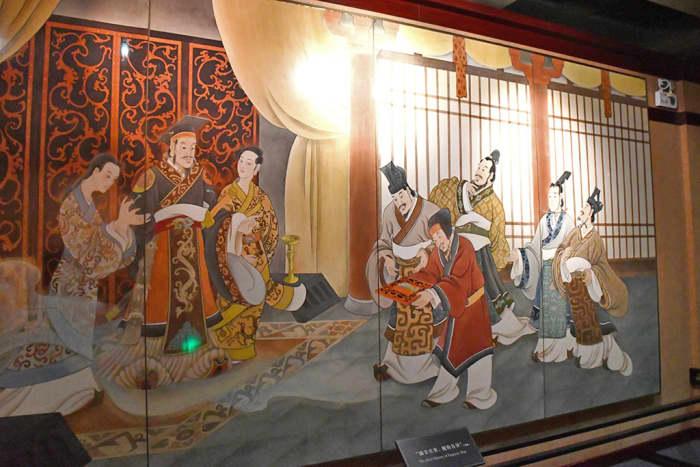
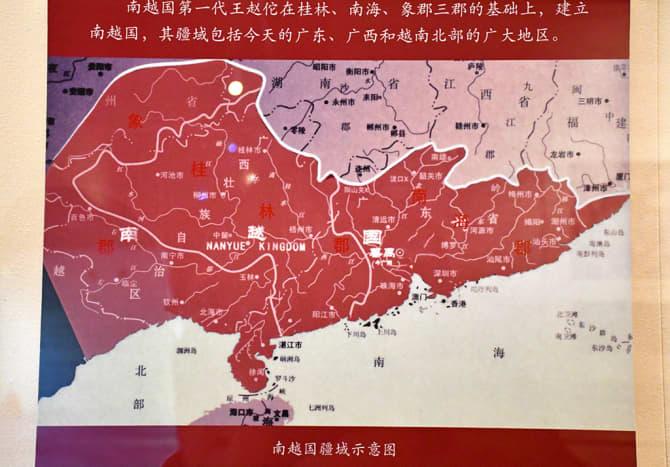
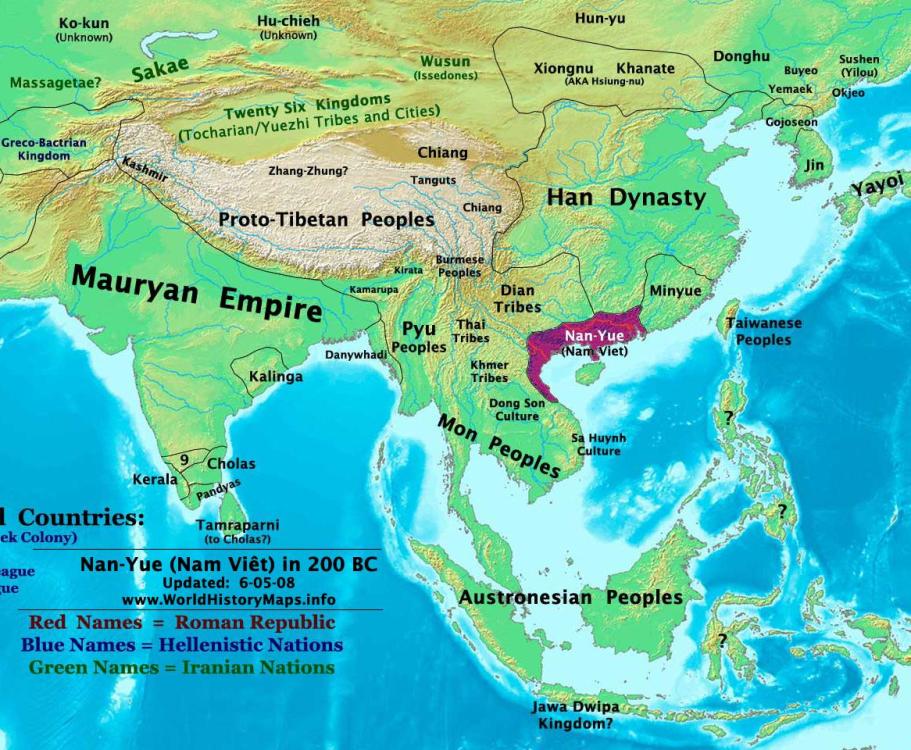
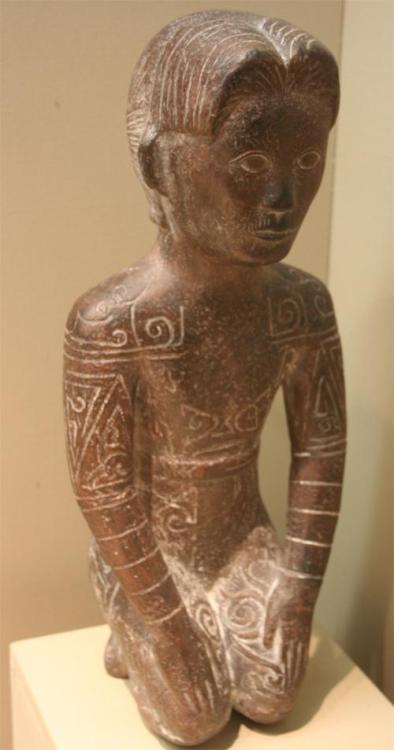
Guangdong (Cantonese for western people) —Painting depicting the court of the Nanyue King. Originally inhabited by a mixture of tribal groups known to the Chinese as the Baiyue ("Hundred Yue"), the region first became part of China during the Qin dynasty. Under the Qin Dynasty, Chinese administration began and along with it reliable historical records in the region. After establishing the first unified Chinese empire, the Qin expanded southwards and set up Nanhai Commandery at Panyu, near what is now part of Guangzhou. The region was an independent kingdom as Nanyue between the fall of Qin and the reign of Emperor Wu of Han. The Han dynasty administered Guangdong, Guangxi, and northern Vietnam as Jiaozhi Province; southernmost Jiaozhi Province was used as a gateway for traders from the west—as far away as the Roman Empire. Under the Wu Kingdom of the Three Kingdoms period, Guangdong was made its own province, the Guang Province, in 226 CE. The collapse of the Qin dynasty caused the dissolution of Qin administration in southern China. Indigenous Yue kingdoms emerged in the former Qin territories, including the Nanyue kingdom in Guangxi, Guangdong, and Vietnam, Minyue in Fujian, and Eastern Ou in Zhejiang. Chinese map depicting the Nanyue Kingdom at its peak. https://wanderwisdom.com/travel-destinations/guangzhou-mausoleum-nanyue-king-museum#gid=ci026e1f47400c245f&pid=guangzhou-mausoleum-nanyue-king-museum-MTc1MTExODI1NTg2Mzk4MzAz Once known as Canton, the town was a prosperous port city along a tropical frontier region beset by disease and wild animals, but rich in oranges, banyan, bananas, and lychee fruits, they traded slaves, silk and chinaware with Persians, Brahmans and Malays in exchange for their renowned medicines and fragrant tropical woods. Yue People. —Statue of a man with typical Yue-style short hair and body tattoos, from the state of Yue https://en.m.wikipedia.org/wiki/Baiyue The Cantonese people (廣府人; 广府人; gwong fu jan; Gwóngfú Yàhn), or Yue people (粵人; 粤人; jyut jan; Yuht Yàhn), are a Yue-speaking Han Chinese subgroup originating from or residing in the provinces of Guangdong and Guangxi (collectively known as Liangguang), in Southern Mainland China. Although more accurately, "Cantonese" refers only to the people from Guangzhou and its satellite cities and towns and/or native speakers of Standard Cantonese, rather than simply and generally referring to the people of the Liangguang region.[2] By the time the Qin fell in 221 BC, Zhao had also conquered the provinces of Guilin and Xiang. He declared himself King Wu of Nanyue (Southern Yue).[39] Unlike Qin Shi Huang, Zhao respected Yue customs, rallied their local rulers, and let local chieftains continue their old policies and local political traditions. Under Zhao's rule, he encouraged Han Chinese settlers to intermarry with the indigenous Yue tribes through instituting a policy of “Harmonizing and Gathering" while creating a syncretic culture that was a blend of Han and Yue cultures. Military campaigns were launched against the Baiyue under the reign of the Han emperor Wu.[11] The Eastern Ou Kingdom requested Han military assistance when Minyue invaded the kingdom in 138 BC.[12] Supreme commander Tian Fen opposed Han intervention. Tian told the emperor that the Yue tribes could not be trusted. Battles between the Yue tribes occurred frequently, and Tian believed that protecting them was not a responsibility of the Han court.[13][14] The Han official Zhuang Zhu convinced the emperor to intervene in the war. Zhuang's argument was based on the emperor's role as the Son of Heaven, a concept in Chinese political philosophy.[5][14] In Sima Qian's Records of the Grand Historian, Zhuang is reported to have said: The only thing we should worry about is whether we have strength enough to rescue them and virtue enough to command their loyalty... Now a small country has come to report its distress to the Son of Heaven. If he does not save it, to whom can it turn for aid? And how can the Son of Heaven claim that the rulers of all other states are like sons to him if he ignores their pleases?[14] The Minyue surrendered after a Han naval force led by Zhuang Zhu was dispatched from Shaoxing in northern Zhejiang,[13] and withdrew from Eastern Ou.[15][14] The Yue tribes of Eastern Ou were transferred to the north, between the Yangtze River and Huai River.[13] A second intervention was launched in 135 BC after Minyue, ruled by Zou Ying, invaded Nanyue, ruled by Zhao Mo.[10] Nanyue had been a Han vassal since 180 BC. Zhao asked the Han for their support,[10] and the emperor responded by sending an army led by Wang Hui and Han Anguo against Minyue.[16] Zou Ying was assassinated with a spear by his younger brother Zou Yushan, who plotted against the ruler with the royal family and prime minister. Ying beheaded the corpse and gave the head to a messenger, who delivered it to Wang as a sign of Minyue's surrender.[16] After the assassination, Minyue was succeeded by a state divided into a dual monarchy composed of the kingdom of Minyue, controlled by a Han proxy ruler, and the kingdom of Dongyue, ruled by Zou Yushan.[13] As general Yang Pu returned north with his soldiers after the Han–Nanyue War in 111 BC, he requested the emperor's permission to annex Dongyue. The emperor refused after he considered the morale of the troops. Zou Yushan had promised to supply an army to assist the Han in their war against the Nanyue.[17][18] The army never arrived and Zou blamed the weather conditions, while secretly maintaining a diplomatic relationship with Nanyue.[18] https://en.m.wikipedia.org/wiki/Southward_expansion_of_the_Han_dynasty Zou began a rebellion against the Han after learning of Yang's plot against him. A Han military campaign was dispatched and led by General Han Yue, General Yang Pu, military commander Wang Wenshu, and two marquises of Yue ancestry.[14] The revolt was repressed and the Han annexed Dongyue in the last months of 111 BC, conquering the remaining territory of the former Minyue.[17][19] Sima Qian records that the entire population of Dongyue was exiled,[19] a claim that is implausible.[13]
 1 point
 -
Nanyue was not exactly a part of Han Empire at this point of time, but there are Han (and Qin, for that matter) terracottas dressed in similar type of sleeveless armor, so I say go for it. (Notice that his armor covers more than the typical Han Dynasty "pectoral" armor) Oh, there is also a similar sleeveless lamellar suit belonged to early Eastern Han period Xianbei, so I think Xiongnu minifaction can also use it. \ Early Eastern Han Xianbei armor, replica. It's almost identical to Han armor.1 point
-
@wolflance Opinion on this armor, can we use them for the Han faction? Although the armor is described to be a Nanyue armor replica. https://commons.wikimedia.org/wiki/File:Nanyue_Armour.JPG1 point
-
Update: Apparently Hu Jing Ming created more clothing reconstruction recently (recent as in October 2015). This time not limited to the Han. These are also reconstruction by Cang Ning Jun. Late Western Han Armored Officer. Two-handed Sword (Jian, since he's an officer). Hell yeah. Also, beards!1 point
-
Some other tools: Two reconstructions of the Han Dynasty wheelbarrow. Reference from Han period murals: Also shown here is a biǎn dàn (扁担) or carrying pole, on the lower left side of this brick. Animal-drawn multiple-tube seed drill reconstruction. It was called "耧" or "耧车" ("lóu" or "lóu chē") in Chinese. Crappy quality photo of shovel, hoe, and sickle blade. From Museum of the Mausoleum of the Nanyue King. Not very different from the modern version. Wooden shovel (or spade?) with iron blade. I think the reconstruction above referred this particular shovel. Excavated from Mawangdui archaeological sites. More notable here are pickaxe blades and axe-head at the left side. From 大葆台西漢墓博物館, Beijing.1 point