Leaderboard
.thumb.jpg.b21ca1d0c15fb56b42c39b25a0a40815.jpg)


Popular Content
Showing content with the highest reputation on 2026-01-02 in all areas
-
Happy and prosperous new year to all of you!1 point
-
You could use this for import: I think you might have to modify the meshes though, because the game meshes are often just "flat planes" and they need some thickness for printing. Also keep in mind that a lot of the details is stored in a normal map. I think there is a way to turn the normal map into geometry via nodes editor.1 point
-
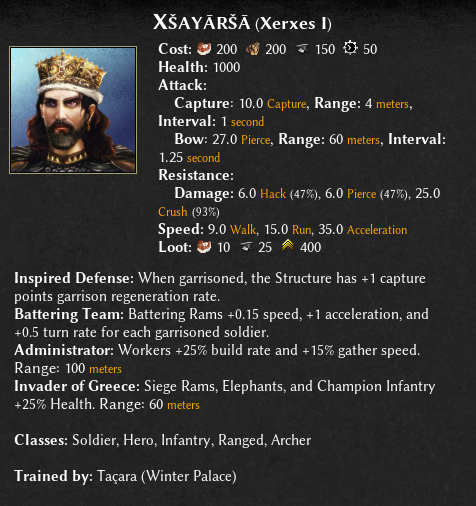
My diagnosis is you played regicide and your opponent got Xerxes.
 1 point
 -
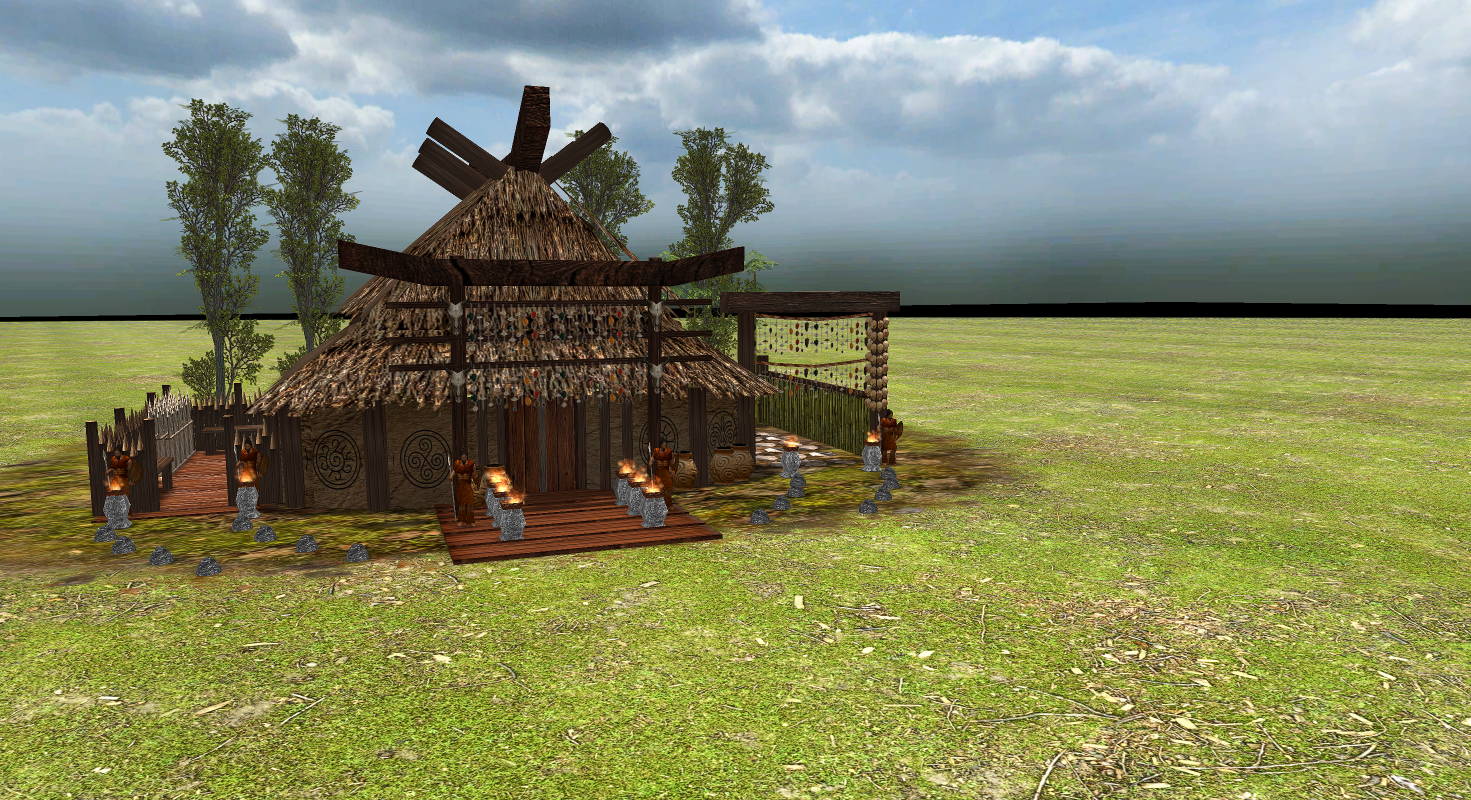
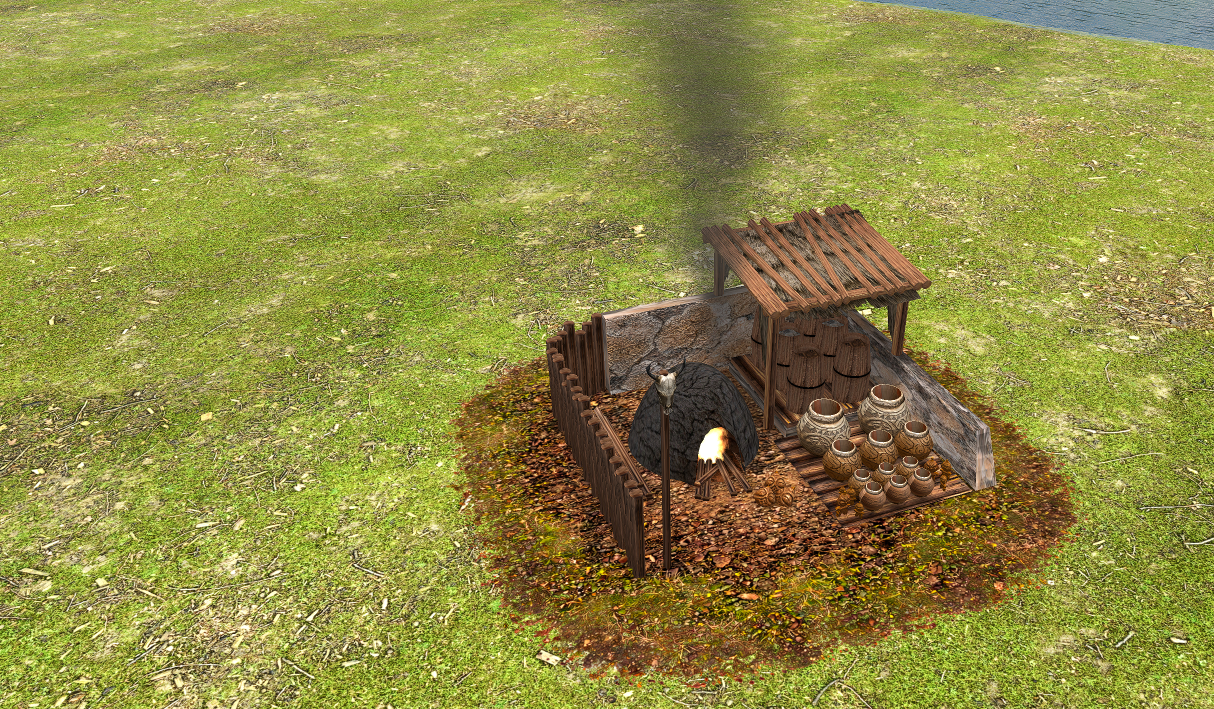
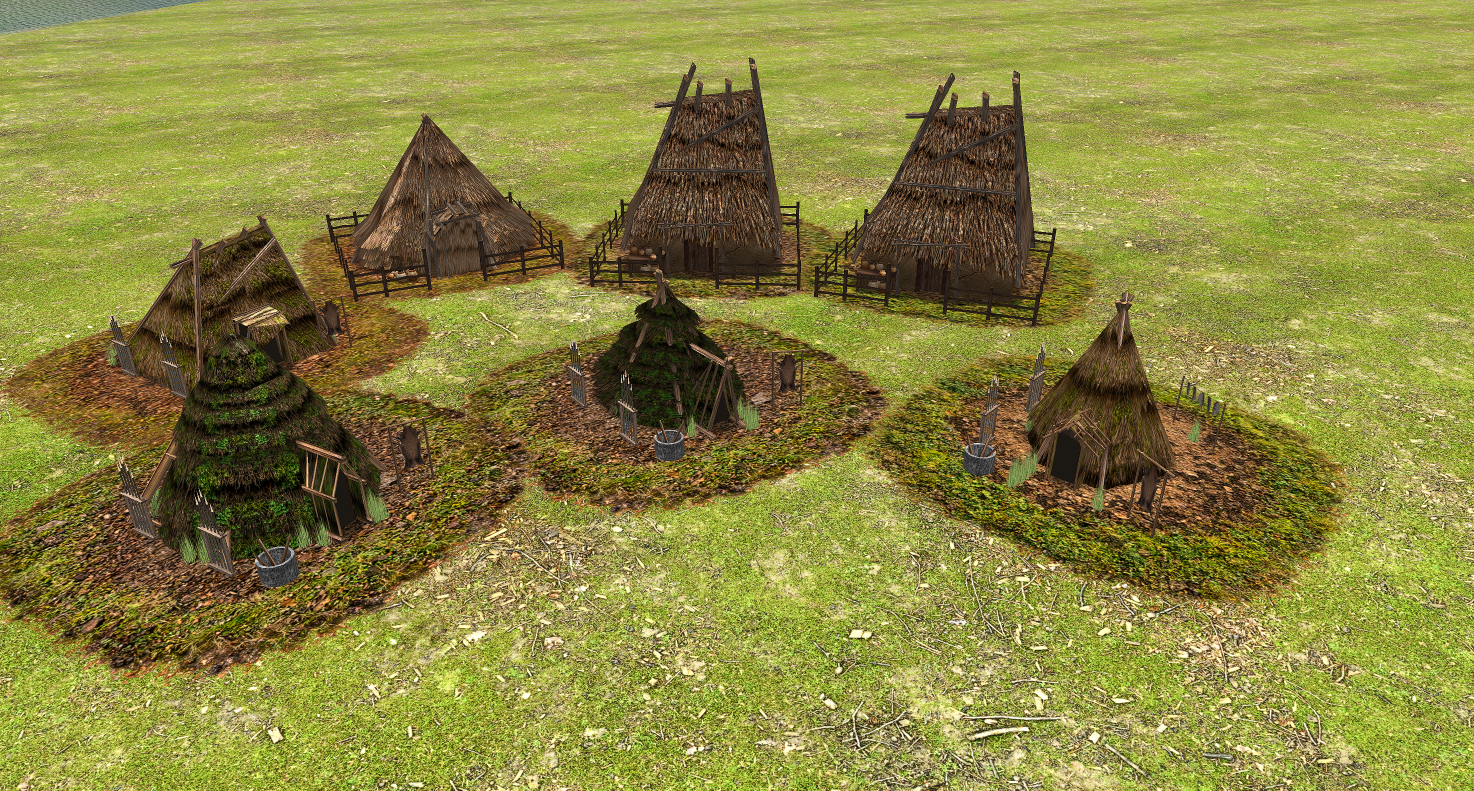
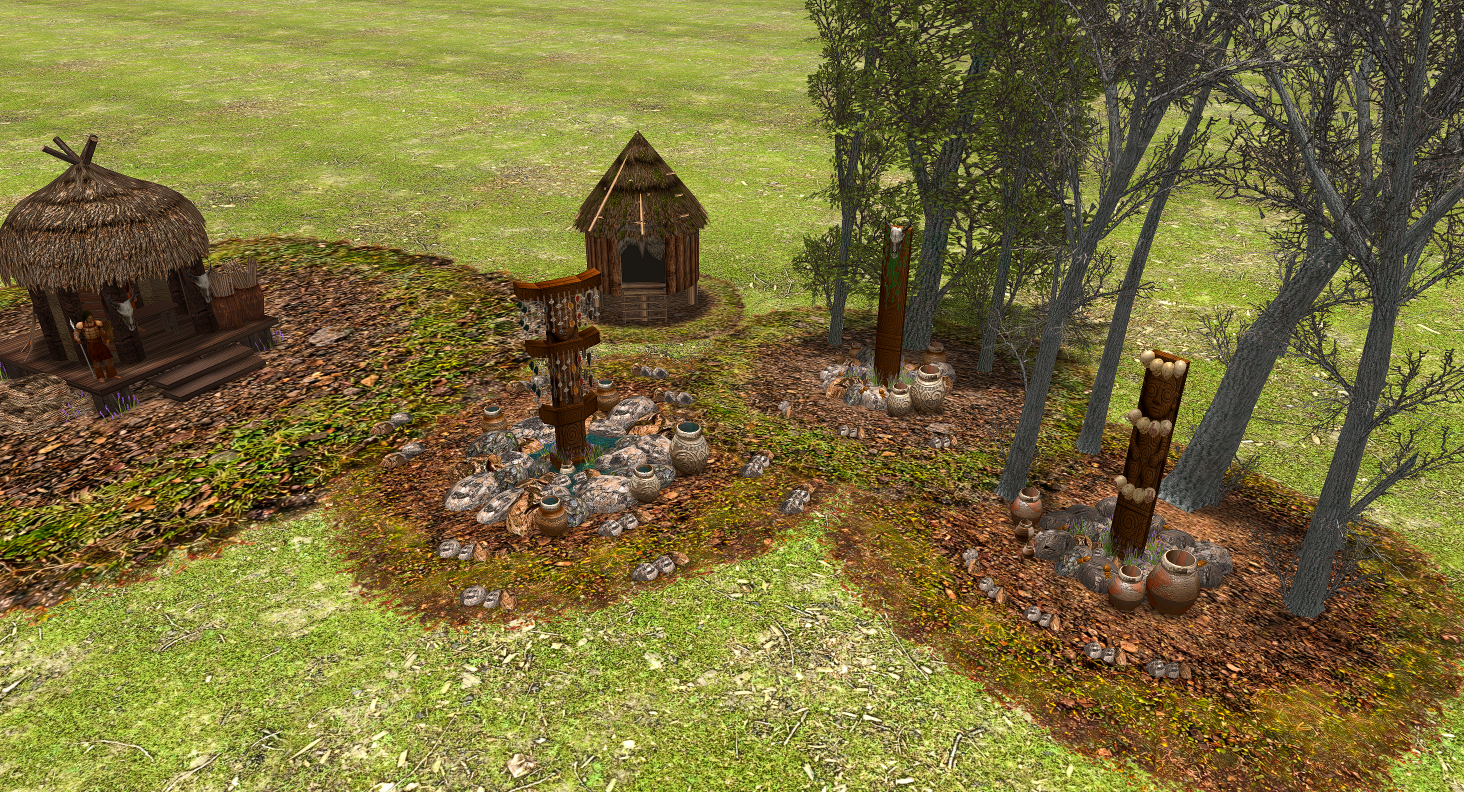
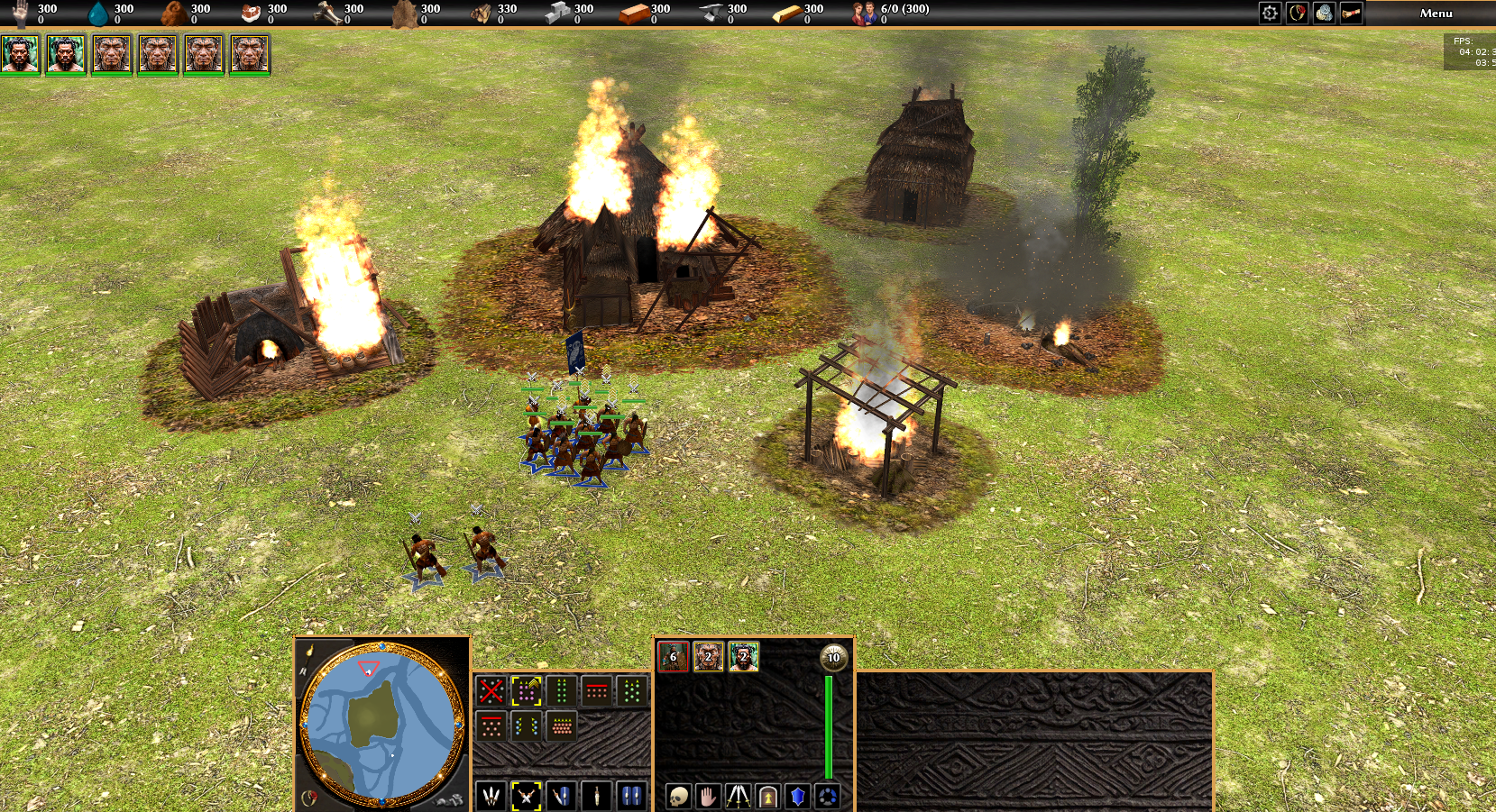
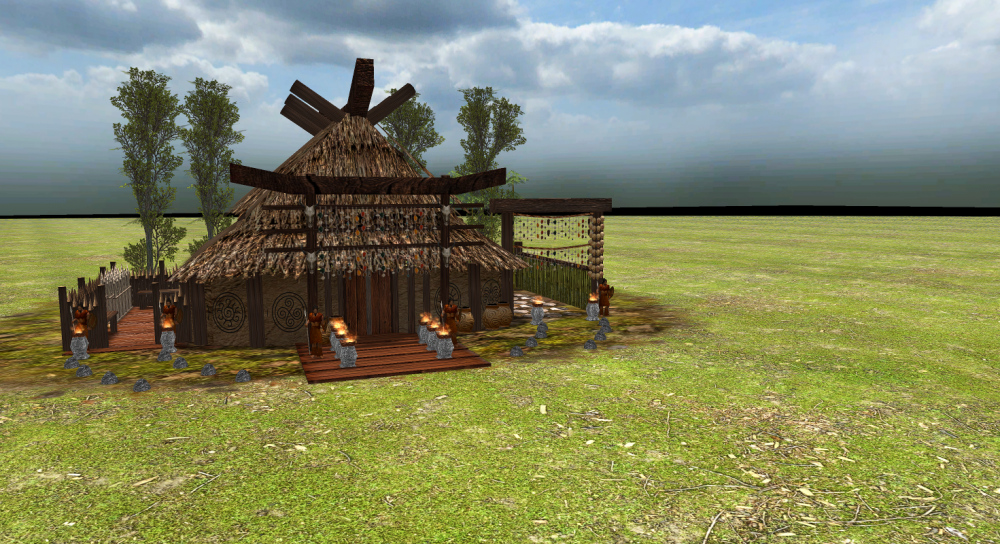
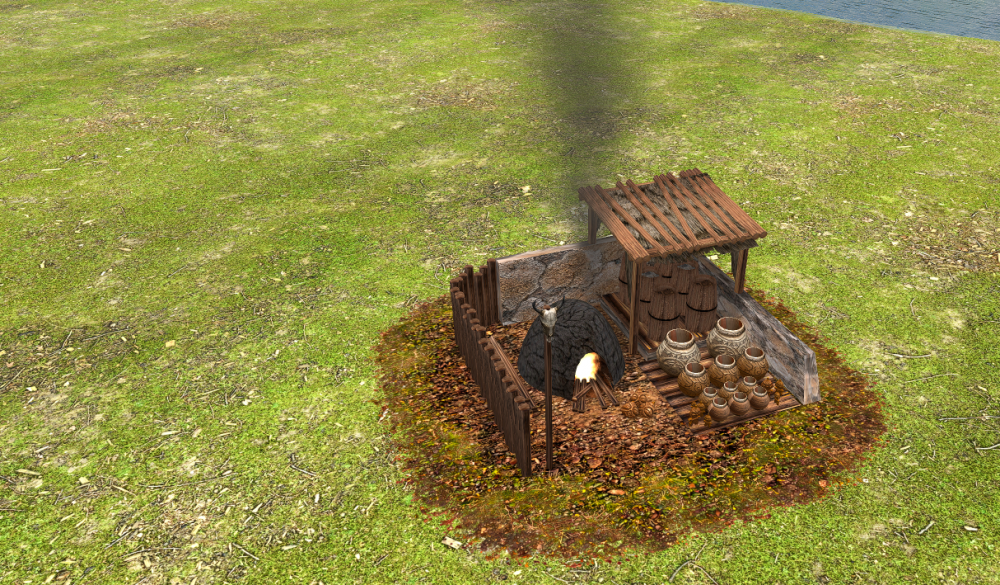
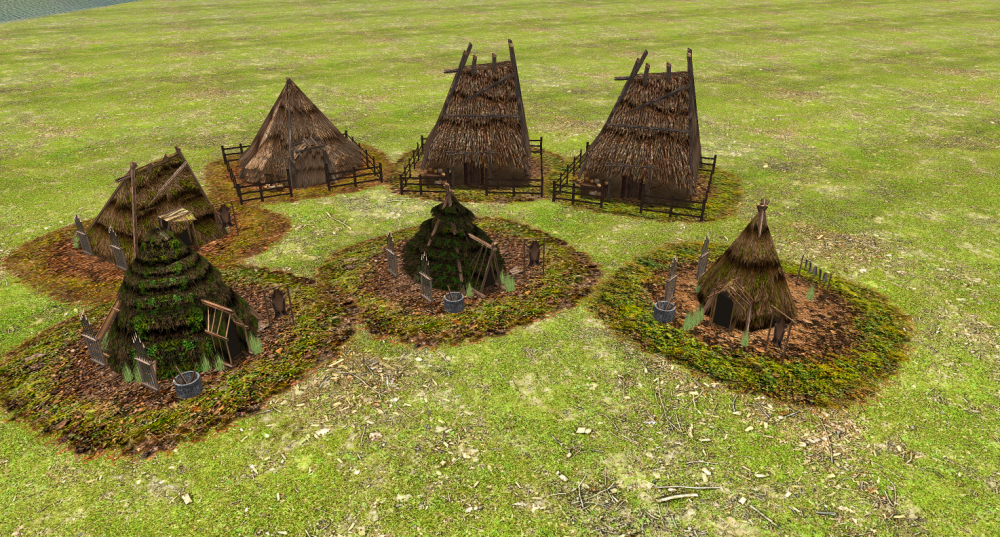
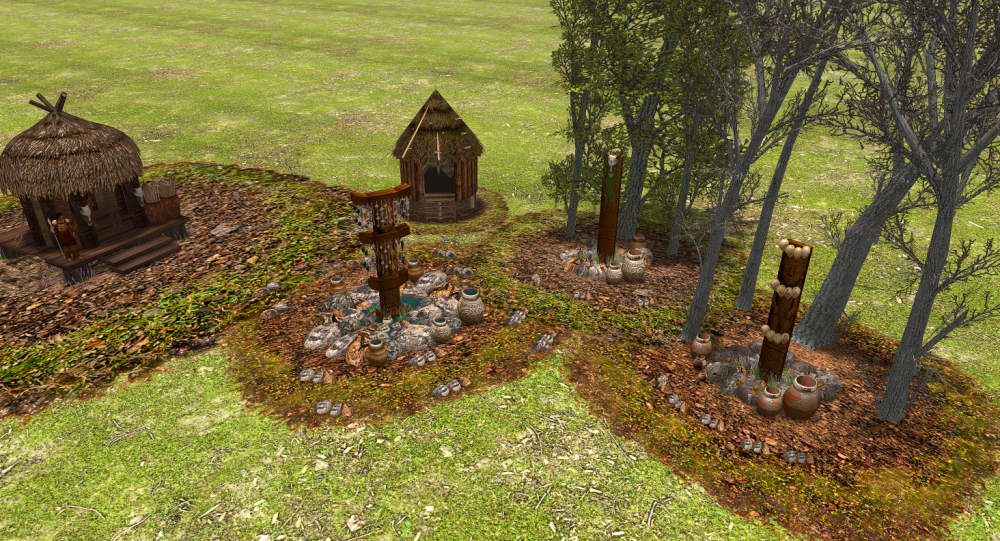
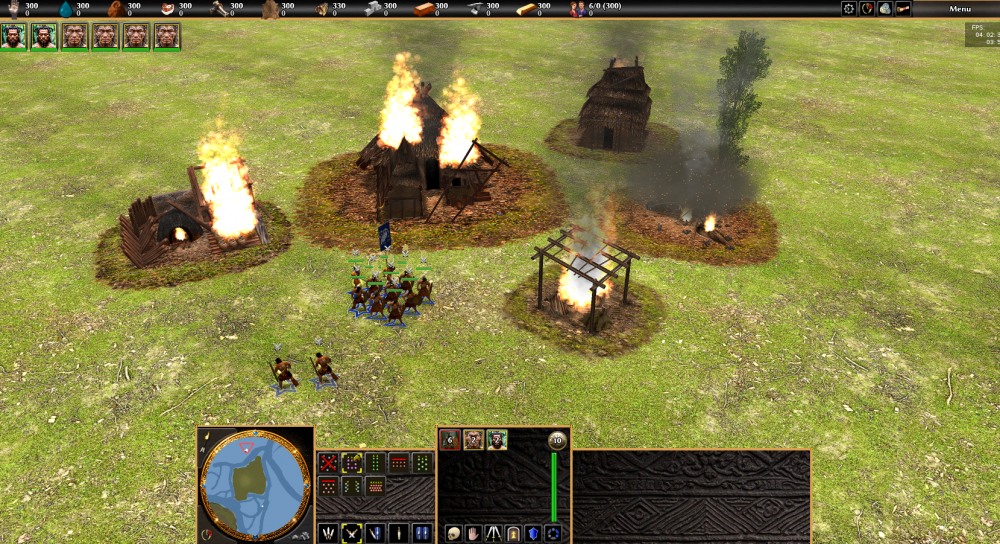
Hello everyone! I’d like to share the latest updates from the project as we wrap up the year. I’ve redone many textures and improved several in-game structures. At the moment, I’m reworking all terrain textures, developing the building damage system, and refining many core gameplay mechanics. I hope you enjoy the updates and continue following the development. Wishing everyone a Happy New Year!
 1 point
 -
There is this tip: Yeah, I figured someone would bring this up eventually. An idea I had a while ago but never got to implement was to categorize them by level (beginner - intermediate -advanced, which is already done in the code) and then by topic, like features, units, buildings, gamemodes, etc. How does that sound?1 point
-
The Seleucid Empire emerged as one of the largest successor states to Alexander the Great's conquests, playing a pivotal role in disseminating Hellenistic culture across the Near East and beyond. Founded in 312 BC by Seleucus I Nicator, it initially spanned from Thrace and Anatolia in the west to the Indus Valley in the east, though eastern territories were soon ceded to local powers like the Mauryan Empire. At its height under Antiochus III (r. 222–187 BC), it encompassed the eastern Mediterranean, Mesopotamia, and parts of Iran and Central Asia. The Seleucids governed a multicultural populace through a formidable military - featuring innovative units such as Indian war elephants for shock tactics and heavily armored cataphract cavalry - alongside claims of divine kingship and the establishment of Greek-influenced cities, such as Antioch-on-the-Orontes, which evolved into a vibrant cultural hub. However, the empire grappled with internal dynastic conflicts, protracted wars against the Ptolemaic Kingdom (the Syrian Wars), and challenges in administering remote provinces. By the mid-third century BC, regions like Bactria (c. 250 BC) and Parthia (c. 247 BC) seceded, initiating gradual fragmentation. A major setback came with defeat by Rome at the Battle of Magnesia in 190 BC, followed by the Treaty of Apamea (188 BC), which stripped away western Anatolian holdings and imposed heavy indemnities. Persistent civil strife, rebellions (including the Maccabean Revolt, 167–160 BC), and incursions from Parthia and Armenia further diminished its power, culminating in Roman annexation of the remaining Syrian core in 64 BC by Pompey. Despite its eventual collapse, the Seleucid Empire endured for nearly 250 years and left an enduring legacy by blending Greek and Near Eastern traditions, influencing art, governance, and trade routes that shaped the Hellenistic and subsequent eras.1 point
-
If I can provide a longer summary, I would suggest this: Ancient Athens rose to imperial power in the mid-fifth century BC after the Persian Wars by transforming the Delian League into the Athenian empire. This empire, which dominated the Aegean through tribute and naval supremacy, collapsed in 404 BC at the end of the Peloponnesian War. Athens later regained some influence in the fourth century BC through the Second Athenian League (378–355 BC) and remained a leading city-state. However, it lost its political independence after the defeat at the Battle of Chaeronea in 338 BC, when Philip II of Macedon imposed the League of Corinth upon Greece. Although Athens subsequently attempted to recover its autonomy -most notably during the Lamian War (323–322 BC), the Chremonidean War (267–261 BC), and its revolt in the First Mithridatic War (88–86 BC) - all efforts failed. The city never regained full sovereignty and eventually became a Roman protectorate.1 point
-
Screencast from 2025-12-20 22-10-37.webm Screencast from 2025-12-20 21-52-26.webm More organic formation movements for 0AD!1 point
-
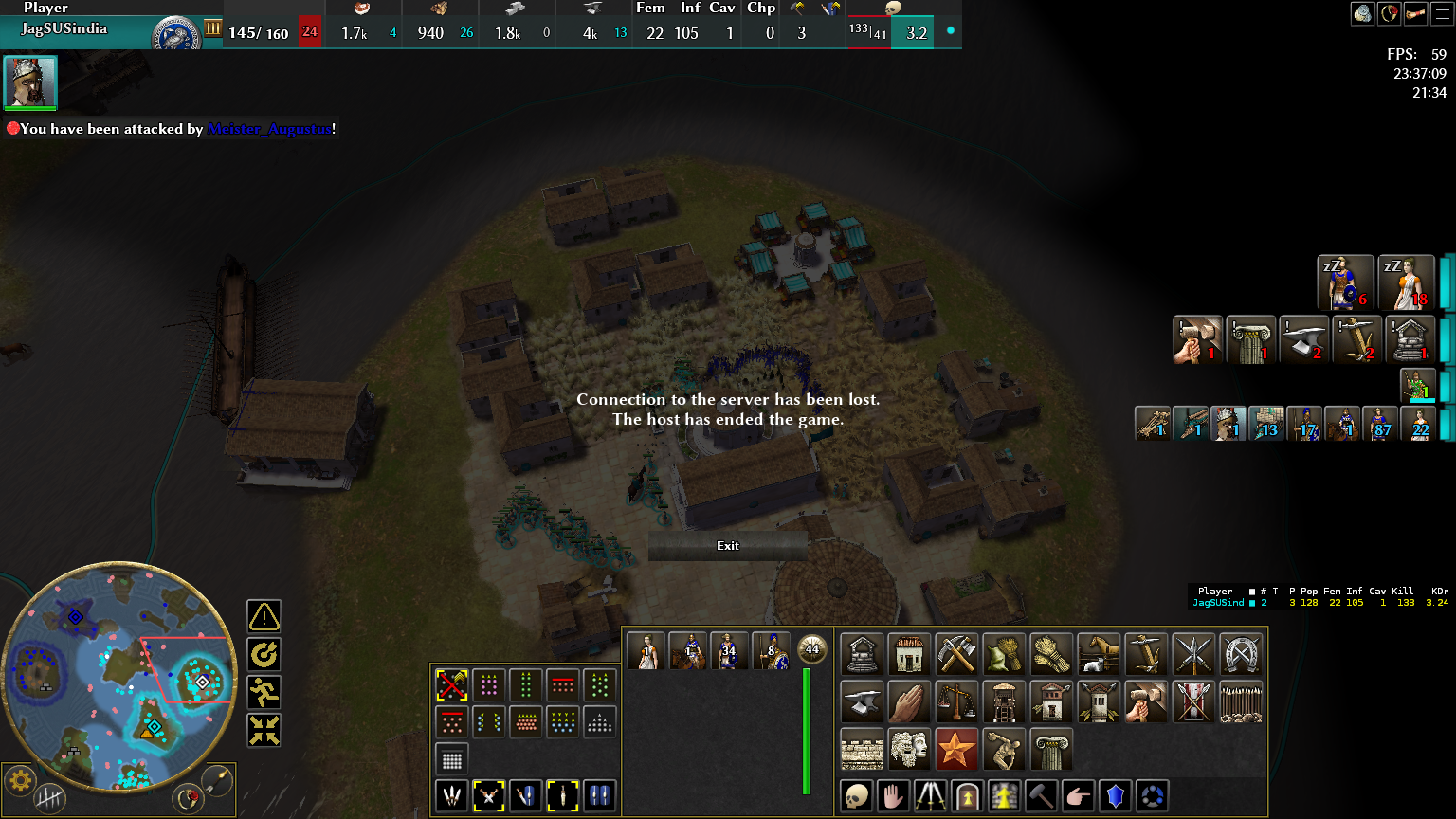
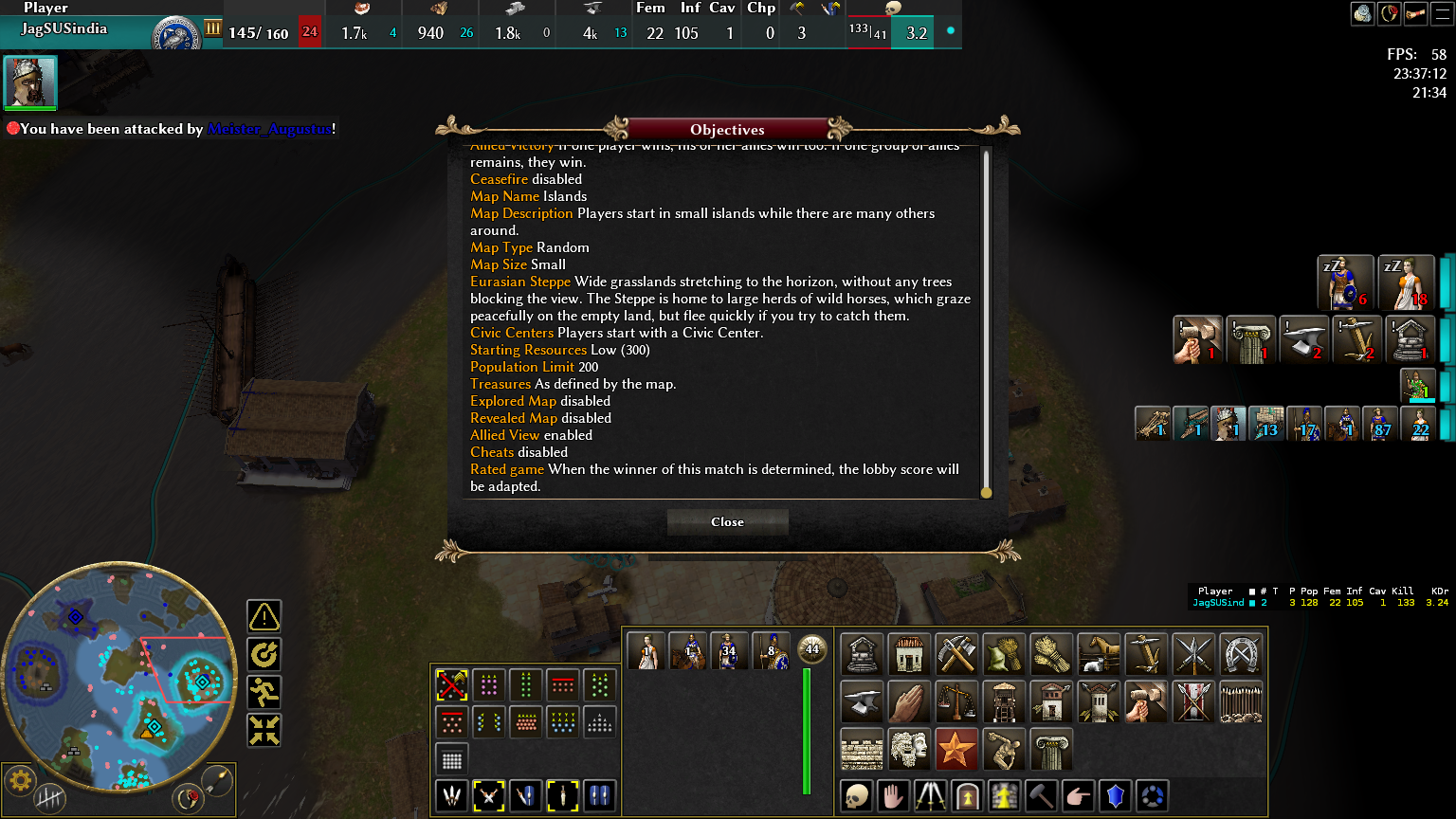
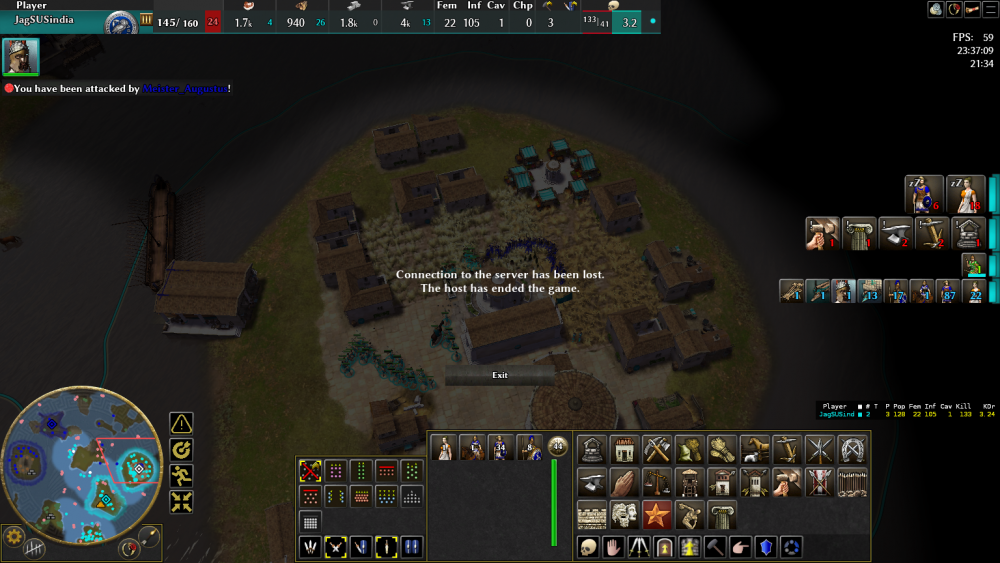
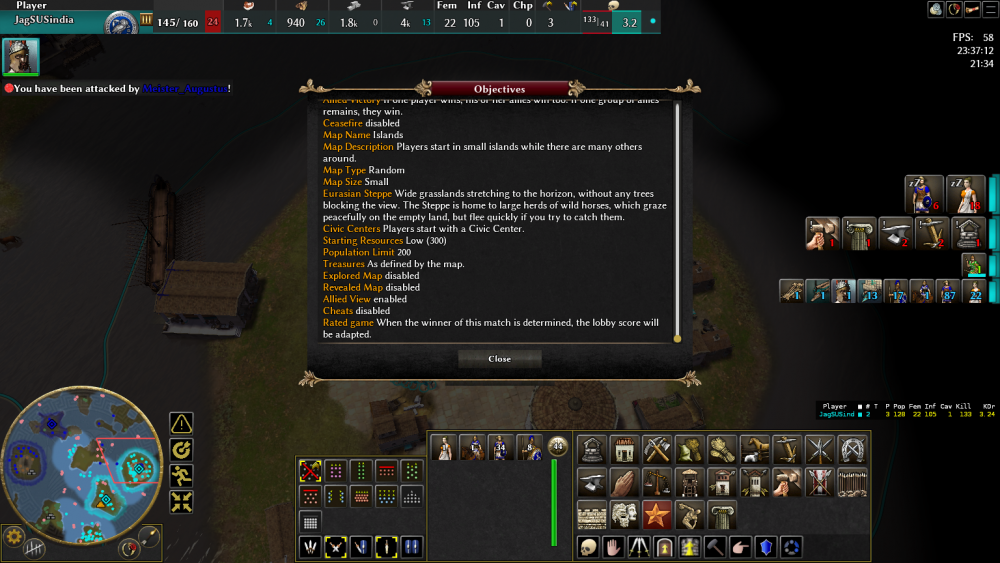
My Lobby Name: jagsusindia Offender lobby name: Meister_Augustus ( @Meister) quit a rated game when he knew he cant win (very embarrassing tsk tsk) @user1 @Dunedan commands.txt
 0 points