
All Activity
- Past hour
-
 Yeah yes, that's a very cool idea! If that feature could be included in the game someday, it would be awesome...
- Today
-
I have never tried to conceal the fact that the authors use the word settlement. On the contrary, I provided the reference openly. The disagreement is not about the presence of that word, but about what this very broad term means in this particular context and what conclusions can legitimately be drawn from it. The Cambridge Dictionary, for example, defines settlement simply as "a place where people come to live or the process of settling in such a place". Nothing in that definition necessarily requires several independent households, a cluster of houses, or anything resembling a village. A large isolated farm or estate can therefore constitute a settlement in its own right, even if it contains only one principal residential building. It may also include barns, stables and other agricultural structures, but those additional buildings are not what makes it a settlement. The essential point is that it is a distinct place where people have established themselves and live. This distinction matters because you repeatedly treat settlement as though it necessarily implied a collective residential community larger than a farmstead. It does not. A farmstead, an agricultural estate, a dependent holding, a hamlet and a village can all be described as settlements. The word itself does not tell us how many households were present, whether the buildings were nucleated or dispersed, or whether the site constituted an independent community. I fully understand that the word can be confusing, since I myself have made this mistake in the past, especially because English is not my native language. However, in research, this word refers to a concept distinct from the concept of the number of buildings. If I may give two examples of academic researches along these lines: https://uni-tuebingen.de/en/faculties/faculty-of-humanities/departments/department-of-history/institutes/ancient-history/research/lycia-project/research-areas/tower-and-isolated-farmsteads/ & https://architectus.pwr.edu.pl/files/numery/75_05.pdf In the book (Thorps in a Changing Landscape), I understand settlement primarily in the sense of a newly established farmstead, agricultural estate or dependent rural holding, rather than as an unambiguous synonym for 'village'. This reading is not arbitrary. From the beginning, the authors emphasize the agricultural context of the word and repeatedly connect thorps with farms, estates, cultivated land, soil types and changes in agricultural organization. Their study is not simply an attempt to prove that thorp meant 'village'. It investigates what distinguished these particular rural establishments from places bearing other habitative name elements. The authors explicitly challenge the standard explanation that thorps were merely small villages attached to more important places. Their argument is that this conventional label does not adequately explain what made these places distinctive. They instead examine their subsidiary status, their relationship with older centres, their position in the landscape and their role in the reorganization of arable farming. In other words, their principal concern is not whether a thorp had crossed some demographic threshold separating a farm from a hamlet or a village. Their concern is the specific economic, territorial and agricultural function that justified the use of the name. Their archaeological evidence admittedly shows that some thorps eventually developed into nucleated settlements with several holdings, regular plots or dependent tenants. I have never denied that. But this does not establish that 'village' was the original lexical meaning of the word. It shows what some places bearing that name became during a period of major agricultural and social reorganization. That chronological distinction is essential. A newly founded farmstead or dependent agricultural establishment can attract additional households and gradually become a hamlet or village while retaining its original name. Place names regularly survive major transformations in the size, structure and function of the places they designate. The fact that a medieval or modern thorp was later a village does not prove that the name originally denoted a village when it was coined. Indeed, the authors note that thorp and throp names can point today to villages, hamlets or individual farms. That diversity is exactly what we would expect if the term had been applied to a type of rural establishment whose later development varied from one site to another. Some remained farms, some disappeared, and some developed into larger and more nucleated communities. The later outcomes cannot simply be projected backwards and turned into the original definition. It is also important that the authors situate the creation of these names within changes in agricultural organization and the process of village nucleation. That wording implies a historical development, not an original equivalence between thorp and 'village'. If thorps participated in or contributed to a process of nucleation, it does not follow that they were already fully developed nucleated villages at the beginning of that process. Nor do the authors simply reproduce the conventional model of thorps as dependent hamlets. They explicitly ask us to move beyond that characterization and investigate the particular features that made them distinctive. The book even states that, rather than dismissing them as 'secondary settlements' or dependent hamlets, we should examine their specific characteristics and their role in transforming farming practices. This is much closer to a functional and agricultural interpretation than to your claim that the authors straightforwardly support 'village' as the original meaning. I am therefore not arguing that settlement can only mean 'farmstead', nor am I claiming that every historical thorp consisted of one household. My argument is that settlement is far too broad to substantiate your interpretation. If thorp is glossed as settlement, that remains compatible with a farmstead, an agricultural estate, a dependent rural establishment, a hamlet or a village. The word 'settlement' alone cannot tell us which of these was the original referent. The authors' overall position appears considerably more nuanced than the one you attribute to them. They treat thorps as relatively small rural establishments, often new or subsidiary, closely connected with cultivated land and the reorganization of arable agriculture. Some developed into compact communities with several holdings, while others remained individual farms or disappeared. Their later, broader use as a designation for small rural settlements should not automatically be projected back onto the earlier stages. In short, both the book and the article do not establish that thorp originally meant 'village'. They suggest that thorps were distinctive rural establishments whose agricultural role, dependent status and development contributed to the long process by which parts of the English countryside became more nucleated. The village is therefore better understood as one possible outcome of that development, not as the only meaning already contained in the word from the beginning. The use of settlement consequently does not contradict my interpretation. It encompasses it. If you want to demonstrate that the term originally referred specifically to a collective settlement composed of several independent households, rather than to a farmstead, estate or dependent agricultural establishment that could later develop into such a community, you need evidence beyond the English word settlement. The source you cite does not, by itself, establish that conclusion. This also offers a different explanation for the earlier association of thorp with tuun. The two words did not need to be exact synonyms. Glossaries frequently group words because their referents overlap, not because their meanings are identical. A tuun could be an enclosed holding, and a thorp could be a rural establishment occupying such a holding. Their equivalence in one gloss may therefore reflect a shared physical or functional feature rather than a shared meaning of 'village'. I nevertheless think that the equivalences found in these glossaries follow a coherent semantic logic, as the authors themselves suggest. In my view, the association between competum, tuun, thorp and þingstow may rest on the shared notion of a physically delimited rural area, used for cultivation, habitation, landholding or local assembly. These words need not have been exact synonyms. They may simply have described different aspects or functions of the same kind of agricultural site. I hope this lengthy explanation helps you better understand my position and my perception of the literature on the topic. Personally, this kind of discussion is precisely the heart of my argument. The study of the meaning of words goes beyond simple etymological reconstruction. In my view, the book and the article effectively emphasize the importance of reframing the evolution of the word 'thorp' within the historical context of the Middle Ages and the many changes that transformed the agricultural world. As Stefan Brink says in the quote I've already shared: "The medieval element torp, however, must be seen in a context of the huge colonisation in northern Europe during the high Middle Ages, within a new ‘feudal’ agrarian system with a ‘manor’ and dependent tenant farms within an estate. In Germany these tenant farms often had the name dorf (< þorp), and the word for such a dependent farm was spread with the new colonising strategy to Scandinavia. Early on, the element torp must have developed into a meaning of secondary farm, a farm detached from a hamlet etc., hence not always denoting a tenant farm within an estate."
-
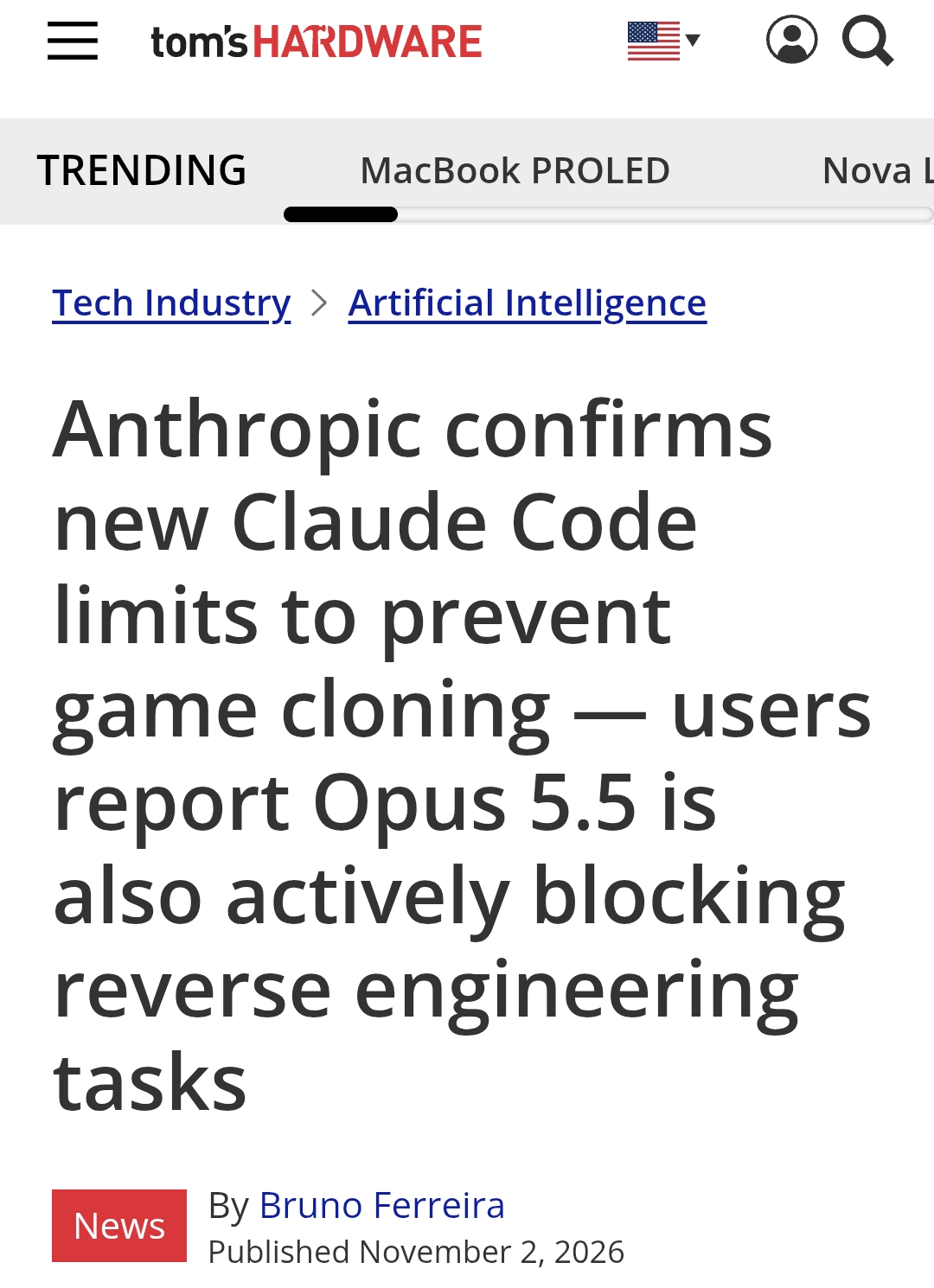
 https://www.tomshardware.com/tech-industry/artificial-intelligence/anthropic-confirms-new-claude-code-limits-to-prevent-game-cloning-users-report-opus-5-5-is-also-actively-blocking-reverse-engineering-tasks
-
Artcraft
Nicolaus_von_Kues replied to Nicolaus_von_Kues's topic in Introductions & Off-Topic Discussion
I saw that Anthropic had taken measures. But many are using previous versions like 4.8 or open-source AI agents like Ollanta. -
Fascinating subject! It works for simpler projects already (see "my" implementations of mercator and post-atlas elswhere in this forum, using Anthropic Claude for SW development while I do the specification and testing). I can tell from this experience that the software development itself is certainly the largest part, but specifying the tool and its GUI and testing also requires quite some effort. Thus, if you reverse engineer an existing tool with an already existing GUI and CONOPS/user logic, this could work well.
-
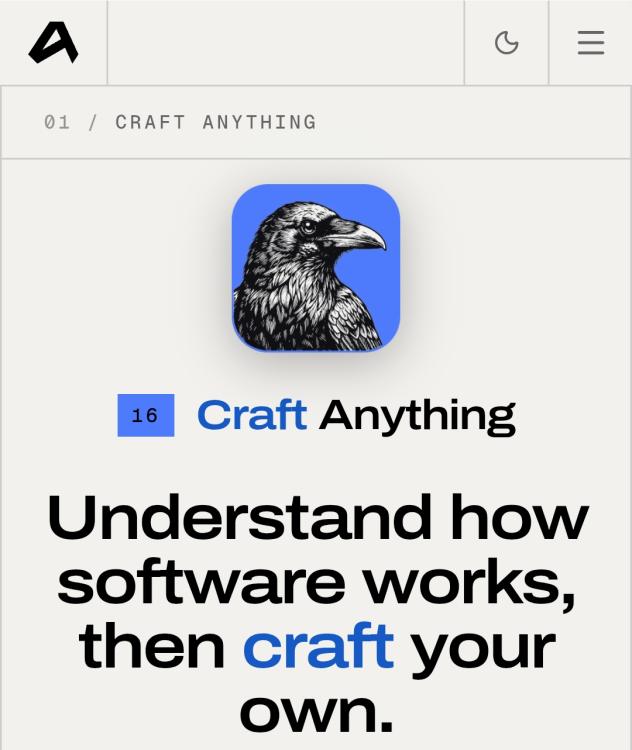
Some Artcraft programs are no longer related to art, so I started this topic. Craft Anything is an open-source project that aims to make software development more accessible through AI agents. Its main idea is to allow users to study existing software, understand how it works, and use AI to build their own implementations. Unlike a simple AI app generator, Craft Anything focuses on combining software inspection, reverse engineering, and AI-assisted development. They've released an interesting one. Craft Anything... The idea sounds ambitious: using AI agents to turn natural-language instructions into actual software. But how far can this approach go beyond simple demonstrations? I only wrote this part as an introduction; I would like to do a simple project like recreating the Encarta encyclopedia but with topics of my preference.
-
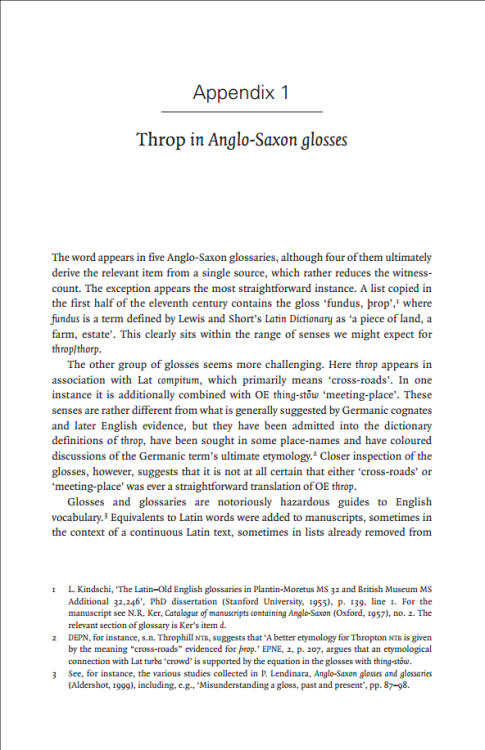
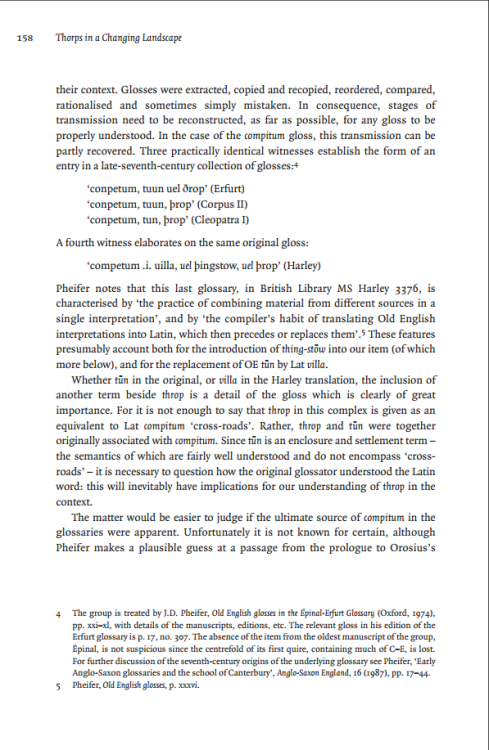
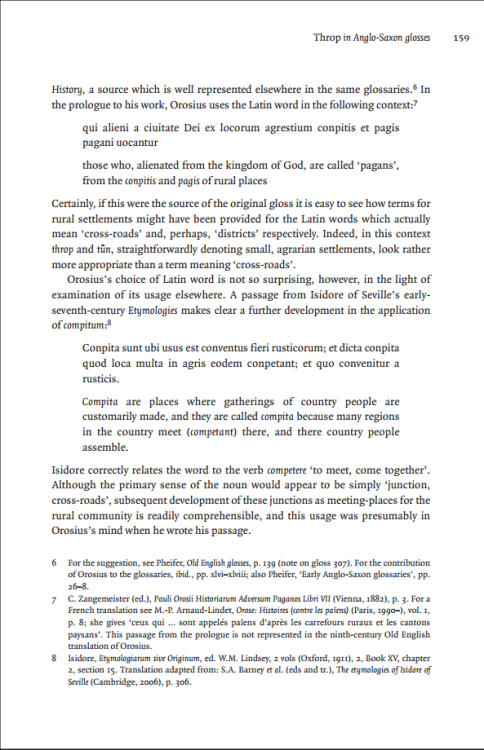
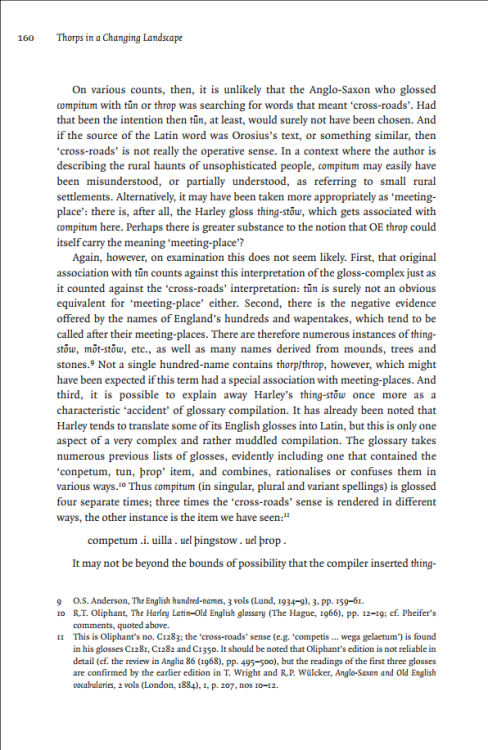
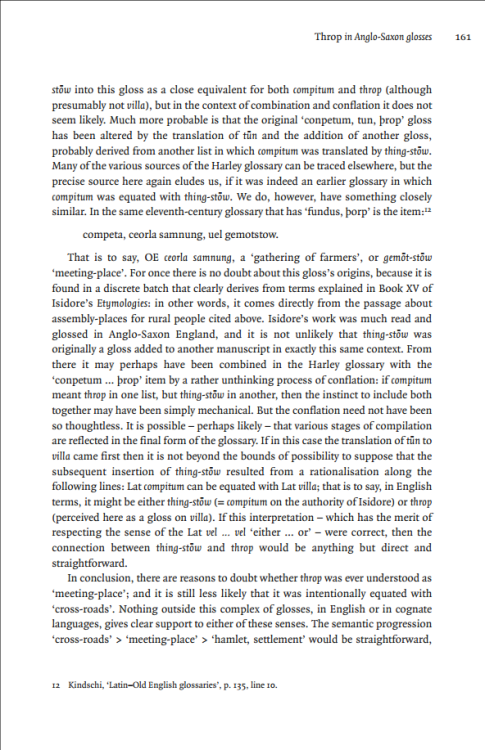
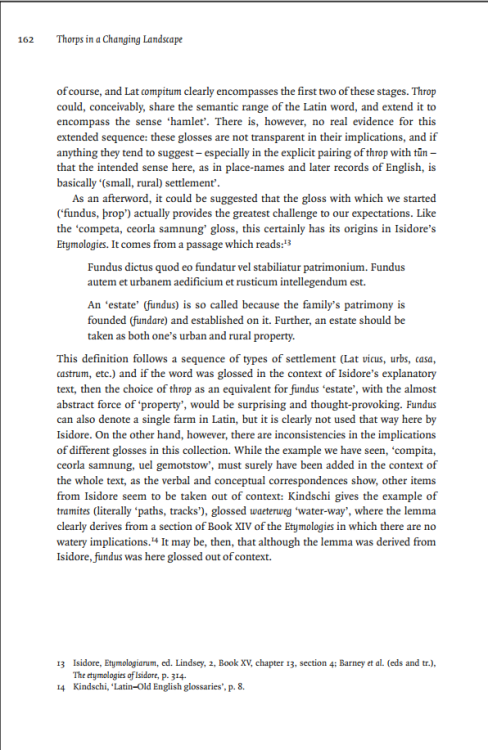
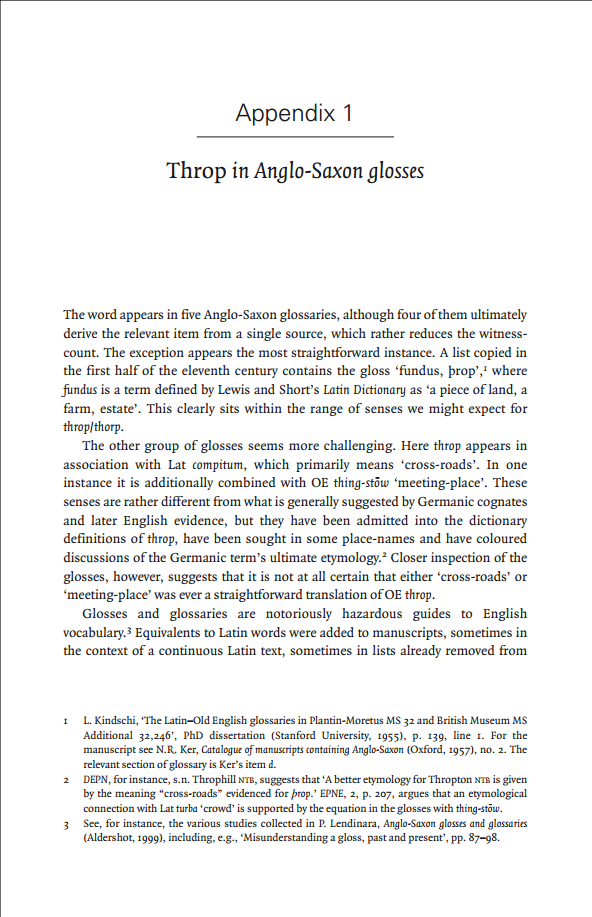
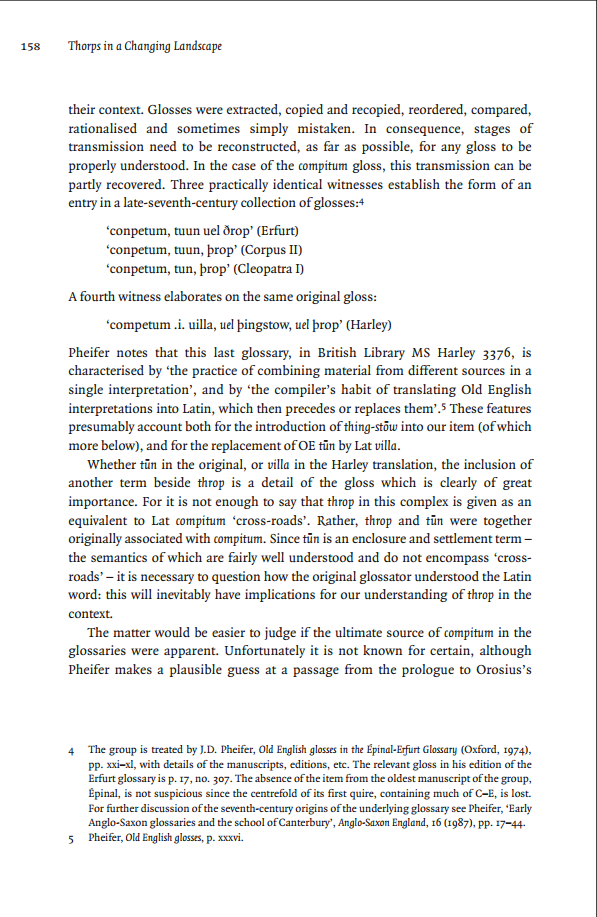
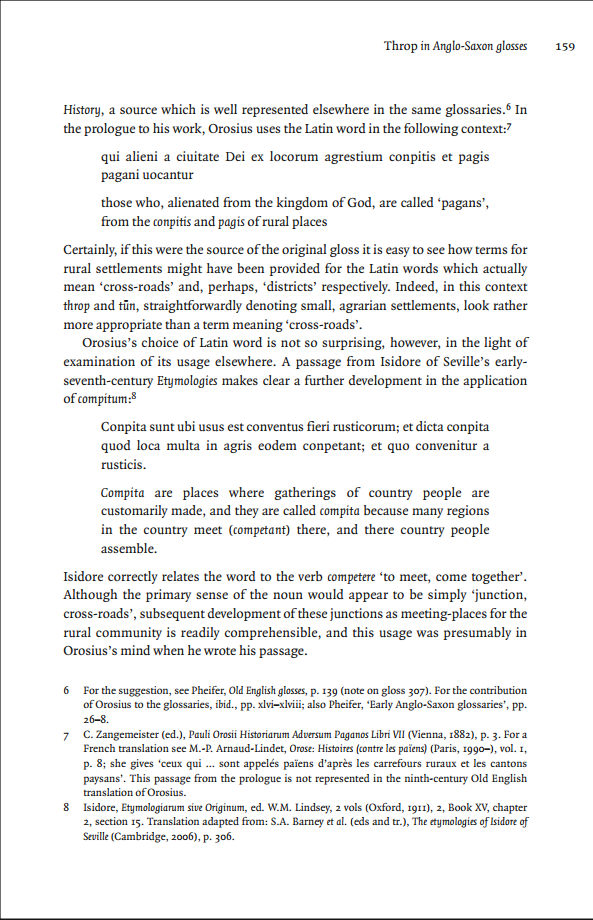
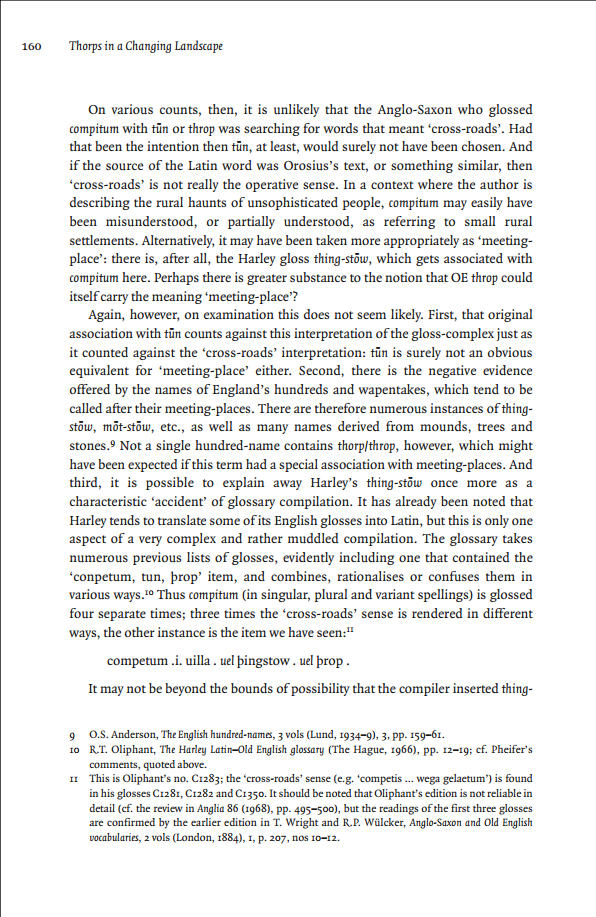
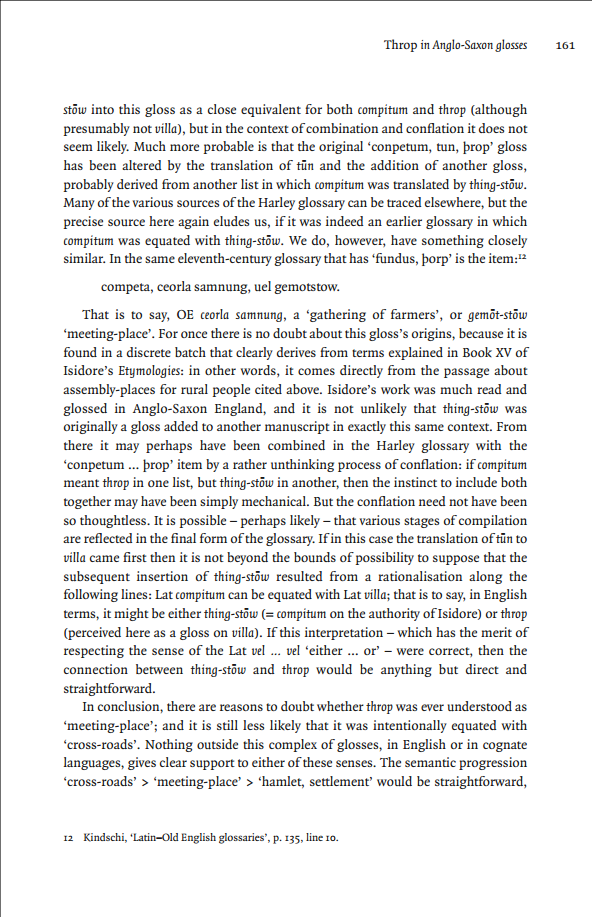
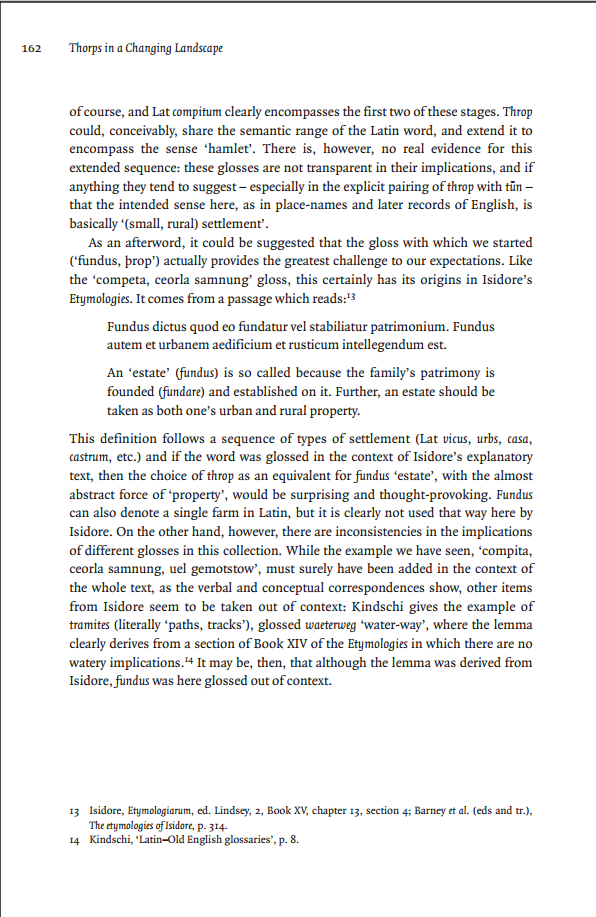
Thanks for answering like a reasonable person. I agree with what you say regarding sources. I just think you are challenging the current sources by using older ones that are actually being criticised by the former in the first place (Oliphant and Ekwall published over 60 years ago, let alone other sources you have quoted). You have to recognise that as circular reasoning. I'll try to demonstrate this as explicitly as possible, while trying to answer what you ask. You wanted to shut down the "hamlet or village" meaning and imply circular reasoning from the current EE experts with your statement characterising the "village" entry as "completely illogical". You also said "tuun at this time still meant enclosure", and (using the "Compitum = Tūn = Throp" equivalence), "throp in the Épinal-Erfurt is obviously not of village". This line of reasoning is unsubstantiated, since the "village" meaning appeared early during Saxon colonisation, before the EE. You hopefully now agree with that, given that you said "this reflects both the semantic shift toward the meanings of "homestead" and "village", which, according to Ekwall, emerged early on without distinguishing between the two". Still, this only proves that the 2016 (reviewed in 2022/2023) "village or hamlet" translation is possible, not that it's correct yet. How to get closer to that? Let's look at the current evidence, particularly if it analyses the older evidence. I'm going to use another of your sources: Thorps in a Changing Landscape, from Richard Jones, David N. Parsons and Paul Cullen, from 2011, containing the extremely relevant "Appendix 1: Throp in Anglo-Saxon glosses", which you used to heavily recline on compitum to justify thorp just being a "gathering place". You quoted: and then you said: Which I don't find convincing given the current evidence. So I went to your source, and found that then it says: and: and then mentions the "plausible guess" that all could have come from "qui alieni a ciuitate Dei ex locorum agrestium conpitis et pagis pagani uocantur", that is, "those who, alienated from the kingdom of God, are called ‘pagans’, from the conpitis and pagis of rural places", concluding that: And you saw but omitted all that, because that's followed by the sentences you quoted from Isidore of Seville regarding what a compitum is, and then even said: when actually that source, just after the Isidore of Seville statements, adds: And the source continues a bit regarding these things, stating that glosses And that chapter ends in that page, not changing the conclusion that both throp with tūn refer to "small agrarian settlements", and compitum is not a "straightforward translation", but probably "misunderstood, or partially understood, as referring to small rural settlements" by "unsophisticated people" (to which I independently hinted before with another source you didn't find convincing, even after you had read that). This is why I say you can't just give more weight to older entries lacking in analysis than to current relevant discussions directly criticising them. And please notice that your quoting highly misrepresents what's being said: you end up concluding the opposite of what's actually said. I could go on ranting about this, but I'll refrain because you were respectful in your previous answer. They clearly explained what you quoted in order to promptly criticise it. I leave "hidden" screenshots of this nice 6-page long appendix for anyone to read it: There are many other things worth checking from that source about thorps which directly imply them being more than a single farmstead, for example this quote explicitly stating that that would just be the case for quite derelict ones: One has to bear in mind that certain thorp characteristics don't necessarily apply to þurpą, being a cognate many centuries after the fact. All this focuses only on supporting the EE translation being a small settlement. I think it's then clear that there's no problem with the current evidence taking throp and tūn as a settlement larger than a single farmstead. This association can be tracked all the way back to þurpą, more recently shown in Kroonen's PhD student use of "settlement" (its association with "crowd" can also be found in other languages, that source mentions it for OHG, and it happens in Spanish with "pueblo", of course independently), and clearly present in the Celtic branch through PIE treb, a canonical example of Grimm's Law, as I've shown. In summary (and if you think I'm misrepresenting something, briefly point it out), because again, all has to be seen at the same time to make the actual point: Þurpa: at least the meanings crowd, settlement and hamlet are justified (by your own sources). While (full-blown) village might be an exaggeration, it is irrelevant for Phase I, as is the additional farmstead meaning, considering the nature of these settlements, and how Romans saw them. Gothic cannot be reliably used for this word in particular since there's only one attestation. You tried to argue that the settlement meaning only came much later in Old High German and Old Norse, but earlier Old English attestations prove that this cannot be the case, fact reinforced by the many languages presented in the Celtic branch, both reconstructed and attested, from where a size estimation of this larger than a farmstead settlement was also obtained. Even when for a few Celtic languages þurpą cognates are less settlement-like, they are still more so than their corresponding haimaz cognates, an extremely important point. All this shows that þurpą early on meaning only a single farmstead seems unlikely. Its meaning refers more often to a small settlement. Haimaz: at least the meanings home, homely and homestead are justified (by your own sources). Gothic has a stronger case here, although it translates haimaz cognates as country at least once, inverts wīhsą cognates urbanistic order, and all this is centuries after the fact. You tried to argue for it meaning settlement using Old High German, but this is ten centuries after the fact. Haimaz cognates ended up meaning settlement as in "someone's home", but this was not its original meaning, not only because the homely meaning is ever present and ambiguating in the Germanic branch, but because it's astoundingly dominant in the Celtic branch, showing that by the time PIE split into these two branches there was probably no settlement meaning yet, and the lack of any horizontal transfer hints to a rather late than early development, but it cannot be said at which point between Proto-Germanic and Gothic this meaning appeared. All this shows that haimaz early on meaning mainly settlement seems unlikely. Its meaning refers more often to a home. In conclusion, I do think þurpą is a better candidate than haimaz for a Phase I Proto-Germanic settlement, and that the accepted reconstructions are properly backed up by the latest evidence, which contains plenty of thoughtful criticism of the older evidence, as shown.
-
I have no reason to acknowledge any error in this case. It is an established fact that the Épinal-Erfurt glossary mentions the word 'tuun' in only two contexts, and that its only direct translation in this glossary is the Latin 'cors'. There is no explicit link in this glossary between the word 'tuun' and the concept of a village. There is, therefore, no reason to assume that 'conpetum' denoted a village solely based on the glossary. The dictionary I am criticizing (Murray’s New English Dictionary) uses the Épinal-Erfurt glossary to claim that both 'thorp' and 'tuun' meant 'village,' with the dictionary using one term to explain the other. I demonstrated this by examining both entries and tracing them back to their earliest sources, which refer to one another, a clear case of circular reasoning. They could have employed other arguments, but they did not. Consequently, my critique of this academic source is legitimate. If anyone wishes to argue that 'thorp' or 'conpetum' meant something along the lines of 'village' during that period, they must absolutely support that claim with an argument based on a body of evidence. The same criticism applies to the online edition of the Épinal-Erfurt Glossary that you're using. It offers a translation, but there's no explanation or justification. It's just a raw proposal. Once again, based solely on the glossary, it is difficult to argue that 'conpetum' and 'thorp' referred to a village. I am simply bringing this issue to light and offering an alternative interpretation that is entirely consistent with the primary sources (see below). I think you are misunderstanding what I meant by an appeal to authority. My objection is not that you cite academic sources. I have cited academic literature myself throughout this discussion, and I fully recognize its importance. The problem is that you repeatedly cite their conclusions as if the authority of the source were enough to end the discussion, without explaining how those conclusions were reached or addressing the criticism being made against them. Once again, I want to emphasize this point. What is starting to frustrate me is not the fact that you cite academic sources. What I object to is the way you repeatedly present the conclusion of a dictionary or a scholarly work as if its authority were enough to settle the question, without examining the evidence or explaining the reasoning behind that conclusion. This is what I meant by an appeal to authority. I was not suggesting that citing specialists is inherently illegitimate. The problem arises when the citation is used as a substitute for an argument. Saying that a dictionary reconstructs 'þurpą' as 'village' establishes that this is an accepted interpretation, but it does not demonstrate why that interpretation is correct, nor does it answer a criticism of the evidence on which it may be based. That distinction is particularly important here because the interpretation of the sources is precisely what we are debating. If the reconstructed meaning 'village' was inferred partly from later West and North Germanic evidence, it cannot simply be projected back onto earlier or ambiguous attestations and then used to validate the original reconstruction. That creates a real risk of circular reasoning. The conclusion is treated as a premise, and the evidence is then interpreted through the conclusion it is supposed to establish. The same applies when an editor translates an ambiguous gloss as 'village' or 'hamlet'. That translation is relevant and deserves to be considered, but it remains an interpretation of the primary evidence. It does not make alternative readings illegitimate, especially when the words involved have broad semantic ranges and when other early attestations point toward agricultural land, estates, farms or dependent settlements. What I find unhelpful is the repeated attempt to short-circuit this discussion by answering a criticism of the sources with the authority of the very sources being criticized. Academic works are not beyond examination. Their conclusions can be questioned by looking at their premises, their choice of evidence and the semantic assumptions behind their translations. That is not a rejection of scholarship. It is how scholarship is supposed to be discussed. If you want to defend the interpretation 'village', then explain why the primary evidence supports it better than the alternatives. Show why the Gothic evidence should be considered innovative, why the agricultural and estate-related meanings should be secondary, and why the later collective meanings represent inheritance rather than parallel development or semantic expansion. Simply repeating that a dictionary or an editor adopts that interpretation does not answer those questions. I am perfectly willing to engage with academic sources, including sources that contradict my position. What I do not accept is the suggestion that questioning their reasoning is somehow illegitimate, or that citing their conclusion is enough to close the debate The source I am referring to is a primary source. The Harley Glossary is an 11th-century Anglo-Saxon manuscript (British Library MS Harley 3376) that pairs Latin headwords with Latin and Old English explanations. ‘competum .i. uilla, uel þingstow, uel þrop’ (from The Harley Latin-Old English Glossary published by Robert T. Oliphant) Here 'competum' is translated by 'villa' (farm, estate), 'þingstōw' (place of assembly) and by 'þrop' (or 'thorp')... I'm just pointing this out to show you that even several centuries later, 'conpetum' wasn't translated as 'town' or 'village'. It is translated as a place of assembly, a farm or an estate, and 'thorp'. This supports my point regarding the Épinal-Erfurt glossary: the equivalence between 'thorp' and 'tuun' might instead stem from the concept of an enclosure or courtyard. Which once again is supported by the explanation made by Isidore of Seville: Original: Conpita sunt ubi usus est conventus fieri rusticorum; et dicta conpita quod loca multa in agris eodem conpetant; et quo convenitur a rusticis. Translation: Conpita are the places where farmers usually gather; they are called conpita because many country roads converge there (conpetant) and because that is where the farmers meet. So here I am presenting an argument based on several sources simply to show that there may be another very credible and legitimate interpretation. And the idea of challenging the conventional dictionary interpretation, that 'thorp' did not originally refer to a village but rather to a farm or an agricultural estate, is a view supported by other researchers. For example, while you cited Ekwall for 'tuun', he himself wrote the following regarding 'thorp': OE þorp, þrop is a rare word, and its meaning is doubtful. It was certainly used in the sense ‘farm’, possibly in the sense ‘hamlet’. There is no reason to suppose that it meant ‘village’. [...] The original meaning of þorp was ‘newly reclaimed land, new settlement’. It should not be rendered by ‘village’, but rather by ‘farm’.
-

My take on bringing communities together
lilypoppy replied to lilypoppy's topic in General Discussion
@ObélixI don’t think this will resolve every situation, but in my view, it can at least provide a framework for the discussion. I experienced many consequences and lost valuable contributions... -
My take on bringing communities together
lilypoppy replied to lilypoppy's topic in General Discussion
@Stan` You can shed some light on this for us and find the right balance. THANKS -
 This s a thread for Chinese (Taiwan) translation discussion. 各位 0 A.D. 的中文 (台灣) zh_TW 譯者你們好,非常感謝各位的翻譯貢獻! 此討論串是為了討論翻譯的「一致性」問題。 由於 0 A.D. 的翻譯是由不同譯者在不同時間共同完成的,每個人的用語習慣有所不同,導致玩家在閱讀遊戲文本時,偶爾會發覺語句習慣不一致,進而影響遊戲體驗。 為了讓大家的翻譯風格更加統一,我在 Wiki 統整了基本的翻譯原則。然而,由於文本量龐大,無法一次將所有原則完整列出,因此我開啟了這個討論串,供大家提出疑問或建議。 另外,如果您對 Wiki 目前已列出的準則有任何意見,也歡迎在此討論是否需要修改。 由於 Gitea Wiki 的權限限制,需要官方授權者才能編輯,因此我會彙整大家的討論結果,代為編入 Wiki 中。 請大家將相關討論留在這個討論串,請勿直接在 Transifex 上開啟議題,以便集中討論。
-

My take on bringing communities together
Grautvornix replied to lilypoppy's topic in General Discussion
Thanks @Obelix - but please get me right: the high value of historical accuracy is undisputed. We need that in both SP and MP. And I do not suggest to create branches that split the game community. The art will now be to find a way to address both player communities' needs within the same game, possibly by configuration of game parameters. -
Thank you for sharing your inspiring ideas lilypoppy and also to @Grautvornix! If I understand you correctly, you endorse three subforums to "Gameplay Discussion": "Historical gameplay", "Single player" and "Multiplayer". I would vote for it!
-
 GridironCentral joined the community
-
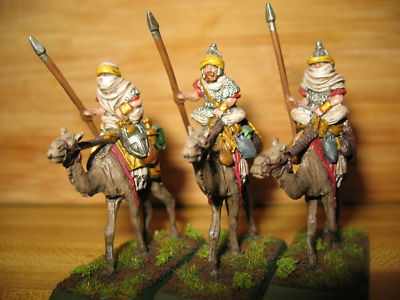
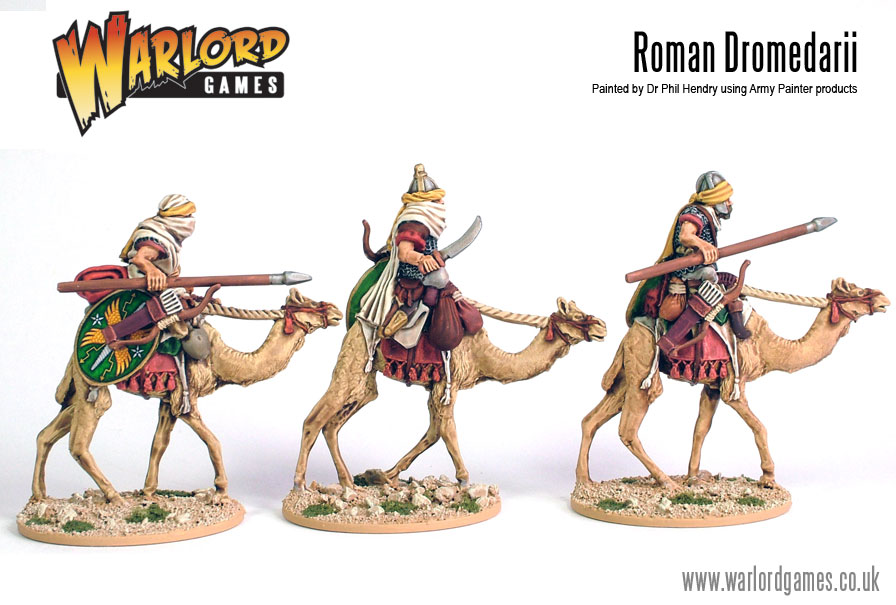
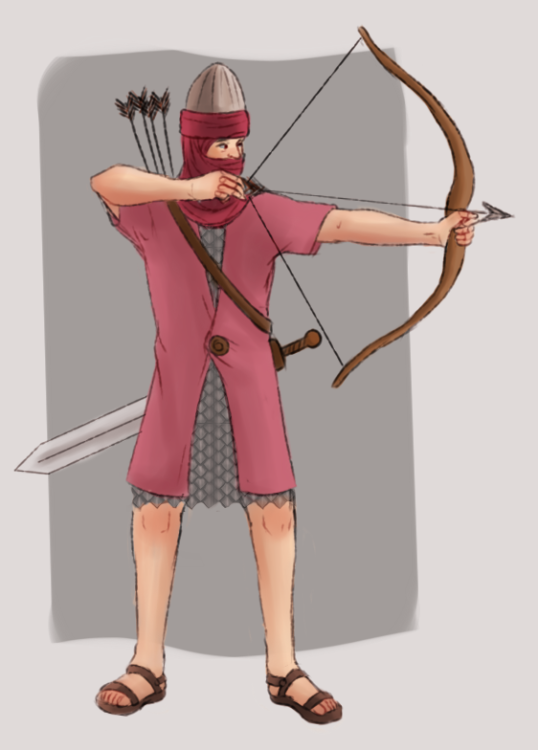
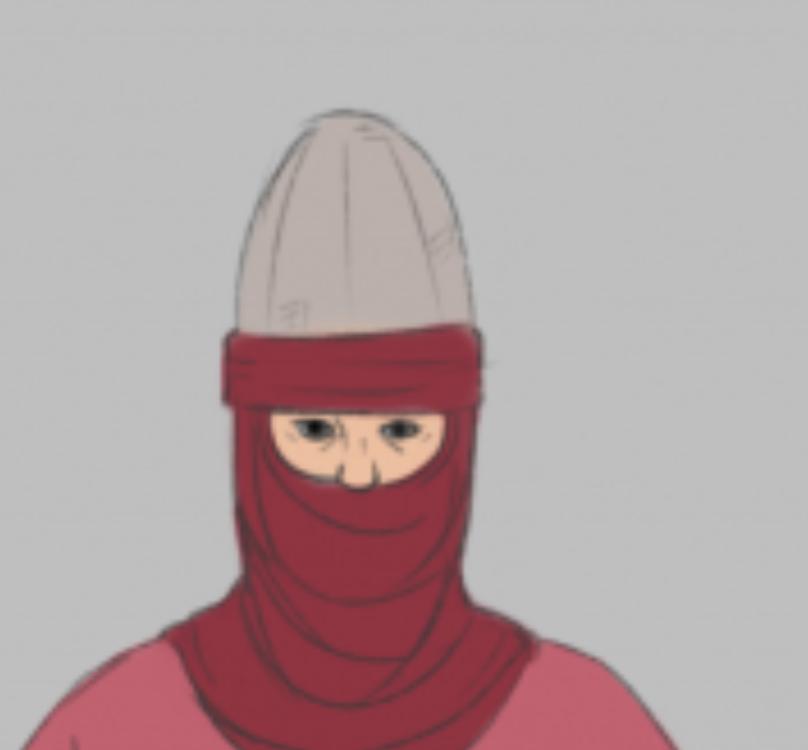
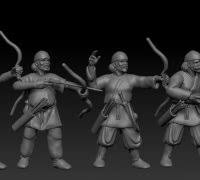
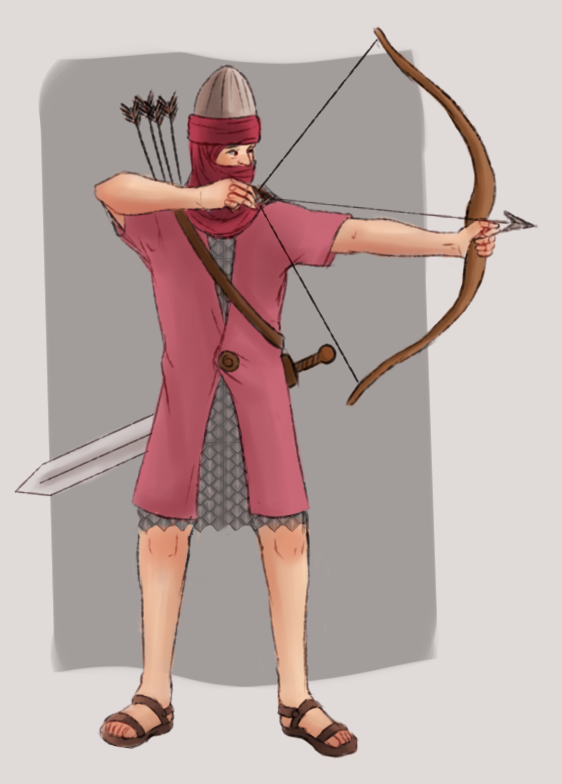
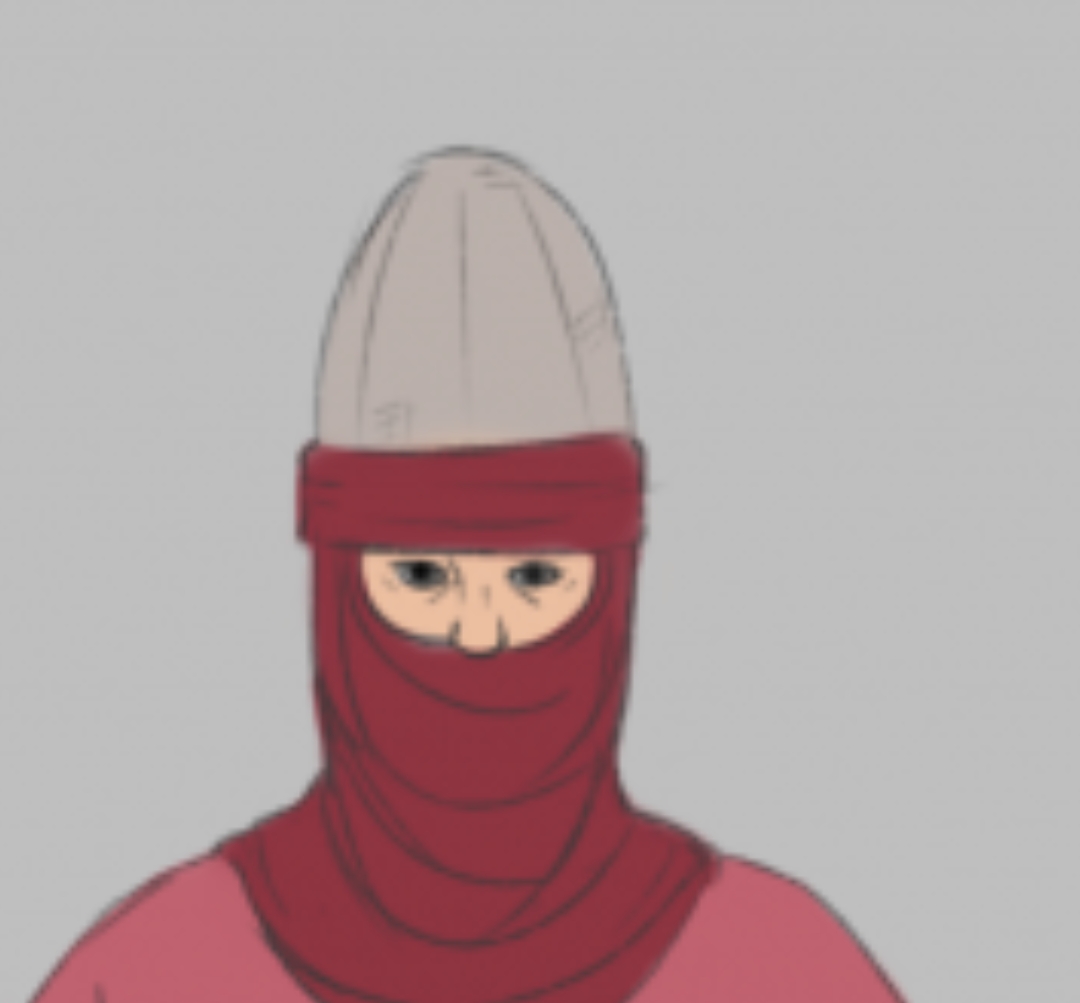
https://arabthought.org/en/arab-fashion-heritage/15/roman-palmyra-a-gateway-to-understanding-eastern-fashions-in-the-roman-era Other ideas for desert combat. Unfortunately, the clothing on Loss Reliefs was like Instagram, so you could see your luxury clothes and not your military service clothes. This is from a fantasy project inspired by Roman times. The idea of a helmet plus a turban and something to cover your face from the dust.

-
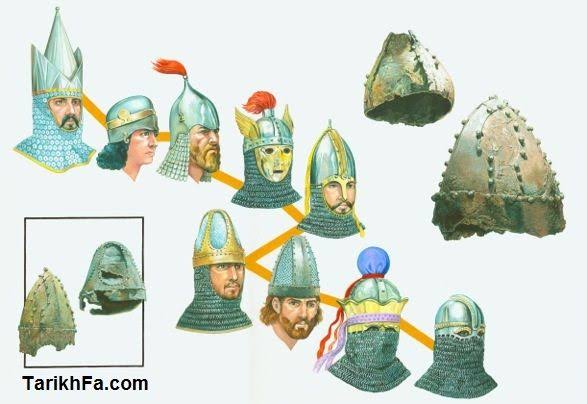
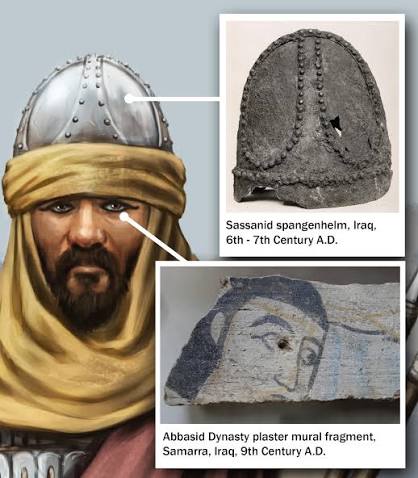
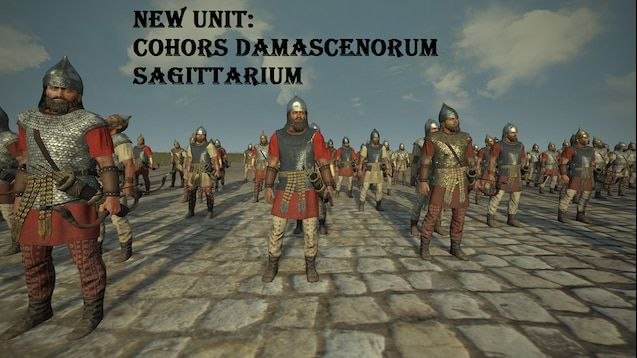
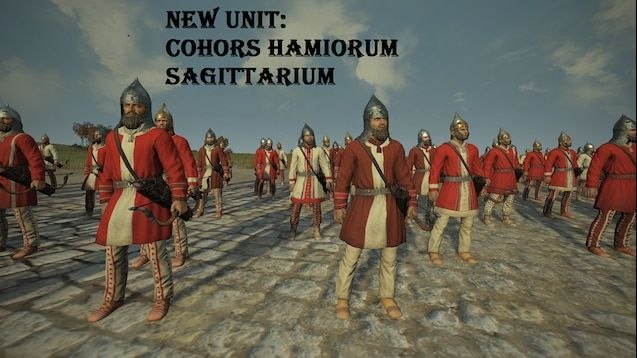
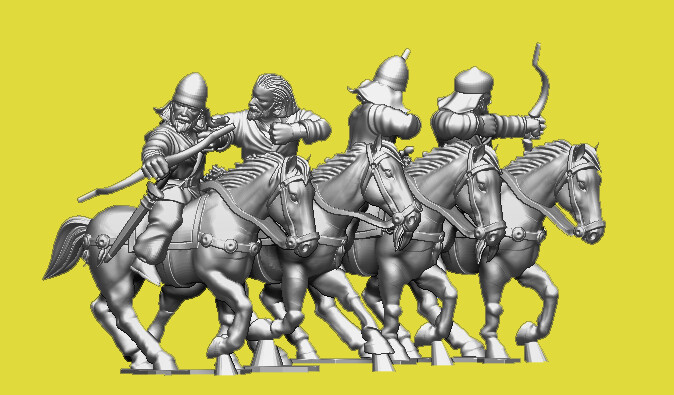
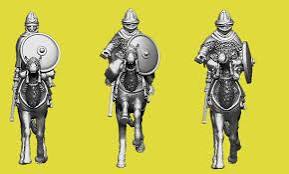
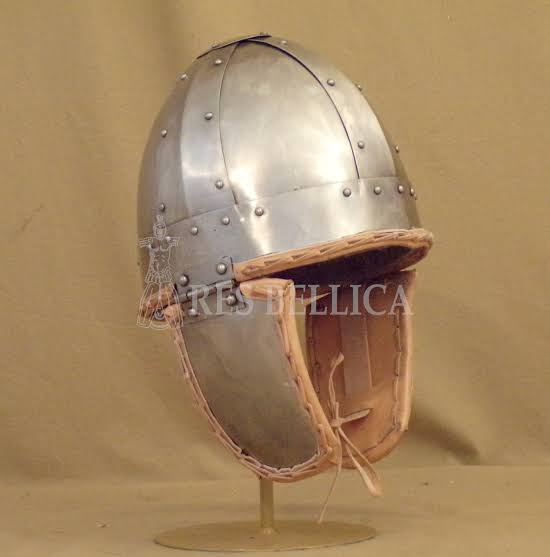
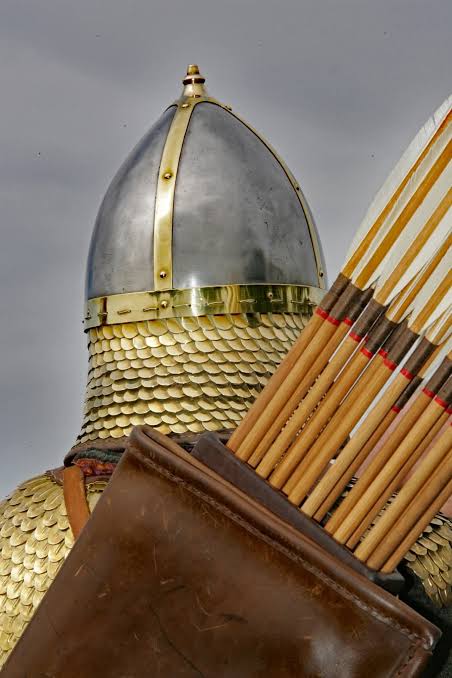
These concepts with conical and Spenhelm-type helmets. https://en.wikipedia.org/wiki/Camp_of_Diocletian After the Palmyra rebellion, things changed in the empire. Before the Palmyrene crisis, Rome relied overwhelmingly on traditional heavy infantry, treating specialized heavy cavalry largely as auxiliary units. Introduction of Blunt Force Weaponry: At the Battle of Emesa, the Romans encountered heavily armored Palmyrene armor that traditional swords and spears could not easily pierce. Aurelian deployed specialized Palestinian clubmen equipped with clubs and staves. The blunt force of the clubs bypassed the iron and brass coats of mail by fracturing bones and causing internal trauma through the armor. This exact counter-tactic against cataphracts was so effective that later emperors, including Constantine, integrated club-wielding units into subsequent Roman civil wars and campaigns against Persia., Ridge Helmets (The "Late Roman" Style): The classic Imperial Gallic helmets were phased out. Instead, Rome adopted "ridge helmets," constructed by joining two halves of iron with a central ridge. This design was much easier to mass-produce in state factories (fabricae) and provided excellent structural resistance against heavy overhead mace or sword blows. Aventails and Coifs: Helmets were heavily upgraded with attached mail curtains (aventails) or scale cheek-pieces that completely guarded the neck, throat, and jaw from lateral cuts. All these details give me an idea of how Palmyra and the armed Persians were. The Notitia Dignitatum (Late 4th/Early 5th Century AD): This Roman military register proves the lasting legacy of these troops. After defeating Palmyra, Rome absorbed them entirely, creating elite specialized units like the Equites Sagittarii Indigenae Petronenses (Native Palmyrene Horse Archers) to defend the empire's borders. • No Cheek-Pieces or Facial Plates: Unlike the heavy Roman ridge helmets or the intimidating, full-face metal masks of the Palmyrene cavalry, foot archers’ helmets entirely omitted facial plating and wide cheek-pieces. This open-faced layout was a crucial requirement so they could pull a bowstring back completely against their cheek or jawline to anchor their aim. • Fabric and Leather Coifs: To prevent the metal helmet from overheating in the scorching Syrian desert and to provide basic neck defense, they wore thick fabric, felt, or linen coifs beneath the helmet

-
My take on bringing communities together
Nicolaus_von_Kues replied to lilypoppy's topic in General Discussion
Two different segments want very different things. -
Photocraft : The opensource Photoshop
Nicolaus_von_Kues replied to Nicolaus_von_Kues's topic in Art Development
It has bugs and is still in alpha.

-
Photocraft : The opensource Photoshop
Nicolaus_von_Kues replied to Nicolaus_von_Kues's topic in Art Development
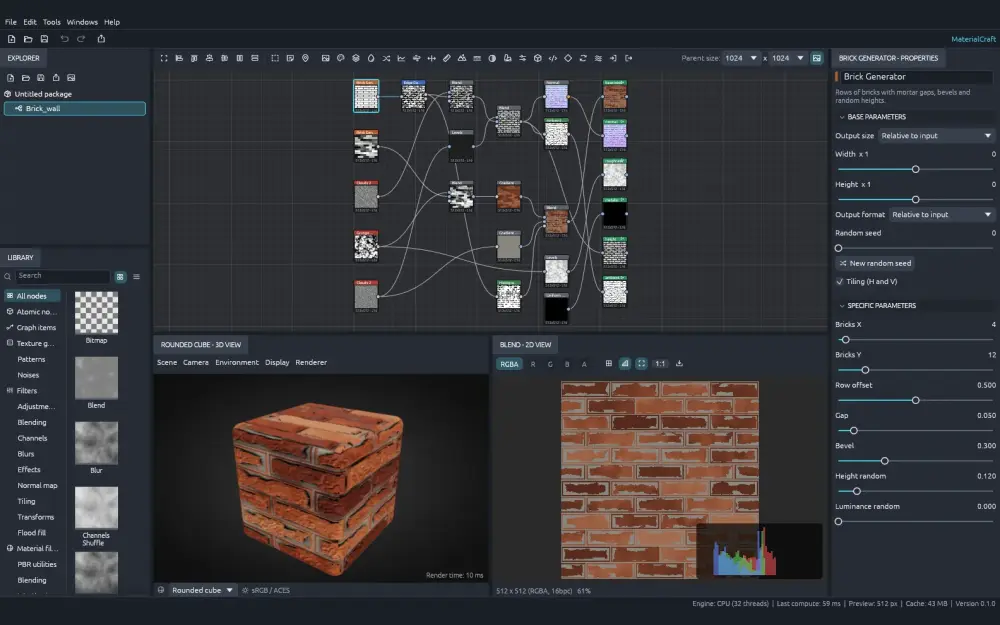
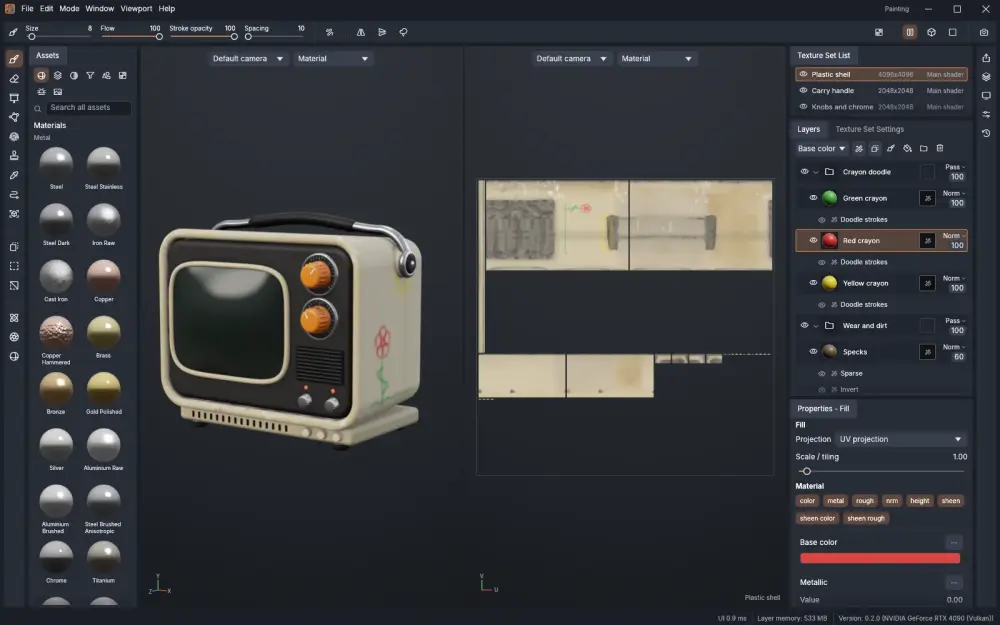
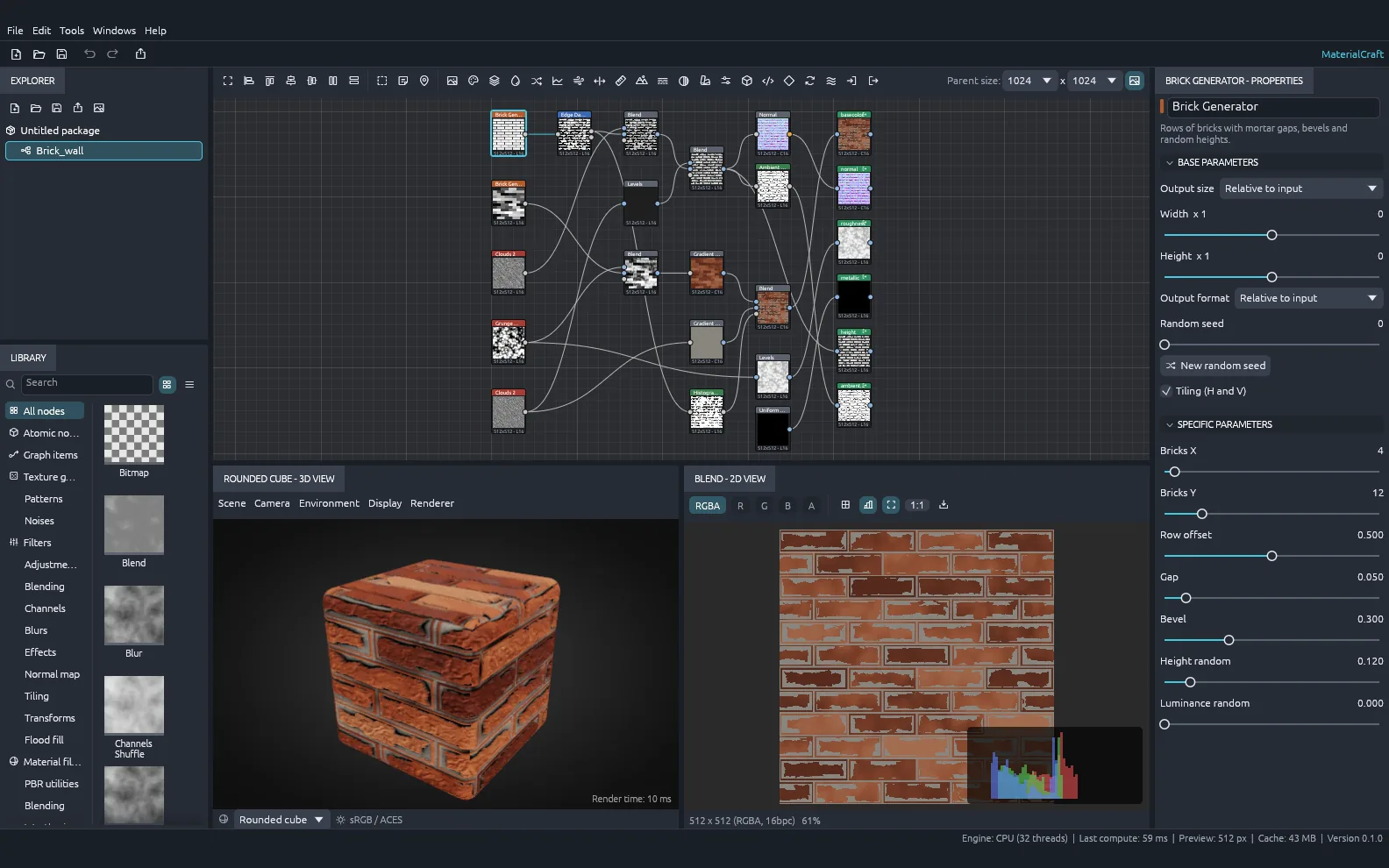
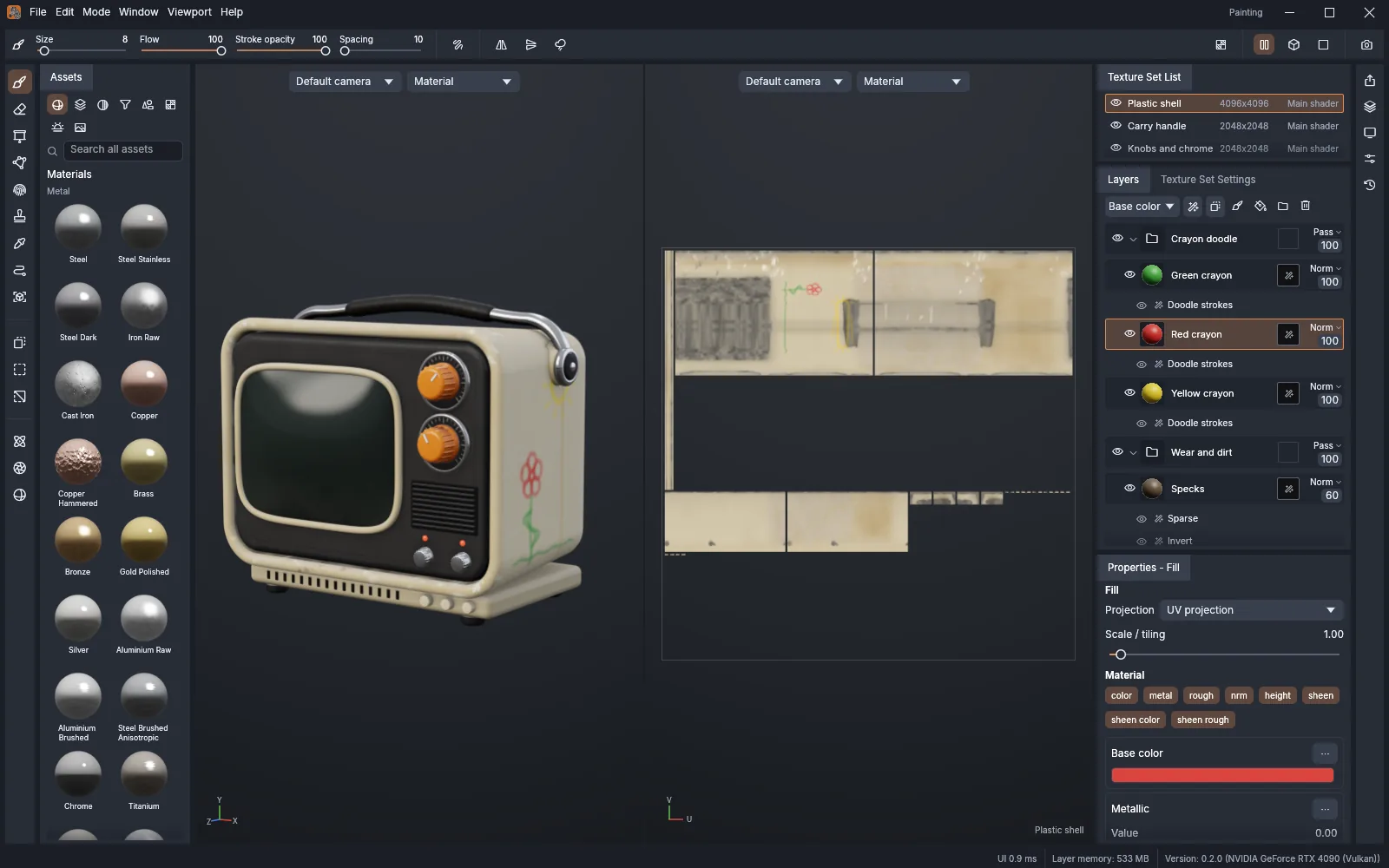
New news today I updated my version of Artcraft for Linux. I discovered that they updated it; there are even new programs for making 3D and 2D art. A Figma clone. Build tileable PBR materials from noises, patterns and filters in a node graph, watch them update live in 2D and on a 3D model, and export the maps for any engine. Open source, offline, and yours. Paint PBR materials straight onto your models in layers with masks, bake mesh maps, drive smart materials from them and export textures for any engine. Open source, offline, and yours. This other one is a clone of Substance Painter.
-
Yes, and I add more animals create by @Duileoga.
- Yesterday
-
New Atlas helper tool - Mercator
Grautvornix replied to Grautvornix's topic in Scenario Design/Map making
Here is an intermediate release of mercator, now being updated to version 0.14.0. There are a lot of changes "in the engine room" increasing processing speed and (hopefully) making map editing and manipulation a bit easier. There are also a large number of bugfixes (please have a look at the changelog). The tool and its documentation and changelog is available at the initial post of this thread in https://wildfiregames.com/forum/topic/169940-new-atlas-helper-tool-mercator/ -
Map making support and conversion tool: post-Atlas
Grautvornix replied to Grautvornix's topic in Scenario Design/Map making
Here is an intermediate bugfix version of post-atlas: Version 1.16.0 with a few new items, like a check that items placed are where the game would alow them to be placed, warning if they are not. Exampels are trees or builidngs on a steep slope, in water or the like. Note that this is not a fail but only a warning to make the user aware. 3D view mouse movement mechanics aligned woith what is implemented in mercator, the companion tool for map editing, available from this thread: https://wildfiregames.com/forum/topic/169940-new-atlas-helper-tool-mercator) and a large number of bugfixes and accelerations. Please let me know your observations, comments, any issues or suggestions! post-atlas-1.16.0.zip README.md CHANGELOG.md -
My take on bringing communities together
Grautvornix replied to lilypoppy's topic in General Discussion
I second that! For gameplay: casual single player vs competitive multiplayer versions are indeed two variants that equally need attention. If we have contradicting requirements, shoudl we consider making that configurable options (i.e. if single player is selected then the game behaves like this, and if multipleyer is activated, that the game is has particular other features). In this way we can avoid changing somthething back and forth, depending on the current status of discussion. As for the history discussions - these are absolutely fascinating! I guess everyone is learning a lot - even we learn that many things can be disputed as the historical sources are contradictory, biased, scarce or even missing completely. This is the nature of the beast i would say naively. So, while I do appreciate a lot(indeed!) the engageed and excited fascinating discussions of historical details that are certainly not undisputed, I 'd also appreciate if personal statements can be avoided. Lets try keeping a gentleman style. -
Hi everyone, I want to share a feeling and look for solutions. I follow many projects that are in development at various levels, and 0 A.D. is rich and alive. The only thing is that the history-focused and gameplay-focused communities create tensions, which in my view should come together around this beautiful project. Right now it only creates tensions, which I find sad. I'd also like to point out that there is no sub-forum dedicated to solo/history. I think it would be good to find solutions so that both communities can coexist together. Thank you !
-
Yes, I did that in my mod. The map shown in the photos is nearly twice the size of the "giant" map; I also had to tweak the engine to improve performance and ensure the AI can correctly account for all objects in the scene. I’m putting a lot of work into performance to keep the gameplay fluid, which has been a major challenge—I’ve been repeatedly reworking many of the objects to make them as lightweight as possible. Currently, the biggest strain on the map comes from the constant logging used to verify that the enemy AI is functioning correctly; once that process is complete, I’ll focus even more on performance optimization.









-
Latest Topics
-

