

Ultimate Aurelian
-
Posts
550 -
Joined
-
Last visited
-
Days Won
5
Everything posted by Ultimate Aurelian
-

[Task] Iberian, Lusitan, Celto-Iberian symbology
Ultimate Aurelian replied to Lion.Kanzen's topic in Official tasks
Iberian coins can probably be used as references. https://en.wikipedia.org/wiki/Ancient_Iberian_coinage https://monedaiberica.org/mints_hierarchy -
Possible emblem https://balkancelts.wordpress.com/2012/06/10/galatia/ Galatian bronze plate and H-Shaped horse bit – from Hidirsihlar tumulus, Bolu, Turkey (3rd c. BC) Galatian coins: https://balkancelts.wordpress.com/2012/07/03/coins-of-the-galatian-kings/ Fig. 4-5 – Kings Of Galatia, Deiotaros. (Ca 62-40 BC) AE. Obverse: Laureate head of Zeus right. Reverse: Large monogram and Celtic oval shield.
-
Is there any evidence of them being swordsmen?
-
So i've played the civ and they seem to have only fishing and trade ships. IMO they could have a very light ship just for scouting and transport. Strabo mentions sewn boats, but it's unclear what they are and if they are even scythian I've seen one source suggest these could be Scythian boats covered in animal hide; but they might also be foreign plank boats https://www.researchgate.net/publication/331018044_Ancient_Mediterranean_Sewn-Boat_Traditions_ANCIENT_MEDITERRANEAN_SEWN-BOAT_TRADITIONS Other option would just be the dugout canoe, used in east european rivers from stone age to medieval period. They are mentioned in Priscus' accounts of the Hun territory, but i'm not sure what people was using them (later Romans would call almost any nomadic people Scythian, even the Goths).
-
For the Hittites they could have a better ram than the log; although Hittite rams were probably used to strike wall ramparts rather than gates (and so were the assyrian tower rams). Description of Ḫattušili I's siege of Ursu: https://www.academia.edu/23917712/Ancient_Near_Eastern_Battering_Rams_Questioning_their_Penetrative_Power_and_Target_Location No further description, but it might have resembled the rams in earlier levantine seals (Assyrian ram might be good enough placeholder). https://www.researchgate.net/publication/42091652_Representations_of_battering_rams_and_siege_towers_in_early_Bronze_Age_Glyptic_Art Siege towers are also mentioned in the same siege. Harput relief siege tower (tentatively dated 2000 due to the style)
-
[Part III] Faction: The Archaic Hellenes (776-480 B.C.)
Ultimate Aurelian replied to Zophim's topic in Aristeia
The description makes it seems as the Greek gate was not that weak. Pure speculation on my part, but i think the boulder might be loosely based on real breaching tactics (in reality with logs or maybe even axes, but in the poem one hero with a huge rock is enough). The descriptions of the rock being narrower on one side, Hector having to gain momentum to strike, part of the Trojan force climbing the wall while the rest walked through the gate. There is also the theory of the Trojan horse being loosely based on some forgotten bronze age siege engine, but i'm not so sure of it. -
[Part III] Faction: The Archaic Hellenes (776-480 B.C.)
Ultimate Aurelian replied to Zophim's topic in Aristeia
I've seen some sources describe it as 450 BC, which would be some 30 years after the end of archaic period. So might be close enough to assume something similar already existed in late archaic period. But probably better to just have the log ram and other early methods. -
[Part III] Faction: The Archaic Hellenes (776-480 B.C.)
Ultimate Aurelian replied to Zophim's topic in Aristeia
There is a theory the Olympia one was specifically designed for breaking mud bricks. The Trajan column actually shows Dacians attacking a Roman fort by holding a metal capped wooden beam (too late for this discussion, but at least it's some evidence that this sort of weapon existed in antiquity). -
[Part III] Faction: The Archaic Hellenes (776-480 B.C.)
Ultimate Aurelian replied to Zophim's topic in Aristeia
The ramps and ladders are interesting but would be somewhat difficult to animate, hence the idea of making it a passive bonus or tech (i think siege ladders are already a technology, or at least they are in the DE mod). One interesting tidbit about earthen ramps is that the famous Assyrian towered rams were apparently mainly used on top of such ramps to damage the enemy battlements. Does this mean the Lydian ramp was meant for rams? perhaps but there is no definitive proof (Rams built in the "Hurrian manner" are already mentioned in Ḫattušili I's siege of Urshu so they might not be entirely new to Anatolia) This is a quite interesting siege method for civilizations without heavier siege equipment; again a bit dificult to implement (and i'm not sure how much it was used in archaic period itself). Although perhaps it would be possible to implement a simpler ''underminer'' unit that attacks enemy walls with the villager's pickaxe. -
[Part III] Faction: The Archaic Hellenes (776-480 B.C.)
Ultimate Aurelian replied to Zophim's topic in Aristeia
The buildings section is copied from one of the old design docs; tbh i was mainly focused on doing the units and bonuses. My plan would be to largely recycle the names and models from Spartan buildings. They will probably need rams purely for gameplay reasons (it was decide a while ago that all civs will have them iirc). I suppose they could extrapolate from later rams or use the log ram as with the Germans. https://research.vu.nl/ws/files/42190004/chapter 10.pdf The actual archaic siege methods would be a bit hard to portray through gameplay (although a tech or passive bonus that makes infantry stronger against buildings to somewhat compensate for poor siege is possible) The Olympia ram is probably outside the civ timeframe by some decades; with the relative rarity of rams it's possible there were slightly earlier rams that left no record (Siege engines were sometimes built on site because it was easier than transporting, so it's possible they would be discarded afterwards with perhaps the metal parts being melted down or reused in another siege). Although it might be better to err on the side of caution by giving them only log rams. As for siege warfare in Greek epics, there is a moment where Hector uses a large pointed boulder to destroy the gates of the Greek camp; clearly another feat of superhuman strenght by mythicals heroes, but perhaps implying that in some Mycenaean/archaic sieges attackers tried to breach gates. A quite detailed description of how the gate broke and the tactics employed after breaching -
[Part III] Faction: The Archaic Hellenes (776-480 B.C.)
Ultimate Aurelian replied to Zophim's topic in Aristeia
here is my old Archaic Greek design, with some updates (i have a couple unpublished civ designs) -
Civ: Germans (Cimbri, Suebians, Goths)
Ultimate Aurelian replied to wowgetoffyourcellphone's topic in Delenda Est
Perhaps theyre suggesting this hypothesis? https://en.wikipedia.org/wiki/Nordwestblock -
Carthaginiam elite mercenary Gaul cavalry uses a variety of helmets that are too late for Punic Wars. I'd suggest adding the same Montefortino helmets as the advanced mercenary Gaul cavalry (with elite version being distinguished by mail armor). Also i have noticed some of the Alesia helmets are made of bronze, my understanding is those later Celtic helmet types were only made in iron.
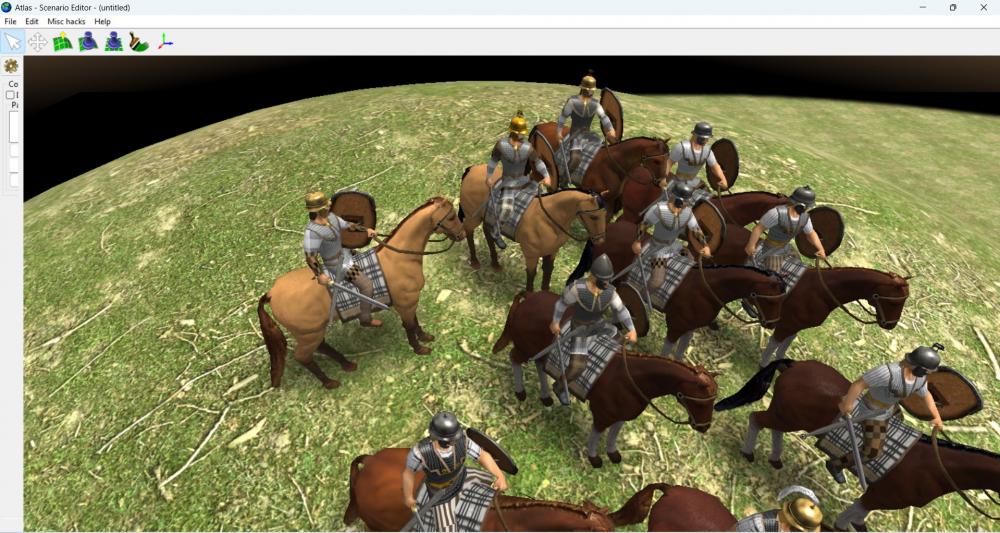
-
There is a Boeotian shield model in this thread that could be useful as prop or even for some units (might need new textures).
-
[Part III] Faction: The Archaic Hellenes (776-480 B.C.)
Ultimate Aurelian replied to Zophim's topic in Aristeia
Im not sure about having different variants for each phase since it would not be consistent with other civs, maybe just use the Spartan buildings as place holders. Some of the units seem to have Boeotian or Pilos helmets which are probably too late. I think most units could have Illyrian helmets, with Corinthian helmets(and a few Chalcidians maybe) for the more elite ones. Maybe i should post the Archaic Greek design doc i have. -
https://en.wikipedia.org/wiki/Altar_of_Hieron https://www.siracusaculture.com/en/2021/04/21/the-altar-of-hieron/ Possible wonder?
-
How viable would the Rhine Germans be in this early timeline? I know they had some participation in the Gallic Wars. For a bit later you also have Batavian Revolt (almost contemporary to some Briton heroes).
-
https://gunbai-militaryhistory.blogspot.com/2019/01/dokyu-japanese-crossbow.html https://en.wikipedia.org/wiki/Ōyumi Early Japanese siege weapon (bolt thrower and stone thrower versions.)
-
https://www.reddit.com/r/AskHistorians/comments/ncey0d/did_medieval_european_warships_ever_have_mounted/ This is not the only source, as Emperor Leo VI's Taktike Constitution 19 also gives details: There were three kinds of machine artillery used by the Romans against enemy ships: the toxobolistra ("bow-ballista", still the classic torsion-powered engine seen in the classical and late antique Roman empire), the manganikon or alakation/elakation ("machine" or "revolver" aka a mangonel aka a traction trebuchet). These were slightly more complex than the typical machines we see in art or reconstructions, as they had pulleys as mentioned in the De Ceremoniis. These were what were used to hurl the aforementioned stones, fire grenades, and other more exotic ammunition, alongside with those hurled by hand. Finally there were the cranes, which had the same general form and function as the alakation but were used to swivel and pour or drop fire, stones, and nets directly onto the enemy watercraft. It's also possible that the old onager, which would have simply been called a bolistra (it operates exactly the same way as bolt-thrower, but has one torsion spring which is positioned horizontally) was still around and also used to hurl small pots and anti-personnel stones. It is not directly mentioned as being mounted on the ships (just like the manganikon or alakation/elakation), but we know they were still around from various sources. And of course, there was the siphon, the great invention of the 670's that allowed the Roman navy (which effectively hadn't had to deal with decked warship combat in ~600-700 years and learned that lesson the hard way after their open-decked patrol boats were smashed to pieces at the Battle of the Masts in 654) to use liquid fire to overpower the Arabs (the liquid fire itself wasn't a new invention, the siphon was). As far as I know, most of this technology was eventually copied by the Western Europeans, as they brought back the counterweight trebuchet (invented by the Romans in the 1000's) after the first crusade, and the ballista was adapted into the springald. Byzantines could potentially be one of the only 1000 AD civs with heavy/siege ships and siege bolt throwers, at least in Part 1 (more dark ages focused)
-
Civ: Germans (Cimbri, Suebians, Goths)
Ultimate Aurelian replied to wowgetoffyourcellphone's topic in Delenda Est
Is this part the palisade under construction? or is it something else?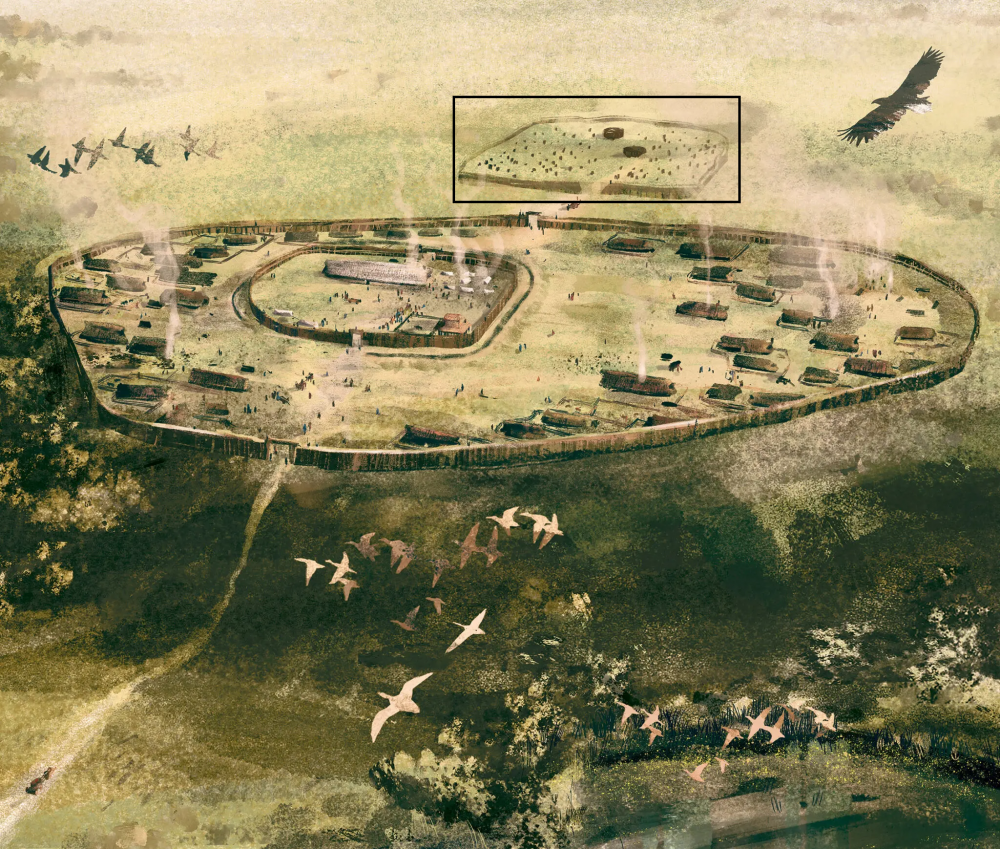
-
Civ: Germans (Cimbri, Suebians, Goths)
Ultimate Aurelian replied to wowgetoffyourcellphone's topic in Delenda Est
Perhaps Cherusci could be included within a North Sea (Ingvaeones?) or Rhine German (Istvaeones? Tungri?) civilization. Problem would be deciding on which one they fit. To further complicate things some sources apparently call them Irminones like the Suebi...maybe they work better as their own single civ in the end considering how it seems to defy classificaton. -
Civ: Germans (Cimbri, Suebians, Goths)
Ultimate Aurelian replied to wowgetoffyourcellphone's topic in Delenda Est
https://maptism.org/maps/germanic-tribes-2nd-century/ https://x.com/Maptysk/status/2027476111148343343 https://threadreaderapp.com/thread/2027476111148343343.html I find it interesting that the Friisi are their own thing and the Cherusci are included in Rhine Germans (rather than having both in the same North-Sea group of the Chauci) -
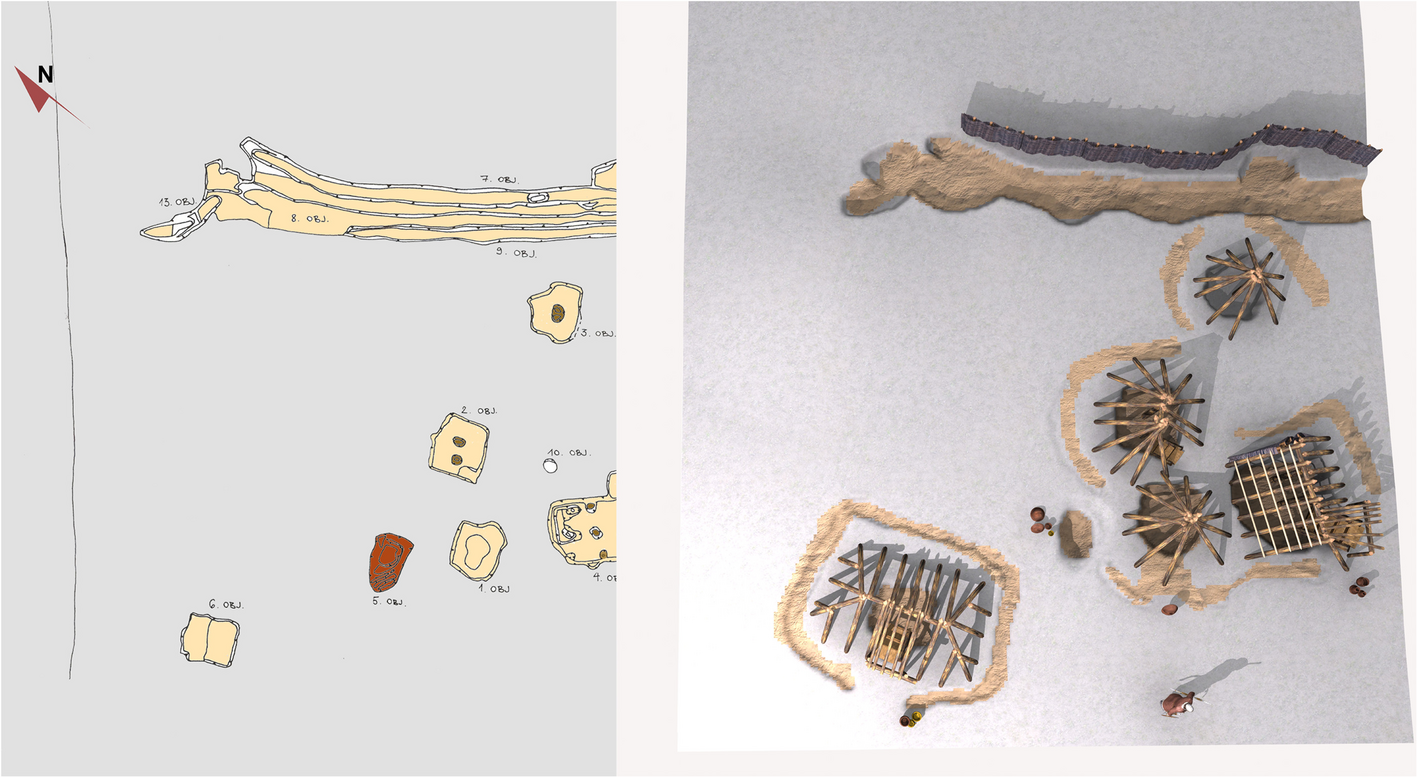
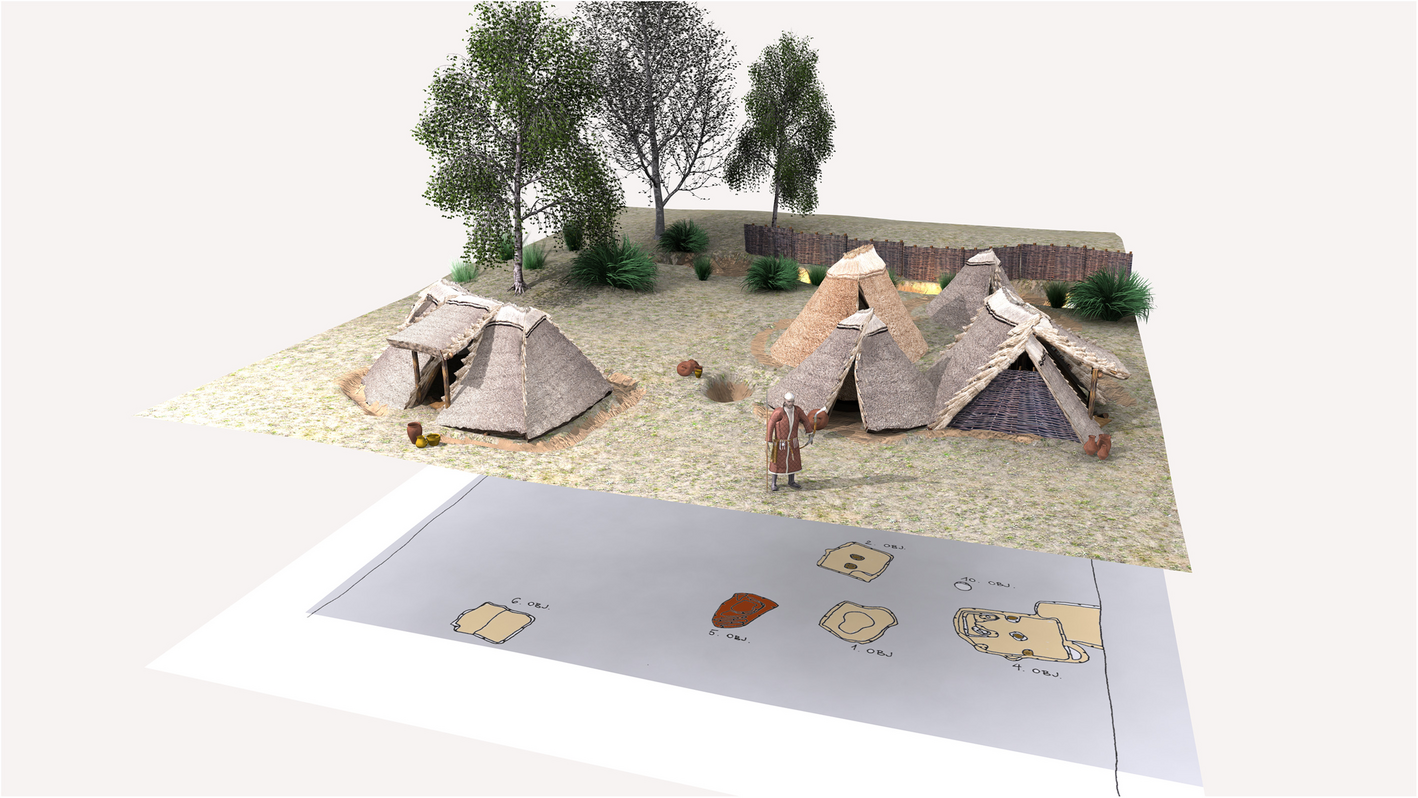
https://link.springer.com/article/10.1186/s43238-025-00191-2 Avar village near Orosháza: Most of their buildings could probably look like this. The ''allied camp'' could have a more Germanic or Slavic style; it it could work as sort of ''military colony'' building that can train allied infantry and slave villagers (most nomadic civs could have something like this to portray settled vassals).
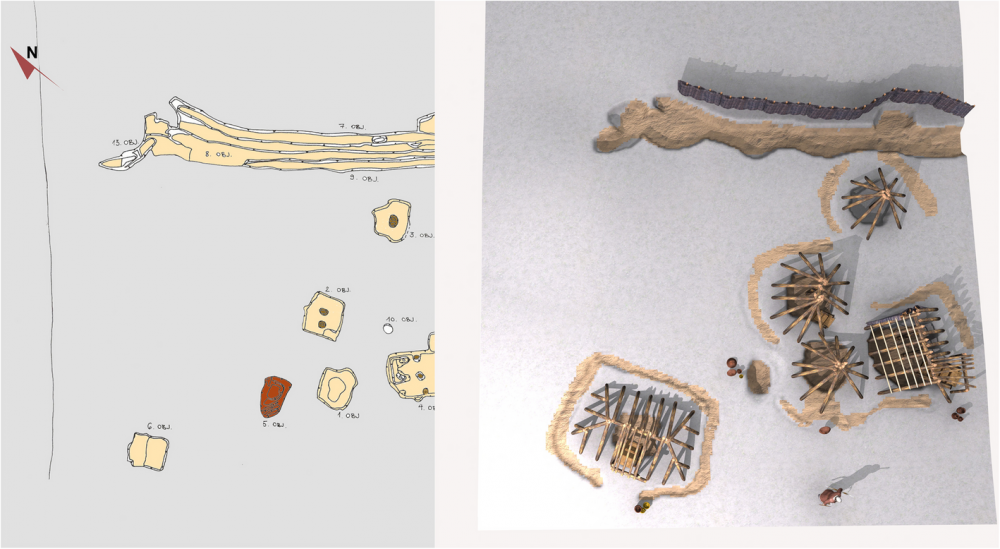
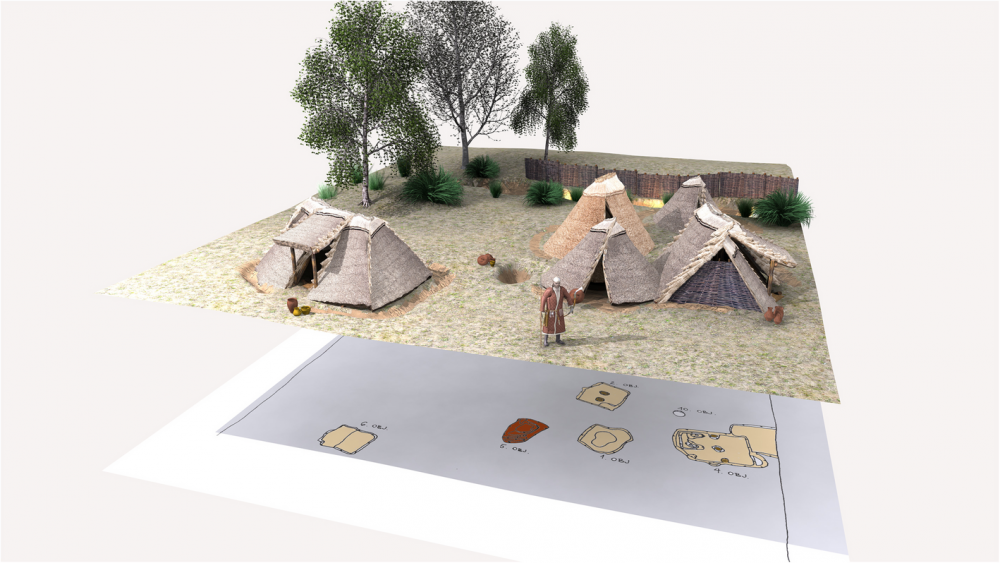
-
Onde fica o cache?
-
Civ: Germans (Cimbri, Suebians, Goths)
Ultimate Aurelian replied to wowgetoffyourcellphone's topic in Delenda Est
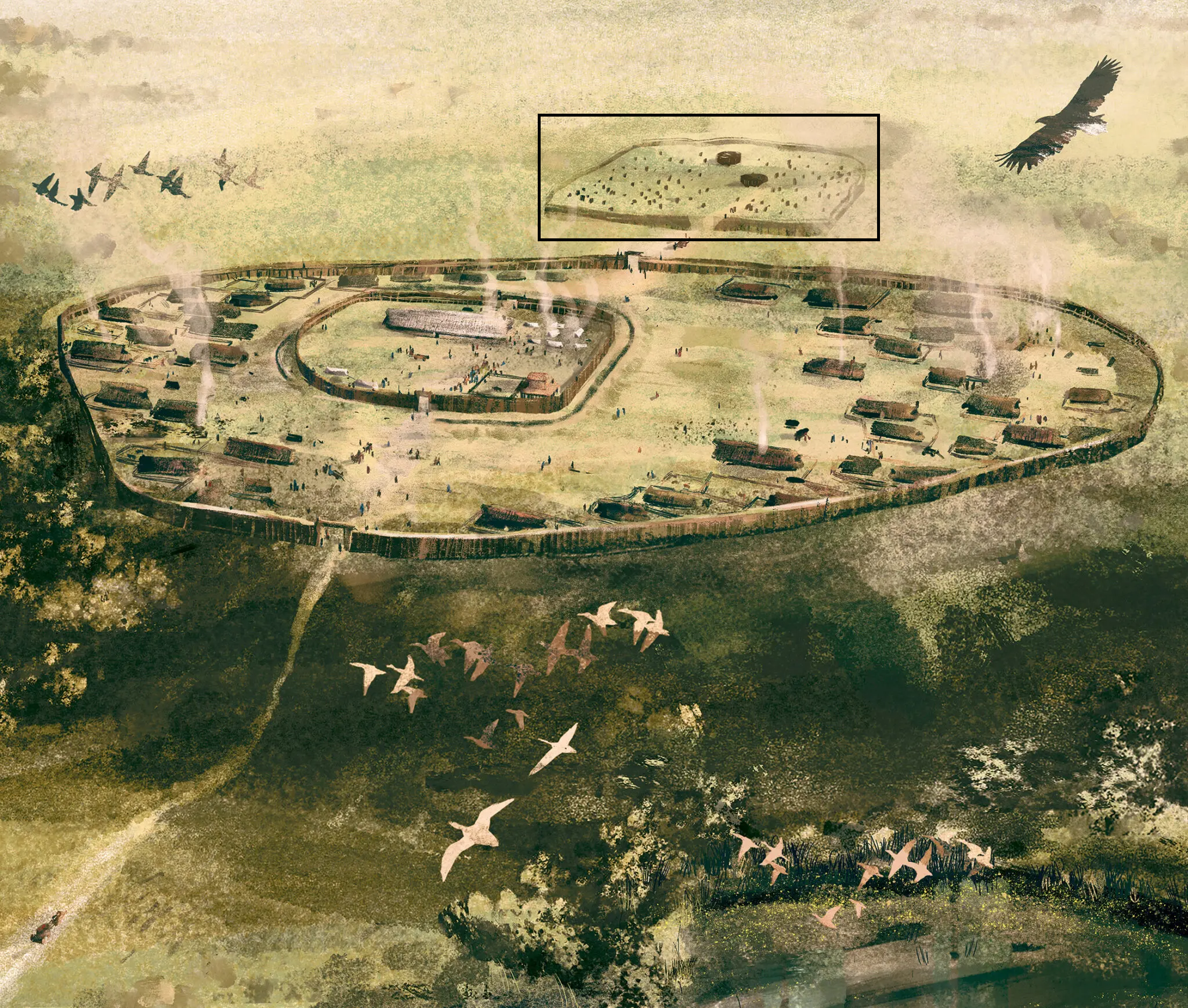
Does it say what the smaller enclosure was? (the small enclosure outside)