All Activity
- Past hour
-
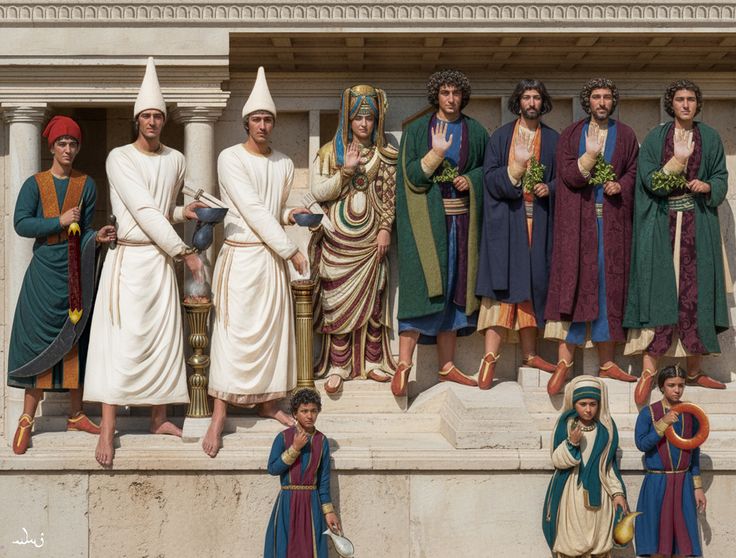
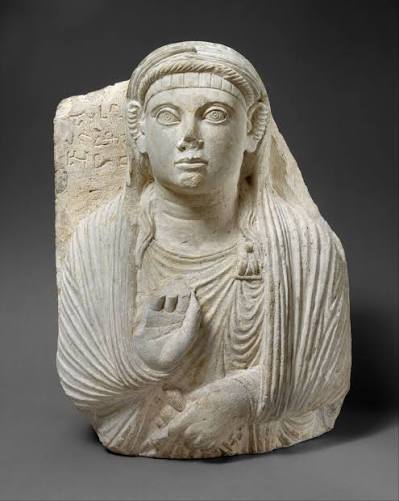
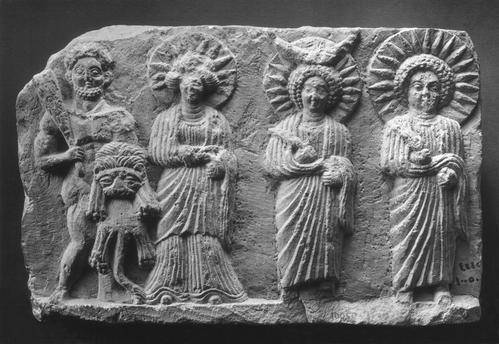
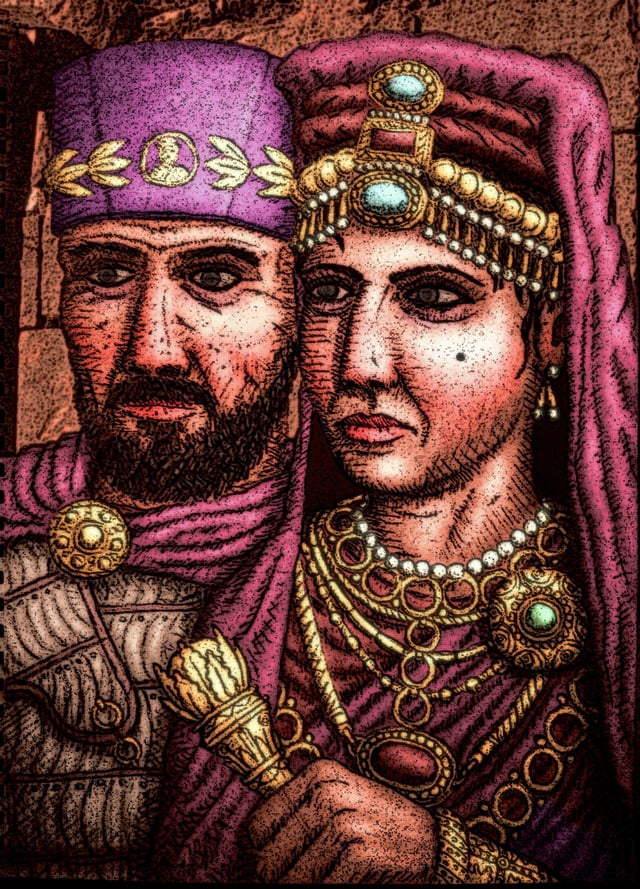
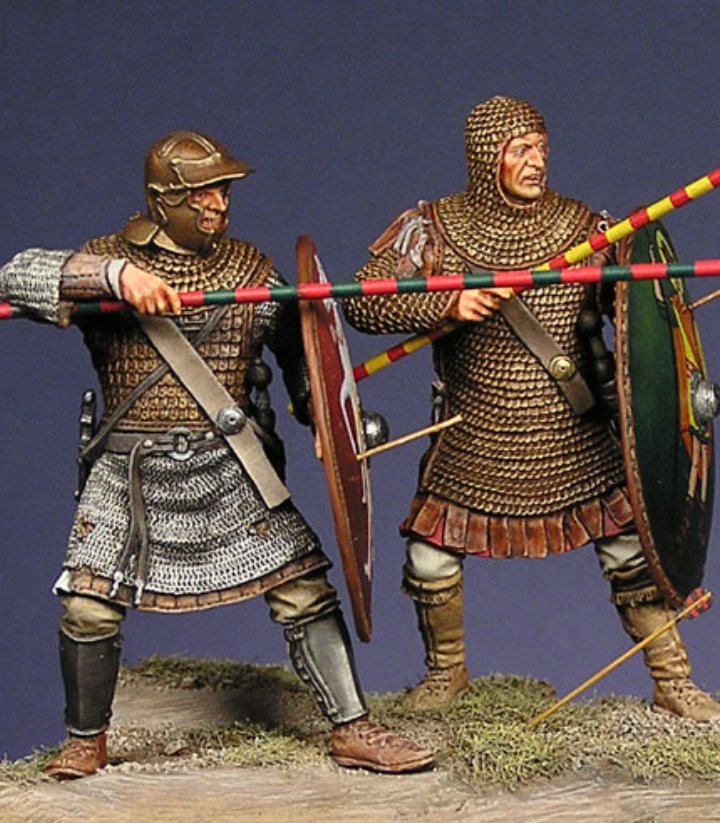
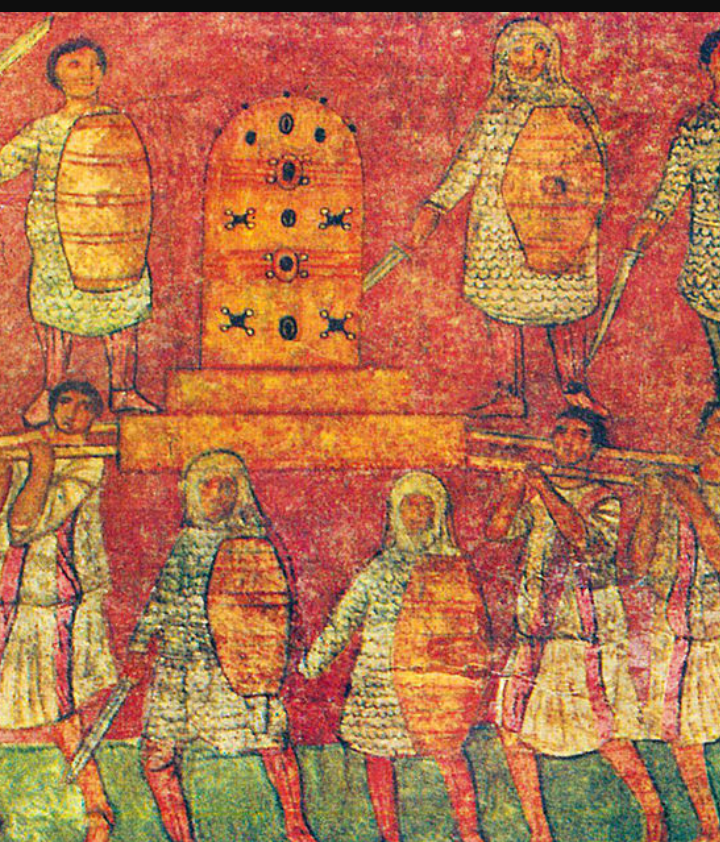
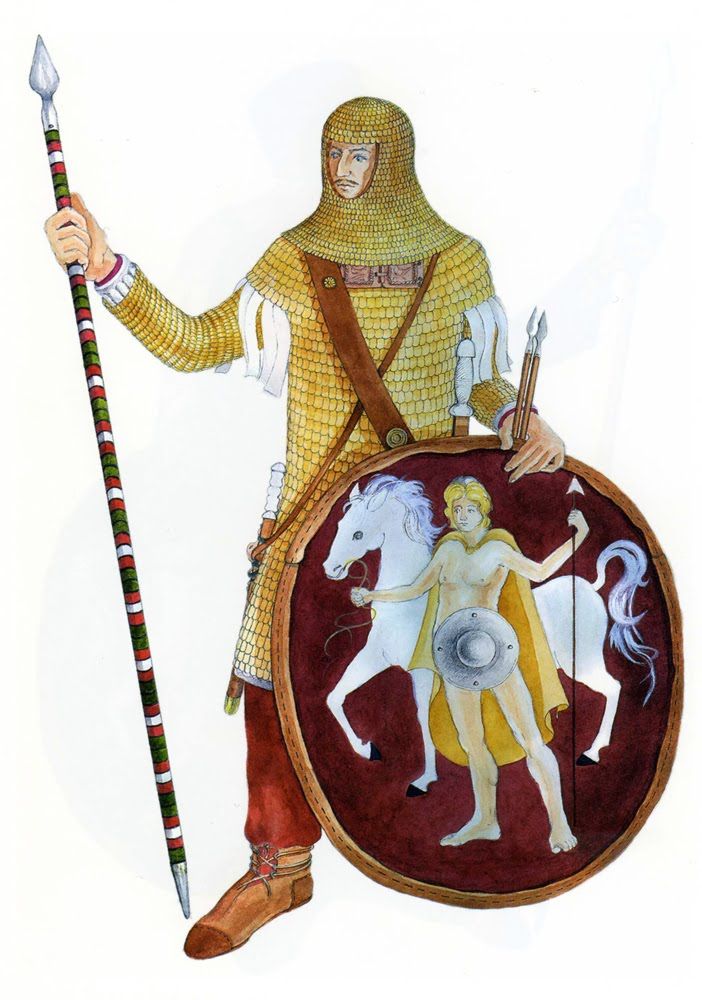
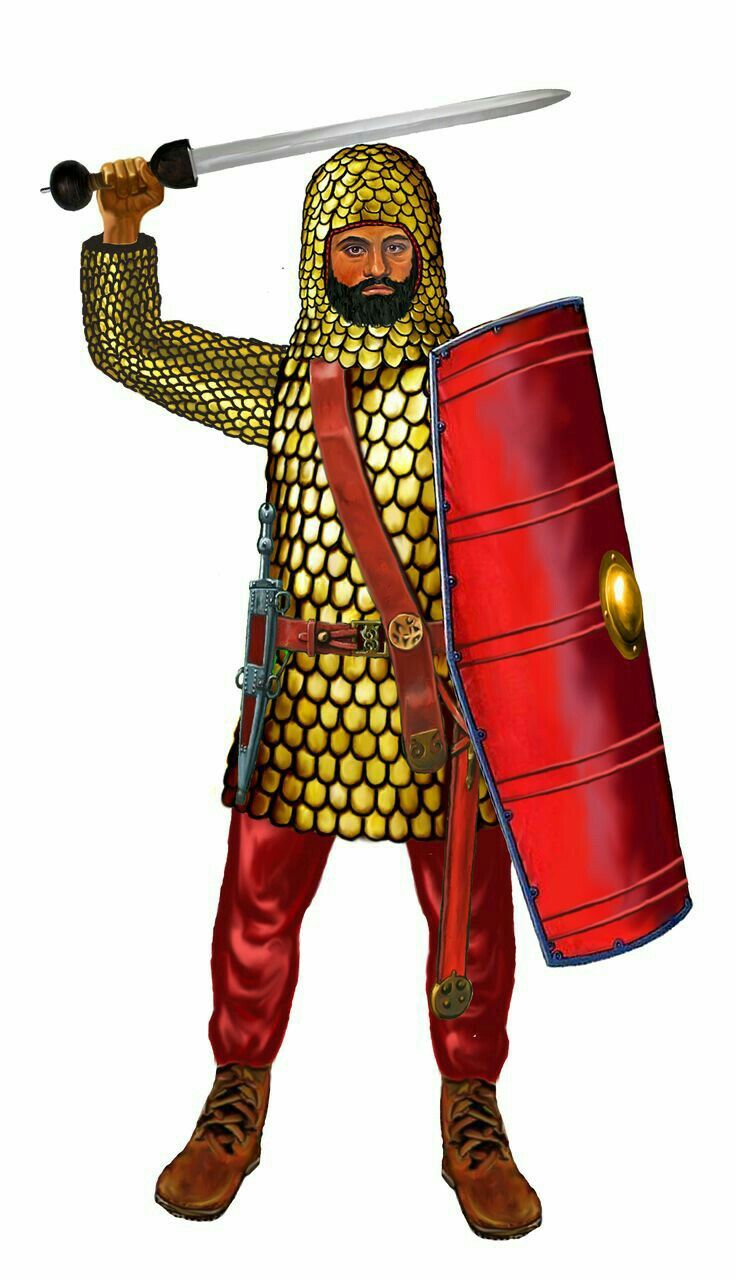
I found an interesting image of an art based on a fresco and relief with AI. Below I will leave other references that are unclear but seem convincing.
-

How to know ship has garrisoned units
Grautvornix replied to WordenKalita's topic in Gameplay Discussion
Oops! You are certainly right! Sorry for the confusion! -
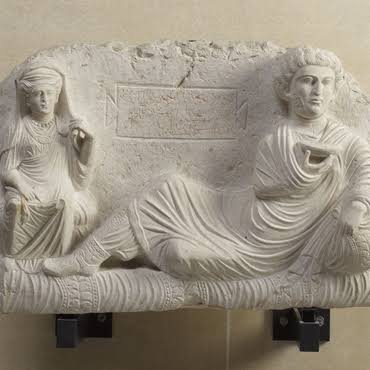
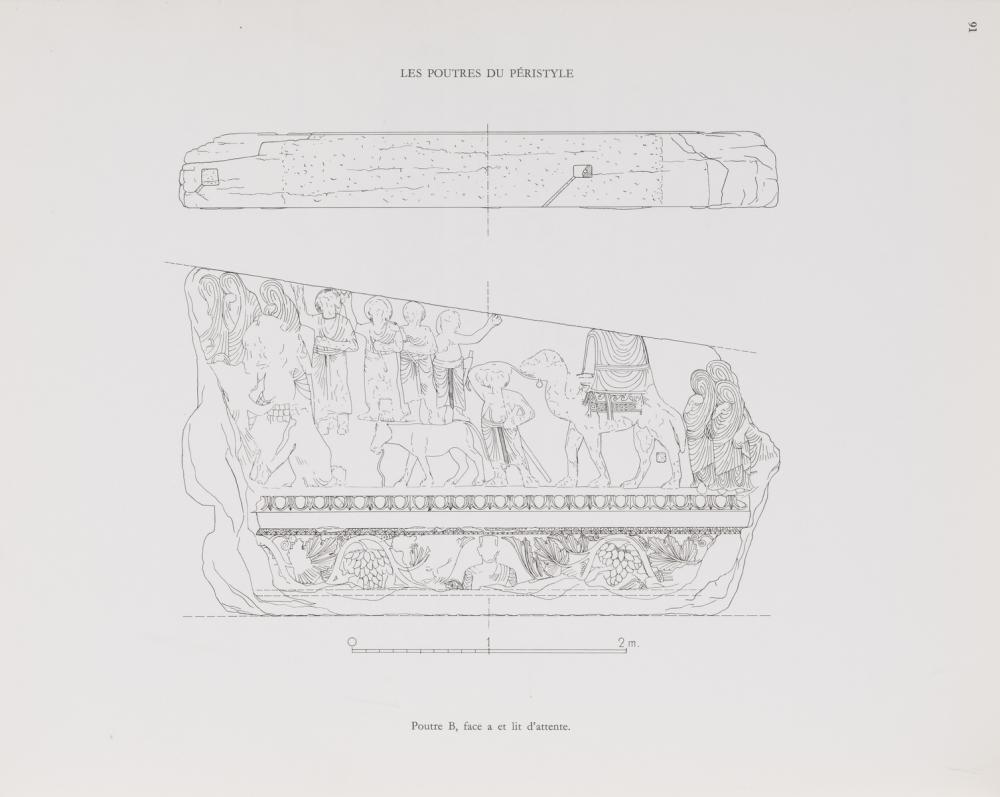
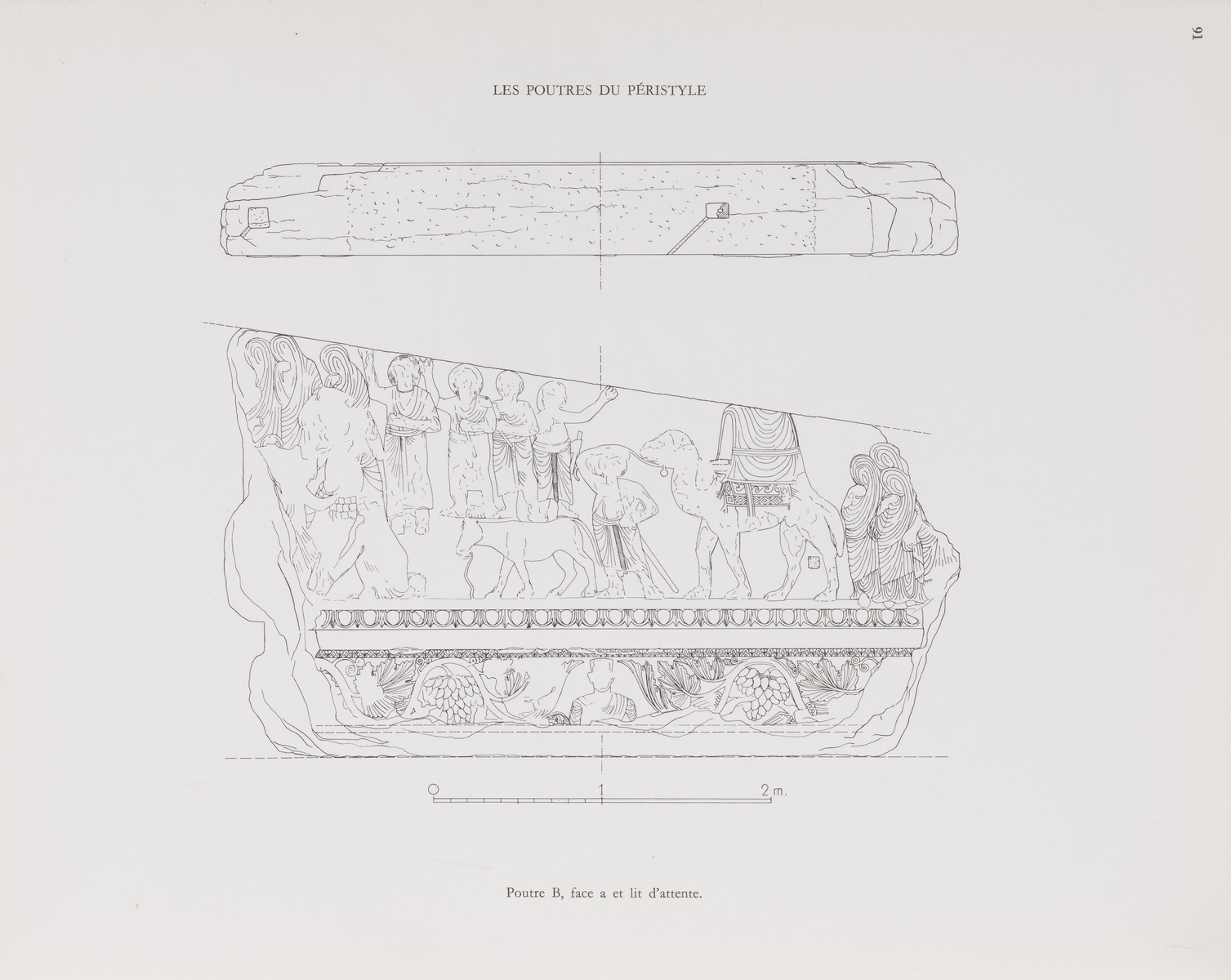
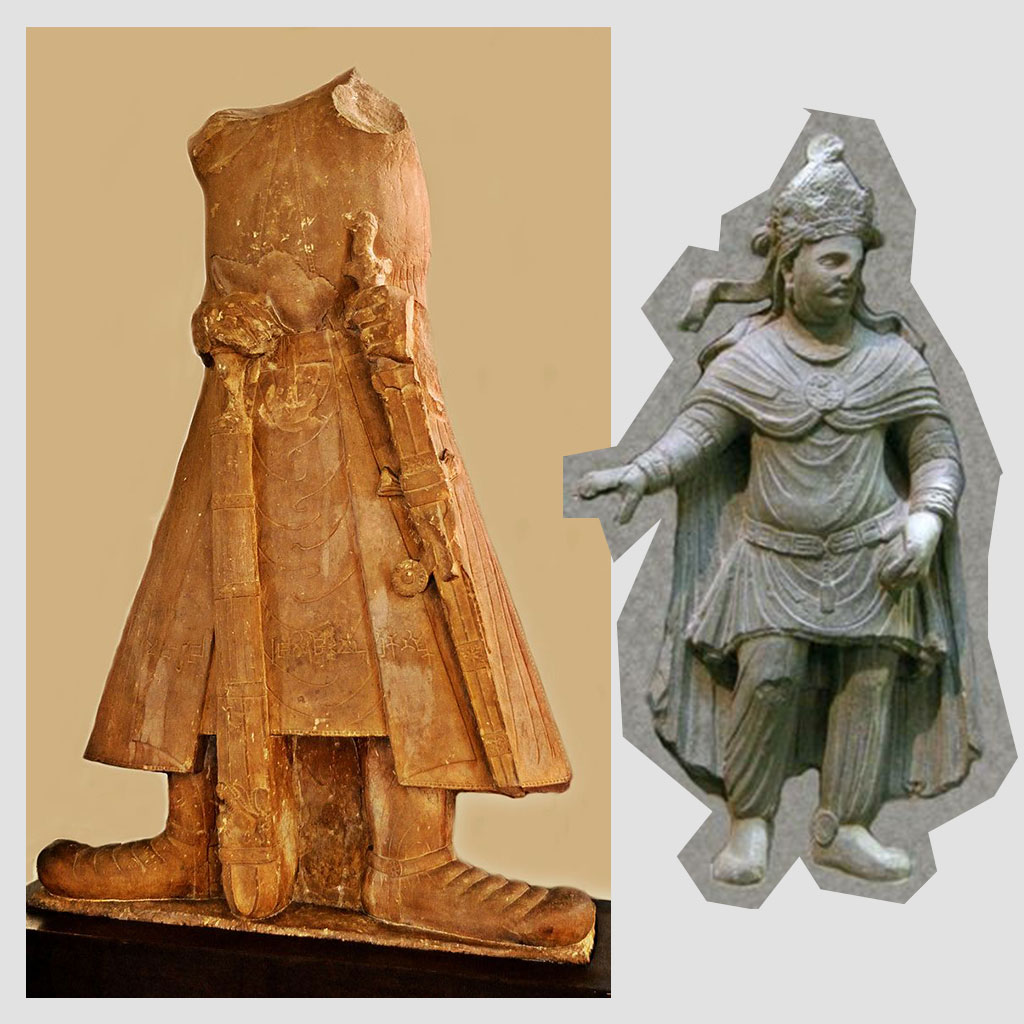
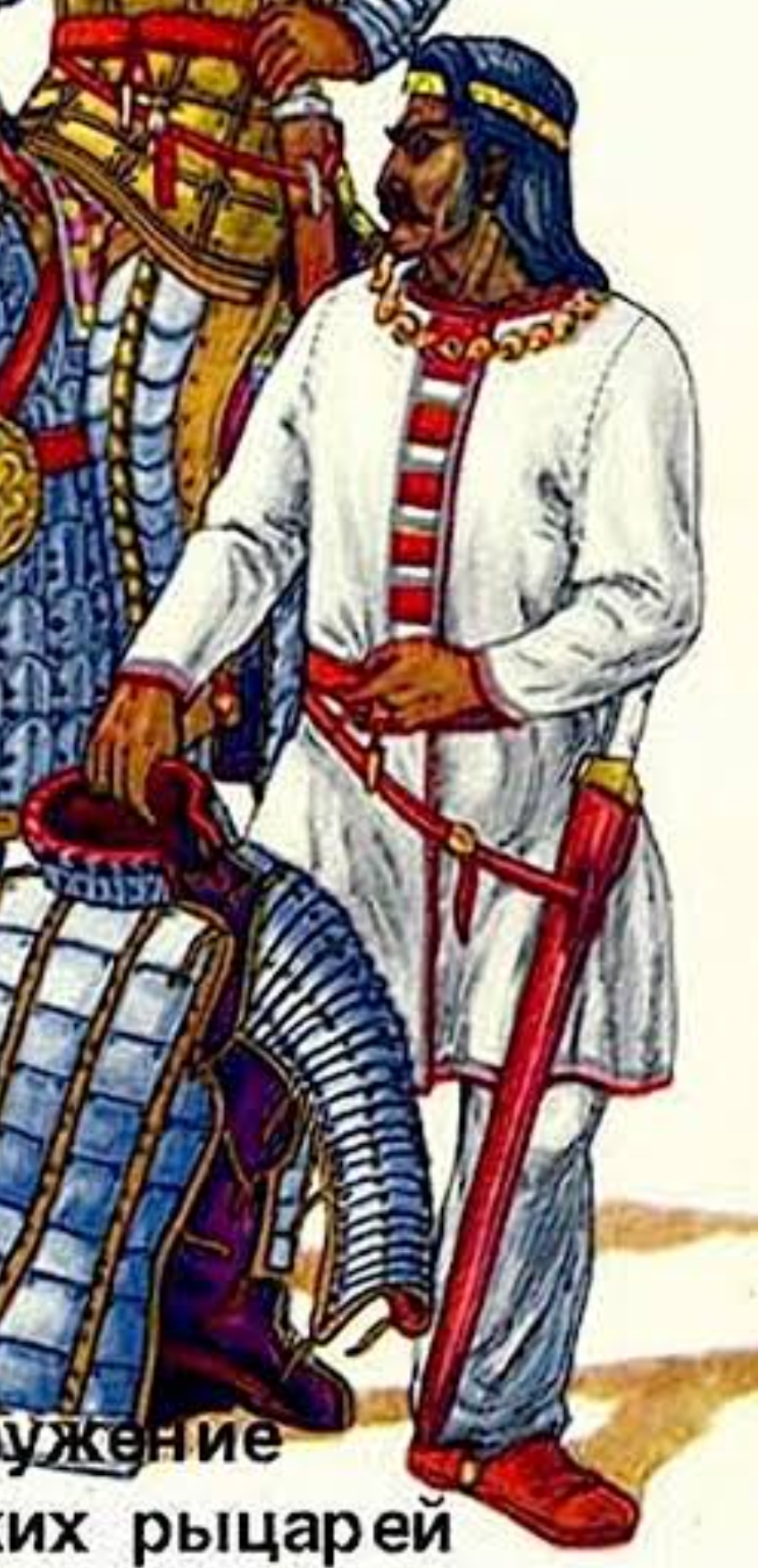
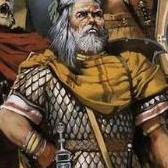
These clothes, it seems to me, resemble those from Central Asia and Hellenized areas of India. Hellenistic India. Kushan art. The trousers bear a certain resemblance. Probably an influence from Iranian peoples.
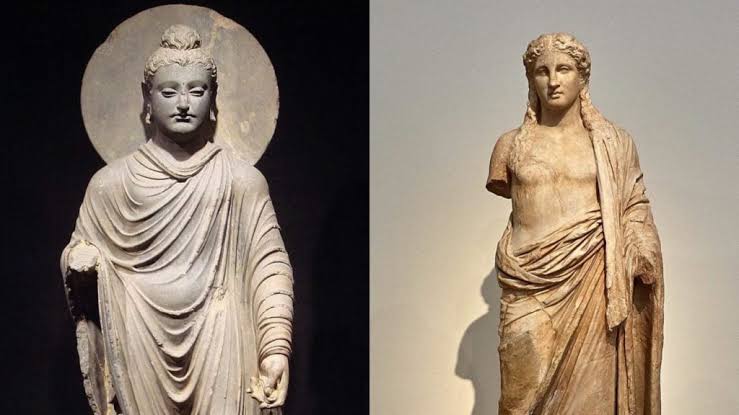
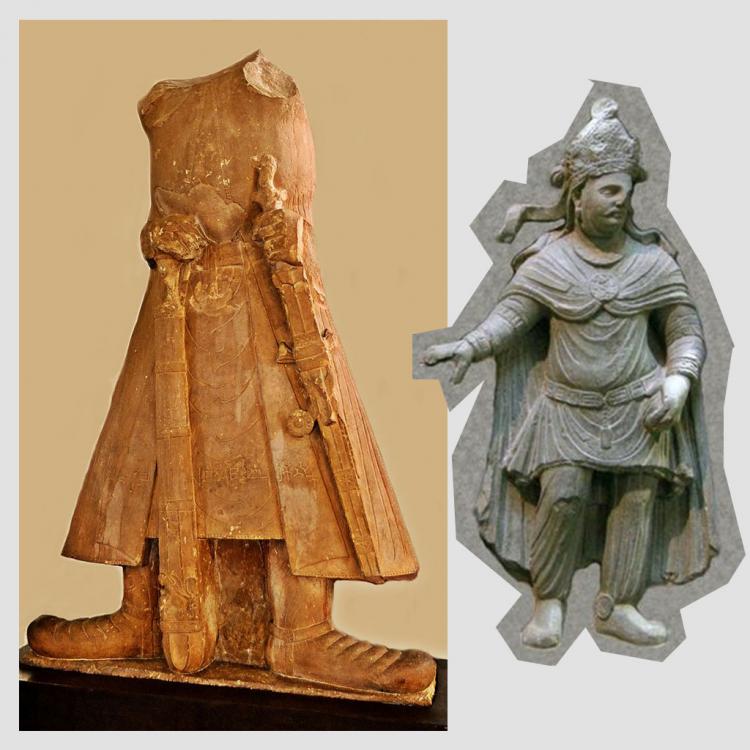
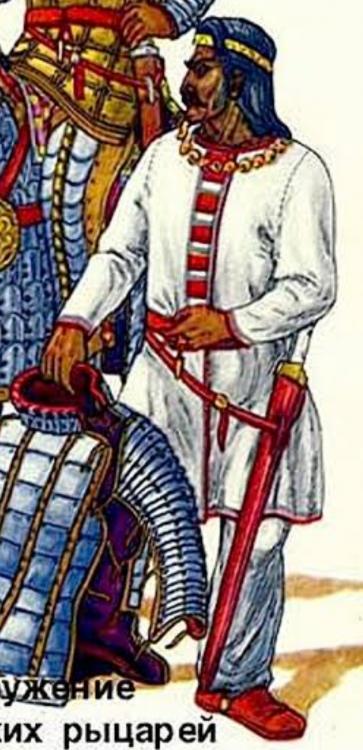
-
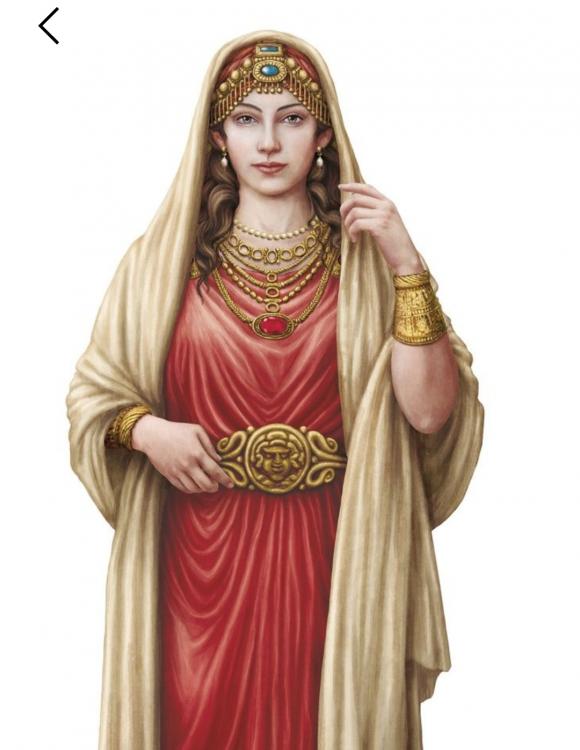
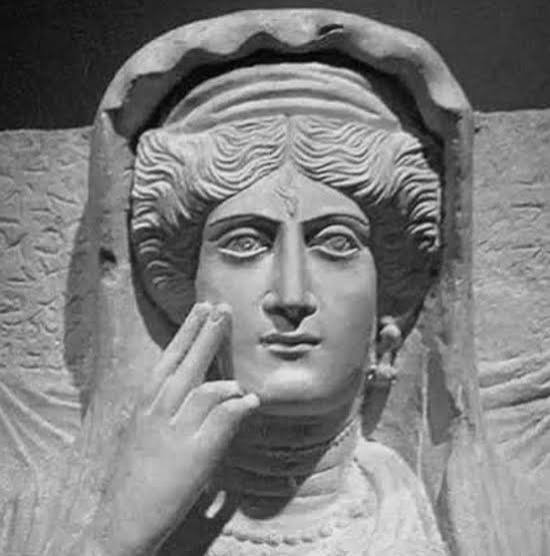
https://archeologie.culture.gouv.fr/palmyre/en/clothes-and-jewellery Men wore embroidered baggy trousers and belted long-sleeved tunics. Women generally wore a tunic, a mantle fastened on the left shoulder with a fibula, earrings, one or more necklaces, bracelets, a brow band often decorated with plant motifs, a turban and a long veil. A preference for an Iranian garment or a Greek mantle was a matter of taste, wealth or mood, not of origin or profession. The central role played by Palmyra in trade between the Mediterranean and the East made it one of the main stopping points for caravans transporting luxury materials such as gold, gemstones and pearls. It was also a focal point for the styles, fashions and techniques that travelled with the merchants. The Palmyreans assimilated these different influences: Palmyrene silverwork and goldwork, for example, are a rich synthesis of eastern, Roman, Greek, Hellenistic and Syrian elements and motifs.
-
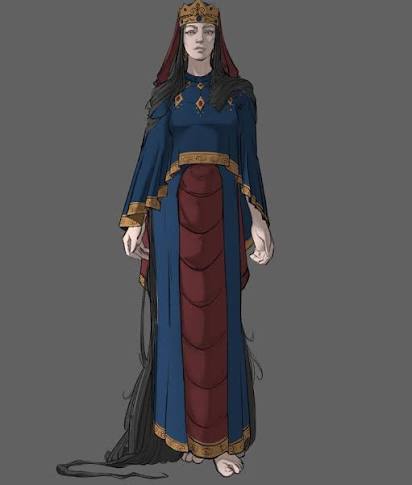
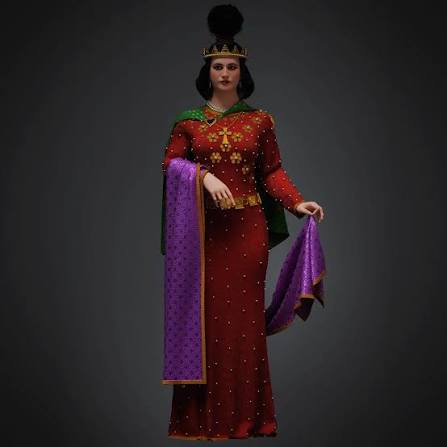
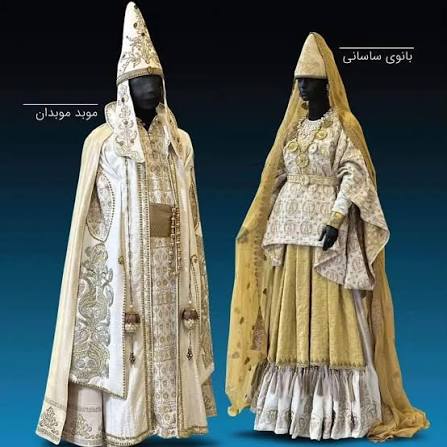
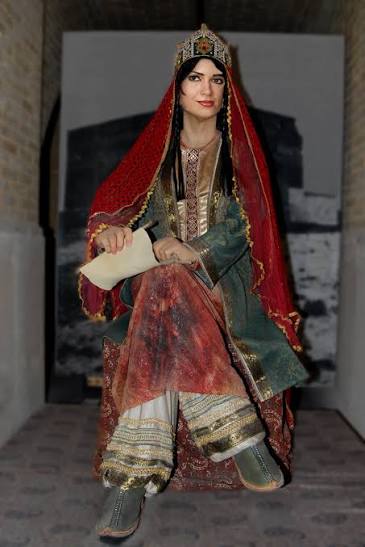
According to: https://history.stackexchange.com/questions/46106/what-was-clothing-in-ancient-palmyra-like An important trading centre which derived much of its wealth from the Silk Road, Palmyra was a multi-cultural city, influenced by both east (especially Iran) and west (Greece and Rome). This is reflected in the clothing they wore, but there was also a distinctly local style; in short, it’s a complex picture and generalizing is difficult. As Marybeth Osowski, in Fashioning Identity: Clothing and the Image of the Syrian in the Roman Empire, states: The standard visual image of the Near East in Greek and Roman depictions features elements such as long-sleeved tunics and ankle-length trousers, bright colors and elaborate patterns or decorations, and other items like pointed hats or turbans also feature but are not universal. The best visual evidence we have of clothing in 3rd century AD Palmyra comes from funerary monuments. However, these cannot be considered entirely representative of the population as a whole but rather of the local elite and wealthier residents, most likely wearing their finest clothing. Further, we can’t be sure to what extent these may have been idealized representations of what people actually wore. Lastly, there is the issue of status, and of how people wished to be seen in different social and cultural situations. Generally speaking, there two styles of Palmyrene attire: one is termed Greek or Greco-Roman, the Parthian or sometimes Persian. Let's go: Sassanid clothes.
- Today
-
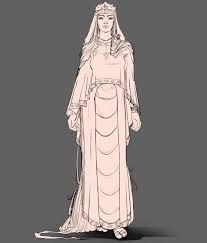
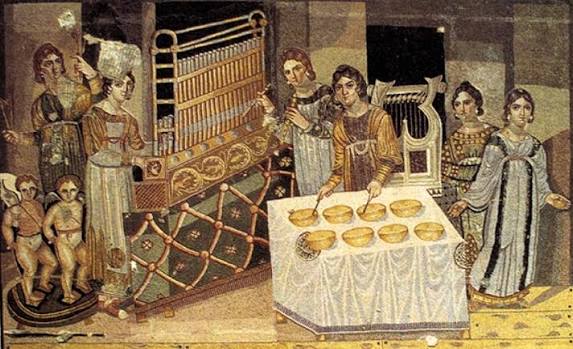
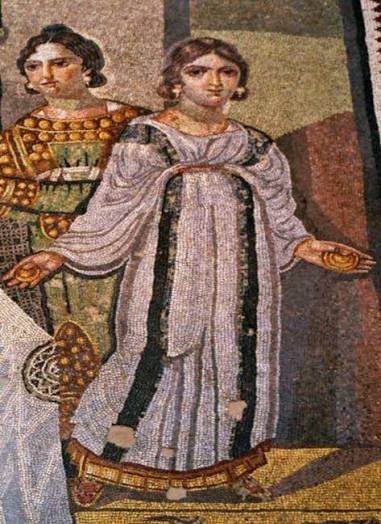
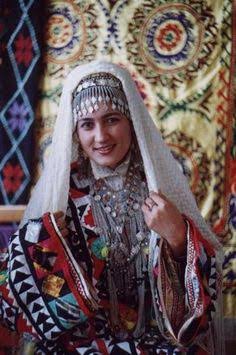
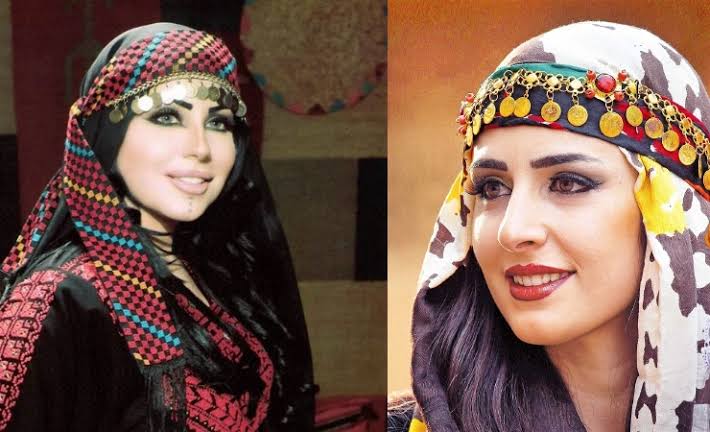
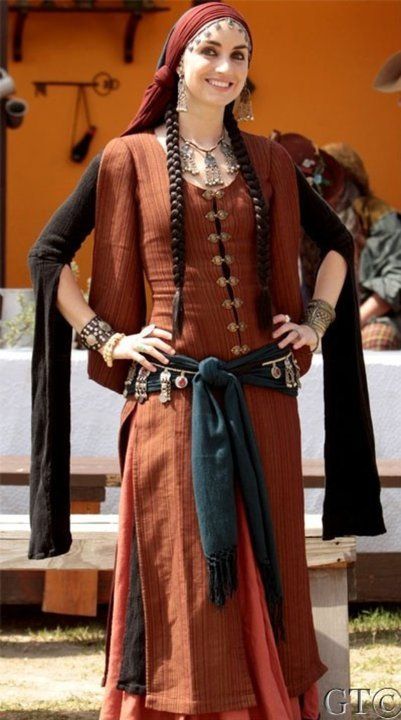
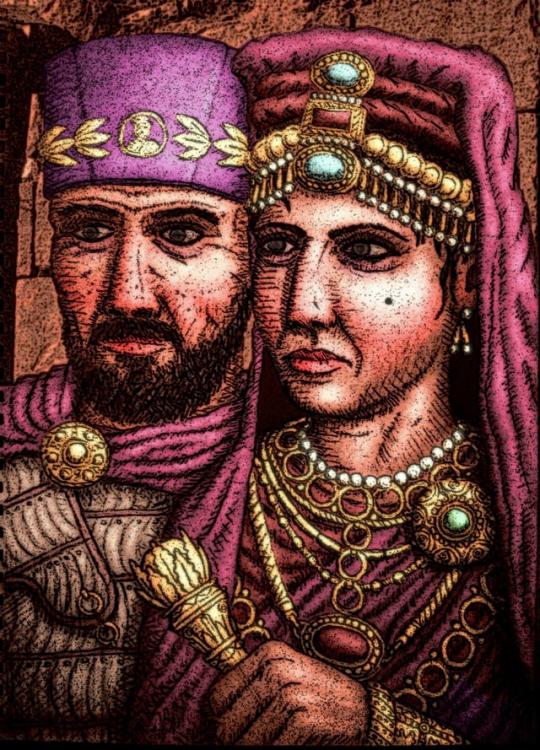
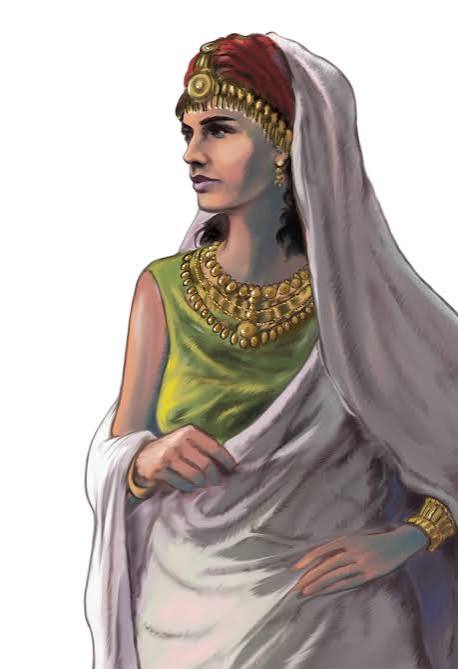
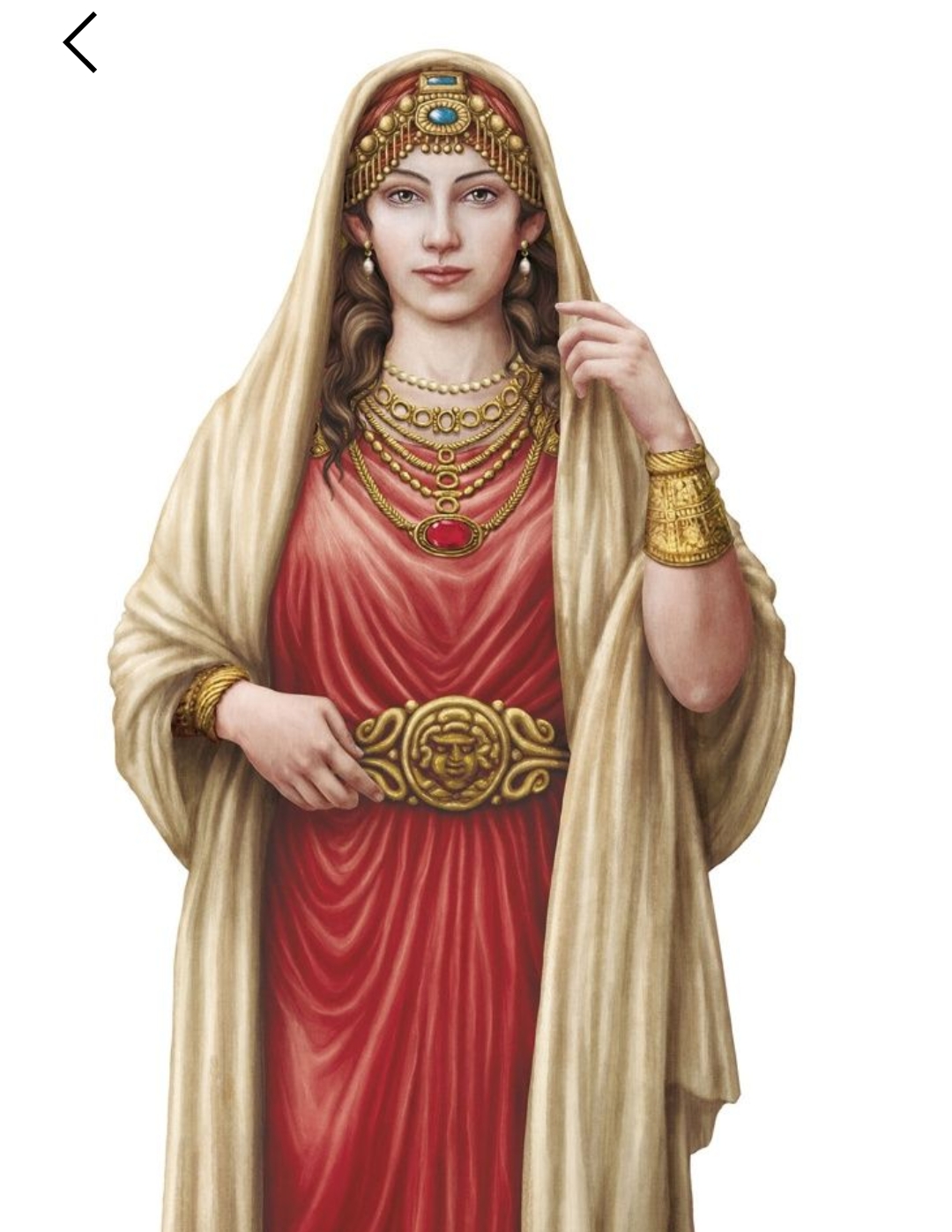
https://archeologie.culture.gouv.fr/palmyre/en/clothes-and-jewellery Clothing. The reliefs offer an insight into what people might have worn in Palmyra. Although there are examples of citizens wearing the Roman toga or himation, a draped garment worn by the ancient Greeks, most Palmyreans wore typically Syrian clothes, colourful and richly embroidered, influenced by the attire of their powerful neighbour to the east, the Parthian empire. Below are images dedicated to Zenobia, both modern and reliefs.
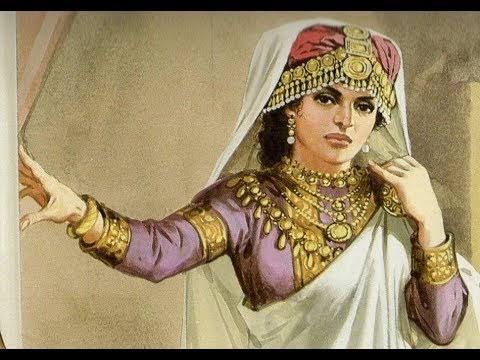
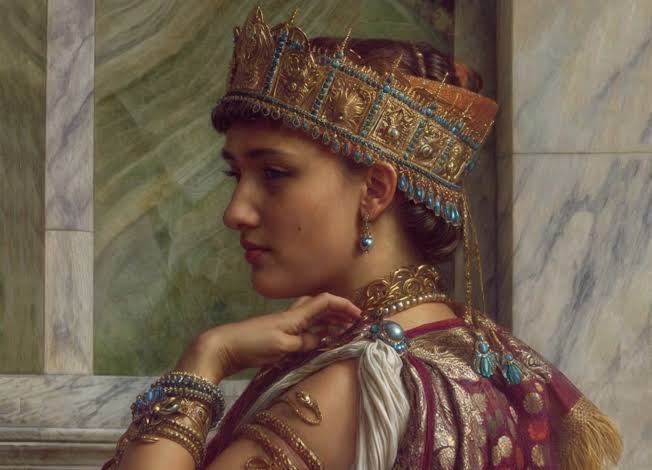
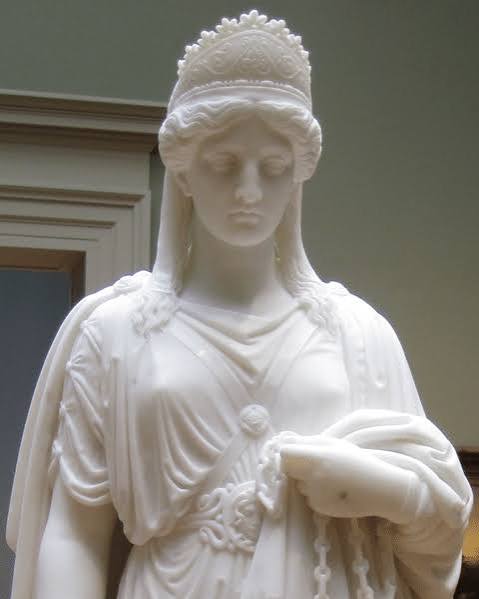
-
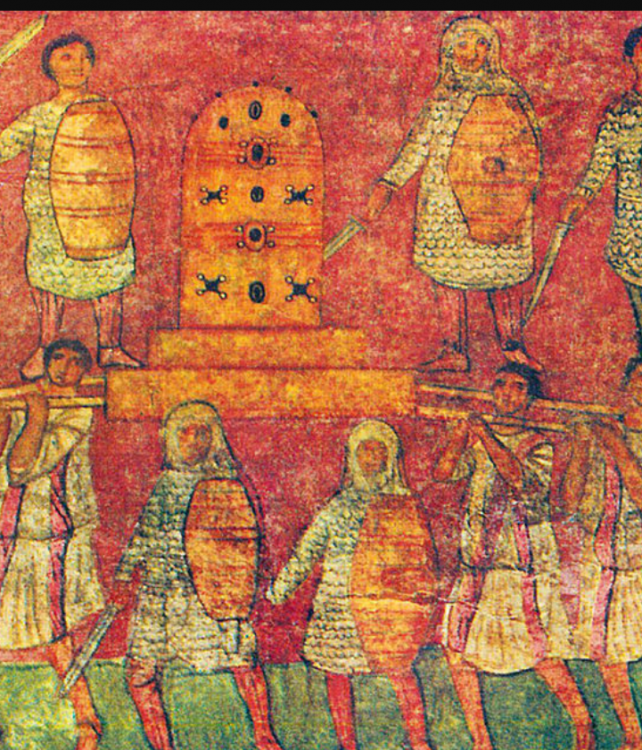
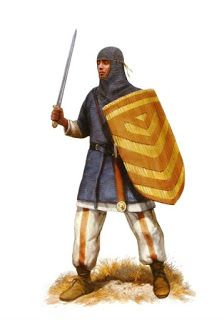
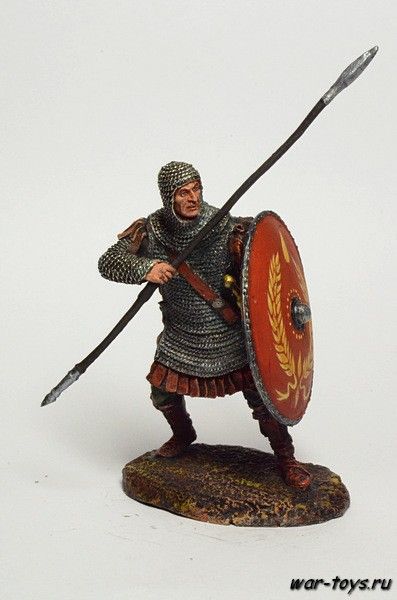
The style of these soldiers seems to have a very distant Asian influence, but it could be due to the influence of the Silk Road, according to some forums and Reddit posts. Chinese and Vietnamese style armor are mentioned. The problem with this hypothesis is the Parthia/Persia blockade.
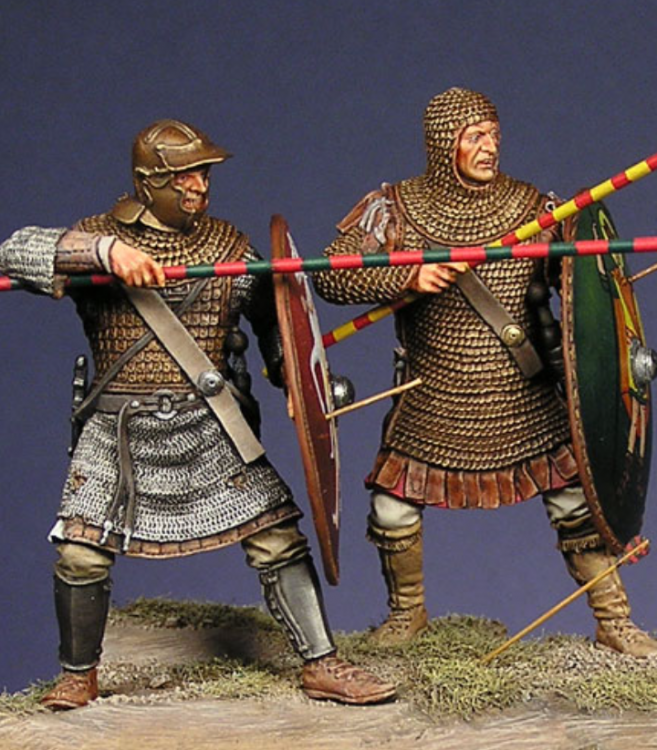
.jpeg.3a415d442a3e3d41d917c1a91b3c2b2e.jpeg)
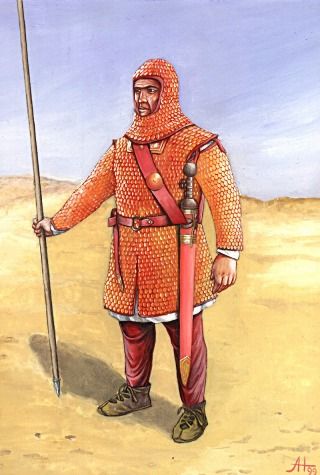
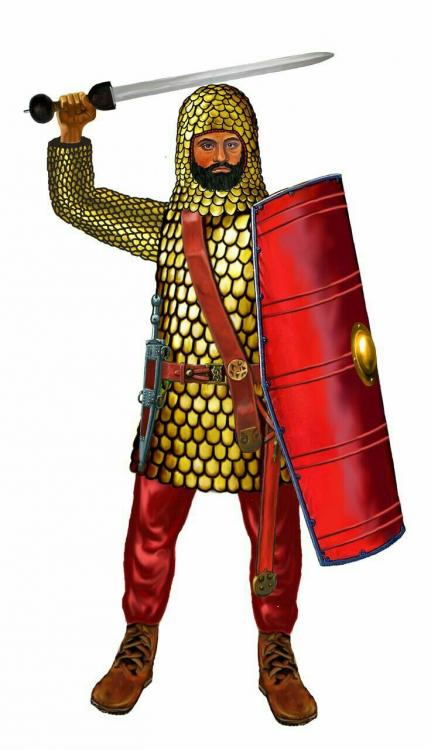
-
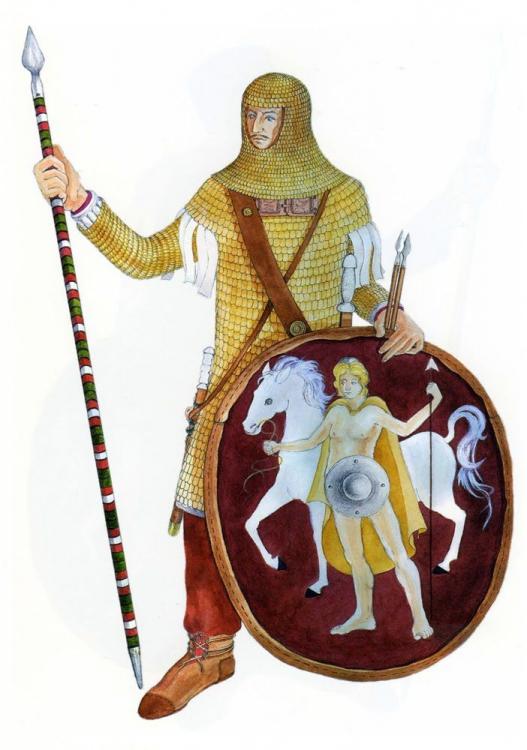
I have some descriptions in English and Spanish. The Numidian cavalry, composed of swift horsemen armed with javelins and small fur shields, was one of the most valuable weapons of the Carthaginians along with the troops of Iberian and Gallic mercenaries. The mobility of the Numidian horsemen and their ability to wear down the legionary columns before the clash between infantry impressed the Romans themselves before Sicily fell to the Republic. https://www.ospreypublishing.com/us/osprey-blog/2021/the-numidians-300-bc-ad-300/
-
The style of these soldiers seems to have a very distant Asian influence, but it could be due to the influence of the Silk Road, according to some forums and Reddit posts. Chinese and Vietnamese style armor are mentioned.
-

How to know ship has garrisoned units
Perzival12 replied to WordenKalita's topic in Gameplay Discussion
You can see flags on enemy buildings as well. -
 RonniePodia joined the community
 -
How to know ship has garrisoned units
Grautvornix replied to WordenKalita's topic in Gameplay Discussion
Flags are shown on my own buildings. In order to see how many units are actually garrisonned I have to directly select that building. If flags are not historically accurate there could possibly be a different visual indicator for the game's sake. For my own ships and siege engines, I have to select each of them to see what is actually on board, i.e. no flag or other visual indicator. For adversary buildings (and ships, siege engines) I have no information at all (which is ok as part of the game I believe). -

How to know ship has garrisoned units
Thalatta replied to WordenKalita's topic in Gameplay Discussion
Flags are anachronical in plenty of situations given the time period, but I wonder up to where historical accuracy is wanted. It’s interesting that one can see if fortifications are garrisoned, but not if ships are… which is usually the exact opposite of reality. -
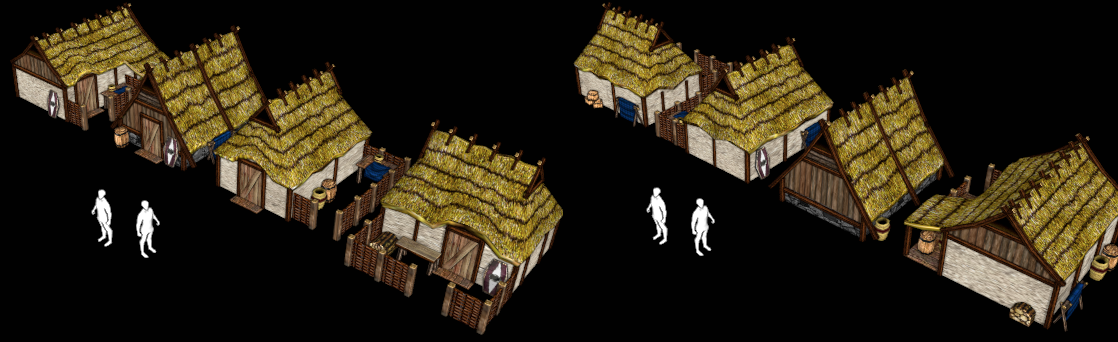
Hi friend! (Hola amigo) At first, this city wall most be added to the faction. (Primero, este diseño de murallas debe ser añadido a la facción) x Second, the houses. (segundo, este diseño de las casas) And lastly, I want to redesign the Civil Centre (Y por ultimo, quiero rediseñar el Centro Civico) Here some references fo the civic centre (Aquí algunas referencias que encontré para el centro civico) Quiero añadir esas puertas y muros techados, ¡la verdad me gustaron muchísimo!
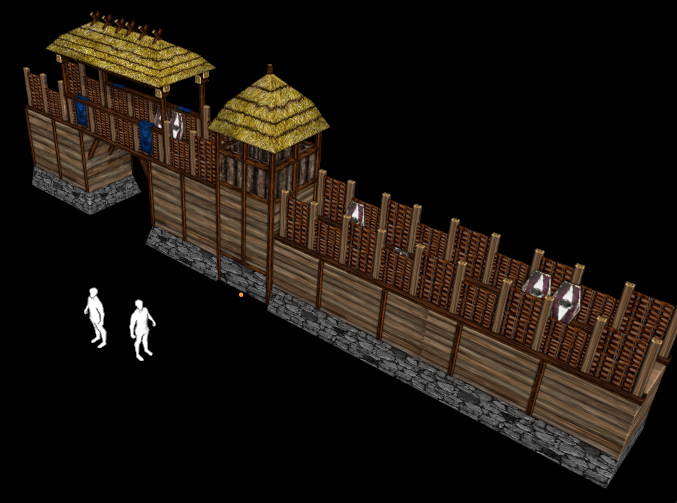
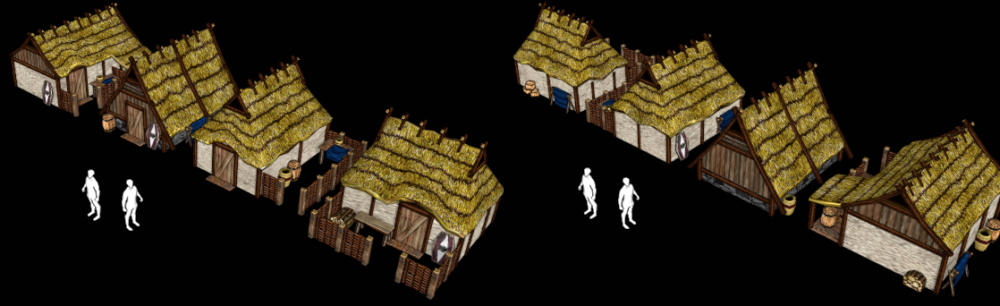
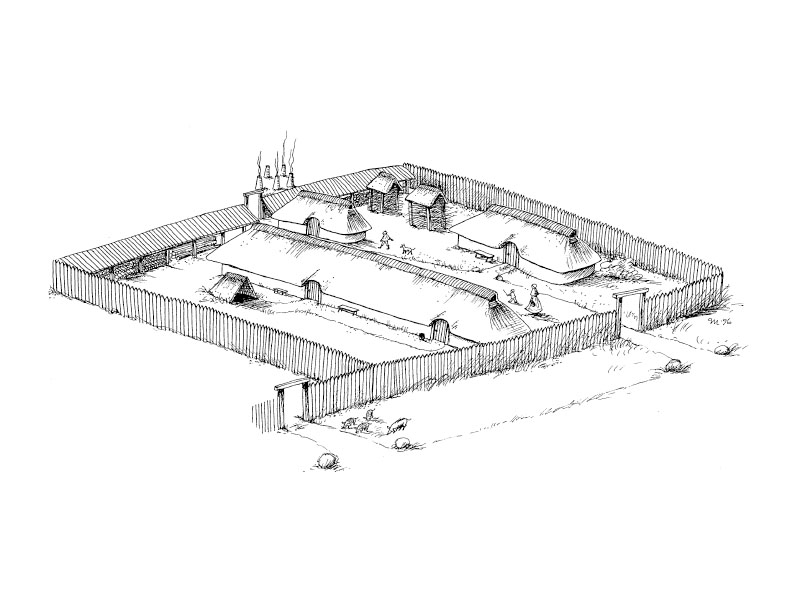
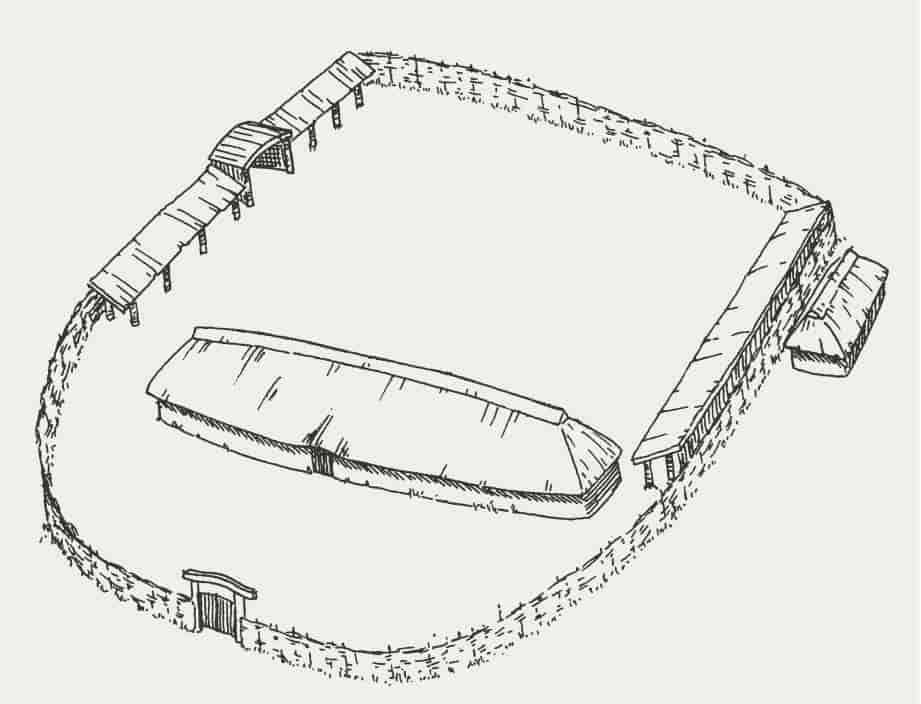
-
Isn't that like in real life? Neutrality is not guaranteed , especially not if you harmed the other country. The AI consistently replying "not interested" seems strange to me. In SP, I often use neutrality which works in many cases (could not find out why or why not) and in a second step also an alliance which sometimes can be established. often there is a tribute to pay (1000 wood or the like) for one or the other.
-
How to know ship has garrisoned units
Grautvornix replied to WordenKalita's topic in Gameplay Discussion
Good question! I just don't know . Similar to enemy towers, fortresses, garrisons etc. as well as siege engines. Own Buildings have a flag on top - select it to find out how many are garrisoned. Own siege engines don't have a flag and - like ships - you would have to select the unit in order to see if and how it is garrisoned. For enemy structures this is always a surprise IIRC. -
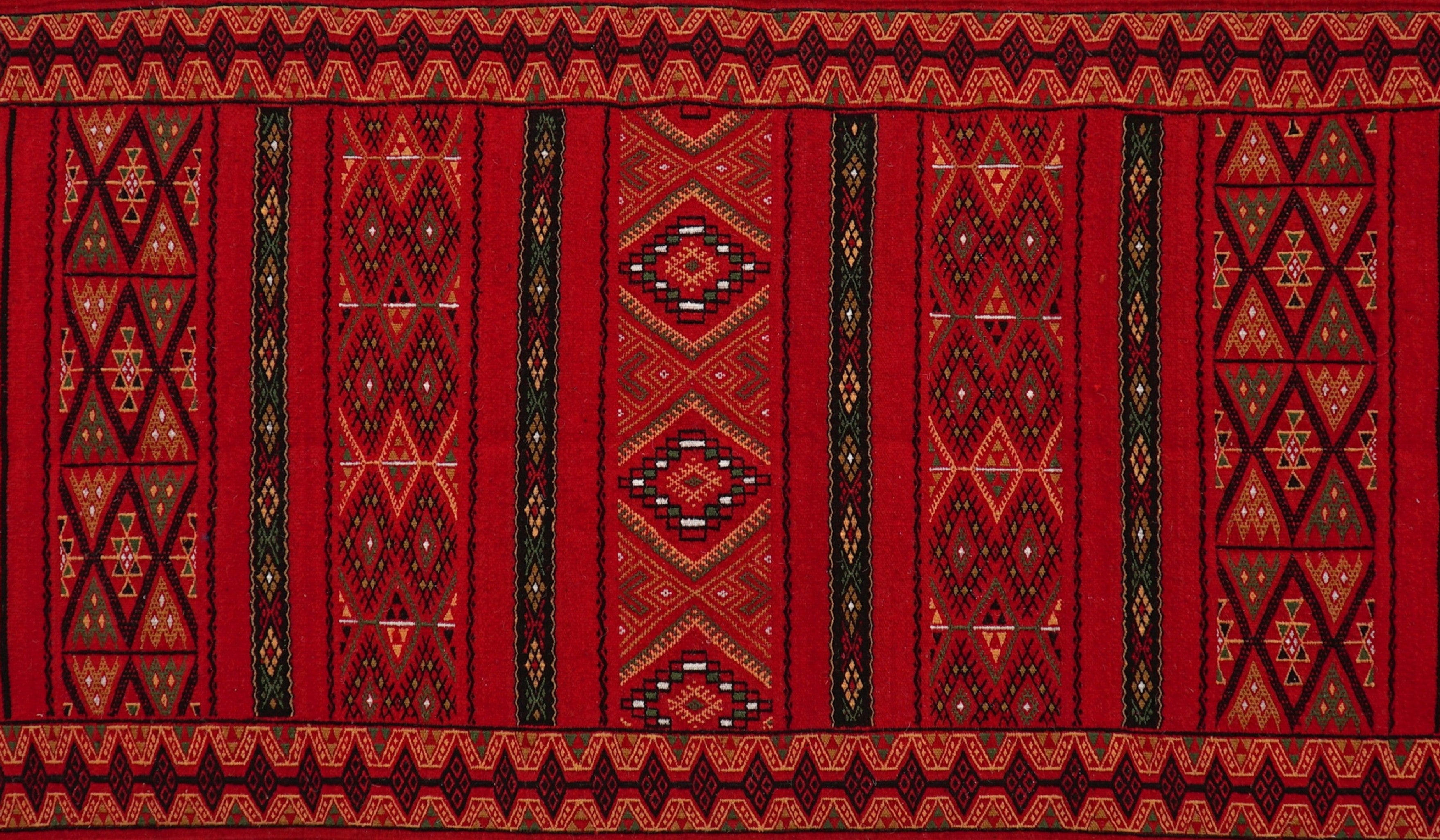
I found some Berber references for the patterns.
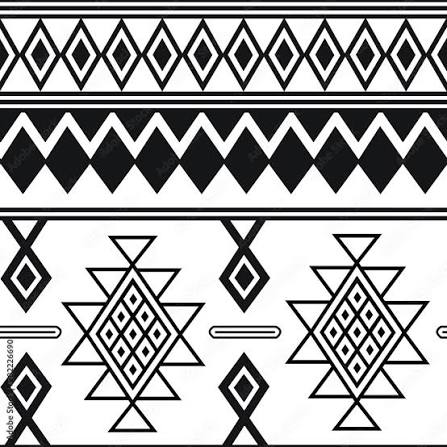
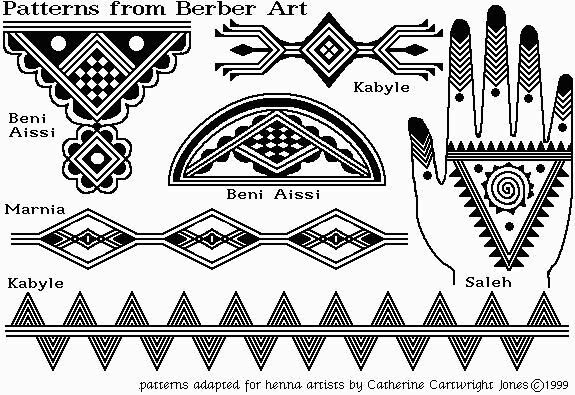
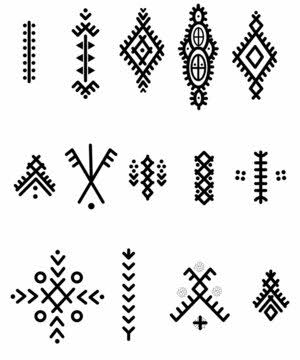
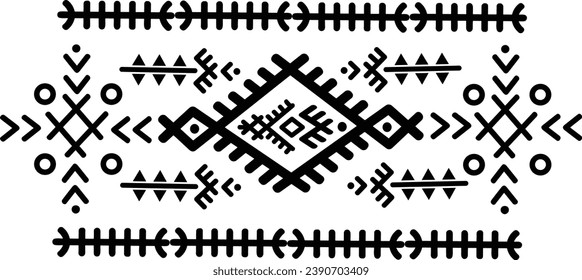
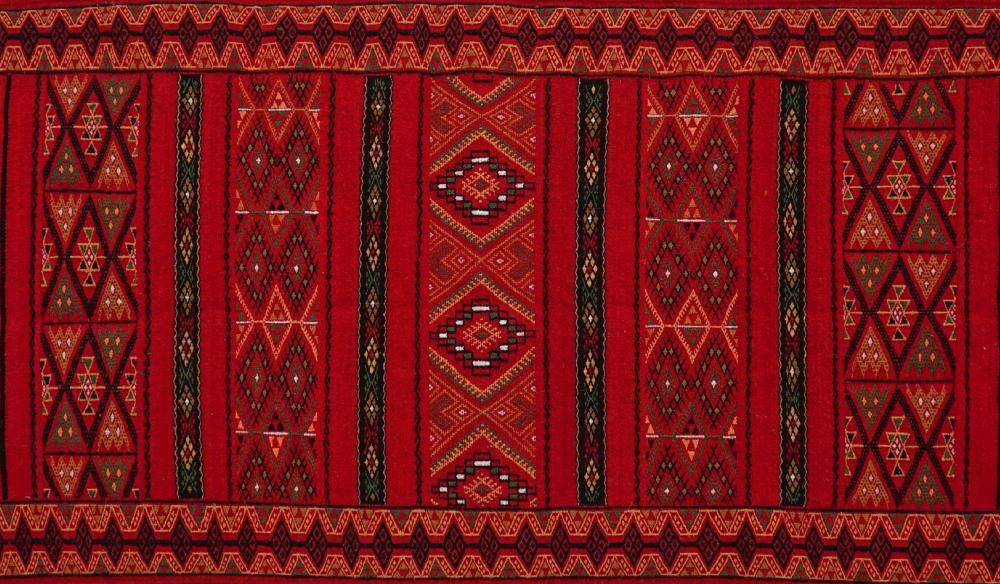
-
Yes, I can. I need to find the references.
-
I like this idea. Not everyone uses Discord, and Telegram is a great option for people who already have it installed. It doesn't have to replace the forum—it's just another way for the community to stay connected and get quicker responses.
-
Pro games r the best
-
Cool idea
-
 Good point actually
 -
Good catch
-
very cool
-
0 A.D. Social Media Accounts (We need you!)
brough50 replied to Sundiata's topic in Announcements / News
nice -
Great work to everyone involved! Looking forward to trying Alpha 28!
.thumb.jpeg.67ef5b5dc6d918163efa04cd5336830d.jpeg)



-
Latest Topics
-