All Activity
- Today
-
Closing Old Issues
Gurken Khan replied to ShadowOfHassen's topic in Game Development & Technical Discussion
I appreciate you wading through this old muck and suggest closing everything that hasn't been touched in a year. -
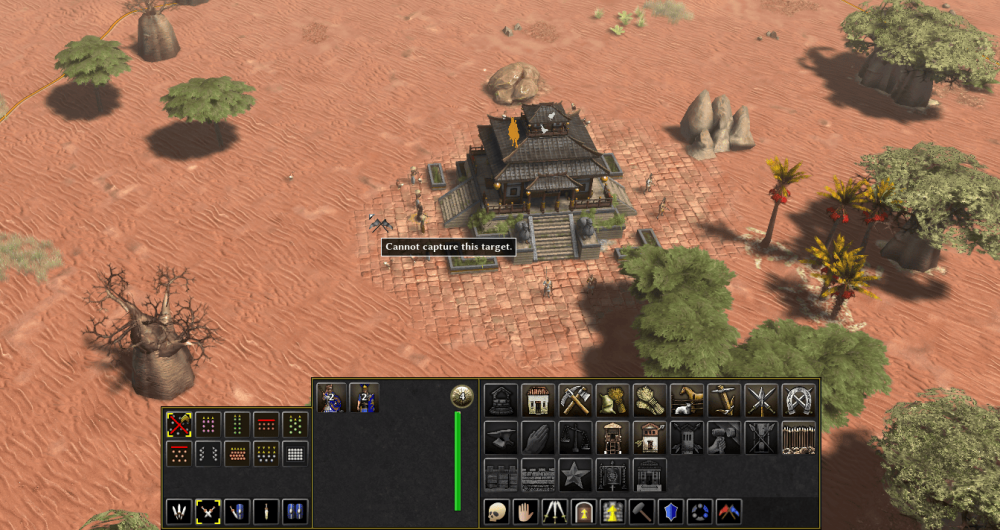
Have to say you are right. Hardly a bug. But it's confusing game-play choice (in fact, just a left-over from old wall towers being able to shoot). I have a pending patch were I replace garrison for turret points on wall towers.
-
I don't know why civilizations became so standardized. Before, everything was more genuine; now there's an obsession with making all the gameplay generic and standard to create an unrealistic balance.
-
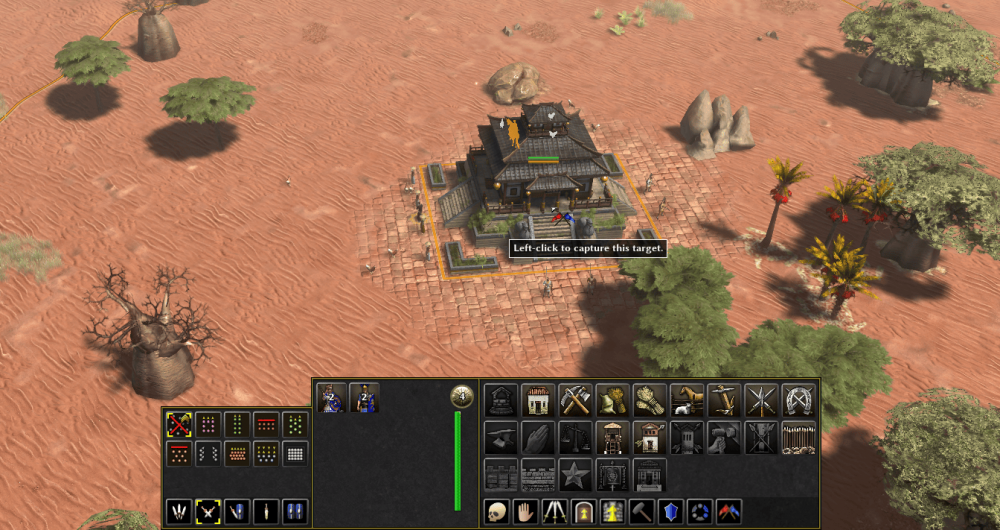
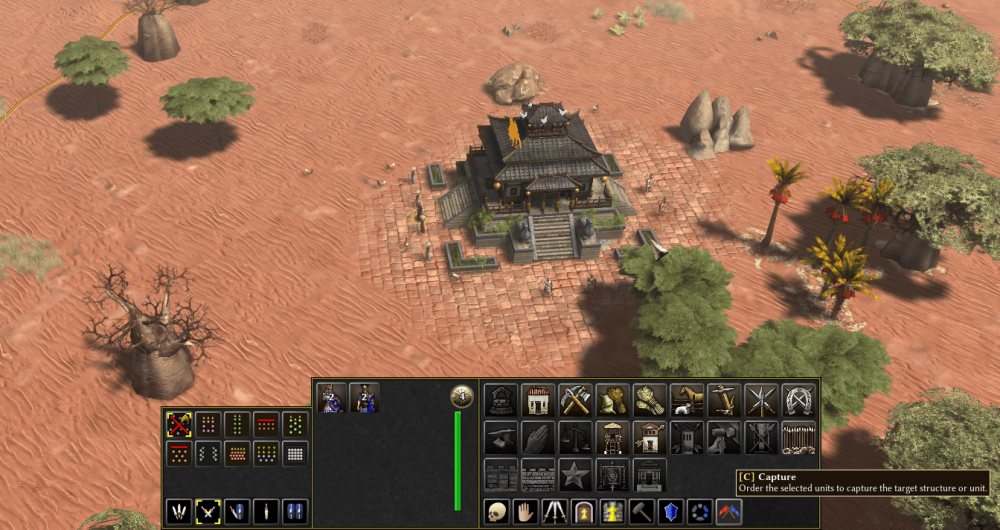
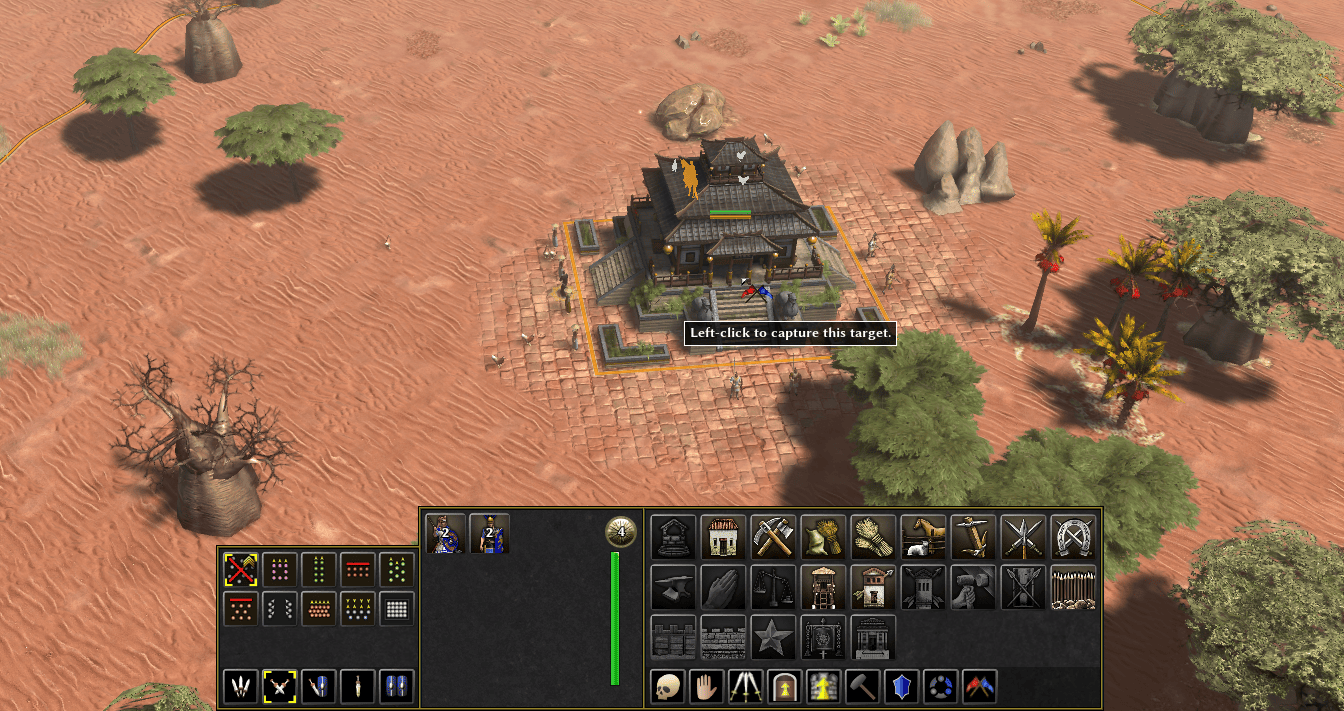
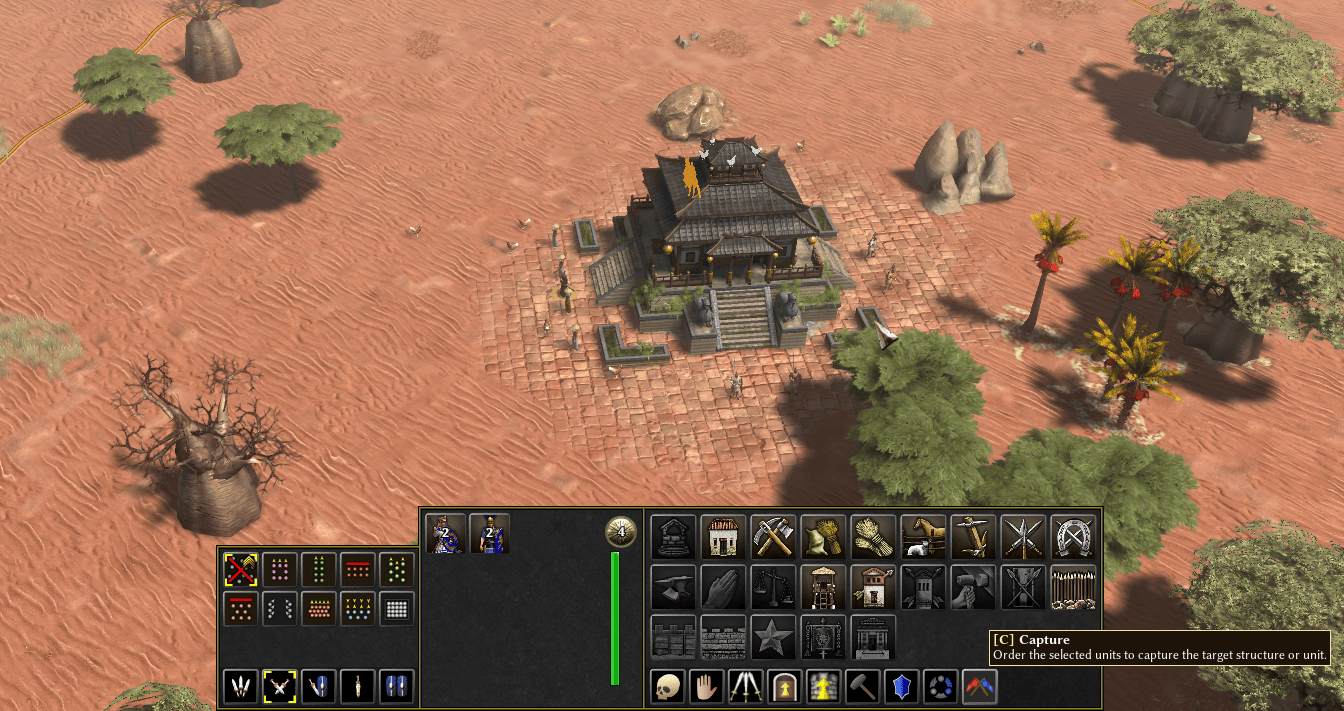
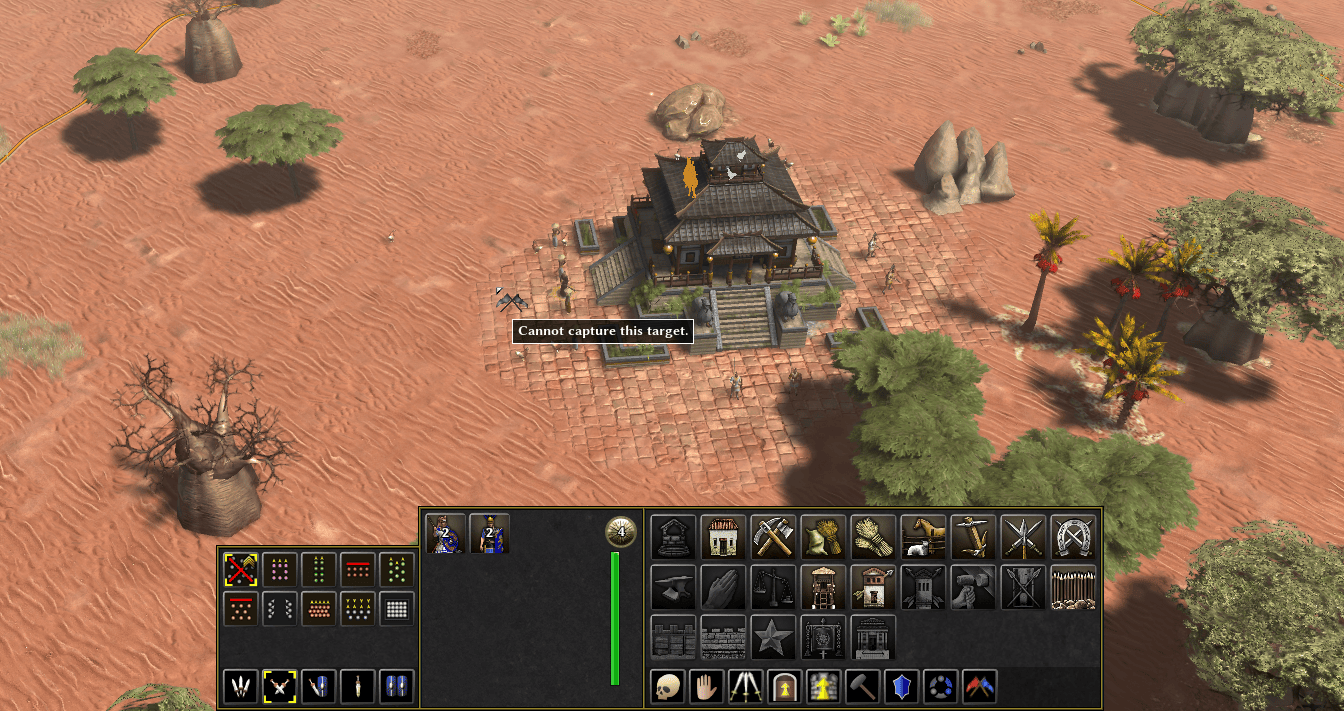
OK! Something I'd like to add, because maybe there's a case (or plan), to have structures that can be both garrisoned and posted (this should be the term, instead of "turreted"), the Occupy Turret button could be renamed to Post (in contraposition of Garrison, for external vs internal discrimination, and ignoring for now a more radical possibility of rearranging units from the structure itself). Capture could still be achieved with the Garrison and/or Post buttons on enemy structures, and if in the future (or some mod) units will be able to capture fortifications by storming gates or ramparts, this distinction would already be supported.
-
I am using a2cae and can confirm. I'd call this a bug as well and reported it.
-

Closing Old Issues
ShadowOfHassen replied to ShadowOfHassen's topic in Game Development & Technical Discussion
Looking through old issues there are a lot that are either old and out of date patches, design suggestions that need to be discussed and nobody has for 10 years, or units / creatures that were worked on in the past and haven't been touched for a while. If nobody objects I propose we make a project for orphaned issues with patches and existing work, that I can put them all in, so people can find them (and maybe eventually pick up). I can also close them if we want. Also I may start closing older issues that are just gameplay and balance suggestions that nobody seems to want to discuss. Again if i close something important, let me know and i'll unclose it ! -
It seems to me that not having a button for something as important as Capture is bad design, a manual should not be needed, nor should newbies be expected to read it, for something like that. A place for a button can be made. Ok, that's confusing as hell. That Wall Turret icon appears beside the Gate in the Structure Tree, but not in-game, it's not something that can be built/upgraded, but that appears automatically. Then, the Turret button doesn't work on a Wall Turret, but on the Wall itself (nice to see that units can appear in its walkway!). It says "current turrets 16/16", but that has nothing to do with turrets, the gaps in the battlement are called crenels, although since there are 2 people per crenel, maybe "stations" would be a better word. It seems to me that this button is unnecessary, the garrison button should have this function when applied to Walls, after all it's really confusing that to man the Wall that button must be used, but to man the Wall Towers the Garrison button must be used. Maybe a more generic "Occupy" button could be used, which could also act as a Capture button if an enemy building is selected, with the description "Order the selected units to garrison a building, staff a station, crew a unit, board a ship, or capture a structure." There's no need for different buttons if the functions are similar and, if I'm not wrong, there's no overlap between them.
-
I strongly oppose, there's no more place for another button. It's okay to read the manual before start gaming and playing around with CTRL and ALT keys. Manual -> Hotkeys -> Modify mouse actions -> C + Right click ... This button appears only for ranged units. Have a look on Tips and Tricks 'City Walls' and Structure tree -> Phase 2 (of every Civilization) -> Wall -> Turret. I never used it before, but should do it in the future on scenario maps or when ruling Iberians. In other
-
See also this thread: https://wildfiregames.com/forum/topic/25280-black-powder-test/
-
-
.thumb.jpg.b21ca1d0c15fb56b42c39b25a0a40815.jpg)
Archaeological potpourri
Genava55 replied to Gurken Khan's topic in Introductions & Off-Topic Discussion
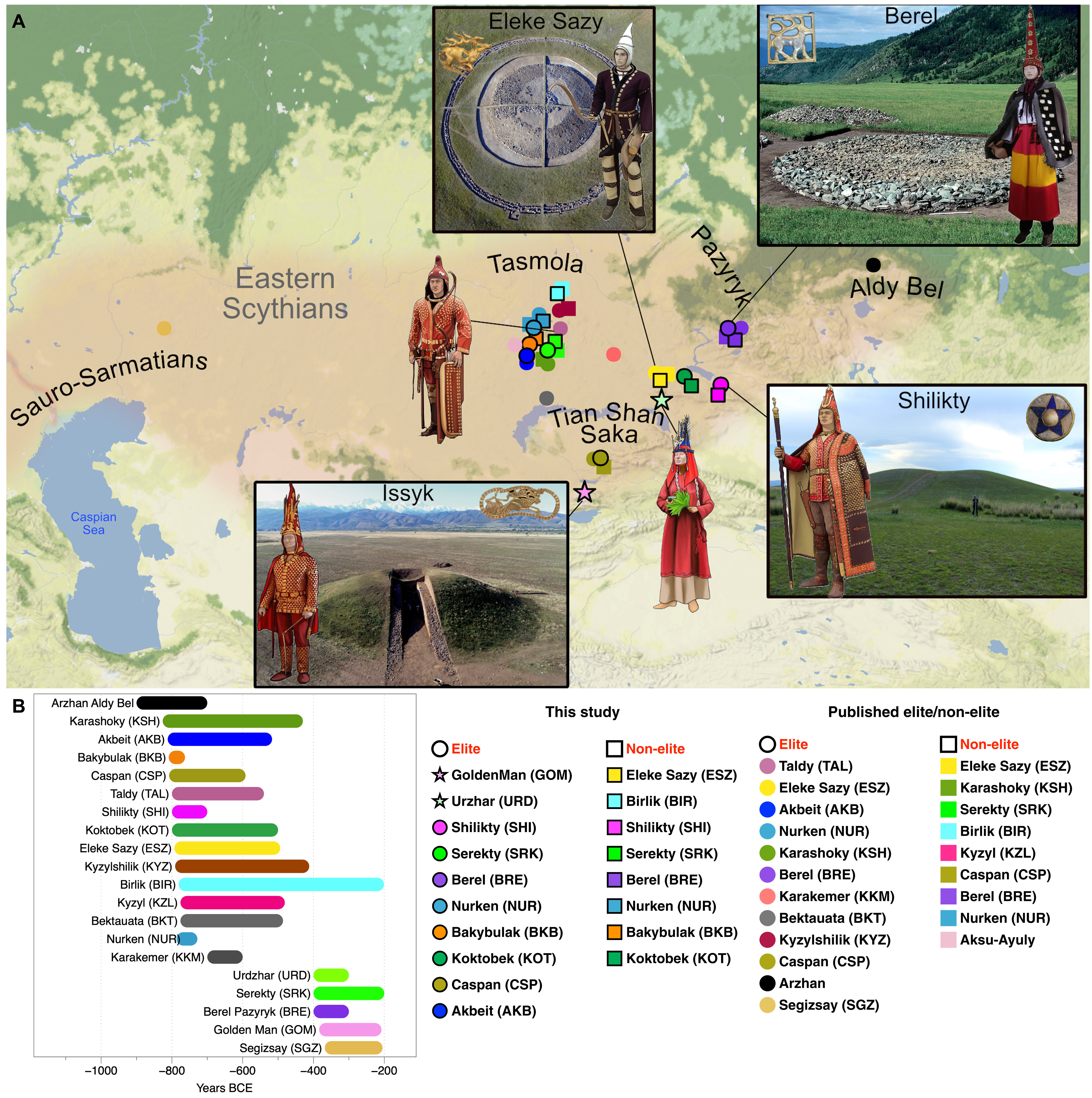
A genomic analysis of 85 individuals from the Iron Age shows that elite status was passed down from generation to generation and that women held prominent positions in the nomadic society The discovery of the Golden Man in the Issyk kurgans in Kazakhstan had become a national symbol and one of the most significant archaeological finds of the Eurasian steppe. But until now, researchers did not know its genetic makeup or its relationship to other high-status individuals found in the region. An international study combining archaeology, anthropology, and genomics has managed to sequence the complete genome of this emblematic figure, placing it within the genetic variation of Saka individuals from the Iron Age and resolving a decades-old question: it was a male, not a female. The Issyk kurgans, located about 50 kilometers east of Almaty, are part of a royal burial complex linked to the Saka culture dating to the period 400–300 BCE. The wooden chamber where the Golden Man rested contained more than 4,000 gold ornaments, weapons, a headdress embroidered with golden threads, zoomorphic artifacts, and a silver bowl with an inscription that has not yet been deciphered. The richness of the funerary goods contrasts with the simplicity of other contemporary burials, where grave goods are almost nonexistent. These stark differences have traditionally been interpreted as an indicator of the growing social inequality characteristic of Iron Age nomadic societies. [...] The results obtained by the researchers show that elite individuals were more closely related to each other than to lower-status people found in the same sites. This pattern persisted even when elite burials were located in different cemeteries separated by more than 100 kilometers. [...] A particularly significant aspect of the study is the confirmation that access to elite status was not restricted to males. Almost half of the high-ranking individuals in the sample are women, contradicting the idea that power in these nomadic societies was exclusively male. The significant presence of women in richly adorned tombs, along with the genomic evidence linking elite individuals across different burial sites, indicates that women held high-status positions within Scythian society, explains Ayshin Ghalichi, a researcher at Max Planck and the University of Texas at Austin. https://www.labrujulaverde.com/en/2026/07/dna-analysis-of-the-golden-man-reveals-that-a-few-elite-families-ruled-scythian-nomadic-society-2500-years-ago/ https://www.science.org/doi/10.1126/sciadv.aef0108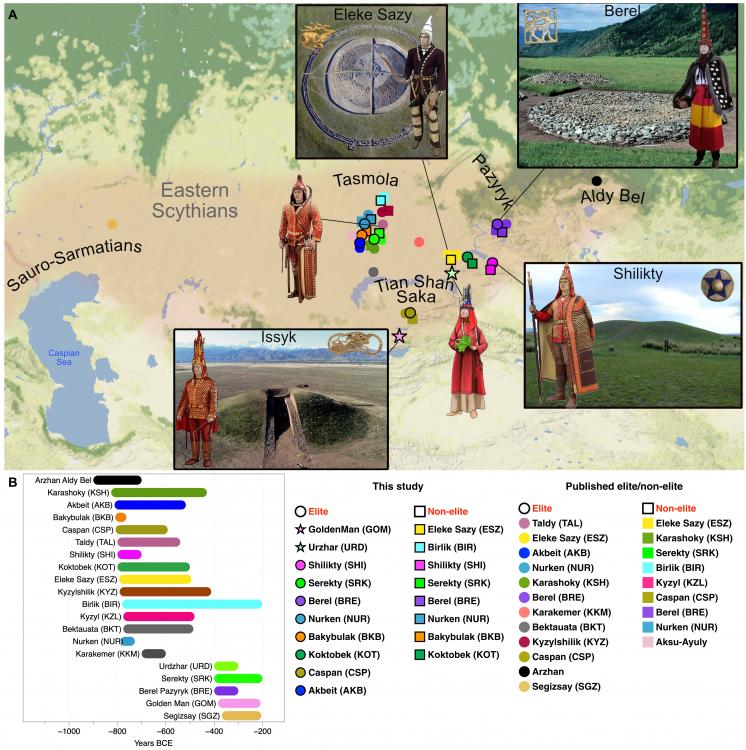
-
.thumb.jpeg.67ef5b5dc6d918163efa04cd5336830d.jpeg) There is a concept in the Middle East. sacred cosmology or sacred space/land. In the Greek world, the earth reserved exclusively for one god was called temenos. https://en.wikipedia.org/wiki/Temenos Disputes over sacred spaces occur because these places are not considered simple earth, but cosmic nodes of identity, historical memory and divine sovereignty. When two or more religions claim the same physical point as their axis mundi, geopolitics transforms into a mystical zero-sum conflict, where ceding territory is tantamount to betraying the deity.The most representative cases of battles for the ownership of the holy land, both historical and of extreme current relevance, include. In 20th-century comparative mythology, the term axis mundi – also called the cosmic axis, world axis, world pillar, center of the world, or world tree – has been greatly extended to refer to any mythological concept representing "the connection between Heaven and Earth" or the "higher and lower realms".[3] Mircea Eliade introduced the concept in the 1950s. In Mircea Eliade's opinion: "Every Microcosm, every inhabited region, has a Centre; that is to say, a place that is sacred above all. In other interpretations, an axis mundi is more broadly defined as a place of connection between heavenly and the earthly realms – often a mountain or other elevated site. Tall mountains are often regarded as sacred and some have shrines erected at the summit or base.[20] Mount Kunlun fills a similar role in China [...]Likewise, the ancient Greeks regarded several sites as places of Earth's omphalos (navel) stone, notably the oracle at Delphi, while still maintaining a belief in a cosmic world tree and in Mount Olympus as the abode of the gods. Judaism has the Temple Mount; Christianity has the Mount of Olives and Calvary; and Islam has the Ka'aba (said to be the first building on Earth), as well as the Temple Mount (Dome of the Rock). In Hinduism, Mount Kailash is identified with the mythical Mount Meru and regarded as the home of Shiva; in Vajrayana Buddhism, Mount Kailash is recognized as a similarly sacred place. In Shinto, the Ise Shrine is the omphalos. Sacred places can constitute world centers (omphaloi), with an altar or place of prayer as the axis. Altars, incense sticks, candles, and torches form the axis by sending a column of smoke, and prayer, toward heaven.[citation needed] It has been suggested by Romanian religious historian Mircea Eliade that architecture of sacred places often reflects this role: "Every temple or palace – and by extension, every sacred city or royal residence – is a Sacred Mountain, thus becoming a Centre." https://en.wikipedia.org/wiki/Axis_mundi https://en.wikipedia.org/wiki/Omphalos
There is a concept in the Middle East. sacred cosmology or sacred space/land. In the Greek world, the earth reserved exclusively for one god was called temenos. https://en.wikipedia.org/wiki/Temenos Disputes over sacred spaces occur because these places are not considered simple earth, but cosmic nodes of identity, historical memory and divine sovereignty. When two or more religions claim the same physical point as their axis mundi, geopolitics transforms into a mystical zero-sum conflict, where ceding territory is tantamount to betraying the deity.The most representative cases of battles for the ownership of the holy land, both historical and of extreme current relevance, include. In 20th-century comparative mythology, the term axis mundi – also called the cosmic axis, world axis, world pillar, center of the world, or world tree – has been greatly extended to refer to any mythological concept representing "the connection between Heaven and Earth" or the "higher and lower realms".[3] Mircea Eliade introduced the concept in the 1950s. In Mircea Eliade's opinion: "Every Microcosm, every inhabited region, has a Centre; that is to say, a place that is sacred above all. In other interpretations, an axis mundi is more broadly defined as a place of connection between heavenly and the earthly realms – often a mountain or other elevated site. Tall mountains are often regarded as sacred and some have shrines erected at the summit or base.[20] Mount Kunlun fills a similar role in China [...]Likewise, the ancient Greeks regarded several sites as places of Earth's omphalos (navel) stone, notably the oracle at Delphi, while still maintaining a belief in a cosmic world tree and in Mount Olympus as the abode of the gods. Judaism has the Temple Mount; Christianity has the Mount of Olives and Calvary; and Islam has the Ka'aba (said to be the first building on Earth), as well as the Temple Mount (Dome of the Rock). In Hinduism, Mount Kailash is identified with the mythical Mount Meru and regarded as the home of Shiva; in Vajrayana Buddhism, Mount Kailash is recognized as a similarly sacred place. In Shinto, the Ise Shrine is the omphalos. Sacred places can constitute world centers (omphaloi), with an altar or place of prayer as the axis. Altars, incense sticks, candles, and torches form the axis by sending a column of smoke, and prayer, toward heaven.[citation needed] It has been suggested by Romanian religious historian Mircea Eliade that architecture of sacred places often reflects this role: "Every temple or palace – and by extension, every sacred city or royal residence – is a Sacred Mountain, thus becoming a Centre." https://en.wikipedia.org/wiki/Axis_mundi https://en.wikipedia.org/wiki/Omphalos -
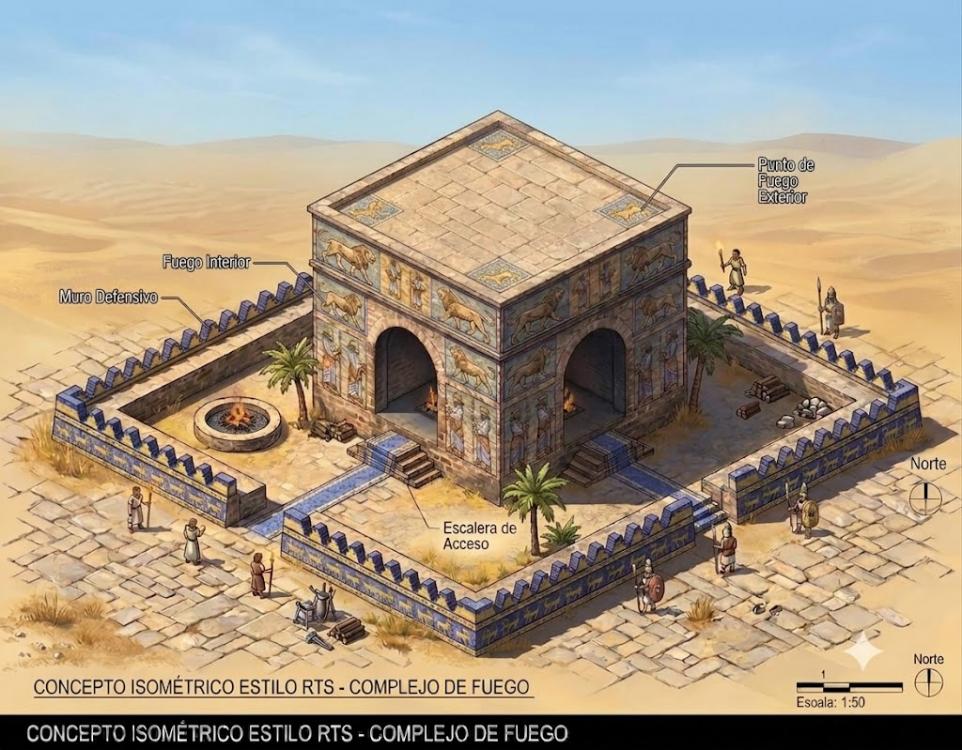
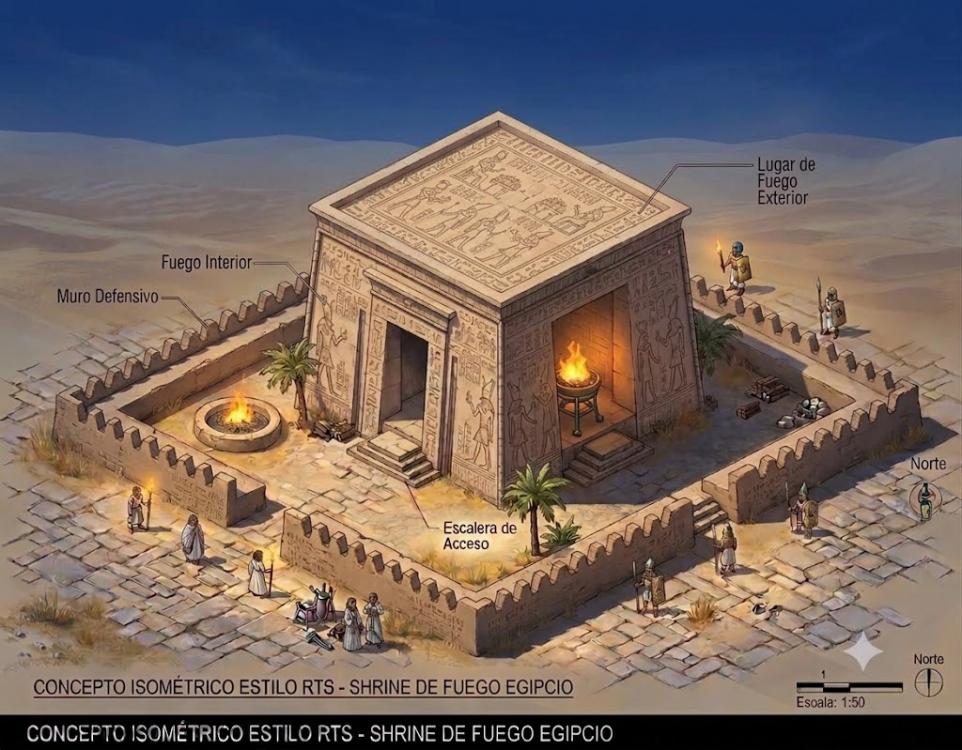
Nice concept.
-
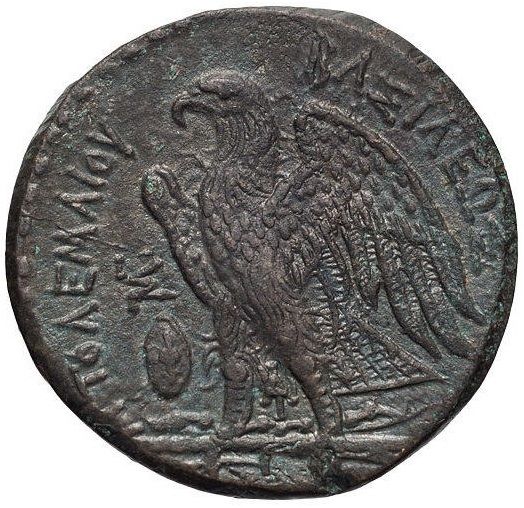
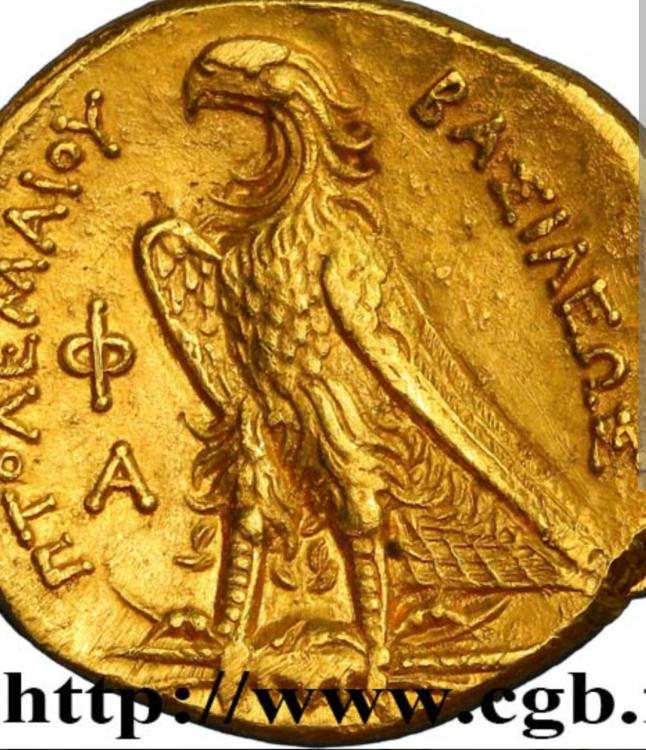
Feathers always look like small bumps. The breast and some wings.

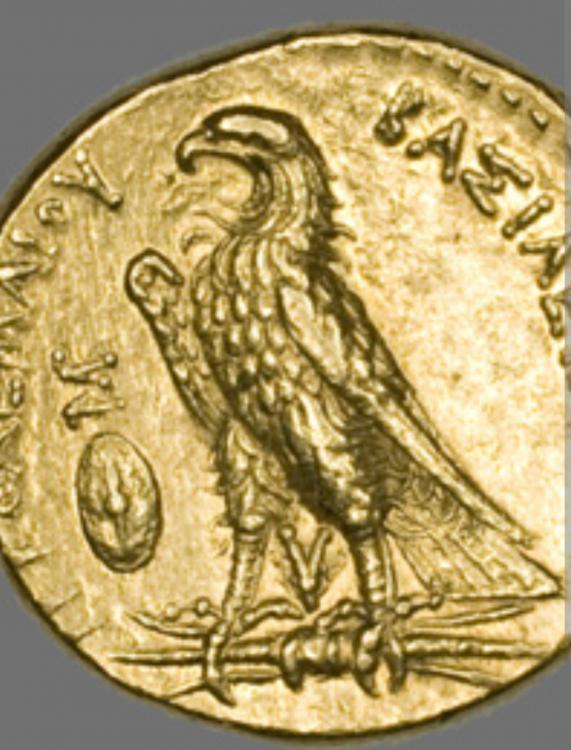
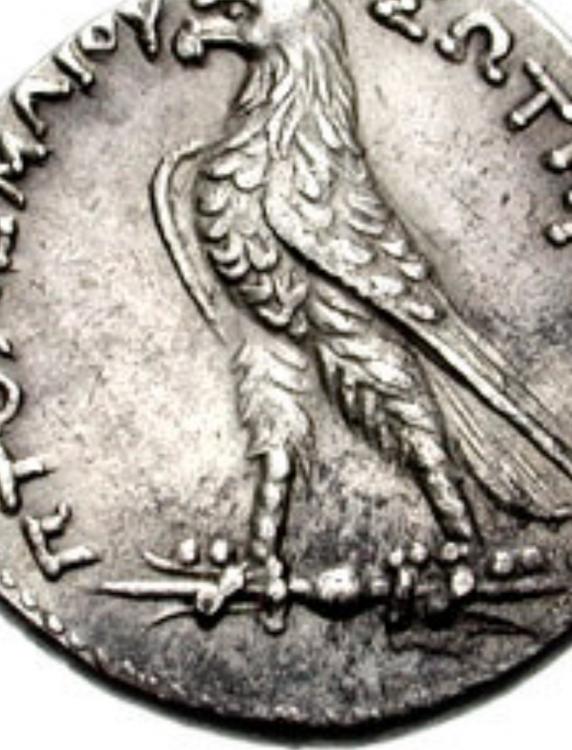
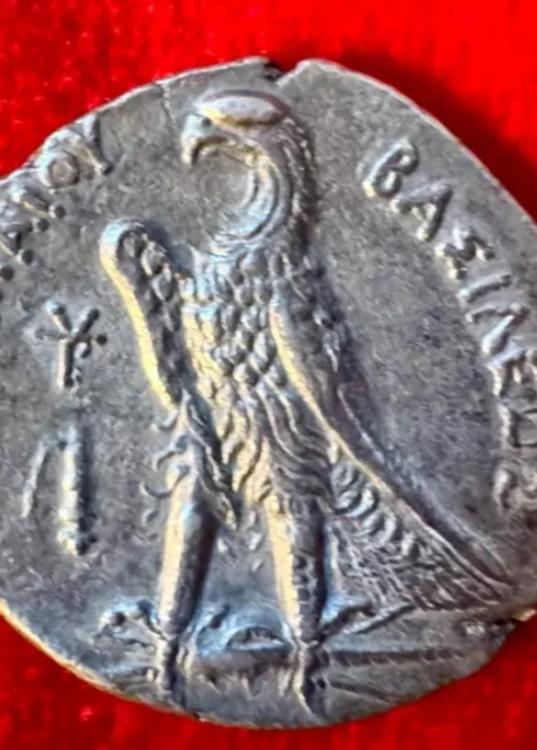
-
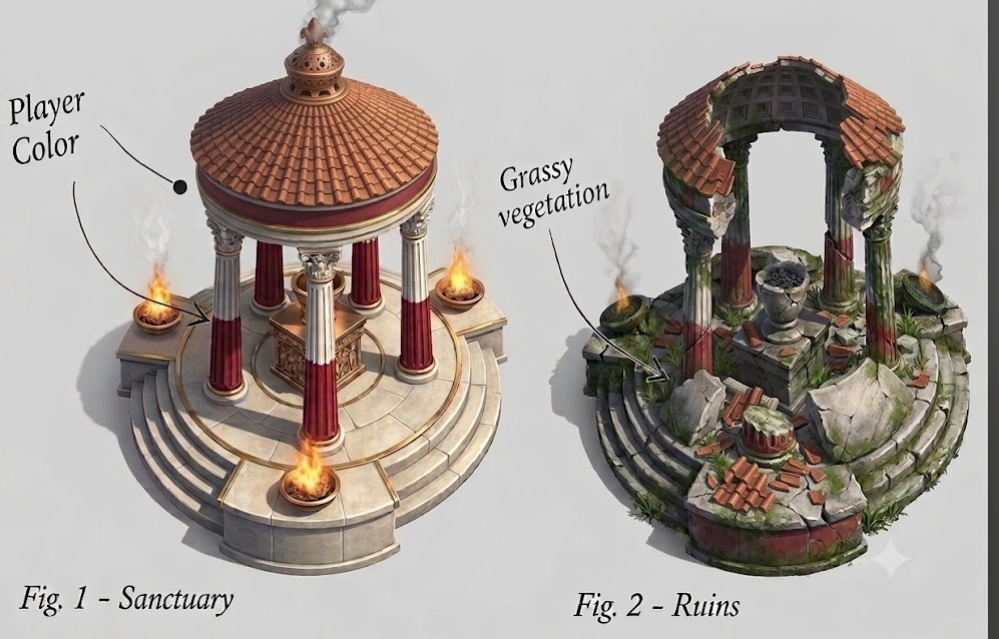
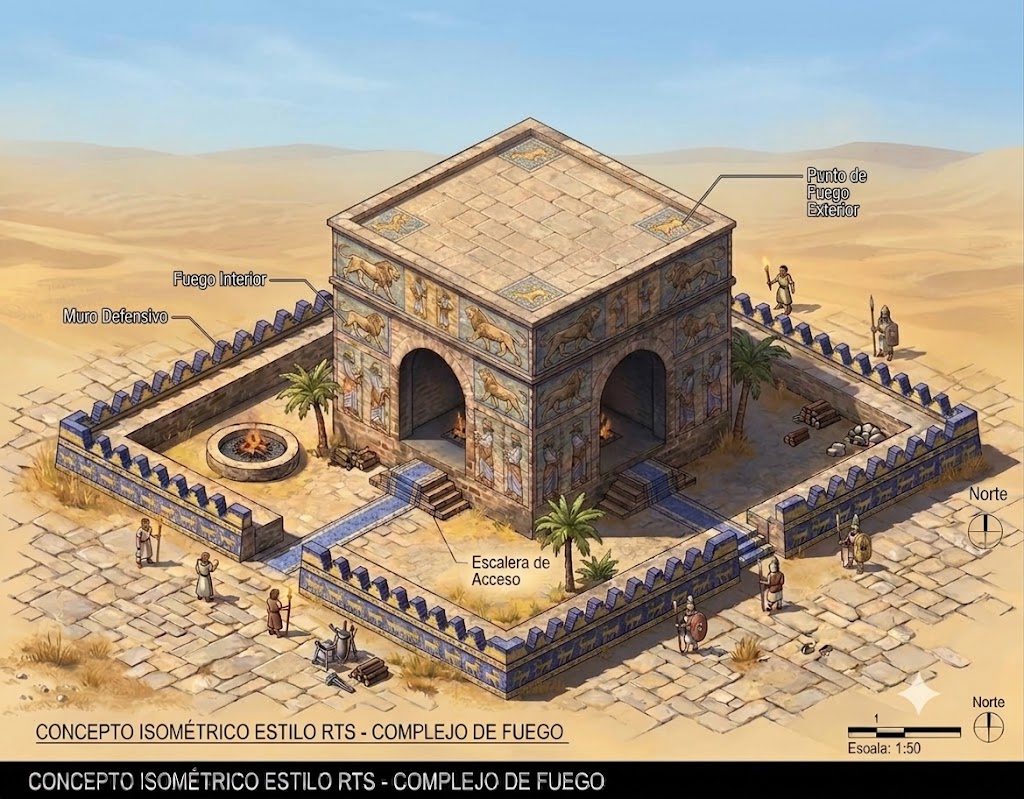
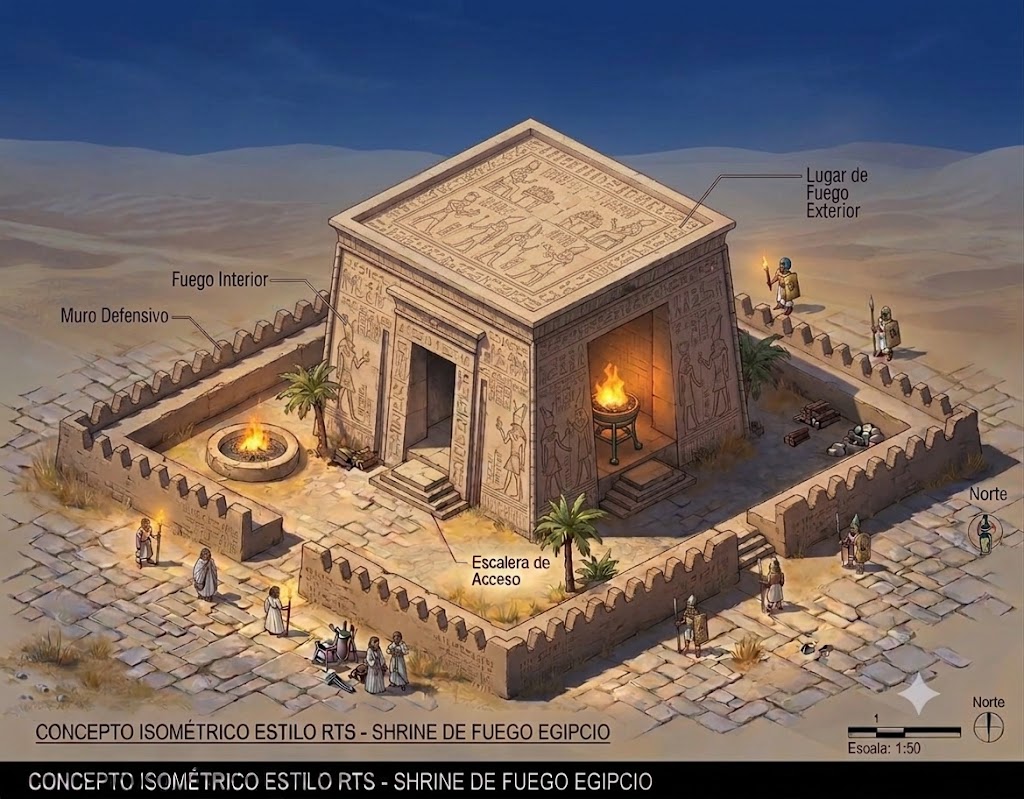
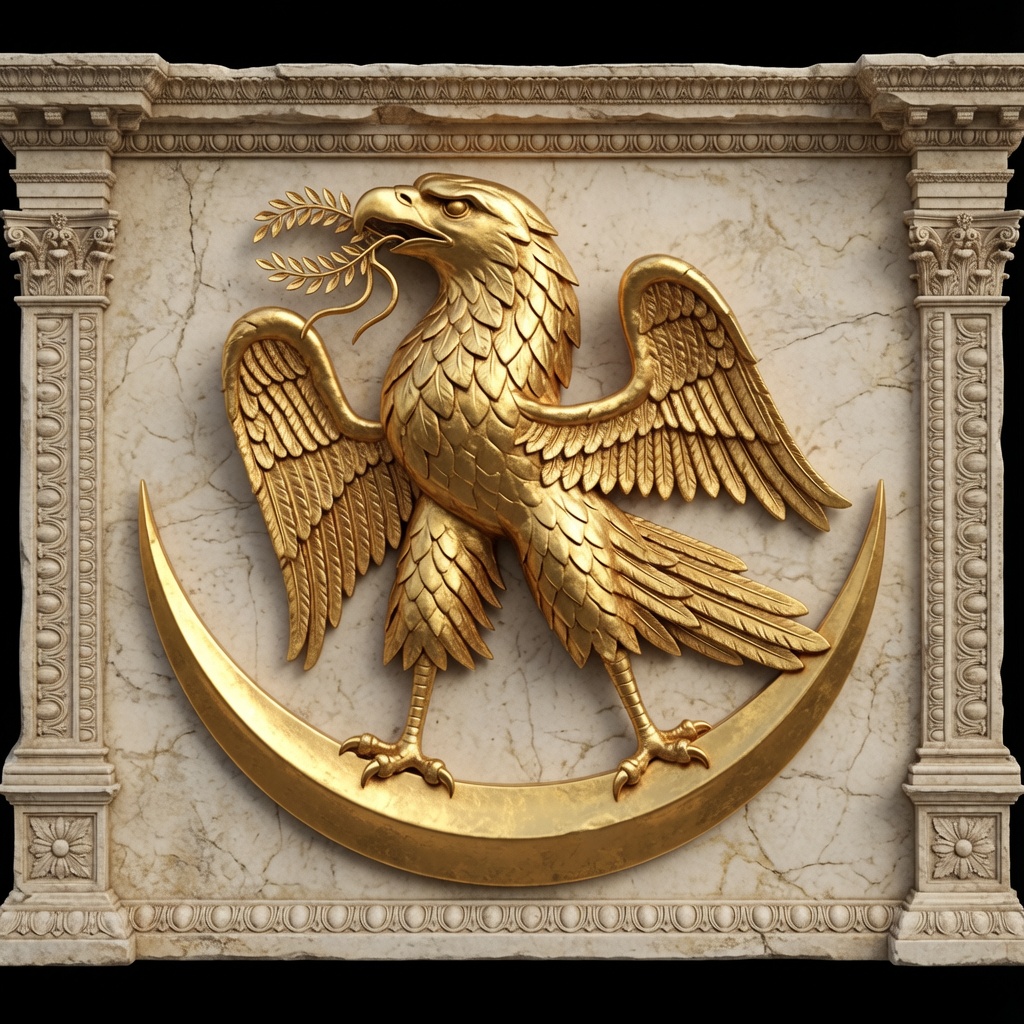
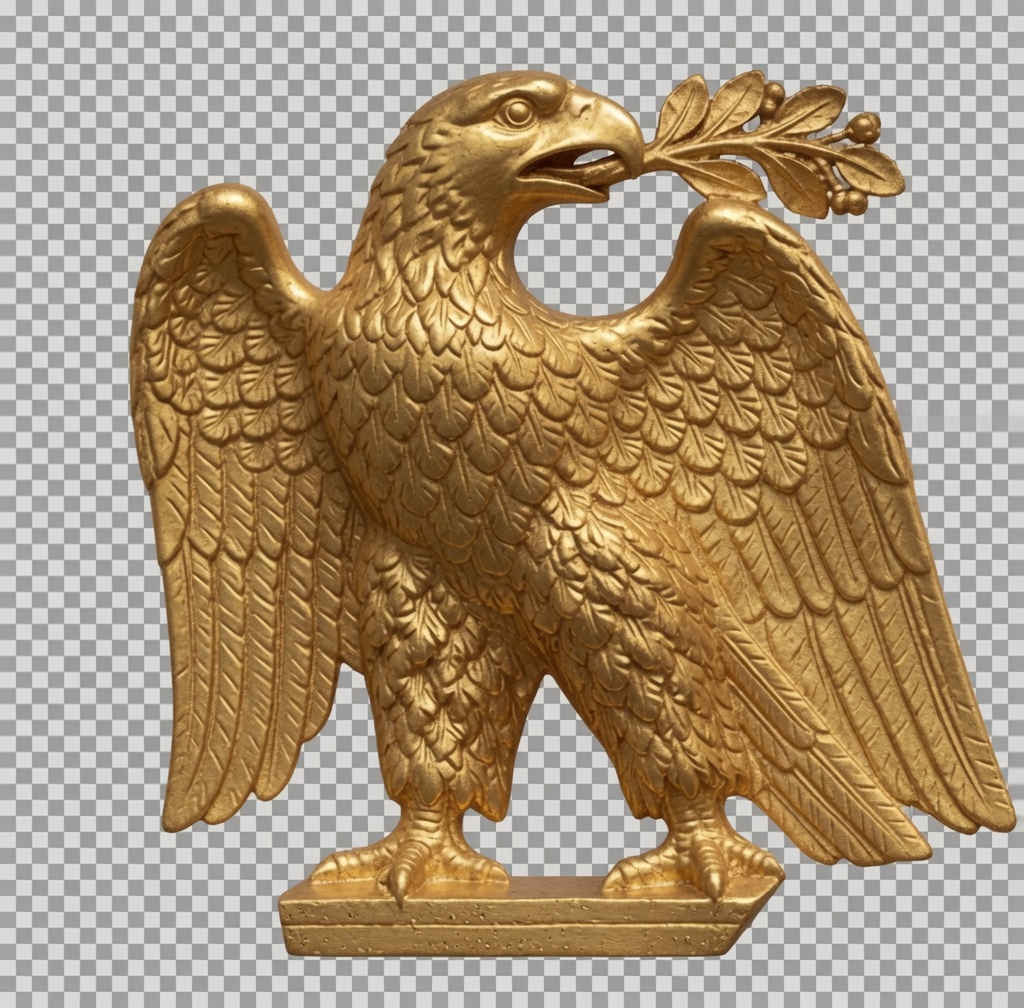
I used the first two references and told him to maintain the composition of one with the architecture of the other. I think I used Gemeni AI.(Nano banana 2).
-
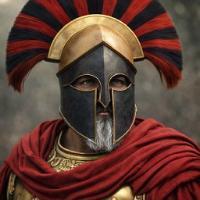 Nice! What was your prompt if you don't mind me asking?
 -
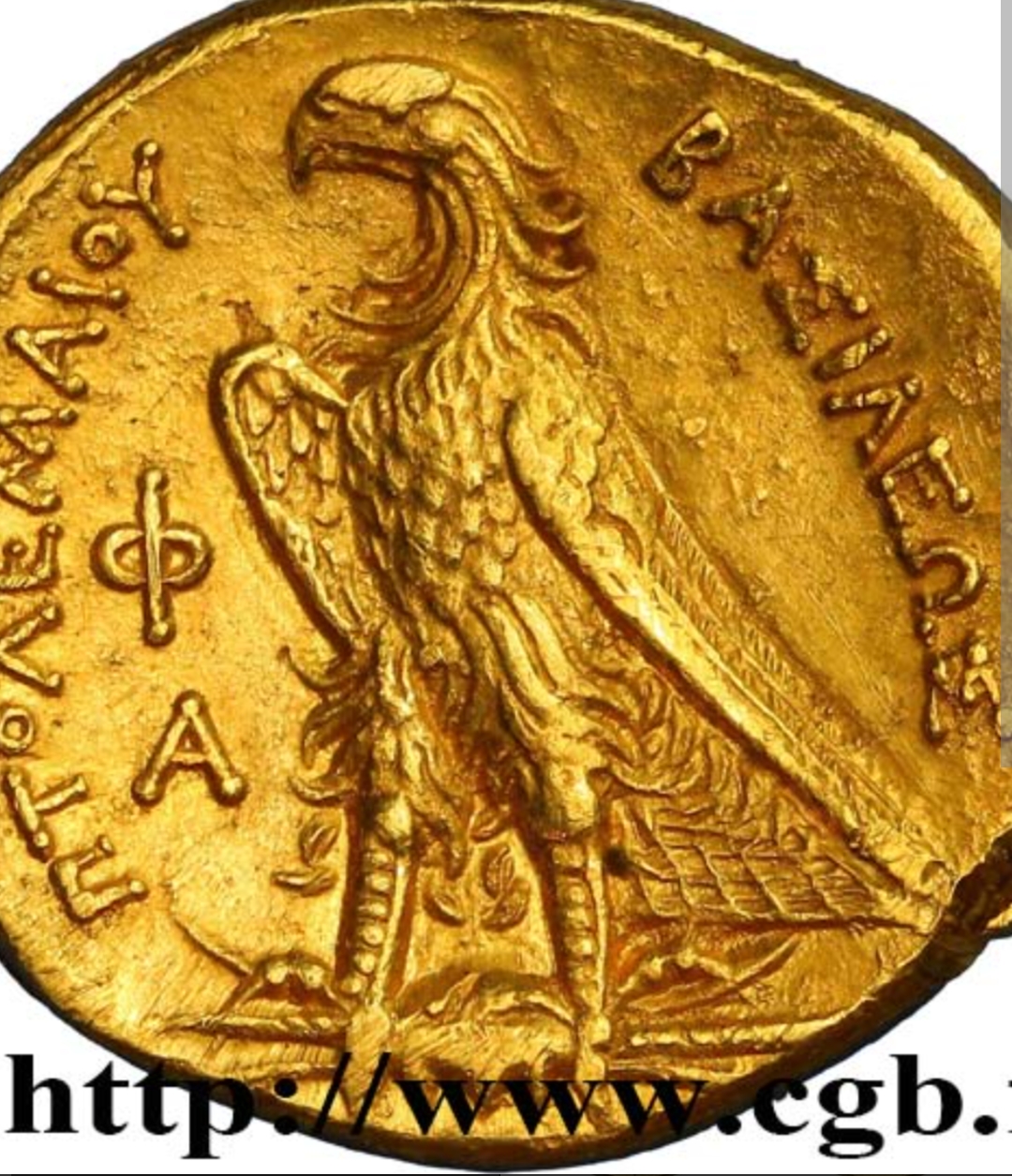
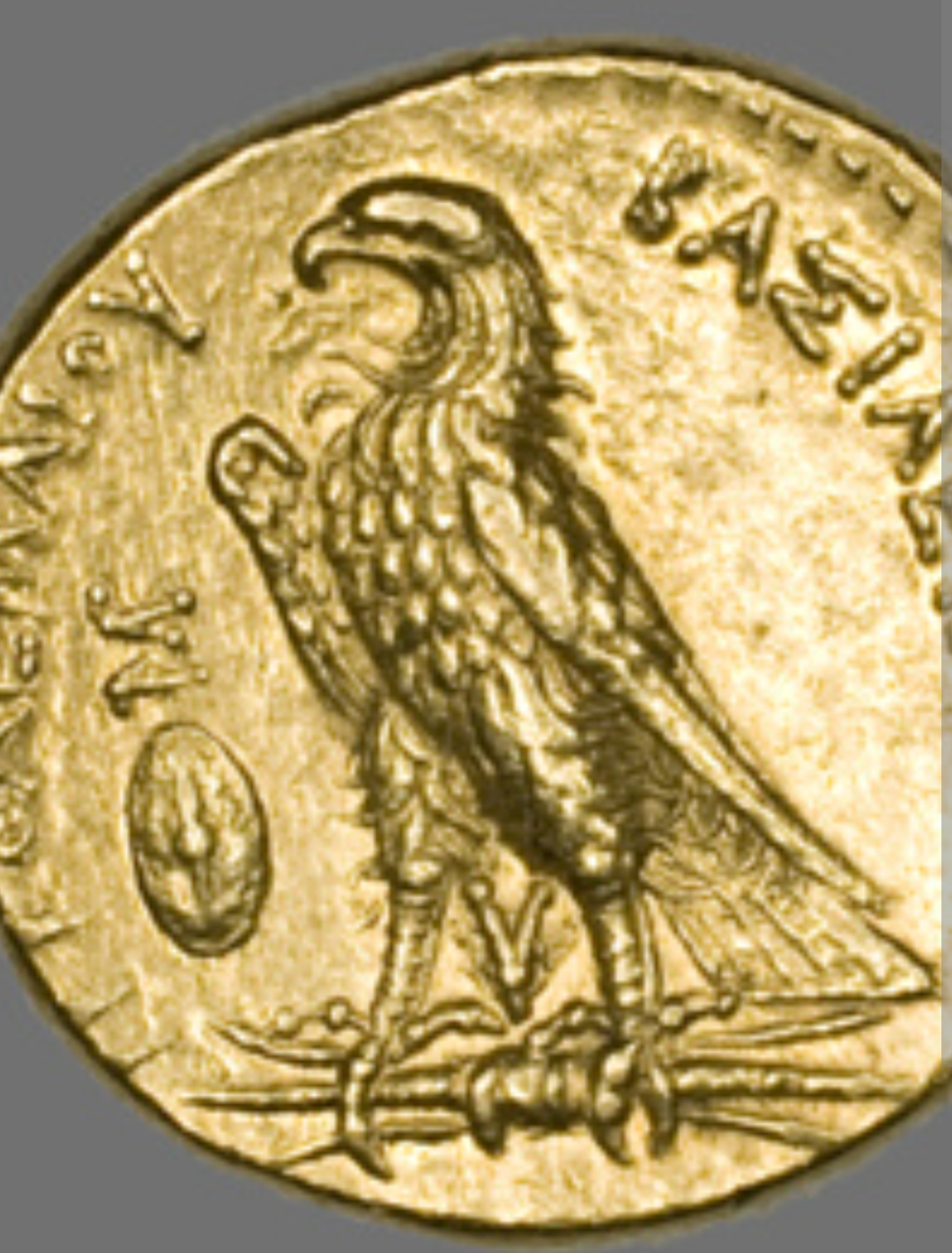
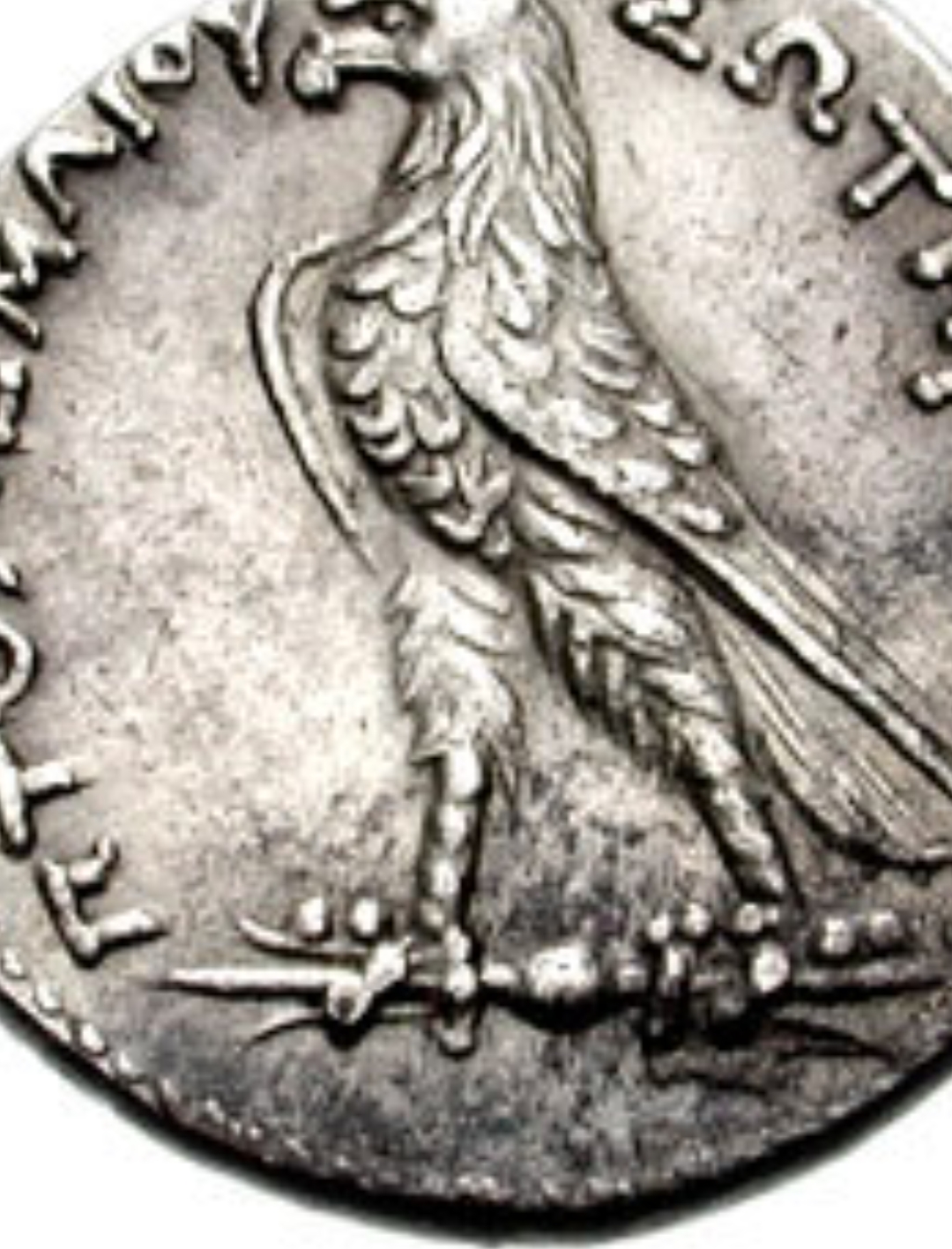
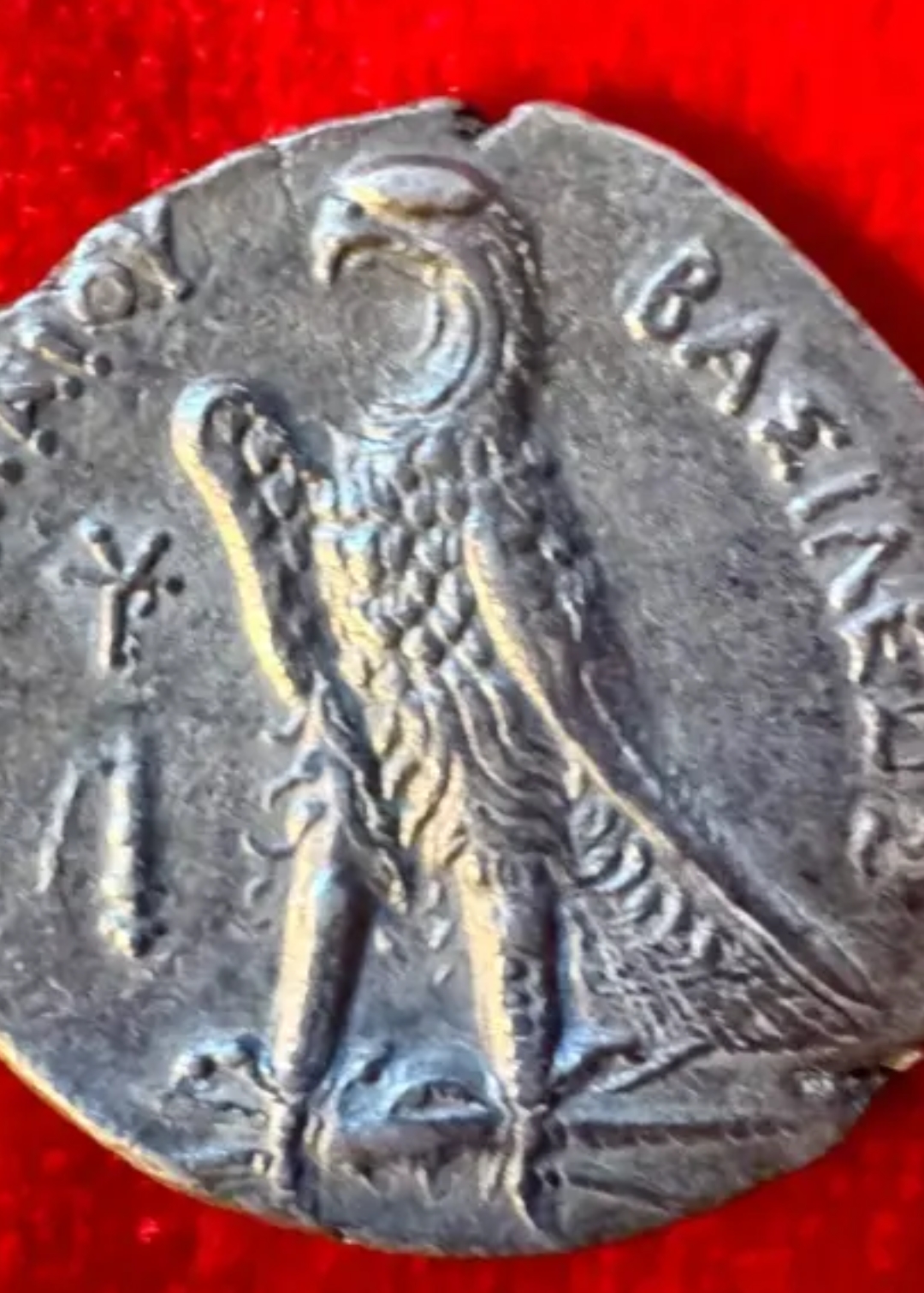
But it still has slight anachronistic errors. I call it artistic anachronism. If you look closely, the eagle on the coin has different feathers than the one on the emblem. The eagle emblem has modern feathers.
- Yesterday
-
Where is the branch? Can you send a link? The Wiki is it's own repository, technically, but I don't think PRs can be opened on it. Instead users with contributor status can make changes directly. When I said you'd receive the status by getting the first PR of you merged, I meant the main (code) repository. While we're waiting for someone able to give you the permissions, I can just manually add your changes myself, if you want.
-
Testing some concepts with AI.
.thumb.jpeg.ad578eb6c416d084502cbec3343c44bd.jpeg)
-
Additionally, I did another experiment with the AI, but it went wrong, and since it was free (free ai version of grok service), I can't fix it. The result isn't ugly in itself, it just looks very modern. And the other problem was proportion. The head looks modern The feathers look modern; the eagle's finish seems more from this era than from the Roman one.
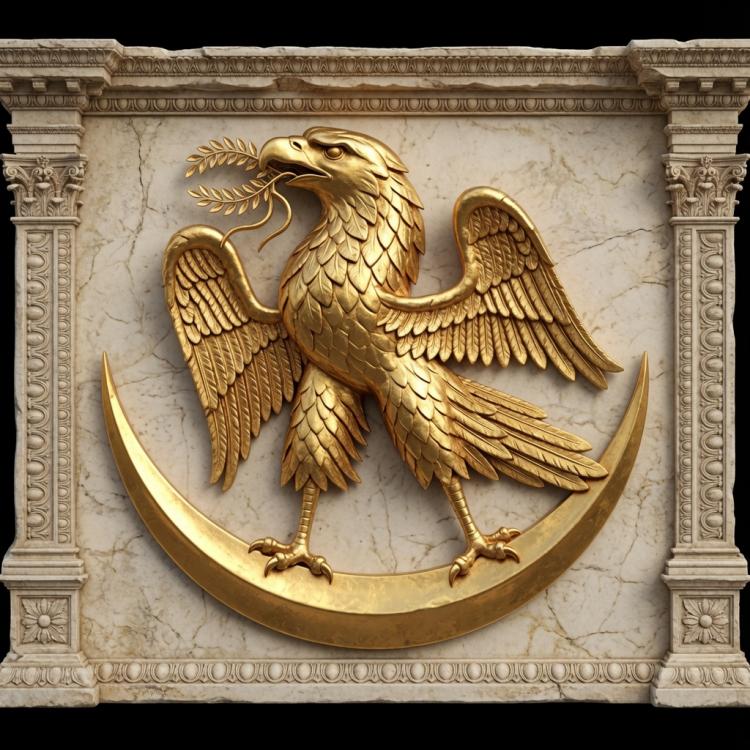
-
Using AI. Palmyran eagle. We must not forget that they are a Roman-Semites civilization and after all. I would add some other additional symbol.
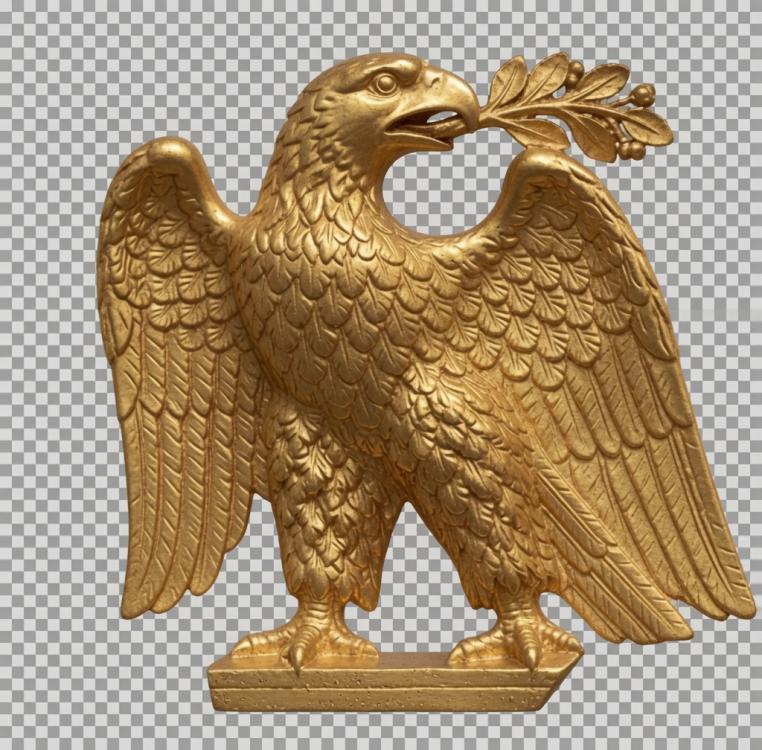
-
Hi @user1 GeneralBedreddin left a rated match commands.txt my ingame nickname is TERRRMID
-
Ok cool - I just made a branch with an updated help page and pushed it. However, I can't see how I turn that branch into a PR - there's no option for 'new pull request' or equivalent. Perhaps that's because I don't have contributor status. Feels a bit chicken - egg right now but, once I've made my first commit, I'll write all the steps into the help page for others to understand. FYI, the branch I pushed was called 'update/wiki_text'
-
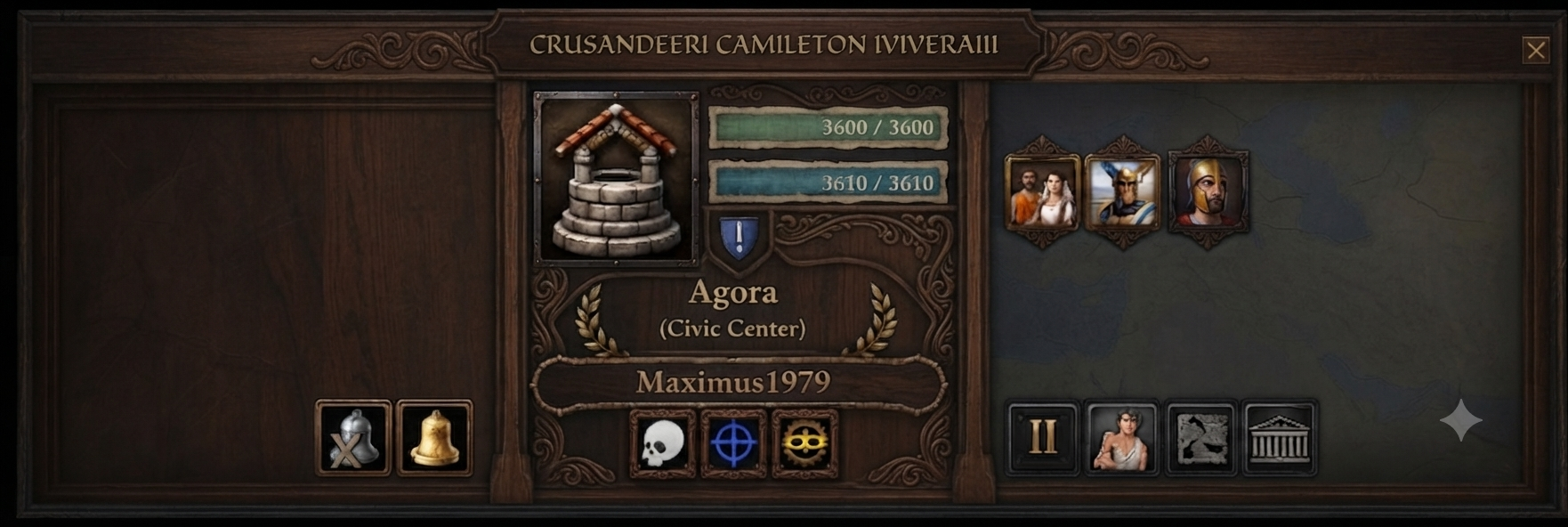
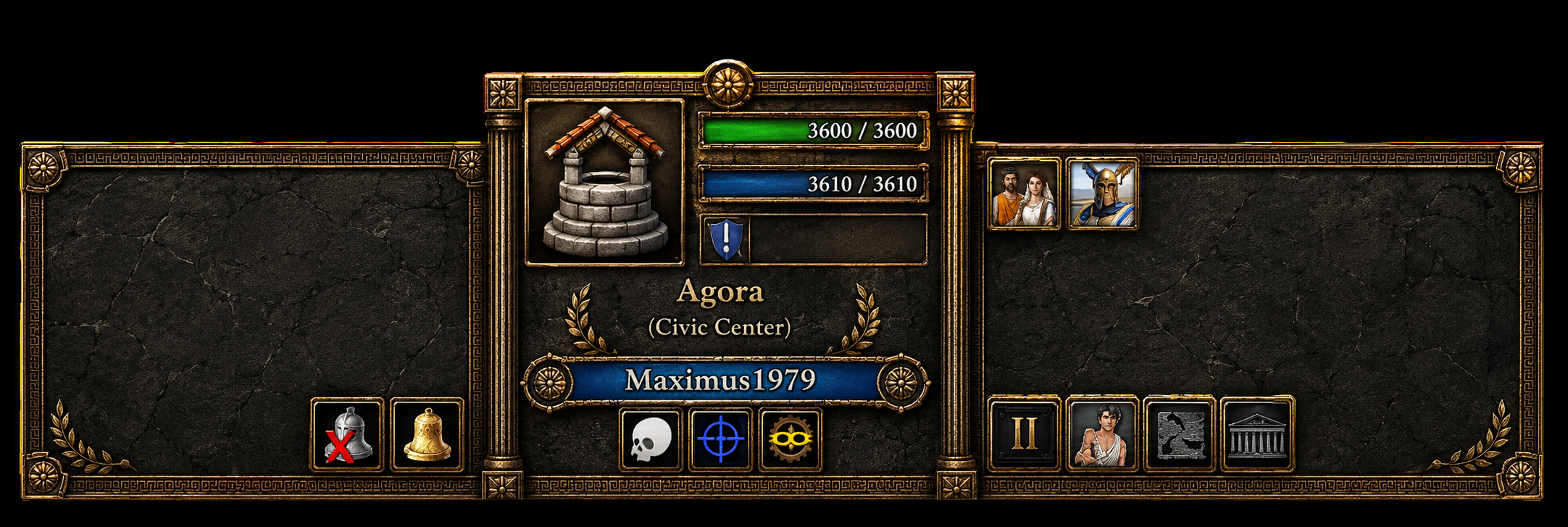
Change some details but I'm not convinced. The one above is better because the background is more conservative, without so much detail. The background doesn't seek to stand out, it seeks to fulfill its role.
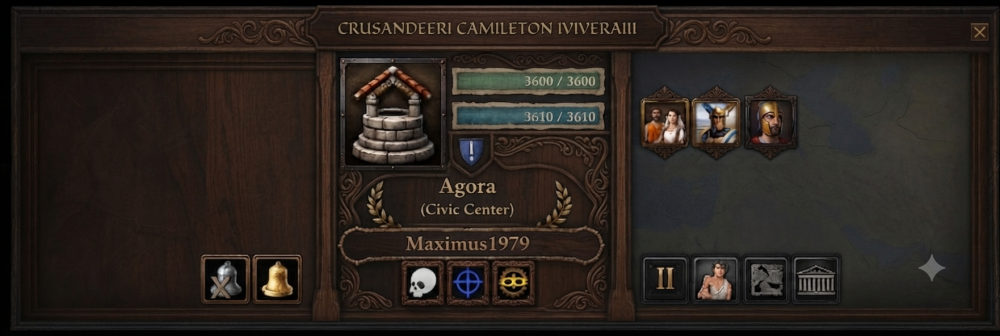
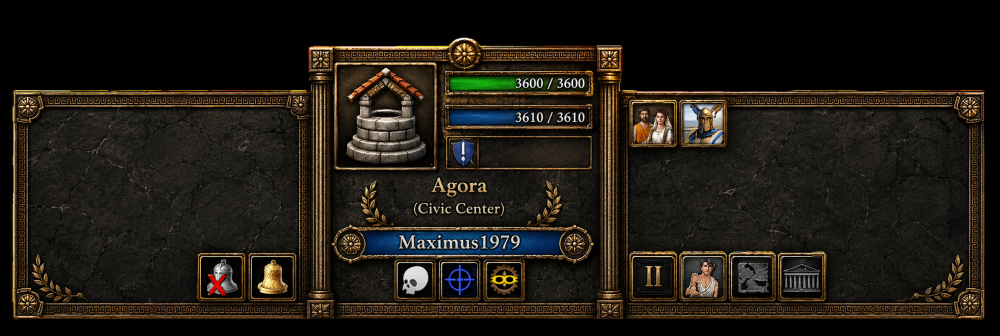
-
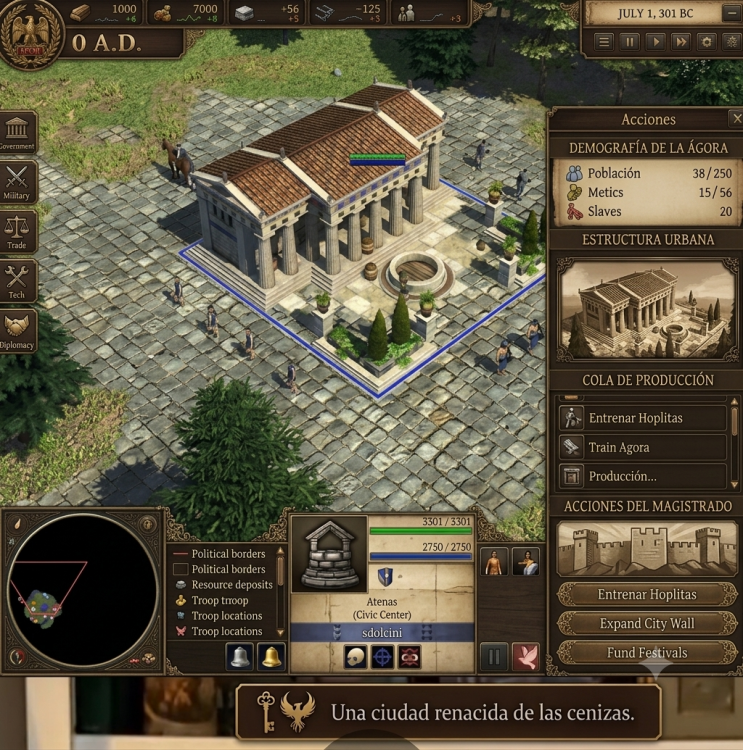
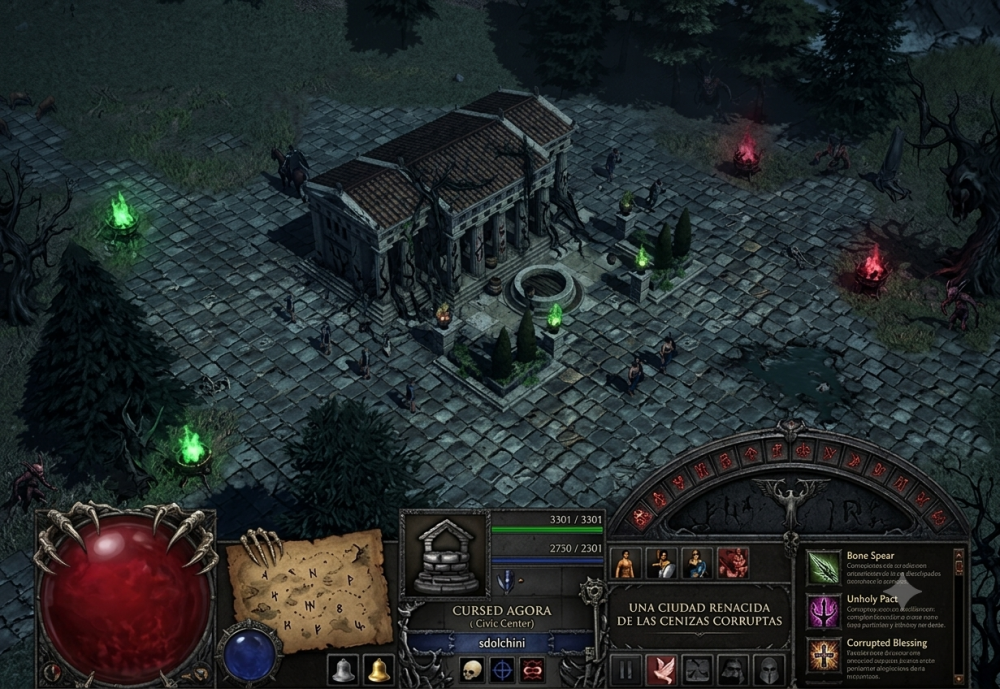
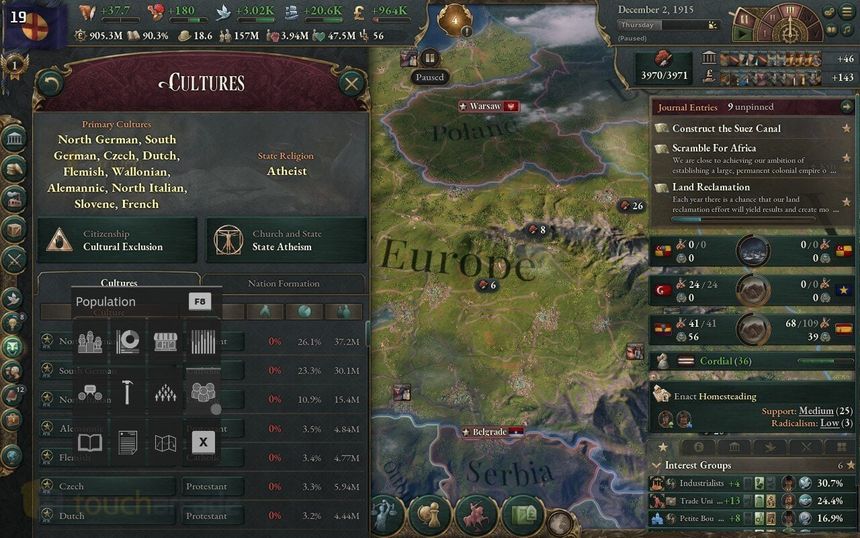
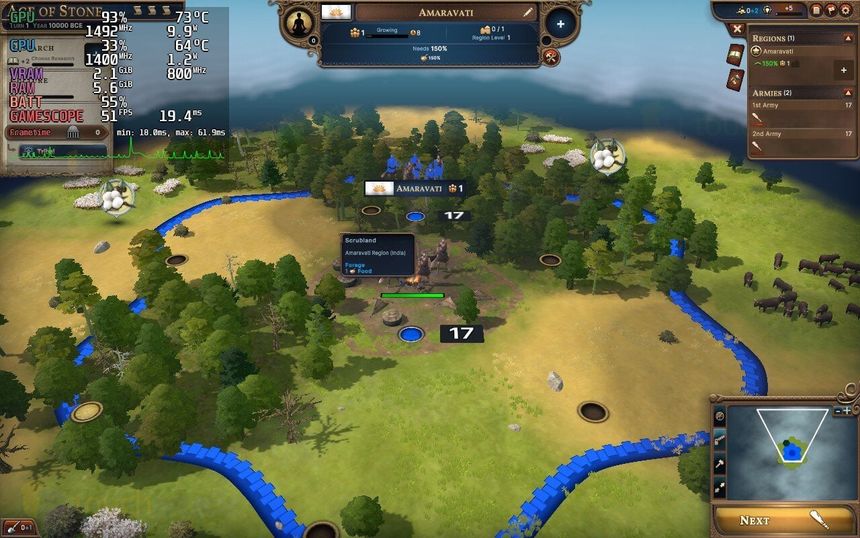
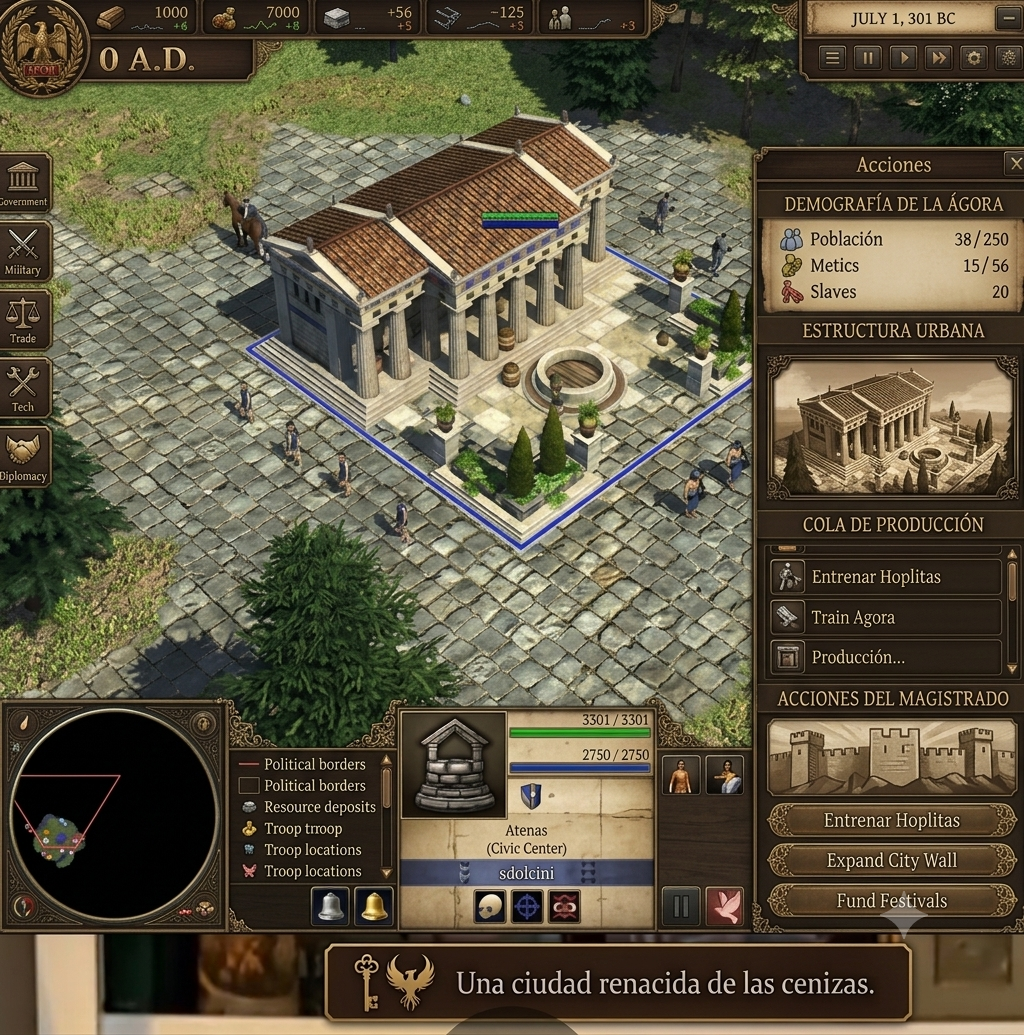
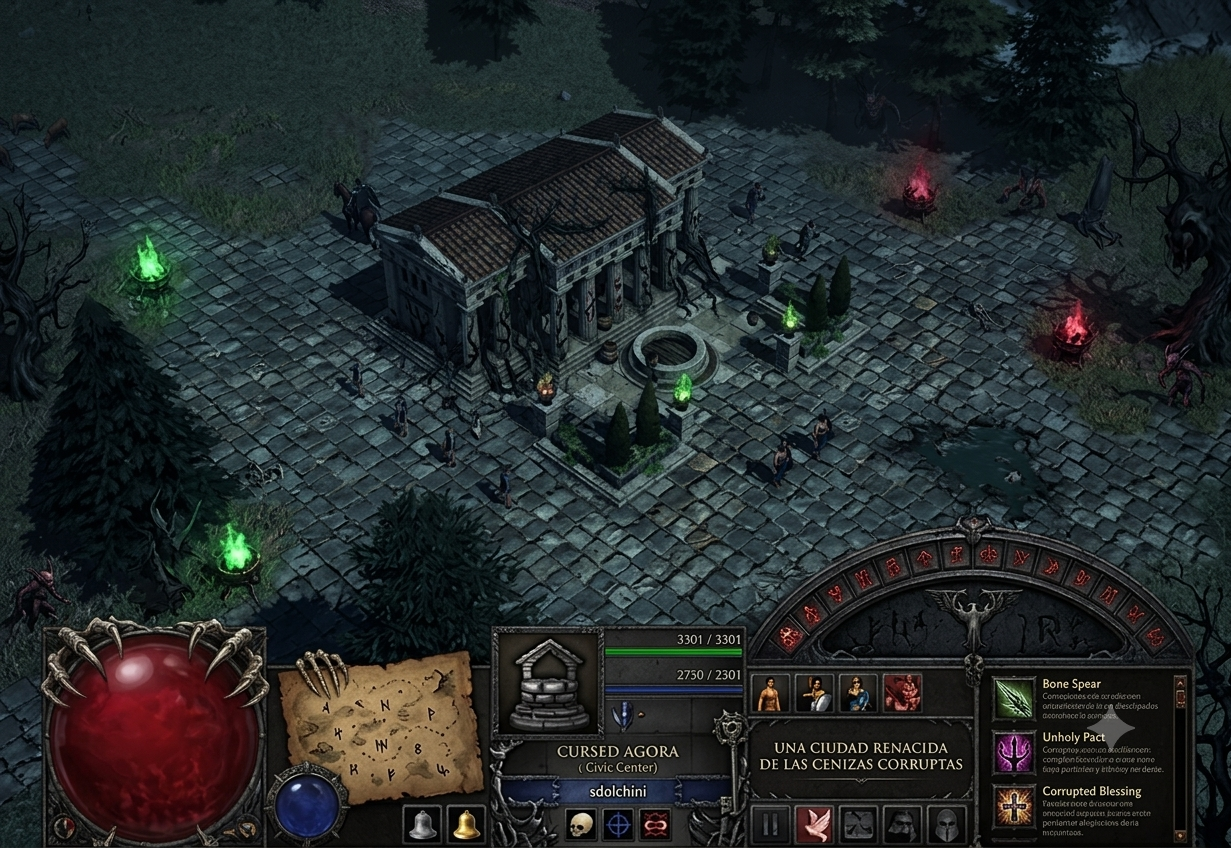
In the first photo I used a generic concept of the graphic style of Paradox games. If you pay attention, the backgrounds don't stand out; their role is not to stand out, they don't seek to take away the prominence of the sets or the titles.







.jpeg.3a88e79623c8e24ff7e1914ed30c02aa.jpeg)


-
Latest Topics
-