Leaderboard


Popular Content
Showing content with the highest reputation on 2026-10-02 in Posts
-
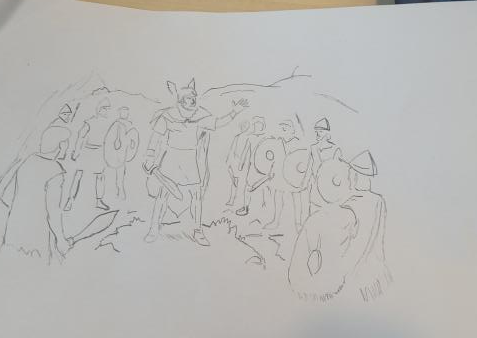
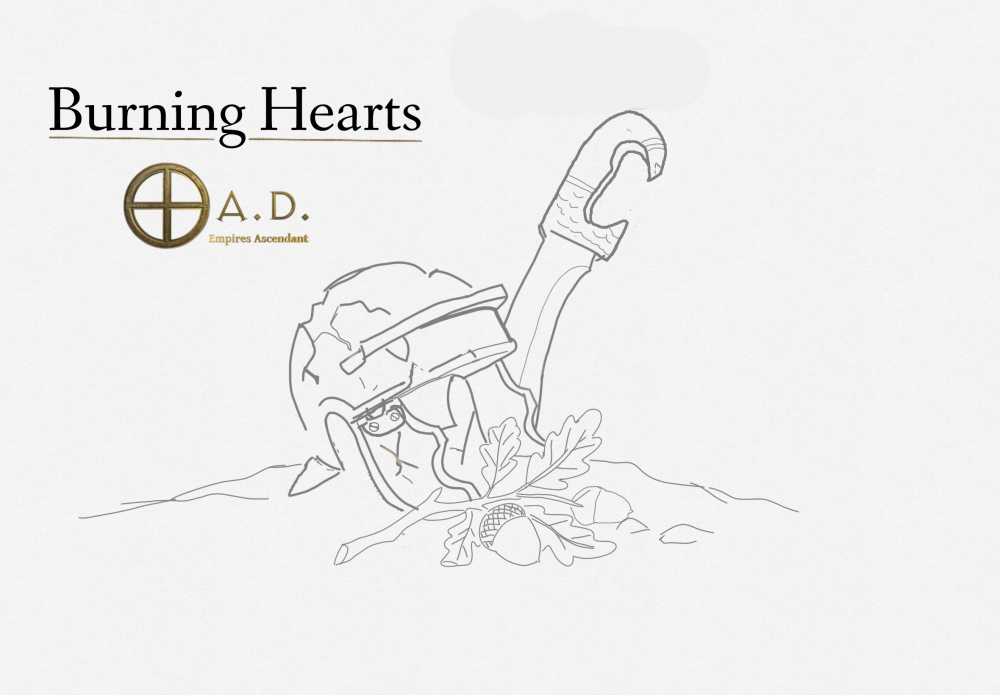
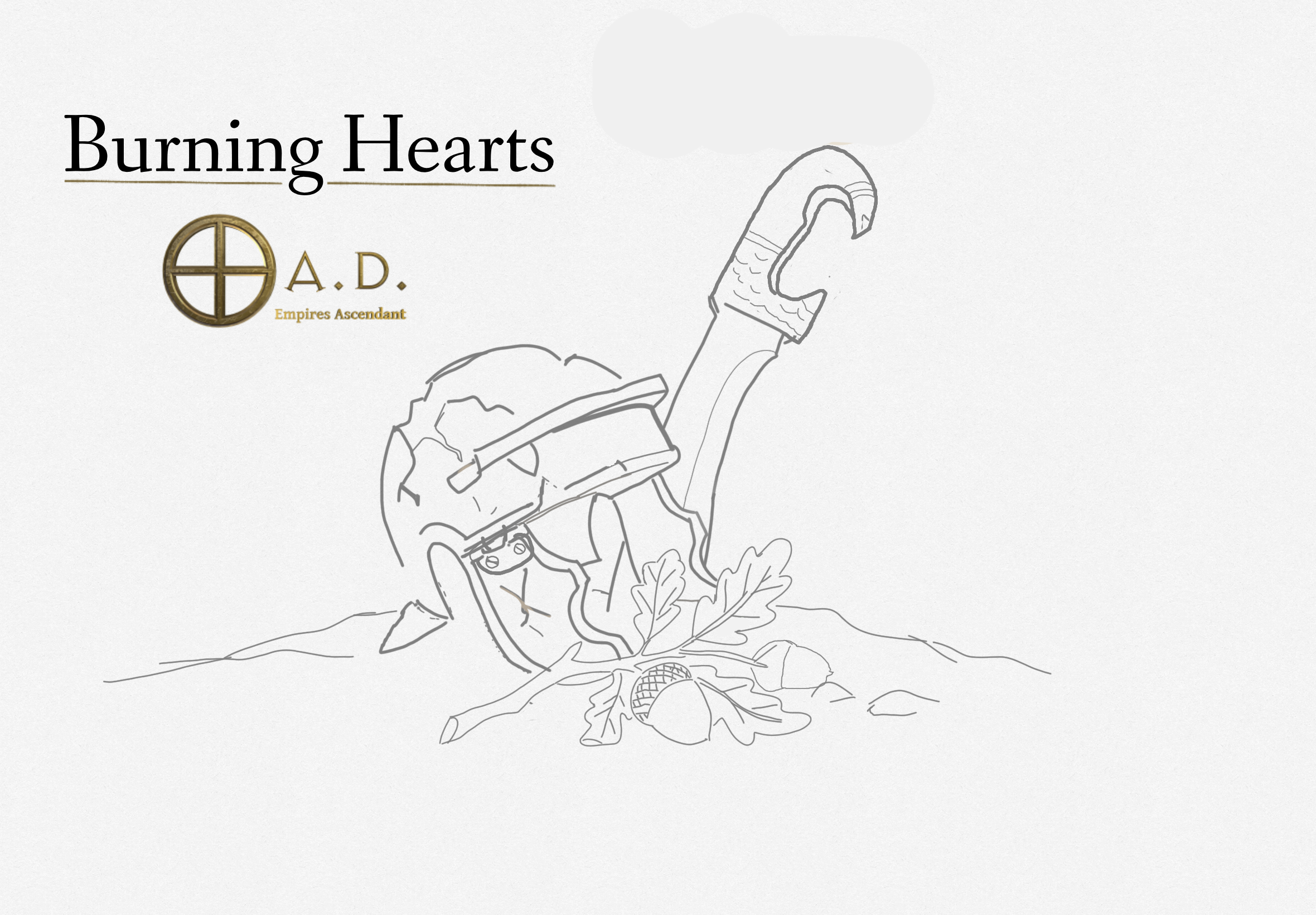
Hey everyone, For the past month, I've been working on a project: a narrative campaign for 0 A.D., focused on Viriathus and the Lusitanian resistance against Rome. In-depth research, focusing primarily on Appian's *The Spanish Wars* Why : Because 0 A.D. clearly lacks a narrative campaign, and because the development faces significant technical and resource-related challenges. If this work can help the community, that in itself is a success for me. My goal : My goal is to create a story people will play, while discovering 0 A.D. But also to help the developers with my experience, through reports, and above all to create a reference for future scenario creation. For the past month, we've been working on the scenario. I already have 8 contributors on the project. Huge thanks to them. Release : The goal is to release Scenario 1. No official date yet, but I'll post an update every two weeks here, and also on Reddit. Also : This project isn't to release it as quickly as possible, but rather to ensure quality and also learn things like programming, digital painting,music, and collaboration. Thanks !
 3 points
 -
I just hastily butchered @lilypoppy's diagram with GIMP.3 points
-
devlog #1 devlog #23 points
-
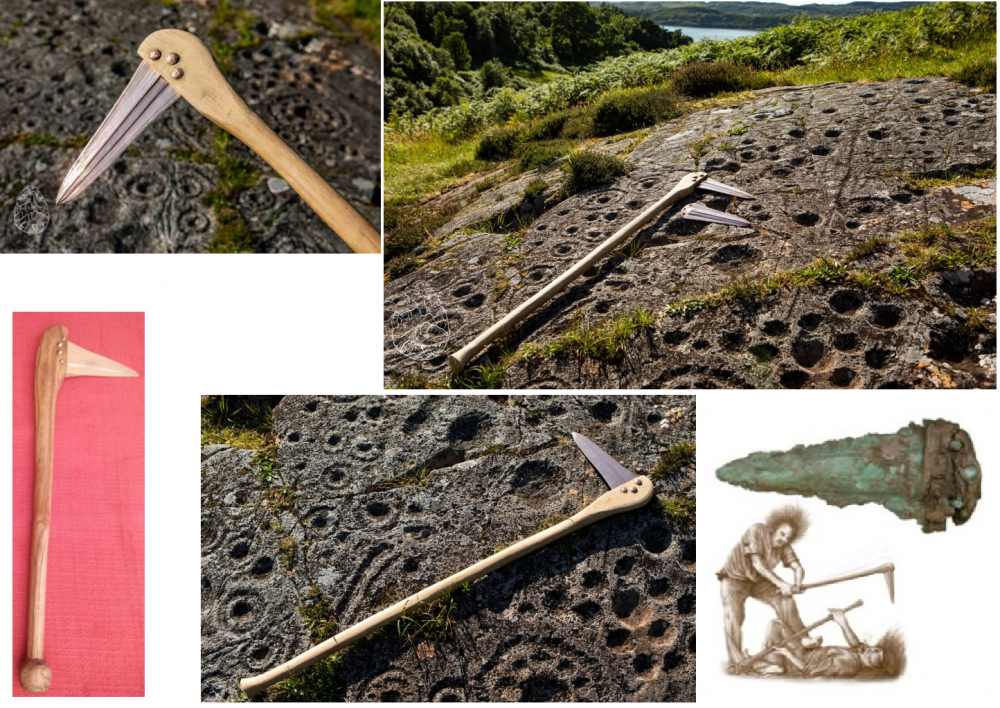
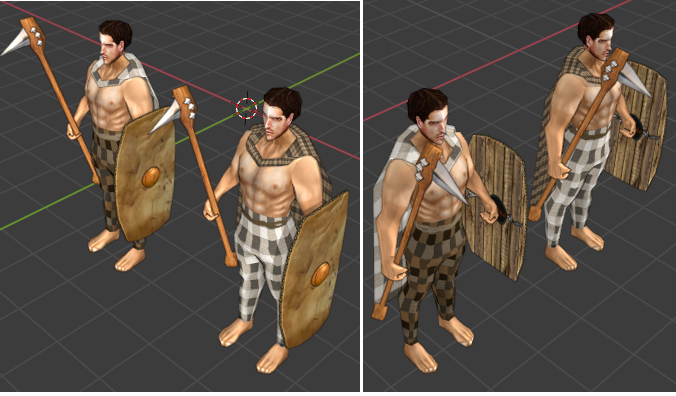
I like the shields and clothing. My understanding is those weapons existed in an earlier bronze age timeframe. I dont think there were any iron versions.2 points
-
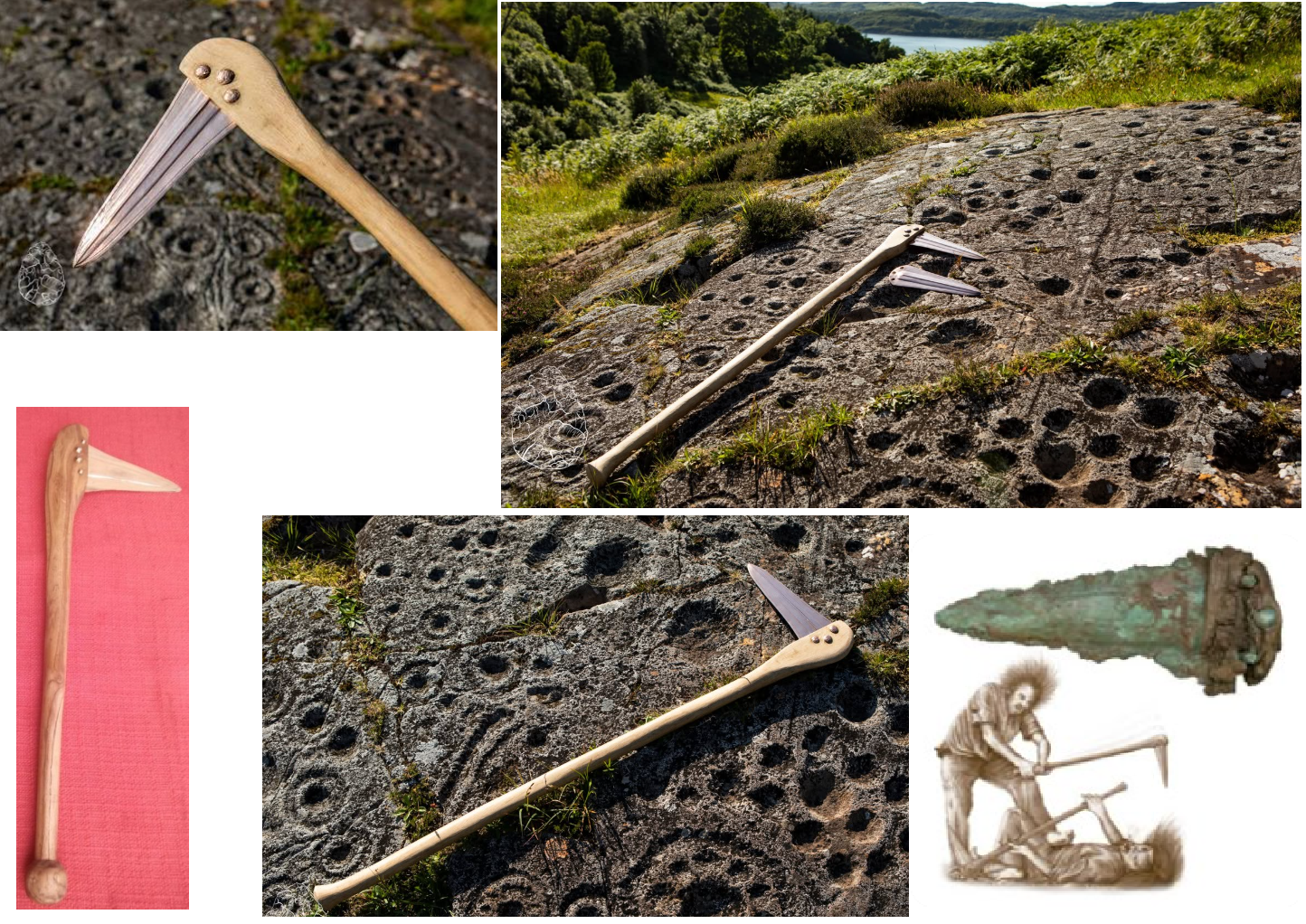
Buenos día o tardes; -Si tiene razón , encontré estas referencias: -Sumado a su referencias de escudos(Clonoura) y unidades , esta en un primer boceto para la unidad: ¿Qué opinan? Disculpen las molestias*
 2 points
 -
Yes, I agree with you. Although I’m not sure elephants necessarily need to be able to move smoothly through the narrowest possible passages. There has to be a point where the elephant’s size actually matters mechanically, and in those situations, the most logical choice seems to be to destroy the house rather than try to squeeze through it. But I think trying elliptical hitboxes is reasonable. I got the impression that implementing them would be quite complicated, but if there’s any possibility of doing it, I’d definitely give it a try.2 points
-
I managed to block my 24 elephants again. The gaps they tried to pass through are quite small. I’ll clarify again here that I’m deliberately trying to push things a bit. In particular, I’d like you to look at what happens with the group at the bottom, which has a visibly wider path than the group at the top. The first elephant goes straight through, but the second one, which is coming slightly from the side, collides with the house and turns to its left to try to go around the house. However, there is no longer enough space for it to make the 90-degree turn, so it gets stuck at the corner of the structure's hitbox + some eles probably pushing it too, and ends up blocking all the eles. I replicated this with only a few elephants, and something similar happened. It seems that elephants need to make a 90-degree turn to go around a building, avoiding any contact between their hitbox and the corners of the structure. This can be seen in the following videos. There is clearly enough space for the elephant to pass through if it moved diagonally: The obvious conclusion is that the hitboxes are too large, both unit and building (I'm asuming hitbox are the green ones). They extend well beyond the 3D model that the user sees and create these visual inconsistencies: the elephant cannot pass through a gap that appears wide enough. Having the structure's hitbox larger than the model may be desirable to prevent units from clipping through it and perhaps also help with visual clarity. But for organic bodies, maybe we can cheat a little with this. And I think this is also why I mentioned several times trying to "give them more overlap". But perhaps that wasn’t the right term. Maybe it’s not a matter of giving them more overlap, but rather making their hitboxes smaller. This could help elephants move through gaps that appear wide enough to the user, and it would also prevent them from pushing each other without actually touching, as can also be seen in this same video (00:10). In this last example, we can see an elephant walking around the barracks while keeping an exaggerated distance from the structure's visible boundaries: One final clarification: It’s obvious that destroying the houses is the quickest way forward, and there’s no reason to expect the elephants to organize themselves perfectly and head straight for the fortress. After all, the purpose of this feature is to add more realism and make a huge creature like an elephant somewhat clumsy. However, I think there is still room to improve the visual inconsistencies I’ve shown, where there appears to be enough space for an elephant to pass through, but it nevertheless gets blocked. I think most users will consider these visual inconsistencies a bug, and they can make the experience somewhat frustrating. That’s why I keep pointing them out as something that I think needs to be addressed.2 points
-
Lore: At some point in the second half of the 22eth century, Mars—which for over thirty decades had grown under the management of the MCC (Martian Colonial Company), an entity that ruled with an iron fist and exploited its people—transformed into a complex and brutal battlefield. Factions Martian Colonial Company Originally a corporation authorized by the United Nations and funded by Earth's wealthiest individuals and major powers to explore and develop Mars, the MCC gradually lost its legitimacy following allegations of abuse, corruption, and the exploitation of colonists. Once the dominant authority on Mars, the company now operates under intense scrutiny from both Earth and Martian factions. Its forces rely on strong, specialized units, heavy vehicles, and advanced industrial technology, while its extensive experience on Mars gives it a solid understanding of the planet's terrain and infrastructure. Mars Liberation Alliance A revolutionary guerrilla movement formed by Martian colonists opposed to MCC rule. The MLA initially brought together a highly diverse coalition of workers, settlers, dissidents, former soldiers, and local communities. Over time, ideological differences and internal disputes caused the movement to fragment into several factions. Although committed to Martian independence, some elements of the MLA maintain political ties or sympathy toward certain powers on Earth. Its forces rely on mobility, improvisation, ambushes, sabotage, and locally adapted equipment rather than conventional military strength. United Nations Coalition An international intervention force authorized by the United Nations Security Council to restore stability on Mars following the collapse of MCC's authority. The Coalition possesses some of the most advanced equipment, technology, and weaponry available on Earth, giving it access to a highly versatile arsenal. However, its greatest strength is also a major weakness: the Coalition is composed of military contingents from numerous nations, including several geopolitical rivals. Differences in doctrine, priorities, command structures, and national interests can lead to disputes and delays during critical operations. As a result, Coalition forces are expensive to deploy, require extensive training, and can suffer from poor coordination and limited situational awareness on the ground. Pirates Nomadic peoples of Mars who live as raiders, traders, smugglers, and scavengers. They have no permanent homeland or fixed bases, instead traveling across the planet in search of wealth, opportunities, and freedom from the laws and governments of settled societies. Mobility is their greatest strength: their infantry, vehicles, and combat units are fast and versatile, but lightly armored and poorly suited for prolonged engagements. Even their structures are designed to be mobile, allowing them to pack up and relocate across the battlefield. Ares Legion Originally a faction within the MLA, the Ares Legion was expelled after its increasingly militaristic and xenophobic ideology became incompatible with the broader liberation movement. The Legion rejects negotiations with Earthlings unless they first submit to the Rite of Ares, a ritual intended to prove their loyalty and willingness to accept Martian rule. They envision a Mars where Order and Strength are the law, and those deemed weak, disloyal, or unfit have no place in society. The Legion favors brutal close-quarters combat, fielding some of the most heavily armored troops on Mars. Their preferred weapons include shotguns, heavy firearms, and combat swords. The Swarm A Martian cult devoted to what they call the Ancients—an alien civilization believed to have existed countless ages ago and to have transcended the material dimension. According to the Swarm's doctrine, the Ancients bestowed upon them the Great Revelation, a body of knowledge that holds the key to humanity's next stage of evolution. Guided by this revelation, the cultists subject their own bodies to extensive genetic manipulation and biological modification, gradually sacrificing their humanity in the process. They also create grotesque biotechnological creatures for war, believing that every mutation, organism, and weapon they create follows knowledge passed down by their ancient gods. Their basic units are linked to a supermind, while their leaders and priests maintain a high level of individuality and self-interest.



 1 point
 -
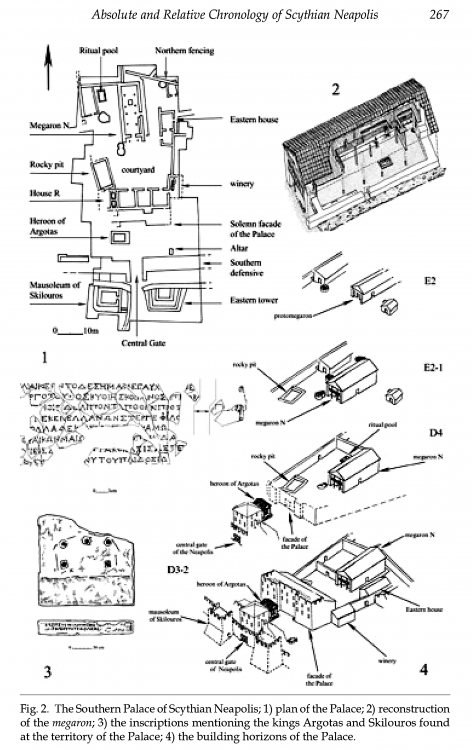
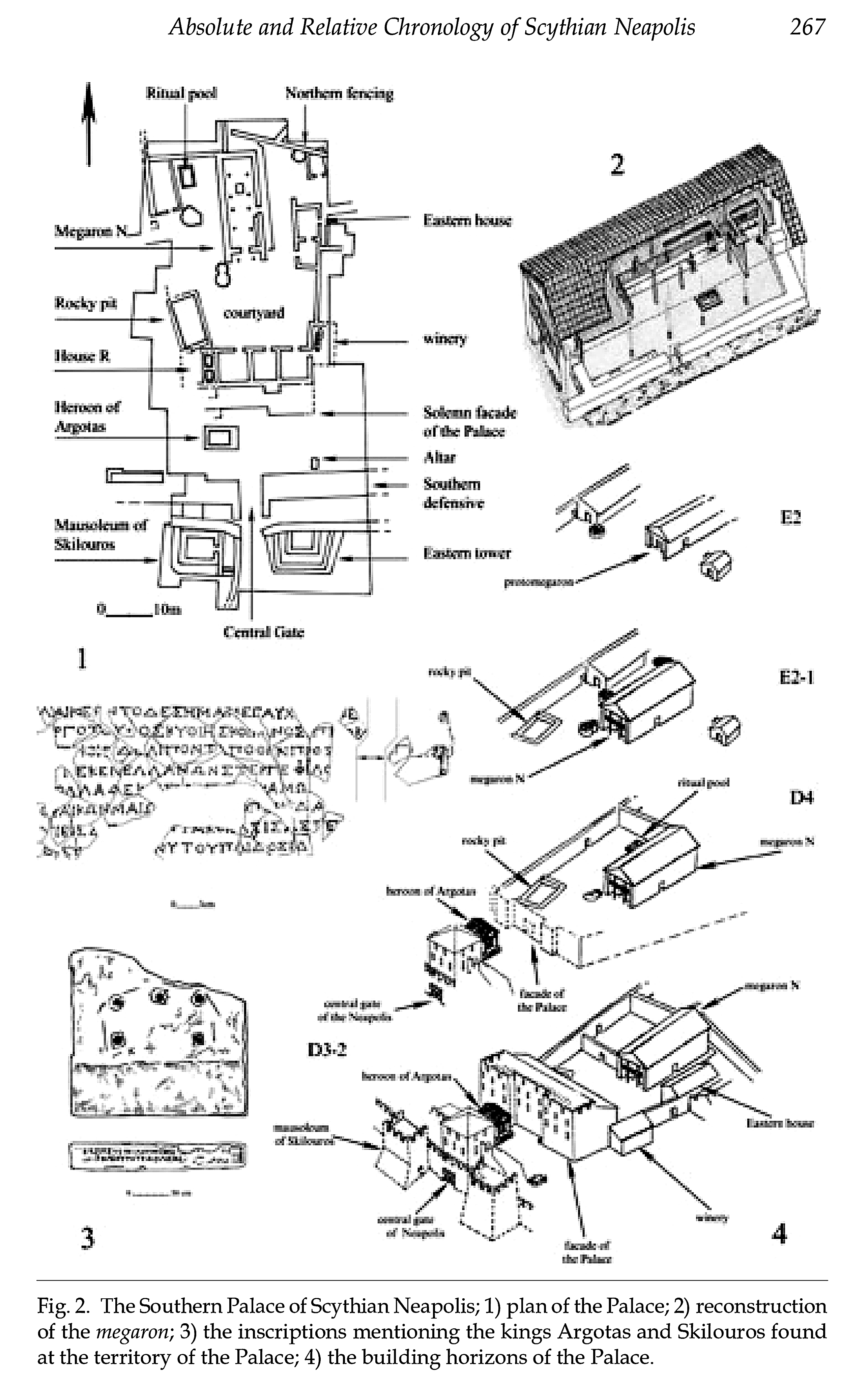
"Great Scythia" flourished across the northern Black Sea steppes, including Crimea, from the seventh to the fourth century BC. The traditional view held that Sarmatian expansion from the east caused its collapse in the early third century BC. Although Scythian culture disappeared from much of the region, the Scythians were believed to have retained Crimea and established a powerful kingdom there. This Crimean kingdom supposedly reached its height in the second century BC and pursued an aggressive policy towards the Greek cities. It subjugated Olbia, seized Chersonesos’ territories, and threatened the Bosporan Kingdom. The conflict ended when Mithradates’ general Diophantos destroyed the Scythian Kingdom, after which the Greek cities entered Mithradates’ state. Archaeological discoveries since the early 1990s, especially at Neapolis Scythica, have fundamentally revised this interpretation. The city was once thought to have been founded in the late fourth century BC as the successor capital of Great Scythia. Excavations showed, however, that the earliest remains belonged to an unrelated Tauric settlement that disappeared in the early third century BC. The site was then abandoned for a considerable period. New buildings appeared only around the middle of the second century BC. A political centre began to develop around 150 BC, followed by fortifications around 140 BC. After the settlement was destroyed by fire between 135 and 130 BC, a royal palace and stronger defensive walls were built. Only then can Neapolis Scythica confidently be identified as the kingdom’s capital. Its destruction in the late second century BC, probably during Diophantos’ campaign, suggests that the Crimean Scythian Kingdom existed for only forty to fifty years. These findings reveal a major chronological and cultural gap between Great Scythia and Late Scythian society. The last sites of Great Scythia date to the early third century BC, while Late Scythian culture emerged only near the century’s end. The two societies were also fundamentally different. Fourth-century Scythians were nomads, known mainly through burial mounds, whereas Late Scythian communities lived in fortified and unfortified settlements with flat-grave cemeteries, mostly in the Crimean foothills. The disappearance of Scythian burials from the Crimean steppe suggests that the Scythians were forced to leave the region rather than maintaining continuous control over it. In the foothills, they adopted a settled way of life and participated in the formation of a new, culturally mixed society. Local Tauric traditions played an important role, alongside Classical and La Tène influences. Most scholars therefore reject direct political or cultural continuity between Great Scythia and the Late Scythian Kingdom. The term “Late Scythian” remains useful mainly as a scholarly convention: it describes a new, settled, and culturally diverse society rather than the uninterrupted continuation of earlier Scythian civilization.
 1 point
 -
I used Claude to make a quick diagram, and then I used Photopea to place everything better and refine the text.1 point
-
Ah, pero esto es de la Edad del Bronce Temprana, usualmente no después del 2000 A.C., aunque Ronan O'Flaherty en "The Early Bronze Age Halberd: A History of Research and a Brief Guide to the Sources" menciona que Joseph Raftery argumenta por 1000 A.C. para esas armas, pero ciertamente bastante anterior al período del juego. Se llaman alabardas sí, aunque no se parecen demasiado a las alabardas medievales, ni son parte de su evolución.1 point
-
You could look for a YouTuber who likes the game and has a good voice and way of expressing themselves.1 point
-
I have the scenarios, the objective plans, and the gameplay. I'm working on how cinematics work, and I'm also looking for voice-over — not easy, but I have ideas. https://wildfiregames.com/forum/topic/168855-campaign-idea-with-the-iberians-–-looking-for-feedback-and-editor-tips/1 point
-
I see you added the hinges as I told you, but small metal screws wouldn't be invented until over 1500 years later!! Don't underestimate these details1 point
-
I imagine you have a narrative script. Thinking about what will happen and what you will say in each scenario.1 point
-
yes, but this is already the case with elephants. IMO the target should be to keep their maneuverability through buildings and other immovable obstacles as close to current as possible.1 point
-
Yes, I agree they should be very clumsy, as ships, nothing wrong about that. But what I find might be solvable is their uncooperativeness , by putting in place the measures needed for them to rotate in certain situations.1 point
-
I think the difference would be the direction that the unit is pushed to: With the current pushing, it would move the same direction as the pusher, which means they will probably collide again. With the "clearing the path" mechanism, the second unit would make two steps into the direction it faces/ or into a direction with free space/ or a certain angle of the pushers movement direction, so hopefully avoiding another collision. I'm especially thinking of the elephant sliding another elephant scenario from the videos above. I don't know if this makes sense or if it's too costly but maybe one active instead of passive move could help solving the bottlenecks somehow Yeah, I'm a big fan1 point
-
right click on no formation to make it the default bro1 point
-
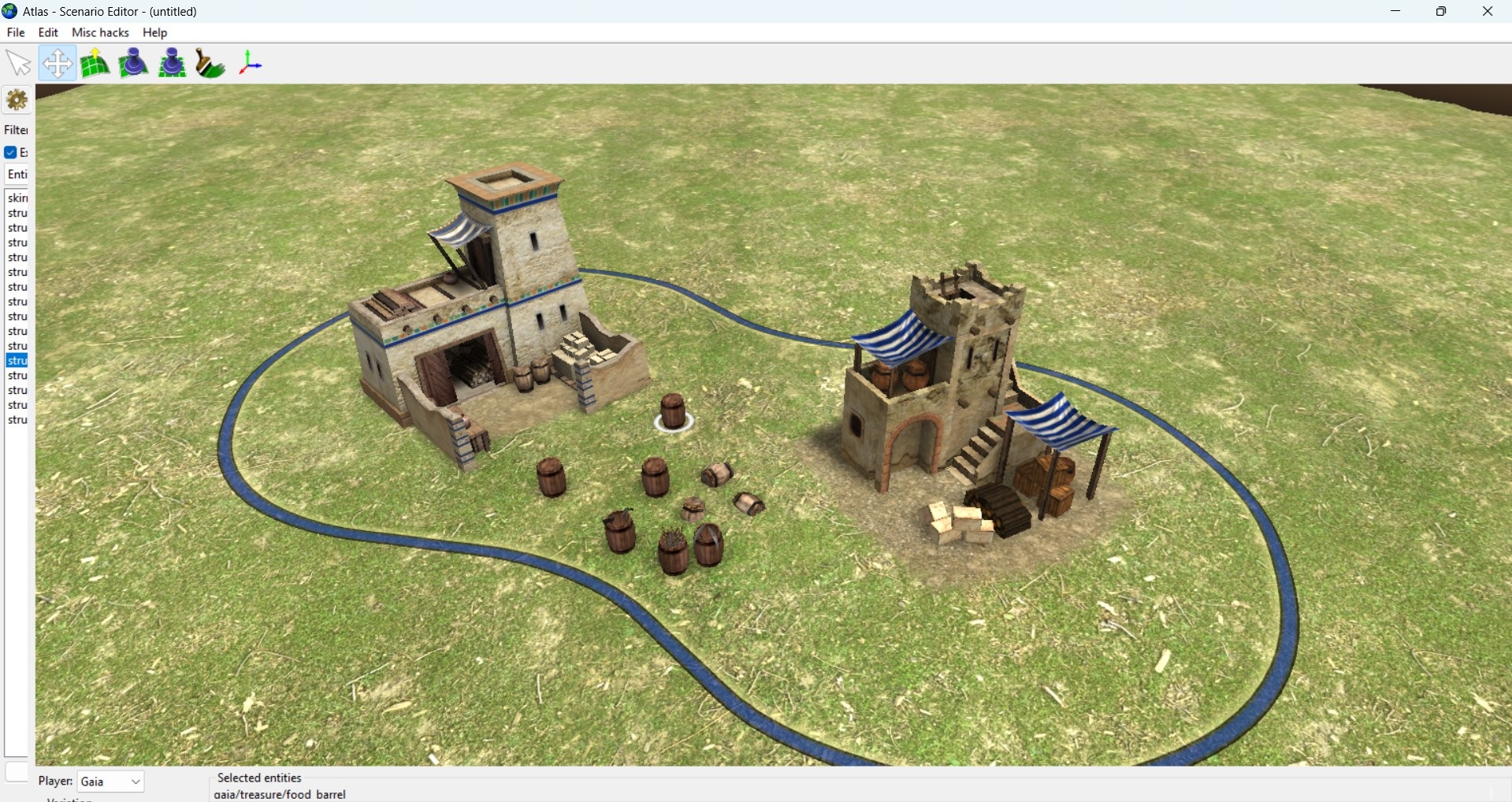
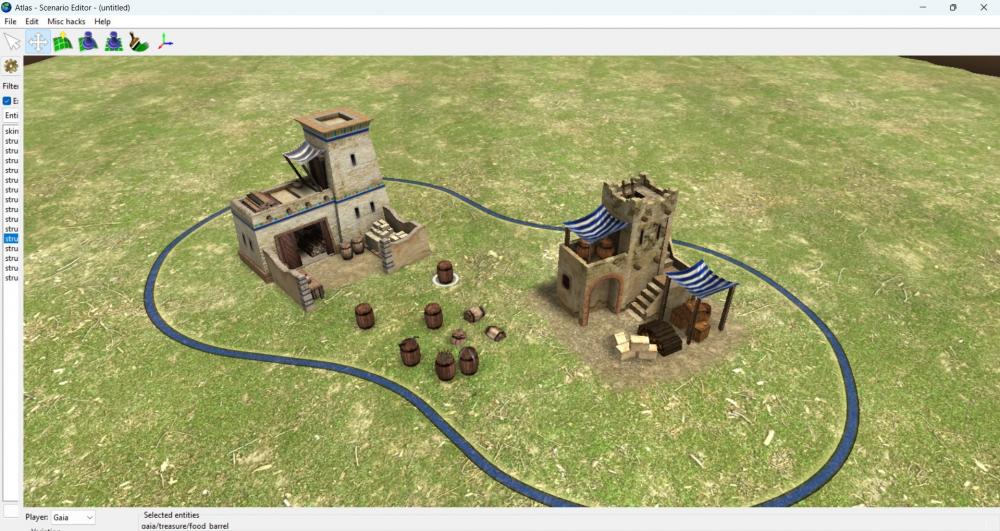
A number of structures use metal hooped wooden barrels as props and barrels also show up as treasures. However from what i could find in the game's timeframe barrels were only used in Gaul and (towards the end of the timeline post Gallic Wars) in Roman frontier camps. Barrels in this period seem to have used only wooden hoops; metal hoops seem to first show up in the middle ages and only become truly common after the industrial revolution. My suggestion would be to replace these with the existing pottery and basket props; and possibly create new more accurate barrels for the Gauls in the future. https://www.journals.uchicago.edu/doi/10.1086/677034
 1 point
 -
Just somewhere in october1 point
-
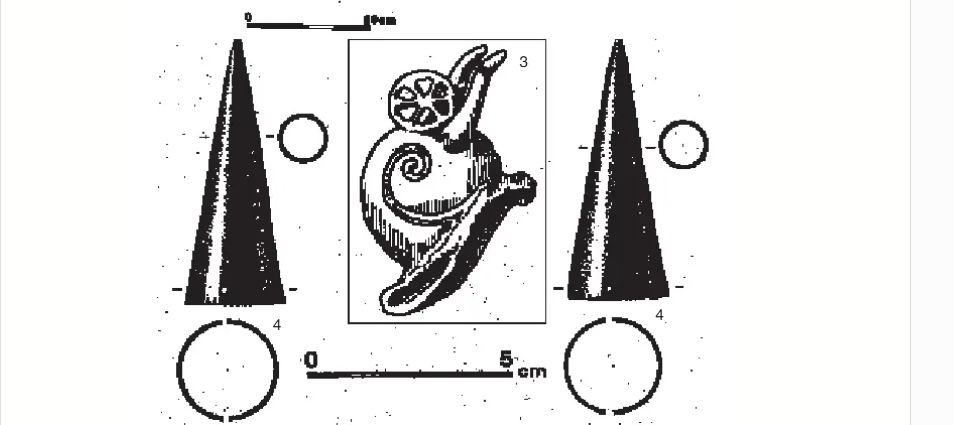
Modern reconstruction. 1940s reconstruction (Uses the term helmet, but they might actually be from a headress due to how thin the metal is) Drawing of similar horns from Runnabehy (ignore the helmet in the middle, it is Gaulish or Gallo-Roman)
 1 point
 -
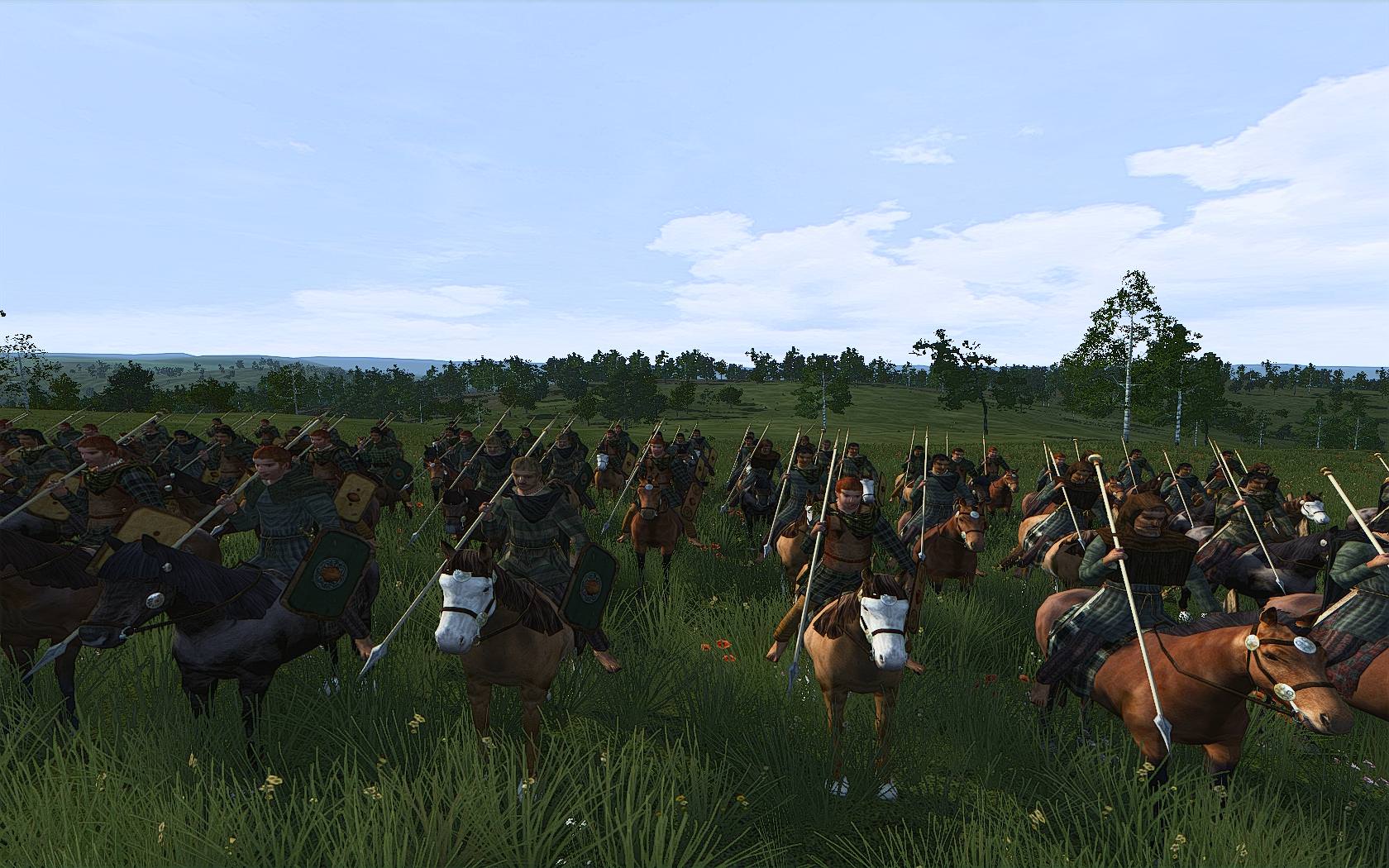
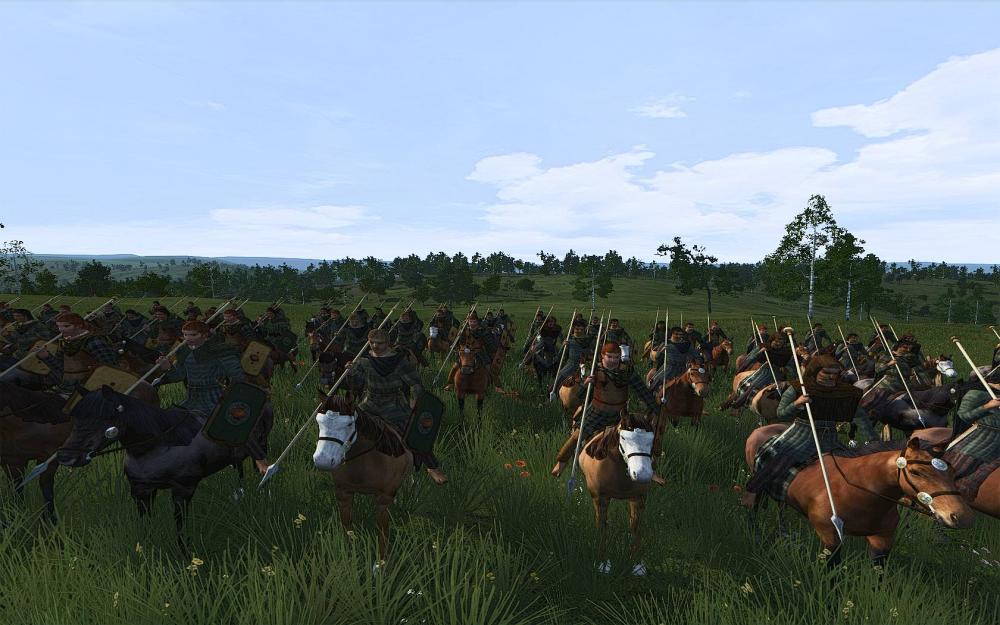
In case of the Irish, archeology is perhaps the main source (due do the lack of Roman accounts and medieval epics not being very reliable). Perhaps champion units could be distinguished from clothing, scabbards and jewelry. Maybe a chance of having a horned headdress, but those might be better suited for heroes. EB2 gave some of the Irish cavalry leather armor: It's not entirely impossible they had leather/cloth armor that did not survive, although i'm not sure they would follow the same Gaulish style with shoulderpads (the leather armor of the Gauls seem to have been inspired by Greek examples).
 1 point
 -
Even though I love archaeology, we shouldn't treat it as the ultimate source of truth. Absence of evidence is not evidence of absence. For one thing, very few Iron Age graves have been discovered in Ireland, and what we do find inside is always subject to bias. We find bows and arrows in Celtic princely graves in Central Europe, but these are hunting weapons; objectively, we shouldn't interpret them as weapons of war. The reason I support the Gauls having archers and not the Britons is simply because we have historical accounts of archers deployed in the battlefield for the Gauls. There is no such account for the Britons for our time period.1 point
-
No I don't think so. Pomponius Mela is the first to mention this implausible description but he was a notorious armchair geographer. Later on, several poets mentioned the scythed chariots but they were fabricating things. Thus, no scythed chariot. The reliable primary sources do not mention scythed chariots.1 point
-
Puede significar muchas cosas. Como verbo es "seleccionar" (lo que tal vez te indica primero el traductor). Como sustantivo puede ser desde la "púa" para tocar la guitarra, hasta la herramienta "pica", o el arma "pica" (ambas similares, pero una optimizada para minar, la otra para combatir). No te quedes solo con lo primero que devuelve un traductor. I think it hasn't been mentioned, but apparently British horses were smaller (yet sturdy), enhancing the utility of chariots when compared with just mounting them (https://www.shadow-of-the-wall.co.uk/bone_evidence.html). There's also the idea of that being ritualistic for elite warriors. On top of all this, Celtic vehicles seem advanced, since "the Roman Empire benefited from the contributions of Celtic technology (Schonfelder 2002), as the specialized Latin vocabulary tends to show. A rich terminology for land vehicles borrowed from Celtic-including henna, carpentum, carruca, carrus, cisium, covinus, currus, petoritum, pilentum, plaustrum, sarracum, and triga-is indicative of the growing functionality of Roman vehicles", from The Oxford Handbook of Engineering and Technology in the Classical World, by J. P. Oleson, and "the Latin word carpentum mentioned in Isidore – from which the English word "carpenter" descended – in fact was borrowed by the Romans from the Celtic word for a special type of cart. Perhaps because of the plentiful supplies of high-quality wood in Gaul, the Gallic woodworkers were particularly skilled in the production in wood of sophisticated vehicles and machinery such as force pumps and water mills", from Greek and Roman Technology, by A. N. Sherwood.1 point
-
I get it. But I still think there's untapped potential for solo content. And I have huge respect for what the devs have built. That's why I'm here.1 point
-
Carthaginiam elite mercenary Gaul cavalry uses a variety of helmets that are too late for Punic Wars. I'd suggest adding the same Montefortino helmets as the advanced mercenary Gaul cavalry (with elite version being distinguished by mail armor). Also i have noticed some of the Alesia helmets are made of bronze, my understanding is those later Celtic helmet types were only made in iron.
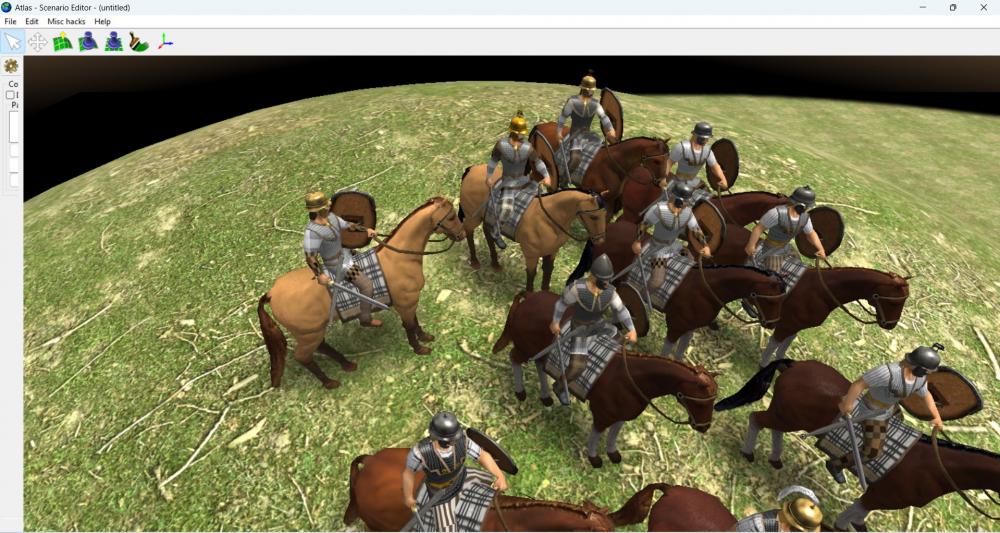 1 point
 -
Hi everyone, I'm working on a short promo video for my 0 A.D. campaign. To get the right mood, I'm using Suno as a reference tool just to explore ideas and find the kind of atmosphere I want. https://suno.com/s/Hj5gkFwHxQmXWSZK1 point
-
Lilly poppy, I’m not too skilled at the map editor, but I do have a handful of trigger scripts that I can post that might help you out.1 point



.thumb.jpg.b21ca1d0c15fb56b42c39b25a0a40815.jpg)
.thumb.jpeg.67ef5b5dc6d918163efa04cd5336830d.jpeg)