Leaderboard



Popular Content
Showing content with the highest reputation on 2026-09-26 in Posts
-
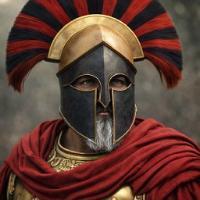
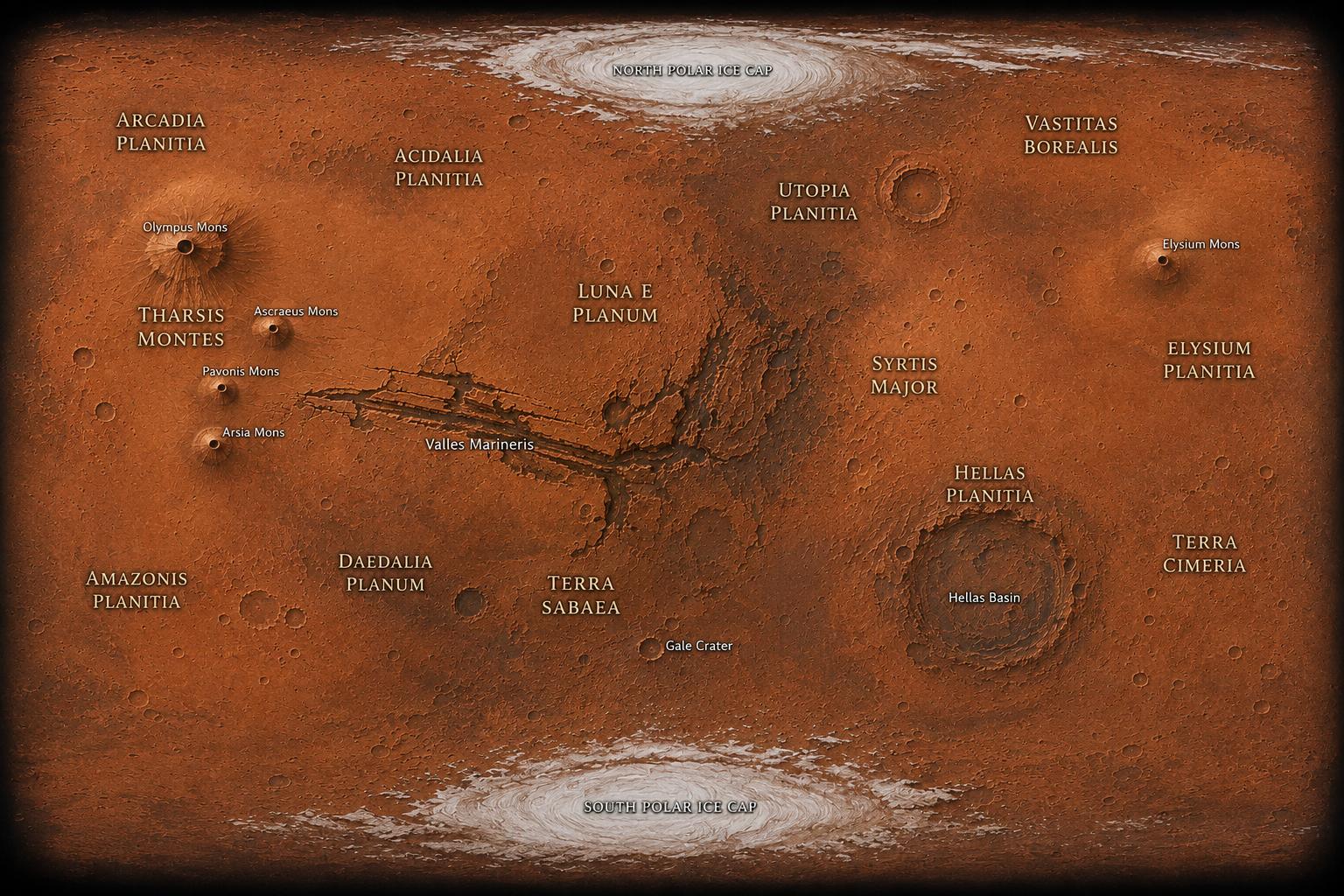
Lore: At some point in the second half of the 22eth century, Mars—which for over thirty decades had grown under the management of the MCC (Martian Colonial Company), an entity that ruled with an iron fist and exploited its people—transformed into a complex and brutal battlefield. Factions Martian Colonial Company Originally a corporation authorized by the United Nations and funded by Earth's wealthiest individuals and major powers to explore and develop Mars, the MCC gradually lost its legitimacy following allegations of abuse, corruption, and the exploitation of colonists. Once the dominant authority on Mars, the company now operates under intense scrutiny from both Earth and Martian factions. Its forces rely on strong, specialized units, heavy vehicles, and advanced industrial technology, while its extensive experience on Mars gives it a solid understanding of the planet's terrain and infrastructure. Mars Liberation Alliance A revolutionary guerrilla movement formed by Martian colonists opposed to MCC rule. The MLA initially brought together a highly diverse coalition of workers, settlers, dissidents, former soldiers, and local communities. Over time, ideological differences and internal disputes caused the movement to fragment into several factions. Although committed to Martian independence, some elements of the MLA maintain political ties or sympathy toward certain powers on Earth. Its forces rely on mobility, improvisation, ambushes, sabotage, and locally adapted equipment rather than conventional military strength. United Nations Coalition An international intervention force authorized by the United Nations Security Council to restore stability on Mars following the collapse of MCC's authority. The Coalition possesses some of the most advanced equipment, technology, and weaponry available on Earth, giving it access to a highly versatile arsenal. However, its greatest strength is also a major weakness: the Coalition is composed of military contingents from numerous nations, including several geopolitical rivals. Differences in doctrine, priorities, command structures, and national interests can lead to disputes and delays during critical operations. As a result, Coalition forces are expensive to deploy, require extensive training, and can suffer from poor coordination and limited situational awareness on the ground. Pirates Nomadic peoples of Mars who live as raiders, traders, smugglers, and scavengers. They have no permanent homeland or fixed bases, instead traveling across the planet in search of wealth, opportunities, and freedom from the laws and governments of settled societies. Mobility is their greatest strength: their infantry, vehicles, and combat units are fast and versatile, but lightly armored and poorly suited for prolonged engagements. Even their structures are designed to be mobile, allowing them to pack up and relocate across the battlefield. Ares Legion Originally a faction within the MLA, the Ares Legion was expelled after its increasingly militaristic and xenophobic ideology became incompatible with the broader liberation movement. The Legion rejects negotiations with Earthlings unless they first submit to the Rite of Ares, a ritual intended to prove their loyalty and willingness to accept Martian rule. They envision a Mars where Order and Strength are the law, and those deemed weak, disloyal, or unfit have no place in society. The Legion favors brutal close-quarters combat, fielding some of the most heavily armored troops on Mars. Their preferred weapons include shotguns, heavy firearms, and combat swords. The Swarm A Martian cult devoted to what they call the Ancients—an alien civilization believed to have existed countless ages ago and to have transcended the material dimension. According to the Swarm's doctrine, the Ancients bestowed upon them the Great Revelation, a body of knowledge that holds the key to humanity's next stage of evolution. Guided by this revelation, the cultists subject their own bodies to extensive genetic manipulation and biological modification, gradually sacrificing their humanity in the process. They also create grotesque biotechnological creatures for war, believing that every mutation, organism, and weapon they create follows knowledge passed down by their ancient gods. Their basic units are linked to a supermind, while their leaders and priests maintain a high level of individuality and self-interest.




 2 points
 -
Special attacks with bombers and nuclear missiles: (slowness is from the capture on the notebook, FPS in the top corner of the video). Gravação de tela de 2026-09-26 01-42-06.webm2 points
-
The first helicopter has entered full operational status. It features a full range of unique flight capabilities, such as lateral tilting and short range backward movement, and gains altitude during long distance flight. It is also capable of firing rockets and anti tank missiles, and deploying heat decoys. Recording 2026-09-26 005347.mp42 points
-
I should make an art task for more siege tower models. That way folks can post up some references. If we're going to go through the trouble of creating more siege tower models (which we should), then perhaps each civ's siege tower should look somewhat unique. I also agree to giving it to move civs. We need to make them more useful and less buggy, but that doesn't mean they can't have them yet.1 point
-
I suggest using 2 or 3 differently-colored "smoke" textures/particles to give the mushroom cloud some visual depth. Also, for Mars, you could definitely start with the Nubia terrains.1 point
-
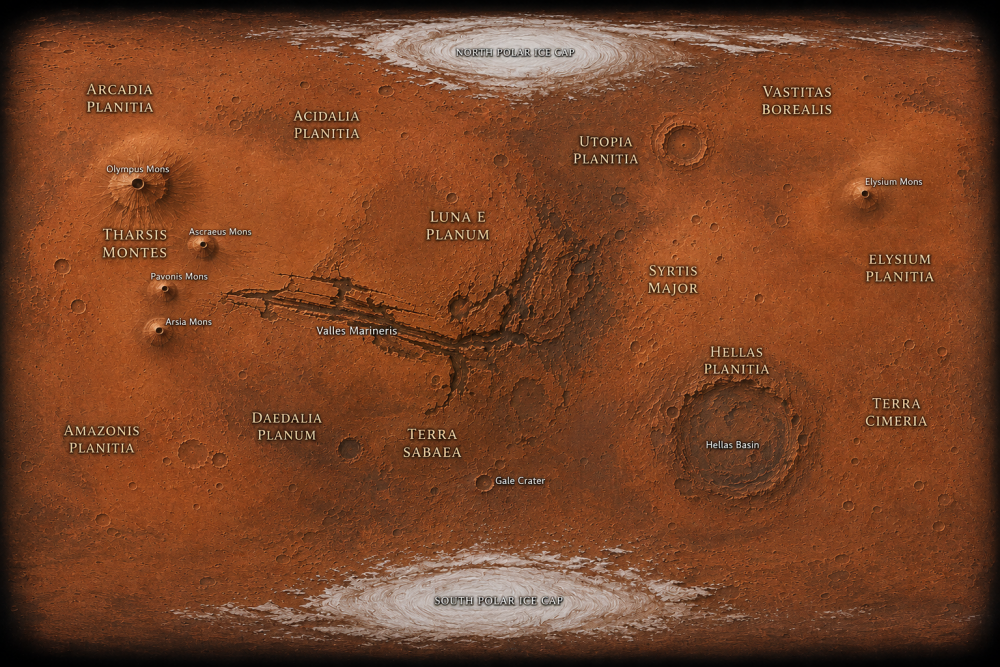
Now, that would be something quite different; I plan to use the grand strategy mod for a campaign map set on Mars.
 1 point
 -
Corrections of what is wrongly done in vanilla should apply to vanilla. Changes of what is not quite accurate in vanilla would also ideally apply to it, after gameplay considerations. Additions of what vanilla doesn't have in the first place could of course be considered, or just left as mod material. I tend to mention interesting or important things I come across, independently of any gameplay considerations (that part I leave to others).1 point
-
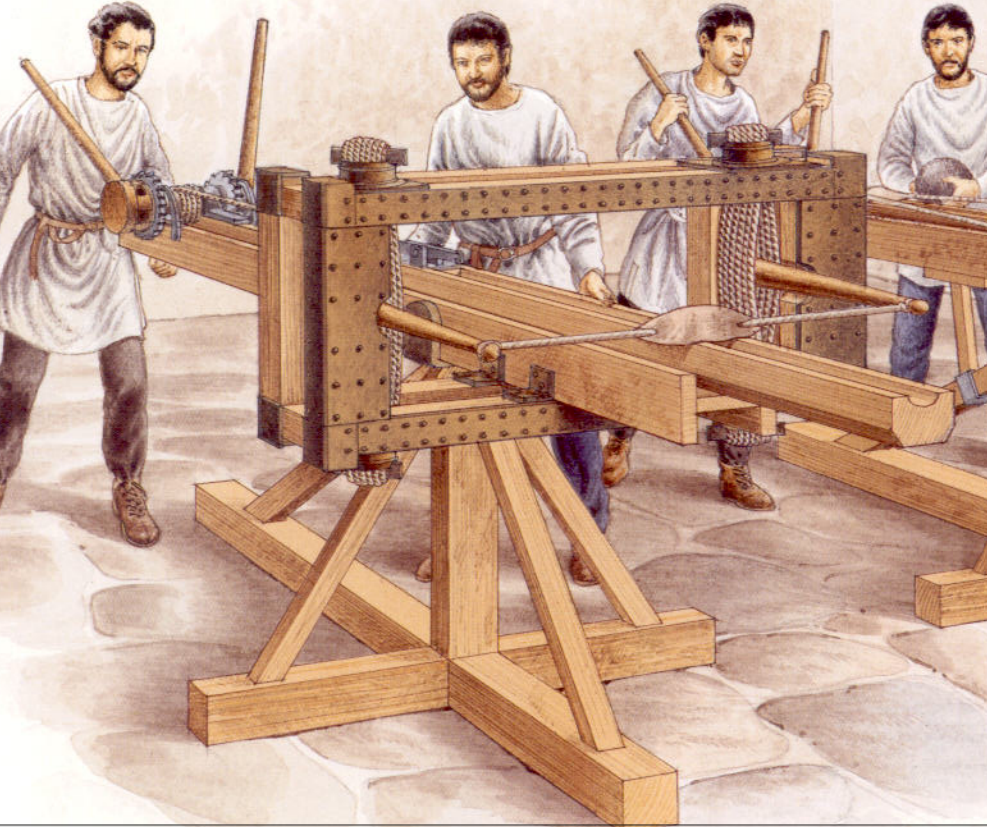
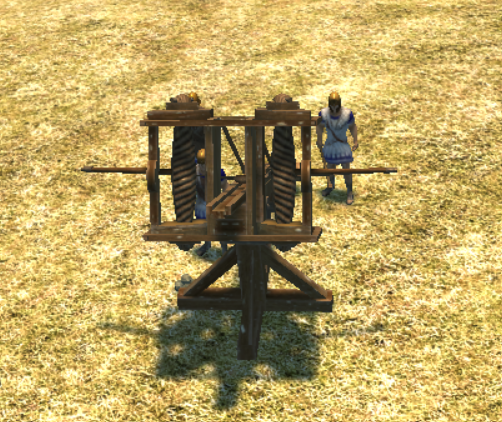
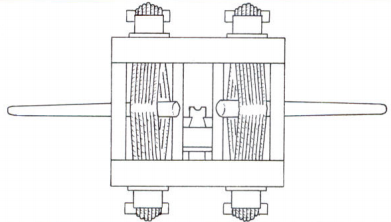
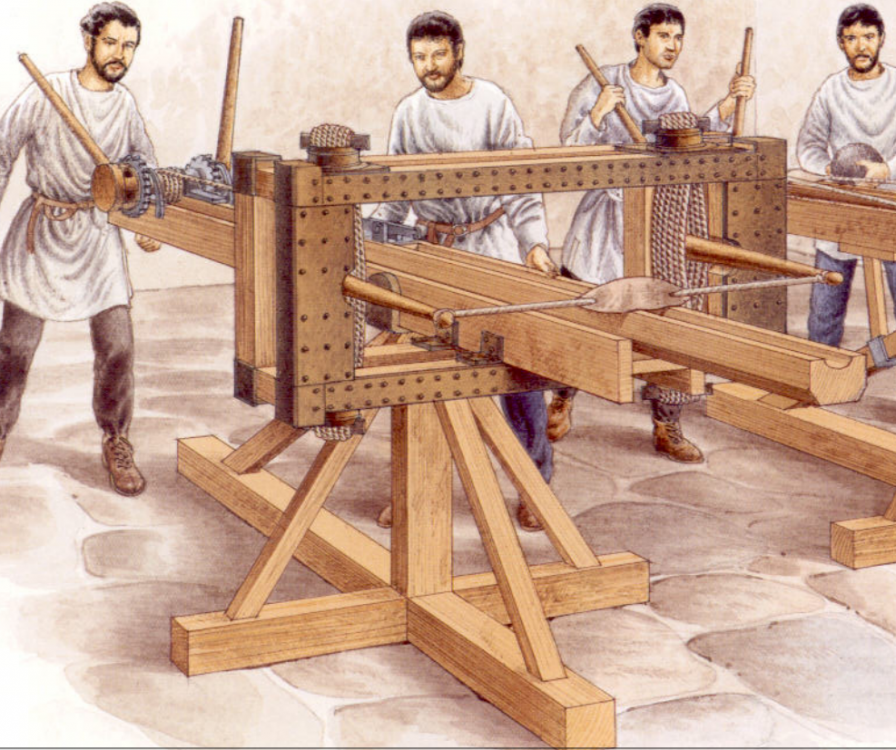
I edited Part I to deal better with sources (first hidden bit now), and renamed the Delian League civ bonus Naucrary instead of Trierarchy, which could be another tech now. In this part I'm refining a few things regarding infantry and cavalry from Part I, but I'll deal mostly with siege engines. Most things are just name changes or design corrections, although for siege techs, compatibility with other civs would need to be checked (for those cases, in the meantime this is just meant as a record of sourced proposals). Part III will be about naval combat. PART II Things that should be: -Lithobólos (Siege Catapult) should be Lithobolos (Stone Thrower): accents should be removed, as per 0 A.D. nomenclature guidelines (most of the time I'll ignore this, but it should be followed). The present name, besides not being the correct translation, is misleading for the period, given that both bolt shooters and stone throwers were katapeltikon (throw against, basically), or catapults. Actually, in this period, "catapult" is even more often used for bolt shooters, being the first to be invented, and "ballista" used for stone throwers. The name inversion more familiar to everyone started after the 2nd c. A.D. -The Lithobolos torsion-springs shouldn't look like spirals: this makes no physical sense. Although there are a few ancient representations that also portray them incorrectly, there are plenty of representations around showing their correct appearance. -The Arsenal should be called Workshop: arsenals were where various equipment was stored, while "workshop" is used in the literature for what this building is supposed to be. Things that could be: -Athenians could charge when closing in on an attack: that is, be faster, louder and more disorderly than Spartans (stance depending), considering how heavy infantry charged at Marathon, and how psiloi "charged" at Sphacteria. I think it's funny that the caricaturesque static posture of the Spartans in the movie 300 and "shock combat" of the Athenians in the sequel could appear in the game in a less exaggerated way, while having some reported merit to it. -Epilektos (City Guard) could be Athēnaios Epilektos (Chosen Athenian, or less literally and keeping the present idea, Athenian Guard): just renaming them to make them more characteristically Athenian (there are units named similarly after all). It's not just about the name: Athens' Hellenistic infantry relied heavily on mercenaries, except for some elite volunteer hoplites, which seems to differentiate them a bit from epilektoi from other city-states. I thought about Epilektos Ethelontis (Chosen Volunteer), but I didn't want to give the impression that that made up term is an attested one (sometimes one has no choice). -Hippeús (Greek Cavalryman) could be Athēnaios Hippeus (Athenian Cavalryman), and be a lancer: gameplay seems to have resulted in too many things being exactly the other way around as they should be. Athenians avoided getting way too close with cavalry (they would have swords anyway, but usually as secondary or tertiary weapons, after javelins and lance), those tactics came later with the Macedonians (possibly after the Thebans), who in turn have no cavalry swordsmen in the game! -Pródromos (Cavalry Javelineer) could be Athēnaios Prodromos (Athenian Scout): I ended deciding for this name instead of Hippakontistēs (Cavalry Javelineer) since that's not actually attested (but for tournament situations, and after all, most cavalry were expected to use javelins). Although to be prodromos is more of a role that goes beyond just literally scouting, this is also how the corps is referred to (like saying that the Boy Scouts are scouts and more), and they are not mentioned that often for others except Macedonians (being later referred as lancers, as I've quoted before). -Tachunautousa Triērēs (Swift Sailing Trireme) could be an early remarkable ramming ship: it could be less literally and more helpfully translated as "Swift Ramming Trireme". The tachunautousai were the top trireme rating, strongly associated with Athens, for which ramming was their preferred tactic, although also rendered somewhat ineffective by the Hellenistic period, as will be explained in Part III. Their garrison should be reduced, or even completely removed while increasing their population cost to account for optimal performance at all times, which is one of the reasons I proposed somewhere else to extend champions to ships and siege engines. -The Oxybelēs is being represented by an early tension design: the oxybelēs would soon use a torsion mechanism mid-4th century B.C., looking like the present Lithobolos, which would completely supersede the tension design by the end of the 3rd century B.C., according to Mardsen. A further advancement would be the Polybolos, which had a magazine to increase shooting rate (could be just a tech). -The Lithobolos is being represented by a dubious design: this is still quite the controversy, but extremely illuminating, and could be used to differentiate units better. Regarding Roman terms, "the Greek bolt-shooting euthytone thus became the catapulta, and the stone-throwing palintone, the Ballista", from Kinard. Campbell and others state similar things, but what palintone exactly means is still debated: initially in his book he takes the conservative position that it had just to do with the orientation of the springs (hard to see in a game), and was a bigger version, necessary to more slowly transfer energy to somewhat equivalently worthy heavier stones. But a few years later (2011), Campbell takes the "French" position (https://www.researchgate.net/publication/307732119_The_inswinging_theory, by Iriarte), stating that "this solution, at once etymologically elegant and strikingly logical, has come to be known as 'the inswinging theory,' in which the catapult arms point forward when at rest, and are drawn inward during the spanning process", even claiming, when later discussing the onager, that "as in the case of the Hellenistic stone-projector, a brilliantly perceptive French design was sidelined by inferior German and English versions". Figures 3 and 4 in https://sciences.gloubik.info/spip.php?article1600 show both configurations clearly. In addition, palintones would eventually shoot heavy bolts (by changing their sliders), being a more powerful, although complicated, configuration. -Advanced Siege could be Lepides Sidērai (Iron Plates): the present name doesn't say anything, and it was really tricky to connect how the Lithobolos and Ram crush damage could even increase with the same tech, but regarding stone-throwers I read "Heron advises iron-plating any points of stress on the machine", from Campbell, and remembered that his other book stated "it is assumed that the vulnerable tip would have been reinforced with iron plating" regarding later rams. I've found critical point iron-plating references on many manuals while searching for something else. -Siegecraft could be Organopoioi (Mechanicians): also doesn't say absolutely anything. For a construction time bonus, "the art of those who construct the siege machines necessary for war (organopoioi), they too are termed mechanicians", from Sherwood. -Armour Plating could be Argai Byrsai (Raw Hides): to differentiate it better from the Iron Plates proposal, and many recommend for protection and fire-proofing for the big engines over iron-cladding because of weight. -Military Engineers could be Aphaireta Merē (Detachable Parts): to facilitate dismantling and transportation, as recommended in many Artillery Manuals (Belopoiika), this being another of my candidate names for this tech. I also wanted to leave more open the possible addition of Mēchanikoi (Engineers) units to build certain big siege engines in the field, as many have proposed in the past. -Bolt Accuracy could be Odontōtai Choinikides (Toothed Washers): again, the present name handwaves how exactly that would even be achieved. Washers are the discs through where the cords are threaded, their stability being important for consistent aim. To lock them, "teeth" were used after some point, and this was further developed with pin-holes (Trypētai Choinikides (Perforated Washers) could be an additional tech for more siege-oriented civs). I made up these names because these details appear only in archaeology, I think. -Naval Oxybeles could be Marine Catapult, but better if just removed: since not only the oxybeles was used, and to use the same terminology used by Morrison, and not just the same name as in Age of Mythology. Actually I disagree with having this tech at all, one should just have catapults mounted on heavier warships (explained in the coming Part III). Things that could also be considered: -Conscription at the Stable could also be Sitos (Fodder Allowance) or Katastasis (Establishment Grant): better alternatives to what was proposed in Part I, since the Hippeia (Cavalry Class) appeared in the early 6th c. B.C. (before the start of the game), while these are part of 5th c. B.C. Athenian cavalry reforms. -Eleusinia Mystēria (Eleusinian Mysteries), could be a civ bonus: this was an important panhellenic religious cult, and under Athenian control. Temples could give a food trickle, have improved healing aura, or produce units faster, for example, whatever makes sense. -An alternative approach to techs: in https://wildfiregames.com/forum/topic/34903-civ-spartans/page/3/#comment-760784 there was some discussion regarding techs unlocking units, and I ran into this "necessity" when trying to make sense of catapult evolution and how the game presently works, given that engines would look quite different after certain developments. An alternative approach would be to have some techs changing units (besides the usual techs improving them and the less common unlocking them). For siege engines, one would start with the Gastraphetēs, and then the Tension Oxybelēs (as they are right now). After researching a Torsion Springs tech, the Tension Oxybelēs would change to the Torsion Oxybelēs (which should look like a small Lithobolos), and the Lithobolos would be unlocked (which should use the French palintone design previously discussed). Later on the Polybolos (with magazine) could appear (either as an Oxybelēs change or unit unlock), and a final Heavy Catapult could later be unlocked (larger but slower) that could change between large stones and arrows. I know it seems too much, but I'm mentioning it for the sake of catapult clarity and completeness (and for whoever wants to implement things like these in their mod). Other information that might be useful: (All quotes from Sekunda). -Torch-Races for infantry speed bonuses: "we have evidence for three ephebic torch-races before the reform of the ephēbeia in 335, connected with the festivals of Prometheus, Hephaistos and Pan". -I think somewhere I mentioned Athenians would use "A" or "ATH" as shield devices, there's also evidence for an eye, a gorgon, a star and a laurel wreath. -Ephippios (Saddlecloth), Af'Hippou Akuntizonti (Mounted Javelin-Throwing) and Aphippolampada (Mounted Torch-Race) techs to improve cavalry: by 500 B.C. Athens didn't have yet a navy, nor proper cavalry, these were developments from the 5th c. BC. I like the idea of having lots of techs, for the player to think what to choose given different situations, otherwise everything devolves into mindless build/research order memorisation, or worse, just clicking what's affordable. Both should be penalised for a more strategic gameplay. These early techs should make Athens cavalry fast and accurate among Greeks early on, the problem is that the game is quite fast and by the mid game the Thebans, and later the Macedonians, should have better cavalry. In any case, this might be useful at some point for some. -"In Athens, a slave society, it was normal for an individual citizen of sufficient wealth to serve as a hoplite and to have his own personal slave. In time of war, the slave would carry the hoplite’s bedding and rations for him. Usually referred to as skeuophoroi, or 'baggage carriers' in our texts, the slaves would participate in the battle only if an unusual opportunity arose. Their essential role was recognized by the Athenian state". -It's good to bear in mind that, after a few decades where heavy armour seemed to be less common, "in the 360s, Athenian funerary reliefs start to show hoplites wearing muscle-cuirasses and 'Phrygian' helmets", "muscle-cuirass is universal, but there is a large diversity in the arrangement of the groin-flaps and the shape of the shoulder-guards", "some type of enabling legislation must have existed to force the adoption of the muscle-cuirass on the Athenian citizenry who served in the infantry". -"I imagine that the Athenian cavalry had adopted the Boeotian helmet by 362, and this was the reason why the Theban horse who opposed them at the battle of Mantineia painted their helmets white to identify themselves". @Arup, as the self proclaimed biggest worshipper of Athena, let us know what do you think is more worth considering regarding gameplay (although most of my proposals are just renames or design corrections, I think). I guess some points would change how the Athenians actually play, but I think they should be a fairly fast civ for Greek standards, with their decent early cavalry skirmishers, other missile support and swift ramming ships, while also having a solid infantry that, according to the stories, would make a sprint for it if needed. Right now I find it confusingly sword heavy, since neither the Marines nor Sword Cavalry correspond to anything realistic for them, while an eventual lack of swords would balance better with their Long Walls (and swords are really needed, maybe the Athenian Guard could switch between spear and sword, or better, the Iphicratean Hoplite proposed in Part I could switch between long-spear/proto-pike and sword).
 1 point
 -
It reminds me the Death Hand of the Harkonnen...1 point
-
It turns out it has such a long history1 point
-
@AsherIf you select only one map at a time then only that map is converted. When this is however a map pack, the entire pack is converted map by map but into the same folder, same as its source. Sorry, could not help it - just made another release 1.8.0 that provides better entity conversion support including automatic suggestion of most likely replacement and a few other improvements (e.g. @vladislavbelov's tree randomization script). One new architectural thing is that I extracted a common code package that will be also used by other ATLAS-related tools that I am preparing. Please find the latest release 1.8.0 in the top message of this thread (with updated screenshots)1 point
-
nah, I could learn a lot from your work here :D Really cool! Didn't know all this was possible.1 point
-
Turns out it was true they actually existed... I love this work, @Eilat. It looks really good!! The dust blowing around when the helicopter takes off is a great detail. Looking forward to seeing the next updates!
 1 point
 -
1 point
-
1 point
-
I'm all for bringing this back.
 1 point