Leaderboard


Popular Content
Showing content with the highest reputation on 2026-10-03 in Posts
-
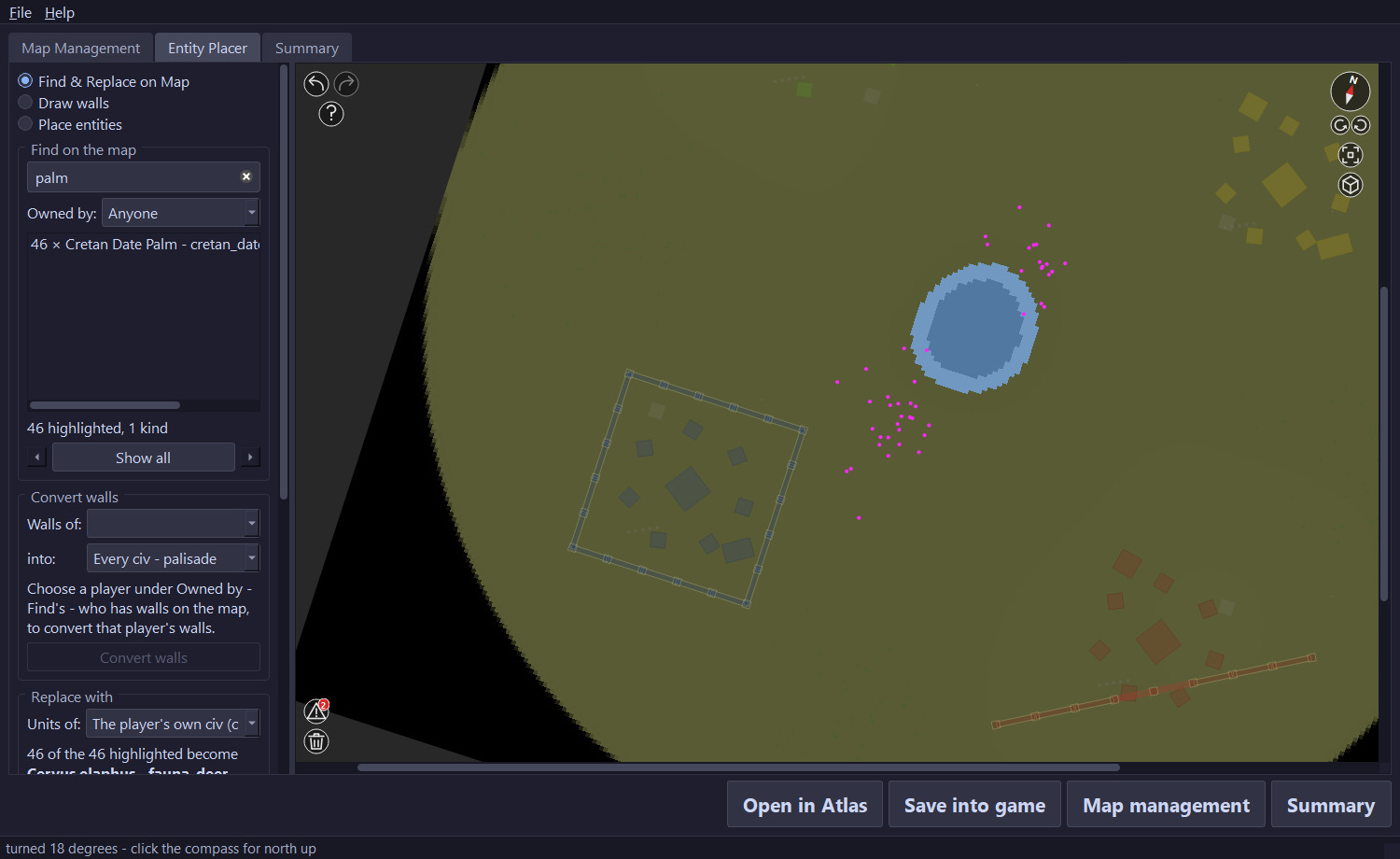
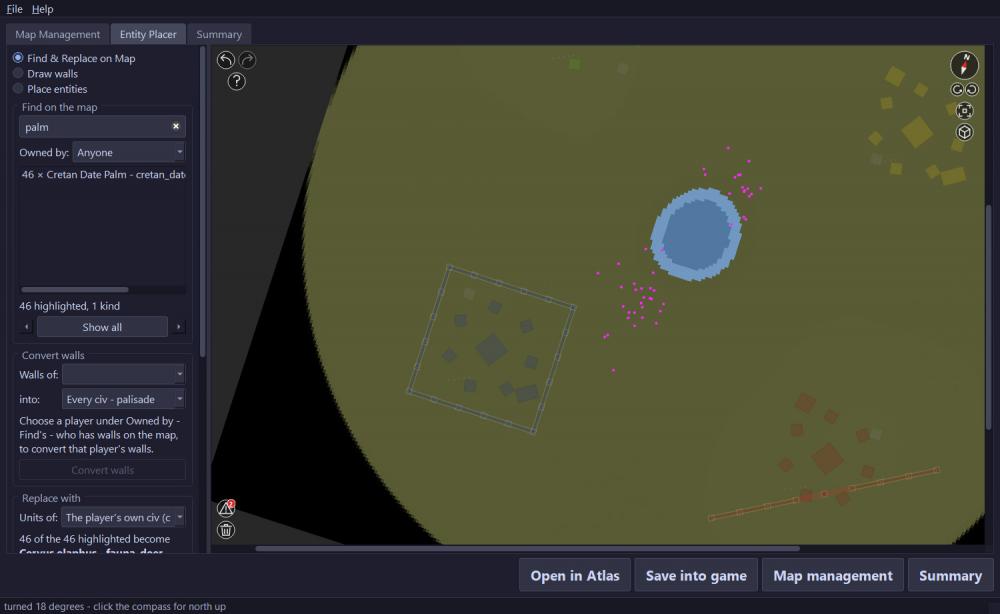
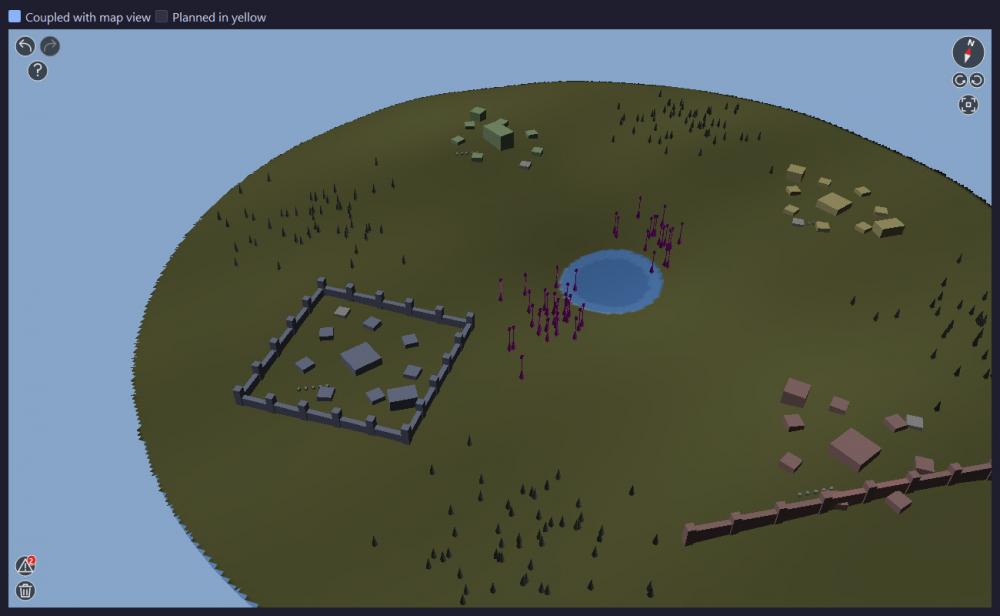
@Asher Thanks for your feedback and suggestions! please have a look at mercator 0.11.1 in the initial post of this thread. It provides with these fixes and features: Every kind of Gaia object now has its own colour on the map, the same as in the 3D view: trees green, ore gold, stone grey, animals brown. Round map: for a circular map the Entity Placer cuts the picture to its circle and draws the edge, instead of showing a black square. A map with no terrain is a round field. Select many to delete or change player: Selecting: in any tool, Ctrl+drag selects a rectangle and Ctrl+click adds or removes one thing. A selected thing gets a blue ring. Acting on it: Del, or the new Selection box (Delete, Owner..., Clear), acts on all of it as one Undo step. A right-click on the selection offers the same choices, and Esc clears it. Delete: the map's own objects go into the bin. Planned ones are simply dropped. Owner: a planned wall changes owner as a whole, and Gaia's trees, mines and animals stay Gaia's. The status bar says how many were skipped. Houses snapping to each other: A building you click near another building moves flush against it, beside it or in front or behind. Its edges line up with the other's, and it turns to the other's angle. The ghost shows where it will land. It works against buildings (including fields and fences) on the map and ones you've planned. Trees, mines and units never snap. It leaves a 0.1 m gap between buildings, because the game's overlap check wants a hair of air. Straight Lines of trees, fences, or anything: Tick "In a line, every ... m" (default 8 m). Press where the line starts and drag to where it ends. The chosen entity goes down at the start and then every distance along, as a wall is drawn, and the ghosts show each place while you drag. Places the game would refuse are left out, and so are places where the same thing already stands. The status bar says how many were placed. It is one step to Undo, a plain click still places one, and Esc drops a line you're drawing. The distance is fixed from the start, so where the last tree lands depends on where you let go. I did it this way rather than stretching the spacing to hit the end exactly; say if you'd prefer that. Houses placed in a line don't snap to each other, because you choose the spacing yourself. Atlas error on MacOS: this is the same assertion as in 0.9.1 (wxArrayString::Index, from CinemaSidebar::ReloadPathList). It comes from Atlas with wxWidgets 3.2 on MacOS and appears on every map, please continue past it. Nothing in Mercator causes it. The walls loaded this time, so the 0.9.1 player fix held. Upstream's fix would be a case-sensitive search in that one call; I can draft a report for 0 A.D. if you want one.2 points
-
I needed dedicated server for 0ad and I built it: Veredus is an unofficial dedicated server for 0 A.D. and it's out now. No player hosts the match, so it keeps going when someone leaves or has a bad connection(with a timeout). Dropped players get their slot back when they reconnect, and matches carry on after a server restart or killed. Players join with vanilla 0.28 game. An optional companion, the "sidecar", runs AI opponents on the server, lets players rejoin without asking state from player, and records results and replays. The server is free and open source. Code and setup instructions here: https://github.com/victorcrimea/veredus I only have Linux, so I'd really like to hear from anyone who can try it on Windows or macOS: does the server start, can players connect, and does the sidecar build and run? Please post bug reports, suggestions and questions here or as a GitHub issue. Veredus is not affiliated with Wildfire Games. Basically any feedback is welcome.1 point
-
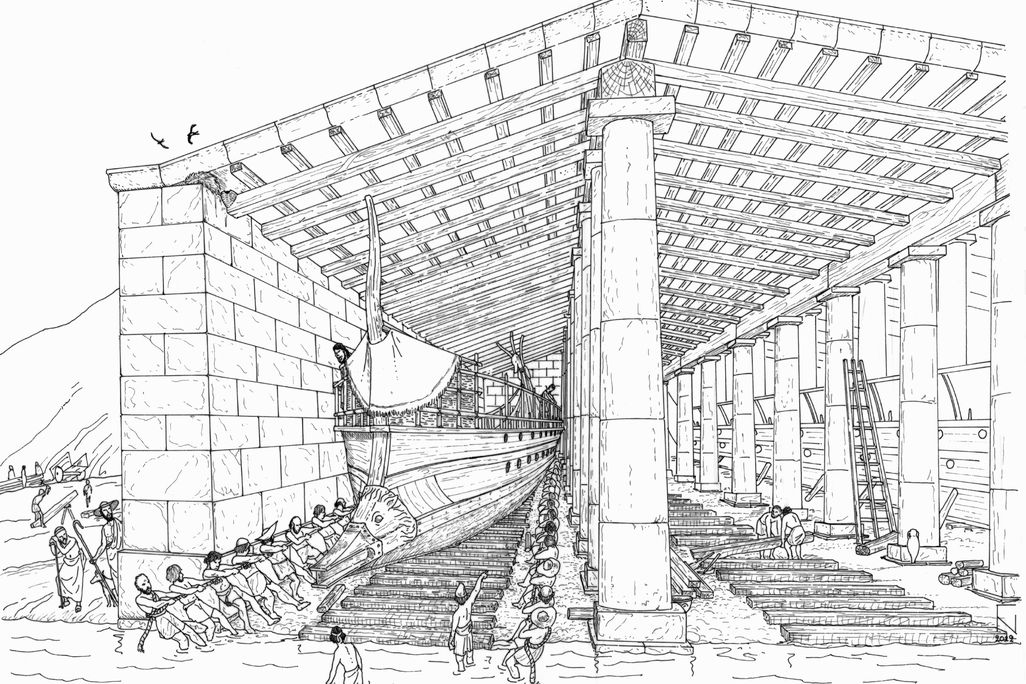
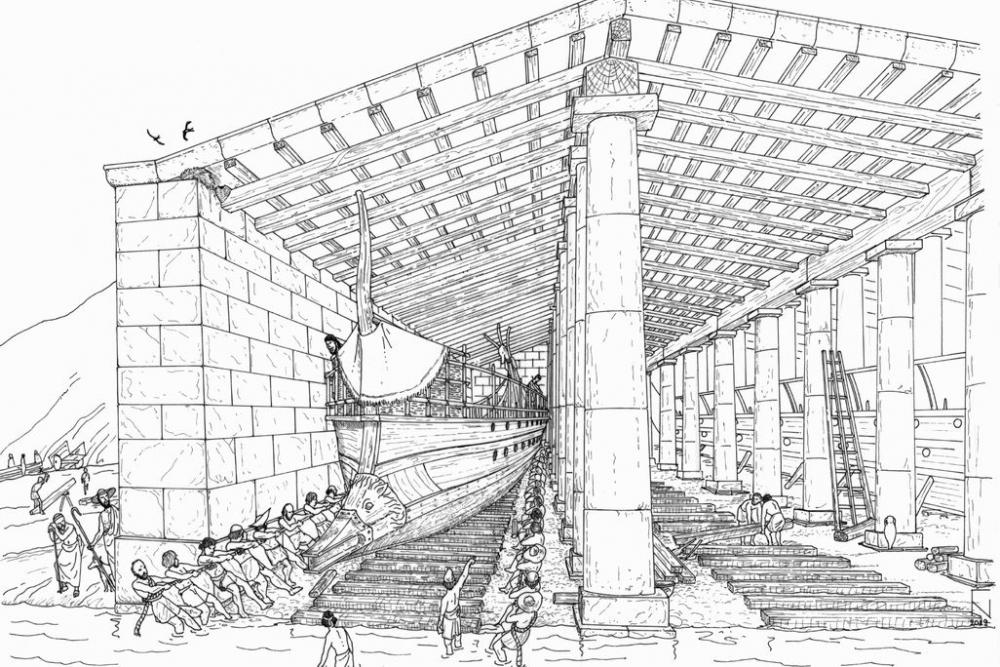
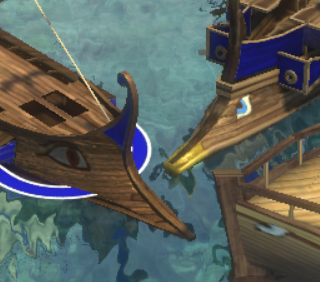
As for the Spartans, I start with issues that should be fixed, and end with more optional takes. From now on I'll be hiding references to make posts a bit lighter. The next part(s) will be mostly about siege engines and ships. PART I Simple things that should be: -In the civ description, "fell in 330 BC" should be "fell in 338 BC": a mistake regarding the Battle of Chaeronea. -Athenian Long Walls should be Makra Teichē (Long Walls): how they were called, and no need to add "Athenian". -Arsenal of Philon should be Philōnos Skeuothēkē (Arsenal of Philon), and have a different icon: to follow proper nomenclature, and instead of a flipped Arsenal icon with blue background, the actual remarkable building could be shown. -Ploion Phortegikon (Merchantman) should be Holkas (Merchantman), and Ploion Halieutikon (Fishing Boat) should be Epaktron (Fishing Boat): the present name comes from someone posting "I don't know what the correct word is, though. Perhaps ploion phortegikon?". His source is fine for the fishing boat, but I came across these terms in Casson's glossary. -Ostracism should be Ostrakismos (Ostracism), and have a different icon: to follow proper nomenclature. The icon looks too much like the fist of Will to Fight… I'd raise its middle finger . No, the icon could be an inscribed ostracon (hence the name), a piece of pottery where the name of the person being voted to be ostracised would be scratched on. -Athenian Slingers should be Athenian Archers: seems way more appropriate according to records. -The Hypozomata icon should be changed: and show them instead of an anchor. -The Parthenon should have eight columns on its front: I understand that this decision could have been taken because of space constraints and simplified representations, but it's a bit shocking to those who have a clear enough idea of what it should look like, since it was not common in mainland Doric temples, making that a big part of its uniqueness. The sides should have 17, but that's much less noticeable. -The dock's roof and column configuration is wrong: as I've already mentioned somewhere. -The Merchantman’s eye seems low quality: at least when compared to other ships. Simple things that could be: -Economic Reforms could be Seisachtheia (Debt Relief), and Economic Fortune could be Euboikos Stathmos (Euboic Standard): names of actual Solonian reforms, instead of boring Catafalque bonus names. Economic Reforms increases Worker gathering speed, and the seisachtheia, "relief of burdens", were a debt relief set of laws. Economic Fortune cheapens economic techs, and the Euboic weight standard made commerce more competitive. -Commercial Treaty could be Symbola (Bilateral Treaty): for corresponding Greek civs. -Delian League civ bonus could be Naucraria (Naucrary): this organisational system would be in place at the start of the game, unlike the Delian League, which was founded in 478 BC, and doesn't sound nice as an Athenian development, but more of a Team Bonus (like the more aptly named Peloponnesian League for the Spartans). -Triērarchia (Trierarchy) could be a tech for faster ships: the trierarchy (successor of the previous naucrary system) was a public service obligation on the wealthy for the outfitting, maintenance and operation of warships, allowing for their more efficient financing and manning, making ships faster because of outstanding oarsmen, which is important for Athens. -Periclean Defense Strategy could be Strategic Withdrawal, and Scholarship and the Arts could be either Pentecontaetia or Golden Age: these Pericles Hero bonus names are too long, and unspecific. The first explains what the strategy actually was, and the second refers to either the period of Athenian rise, or the more generic "Golden Age" term, also used for this period. -Peltast Reforms could be Iphicratids, and for all infantry: this Iphicrates Hero bonus gives Infantry Javelineers +15% movement speed, which comes from a misreading of Diodorus Siculus by the Encyclopædia Britannica. Still, something Iphicrates did do is improve boots of troops in general. It's quite confusing to have Iphicratean Reforms, Peltast Reforms and Formation Reforms, when the first two seem to be the same thing (it's not exactly known what the Iphicratean reforms entailed, if they even happened), I'll return to this later. I'm not sure what Formation Reforms refers to, given that 63 stratagems are attributed to him. Changes that have been already proposed: -Conscription at the Stable could be Hippeia (Cavalry Class): already proposed State Weaponry as the Conscription alternative for the Barracks (since "conscription" has modern connotations, and infantry and cavalry weren't "conscripted" in the same way). The cavalry class would involve the wealthiest citizens, linked in turn to cavalry service as an obligation: https://lexarithmos.app/en/lexicon/ippeia. Other changes that could be considered: -Naval oriented civs could have Lighthouses, for increased FOV and ship speed bonus: these appeared in the Hellenistic period. In addition, common early buildings that are not being considered are Stadions, Hippodromes, and Gymnasions (beyond the Athenians), just to mention them. -Tragōidia (Tragedy) and Kōmōidia (Comedy) techs for the Theatre: they were invented around the start of the game. The Spartans could have things like Gymnopaídiai (Gymnopaediae) instead, since they "held mostly non-scenic contests and games", like the "Gymnopaidiai". -Ohi Peri Ton Dionyson Technitai (Artists of Dionysus) tech for the Theatre: late tech (270s BC), association of artists that coordinated performances. They were also present in Ptolemaic Egypt, Macedon and Thebes, among others. -Demosthenes' Reforms tech: mid-game tech (340 BC) for cheaper ships. A reform of the trierarchy, which fixed the total number of triremes and distributed costs better. -Markets could have Aleteia/Letourgia mutually exclusive techs: Aleteia could cheapen Traders, while Letourgia could increase returns per trade, since either rich men have either tax exemptions (to increase commerce, but the state doesn’t get as much per trade), or must contribute (causing the opposite). There should be situational case uses. -Oligarchy/Demagogy mutually exclusive techs: the first giving a defense bonus, the second an attack bonus. -Hoplomachia (Weapons Training) could improve hoplite experience gained while garrisoned: mid- to late-game tech, since hoplites in Classical Greece didn't train with weapons (only their bodies), not even the Spartans (or at least there's no evidence for it), the idea being that courage alone was enough (most didn't have free time for it anyway). Weapons training picked up only at the end of the Classical period. Of course others like ranged units are not included in this (I don't know if presently they gain experience by hunting, which would make sense). -Mediterranean Draw could be a preceding tech for Archery Training, for Greeks: mostly for those who want to add techs in their mods, this draw technique became more standard early in the game's timeframe, although it should improve mediocre archers, not make them better than those from civs where archery was culturally relevant. These things seem a bit out of place in the Forge. -Chomata (Moles) Dock tech: to increase Dock HP. -The Gymnasium could be treated quite differently: I wonder what's the reason for having Schytian Archers coming out of this building, Mercenary Camps should be the way to go for mercenaries: Crete, Thrace and Scythia were never really part of the Athenian "empire". I would then relocate the other military units from here to the Barracks, and move Iphicratean Reforms to the Council Chamber. Gymnasia were all around centers of training and study. The Academia of Plato, Lyceum of Aristotle and Kynosarges of Antisthenes were the greatest in Athens. They would mainly have (inside or around) a palaestra (for pankration, etc) and a dromoi (for running, hoplitodromos, etc), which could be damage and speed techs, respectively. Since I think it would be nice for each civ to have a unique limited preferably non-combat unit, like Han Ministers (or Spartan Ephors and Theban Musicians I proposed), Athens could train Philosophers, to give research or culture bonuses or whatever. It was also associated with medical training since the Aleiptae, who oiled and dusted athletes, also acted as surgeons (if eventually actual healers and priests are separated). -Epibatēs Athēnaios (Athenian Marine) could be Iphikrateios Hoplitēs (Iphicratean Hoplite): contradictorily enough, Athens didn't rely on "marines" for boarding, but on ramming (AI gets easily confused with these things). The word epibatēs is used in general for anyone on deck, and the deck-soldiers were (mostly) hoplites. Iphicratean hoplites is a modern term for something poorly attested that didn't really caught on in mainland Greece then: in principle hoplites were given longer weapons, lighter armor, and smaller shields, and/or (more probably) peltasts were given long spears and more armour, basically producing proto-pikemen, and possibly just for mercenaries in naval service. -Iphicratean Reforms could be called Arms Reforms, unlock Iphicratean Hoplites, and other effects: this should be the order, and I think these units were had in mind when creating the "Marine". I renamed it because, as mentioned, there's some redundancy around. Iphicratean Hoplites could be trained in Docks and Triremes, given that some think this applied to mercenaries in naval service, after witnessing Egyptian forces possibly using long spears for naval combat. If possible, Thracian Peltasts could gain experience to have the ability to switch to them (maybe too weird to have a mercenary switching to champion), and right now the Athenians don't have a hoplite mercenary force to also do this. If we are to literally believe Siculus (risky), Athenian hoplites would do. -Epilektos (City Guard) is not characteristically Athenian, while a Fast Ramming Trireme could instead be considered: epilektoi just means "chosen" in armies, and many had them. I know that a ship would be a weird champion unit, and I'll return to this in the corresponding part about ships, although I wish I had better ideas for an Athenian land champion unit, maybe later. The Epilektoi Infantry civ bonus would then be removed, its role taken in part by the Arms Reforms tech. Other information that could eventually be useful: -For an Iphicrates javelinmen bonus, "the running Spartans finally gave up and turned around only to have Iphicrates and his crew reverse back into range and take out a few more of them from behind", from Bardunias and Ray Jr. -For an Iphicrates ship bonus, "not only did Iphicrates improve his oarsmen's fitness but also made his ships go faster", from Gardiner. -Siege Tower Artillery tech to increase its firepower, not sure about Athens in particular: "the bottom storey (..) is supposed to have accommodated (...) stone-projectors (...) there would have been space for only three, side by side (...) to concentrate heavy firepower at battlement level, where men and masonry were most vulnerable (...) little point in loading artillery in the upper storeys, where its limited angle of depression was a handicap (...) catapults in the third and fourth storeys could have proved useful at long range". -Bronze Teeth tech for battering ram to add pierce and maybe cut damage, not sure about Athens in particular: "Bronze head (...) late-5th-century (...) five triangular teeth, was perhaps designed to cut into mud-brick", from Campbell. -For those who want secondary weapons, Scythian archers could also have axes: they were "armed with a composite bow, a dagger and the sagaris, or battle-axe", from Fields. -Order names for when formations take a bigger role: "Orders for a turn – epistrophe for a 'quarter-turn' or perispasmos for a 'half-turn'", from Dahm. -To denote rank, maybe I mentioned greaves and cloak, but only the second would be accurate long-term: "Greaves fell out of use before the Peloponnesian War; armour became simpler and the cloak became more common (and was viewed as a symbol of rank in both Athens and Sparta)", from Dahm. For reference, the preceding Thoughts on the Spartans post: https://wildfiregames.com/forum/topic/143241-thoughts-on-the-spartans: the comments made for the Spartans on techs from the Civic Centre, House, Dock, Forge, Temple, dropsites and fortifications apply also to the Athenians (in fact, some comments made were indicated not to apply to the Spartans).
 1 point
 -
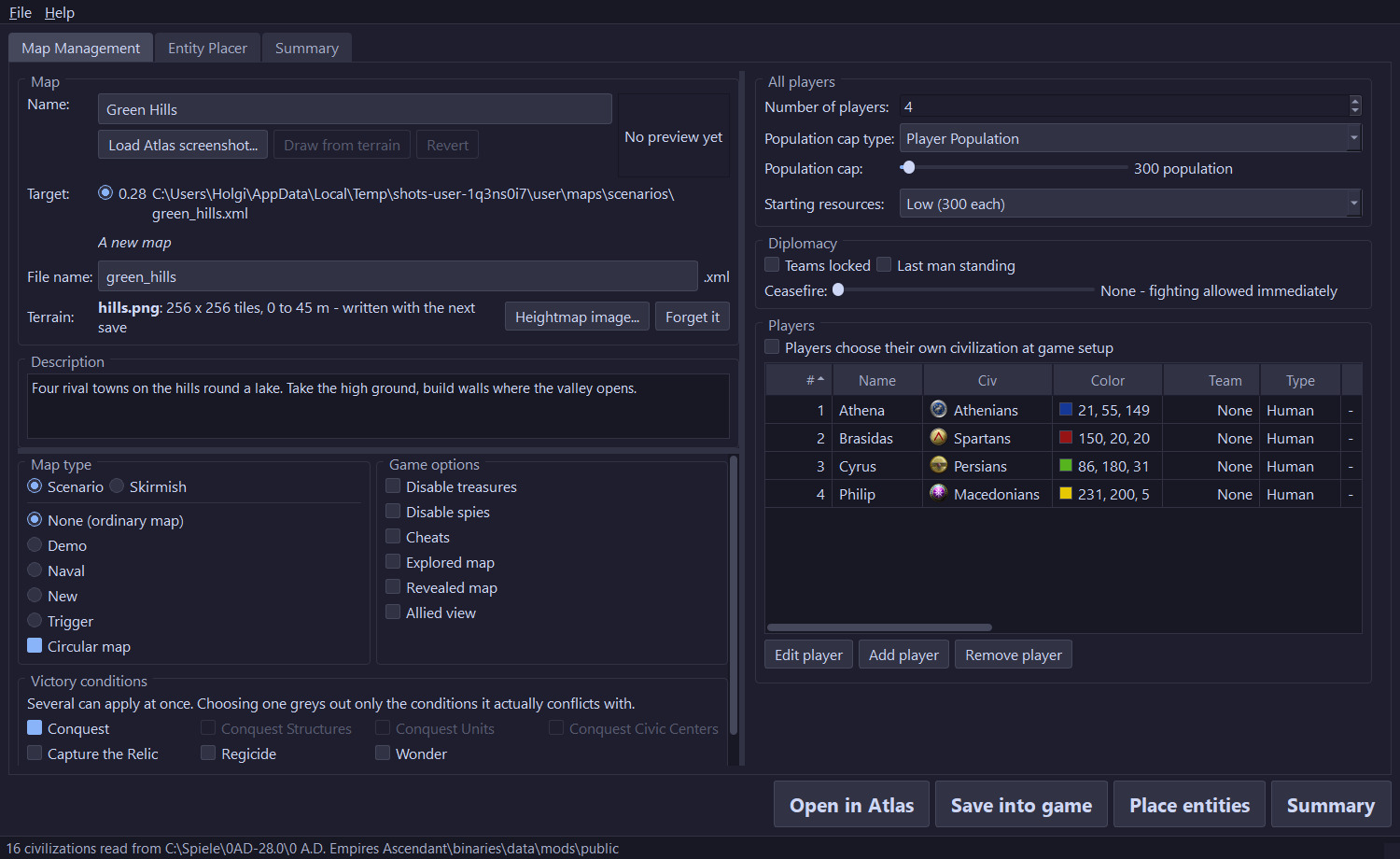
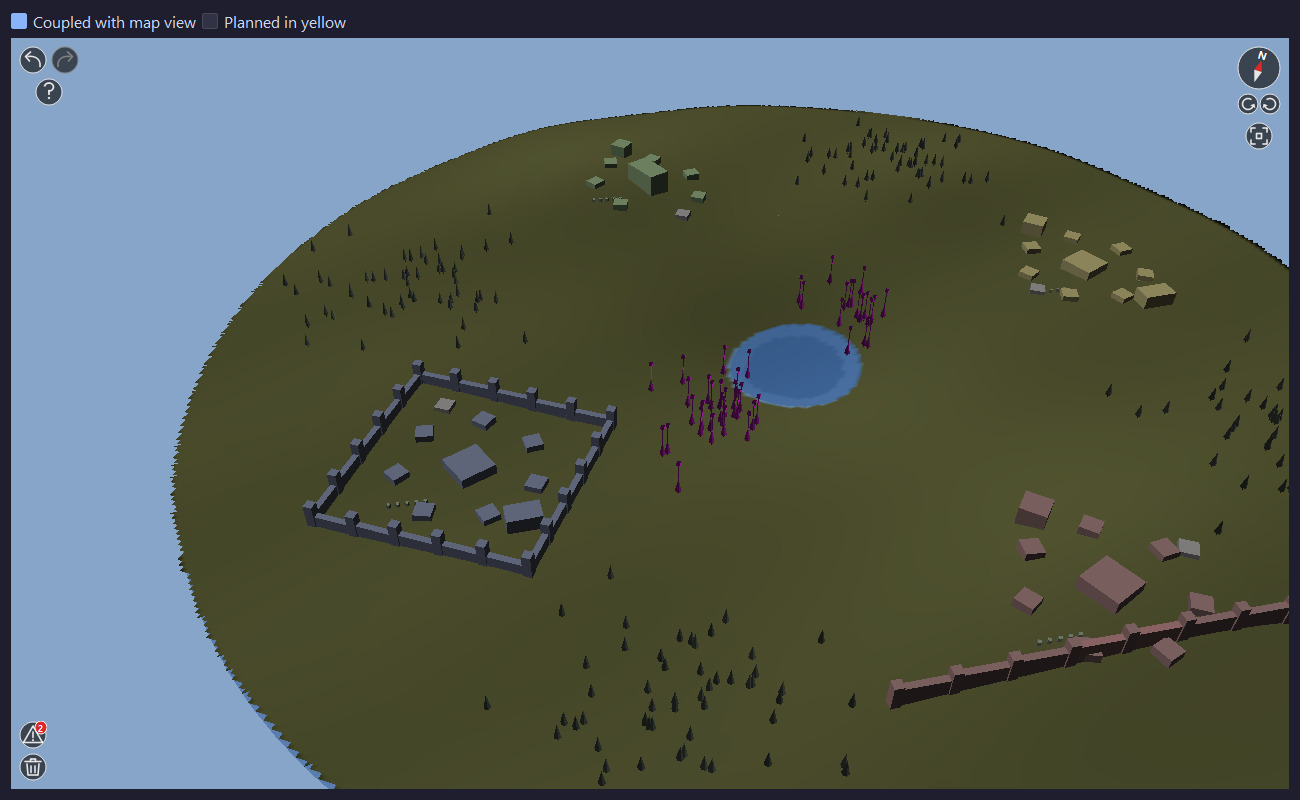
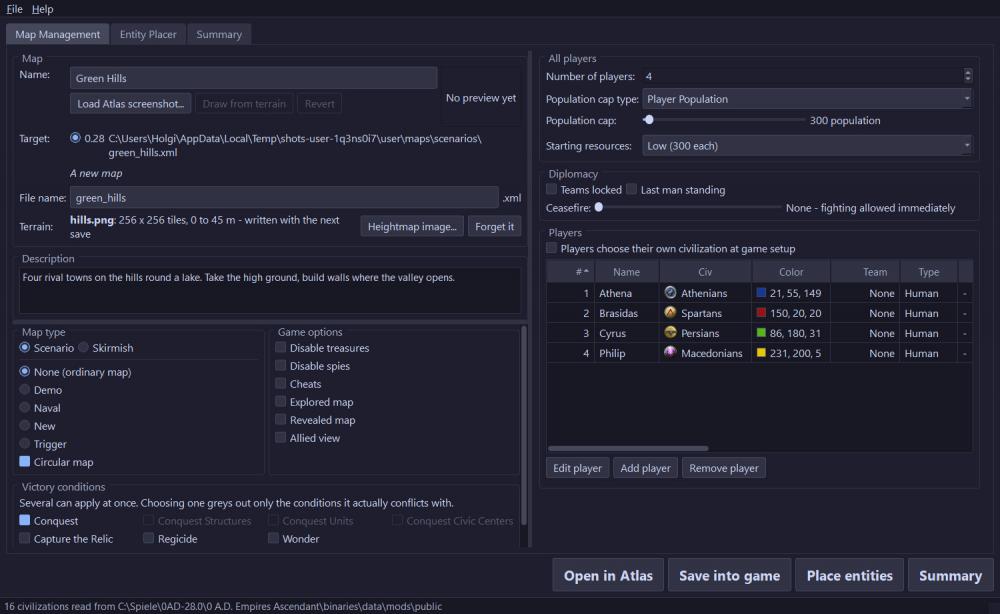
Having played around with Atlas and a post processor/analyzer/converter post Atlas (https://wildfiregames.com/forum/topic/169808-map-making-support-and-conversion-tool-post-atlas/?do=findComment&comment=762301 ) I thought it might be useful to add a few capabilities to Atlas without actually changing it. My initial concern was the difficulty (for my clumsy attempts of editing) to place walls with segments and turrets properly algined and without gaps. Hence, I started defining a tool that replicates the in-game way of placing walls by dragging and connecting rather than placing individual elements. For this the tool would manipulate the Atlas-generated xml-file and hand it afterwards back to atlas for further editing and final touch. Well, implementing this handover in both directions, Atlas --> tool and tool--> Atlas, certainly allows manipulating other simple things in a kind of co-editing mechanism. Important to note: ATLAS is and will remain the primary tool mastering all the map creation complexity. My tool tries to help offering a few workflows only preserving Atlas' role as the master editor. So currently the workflow can be like this: You define a maps basic parameters, game characteristics, player characteristics etc. - either in Atlas or the new tool (in this case with a handover to Atlas). Then Atlas is used to sculpt the terrain and place landscape items. The tool can read the xml file output by Atlas and visualize both in 2D plan view and in simplified 3D what has been placed where and for which player, listing all elements. If desired, a wall or palisade can be drawn like in the game and gates can be added by simple selection of a wall segment. The tool also allows placing entitites of all kinds selected from a list with little images representing what the entity looks like in game. I also allows searching for and replacing entities on the map, e.g. all aleppo pines by oaks. The game's rules where entities can actually be placed are explicitly applied (e.g. no house in the ocean or on a cliff slope). Handover back to Atlas for modification/manipulation finalizing, whatever. If finalized, it is certainly possibly to use post-Atlas tool to verify a map works Oh, and finally, I had to find a name for the tool (used to be "prep-Atlas" similar to "post-Atlas"), but then I thought I should be a bit more creative. With a probably a bit to much creativity enhancer made from grapes, I cam up with this silly story: A character in history used and improved historical maps and related all to the legendary King Atlas of Mauretania, said to have been a geographer and astronomer (potentially related/referring to the Greek mythodologic Titan Atlas). This occured many centuries later (in the 1590s) when the Flemish cartographer Gerard de Kremer (Merchant), latinized Gerardus Mercator, came up with a map collection in a book named "Atlas" referring to that King and/or Titan. Our tool also came much later than the Atlas tool and uses its maps and tries to improve a bit. Strictly speaking the name "Mercator" in this context is not at all related to the 0AD timeframe, but, hey, the game calls a roman trader rightfully "Mercator" as well) So here is another BETA version for people willing to test: README.md mercator-0.11.3.zip CHANGELOG.md
 1 point
 -
You can access it here: https://www.researchgate.net/publication/354233527_Veiling_in_Ancient_Near_Eastern_Legal_Contexts (haven't read it).1 point
-
I think they might still be bronze (but last one has lost color with age). https://www.bladesmithsforum.com/index.php?/topic/41150-bronze-agehalberds-stabdolch-staffdaggerberło-sztyletowescepter-dagger/ https://www.alamy.com/stock-photo-the-uneticean-halberd-is-a-prehistoric-weapon-from-the-unetice-culture-140706092.html?imageid=C03632E4-2D98-4441-8EFE-BE92485E3D10&pn=1&searchId=5e99bb231a01012477d51a7e26e943ac&searchtype=91 point
-
I think number 3 (high kings) might be better Although maybe the vassals could be included as well1 point
-
-Siguiendo sus consejos ,críticas y referencias, esta es una corrección del catálogo de unidades: Unidades-26 (Segunda idea) infantería ligera : (Reclutado en "C.C" y "Barracas") 1.Lancero hiberno:---------------------------------(Īwernī gaisatāros) 2.Escaramuzador hiberno:------------------------(Īwernī gablācos) (Reclutado en "Barracas") 3.Astero hiberno:---------------------------------(Īwernī tougāros) 4.Hondero hiberno:-------------------------------(Īwernī telmisāros) (Reclutado en "Galería de tiro") 2.Escaramuzador hiberno:------------------------(Īwernī gablācos) 4.Hondero hiberno:-------------------------------(Īwernī telmisāros) infantería pesada: (Reclutados en "Promontorio costero") 5.Guerrero de banda de guerra------(Wēnyos)Garrote madera.Semi-desnudo y pinturas. 6.Amazona hiberna--------------------(Wēnā) Garrote , Uds max 20, con pinturas. (garrote Bata) infantería campeona: (Reclutados en "Asamblea ritual") 7.Campeón hiberno---------------------(kawāros)telas lujosas,lanza larga o Pica 8.Aristócrata hiberno-------------------(Aryos)telas lujosas, venablos grandes 9.Carnyx hiberno------------------------(Karnos )trompeta y estoque (rapiers) infantería auxiliar: (Reclutados en "Anillo fortificado") 10.Guerrero Ulaid-----------------------(Ulutos suwiros)hacha 11.Guerrero Laigin----------------------(Legenion suwiros)espada 12.Guerrero Nagnatae-----------------(Gnātos suwiros)Garrote arrojadizo/Cateia celta caballería ligera: (Reclutados en " Establo"y "C.C") 13.Jinete escaramuzador hiberno-------------------(Īwernī gablārēdos) (Reclutados en " Establo") 14.Jinete lancero hiberno-----------------------------(Īwernī gaisarēdos) caballería campeona (Reclutados en "C.C", "Establo"y"Asamblea ritual " ) 15.Sabueso de guerra----------------------------(kūna) (Reclutados en "Asamblea ritual " ) 16.Carruage de guerra hiberno-----------------(Īwernī uɸorēdos) 2 caballos ,telas lujosas civiles (Reclutados en " C.C"y"casas") 17.mujer hiberna-----------------------------(Īwernī benā) (Reclutados en "Mercado ") 18.mercader-----------------------------------(kwennāios)1 caballo, carromato (Reclutados en " Templo") 19.sacerdote----------------------------------(Druwidos) Unidades marítimas (Reclutados en "Puerto" y "Promontorio costero") 20.Pesquero ----------------------------------(Korukos eiskos) 21.Mercante ----------------------------------(Longāwreikos ) 22.Navío militar-------------------------------(Longākoryos) Asedio (Reclutados en "Taller de asedio") 23.Ariete.--------------------------------------(Retios toglāros) héroes: (Reclutados en"Recinto ceremonial regio") 24.Túathal techtmar:----------------(Tuathar Teachtmhar) infnatería ,armadura de metal y corona. 25.Fíachu Finnolach :----------------(Fiacha Finnfolaidh)jinete armadura de metal y casco. 26.Elim mac Conrach:----------------( )carruage 2 caballos,armadura de metal y casco ¿Qué opinan? Disculpen las molestias*1 point
-
For appareance the fishing boat could be a dugout canoe. The merchant ship could be a sailboat carrying cargo. (Possibly a large hide currach) Scout ship could be a hide currach with no sail, carrying a couple warriors. Arrow/Javelin ship could be the same sort of sailboat as the merchant ship (but no cargo, and possibly put warriors on it).1 point
-
For heroes you'd have to reuse some of the mythical AI names. Or have generic hero types (champion warrior, high king, maybe even a priest hero too although there is little information on religion). Túathal could probably be the heaviest equipped one (possible Roman and/or Romanized-Briton alliance). Have Romans ever been to Ireland? (Italian with english subtitles):1 point
-
see #89061 point
-
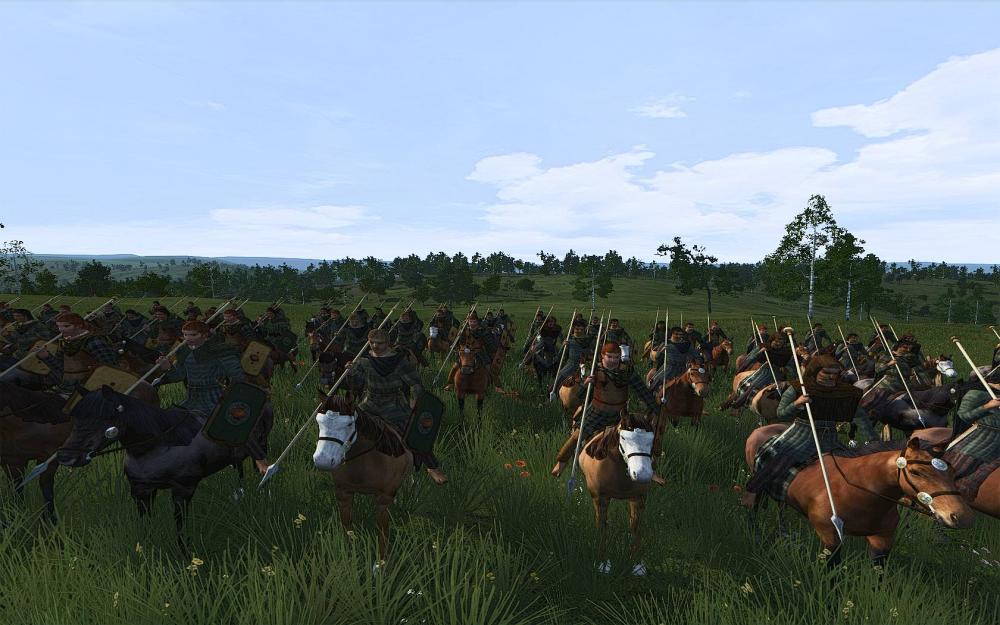
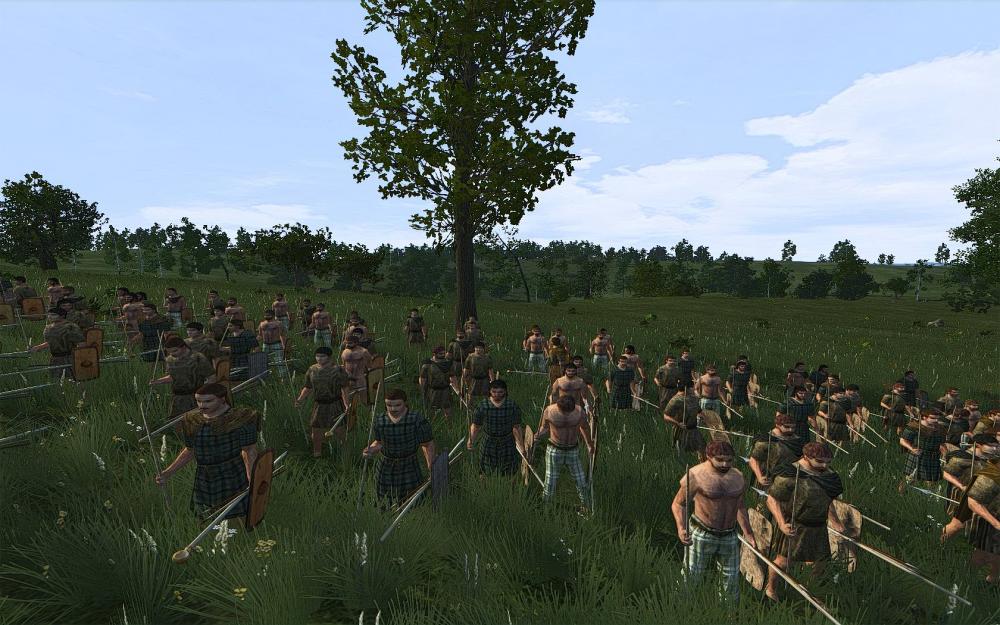
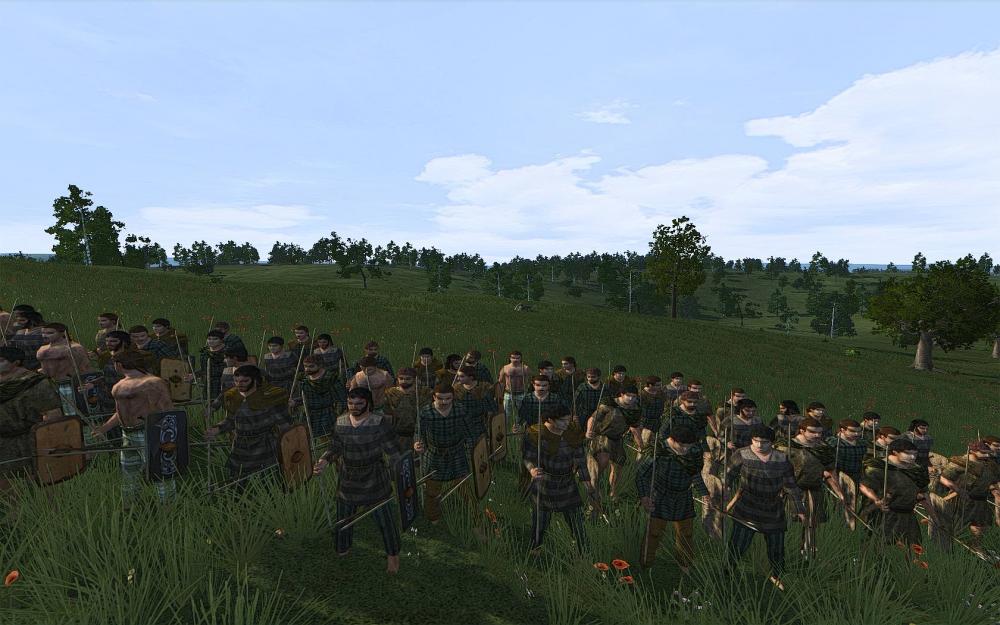
For unit ranks i think you could have something like Basic: No shirt, pants or loincloth. Plain shield Advanced: Simple tunic without pants Elite:Simple tunic with or without pants, cloak, painted shields. Champions: Torcs, finer tunics with pants, finer cloaks, painted shields. Perhaps headdress or some kind of leather/cloth armor for champions too.
 1 point
 -
Ah, pero esto es de la Edad del Bronce Temprana, usualmente no después del 2000 A.C., aunque Ronan O'Flaherty en "The Early Bronze Age Halberd: A History of Research and a Brief Guide to the Sources" menciona que Joseph Raftery argumenta por 1000 A.C. para esas armas, pero ciertamente bastante anterior al período del juego. Se llaman alabardas sí, aunque no se parecen demasiado a las alabardas medievales, ni son parte de su evolución.1 point
-
I like the shields and clothing. My understanding is those weapons existed in an earlier bronze age timeframe. I dont think there were any iron versions.1 point
-
right click on no formation to make it the default bro1 point
-
Do you have some sources from around 0 CE?1 point
-
You were supposed to find this easter egg while actually playing on the map.1 point
-
I've desired this for a long time. A decade.1 point
-
Our first Release 28 community mod is up on the 0ad mod downloader. you can also get it straight from the 0ad community mod gitea page (https://gitea.wildfiregames.com/0ad/0ad-community-mod) With this version, the goal was to tackle some relatively simple balance changes, some of which have been in high demand. Fanatics HP, hack damage, and hack armor reduced. Persian immortal HP reduced (both melee and ranged), ranged version damage and accuracy were reduced. Heroes may no longer be used to "bait" enemy units, as Heroes are removed from the preferred target class for all units. Champion cavalry and ranged champion cavalry HP reduced from 260->220 and from 220->200, but wood and metal prices were reduced. This, combined with speed reduction is intended to bring their population efficiency closer to infantry champions. Cavalry speed was reduced by 15%. Scout ship counter damage vs ships reduced from 3x to 2.5x, range reduced, and price increased from 50f 50w to 50f 100w. Foundation pierce armor increased from 10 to 20. (Foundations take 66% less damage from pierce attacks). Capture balance: Civic center capture points increased from 2500 to 3500. Fortress increased from 4000 to 8000. "Sentries" tower upgrade now also increases tower capture points by 50%. "Professional garrisons" fortress upgrade now also doubles fortress capture points. Scipio's Capture attack aura removed. See https://gitea.wildfiregames.com/0ad/0ad/pulls/8892 for more. Germans buffs: Champion axeman unit metal cost reduced from 100 to 80. Seeress damage aura range increased from 15 to 20. Seeress armor increased from 2->3 hack armor and 4->6 pierce armor they remain unaffected by blacksmith techs. Wagon encampment price reduced from 350w, 150s to 275w, 100s. Feel free to see the full changelog in game thanks to @guerringuerrin. As always, please give us some feedback about how these balance changes go.1 point
-
How you want. I wouldn't mind many PRs if they're small and managable. Feel free to ping me in the PR(s) on Gitea. This is essentially what I meant to say with "their role was unclear", which admittedly was not the best choice of words, though. If I remember correctly, there even is a record where it kinda sounds like they were fighting as cavalry. There has always been debate on whether the SpecificNames ("native" names) always need to be a direct translation of GenericNames (English names). My personal take is that they don't have to, I wouldn't mind (and actually prefer) "Prodromos (Cavalry Javelineer)". The word-by-word translation (like Hippakontistēs here) can be in many cases straightforward, but a bit boring. If there is a more historically interesting and relevant term unique to that civ, I'd use that instead, even if describes a broader group of people/soldiers. Again, a unit can represent more than just the soldiers equipped in the exact same way. One idea floating around is to in addition to the SpecificName and GenericName introduce a "ClassName". Then we could use "Prodromos" as the SpecificName, "Scout" as the GenericName and keep "Cavalry Javelineer" as the ClassName. This would be cool to have for other units too. I'm aware. My point was that the generality isn't a bad thing.1 point