-
Who's Online 10 Members, 1 Anonymous, 1.167 Guests (See full list)
-
Topics
-
-
Posts
-
 Cartimandua would make an excellent non-combat hero, and unique. As Queen of the Brigantes, she was allied to Rome. Her bonuses could actually be tied to being allied to non-Celtic factions. If possible, say, something like being able to recruit a foreign unit/units, depending on the ally/allies (maybe she can have a unique structure that does it? No clue), representing things like when Rome sent a cohort to defend her from her former husband, or just some kind of broader generic bonus, but something the Britons otherwise wouldn't have access to on their own.
 -
 Thanks for the tips posted in the thread. I beat my first game solo vs Medium AI (Random/Iberians) as the Romans. I still emptied the berry bushes around spawn before building Fields. (They lasted until the Town Phase.) Not sure how berry bushes compare to Fields. Add: I have a tough time building calvalry because they don't contribute to the economy much beyond hunting.
 -

-
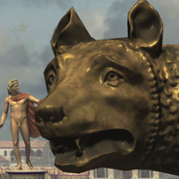 Looks like the ones for the gladiators, in vanilla atlas-only unit and in DE trainable from the colosseum? Are you taking the pics from above in atlas with "ground" activated? Looks like they are cut off below the mouth
 -
By AlexHerbert · Posted
346 Athenian Hoplites, at least he made 33 ranged units.
-