
All Activity
- Past hour
-
 Vanotium Cutting Board: A Modern Approach to Kitchen Hygiene and Everyday Food Preparation Vanotium A cutting board is one of the most frequently used tools in any kitchen. From slicing fresh vegetables and preparing meat to chopping herbs and cutting fruit, it plays an essential role in daily food preparation. However, traditional cutting boards made from wood and plastic can develop scratches, grooves, and surface imperfections over time. These areas may trap food particles, moisture, and microorganisms, making proper cleaning and maintenance increasingly important. Vanotium is a newer kitchenware brand built around a simple but important idea: a cutting board should support better kitchen hygiene without making everyday food preparation more complicated. Its flagship cutting board features a titanium-infused, non-porous surface designed to resist stains, odors, and bacterial buildup. Vanotium By focusing on surface design and ease of maintenance, Vanotium presents an alternative for people looking to modernize their kitchen essentials. Whether you prepare simple weekday meals or enjoy experimenting with new recipes, understanding the features and potential benefits of this cutting board can help you decide whether it suits your cooking routine. What Is the Vanotium Cutting Board? The Vanotium cutting board is a modern kitchen preparation surface designed with hygiene and practicality in mind. Its defining feature is a titanium-infused, non-porous surface intended to minimize the spaces where food residue, moisture, and contaminants can accumulate. Unlike conventional boards that may develop visible knife marks after repeated use, Vanotium emphasizes a surface designed to resist common kitchen stains and lingering food odors. This approach aims to make routine cleaning more convenient while providing a dedicated surface for chopping, slicing, and preparing ingredients. Drydon The brand's central concept is straightforward: maintaining a clean cutting surface should be an integral part of the cooking experience rather than an additional challenge. By combining a modern material approach with everyday functionality, Vanotium aims to appeal to home cooks who prioritize cleanliness, convenience, and a contemporary kitchen setup. Titanium-Infused, Non-Porous Surface Twistapure One of the main features associated with Vanotium is its titanium-infused surface. Titanium is valued in various applications for its durability and corrosion resistance. In the Vanotium cutting board, the material concept is intended to support a smooth preparation surface that resists some of the problems associated with heavily worn cutting boards. The non-porous design is particularly relevant. Porous materials can absorb moisture, while scratches and grooves in cutting surfaces can create spaces where food debris becomes difficult to remove. A surface that limits these openings may make it easier to clean away residue during normal kitchen maintenance. Twistapure Vanotium also claims that its surface helps repel common kitchen contaminants, including E. coli, by eliminating the tiny grooves and pores where bacteria can hide and multiply. However, this should be understood as a manufacturer claim rather than independently verified proof of antibacterial performance. A non-porous surface alone does not guarantee that a cutting board is bacteria-free or eliminates the risk of foodborne illness. For consumers, the practical takeaway is that surface design can contribute to easier cleaning, but proper washing, food separation, and safe handling remain essential. Designed to Resist Stains and Odors Noxivam Food preparation exposes cutting boards to a wide variety of ingredients, including onions, garlic, tomatoes, berries, spices, and raw proteins. Some ingredients can leave visible marks or persistent odors, particularly when residue remains on the surface. Vanotium is designed to resist stains and odors through its non-porous surface. By limiting the absorption of food juices and aromatic compounds, the board aims to make it easier to maintain a clean appearance and reduce lingering smells between uses. Drydon This feature can be particularly useful for people who frequently prepare strongly flavored ingredients or switch between different types of food during meal preparation. Although stain and odor resistance can improve everyday convenience, actual performance depends on the surface construction, usage conditions, and cleaning practices. Promptly washing the board after use remains a sensible habit. A Modern Alternative to Traditional Cutting Boards Drivenol Wood and plastic remain popular cutting board materials, each offering different advantages. Wooden boards are appreciated for their natural appearance and traditional feel, while plastic boards are often valued for their lightweight construction and convenience. However, both materials can develop knife marks with repeated use. Plastic boards may accumulate scratches, while wooden boards require appropriate drying and care to prevent excessive moisture exposure. Deep cuts and damaged areas in either material can make thorough cleaning more difficult. Akemi Coffee Boost Vanotium offers a different approach by emphasizing a titanium-infused, non-porous preparation surface. Its design focuses on minimizing surface imperfections that can retain food debris and supporting easier routine maintenance. That does not automatically make it superior to every wooden or plastic board. Performance also depends on factors such as knife friendliness, grip, thickness, durability, and ease of cleaning. Nevertheless, Vanotium provides an alternative worth considering for consumers interested in newer kitchenware materials. Potential Benefits for Everyday Cooking Akemi Coffee Boost The Vanotium cutting board is designed around several practical benefits. 1. Easier surface cleaning: A non-porous surface may help prevent food residue from penetrating the board, making routine washing more straightforward. 2. Resistance to stains: Its surface is designed to reduce staining from common ingredients, helping the board maintain a cleaner appearance. 3. Odor resistance: Reduced absorption of aromatic food compounds may help limit lingering smells after preparing ingredients such as garlic, onions, and fish. 4. A hygiene-focused design: By minimizing the pores and grooves associated with conventional surfaces, Vanotium aims to make food preparation more manageable from a cleanliness perspective. 5. Contemporary kitchen appeal: Its material-focused design offers an alternative to traditional wooden and plastic boards for consumers seeking modern kitchen accessories. Wilder Leaf Organic Hemp These benefits describe the product's intended advantages. Actual results may vary, and claims about bacterial resistance should be supported by independent testing before being treated as established performance characteristics. Cleaning and Maintenance Considerations Vanotium Even a cutting board designed for easy cleaning requires proper care. After each use, wash the surface according to the manufacturer's instructions, using an appropriate cleaning agent and clean water. Remove food residue promptly rather than allowing it to dry on the board. When preparing raw meat, poultry, seafood, and ready-to-eat foods, use separate boards or thoroughly clean and sanitize the preparation surface between tasks according to food-safety guidance. This helps reduce the possibility of cross-contamination. Vanotium It is also important to inspect the board periodically for damage. If the surface develops deep scratches, cracks, or other defects, follow the manufacturer's guidance on continued use and replacement. Before purchasing Vanotium, consumers may also wish to confirm whether the product is dishwasher-safe, which cleaning products are recommended, and whether the manufacturer provides specific care instructions. Is the Vanotium Cutting Board Worth Considering? Vanotium may appeal to home cooks who want a cutting board that prioritizes surface cleanliness, stain resistance, and odor control. Its titanium-infused, non-porous design offers a distinctive alternative to familiar wood and plastic options. Vanotium Cutting Board However, an informed purchasing decision should consider more than the material description alone. Buyers should look for verified information about dimensions, weight, knife compatibility, surface durability, stability during chopping, cleaning requirements, and warranty coverage. Independent evidence supporting any antibacterial claims would also be valuable. These details can help establish whether the product delivers practical value beyond its marketing message. Conclusion The Vanotium cutting board introduces a modern approach to a familiar kitchen essential. With its titanium-infused, non-porous surface and focus on resistance to stains, odors, and bacterial buildup, the product is designed to make everyday food preparation easier to manage. Its key appeal lies in combining a hygiene-focused surface concept with the practical needs of modern cooking. Although the manufacturer's claims about bacterial resistance should not replace established food-safety practices, the design may offer useful advantages for consumers seeking an alternative to conventional cutting boards. Vanotium Ultimately, Vanotium is worth exploring for anyone interested in modern kitchenware, provided they evaluate its verified specifications, care requirements, durability, and independently supported performance claims before making a purchase. Official website: https://vanotium.com.au/ https://vanotium.uk/ https://vanotiumcuttingboard.ca/ https://drydon.com.au/ https://twistapure.com.au/ https://twistapure.org/ https://glp3-b.co.uk/product/noxivam/ https://glp3-b.co.uk/product/drydon/ https://drivenol.co.uk/ https://akemicoffeeboost.com.au/ https://akemicoffeeboost.co.nz/ https://wilderleaforganichemp.com.au/
 -
VanotiumReviewAu joined the community
- Today
-
.thumb.jpeg.67ef5b5dc6d918163efa04cd5336830d.jpeg) Stronghold also has nice wall mechanics. AoE IV It also has that feature and many more games.
Stronghold also has nice wall mechanics. AoE IV It also has that feature and many more games. -
Not only are they decompiling it to remake it, but I've seen that they're mixing games. They're even porting titles to other older consoles.
-
Photocraft : The opensource Photoshop
Nicolaus_von_Kues replied to Nicolaus_von_Kues's topic in Art Development
Earlier today I was talking to Lopess about these things. They are decompiling the software and reverse engineering it. -
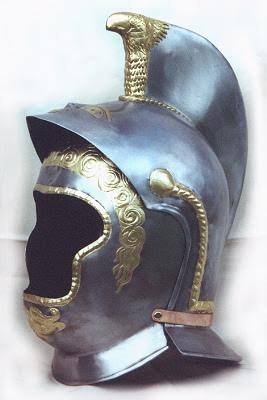
The evolution of helmets comes from the Attic line with elements of the Imperial coolus. The neck protector is shorter. And so are other protectors on the upper... It does not have the visor reinforcements Nor the reinforcements in the Cheekpieces
.png.dccfb106cb61867bd2ade28faa640394.png)
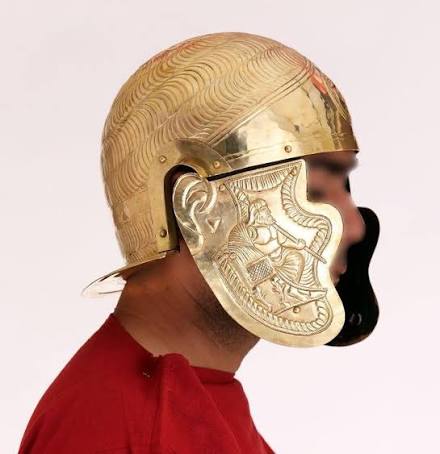
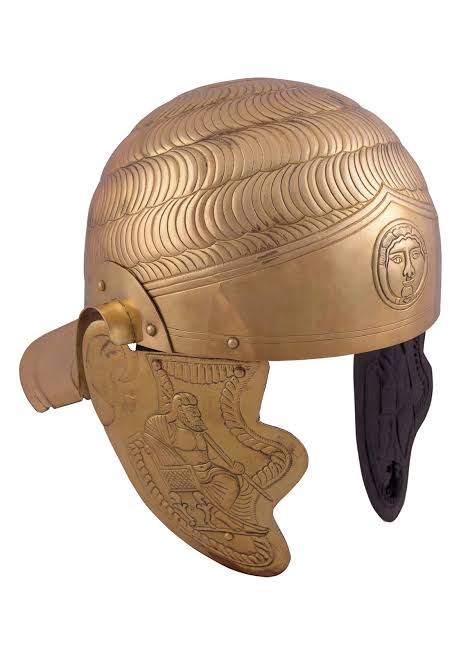
-
 chemhivers.com joined the community
 -
I think this is the correct approach. The game doesn't give everyone everything they actually used, but a limited set consisting of the most representative units for a given civ. A large roster only implies most units will be constantly ignored, while those included have to be just sufficient to somewhat reproduce the most known tactics used by said civ.
- Yesterday
-
I think he means the reality of war, one of the main reasons not to have pregnant women or children in the game and be content with the present level of abstraction in that sense. Although none of this justifies pikes through walls
-
Sorta. I think the Iphicratean peltasts were like that.
-
Actually the modern game as we know it (not counting pong, which is a sports game lol) originates from TTRPGs like DnD, which in turn come from the work of authors such as Tolkien. Maybe your’s isn’t, I’ll have you know that I find reality very fun.
-
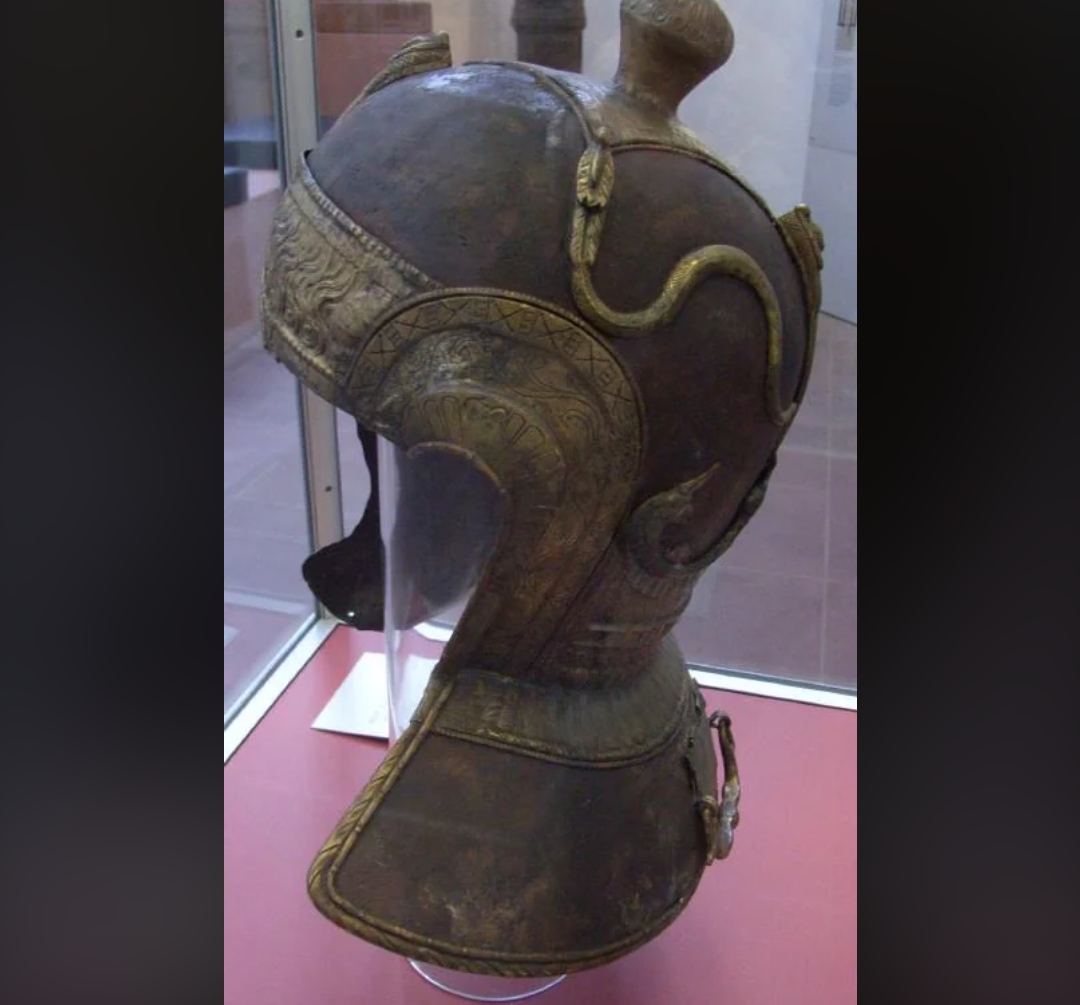
https://www.ospreypublishing.com/uk/osprey-blog/2026/roman-cavalry-helmets/ Battle helmets began to evolve in the 2nd century AD, adopting what has become known as the pseudo-Attic form. An example from Theilenhofen (Germany) even incorporated a stylized moulded feather crest atop the bowl. Although still a copper-alloy sheathing over a ferrous core, they now imitated the classical Attic style of helmet in the actual bowl, although cheek pieces changed little in their form and decoration. Tinning was still used to emphasize the details of the underlying brass, so it might be said that battle helmets had changed while remaining essentially the same. The Later Principate saw further developments, with another conservative throw-back form, the pseudo-Corinthian helmet, becoming popular for cavalry. These changes in design probably owe more to fashion than to changing needs, since the cavalry helmets of the Early, High and Late Principates are essentially the same: one-piece bowl, decorative skinning and independent hinged cheek-pieces. The pseudo-Corinthian form aped the larger cheek pieces of contemporary infantry helmets, however, and ultimately fused them into a single visor, leaving a T-shaped opening for eyes and mouth, as with a helmet from Heddernheim (Germany). It was then a short step for the two types of helmet – battle and face-mask – to reunite. Replacing cheek pieces with a visor on the pseudo-Corinthian type of battle helmet made it a simple matter to add a removable face mask into the T-shaped opening and, thus, two types became one with the hybrid Pfrondorf (Germany) helmet.
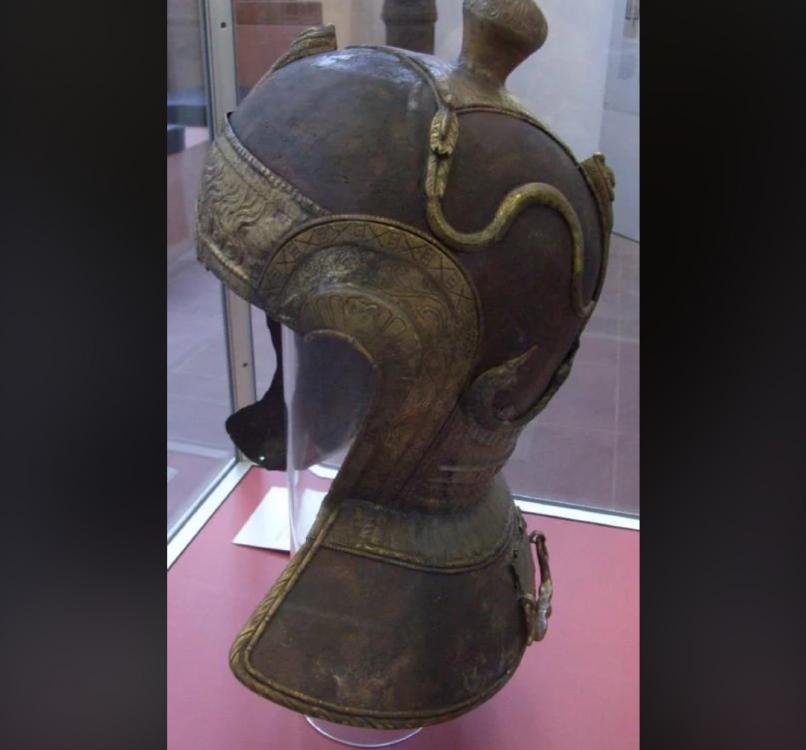

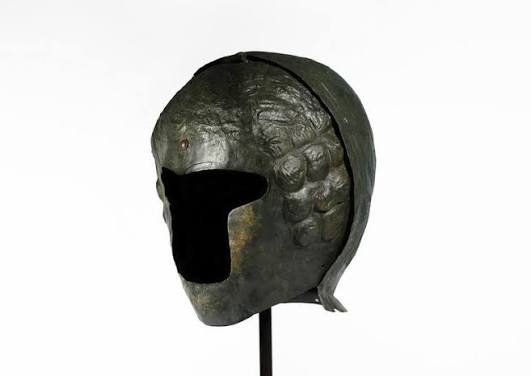
-

Five errors, bugs, or just weird things
wowgetoffyourcellphone replied to Thalatta's topic in Bug reports
Right. We are delighting in the challenge. The strategy. Competition. The history. For many, history is their "Fandom." Killing and destruction isn't the point. The drama is the point. Lessons learned and relearned. Achievement and politics. -
They were used alongside more complex siege engines. Maybe could be an option available at phase 2. I think at least more civs without siege towers or catapults could have them.
-
I could not agree more and this, indeed, cannot be underlined enough. The game is supposed to be fun to play like solving a complex puzzle, just with way nicer graphics and more axes of freedom. Real war is never fun, for no-one.
-
@ManasManushyathanks for your initiative! When addressing Atlas itself, could you also make Atlas usable by external tools? That would be absolutely awesome! Here is a little wishlist of changes I would love to see: Pass the game’s command line through to Atlas Write a small status file and set an exit code. Open the game’s archives with read sharing, if nothing depends on exclusivity. (I don’t know why they are opened deny-read) Please have a look at the attached proposal document. I cannot and will not touch the sources myself as I am not a SW developer, hence don't want ot pollute the code basis (I am only using vibe-coding to define tools around Atlas using Anthropic Claude Opus 5.5/Sonnet 5.5). Still, if you agree, I'd ask Claude to provide change proposals for indiviual code sections (based on 0.29 SVN) for your review. Please let me know! Thanks and best regards, Grautvornix atlas-external-control-proposal.md
-
Perhaps with incendiary units. Someone throwing torches or immolating themselves with amphorae of oil
-
@ManasManushya Oh! Let me know if I can test it out
-
That would be excellent. Also, ranged units defending with daggers. Speaking of which, there was also skirmisher infantry that was used for close combat, right?
-
Not in a satisfactory way yet, and I personally don't support everyone having them—not as a siege unit; they serve more as a substitute for the lack of better siege equipment.
-
IIRC, grapejuice's overhaul mod adds secondary weapons to missile units (mostly because they have limited ammo)
-
I'd like to see if there can be automatic spear throw before melee. For thureos units, Romans, Gauls, Iberians, Germans.
-
Something similar could be implemented in vanilla as optional (it's a mod, @Nicolaus_von_Kues). For example, on top of having units switching weapons like now (Immortals at least), doing so with a modifier (CTRL?) could "lock it", activating automatic switching according to range. Doing the same when producing units could then be the shortcut for "Activate Auto-Queue", and in that way it could be done per unit and not in general, like that button works now.
-
It's good to know that that ticket has been given continuity.
-

Photocraft : The opensource Photoshop
Thalatta replied to Nicolaus_von_Kues's topic in Art Development
Now they have to do the same with Homeworld: Cataclysm (later Emergence) and include it in the Homeworld Remastered Collection. -
Photocraft : The opensource Photoshop
Nicolaus_von_Kues replied to Nicolaus_von_Kues's topic in Art Development
A complete revolution. I've heard that a lot of compilation has been done with AI.
-
Sure, but that's not what I say. I don't propose weapon switching, I propose to keep them separated, but to use representative types of ships for each task, which I do when going from threes (triḗrēs) to tens (dekḗrēs), the "higher type" that we know saw combat. Edit: if we wanted something switching with ships, it could be sails/oars, but it might be too technical, and oars would need an exhaustion bar for it to make sense.






-
Latest Topics
-

