All Activity
- Past hour
-
 SonaBuds Translation Earbuds :Their wireless functionality and portable design make them practical for business travel, remote work setups, and international networking. Order Now :- https://products.tap2experts.com/product/sonabuds/ Facebook :- https://www.facebook.com/SonaBudsReview/ https://sonabudstranslationearbuds.blogspot.com/2026/05/sonabuds-translation-earbuds-complete.html https://sites.google.com/view/sonabudstranslationearbuds/home https://colab.research.google.com/drive/1PXbp79PVEyVVYcho5Dbon8y2SOOQmtCn https://eventprime.co/o/SonaBudsTranslationEarbuds
 -
Daynatuh joined the community
- Today
-
Newbie Questions - I can't beat Easy AI as Romans
Deicide4u replied to Satevis's topic in Gameplay Discussion
Civilians gather food faster from berries and bushes, when compared to the fields. As Romans, you didn't need cavalry against the AI. Cavalry is only useful for hunting and rushes. You need good micro skills for the rushes. Ranged cavalry is much more useful for hunting difficult animals (elephants, bears, etc.) -
Cartimandua would make an excellent non-combat hero, and unique. As Queen of the Brigantes, she was allied to Rome. Her bonuses could actually be tied to being allied to non-Celtic factions. If possible, say, something like being able to recruit a foreign unit/units, depending on the ally/allies (maybe she can have a unique structure that does it? No clue), representing things like when Rome sent a cohort to defend her from her former husband, or just some kind of broader generic bonus, but something the Britons otherwise wouldn't have access to on their own.
-

Newbie Questions - I can't beat Easy AI as Romans
Satevis replied to Satevis's topic in Gameplay Discussion
Thanks for the tips posted in the thread. I beat my first game solo vs Medium AI (Random/Iberians) as the Romans. I still emptied the berry bushes around spawn before building Fields. (They lasted until the Town Phase.) Not sure how berry bushes compare to Fields. Add: I have a tough time building calvalry because they don't contribute to the economy much beyond hunting. - Yesterday
-
Thats correct.
-
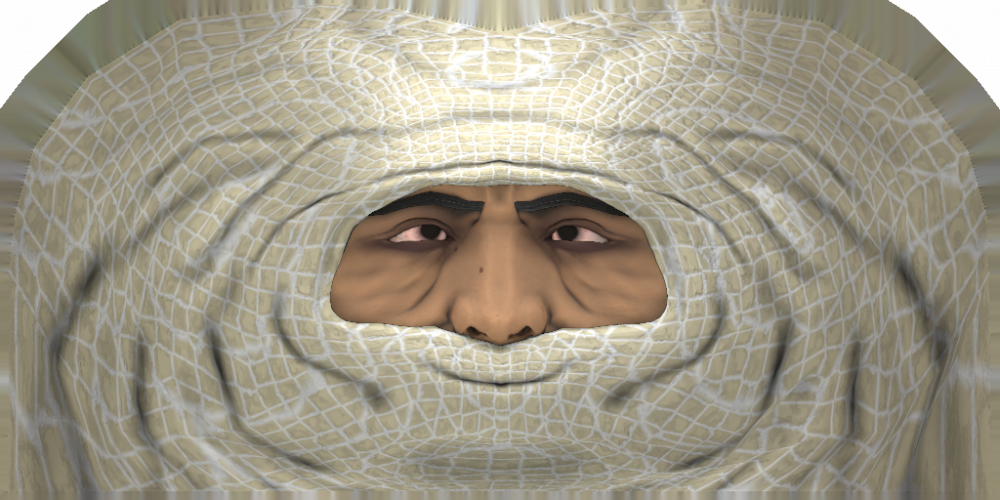
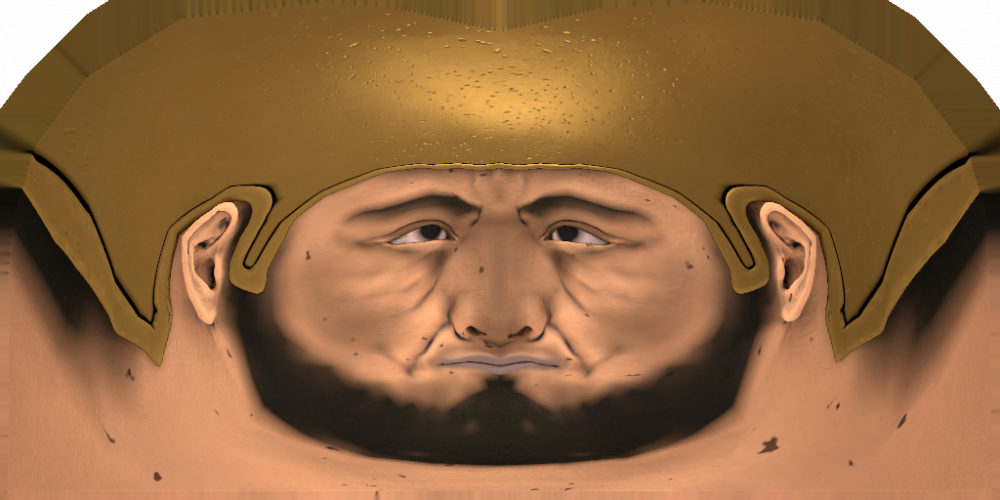
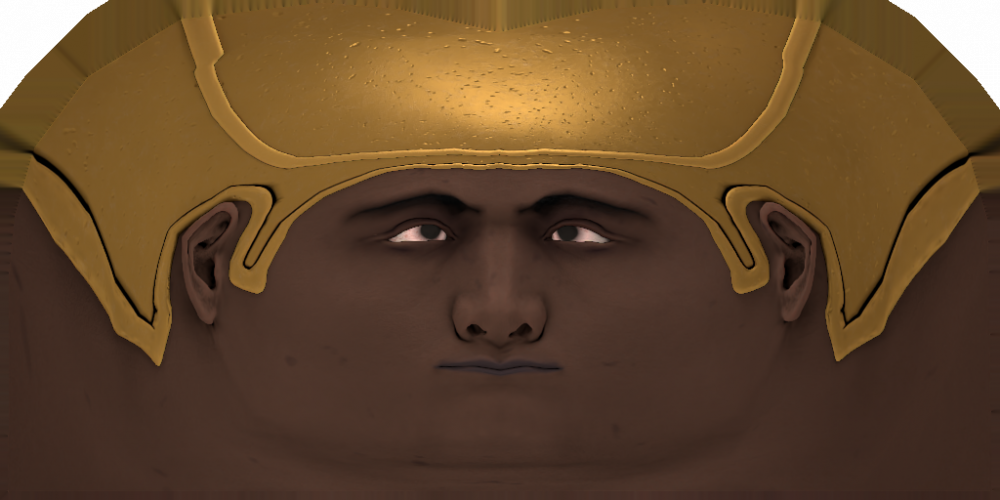
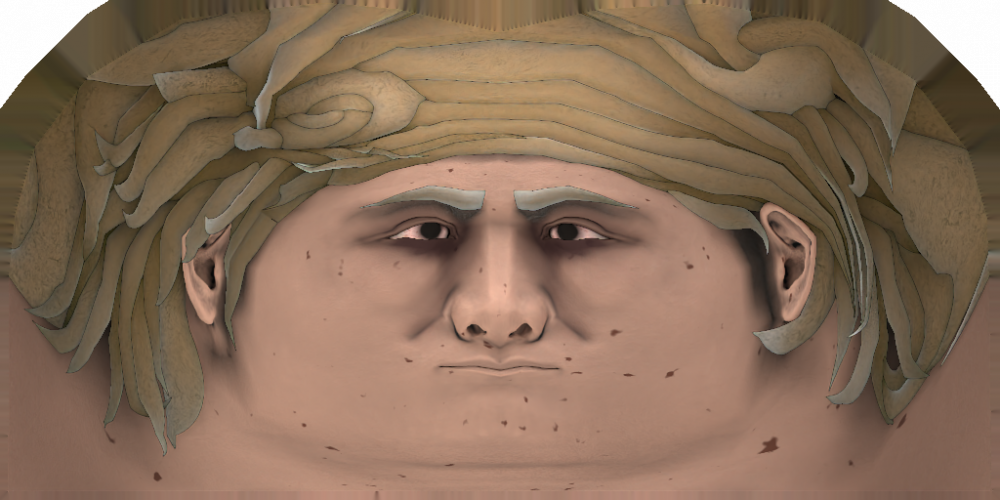
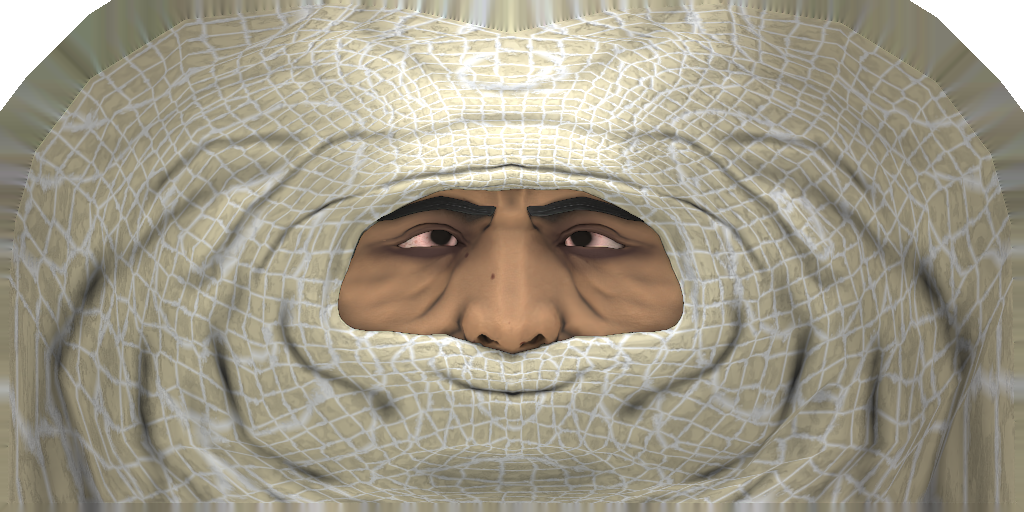
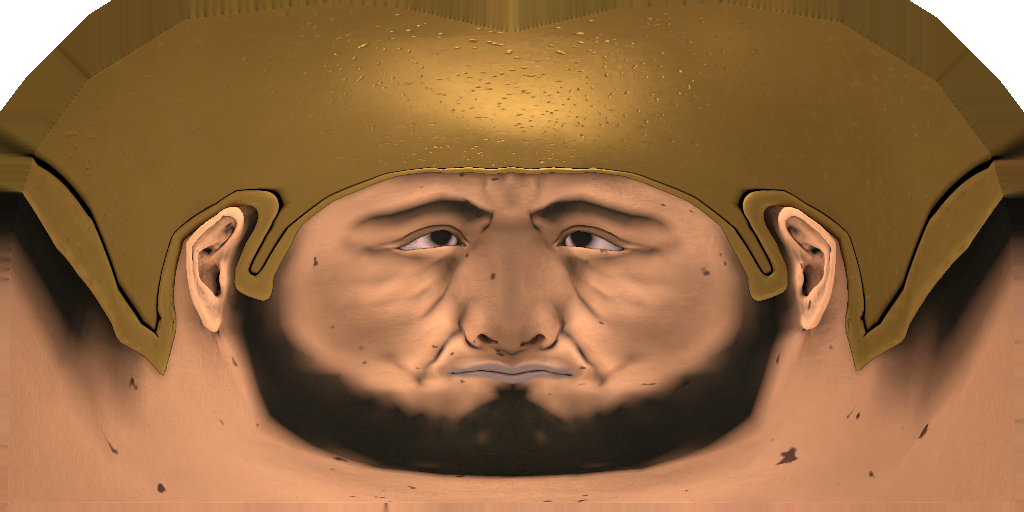
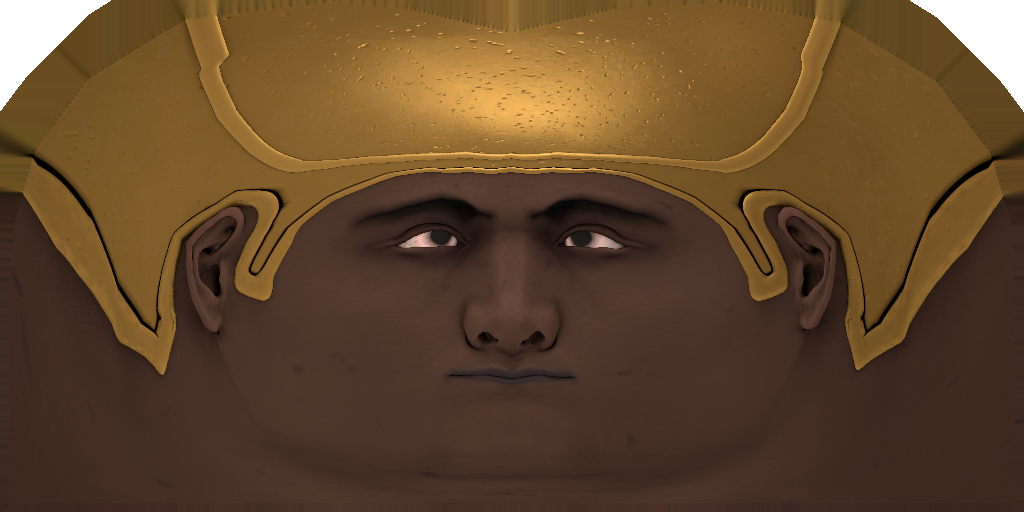
Looks like the ones for the gladiators, in vanilla atlas-only unit and in DE trainable from the colosseum? Are you taking the pics from above in atlas with "ground" activated? Looks like they are cut off below the mouth
-
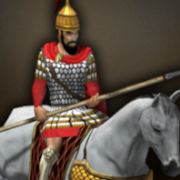
spam Current trend in 0 A.D.: Hoplites spam.
AlexHerbert replied to AlexHerbert's topic in Gameplay Discussion
346 Athenian Hoplites, at least he made 33 ranged units.
-
Prob too little, but can be special cases baked with less width
-
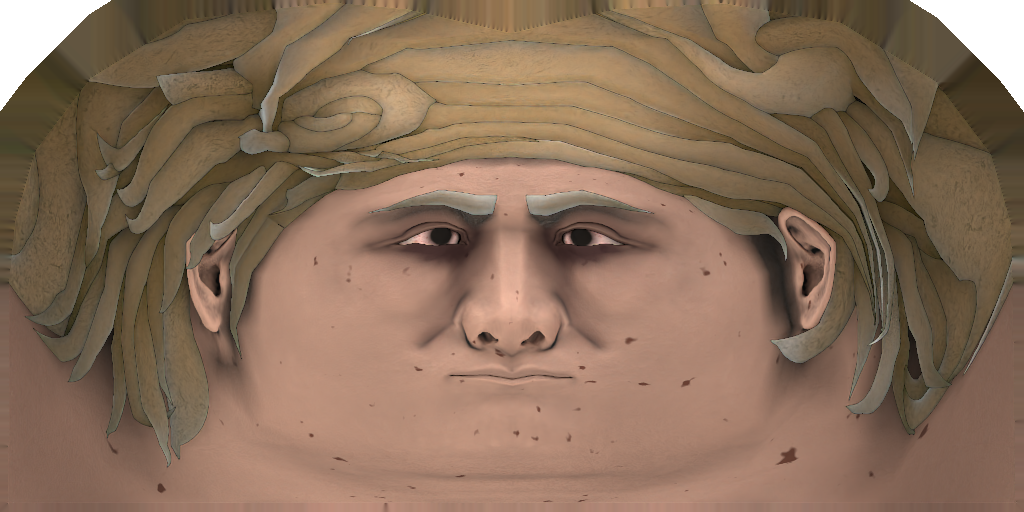
What does the tex look like now ? (My guess is the top corners can be used for props)
-
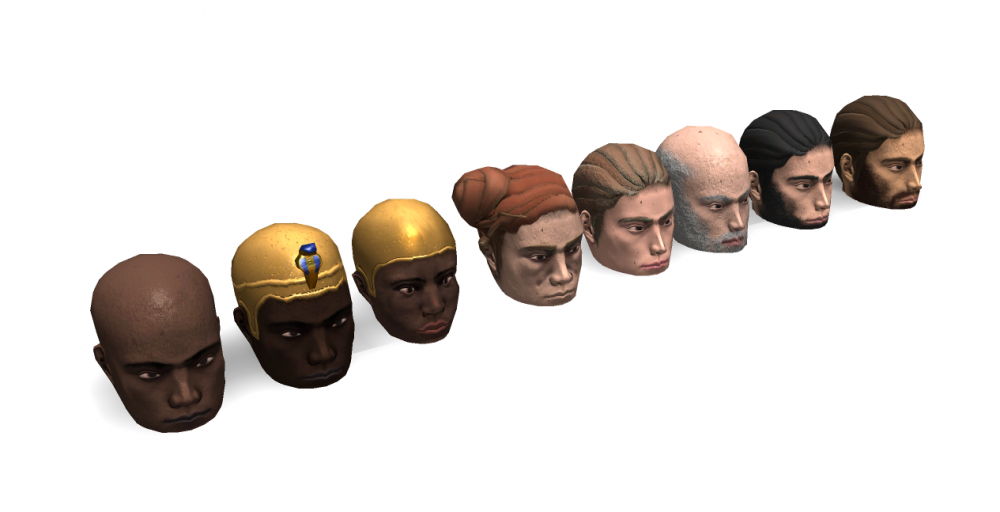
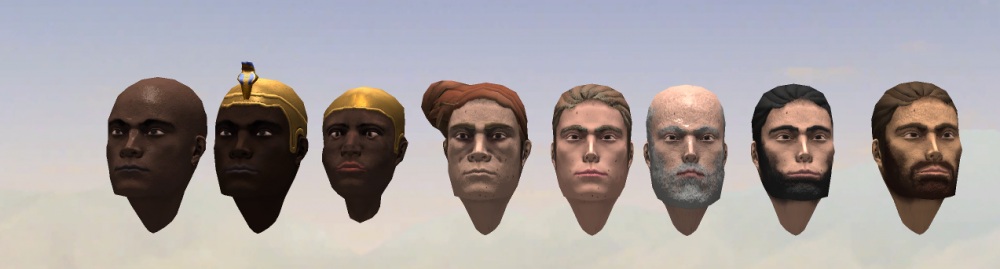
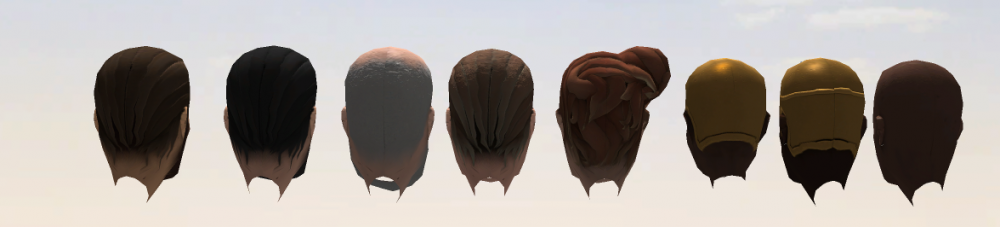
@Stan`Rebaking head shape with 1024x512: @wowgetoffyourcellphone Added eartip shape:
-
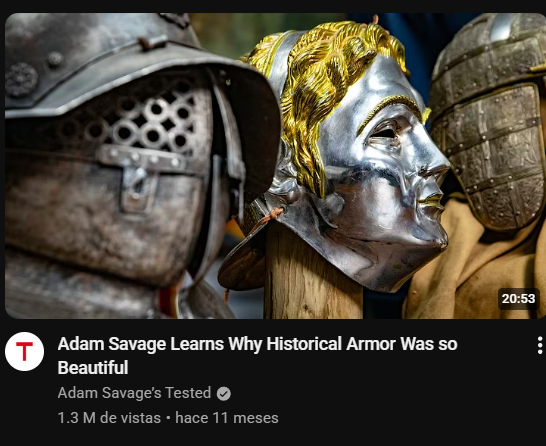
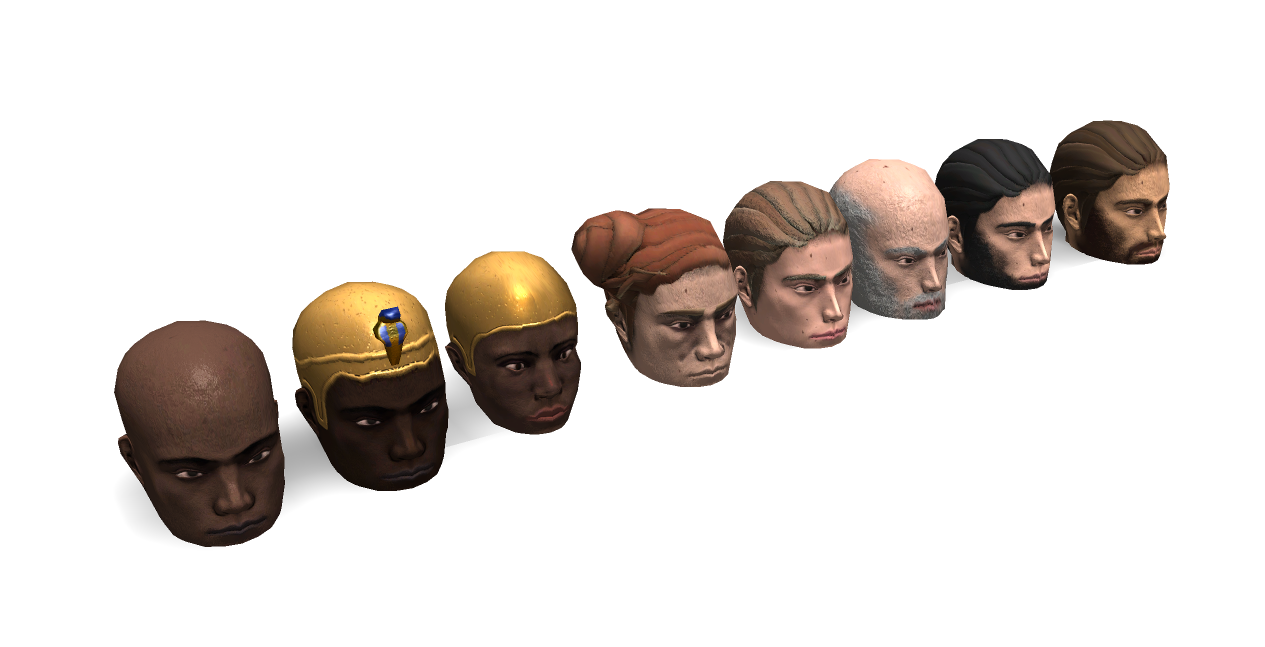
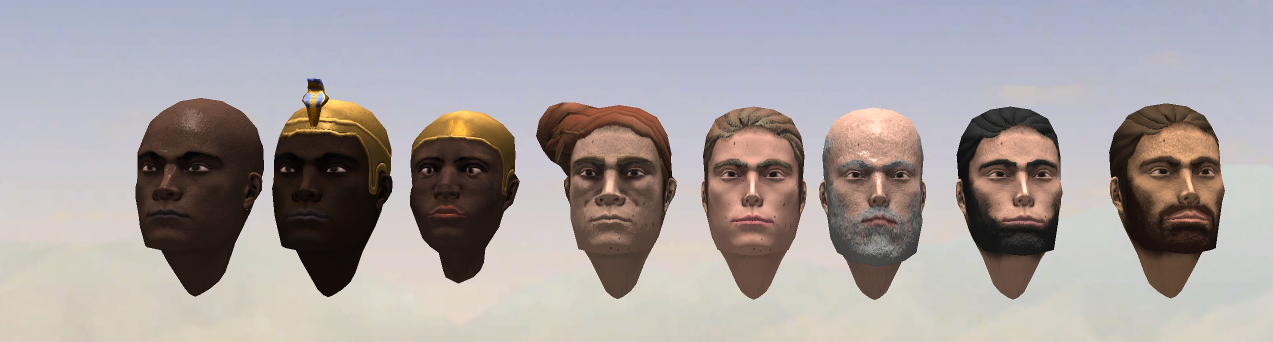
A plain basic eyepatch or it is too modern? Btw i can make this facemask but i belive it will be only applyable to your mod. IIRC there was a rome mask helmet but idk if it was for Millenium AD or Imperial romans?
-
So currently it looks a little like this: Hoplites start with +2 Crush resistance and +1.5 Hack/Pierce but 5% slower walk speed. P1 Techs Hack resistance: "Soldiers +0.5 hack and +0.5 crush resistance and 1% faster walk speed.", Pierce resistance: "Soldiers +0.5 pierce and +0.5 crush resistance and 1% faster walk speed.", P2 Techs Hoplite tradition: Hoplites -1 of reach resitance but −20% training time, −30% promotion experience, and 5% faster walk/run speed. Citizen hoplites 10% less food/wood cost. While Champion +25 Health. Hack resistance: " Champions and Heroes +1 Hack and +0.5 Crush resistance, all soldiers 2% faster walk speed." Pierce resistance: " Champions and Heroes +1 Pierce and +0.5 Crush resistance, all soldiers 2% faster walk speed. " P3 Techs Hack resistance: Citizen Soldiers -0.5 hack resistance, all soldiers 2% faster walk speed. Pierce resistance: Citizen Soldiers -0.5 pierce resistance, all soldiers 2% faster walk speed. So basically, they non hoplites lose out on 4H/P resitsance and 2 crush resistance for 10% movement speed... this could be rough. Hoplites only miss out on 3/3/2 I think if my math is right
-
So we have the philologists Winfred P. Lehmann and Stefan Brink, who argue that this word and its later derivatives did not originally mean "village." I shared the excerpt from the dictionary by Joseph Bosworth and T. Northcote Toller, which clearly explains that the meaning of “village” came later and that originally it referred to an agricultural estate. But there is also Eilert Ekwall who said the following in his concise Oxford dictionary of English place-names : OE þorp, þrop is a rare word, and its meaning is doubtful. It was certainly used in the sense ‘farm’, possibly in the sense ‘hamlet’. There is no reason to suppose that it meant ‘village’. The places with names containing þrop are as a rule insignificant. The probability is that a þrop was a dependent farm, an outlying dairy-farm belonging to a village or manor. See Introd. pp. xvi f. Native names in þrop very often have a first el. meaning ‘east, west, south’ &c. (ASTROP, EASTRIP, WESTRIP, SOUTHROP &c.). Native names generally have the form þrop, whence THROOP(E), THRUP(P), THROPHILL &c., the second el. of HATHEROP, NEITHROP, SOULDROP, WILLIAMSTRIP &c. But þorp also occurs, as in GESTINGTHORPE Ess, SWANTHORPE Ha. The element is not common in purely English districts, but a fair number of instances occur in Gl, O. In some counties it is unknown, as D, K, Mx. OScand þorp is a common pl. n. element in Scandinavia, especially in Denmark and Sweden. It is comparatively rare in Norway and absent in Iceland. It is very common in the Danelaw, but very rare in the north-western counties, where Norwegians settled. Thorpes are a sign of Danish settlement. ODan thorp means ‘a smaller village, due to colonization from a larger one’. The latter was adelby ‘the mother village’. OSw þorp means ‘a farm, a new settlement’, more rarely ‘a village’, and in later Swedish torp has come to mean ‘croft’. A þorp was a settlement of far less importance than a -by. The original meaning of þorp was ‘newly reclaimed land, new settlement’. It should not be rendered by ‘village’, but rather by ‘farm’. In origin the Danelaw thorps were evidently as a rule outlying, dependent farms belonging to a village. This is indicated partly by the fact that THORPE alone is a very common place-name. A thorp belonged to a mother village and was often simply called ‘the thorp’. It is also indicated by the fact that a great many places with names containing thorp were named from a neighbouring village. Examples are BURNHAM and B~ THORPE, SAXLINGHAM and S~ THORPE Nf, BARKBY and BARKBY THORPE Le. BURNHAM THORPE was clearly a farm or hamlet dependent on Burnham. The first el. is frequently a pers. name, often of Scand origin.
-
Very true.... I guess the problem with changing the actors/artwork is it's a lot of cut/copy/paste. And how many people really zoom in enough to really study their equipment. I feel it is best represented in the "tool tips" and "history" so people gain some understanding of what is going on. Maybe once I've finally cleaned that all up, Ill go back and look at the actors. According to AI which I know a lot of people don't like, but again when I'm changing so much, I usually start there.... archaic period hoplites had between 25-32 kg of equipment while successor state pikeman only had 15-20kg. It was the pike and formation that made them so slow. In case you aren't aware, and this is my understanding at least, anything we dont change in the mod defaults to what the base game has. So if I don't download the actor templates and change them and add them to the mod, our mod stays a smaller size and just defaults to what the base game uses. I could be wrong on this.
-
First, by "further away" I mean keeping changing stats to the point that no one knows what is going on anymore, more so when it's not explained anywhere. Last week I checked, the description of the mod is just one and a half lines. Personally, I'm just not interested in playing anything like that, no matter how much you keep constantly pushing for it. When I said I was willing to help you when you contacted me, it didn’t mean you can tell me how I should use my time, please learn this for once and any further comments on this I'll only accept and address through PM. Second, changing how units look has absolutely nothing to do with balance, my other ideas were just beyond secondary. I don’t know what will be best to do, because mobility is not just about attack and movement speed bonuses, it is also related to resistance, since things that are not really considered by the game are part of it, like visibility, blocking, parrying, dodging, agility, etc (and I'm assuming there are no probabilities involved). Maybe for now it’s kind of ok to leave all together just under the “resistance” label, unless some fundamental changes are eventually implemented (like adding probabilities).
-
For one, you seem to be pushing this the most and you dont even play the mod Secondly, as we have discussed via pm the further away from the base game, the less likely people will try it. Granted very few people try it so far! But most people aren't interested in the historically accuracy. Balance is key and Im not sure how this would work balancewise and all the retweaking it would take. That being said I'm willing to "compromise" and play around with it a little via "Pre Alexander" Greek Factions (Sparta, Athens, and Thebans) Hoplite tradition p2 already gives a speed bonus, and it does make some since to reduce armor a little for that. I will also create "Greek" techs for those 3 civs to replace the ones other civs use. first Hack/Pierce resistance will only give 0.5 of the armor but 3% faster movent second one will not add armor, but instead add 3% more mobility and the last one will remove -0.5 but add 4% so while other civs can gain 3-4 of each resitance greek civs can gain 10% mobility but with no armor gain. Question is should p1 hopelites start with more or less armor than successor state pikeman, and same question for mobility. I dont want to throw things out of wack too much.
-
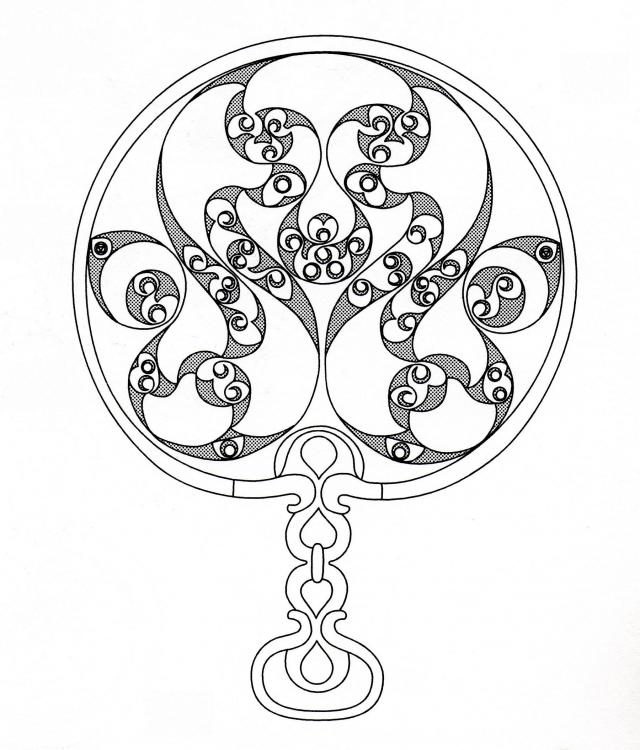
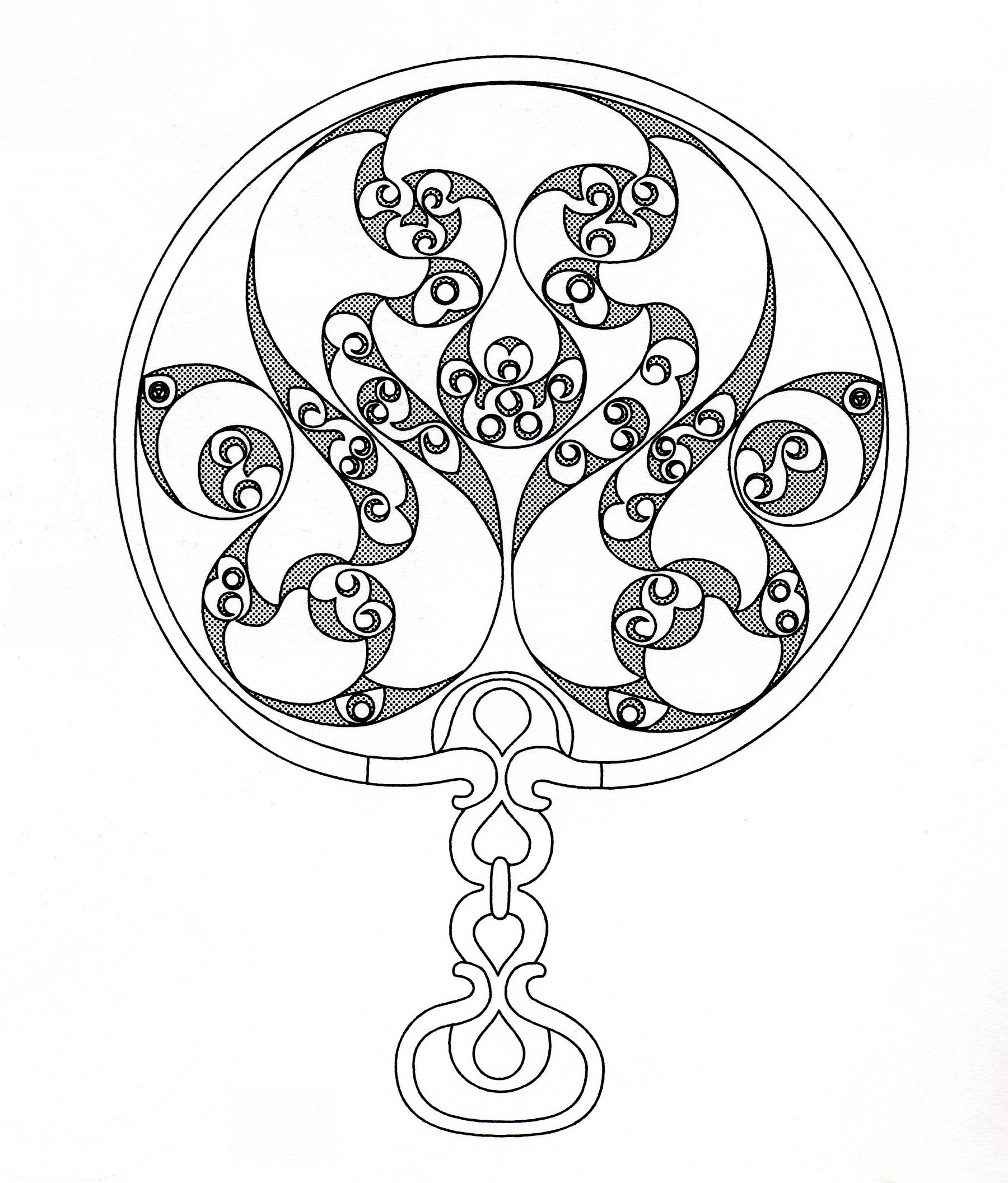
Ok so in this case, it is only this image: You would need to redraw the pattern from the original artifact, the Desborough Mirror
-
1) Just to invert ordering?, 2) Well, better to educate on how things actually were, the armor evolution feeds a common misconception. And all this of course not for all techs, but when they represent something that can be seen, as armor. Unit evolution could be represented with other things that make more sense, like helmet crests or more complete (but coherent) equipment (if there are models around already, otherwise not visually evolving at all would be even more accurate). I've thought that even better would be that some techs, for example linothorax, could unlock new units, after all it coexisted with the previous types of armor, although of course balancing stats to have maybe still some use cases for the older types would take more work, and the new types should be preferable. But this would add some complexity to the game, and maybe just the later trend should be considered. Same issue as before.
-
All our art allows commercial use, so we'd be breaking that license
-
We could probably update it for R28
-
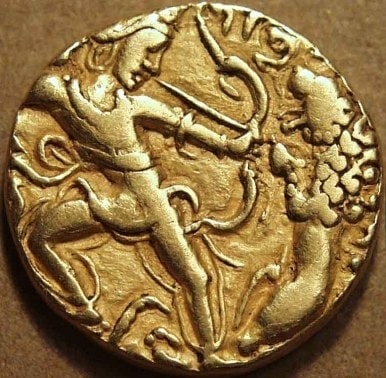
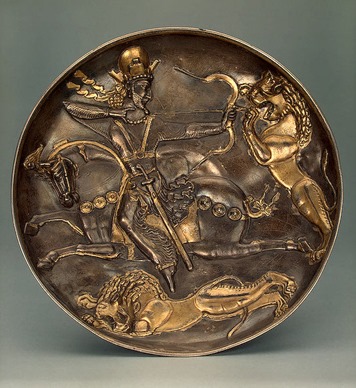
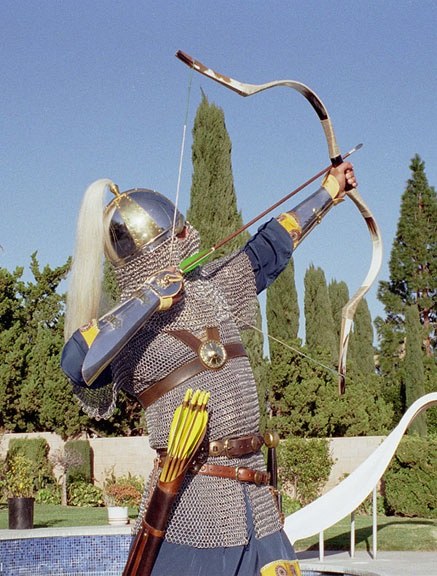
Hey, these are all great images, but one little thing: maybe it would be nice to use the same type of bow represented on the Gupta coins. A big difference is the use of large static tips or “siyahs” (the straight endings). A common example is the Manchu bows (little video testing models of it https://www.youtube.com/watch?v=GHDkUECiwU8). Given the Gupta representations, and assuming they are indeed not being drawn, it would seem they don’t present “string contact”, so the bow wouldn’t need to have string bridges. I think they would look like what https://www.youtube.com/watch?v=rUmZU51K0-o calls a "Reflex Straight with static tips", traditionally just called recurved, with the culture also mentioned to better specify which one, which that video understandably criticises (but they would be Hungarian, Magyar, Sasanian, Han, Tang, etc). For comparison, here another Gupta representation: A Sasanian representation: And a Sasanian reenactor:
-
Gupta Cavalry Archer
-
Five Gupta heroes
-
Nice! Can you make a female Kushite one like this with a leather eye patch over one eye? For Amanirenas.
-
uh...I dont think those are the trailers that were referenced. i was looking for RaW 2001 and 0AD 2002






.thumb.jpg.b21ca1d0c15fb56b42c39b25a0a40815.jpg)



-
Latest Topics
-