

Nicolaus_von_Kues
-
Posts
342 -
Joined
-
Last visited
-
Days Won
3
Everything posted by Nicolaus_von_Kues
-
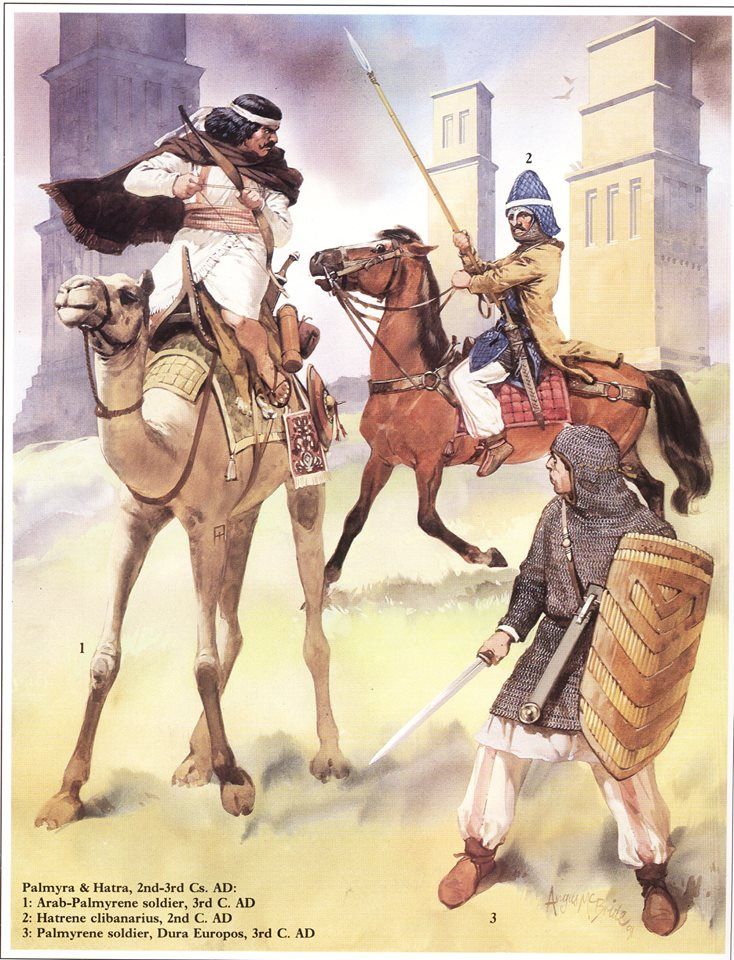
What I can see is that the way these people dress is an adaptation of Roman and Persian clothing for the desert climate. They continue to wear more modern, loose-fitting clothes. The sirwal is a garment said to have originated in Central Asia. It is a loose-fitting pair of trousers. https://en.wikipedia.org/wiki/Persian_clothing It appears to be a combination of different fashions and cultural centers. The Parthians seem to play an important role, not just the Persians. The inventors of the trousers: The Iranian-speaking peoples - such as the Scythians, Medes and Achaemenid Persians — are historically recognized for introducing trousers to the ancient world. Practical Necessity: While the Greeks, Romans or Egyptians wore robes and togas, these peoples needed a forked garment to ride a horse comfortably and protect themselves from the weather. https://en.wikipedia.org/wiki/Sirwal The word is of Persian origin; shalwār (شلوار) was borrowed into Greek as σαράβαρα sarábāra, "loose trousers worn by Scythians". The words used in Balkan languages came through the Ottoman Turks and did not continue the Ancient Greek designation. From the 7th to the 3rd century BC, the Scythian people of the Pontic Steppes produced and adopted a wide arrangement of clothing. The clothing of the Scythians was formulated in response to the nomadic, highly mobile lifestyle of the early Scythian era and the sedentary lifestyle of later Scythian kingdoms. Much of what is known about Scythian attire comes from the remains of clothing found in Scythian burial sites.


-
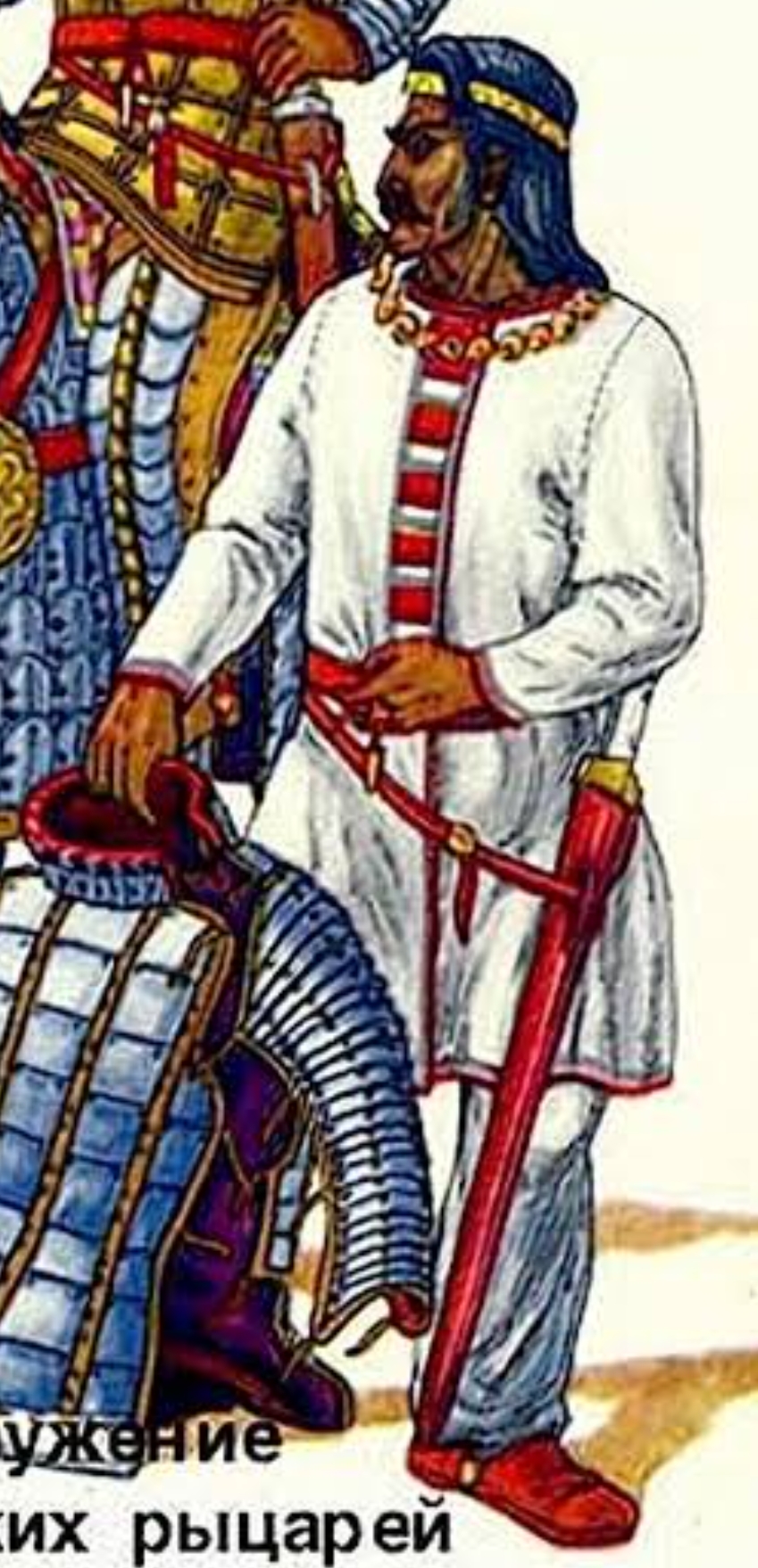
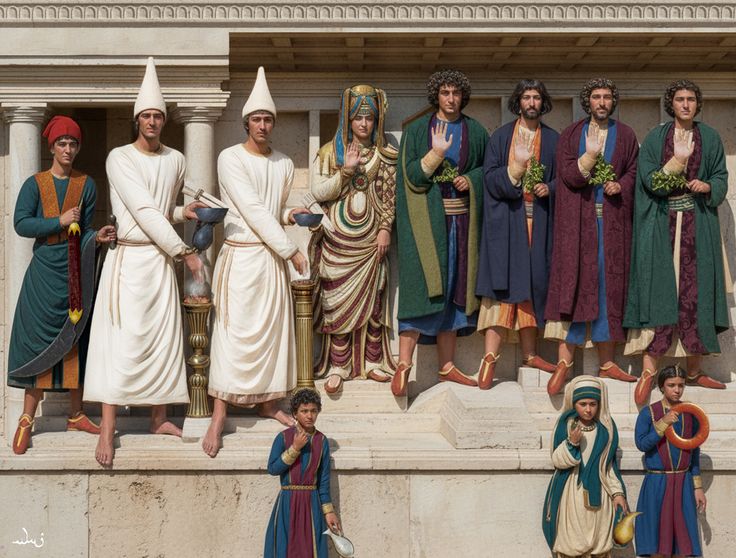
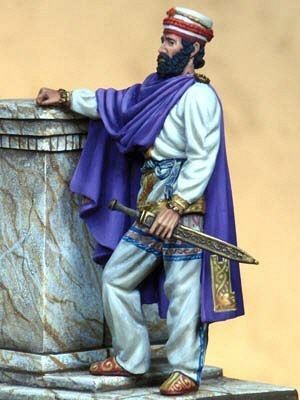
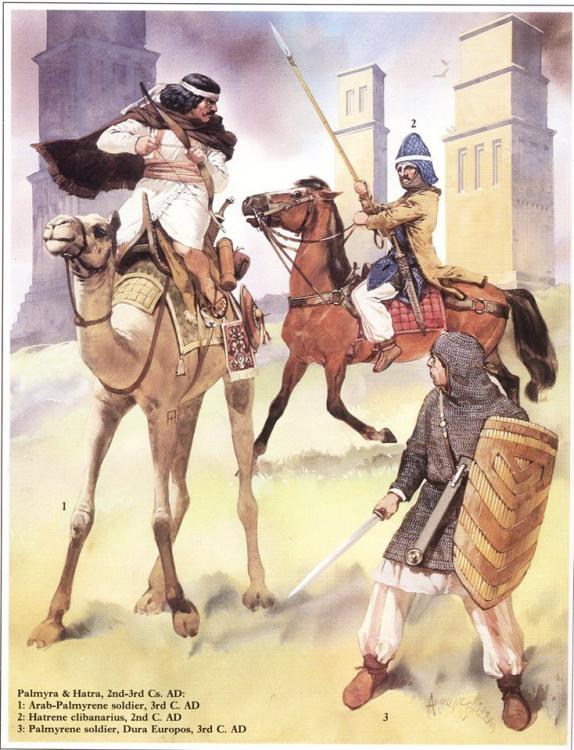
Men's clothing is difficult because there are pants. All I can find is clothing similar to Odenathus It seems to be Looser than Roman clothing and simpler than Persian clothing. The photo shows 3 gentlemen wearing baggy pants.
-
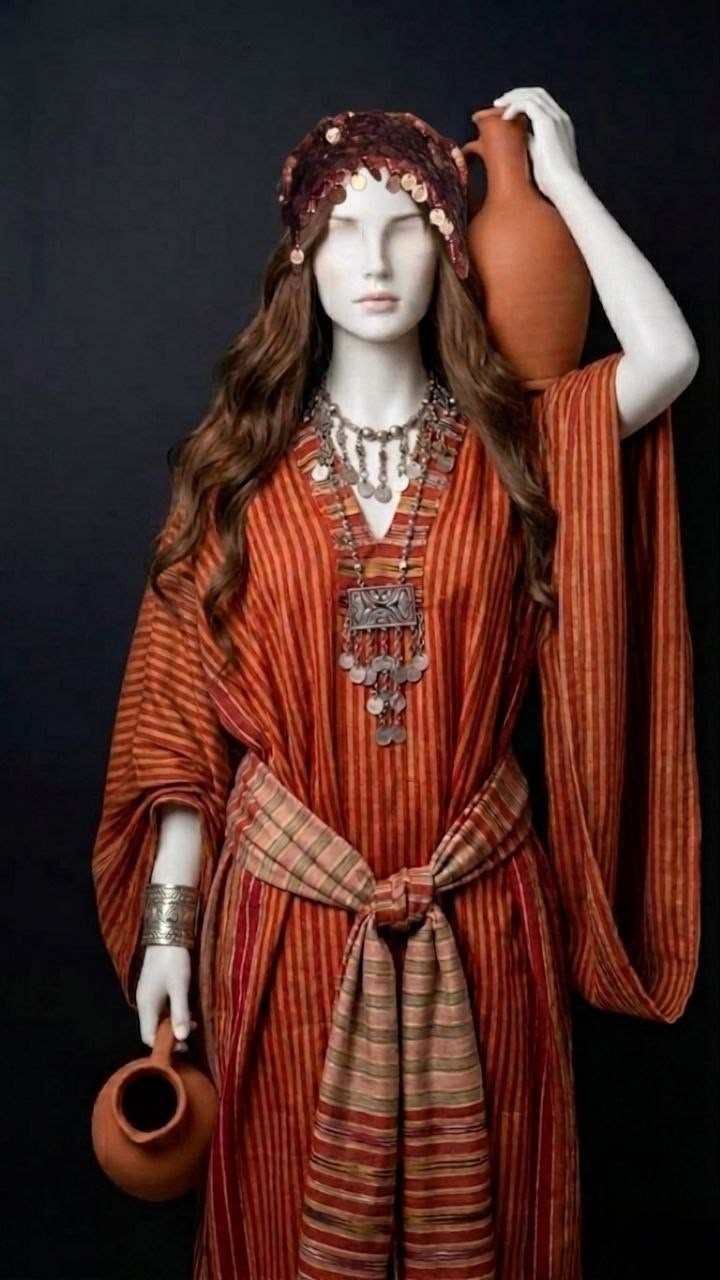
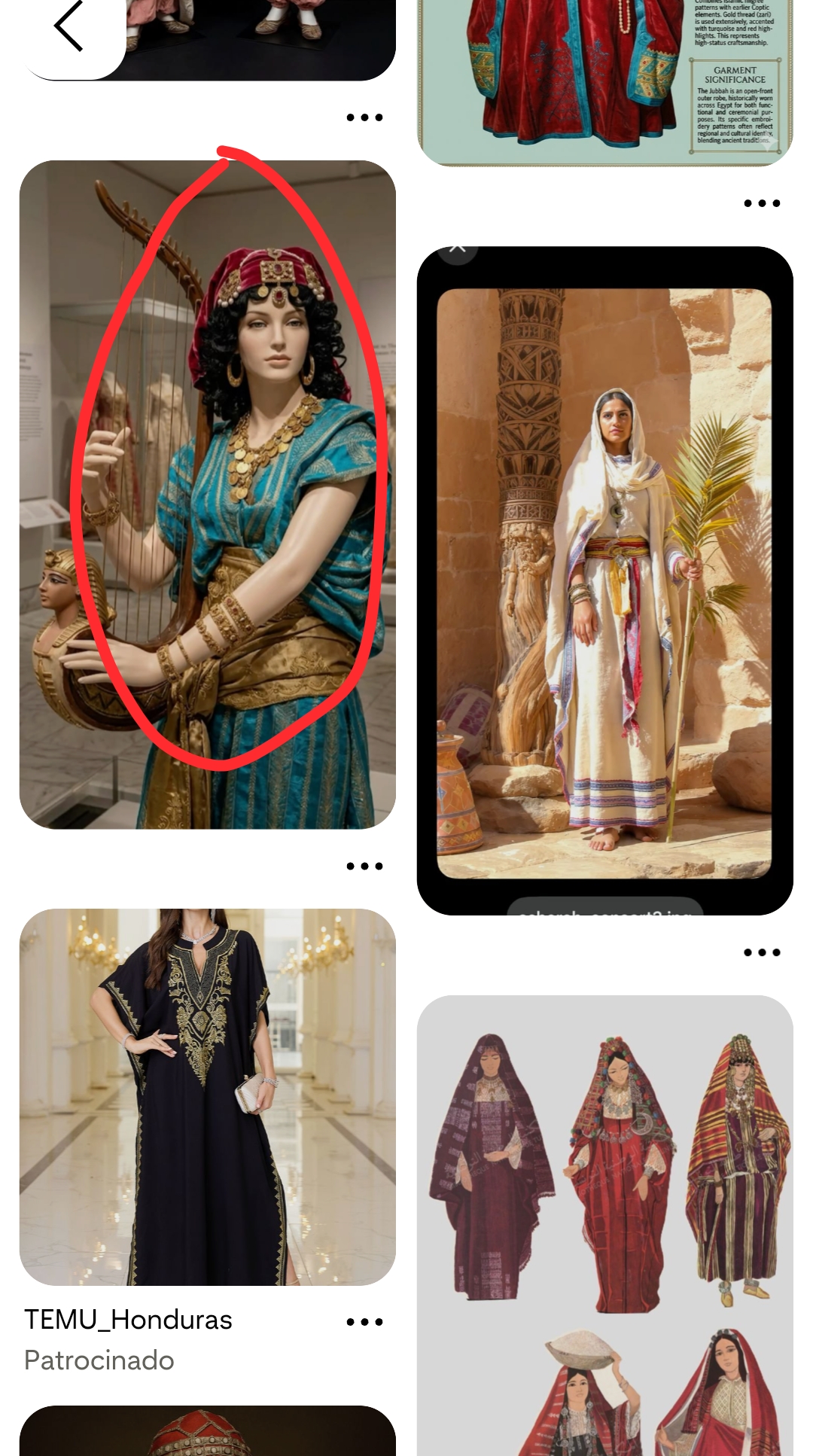
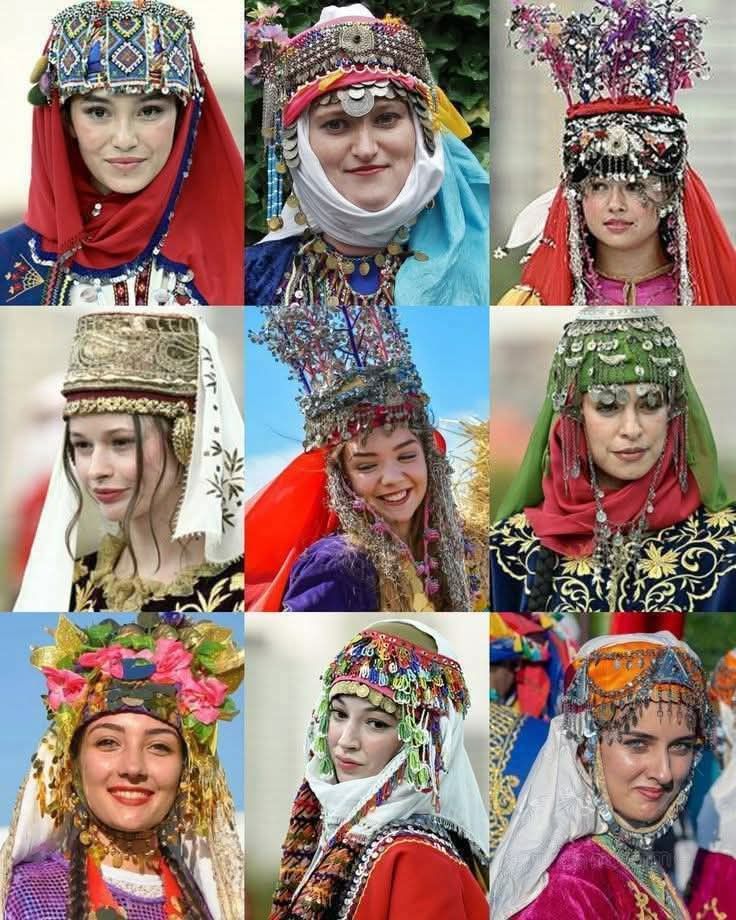
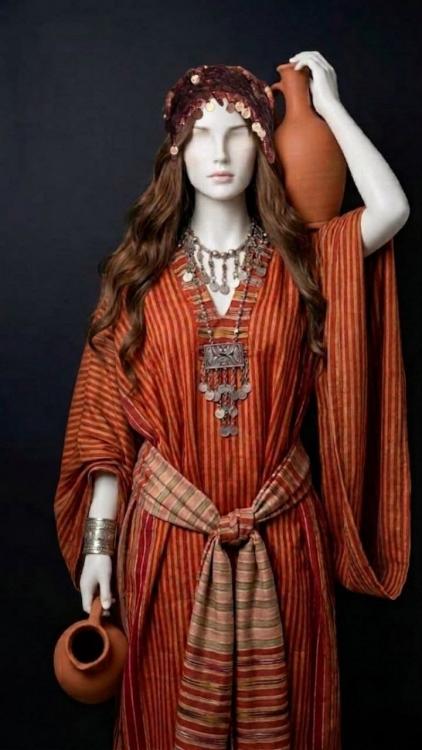
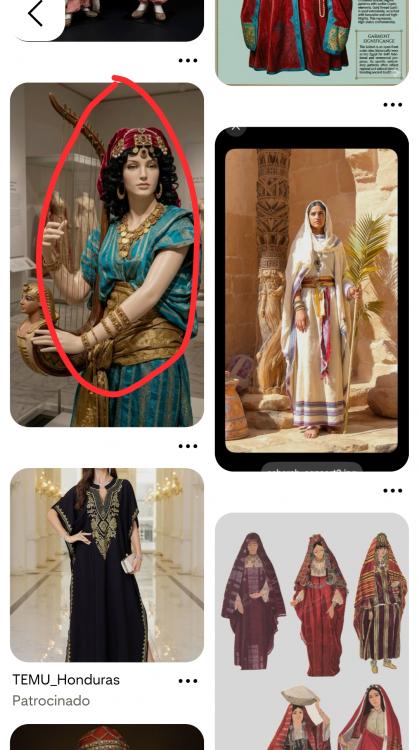
Some fashions are Ottoman according to museums in Egypt and Jordan. These are some details that come from Central Asia or the Arabian Peninsula, even India. I'm going to upload what I found in museums (via Pinterest). There are many images, the one I circled in red is from an Egyptian museum but from the Ottoman period. Although the style of the clothing is very similar to that of the characters from Aladdin. Many of these styles seem to be from Central Asia and the steppes. Even so, it is not impossible due to cultural contact.
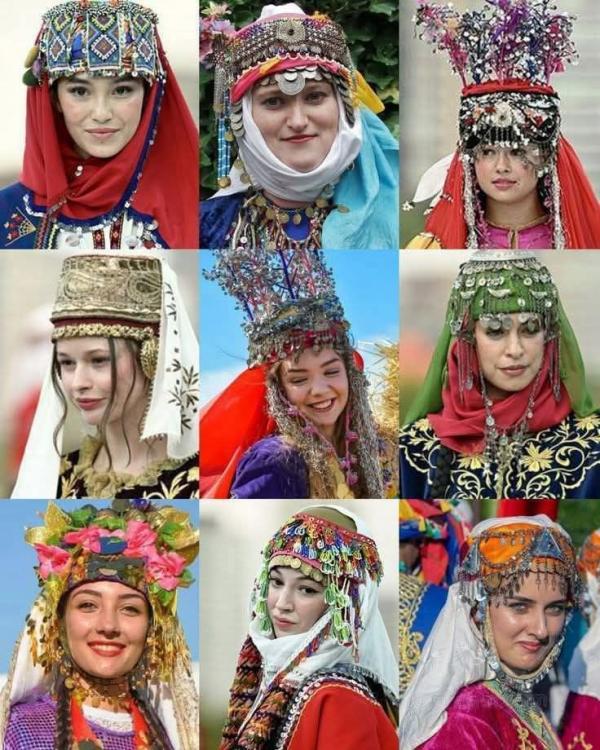
-
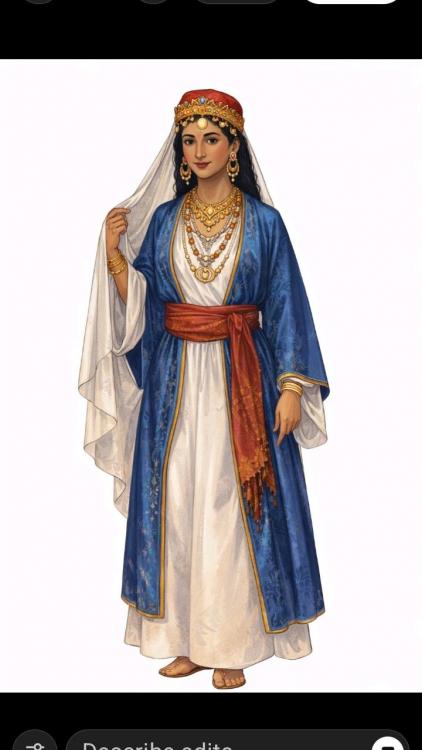
I had a problem with the forum; some of what I wrote disappeared. Fortunately, I saved the images and I still have the text in my mobile device's memory. Egyptian It is a long white shirt with sleeves and with two buttons shorter in length and sleeves, it was worn on occasions before the reign of Khedive Ismail, and it was worn with a wide belt and a pendant with an energetic headdress. I originally thought that these cultures have many similarities due to their geographical and cultural proximity. Hebrews, Phoenicians, Syrians, Egyptians. They share many clothes or outfits.
-
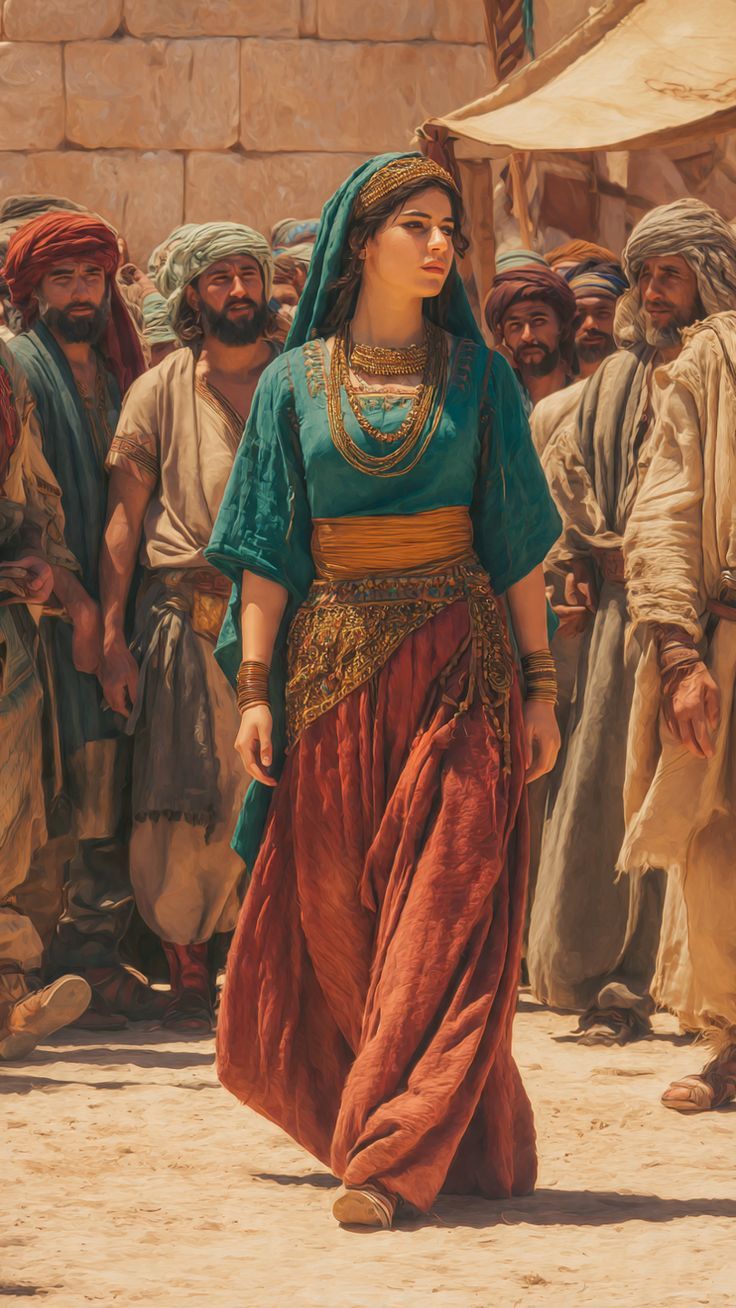
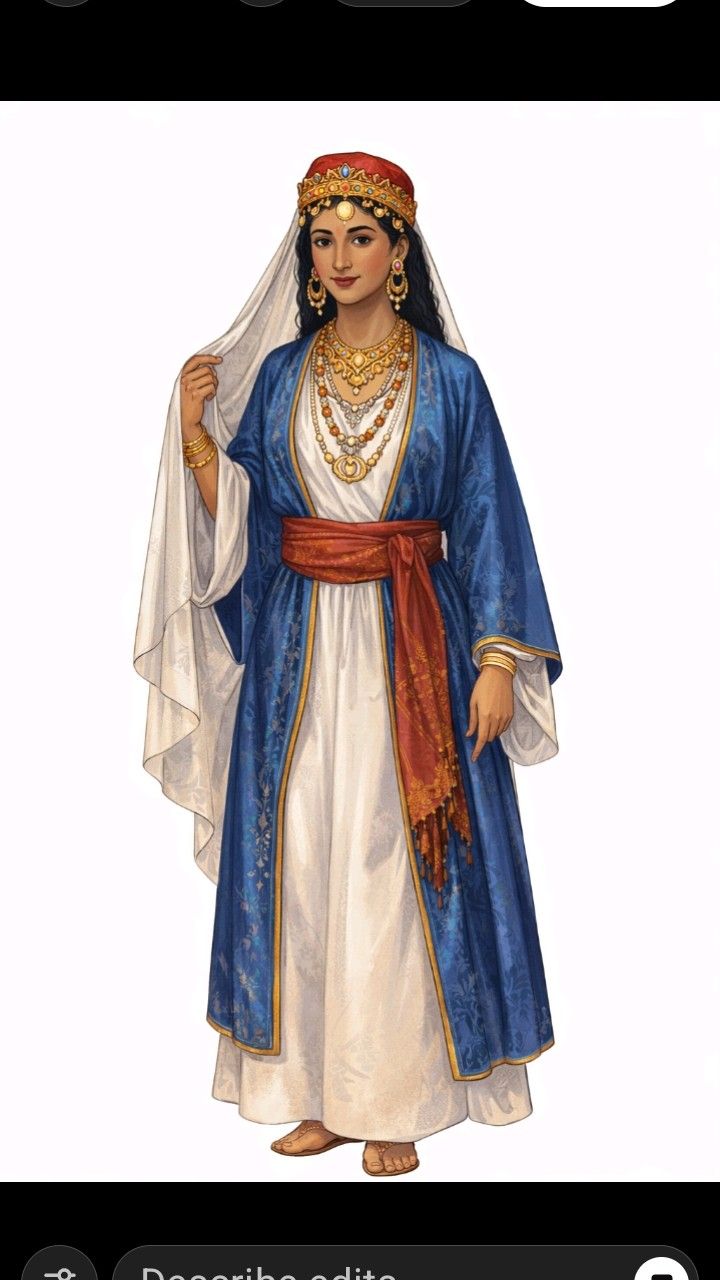
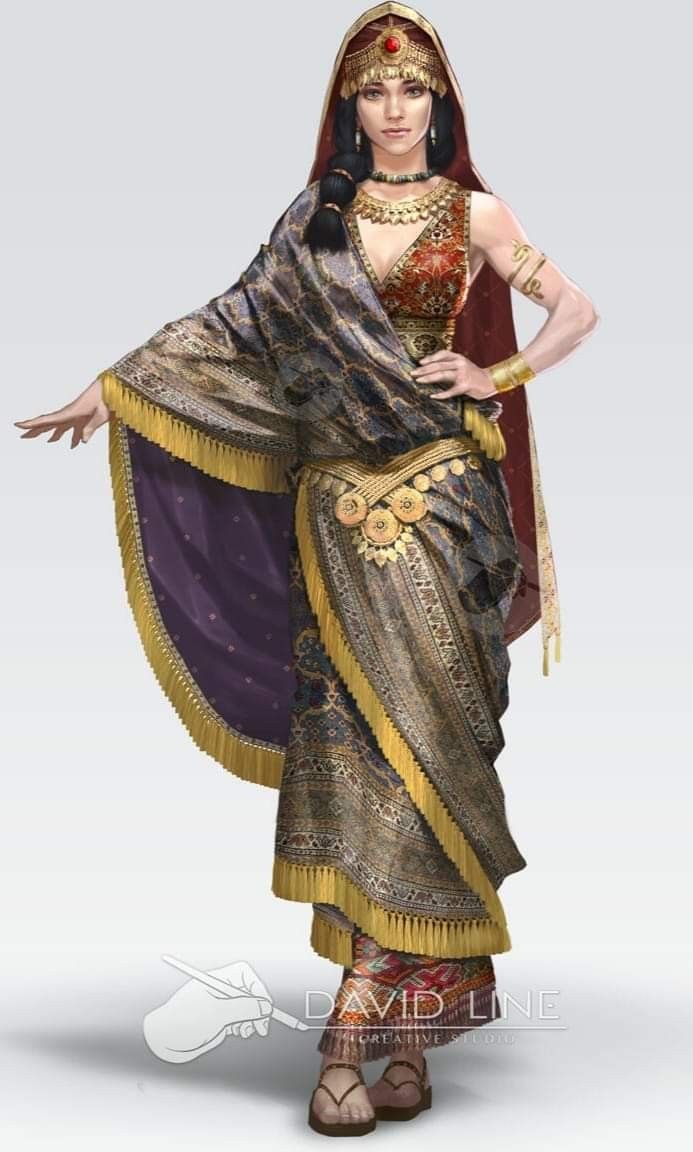
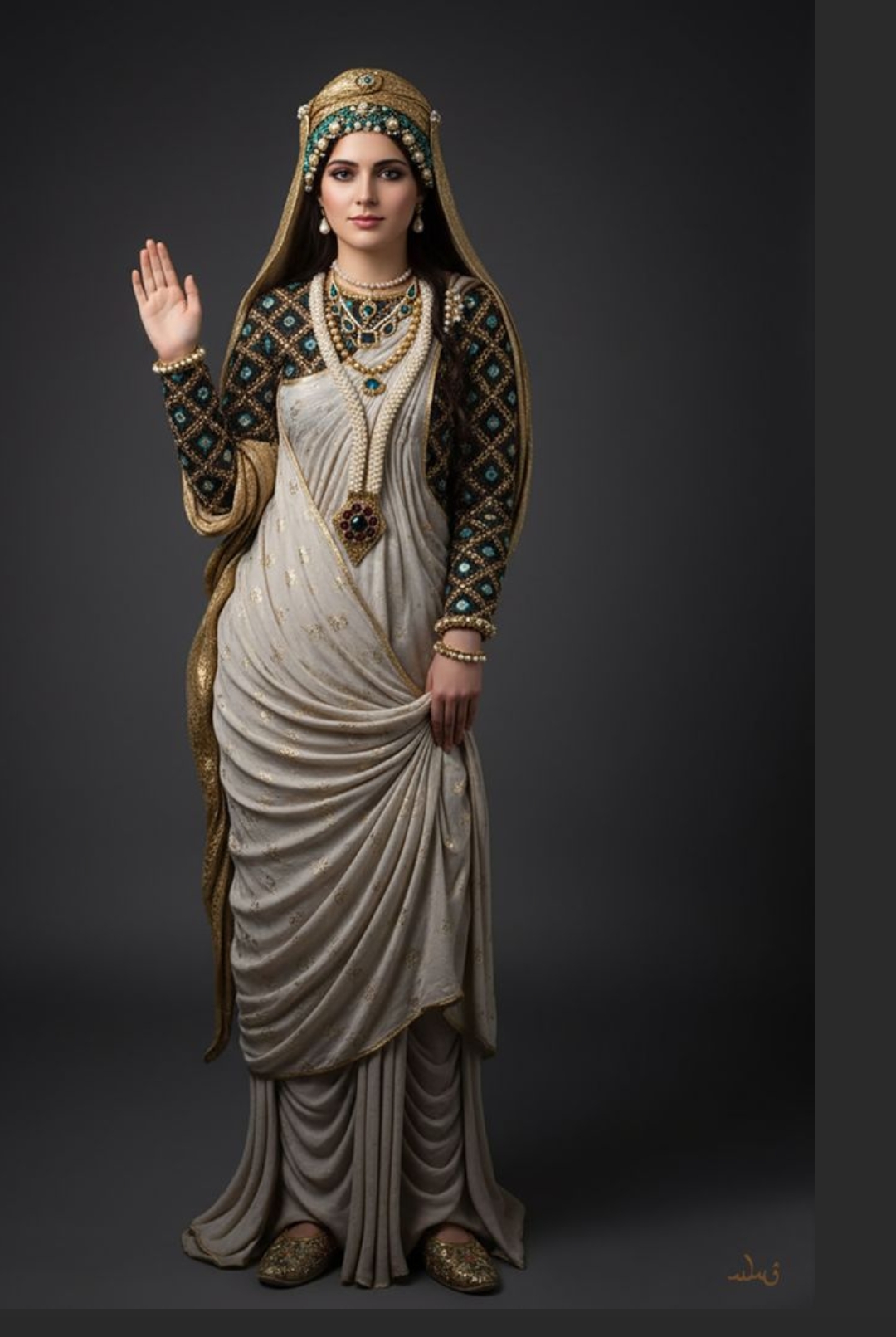
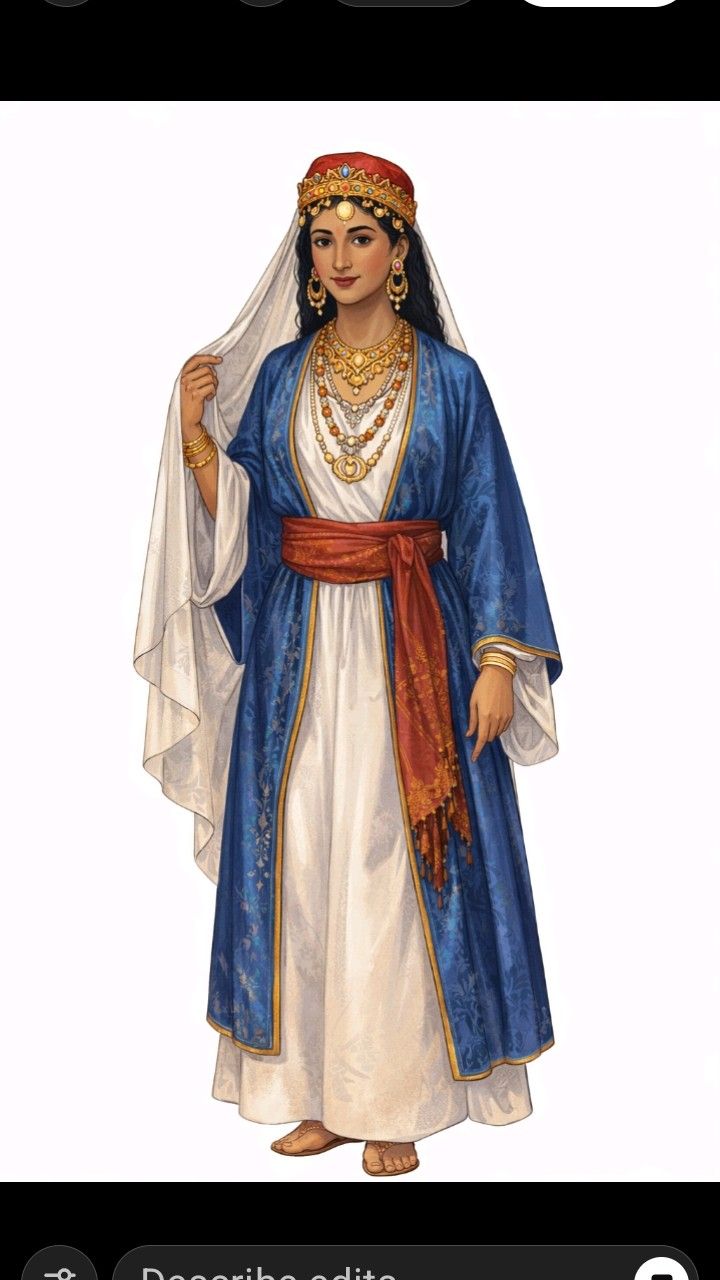
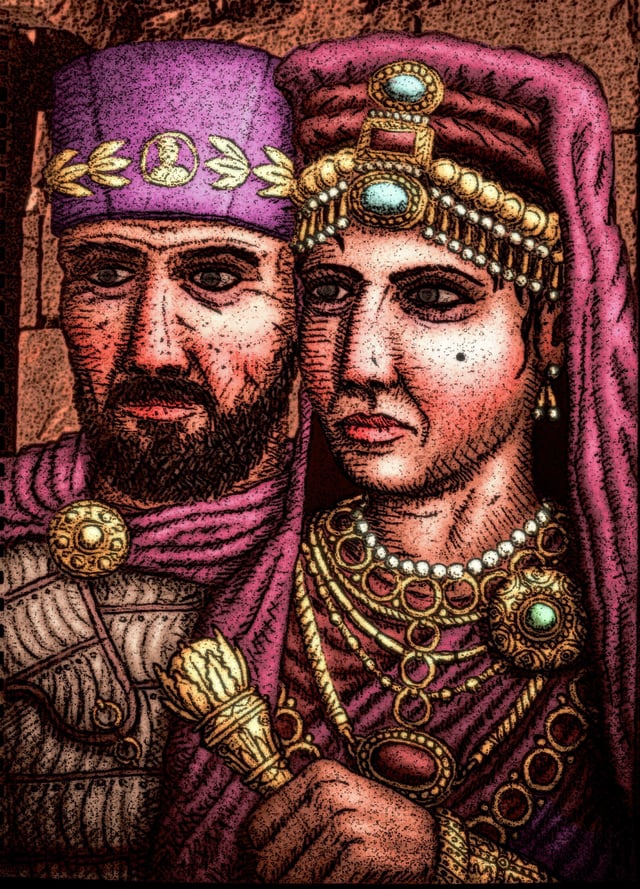
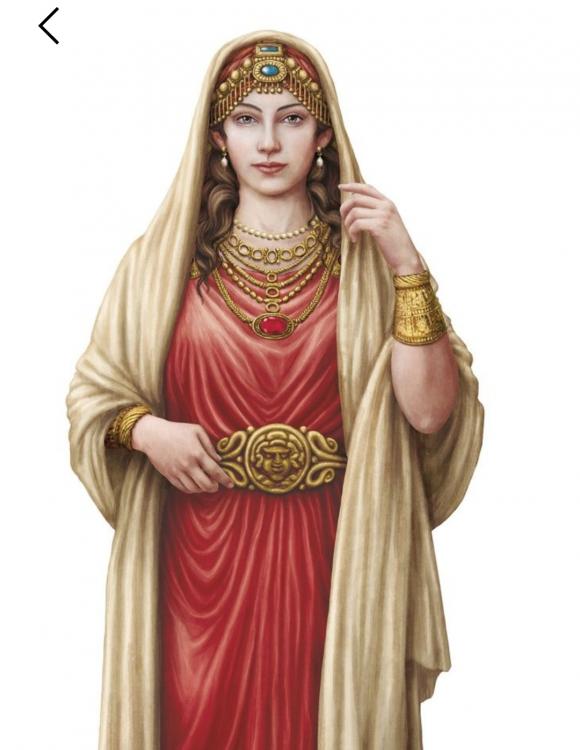
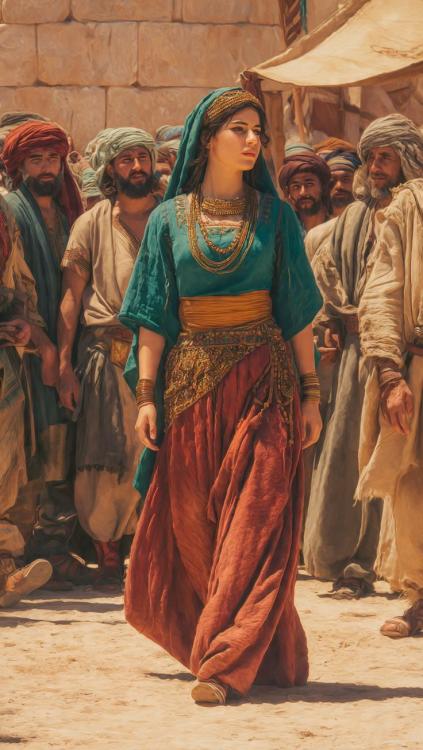
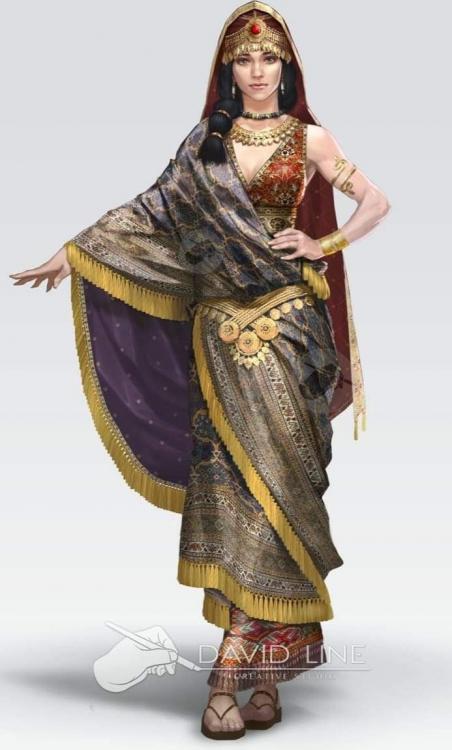
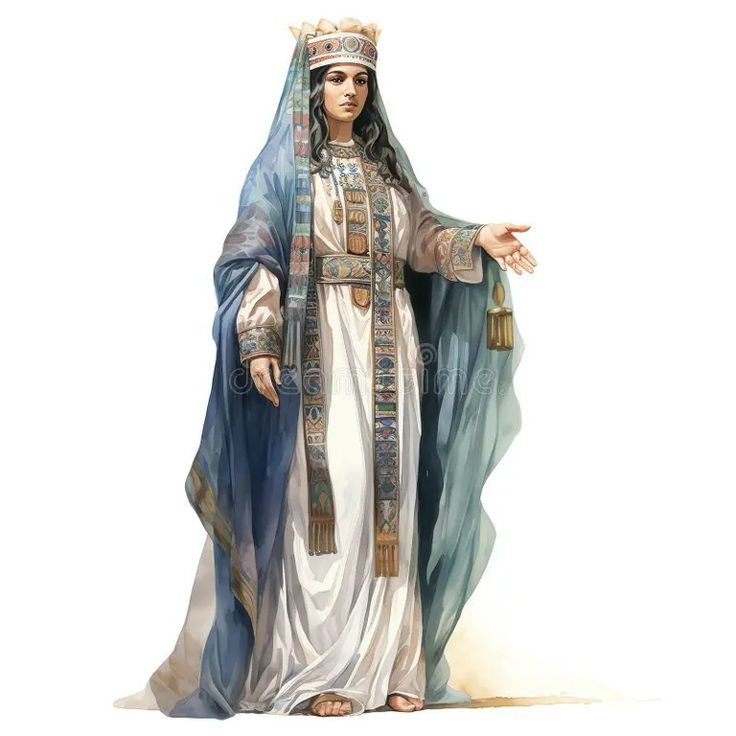
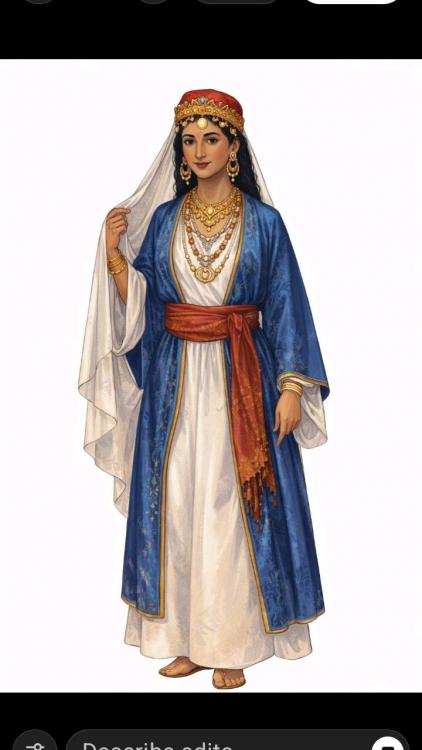
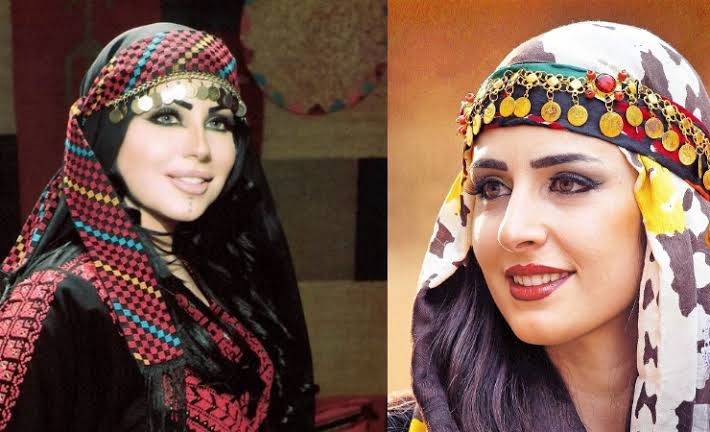
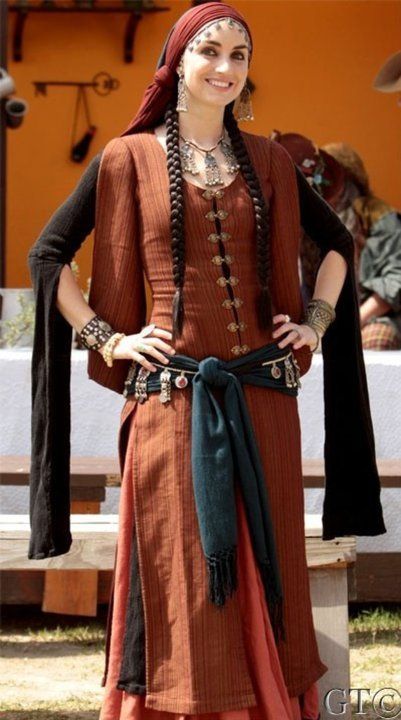
I found 2 images made with AI but well done. Below I'll leave some pictures of Hollywood. One is an Arab woman and the other a Bactrian princess. This is a character from the series The Chosen who has good advice regarding clothing. As always, Hollywood has its problems with armor; sometimes, for safety reasons, they don't use realistic armor. It seems that Middle Eastern and Central Asian cultures liked those hanging ornaments.
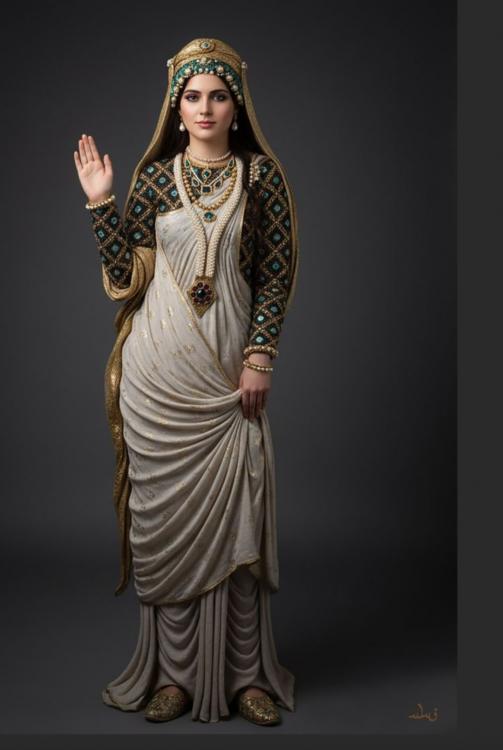
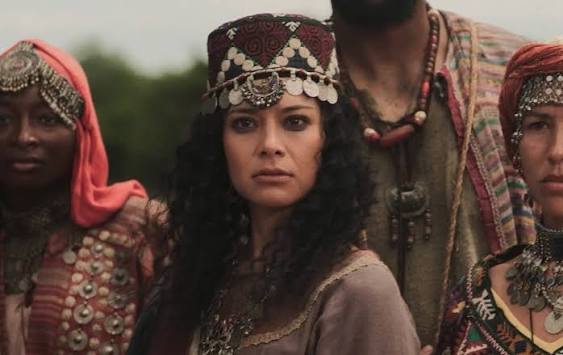
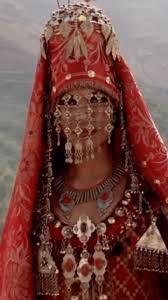
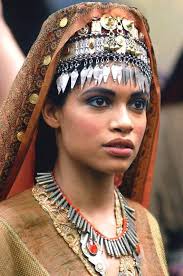
-
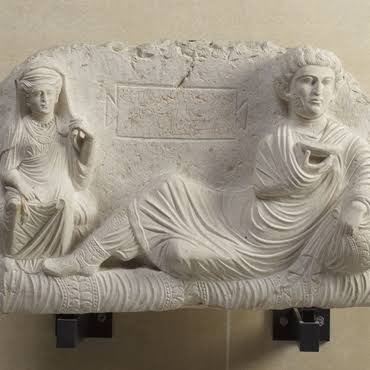
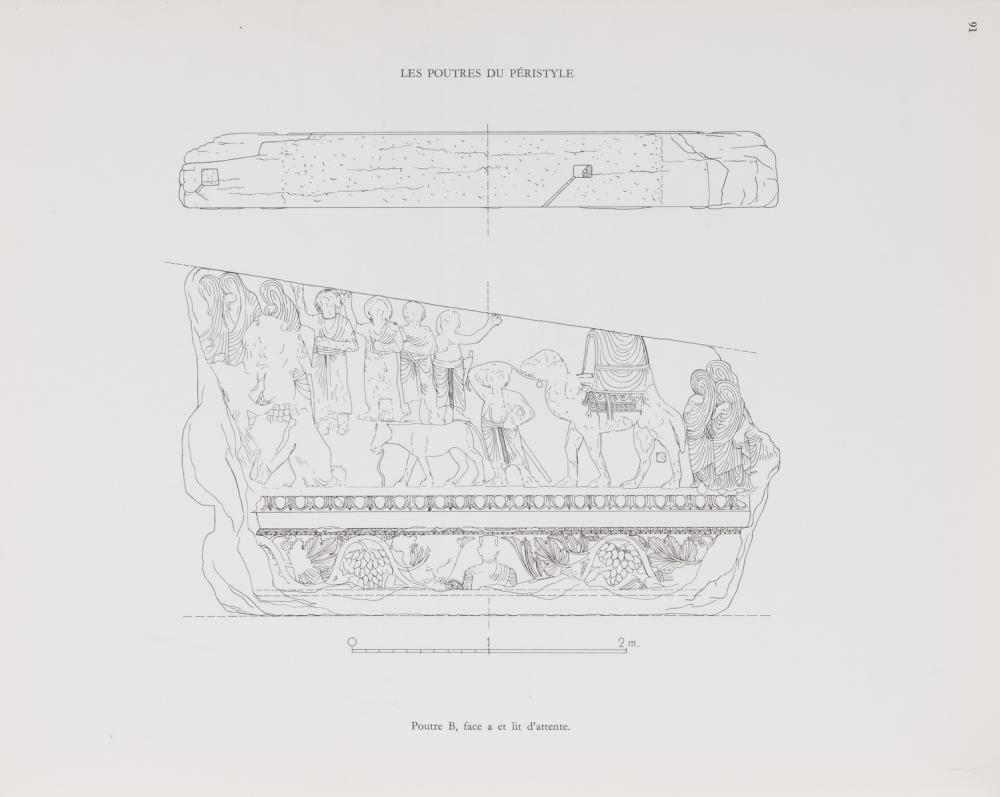
I found an interesting image of an art based on a fresco and relief with AI. Below I will leave other references that are unclear but seem convincing.
-
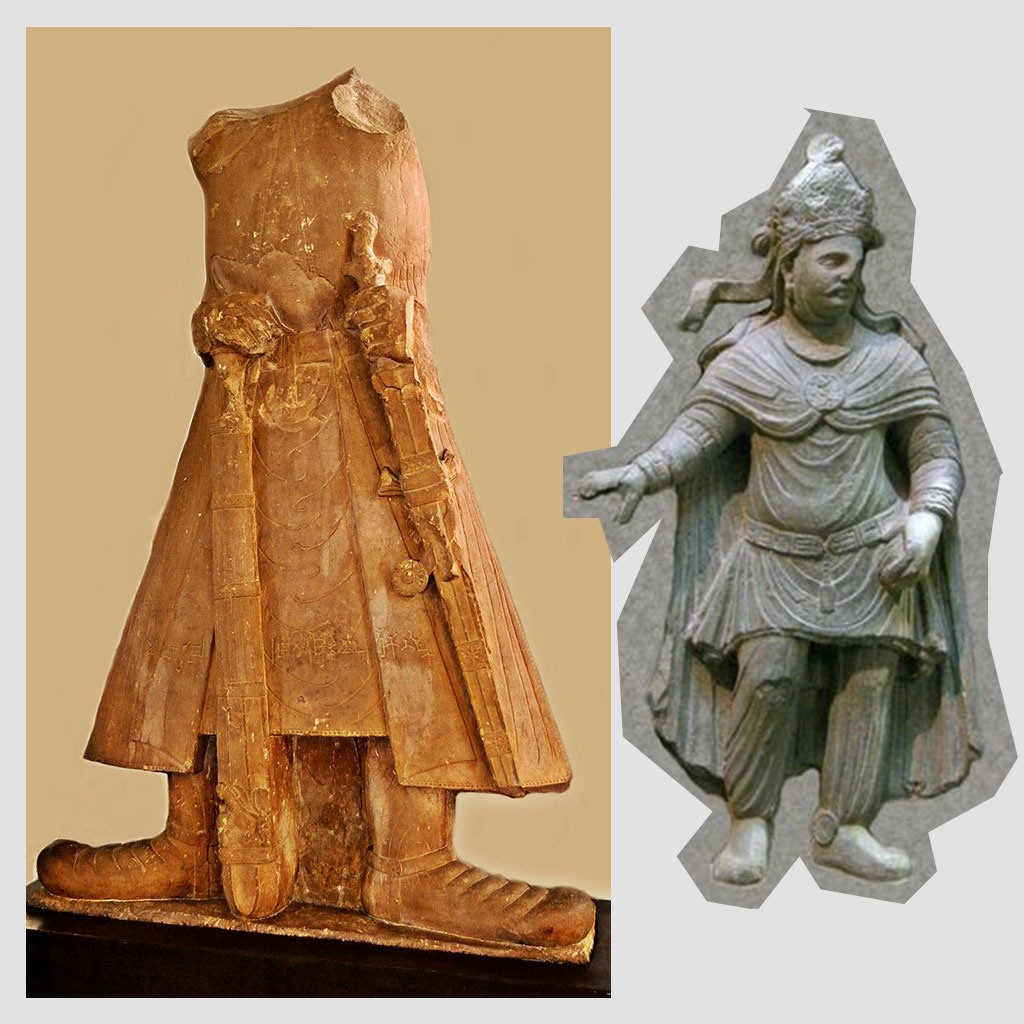
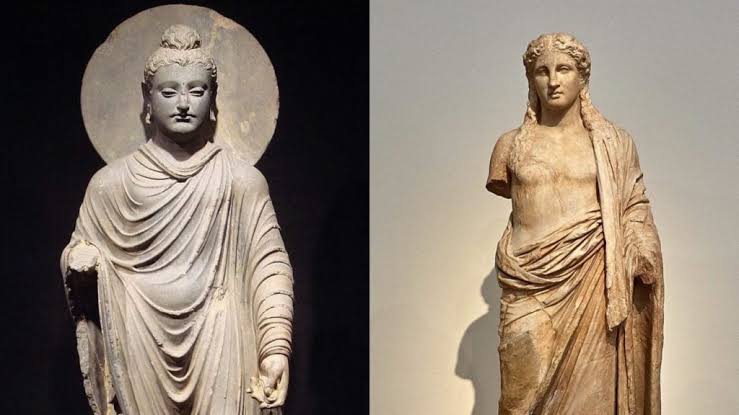
These clothes, it seems to me, resemble those from Central Asia and Hellenized areas of India. Hellenistic India. Kushan art. The trousers bear a certain resemblance. Probably an influence from Iranian peoples.
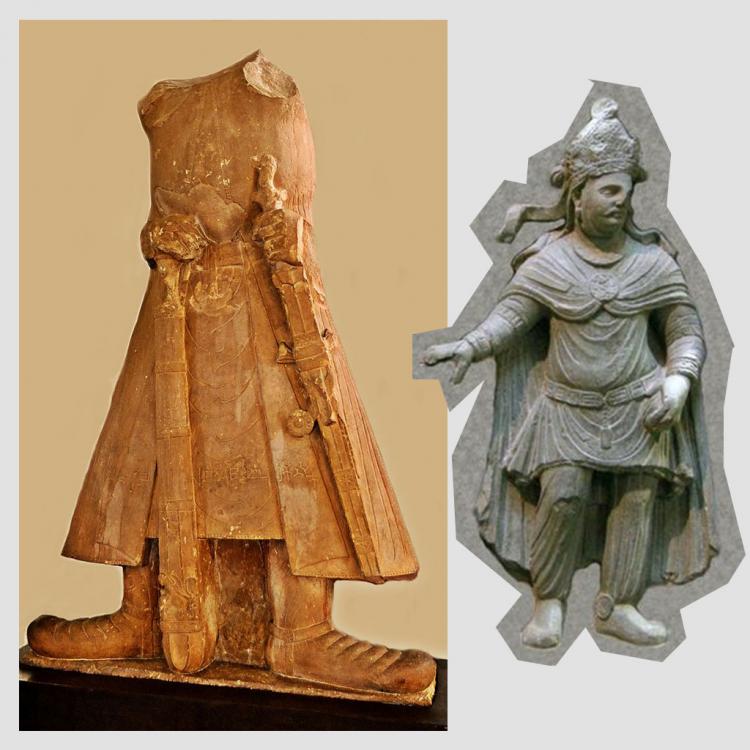
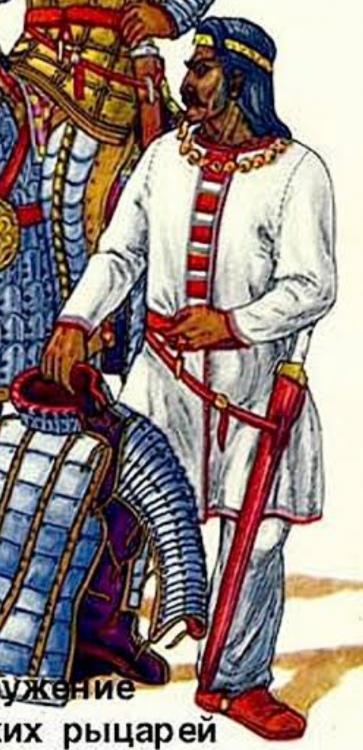
-
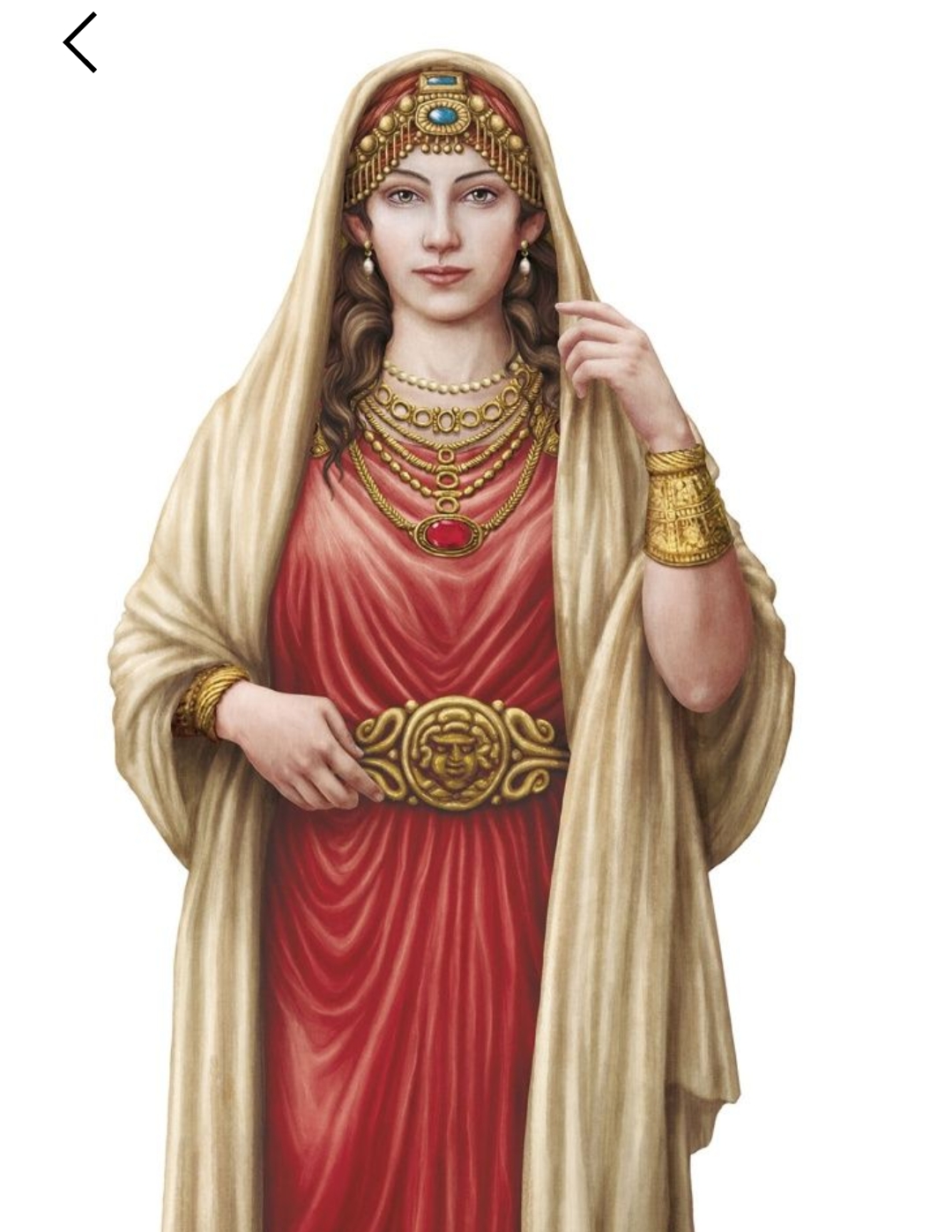
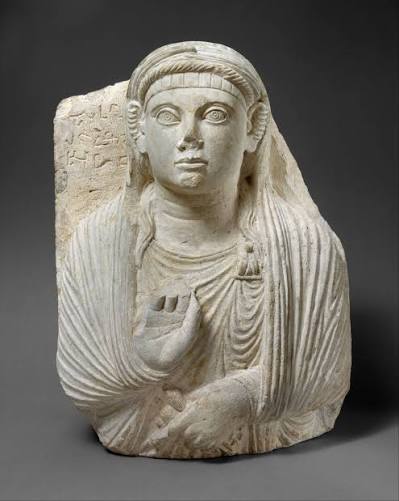
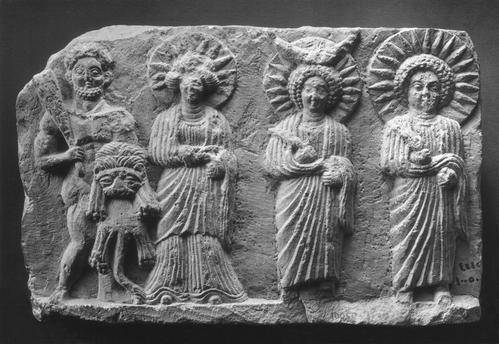
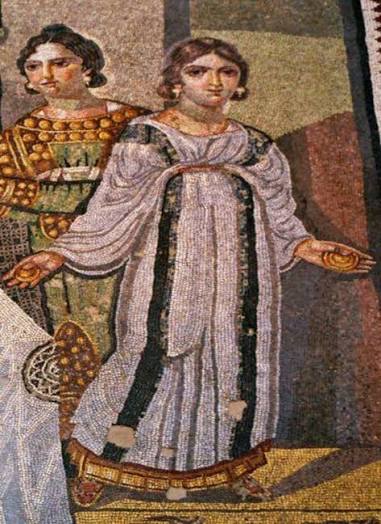
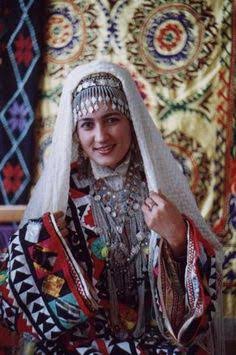
https://archeologie.culture.gouv.fr/palmyre/en/clothes-and-jewellery Men wore embroidered baggy trousers and belted long-sleeved tunics. Women generally wore a tunic, a mantle fastened on the left shoulder with a fibula, earrings, one or more necklaces, bracelets, a brow band often decorated with plant motifs, a turban and a long veil. A preference for an Iranian garment or a Greek mantle was a matter of taste, wealth or mood, not of origin or profession. The central role played by Palmyra in trade between the Mediterranean and the East made it one of the main stopping points for caravans transporting luxury materials such as gold, gemstones and pearls. It was also a focal point for the styles, fashions and techniques that travelled with the merchants. The Palmyreans assimilated these different influences: Palmyrene silverwork and goldwork, for example, are a rich synthesis of eastern, Roman, Greek, Hellenistic and Syrian elements and motifs.
-
According to: https://history.stackexchange.com/questions/46106/what-was-clothing-in-ancient-palmyra-like An important trading centre which derived much of its wealth from the Silk Road, Palmyra was a multi-cultural city, influenced by both east (especially Iran) and west (Greece and Rome). This is reflected in the clothing they wore, but there was also a distinctly local style; in short, it’s a complex picture and generalizing is difficult. As Marybeth Osowski, in Fashioning Identity: Clothing and the Image of the Syrian in the Roman Empire, states: The standard visual image of the Near East in Greek and Roman depictions features elements such as long-sleeved tunics and ankle-length trousers, bright colors and elaborate patterns or decorations, and other items like pointed hats or turbans also feature but are not universal. The best visual evidence we have of clothing in 3rd century AD Palmyra comes from funerary monuments. However, these cannot be considered entirely representative of the population as a whole but rather of the local elite and wealthier residents, most likely wearing their finest clothing. Further, we can’t be sure to what extent these may have been idealized representations of what people actually wore. Lastly, there is the issue of status, and of how people wished to be seen in different social and cultural situations. Generally speaking, there two styles of Palmyrene attire: one is termed Greek or Greco-Roman, the Parthian or sometimes Persian. Let's go: Sassanid clothes.
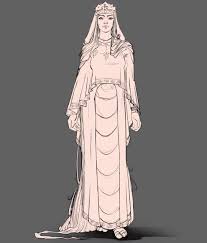
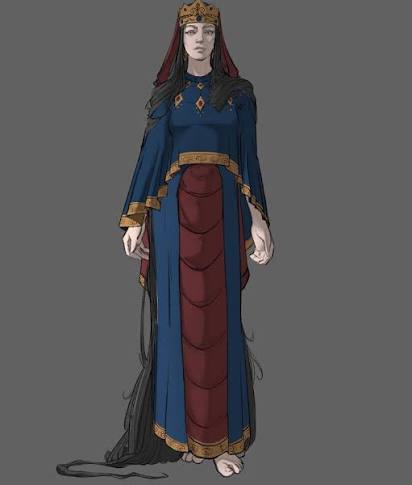
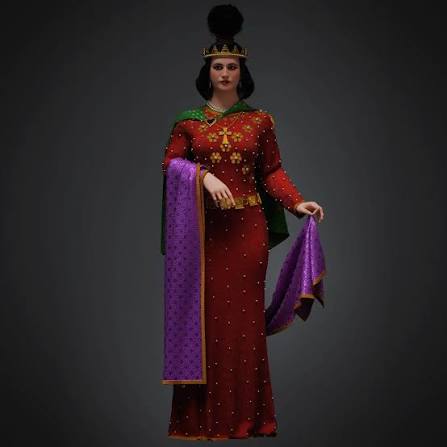
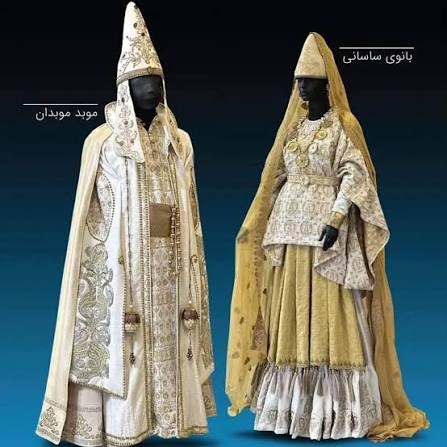
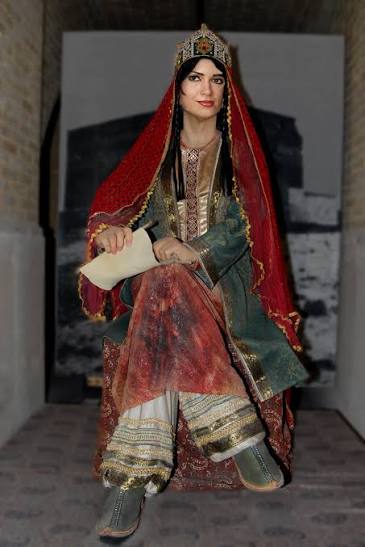
-
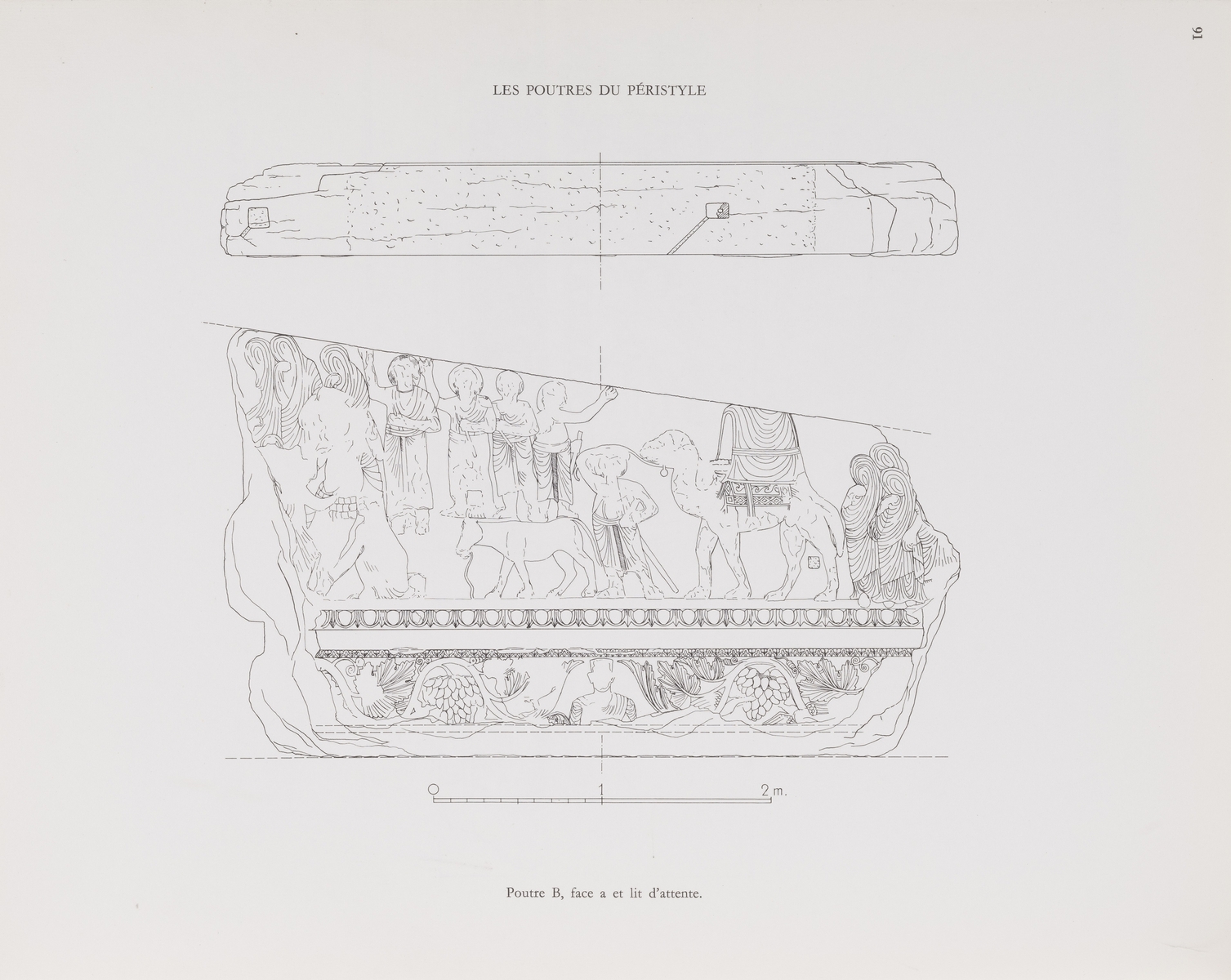
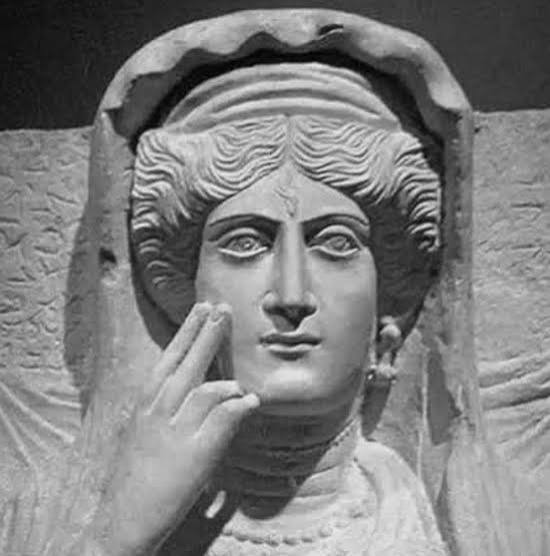
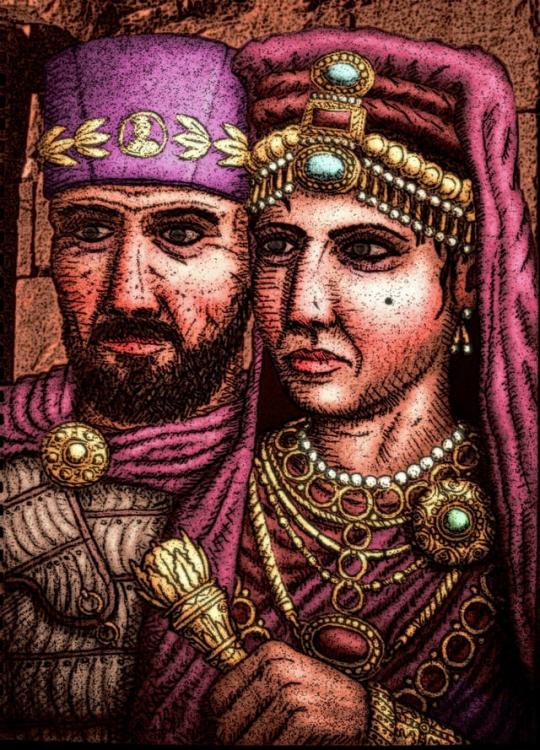
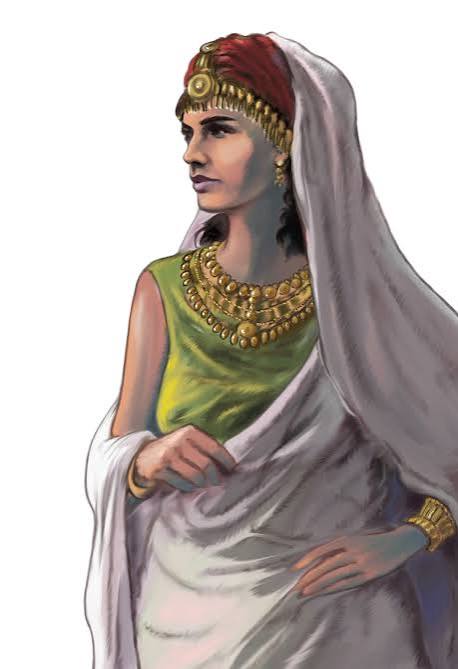
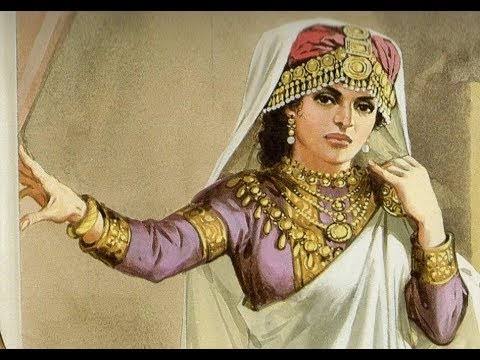
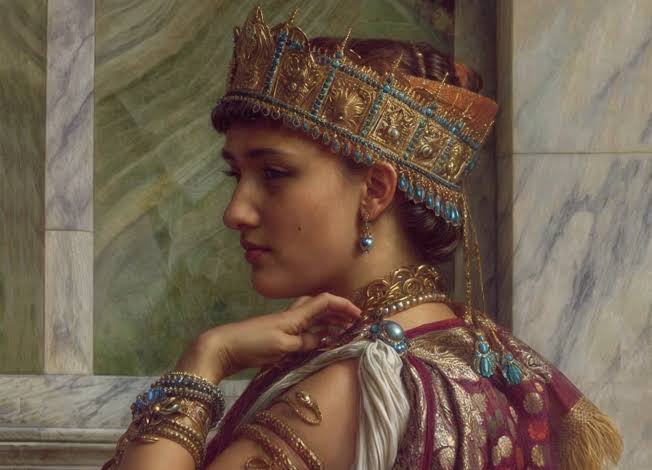
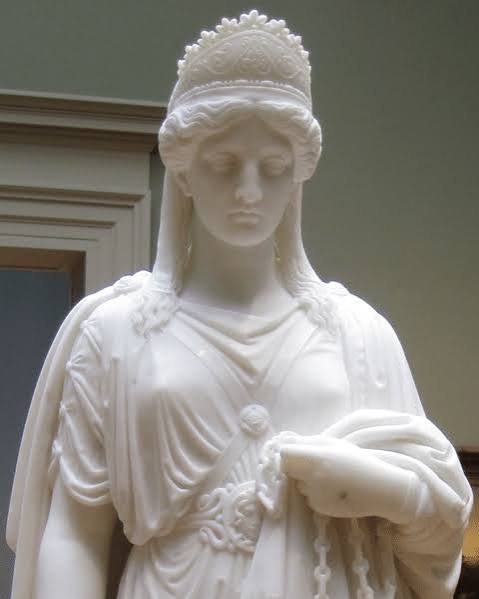
https://archeologie.culture.gouv.fr/palmyre/en/clothes-and-jewellery Clothing. The reliefs offer an insight into what people might have worn in Palmyra. Although there are examples of citizens wearing the Roman toga or himation, a draped garment worn by the ancient Greeks, most Palmyreans wore typically Syrian clothes, colourful and richly embroidered, influenced by the attire of their powerful neighbour to the east, the Parthian empire. Below are images dedicated to Zenobia, both modern and reliefs.
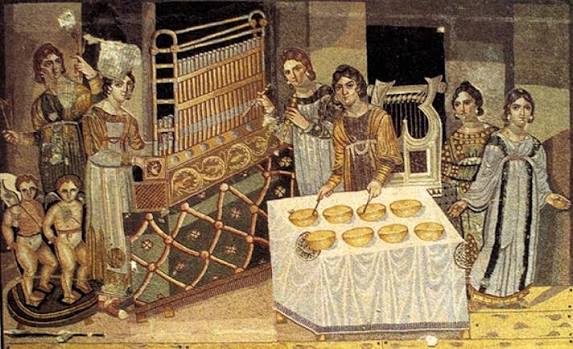
-
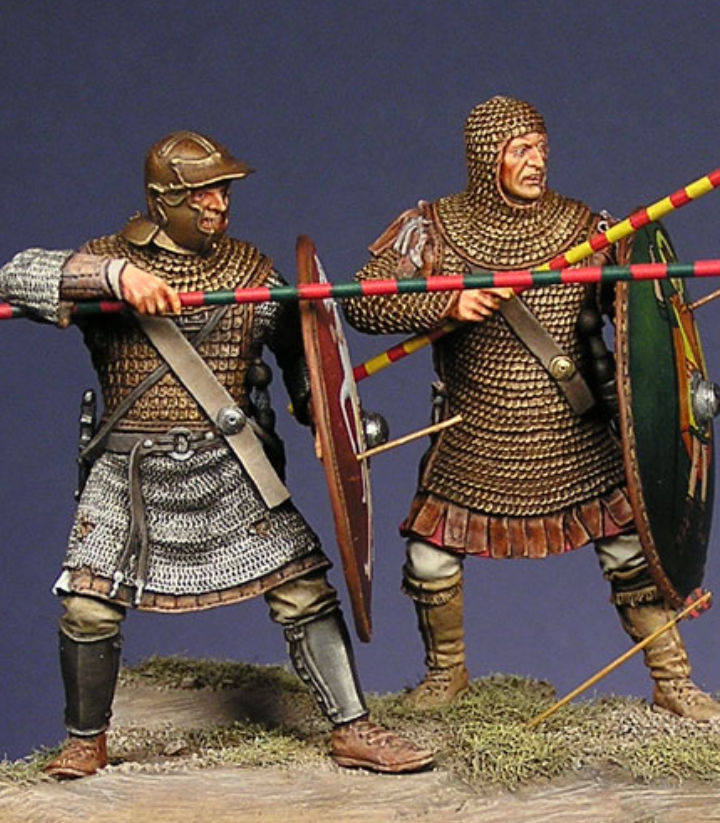
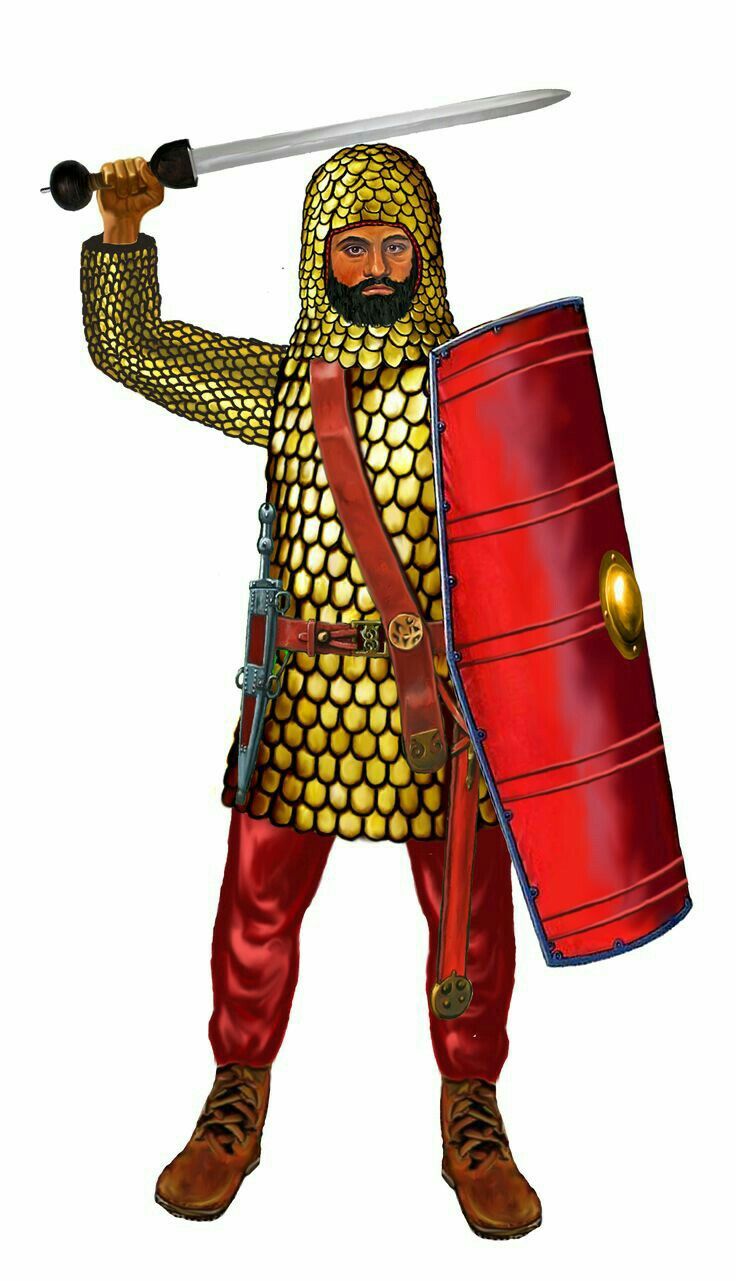
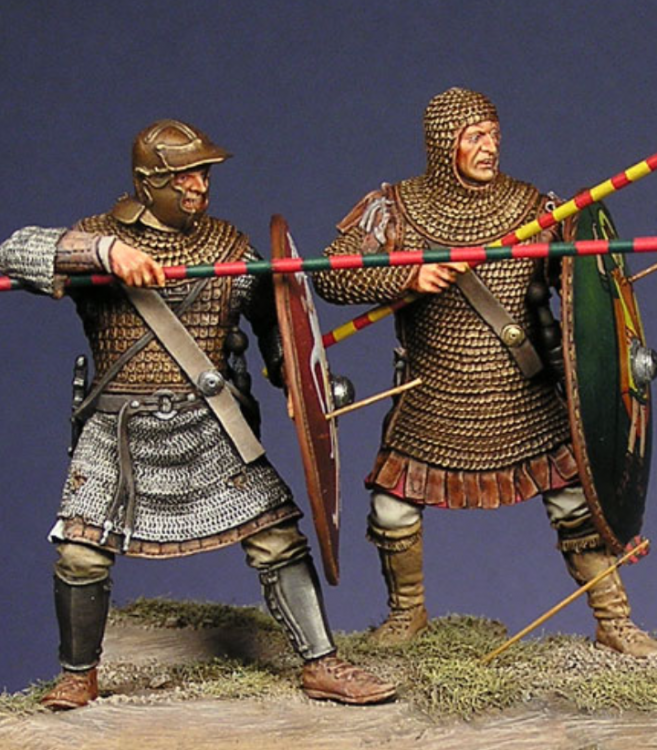
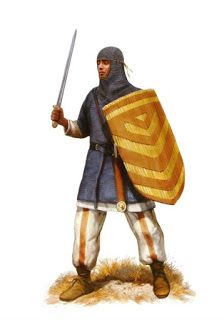
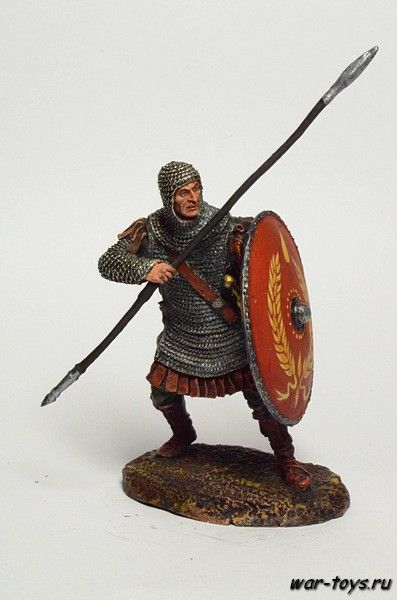
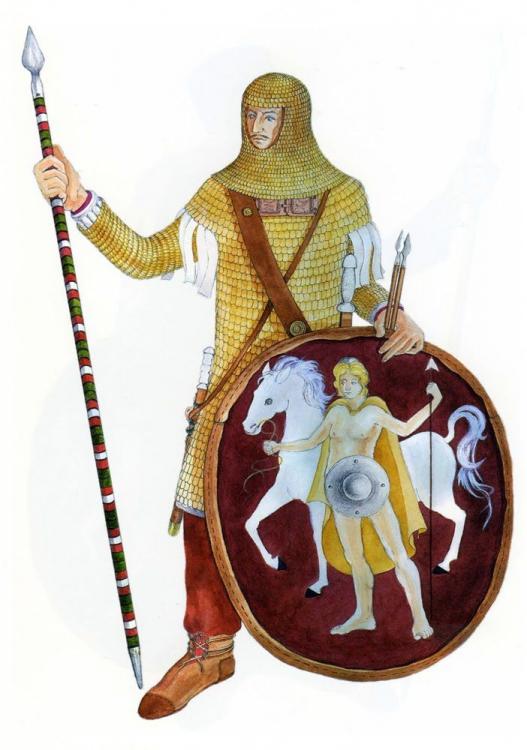
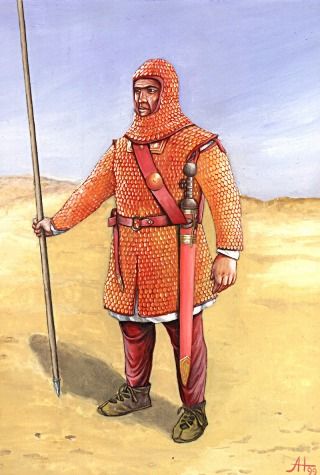
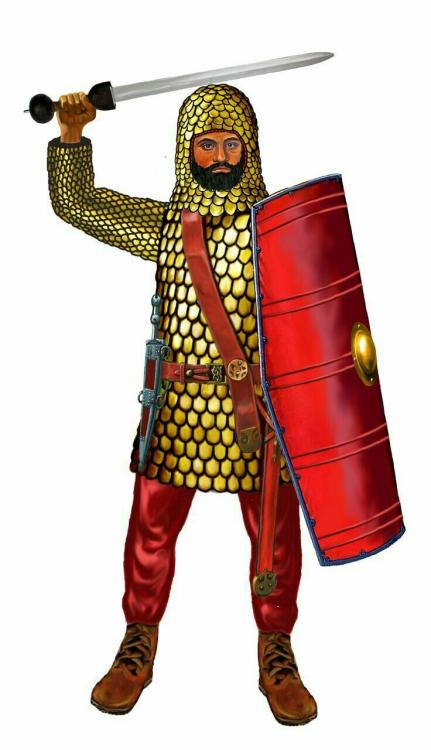
The style of these soldiers seems to have a very distant Asian influence, but it could be due to the influence of the Silk Road, according to some forums and Reddit posts. Chinese and Vietnamese style armor are mentioned. The problem with this hypothesis is the Parthia/Persia blockade.

-
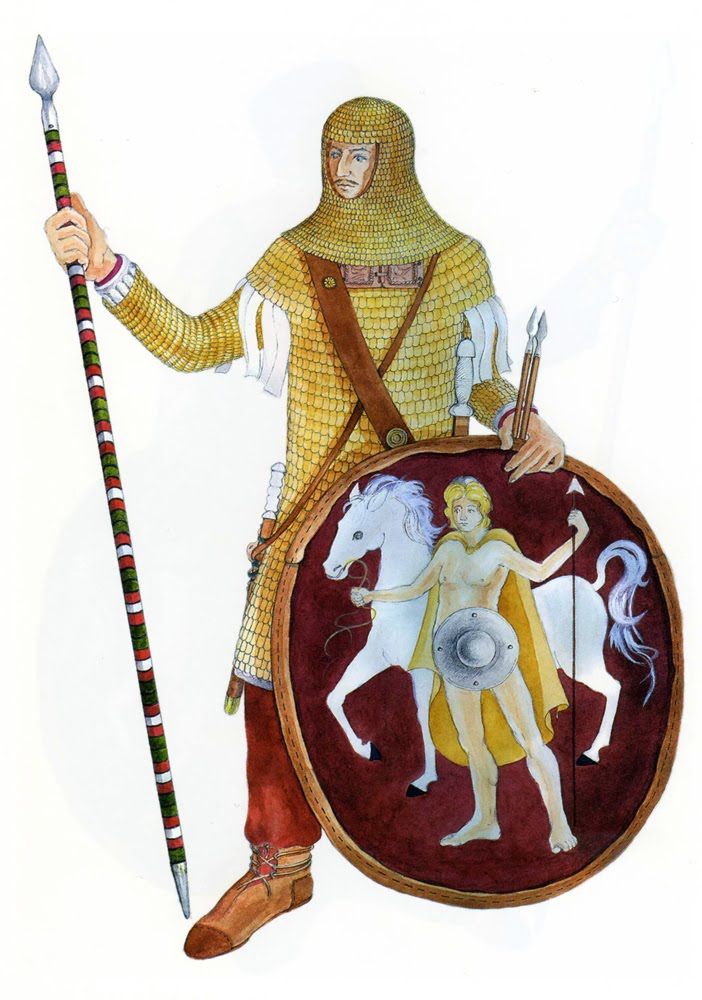
I have some descriptions in English and Spanish. The Numidian cavalry, composed of swift horsemen armed with javelins and small fur shields, was one of the most valuable weapons of the Carthaginians along with the troops of Iberian and Gallic mercenaries. The mobility of the Numidian horsemen and their ability to wear down the legionary columns before the clash between infantry impressed the Romans themselves before Sicily fell to the Republic. https://www.ospreypublishing.com/us/osprey-blog/2021/the-numidians-300-bc-ad-300/
-
The style of these soldiers seems to have a very distant Asian influence, but it could be due to the influence of the Silk Road, according to some forums and Reddit posts. Chinese and Vietnamese style armor are mentioned.
-
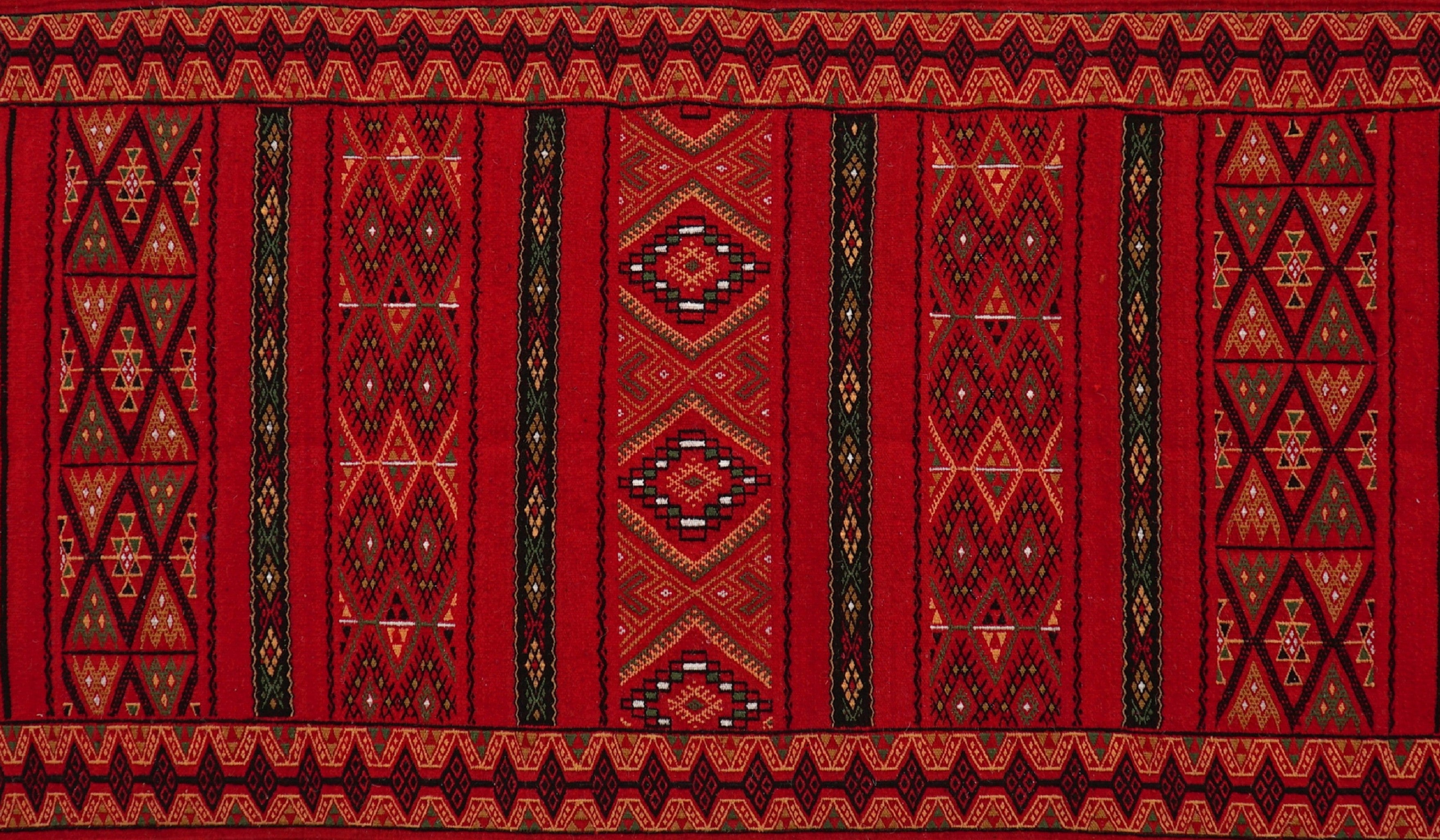
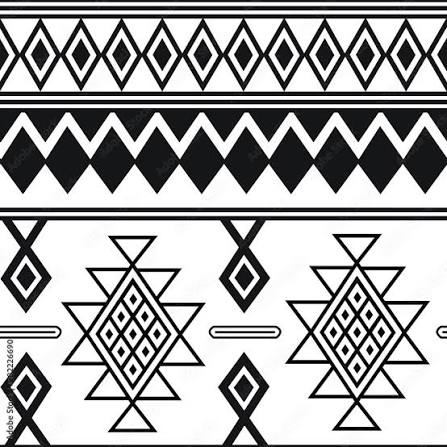
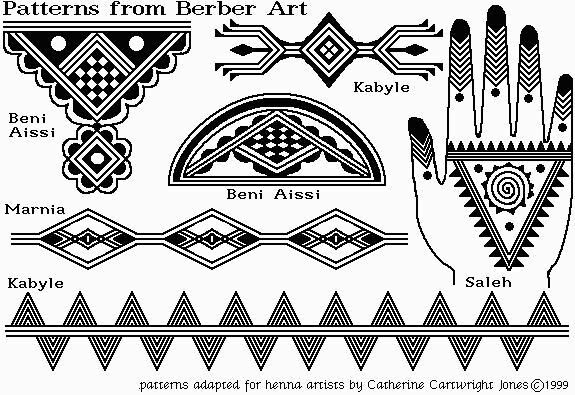
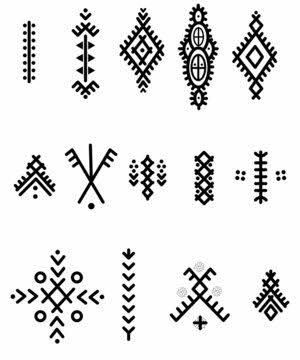
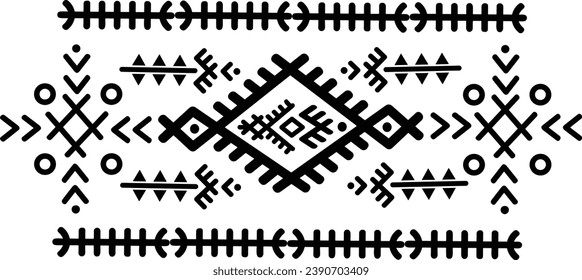
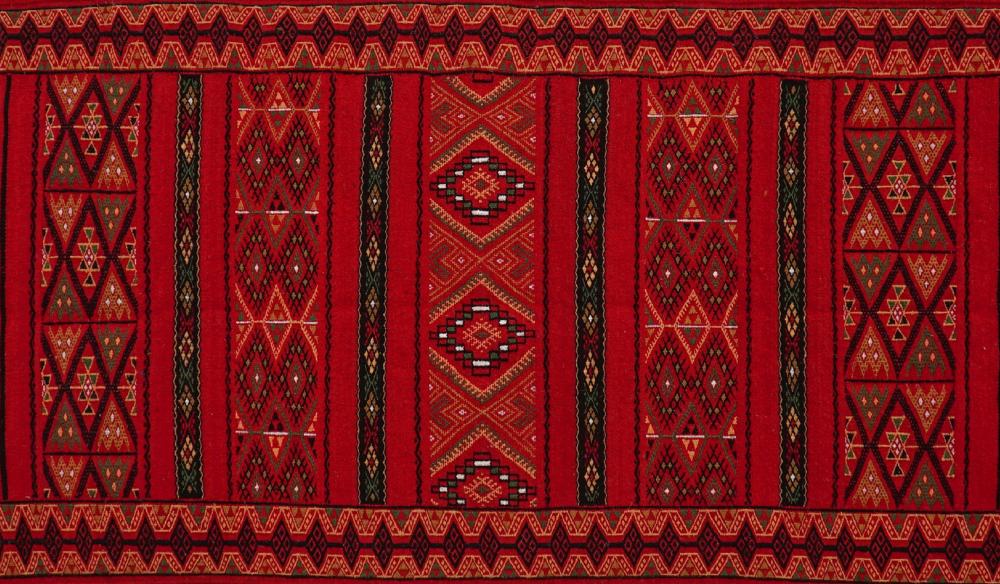
I found some Berber references for the patterns.
-
Yes, I can. I need to find the references.
-


-
Third century romans
-
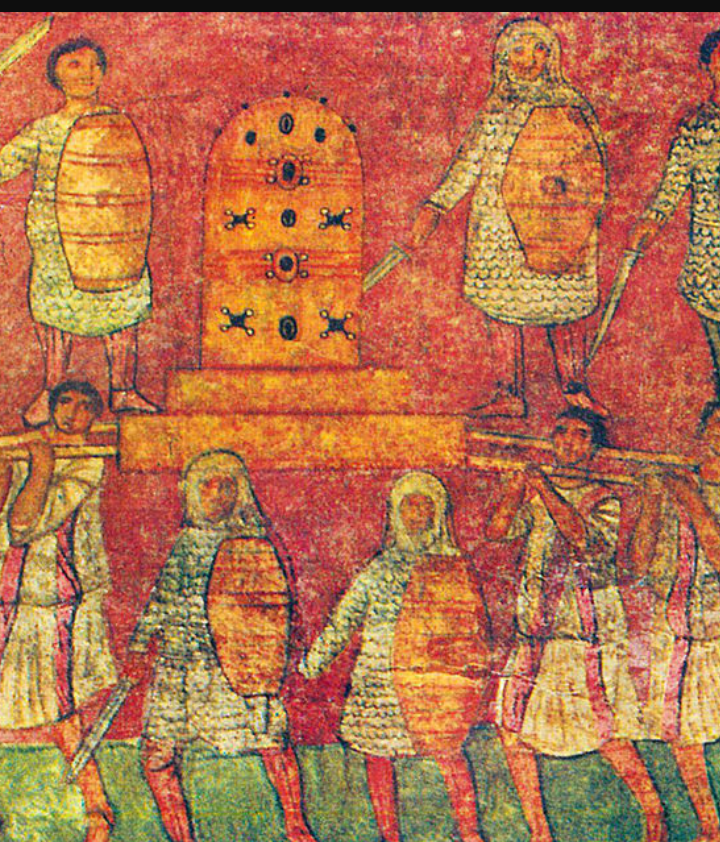
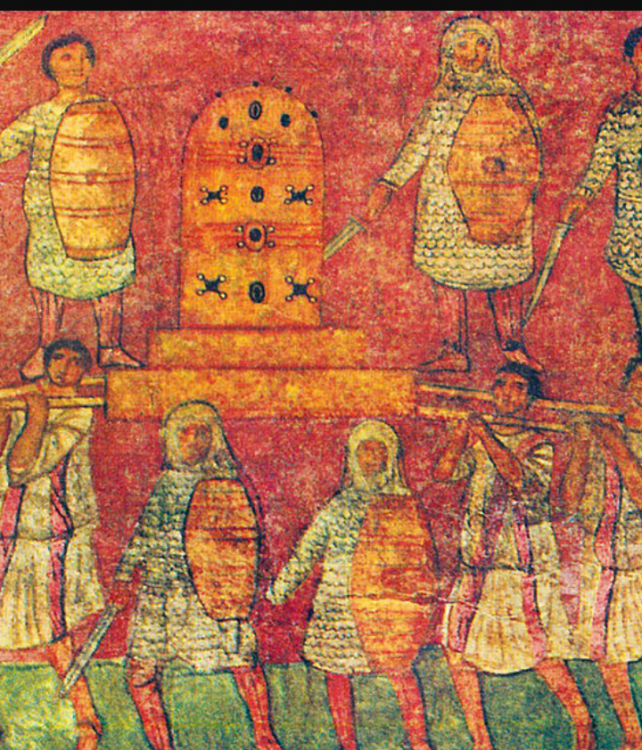
https://warfare.6te.net/Ancient/Shield-Dura-Europos-Yale.htm 38. Shield or mantlet of reeds, late 3rd century AD, Sassanian (?), Dura-Europos, Yale University Art Gallery, New Haven (Mes, Brow A). Vol. 1, p235: Shields made of reed or cane had been used in the Middle East since pre-historic times. A magnificently preserved rectangular Sassanian example was excavated at Dura Europos (Fig. 38). Comparable shields may well have been used in Persia and Iraq until the time of the Muslim conquest,26 but whether the reed shields of pre-Islamic Arabia27 Syria: The ark is captured by the Philistines at the Battle of Even ha-Ezer. Fresco from Dura Europos.


-
-
The conical hulmet needs to be more accurate.


-
I did it( the ai) based on several references.


-

Marian Reforms (Romans) General Discussion.
Nicolaus_von_Kues replied to Lion.Kanzen's topic in Gameplay Discussion
Antesignani as stated in this post. Obviously, until we have more evidence, we must be cautious.

-
It would look good with some Iberian pattern.

-
Others RTS - Discuss / Analysis
Nicolaus_von_Kues replied to Lion.Kanzen's topic in Introductions & Off-Topic Discussion