
.jpg.4d575d1d330147616620e755ddb4c44a.jpg)
Genava55
-
Posts
2.478 -
Joined
-
Last visited
-
Days Won
88
Posts posted by Genava55
-
-
On 27/10/2025 at 2:44 PM, Vico said:
If i was an admin
The position of project leader is vacant for two years.
-
Total War est très différent d'un RTS comme 0 A.D. ou Age of Empires.
Je conseille plutôt de regarder comment sont réalisées les campagnes de jeux similaires:
Ce que tu voudrais faire ressemble à ce qui a été fait dans le jeu Warhammer Mark of Chaos, mais pour ça il y a beaucoup trop de choses à changer pour que se soit réaliste.
-
 1
1
-
-
12 hours ago, real_tabasco_sauce said:
In 0ad, units can attack enemy foundations which prevents them from being built. This tends to limit the use of buildings. We could also let foundation damage impact the HP of the complete building instead of affecting construction time (as in AOE2), or increase the durability of foundations for a more hybrid approach (more difficult to deny buildings, but not impossible).
I would find that odd. Finishing a building already damaged doesn't make any sense. Furthermore I think it is good that the enemy can prevent you from building. Otherwise it is too easy to build a fortress or towers to defend yourself.
-
5
-
-
-
-
-
8 hours ago, Classic-Burger said:
How long until we have the first versions of the campaigns?
It's a mod. There is no update for more than a year. It hasn't been included in the base game yet.
-
1 hour ago, Grautvornix said:
Let me split a hair here: While some Germans are already playing it, the game will have Germanic tribes, right? (OMG, what a bean counter I am!)

I am pretty sure some Slavic Macedonians have been playing with Macedonians for some time.
-
 3
3
-
-
2 minutes ago, ShadowOfHassen said:
Ok, that is pretty cool, maybe we'll get another release soon so everyone can play with it easily?
I think they are in the nightly build now.
-
2
-
-
13 minutes ago, ShadowOfHassen said:
Wait, Germans are added? Sorry, I'm out of the loop. It would say that's a good idea.
https://gitea.wildfiregames.com/0ad/0ad/pulls/7104
Most of the changes are not discussed in the forum.
-
On 24/10/2024 at 7:56 PM, Genava55 said:
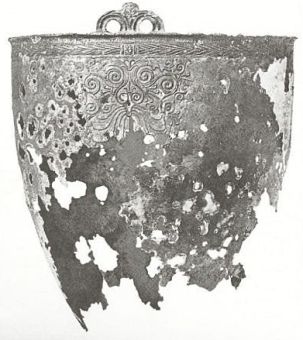
Celtic bronze cauldron found at Braa south of Horsens. It is decorated with bull motifs. It is more than a meter in diameter. Only the upper part of the cauldron is preserved, the rest has been reconstructed to show shape and size. Its capacity is estimated at 600 liters. Photo Danmarks Oldtid by Johannes Brøndsted.
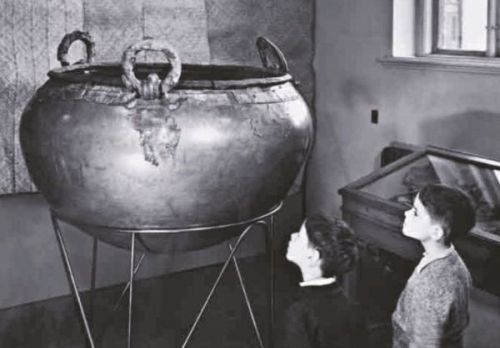
Remains of an almost vanished Celtic bronze kettle from Sophienborg Mose in North Sjælland. From Danmarks Oldtid by Johannes Brøndsted.
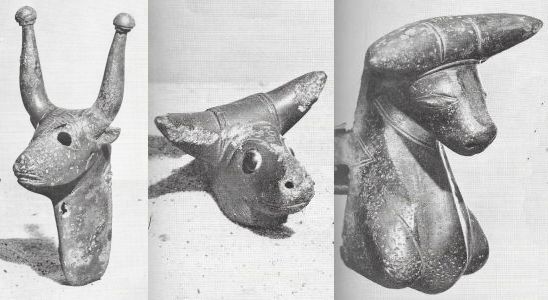
Animal motif from Celtic bronze cauldron found in Illemosen near Rynkeby near Kerteminde on Funen. Photo Danmarks Oldtid by Johannes Brøndsted.
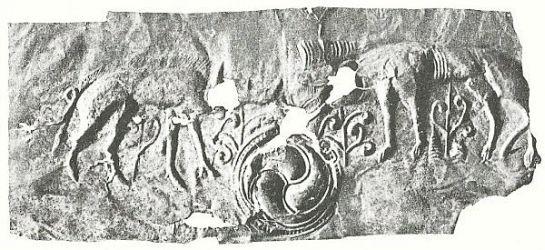
Facial motif from a Celtic bronze cauldron found at Rynkeby on Funen. Photo Danmarks Oldtid by Johannes Brøndsted
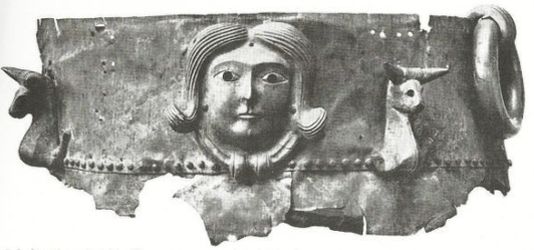
A finely decorated Celtic bronze bucket or kettle has been found at Kjeldby on Møn. Photo Danmarks Oldtid by Johannes Brøndsted.
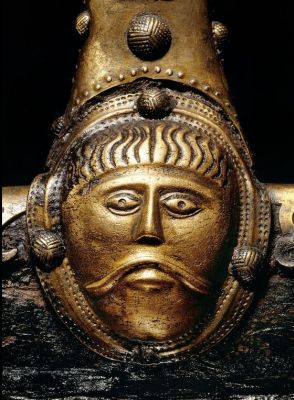
Typical Celtic detail from a Dejbjerg wagon. Photo Nationalmuseet, John Lee Wikipedia.
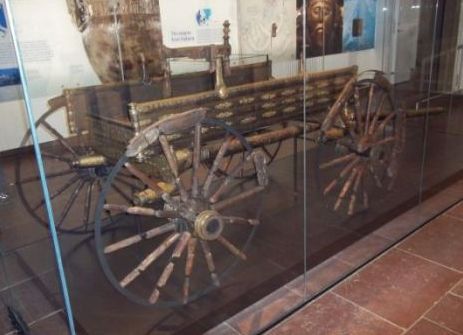
A Dejbjerg wagon on display at the National Museum. The Dejbjerg wagons are two wooden wagons with ornamented bronze fittings from the Iron Age, which were found in 1881 and 1883 during peat digging in Dejbjerg Præstegårdsmose near Ringkøbing. The iron for the wagon bodies is from mountain ore from Central Europe and they were probably made by Celtic craftsmen. The rim bands have been repaired in Denmark with iron from Danish bog ore. Photo Simon Burchell Wikipedia.
 On 24/10/2024 at 7:44 PM, Genava55 said:
The most important source for the Cimbri is Plutarch:
https://penelope.uchicago.edu/Thayer/E/Roman/Texts/Plutarch/Lives/Marius*.html
There is also a shorter description in Strabo:
https://penelope.uchicago.edu/Thayer/E/Roman/Texts/Strabo/7B*.html
Several informations I got from those:
- The Ambrones were marching in formation and were hitting their shield with their weapons in rhythm to give the pace.
- The Ambrones women fought with axe and sword against the cowards and the Romans when the defeat was certain and the Romans reaching their camp.
- The remaining Ambrones scared the Romans during the night by screaming like animals.
- The Cimbri successfully destroyed the bridge built by the Romans by throwing trees and rocks in the river upstream.
- The Cimbri captured the camp of Catulus and let the Romans live. They swore to spare them on their sacred bronze bull.
- Boiorix, king of the Cimbri, fought on horseback (he was leading a small detachment of cavalry).
- The infantry of the Cimbri fought in order, in a dense and deep formation. This is very similar to other people (Gauls, Greeks, Iberians etc.).
- The cavalry of the Cimbri was equipped with decorated helmets, body armors, white shields, javelins and long swords.
- The first ranks of the infantry was attached with iron chains to maintain more order and cohesiveness.
- When the Cimbri fled, their women once again fought against the fleeing men of their own kind.
- The gift the Cimbri offered much after the famous events to the emperor Augustus, was a kettle. The most sacred kettle said Strabo.
- Strabo said the Cimbri were a piratical and wandering folk.
- Strabo said priestess followed the Cimbri during their wandering and sacrificed war prisoners in huge cauldrons to collect their blood. To perform a prophecy. They also played drums during battle, on wagons.
Otherwise a kettle or a bull?
-
2
-
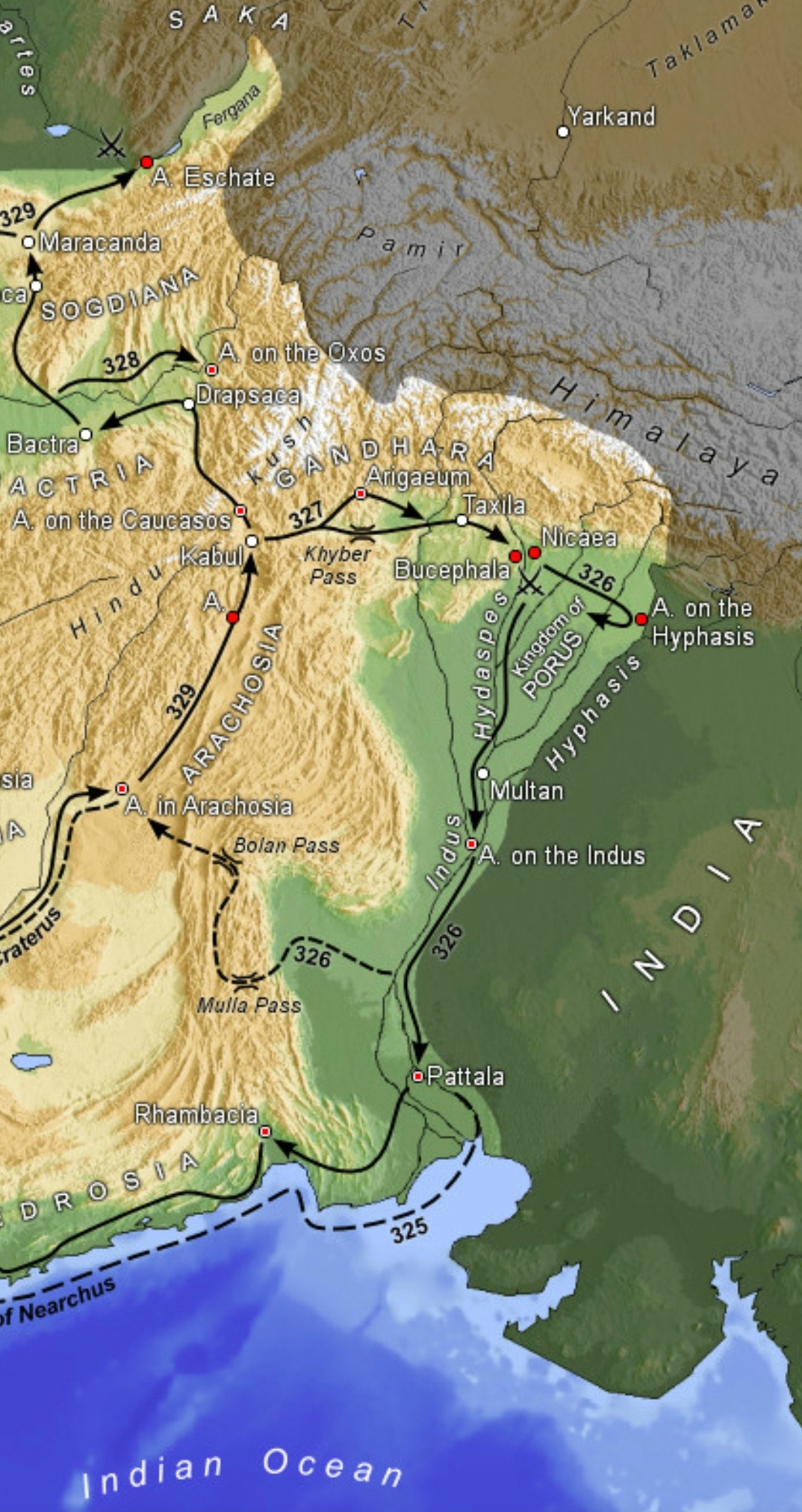
There is a hypothesis that Porus was a title rendered in Greek and that the original title was more like 'Puru'.
Anyway Porus was the king of a regional kingdom with a moderate size. It is difficult to categorize his kingdom.
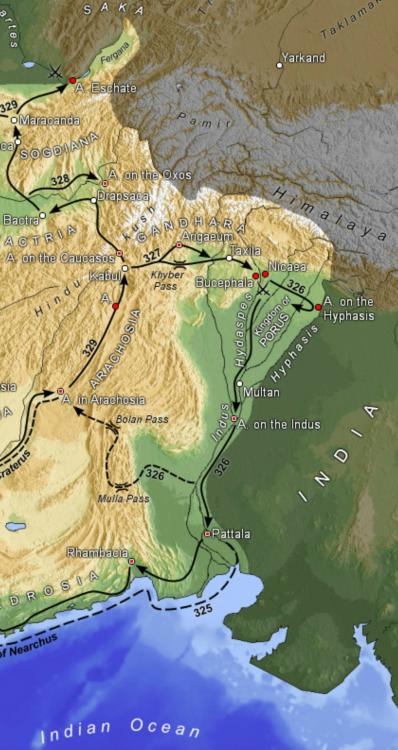
Taxila seems to be related to the Gandhara people but nothing suggests Porus was from Gandhara. His association to the Puru tribe is purely based on the name, as the Purus were mostly known from an area further in the East, since they lost a considerable chunk of their territory according to the Rig Veda. They did controlled the area at some point but it was at the peak of their hegemony.
The Pauravas are from the same area as the Purus after their loss. They are mentioned in later poems and myths. So they have mostly the same issues than the Puru tribe.
-
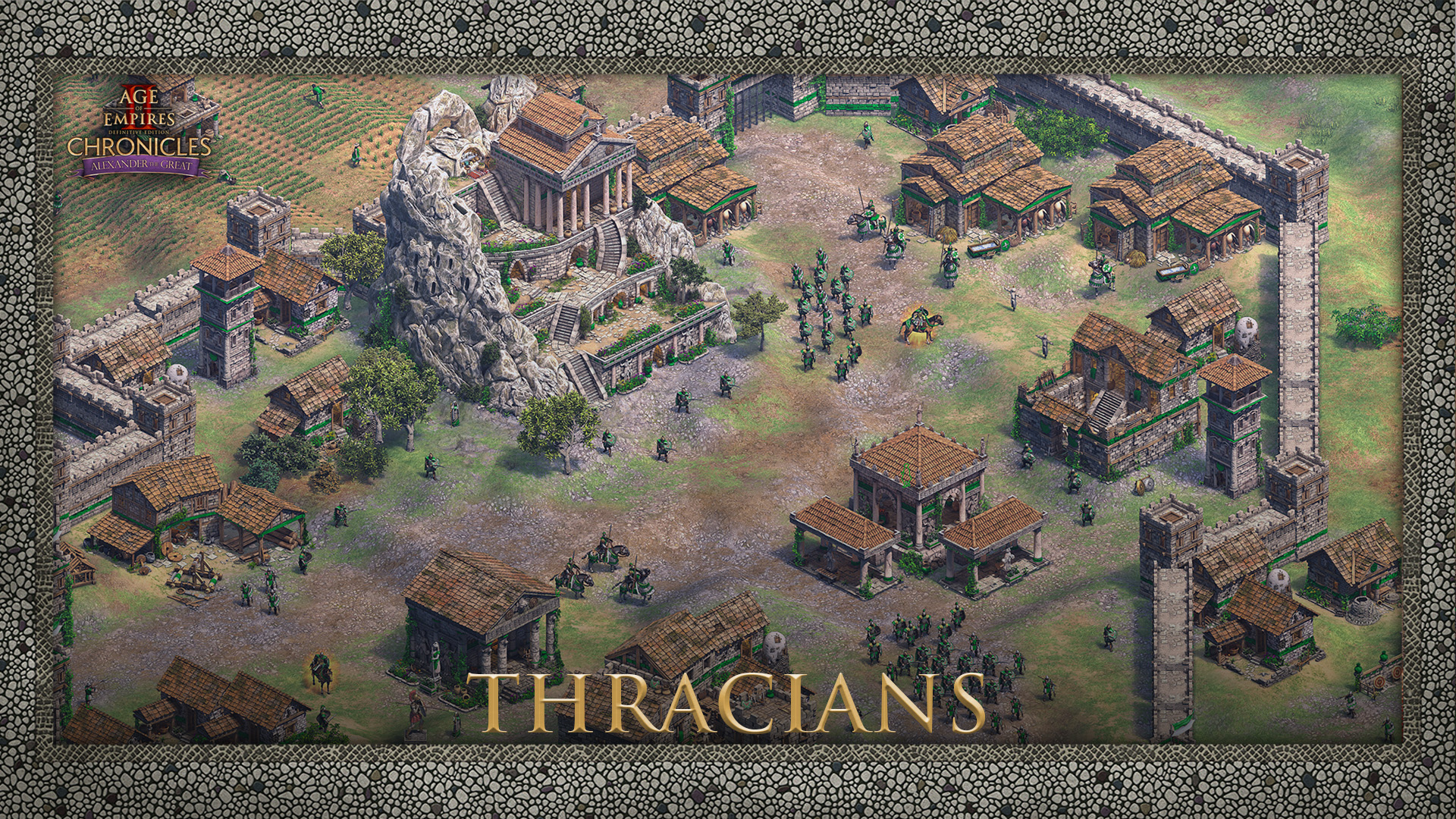
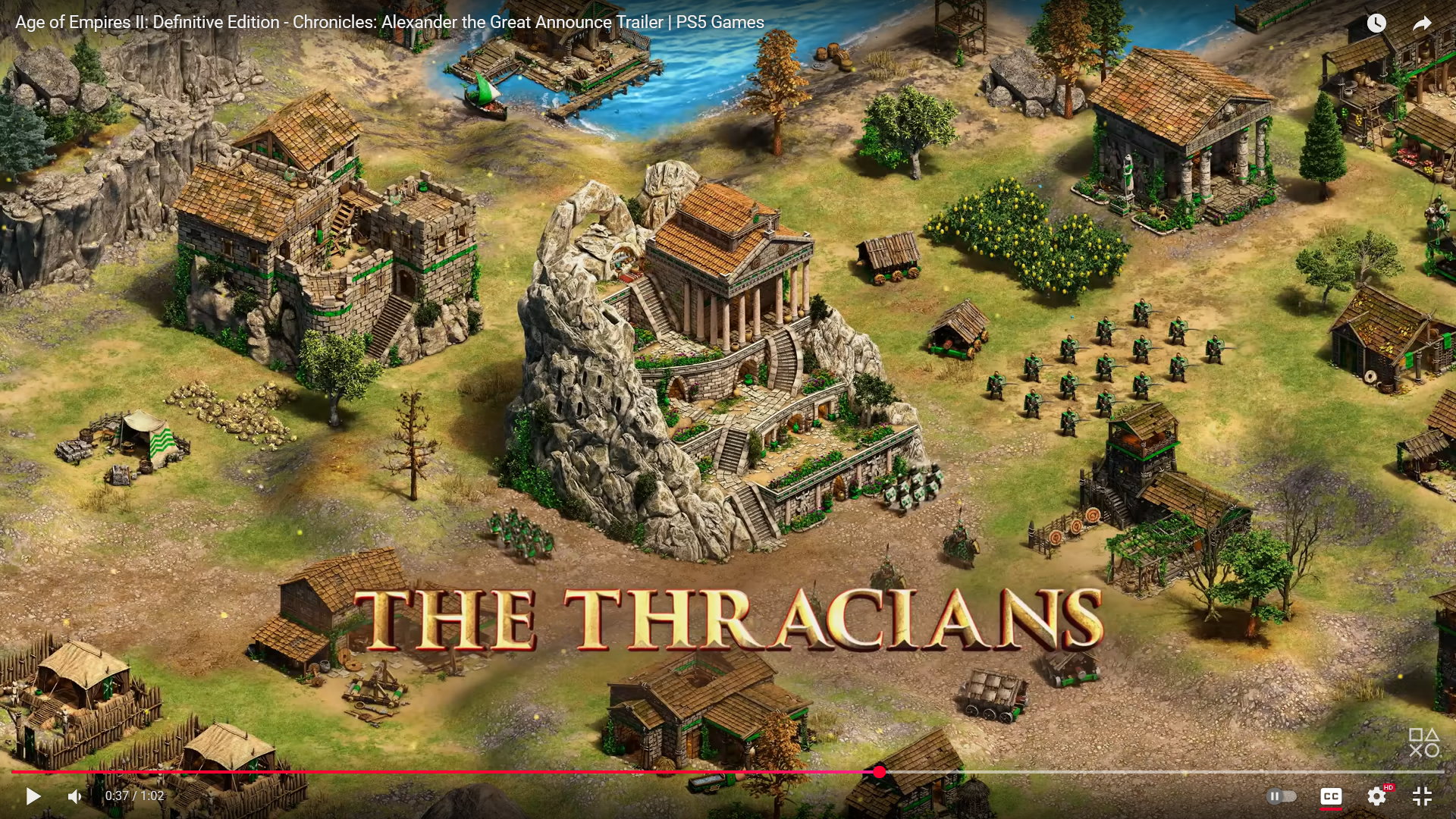
Introducing the Thracians in Age of Empires II: DE - Chronicles: Alexander the Great! Turn carnage into coin as Thracian raids become both brutal and lucrative.• HP regeneration for Skirmishers in early ages• Techs that grant gold from damaging buildings or defeating enemies• Rhomphaia Warriors: new anti-cavalry infantry
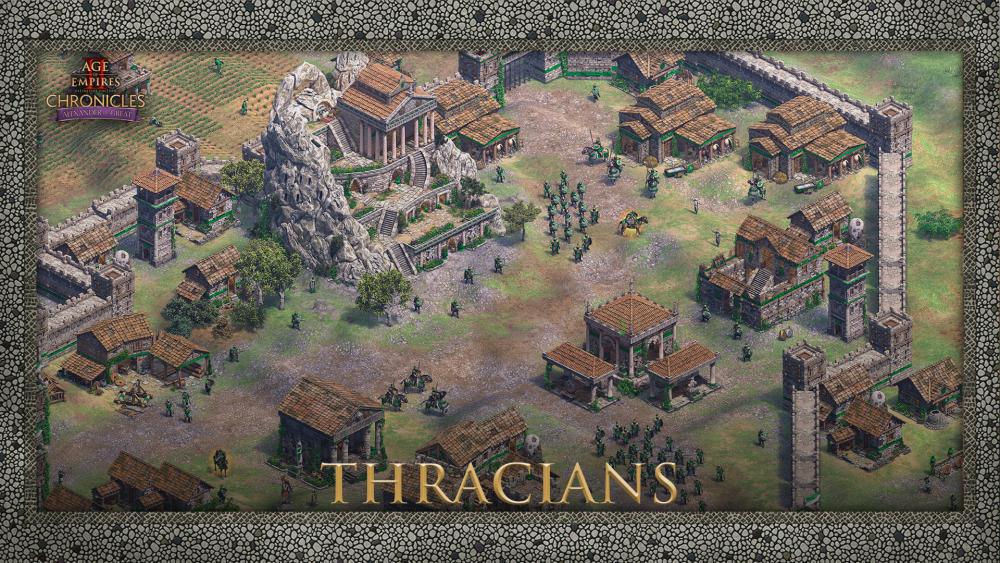
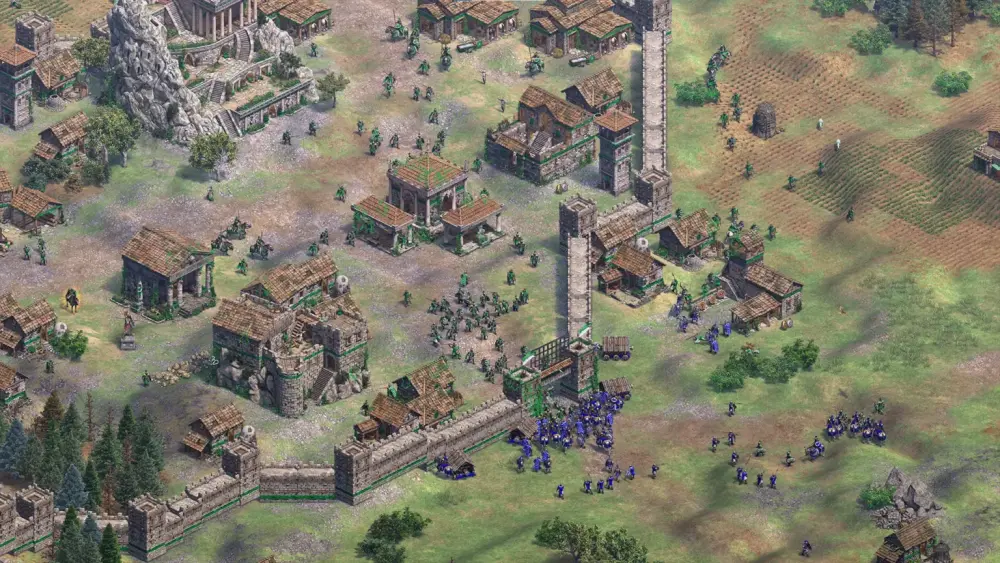
Launch devastating raids with your swift Rhomphaia Warriors, and profit from them with unique technologies that generate gold from combat. A variety of bonuses and technologies turn Thracian skirmishers from neglected trash units to deadly fighters!
-
1
-
-
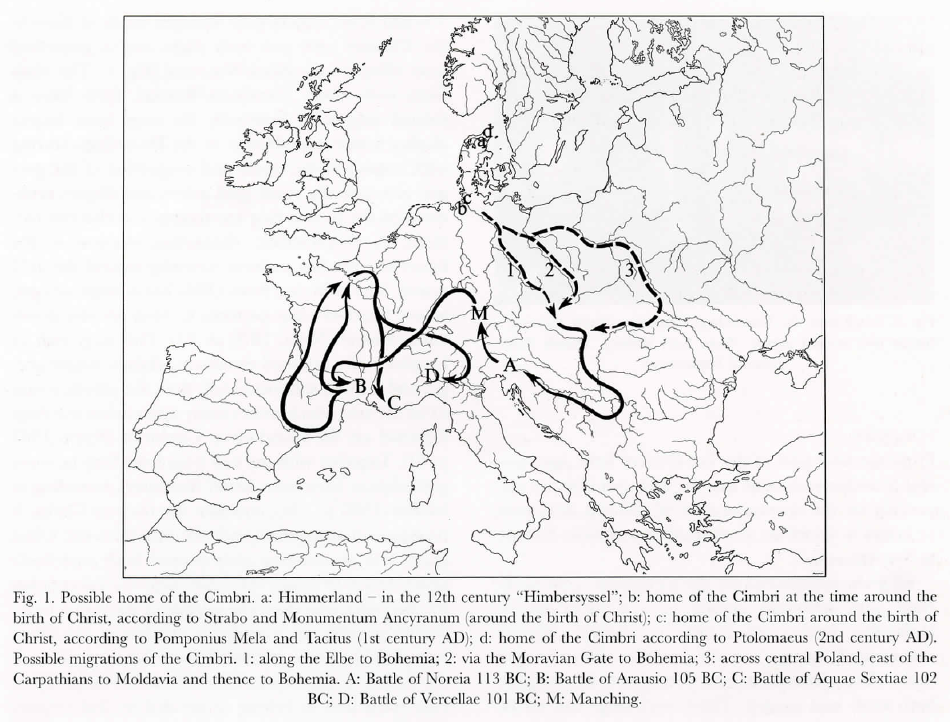
A map showing the different hypotheses about the origin of the Cimbri and the routes taken during their migration or wandering:
-
1
-
-
I will share interesting maps and threads from @Maptysk from twitter.
https://threadreaderapp.com/thread/1970760638709354543.html
https://x.com/Maptysk/status/1970760638709354543
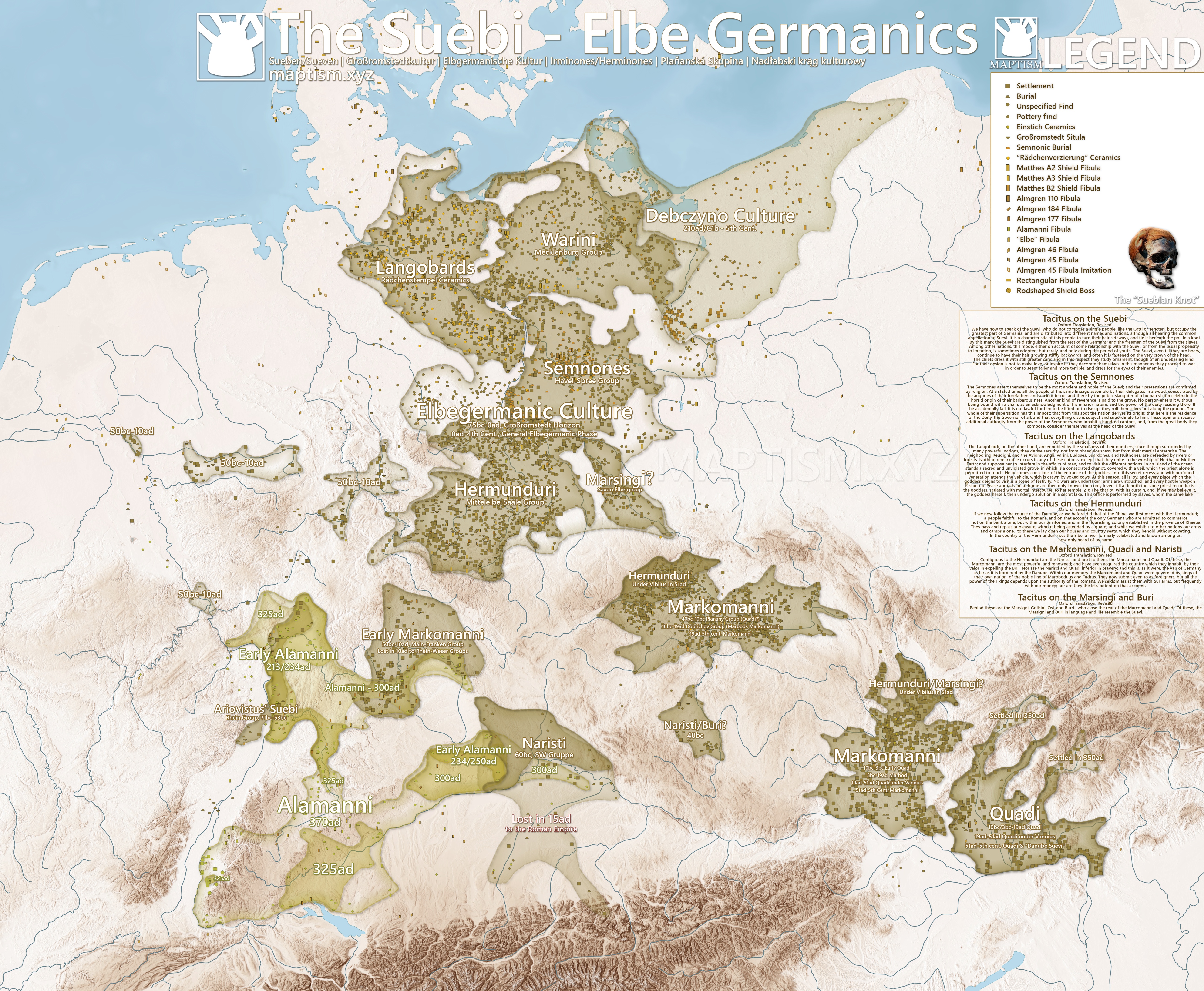
Here a copy paste of his thread on the Suebi / Elbe Germanic people :
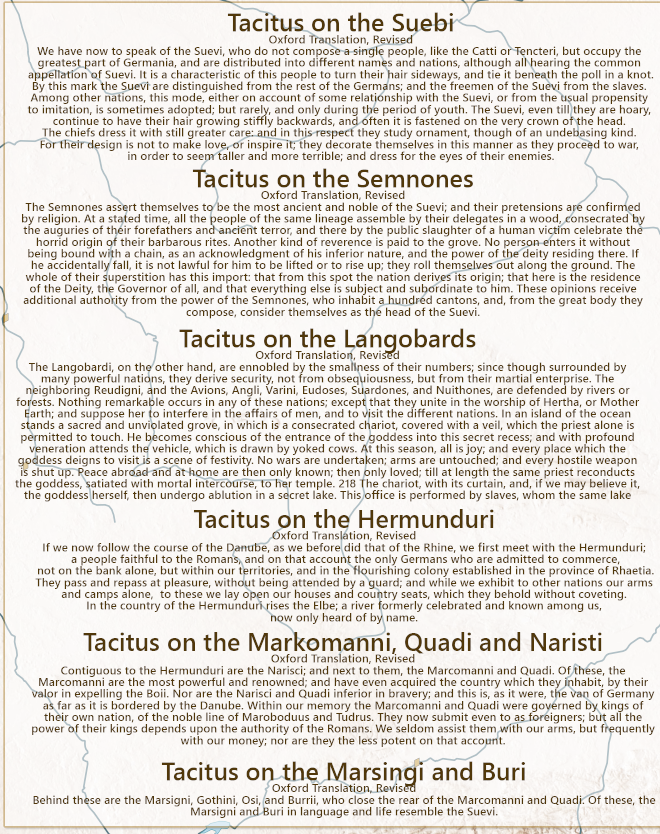
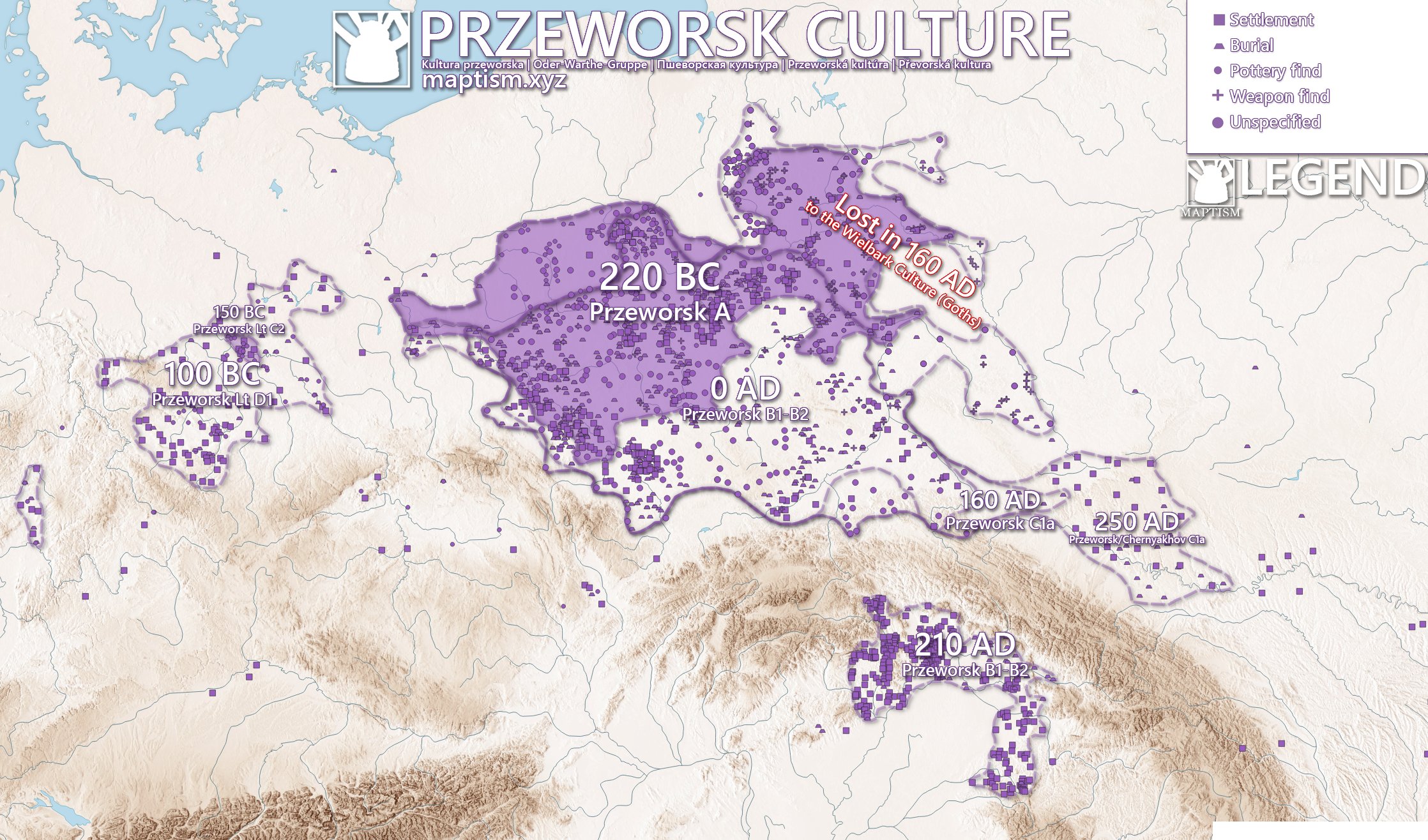
Map of Archaeological Finds of the Suebi/Elbe germanic Groups and the Alamanni, with Quotes from Tacitus.
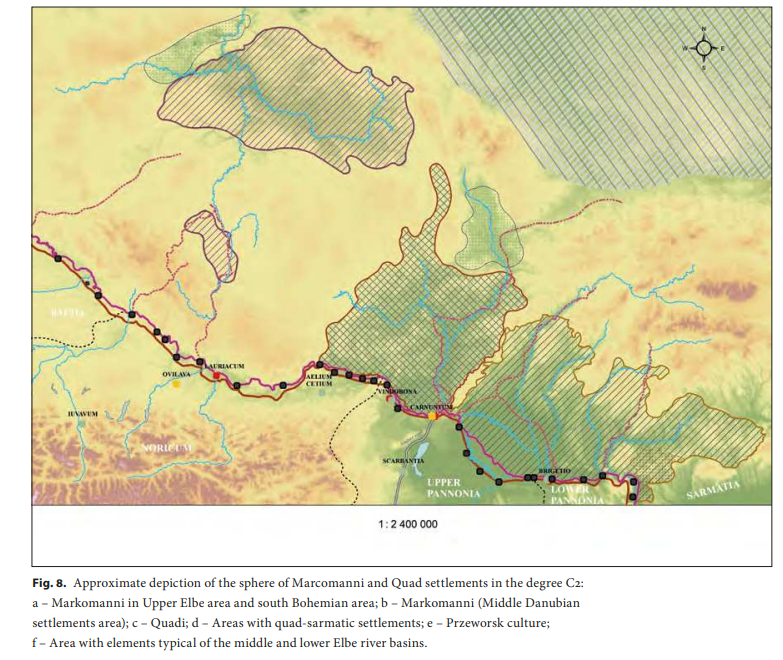
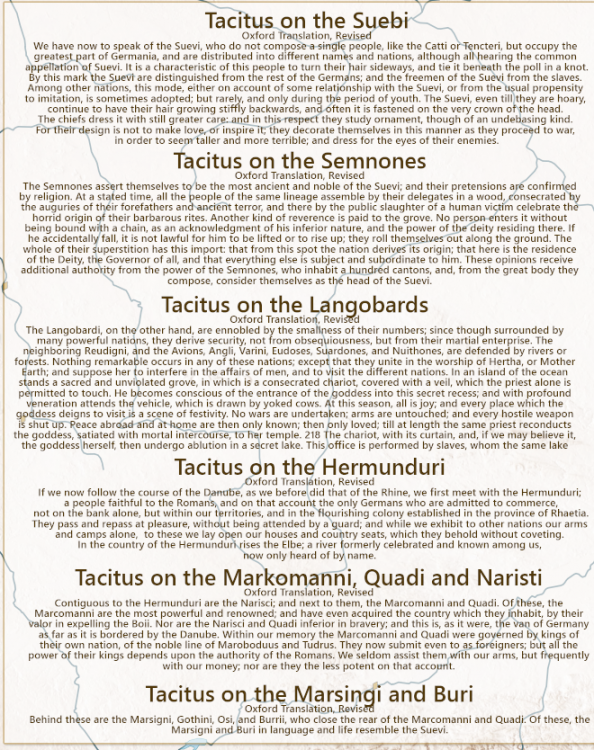
The Suebi were the largest and most powerful tribal confederation in Germania, constituting of the Hermunduri, Semnones, Langobards, Warini, Markomanni, Quadi, Naristi, Marsingi and Buri.
High resolution map below:
Spoiler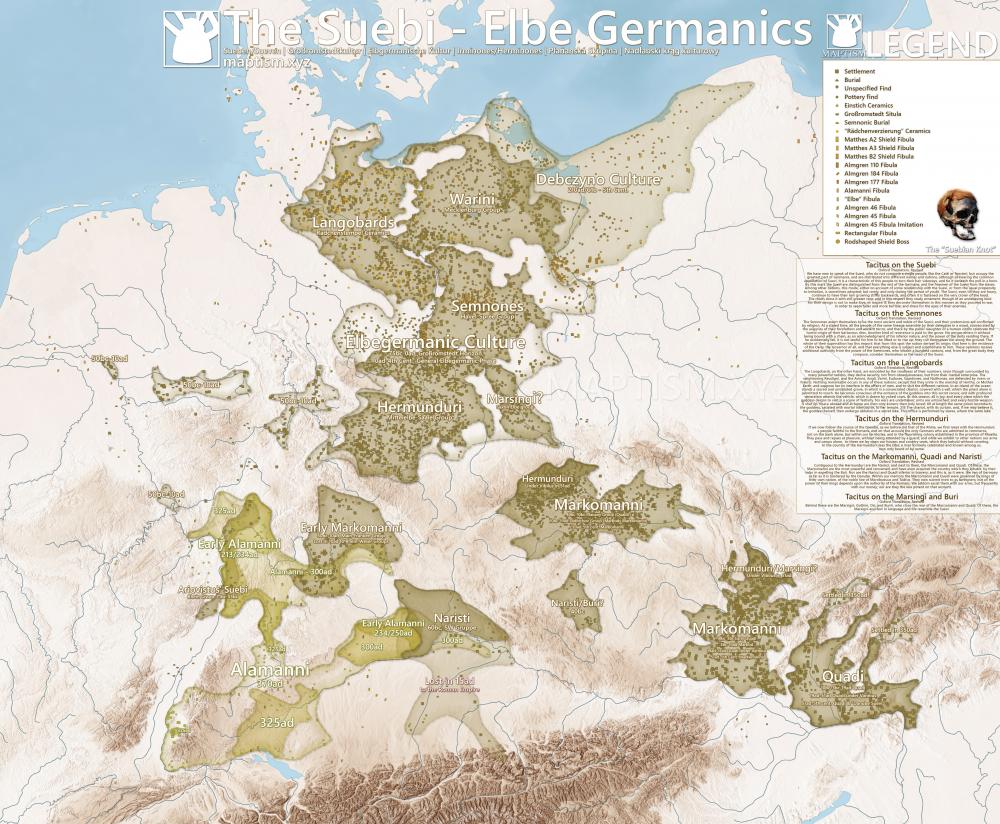
The Suebi first appear under Ariovistus, invading Gaul in search of new land, possibly leaving the Suebi homeland due to pressure from the Vandals.
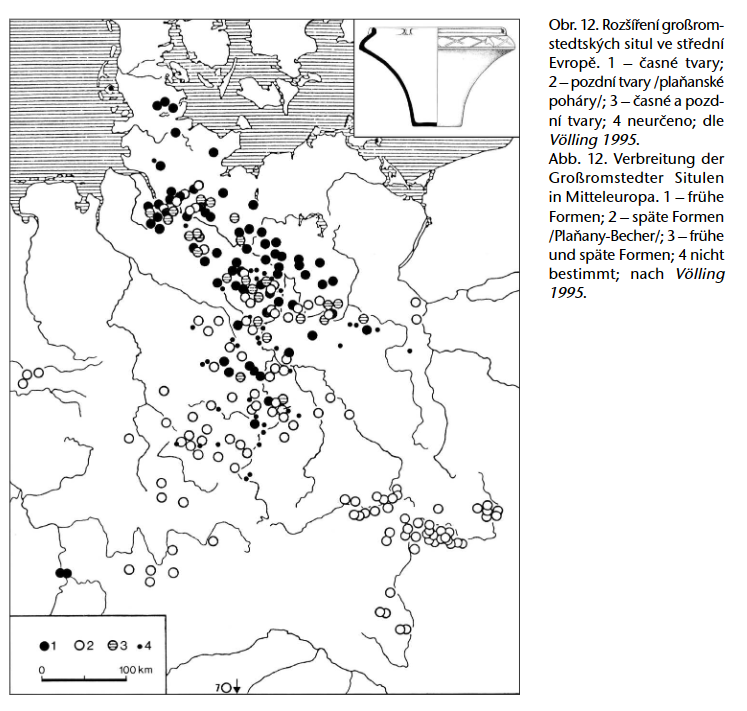
A group of finds of the Großromstedt Culture (early Elbegermnaic) along the Rhine possibly allows tracing the Suebi of Ariovistus in the material record.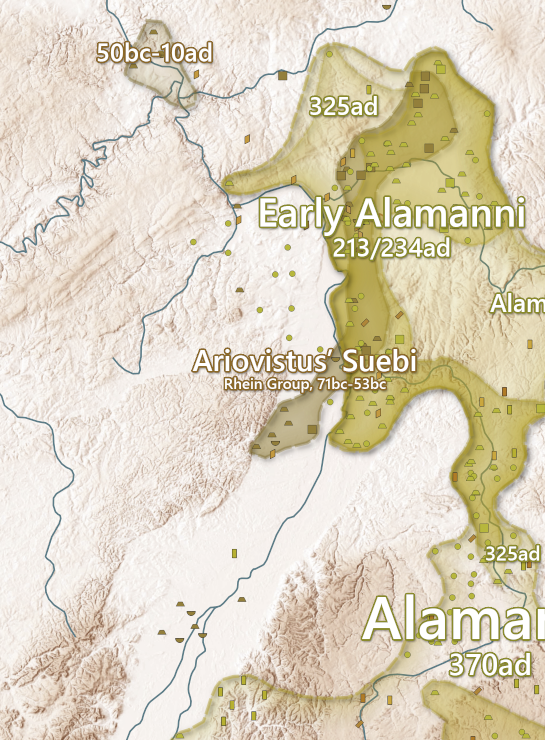
The Großromstedt Culture also briefly settled large parts of Western Germany, where they possibly contributed to and were later replaced by the Weser-Rhine Germanic Groups.
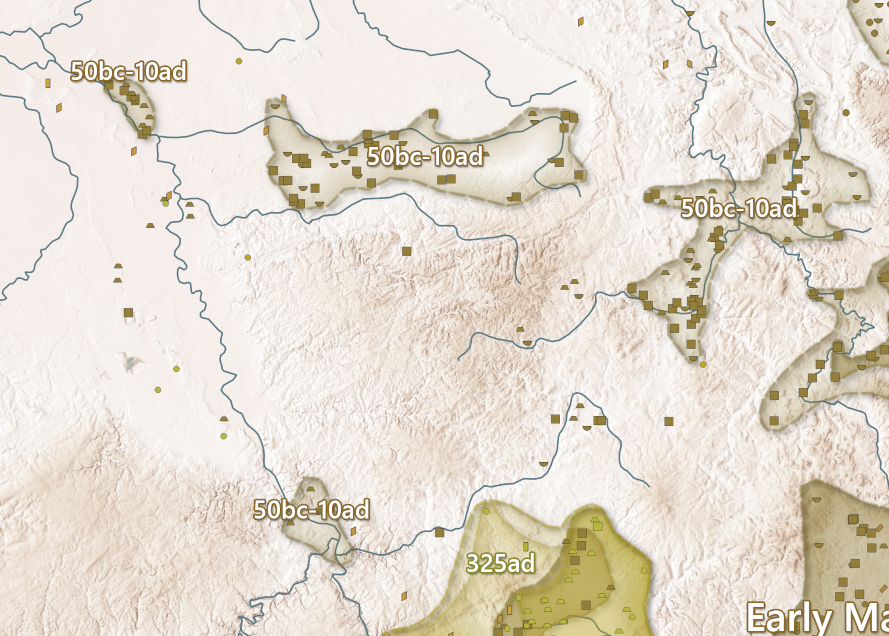
The Markomanni, prior to their migration to Czechia, most likely lived in the Main area, where they were defeated utterly by the Romans under Drusus that they were forced to migrate.
It was after this point that they came to be ruled by Marbod, a man that parallels Arminius in almost all aspects.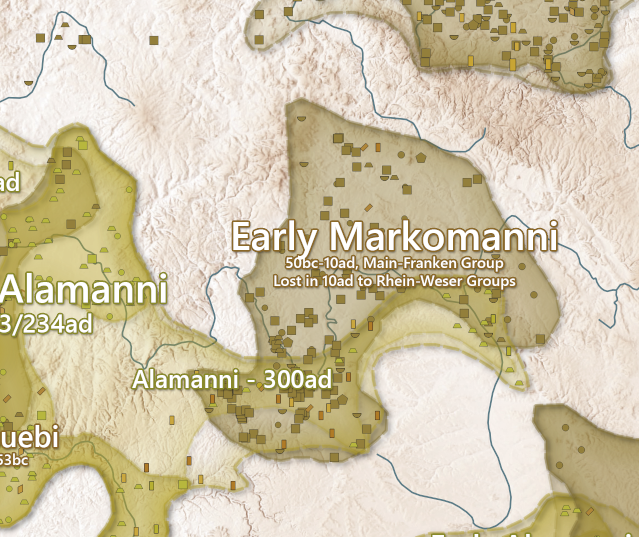 Marbod grew up in Rome, just like Arminius, where he learnt Roman ways, culture, and most important military strategy and organization. Marbod returned to the Markomanni after their defeat to assume leadership, although probably not with Roman consent and sanctioning. Marbod would lead the Markomanni to settle Bohemia, the land which was previously inhabited by the Celtic Boii...
Or was it? Archaeological Evidence actually suggests that Bohemia had been settled by the Großromstedt Culture (Early Suebi) in 40 BC already, 30 years prior to the Markomanni migration. This early Suebi group is called the Planany Group (Plananska Skupina) in archaeological literature. It is plausible that they were the early Quadi.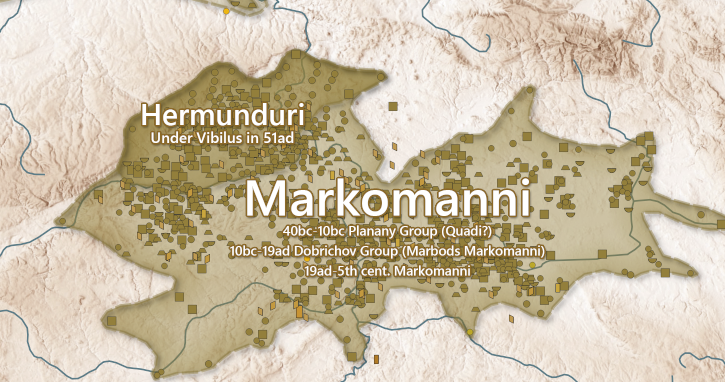 Comparing the early Suebic Settlement and Celtic Settlement, it is clear that the Celts were far more populous and settled than the Suebi, and the sites of the Planany Group are much fewer than those of the Boii of the La Tène Culture.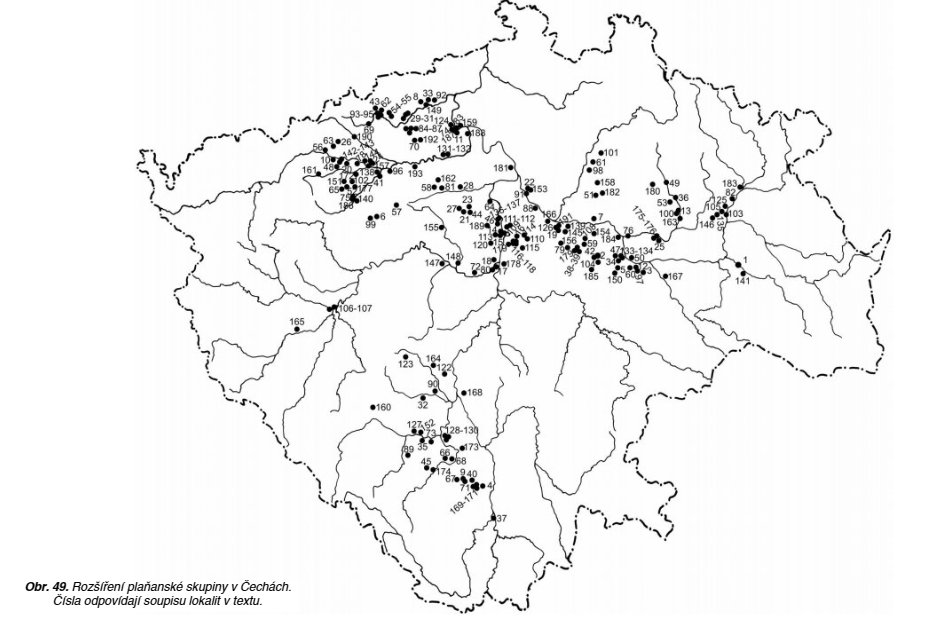
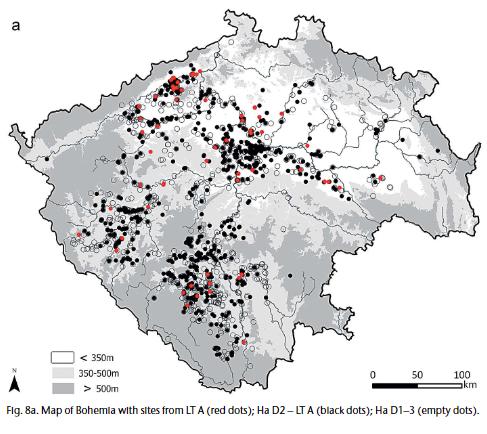 The claim that the Markomanni drove out the Boii is also false. The Boii abandoned their settlements together with the Helvetii to embark to Gaul, and these early Germanic settlers found largely completely abandoned land. This is also visible for Southern Germany, where Germanic Groups moved in around 60-40 BC to find largely empty land, with no reuse of La Tène sites, and far sparse habitations.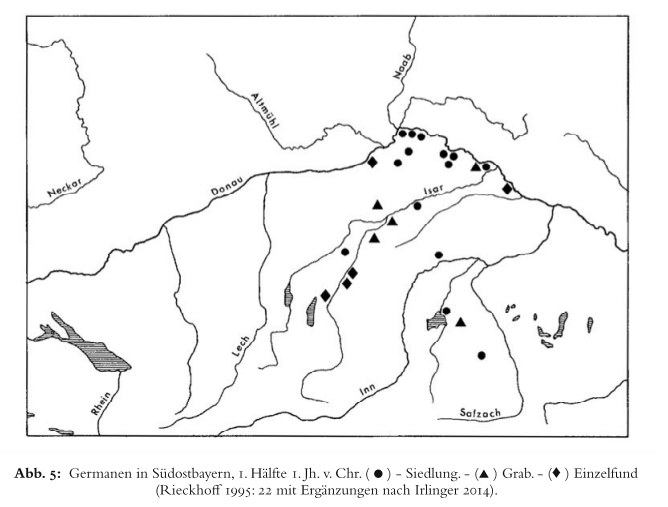
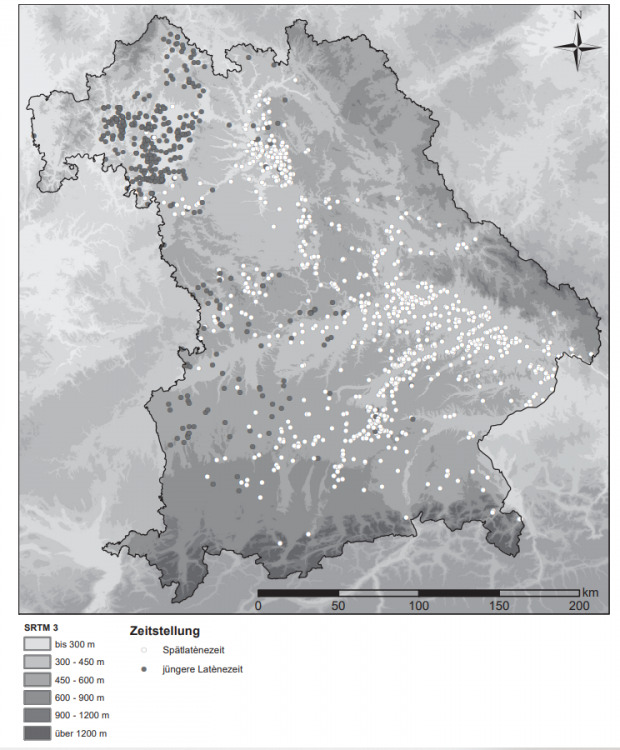 Around 10 BC, the Markomanni proper arrive into Bohemia, the time of Marbod's Empire is called the Dobrichov Group in archaeological literature, and during this time the southern part of Bohemia was temporarily abandoned. Around 5-3 BC Marbod expands his empire also toward Moravia and the Quadi. It is unclear when exactly the Quadi arrived in Slovakia, but I find it plausible to be between the times of the Markomannic arrival and the expansion of Marbod's Empire.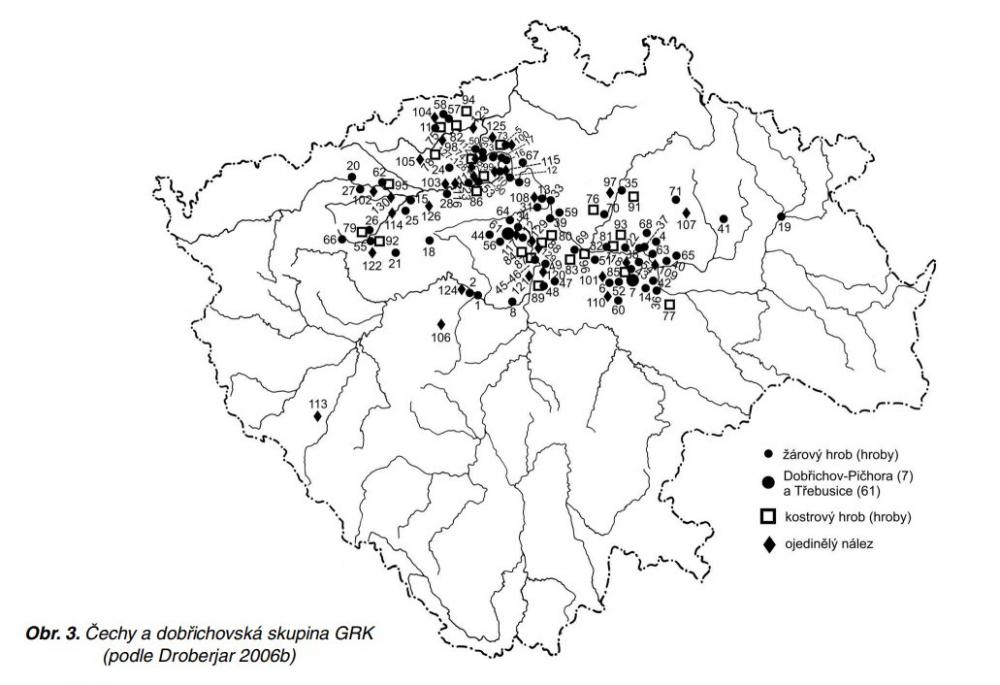
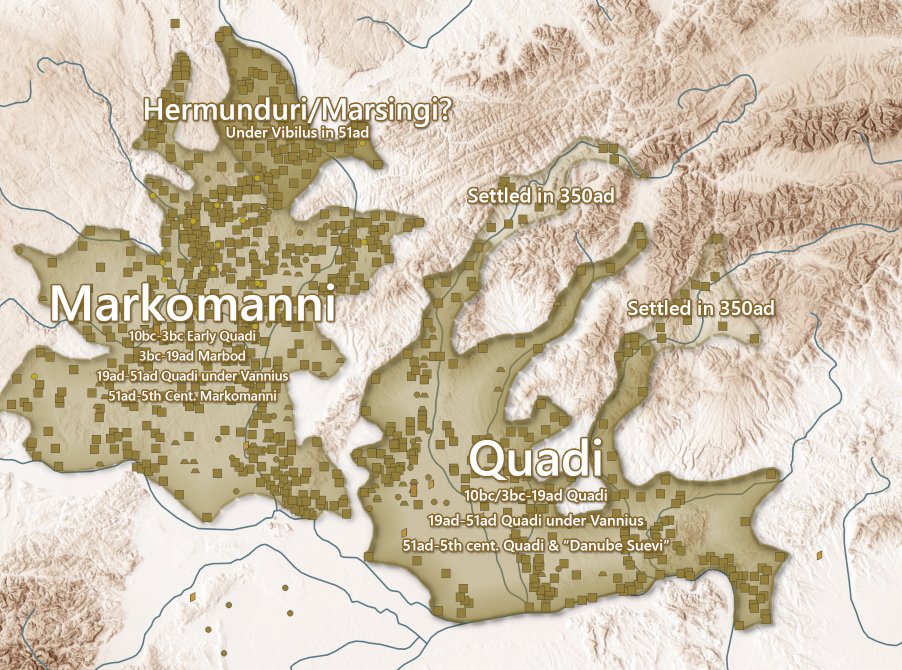 The full extent of Marbod's Empire was massive, including the Hermunduri, Langobardi, Quadi, Semnones, Lugii, and possibly the Gotones. The Markomannic empire contested with the federation Arminius had forged, where the two men who both grew up in Rome, to both return to their ancestral tribes to lead them to greatness came to war. Marbod and Arminius were as much parallels as they were inversions of another, as Arminius was a staunch enemy of Rome while Marbod was friendly to Rome and sought alliance with them, and refused Arminius' initial offer for an alliance against Rome.
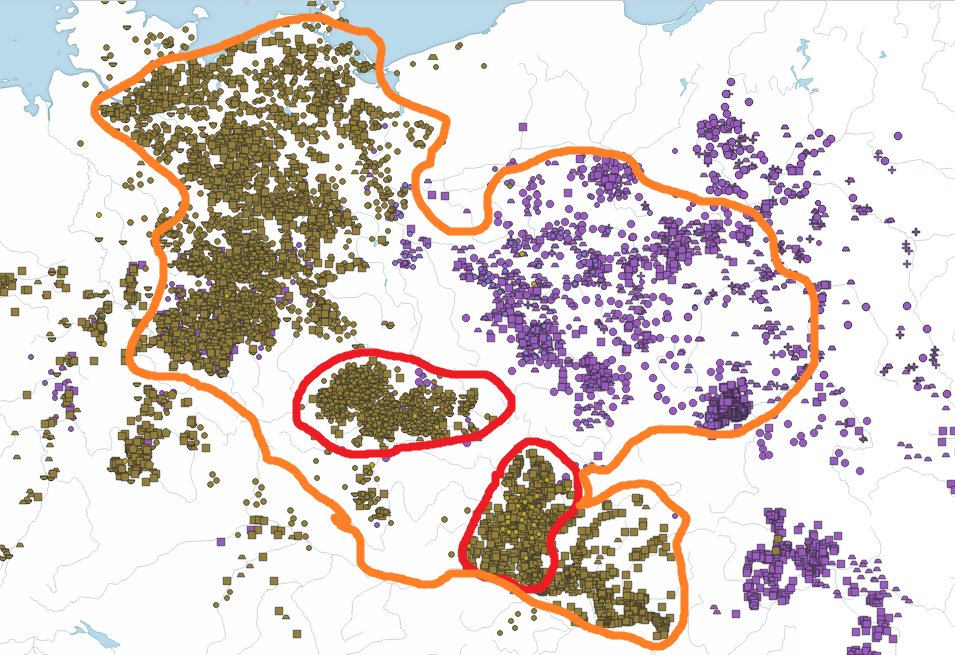 After Marbod's defeat by Arminius, he was usurped by another Markomanni called Catualda, who was exiled by Marbod in his youth to live amongst the Goths until he returned to his home, probably with Gothic military support, to dethrone Marbod and assume the throne for himself.This did not last long however, as quickly after the Quadi under Vannius along with the Vandals declared war on the Markomanni and Catualda was dethroned by Vannius, who ruled over both the Markomanni and Quadi until 51 AD. Vannius himself would be deposed by the Hermunduri under Vibilus, who conquered and then settled Markomanni territory in Northern Bohemia and Moravia.
 The other constituent tribes of the Suebi do not have a history as well recorded as that of the Markomanni, but here are what Tacitus had to say on them. I do not wish to paraphrase Germania, as the original text is amazing and worth a read yourself:
 Back to the origins of the Suebi and the Großromstedt culture:
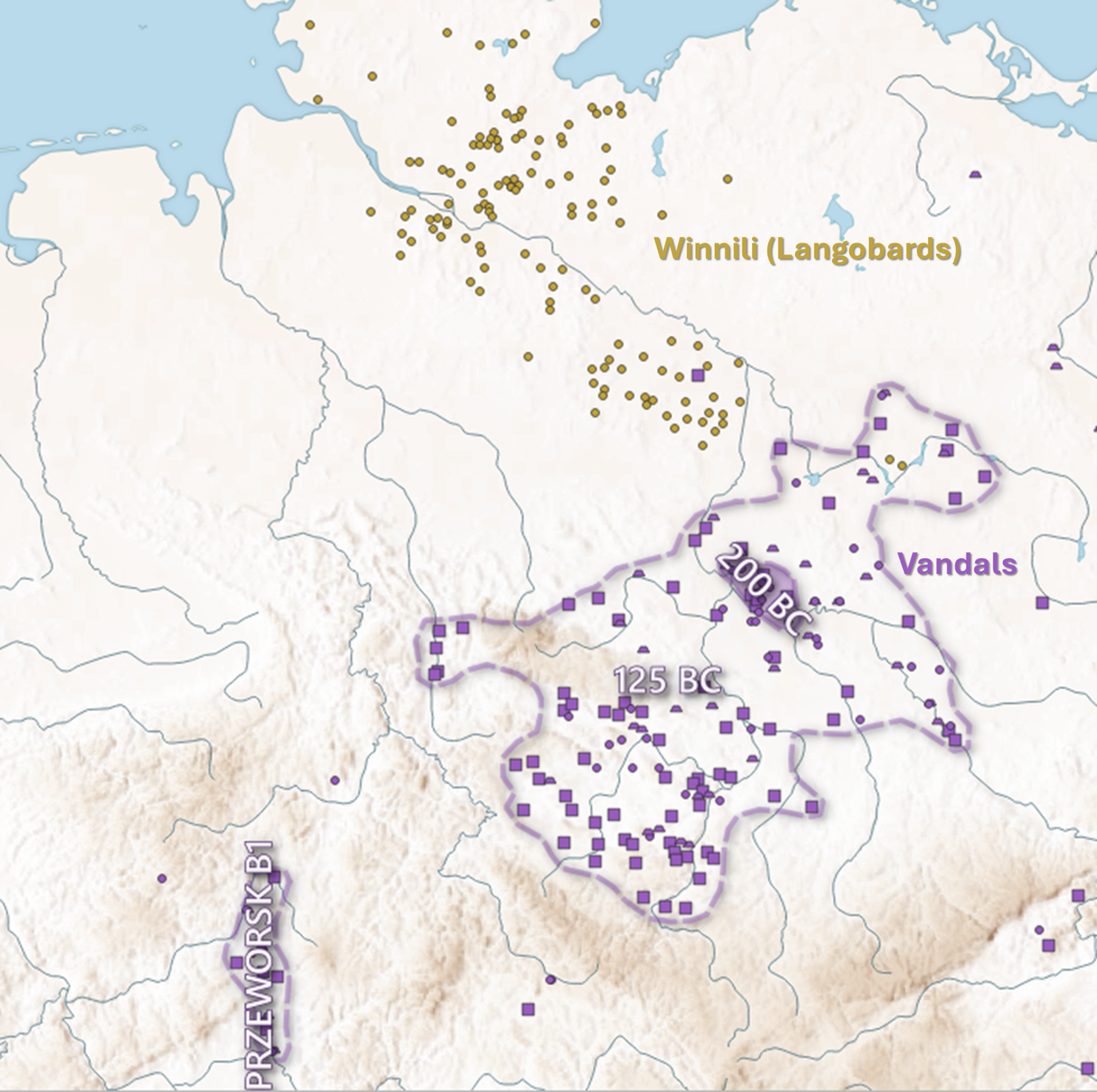
The Großromstedt culture developed on the basis of the Late Jastorf "Seedorf" phase, with influence from the Celts to their south, but seemingly under occupation by the Vandals since either 150 or 100 BC.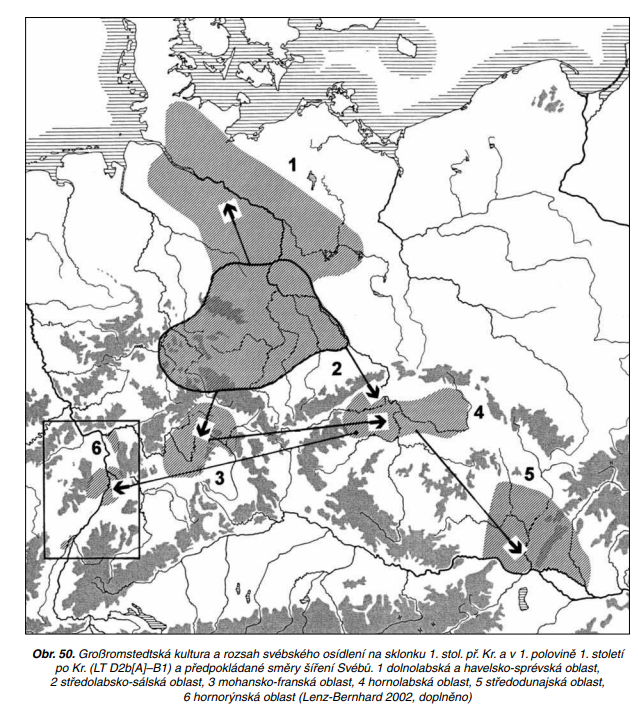 The presence of Przeworsk Culture sites in Central Germany is characterizing of the period 150 BC - 50 BC, the "Origo Gentis Langobardorum" possibly mentions this Vandalic presence in speaking of the Langobardic origin myth, in which they were previously called "Winnili", until winning a battle with the Vandals, after which they assumed the name Langobards, which was already recorded in the 1st century AD.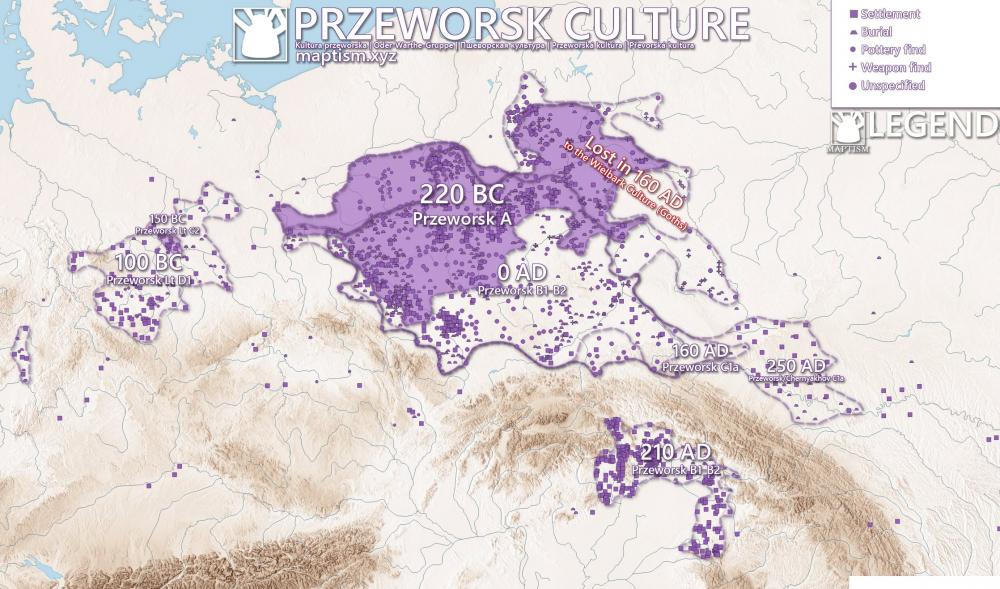
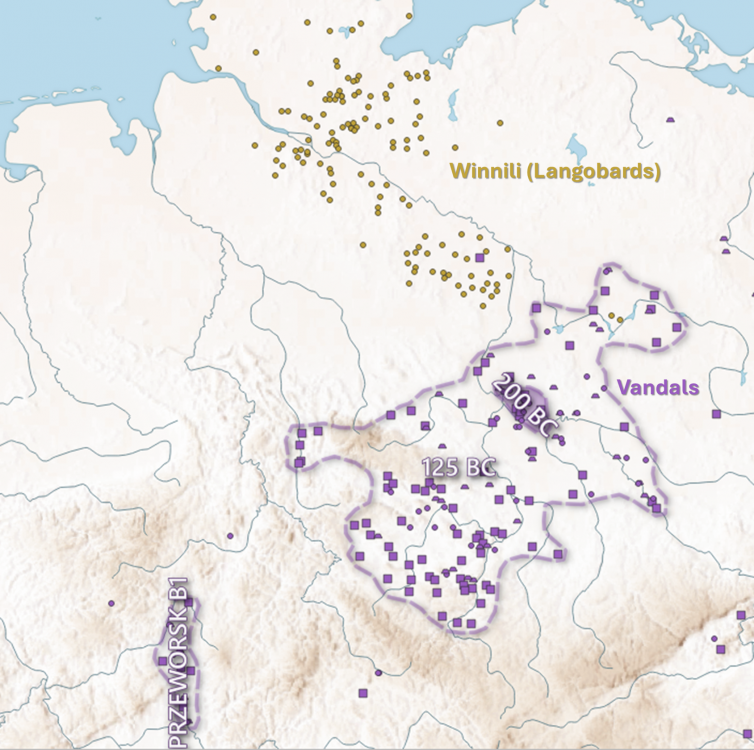 Indeed, we do see evidence of elements moving from the North, in the Langobardic homeland, to the south, mainly the situlae of the Großromstedt Culture, although its other elements develop in Central Germany.
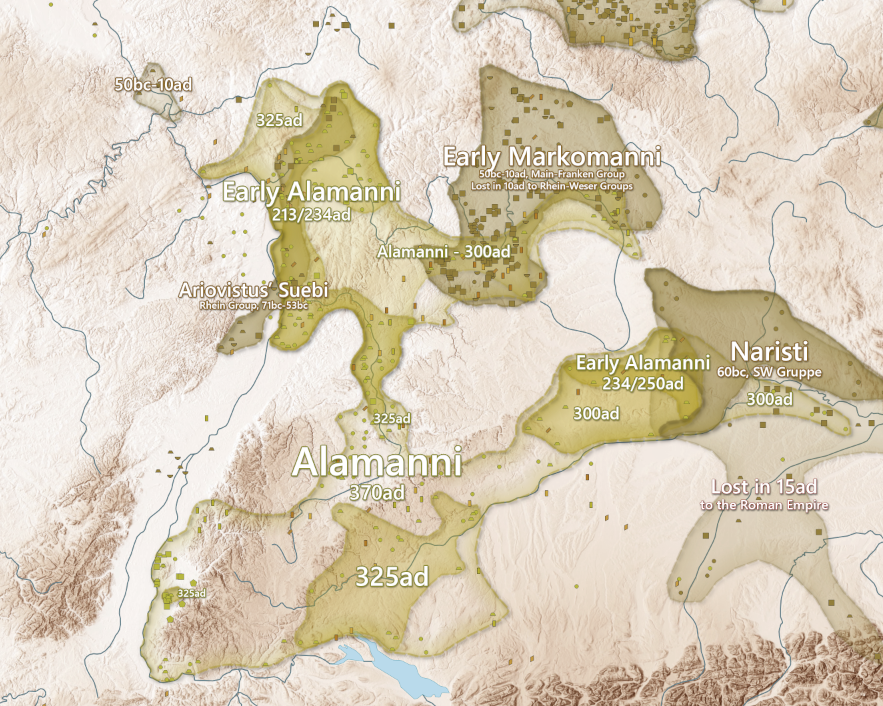
 Sometime in the 3rd Century, the Alamanni start appearing, from where they moved southwards and invade the Agri Decumates of the Roman Empire and force the Limes back to the Rhine and Alps.
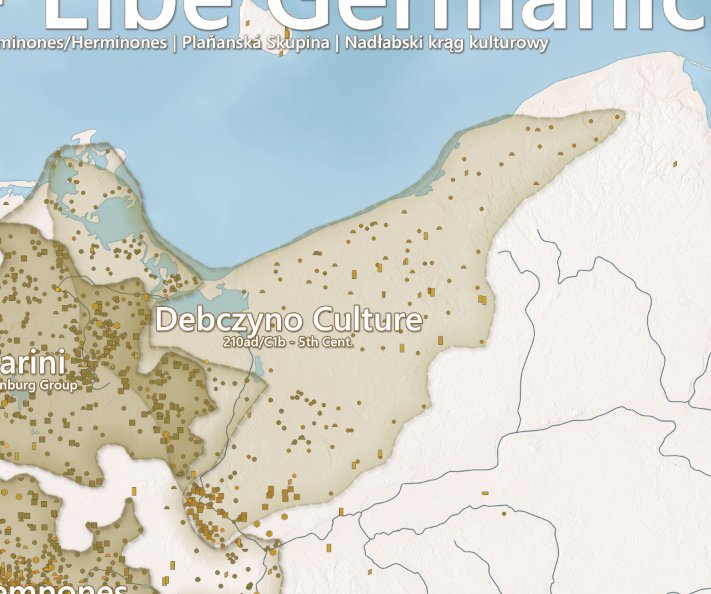
 Around this time in the 3rd Century, another Suebic Group moves Northeast, driving out the Goths and the Lubus Culture. This group is called the Debczyno Culture, and its unclear what tribe they could be linked to.
 The Hermunduri and Semnones would later evolve into the Thuringians, who also settle Bohemia and as such end the Markomanni. The Langobards would migrate south and take Moravia, then Transdanubia and finally Italy, becoming the Lombards. The Quadi hold out, surviving as the "Danube Suevi", while other Suebi cross the Rhine and invade Iberia, forming the Suebi Kingdom. It is also likely that the Bajuvari, later Bavarians, develop out of the Alamanni.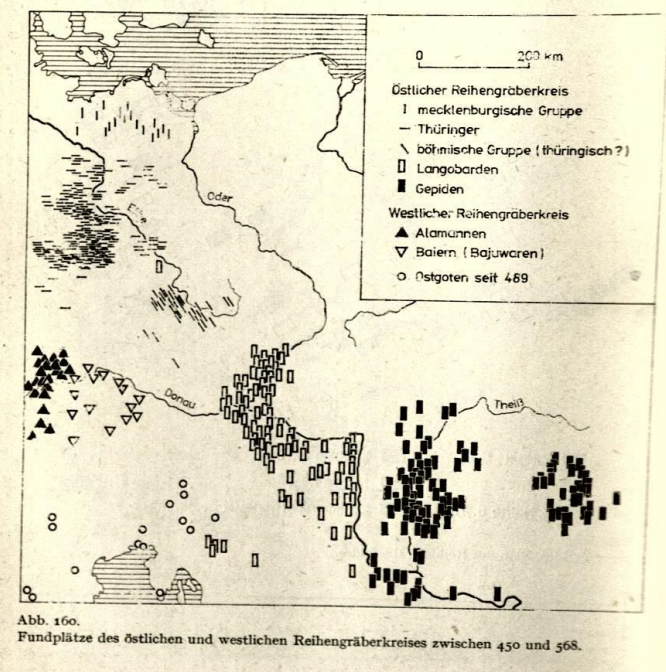
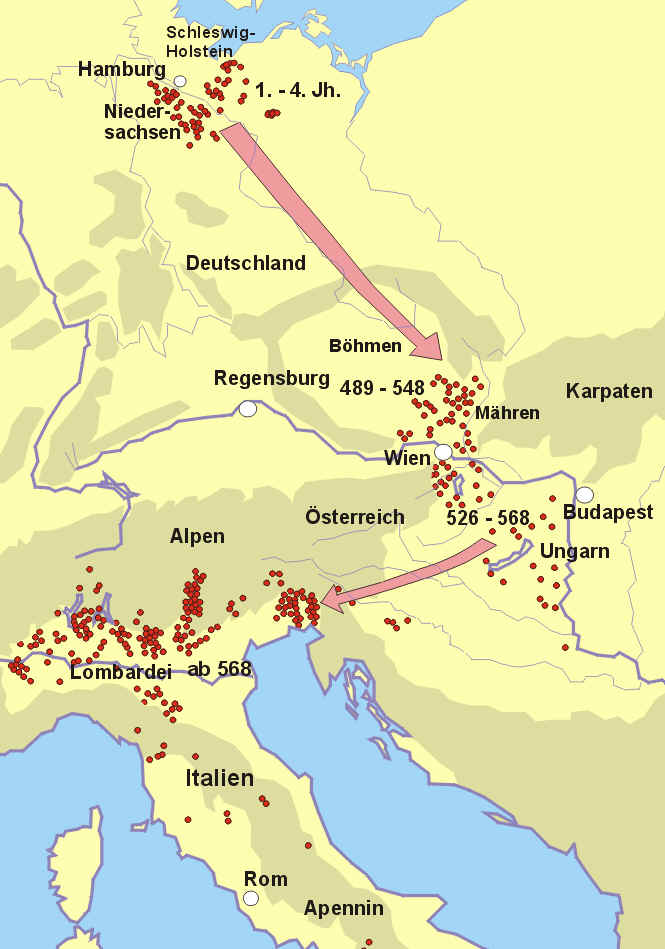
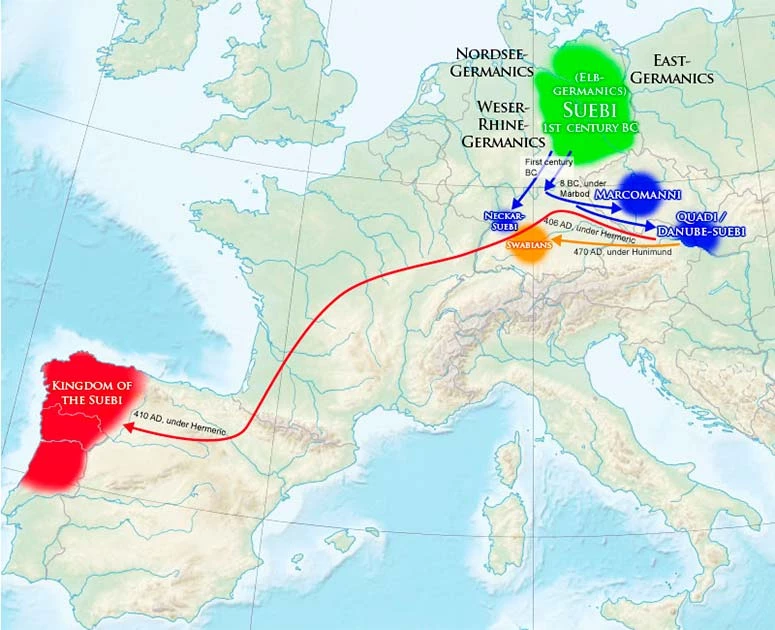 That concludes the thread.
-
2
-
-
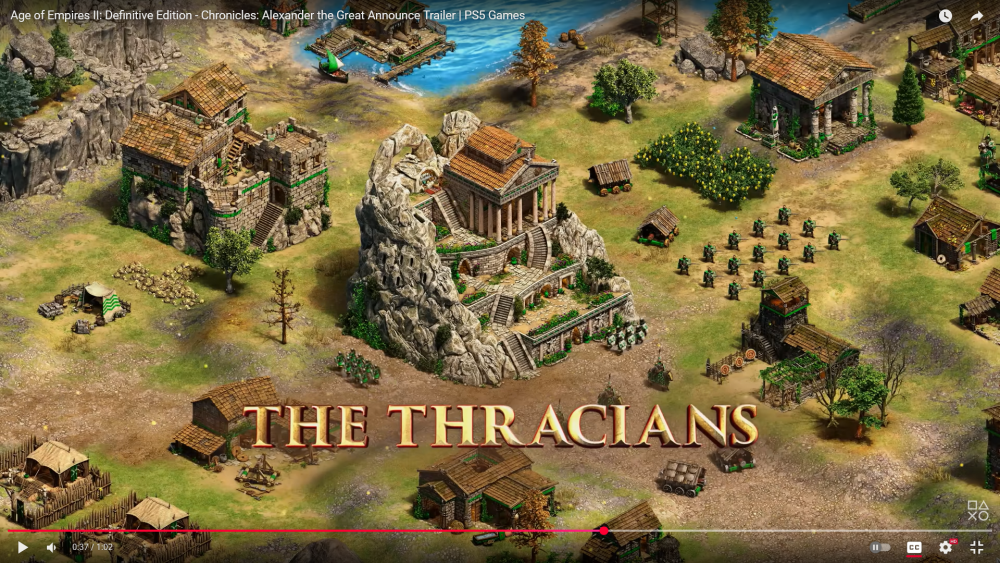
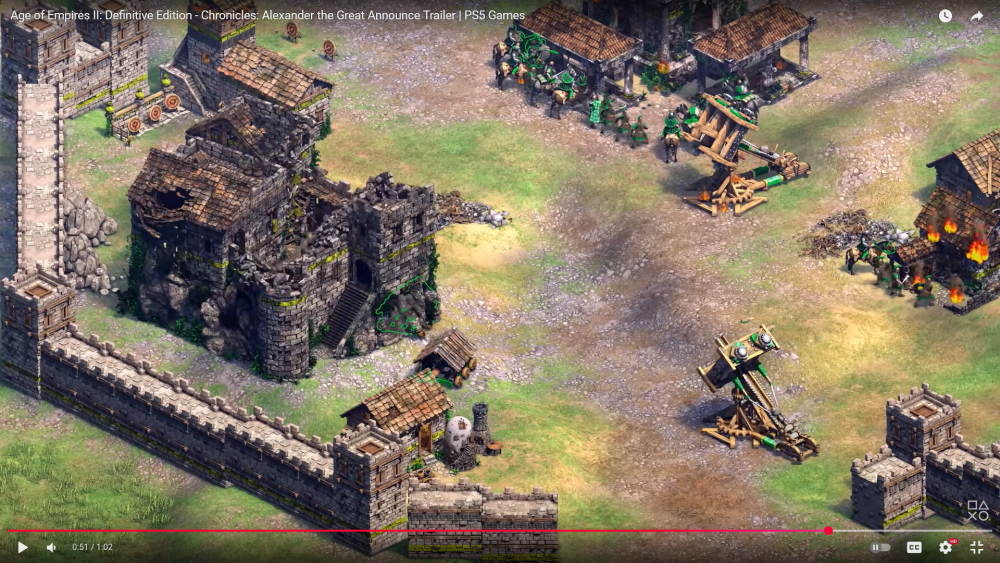
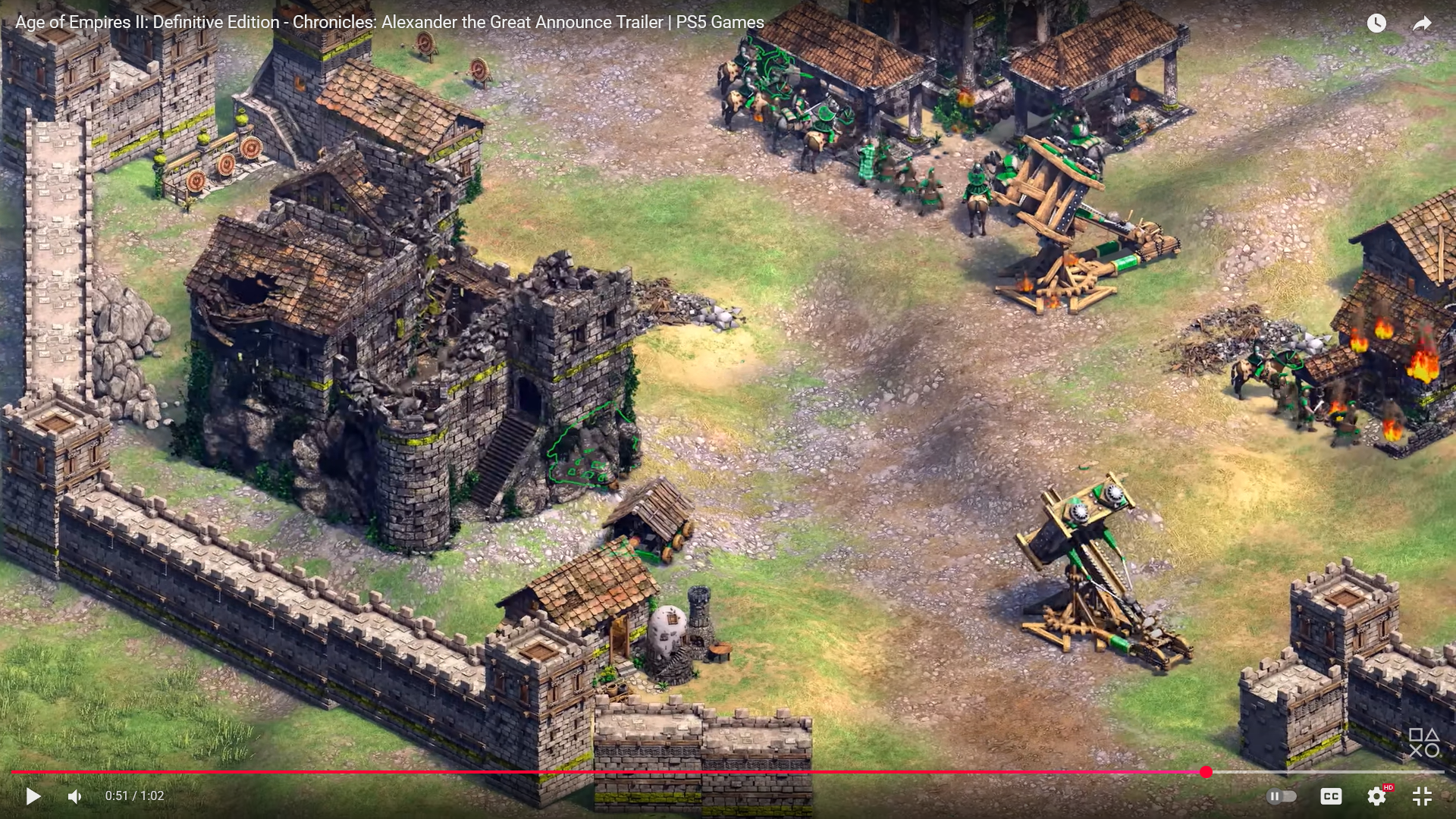
In the new Chronicles DLC for AoE2
-
2
-
-
Women and the Army in the Roman Empire
The presence of women in Roman military contexts has been established beyond doubt by scholars in recent decades. Nevertheless, very little sustained attention has been paid to who these women were, how they fit into the fabric of settlements, and what their contributions were to these communities. This volume offers new insights into the associations, activities, and social roles of women in the context of the Roman army, emphasizing the tangible evidence for the lived realities of women and families at different social levels. The various chapters adopt dynamic perspectives and shed new light on archaeological and historical evidence to provide novel conclusions about women's lives in antiquity. Histories of the Roman army can no longer ignore the women who lived and worked in its midst and histories of Roman women must acknowledge their important military role.
The first volume to provide a sustained and comprehensive treatment of women and the Roman army
Employs archaeological and textual evidence and incorporates work by a range of scholars to provide a variety of perspectives
Significantly advances discussion of women and the Roman army by examining social roles rather than simply the presence of women in military spaces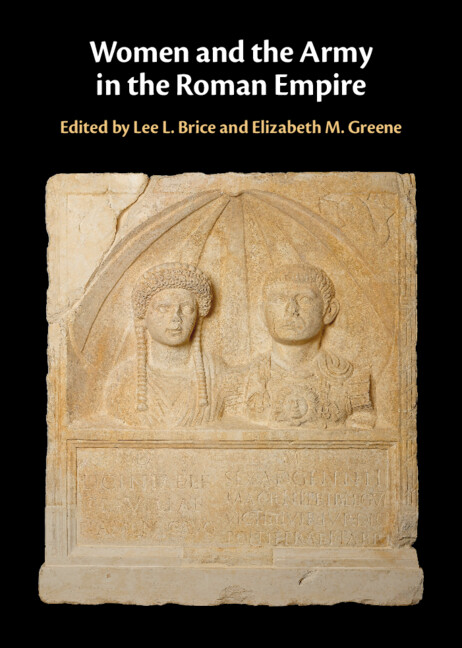
-
3
-
-
-
-
I've already given my opinion and I understand perfectly well that there is confirmation bias at work, so I'm not going to be a pain in the neck and start a crusade over such a minor detail.
I'll let others debate if this is an important topic for them.
-
2
-
-
Yes I know.
And as I mentioned there, the consensus is mostly supporting a late adoption of the sail:
"The question of when the sail was adopted in the Norse homelands and how this affected the beginning of the earliest overseas voyages has been hotly debated. Some scholars support the idea that sails were used in Scandinavia long before the Viking Age, while a mid to late eighth-century date has been the generally accepted opinion (see Bill, Reference Bill and Klæsøe2010; Westerdal, Reference Westerdahl, Barrett and Gibbons2015: 18). One of the two vessels discovered at Salme in Estonia in 2008 and 2010, dates to around ad 750 and is the earliest evidence of a combined rowing/sailing vessel used by the Scandinavians (Price et al., Reference Price, Peets, Allmäe, Maldre and Oras2016). For Norway, the use of sail is not archaeologically attested before the Oseberg ship which was constructed in ad 820 (Bill, Reference Bill and Klæsøe2010: 27–28), although it is unlikely to have been the first sailing vessel in Norwegian waters. Nevertheless, the introduction of the sail and developments in shipbuilding technology during the Viking Age in this setting should be regarded as improvements and adaptions in response to new uses rather than the result of revolutionary inventions (Barrett, Reference Barrett, Anderson, Barrett and Boyle2010: 290)."
-
1
-
-
45 minutes ago, Ultimate Aurelian said:
Is not the rock art from the bronze age?
It's possible they would have abandoned the sail at some point (the Nordic bronze age seem wealthier and more connected than the later iron age cultures) and it was reintroduced later.
The issue with sails is that they are a weak point on boats and ships, especially for warfare. The Nordic Bronze Age collapsed and the trading network changed considerably with the transition to the Iron Age. Sails could have been used only in long distance trading during the Bronze Age for example. And indeed during the Iron Age, the context changed.
Finally, rock arts were mostly located in Sweden and Norway, not in Denmark.
-
1
-
-
6 hours ago, real_tabasco_sauce said:
I'm a fan of option 2
With how many civ? Celtiberians and Lusitanians ? Also Cantabrians ?
-
1
-
-
Maybe it can start with a unique building, like a general embassy where you can recruit Viriathus or Caros or Corocotta. They would be unique heroes filling the unique slot the player can use for the hero. But each one of them can set a unique building to start the construction site. From these unique buildings, new units, techs etc. can be available.
-
1
-

[Ideas and what I'd like to help] I'm new in this forum and I want to help !
in Applications and Contributions
Posted
There was a mod with an interesting campaign, but it needs to be updated to work with the latest version:
https://wildfiregames.com/forum/topic/28303-campaign-macedonia-rise-to-power-balkan-campaign-into-asia/page/9/