Leaderboard


.thumb.jpg.b21ca1d0c15fb56b42c39b25a0a40815.jpg)

Popular Content
Showing content with the highest reputation on 2026-04-29 in Posts
-
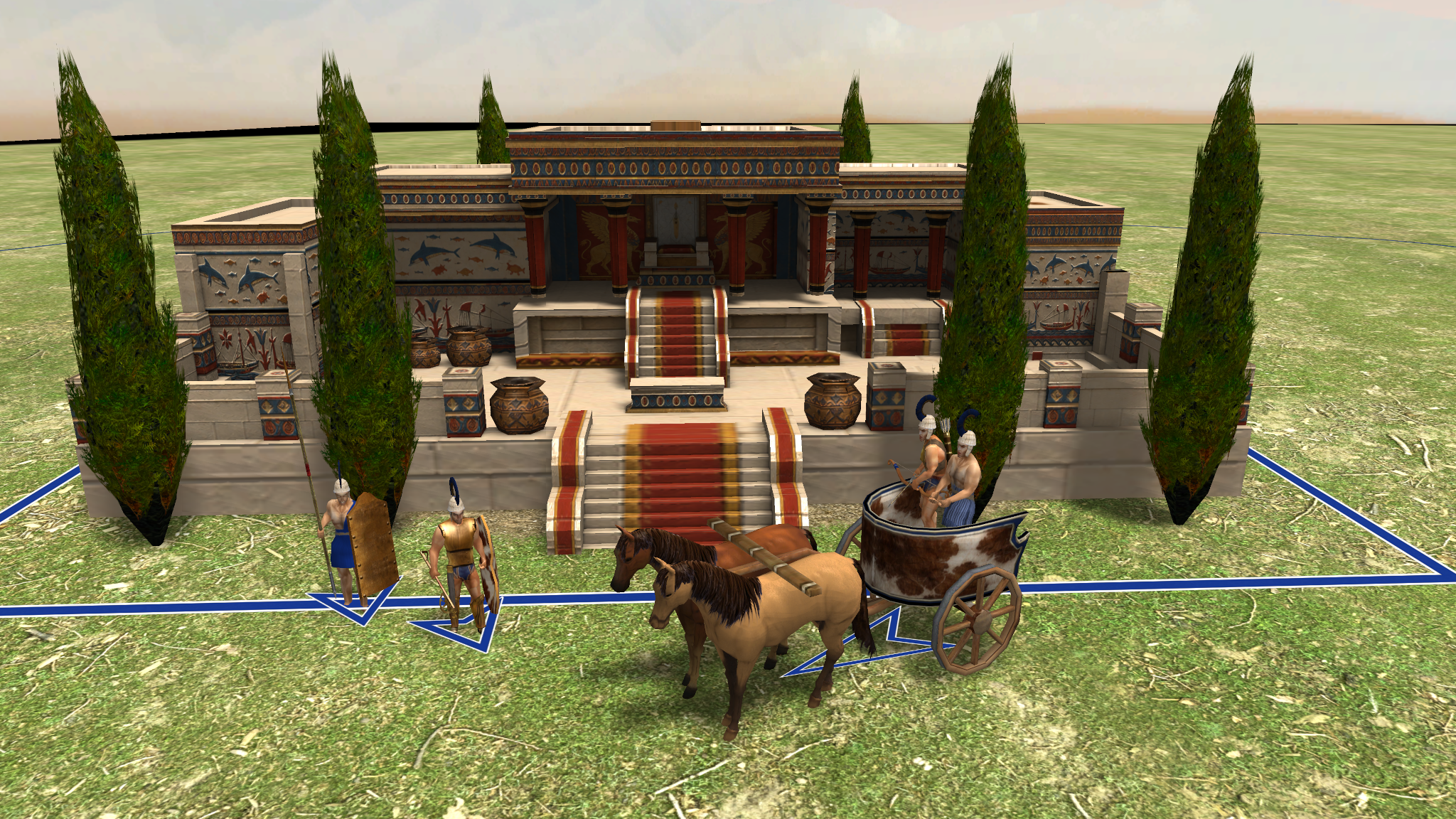
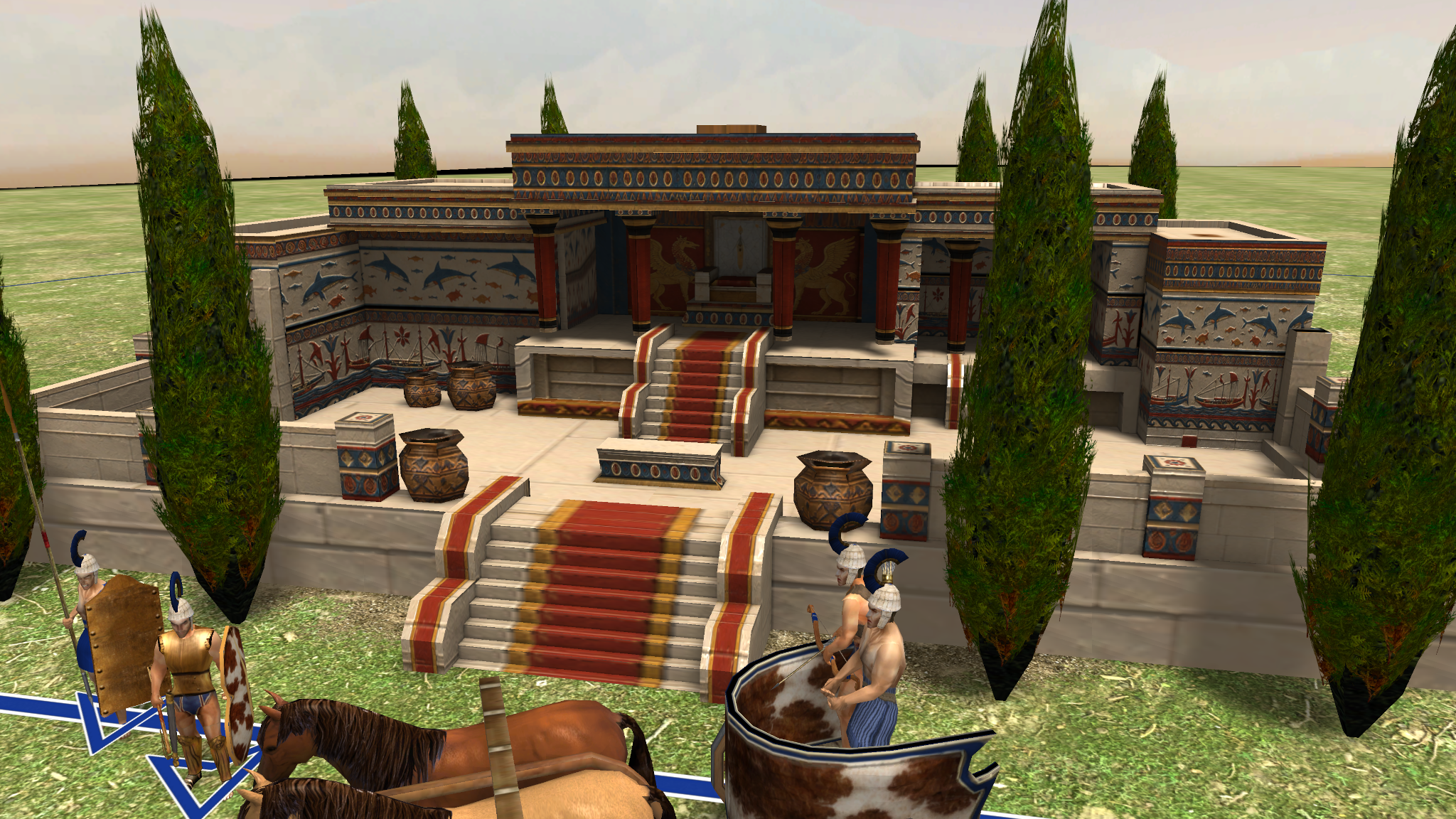
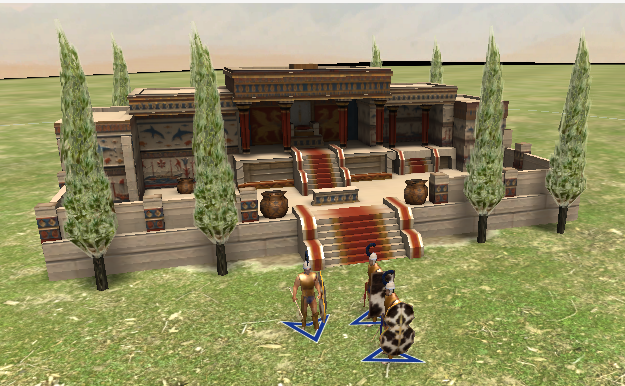
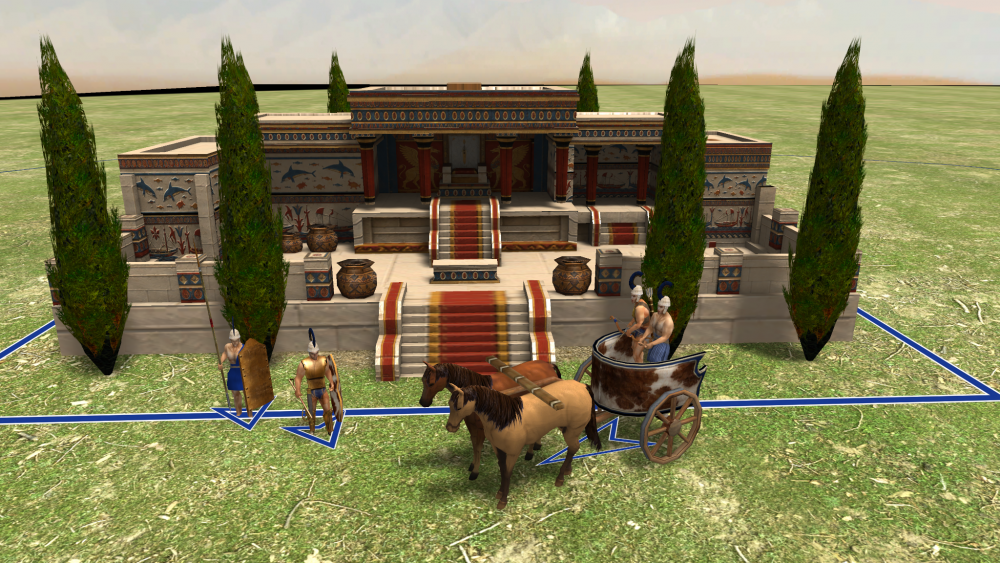
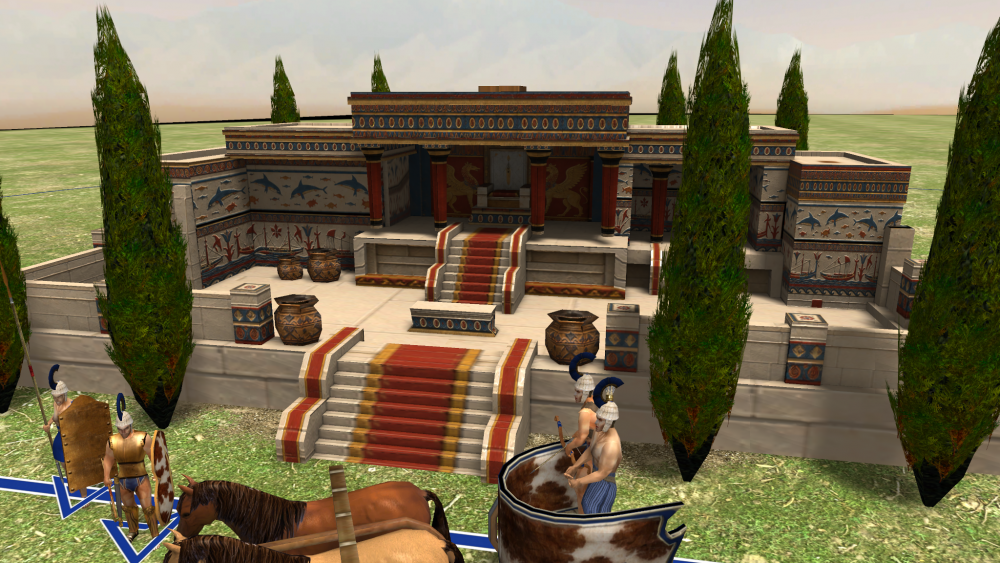
Minoan Knossos Throne: (Ignore tree color, it's a bug in my flashback installation)
 2 points
 -
said the Macedonian officer after Gaugamela2 points
-
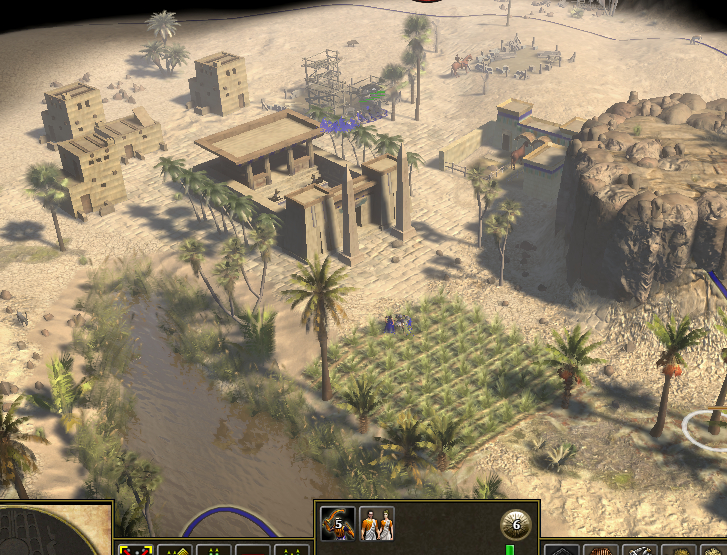
Update for the Aristeia mod to 0a.d. 0.28. The mod is playable and error-free; anyone interested can download it from this link: https://github.com/0ADMods/aristeia @Stan` Could you help us upload this version to Mod.io?
 1 point
 -
I'm creating a thread to discuss a suggestion I made in another thread. The problem arose following the proposal of different scenarios for a tutorial campaign. Several scenarios were rejected simply because the factions didn't exist in the game as playable. In this case, they were mainly Greek city-states. The case of the various Greek city-states is a perfect illustration of the problem, as these are generally proposals for which many of the buildings would be similar to those existing for the current factions. So I think it's important that we come up with a solution, and to do that I propose having umbrella factions. An 'umbrella faction' in this context is simply a primary faction that encompasses multiple related minor factions, allowing players to start with a broad cultural group and later specialize in distinct sub-factions. For example, in the case of the Greek city-states, the player can start out as a generic Greek faction and can choose to become affiliated to a minor faction during the course of the game, thereby unlocking bonuses, units, buildings and so on. Affiliation can consist of joining the Spartans, the Athenians, the Corinthians etc. There are many reasons for umbrella factions: Creative and Practical Limitations: Designing unique factions for each minor group is challenging, expensive, and risks creating repetitive or uninspired content. The current approach could also exclude interesting cultures due to resource constraints. Umbrella factions could be a more flexible and modular concept. It would even be possible to create minor factions for campaigns. Visual and Artistic Quality: It would help to maintain visual cohesion by avoiding the need for excessive new assets, preserving the game's overall artistic quality. User Interface Concerns: Adding many minor factions from similar cultural backgrounds (e.g., Greek city-states) clutters the user interface, making it more complex and less user-friendly. Gameplay Strategy and Diversity: An umbrella faction approach enables strategic diversity without overwhelming players. For example, a player might begin as a generic Greek faction and later choose to specialize in a specific city-state (e.g., Athens or Sparta) based on desired bonuses or units. Improved Game Balance: Umbrella factions allow for better balance, avoiding factions that are overpowered due to an excess of unit choices or too weak due to a lack of variety. Linking specific units to choices within umbrella factions can enhance strategic depth and create interesting counter-strategies. Encouragement of Adaptive Gameplay: Umbrella factions could introduce adaptive gameplay, where players must make decisions based on their opponents' choices within the faction. This means that as other players specialize within the same umbrella faction, players must adjust their strategy, creating dynamic interactions and keeping gameplay fresh. Reduced Cognitive Load for New Players: For beginners, a simplified umbrella faction model lowers the learning curve. Rather than overwhelming new players with numerous faction options, they can begin with a broad faction and gradually discover the nuances of various sub-factions as they progress. Flexibility for Future Releases: Umbrella factions allow for easy integration of new units, buildings, and technologies without the challenge of designing an entire faction from scratch. For instance, if future expansions explore more diverse regions, new minor factions can be added within established umbrellas, enriching gameplay without overcomplicating the framework. Enhanced historical authenticity: By grouping culturally similar city-states or peoples into unifying factions, players experience historical alliances and rivalries in a more realistic way. This structure makes it possible to add numerous historical references and offer players a glimpse of the diversity of the ancient world. It also reflects how ancient societies often shared cultural traits while having unique distinctions, offering players a more nuanced and immersive historical experience. In the case of a faction such as the Greek cities, the idea is to choose to affiliate with one of the city-states or leagues that were very important: Corinth, famous for its fortress, its architecture and its craftsmen. It was a very powerful city even before the wars with the Persians. Corinth was inscribed with Athens and Sparta on the second coil of the serpent column at Delphi for its part in the defence of Greece against Xerxes. According to Thucydides, the trireme was introduced to Greece by the Corinthians. Sparta, a city that focused on military power and control of a large territory with many agricultural estates. There are many military features that are unique to Sparta. Athens, a powerful thalassocracy with major cultural and economic influence. A very rich and detailed history which enable us to implement a lot of diverse features. Thebes, an important city that made the poor choice of allying itself with the Persians and played a minor role in the Peloponnesian War. However, Thebes came back into the limelight during the following wars and became a major military power. Thebes is famous for its sacred battalion. Syracuse, a Greek city in Sicily, took part in numerous conflicts such as the Peloponnesian War and the Punic Wars. Syracuse was known for its mercenary recruitment, its powerful fleet and its brilliant inventions (see Archimedes). It is generally believed that the first ballistas were invented in Syracuse. The Achaean League, a powerful confederation that held out against the Macedonians and controlled a large part of Greece. They had a powerful army and were the only ones mentioned to use Thorakites apart from the Seleucids. They reformed their army at some point to use the Macedonian pike. And if we implement this system, it would be much easier to create a faction for a campaign. For example, if we decide to create a faction to represent Massalia for a campaign, we reuse the vast majority of existing elements. This would mainly be parameterization rather than design.1 point
-
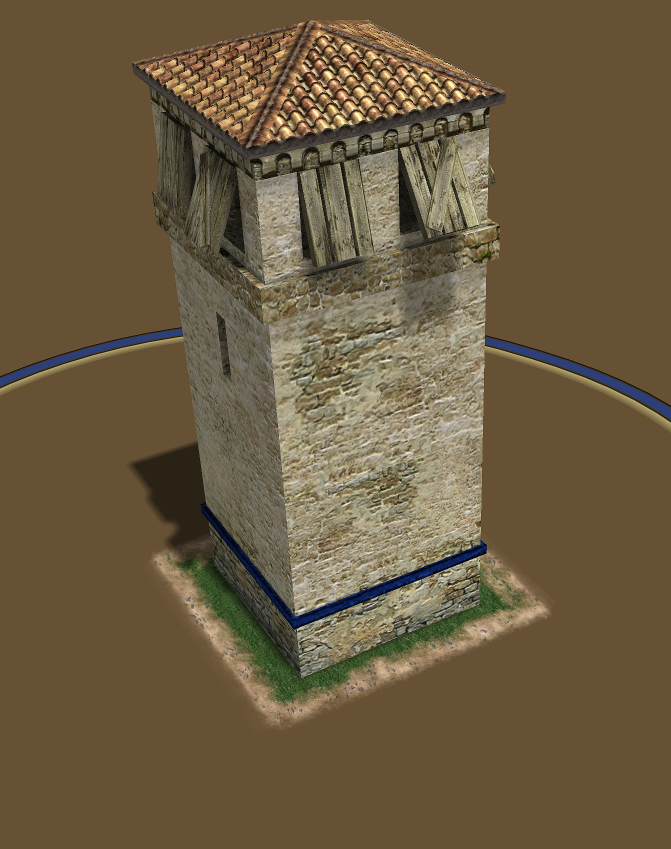
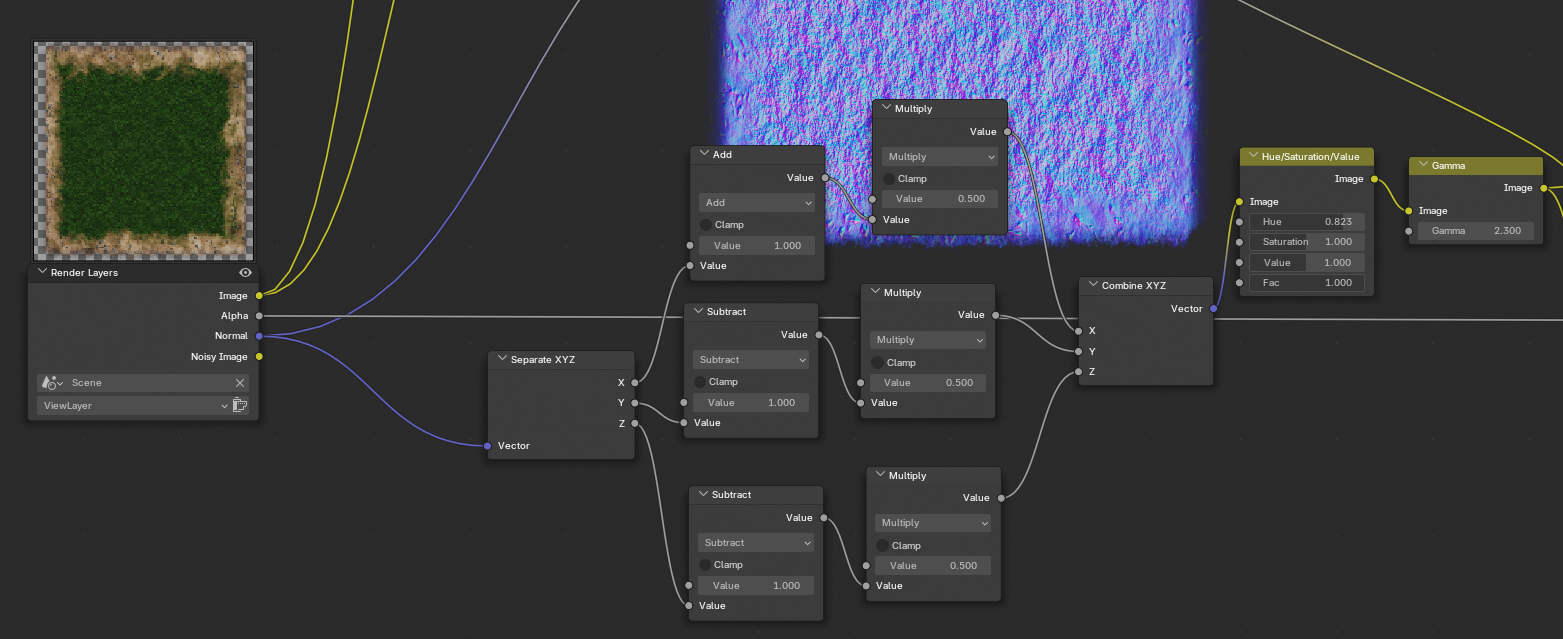
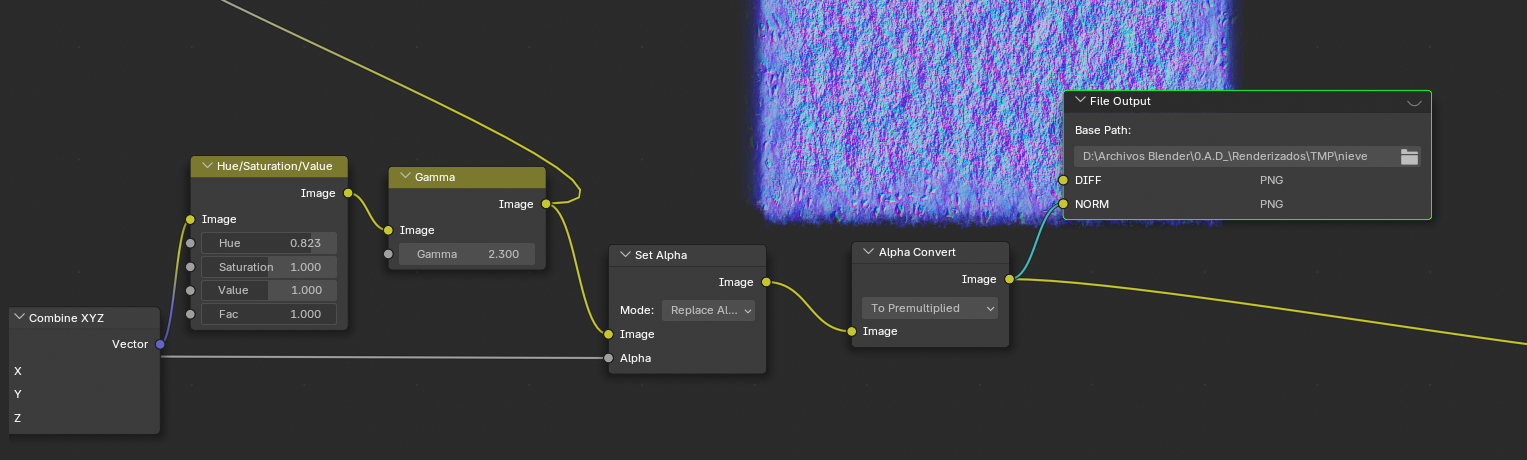
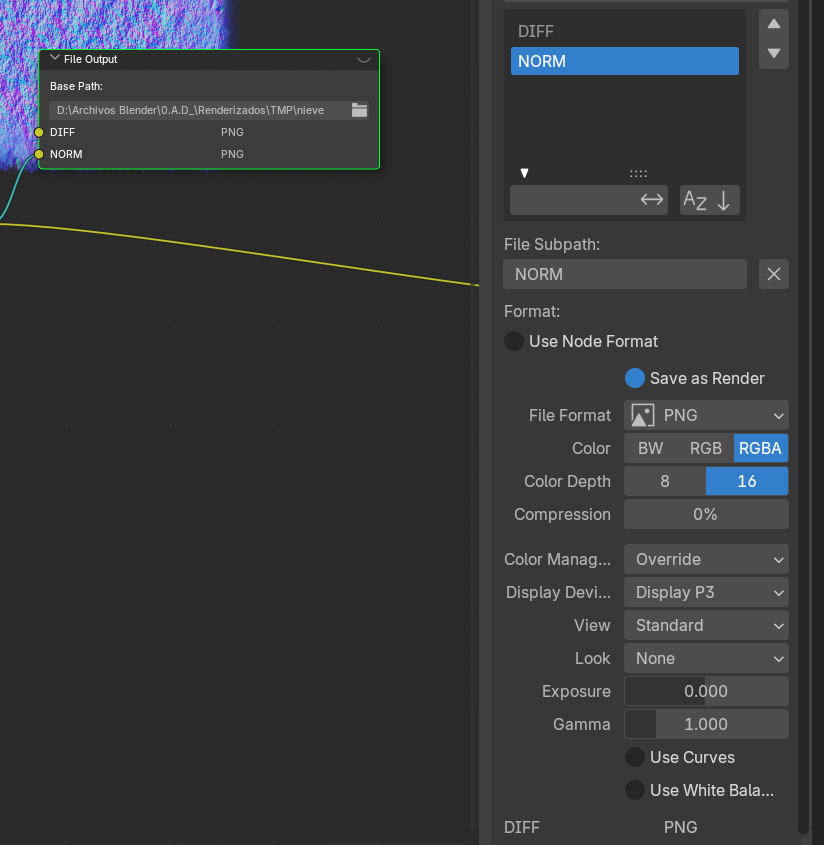
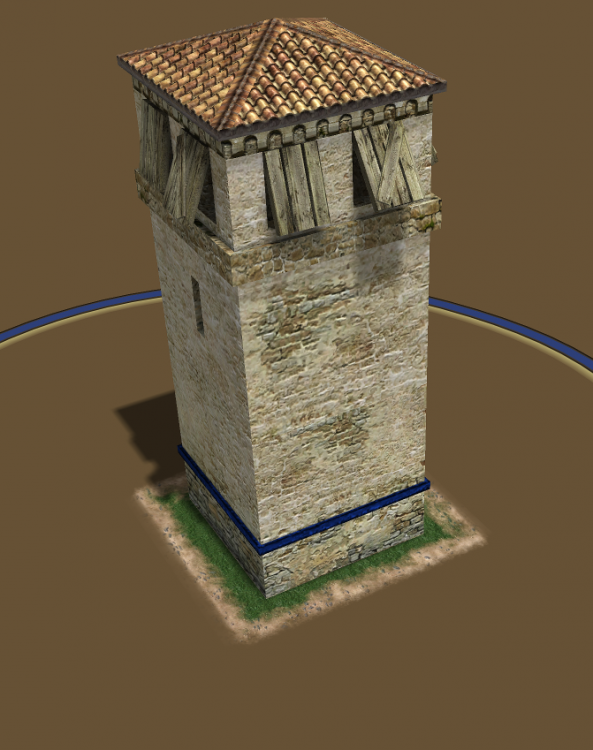
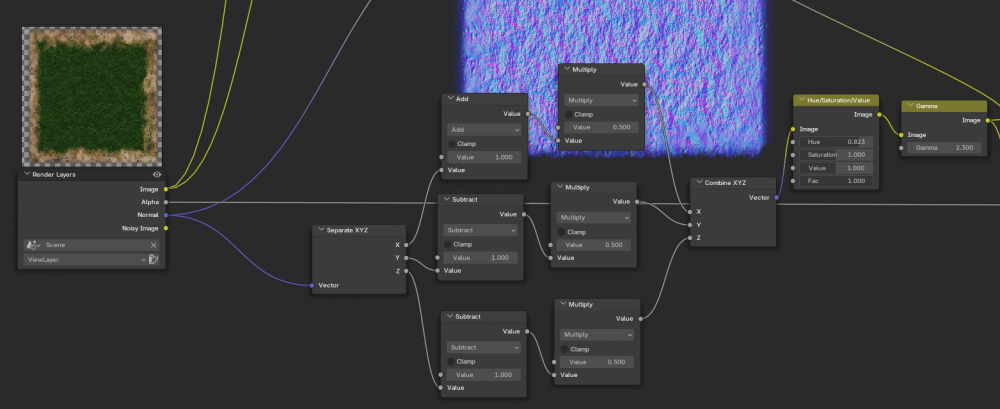
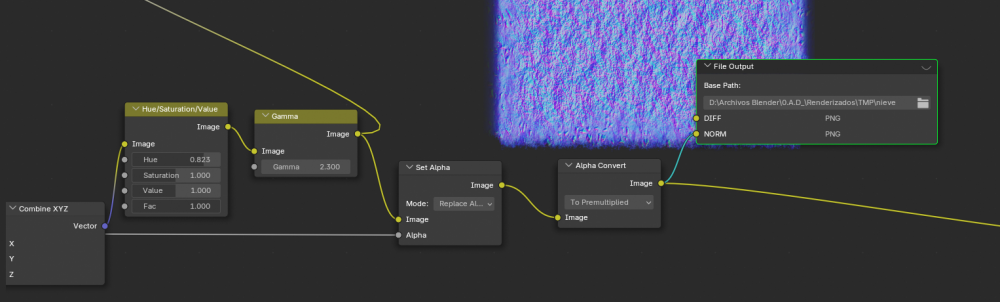
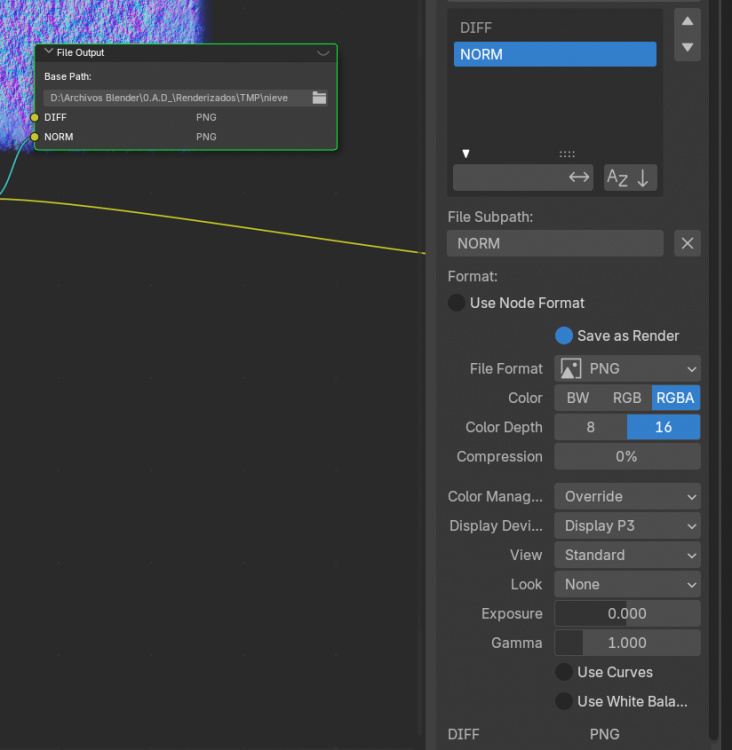
I had issue fixing one problem to end with another, after replacing the monitor i bought an UPS to keep it safe but had an electromagnetic interference because of a cheap HDMI cable that comes with the monitor but i replaced the whole graphic drivers thinking it was GPU issue's so basically blender 4.0 died for new AMD drivers. Note for self: Normal bake output compositing nodes (Don't touch again): Mossy wall tower decal:
 1 point
 -
Definitely not, I think that was the print definition, I'll change the image.
 1 point
 -
Minoans and Mycenaeans already had initial artwork created at least 5 years ago in the mod, but the author ( @LordGood )didn't continue development. I took that artwork and continued it, but many buildings were created from scratch. The Hittites only had banners and icons, so it's something completely new, as is the artwork. Please access my branch and play, I really need tests.1 point
-
@Amberix the latest version of CustomColors (v 0.28.1) is for 0 A.D. 28, and the latest release link in the first post is already pointing to that. The description in the post was wrongly mentioning compatibility for 0 A.D. 27, because I forgot to update it. Now fixed. I plan (or rather, wish) to keep this mod compatible with future 0 A.D. versions.1 point
-
Renaming the civ is fine, just be sure to really hunt down every last “pers”. I see some discussion again of coalitions, or the idea of selecting specifications with each phase, but I maintain the position that these are awkward for gameplay. Myself and others have a lot of comments on this in the “coalitions” discussion @Genava55 linked.1 point
-
It would be very easy to make campaign-only factions if ever needed, so there's no need to make a brand new system of sub-factions based solely on that fear. However, the idea of sub-factions and branching factions, etc., has been around for a long long time. Certainly since the inception of the game back in the early 2000s. The original game design had the Greeks sub-dividing similarly to how you propose, but only in a very limited and frankly limiting sense. That's why it was decided to split the Hellenes into Athenians, Spartans, and Macedonians. I'm glad that happened. Now, to the proposal itself, it's not bad. I've wanted an Age of Mythology-style choice Ui for quite some time. The only problem is what's next in P3? Choosing a political system might be a good idea. Democracy (or Demarchy as I believe its proponents would have called it), Monarchy, Oligarchy, what else? One thing I like about this proposal as opposed to other sub-faction proposals, is that it leaves the Spartans and Athenians intact. The hang up I have is its additional complexity (I like complexity, but the multiplayer crowd prefers simplicity) and the UI coding.1 point