-
Who's Online 9 Members, 2 Anonymous, 243 Guests (See full list)
-
Topics
-
-
Posts
-
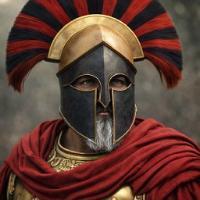
 From assasins creed. Should we go for something similar, especially with the stage? Is it historically accurate?
 -
 Sorry, my statement was incomplete: bots run by players aren't permitted, the ones run by Wildfire Games are of course permitted (and are actually necessary to run the multiplayer lobby). What we need is a server, which can run headlessly, so without requiring a graphics card. It also has to be resource efficient, easy to isolate (e.g. by running it inside a Firecracker micro VM) and maintainable (so no re-implementation of the required functionality, but reuse of code we already have in pyrogenesis). Additionally it should be integrated into pyrogenesis and XpartaMuPP, so whether or not to use a dedicated server is an option in the game UI rather than sending chat messages. That'd also allow us to use it for rated games, something which isn't possible with an unofficial solution. It's probably also a good idea to get in touch with us developers while developing such functionality, so we can provide guidance where necessary, to avoid work which results in something which doesn't fit our needs and standards (for example a change of the network layer from UDP to QUIC is in the works right now (https://gitea.wildfiregames.com/0ad/0ad/pulls/8925), which would require changes to a dedicated server as well). That said, if we're talking about ways to improve the ability of players to join multiplayer games and improve their performance, proper support for IPv6 (https://gitea.wildfiregames.com/0ad/0ad/projects/9) is something I personally would like to see as a step before adding dedicated server functionality.
 -
 Personally I've been/still am reluctact as it would mean that genuine new users might have to wait a number of hours before their first post is approved, and in the mean time they might give up. No matter what we do or don't do there's always a cost somewhere, so the question is what is reasonable. I did suggest changing things in this manner in a staff-only topic, but there were other suggested ways to try and limit the issue that we might try beforehand.
 -
 I just don't really get cav. I like having units that can gather, and then fight when I need them to. I guess that just how I play though, maybe I should just use a different civ
 -
 Yes, Mace is a little different and tough. But you have strong p1 allied cav that only cost food.... you can unlock slingers p1. Yes you should also notice although Mace p1 units are "weaker" they are cheaper and train faster... mace is more about eco early on and getting to p2. We didnt want civs to play practically identical to one another. I can show you how to play to each civs strength, we can team up against the AI. And Im sure there are people better than me who could really play into the strengths even more.
-