
All Activity
- Today
-
.thumb.jpg.b21ca1d0c15fb56b42c39b25a0a40815.jpg)
Archaeological potpourri
Genava55 replied to Gurken Khan's topic in Introductions & Off-Topic Discussion
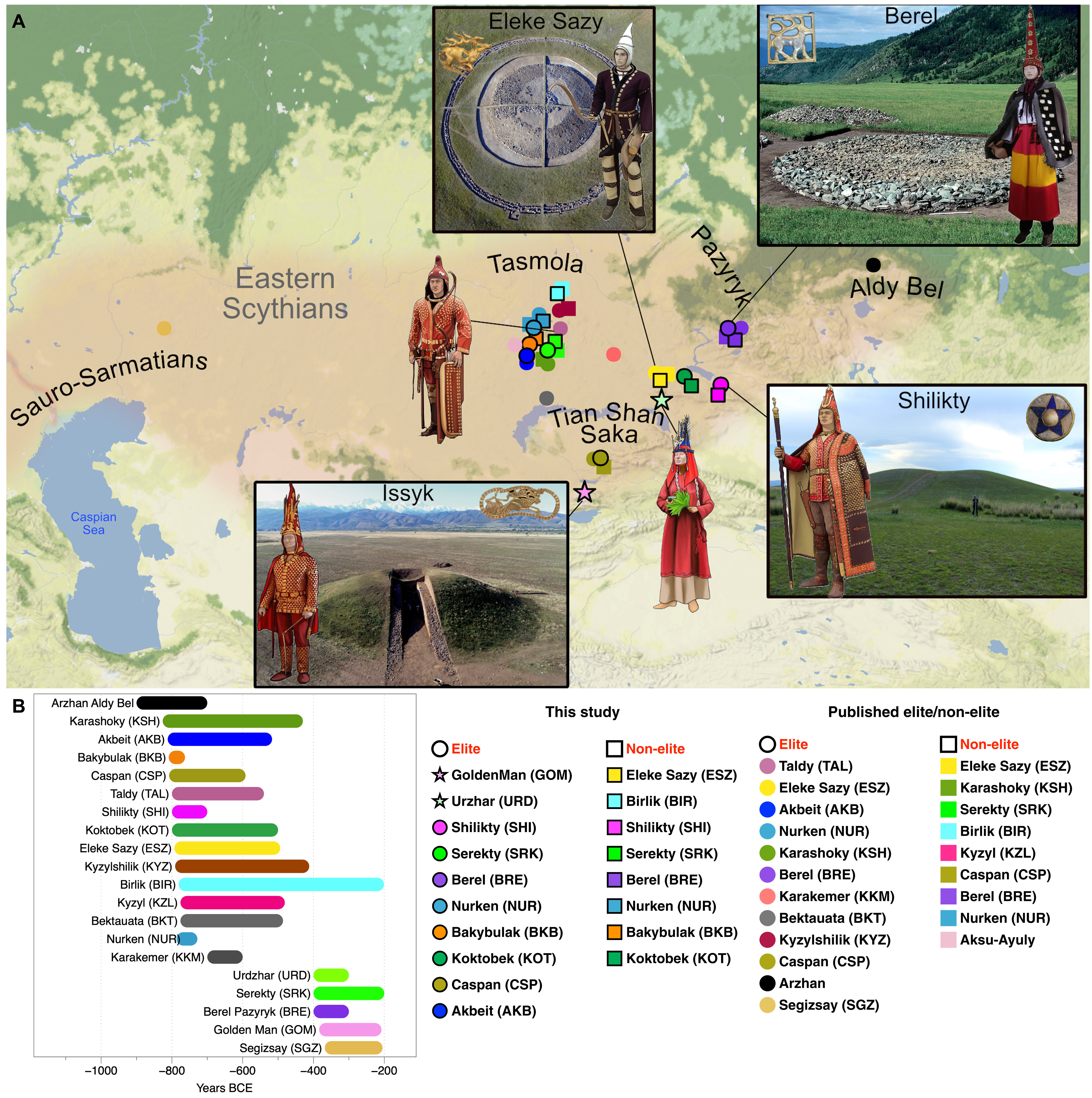
A genomic analysis of 85 individuals from the Iron Age shows that elite status was passed down from generation to generation and that women held prominent positions in the nomadic society The discovery of the Golden Man in the Issyk kurgans in Kazakhstan had become a national symbol and one of the most significant archaeological finds of the Eurasian steppe. But until now, researchers did not know its genetic makeup or its relationship to other high-status individuals found in the region. An international study combining archaeology, anthropology, and genomics has managed to sequence the complete genome of this emblematic figure, placing it within the genetic variation of Saka individuals from the Iron Age and resolving a decades-old question: it was a male, not a female. The Issyk kurgans, located about 50 kilometers east of Almaty, are part of a royal burial complex linked to the Saka culture dating to the period 400–300 BCE. The wooden chamber where the Golden Man rested contained more than 4,000 gold ornaments, weapons, a headdress embroidered with golden threads, zoomorphic artifacts, and a silver bowl with an inscription that has not yet been deciphered. The richness of the funerary goods contrasts with the simplicity of other contemporary burials, where grave goods are almost nonexistent. These stark differences have traditionally been interpreted as an indicator of the growing social inequality characteristic of Iron Age nomadic societies. [...] The results obtained by the researchers show that elite individuals were more closely related to each other than to lower-status people found in the same sites. This pattern persisted even when elite burials were located in different cemeteries separated by more than 100 kilometers. [...] A particularly significant aspect of the study is the confirmation that access to elite status was not restricted to males. Almost half of the high-ranking individuals in the sample are women, contradicting the idea that power in these nomadic societies was exclusively male. The significant presence of women in richly adorned tombs, along with the genomic evidence linking elite individuals across different burial sites, indicates that women held high-status positions within Scythian society, explains Ayshin Ghalichi, a researcher at Max Planck and the University of Texas at Austin. https://www.labrujulaverde.com/en/2026/07/dna-analysis-of-the-golden-man-reveals-that-a-few-elite-families-ruled-scythian-nomadic-society-2500-years-ago/ https://www.science.org/doi/10.1126/sciadv.aef0108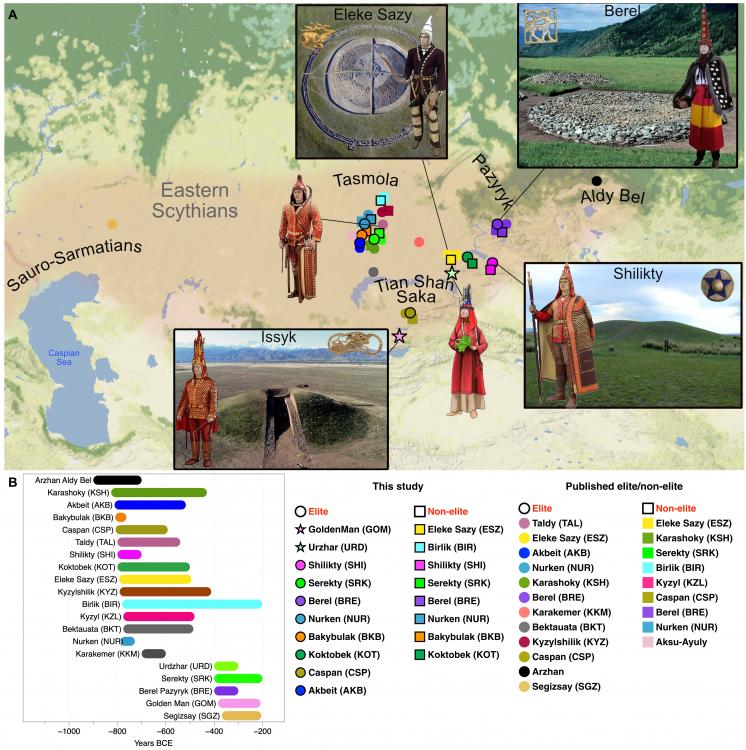
-
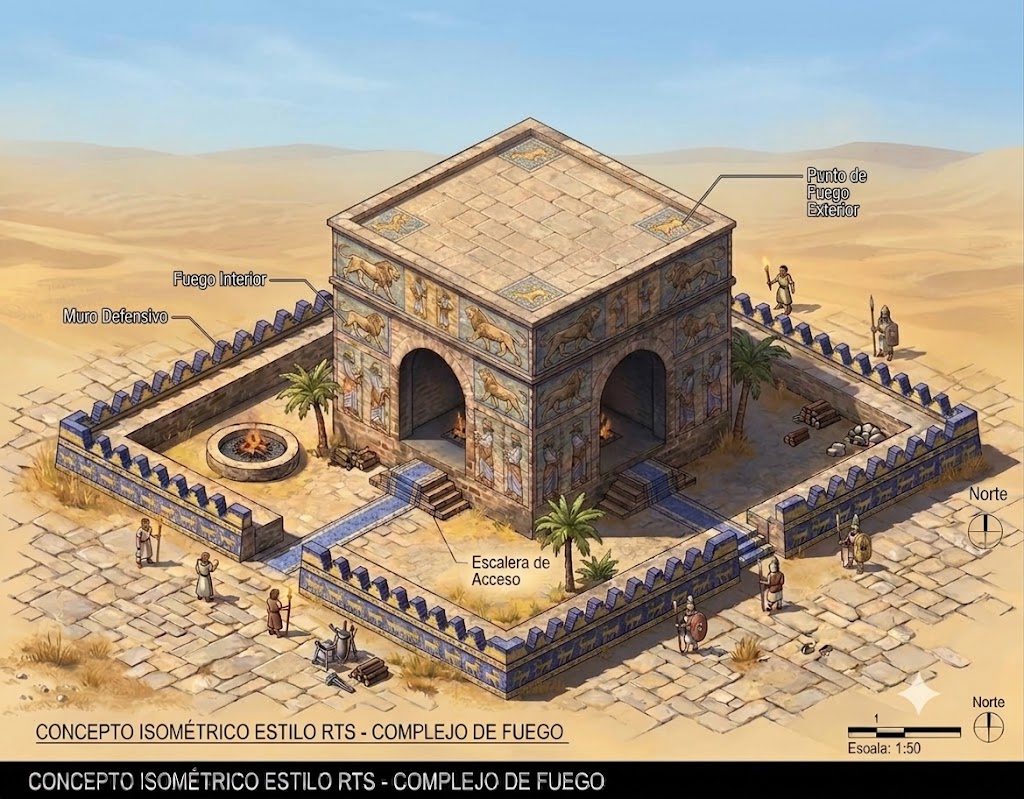
.thumb.jpeg.67ef5b5dc6d918163efa04cd5336830d.jpeg) There is a concept in the Middle East. sacred cosmology or sacred space/land. In the Greek world, the earth reserved exclusively for one god was called temenos. https://en.wikipedia.org/wiki/Temenos Disputes over sacred spaces occur because these places are not considered simple earth, but cosmic nodes of identity, historical memory and divine sovereignty. When two or more religions claim the same physical point as their axis mundi, geopolitics transforms into a mystical zero-sum conflict, where ceding territory is tantamount to betraying the deity.The most representative cases of battles for the ownership of the holy land, both historical and of extreme current relevance, include. In 20th-century comparative mythology, the term axis mundi – also called the cosmic axis, world axis, world pillar, center of the world, or world tree – has been greatly extended to refer to any mythological concept representing "the connection between Heaven and Earth" or the "higher and lower realms".[3] Mircea Eliade introduced the concept in the 1950s. In Mircea Eliade's opinion: "Every Microcosm, every inhabited region, has a Centre; that is to say, a place that is sacred above all. In other interpretations, an axis mundi is more broadly defined as a place of connection between heavenly and the earthly realms – often a mountain or other elevated site. Tall mountains are often regarded as sacred and some have shrines erected at the summit or base.[20] Mount Kunlun fills a similar role in China [...]Likewise, the ancient Greeks regarded several sites as places of Earth's omphalos (navel) stone, notably the oracle at Delphi, while still maintaining a belief in a cosmic world tree and in Mount Olympus as the abode of the gods. Judaism has the Temple Mount; Christianity has the Mount of Olives and Calvary; and Islam has the Ka'aba (said to be the first building on Earth), as well as the Temple Mount (Dome of the Rock). In Hinduism, Mount Kailash is identified with the mythical Mount Meru and regarded as the home of Shiva; in Vajrayana Buddhism, Mount Kailash is recognized as a similarly sacred place. In Shinto, the Ise Shrine is the omphalos. Sacred places can constitute world centers (omphaloi), with an altar or place of prayer as the axis. Altars, incense sticks, candles, and torches form the axis by sending a column of smoke, and prayer, toward heaven.[citation needed] It has been suggested by Romanian religious historian Mircea Eliade that architecture of sacred places often reflects this role: "Every temple or palace – and by extension, every sacred city or royal residence – is a Sacred Mountain, thus becoming a Centre." https://en.wikipedia.org/wiki/Axis_mundi https://en.wikipedia.org/wiki/Omphalos
There is a concept in the Middle East. sacred cosmology or sacred space/land. In the Greek world, the earth reserved exclusively for one god was called temenos. https://en.wikipedia.org/wiki/Temenos Disputes over sacred spaces occur because these places are not considered simple earth, but cosmic nodes of identity, historical memory and divine sovereignty. When two or more religions claim the same physical point as their axis mundi, geopolitics transforms into a mystical zero-sum conflict, where ceding territory is tantamount to betraying the deity.The most representative cases of battles for the ownership of the holy land, both historical and of extreme current relevance, include. In 20th-century comparative mythology, the term axis mundi – also called the cosmic axis, world axis, world pillar, center of the world, or world tree – has been greatly extended to refer to any mythological concept representing "the connection between Heaven and Earth" or the "higher and lower realms".[3] Mircea Eliade introduced the concept in the 1950s. In Mircea Eliade's opinion: "Every Microcosm, every inhabited region, has a Centre; that is to say, a place that is sacred above all. In other interpretations, an axis mundi is more broadly defined as a place of connection between heavenly and the earthly realms – often a mountain or other elevated site. Tall mountains are often regarded as sacred and some have shrines erected at the summit or base.[20] Mount Kunlun fills a similar role in China [...]Likewise, the ancient Greeks regarded several sites as places of Earth's omphalos (navel) stone, notably the oracle at Delphi, while still maintaining a belief in a cosmic world tree and in Mount Olympus as the abode of the gods. Judaism has the Temple Mount; Christianity has the Mount of Olives and Calvary; and Islam has the Ka'aba (said to be the first building on Earth), as well as the Temple Mount (Dome of the Rock). In Hinduism, Mount Kailash is identified with the mythical Mount Meru and regarded as the home of Shiva; in Vajrayana Buddhism, Mount Kailash is recognized as a similarly sacred place. In Shinto, the Ise Shrine is the omphalos. Sacred places can constitute world centers (omphaloi), with an altar or place of prayer as the axis. Altars, incense sticks, candles, and torches form the axis by sending a column of smoke, and prayer, toward heaven.[citation needed] It has been suggested by Romanian religious historian Mircea Eliade that architecture of sacred places often reflects this role: "Every temple or palace – and by extension, every sacred city or royal residence – is a Sacred Mountain, thus becoming a Centre." https://en.wikipedia.org/wiki/Axis_mundi https://en.wikipedia.org/wiki/Omphalos -
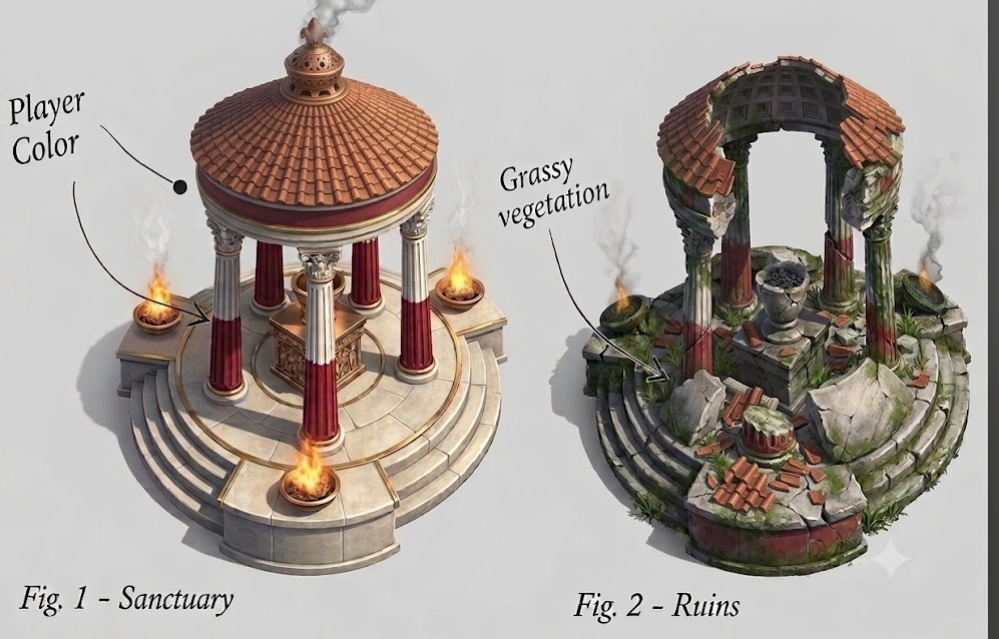
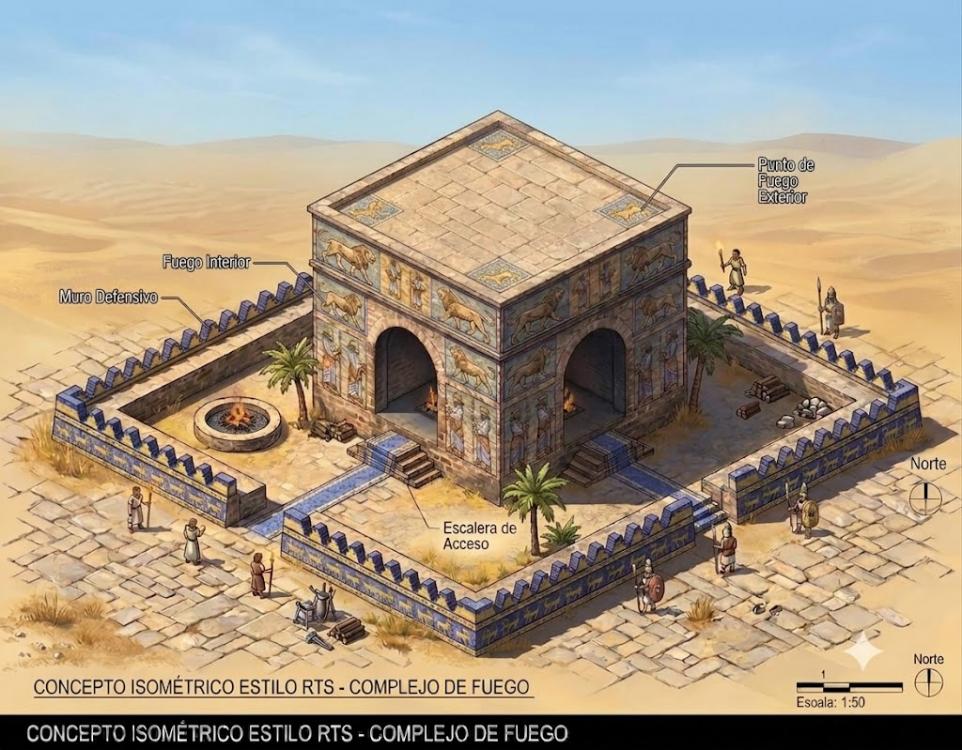
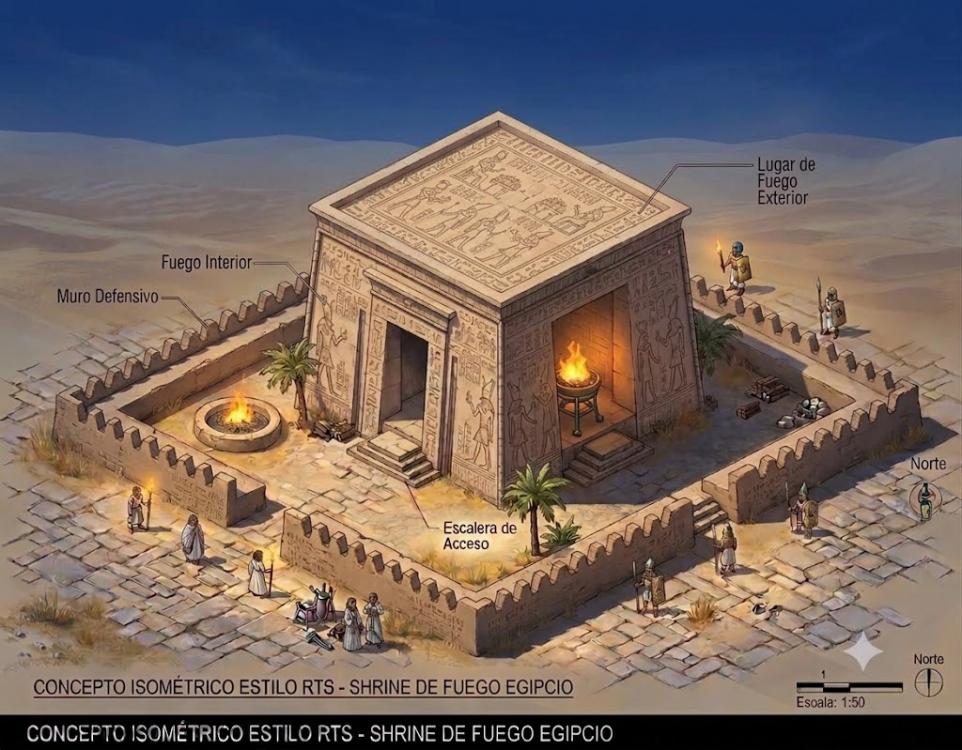
Nice concept.
-
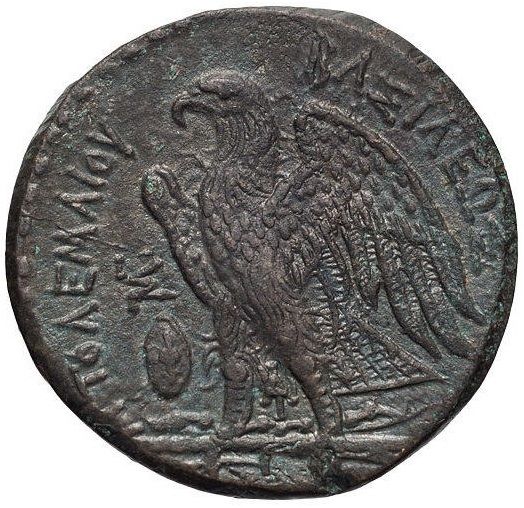
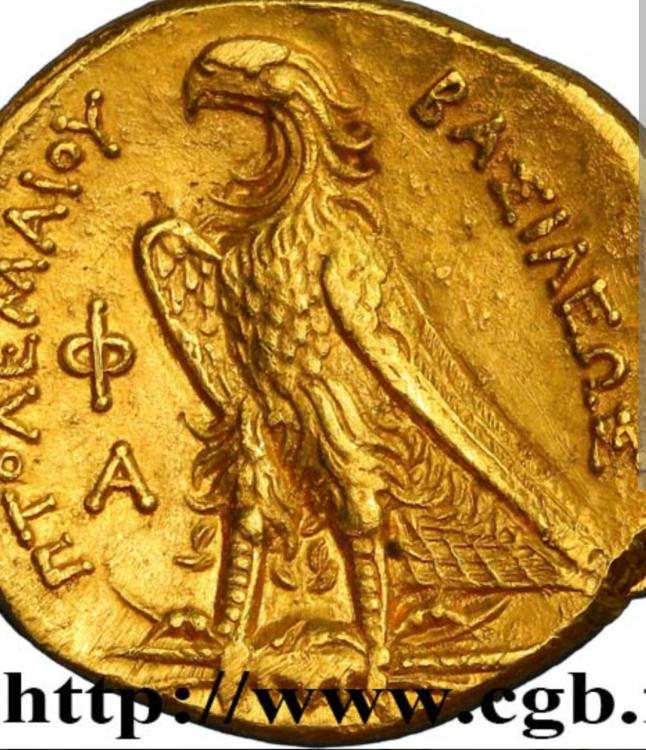
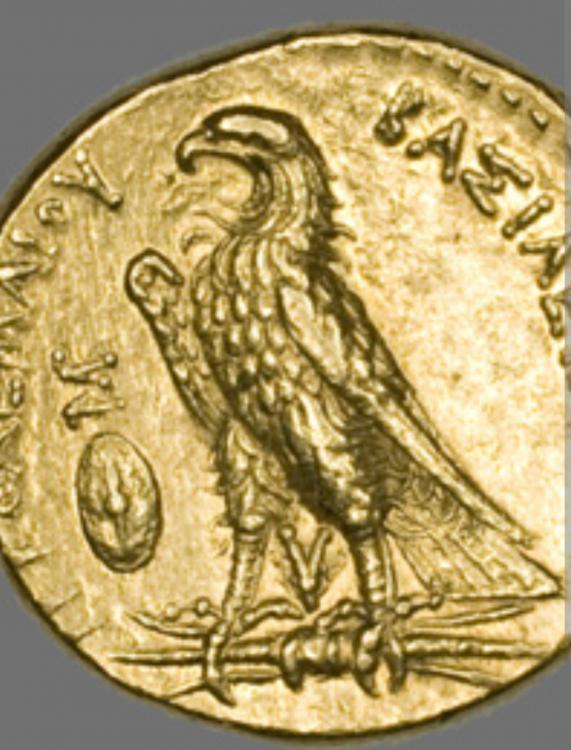
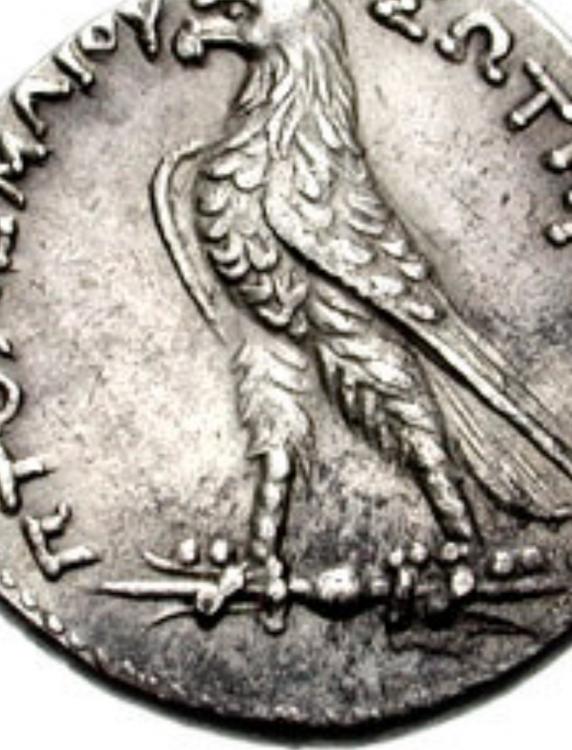
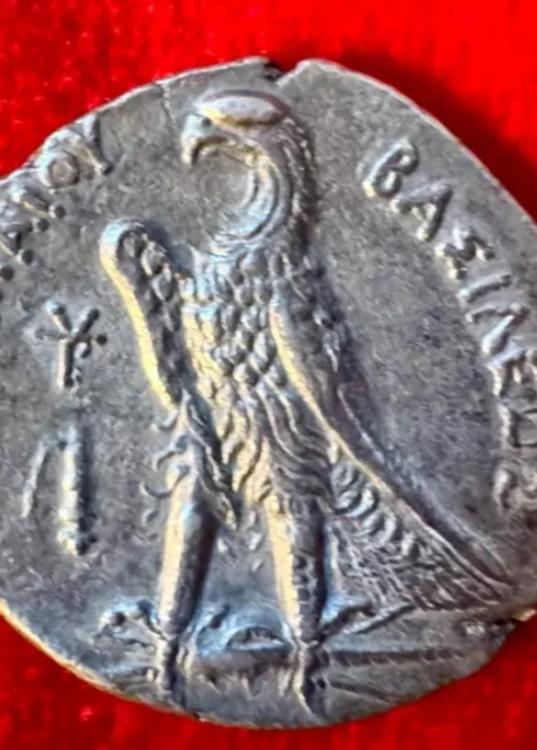
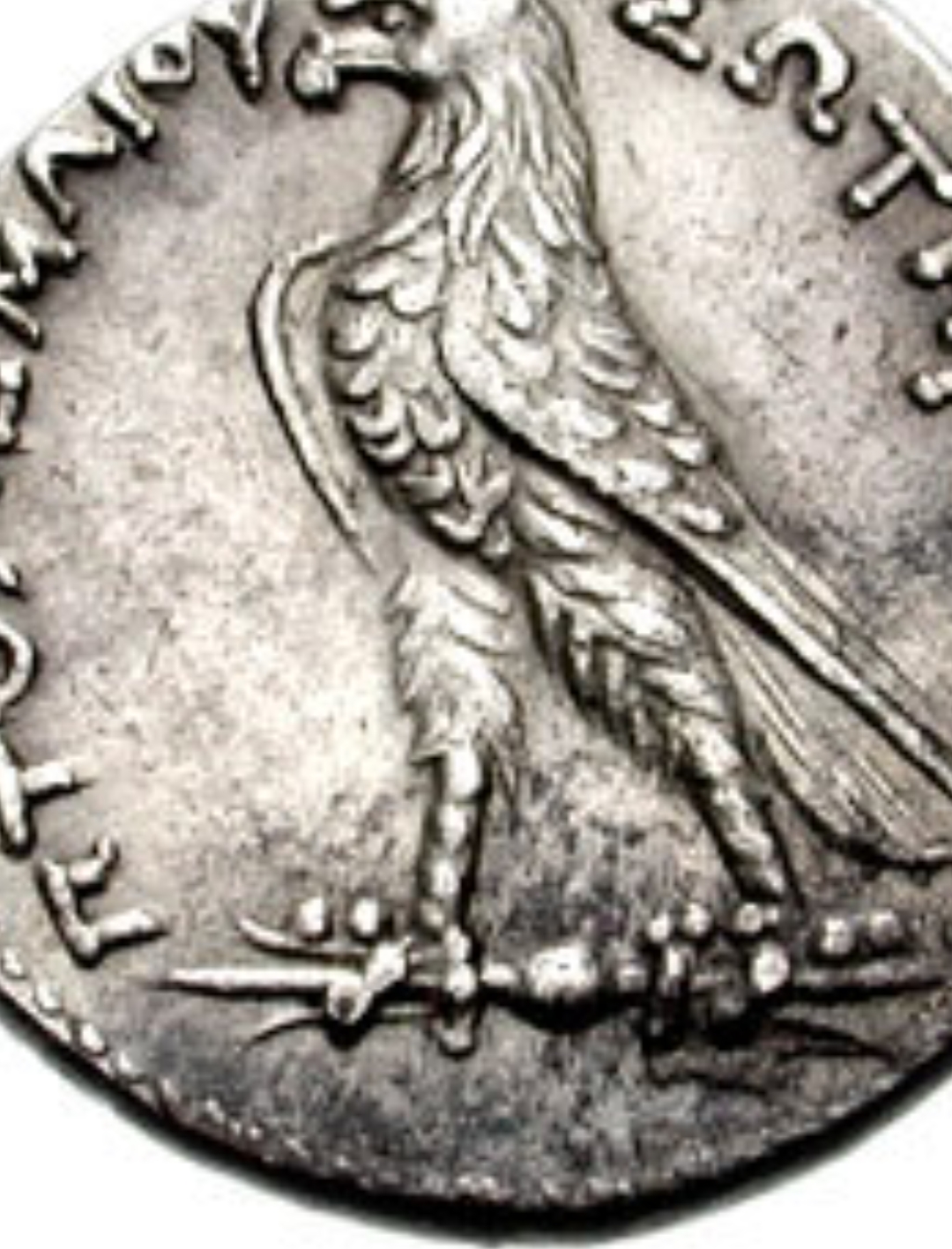
Feathers always look like small bumps. The breast and some wings.

-
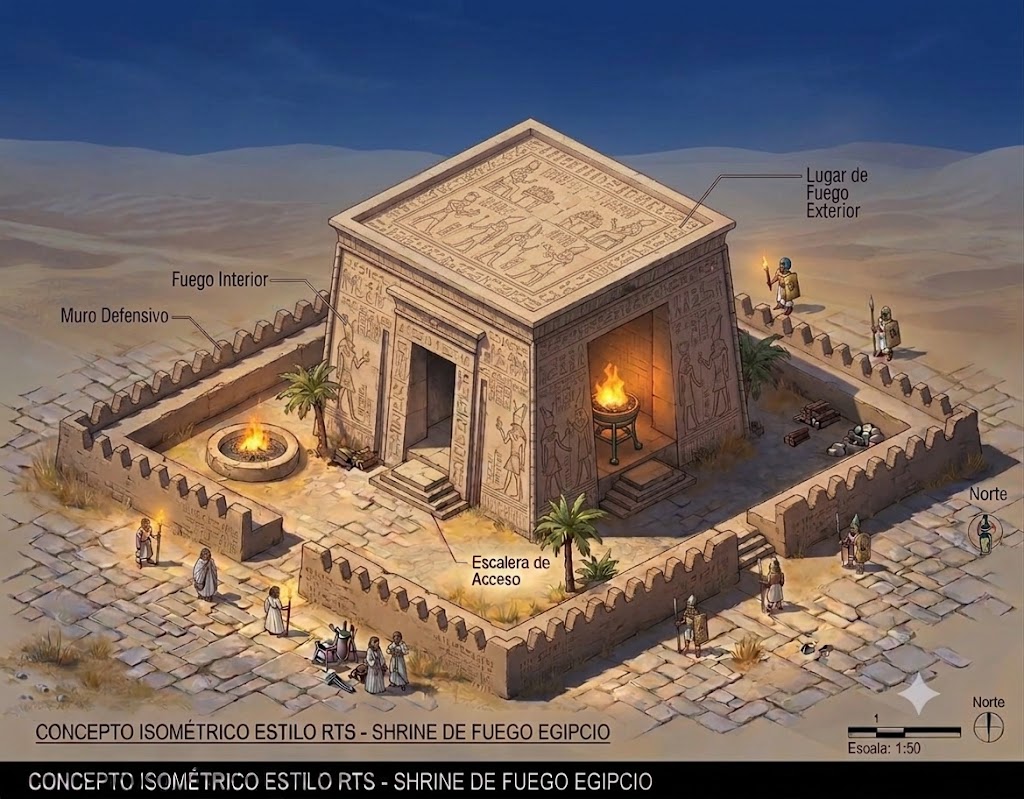
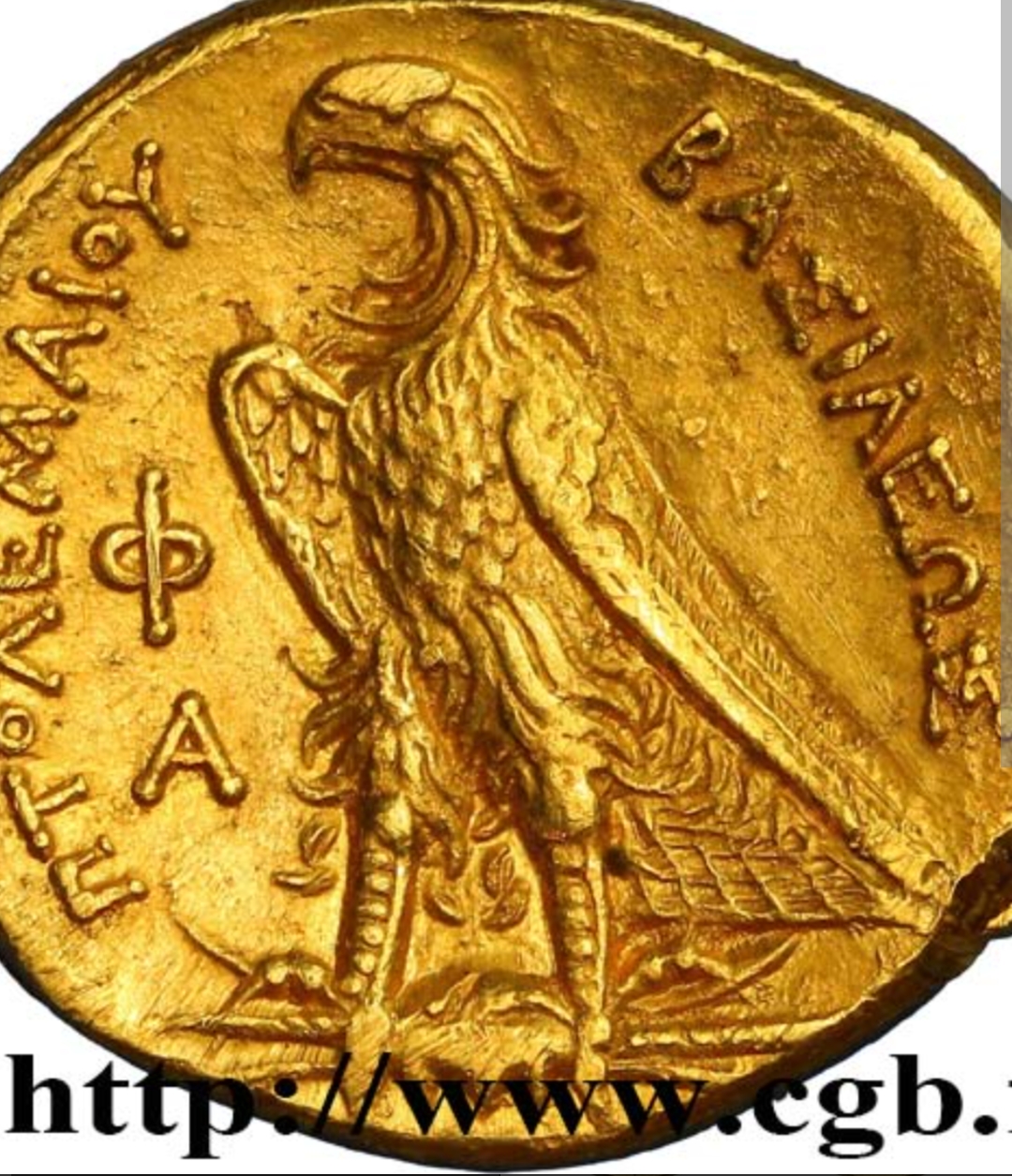
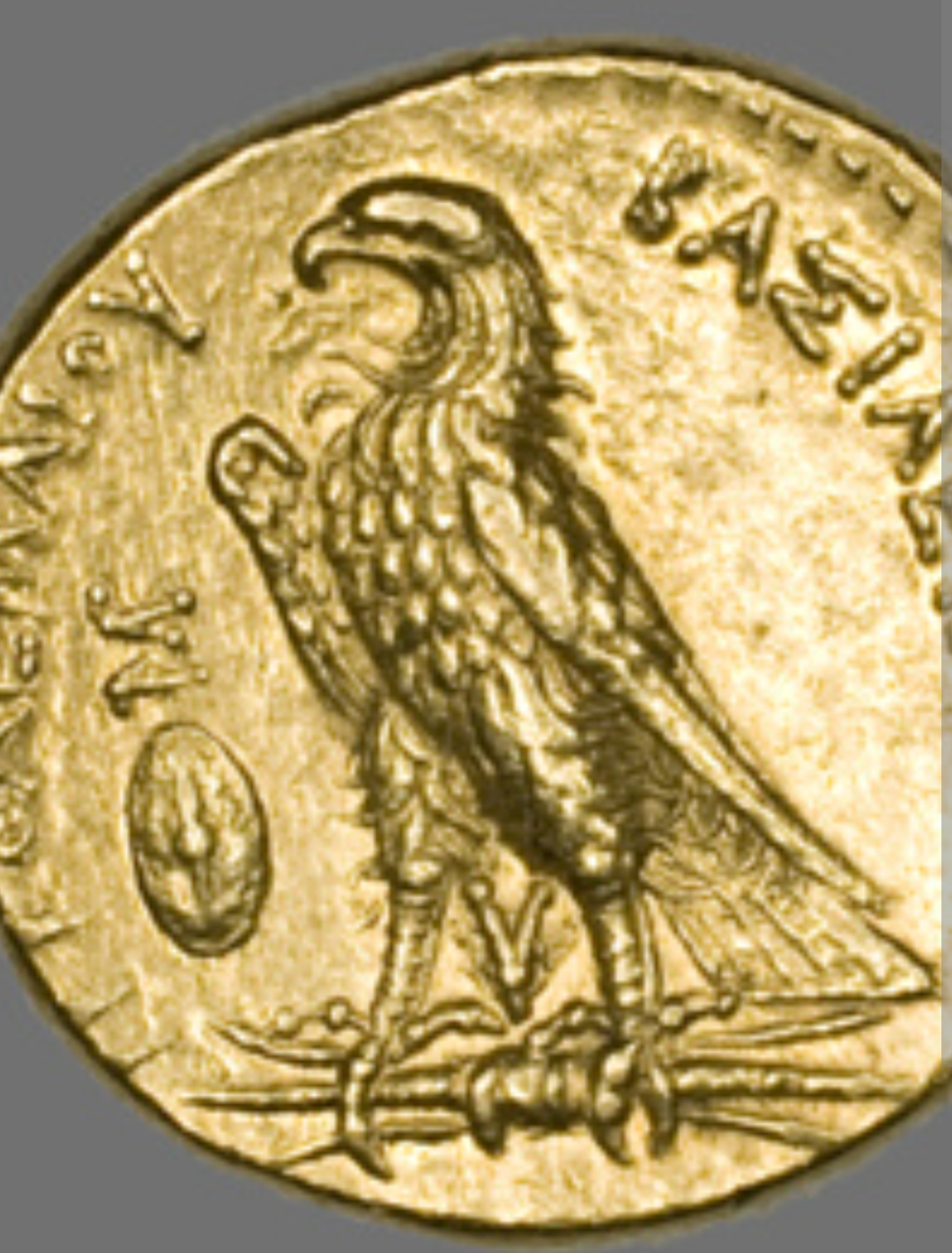
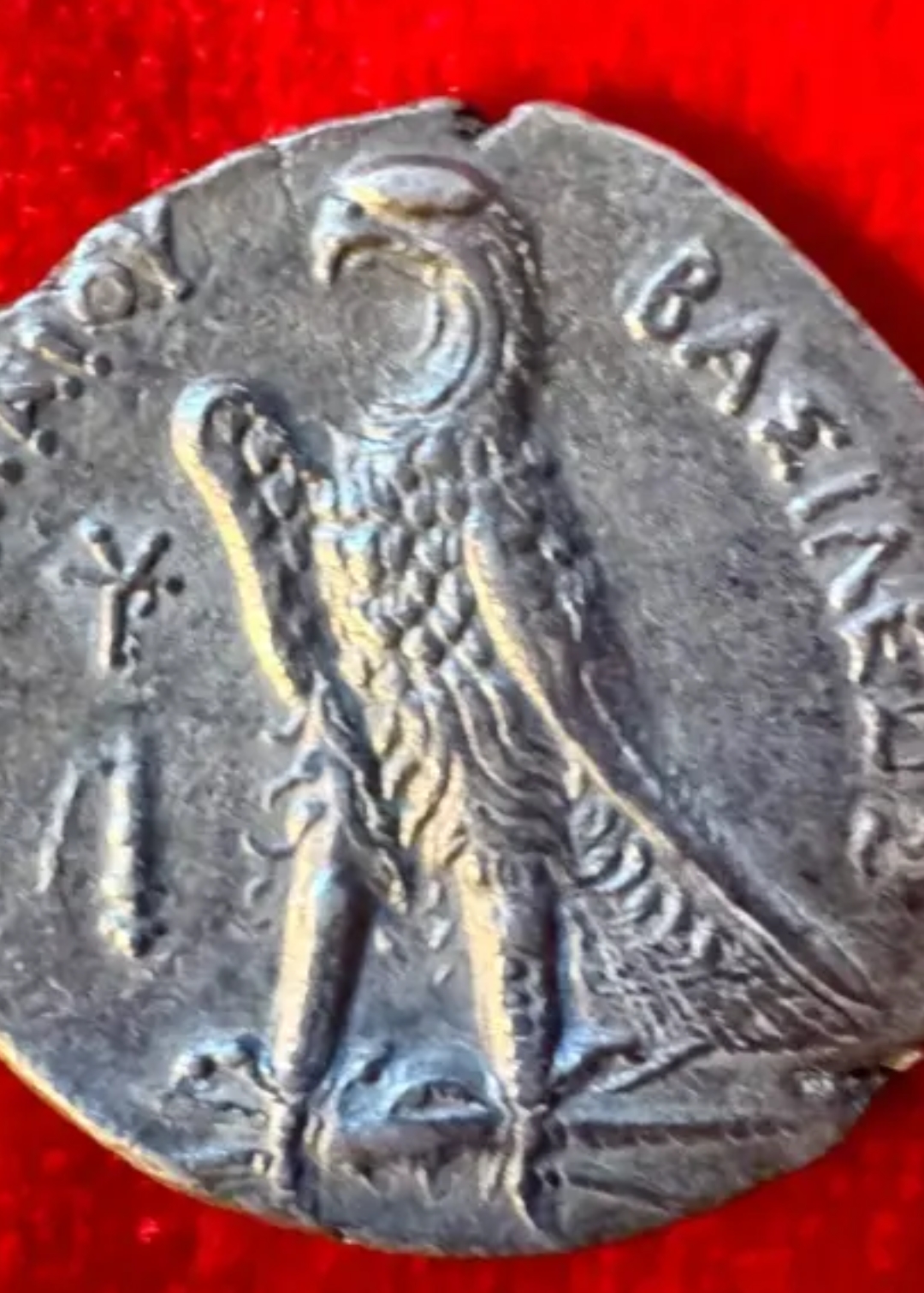
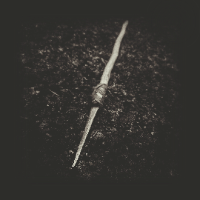
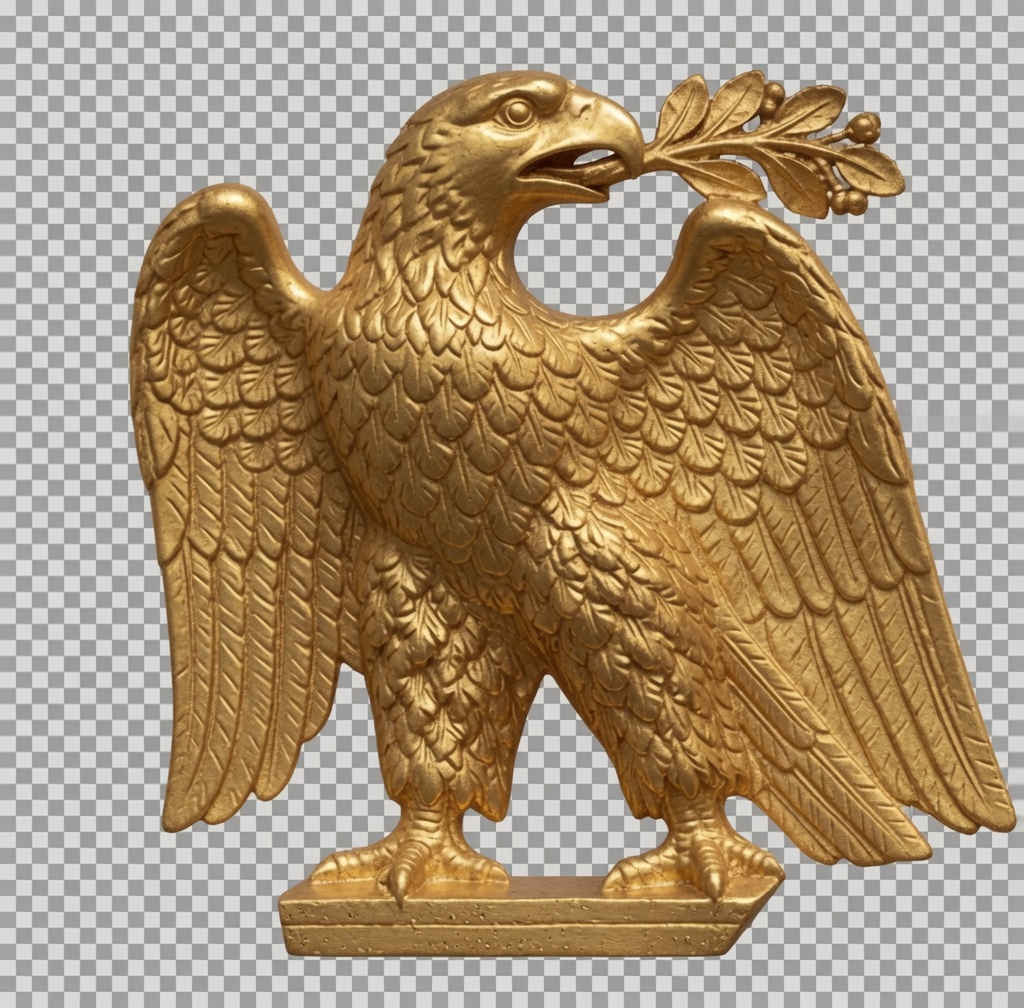
I used the first two references and told him to maintain the composition of one with the architecture of the other. I think I used Gemeni AI.(Nano banana 2).
-
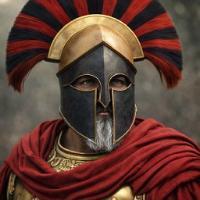 Nice! What was your prompt if you don't mind me asking?
 -
 Carlosv joined the community
 -
But it still has slight anachronistic errors. I call it artistic anachronism. If you look closely, the eagle on the coin has different feathers than the one on the emblem. The eagle emblem has modern feathers.
- Yesterday
-
Where is the branch? Can you send a link? The Wiki is it's own repository, technically, but I don't think PRs can be opened on it. Instead users with contributor status can make changes directly. When I said you'd receive the status by getting the first PR of you merged, I meant the main (code) repository. While we're waiting for someone able to give you the permissions, I can just manually add your changes myself, if you want.
-
Testing some concepts with AI.
.thumb.jpeg.ad578eb6c416d084502cbec3343c44bd.jpeg)
-
Additionally, I did another experiment with the AI, but it went wrong, and since it was free (free ai version of grok service), I can't fix it. The result isn't ugly in itself, it just looks very modern. And the other problem was proportion. The head looks modern The feathers look modern; the eagle's finish seems more from this era than from the Roman one.
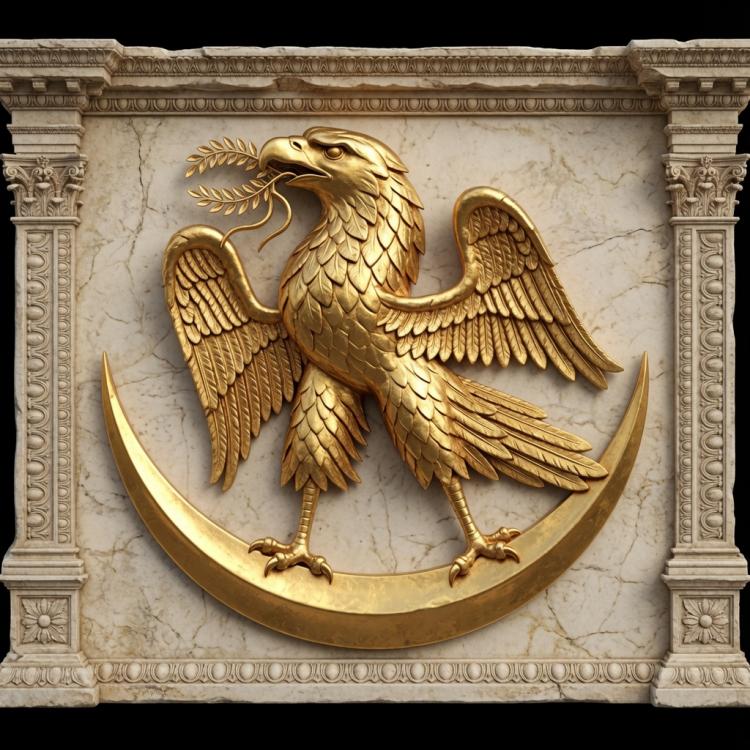
-
Using AI. Palmyran eagle. We must not forget that they are a Roman-Semites civilization and after all. I would add some other additional symbol.
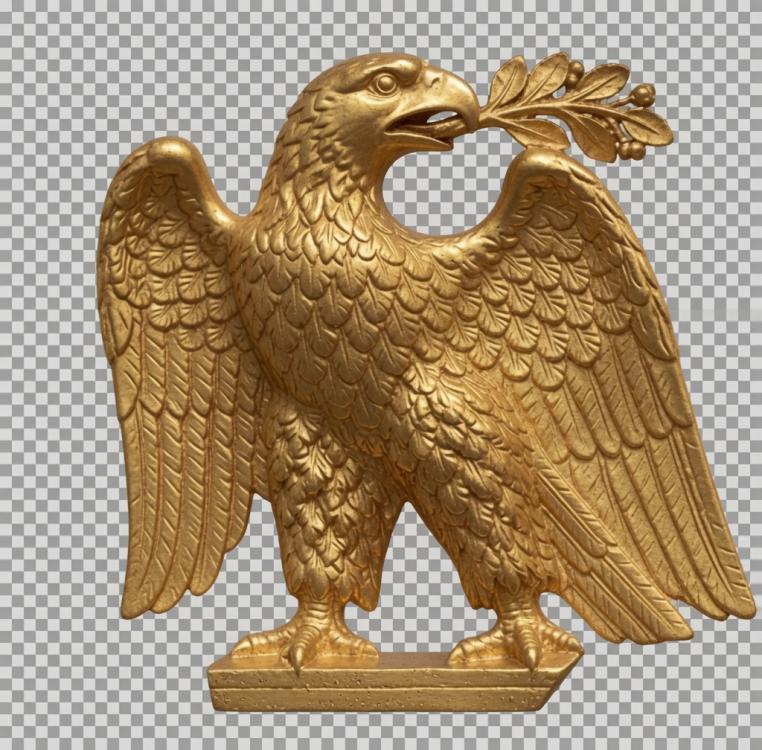
-
Hi @user1 GeneralBedreddin left a rated match commands.txt my ingame nickname is TERRRMID
-
Ok cool - I just made a branch with an updated help page and pushed it. However, I can't see how I turn that branch into a PR - there's no option for 'new pull request' or equivalent. Perhaps that's because I don't have contributor status. Feels a bit chicken - egg right now but, once I've made my first commit, I'll write all the steps into the help page for others to understand. FYI, the branch I pushed was called 'update/wiki_text'
-
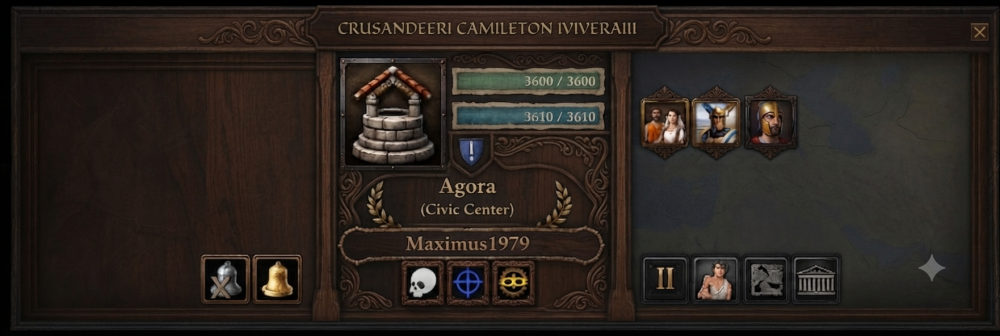
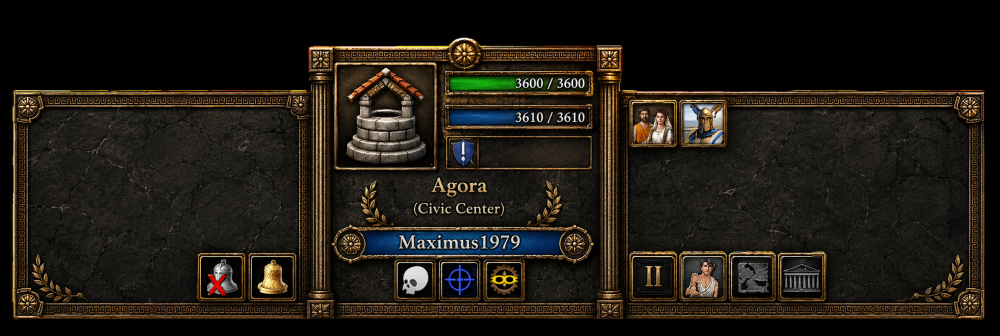
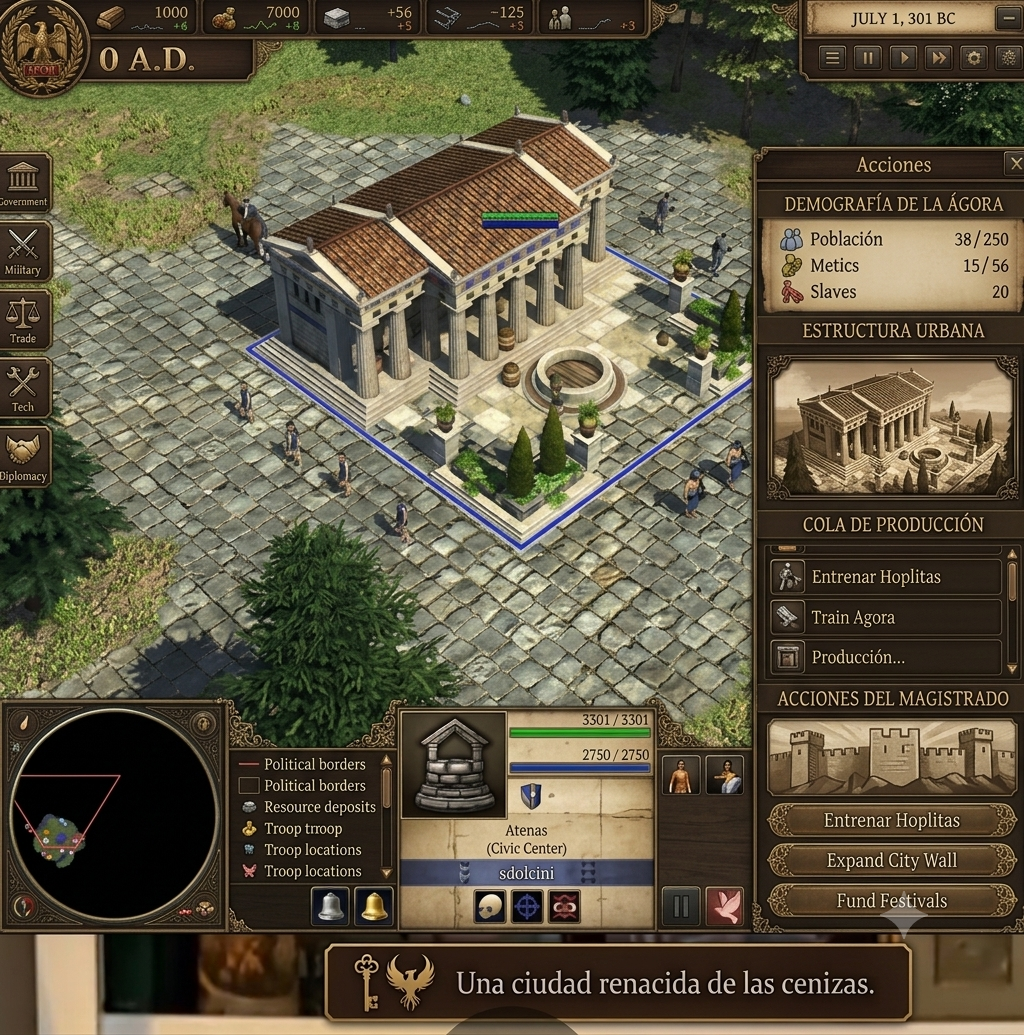
Change some details but I'm not convinced. The one above is better because the background is more conservative, without so much detail. The background doesn't seek to stand out, it seeks to fulfill its role.
-
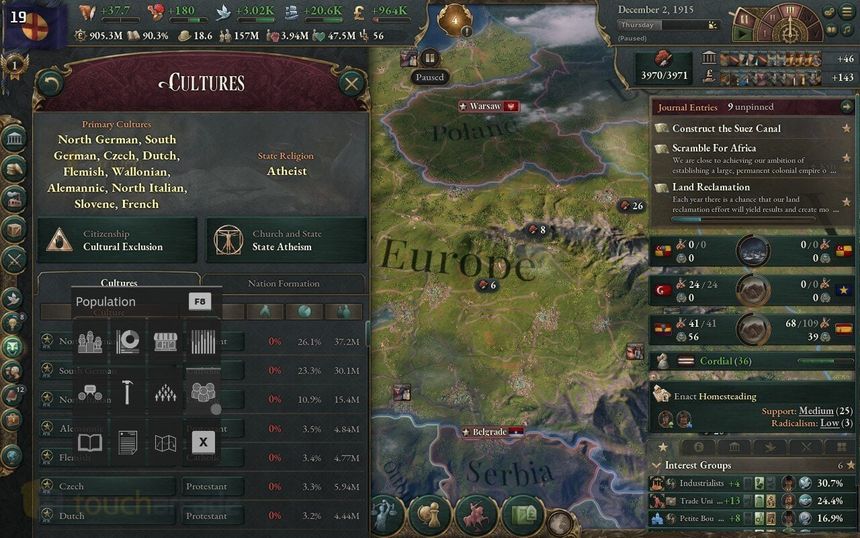
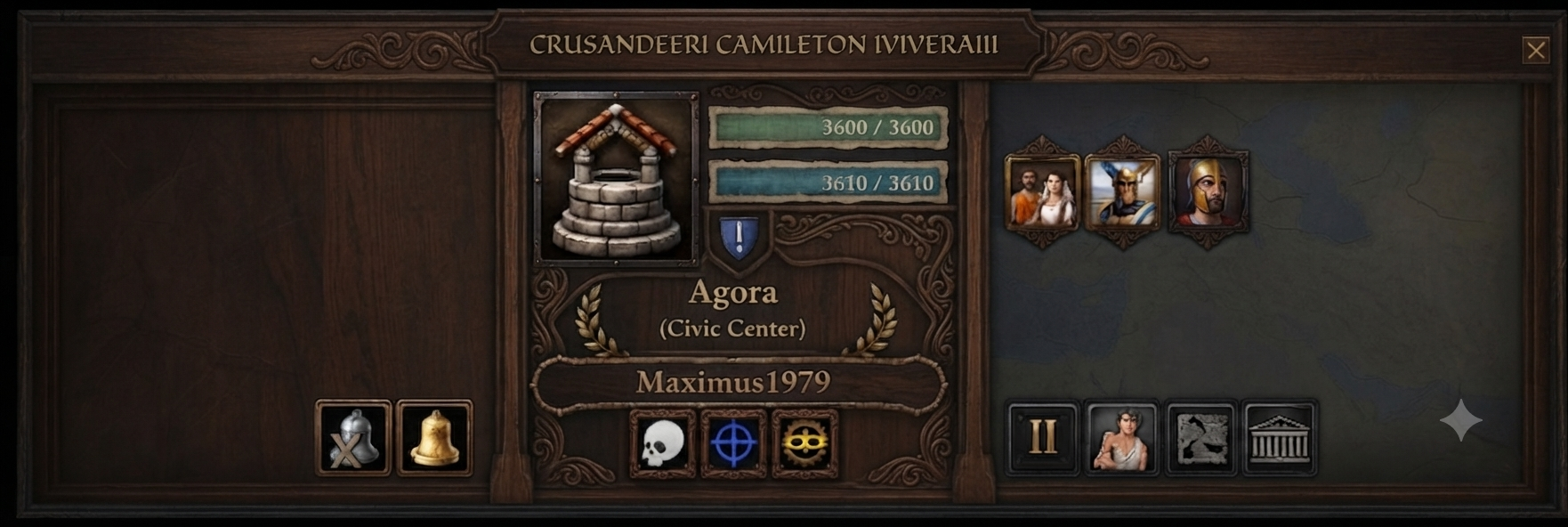
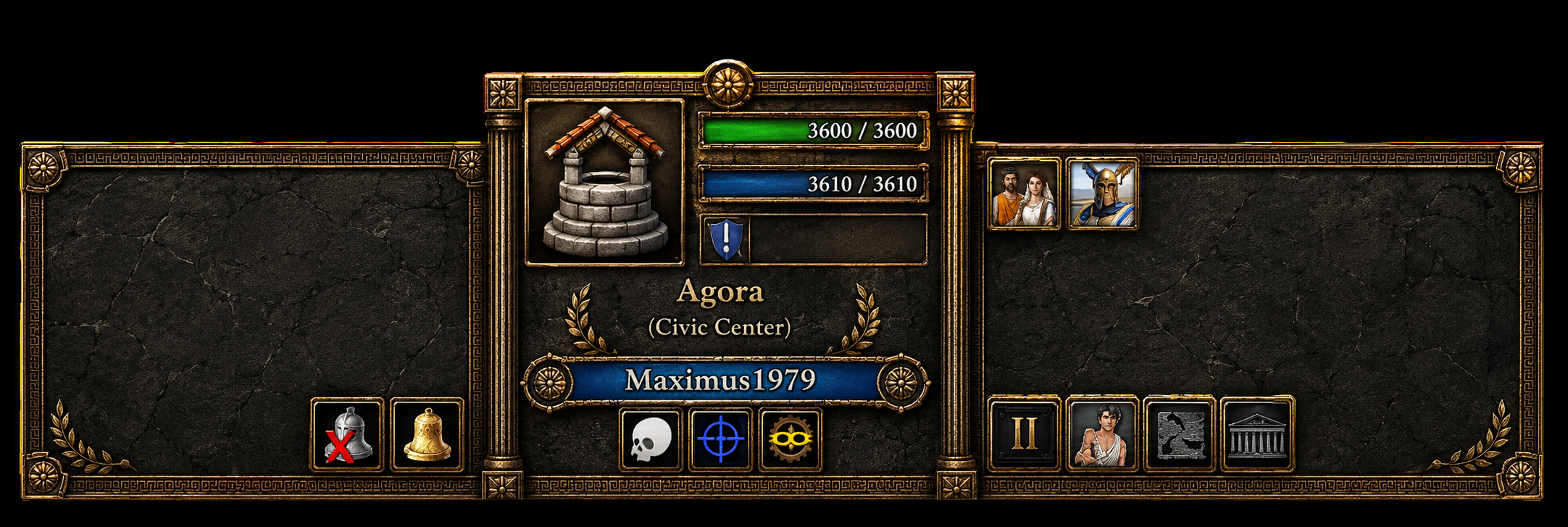
In the first photo I used a generic concept of the graphic style of Paradox games. If you pay attention, the backgrounds don't stand out; their role is not to stand out, they don't seek to take away the prominence of the sets or the titles.
-
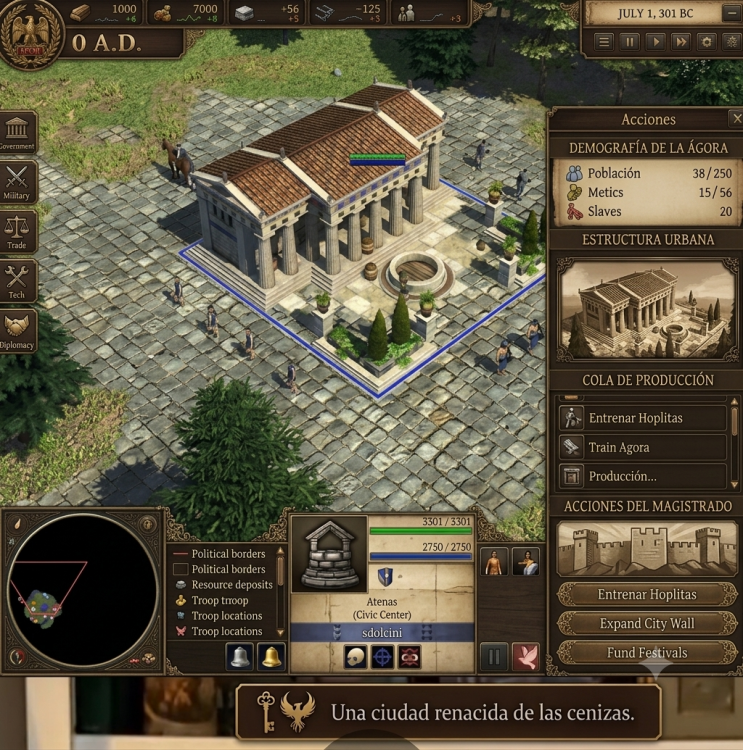
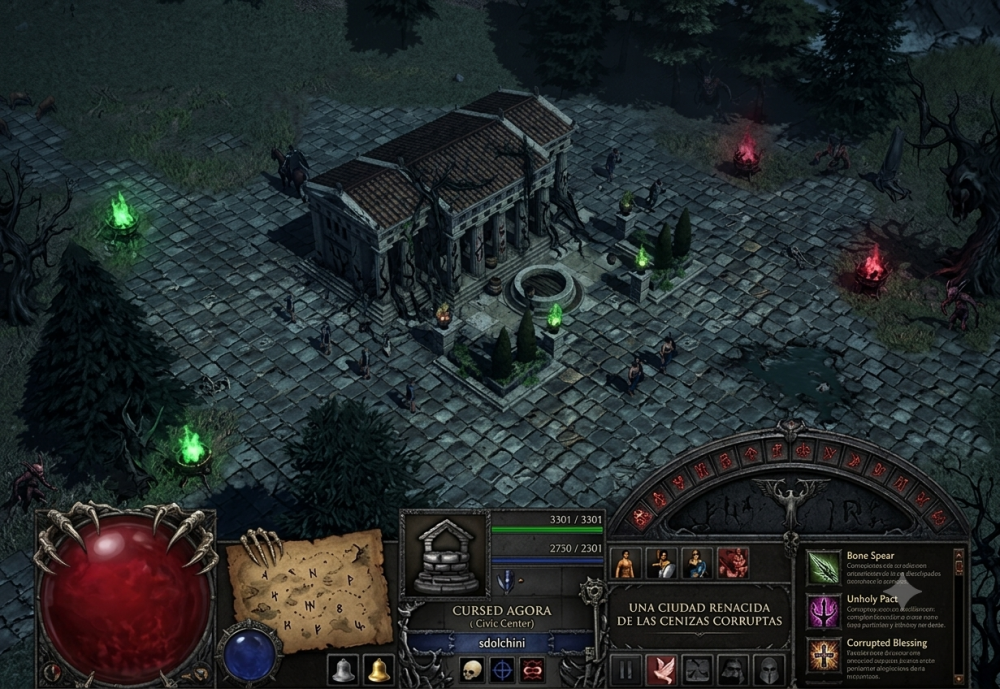
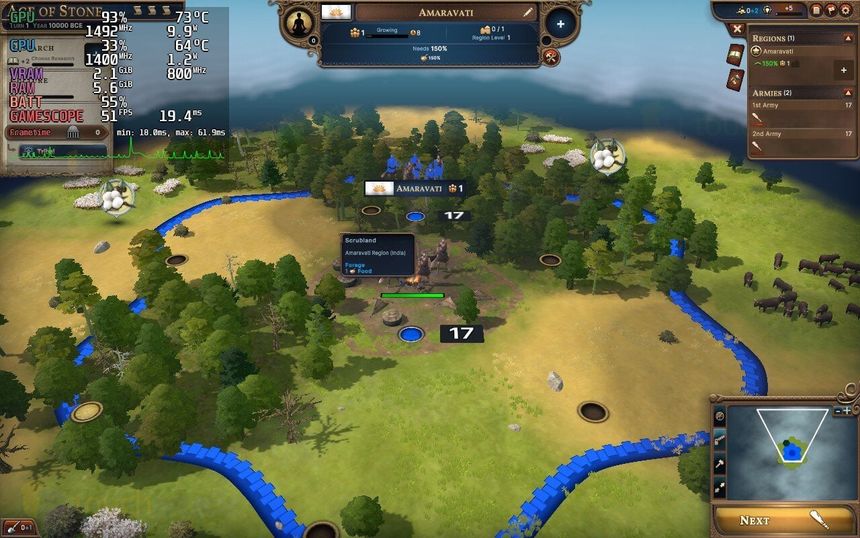
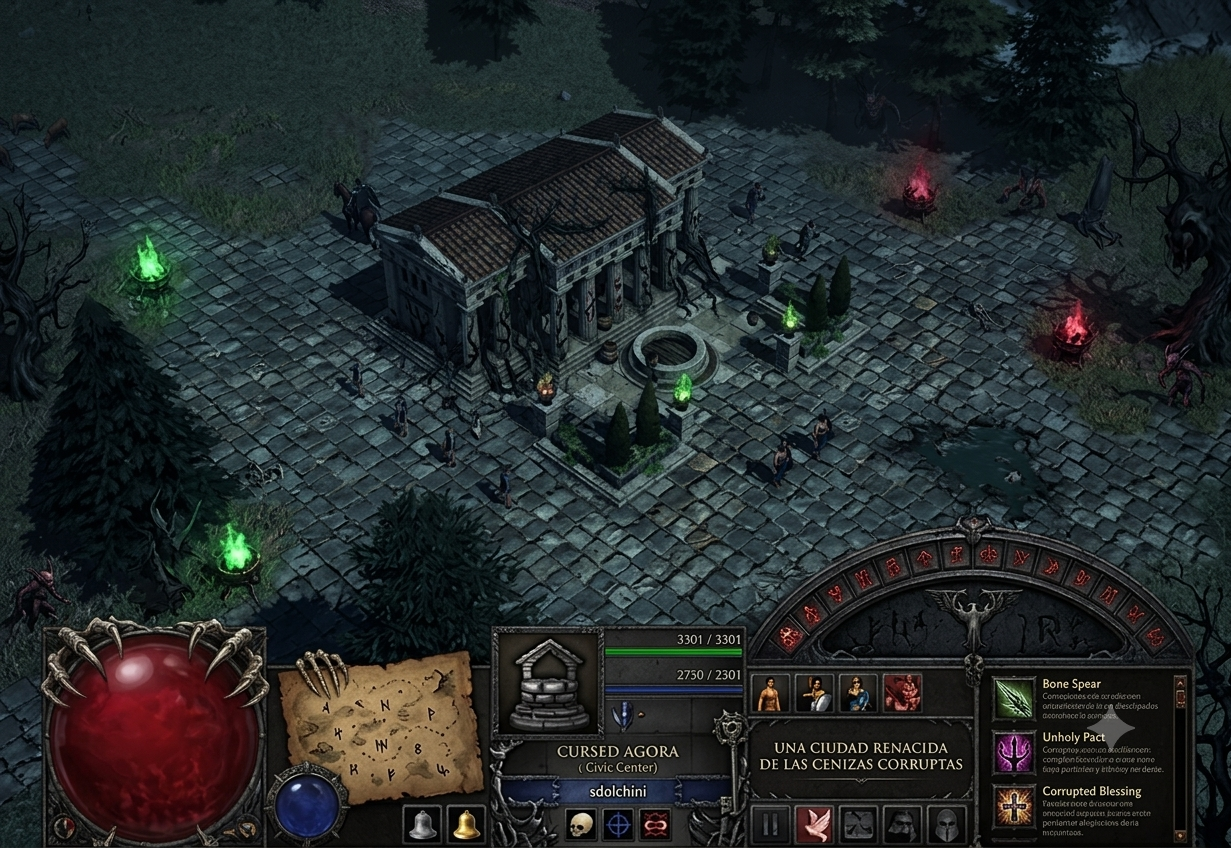
I thought of trying out some concept art using a screenshot. I asked the AI to modify the concept art from a screenshot. I told to AI: "Do this concept Diablo-style." I think the Wow concept lacks sobriety. Everything is so flashy that it loses balance. This is because many images seek to be the main focus, using the backgrounds as the main focus, when the decorative elements already stand out too much. It occurred to me to try other concepts that stand out but have a visual hierarchy where there is an order to highlight them. Just so that wow can see and compare how a visual hierarchy works with other concepts.
.jpeg.a5705d56b3bfe7fe5f7f90ebbb11483d.jpeg)
-
 Locus changed their profile photo
 -
I freshly installed 0 a.d. on Linux and wanted to find the ideal graphic configuration for my system. For this I tried to use Mangohud, to track FPS and various other stats when in-game. But when I'm starting the Game with Mangohud activated from the command line using the following command the game doesn't open: $ mangohud Games/0-ad/0ad-0.28.0-x86_64.AppImage Instead i get the following Output: FILES| Main log written to '/home/user/.local/state/0ad/log/mainlog.html' FILES| Interesting log written to '/home/user/.local/state/0ad/log/interestinglog.html' AL lib: (EE) GetLoadedHrtf: Invalid header in /usr/share/openal/hrtf/Default HRTF.mhr: "MinPHR03" AL lib: (EE) GetLoadedHrtf: Failed to load /usr/share/openal/hrtf/Default HRTF.mhr Sound: AlcInit success, using OpenAL Soft Segmentation fault (core dumped) I did some research on the AL lib errors and found out that it only has to do something with the audio, so they apparently aren't the Problem. The Main log doesn't contain any errors, while the Interesting log is just empty. I also tried both OpenGL and Vulkan, because I've hear Mangohud doesn't work on some OpenGL games, but this didn't change anything. I'm using the AppImage version, but already tried the Flathub version with the same results. When i don't use Mangohud everything works fine, so the issue seems to be running Mangohud with 0 a.d. Any suggestions or the reason for the error would be greatly appreciated.
-
Well, actually, it would be nice that, if the terrain is clicked, units would go there after dropping resources, but instead, if the button is used nothing happens, and if the hotkey is used, the message "some unit(s) can't go back to work" appears, and nothing happens.
-
@Nicolaus_von_Kues where are those images from? Things you are testing? I really like many ideas there.
-
Jesus Fricking Christ... you are totally right. Just tested it and it works perfectly. In part it's our fault for not reading the tooltip, but it's not intuitive to give it such a simple name which, I think, in most games means something else, more so when most people talk about "Call to Arms" (the button should be called like that). Btw, what does Occupy Turret do? The tooltip is not clear enough, and I can't find any specific info. Maybe I just haven't come across "turret points". Also, as per one of my previous suggestions, a "Capture" button should be added.
-
This is the call to arms button, folks!

-
It's very beautiful, but some areas have a lot of detail. I started playing around with some concepts. You should keep the image backgrounds simple so they work.
- Last week
-
The absence of a bug is generally less noticeable then when it's here
-
I didnt even notice it on moderngui, will need to study more carefully.
-
Basically, I can't do it myself. I create these topics simply to gather or attract people with similar interests, like the topic about gunpowder, with the faint hope that if many interested people come together, there will be ideas and products, but that doesn't seem promising.

.jpeg.3a88e79623c8e24ff7e1914ed30c02aa.jpeg)







-
Latest Topics
-