Forums
-
Welcome
-
- 5.4k
- posts
-
- 38.7k
- posts
-
- 16.9k
- posts
-
-
0 A.D.
-
- 51.3k
- posts
-
- 28.2k
- posts
-
- 48.3k
- posts
-
- 30.4k
- posts
-
- 45.9k
- posts
-
- 148
- posts
-
- 597
- posts
-

- Who Else?
- By AlexHerbert,
-
.thumb.jpeg.67ef5b5dc6d918163efa04cd5336830d.jpeg)


-
Who's Online 11 Members, 1 Anonymous, 1537 Guests (See full list)
-
Topics
-
-
Posts
-
 It might still be on github: https://github.com/0ad/play0ad.com. I am not certain though
 -

By bowen951209 · Posted
Hi there. I noticed that some pages on play0ad.com are outdated. For example, https://play0ad.com/community/participate/ still tells us to use trac and SVN, but apparently it's been moved to Gitea. https://play0ad.com/game-info/project-overview/ says that 0ad is still in alpha, but there is a release now. Is play0ad.com managed internally, or there is a public repository where we can submit updates to those outdated pages? Thank you. -
-
 I have to check things manually which is slow, I'm currently writing tools to help me be more efficient. Really sorry.
 -
By wowgetoffyourcellphone · Posted
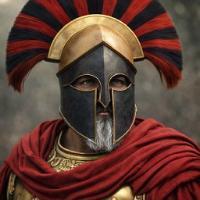
I'm elbows deep into a writing project I started wayyyy back in 2004 before the Athens Summer Olympics. I wrote a messy 169 page screenplay draft based upon the experience of ATHENS during the Greco-Persian Wars, and then proceeded to screw around with it for 20+ years off and on with no satisfaction. At one point, I'd lost all digital copies of it; only one printed copy remained and it was in the hands of an ex-girlfriend. She graciously gave it back to me and I digitized it again. Years go by and it's September 2026. I look at it again and I'm thinking no way will this behemoth ever get produced, let alone optioned or sold. It was also too melodramatic, Themistocles was an @#$%, and too much was crammed into it, even at 160+ pages. Then it hit me like a ton of bricks: turn it into a two-part cinematic event. Voila! Two 118-120 page film scripts and suddenly there is breathing room for characterization and plot! Not to mention cleaning up structure, narrative, dialogue, and action description. So, I've been on a 2-month tear just hammering these things like Hephaestus on his anvil into a couple of scripts I can be proud of, even if they're never produced. A small excerpt of what I've been working on. A particular battle you may have heard of: Other random excerpts: And, I've started a novel of the same story. Complimentary projects of the same story and characters. And now the novel is doing for my imagination what splitting the original screenplay into two separate films did a couple months ago. Deeper characterization possible, more historical detail. The excerpt from prologue to the novel: And page one of Chapter one:
-