
Leaderboard



Popular Content
Showing content with the highest reputation on 2026-09-28 in Posts
-
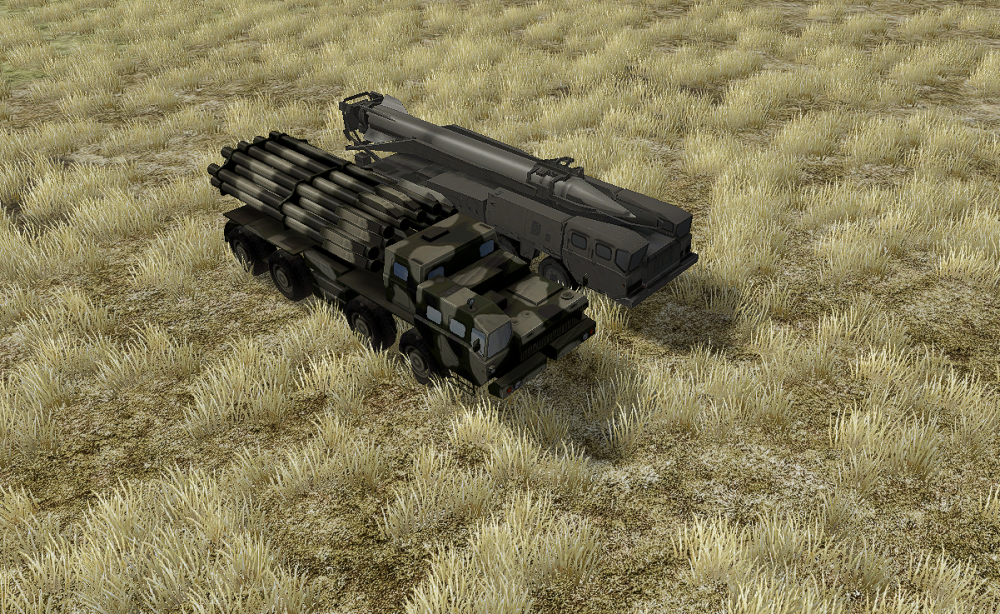
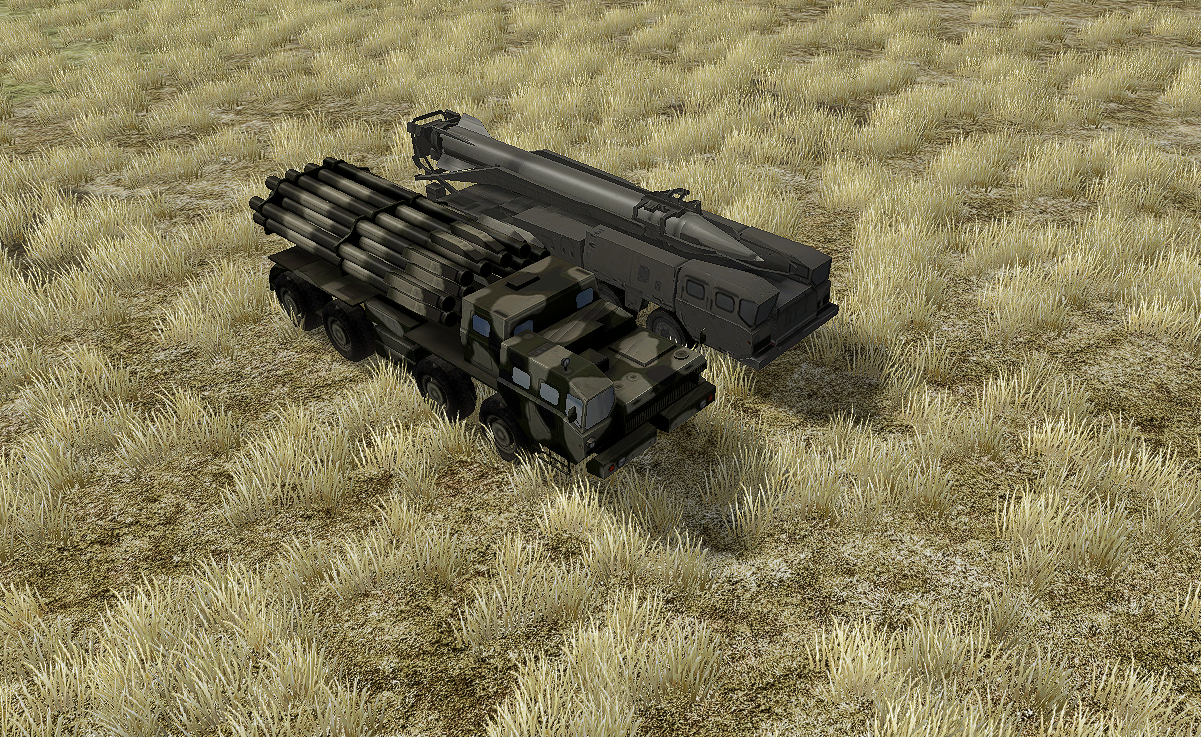
A few updates on the Great War mod: A battle between infantry fighting vehicles. Recording 2026-09-28 214329.mp4 The first representatives of the artillery and missile forces
 5 points
 -
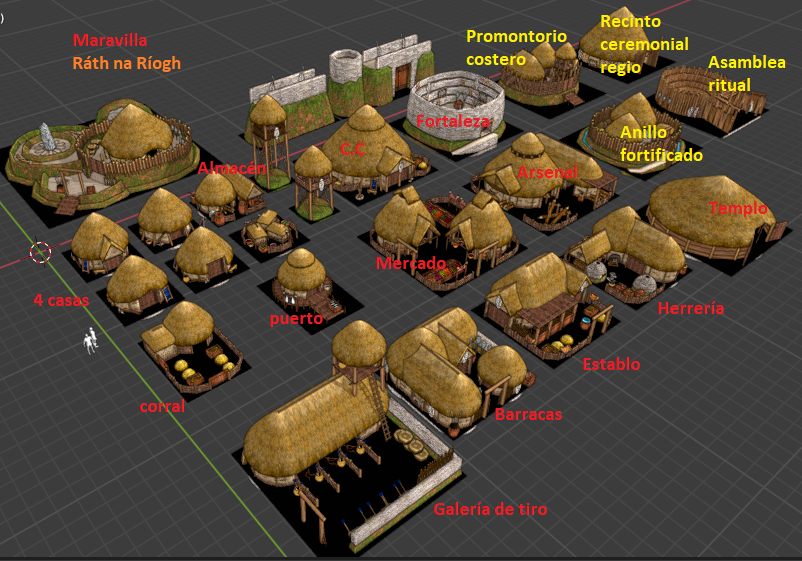
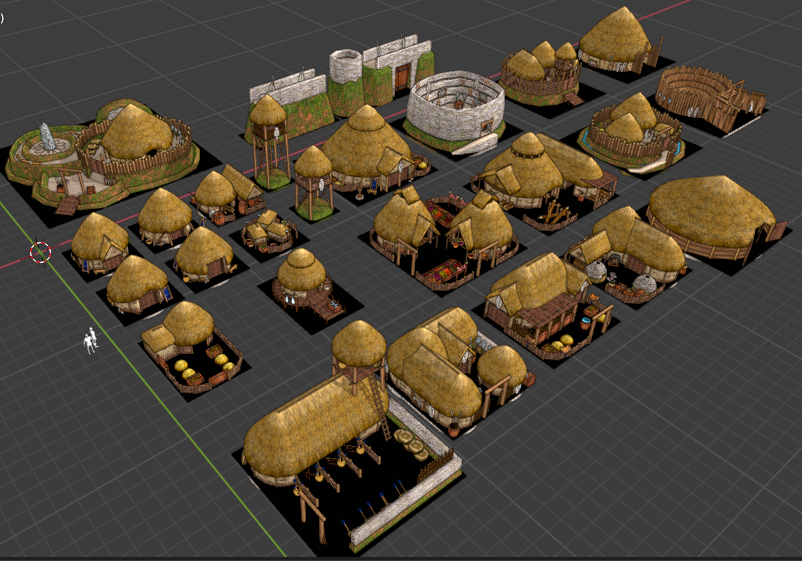
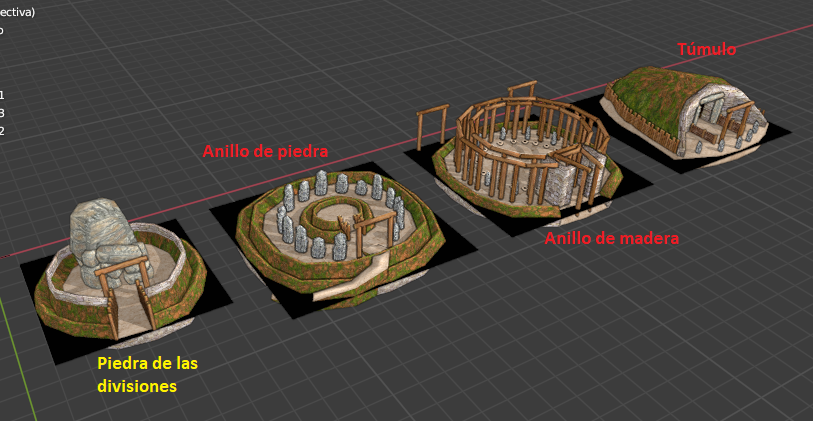
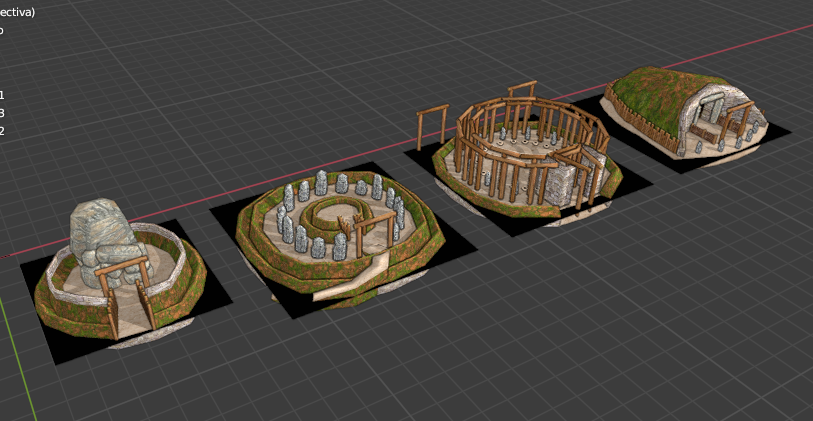
Buenos días o tardes: -Aquí un avance de más culturas europeas nuevas, primero la arquitectura y las bases. En segundo lugar irán las unidades. Nueva facción : Hibernos (irlanda/Eire) Edificios: 1.Centro cívico---------------------(Rígdún) /Término construido 2.casas------------------------------(Tegos) 3.Almacén--------------------------(Landā) 4.Alquería--------------------------(Tegyā) 5.Huerto----------------------------(ǵhórtos) 6.Corral-----------------------------(Kruwos) 1. Vaca-----------------------(Bōs) 2. obeja----------------------(ōʷis) 3. cerdo---------------------(Muccā) 7.Puerto-----------------------------(kawnos) 8.Cuartel----------------------------(Koryotegos) /Término construido 9.Galería de tiro--------------------(Légokoros) /Término construido 10.Establo---------------------------(krāfo) 11.Herrería--------------------------(Gobanns) 12.Templo---------------------------(Nemed) Navan fort (En Armagh) 13.Mercado--------------------------(ōinakos) 14.Torre de avanzada--------------(Brixs kʷresnom) 15.Torre de defensa ---------------(Brixs) 16.Torre defensa pequeña--------(Brixs bekkos) 17.Fortaleza-------------------------(Dūnom) 18.Taller de asedio-----------------(Gnīmus) 19.Empalizada----------------------(klētā) 20.Muralla---------------------------(Dūn) 21.(Maravilla) "Recinto de los reyes"----------(Ráth na Ríogh)+"Lia Fáil" dentro del"Temair" (Puerta de muralla); -------------------------(Dwer dūn) (torre de muralla)----------------------------(Brixs dūn) -----Edificios especiales o culturales; (4) 22.Promontorio costero-------------------(Trebā enisīs) inf. pesada 1. Vaca-----------------------(Bōs) 2. obeja----------------------(ōʷis) 3. cerdo---------------------(Muccā) 23.Recinto ceremonial regio--------------(Rīgon) héroes , de "Uisnech"o"Rathcroghan"-Palacio 24.Asamblea ritual--------------------------(Datlā) campeones .de "Dún ailinne" 25.Anillo fortificado------------------------(Rātis ) auxiliares 1. Vaca-----------------------(Bōs) 2. obeja----------------------(ōʷis) 3. cerdo---------------------(Muccā) Pelo editor de escenarios(4); 1.Piedra de divisiones--------------------(Aill na Míreann) 2.Anillo de piedra-------------------------(kārnom) de drombeg 3.Montículo funeraio---------------------(Sīdos) 4.Anillo de madera-----------------------(kʷresnom Temris) de Hill of Tara or Newgrange UNIDADES infantería ligera : (Reclutado en "C.C" y "Barracas") 1.Lancero hiberno:---------------------------------(Īwernī gaisatāros) 2.Escaramuzador hiberno:------------------------(Īwernī gablācos) (Reclutado en y "Barracas") 3.Alabardero hiberno:----------------------------(Īwernī tougāros) 4.Hondero hiberno:-------------------------------(Īwernī telmisāros) (Reclutado en "Galería de tiro") 2.Escaramuzador hiberno:------------------------(Īwernī gablācos) 4.Hondero hiberno:-------------------------------(Īwernī telmisāros) infantería pesada: (Reclutados en "Promontorio costero") 5.1 Guerrero de banda de guerra------(Wēnyos)Garrote RANGE .Semi-desnudo y tatuajes 5.2 Guerrero de banda de guerra------(Wēnyos)Garrote MELE .Semi-desnudo y tatuajes 6.1 Amazona hiberna--------------------(Wēnā) Garrote , Uds max 20 6.2 Amazona hiberna--------------------(Wēnā) Garrote , Uds max 20 infantería campeona: (Reclutados en "Asamblea ritual") 7.Campeón hiberno---------------------(kawāros), armadura de hierro y casco, lanza 8.Aristócrata hiberno-------------------(Aryos),telas lujosas, venablos 9.Carnyx hiberno------------------------(Karnos )daga/estoque largo(rapiers) infantería auxiliar: (Reclutados en "Anillo fortificado") 10.Guerrero Ulaid-----------------------(Ulutos suwiros)hacha 11.Guerrero Laigin----------------------(Legenion suwiros)espada 12.Guerrero Nagnatae-----------------(Gnātos suwiros)arco caballería ligera: (Reclutados en " Establo"y "C.C") 13.Jinete escaramuzador hiberno-------------------(Īwernī gablārēdos) (Reclutados en " Establo") 14.Jinete alabardero hiberno------------------------(Īwernī tougārēdos) UNIDAD ÚNICA caballería campeona (Reclutados en "C.C", "Establo"y"Asamblea ritual " ) 15.Sabueso de guerra----------------------------(kūna) (Reclutados en "Asamblea ritual " ) 16.Carruage de guerra hiberno-----------------(Īwernī uɸorēdos) 2 caballos ,telas lujosas civiles (Reclutados en " C.C"y"casas") 17.mujer hiberna-----------------------------(Īwernī benā) (Reclutados en "Mercado ") 18.mercader-----------------------------------(kwennāios)1 caballo, carromato (Reclutados en " Templo") 19.sacerdote----------------------------------(Druwidos) Unidades marítimas (Reclutados en "Puerto" y "Promontorio costero") 20.Pesquero ----------------------------------(Korukos eiskos) 21.Mercante ----------------------------------(Longāwreikos ) 22.Navío militar-------------------------------(Longākoryos) Asedio (Reclutados en "Taller de asedio") 23.Ariete.--------------------------------------(Retios toglāros) héroes: (Reclutados en"Recinto ceremonial regio") 24. Túathar techtmar :---------------------( ) jinete telas lujosas. 25. :-------------------------------------------( ) jinete armadura de metal y casco 26.:--------------------------------------------( ) carruage 2 caballos,armadura de metal y casco Bonificación cultural; 1. Porción del héroe (curadmír):Los héroes ganan un +0,50% de ataque con cada enemigo abatido, hasta un máx de 40. 2. Redadas de ganado(Crech):Por cada cabeza de ganado vacuno ,se genera 1 unidad de metal cada 1minuto hasta un máximo de 50 cabezas. 3. Carruages de guerra (karpaton ):Permiten guarrecer hasta 3 unidades de infantería , como una torre de asedio, y desmontar cuando se quiere. Bonificación de equipo; 1. Combates singulares/duelo de campeones (Fer comrac/Lúin):Las unidades campeonas reciben -10% de daño por parte de otras unidades campeonas. 2. Grupos de entrenamiento marcial:las unidades leves aumentan de rango un +10% rápido. 3. Bardos:Los héroes ganan +10 de salud y +10 de ataque. cuando están junto a un sacerdote. Tecnologías especiales; 1. Leyes de Brehon/escritura Ogham:Todas las tecnologías cuestan -20% 2. Impuesto Bórana:Por cada cabeza de ganado vacuno ,el reclutamiento de unidades es un +0,50% barato hasta un máximo de 50 cabezas. 3. Pago de renta en ganado:Por cada cabeza de ganado vacuno ,la construcción de edificios es un +0,50% barato hasta un máximo de 50 cabezas. Nombres para la ia (Semi histórico-mitológicos) 1. Crimthann nia náir------------------------ ( ) 9 d.c 2. Cairbre Cinnchait --------------------------( ) 14 d.c 3. Feradach Finnfechtnach------------------( ) 25 d.c 4. Túathar techtmar --------------------------( ) 50 d.c Alto rey Muy posible que existiera 5. Fiatach Finn mac Dáire -------------------( ) 28 d.c 6. Fíachu Finnolach---------------------------( )28 d.c 7. Éllim mac conrach-------------------------( )56 d.c ¿Qué opinan? Disculpen las molestias*
 3 points
 -
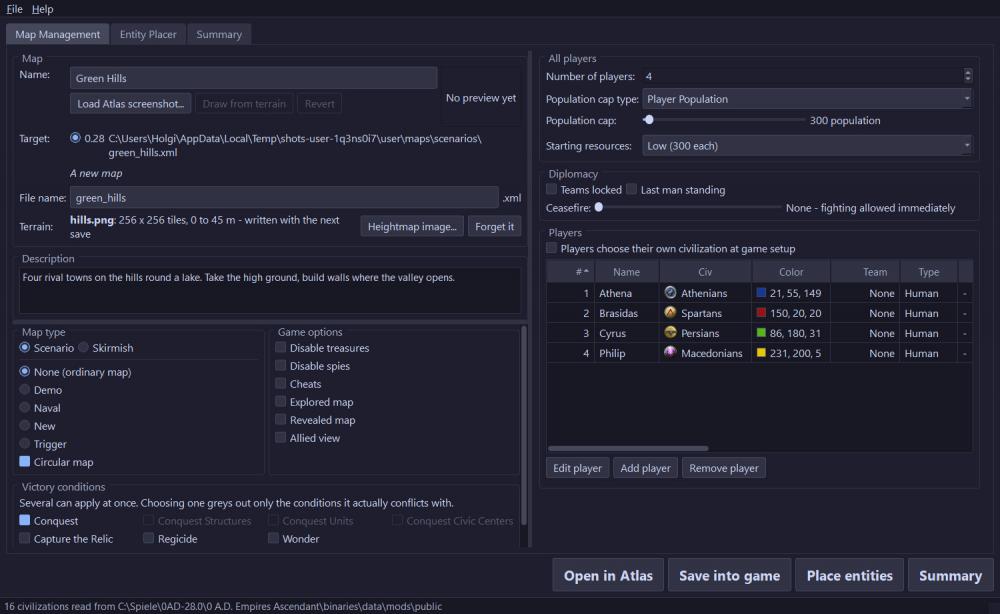
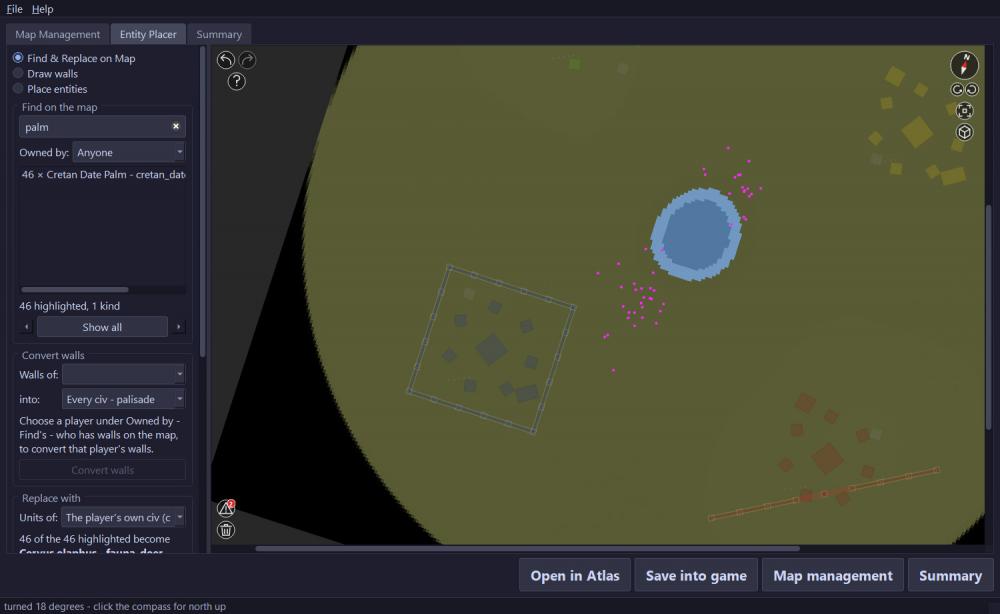
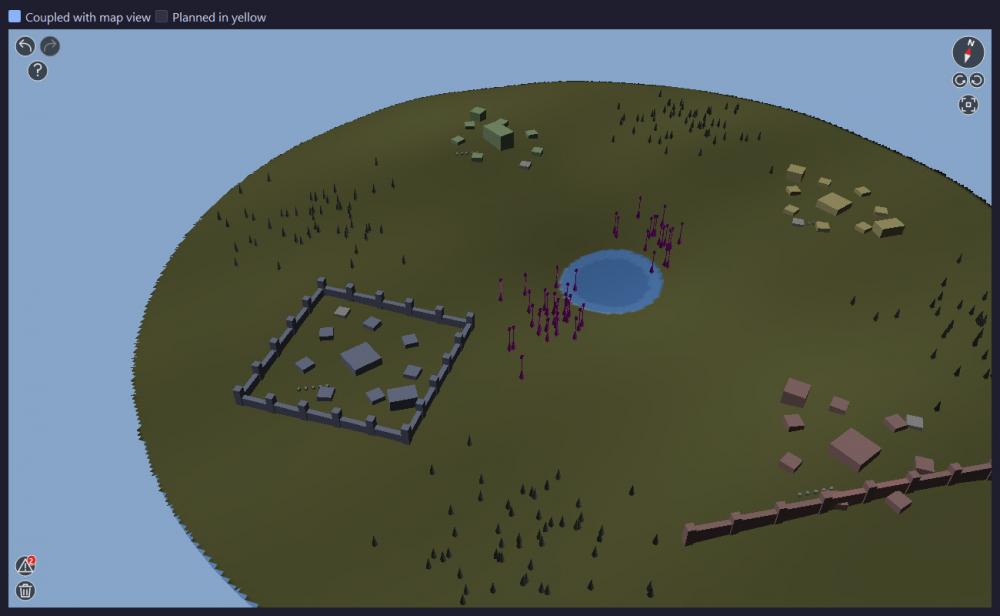
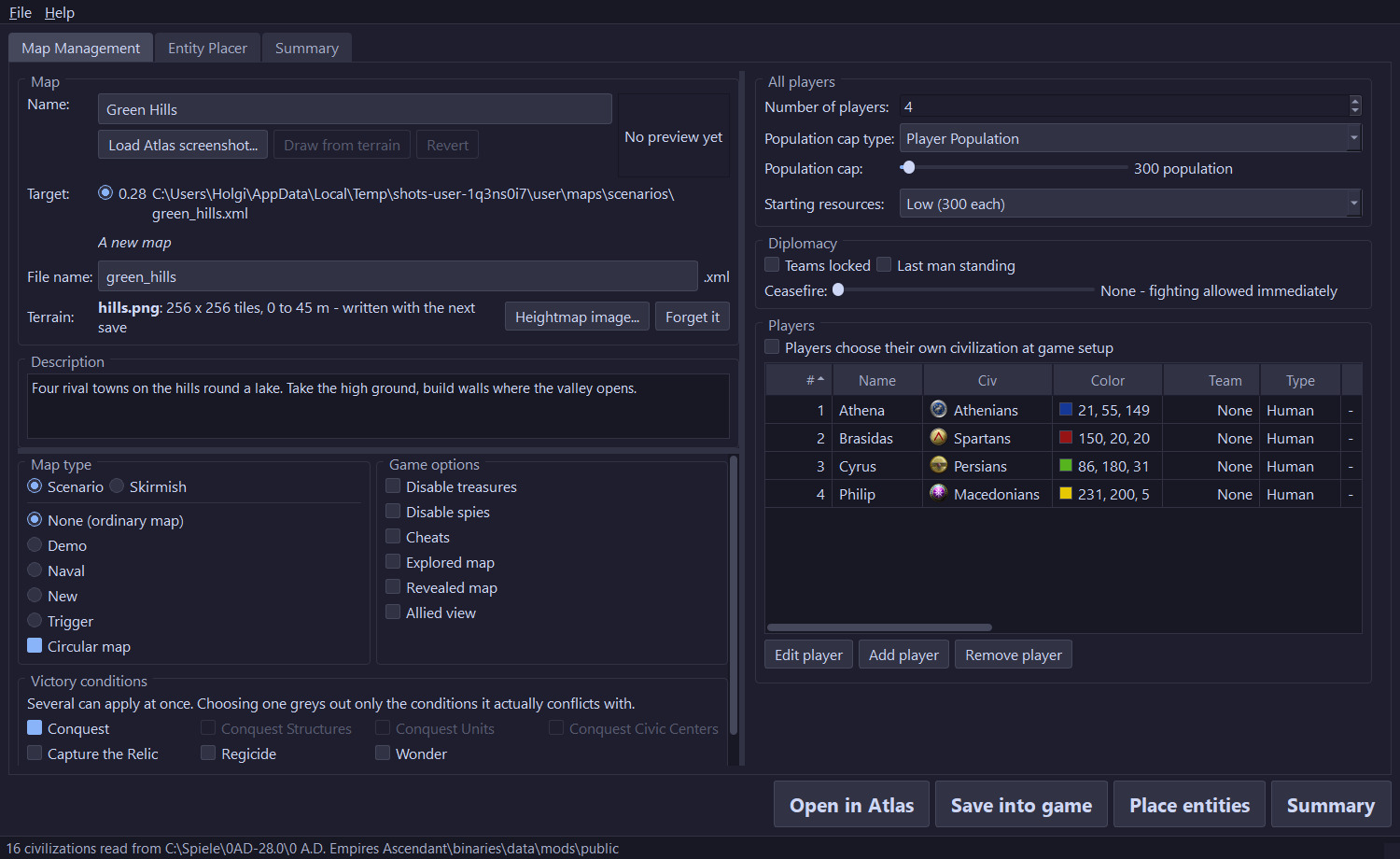
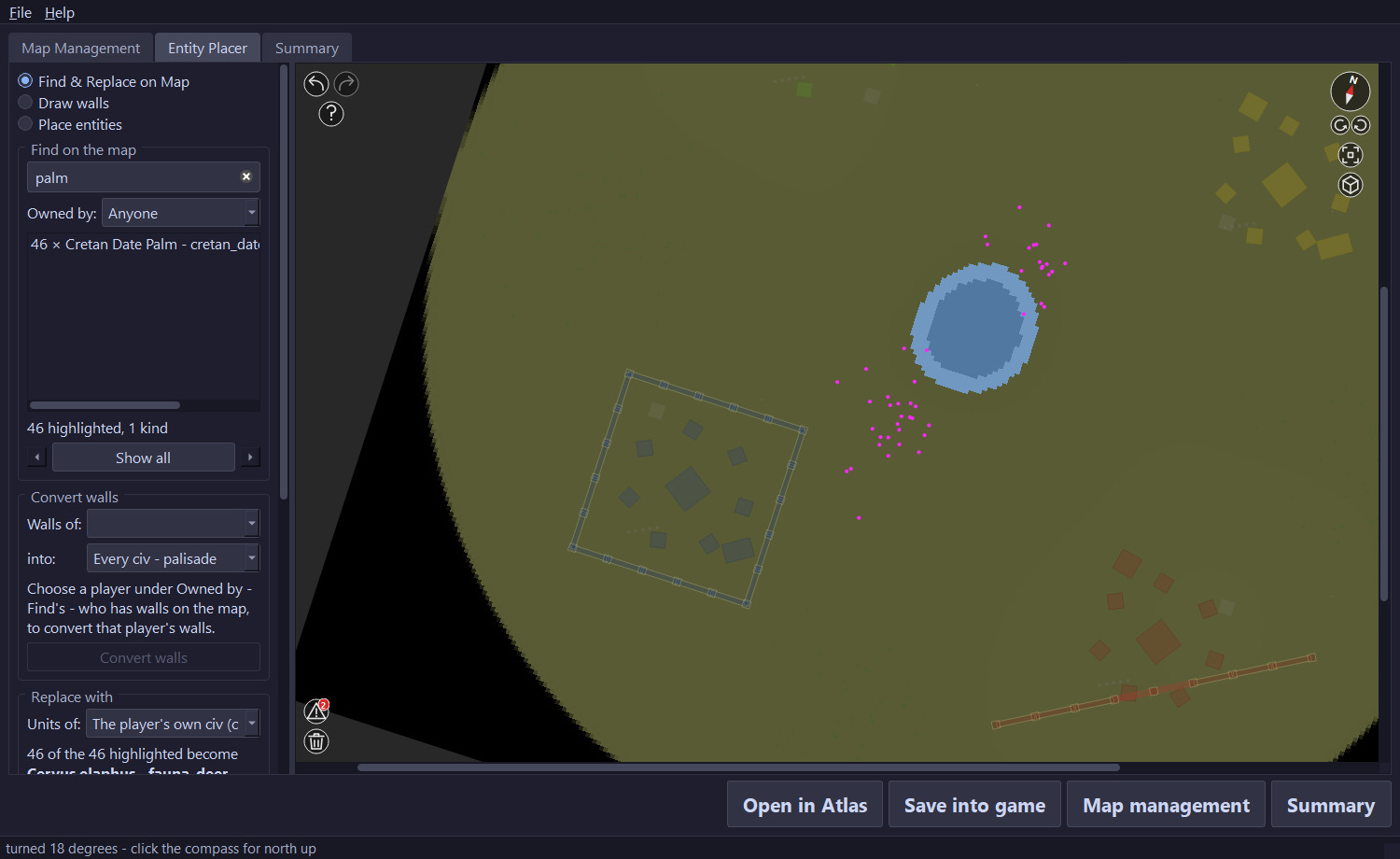
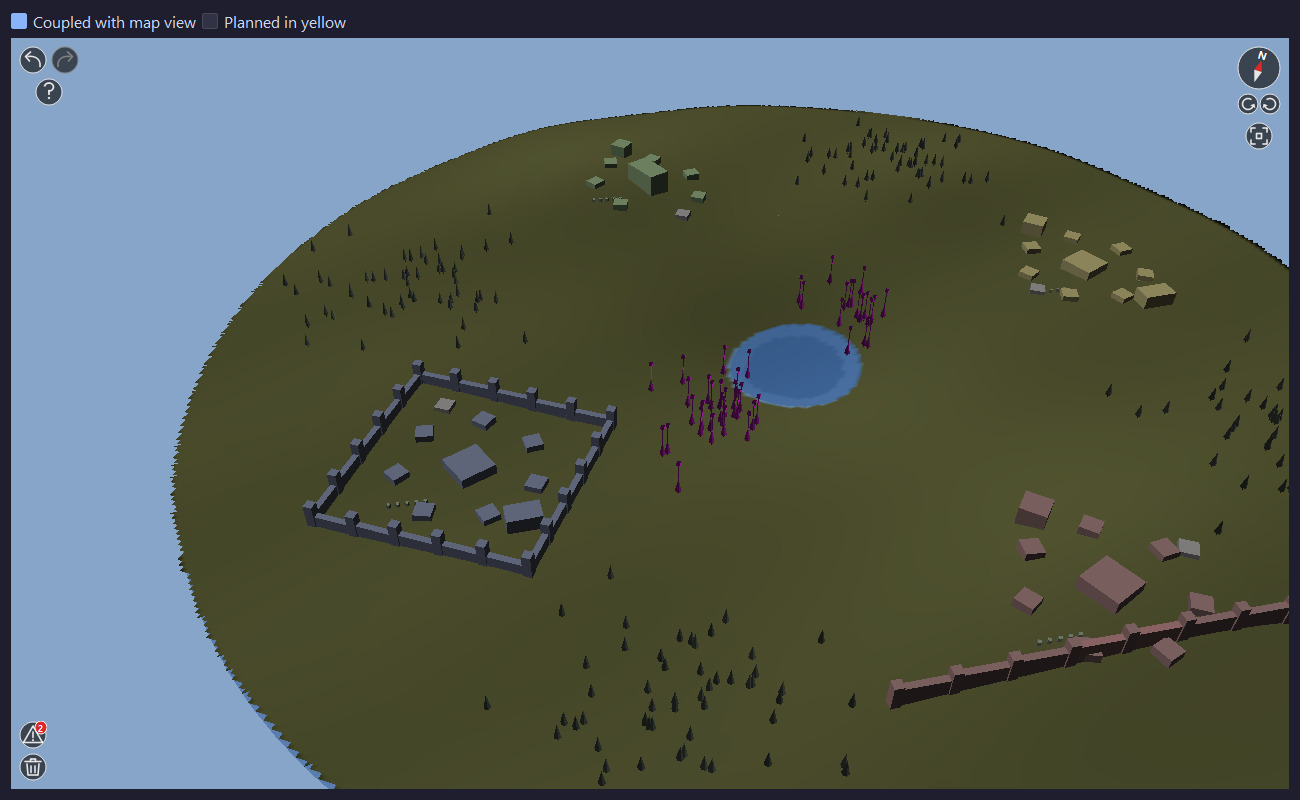
Having played around with Atlas and a post processor/analyzer/converter post Atlas (https://wildfiregames.com/forum/topic/169808-map-making-support-and-conversion-tool-post-atlas/?do=findComment&comment=762301 ) I thought it might be useful to add a few capabilities to Atlas without actually changing it. My initial concern was the difficulty (for my clumsy attempts of editing) to place walls with segments and turrets properly algined and without gaps. Hence, I started defining a tool that replicates the in-game way of placing walls by dragging and connecting rather than placing individual elements. For this the tool would manipulate the Atlas-generated xml-file and hand it afterwards back to atlas for further editing and final touch. Well, implementing this handover in both directions, Atlas --> tool and tool--> Atlas, certainly allows manipulating other simple things in a kind of co-editing mechanism. Important to note: ATLAS is and will remain the primary tool mastering all the map creation complexity. My tool tries to help offering a few workflows only preserving Atlas' role as the master editor. So currently the workflow can be like this: You define a maps basic parameters, game characteristics, player characteristics etc. - either in Atlas or the new tool (in this case with a handover to Atlas). Then Atlas is used to sculpt the terrain and place landscape items. The tool can read the xml file output by Atlas and visualize both in 2D plan view and in simplified 3D what has been placed where and for which player, listing all elements. If desired, a wall or palisade can be drawn like in the game and gates can be added by simple selection of a wall segment. The tool also allows placing entitites of all kinds selected from a list with little images representing what the entity looks like in game. I also allows searching for and replacing entities on the map, e.g. all aleppo pines by oaks. The game's rules where entities can actually be placed are explicitly applied (e.g. no house in the ocean or on a cliff slope). Handover back to Atlas for modification/manipulation finalizing, whatever. If finalized, it is certainly possibly to use post-Atlas tool to verify a map works Oh, and finally, I had to find a name for the tool (used to be "prep-Atlas" similar to "post-Atlas"), but then I thought I should be a bit more creative. With a probably a bit to much creativity enhancer made from grapes, I cam up with this silly story: A character in history used and improved historical maps and related all to the legendary King Atlas of Mauretania, said to have been a geographer and astronomer (potentially related/referring to the Greek mythodologic Titan Atlas). This occured many centuries later (in the 1590s) when the Flemish cartographer Gerard de Kremer (Merchant), latinized Gerardus Mercator, came up with a map collection in a book named "Atlas" referring to that King and/or Titan. Our tool also came much later than the Atlas tool and uses its maps and tries to improve a bit. Strictly speaking the name "Mercator" in this context is not at all related to the 0AD timeframe, but, hey, the game calls a roman trader rightfully "Mercator" as well) So here is another BETA version for people willing to test: README.md mercator-0.11.3.zip CHANGELOG.md
 2 points
 -
New tests on the latest iteration. The bouncing elephants bug is now much harder to reproduce. When trying to gather them at the same point, the issue is much less pronounced than before: However, I was able to reproduce it in the following situations: Walking around corners: I think the bouncing effect is triggered when two or more units become blocked by objects or other units of similar strength. You can see in one part of the video that a single elephant gets blocked, but nothing happens because it has enough space to bounce. Later in the video, however, more than one elephant gets blocked from all sides, and that's when the bouncing starts. Yesterday we talked a bit about adding some kind of diminishing return calculation to reduce the bouncing effect as it keeps repeating. This could be a relatively low-cost solution in terms of performance that might address the issue. Moving through narrow paths: This is perhaps the most important issue to address. At some point, they should be able to "agree" on who gets through first. Common sense tells the user to destroy the house first before trying to pass, and it's perfectly valid for a successful attack to depend on the player's ability to move their units through narrow paths or turtle bases. However, it is still noticeable that more than half of the elephants get stuck in a space they should be able to pass through relatively easily: It makes sense that they don't turn as quickly as they do in vanilla and that, as a consequence, their attacks and movement take longer to execute. After all, we're talking about a huge animal. Somewhat slower and, in a way, "clumsy" movement is to be expected. Beyond continuing to tune the elephants' physical values, I think it would be worth considering some degree of overlapping. Not as much as what currently exists in vanilla, but enough to help reduce some of the clumsiness and to emulate a slight "compression" of their bodies when they are packed together. After all, they are organic bodies with some degree of flexibility, not rigid objects like tanks. Could we also try making their hitbox oval rather than square? This might help reduce collisions between them even further. This last comment is outside the scope of this PR, but I think it's worth mentioning: This testing also made me wonder whether it's desirable for elephants to prioritize attacking nearby units over buildings. In the video example, I send the elephants to attack the fortress directly. Then I press H to make them attack freely. The elephants prioritize attacking the units, but the ones in the back can't reach them and end up bouncing around without dealing any damage. Elephants are perhaps the only "hybrid" unit in the game, in the sense that, although they are not classified as siege units, they can still destroy buildings quite effectively. Perhaps we should consider giving them a smaller target acquisition range, so that in situations like this, they choose to attack buildings instead.2 points
-
Sorry that I exposed it1 point
-
Oh! Thanks! Sorry to hear - it used to work for me so far. Will look into this tonight.would you have more details , e.g. the xml that threw this error (byPM if you wsnt) Investigation showed that the map can be loaded, but Atlas always starts with an empty map. You have to load your pre-created map (to be accessible by Atlas, the fresh map must be stored in a game map folder, e.g. mods/user/maps/skirmishes on windows - e.g. using "save into game"). The error message is supposedly coming from MacOS's numpy implementation, where Claude Code claims that "On Macs numpy uses Apple's Accelerate library, which can flag "invalid value" for perfectly good numbers." I cannot verify this though,unfortunately, so I asked Lumo AI to verify. Here is the result: Based on my research, the statement is substantially correct, but it requires some nuance. Here's what the evidence shows: Evidence Supporting the Claim 1. NumPy GitHub Issue #25433 - Direct Confirmation A NumPy bug report explicitly documents this problem: The issue notes that this warning was triggered "despite the numpy build not being linked to Accelerate", confirming that false positive "invalid value" warnings can occur on macOS systems using the Accelerate framework. 2. NumPy GitHub Issue #25532 - macOS-Specific Behavior The issue author notes that operations like inf + (-inf) = nan and 2 + 3 = 5 are well-defined in floating-point arithmetic, yet NumPy produces inconsistent warnings. 3. Recent M4 Mac Issues (2025) GitHub Issue #28687 reports: Users reported getting RuntimeWarning: divide by zero encountered in matmul in code that previously worked fine. Downgrading to NumPy 1.26.4 resolved this for many. Why This Happens Cause Details Accelerate framework limitations Apple's BLAS/LAPACK implementation has historical inconsistencies compared to OpenBLAS/MKL Floating-point precision differences Different handling of edge cases (division, logs, etc.) can trigger spurious warnings New chip architectures M-series chips with SIMD extensions (SME on M4) introduced new bugs in NumPy's matrix operations Verdict Partially Correct — The statement captures a real phenomenon but oversimplifies it: ✅ Yes: NumPy on macOS can use Apple's Accelerate library ✅ Yes: False positive "invalid value" warnings have been documented ⚠️ Nuance: Not all Macs have this problem—it depends on NumPy version, macOS version, and chip architecture (older Intel Macs vs. newer M-series chips) ⚠️ Nuance: The issue has been partially addressed in recent NumPy releases Workaround If you're experiencing this, try: # Option 1: Suppress the warnings with np.errstate(invalid='ignore', divide='ignore'): # your calculations # Option 2: Force NumPy to use OpenBLAS instead of Accelerate # (requires reinstalling NumPy with pip --no-binary=numpy)1 point
-
One could vibe code a tool which automates that, behind replay pallas the api is public1 point
-
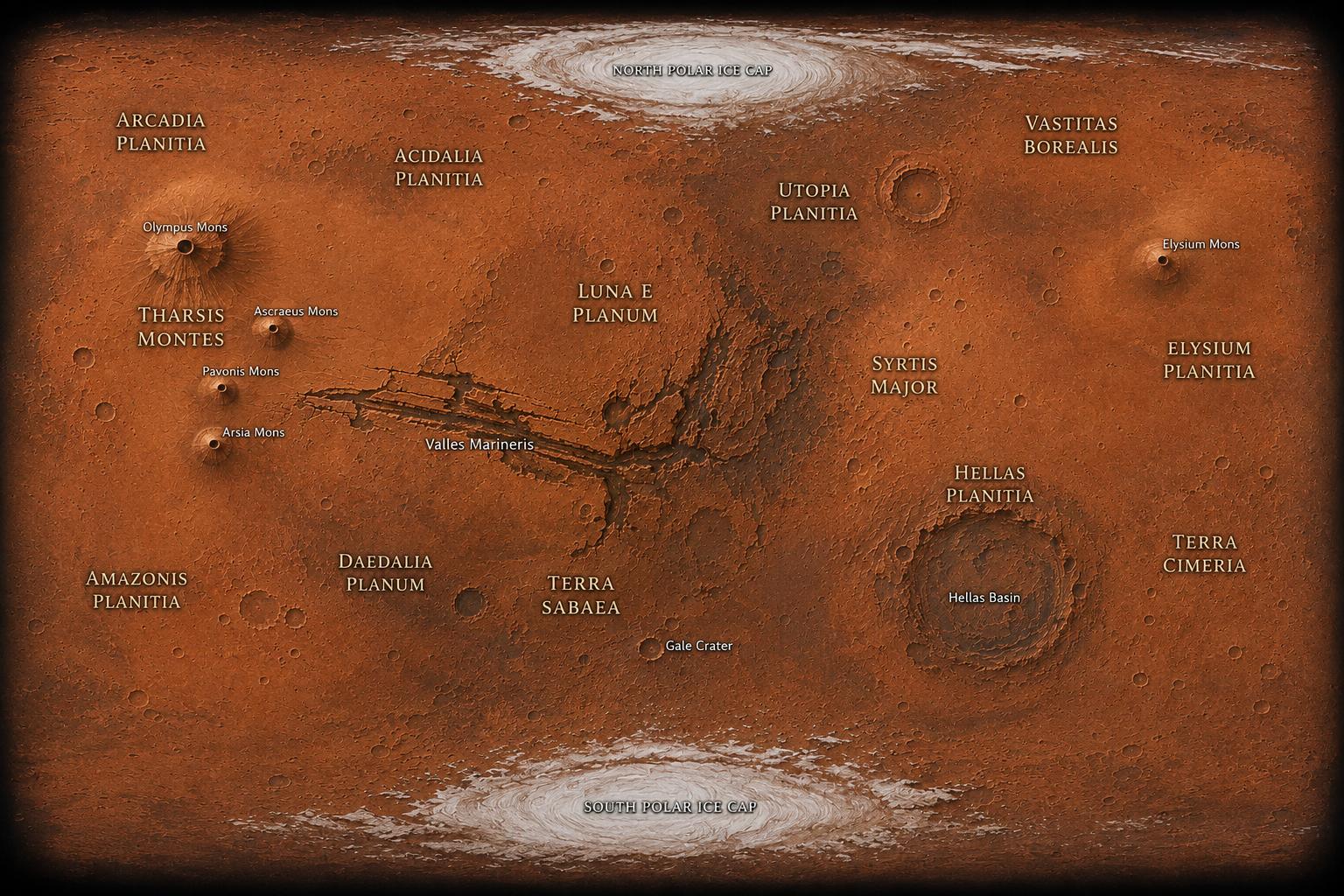
Small comment: naming a map editing tool "Mercator" while having nothing to do with the ubiquitous Mercator projection would be like naming a financial tool "Crypto" while having nothing to do with cryptocurrency. But this leads me to a bit of an unrelated question: do you think it's possible to make spherical maps? To map a whole planet.1 point
-
Hi, Let me start by expressing how much I love the unit motions. The inertia aspect bring more depth to the units, and with the newly tweaked values, it's a good balance between realism and unit control ability (also micro). I especially love the turns cavalry make. that really gives the vibes of medieval cavalry going for raids. The unit animation sync needs to be handled though, so that the stop-animation syncs with units stopping, by that's a minor thing. As for the elephants. O.M.G. That thing is so fun to play. Elephants pushing and trampling units is so fun, and I wouldn't be surprised if this changes births a few elephant lovers in-game. The infantry units having different values from cavs and eles makes the most sense to me, tbh. It gives infantry agility, and tighter controls which their qudra-pedal brothers can only dream of. I'll try to recruit more testers for this and see how people feel about this in general, but I for one really love this and hope this gets pushed in the next alpha. Cheers.1 point
-
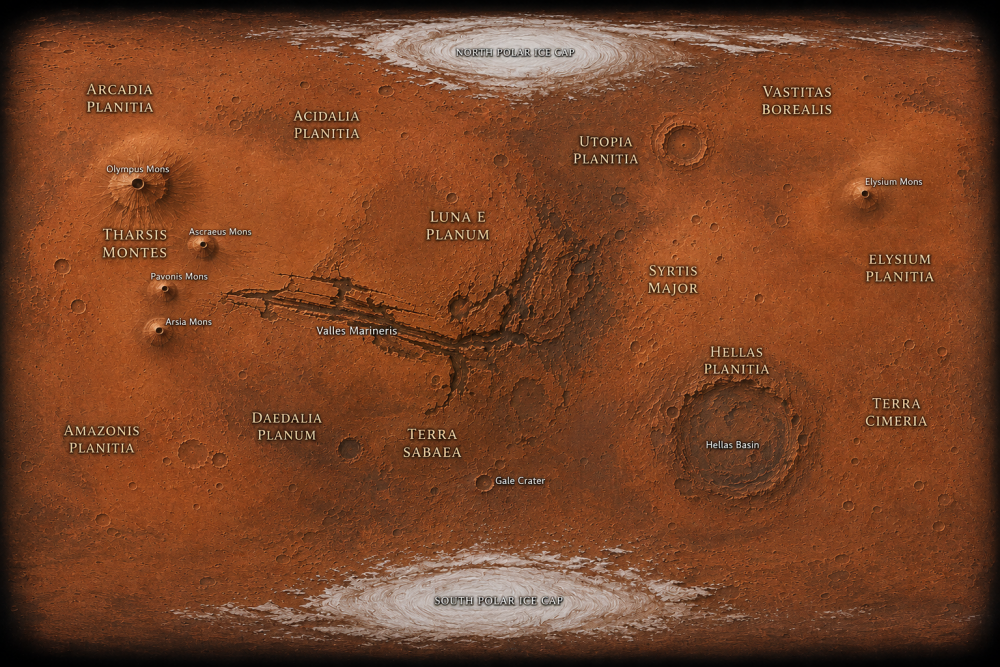
Now, that would be something quite different; I plan to use the grand strategy mod for a campaign map set on Mars.
 1 point
 -
I'm not sure what you mean by "mini", it wouldn't be actually "smaller", but "lighter". It should be the same as current ramming ships, but faster (thus maybe deal more damage), while taking more time and resources to produce, and have less garrison slots (all aligned with what was an attested Athenian advantage). Surely these things can be changed to something that's champion level but not OP? There's that idea of no garrison slots at all and to categorise such machines as "champion", to give a clear indication that they are full-time combatants, not really transport. Indeed, radius increase and/or healing per second is a good choice, considering how influential that was. Yeah, "City Guard" sounds like a guy lighting up street lamps at night... Chosen Athenian seems the strongest contender, and closer to what's attested.1 point
-
Corrections of what is wrongly done in vanilla should apply to vanilla. Changes of what is not quite accurate in vanilla would also ideally apply to it, after gameplay considerations. Additions of what vanilla doesn't have in the first place could of course be considered, or just left as mod material. I tend to mention interesting or important things I come across, independently of any gameplay considerations (that part I leave to others).1 point
-
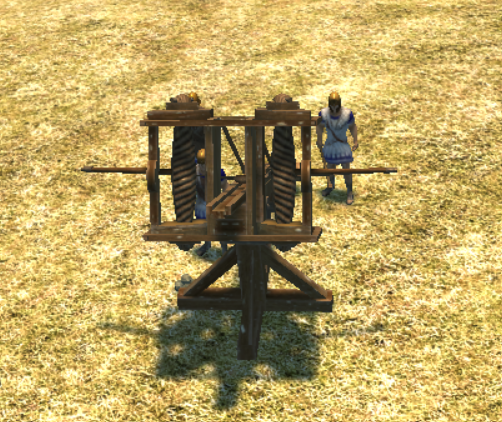
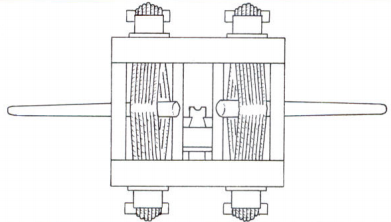
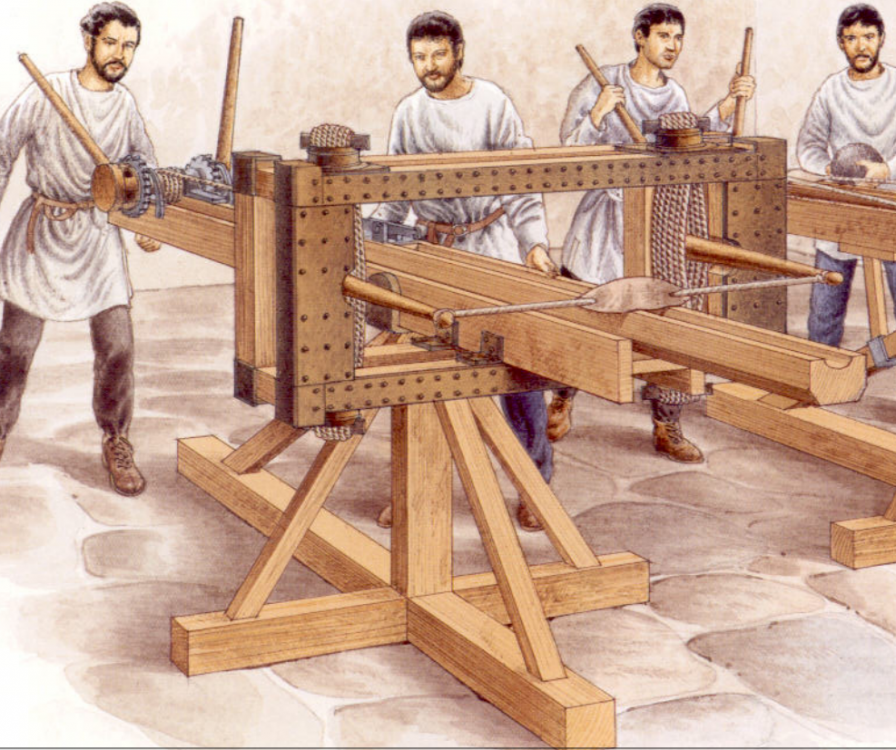
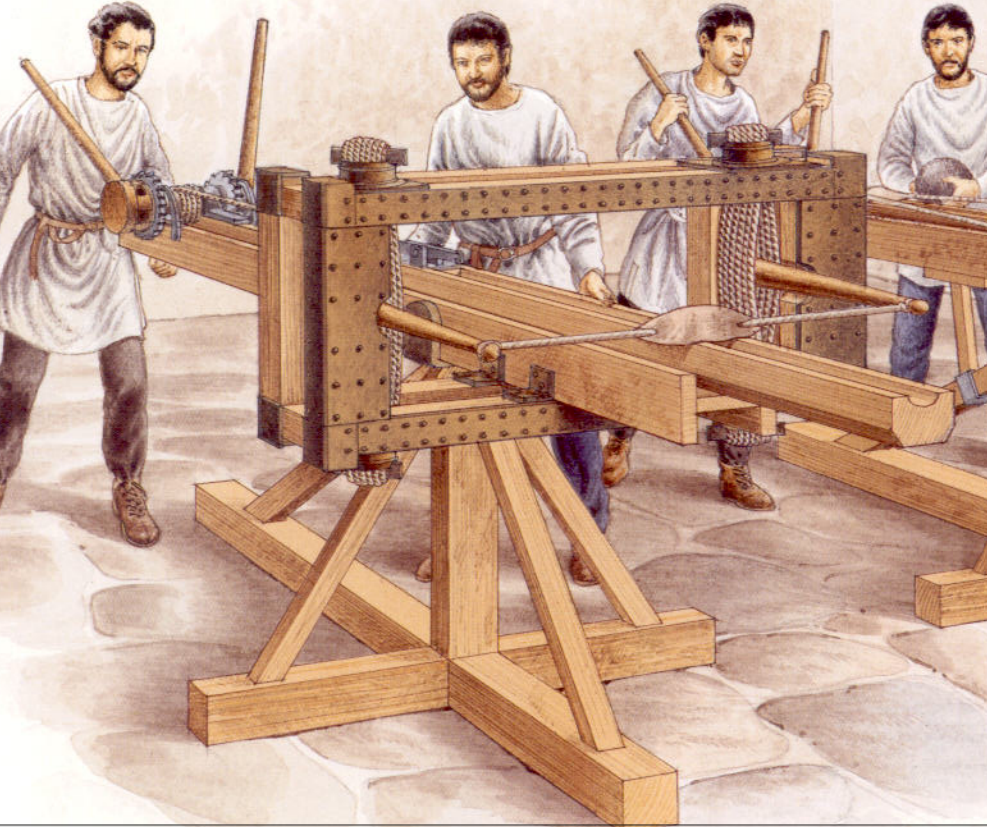
I edited Part I to deal better with sources (first hidden bit now), and renamed the Delian League civ bonus Naucrary instead of Trierarchy, which could be another tech now. In this part I'm refining a few things regarding infantry and cavalry from Part I, but I'll deal mostly with siege engines. Most things are just name changes or design corrections, although for siege techs, compatibility with other civs would need to be checked (for those cases, in the meantime this is just meant as a record of sourced proposals). Part III will be about naval combat. PART II Things that should be: -Lithobólos (Siege Catapult) should be Lithobolos (Stone Thrower): accents should be removed, as per 0 A.D. nomenclature guidelines (most of the time I'll ignore this, but it should be followed). The present name, besides not being the correct translation, is misleading for the period, given that both bolt shooters and stone throwers were katapeltikon (throw against, basically), or catapults. Actually, in this period, "catapult" is even more often used for bolt shooters, being the first to be invented, and "ballista" used for stone throwers. The name inversion more familiar to everyone started after the 2nd c. A.D. -The Lithobolos torsion-springs shouldn't look like spirals: this makes no physical sense. Although there are a few ancient representations that also portray them incorrectly, there are plenty of representations around showing their correct appearance. -The Arsenal should be called Workshop: arsenals were where various equipment was stored, while "workshop" is used in the literature for what this building is supposed to be. Things that could be: -Athenians could charge when closing in on an attack: that is, be faster, louder and more disorderly than Spartans (stance depending), considering how heavy infantry charged at Marathon, and how psiloi "charged" at Sphacteria. I think it's funny that the caricaturesque static posture of the Spartans in the movie 300 and "shock combat" of the Athenians in the sequel could appear in the game in a less exaggerated way, while having some reported merit to it. -Epilektos (City Guard) could be Athēnaios Epilektos (Chosen Athenian, or less literally and keeping the present idea, Athenian Guard): just renaming them to make them more characteristically Athenian (there are units named similarly after all). It's not just about the name: Athens' Hellenistic infantry relied heavily on mercenaries, except for some elite volunteer hoplites, which seems to differentiate them a bit from epilektoi from other city-states. I thought about Epilektos Ethelontis (Chosen Volunteer), but I didn't want to give the impression that that made up term is an attested one (sometimes one has no choice). -Hippeús (Greek Cavalryman) could be Athēnaios Hippeus (Athenian Cavalryman), and be a lancer: gameplay seems to have resulted in too many things being exactly the other way around as they should be. Athenians avoided getting way too close with cavalry (they would have swords anyway, but usually as secondary or tertiary weapons, after javelins and lance), those tactics came later with the Macedonians (possibly after the Thebans), who in turn have no cavalry swordsmen in the game! -Pródromos (Cavalry Javelineer) could be Athēnaios Prodromos (Athenian Scout): I ended deciding for this name instead of Hippakontistēs (Cavalry Javelineer) since that's not actually attested (but for tournament situations, and after all, most cavalry were expected to use javelins). Although to be prodromos is more of a role that goes beyond just literally scouting, this is also how the corps is referred to (like saying that the Boy Scouts are scouts and more), and they are not mentioned that often for others except Macedonians (being later referred as lancers, as I've quoted before). -Tachunautousa Triērēs (Swift Sailing Trireme) could be an early remarkable ramming ship: it could be less literally and more helpfully translated as "Swift Ramming Trireme". The tachunautousai were the top trireme rating, strongly associated with Athens, for which ramming was their preferred tactic, although also rendered somewhat ineffective by the Hellenistic period, as will be explained in Part III. Their garrison should be reduced, or even completely removed while increasing their population cost to account for optimal performance at all times, which is one of the reasons I proposed somewhere else to extend champions to ships and siege engines. -The Oxybelēs is being represented by an early tension design: the oxybelēs would soon use a torsion mechanism mid-4th century B.C., looking like the present Lithobolos, which would completely supersede the tension design by the end of the 3rd century B.C., according to Mardsen. A further advancement would be the Polybolos, which had a magazine to increase shooting rate (could be just a tech). -The Lithobolos is being represented by a dubious design: this is still quite the controversy, but extremely illuminating, and could be used to differentiate units better. Regarding Roman terms, "the Greek bolt-shooting euthytone thus became the catapulta, and the stone-throwing palintone, the Ballista", from Kinard. Campbell and others state similar things, but what palintone exactly means is still debated: initially in his book he takes the conservative position that it had just to do with the orientation of the springs (hard to see in a game), and was a bigger version, necessary to more slowly transfer energy to somewhat equivalently worthy heavier stones. But a few years later (2011), Campbell takes the "French" position (https://www.researchgate.net/publication/307732119_The_inswinging_theory, by Iriarte), stating that "this solution, at once etymologically elegant and strikingly logical, has come to be known as 'the inswinging theory,' in which the catapult arms point forward when at rest, and are drawn inward during the spanning process", even claiming, when later discussing the onager, that "as in the case of the Hellenistic stone-projector, a brilliantly perceptive French design was sidelined by inferior German and English versions". Figures 3 and 4 in https://sciences.gloubik.info/spip.php?article1600 show both configurations clearly. In addition, palintones would eventually shoot heavy bolts (by changing their sliders), being a more powerful, although complicated, configuration. -Advanced Siege could be Lepides Sidērai (Iron Plates): the present name doesn't say anything, and it was really tricky to connect how the Lithobolos and Ram crush damage could even increase with the same tech, but regarding stone-throwers I read "Heron advises iron-plating any points of stress on the machine", from Campbell, and remembered that his other book stated "it is assumed that the vulnerable tip would have been reinforced with iron plating" regarding later rams. I've found critical point iron-plating references on many manuals while searching for something else. -Siegecraft could be Organopoioi (Mechanicians): also doesn't say absolutely anything. For a construction time bonus, "the art of those who construct the siege machines necessary for war (organopoioi), they too are termed mechanicians", from Sherwood. -Armour Plating could be Argai Byrsai (Raw Hides): to differentiate it better from the Iron Plates proposal, and many recommend for protection and fire-proofing for the big engines over iron-cladding because of weight. -Military Engineers could be Aphaireta Merē (Detachable Parts): to facilitate dismantling and transportation, as recommended in many Artillery Manuals (Belopoiika), this being another of my candidate names for this tech. I also wanted to leave more open the possible addition of Mēchanikoi (Engineers) units to build certain big siege engines in the field, as many have proposed in the past. -Bolt Accuracy could be Odontōtai Choinikides (Toothed Washers): again, the present name handwaves how exactly that would even be achieved. Washers are the discs through where the cords are threaded, their stability being important for consistent aim. To lock them, "teeth" were used after some point, and this was further developed with pin-holes (Trypētai Choinikides (Perforated Washers) could be an additional tech for more siege-oriented civs). I made up these names because these details appear only in archaeology, I think. -Naval Oxybeles could be Marine Catapult, but better if just removed: since not only the oxybeles was used, and to use the same terminology used by Morrison, and not just the same name as in Age of Mythology. Actually I disagree with having this tech at all, one should just have catapults mounted on heavier warships (explained in the coming Part III). Things that could also be considered: -Conscription at the Stable could also be Sitos (Fodder Allowance) or Katastasis (Establishment Grant): better alternatives to what was proposed in Part I, since the Hippeia (Cavalry Class) appeared in the early 6th c. B.C. (before the start of the game), while these are part of 5th c. B.C. Athenian cavalry reforms. -Eleusinia Mystēria (Eleusinian Mysteries), could be a civ bonus: this was an important panhellenic religious cult, and under Athenian control. Temples could give a food trickle, have improved healing aura, or produce units faster, for example, whatever makes sense. -An alternative approach to techs: in https://wildfiregames.com/forum/topic/34903-civ-spartans/page/3/#comment-760784 there was some discussion regarding techs unlocking units, and I ran into this "necessity" when trying to make sense of catapult evolution and how the game presently works, given that engines would look quite different after certain developments. An alternative approach would be to have some techs changing units (besides the usual techs improving them and the less common unlocking them). For siege engines, one would start with the Gastraphetēs, and then the Tension Oxybelēs (as they are right now). After researching a Torsion Springs tech, the Tension Oxybelēs would change to the Torsion Oxybelēs (which should look like a small Lithobolos), and the Lithobolos would be unlocked (which should use the French palintone design previously discussed). Later on the Polybolos (with magazine) could appear (either as an Oxybelēs change or unit unlock), and a final Heavy Catapult could later be unlocked (larger but slower) that could change between large stones and arrows. I know it seems too much, but I'm mentioning it for the sake of catapult clarity and completeness (and for whoever wants to implement things like these in their mod). Other information that might be useful: (All quotes from Sekunda). -Torch-Races for infantry speed bonuses: "we have evidence for three ephebic torch-races before the reform of the ephēbeia in 335, connected with the festivals of Prometheus, Hephaistos and Pan". -I think somewhere I mentioned Athenians would use "A" or "ATH" as shield devices, there's also evidence for an eye, a gorgon, a star and a laurel wreath. -Ephippios (Saddlecloth), Af'Hippou Akuntizonti (Mounted Javelin-Throwing) and Aphippolampada (Mounted Torch-Race) techs to improve cavalry: by 500 B.C. Athens didn't have yet a navy, nor proper cavalry, these were developments from the 5th c. BC. I like the idea of having lots of techs, for the player to think what to choose given different situations, otherwise everything devolves into mindless build/research order memorisation, or worse, just clicking what's affordable. Both should be penalised for a more strategic gameplay. These early techs should make Athens cavalry fast and accurate among Greeks early on, the problem is that the game is quite fast and by the mid game the Thebans, and later the Macedonians, should have better cavalry. In any case, this might be useful at some point for some. -"In Athens, a slave society, it was normal for an individual citizen of sufficient wealth to serve as a hoplite and to have his own personal slave. In time of war, the slave would carry the hoplite’s bedding and rations for him. Usually referred to as skeuophoroi, or 'baggage carriers' in our texts, the slaves would participate in the battle only if an unusual opportunity arose. Their essential role was recognized by the Athenian state". -It's good to bear in mind that, after a few decades where heavy armour seemed to be less common, "in the 360s, Athenian funerary reliefs start to show hoplites wearing muscle-cuirasses and 'Phrygian' helmets", "muscle-cuirass is universal, but there is a large diversity in the arrangement of the groin-flaps and the shape of the shoulder-guards", "some type of enabling legislation must have existed to force the adoption of the muscle-cuirass on the Athenian citizenry who served in the infantry". -"I imagine that the Athenian cavalry had adopted the Boeotian helmet by 362, and this was the reason why the Theban horse who opposed them at the battle of Mantineia painted their helmets white to identify themselves". @Arup, as the self proclaimed biggest worshipper of Athena, let us know what do you think is more worth considering regarding gameplay (although most of my proposals are just renames or design corrections, I think). I guess some points would change how the Athenians actually play, but I think they should be a fairly fast civ for Greek standards, with their decent early cavalry skirmishers, other missile support and swift ramming ships, while also having a solid infantry that, according to the stories, would make a sprint for it if needed. Right now I find it confusingly sword heavy, since neither the Marines nor Sword Cavalry correspond to anything realistic for them, while an eventual lack of swords would balance better with their Long Walls (and swords are really needed, maybe the Athenian Guard could switch between spear and sword, or better, the Iphicratean Hoplite proposed in Part I could switch between long-spear/proto-pike and sword).
 1 point
 -
1 point




.thumb.jpg.b21ca1d0c15fb56b42c39b25a0a40815.jpg)