Jump to content
  • Topics

  • Posts

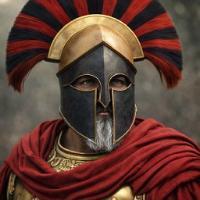
    • Just to give you a heads up, I'm preparing a Thoughts on the Athenians post, with naval combat reserved for its Part II, where I’ll briefly explain how it really was, and what could be done about it to make it more realistic.
    • Hi, i have a few notes to make that ive come across in recent games. Lets discuss these things: - forgot to implement roman fertility festival -> makes romans quite weak, i see them rarely in TGs - sword cav same speed as spear cav (their counter unit) - all cav is countered by spear cav - except sword cav, it can simply run away. that makes Han sword cav rush still be very op. - melee cav seems to have a little too much HP in early game, cc fire is completely useless. even when they run into spears, they can often escape. later in the game they seem balanced though, since in larger numbers ranged is stronger. - athens army is too strong, upgrading citizen soldiers to champions should be like roman centurions with some price... - also athens: is it cool to give athen one utterly overpowered hero and two crap ones? other bugs: - CTRL attack move doesnt work VERY OFTEN, i dont know how and why, but it happens too often to play in competitive style, needs to be fixed. - when having a group selected, some units dont recieve commands. for example, when attacking with a group of horses, then retreating the group, often one horse will just stay and keep attacking. (stupid) Thank you for reading and replies, Meister
    • It does in the video, but there are reasons why it end up just slightly slowing down the attacker. Now taking a step back from what I did empirically and reading the comments, I might just rethink some aspects that would address some defects like this one.   Would be very nice, yes more realistic movements and collisions would make a boarding mechanic interesting.
    • Hola @Duileoga, lo que puedo mencionar rápidamente es que las mujeres de los xiongnu tenían mucho poder político (https://www.smithsonianmag.com/smart-news/researchers-uncover-new-evidence-warrior-women-inspired-legend-mulan-180974774, https://www.bbc.com/travel/article/20231106-the-powerful-women-of-an-ancient-empire), aunque no es claro si realmente peleaban en batallas. Una arqueóloga en esas referencias menciona que es una posibilidad que no puede ser descartada, ya que hay evidencia de que practicaban arquería y montaban a caballo, al menos más frecuentemente que los pueblos túrquicos. Las que sí no peleaban en batallas eran las gladiatrices (gladiatrix es singular), existieron solo como una forma de entretenimiento exótico. Las banfhéinnithe (banfhéinní en singular, no sé si hay una castellanización estándar) son primariamente una leyenda (https://ansionnachfionn.com/seanchas-mythology/na-fianna). El término "amazonas" es mitológico y griego, aunque entre los escitas sí había mujeres guerreras, lo que era más común por dicha zona, y no en Europa Occidental (salvo excepciones). Es así que entre los sármatas (mitológicamente, descendientes de las amazonas) muchas mujeres eran guerreras, y más tarde en las guerras marcomanas los romanos encontrarían mujeres con armadura entre los cuerpos, pensando que eran germanas, cuando posiblemente eran yacigias, una tribu aliada sármata que antes había migrado hasta lo que hoy es Hungría.
×
×
  • Create New...