All Activity
- Past hour
-
 Merged here https://gitea.wildfiregames.com/0ad/0ad/pulls/9330
-

0 A.D. Is Wasting Its Potential !
Nicolaus_von_Kues replied to lilypoppy's topic in General Discussion
Let them tire themselves out. If they're upset, they won't be able to concentrate. Even though we don't share the same interests, we must seek common solutions. That's why I set aside my differences with Thalatta. That's why I waited a month and decided to look for another approach. -
Just kidding: I might vote for Claude (well, Claudius) for obvious reasons (helps me implementing things with a code complexity I could not master). Should not advertise - I am not affiliated by any means. ChatGPT is another great tool when I look at @wowgetoffyourcellphone's images!
-
0 A.D. Is Wasting Its Potential !
Nicolaus_von_Kues replied to lilypoppy's topic in General Discussion
Delenda Est is literally that "gameplay lab" that the official game must to have. That's why I dedicate time to that mod, with some factions that catch my attention. -
@Asher it is helping a lot - it is fun!
-
On the usage of AI to generate 0 A.D. content
Nicolaus_von_Kues replied to wowgetoffyourcellphone's topic in Official tasks
Yes, that's what I've seen, that he needs singular training. With a couple of changes in a year, we'll see which model is best to try. The ones I use most are Gemini and Chatgpt, but I also have Venice and Grok; I also have Claude and Perxplexity for text and other computer stuff(code). I also use DeepSeek for other things. Although I don't see it as better. -
Good idea! Considering collective credible creativity covering chaos can conquer cool corrosive cookies changing current Carthage; challenging cheese community could corrupt cool codenames! Sorry, this isn't helping
- Today
-
Credible creativity covering chaos?
-
0 A.D. Is Wasting Its Potential !
wowgetoffyourcellphone replied to lilypoppy's topic in General Discussion
Comparing it how? -
You have to train it yourself.
-
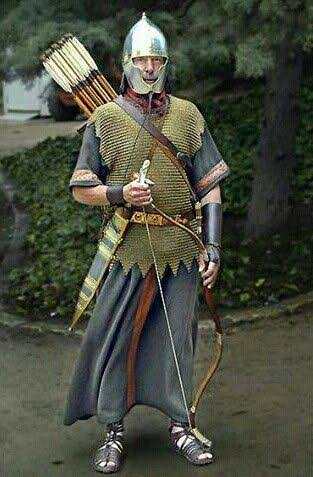
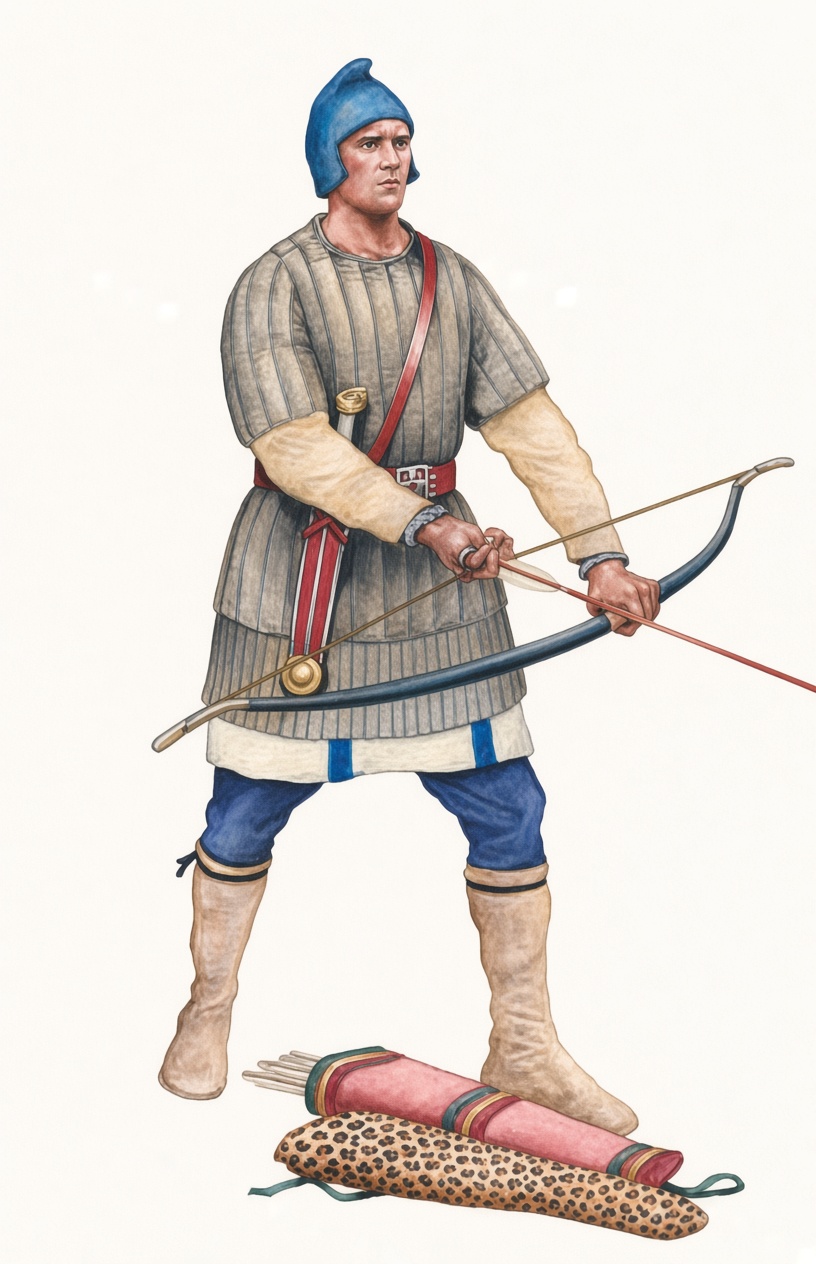
I doubt there were Hamians archers at this time, I mean with those long robes, what I've seen in live drawings and frescoes are trousers.



-
Is there any big thing being added to 29? that also happens to start with a "c"?
-
I didn't interpret that! I truly appreciate you asking for clarification, and I hope I understood your question when answering. Please don't resist (that can come out the wrong way). Also, there have been some discussions regarding walls, in principle I thought: Which is based the discussion I think you are referring to: https://wildfiregames.com/forum/topic/168544-should-units-from-siege-towers-be-able-to-ungarrison-over-walls/#comment-762718. Of course I agree with many things you say in that link, for example that "the game does not distinguish different undergrounds or soils and their respective fertility and may only have occasionally preferred/preset locations for fields (shown as "raw farmland") that (I believe) give a slight bonus to farming. Similar argumentation would possibly go for livestock stables", which I mentioned briefly in my suggestion 22 ("fertility considerations with terrain and weather") and: This could give fun situational (and civ dependent) advantages for one or the other, and added complexity by water management is open.
-
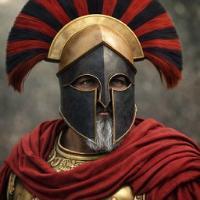
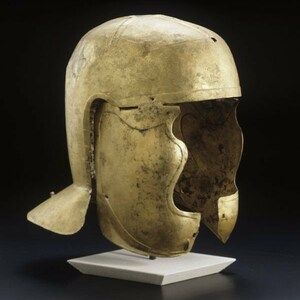
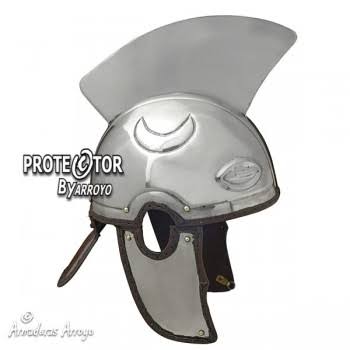
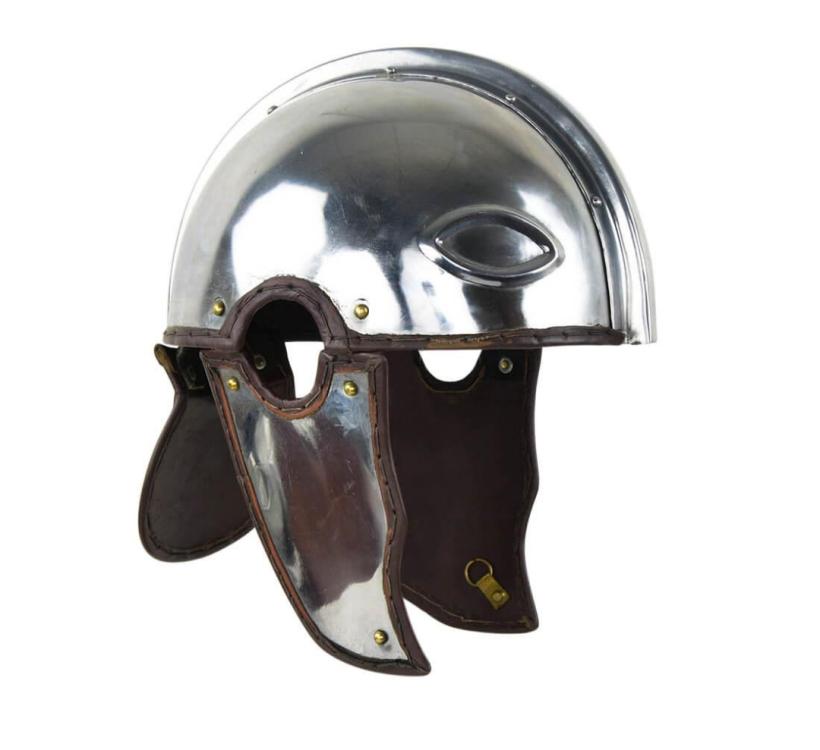
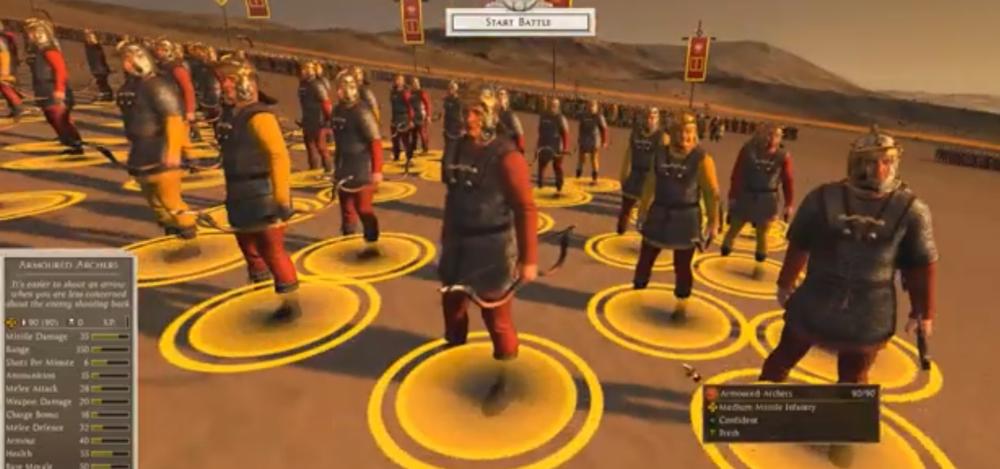
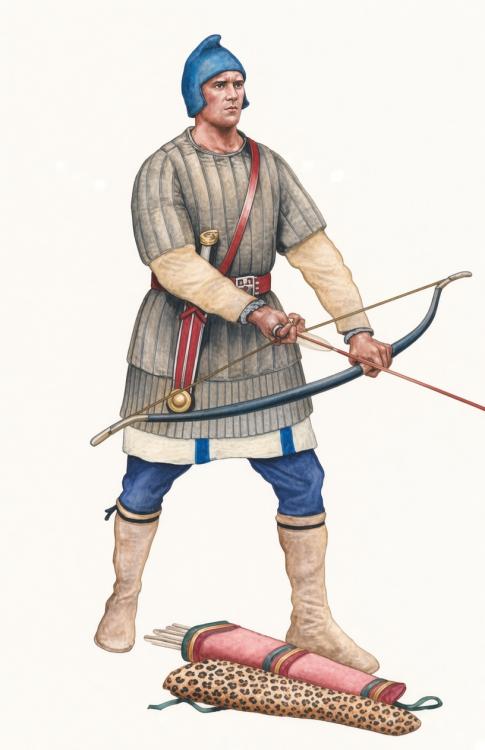
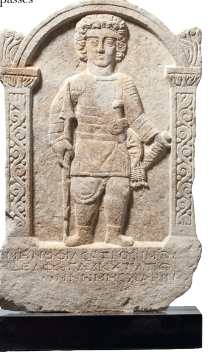
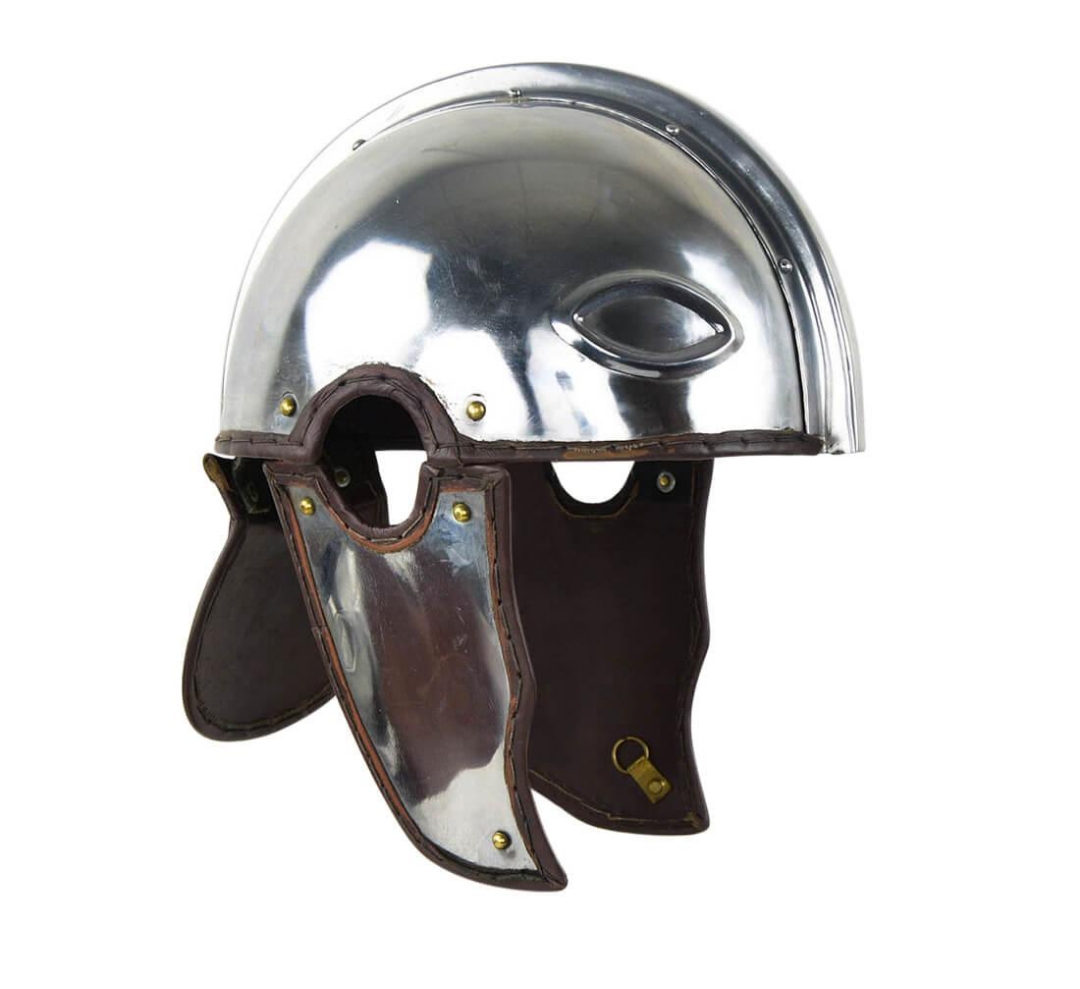
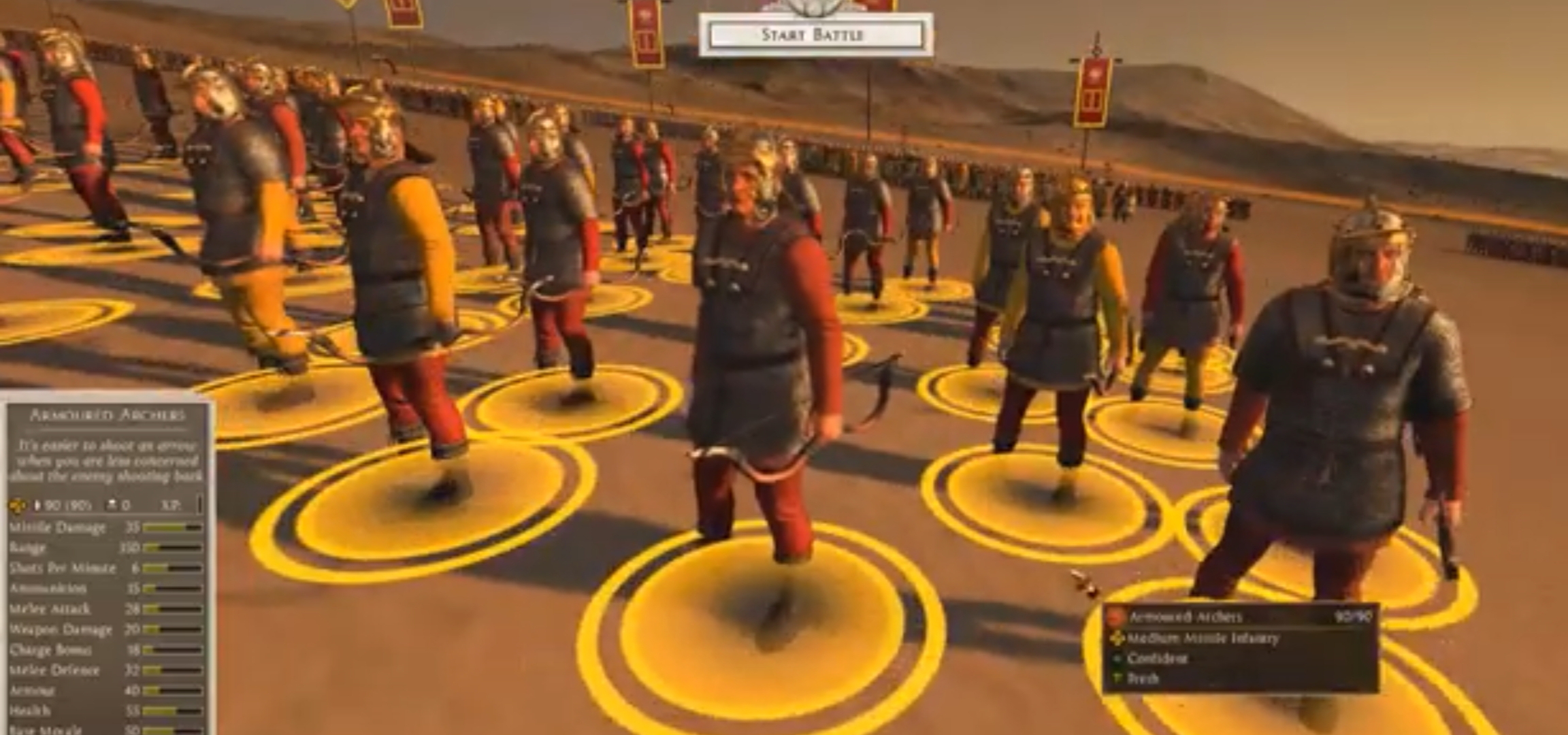
I definitely have an idea now for developing a concept drawing for the archer. First, the basic version will come without a helmet. From Total War: Rome II: Empire Divided, I took a concept that I needed to validate, and I have now done so. In the early imperial period, the Auxiliaries wore a Syrian-Roman helmet. I don't remember the name, and I see now that helmets have changed somewhat due to recent wars. There are several possibilities. In Total War I saw several troops using Intercisa, but in the Wargaming miniatures I saw that they used Niederbieber (that's probably the rarest thing to see). This is what I already knew about Total War Rome II. In the game, many archers were generic figures from the 3rd century. There were archers with a Hamian appearance.
-
Thanks @Thalatta ! Was not meant to be provocative (and I do remember our past discussion of this detail of course), wanted to make that point. (Also could not resist...)
-
Chaps, can we please leave it at that? We are all human (I hope ) and can and do respect each other. This appears to become a debate about wording, possibly translated? Lets move forward and invest our energy into making this phantastic game even a bit better!
-
@Grautvornix it seems that was my worst explained point (I tried to be not too detailed ). I only meant melee attacks through walls, that I think only happen with pikes, and only when both armies are squeezed on each side of a wall. I doubt changing that particular situation that I only remember happening to me once would change gameplay so much. For Palisades it could even be kept, imagining some holes on it are being made, but for the thick stone walls that's way harder to believe. Hopefully that answers your question, thanks for asking!
-
Ahh jaja, veo que en algunas regiones es así... no en la mía :P. Creo carro de guerra estaría bien. Y haz lo que quieras con la referencia a tu amiga, es el nombre de un mapa después de todo, en teoría le puedes poner como quieras.
-
Thanks @Thalatta! Just a thought on #72 "Solid walls should prevent an attack": While I acknowledge that I myself advocated a while ago walls protecting agains attacks until they fall, in a game like 0.A.D., walling could mean you survive for ever if you have enough food trickle and a market inside the walls. Total protection in a game only works if there is another risk of starving, not getting resources anymore, draining out (no water anymore - but that is another thread, water as an additional resource, see https://wildfiregames.com/forum/topic/107590-proposal-to-add-water-as-a-resource/ . So probably total protection having a big fat wall around your territory might be not the best idea unpess we weaken walls a bit... What do you think?
-
Yes, I've also been inspired by other people, that's why I've said "have been discussed", etc, not to let their ideas be forgotten in some old thread. Nah. Enough instances of poor wording, poor reading, poor comparisons, and poor reactions
-
Cautopates (from Mitraic religion) Caelus (sky from roman religion) Corybantes Chnoubis : The name of a figure depicted as a snake with a lion-like head on ancient magical gems. It is related to astrological and protective traditions. Its iconography belongs to a tradition that combines Egyptian, Greek and astrological elements. Although some of these traditions predate the Roman conquest of Egypt in 30 BC. Carmenta: Divinity linked to prophecy and birth. Her name is related in the Roman tradition to Carmen, a Latin word associated with songs, formulas and ritual verses.
-
Indeed, this is a kind of traditional habit for 0.A.D. release to have a neam starting with a certain letter. Now that we already went through the (latin) alphabet, we arrived a the letter 'C' again. Here is a list of suggested names (used Lumo AI to support with the facts), obviously with an imbalance towards Roman names that often appear to have had a leading 'C': Asia Confucius (551–479 BCE, China) One of the most influential philosophers in human history. Founded Confucianism, which shaped East Asian culture, governance, and ethics for millennia. His teachings on family loyalty, social harmony, and moral leadership remain foundational Cyrus the Great (c. 600–530 BCE, Persia/modern Iran) Founder of the Achaemenid Persian Empire. Known for his tolerance of conquered peoples' customs and religions. The Cyrus Cylinder is often considered an early charter of human rights Chandragupta Maurya (c. 340–298 BCE, India) Founder of the Mauryan Empire, which unified much of the Indian subcontinent. His grandson Ashoka became equally famous. Cai Lun (c. 50–121 CE, China) Traditionally credited with inventing papermaking around 105 CE. Revolutionized record-keeping and knowledge preservation globally Europe Julius Caesar (100–44 BCE, Rome) Roman general and statesman who played a critical role in the end of the Roman Republic. His assassination triggered civil wars leading to the Roman Empire. "Ides of March" remains culturally iconic. Marcus Tullius Cicero (106–43 BCE, Rome) Roman statesman, lawyer, scholar, and philosophical writer. Influential in preserving Greek philosophy for Rome. His rhetorical works shaped Western political thought. Cato the Younger (95–46 BCE, Rome) Senator known for his staunch opposition to Julius Caesar Became a symbol of Republican liberty and integrity His suicide was celebrated as an act of principled resistance. Cassivellaunus (flourished 54 BCE, Britain) Chieftain of the Catuvellauni tribe in southeastern Britain. Led Briton resistance against Julius Caesar's second invasion. Eventually negotiated peace with Caesar. Commius (flourished 50s–30s BCE, Gaul then Britain) Originally king of the Atrebates tribe in Gaul. Initially allied with Caesar, later joined Gallic revolt under Vercingetorix. Fled to Britain where he established a dynasty Carausius (died 293 CE, slightly outside our timeframe but notable) Romano-British military commander who declared himself emperor of Britain Cartimandua (flourished mid-1st century CE, Northern England) Queen of the Brigantes, largest British tribal confederation. Allied with Rome against her fellow Britons. Notable example of female leadership in tribal society Caratacus/Caractacus (flourished 40s–50s CE, Wales/Southern Britain) British war leader who resisted Roman invasion. Captured and taken to Rome, where he reportedly gave such eloquent speech that Claudius spared him. Became a legendary figure in Welsh and British tradition Cunedda (traditional dates vary, possibly earlier period) Legendary founder of Gwynedd kingdom in Wales. Less historically verified but important in Welsh tradition Claudius (10 BCE – 54 CE, Rome; born in Lugdunum, Gaul) Roman emperor from 41 to 54 CE; the first emperor born outside Italy. Launched the Roman conquest of Britain in 43 CE and built major infrastructure including two aqueducts. Catullus (c. 84 – c. 54 BCE, Rome; born in Verona, Cisalpine Gaul) Roman poet famous for passionate, often scathing love poems addressed to "Lesbia" (likely Clodia). Wrote in a wide range: love poetry, invective, and mournful elegies, with 116 surviving works. Died young around age 30; his influence runs through later European love poetry. Crassus (c. 115 – 53 BCE, Rome) Marcus Licinius Crassus, reputedly the richest man in Rome; formed the First Triumvirate with Caesar and Pompey. Suppressed the Spartacus slave revolt in 71 BCE and funded Caesar's political rise. Killed at the Battle of Carrhae invading Parthia in 53 BCE, destabilizing the Triumvirate. Caligula (12 – 41 CE, Rome; born in Antium) Roman emperor from 37 to 41 CE, nicknamed "little boot" for childhood military attire. Ancient sources describe increasingly erratic behavior after an illness in 37 CE; assassinated by Praetorian officers. His death put his uncle Claudius on the throne. Africa Cleopatra VII (69–30 BCE, Egypt/North Africa) Last active ruler of the Ptolemaic Kingdom of Egypt. Formed famous alliances with Julius Caesar and Mark Antony. Her death marked the end of ancient Egyptian independence and began Roman rule.
-
Yes. It's tradition.
-
I've said that many times. But the fact that you can edit the code of this game makes you want to come back for more. I'll keep those ideas. Literally many of those ideas are a summary of this entire topic.
-
Hi ! The name should start with a "C" ?





-
Latest Topics
-