
.png.a9ae33b5e5ddb0eb2b142b612b99c428.png)
Lion.Kanzen
-
Posts
25.684 -
Joined
-
Days Won
302
Everything posted by Lion.Kanzen
-
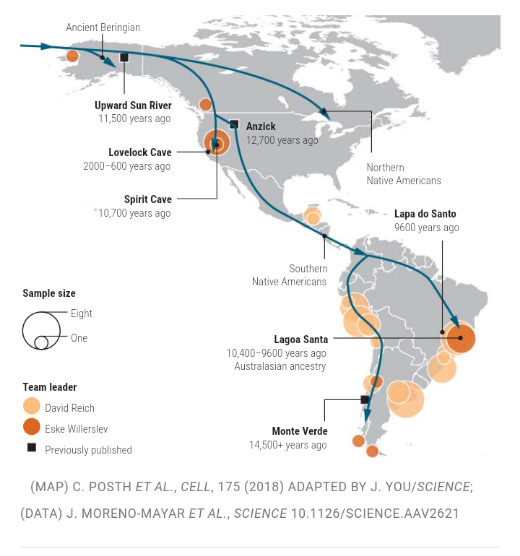
Origin. North , Central and South America were relatively lonely places for our species 13,000 years ago. The continents were the last major landmasses in the world to be populated by Homo sapiens. The pre-Columbian era incorporates all period subdivisions in the history and prehistory of the Americas before the appearance of significant European influences on the American continents, spanning the time of the original settlement in the Upper Paleolithic to European colonization during the Early Modern period. The term Pre-Columbian is used especially often in the context of the great indigenous civilizations of the Americas, such as those of Mesoamerica (the Olmec, the Toltec, the Teotihuacano, the Zapotec, the Mixtec, the Aztec, and the Maya) and the Andes (Inca, Moche, Muisca, Cañaris). Mesoamerica is a historical region and cultural area in southern North America and most of Central America. It extends from approximately central Mexico through Belize, Guatemala, El Salvador, Honduras, Nicaragua, and northern Costa Rica. Within this region pre-Columbian societies flourished for more than 3,000 years before the Spanish colonization of the Americas. Mesoamerica was the site of two of the most profound historical transformations in world history: primary urban generation, and the formation of New World cultures out of the long encounters among indigenous, European, African and Asian cultures. As a cultural area, Mesoamerica is defined by a mosaic of cultural traits developed and shared by its indigenous cultures. Beginning as early as 7000 BC, the domestication of cacao, maize, beans, tomato, avocado, vanilla, squash and chili, as well as the turkey and dog, resulted in a transition from paleo-Indian hunter-gatherer tribal groupings to the organization of sedentary agricultural villages. In the subsequent Formative period, agriculture and cultural traits such as a complex mythological and religious tradition, a vigesimal numeric system, a complex calendric system, a tradition of ball playing, and a distinct architectural style, were diffused through the area. Also in this period, villages began to become socially stratified and develop into chiefdoms. Large ceremonial centers were built, interconnected by a network of trade routes for the exchange of luxury goods, such as obsidian, jade, cacao, cinnabar, Spondylus shells, hematite, and ceramics. While Mesoamerican civilization knew of the wheel and basic metallurgy, neither of these became technologically relevant. All iron technologies must be replaced.
-
This. This very good idea.
-
.thumb.png.ce58cea22940c255f5b0a735d5abee36.png)
[WIP] "Grand Strategy" Campaign - A25 mod
Lion.Kanzen replied to wraitii's topic in Game Modification
Yes. -
we have our wiki.
-
the second king must be administrative.
-
The timeframe...(?) Not at all , if we consider the second part of the millennium, this have sense.
-
it would be nice to move mod stuff from tiger to millennium.
-
However, Greek philosopher Plato saw tyrannos as a negative word, and on account of the decisive influence of philosophy on politics, its negative connotations only increased, continuing into the Hellenistic period. The philosophers Plato and Aristotle defined a tyrant as a person who rules without law, using extreme and cruel methods against both his own people and others.[5][6] The Encyclopédie defined the term as a usurper of sovereign power who makes "his subjects the victims of his passions and unjust desires, which he substitutes for laws".[7] In the late fifth and fourth centuries BC, a new kind of tyrant, one who had the support of the military, arose – specifically in Sicily. https://en.m.wikipedia.org/wiki/Tyrant ----- This reading is interesting. https://www.thoughtco.com/tyrants-after-the-peloponnesian-war-120199 It is dangerous that in many countries they ignore fascism and all their consciences. So then Armán wars and end up like Athens in the hands of (Plutocratic) tyrants.
-
I like this.
-
Scythians.
-
==[Brainstorming]== for cheats units
Lion.Kanzen replied to Lion.Kanzen's topic in Eyecandy, custom projects and misc.
Mounted Brazilian Buffalo.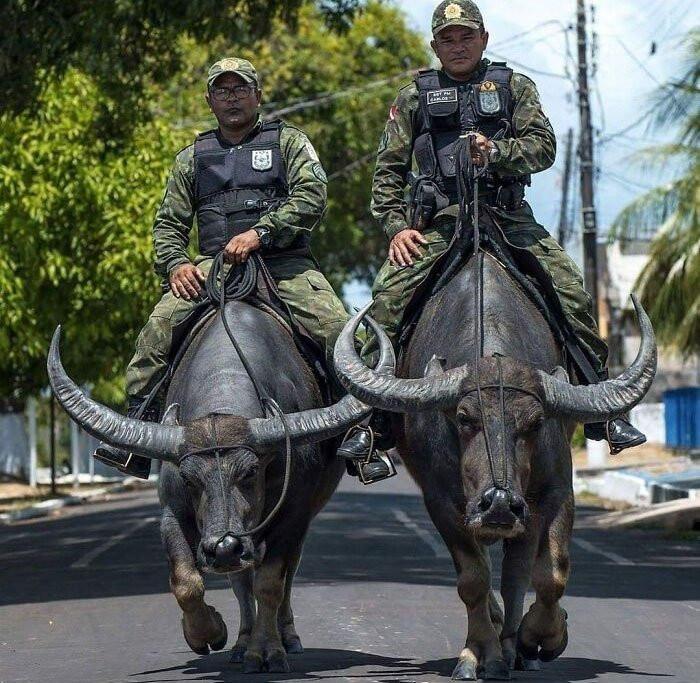
- 198 replies
-
- 1
-

-
- brainstorming
- art
- (and 2 more)
-
in case anyone wants to come to Central America for a tour. https://irtra.org.gt/

-
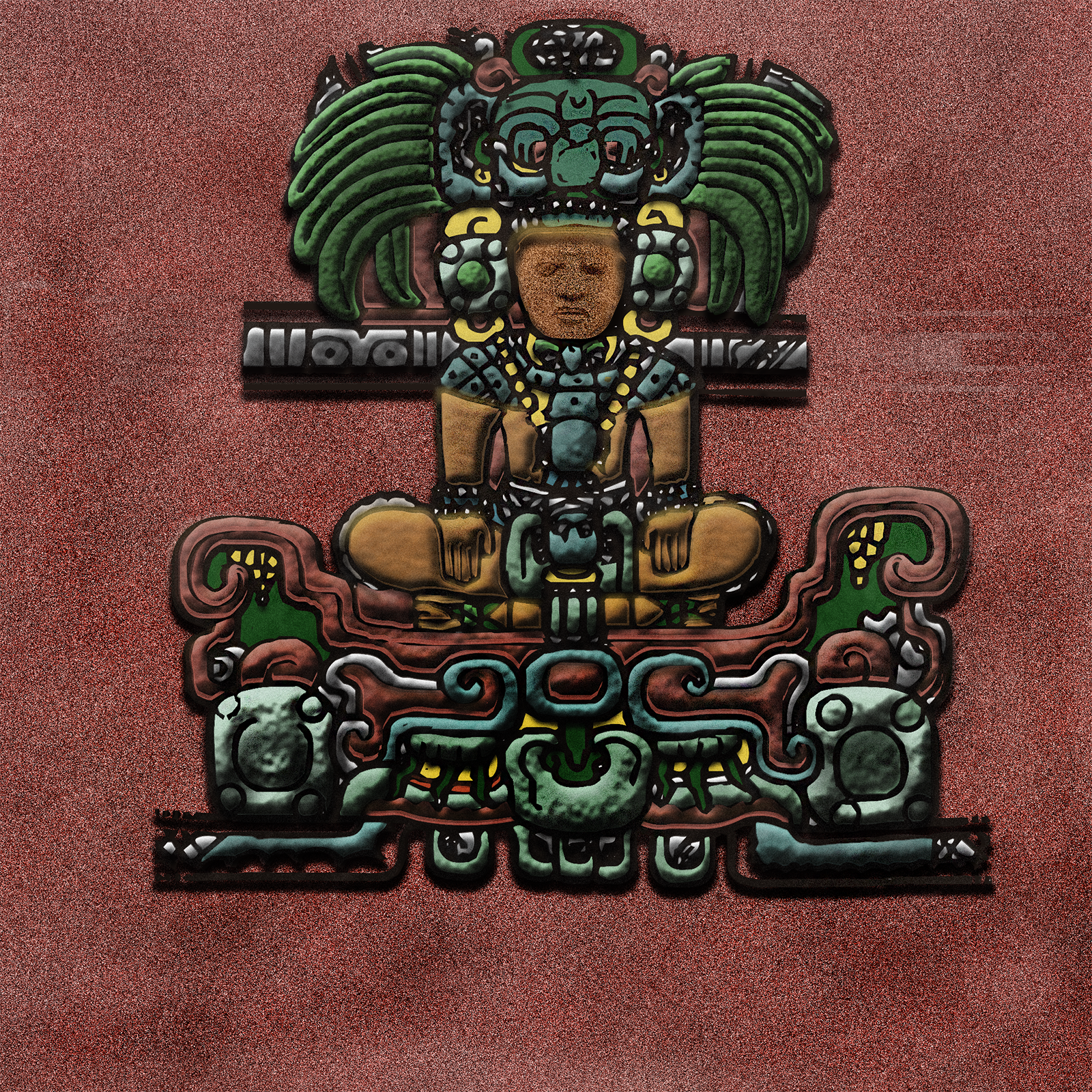
Irtra Thematic park Guatemala. I think I can try an imitation. the advantage of the early classic (formative) is just that it is not so detailed of figures.
-
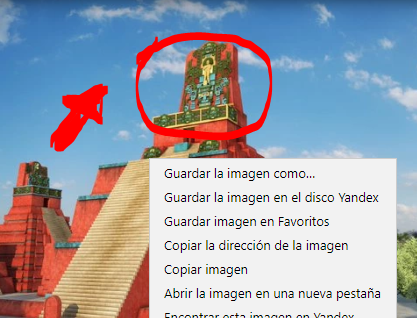
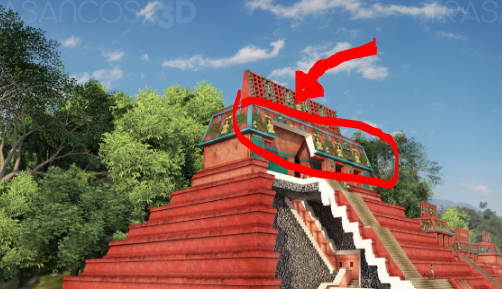
Tikal. This is what it looked like when it was found abandoned.
-
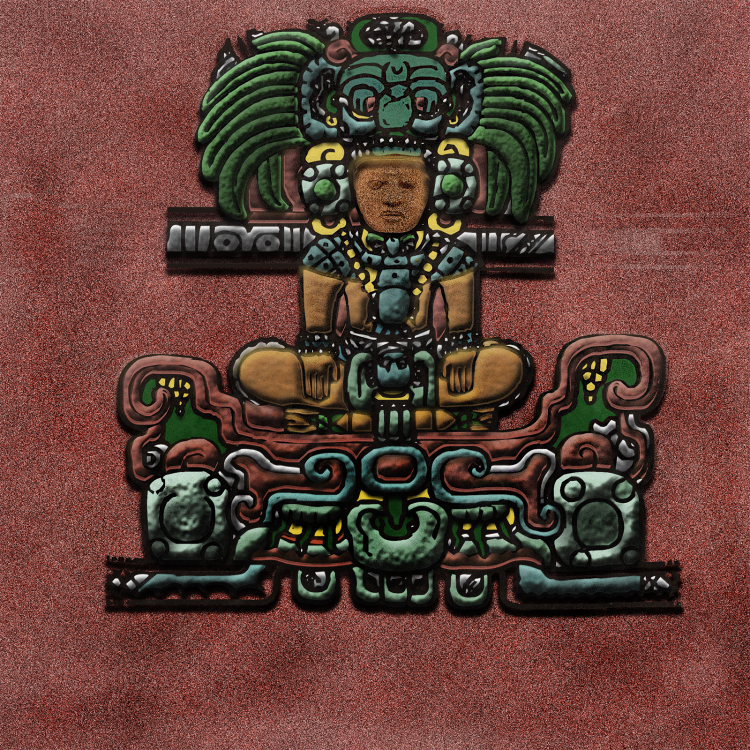
i want to try this.
-
este diseño iria en 2 lugares, no al mismo tiempo. en las crestas.
-
@Lopess
-
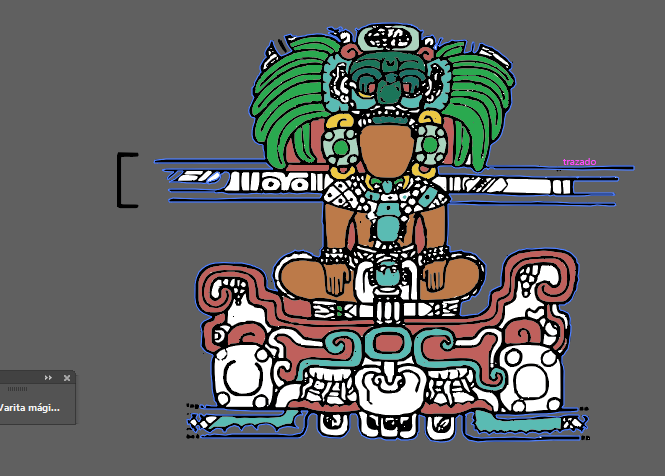
en progreso.
-
esta foto es mia. es una replica.
-
I don't know how much influence the Persians had from Urartu. https://www.worldhistory.org/image/9546/pointed-bronze-helmet-from-urartu/ The territories the Urartu kingdom had once occupied were ultimately taken over by the Medes from c. 585 BCE onwards and then incorporated into the Achaemenian Empire of Cyrus the Great in the mid-6th century BCE. Hurrians have that kind of helmets.
-
@Stan` we have Tiger Blender file?
-
Historical details of the military training of the ancient Persian army seem nonexistent. However, Xenophon’s Cyropaedia describes the military training process a Persian youth went through. According to Xenophon 1.2.9, a Persian male at age seventeen would undergo combat training for a length of ten years. Now the young men in their turn would live as follows: for ten years after they are promoted from the class of boys they passed the nights, as we said before, about the government buildings. This they did for the sake of guarding the city and to develop their powers of self-control; for this time of life, it seems, demands the most watchful care. And during the day, too, they put themselves at the disposal of the authorities, if they were needed for any service to the state. Whenever it was necessary, they all remained around the public buildings. But when the king went out hunting, he took out half the garrison; and this he did many times a month. Those who went must take bow and arrows and, in addition to the quiver, a sabre or bill in its scabbard; they carried along also a light shield and two spears, one to throw, the other to use in case of necessity in a hand-to-hand encounter. Herodotus 7.223 mentions that at the battle of Thermopylae 480 BCE, the Persian officers pushed the “men to go forward against their opponents, who are lashed towards the Spartans by their officers.” Now, one can take this to mean as I had previously stated or that it was custom for officers to whip their men forward, professional or not, like the Roman centurions who carried vine-staffs. http://www.camrea.org/2016/11/22/the-persian-war-machine-organization-and-command-part-i/

-
Does anyone know which unit would be the one at the end, does it have a whip?
-
Known Problems (Please read before posting)
Lion.Kanzen replied to quantumstate's topic in Help & Feedback
not necessarily, the siege tower does not fulfill that task either.