Leaderboard




Popular Content
Showing content with the highest reputation on 2026-08-14 in Posts
-
We now try to release roughly at the same date each year. We don't wait till all issues with that milestone get implemented. We would push them back. Almost certainly there will be no new civ in the next release.2 points
-
PudimTranslate — tradução de chat para 0 A.D. Clique em uma mensagem de chat para traduzir. Clique novamente para recuperar o original. Funciona em uma partida, em o lobby multiplayer e a tela de configuração da partida. Qualquer linguagem, em ambas as direções, sem nada para configurar. Você nunca escolhe um par de idiomas: O que foi escrito é detectado automaticamente. Inglês, espanhol, alemão, russo, chinês, Português — não importa, e não precisa ser o mesmo idioma duas vezes seguidas. A Sala onde três pessoas digitam em três idiomas diferentes simplesmente funciona. O que você recebe de volta é a linguagem em que seu 0 A.D. está instalado. Tocar em espanhol dá vocês espanhóis; jogar em polonês te dá polonês. O mod lê o local do jogo próprio, então existe Nenhuma configuração para encontrar e nada para manter sincronizado. Feito para jogadores que querem jogar multiplayer sem ficarem bloqueados na conversa. ⚠️ Leia isso primeiro: o tradutor deve estar rodando antes do jogo Tradução precisa de um pequeno programa complementar. Comece antes de abrir 0 A.D., toda vez. Isso não é uma preferência de estilo — é como o jogo funciona. 0 A.D. indexa suas pastas de dados uma vez, em inicialização, e nunca percebe arquivos que aparecem depois. Se o tradutor ainda não estiver em execução Quando o jogo começa, ele não consegue ver a ponte e nada vai ser traduzido para isso Sessão inteira. Fechar e reabrir 0 A.D. resolve isso. Então não lance 0 A.D. da forma usual. Inicie com ferramentas/Play0AD.bat (ou no Linux e macOS), o que inicia o Tradutor, espera a ponte estar pronta, abre o jogo e desliga o tradutor quando você Desiste. Um clique, ordem certa, nada para lembrar.tools/Play0AD.sh Na primeira vez que você executa, Play0AD.bat cria um atalho de tradutor 0 A.D. no seu desktop, carregando o ícone 0 A.D. para que fique reconhecível ao lado do próprio atalho do jogo. Use a partir daí no lugar do seu atalho normal 0 A.D., e você terminou — um clique inicia tudo no Ordem certa. O arquivo em si sempre mostrará o ícone simples do script do Windows. Isso não é algo que um mod pode mudar: o Windows tira um ícone do tipo de arquivo, não do arquivo, então é apenas um atalho Pode carregar um personalizado. É exatamente por isso que o atalho foi criado para você..bat.bat Tanto o atalho quanto o lançador determinam onde o 0 A.D. está instalado sozinhos — eles olham no locais habituais de instalação, nas bibliotecas do Steam, e finalmente lendo o destino do Menu Iniciar Atalho que o instalador deixou para trás. O caminho encontrado é lembrado em , a seguir para os scripts, então a busca acontece apenas uma vez. Esse arquivo é específico de cada máquina e é propositalmente Fica fora do repositório, para que ninguém herde o caminho de instalação de outra pessoa. Se o jogo estiver em algum lugar incomum e a busca falha, execute uma vez com o caminho e a partir daí é lembrada:tools/caminho_do_jogo.txt powershell -File tools\Play0AD.ps1 -Jogo "C:\your\path\to\pyrogenesis.exe" Se preferir manter os dois separados, corra, deixe a janela aberta e apenas então abra o 0 A.D. você mesmo.tools/PudimTradutor.bat Installation Download the repository (Code → Download ZIP, or ) and put the folder inside your 0 A.D. directory:git clonePudimTranslatemods System Path Windows %APPDATA%\0ad\mods\ — or Documents\My Games\0ad\mods\ Linux ~/.local/share/0ad/mods/ macOS ~/Library/Application Support/0ad/mods/ If you are unsure, the game's own reference is at https://trac.wildfiregames.com/wiki/GameDataPaths. The folder must sit directly inside , so that exists — a common mistake is ending up with .mods/mods/PudimTranslate/mod.jsonmods/PudimTranslate/PudimTranslate/ Then open 0 A.D., go to Settings → Mod Selection, pick PudimTranslate, click Enable, then Save Configuration and Start Mods. Nothing to install, on any system. The companion program exists twice — once in PowerShell, once in Python — and the launcher picks whichever your machine already has. That is not accidental duplication: the native coverage is complementary. System Launcher Uses Already installed? Windows tools\Play0AD.bat Windows PowerShell Yes, ships with Windows 10 and 11 Linux tools/Play0AD.sh Python 3 Yes, in practically every distribution macOS tools/Play0AD.sh Python 3 Yes, with the command line tools Each launcher falls back to the other runtime if the preferred one is missing. On Windows the calls PowerShell with , which applies to that one call and changes no system setting. On Linux and macOS, give the permission to run once with ..bat-ExecutionPolicy Bypass.shchmod +x tools/Play0AD.sh The desktop shortcut is a Windows convenience and is simply skipped elsewhere. To update, replace the folder with the newer version and restart the game. How to translate a message Click the message. That is the whole thing. There is no button to find and no menu to open — the line of text is the button. The screenshots below happen to show English being turned into Portuguese, because that is the author's setup — but nothing in them is specific to that pair. In the multiplayer lobby, someone says hello in a language you do not read: Clique nessa linha e ela retorna no seu idioma, em verde, para que você possa ver de relance o que foi Traduzido e o que ainda está como foi escrito: Clique novamente para recuperar o original. Nada está perdido. Funciona da mesma forma na tela de preparação da partida, onde a maior parte das conversas acontece antes do jogo. Aqui um Toda a conversa é em um idioma estrangeiro: Clique em qualquer linha que quiser. Cada um é independente, então você pode traduzir apenas o que lhe interessa: Em uma partida, é o mesmo gesto: clique na linha de chat na tela. Lá, a linha também transporta um dica de ferramenta, então passar o mouse por uma mensagem traduzida mostra a redação original sem voltar atrás. Algumas coisas que valem a pena saber: Enquanto uma frase está sendo buscada, a linha mostra traduzindo.... Geralmente dura um piscar de olhos. Se disser que o tradutor está desligado, você abriu o jogo sem o tradutor rodando. Fechar 0 d.C., Inicie com o atalho da área de trabalho e tente novamente. Avisos do sistema ("== Alguém entrou.") não fazem nada quando clicados, de propósito: 0 A.D. já mostra Essas estão no seu próprio idioma, então não há nada para traduzir. Uma frase já traduzida uma vez é livre para sempre — ela fica armazenada em cache no disco, então repetições como gg ou well played nunca mais chegam à rede. Não quer clicar de jeito nenhum? Defina para na configuração do usuário e todo A mensagem recebida é traduzida conforme chega. Isso se aplica apenas dentro de uma partida — no lobby e Na tela de configuração da partida, você ainda clica nas mensagens que quiser.pudimtranslate.autotrue Neither language is ever configured. The one you read is taken from your 0 A.D. install, and the one that was written is detected from the message itself — see the top of this page. Is it working? The translator opens in a window of its own and prints what it does. A healthy start looks like this, and a translated phrase shows up as a line (what was said) followed by a line (what came back):>< PudimTranslate - tradutor de chat pasta do jogo : D:\Documents\My Games\0ad ponte : D:\Documents\My Games\0ad\saves\campaigns idioma destino: pt (o jogo pode pedir outro) cache : 12 frase(s) ja conhecidas traduzindo para: pt > attack blue from the north, i need help < ataque o azul do norte, preciso de ajuda Leave that window open while you play. Closing it stops translation; the game keeps running. Two other lines are worth recognising: ! Google limitou o ritmo (429). Pausando 5s. . aguardando o limite do Google passar (5s) That is Google rate-limiting your address, not a fault in the mod — see The translator is running but nothing gets translated below. When something goes wrong The message says the translator is off. The game was opened before the translator was running. This is the one failure that cannot fix itself mid-session: 0 A.D. indexes its data folders once at startup, so if the bridge was not there at that moment, it stays invisible for the whole session. Close 0 A.D. and open it again with the desktop shortcut. The translator is running but nothing gets translated. Look for in its window. The translation endpoint is free and undocumented, and it rate-limits by IP address; when it decides you asked for too much it answers and keeps refusing for a while.429HTTP Error 429: Too Many Requests The translator now backs off on its own — five seconds at first, doubling on each refusal, up to five minutes — and it makes no network call at all while it waits. A single successful translation resets the wait, so one bad moment does not slow down the rest of the session. There is nothing to fix on your side: the block belongs to Google and expires by itself. Just leave the window open. What you should not do is restart the translator over and over — every attempt during a block is what keeps the block alive. The translator window flashes and disappears. Something in it failed. Run on its own — the window stays open and shows the error instead of vanishing.tools/PudimTradutor.bat Nada acontece quando você clica em uma mensagem. Se a linha for um aviso de sistema (), Isso é deliberado — o jogo já mostra essas coisas no seu idioma. Para qualquer outra coisa, verifique se A janela do tradutor ainda está aberta.== Someone joined Vermelho CVFSFile ... não podiam ser abertas linhas na tela. Corrigido — mas apenas para tradutor versões a partir de 19 de agosto de 2026, então atualize se ainda vir isso. O tradutor costumava Publique cada resposta escrevendo um arquivo temporário e renomeando-o sobre o antigo. Esse é o livro didático forma de evitar uma leitura pela metade, mas ele substitui a entrada do diretório, e o 0 A.D. armazena em cache esses de Quando indexava a pasta: a entrada então apontava para um arquivo que não existia mais. Desde que todo A resposta é preenchida para o mesmo tamanho, agora é reescrita no lugar, então o arquivo indexado permanece O mesmo arquivo.tools/ Você atualizou o mod e nada mudou. 0 A.D. carrega scripts de mods apenas quando começa. Feche o Jogo completamente e abra de novo. O mesmo se aplica a: é lido uma vez em Inicialização, então feche a janela do tradutor e reabra depois da atualização.tools/pudim_tradutor.py O atalho da área de trabalho aponta para algum lugar parado depois de mover a pasta do mod. Execute o lançador uma vez a partir de sua nova localização e o atalho corrige seu próprio alvo. Por que um programa complementar afinal Não há como evitar: o motor de script GUI com 0 AD não tem HTTP — não, nem XHR. O apenas redes expostas a scripts são o lobby XMPP e mod.io, ambos em C++. Um mod simplesmente não pode Ligue para um serviço de tradução.fetch O que um mod pode fazer é ler e gravar arquivos. Então o moderador escreve a frase em um arquivo, o companion o programa traduz e escreve a resposta de volta: mod --writes--> saves/campaigns/pudim_tr_req.json --reads--> PudimTradutor.ps1 --HTTP--> Google mod <---reads-- saves/campaigns/pudim_tr_res.json <--writes-------' Sem chave de API e sem cadastro: ele chama o mesmo endpoint gratuito que a página translate.google.com usa. As traduções são armazenadas em cache no disco, então uma frase já vista não custa ida e volta na rede. Essa pasta não é uma questão de gosto. A interface gráfica só aceita um fechado Lista de caminhos — , , , , , e . Qualquer outra resposta responde Restrito acesso a .... Dessas, é a única pasta de usuário que pode ser gravada. Não perturba Campanhas: O jogo só aparece lá, e esses arquivos são .ReadJSONFileWriteJSONFilegui/simulation/maps/campaigns/saves/campaigns/config/matchsettings.jsonconfig/matchsettings.mp.jsonsaves/campaigns/*.0adcampaign.json O arquivo de resposta tem sempre exatamente 64 KB, preenchido com espaços. O VFS do jogo lembra do arquivo tamanho de quando indexou a pasta, então um arquivo que cresce é lido e truncado — um JSON cortado ao meio. Um tamanho fixo mantém esse valor lembrado correto para sempre. De onde vem uma tradução Quatro fontes, testadas nesta ordem. A ordem não é arbitrária — cada uma está lá porque o Um antes de falhar de uma forma específica. 1. O dicionário embutido, para frases curtas ele cobre completamente. Sem rede, sem cota, instantâneo. Ele começa porque, na gíria do jogo, é mais preciso do que qualquer tradutor geral: é "bom jogo", não duas letras; , , , , todos significam algo que um a tradução literal destrói. Ele é limitado a quatro palavras, porque o dicionário troca palavras e não conjuga, não concorda com gênero ou reordena — além desse comprimento, a gramática importa mais do que gírias e Um tradutor de verdade vence.ggafkraxecopopbrb 2. Google Tradutor, alternando entre três extremidades. Os limites de taxa do endpoint gratuito são por parâmetro, não pelo seu IP ou sua conta. Medido em uma máquina em um minuto: respondi 429 a tudo enquanto traduzia 8 frases de 8. Então o a primeira reação a um bloqueio é mudar de endpoint, não desistir do Google. O recuo é Por ponto final: Um 429 em um não silencia os outros. Todos os três retornam o mesmo formato de resposta.clientclient=gtxclient=at 3. MyMemory, filtrado apenas para traduções automáticas (). Sem esse filtro ele retorna entradas de sua memória de tradução, que frequentemente são frases não relacionadas que alguém já teve Submetido.created-by == "MT!" 4. O dicionário novamente, parcialmente. Tudo o que ela sabe é traduzida, o resto fica como veio, e a contagem é mostrada: . Meia linha legível vence o silêncio.(dicionario, 5 de 7 palavras) Dois dicionários, e por que eles são separados tools/pudimtr_dicionario.json — gíria de jogos, 279 conceitos, manuscritos, em inglês, português e espanhol. É escrito à mão porque não há nada para copiar: , , e têm Entradas do Wiktionary, mas sem tabela de tradução utilizável, e as listas de abreviações gratuitas no GitHub são Ou pequena, abandonada desde 2018, ou declara que não há nenhuma licença. Este é o arquivo que supera o Google, E é a que é consultada antes da rede.ggwpafkglhf tools/dicionario/wikdict-*.json.gz — vocabulário geral, ~250.000 pares de palavras entre os seis direções, extraídas do Wiktionary via DBnary e WikDict. 1,7 MB comprimido, carregado preguiçosamente e Apenas na direção realmente necessária. Comparado a 32 falas reais de um jogo, a gíria O arquivo sozinho cobria 41% das palavras; com este, 64%. O resto são nomes dos jogadores e erros de digitação, que Nenhum dicionário jamais cobrirá. Esses arquivos carregam uma licença diferente do restante do mod — CC BY-SA 3.0, não GPL. Veja , que é necessário para permanecer com eles.tools/dicionario/ATTRIBUTION.md O vocabulário geral é deliberadamente não usado no caminho rápido. O caminho rápido existe porque A gíria do mod supera um tradutor geral; para vocabulário comum, o oposto é verdade — o Google é melhor e conjugado. Deixar o WikDict seguir o caminho rápido tiraria do Google exatamente as linhas É a melhor tradução. Uma consequência que vale a pena conhecer: um dicionário maior torna a detecção de idiomas mais difícil, não mais fácil. Com 279 conceitos, ler português como espanhol era raro; com 70.000 palavras, saiu como porque e existe em ambos. O Detector agora também mede o quanto o texto se parece com o idioma de alvo e o deixa intacto quando já está."brincadeira nao se preocupe""brincadeira nau SE preocupe"naose O idioma de origem não está na solicitação, então ele tenta os três e mantém o que reconhece Mais palavras. Microsoft Tradutor e Amazon Tradutor não são opções. A Microsoft precisa de uma chave Azure — a endpoint sem chave que o Edge usou () agora retorna 404. Amazon requer credenciais AWS SigV4; Não existe um caminho anônimo. Instâncias públicas do LibreTranslate e Lingva foi testada e ambas reprovaram.edge.microsoft.com/translate/auth Duas implementações, um comportamento Existe um tradutor de Python e um de PowerShell. prefere o PowerShell, porque ele vem com Windows e nada precisa ser instalado; ele volta para Python se o PowerShell for desaparecido. No Linux e macOS, a ordem é invertida.PudimTradutor.bat Cada correção de comportamento precisa ser incluída em ambos. Isso não é uma preferência de estilo — custou meia hora de diagnóstico uma vez: o tratamento 429 estava escrito apenas em , o jogador estava executando a do PowerShell, e a evidência era sutil porque o .NET reporta o erro no Windows Exibir a linguagem. existe para que a omissão apareça como teste reprovado em vez de ser um inseto em uma partida.pudim_tradutor.pytools/test_paridade.py Como funciona, por tela Em uma partida, nenhum botão precisou ser inventado. O próprio jogo já oferece todos os chats linha como botão — conjuntos — e dimensiona a linha exatamente na largura do texto. Então, anexar um callback torna a mensagem clicável sem cobrir o mapa ou roubar cliques destinados às unidades.ChatOverlaygui/session/chat/ChatOverlay.jsghost = !chatMessage.callback No lobby e na tela de configuração de partidas, o chat é um , um item por mensagem. Ali não há botão por linha ali, mas há seleção, então o gesto termina sendo o mesmo: clique no Mensagem para traduzir.type="list" Privacidade As mensagens de chat que você escolhe traduzir são enviadas para o Google Tradutor ou para o MyMemory quando o Google é limitado por taxa. Nada mais sai da sua máquina, e nada é enviado até você clicar em uma mensagem — A menos que você ative , caso em que toda mensagem de chat que chega durante um A correspondência é enviada assim que chega.pudimtranslate.auto Avisos do sistema nunca são enviados. Uma frase já presente no cache no disco é respondida localmente, e Assim como qualquer frase curta que o dicionário embutido cobre — essas nunca tocam a rede. Idioma O texto do mod (dicas de ferramentas, avisos) é em português ou inglês, seguindo o idioma do jogo. Licença O PudimTranslate é lançado sob a Licença Pública Geral GNU v3 ou posterior — veja .LICENSE Todo o código é original — veja .NOTICE PudimTranslate-main (3).zip1 point
-
Copied from 'Closing Old Issues' thread in the 'Game Development & Technical Discussion' forum: As above-mentioned Issue was closed by @ShadowOfHassen and reopened by @Itms with a 'Needs Design input' label attached to it, I think I like to hear - from all of you - your thoughts. Copy of the Comments from the Issue tracker @sanderd17 commented 13 years ago: @wraitii commented 13 years ago: @Palaxin commented 11 years ago: Personal opinion I like the idea of Speed connected to Health, maybe by 25% steps of Units Health.1 point
-
I said this because I think smalls things like that doesn't add any "uniqueness" but add some kind of inconsistency. Each civ should have a list of things that make them unique but it should be easy to describe on the civ summary, and everything else should follow a pattern.1 point
-
@redshawks523, the Mod Selection page in the game provide a lot of mods with new civilizations and epochs. Tower Defence game Aristea Bronziron - Ancient World with Egyptians, Assiryans, Jews and so on. Milllenium A.D. - European civs (Anglo Saxons, Byzantines, Carolingians, Norse, Rus, Ummayads) XIII Century AD - Middle Ages: Eastern and Western Europeans, and Steppe people (something like Mongols). Delenda Est - overhaul mod with many different nations and new game mechanics. Recently I have checked it sucessfully on last 0.28.0 release. You can enjoyed it.1 point
-
thanks guys! now its working, now i will look forward for contributions.1 point
-
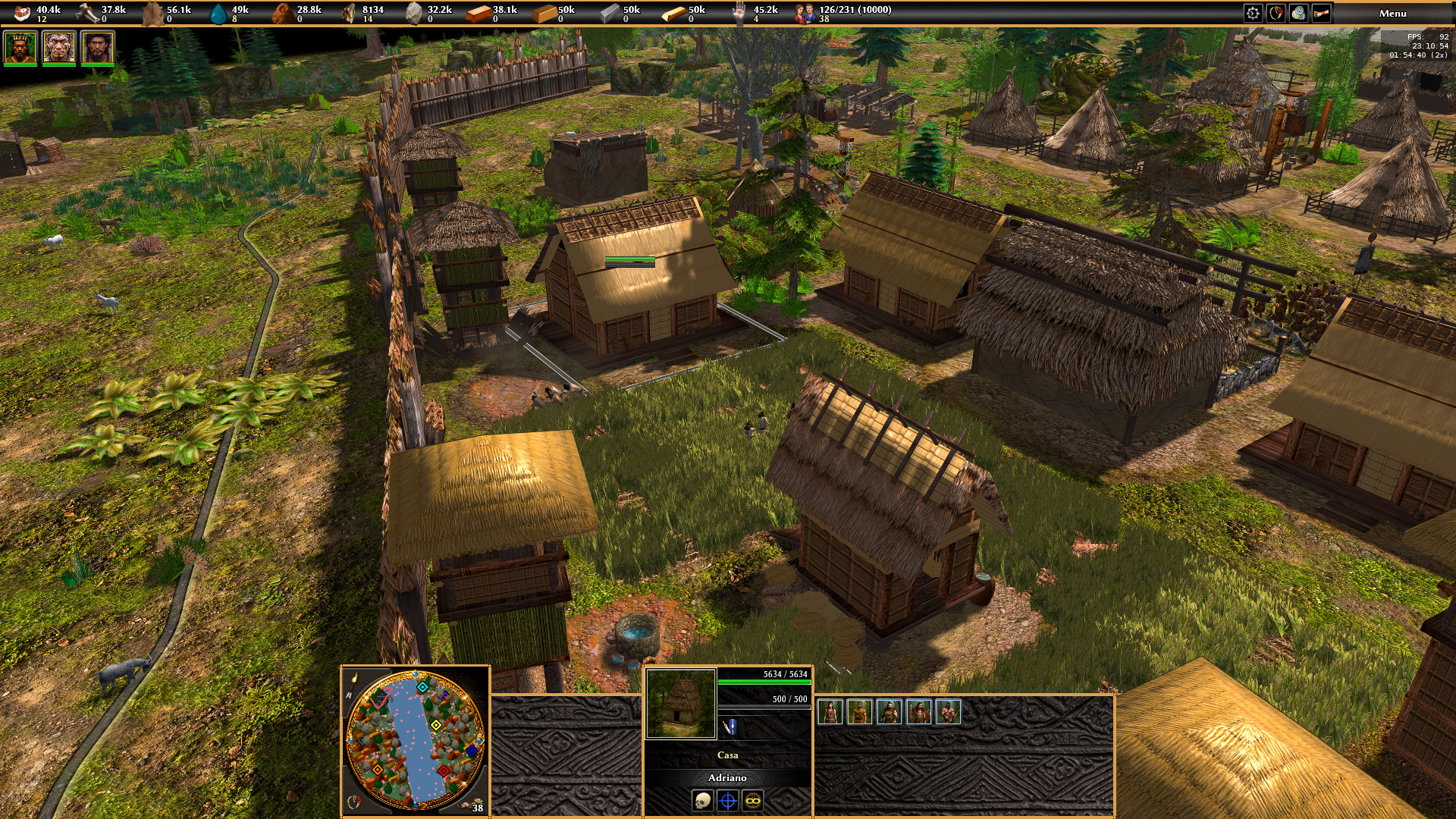
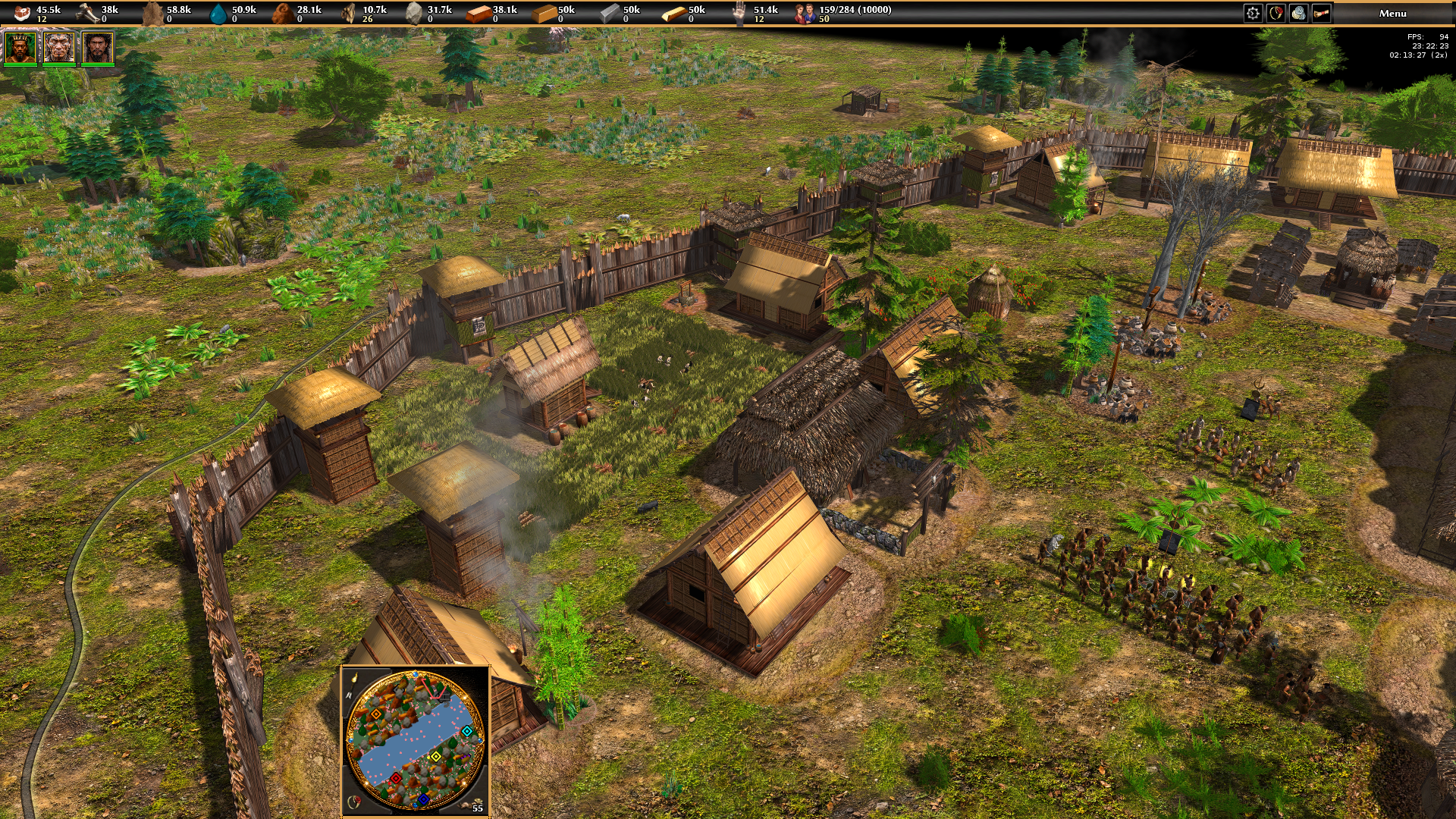
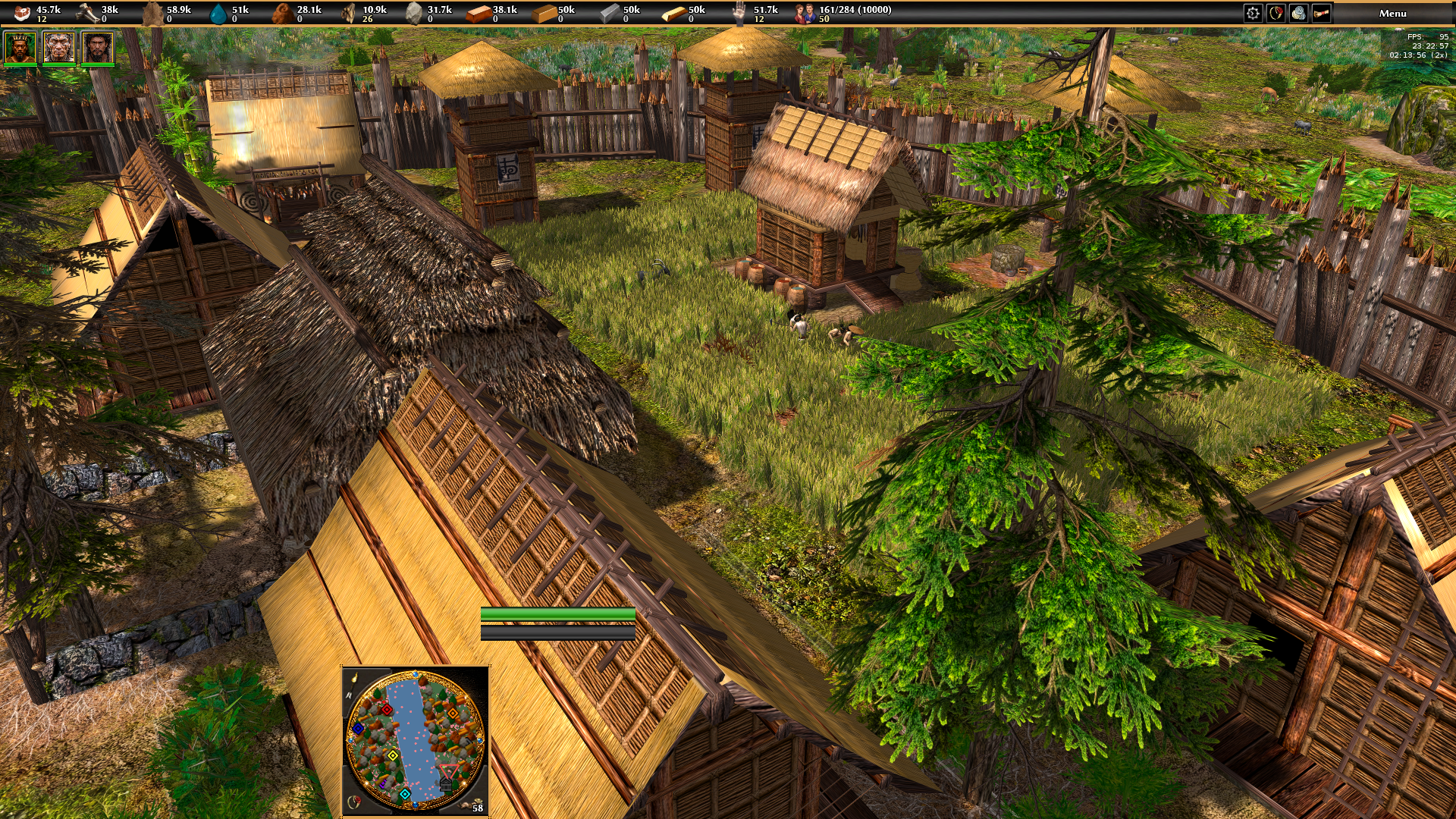
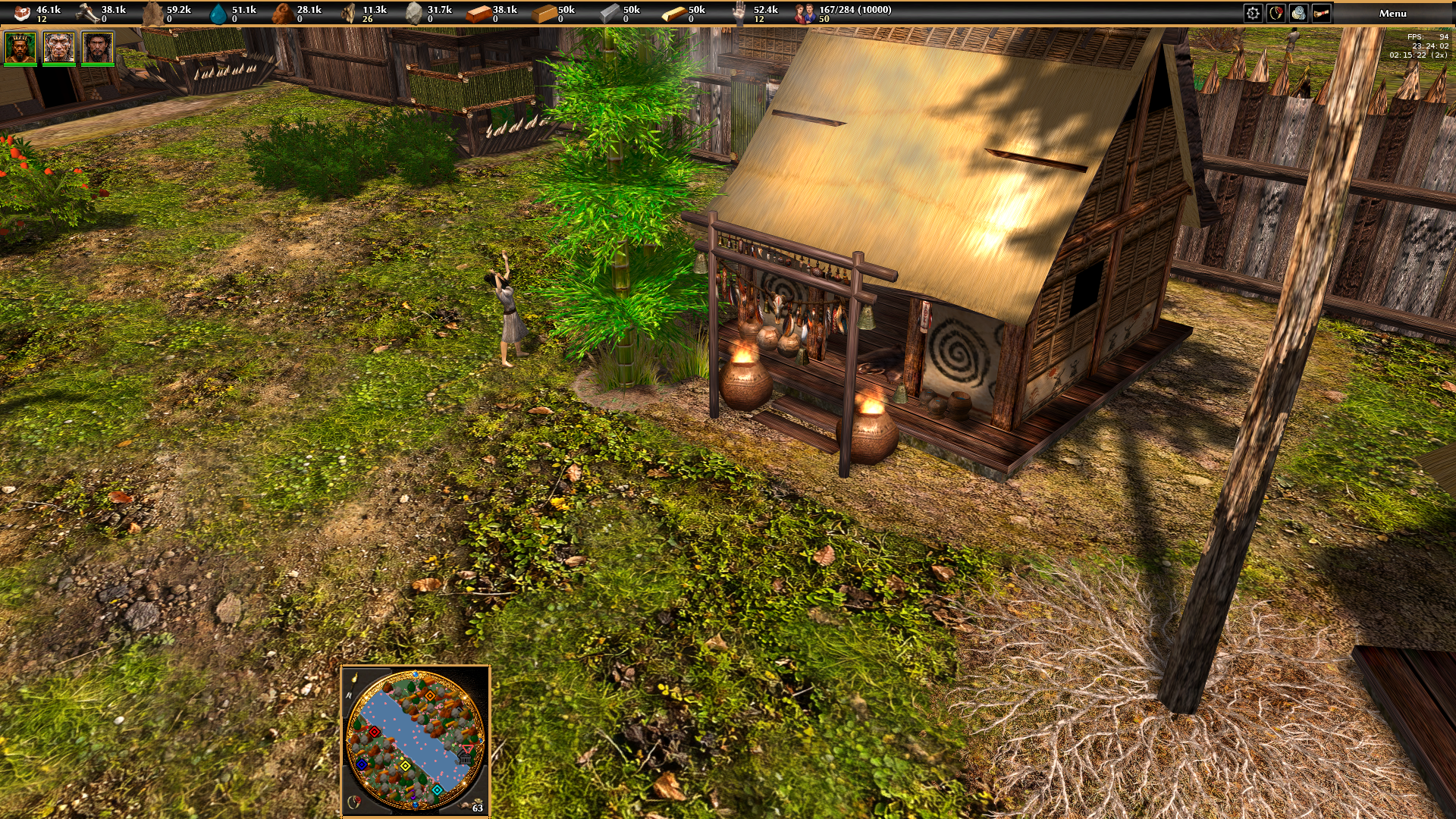
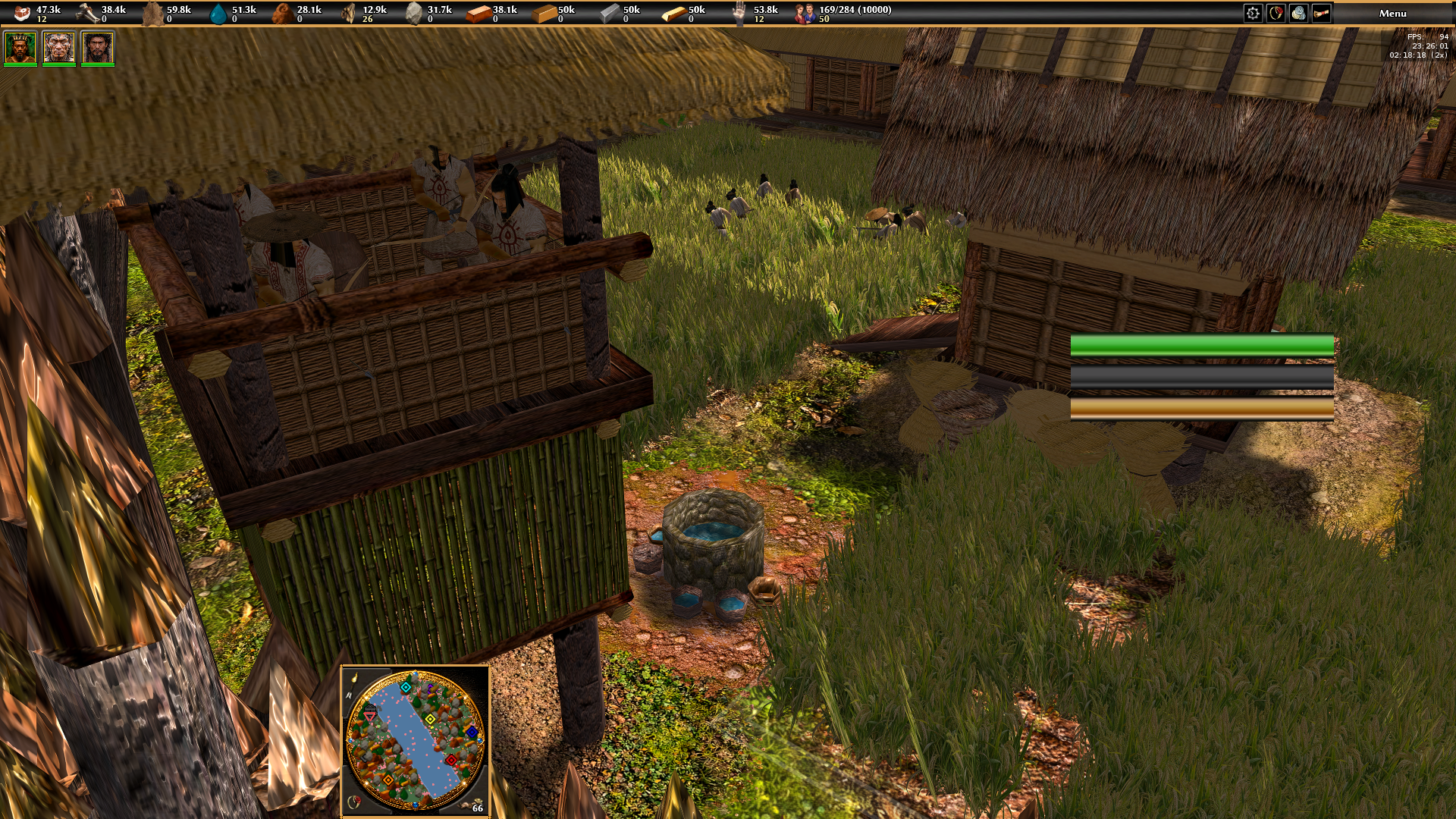
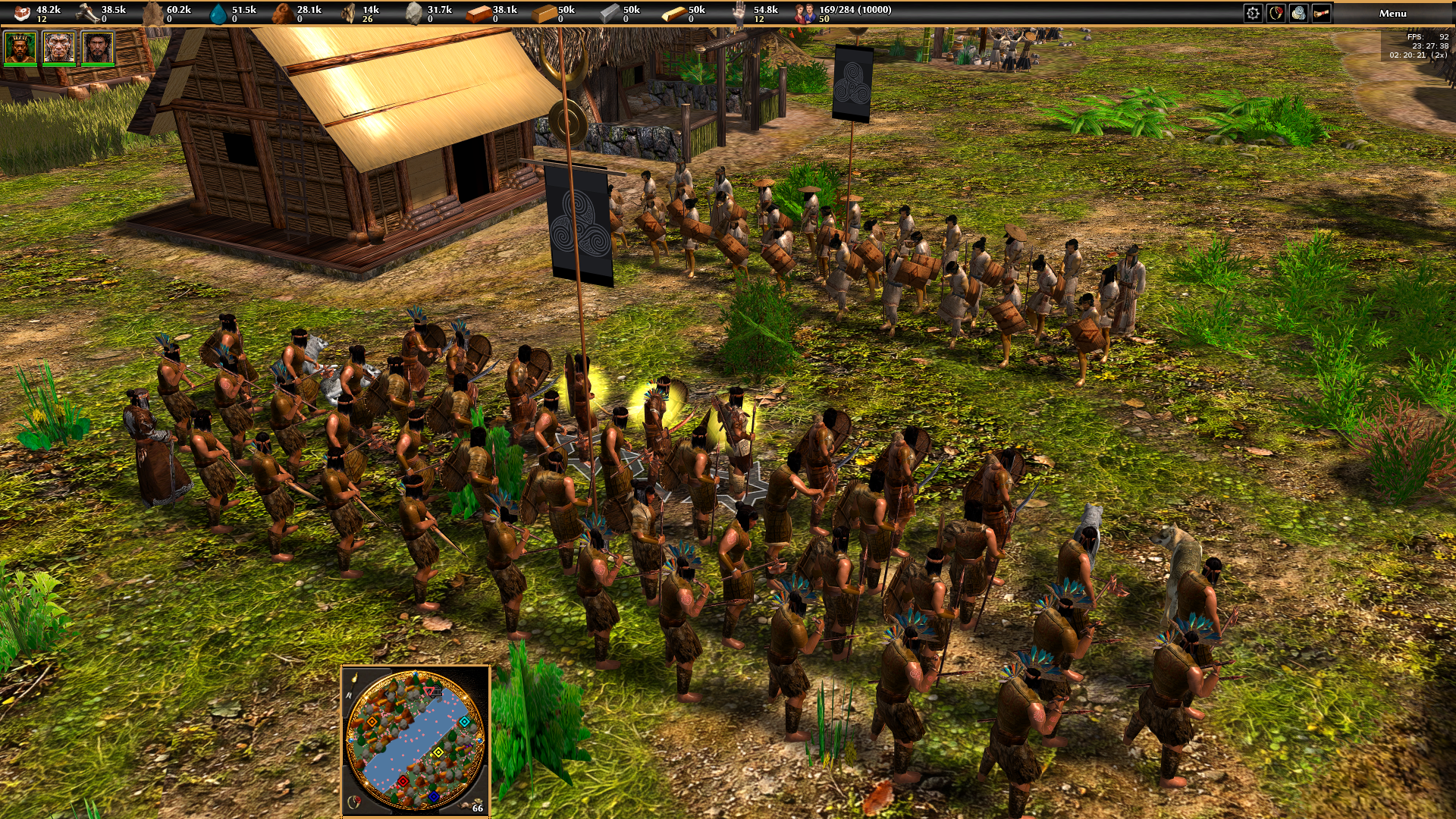
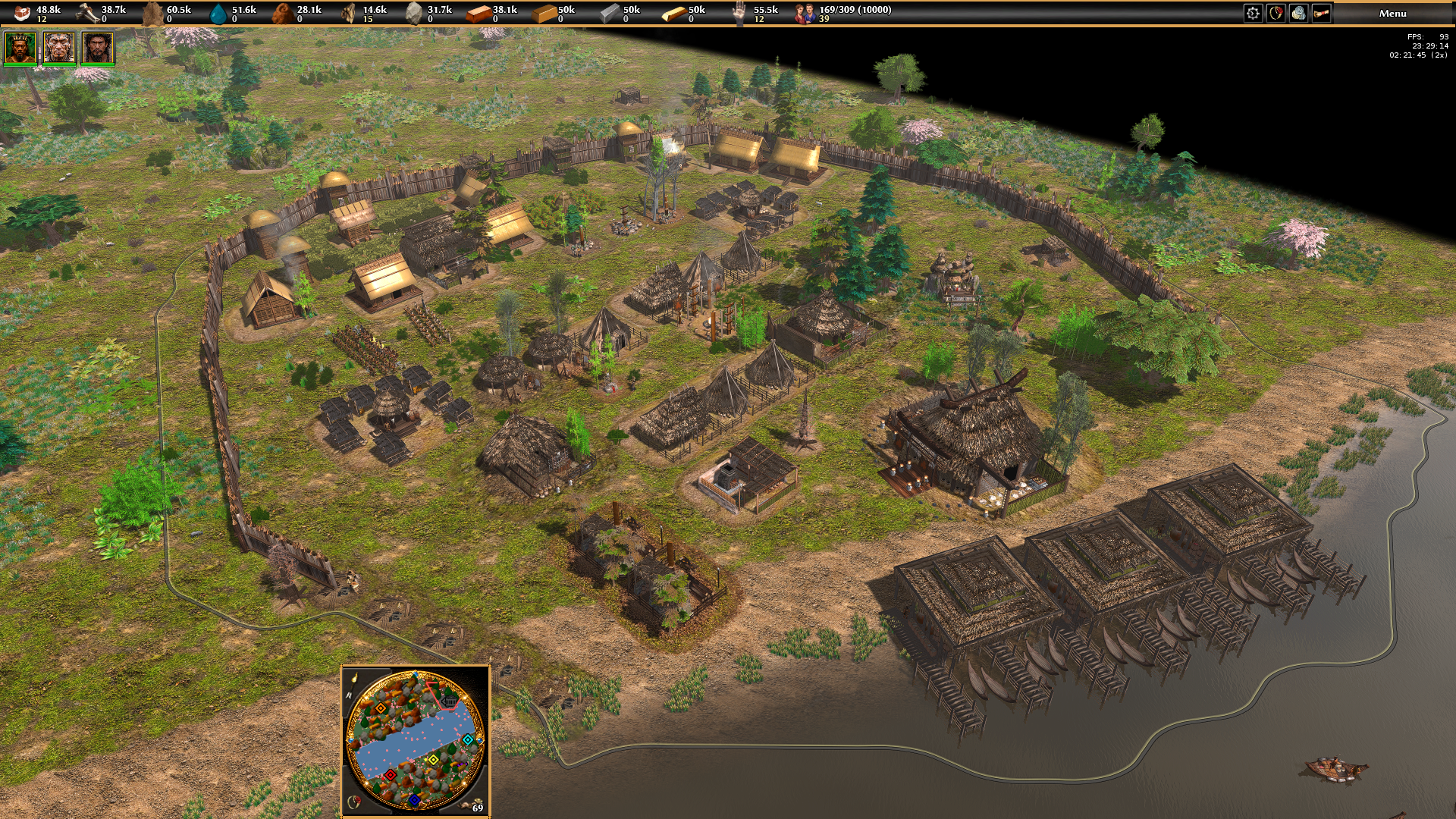
Hey everyone! I’m back with more news about my mod, World Rising! I’m currently working on implementing the Yayoi culture, and one of my main goals is to make players truly feel their civilization evolving gradually throughout the match. When you advance from the Jomon to the Yayoi, I currently plan to keep the buildings from the previous culture in your city. This way, progression won’t simply replace everything instantly. The old buildings will remain functional and will even be able to produce units from the previous culture. It will be entirely up to the player to decide when it’s time to destroy them, replace them with new Yayoi buildings, or even keep some of them. I want this transition to make each city tell its own story, mixing old and new elements as the civilization evolves. It’s completely up to the player to decide what to do with their city! The Yayoi buildings are still not all finished. Since this culture represents a more advanced period, I’m adding a lot more detail to the buildings, both in their architecture and in the smaller decorative elements. And personally, I think the results are looking incredible! =D There’s still a lot more to show, and I’ll be bringing you more development updates very soon. For now, enjoy these images! And please leave a comment! I’d really love to know what you think. Opinions, suggestions, criticism, and compliments are always welcome, as all of your feedback helps a lot with the development of World Rising. Thank you so much to everyone who has been following and supporting the project! More World Rising updates coming soon!
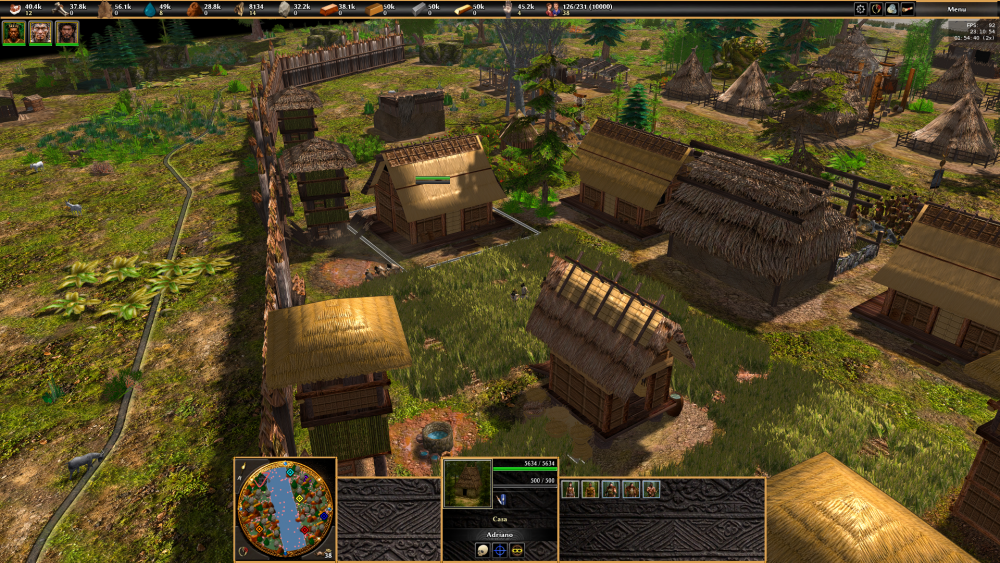
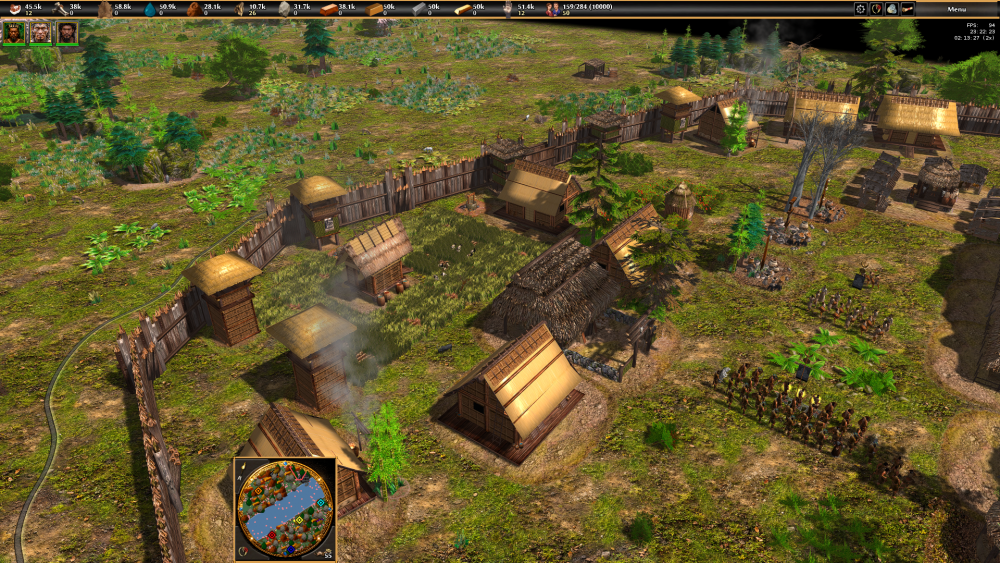
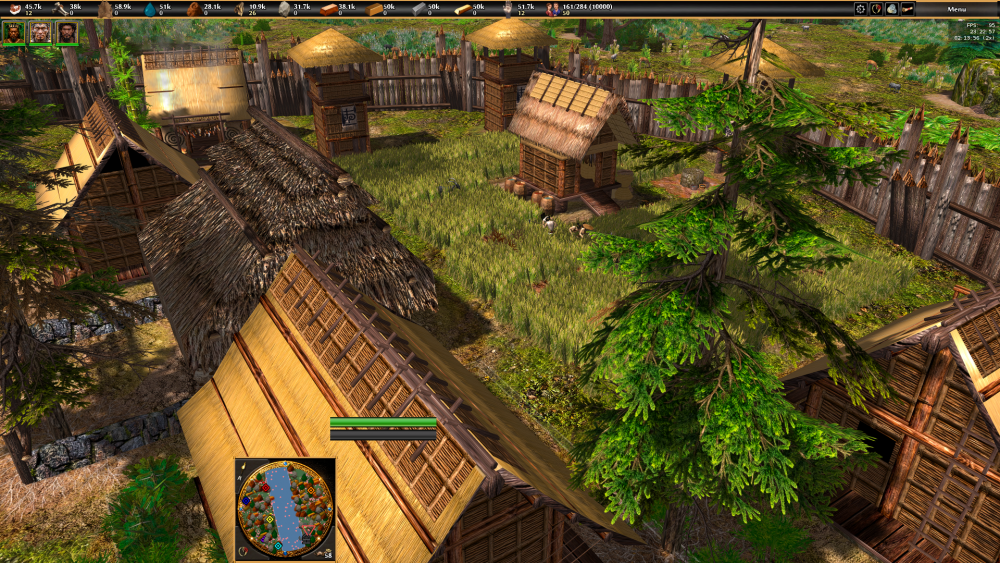
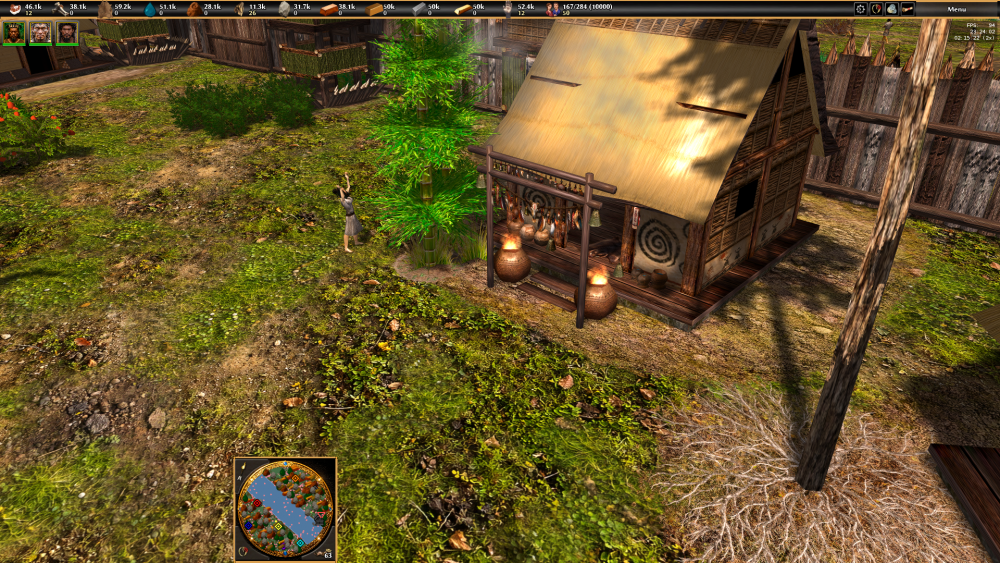
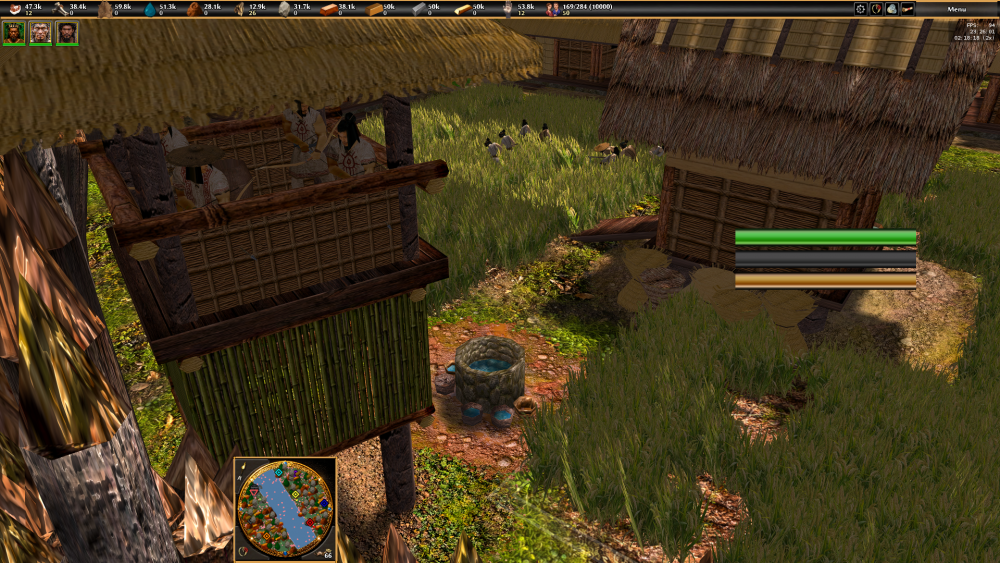
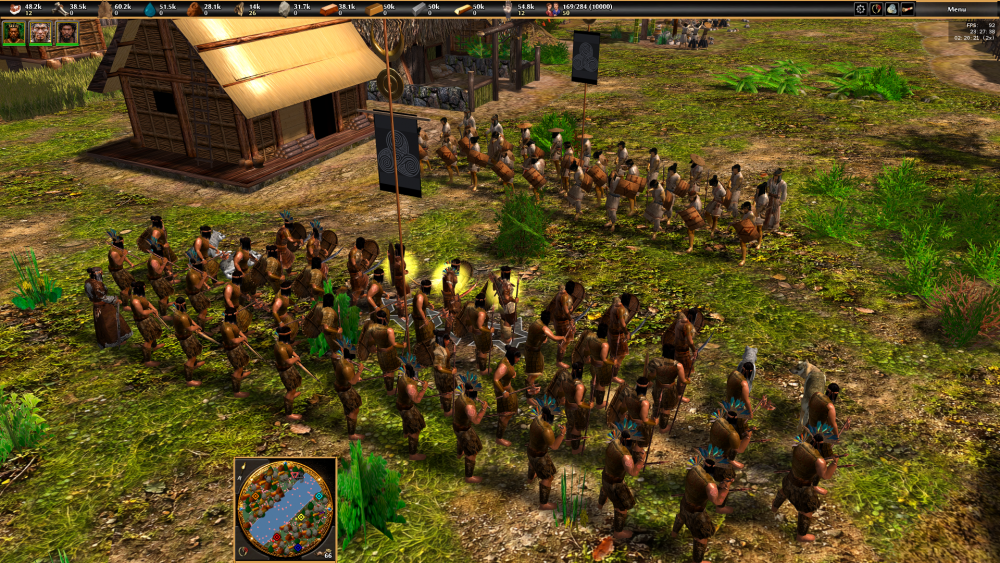
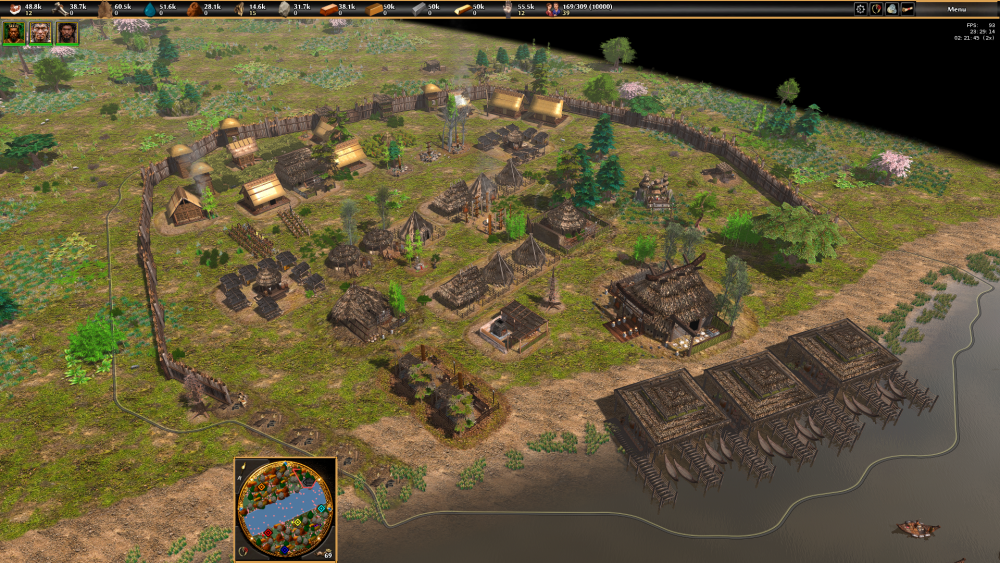 1 point
 -
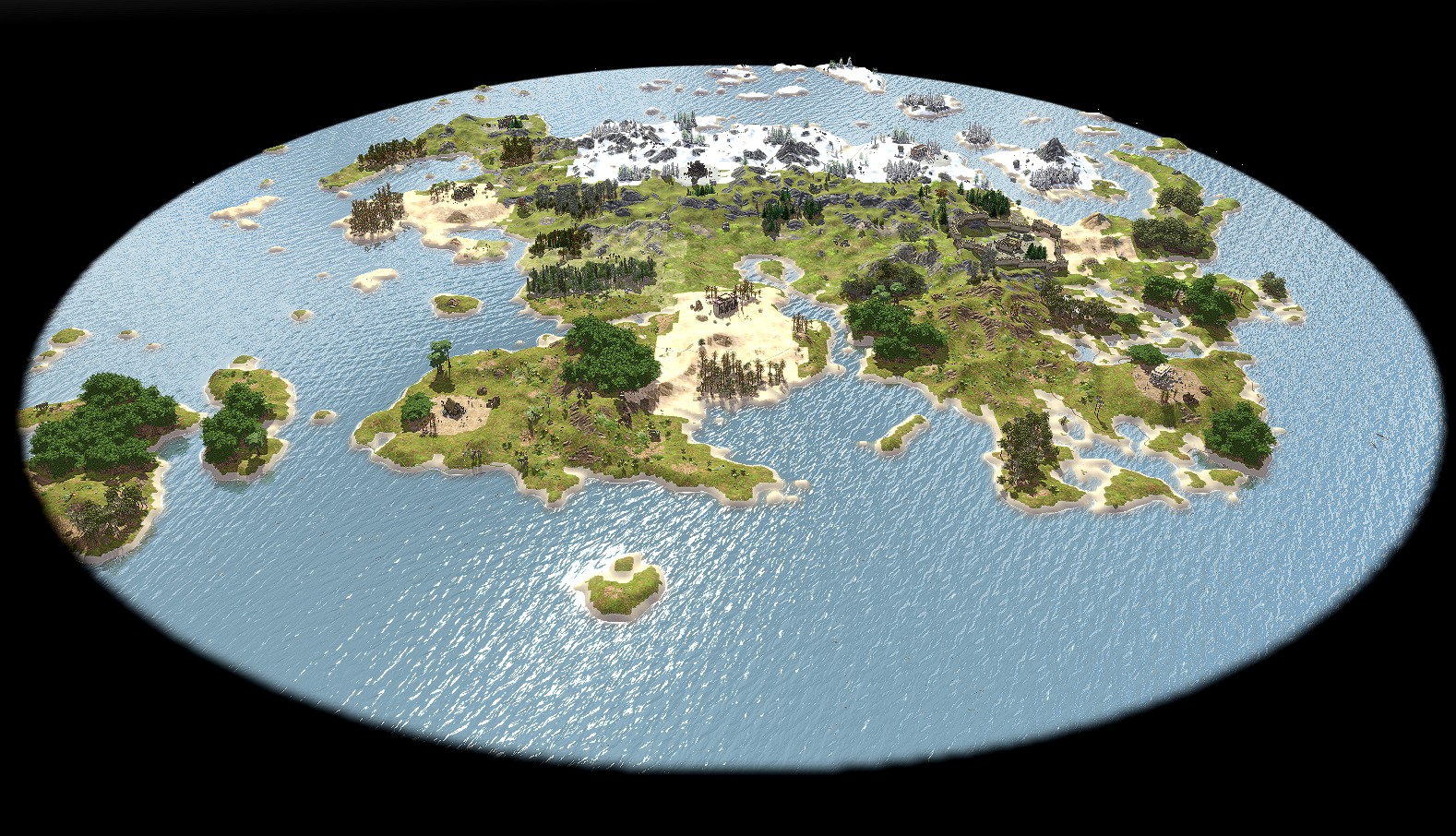
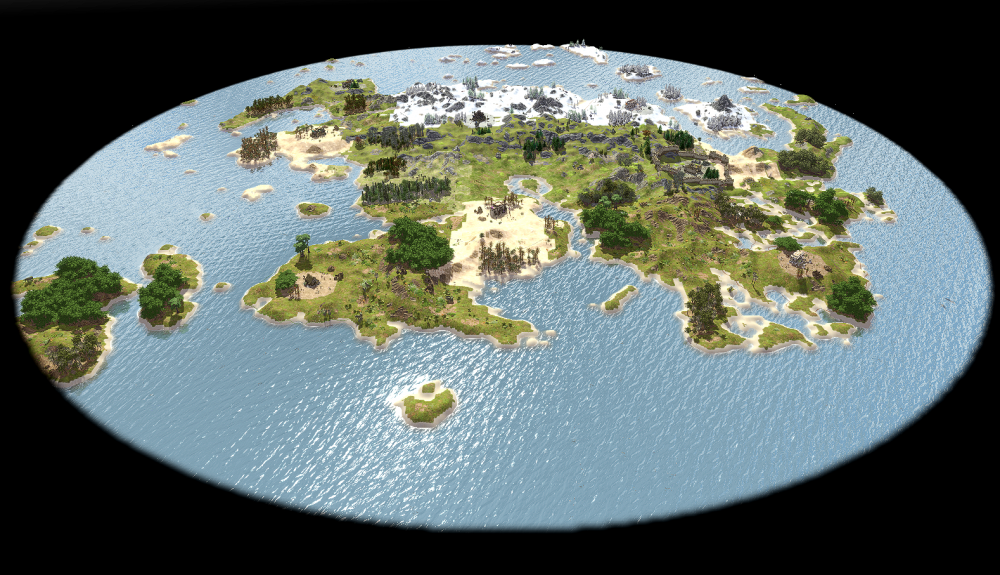
I've been working on a custom random map for 0 A.D. inspired by the continent of Tamriel. It uses a real heightmap to recreate the shape of the landmass, then splits it into distinct climate zones that roughly mirror the regions from the source material: from snowy tundra in the north, to alpine terrain, arid deserts, temperate woodlands, and tropical jungle in the south. The heightmap source is: https://www.nexusmods.com/skyrimspecialedition/mods/573 And I used a simplified version of this work for biomes: I want to thanks both the creators of these artworks. This is the result: And now the sources: tamriel.json tamriel.js You can find it on https://mod.io/g/0ad/m/earth-maps, version 0.28.4
 1 point
 -
My unsolicited two cents on the date (anniversary) of August 2, 216 BC. The Gregorian calendar (current) has been in effect since 1582, but not all Western countries adopted it that year. The Julian calendar was in effect from 45 BCE, but initially the priests incorrectly calculated the leap year (every three years, not every four). This error was not noticed until the reign of Augustus Octavian (probably 5 CE). So, this is where you need to be careful. The date August 2, 216 BC is therefore a proleptic date for both calendars. Of course, before Caesar's reform, there was the Roman calendar. The problem is that it was terribly confusing. Partly because of the structure of this calendar (the unusual length of the year) and partly because of the changes being introduced. Then there is politics – the priests interference to lengthen or shorten the year – which influenced the election of two consuls. In summary. If a Roman chronicler wrote the date: August 2, 216 BC, we don't actually know when it was. In the solar calendar, "when?" is interpreted in relation to the vernal equinox (today is March 20). If a historian were to write that the spring equinox occurred on (and then provided the date) and that the battle took place on August 2, 216 BC, we could refer to that. And so the disputes between historians and astronomers continue. Researchers check to see if a chronicler might have mentioned what phase the Moon was in at the time. They try to find other chroniclers who recorded that moment in their calendars. In short: The anniversary of this battle cannot be celebrated today, in the year 2026, on August 2. What should be done? Establish a Julian Day (JD) for this battle. Next, determine the Julian Day (JD) for the vernal equinox and try to match it to today's date. Best regards. Postscript Some historians believe it should be assumed that this occurred in June, not August.1 point
-
Hi guy me and my friend was trying 0.A.D over network (LAN) but we run out some problems due to losing connection from clients(poor wifi signal from one of the clients). ChatGPT suggested that if we save it we may restore and continue our gameplay without problem, but it is not easy to remember to keep saving just in case, then I asked GPT to create a mod to autosave and it did and it works very well and I would like to share. I don't know it already exists but GPT said there is not such native function. The default autosave time is 300s, but I changed mine to 60s and it doesn't freeze the game while saving. More instructions at github. https://github.com/tiekookeit/0ad_mod_autosave1 point
-
There was a recent proposal to use an area as target instead of focussing on one target (the closest one) only which may lead to an overkill. Possibly the two changes could work hand in hand?1 point