
All Activity
- Past hour
-
 Shad_ changed their profile photo
 -
I had this problem recently, it might be your issue. I have many security certificates installed by various programs in my Windows 10 Personal Store. When 0AD tries to connect, it uses wrong info from the first 'valid' certificate it finds, whereas having none at all connects fine. Reinstalling Windows, Creating a new Windows user or removing the certificates in the Windows 10 Personal Store does the same thing to fix that issue. To check, just hit Win+R and type certmgr.msc and look at the Personal/Certificates folder. If you have certs in there, it may be the issue. I was able to back them up and remove them to test it out. How to back up security certificates May be an issue with how mTLS interacts with Windows
- Today
-
Shad_ joined the community
-
This is an awesome initiative! The variety and strategic depth of the custom maps shared on this page really show how talented and active the 0 A.D. community is. Playing the standard setups can get a bit predictable, so having these fresh, beautifully designed battlegrounds is a total game-changer. Definitely downloading a few of these to spice up my next sessions—huge thanks to everyone contributing their designs!
-
 Hatme Portable Tower Fan Germany:- German consumers are becoming increasingly aware of energy efficiency, particularly as electricity prices remain an important household consideration. A tower fan offers a practical alternative for maintaining personal comfort without substantially increasing monthly energy costs. Order now:-https://beastfitclub.com/hatme-portable-tower-fan/ https://www.facebook.com/HatmePortableTowerFan/ https://www.facebook.com/events/894839129748703/ https://www.facebook.com/groups/hatmeportabletowerfan/ https://www.facebook.com/groups/hatmeportabletowerfangermany/ https://medium.com/@cartersuk1/hatme-portable-tower-fan-germany-review-stay-cool-with-quiet-energy-efficient-airflow-9f9da7731cc6 https://hatmeportabletowerfangermany.systeme.io/ https://hatme-portable-tower-fan-germany-3.jimdosite.com/ https://cartersuk.alboompro.com/post/hatme-portable-tower-fan-germany-review-experience-powerful-quiet-energy-efficient-cooling?post_editing=true https://hatmeportabletowerfangermany.omeka.net/ https://hatmeportabletowerfangermany.blogspot.com/2026/07/hatme-portable-tower-fan-germany-review.html https://app.trupeer.ai/view/5mzZbbwWg/hatme-portable-tower-fan-germany-review-the-ultimate-space https://scribehow.com/o/wlJPDlDRRoeFYoON4BA0FQ/viewer/Hatme_Portable_Tower_Fan_Germany_Stay_Cool_with_Powerful_and_Portable_Airflow__YQfuwCraRZSicfZxKuoEFA’ https://www.postermywall.com/index.php/e/online-business-professional-hatme-portable-tower-fan-germany/dfb6651f62fe0900edb253fcc1eba5eb https://sites.google.com/view/hatmeportabletowerfangermany
-
Is there a hotkey for selecting units with more experience?
Gurken Khan replied to Blackhydra's topic in Help & Feedback
I'm very much for keeping the "injured" selection. -

Is there a hotkey for selecting units with more experience?
Thalatta replied to Blackhydra's topic in Help & Feedback
It could be different to the point of changing the outcome of the next battle, for example: if he needs half his CS to fight, and the other half to collect resources, and they are all of the same rank, but have different experience, then choosing the half with more experience to fight would be the better option, expecting a higher proportion to rank up during the next battle. It's a detail, but in theory having sliders to filter those with HP, experience, etc, higher or lower than the chosen value from a selection could be a thing (I know there's the "injured" selection, but this could replace that, being clearer and more flexibly customisable). -

Is there a hotkey for selecting units with more experience?
hyperion replied to Blackhydra's topic in Help & Feedback
Just experience doesn't change anything, it's only used for promotions. You can double click to get all units of the same type and if you triple click you can limit the selection to the same rank. Generally micro isn't of much relevance until you become really really good at the game, so I'd suggest to focus on macro instead. -
 Blackhydra changed their profile photo
 -
When I play, I often (after a battle) try to select all of the soldiers with high experience. It always takes a big amount of time which often also results in me losing. So do we have a hotkey for this or should I simply just not try it because it takes so much time?
-
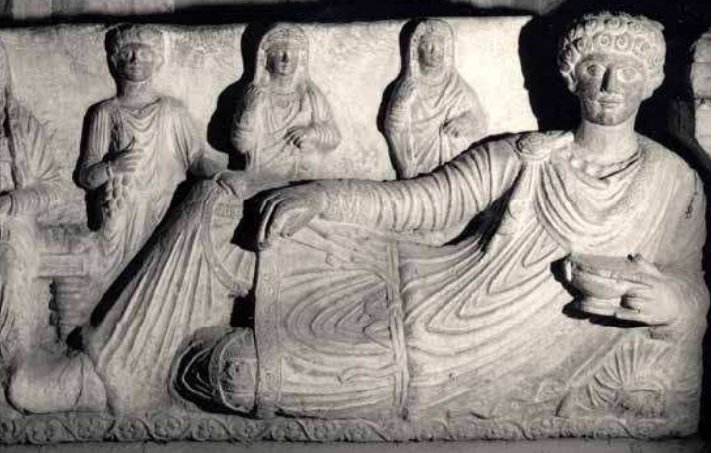
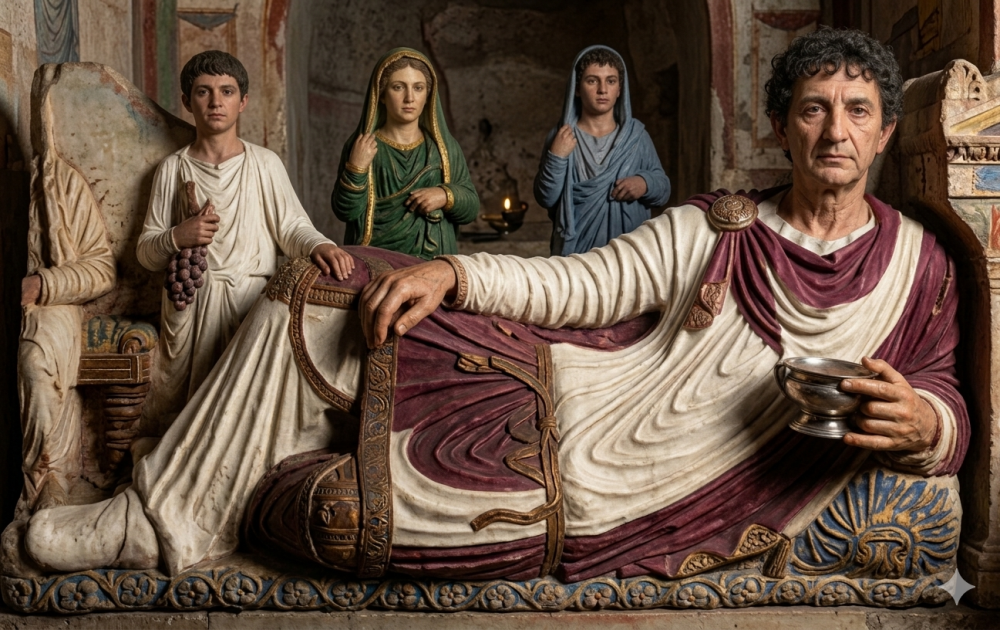
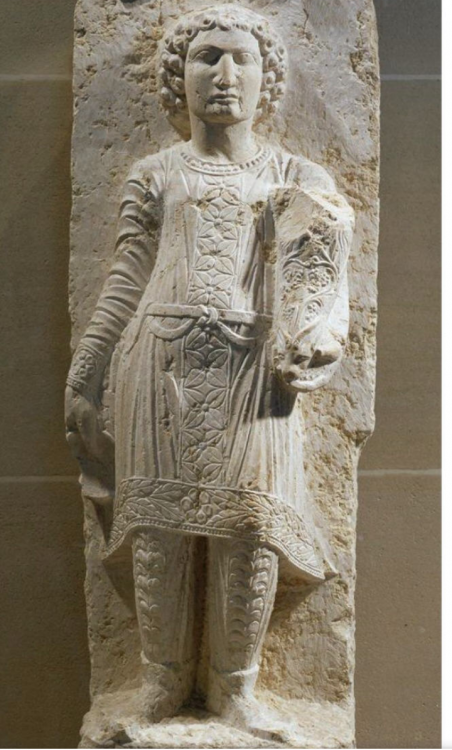
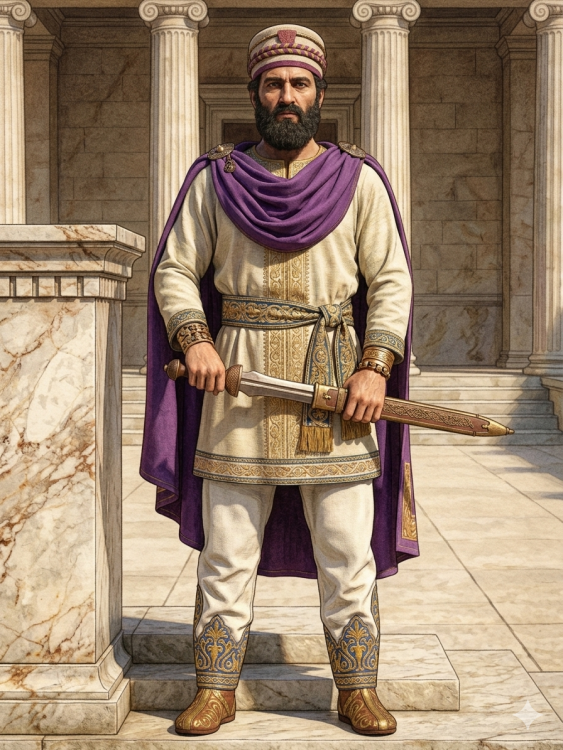
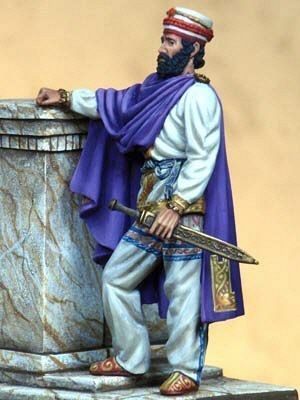
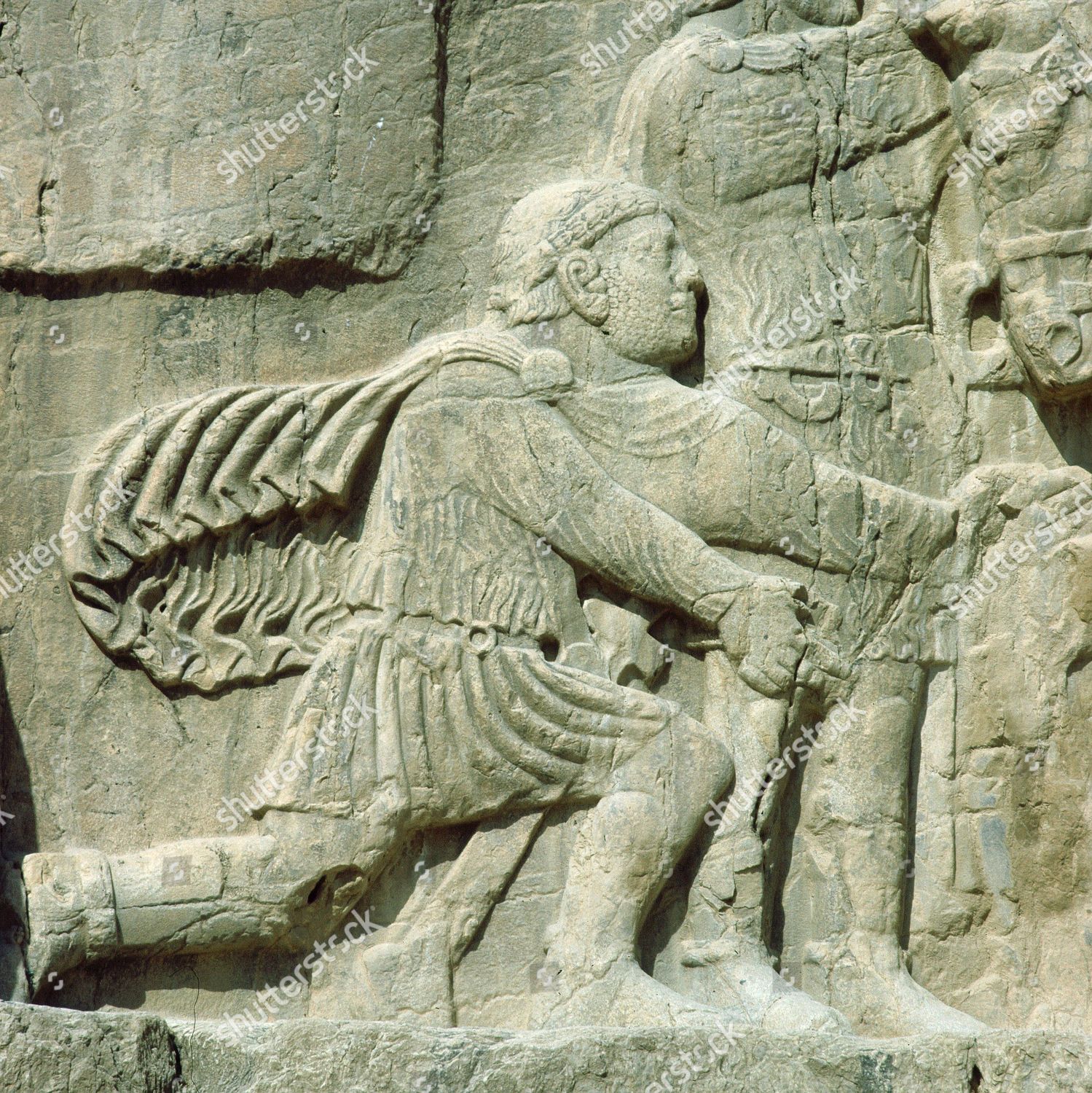
It's definitely a cross between Roman clothing and Parthian. Valerian and Shapur I look quite similar.
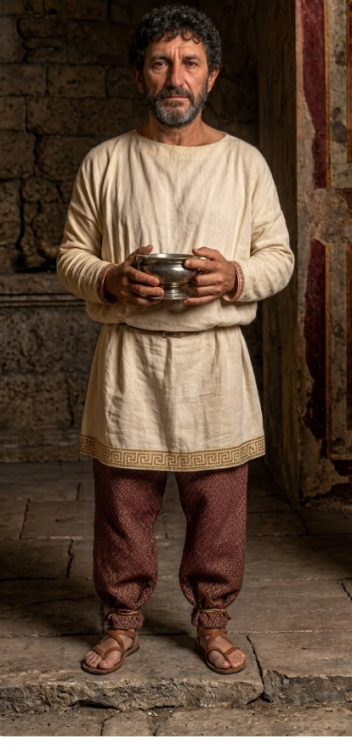
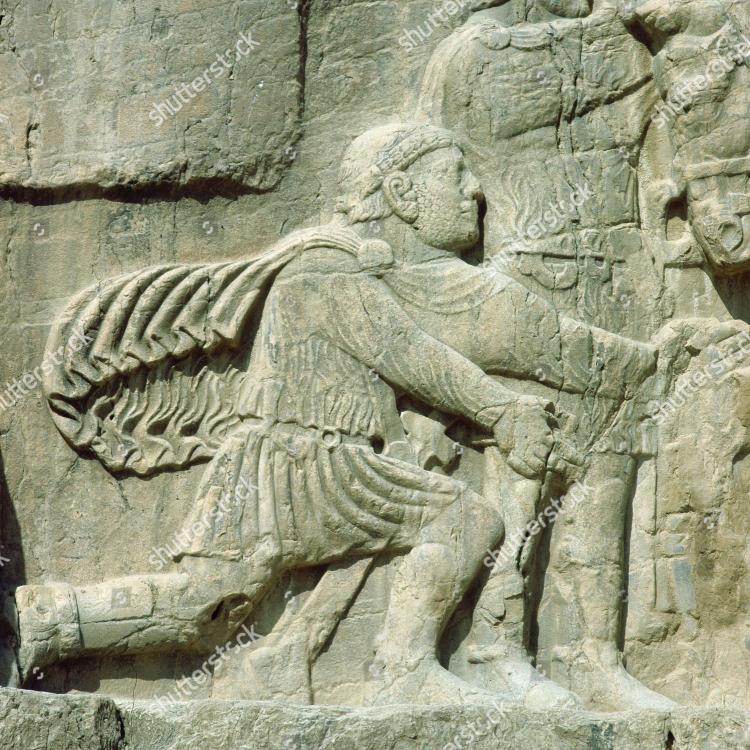
.thumb.jpeg.d3eb1d41bbf2d8422a92d072e9a199ce.jpeg)
-
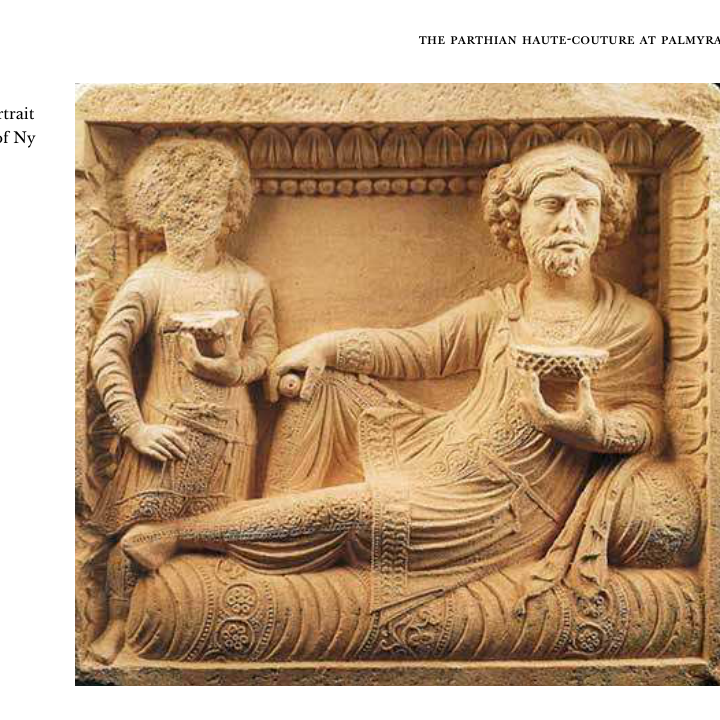
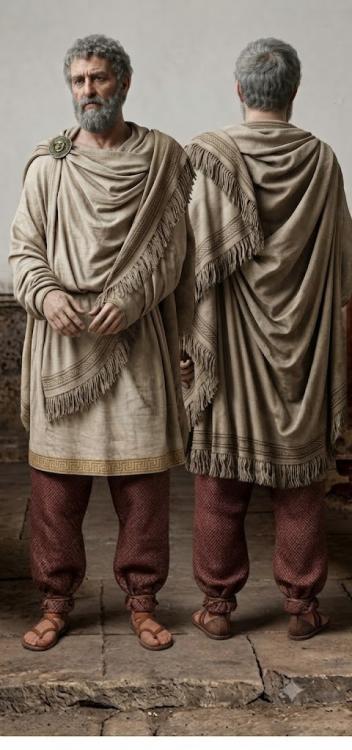
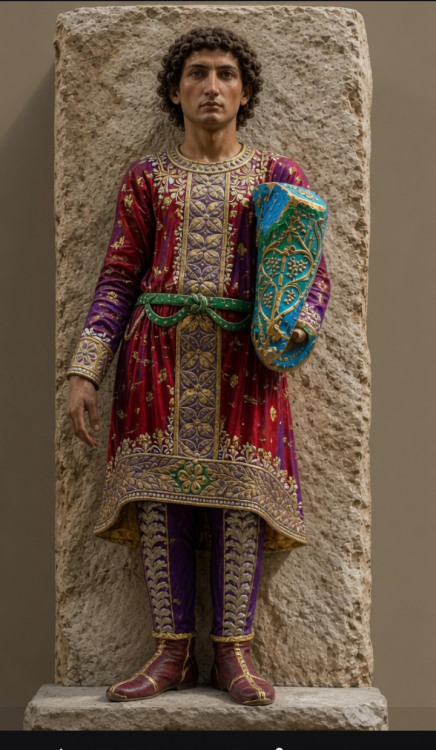
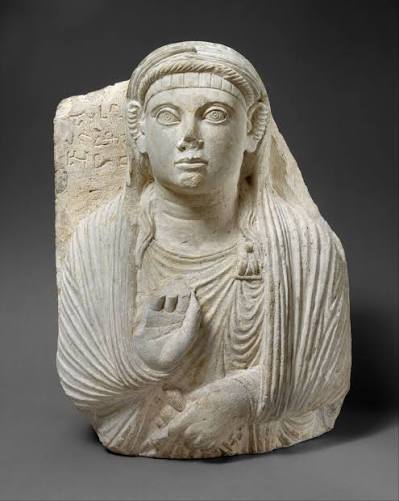
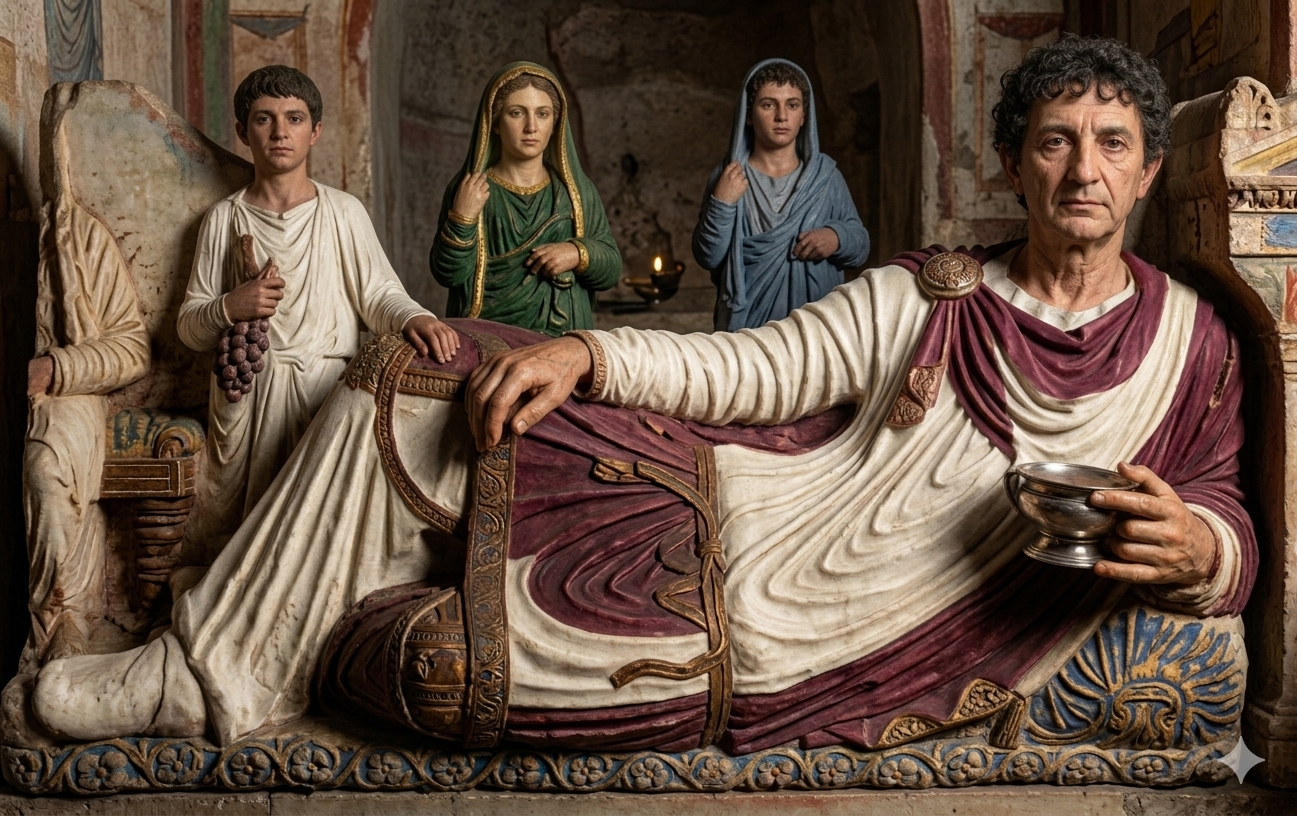
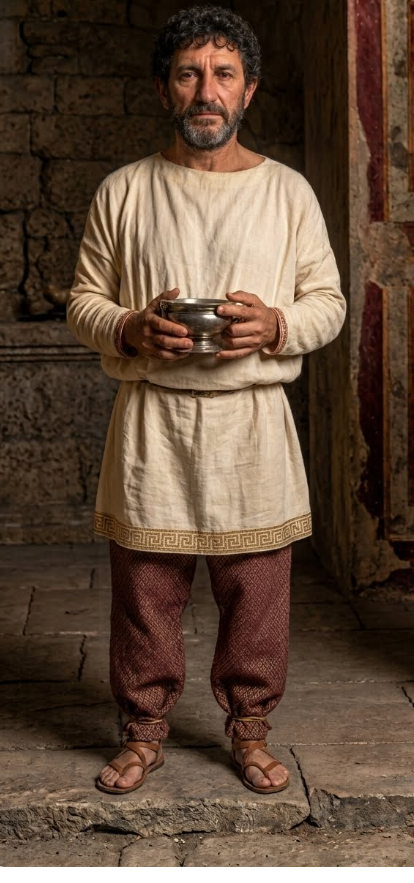
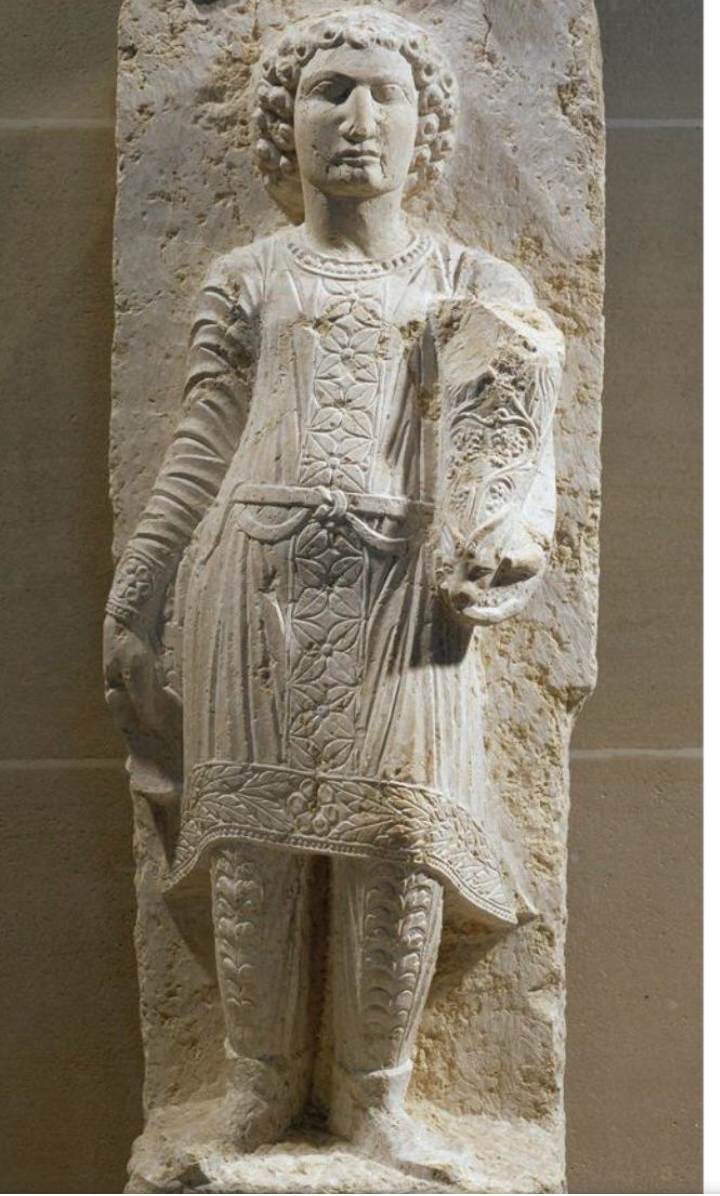
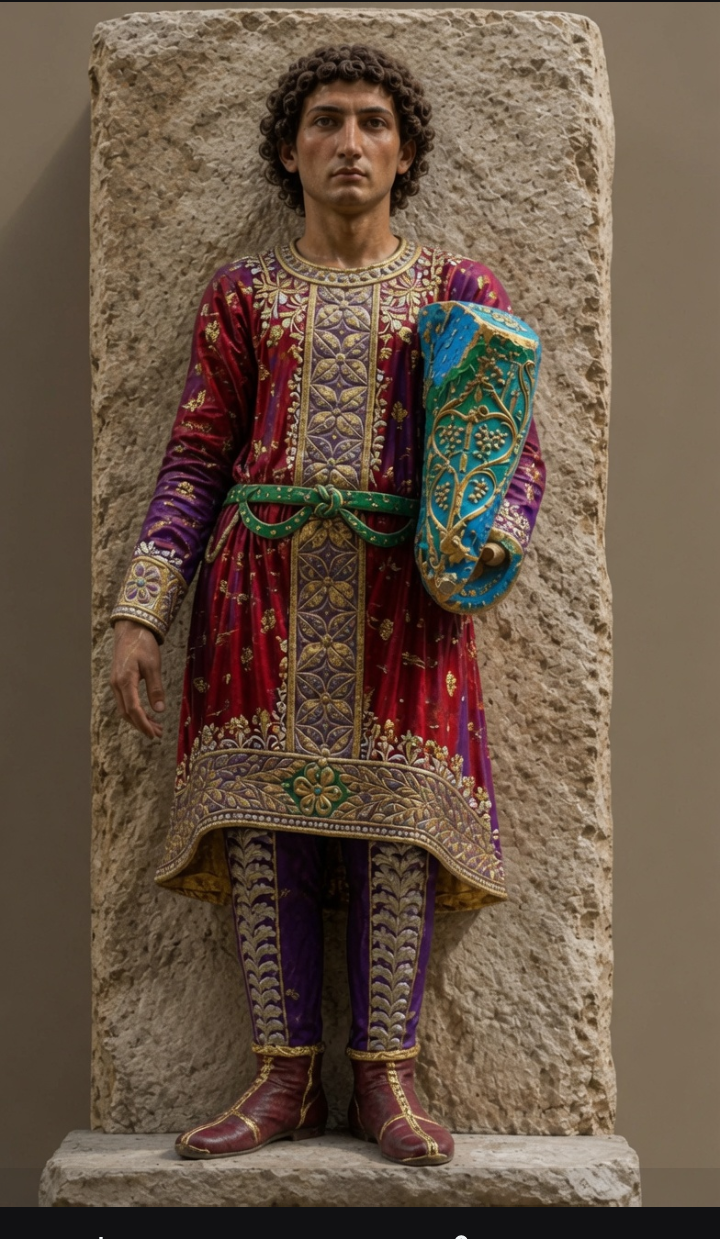
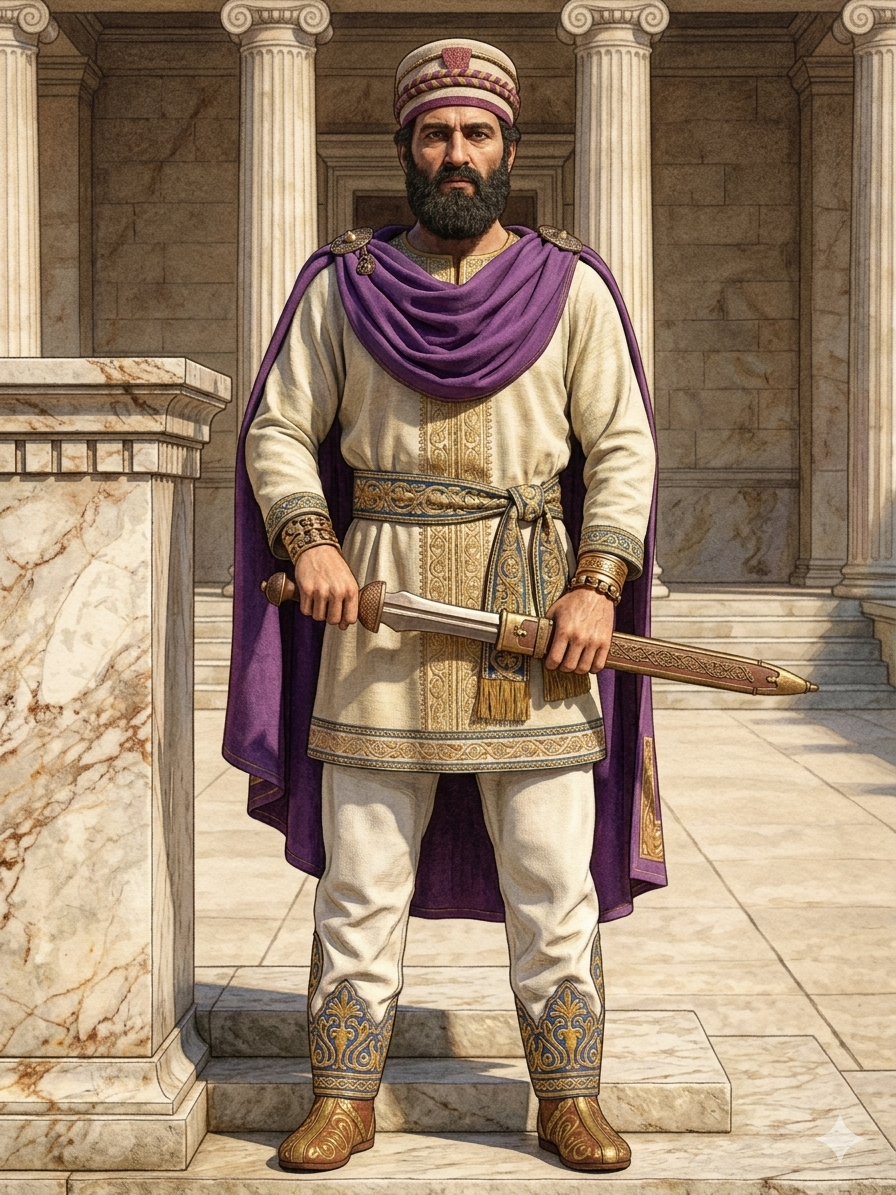
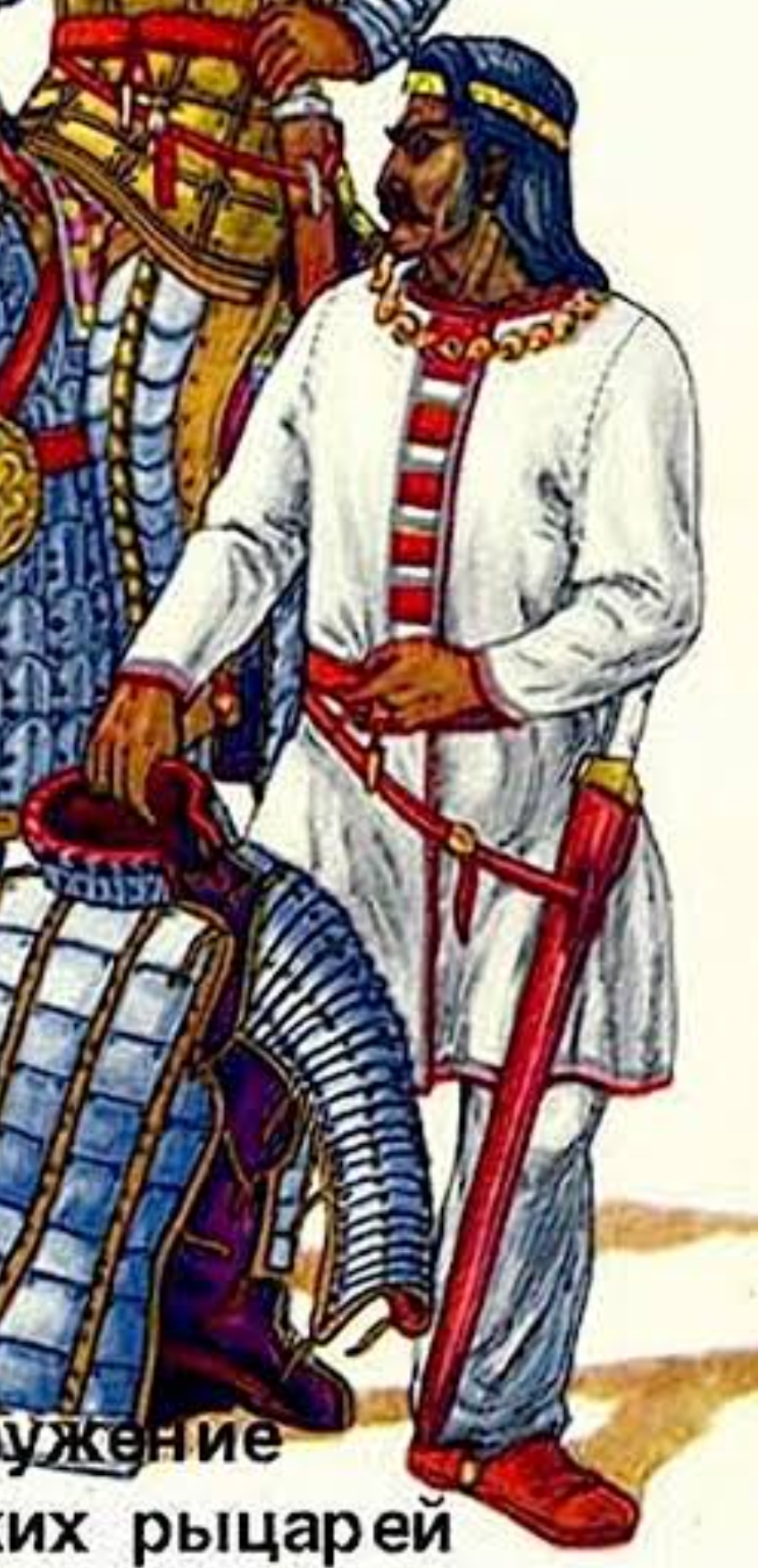
Banquet reliefs at Palmyra often depict young men in attendance dressed in almost identical outfits to their master. Their costume consists of a belted roundnecked, long-sleeved tunic with a decorative band on the neckline, cuffs and hemline, a cloak, tight trousers.
-
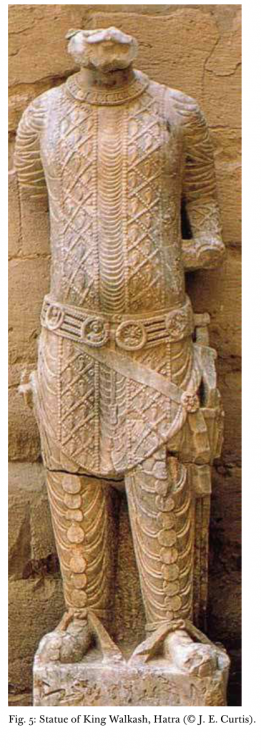
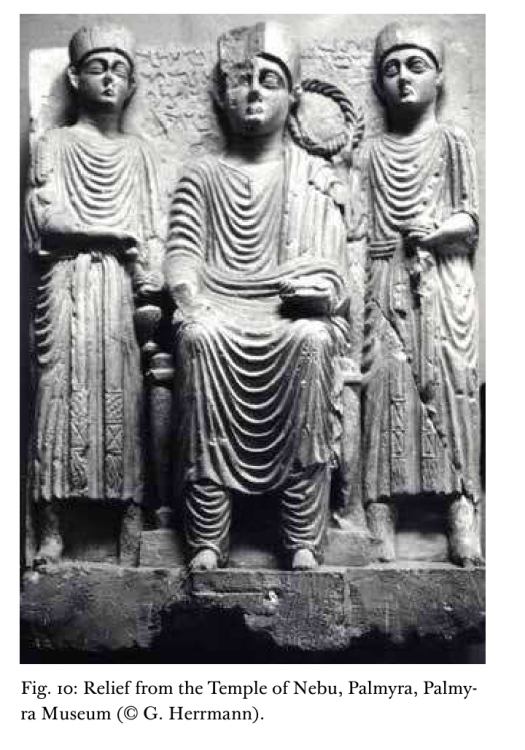
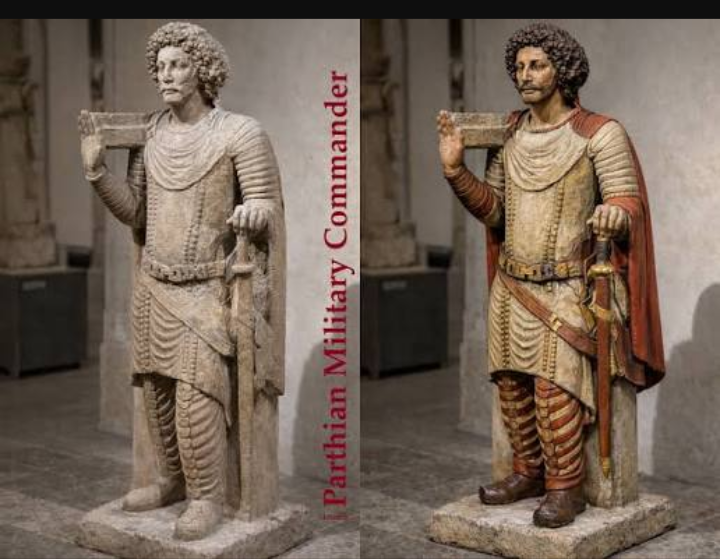
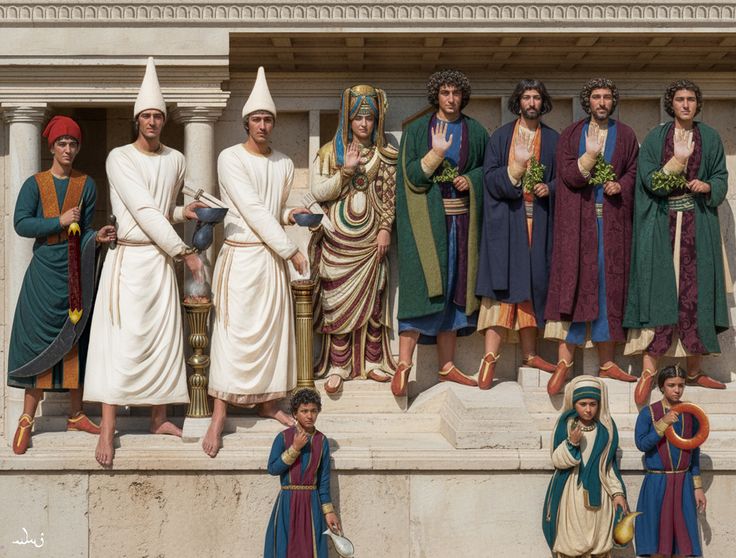
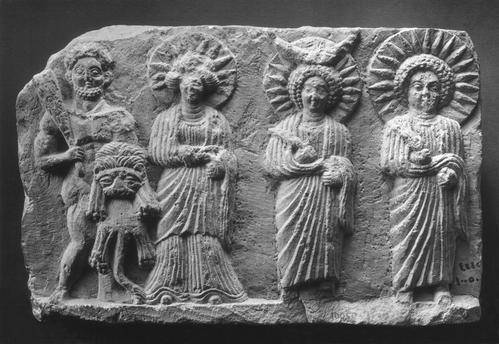
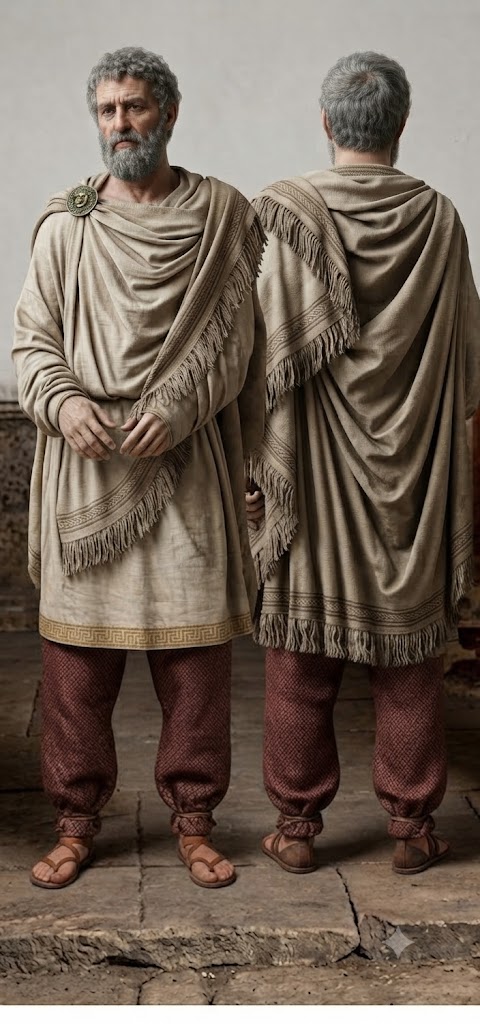
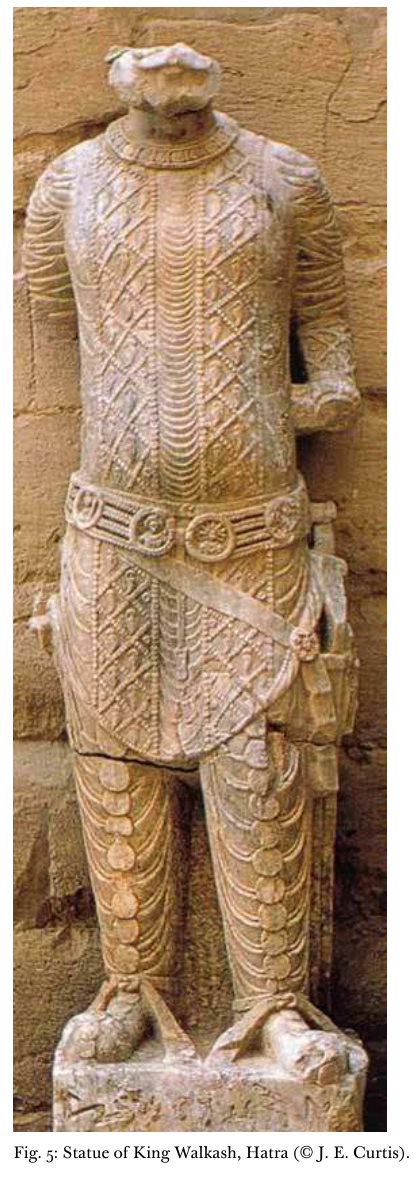
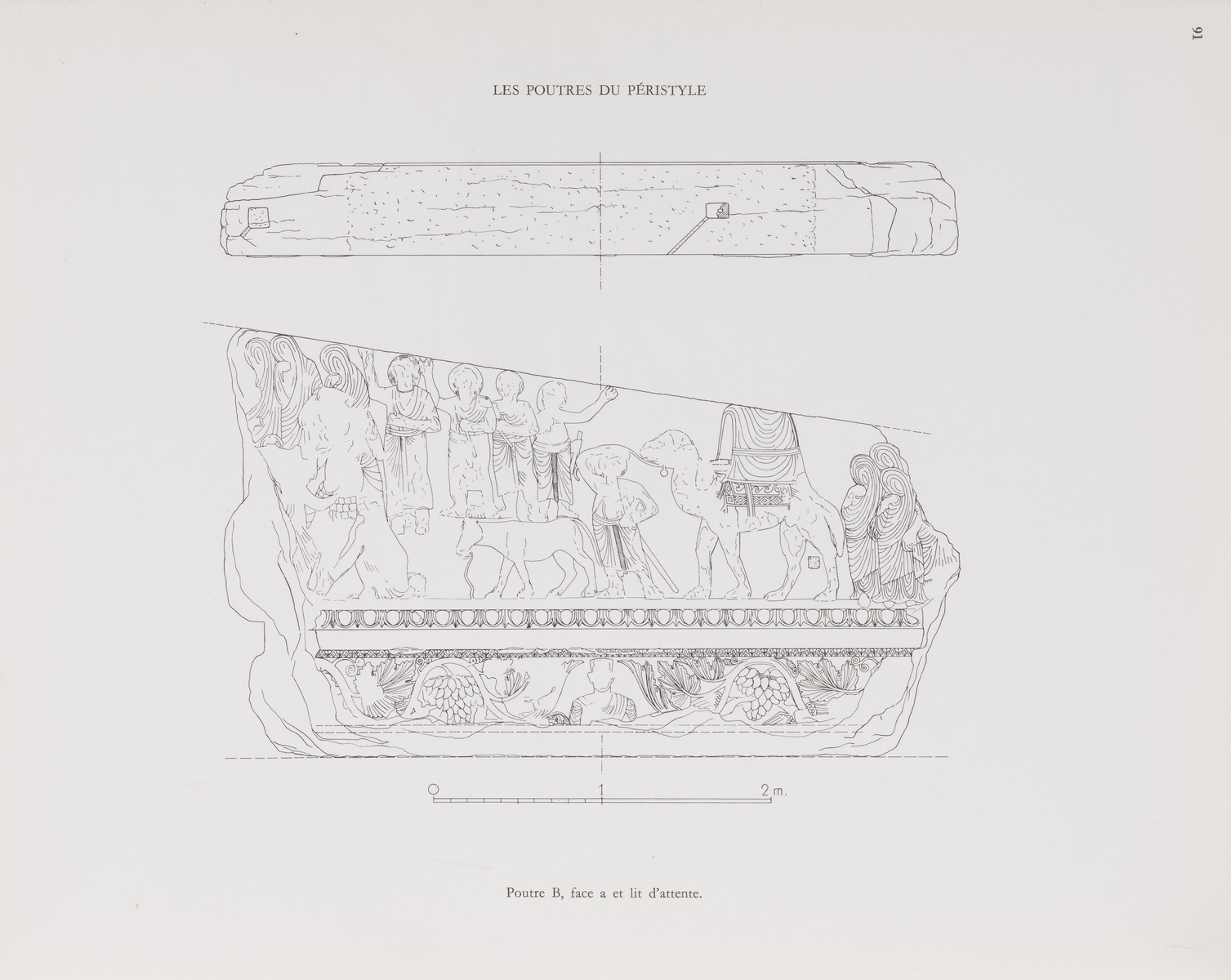
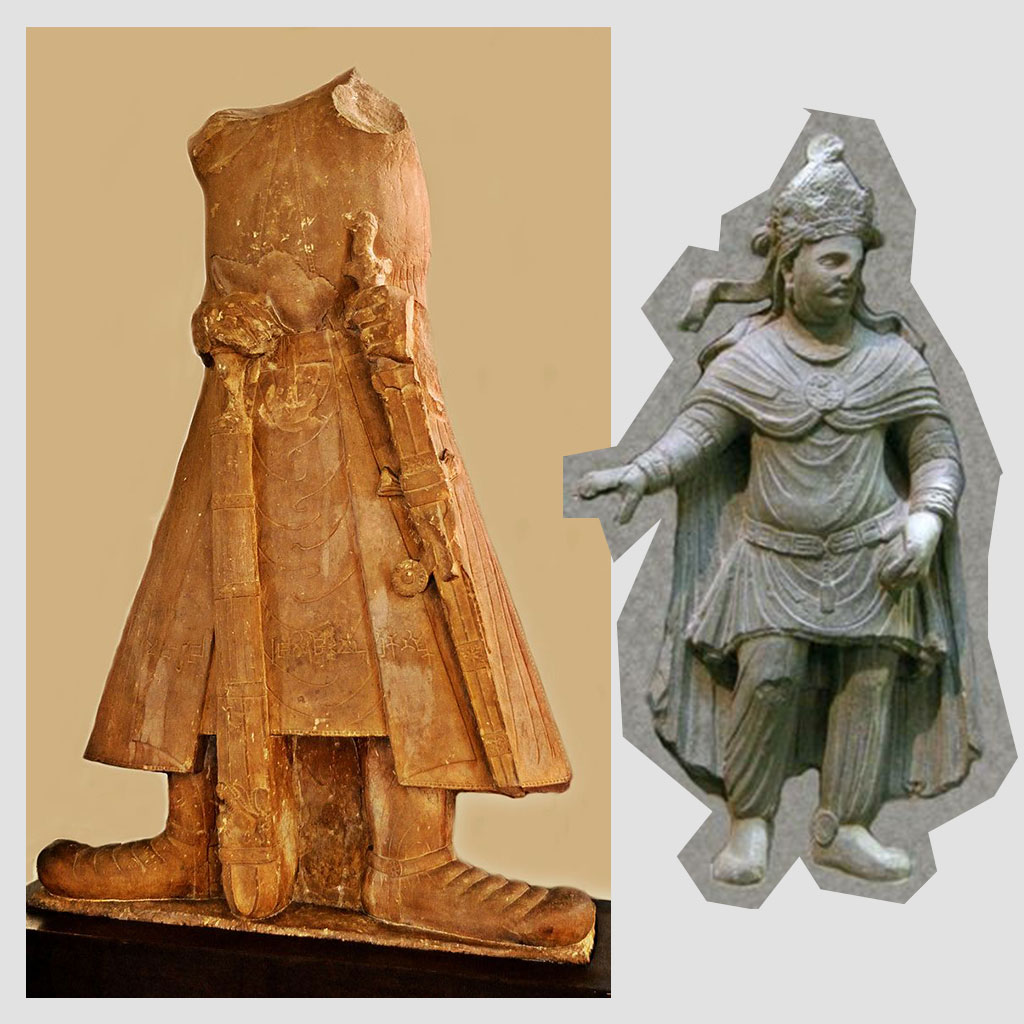
Parthian fashion, especially Hatra's, influenced Palmyra's style...The_Parthian_haute_couture_at_Palmyra.pdf --- The document analyzes how the dress of Parthian origin (Iranian) became a symbol of prestige among the elites of Palmyra during the I-III centuries AD, despite the fact that the city belonged politically to the Roman Empire. The author argues that this fashion arrived thanks to the intense commercial contacts between Palmyra and Parthian Mesopotamia, and that its use reflected wealth, prestige and cultural identity more than a political affiliation suit are also known from late Parthian-period reliefs and statues in Iran and Mesopotamia. In Elymais in southwestern Iran a long-sleeved long sash is often worn in addition over the left shoulder. 10 The art of the semi-independent kingdom of Hatra has also produced many examples of the trouser-suit (fig. 5). Here, male worshippers and some of the gods wear elaborately decorated belted tunics which are combined with baggy trousers. Floral and geometric designs running down the centre of the tunic and the At Palmyra there are many funerary and religious reliefs – and some statues – showing male figures dressed in the Parthian fashion. In addition, actual finds of textile fragments from Palmyrene tombs suggest that in the first to third centuries AD a large part of the population adopted the Parthian fashion, while others were dressed in the Roman style of the time. 12 The trouser-suit at Palmyra consisted of a round-necked long-sleeved belted tunic – short, knee-length and long trousers and/or leggings. Often a cloak fastened on the shoulder was worn, or a himation was draped. An early example of the Parthian costume occurs on the architectural reliefs of the Temple of Bel. 14 The ‘Foundation T’ relief shows a headless rider figure looking right and wearing a round-necked (?) longsleeved belted tunic, a shoulder cloak and wide trousers/leggings (fig. 6). A decorative vertical band with dots (pearls?) runs down the side of the trouser leg. A similar (divine?) rider figure, but turning left, wears an almost identical outfit with a decorative cable pattern band on the side of the trouser leg. 15 Relief decoration on the stone beams of the Bel Temple shows that trousers were also used to dress divine beings. For example, the god Aglibol wears a long-sleeved tunic with a cuirass, a cloak and wide leggings with the ornamental band at the side of the trouser legs rather than in the centre (fig. 7a). Wide leggings with diagonal folds fall over his shoes. The leggings were probably attached to suspenders covered by the tunic and were pulled up at the outside of the thighs. 16 On the so-called ‘Offering scene’ of the Bel Temple male figures wear a draped himation over long tunics. The legs of two figures on the left are covered with leggings/trousers (fig. 7b). Trousers are also worn on a late first century altar relief from the sanctuary of Baalshamin. Here, the god Malakbel appears with a bushy curly Parthian hairstyle, 17 and next to Malakbel and his chariot stands a dedicant wearing a long sleeved tunic, a draped himation and wide trousers. The funerary art of Palmyra also provides us with many examples of male figures dressed in tunics and trousers. 24 A relief from the tower tomb of Kitôt in the Valley of the Tombs of AD 40 shows the principal reclining figure in the presence of his wife and two sons. Kitôt wears a long-sleeved round-necked tunic, a draped himation and wide trousers with a decorative band; traces of greenish/blue colour were discovered on his trousers. 25 A draped himation over the tunic is male figures, probably priests, at Hatra and Dura Europos during the second and third centuries AD. 27 Banquet reliefs at Palmyra often depict young men in attendance dressed in almost identical outfits to their master. Their costume consists of a belted roundnecked, long-sleeved tunic with a decorative band on the neckline, cuffs and hemline, a cloak, tight trousers 26. Curtis 1993, pl. XXIb. ---These also catch my eye.--- Perhaps the pants should look looser. I made these but they should wear pants or trousers. At least I know that the garment worn over the main robe has a name and has already been mentioned several times. Himation (rectangular woolen mantle that was draped over the chiton, much like the simlah or me'il). Philosophers, teachers and elders were frequently represented with this combination.
.thumb.png.2725c97d1ba14a8dde4c48ee8b034614.png)
-
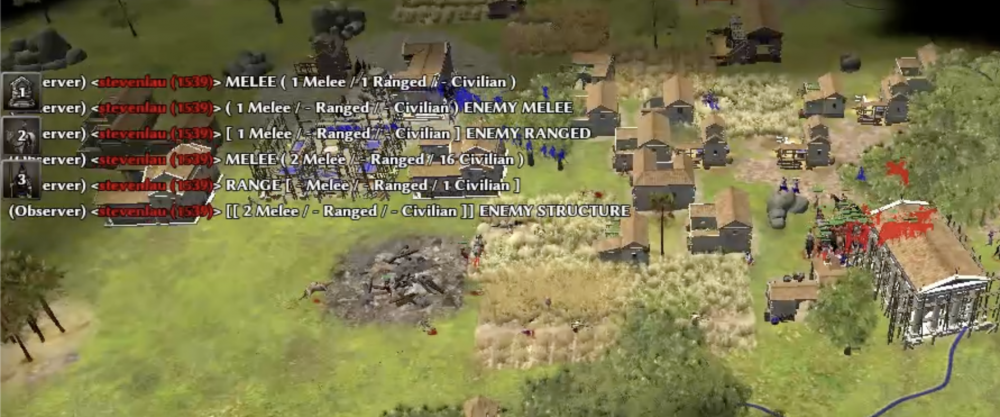
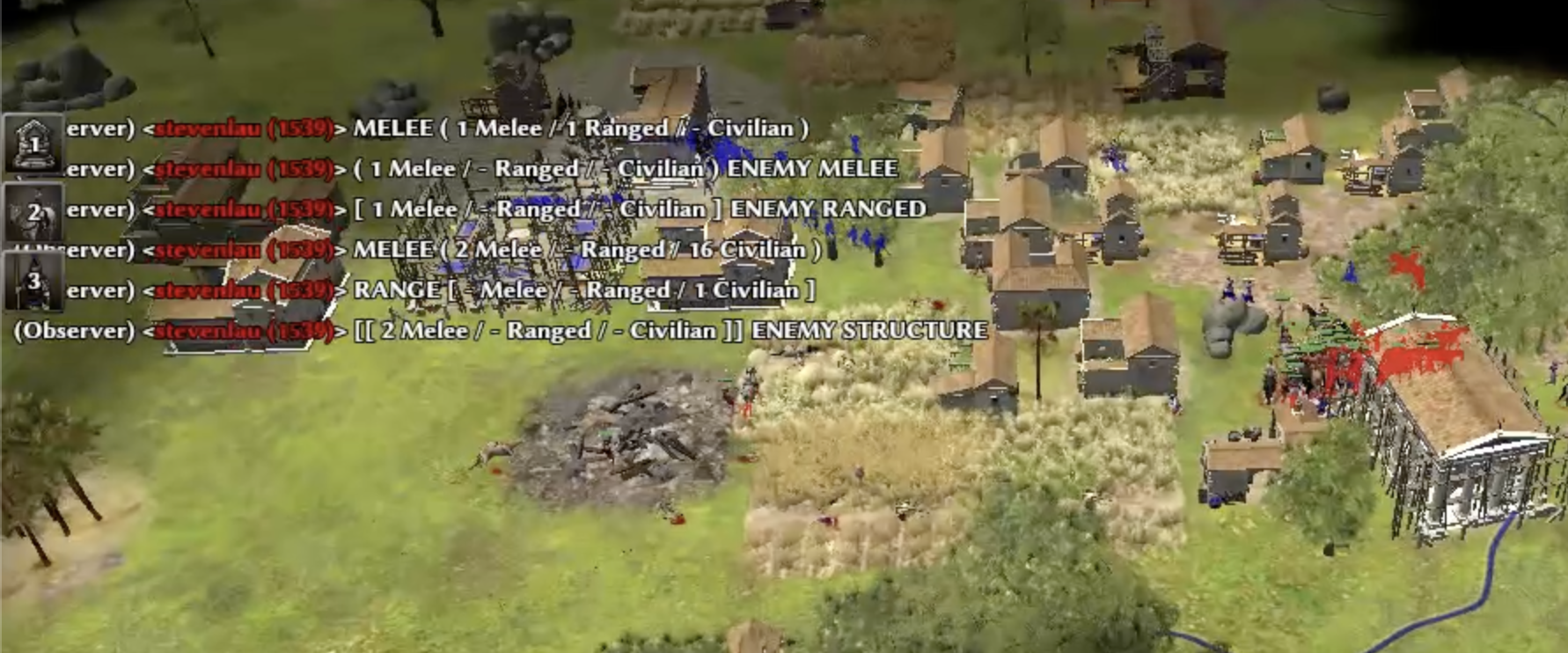
In stats, it shows how many soldiers died. However, we do not know what kind of units (melee / ranged) and how they are killed. Are they killed by structure? By melee? By ranged? These stats may help us to plan our strategies or upgrade plans better. I made this mod to print these stats in chat. For example, in this screenshot, I killed 16 civilian using melee units. I killed 1 civilian using ranged unit. Their CC killed 2 melee units of mine. Watch it working live when you see me around in lobby.
-
What I can see is that the way these people dress is an adaptation of Roman and Persian clothing for the desert climate. They continue to wear more modern, loose-fitting clothes. The sirwal is a garment said to have originated in Central Asia. It is a loose-fitting pair of trousers. https://en.wikipedia.org/wiki/Persian_clothing It appears to be a combination of different fashions and cultural centers. The Parthians seem to play an important role, not just the Persians. The inventors of the trousers: The Iranian-speaking peoples - such as the Scythians, Medes and Achaemenid Persians — are historically recognized for introducing trousers to the ancient world. Practical Necessity: While the Greeks, Romans or Egyptians wore robes and togas, these peoples needed a forked garment to ride a horse comfortably and protect themselves from the weather. https://en.wikipedia.org/wiki/Sirwal The word is of Persian origin; shalwār (شلوار) was borrowed into Greek as σαράβαρα sarábāra, "loose trousers worn by Scythians". The words used in Balkan languages came through the Ottoman Turks and did not continue the Ancient Greek designation. From the 7th to the 3rd century BC, the Scythian people of the Pontic Steppes produced and adopted a wide arrangement of clothing. The clothing of the Scythians was formulated in response to the nomadic, highly mobile lifestyle of the early Scythian era and the sedentary lifestyle of later Scythian kingdoms. Much of what is known about Scythian attire comes from the remains of clothing found in Scythian burial sites.
.jpeg.3edb557a08572b1cc719547f2f6f6d1a.jpeg)
.jpeg.8cc162b78180efe76e524a270bcba844.jpeg)
-
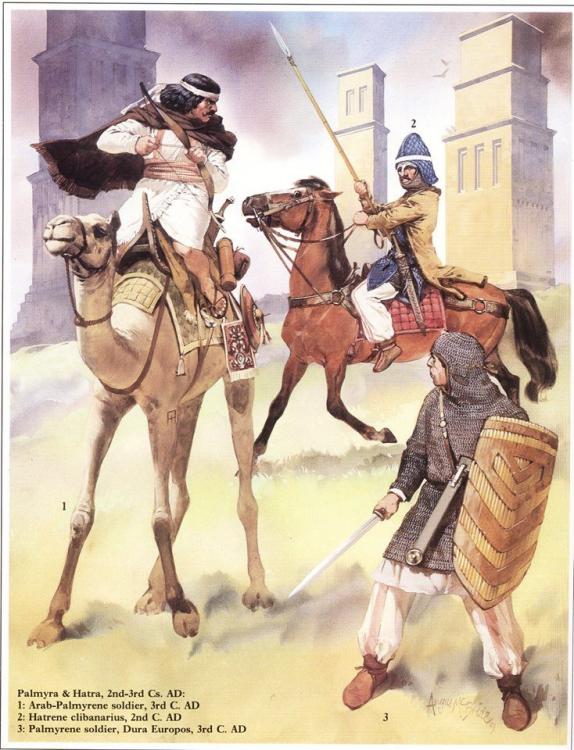
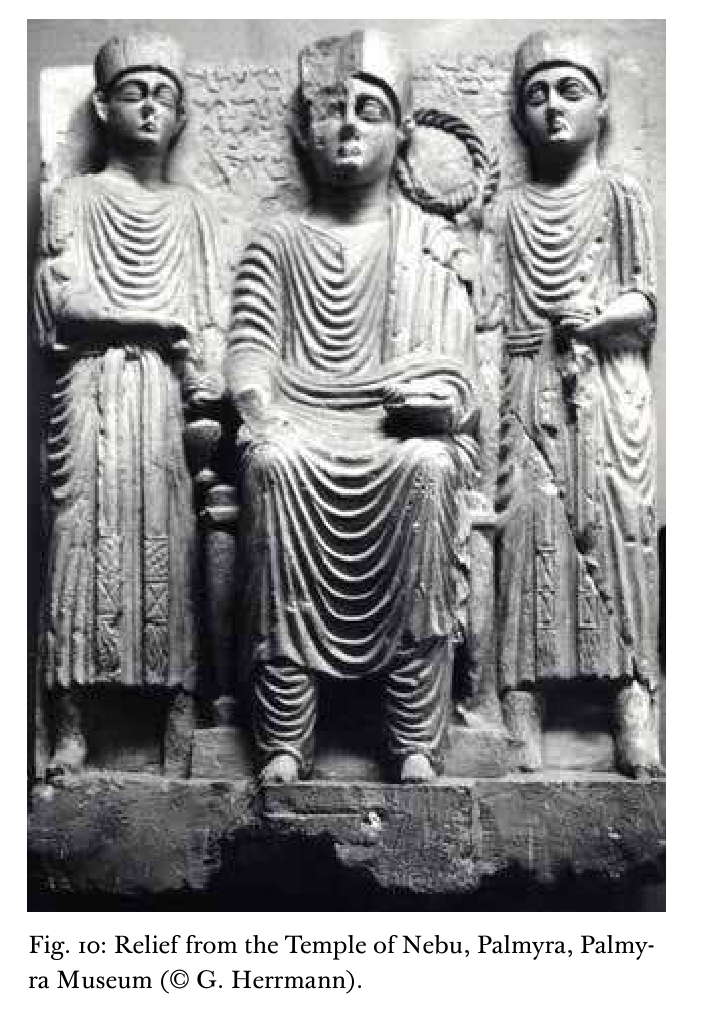
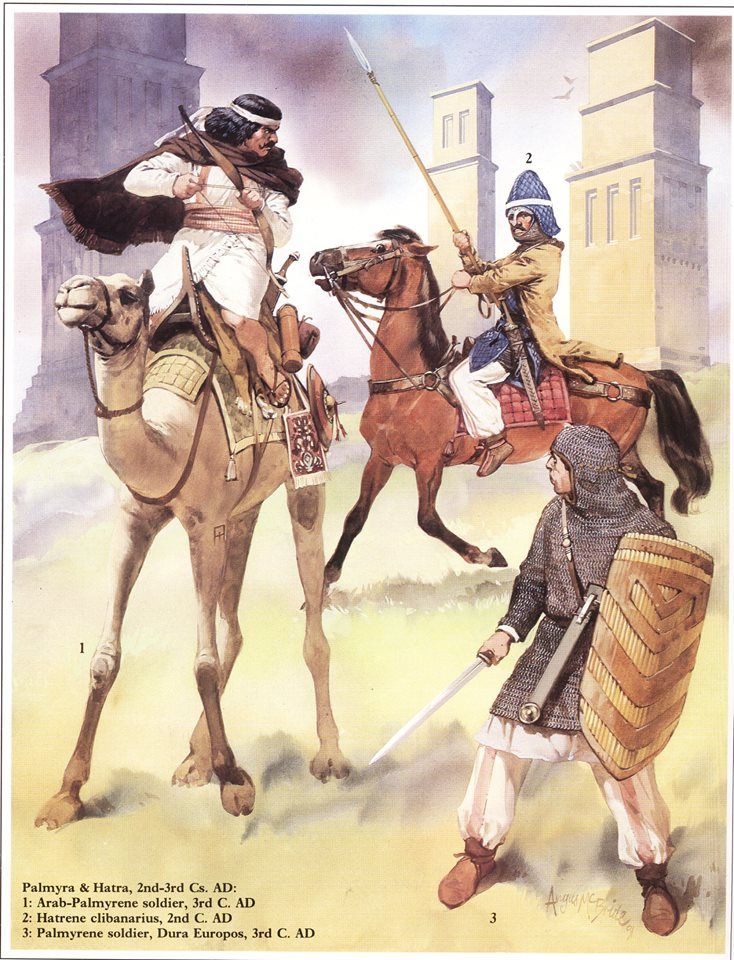
Men's clothing is difficult because there are pants. All I can find is clothing similar to Odenathus It seems to be Looser than Roman clothing and simpler than Persian clothing. The photo shows 3 gentlemen wearing baggy pants.
-
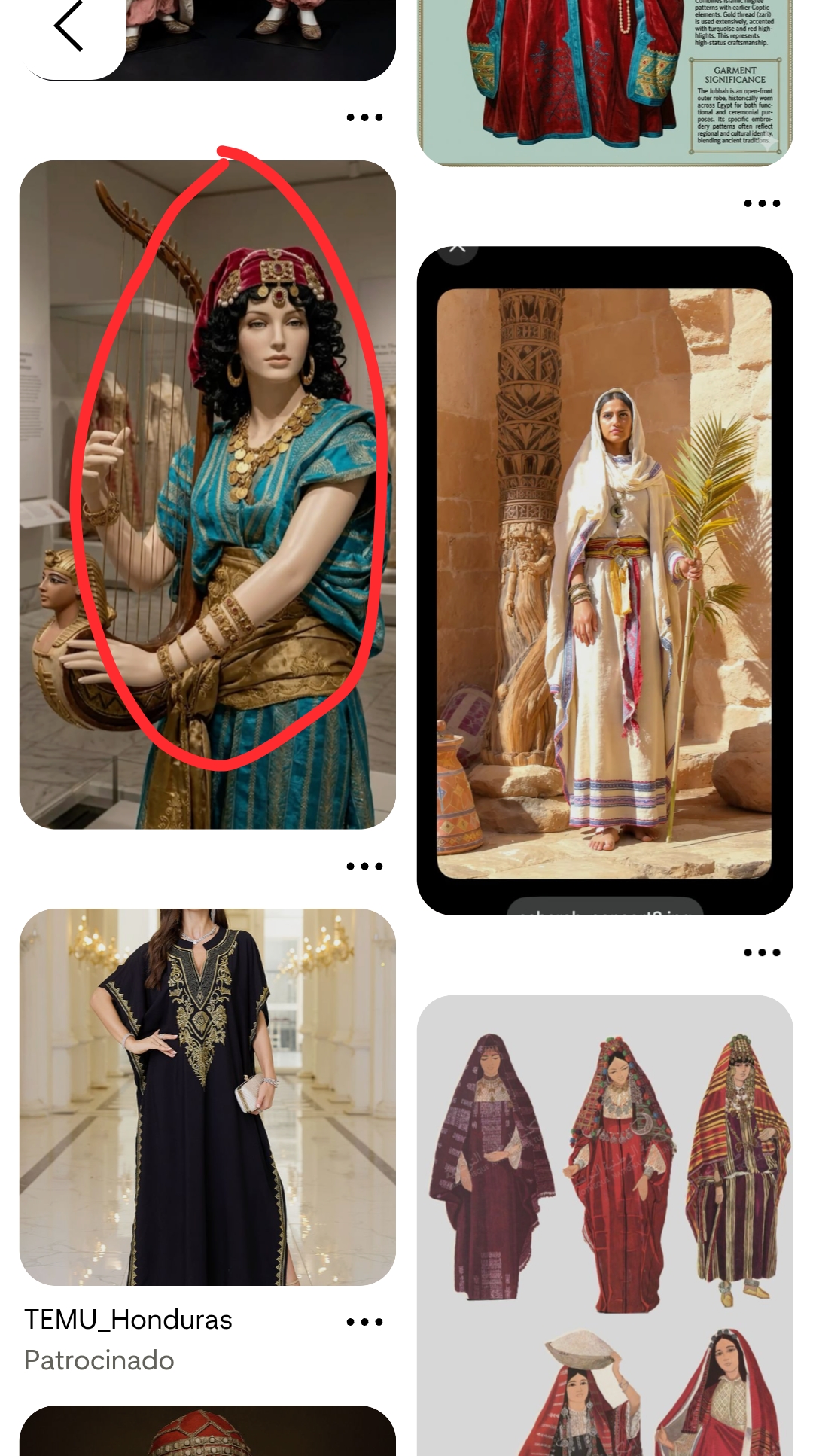
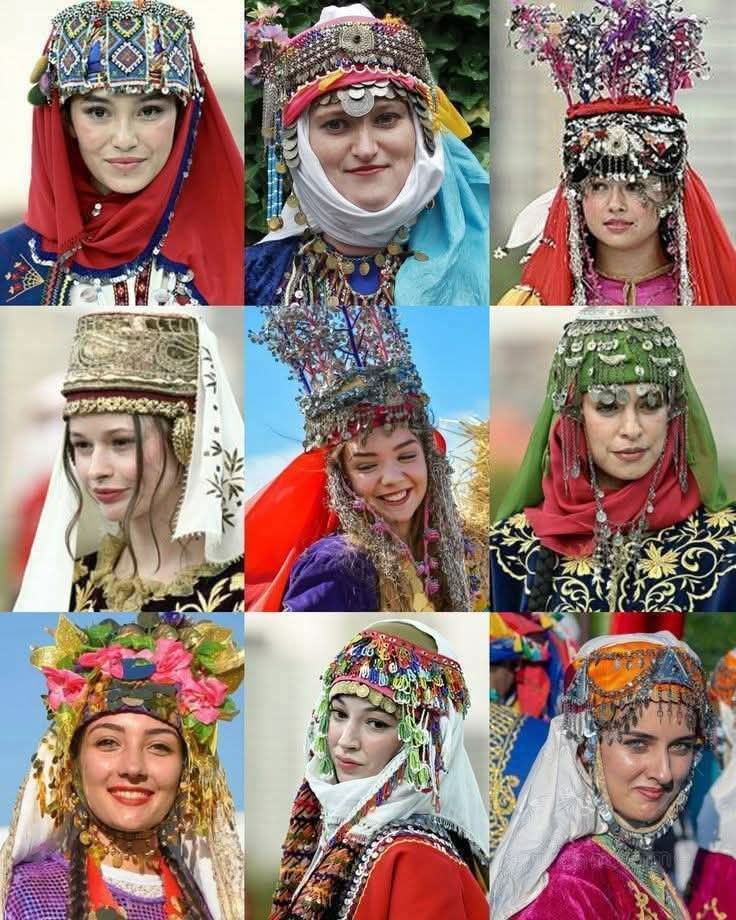
Some fashions are Ottoman according to museums in Egypt and Jordan. These are some details that come from Central Asia or the Arabian Peninsula, even India. I'm going to upload what I found in museums (via Pinterest). There are many images, the one I circled in red is from an Egyptian museum but from the Ottoman period. Although the style of the clothing is very similar to that of the characters from Aladdin. Many of these styles seem to be from Central Asia and the steppes. Even so, it is not impossible due to cultural contact.
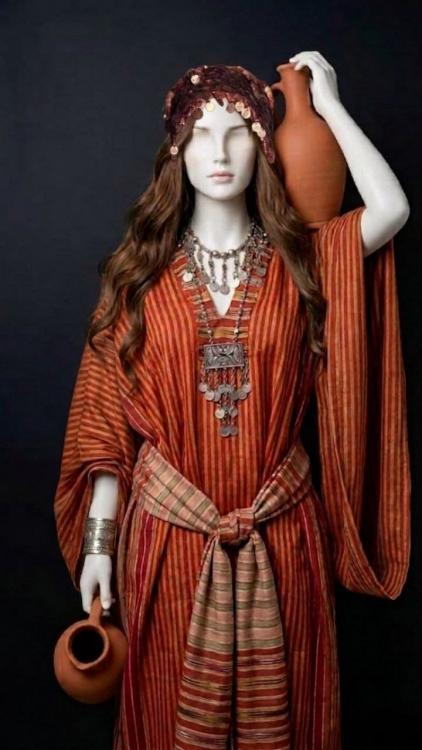
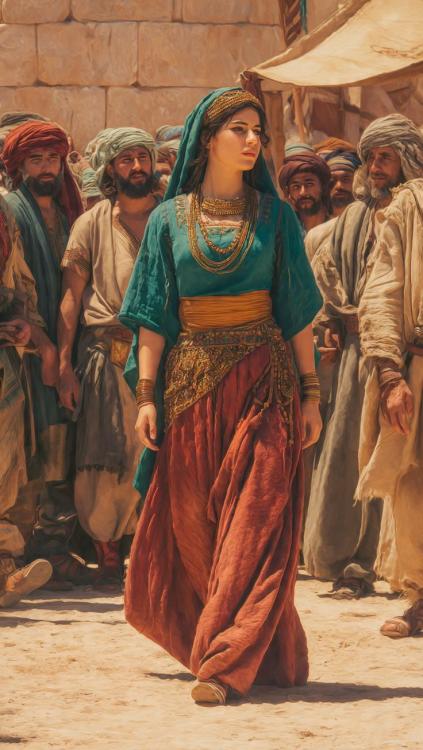
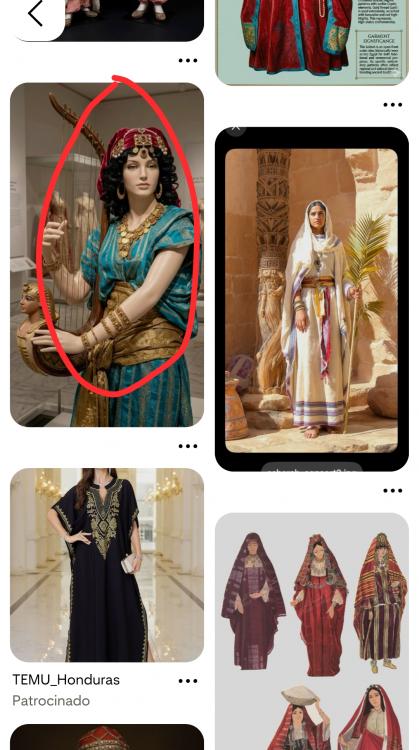
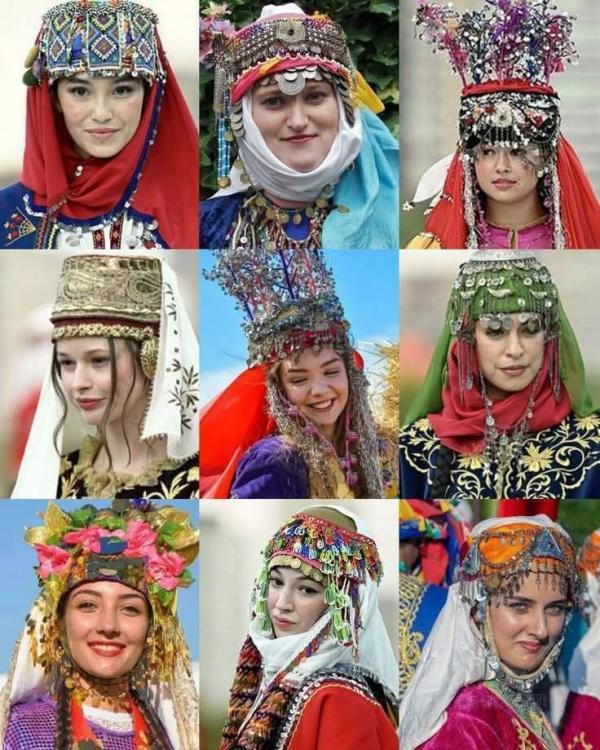
- Yesterday
-
I had a problem with the forum; some of what I wrote disappeared. Fortunately, I saved the images and I still have the text in my mobile device's memory. Egyptian It is a long white shirt with sleeves and with two buttons shorter in length and sleeves, it was worn on occasions before the reign of Khedive Ismail, and it was worn with a wide belt and a pendant with an energetic headdress. I originally thought that these cultures have many similarities due to their geographical and cultural proximity. Hebrews, Phoenicians, Syrians, Egyptians. They share many clothes or outfits.
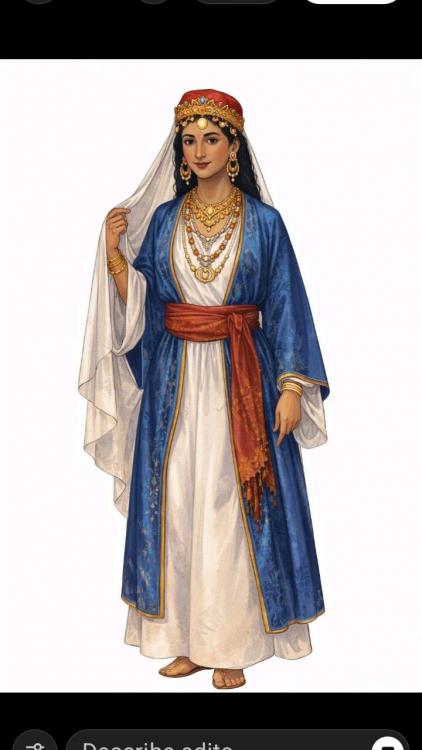
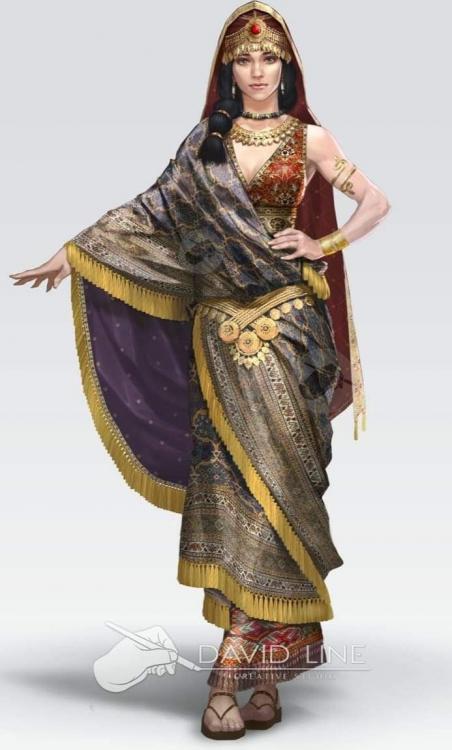
-
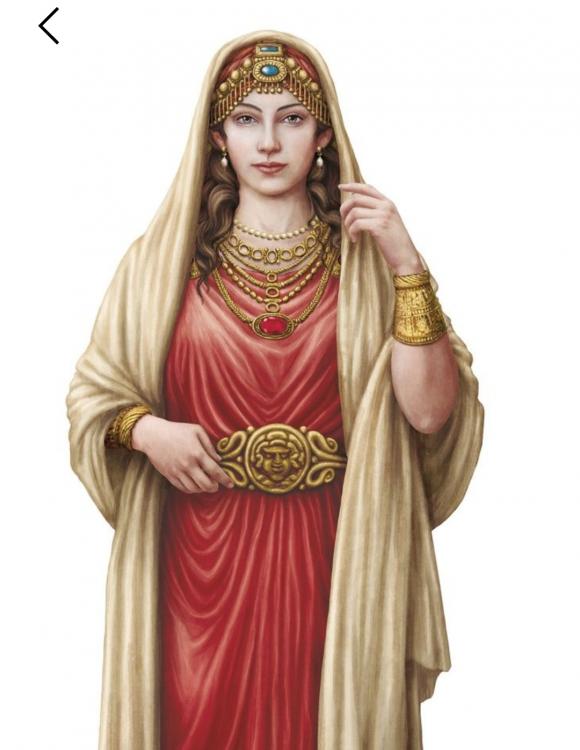
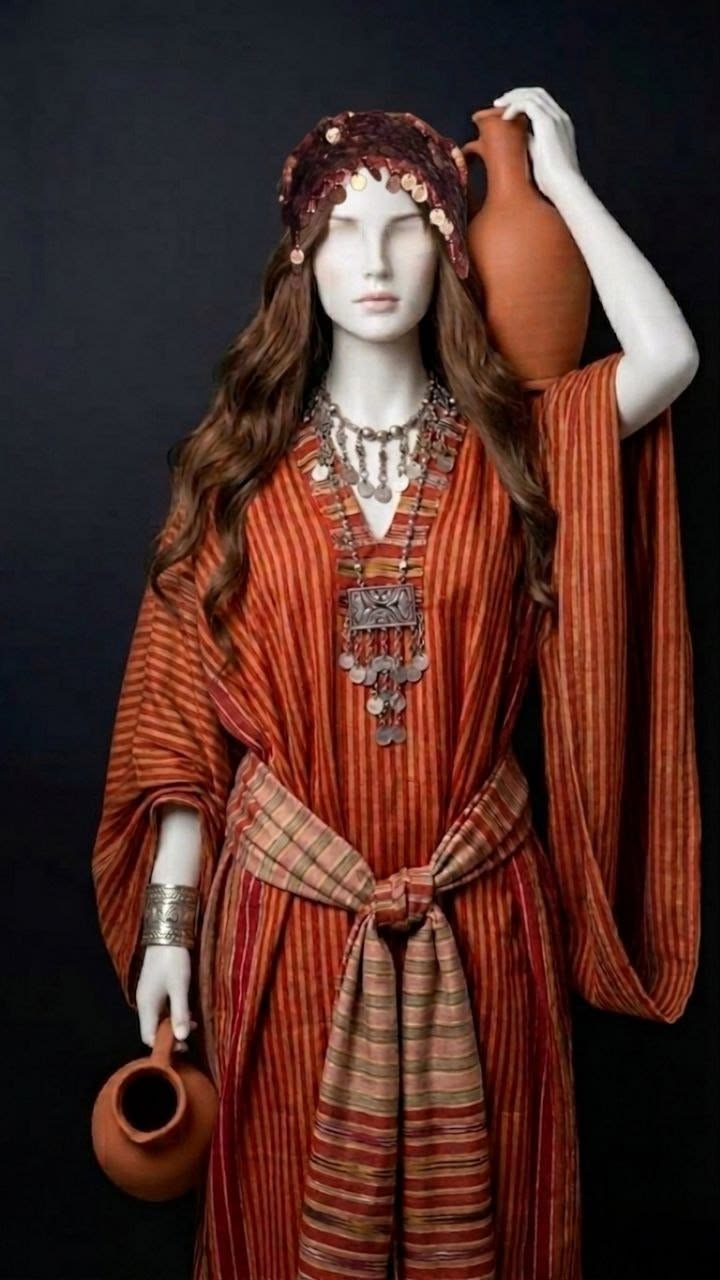
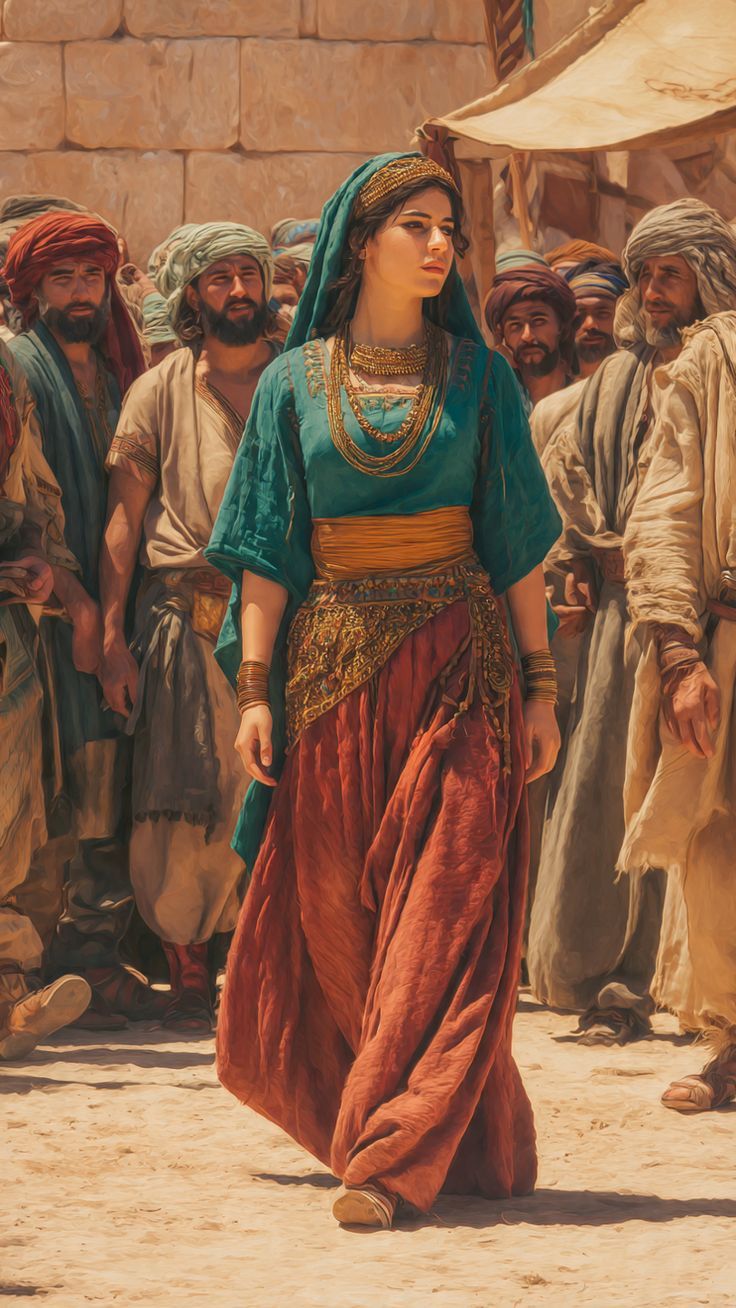
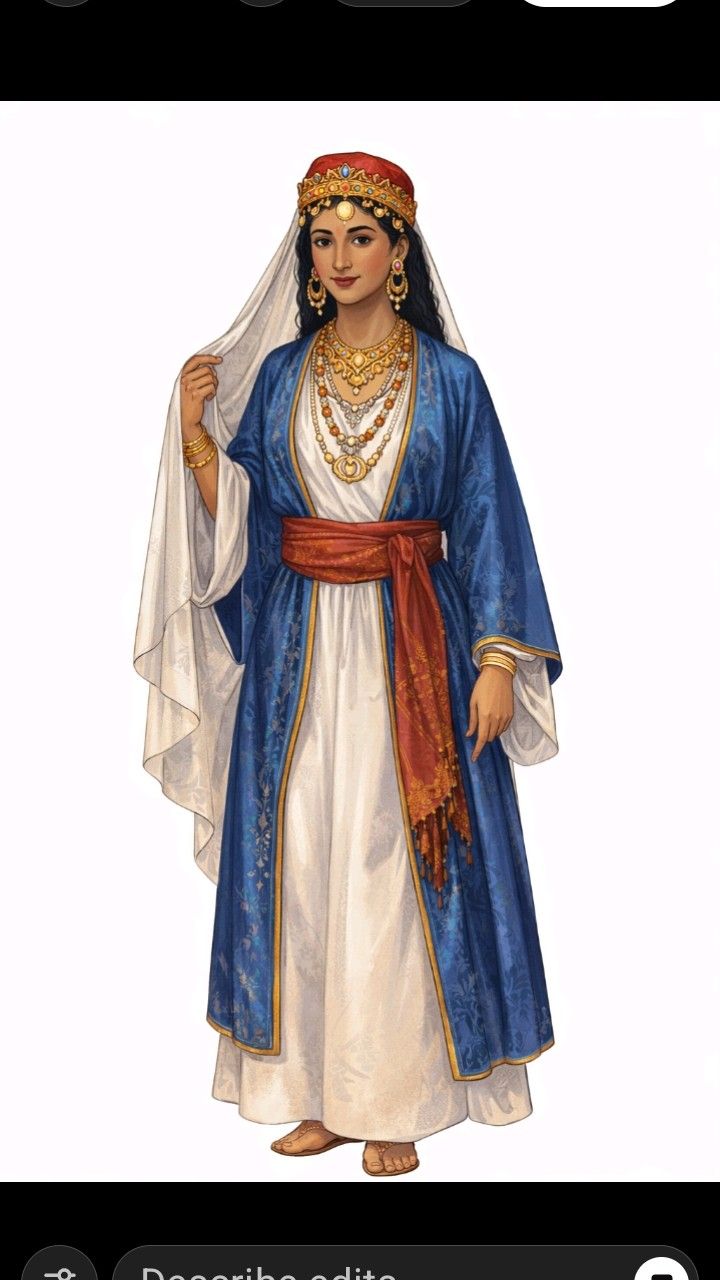
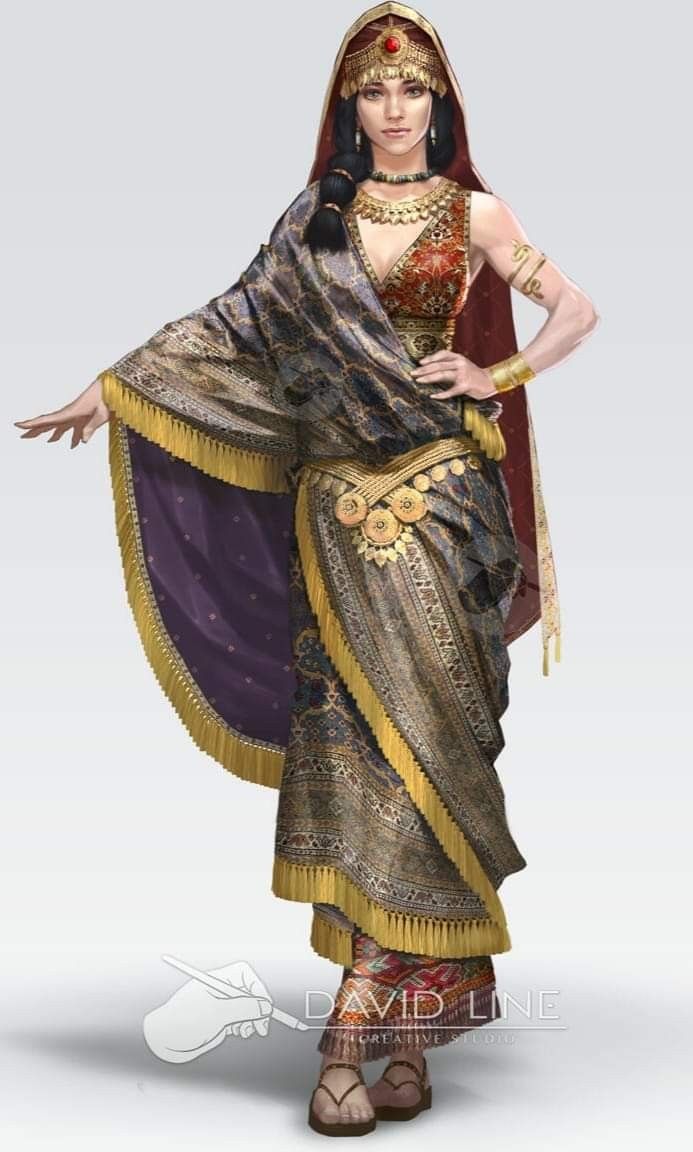
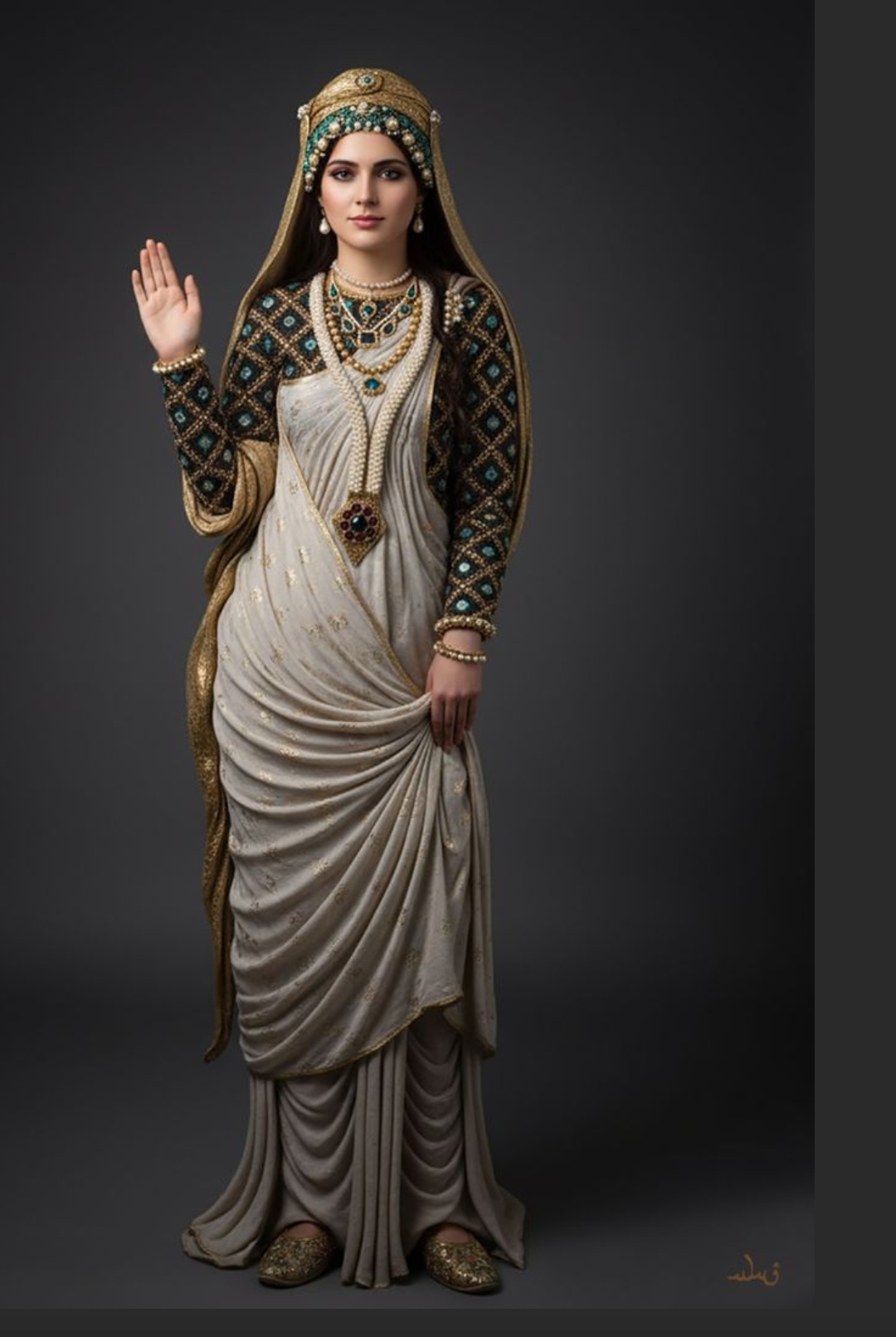
I found 2 images made with AI but well done. Below I'll leave some pictures of Hollywood. One is an Arab woman and the other a Bactrian princess. This is a character from the series The Chosen who has good advice regarding clothing. As always, Hollywood has its problems with armor; sometimes, for safety reasons, they don't use realistic armor. It seems that Middle Eastern and Central Asian cultures liked those hanging ornaments.
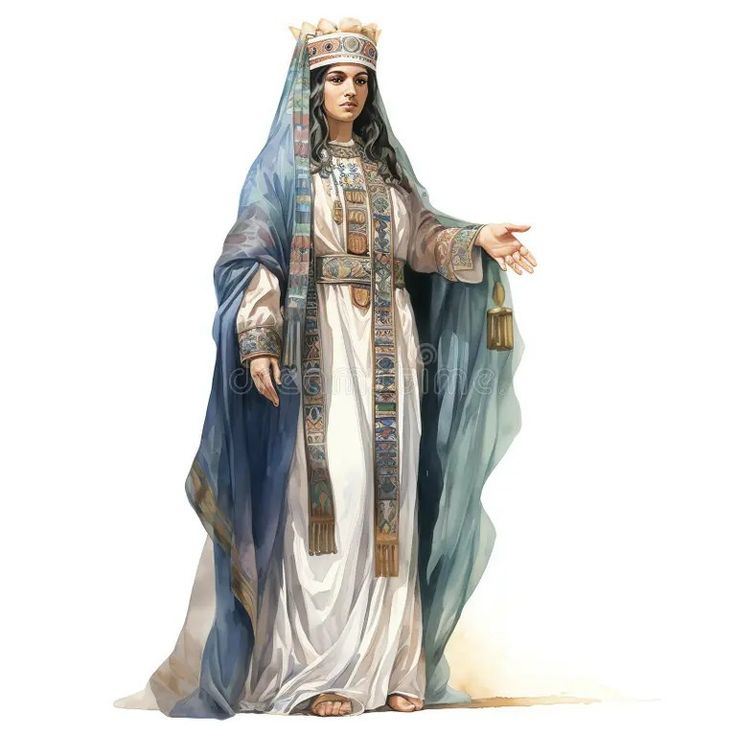
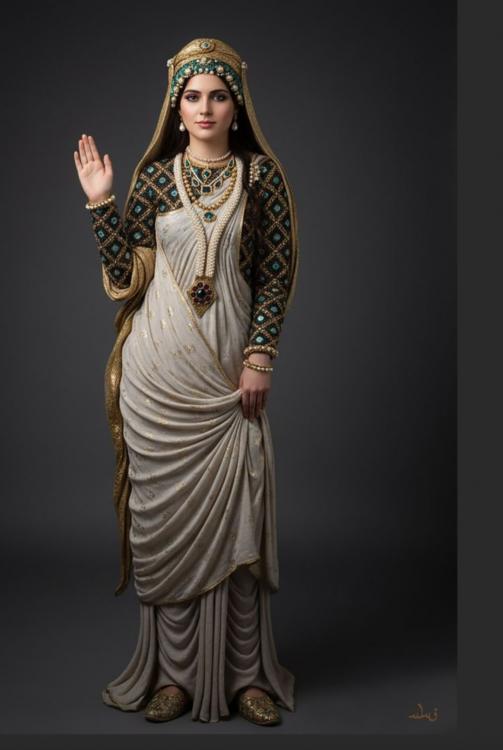
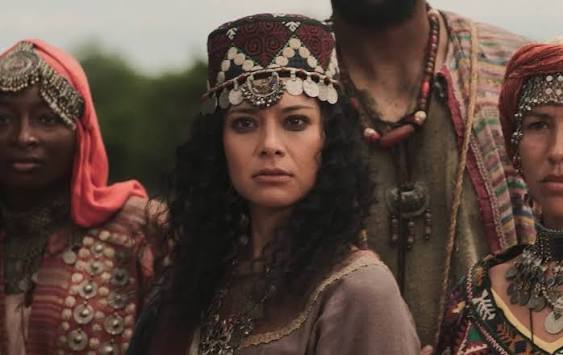
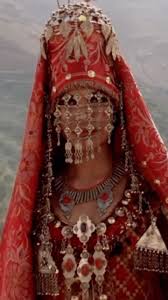
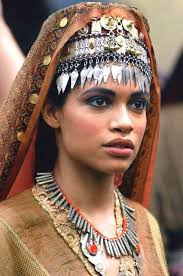
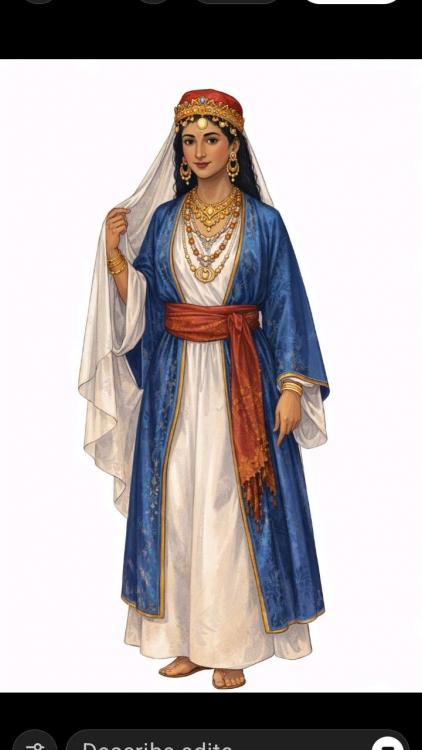
-
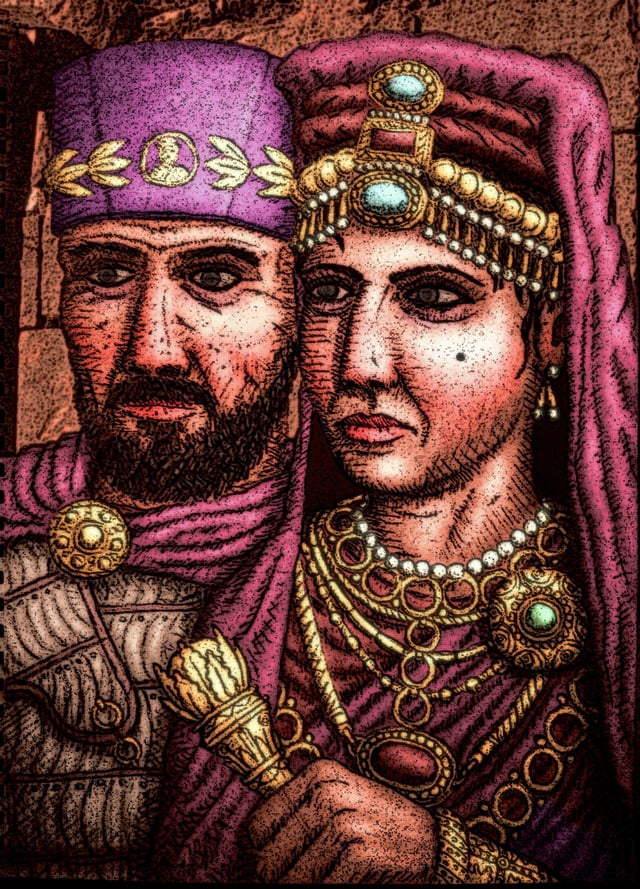
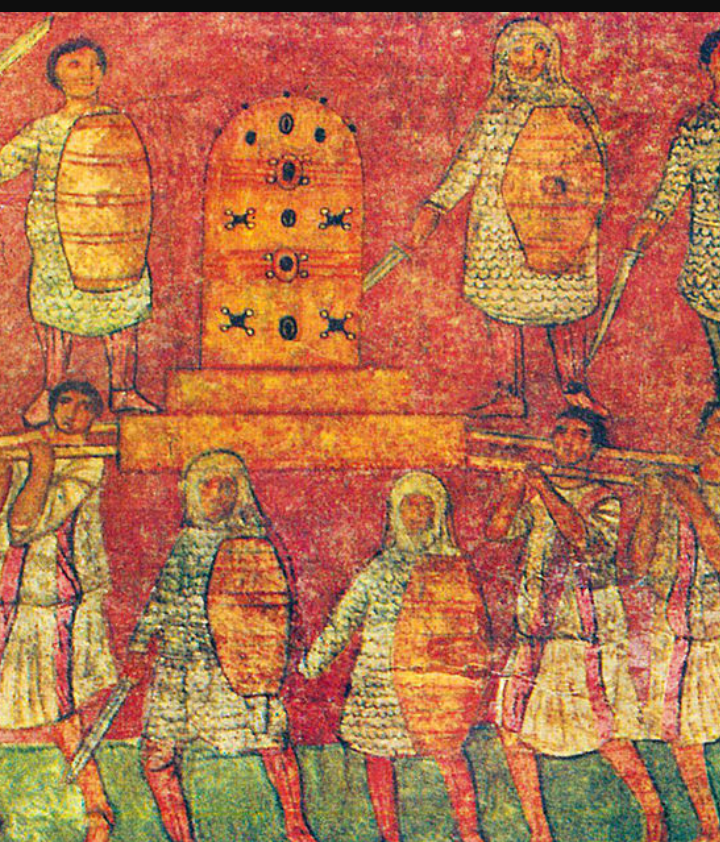
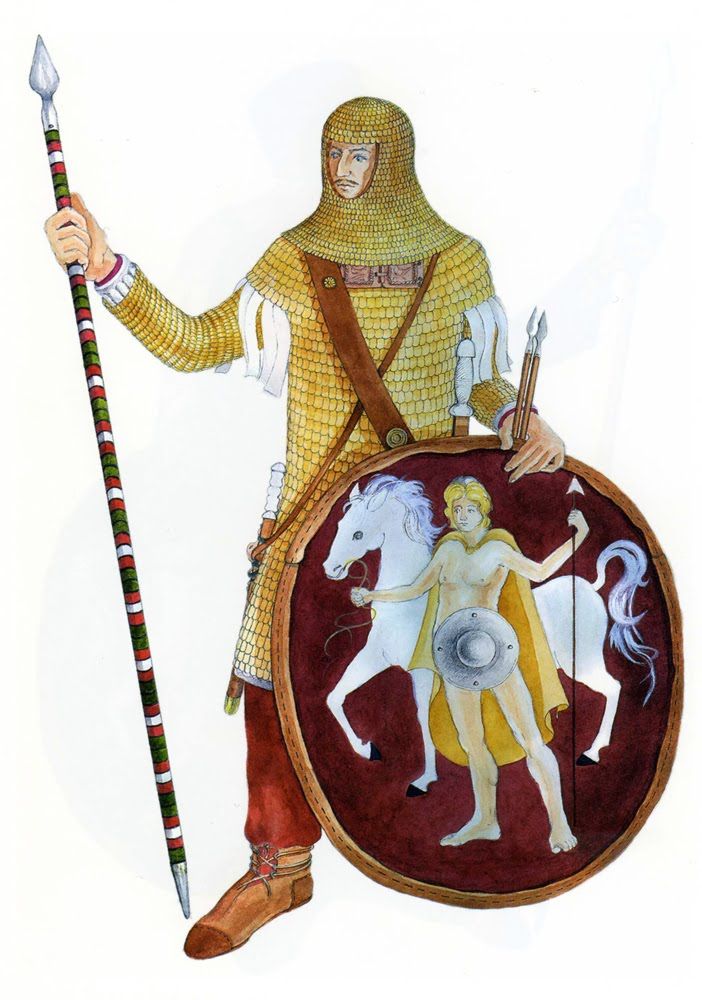
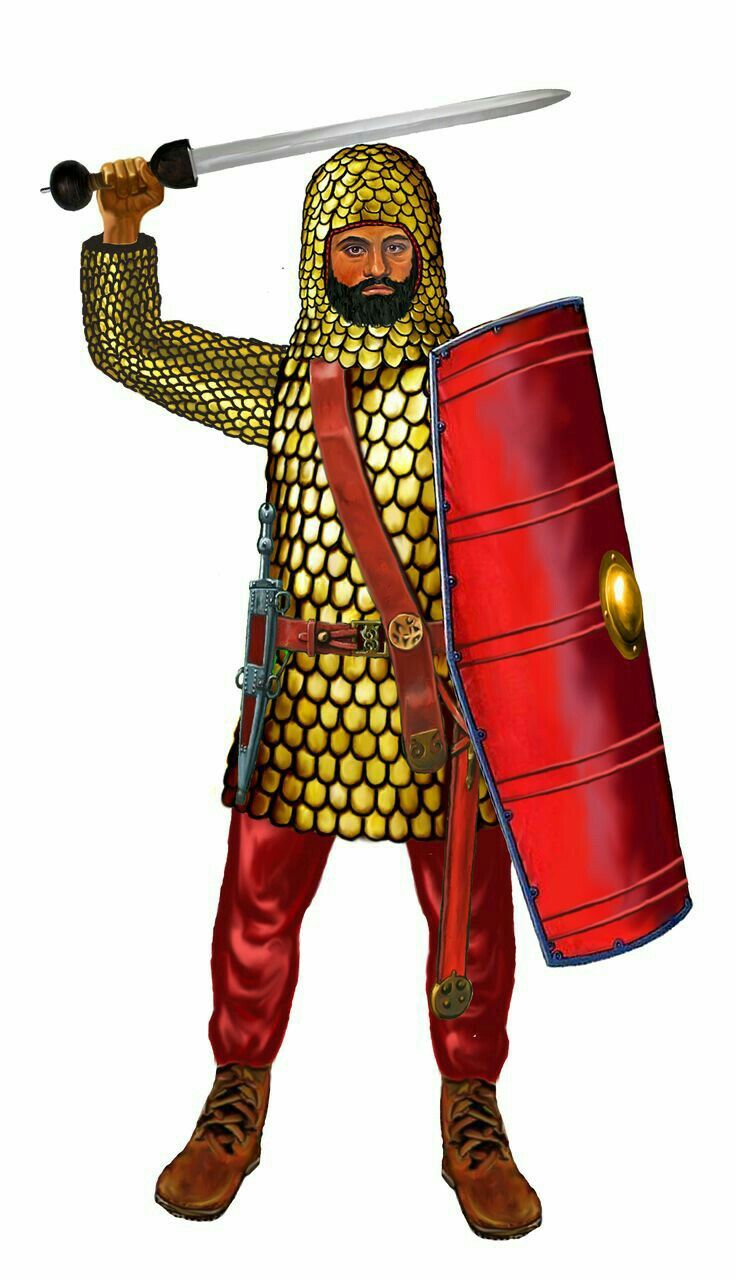
I found an interesting image of an art based on a fresco and relief with AI. Below I will leave other references that are unclear but seem convincing.
-

How to know ship has garrisoned units
Grautvornix replied to WordenKalita's topic in Gameplay Discussion
Oops! You are certainly right! Sorry for the confusion! -
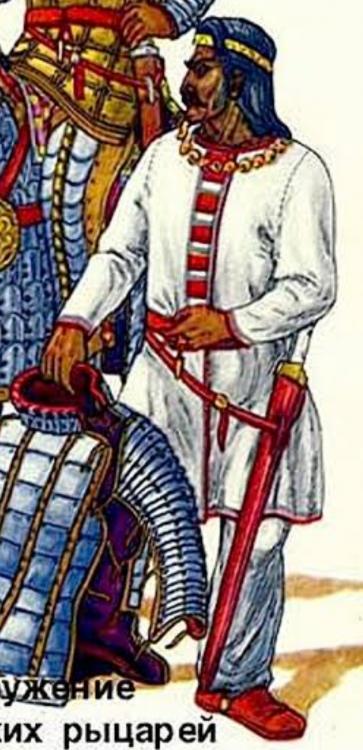
These clothes, it seems to me, resemble those from Central Asia and Hellenized areas of India. Hellenistic India. Kushan art. The trousers bear a certain resemblance. Probably an influence from Iranian peoples.
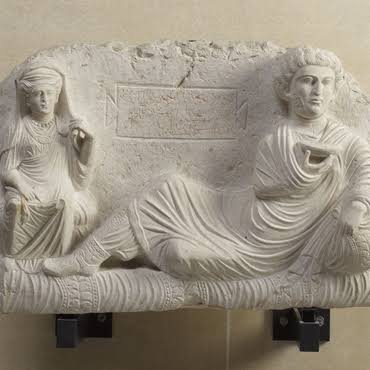
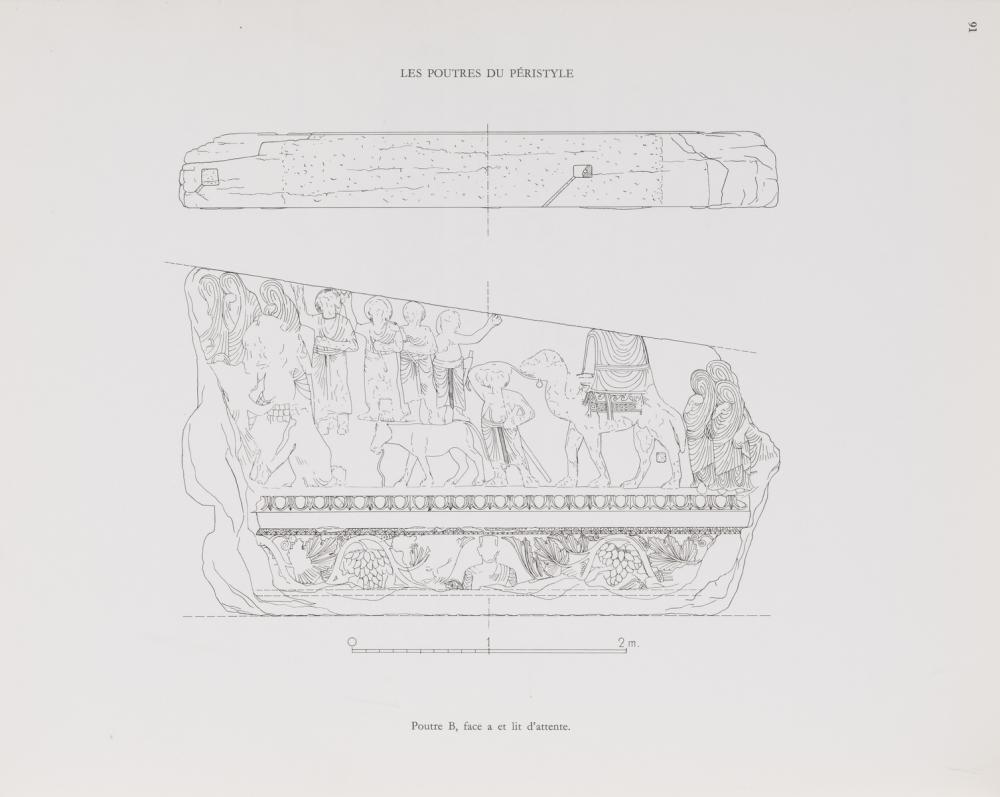
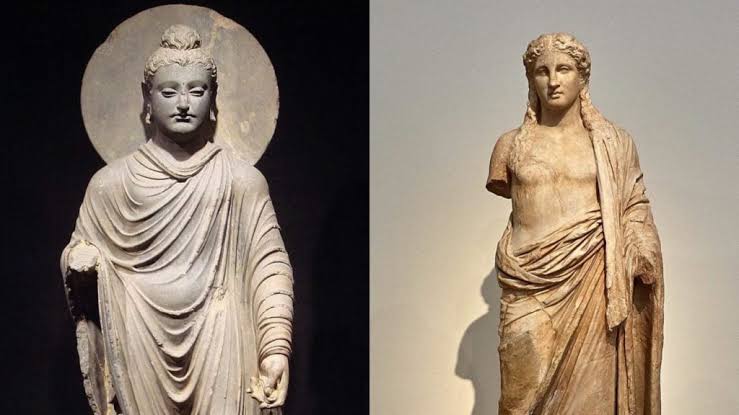
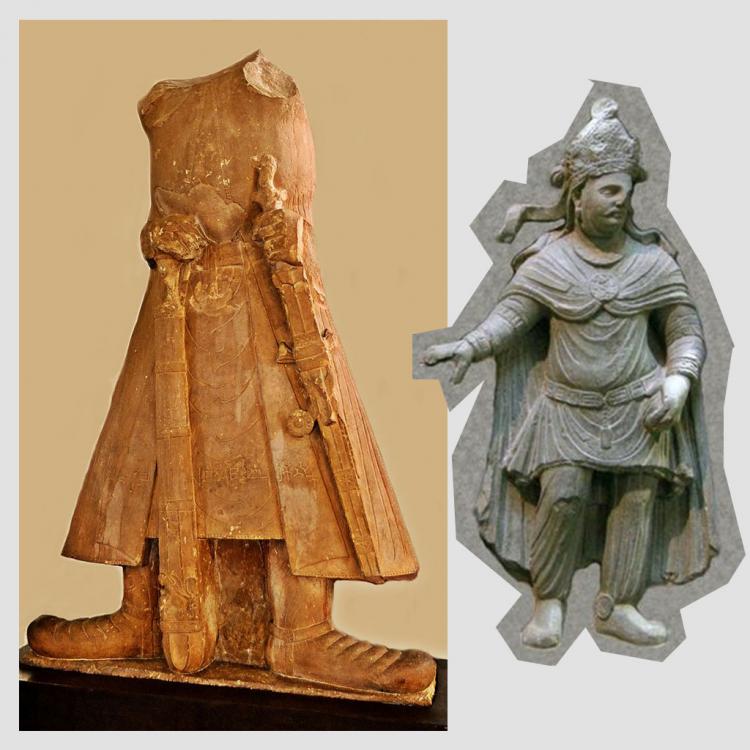
-
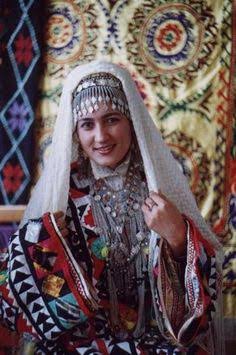
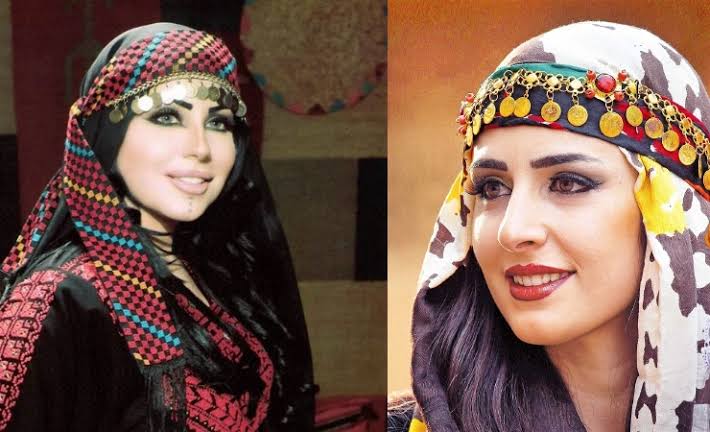
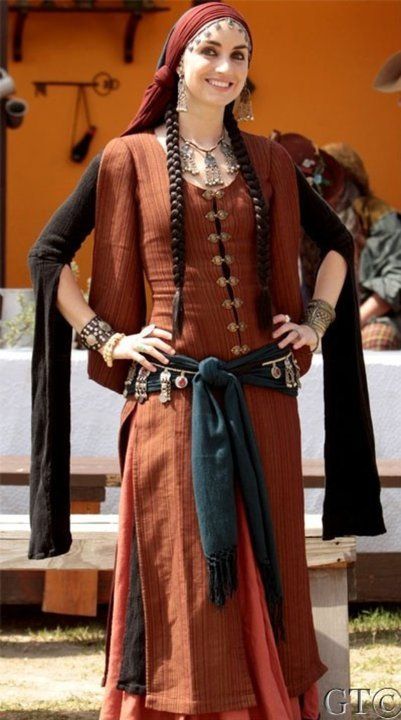
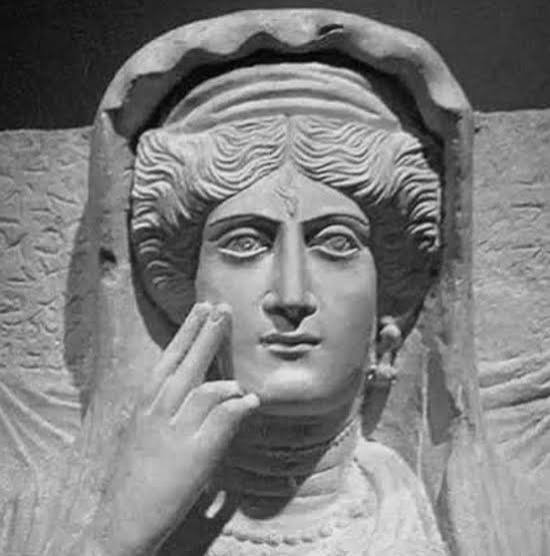
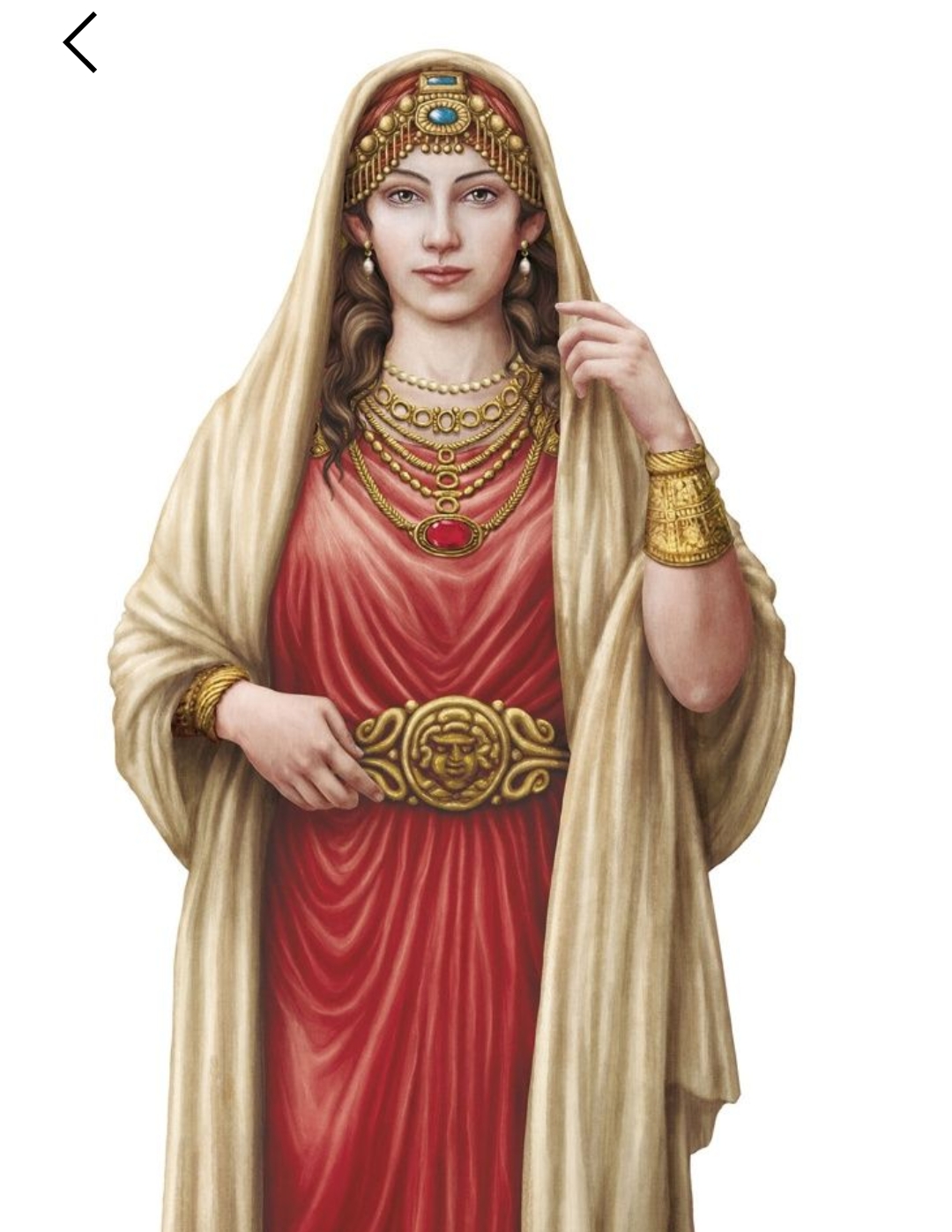
https://archeologie.culture.gouv.fr/palmyre/en/clothes-and-jewellery Men wore embroidered baggy trousers and belted long-sleeved tunics. Women generally wore a tunic, a mantle fastened on the left shoulder with a fibula, earrings, one or more necklaces, bracelets, a brow band often decorated with plant motifs, a turban and a long veil. A preference for an Iranian garment or a Greek mantle was a matter of taste, wealth or mood, not of origin or profession. The central role played by Palmyra in trade between the Mediterranean and the East made it one of the main stopping points for caravans transporting luxury materials such as gold, gemstones and pearls. It was also a focal point for the styles, fashions and techniques that travelled with the merchants. The Palmyreans assimilated these different influences: Palmyrene silverwork and goldwork, for example, are a rich synthesis of eastern, Roman, Greek, Hellenistic and Syrian elements and motifs.
-
According to: https://history.stackexchange.com/questions/46106/what-was-clothing-in-ancient-palmyra-like An important trading centre which derived much of its wealth from the Silk Road, Palmyra was a multi-cultural city, influenced by both east (especially Iran) and west (Greece and Rome). This is reflected in the clothing they wore, but there was also a distinctly local style; in short, it’s a complex picture and generalizing is difficult. As Marybeth Osowski, in Fashioning Identity: Clothing and the Image of the Syrian in the Roman Empire, states: The standard visual image of the Near East in Greek and Roman depictions features elements such as long-sleeved tunics and ankle-length trousers, bright colors and elaborate patterns or decorations, and other items like pointed hats or turbans also feature but are not universal. The best visual evidence we have of clothing in 3rd century AD Palmyra comes from funerary monuments. However, these cannot be considered entirely representative of the population as a whole but rather of the local elite and wealthier residents, most likely wearing their finest clothing. Further, we can’t be sure to what extent these may have been idealized representations of what people actually wore. Lastly, there is the issue of status, and of how people wished to be seen in different social and cultural situations. Generally speaking, there two styles of Palmyrene attire: one is termed Greek or Greco-Roman, the Parthian or sometimes Persian. Let's go: Sassanid clothes.
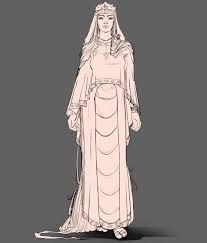
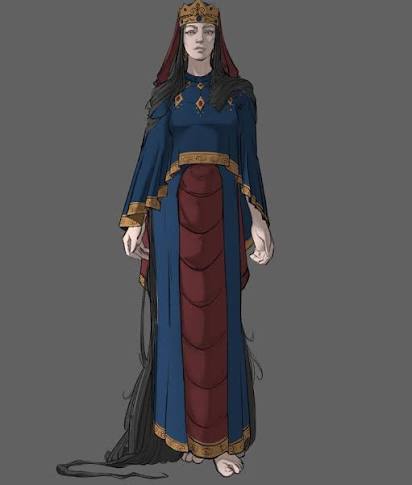
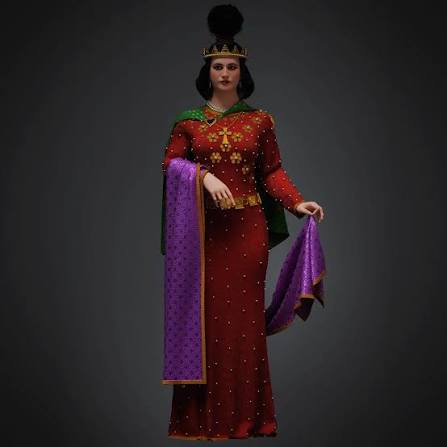
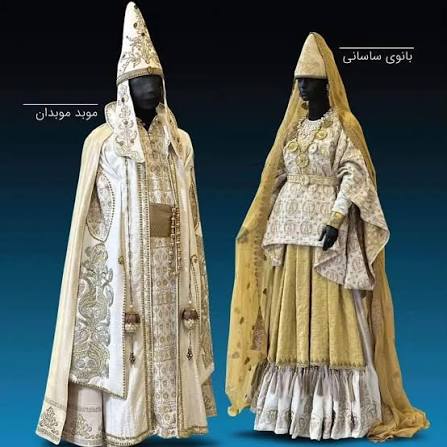
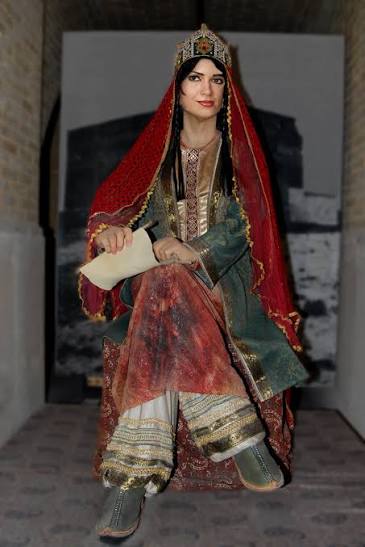
-
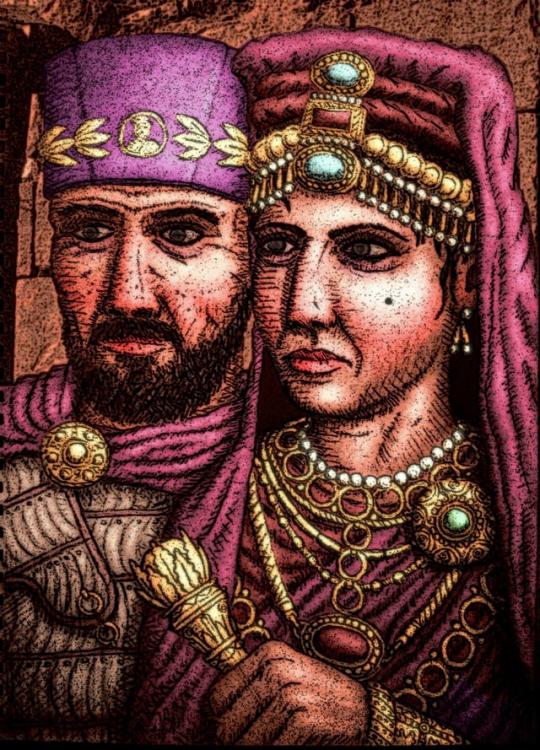
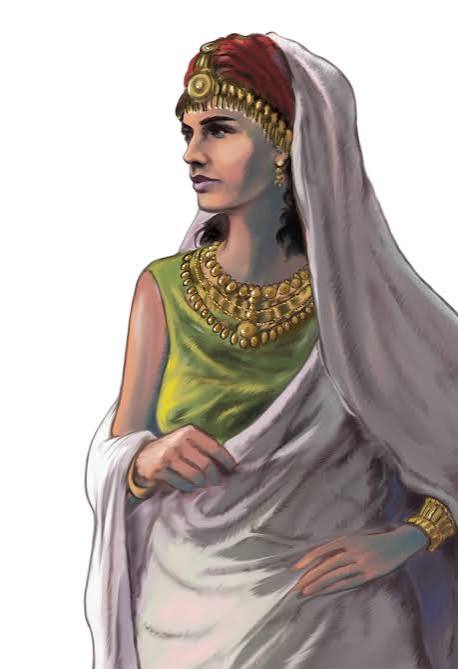
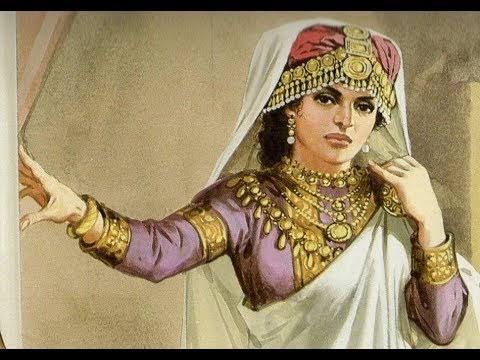
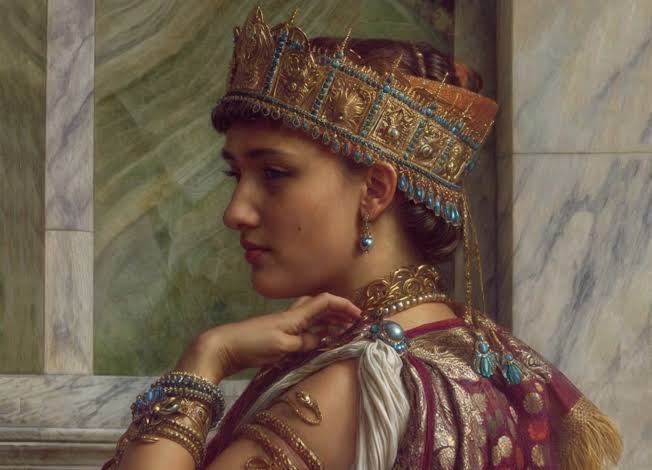
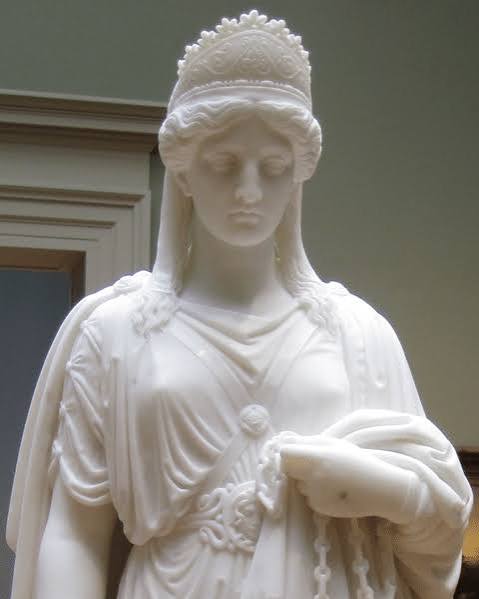
https://archeologie.culture.gouv.fr/palmyre/en/clothes-and-jewellery Clothing. The reliefs offer an insight into what people might have worn in Palmyra. Although there are examples of citizens wearing the Roman toga or himation, a draped garment worn by the ancient Greeks, most Palmyreans wore typically Syrian clothes, colourful and richly embroidered, influenced by the attire of their powerful neighbour to the east, the Parthian empire. Below are images dedicated to Zenobia, both modern and reliefs.
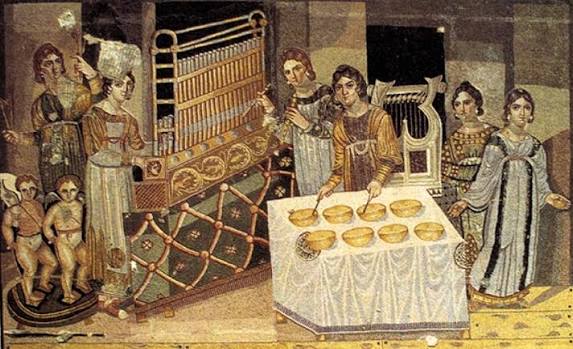
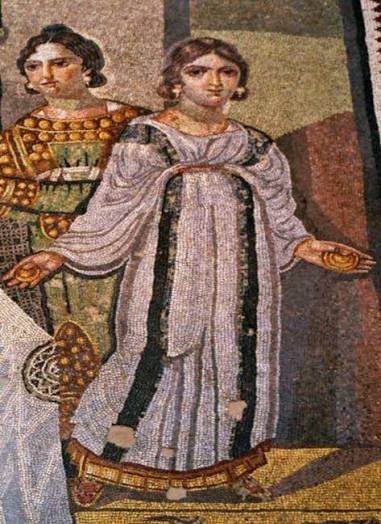
-
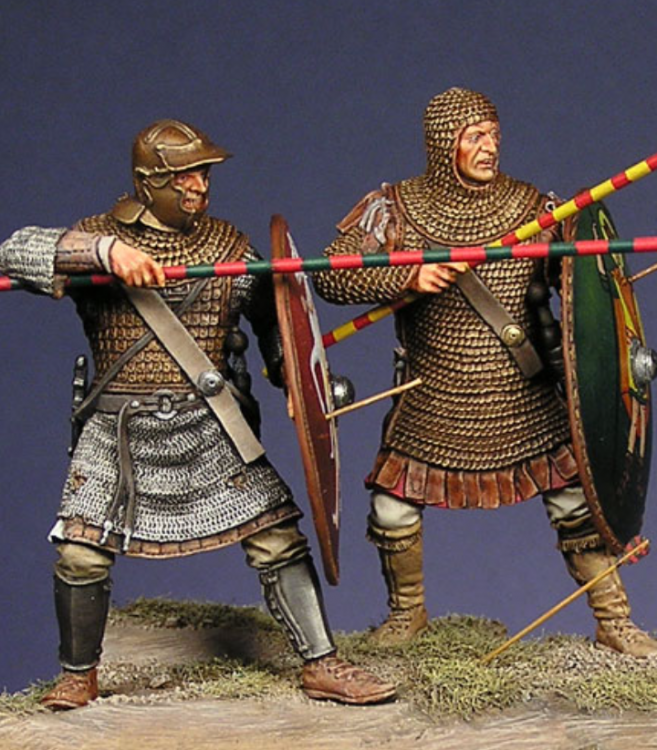
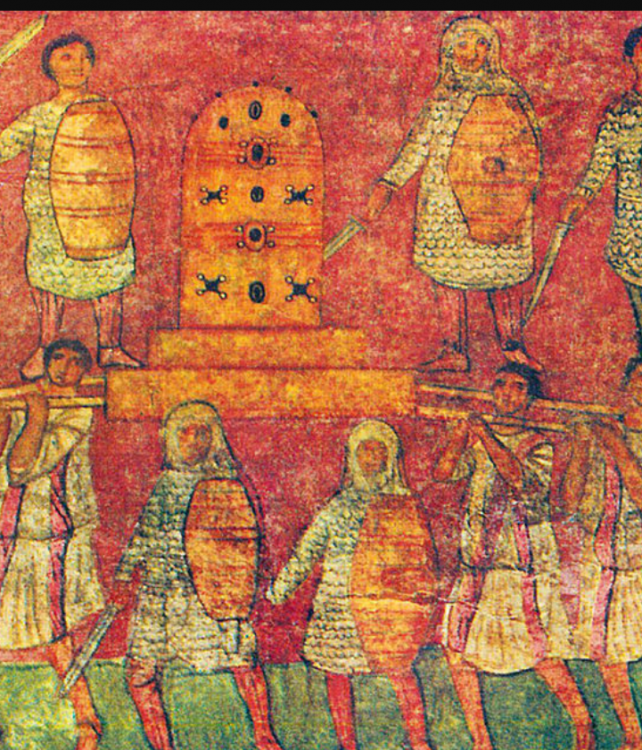
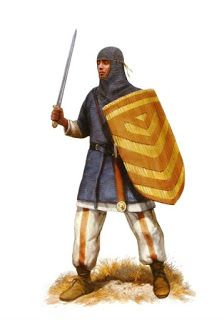
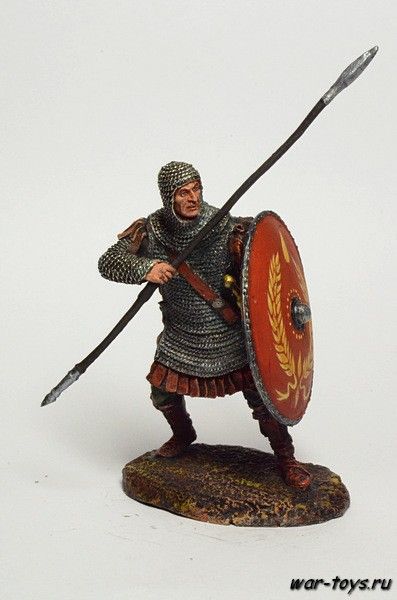
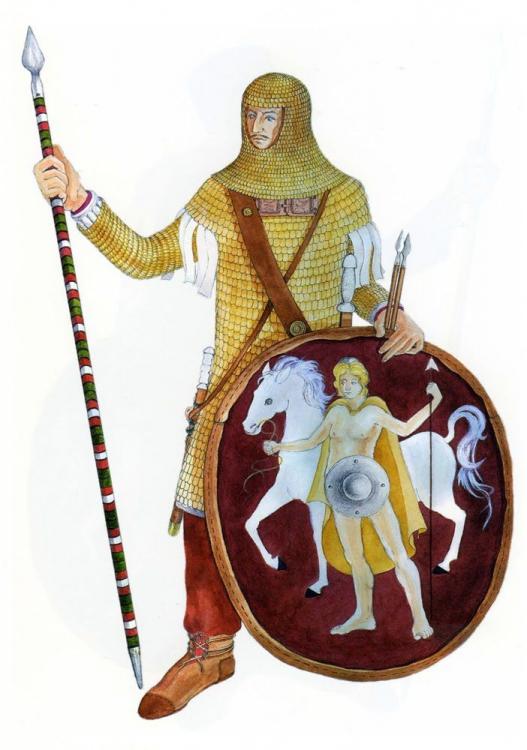
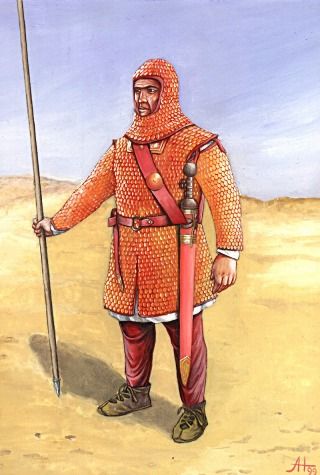
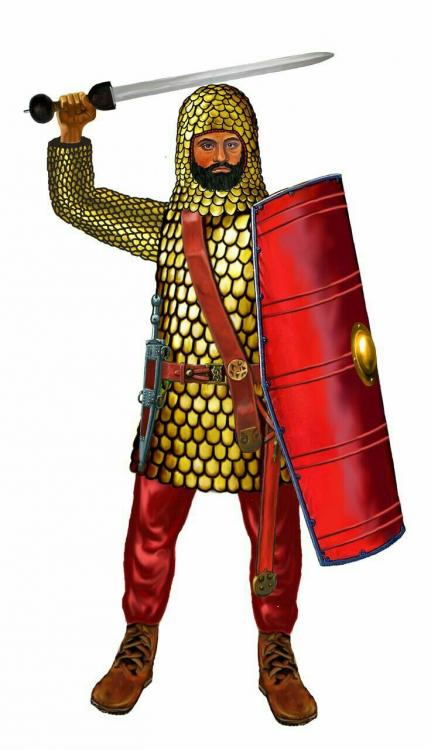
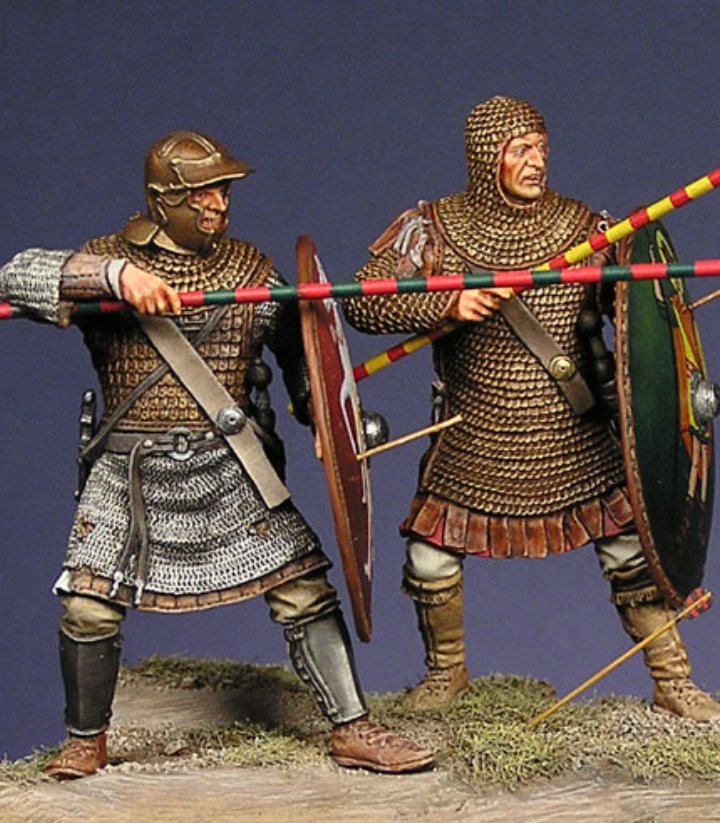
The style of these soldiers seems to have a very distant Asian influence, but it could be due to the influence of the Silk Road, according to some forums and Reddit posts. Chinese and Vietnamese style armor are mentioned. The problem with this hypothesis is the Parthia/Persia blockade.
.jpeg.3a415d442a3e3d41d917c1a91b3c2b2e.jpeg)
-
I have some descriptions in English and Spanish. The Numidian cavalry, composed of swift horsemen armed with javelins and small fur shields, was one of the most valuable weapons of the Carthaginians along with the troops of Iberian and Gallic mercenaries. The mobility of the Numidian horsemen and their ability to wear down the legionary columns before the clash between infantry impressed the Romans themselves before Sicily fell to the Republic. https://www.ospreypublishing.com/us/osprey-blog/2021/the-numidians-300-bc-ad-300/
-
The style of these soldiers seems to have a very distant Asian influence, but it could be due to the influence of the Silk Road, according to some forums and Reddit posts. Chinese and Vietnamese style armor are mentioned.


.thumb.jpeg.67ef5b5dc6d918163efa04cd5336830d.jpeg)
.jpeg.ef4745e9e0569e42fd67fc08c8ea918b.jpeg)
.png.a4421dbc44c487ed838771b48f008dc3.png)


-
Latest Topics
-
