
.png.a9ae33b5e5ddb0eb2b142b612b99c428.png)
Lion.Kanzen
-
Posts
25.684 -
Joined
-
Days Won
302
Everything posted by Lion.Kanzen
-
-
@LordGood those building would be great with good texture work.
-
.thumb.png.ce58cea22940c255f5b0a735d5abee36.png)
[Project] Ocelotlazohteotl (Mesoamerican 0AD Mod)
Lion.Kanzen replied to Trinketos's topic in Projects
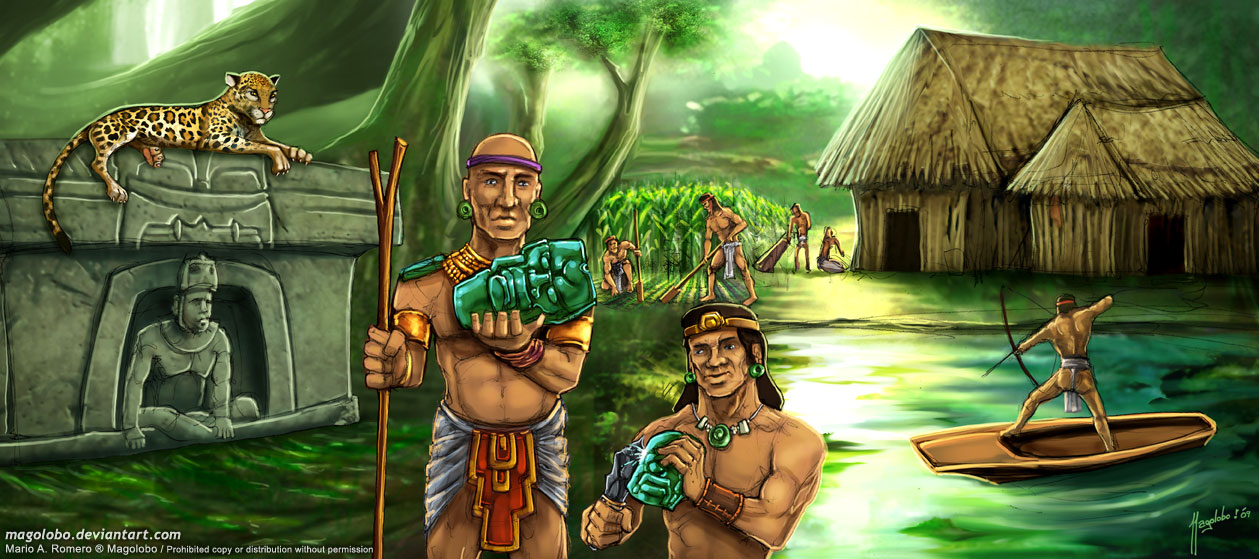
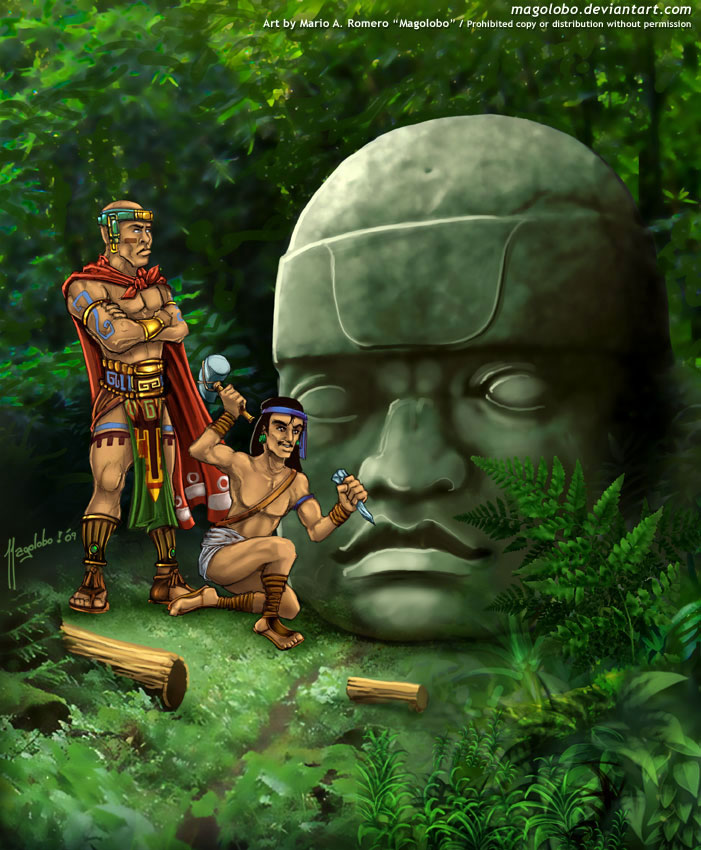
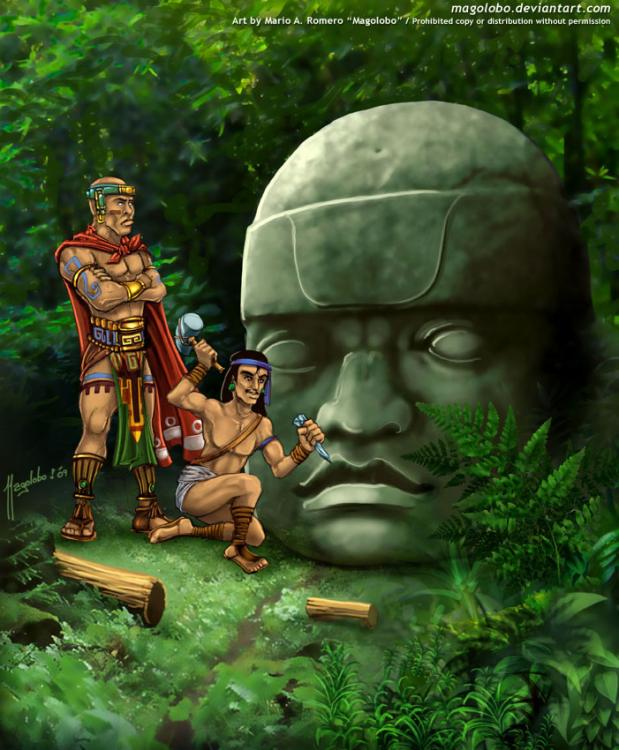
More Olmecs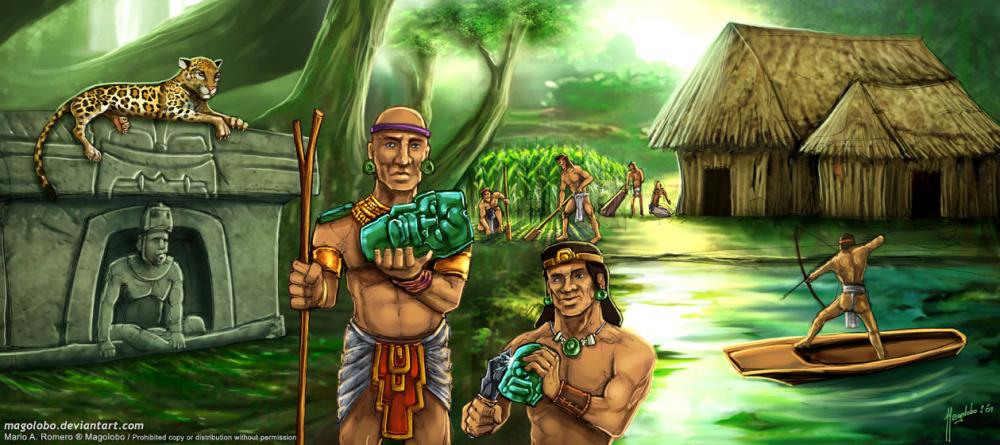

-
mesoamerican [Design] guide to make Mesoamerican mod.
Lion.Kanzen replied to Lion.Kanzen's topic in Projects
Mayan Warfare The Mayans had both long-distance weapons and melee weapons. The long distance ones included bow and arrow, blowgun, slings and throwing spears. When the atlatl or spear thrower was brought to the Mayans from Teotihuacan around 400 A.D., it was quickly adopted and became the Mayans’ dominant long distance weapon. The atlatl greatly increased the accuracy, force and range of the spear; when thrown from an atlatl a spear reportedly could pierce the Spaniards’ metal armor. The blowgun was predominantly used for hunting, but it had some wartime uses as well. Mayan warriors used bow and arrows more during the Post-Classical era. Melee Weapons When armies clashed in battles, they used melee weapons, including clubs, axes, stabbing spears and knives. They Mayan war club resembled that the Macuahuitl of the Aztecs in that it was lined with obsidian blades on three sides. These 42-in long clubs could stun, break bones or cut. They were capable of cutting off a horse’s head. Mayans also used axes with heads of stone, obsidian, flint or bronze. The sharp edge of the axe could kill, but the dull edge could stun. The object of the battle was often to capture, not kill, enemy warriors, making the axe a good weapon. In hand to hand combat, the Mayans used the same 10-inch blade knives they used in sacrifices. Unusual Weapon The Popul Voh, the book of the Kiche Maya, tells of hornets and wasps used as defensive weapons. When attackers came, defending warriors had gourds filled with hornets that they threw into the midst of the attackers. Hornets erupted out of the gourds and angrily attacked, killing many warriors. The defenders won the battle. -
mesoamerican [Design] guide to make Mesoamerican mod.
Lion.Kanzen replied to Lion.Kanzen's topic in Projects
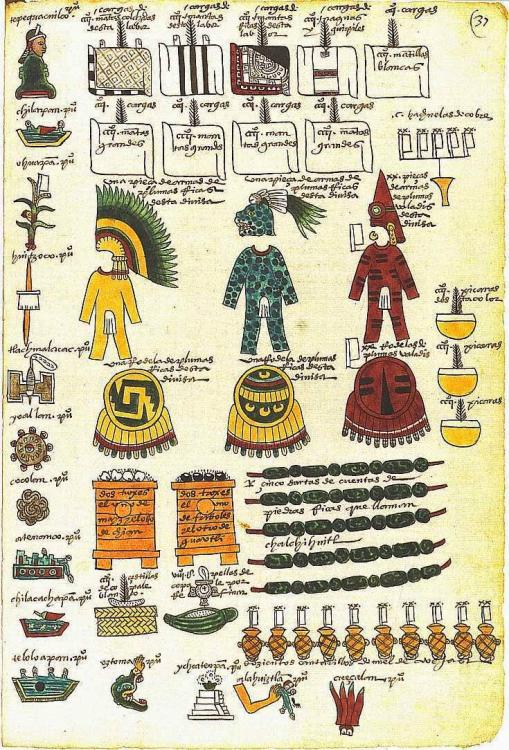
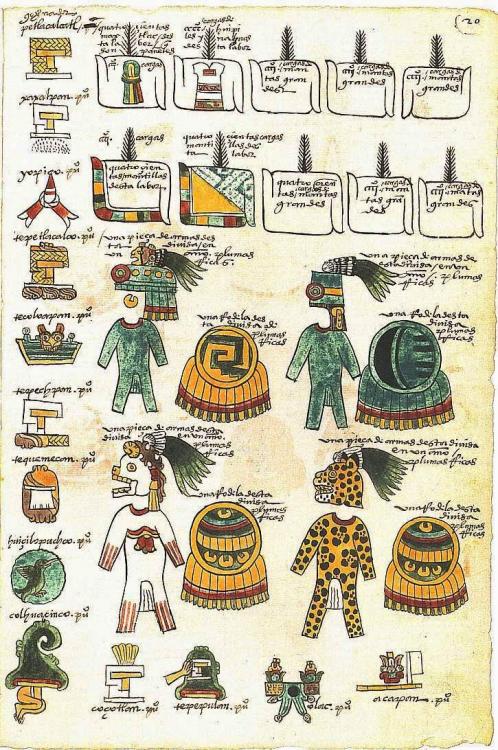
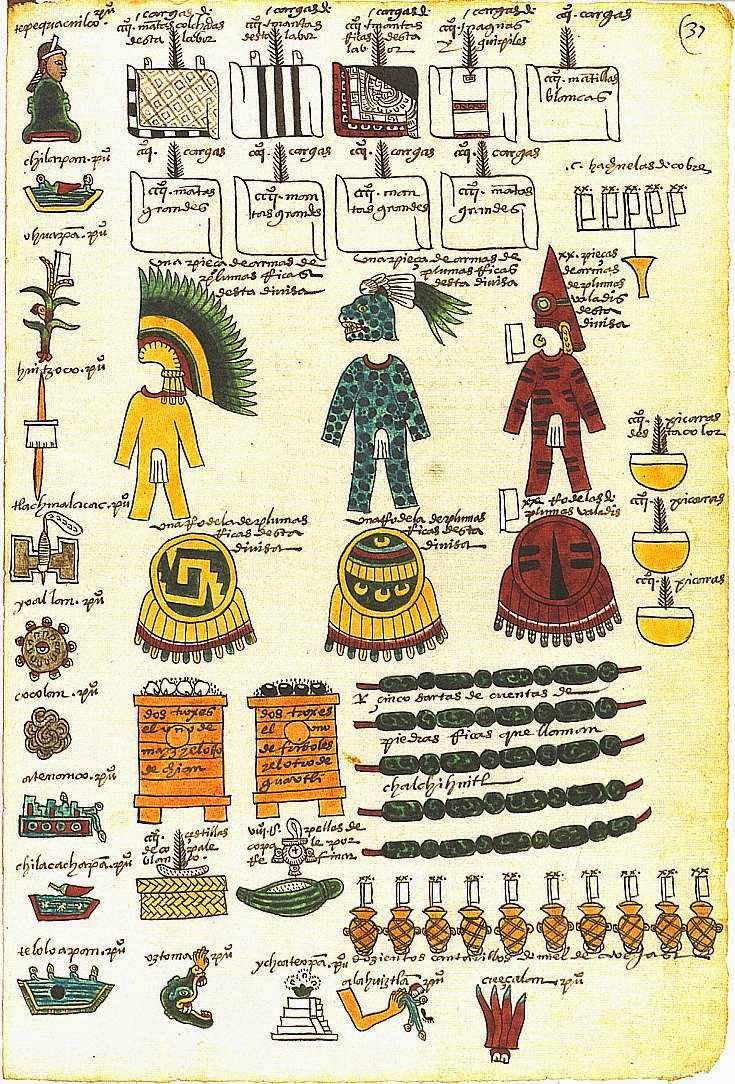
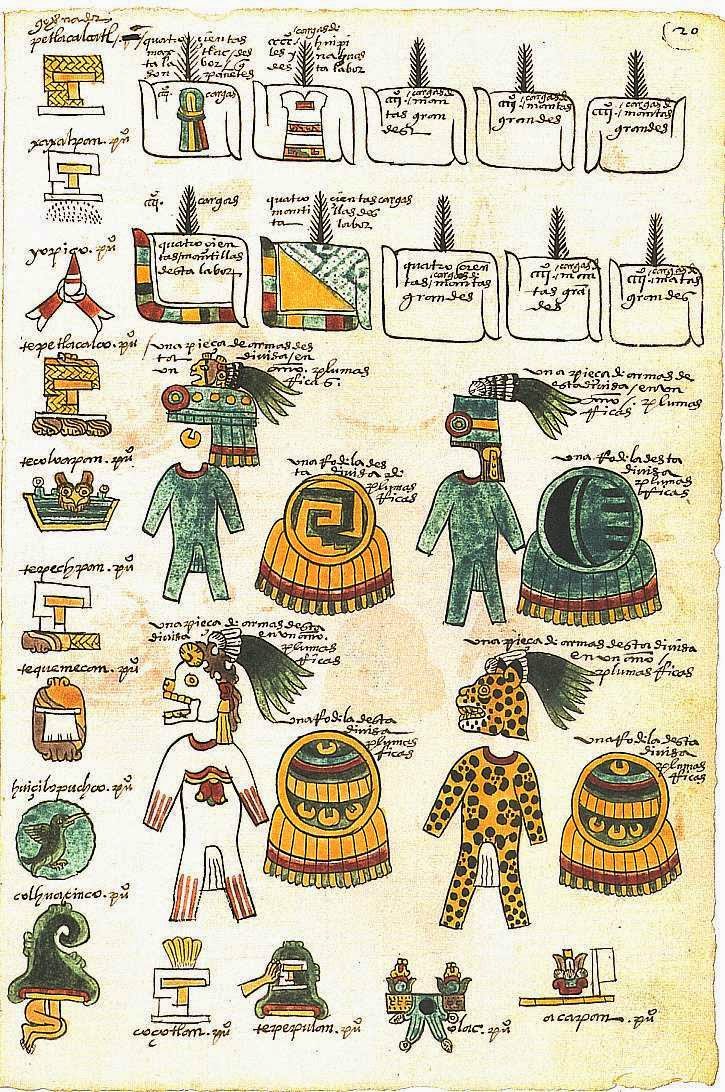
The work of conservation of this piece, which was elaborated in the sixteenth century by the Amantecs, will be in charge of restorers María Olvido Moreno and Laura Filloy, specialists in feather art. According to the restorer Emmanuel Lara, who made a historical study of the piece, the Mexica/Aztec shield is delicate by the nature of the materials that constitute it, in addition to that it has several missing, like feline skin, as well as some gold sheets and feathers . And in the same way as in the Middle Ages, these shields were used in war, decorated with symbols or, either of the rulers, glyphs of the cities or of the pre-Hispanic military orders to which its owner belongs, as seen in Images of the Mendoza codex that I present below: This other well preserved is in Europe in this Museum This is other well preserved. -
mesoamerican [Design] guide to make Mesoamerican mod.
Lion.Kanzen replied to Lion.Kanzen's topic in Projects
The Chimalli (from Nahuatl:Shield) was the traditional defensive armament of the indigenous tribes of Mexico. These shields varied in design and purpose. Otlachimalli consisted of maize cane with the individual strands double-twisted with interwoven cotton or maguey fibers. On the front ornaments were attached in the form of faces, legendary figures and other illustrations which were meant to convey heraldry and status of the user. These representations were worked with colorful feathers in the form of a mosaic. In addition, materials such as beaten copper and gold would be used for decoration. The Otlachimalli was used as a battle shield. The reverse was reinforced by horizontal and vertical wooden struts. A leather cover was used to protect the carrying arm. In some shields tortoise shell was used to manufacture decorations. The Cuauhchimalli was made of wood and decorated in the same manner as the Otlachimalli. On the cuauhchimalli also mosaics from stone chips were sometimes applied. The reverse was equipped with two leather straps which were used for carrying the shield. In both types a leather pad was attached to the front as the basis for the ornaments, and they had a curtain of leather "straps" attached to the bottom portion of the shield which served as extra protection from arrows. -
mesoamerican [Design] guide to make Mesoamerican mod.
Lion.Kanzen replied to Lion.Kanzen's topic in Projects
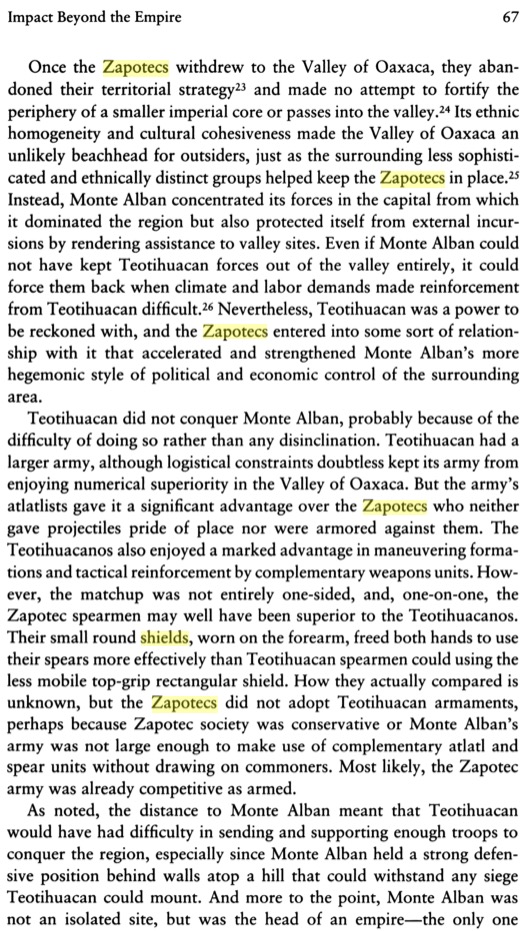
The Zapotecs are still live even as a minor indigenous culture today. so they living in Aztec time frame. ___________________________________________________________________________________________________________ Recall that, as we had seen previously, the typical shield was a slug(rodela), called chimalli. A word of Nahuatl origin that means shield or protection. They were shields made of various materials; For example, wood, with which the so-called "cuauhchimalli" were made, could also be made with maize cane, with which the "otlachimalli" were made. There were also some shields made of precious metals, or decorated with feathers, called "māhuizzoh chimalli". https://puri2aprendiendovida.wordpress.com/2013/02/04/mas-escudos-del-mexico-precolombino/ -
mesoamerican [Design] guide to make Mesoamerican mod.
Lion.Kanzen replied to Lion.Kanzen's topic in Projects
for example this is feather Chimalli is from XVI century AD -
mesoamerican [Design] guide to make Mesoamerican mod.
Lion.Kanzen replied to Lion.Kanzen's topic in Projects
ok the name of the Shield is Chimalli but I need to know... why are exclusive from Aztecs and their Neighbors... -
mesoamerican [Design] guide to make Mesoamerican mod.
Lion.Kanzen replied to Lion.Kanzen's topic in Projects
are their Hieroglyphics. but I'm trying to search more info. -
Eagle and Jaguar Warriors. they are elite. aztec armies
-
mesoamerican [Design] guide to make Mesoamerican mod.
Lion.Kanzen replied to Lion.Kanzen's topic in Projects
Artistic lincense. the pattern is inspirational. I'm doing a post about Aztecs to compare with them. -
mesoamerican [Design] guide to make Mesoamerican mod.
Lion.Kanzen replied to Lion.Kanzen's topic in Projects
No are evidence, but Lordgood wants use patterns and art from Zapotec but wrongly he is using Aztec symbols and design. -
mesoamerican [Design] guide to make Mesoamerican mod.
Lion.Kanzen replied to Lion.Kanzen's topic in Projects
They are for inspiration, not for use in the game. -
mesoamerican [Design] guide to make Mesoamerican mod.
Lion.Kanzen replied to Lion.Kanzen's topic in Projects
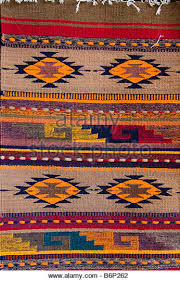
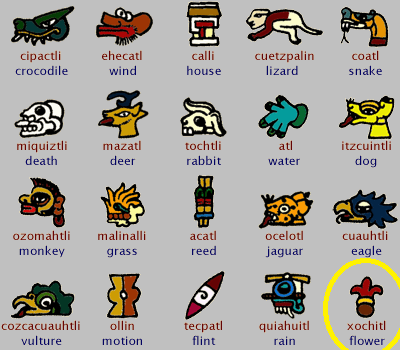
More design sources. Fabric style for the market. Hieroglyph for Zapotecs Zapotec modern design but still better than Aztec shield.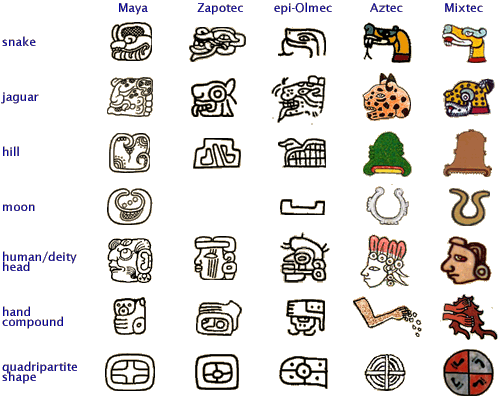

-
mesoamerican [Design] guide to make Mesoamerican mod.
Lion.Kanzen replied to Lion.Kanzen's topic in Projects
A great timeline.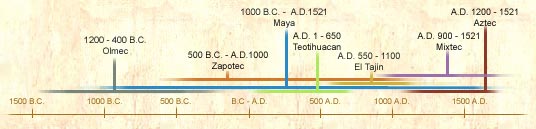
-
mesoamerican [Design] guide to make Mesoamerican mod.
Lion.Kanzen replied to Lion.Kanzen's topic in Projects
-
mesoamerican [Design] guide to make Mesoamerican mod.
Lion.Kanzen replied to Lion.Kanzen's topic in Projects

-
mesoamerican [Design] guide to make Mesoamerican mod.
Lion.Kanzen replied to Lion.Kanzen's topic in Projects
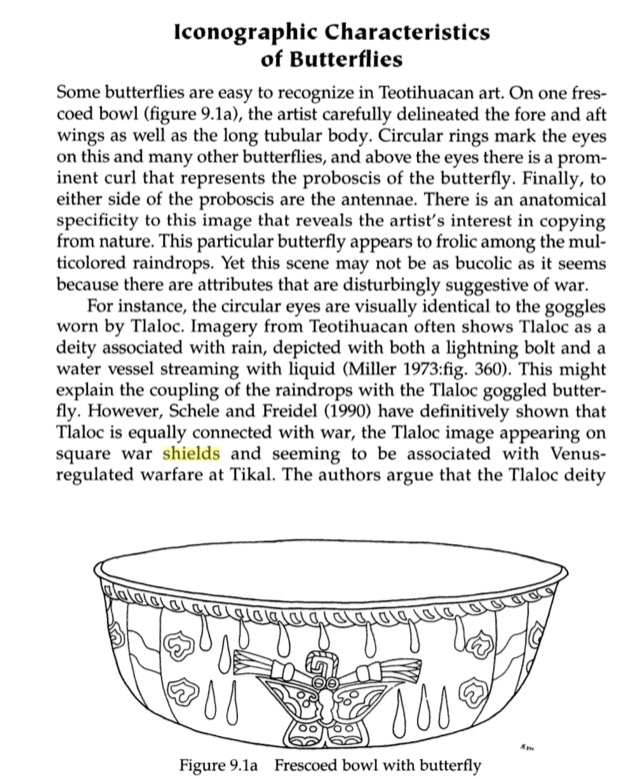
You can use butterfly design @LordGood https://books.google.com.ar/books?id=dntoT_MdGWsC&pg=PA153&lpg=PA153&dq=mesoamerican+shields+-aztec&source=bl&ots=LXoayRW38c&sig=zMCI1lydEa7kycaP8SqYctLboq4&hl=es-419&sa=X&ved=0ahUKEwjB4sijj5DRAhXBJCYKHaISDMcQ6AEIJjAE#v=onepage&q=mesoamerican shields -aztec&f=false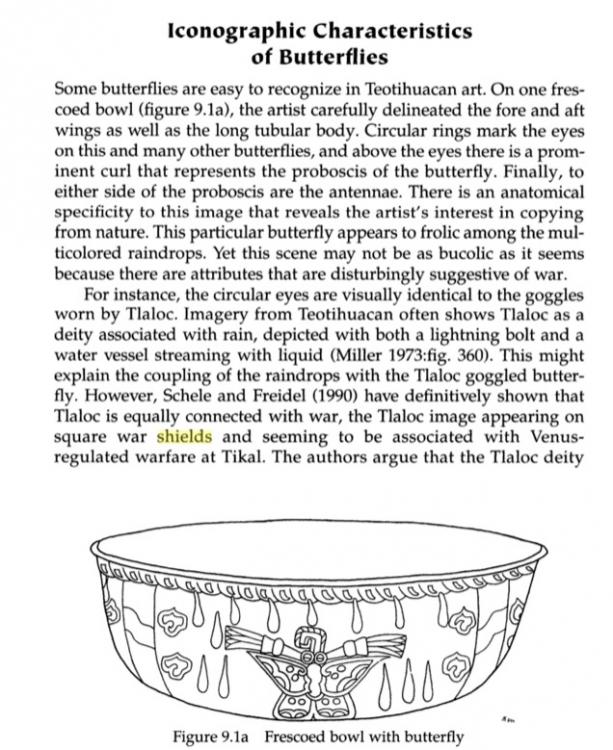
-
mesoamerican [Design] guide to make Mesoamerican mod.
Lion.Kanzen replied to Lion.Kanzen's topic in Projects
-
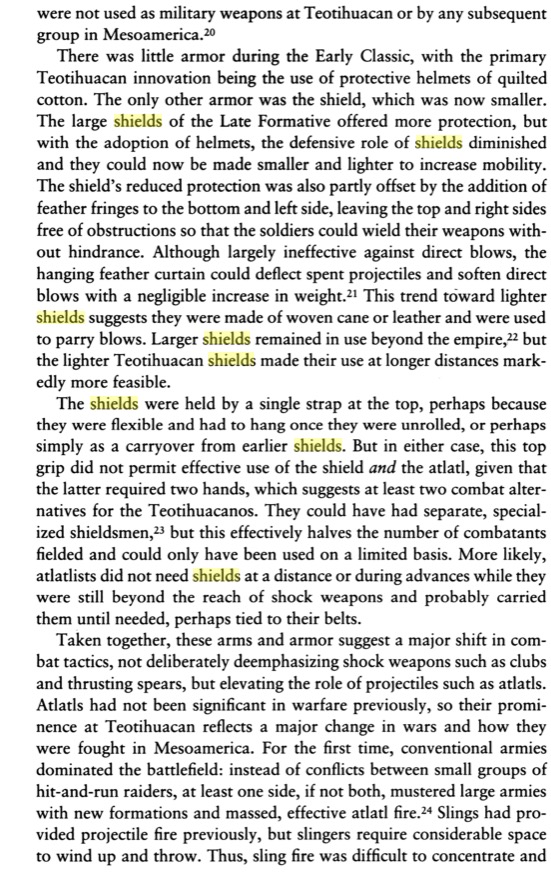
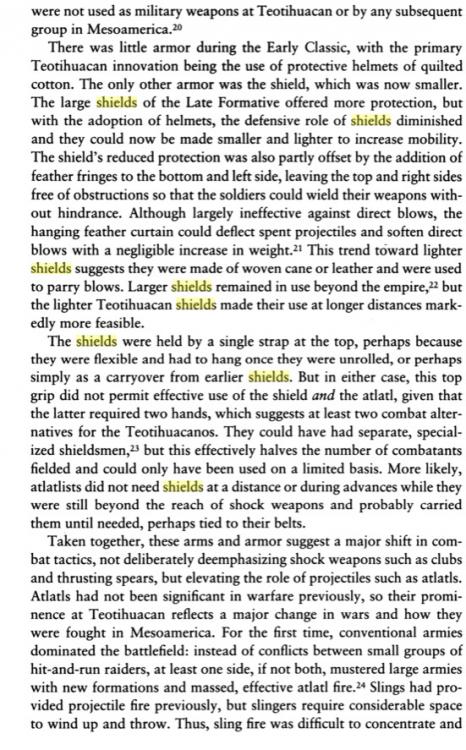
Are rounded but without symbols, there are much references, and without feathers in the design. that symbol and the feather are exclusive from Aztecs and their age. Is very particular. The archery was imported to the north tribes. This epoch have slingers and skirmisher. The use of axe and knives or spears, and maces. Without armor in the body Check my latest found.
-
mesoamerican [Design] guide to make Mesoamerican mod.
Lion.Kanzen replied to Lion.Kanzen's topic in Projects
Siege Warfare the Poliorcetica relates to the construction, clash and protection of fortresses and buildings fortified. these seek the contribute to the defence of a position determined, employed commonly for settlements small whose force limited not allows undertake campaigns offensive against its rival more powerful. the that is search is contain or reduce the effort of a force attacker, favoring to the defenders that can be numerically minor. this produces that the attackers is see in the need of use a force proportionally greater for exceed the defenses and to its occupants. but also the fortifications have other jobs besides of the defence, as the to establish points since the which is can deploy garrisons in a area determined. depending of the circumstances and purposes, could emplearse so for end offensive as defensive for the different peoples of Mesoamerica in function of its situation, dimensions and purposes geopolíticos. these considerations are necessary for can understand its use and function; effort that requires study not alone the buildings in yes same, but inside of its context. its use is has given to the long of the practice of the war in mesoamérica. the fortifications permanent more early arose in the lowlands mayas among 800 and 400 a.c. the zapotecs of mount albán, oaxaca (and subsequently places more large, as xochicalco, morelos) built fortifications raising walls and changes partial of ground for count with point since the which send forces for the domain and consolidation of its empire, more that for end defensive (hassig, 2007, p. 38). however, this pattern of conquest would be subsequently left of side. according to hassig (1988): "the systems political based in centers fortificados are inherently limited in size and can and, to weigh of that the defenses contribute to its force, these systems are static and not can adjusted quickly to new threats" (p. 167). empires more large as teotihuacán not recurrían to the fortifications in so were considered unnecessary, but rather to its enormity and power for exercise the domain on the peoples subject. this absence of constructions with end military wearing to the interpretation erroneous of this time as peaceful, when actually sample a trend of the form how is exercised the domain, together with the destruction of fortifications inside of its area of control that they could become a obstacle. the proliferation of cities fortified on peaks high wine since of end of its hegemony (hassig, 2007, p. 38). the features and dimensions variaban considerably depending of the location and of the strategy defensive. some cities possessed walls surrounding, sometimes high and to way of rings concentric that could be built in times in the that not had fight. in other cases, is did constructions defensive when arose a threat; or, to weigh of be unprotected, had structures fortified as the temples main and its precintos adjacent (hassig, 1988, p. 106). during the posclásico, in the center of mexico, the fortifications urban not were usual. this absence, according to hassig (1988), is must to considerations not tactics. besides of represent a great effort defend a perimeter extensive, added to the development of countermeasures for part of the aztecs, the main reason would be the isolation of its fields of cultivation and stores that are vulnerable. so, a defence static the privaba of these elements vital for the maintenance of the city, to difference of a defence active (p. 109). also were the fortresses, located in the top of hills, the that them allowed utilize the height as a obstacle natural and hinder the access. is used tactics as throw stones large for the outstanding. to weigh of be associated to a city, buildings built separate of these and not could involved directly in its protection. even so, could become shelters for the population; besides of house warriors additional. when the battle pitched was unfavourable, the forces defenders could opt for shelter in its fortifications. of happen this, a force attacker can try burst in the fortress; climb (the which was unusual); or sitiarla. if the attack was very expensive and difficult, is could prepare a long campaign of siege, whenever is tell with the media and supplies for keep. this alternative to the clash direct search impair the support of the resistance. the duration, the cost, the logistics and other factors different to the ability military are the that influence in the result of a place. if the place located not was ready for asedios prolonged, could arrive to yield to the exhaustion through the wear and the lack of food. for this, should isolate the places besieged of any support or provisioning external. the efforts included the allocate units for villages surrounding for avoid that auxiliaran or support to the enemy. this with the end of extenuar the conditions to the internal and achieve the surrender of the fortresses. and in case of not can achieve reverse the defeat, treat of negotiate conditions less damaging with the winners. the tactics of assault to positions fortified went since the construction of stairs for climb the walls; so as derrumbarlos using implements for dig. the armament employee was the used normally in fight, already that not were large machines of siege. the projectiles resulted of great utility to the can launched for over the walls; so as arrows with fire for fire the internal of the fortifications. however, could be given the case of not can keep the siege; so as the threat of be attacked for reinforcements enemies. If the place was not prepared for prolonged sieges, it could yield to exhaustion through wear and tear and lack of food. For this, they were to isolate the besieged places from any external support or provision. Efforts included allocating units to surrounding villages to prevent them from assisting or supporting the enemy. This in order to extenuate the conditions to the interior and to obtain the surrender of the strengths. And in case you can not manage to reverse the defeat, try to negotiate less damaging conditions with the winners. The tactics of assault to fortified positions ranged from the construction of ladders to climb the walls; As well as collapsing them using digging/zappers . The armament used was usually used in combat, since there were no large siege machines. The projectiles were of great utility to be able to throw itself over the walls; As well as arrows with fire to ignite the interior of the fortifications. Nevertheless, it could be the case of not being able to maintain the siege; As well as the threat of being attacked by enemy reinforcements. -
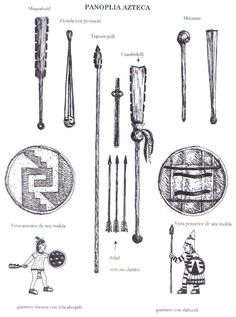
2.1. Weapons offensive these can divided to its time in weapons portables for the fight body to body and the arrojadizas/missile weapon for reach objectives to distance. The deployment cocktail of these weapons available its employment in the field of battle in sequences established: initially the use of weapons of long reach for weaken to the enemy, and then send the forces of shock for the clash direct. Since of different schemes seek incapacitate or kill. There are weapons cutting, sharp, strong or a mixture of the previous. Initially predominaba the use of weapons of impact, that producing traumas severe for the force of impact, as hubs and clubs of various forms (bruhn, 1986, p. 41). However, then they would give step to the weapons cutting more long and light with the placing of stones of obsidian of 5 cm of long in the edges for dotarlas of edges sharp. So, arises the macuahuitl, a weapon long and solid used since early of posclásico late, used generally for good part of mesoamérica, including groups as the mixtecas, tarascanos, tlaxcaltecas and other (cervera, 2006, p. 139). Commonly is associated with the sword or the baton, although cervera (2006) holds the peculiarity of this weapon because to its features morphological and employment, not is comparable to some of these artifacts (p. 128). Is mention two types: the elongated with 70-80 cm of length; and other more cropped of 50 cm (called macuahuilzoctlh). For other part, good (2012b) mentioned that were two types of macuahuitl: the of 70 cm that the warrior wearing alongside a shield and other larger, of some 150 cm that is used with the two hands (p. 39). The structure of macuahuitl was of wood, possibly of oak (hassig, 1988, p. 83); although not is has certainty of type. A project of reconstruction of that gives account cervera (2006) is questions about the features that could have had. A wood heavy is more resistant, but presents less stability, the that ago that required the use of both hands. Instead a more light and flexible that offer a management easier. The amalgam used for hold the pieces of obsidian was a class special of resin, generally of a plant call tzinacancuítlatl or "excrement of bat" (cervera, 2008, p. 227). Result complicated clarify the doubts with regarding its elaboration, already that not remains practically none original. About its ability destructive, there are stories of the effects of this weapon in the chronic. The that is can note is the edge considerable that presents. However, one of the main problem would be the of the durability of the leaves. A impact very strong can produce, depending of the force of impact, that the leaves of obsidian is leave of mango of wood or its break. The efficacy of cut of macuahuitl is would see limited for the elevated wear. Is of suponerse that of have a use extensive, would have a production dedicated to the repair and refection of these. Cervera (2011) suggests that its can lay in the lascas of obsidian that left embedded in the bone of injured and with they a infection or haemorrhage mortal. The teputzopilli were weapons long to way of spears used so for nail as for cut thanks to its edges of obsidian to the long of the edges of wood (of form similar to the macuahuitl), for the that were comparable to a halberd. To weigh of seem a weapon arrojadiza, was designed for the fight near, advantage its length for keep to distance to the opponent. The projectiles always were important for allowed attack since distances more. With the development of the weapons arrojadizas, the field of battle is extends in its extension. Among the weapons of long reach is found the spears arrojadizas, similar to the javelins. The arch (tlahuitolli) and the arrow (mitl) would have been introduced late since the north to the center of mexico for the 1 100 d.c. for the groups chichimecas in the epiclásico or the posclásico early, i.e., were a innovation in the armament without comparison until apparition, for that same time, of macuahuitl (cervera, 2008, p. 259). The arch is manufactured of a hardwood, especially strong and flexible. The rope should can bear the tension of arch. Could be made of leather ready, although commonly is used fibers of plants. Also is used nerves of animals and hair of deer spinning (good, 2012b, p. 38). Because to the impact of the rope to the moment of be released, was necessary that the archer protect its arm left with a sleeve long of skin fresh of deer or of leather for receive the blow. With regarding the arrow, the usual was the use of cane for do the astil, but also could be of wood. Were several types of point with a form special. Commonly were of flint, flint, obsidian or of copper; and in the costs used also of bones of fish (good, 2012b, p. 38). In its majority, producing injuries fatal or whose extraction was extremely difficult for is penetrated in the meat because to its form. Close of extreme end, is placed feathers in form of spiral for produce a movement of rotation that allowed stabilize the arrow and give more force in the penetration. For can cover the need of projectiles, the various cultures had centers of production for manufacture the quantity necessary of arrows. In the time aztec, the arches and of arrows were manufactured in days special marked in the calendar ceremonial in workshops special located in the courtyard in the temple of god of the war, huitzilopochtli. The arrows were transported in a case suspended in the back or quiver, of way that the archer could them out quickly. According to the sources, a handle could shoot until twenty arrows for minute (bruhn, 1986, p. 38). This allowed a fast frequency of shot and place on the enemy a great number of arrows. These aventajaban to the deep for its ability of penetration and of produce injuries to a distance considerable (hassig, 2007, p. 34). Its size, material and other features could vary depending of the regions, tribes and level of culture, and the resources available in the area. The aztecs followed using deep (tematlatl) elaborate with fibers of ixtle extracted of maguey with stones polished in form spherical for get more stability with a projectile of proportions more regular. The stones could reach 100 meters of distance (cervera, 2011).
-
2.2. Defensive Weapons Along with the offensive weapons it is necessary to develop means of protection to counteract or diminish their impact. Thus, the creation of new weapons produces the emergence of defensive innovations, and vice versa. For their part, defensive weapons can be of two basic types: passive, which are integrated into the body, such as breastplates, breastplates, helmets, etc .; And the active ones, which are carried and wielded by the combatant. The shields, which are in constant movement to keep protected at all times the warrior that holds him. The Aztec warriors defended themselves with armor, helmets and shields made with materials adapted to both the climate and the type of weapons they used. The escaupil or ichcahuipilli was a garment stuffed with cotton and reinforced of different sizes to protect the greater or smaller measure the body. Such was their resistance that it could withstand the impact of many of the weapons of the armory of the Mesoamerican armies (Bruhn 1986: 44). This armor was worn alone or under the tlahuiztli or warrior costumes, depending on the rank of these, and could be completed with arm and thigh protections made in the same fabric (Bueno, 2012b, p. The helmets or cuatepoztli were made of wood or leather, and also of cotton, with ornaments on top. They could have the form of head of animals that carried the different military orders according to its animal or representative entity like the jaguars or the eagles. The mouths are open, showing the strong teeth, which is why the face of the warrior appears (Bruhn 1986: 35). There were several types of shields. The most characteristic was the chimalli, round in shape with a diameter of 20 to 75 cm, made of leather, with reeds attached with fibers, and a kind of skirt of leather or fabric with mosaics of feathers, with symbols, heraldry and animals (Bruhn 1986, 45). It was designed with a great variety of motifs related to the military ranks and the very attributes of the gods (Cervera, 2008, 231).
-
The warfare The Aztec armies had a high level of organization and ordering for combat. The men were divided into squadrons of 200 to 400 warriors commanded by a captain, who wore a large flag on his back to be able to distinguish himself on the battlefield. The chief of the state was the tlatoani, and almost at his level was the cihuacoatl who shared with him the tasks of government. The tlacochcálcatl and the tlacatéccatl were great generals, whose functions included advising the tlatoani on matters of government and declarations of war, presiding over military tribunals, governing the garrisons that the empire established in border areas, and, of course, leading and directing Military campaigns There is much difficulty in clearly discerning the chain of command in the Aztec army. Good (2009a) considers that: The Tlacochcálcatl had greater responsibility, since he guarded the armory and, furthermore, after the victory against the Tepanecas, when the Aztecs distributed dignities and rewards, Tlacaelel was granted this appointment and Moctezuma Ilhuicamina the one of tlacatéccatl, and it is known that at that time Tlacaelel had more political weight than Moctezuma I in the government of Itzcoatl. It is even possible that just as in the government the tlatoani and the cihuacoatl were almost equal, there are those who speak of even government, perhaps that dual reflex was also repeated in the military sphere, with the charges of tlacochcálcatl and tlacatéccatl. (P.14) The declaration of war corresponded to the ruler or tlatoani, who, having met with his Council, sent messengers to the target province to warn of their hostile intentions. This one had two options: to remain under the Mexica orbit without fighting and accepting, through the diplomatic channel, the imposition of the tribute or to collect the glove and to fight. In this case the tlatoani made a public appeal to the neighborhoods or calpulli that had their squadrons ready for battle (Bueno, 2009b, 186). Uniforms and Orders The generic name for the costume they wore in battle was tlahuiztli. When ascending on merit, they were allowed to use in the battle a ichcahuipilli or cotton armor and a ponytail with a tuft collected on the crown. This protective garment had the great advantage of being lightweight, which allowed for greater mobility in combat while protecting the warrior from a good part of projectiles, arrows and contusion weapons (Cervera, 2008) The ordinances dictated by Moctezuma I established the distinction of the combatants by the use of costumes, badges, emblems, arms and hairstyles corresponding to certain type of warrior. These divisions could respond to different degrees, tactical units, or even ethnic affiliation. The costumes of the nobles were elaborated with expensive and exclusive materials that the commoners could not use, mainly feathers. Violating these standards was punishable by death (Bueno, 2012). Within the hierarchical Mexican military structure, there were diverse classifications that reflected to a great extent the social status of the combatants from their origin and the merits that they had obtained in the battles. Each military order had a particular garment that referred to attributes and symbols of certain gods, and in many cases were based on representative totemic animals that conferred their qualities to the warriors. These suits were placed on top of the cotton armor which, along with the impressive plumes of feathers over their heads, gave them a formidable image in front of the enemy. Among the most important orders are the eagle or cuautli warriors; The jaguar or ocelotl warriors; Coyotes, otomies, among others. They enjoyed tax breaks and other privileges (Bueno, 2009a, pp. 17-18). Among the nobles were also the priests who, instructed in the calmecac, formed an important part of the imperial troops. They led the army, bearing the images of the protective gods, but not only were they limited to that, but they fought in battles and ascended the ladder by demonstrating their skill in combat, although apparently they needed more merits than the rest Of the noble warriors to obtain the same degrees. They were also responsible for "seizing" the gods of the vanquished peoples, to locate them in the temple that had been built in Tenochtitlan for this purpose (Bueno, 2009a, p.15).